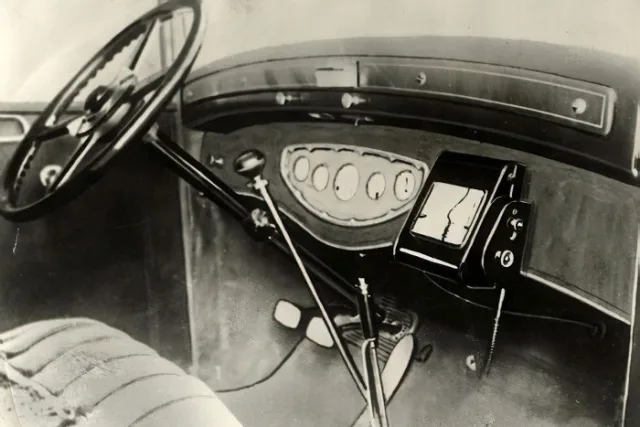
Так, первой навигационной системой в авто (пусть и примитивной) можно считать электромеханический прибор Iter Avto. Он был представлен в далеком 1932-м году и представлял собой карту на бумажной ленте, установленной на приборке. Суть проста – лента перематывалась из одного рулона в другой (в зависимости от скорости, которая, понятное дело, считывалась со спидометра). Сегодня, конечно, навигация в автомобилях настроена совсем иначе и вряд ли это требует разъяснений, поскольку даже в недорогих моделях (или на Алиэкспресс) мультимедиа с навигацией считается таким же обыденным атрибутом, как кетчуп к спагетти.
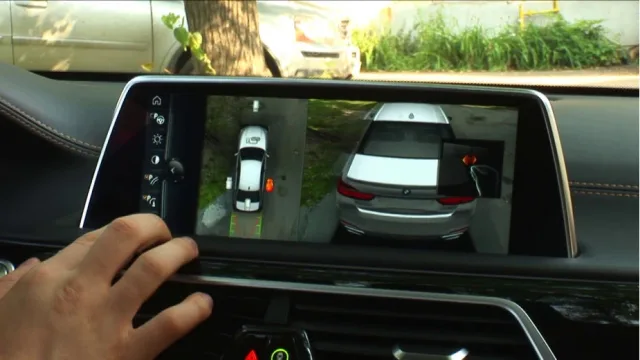
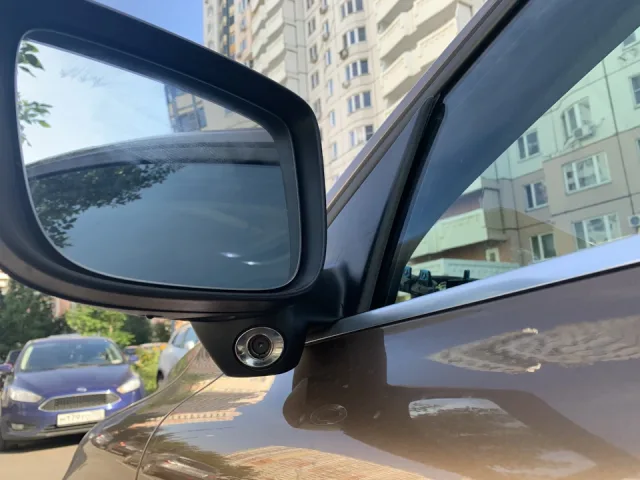
Еще одна популярная нынче система мониторинга – контроль слепых зон. Она сравнительно новая и появилась в начале 2000-х годов, правда, не в таком виде, как мы привыкли ее воспринимать сейчас. Пионером в этом направлении стала шведская марка Volvo, которая первой разработала систему BLIS – 20 лет назад она представляла собой набор камер в зеркалах, который и отслеживали «мертвые» зоны. Но их угол обзора, погрешность и подверженность загрязнению привели к тому, что появилась более совершенная альтернатива. Нынешние системы мониторинга слепых зон работают «как летучие мыши» - для обнаружения объектов вокруг себя они используют ультразвуковые или радарные датчики сбоку и сзади автомобиля.
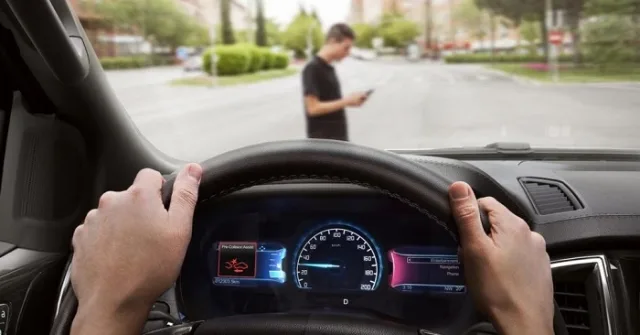
Система превентивного торможения. Она объединяет целый набор других вспомогательных электронных помощников и с помощью радара обнаруживает препятствие и с помощью компьютера оценивает вероятность столкновения, в зависимости от скорости, оборотов двигателя и пр. Сначала система автоматического торможения предупреждает водителя, а в случае бездействия инициируется экстренное торможение. В зависимости от сложности системы, марки и класса автомобиля, такая система может работать как на небольших, так и на высоких скоростях.
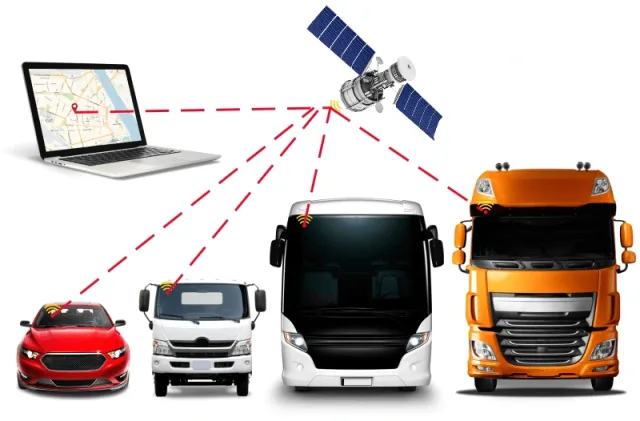
Из самых «продвинутых» и эффективных систем слежения, пожалуй, является cистема мониторинга транспортных средств. Каршеринг, такси, грузоперевозки и пр. – эта система позволяет контролировать любой транспорт. А с учетом тотальной автоматизации, необходимость в ней становится всё острее. GPS трекеры, датчики уровня топлива, расходомеры – всё это позволяет удаленно следить за конкретными авто (даже в агро секторе), вплоть до режима реального времени…