Придбання вживаного автомобіля завжди пов’язане з ризиками. Навіть найкращі оголошення можуть приховувати проблеми, які проявляться вже після покупки. Щоб краще орієнтуватися в ринку, варто переглянути каталог авто з Європи на автомайданчику Auto&Company, порівнюючи не лише ціни, а й технічний стан машин. Це допомагає зрозуміти, на що звертати увагу в першу чергу — і що дійсно важливо перевірити ще до підписання договору.
Історія обслуговування
Перш ніж звертати увагу на двигун або ходову частину, варто переглянути документи. Більшість європейських автомобілів мають сервісну книжку, де фіксуються усі технічні обслуговування: заміна оливи, гальмівної рідини, діагностики, огляди, а також більш серйозні втручання. Проте іноді записи можуть бути формальні або неповні — особливо у випадку, коли авто обслуговувалося в кількох місцях.
Не менш важливим є звіт про техогляд. У Німеччині, наприклад, кожне авто має проходити TÜV — офіційну технічну перевірку. Дата останнього огляду і зауваження (якщо вони були) фіксуються в окремому документі. Такі довідки є вагомим аргументом на користь чесного стану авто, але й вони не гарантують абсолютної прозорості. Тому завжди варто перевіряти VIN-код — це дає змогу дізнатись повну історію, включно з ДТП, заміною вузлів або змінами пробігу.

Зовнішній огляд
На перший погляд авто може виглядати бездоганно: блискучий колір, нова гума, чистий салон. Але уважний огляд може дати зовсім іншу картину. Важливо перевірити лакофарбове покриття на предмет перефарбування або слідів рихтування. Часто дрібні пошкодження після ДТП маскують — і тільки товщиномір здатен показати реальний стан металу.
Дверні ущільнювачі, капот, багажник — саме ці місця найчастіше мають ознаки втручання. Якщо кришка багажника закривається не з першого разу, або двері нещільно прилягають — це може бути наслідком удару.
Окремо варто звернути увагу на оптику. Тріщини, конденсат всередині, нерівна світлотінь — усе це свідчить або про пошкодження, або про неякісну заміну фари. Іноді це не впливає на безпеку, але показує, наскільки акуратно попередній власник ставився до автомобіля.

Технічна частина
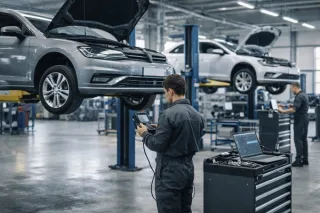
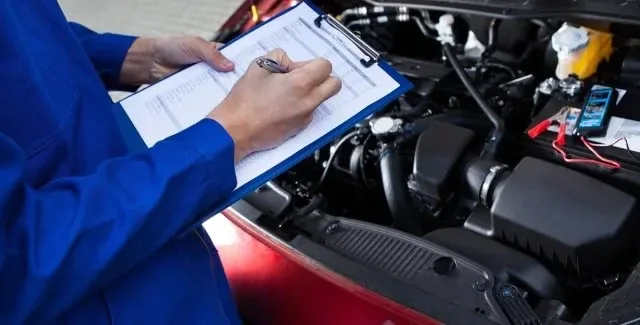
Двигун і трансмісія — найкоштовніші елементи, які складно та дорого ремонтувати. Якщо машина пригнана з-за кордону, важливо провести діагностику ще до реєстрації. В ідеалі — підключити сканер і перевірити наявність помилок. Обороти на холостому ходу, димність, рівень шуму та вібрації — усе це може вказувати на приховані несправності.
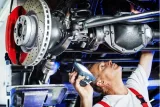
Підвіска і гальма — ще одна критична зона. Якщо в Європі автомобіль експлуатувався на автобанах, знос підвіски може бути меншим, ніж здається за пробігом. Але одночасно можуть бути зношені амортизатори або гальмівні диски. Тест-драйв дає змогу відчути поведінку машини: чи є вібрація на кермі, чи стабільна робота коробки передач.
Не менш важливою є система охолодження. Підтікання антифризу, сліди іржі або білих відкладень у зоні термостата можуть свідчити про майбутні витрати. Також варто оцінити стан ременів, шківів і акумулятора — в холодну пору року ці елементи виходять з ладу першими.
Технічний стан вживаного автомобіля — це не лише про пробіг і зовнішній вигляд. Щоб покупка була вдалою, потрібно аналізувати документи, оцінювати фізичні ознаки зносу, перевіряти вузли, які зазвичай залишаються поза увагою. Ретельний підхід — це найкращий спосіб уникнути неприємних несподіванок, навіть якщо авто виглядає ідеально.