Advertising
Skoda Fabia: prices and specifications
13 generations Country of origin: Czechia

Skoda Fabia: Model Range Overview
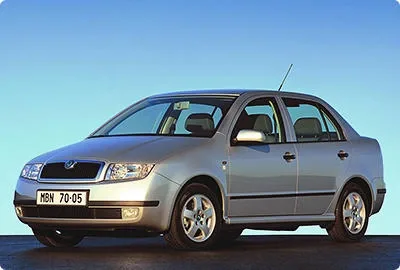
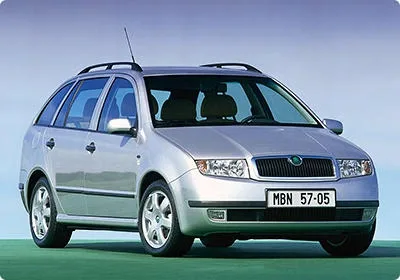
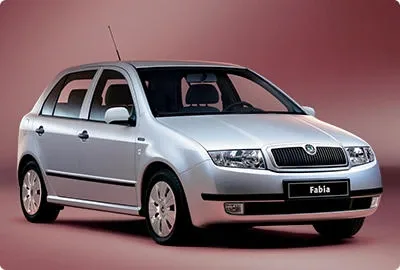
The Skoda Fabia replaced the outdated Felicia and became the first model of the Czech brand developed in close cooperation with the Volkswagen Group. The car, initially available as a sedan and hatchback, debuted in 1999 at the Frankfurt Motor Show. A year later, at the Paris Motor Show, the station wagon version with the Combi suffix was introduced.
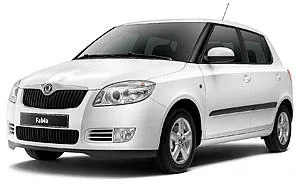
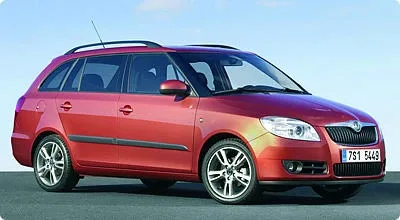
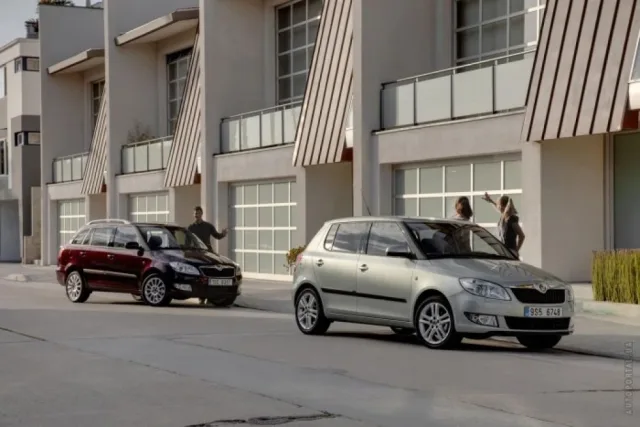
The second generation of the Skoda Fabia was officially presented at the Geneva Motor Show in 2007. From then on, the model was produced exclusively as a five-door hatchback and station wagon.
First Generation
The compact Fabia model was introduced by Škoda at the end of 1999. Its design and platform were borrowed from the Volkswagen Polo.
The first cars were produced only as hatchbacks. The station wagon appeared in 2000, and the four-door sedan in 2001. The model quickly gained popularity: just a year after sales started, more than 600,000 units had been sold.
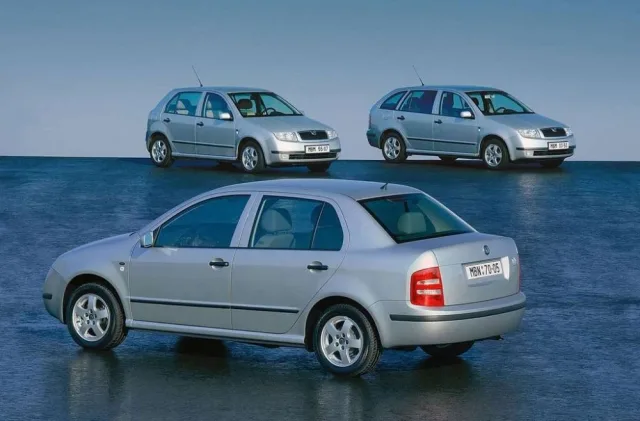
Initially, the Skoda Fabia was offered in three trim levels: Classic, Comfort, and Elegance. Later, more affordable versions, Basic and Junior, appeared, but their low price resulted in the absence of some common features: power steering, glove box lid, rear parcel shelf, and even electric windows on the front doors.
The Classic version was equipped with a heating and ventilation system with a filter, as well as an audible indicator for the headlights.
The Comfort trim included fog lights, body-colored rearview mirrors, moldings, driver's seat height adjustment, onboard computer, front power windows, central locking, and an alarm.
Elegance was the most expensive version. It featured different interior trim with an abundance of chrome details, full power package, climate control, heated seats, and compartments for cooling drinks using the air conditioner.
For luggage transportation, the station wagon was the most optimal. It is 262 mm longer than the hatchback, and all this lengthening went to the benefit of the luggage compartment. Its volume was 426 liters (260 liters for the hatchback), and with the rear seats folded down, it increased to 1225 liters. At the same time, the car's weight increased only slightly — by just 36 kg.
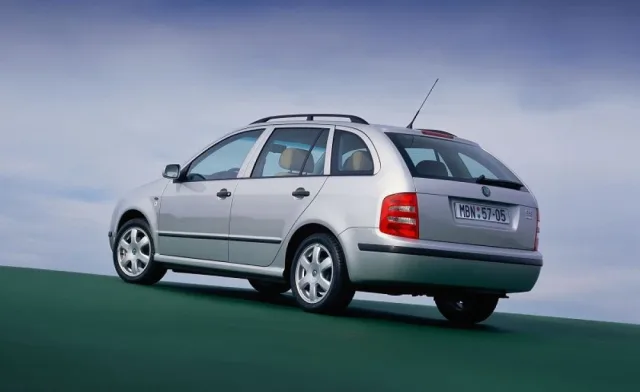
The trunk had loops for securing cargo and an optional cargo net. Under the decorative panel, there was a full-size spare tire.
The range of powertrains included 12 options. Among them were four 1.4-liter gasoline engines: two eight-valve units with 60 and 68 hp (Škoda) and two sixteen-valve units with 75 and 101 hp (Volkswagen). Also available were 1.0-liter (50 hp) and 1.2-liter engines (54 or 64 hp depending on the year of manufacture). The most powerful gasoline engine was a two-liter unit producing 116 hp.
Diesel engines were represented by one 1.9-liter engine in two versions: naturally aspirated (64 hp) and turbocharged (101 hp), as well as a 1.4-liter unit with 75 hp.
The sporty Fabia RS version was equipped with a 1.9-liter diesel engine producing 130 hp.
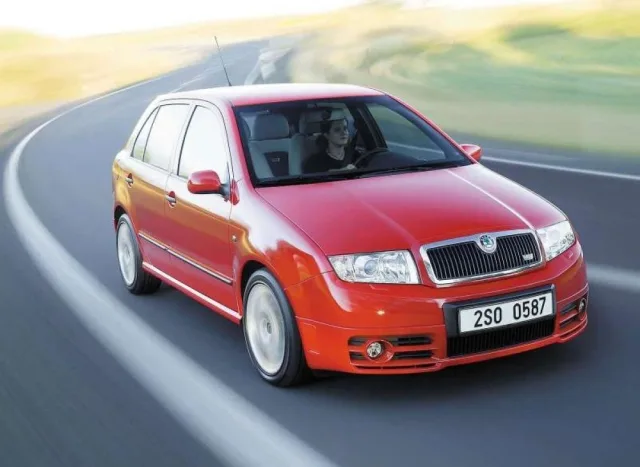
In 2004, at the Paris Motor Show, Škoda presented an updated Fabia. The changes were minor and subtle.
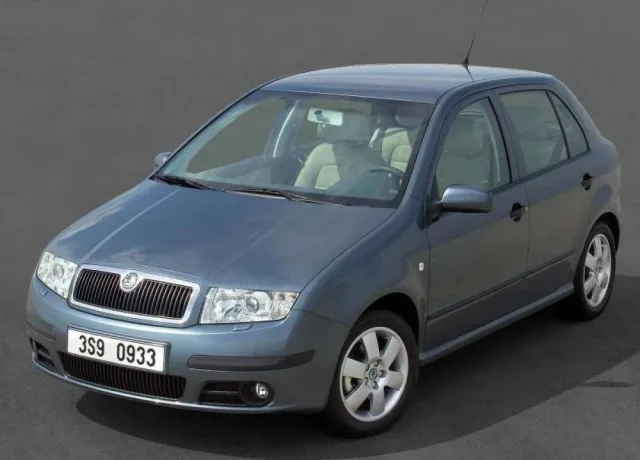
Upon closer inspection, one can notice an updated bumper, new wheel rims, original fog lights in expensive trims, and modified rear lights. Inside, a new steering wheel appeared. The dashboard and center console also underwent slight changes: the upper part of the panel began to be made of more porous black plastic. New colors were added to the seat upholstery options.
The 2005 modification was produced in three body styles and three trim levels: Classic, Ambiente, and Elegance.
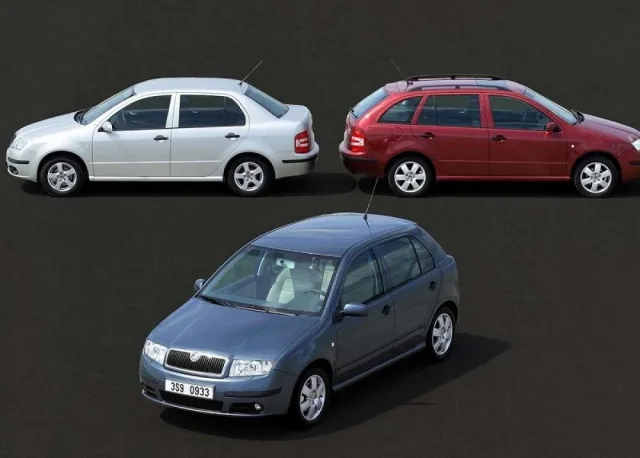
The main improvement was safety, meeting the standards of 2005. Reinforcements were added to the doors for side impact protection, and the central pillars were strengthened.
Second Generation
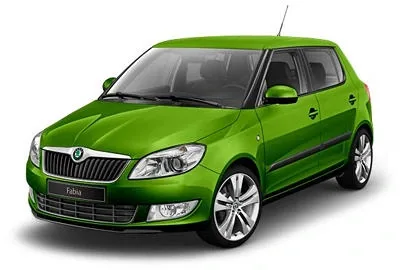
The second generation Škoda Fabia debuted at the Geneva Motor Show in March 2007. Sales started in June of the same year. The front-end design was similar to the Roomster model, but the platform remained the same as the first generation. By changing the body panels, the car's dimensions increased.
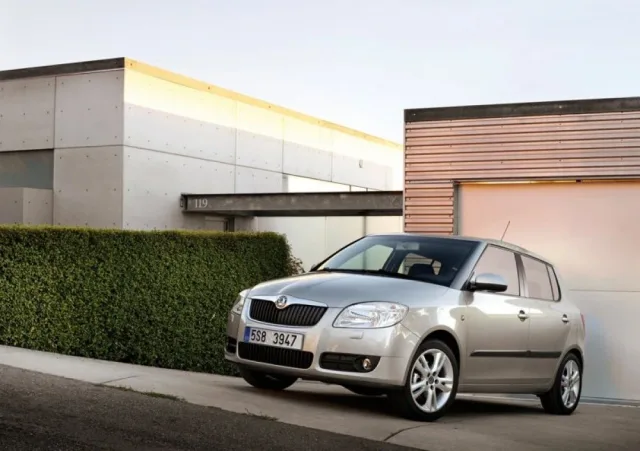
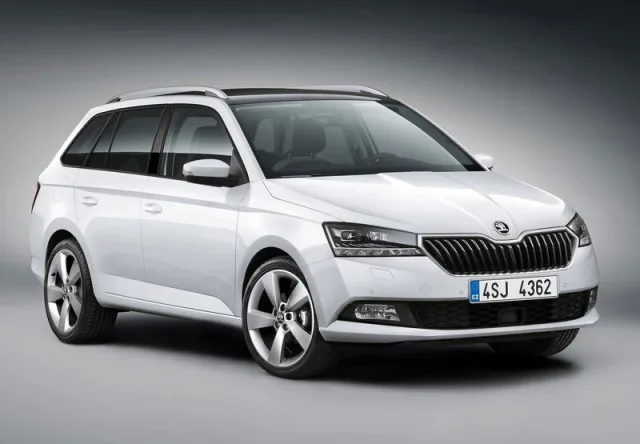
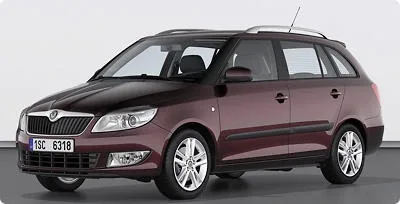
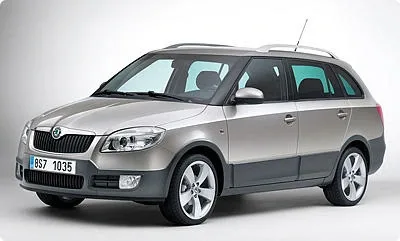
The station wagon version was presented in September 2007 at the Frankfurt Motor Show and went on sale in 2008. Compared to the previous generation, the Fabia Combi became taller, longer, and received a trunk volume of 480 liters. The sedan was absent from the second-generation lineup.
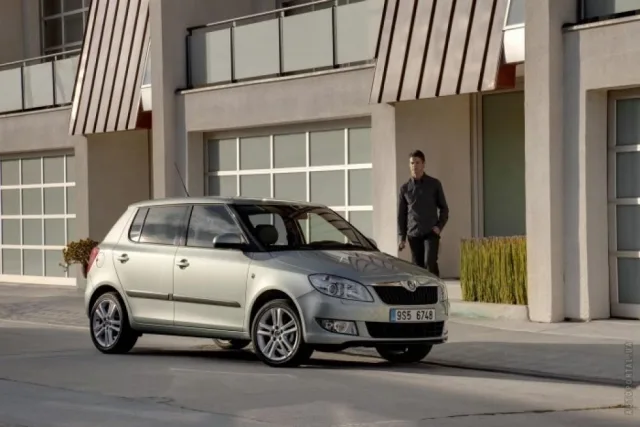
In 2010, the Fabia underwent a minor facelift: new angular headlights, an updated grille, an expanded engine lineup (five gasoline and three diesel engines), as well as updated wheels and an extended color palette.
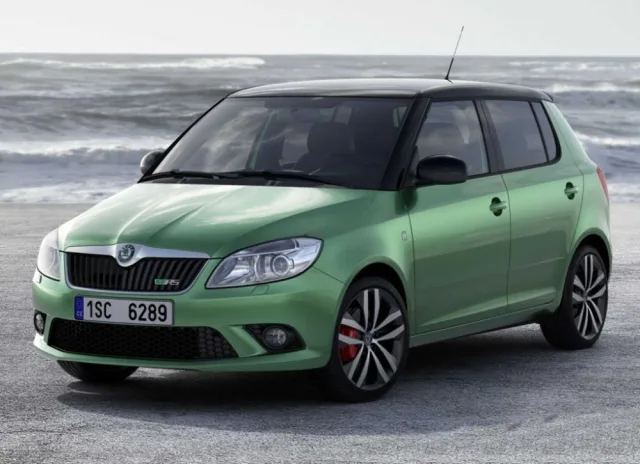
Later, a new sporty variant, the Skoda Fabia RS, appeared. It was equipped with a 1.4-liter twin-turbocharged gasoline engine producing 180 hp. Acceleration to 100 km/h took 7.3 seconds, and the top speed was limited to 225 km/h. The RS version featured a modified front bumper, 17-inch Giugiaro alloy wheels, red brake calipers, a rear bumper with a diffuser, and dual exhaust pipes. Inside, there were sport seats with the RS logo, a different steering wheel, and pedals with stainless steel and rubber inserts.
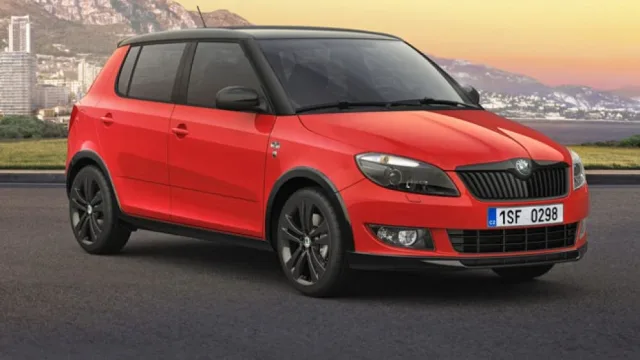
In early 2012, a limited Monte Carlo series was released, dedicated to the 110th anniversary of the brand's participation in sporting events. This version stood out with black moldings, black roof, rearview mirrors, and grille, tinted headlights, and 16-inch black wheels. Inside, the trim was done in black or a combination of black and red, and the pedals received polished aluminum covers.
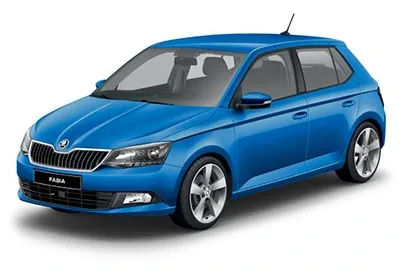
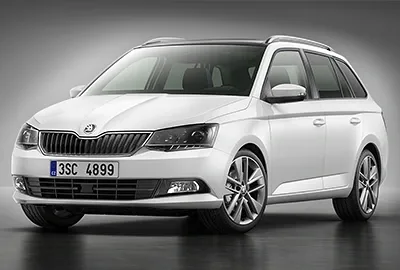
The third generation Skoda Fabia debuted in October 2014.
Exterior
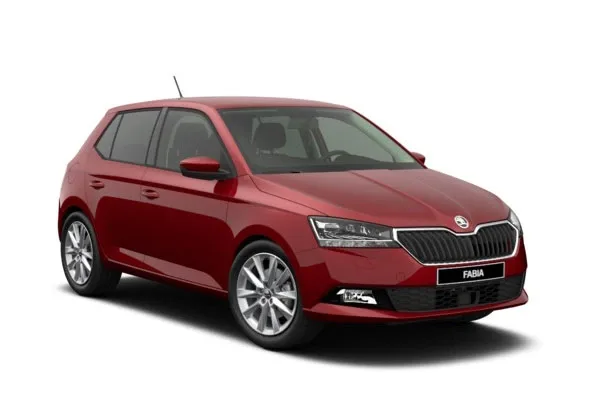
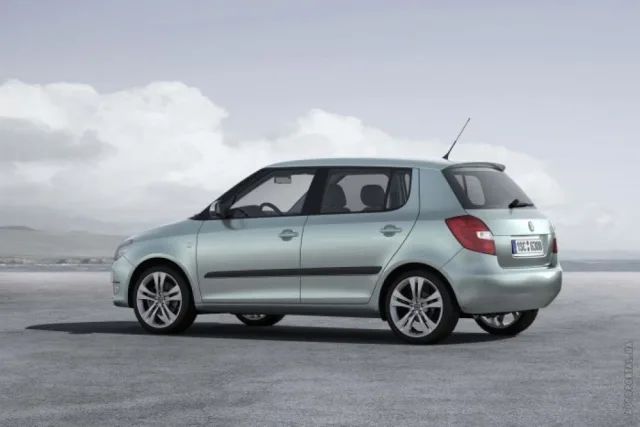
The Skoda Fabia looks like a compact but well-built car. Despite manufacturers' claims that the car has become wider (which is confirmed by measurements), visually it appears narrower and taller compared to its predecessor.
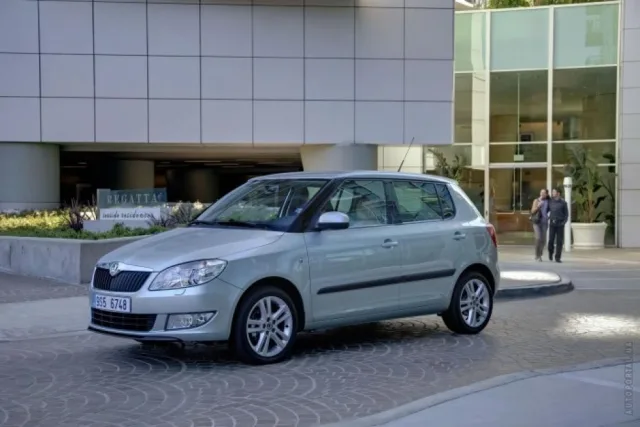
The body seems monolithic. Despite its small dimensions, the car does not look lightweight. The gaps between body panels and the quality of paintwork are impeccable, which is not surprising: the production uses technologies refined by the Volkswagen Group. The quality is comparable to the Polo and Golf models.
Interior
The interior feels high-quality but is done in gray tones, which some may find boring. However, for many buyers, such a familiar design without avant-garde solutions is a plus. It should be noted that this is a budget car, and it can be upgraded for an additional cost.
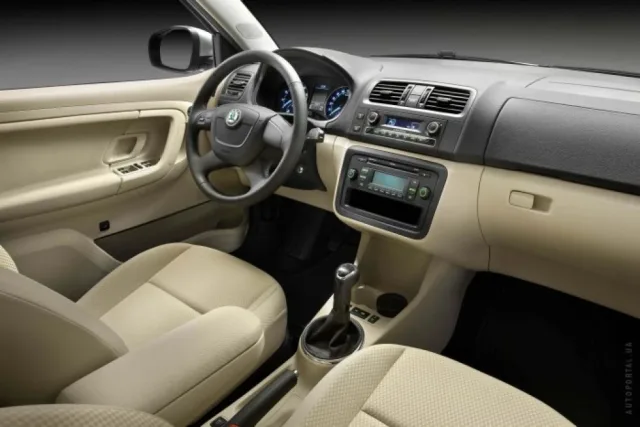
The ergonomics of the driver's workplace deserve high praise. Steering wheel and seat adjustments, access to switches — everything is done as expected from a Czech car with a German foundation.
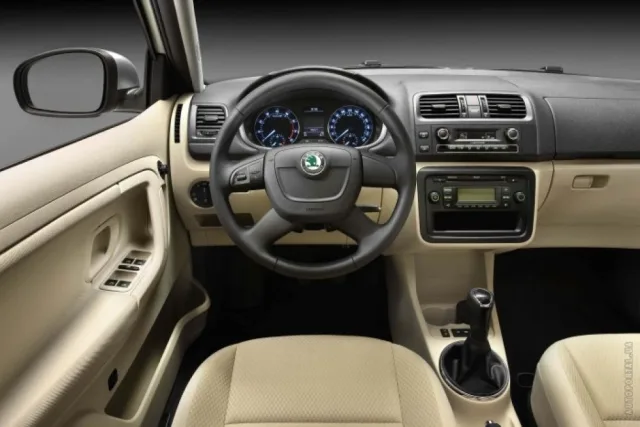
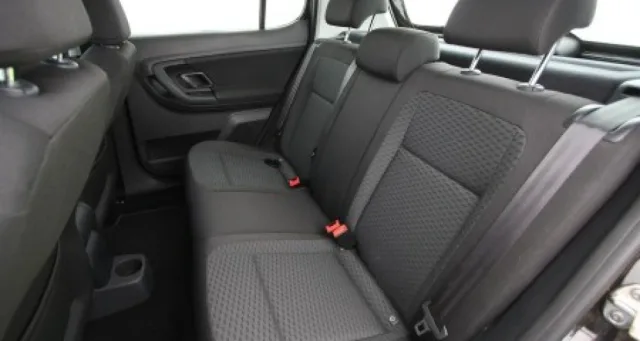
The seats may seem firm at first glance, but with constant use, this does not hinder comfort. The range of adjustments allows you to set the seat for a person of any build. Even with the front seats pushed all the way back, there is still enough space for passengers in the rear.
Engine and Transmission
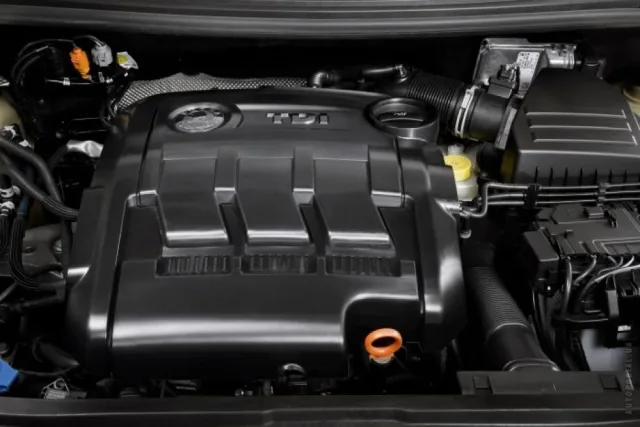
When choosing a Skoda Fabia, the buyer may encounter a wide selection of engines. Three variants of a 1.2-liter three-cylinder gasoline engine are offered, differing in the number of valves per cylinder (two or four) and power from 60 to 70 hp.
Also available are two four-cylinder engines of the same displacement in TSi versions with 86 and 105 hp.
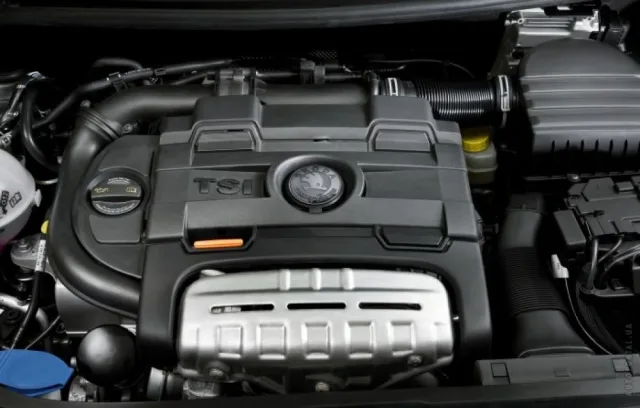
A similar situation with other engines: two variants of 1.4 liters — a naturally aspirated 86 hp and a TSi RS version with 180 hp. The 1.6-liter engine is available in a single variant with 105 hp.
There are eight diesel engines: a 1.2-liter with 75 hp, a 1.4-liter in two variants (70 and 80 hp), and a 1.6-liter in five variants with power from 75 to 105 hp.
Safety
For a 2007 car, four stars in the Euro NCAP test is a good result. In a frontal impact, the driver and passenger remain safe. In a side impact, the results are excellent. The same applies to children in special seats. The fifth star was not achieved due to weak protection of the driver's and passenger's hips — the loads were close to the permissible limits.
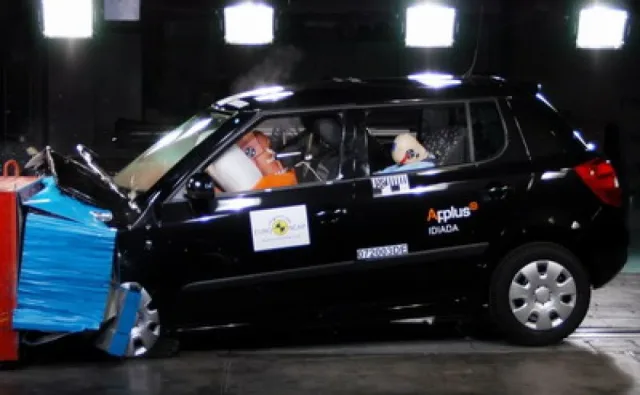
The third generation has not yet been crash-tested.
Features
The car handles very well. On the highway, it holds its line no worse than larger models of a higher class. Comfortable driving is possible at speeds over 150 km/h.
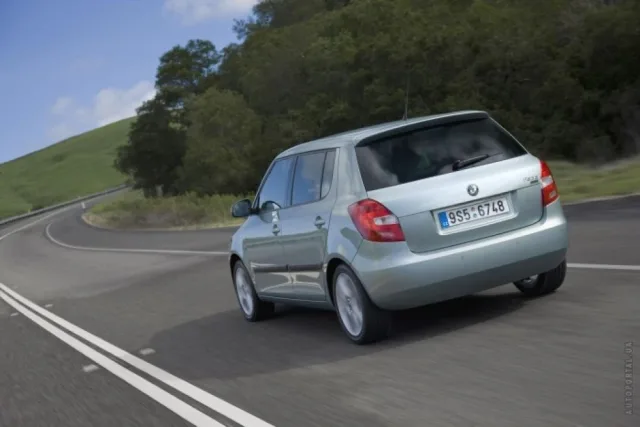
Handling in corners is stable and predictable. Bumps and obstacles do not throw the car off course. The Fabia responds clearly to steering inputs, and feedback allows the driver to understand what is happening with the drive wheels and feel the limits of grip.
Popularity in Ukraine
The car enjoys well-deserved popularity in the Ukrainian market. Popularity could be higher if the price were not perceived as inflated. Some prefer to save up for an Octavia, but those who choose the Fabia are also numerous. According to the sales rating of autoportal.ua, the model is in the TOP-20.
Verdict
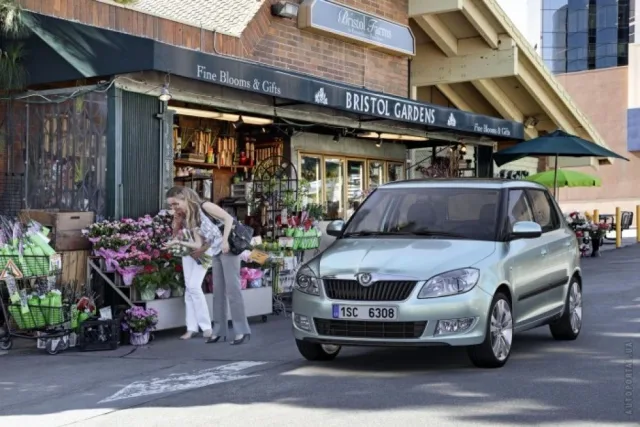
The Škoda Fabia is sometimes chosen as an alternative to the Volkswagen Polo. It is one of the best offers in terms of quality. Škoda has one of the best networks of dealerships and specialized service centers, and spare parts are always in stock.
Fuel consumption, regardless of engine type, is low. Thanks to the model's reliability, mileage restrictions during the warranty period have been lifted in Ukraine. The warranty on the Skoda Fabia is 2 years without mileage limitation.