
Any press release about the new Volvo V70 estate and its off-road version Volvo XC70 starts with a discussion of safety. It would seem, what else can be invented in this area? Where to add another airbag to make the car not just reliable, but super-reliable? It turns out that engineers have found unused reserves — they took on child protection. Special transformer seats, extended inflatable curtains, a refined side-impact protection system — all this is intended for children who sleep peacefully on the rear sofa of a Swedish family estate.
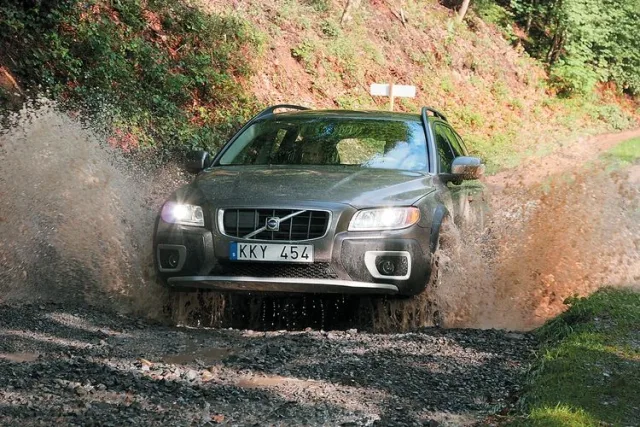
In Sweden, a strong family traditionally chooses an estate — such "wagons" make up more than half of the country's passenger car fleet. Therefore, the release of the new Volvo V70 and XC70 is no less significant an event for Swedes than the appearance of the S80 sedan, on the platform of which these two models are built.
 | 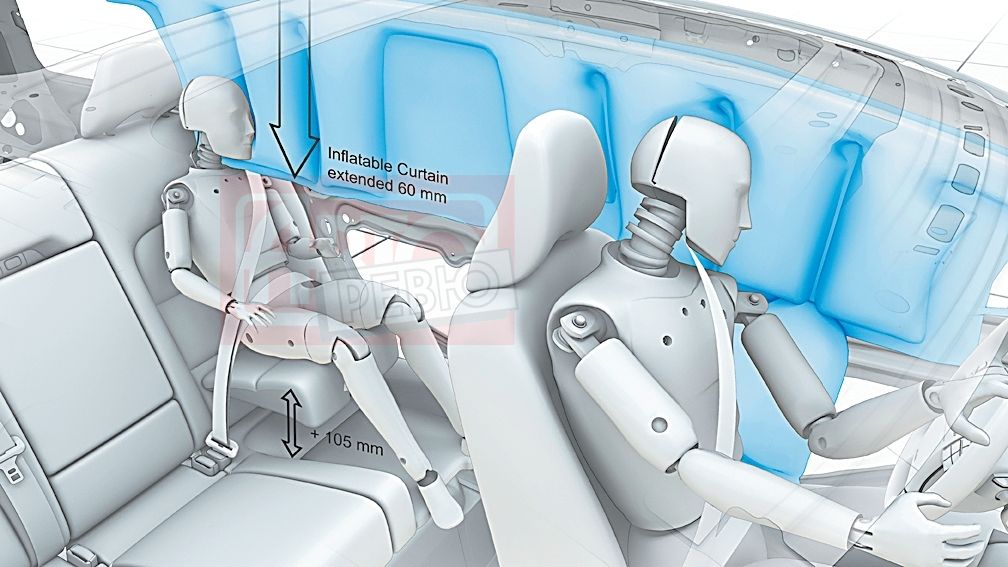 | |
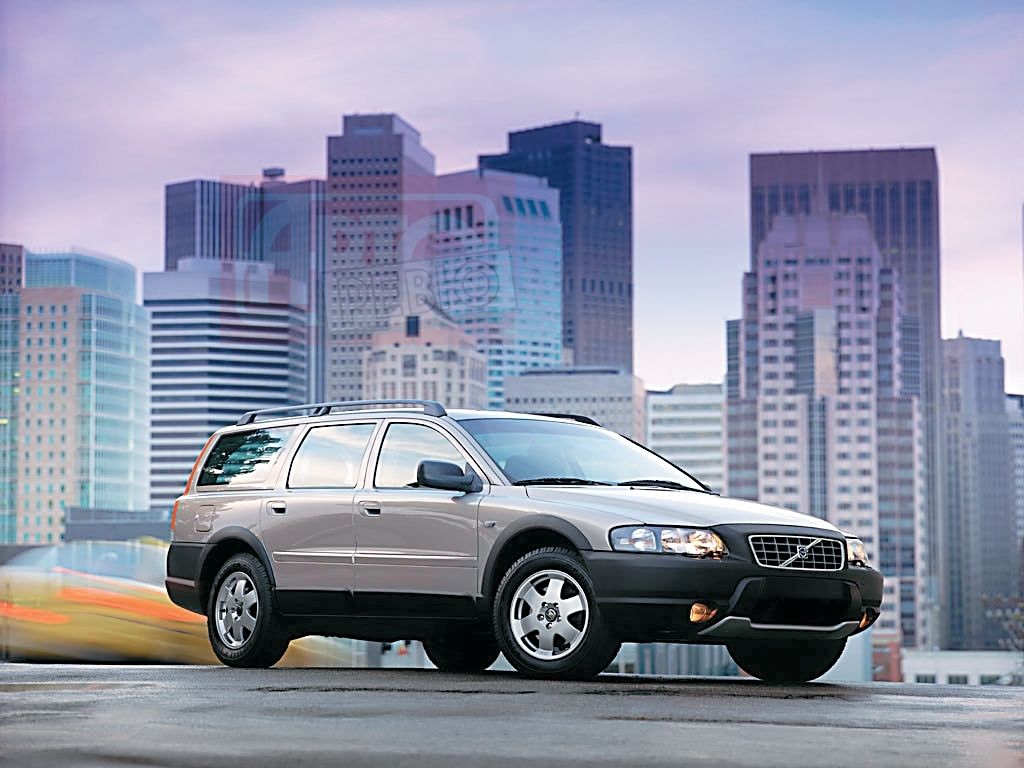
| Plastic body kit and 210 mm ground clearance noticeably distinguish the XC70 from the "civilian" V70 version, which has a ground clearance of 143 mm | The integrated child seat adjusts in height: the first level is designed for children 115-140 cm tall and weighing 22-36 kg, the second — for children 95-120 cm tall and weighing 15-25 kg. In a side impact, children are protected by an air curtain extended by 60 mm | |
However, this news is also interesting for Russian buyers. Firstly, the "off-road" estate XC70 is consistently in demand — last year 1,091 people bought it. Secondly, along with the new "seventies", two important things are starting: official sales of diesel Volvos in Russia and the appearance of Russified navigation. Therefore, for the first acquaintance, I chose the XC70 with the D5 badge on the fifth door. Diesel! Of course, along with the navigator.
True, I won't be able to meet the Russian-language navigation — it will appear only in September, when the "seventies" reach Russia. And the test cars in Germany had European DVD maps that ended at the border of Poland with Belarus. The maps themselves turned out to be accurate — using them we easily found Cologne Cathedral, plotted a route to Holland, which was only 150 km to the border... And most importantly, we returned to the hotel without problems. If the developers can make a detailed map of Russia and preserve the control logic, Volvo navigation will become a useful tool on our roads.
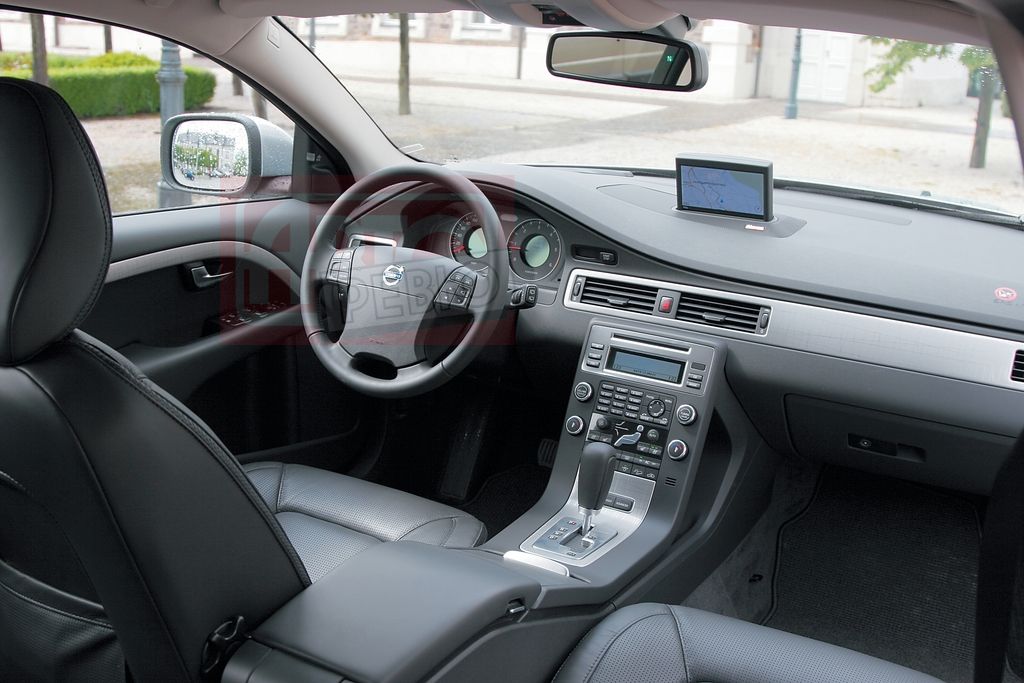 | 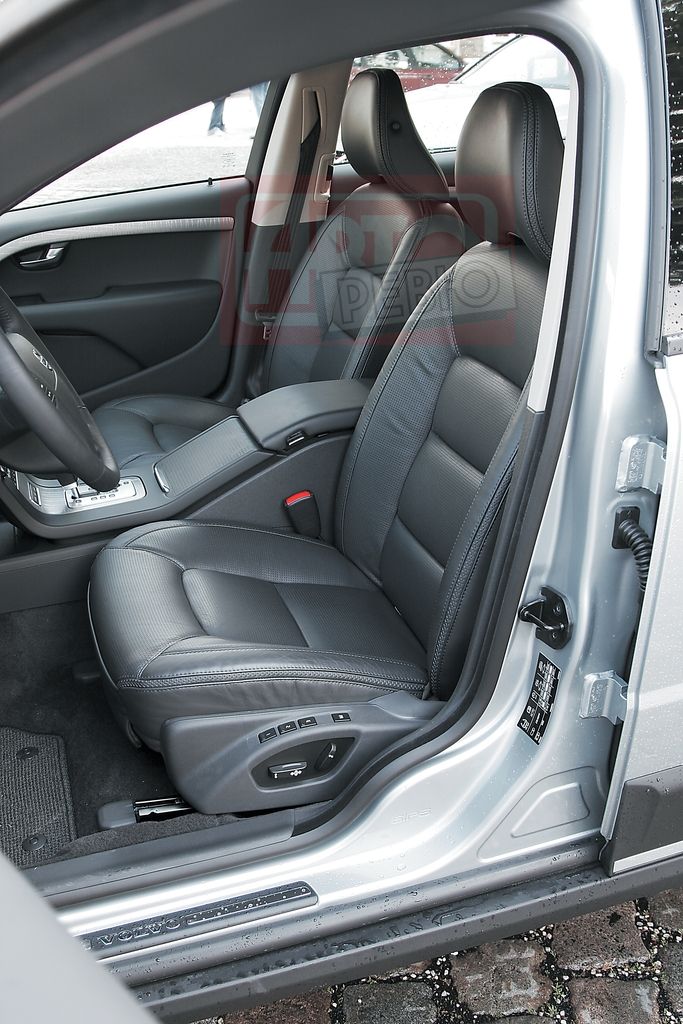 |
| The interior is exactly like the new Volvo S80 sedan. Swedish style! | The seats are soft, and for an extra charge, heating and ventilation are offered |
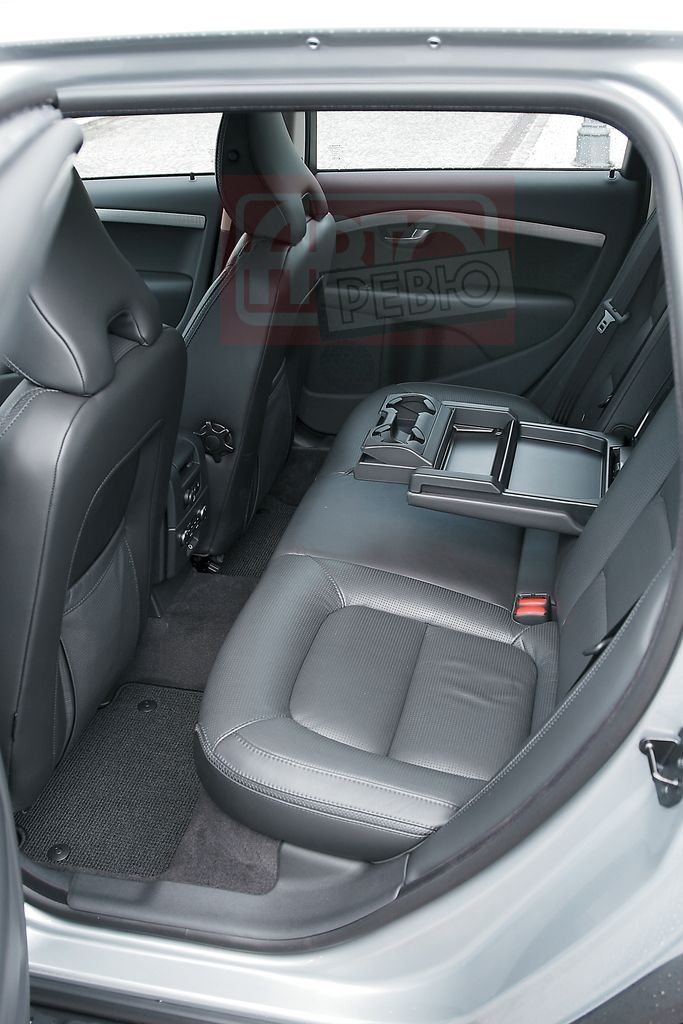 | 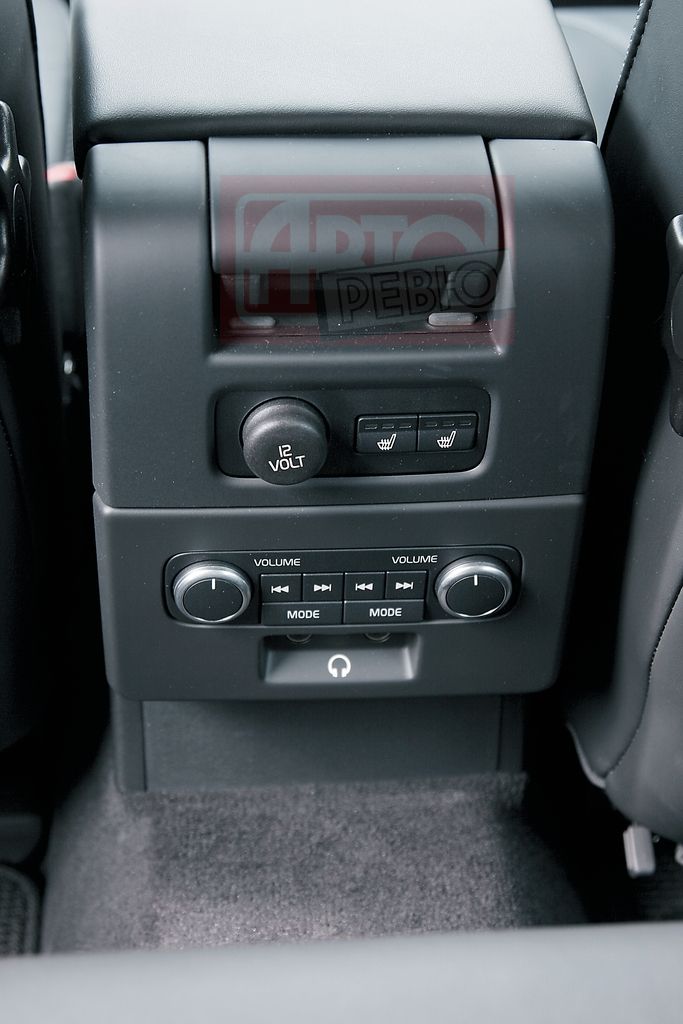 |
| There is enough space in the back of the estates | An optional rear control panel for the "music" is available |
Now about the diesel. To be honest, I expected more from the 185-horsepower five-cylinder D5 of the second generation. The engine is torquey and environmentally friendly — it is equipped with a particulate filter and meets Euro 4 standards. But on German autobahns, the diesel Volvo lacks punch: even with the gas pedal fully pressed, it is not always possible to quickly merge into traffic from a secondary road. However, not only the "five" is to blame, but also the six-speed "automatic" paired with it. With a sharp press on the pedal, it thinks primarily about comfort: shifts are soft and smooth, but not fast. According to the specs, the diesel Cross Country accelerates to 100 km/h in 9.9 seconds. That's a bit much.
In short, the diesel XC70 does not lend itself to aggressive driving. Even if you set the heavy steering wheel to High mode and turn on sport shock absorbers (which the optional Four-C system allows), the Volvo still drives in a country style — with noticeable body roll and without sporty sharpness. By the way, the petrol version with an inline "six" producing 238 hp behaves the same way. It, of course, accelerates more lively — reaching 100 km/h in 8.6 seconds. But the suspension still doesn't pull off "sport".
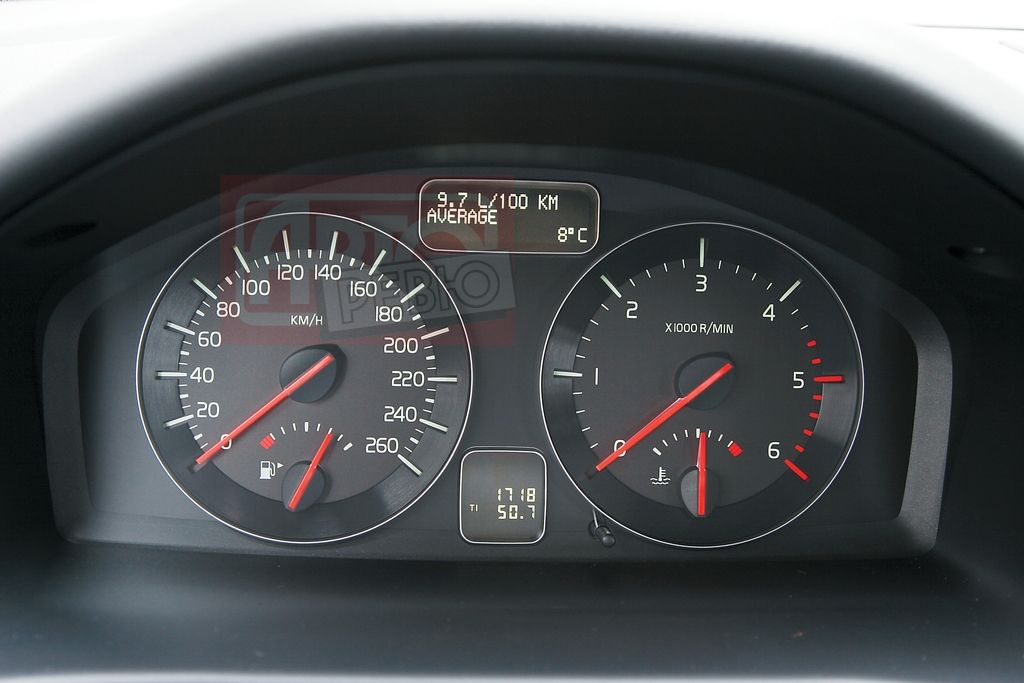 | 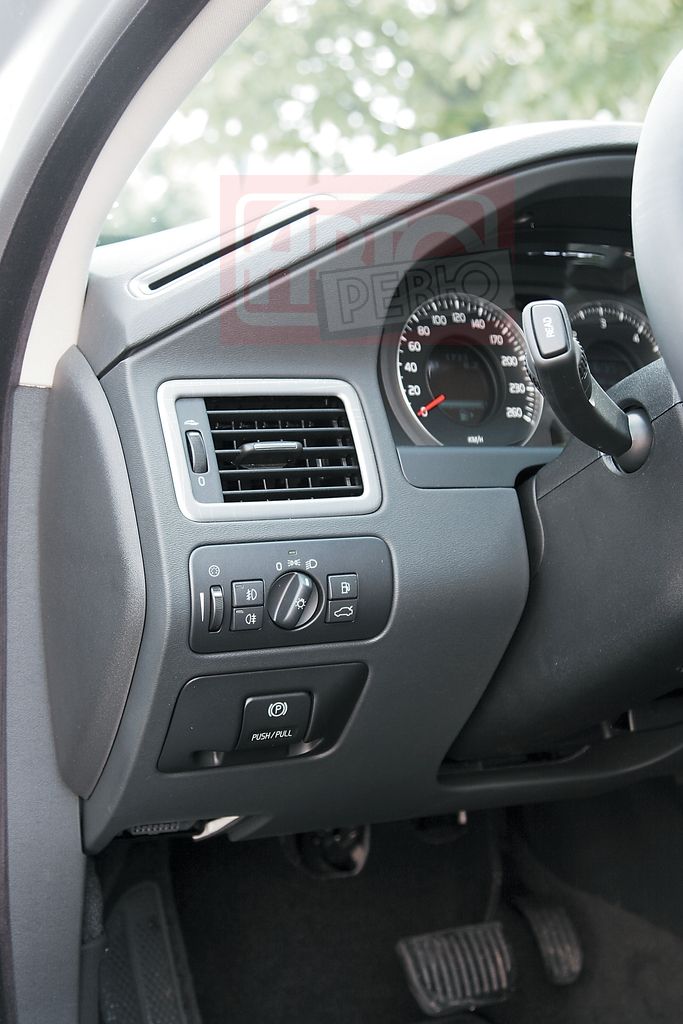 |
| The instruments are stylish and laconic | Under the light control unit is the electromechanical "handbrake" button |
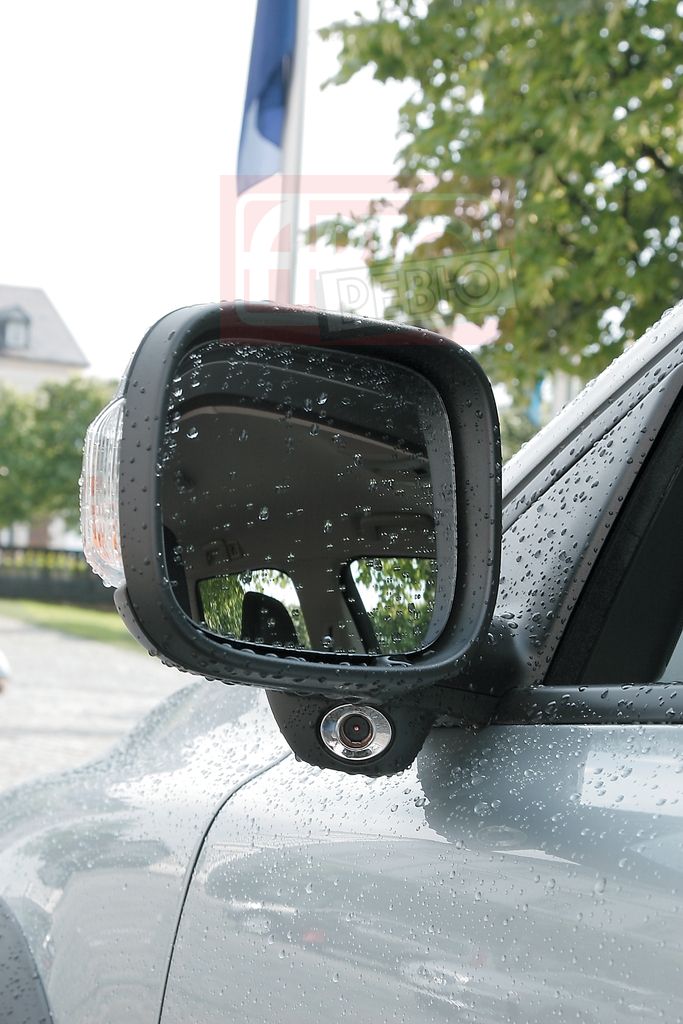 | 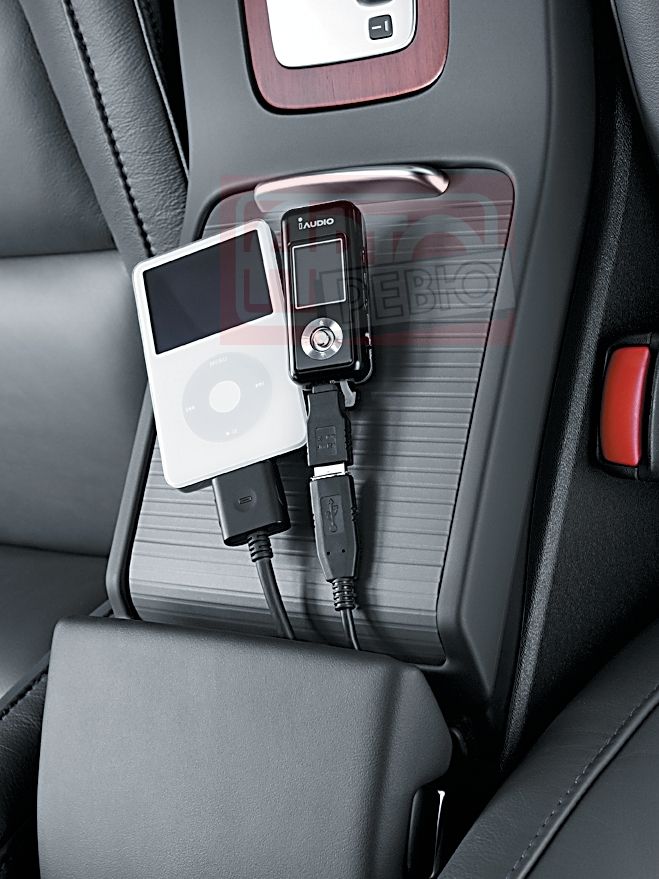 |
| The BLIS camera in heavy rain sometimes triggers false alarms | Music lovers will be offered USB or iPod connectors |
But what sport, what am I talking about? This is a Volvo, and even a Cross Country. Here, the main thing is comfort and safety. To get into an accident in an XC70, you need to try very hard. "Blind" zones are monitored by BLIS cameras, active cruise control warns of danger with sound and light. The DSTC stability system is not forgotten either — it works flawlessly. I specifically tested it on a wet road, deliberately exceeding speed in a corner. Nothing terrible: the car slightly drifts outward in its lane, and then the electronics carefully return it inside the arc. And if you turn off DSTC? The effect is the same: only the traction control system is disabled, while stabilization remains active. In short, safety is above all. Active, passive, any...
And where is the driving pleasure?
It exists, it's just of a different kind. Squealing tires in corners, launching from a standstill... No, Volvo is not for that. Its element is the pleasure of comfortable driving.
The cabin is quiet: the diesel only makes its voice heard at high revs, while the petrol engine is almost inaudible across the entire range. The suspension in Comfort mode decently swallows bumps. I turn onto a dirt road. Potholes, washouts, remnants of an old pavement — the suspension holds the impact, no breakdowns. I think it will withstand our roads too — especially since the tires are high-profile 235/55 R17 and the ground clearance is 210 mm. True, the off-road potential of the Volvo is modest: all-wheel drive with a Haldex coupling that connects the rear wheels "on demand", and the Hill Descent Control system, which allows descending steep slopes at 10 km/h without touching the brake pedal. I tested it on a wet dirt descent — it really works. Confidence was also added by the fact that when driving off the road, bushes would first scratch the plastic body kit that encircles the XC70 body along the perimeter. And a stump in the rut is not scary either — there is engine compartment protection.
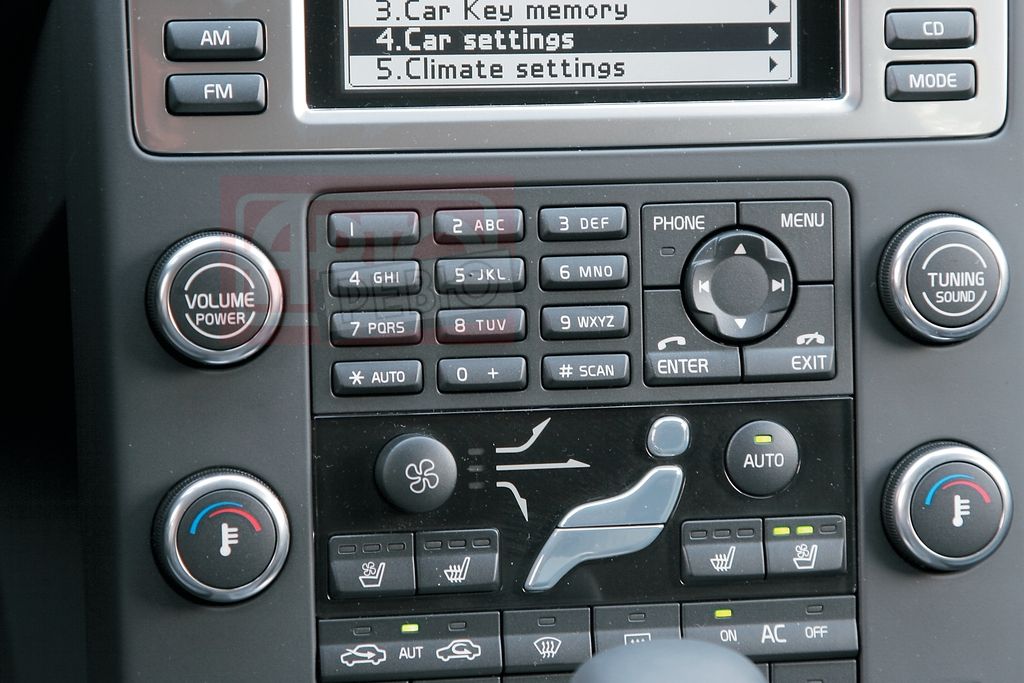 | 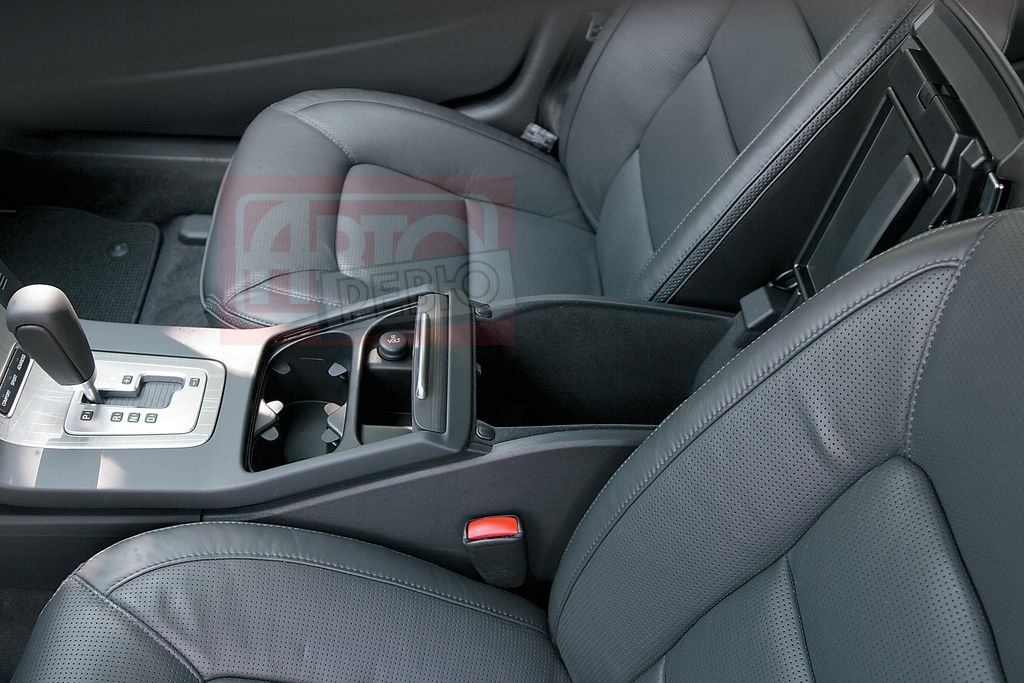 |
| The "Iron Man" is responsible for distributing air flows in the cabin. A successful solution! | The six-speed "automatic" is famous for comfortable shifts |
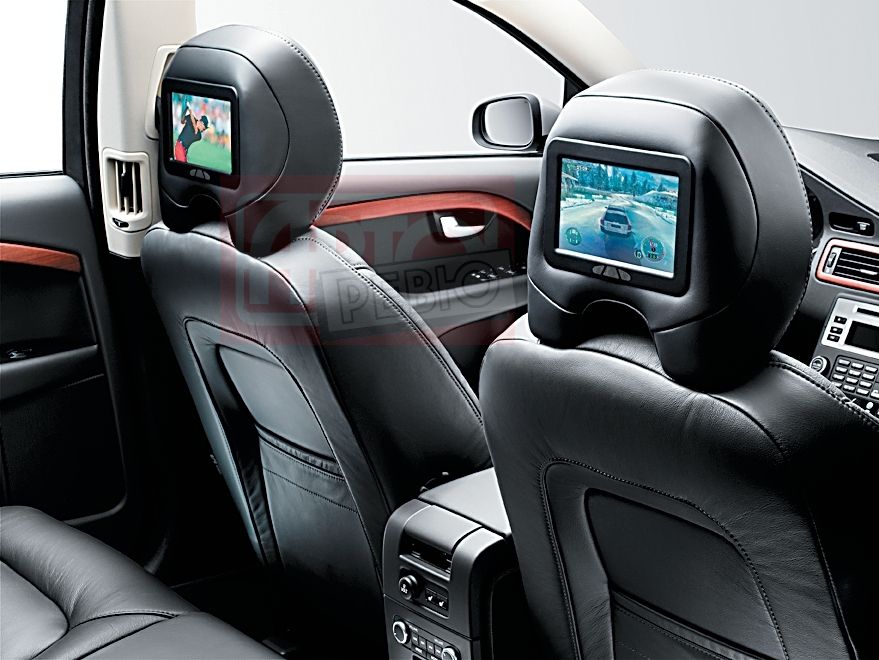 | |
| Optional multimedia system with two independent screens, one of which can display a signal from an external source | Russified navigation will appear on Volvo already in September |
What's new in the cabin? For those already familiar with the S80 (see AR No. 10, 2006), nothing. The same "saucer" instruments with liquid crystal screens, the same steering wheel with active cruise control and "music" buttons... The same "floating" console with small buttons. And the driving position is exactly the same — a comfortable seat with electric adjustments encourages calm driving.
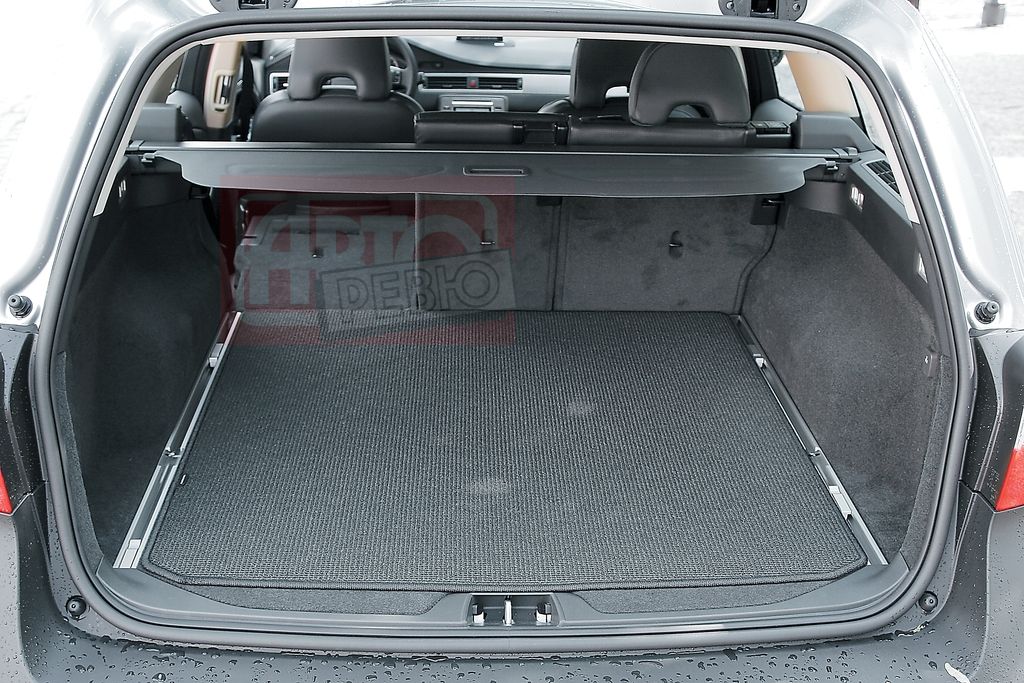
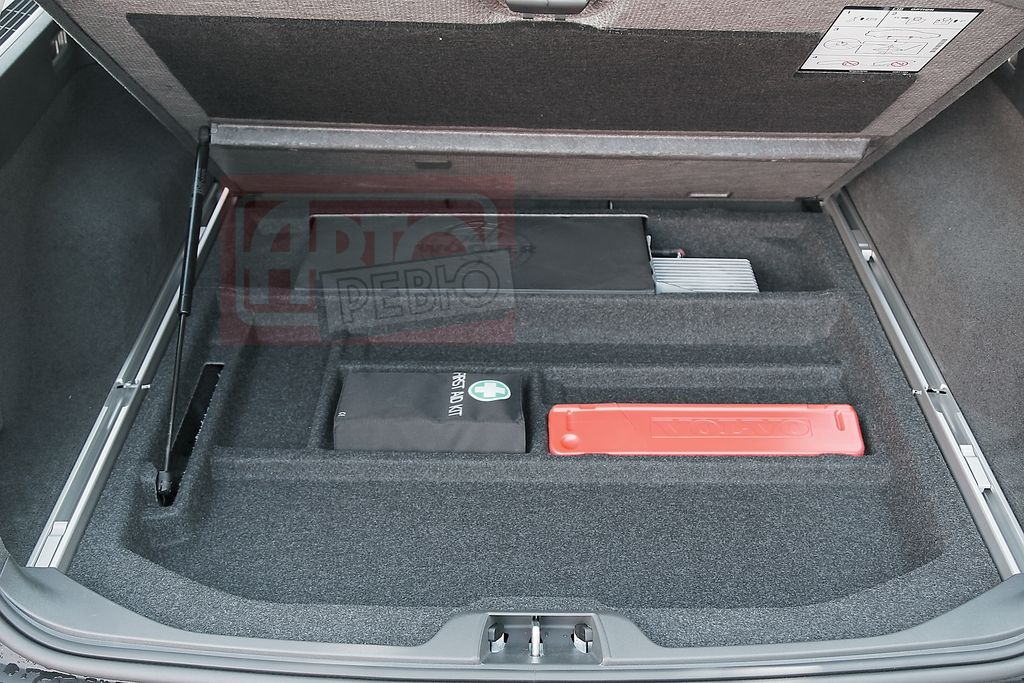
The trunk here is 575 liters, and this is indeed a pleasant surprise. The floor rises with a gas strut, under it hides a spacious organizer, and even deeper lies a "spare wheel". If you pay extra, you can order hooks, nets, partitions for luggage, and even a folding grille that will separate a dog during a trip. The rear seat backs fold in a 40:20:40 ratio, and the middle part can serve as an armrest or a window for transporting long items. It seems everything has been thought of. But personally, I miss a separately opening glass in the fifth door. Although this is also solvable: for an extra charge, you can install an electric drive, then the door will open itself by pressing a button on the key fob.
 |  |
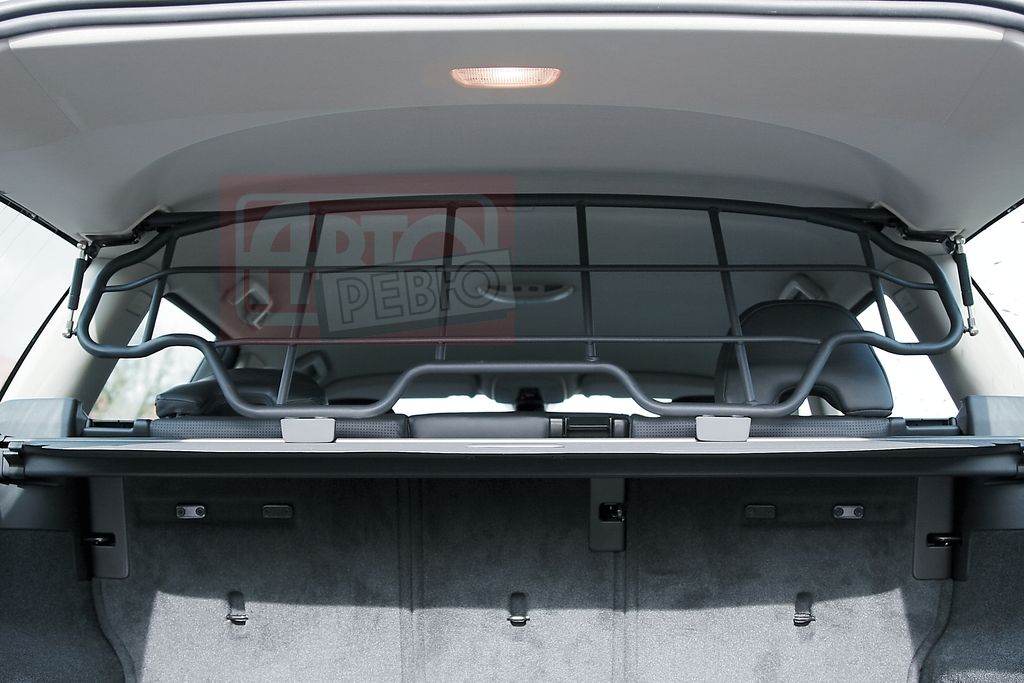 | 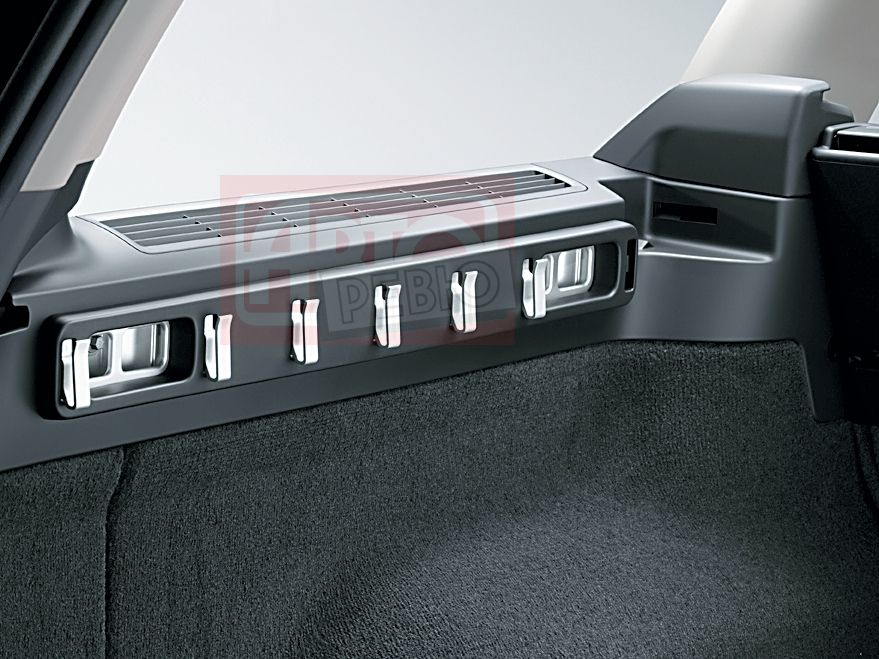 |
| The 575-liter trunk has a spacious underfloor compartment, and you can additionally order hooks for bags or a grille for transporting pets | |
After getting acquainted with the off-road version of the XC70, the regular V70 wagon somehow gets lost. It doesn't have plastic body cladding, and the suspension is noticeably lower. A ground clearance of 143 mm for our roads is, frankly, not serious. Of course, you can recall the low center of gravity and excellent handling. But this truly shines, perhaps, only in Germany: on the autobahns, the V70 holds more confidently in fast corners, and thanks to better aerodynamics, it accelerates to 235 km/h versus 215 km/h for the petrol six-cylinder modifications. However, in Russian realities, all this pales in comparison to the advantages of all-wheel drive and increased ground clearance of the XC70.
By the way, the XC70 has all-wheel drive on all versions without exception. But on the regular V70, the Haldex coupling on the rear axle is already an option for almost $2000. The only exception is the top modification V70 T6, where all-wheel drive is already standard.
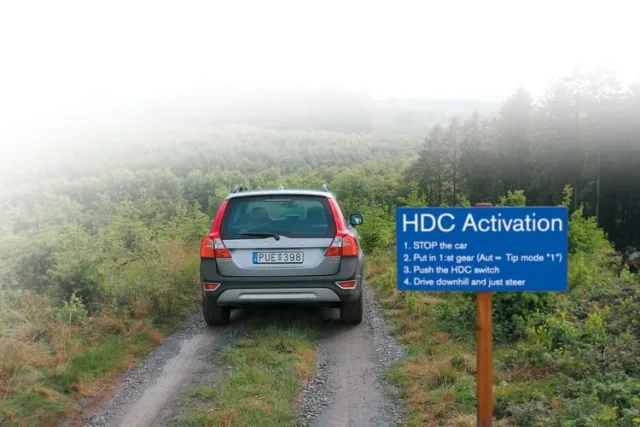
The HDC system easily copes on a slippery 35-percent incline
So for Russia, the choice is obvious — XC70. Yes, it is more expensive: the all-wheel-drive version will cost on average 4000 euros more than the front-wheel-drive V70. However, this is the price for the German market. What it will be in Russia is still unclear: there are three months before sales start. But Volvo promises that the new V70 will cost about the same as the S80 sedan, which starts from $46,900 for the 2.5T version with a manual transmission. Wagons with an automatic transmission and especially diesel versions, not to mention the XC70, will be more expensive — about $50,000–55,000. The Swedes have no reason to inflate prices higher: after all, for $57,900 you can get a larger and more prestigious XC90 2.5T crossover.
| Specifications | |||||||
| Parameters | Vehicles | ||||||
| Volvo V70 | Volvo XC70 | ||||||
| Modification | 2.5T | D5 | I6 | T6 | D5 | I6 | |
| Body type | five-door wagon | five-door wagon | |||||
| Number of seats | 5 | 5 | |||||
| Dimensions, mm | length | 4823 | 4838 | ||||
| width | 1861 | 1861 | |||||
| height | 1547 | 1604 | |||||
| wheelbase | 2816 | 2815 | |||||
| track front/rear | 1588/1586 | 1604/1570 | |||||
| ground clearance | 143 | 210 | |||||
| Trunk volume, l | 575/1600* | 575—1600* | |||||
| Curb weight, kg | 1632 | 1652 | 1653 | 1765 | 1794 | 1742 | |
| Gross weight, kg | 2150 | 2180 | 2150 | 2220 | 2390 | 2390 | |
| Engine | petrol, turbocharged | diesel, turbocharged | petrol, with distributed injection | petrol, turbocharged | diesel, turbocharged | petrol, with distributed injection | |
| Location | front, transverse | front, transverse | |||||
| Number and arrangement of cylinders | 5, in-line | 6, in-line | 5, in-line | 6, in-line | |||
| Displacement, cm³ | 2521 | 2400 | 3192 | 2953 | 2400 | 3192 | |
| Compression ratio | 9.0:1 | 17.3:1 | 10.8:1 | 9.3:1 | 17.3:1 | 10.8:1 | |
| Number of valves | 20 | 20 | 24 | 24 | 20 | 24 | |
| Max power, hp/kW/rpm | 200/147/4800 | 185/136/4000 | 238/175/6200 | 285/210/5600 | 185/136/4000 | 238/175/6200 | |
| Max torque, Nm/rpm | 300/ 1500—4500 | 400/ 2000—2750 | 320/3200 | 400 /1500—4800 | 400/200—2750 | 320/3200 | |
| Gearbox | manual, 6-speed (automatic, 6-speed) | automatic, 6-speed | manual, 6-speed (automatic, 6-speed) | automatic, 6-speed | |||
| Drive | front-wheel drive | all-wheel drive, with Haldex coupling in rear axle drive | |||||
| Front suspension | independent, coil spring, McPherson | independent, coil spring, McPherson | |||||
| Rear suspension | independent, coil spring, multi-link | independent, coil spring, multi-link | |||||
| Front brakes | disc, ventilated | disc, ventilated | |||||
| Rear brakes | disc, ventilated | disc, ventilated | |||||
| Tires | 215/55 R16 | 215/55 R16 | 225/50 R17 | 235/55 R17 | |||
| Maximum speed, km/h | 230 (220)** | 225 (215) | 235 | 245 | 210 (205) | 215 | |
| Acceleration time 0—100 km/h, s | 8.1 (8.5) | 8.9 (9.4) | 8.4 | 7.2 | 9.3 (9.9) | 8.6 | |
| Average fuel consumption, l/100 km | 9.3 (10.2) | 6.5 (7.4) | 10.5 | 11.3 | 7.3 (8.3) | 11.4 | |
| Fuel tank capacity, l | 70 | 70 | |||||
| Fuel | AI-95—98 | diesel | AI-95—98 | diesel | AI-95—98 | ||
| * With rear seats folded | |||||||
| ** Data in parentheses — for vehicles with automatic transmissions | |||||||
In the beginning was…
Igor VLADIMIRSKYThe first Volvo wagon appeared back in 1953 under the name PV445 Duett — a three-door built on the components of the PV444 sedan. The name Duett reflected its dual purpose: the car was suitable both for work and for family trips to nature. From the PV444, the wagon inherited the front part of the body up to the doors, engines of 1.4 and 1.6 liters, and a three-speed gearbox. But while the sedan had a unibody construction, the wagon had a full frame! It turned out that the chassis with a car-like front and leaf spring suspension at the rear had been produced since 1949 — third-party companies actively used it to create convertibles, wagons, vans, and pickups. The success of these cargo-passenger vehicles prompted Volvo to make its own wagon.
In 1958, the base model was updated — the PV544 sedan appeared. Two years later, the modernization also touched the wagon: the Volvo P210 Duett received a 1.8-liter engine, a one-piece windshield, and a new dashboard. The Duett was in high demand and stayed on the assembly line until 1969, while the base PV544 was discontinued four years earlier.
The Volvo P220 wagon, belonging to the new Amazon family, was first shown to the public in 1962 at the Stockholm Motor Show. This five-door model grew noticeably in size compared to the Duett and was no longer positioned as a van. The P220 Amazon's appearance clearly showed American influences, and at the rear, instead of leaf springs, a coil spring dependent suspension was installed. Like the P120 sedan, the wagon boasted a decent level of passive safety: a crash-padded dashboard and seat belts for all passengers, with three-point belts in the front. Under the hood, two engines were offered with a displacement of 1.8 or 1.9 liters, developing from 75 to 115 hp depending on the version. In 1965, the lineup was supplemented with a three-speed Borg-Warner automatic transmission.
A completely different car — the Volvo 145 — debuted in November 1967. It was the first station wagon in the brand's history with programmed deformation zones in the body. It was then that the foundations of modern large Volvo station wagons were laid: a vertical rear wall and a huge trunk with a volume of over two cubic meters. Initially, the rear side windows consisted of two parts, but in 1970 they were replaced with a single piece of glass. The suspension remained the same in design, but all wheels received disc brakes. Engines — 1.8–1.9 liters with power from 85 to 135 hp. There was also a cargo-passenger modification called Express with a high roof.
In 1974, the Volvo 240 family appeared — the result of a deep modernization of the 140 series. The American agency NHTSA recognized the Volvo 240 as the safest car on the US market, facilitated by recessed door handles, enlarged bumpers, an updated front end, and a different interior. The front suspension with double wishbones gave way to McPherson struts. Engines — from a 68-hp diesel to a 150-hp turbo engine, as on sedans. From 1975 to 1985, the 265 modification was produced with a V6 PRV (Peugeot-Renault-Volvo) with power up to 156 hp.
The prestigious Volvo 740 and 760 station wagons appeared in 1985 and replaced the 265 model, targeting primarily the American market. The 740 was equipped with four-cylinder gasoline engines, while the 760 was fitted with a V6. Diesels and four-cylinder turbo engines (165 hp) were common to both versions. Interestingly, the 760 accounted for only about 10% of sales — buyers preferred more affordable options.
In 1990, the 940/960 models appeared, essentially modernized 740 and 760. Externally, the changes were minor, but the engines were clearly divided: turbo diesels and "fours" — for the 940, and inline gasoline "sixes" — for the 960. The former was produced until 1998 almost unchanged, while the latter underwent an update in 1995: the front end changed, and the station wagon finally received an independent rear suspension (sedans had it since the late 80s) with a transverse single-leaf composite spring. In 1997, the 960 index was changed to V90, and soon production was discontinued.
In February 1993, the front-wheel-drive Volvo 850 station wagon debuted. The engine range — only five-cylinder: gasoline (including turbo versions) and one turbo diesel. At the front — McPherson struts, at the rear — independent double-wishbone suspension. In 1994, the 850 became the first station wagon with side airbags. And in 1996, the all-wheel-drive Volvo 850 AWD appeared with a viscous coupling on the rear axle and multi-link rear suspension.
At the end of the same year, the 850 series was modernized and, following the new indexing system, renamed to the 70 family — the station wagon became the Volvo V70. The front panel was updated, the front end slightly changed... In 1997, the all-wheel-drive V70 XC (Cross Country) version was added with increased ground clearance and plastic body cladding. The XC accounted for 17% of all station wagons produced.
The second generation Volvo V70 went into production at the end of 1999. For the first time, this station wagon was developed as an independent model. To achieve good aerodynamics without abandoning the traditional "square" trunk, the front end was made more streamlined. In early 2000, sales of the Volvo XC70 began with an electronically controlled Haldex multi-disc clutch in the rear wheel drive. Under the hood — again only five-cylinder engines, and the top version V70 R produced up to 300 hp. Production of the second-generation V70 ended in 2007, when the third-generation model appeared.
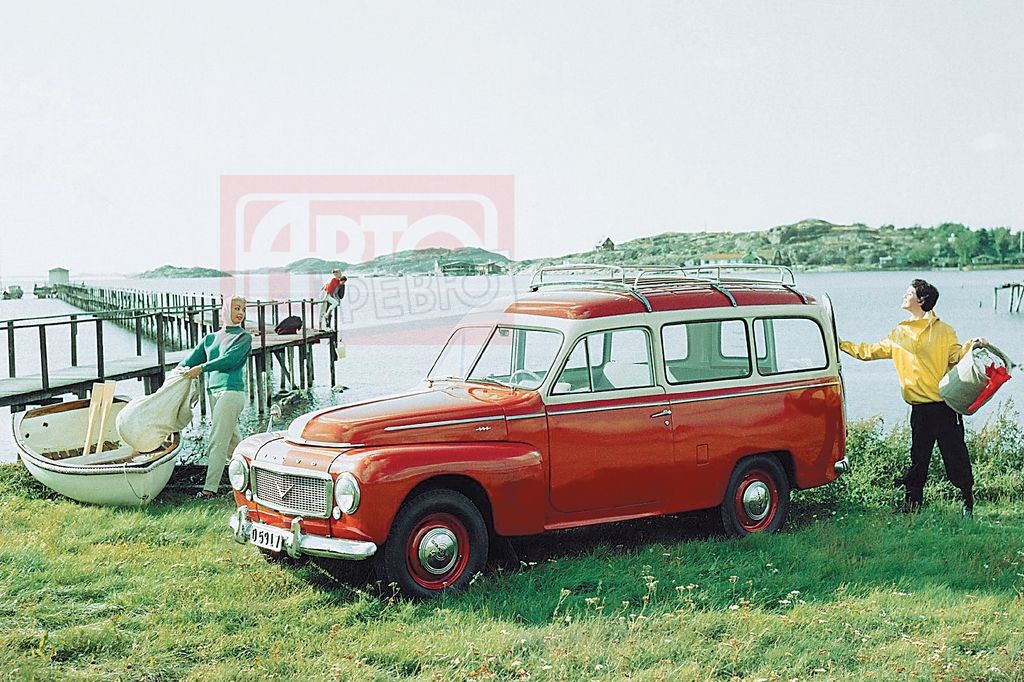 | 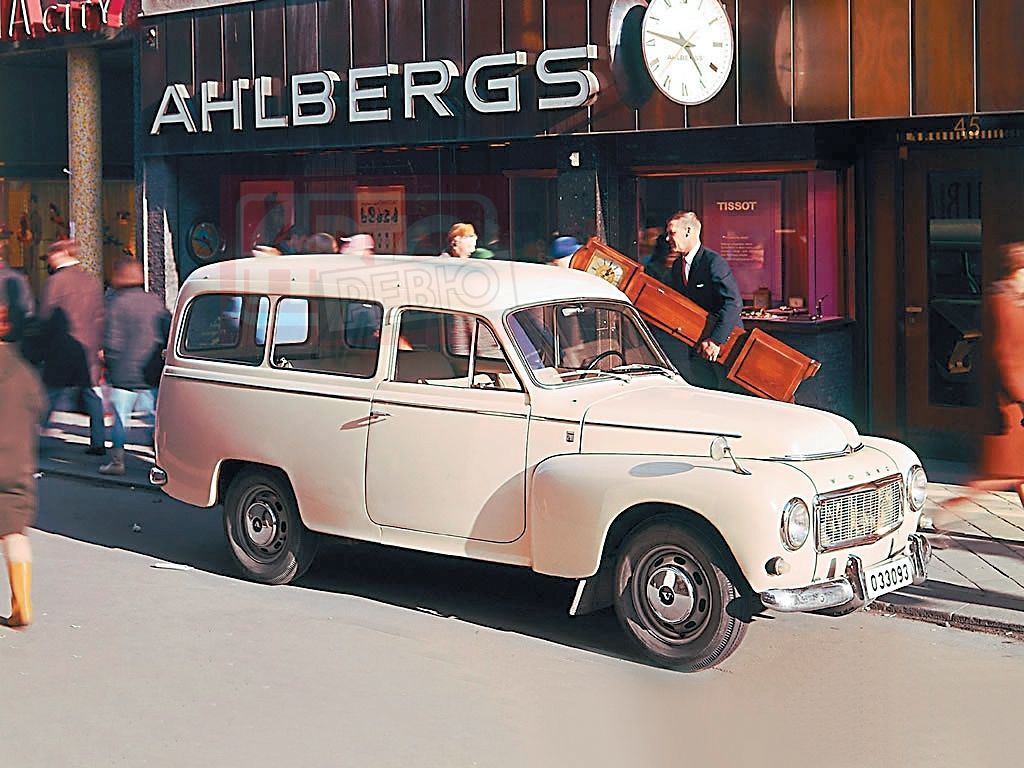 |  |
| Volvo PV445 Duett (1953—1960), together with chassis and vans, 20,283 units produced | Volvo P210 Duett (1960—1969), together with vans, 60,959 units produced | Volvo P220 Amazon (1962—1969), 73,197 units produced |
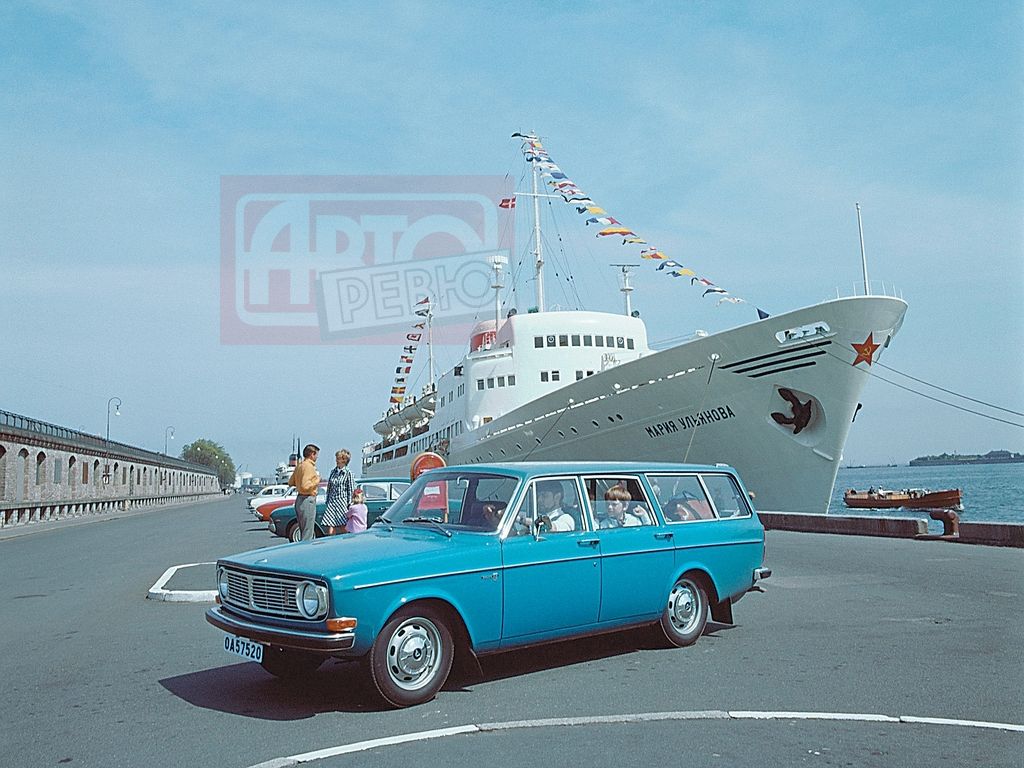 | 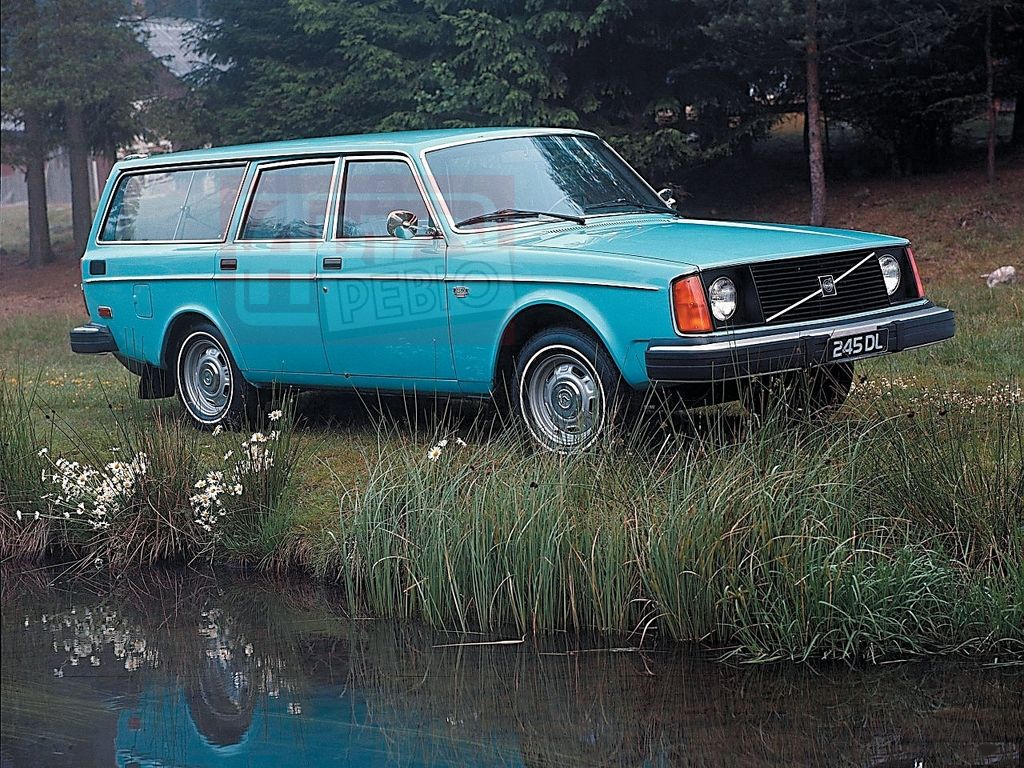 | 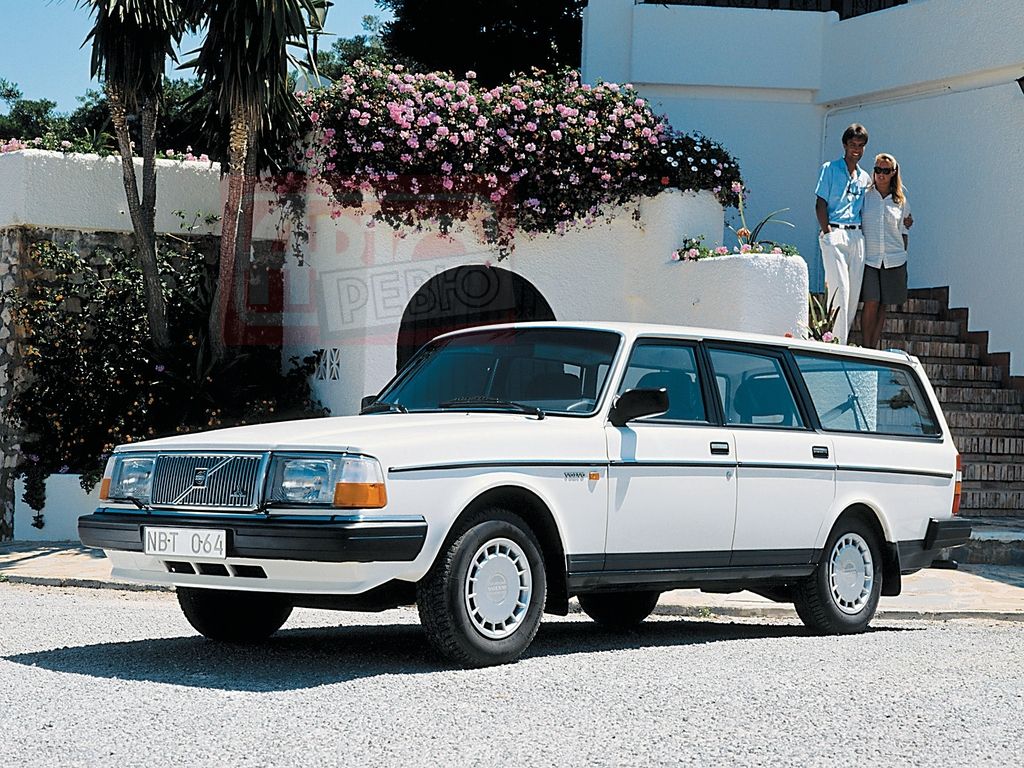 |
| Volvo 145 (1967—1974), 268,317 units produced | Early version of Volvo 245 (1974—1981) | Modernized Volvo 240 (1981—1993), total from 1974 to 1993, 942,448 station wagons of the 200 series produced |
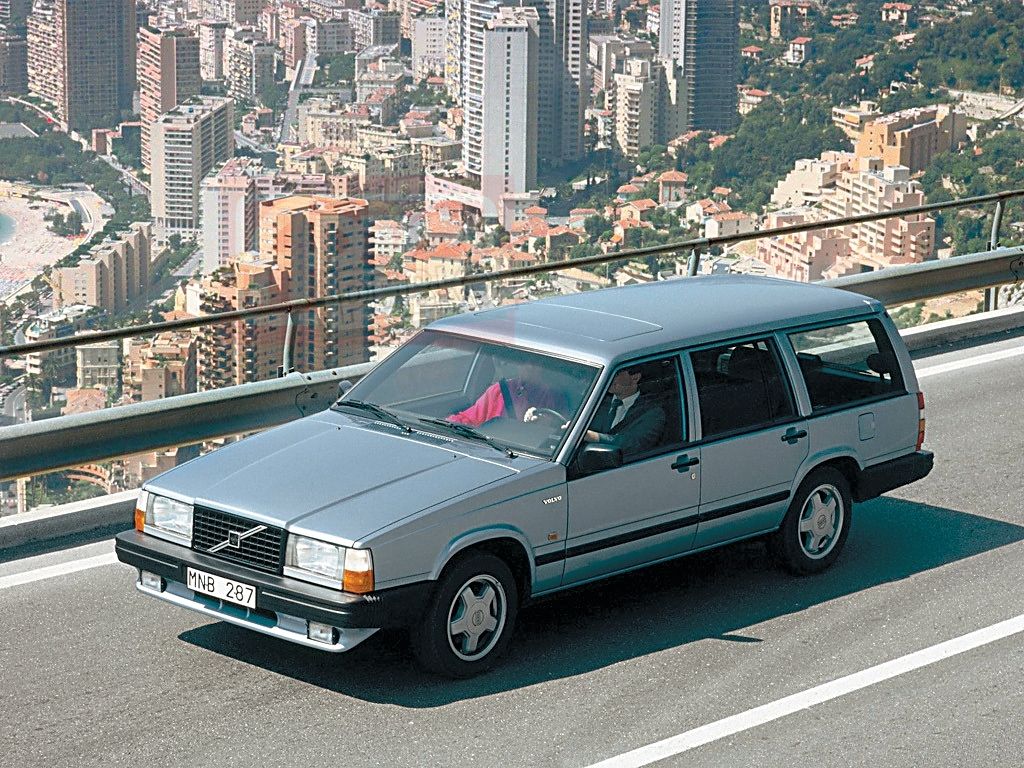 | 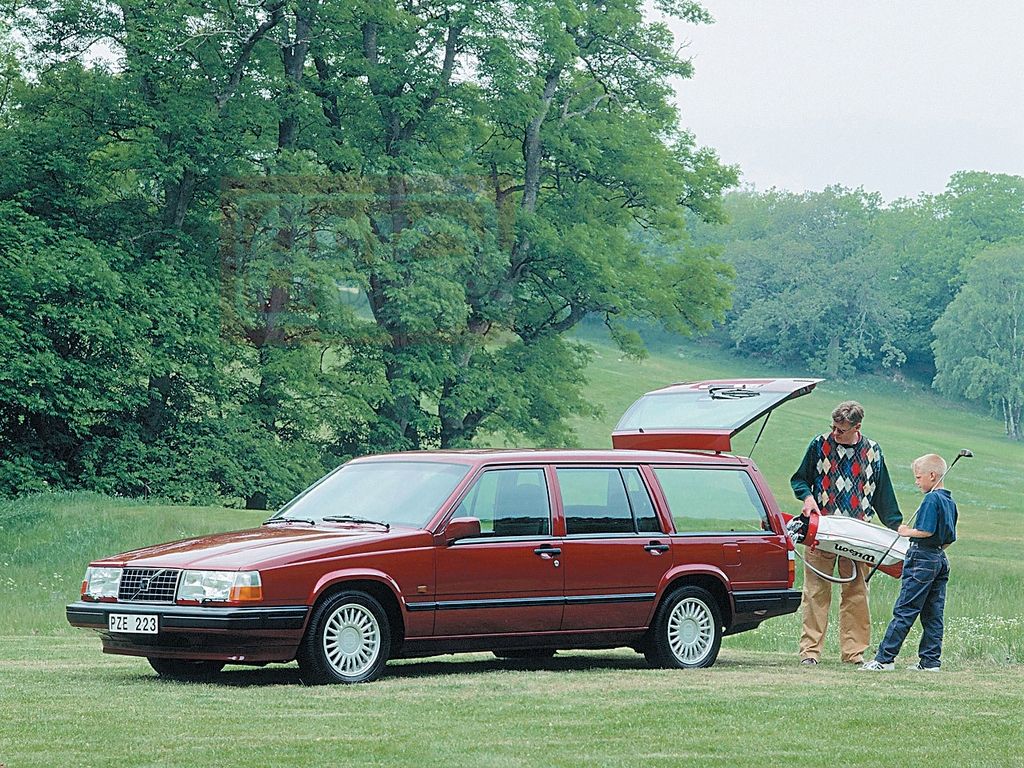 | 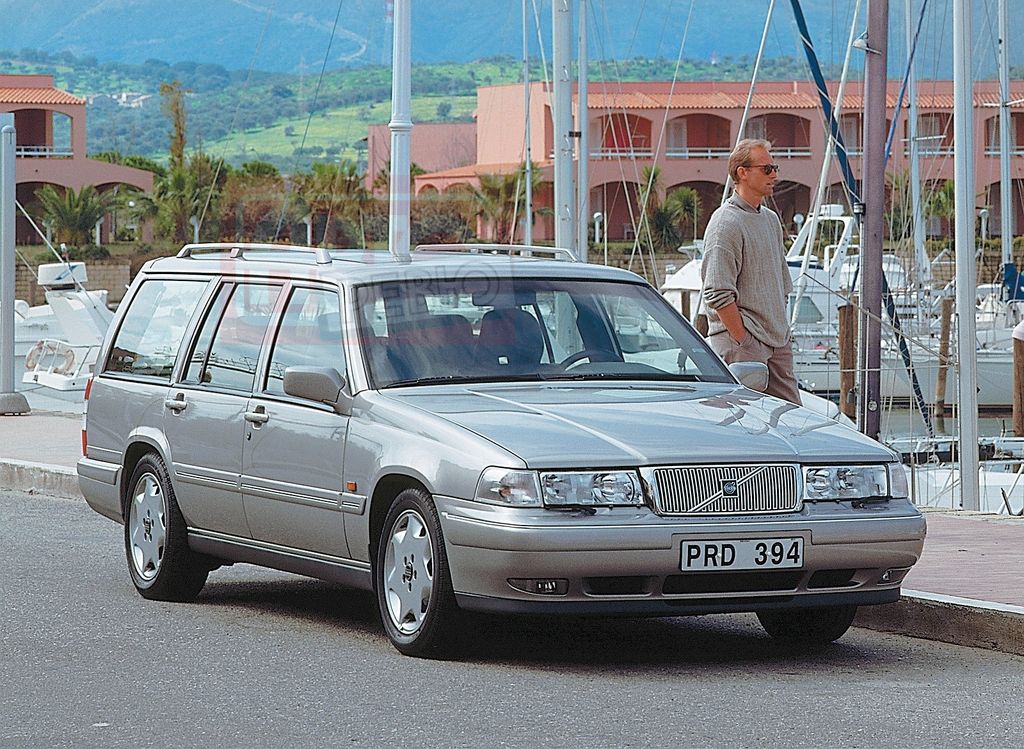 |
| Volvo 740/760 station wagon (1985—1990), 376,042 units produced | Volvo 940 (1990—1998), until 1995 the Volvo 960 station wagon looked the same | Volvo 960/V90 (1995—1998), total 282,363 station wagons of models 940, 960, and V90 produced |
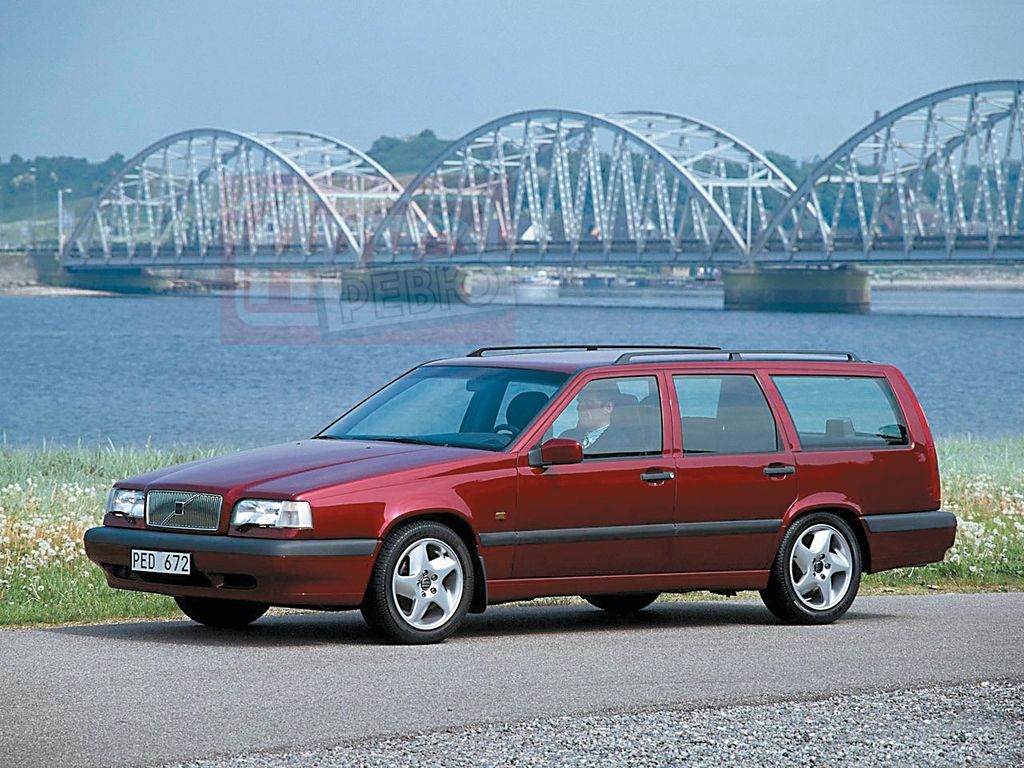 | 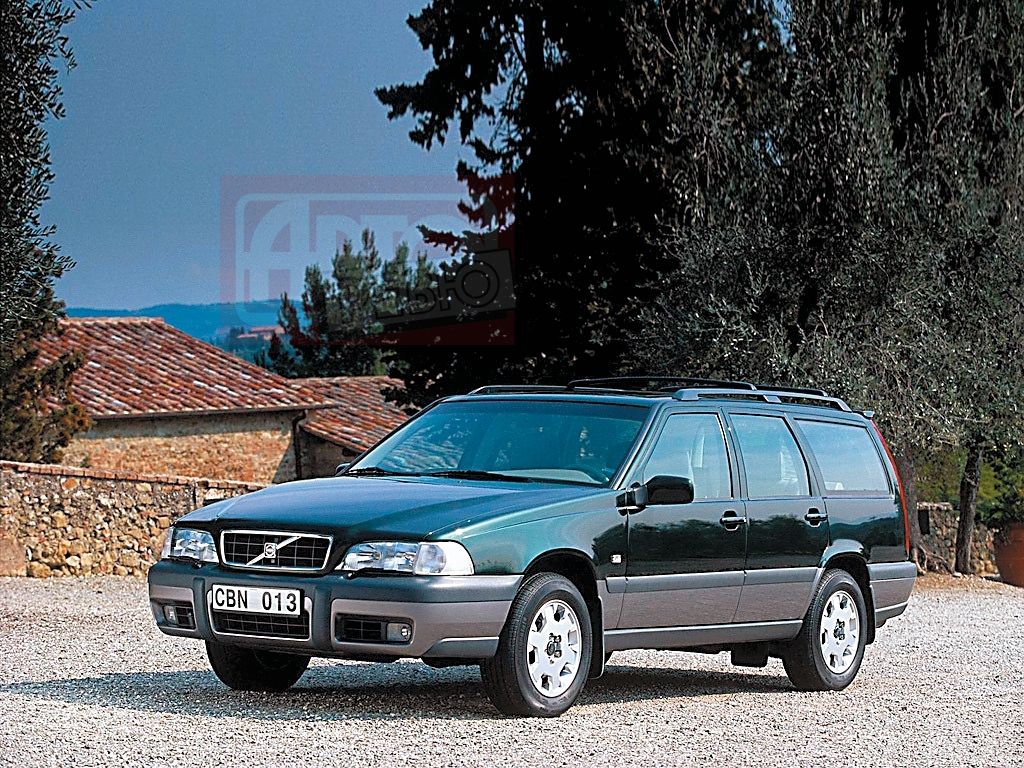 |  |
| Volvo 850 (1993—1996), 326,100 station wagons produced | Volvo V70 XC (1997—2000), total from 1996, 373,689 cars of the first-generation V70 family produced | Volvo XC70 (2000—2007) |
Under the plywood
Oleg RASTEGAEV, author's photoIn parallel with the premiere of the "seventy" in Germany, the updated Volvo S40/V50 were shown. I had the chance to drive the S40 sedan, take a ride in the V50 station wagon, and…
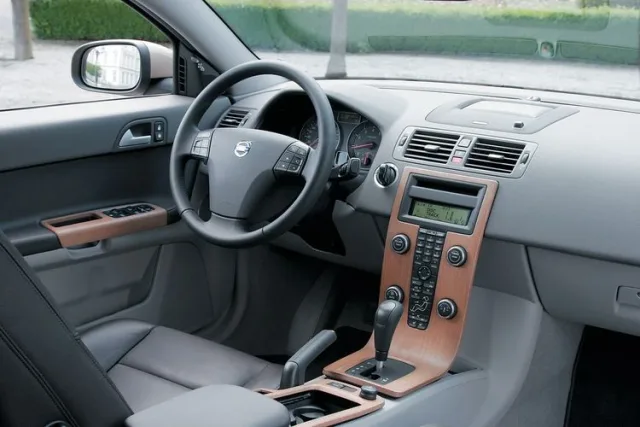
The "plywood" interior trim is not for everyone
The technical part remained unchanged. The only thing the engineers did was raise the power of the top T5 version from 220 to 230 hp. Otherwise — just cosmetics. New headlights and bumpers visually brought the S40 closer to the S80, and the V50 — to the fresh V70 station wagon. You look inside and... Did the Swedes really finish it with plywood? "The new option — panels made of light Scandinavian oak," the designers proudly explained. Indeed, thin plates of natural wood are glued on top of the panels. But that very "plywood" structure visible on the side cut is just plastic imitation.
The interiors of the S40 and V50 also gained new compartments for small items. "We worked until we were sure that every centimeter of space was used as efficiently as possible," says Steve Harper, who was responsible for the design of the updated Volvos. The front door pockets now easily fit A4 folders. On the center console — a niche for a mobile phone and a curtain covering the cup holders. The handbrake handle changed shape. And the console itself now extends to the rear seats and ends with a folding holder for 1.5-liter bottles — nice and convenient.
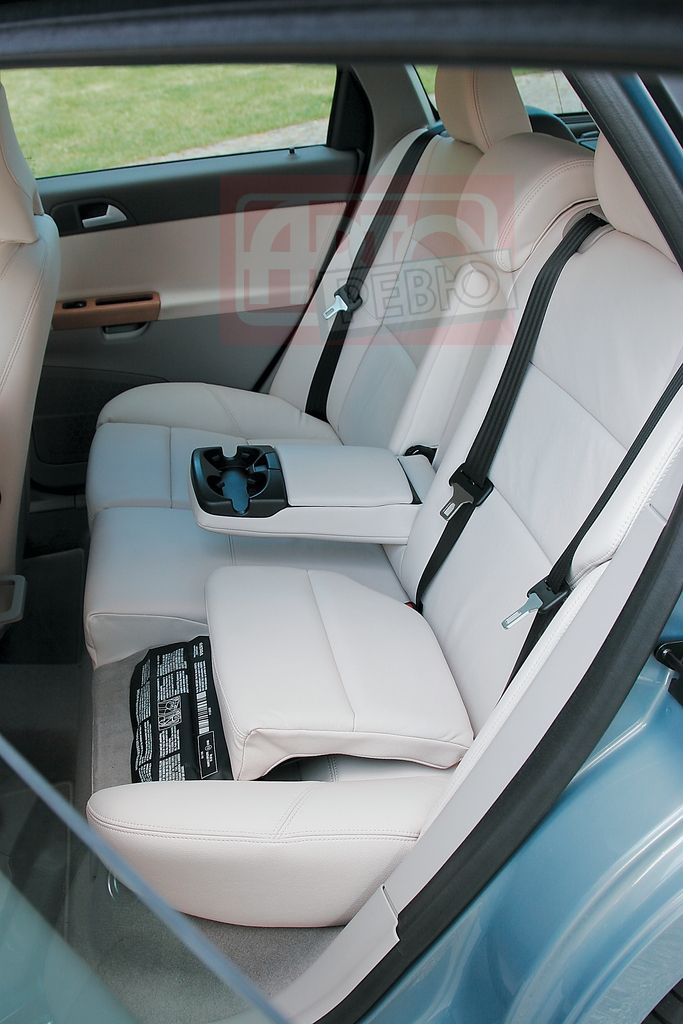 | 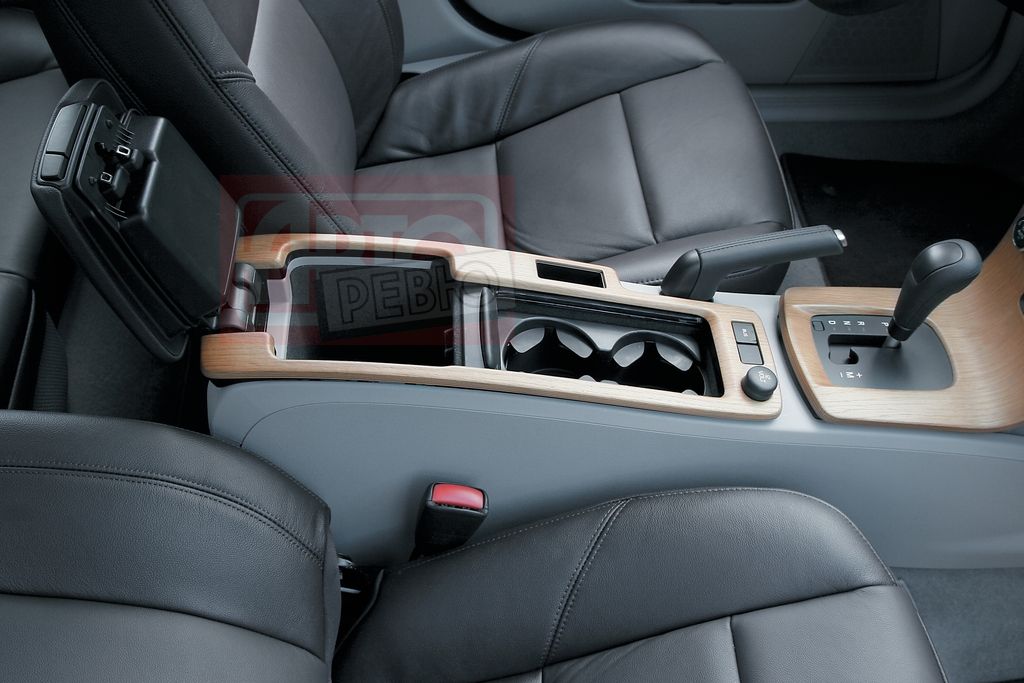 | 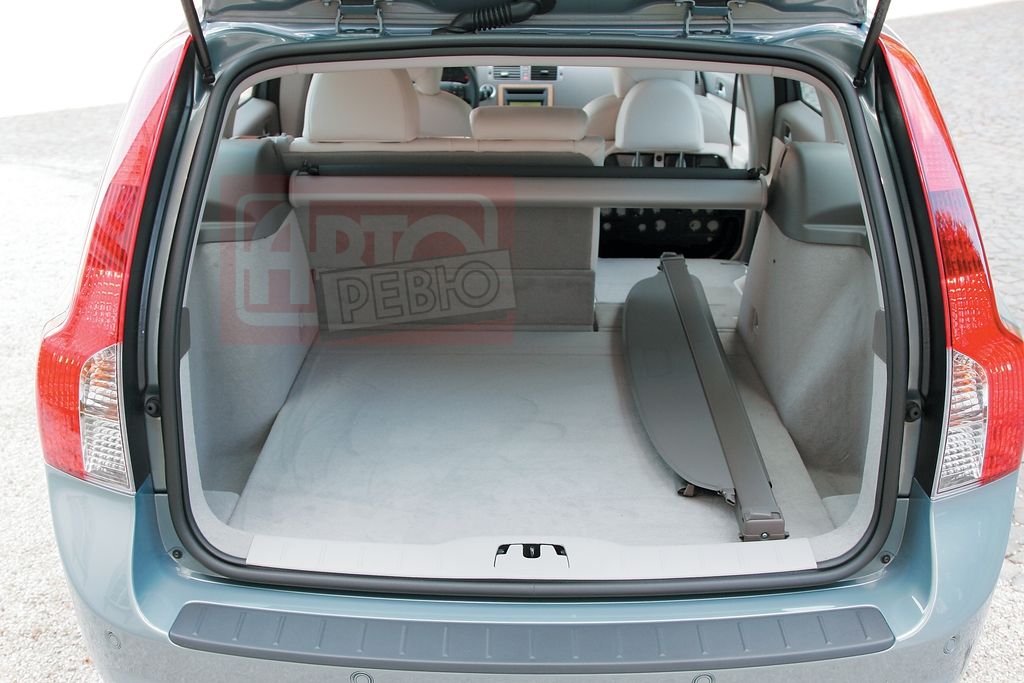 |
| The S40/V50 can also be equipped with transforming seats, but only "single-level" ones — for older children | The superstructure over the tunnel has become nicer and more spacious | The trunk volume of the Volvo V50 station wagon is 362 liters up to the curtain level, but if you fold the rear seats, the useful volume (up to the roof) will be 1257 liters |
Naturally, the Volvo update did not go without new safety systems. For example, the brake lights now can work in two modes: during calm braking they glow steadily, and with a sharp press on the pedal they start flashing — so the car behind will quickly understand that there is emergency deceleration ahead. If an accident could not be avoided and the airbags deployed, the hazard lights turn on by themselves. And for dark times of the day, swivel bi-xenon headlights appeared in the options list — with them, night trips are noticeably calmer.
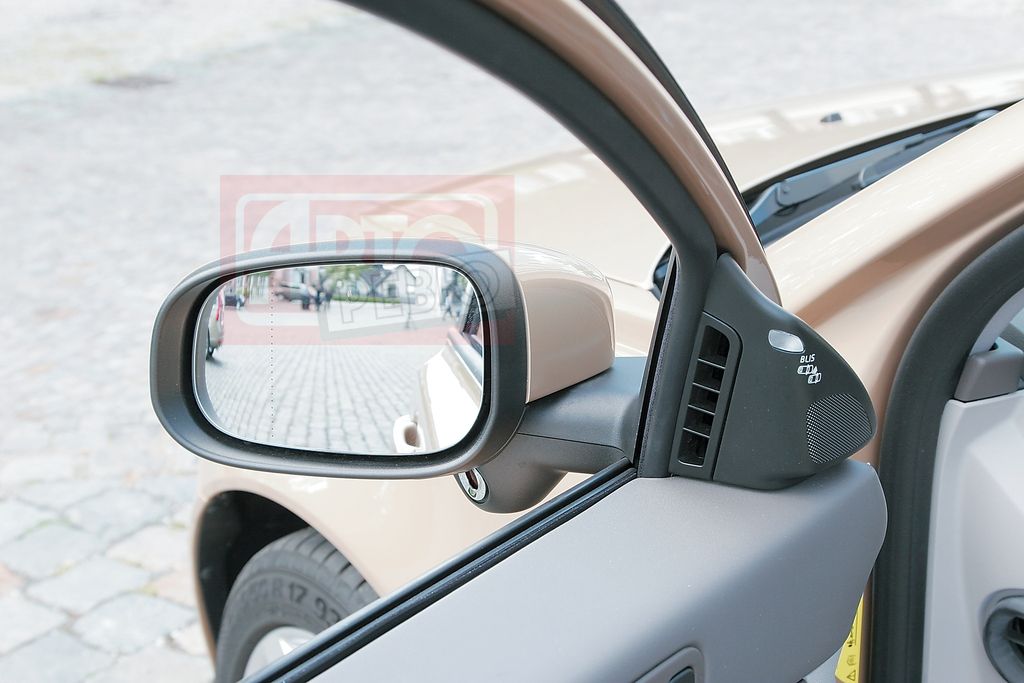 |
| The BLIS system is also available on the younger Volvo series |
The buyer audience of the S40 has noticeably gotten younger: while in the first-generation cars (before 2003) the share of owners under 35 was 23%, now it has grown to 45%. Volvo encourages this: for the new S40/V50, they offer the Premium Sound audio system with a digital Alpine amplifier and support for Dolby Pro Logic II Surround. Those who wish can additionally order adapters for iPod or any other players — connection is via USB.
However, young people would probably be happy with more affordable prices. But here, alas, it's the opposite: after the restyling, the S40 and V50 have become more expensive. The S40 sedan with a 1.6 engine (101 hp) cost $23,900 at the beginning of the year, but now they ask $25,400 for the updated version. With an automatic transmission, only the 170-horsepower modification with a 2.4-liter engine is still available — from $32,900. The top version 2.5 T5 (230 hp) will cost $40,900. V50 station wagons are traditionally about $1,300 more expensive than sedans.
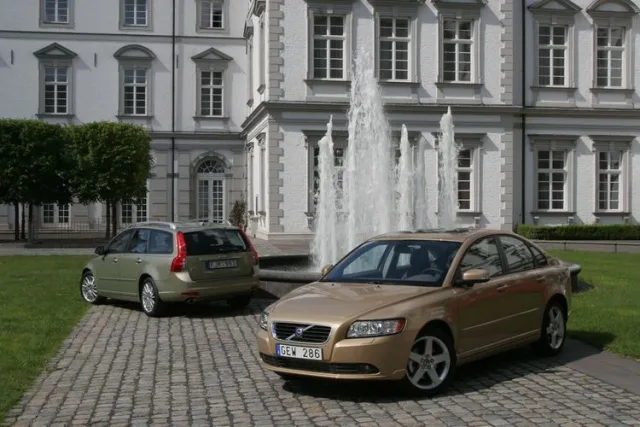
After the restyling, the Volvo V50 (left) and Volvo S40 (right) have become similar to their "older brothers" V70 and S80