
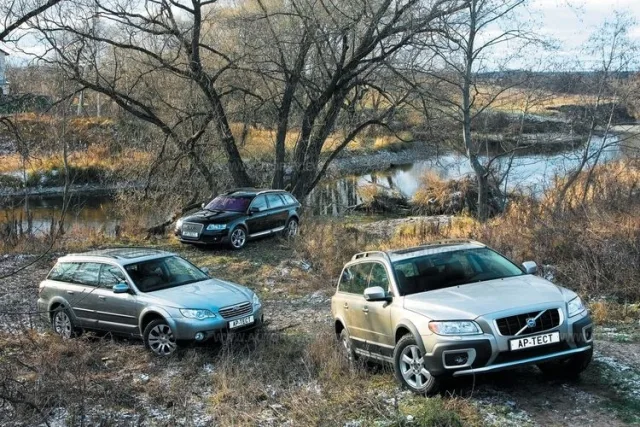
Audi Allroad, Subaru Outback and Volvo XC70. This trio first appeared on the pages of Autoreview seven years ago (see AR No. 20, 2000), when the Volvo all-road wagon was still called the V70 Cross Country.
Then there was another meeting — in AR No. 22, 2003.
And now — the third round. A new Allroad, a completely different Volvo XC70 based on the prestigious S80 sedan — and an updated Outback. Of course, the Audi is much more expensive than the Volvo and Subaru, but their purpose is the same!
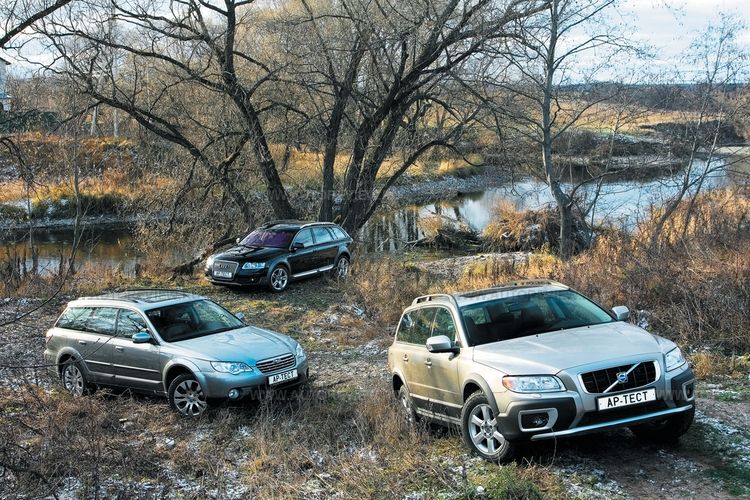
The Allroad in its new generation is one of the most expensive wagons on the planet: the starting price begins at $89,200, and the upper limit goes beyond one hundred and fifty thousand dollars. And the Audi's appearance matches: a massive radiator grille, chrome wheels, LED sections in the rear lights…
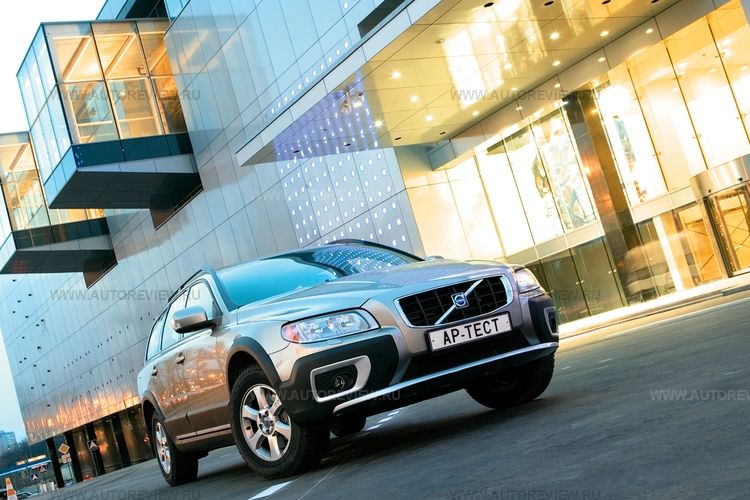
Black plastic around the body adds utility to the Volvo XC70, while metallic inserts add elegance
However, the Volvo XC70 is no longer the simple workhorse it used to be. It is the only one of the three cars to retain unpainted plastic cladding, but now it has been supplemented with metallic plastic inserts — it looks nice, but in terms of practicality it is no better than the fully painted cladding on the Audi and Subaru.
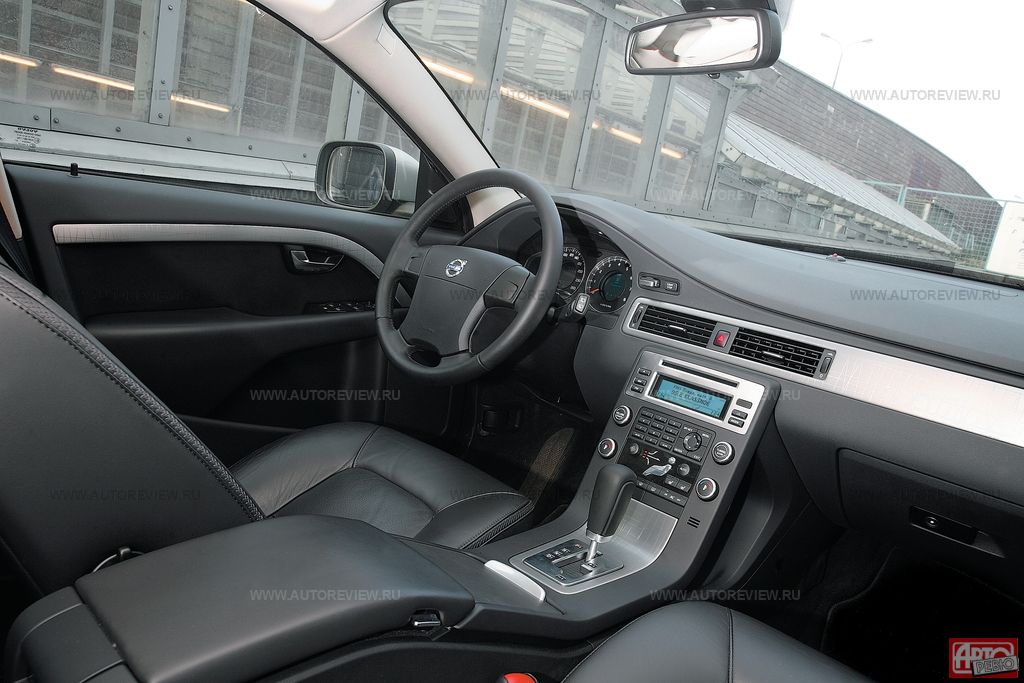 | 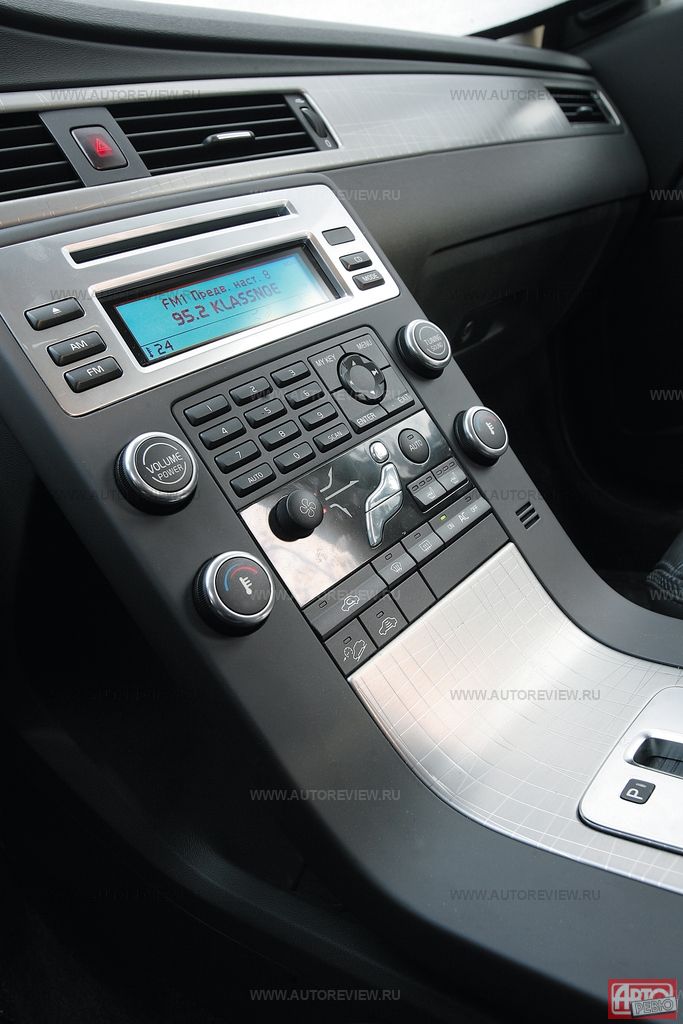 | |
| The engine on all three cars is started with a button, and for the Volvo and Audi it is included in the standard equipment | The light and airy interior is borrowed from the Volvo S80 executive sedan. It's just a pity that the idea of a "floating" console is lost when the cabin is finished in dark tones | The Volvo has very convenient climate control with one drawback: the air recirculation button is hard to find by touch |
The Outback once looked like a dandy, but time takes its toll. Moreover, there are almost no contrasting elements in its design — the plastic is painted in the body color. But in spirit, or more precisely, in the cabin, the Subaru still remains the most "combat-ready" in this company. Even if the trim is simple, everything here is subordinated to the driver! The pilot sits low, feeling the car perfectly through the dense seat. In the hands is a small Momo steering wheel, the center console is slightly turned toward the driver... And only the rear passengers are left out — it's cramped for both legs and head.
| Audi Allroad | Subaru Outback | Volvo XC70 |
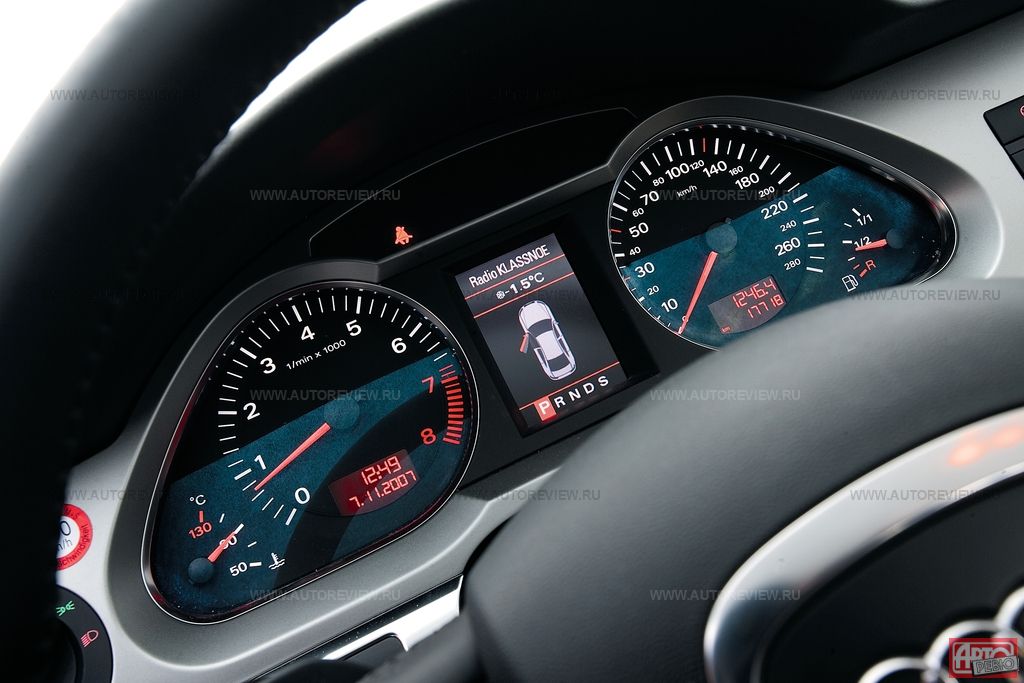 | 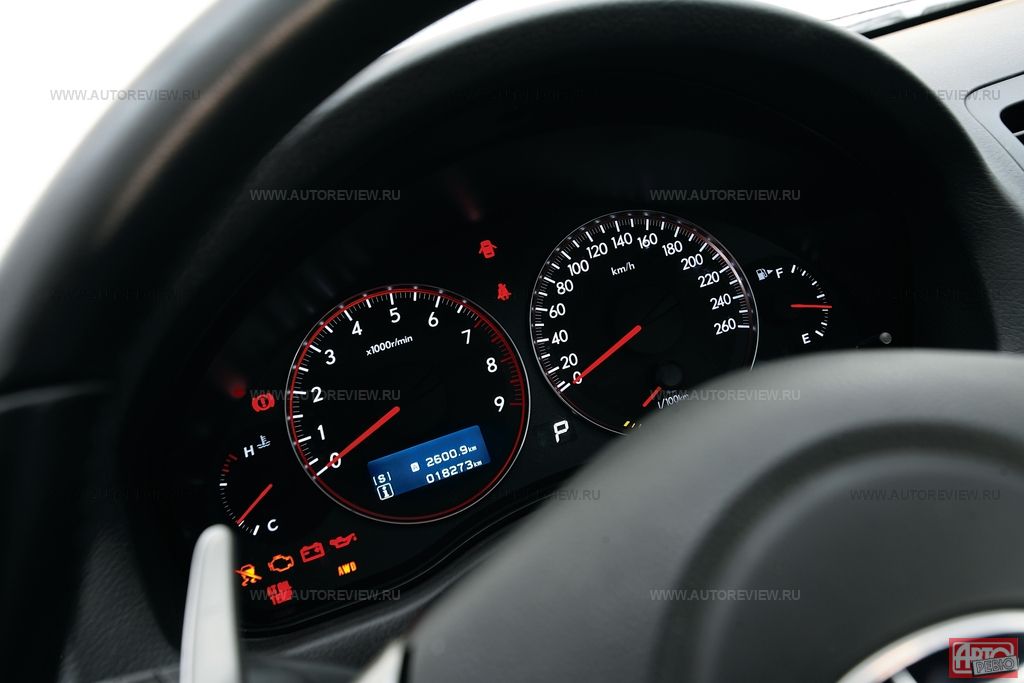 | 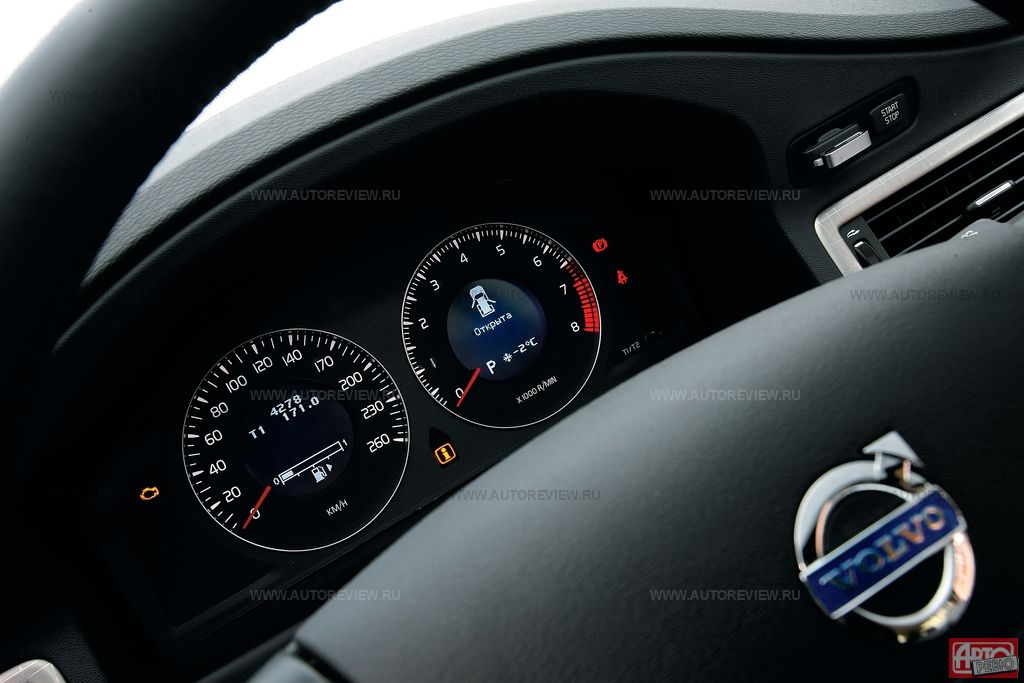 |
| The instruments in the Audi are spread wide apart, and the different-sized numbers make it difficult to read the speedometer readings. The Subaru has simple and clear scales and the largest indication of the engaged gear number. On the Volvo, the "automatic" operating mode is very hard to discern, and there are only two dial gauges — the speedometer and tachometer | ||
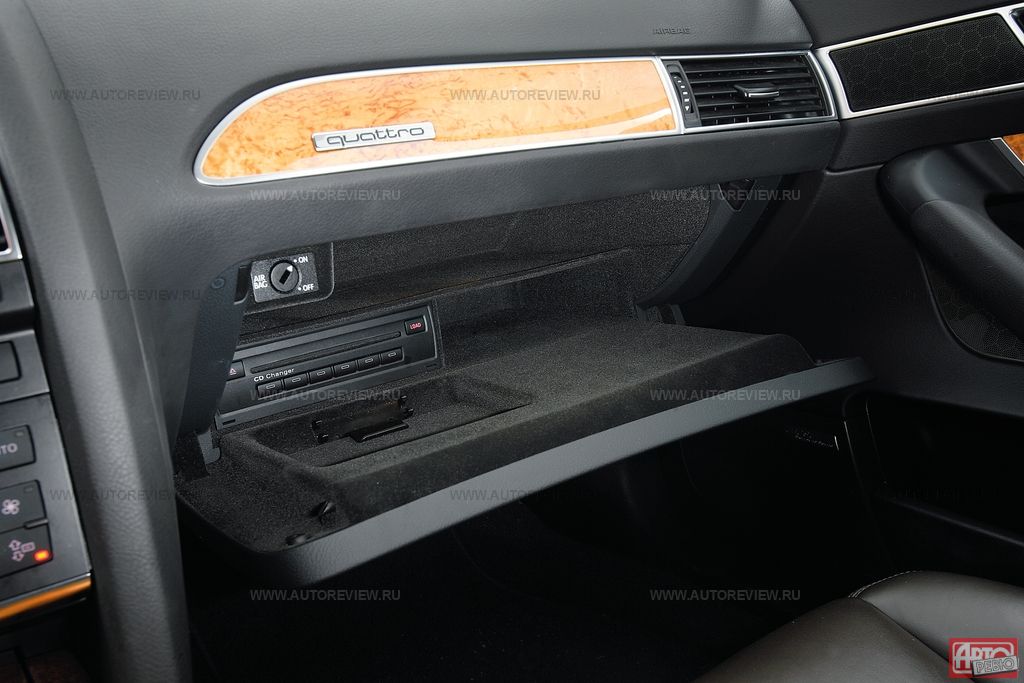 | 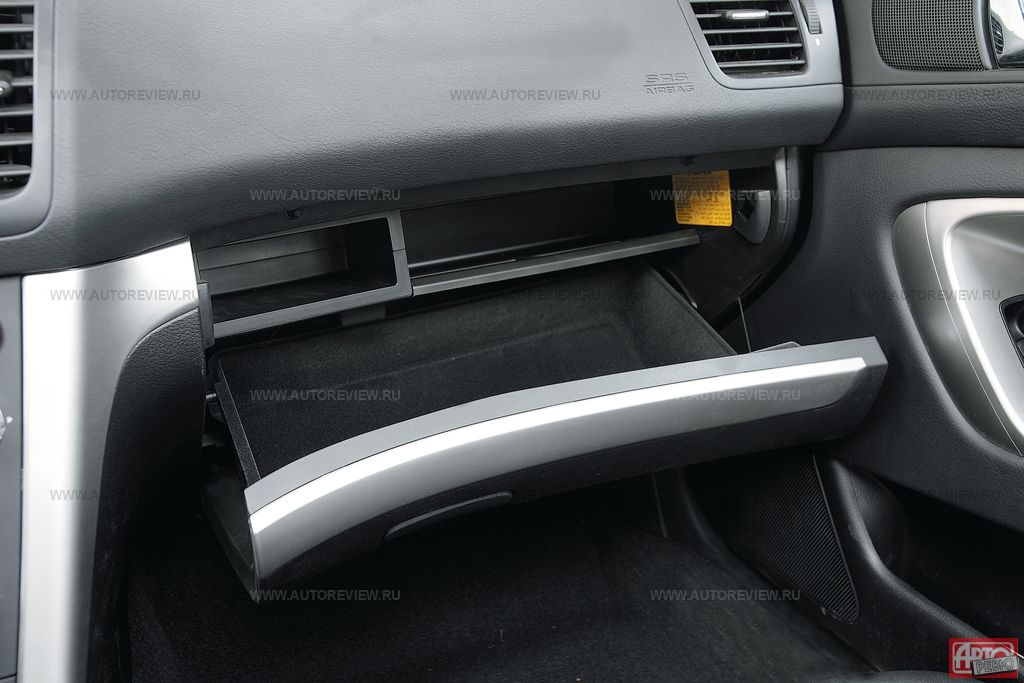 | |
| The glove boxes of the Volvo and Subaru are comparable in size, but the Outback's glovebox has a convenient two-tier architecture. The Audi's glovebox is "encroached upon" by the six-disc CD changer | ||
The Audi is a completely different story: there is plenty of room on the rear (and heated!) sofa. From there, it's amusing to watch the driver slide from side to side in corners on his flat and slippery seat, turning the large thin steering wheel. But behind the wheel, you can have fun with settings via the MMI menu — from the air suspension height to separate climate settings for the front occupants. And how many buttons are on the strict but elegant front panel — each one breathes German quality!
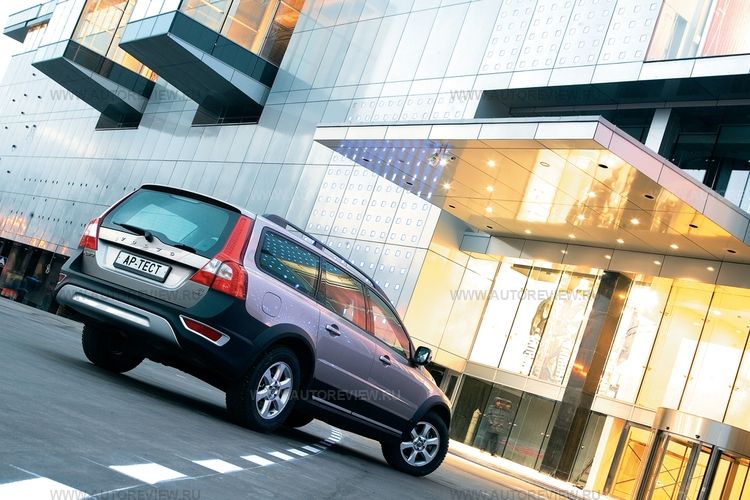
On the Volvo's console, our favorite "little man" still lives — a group of buttons responsible for adjusting the "climate" airflows. The interior of the new XC70 has changed radically — now it is a triumph of Scandinavian design, like in the latest Volvo S80. The driver's seating position here is the highest, and in terms of adjustment ranges for the steering wheel and seat, the Volvo is almost as good as the Allroad. And the rear sofa is noticeably more spacious than in the Subaru — although tighter than in the Audi.
In terms of power of the six-cylinder engines with a displacement of 3.0–3.2 liters, all three tested wagons are close: from 238 hp in the Volvo to 255 hp in the Audi. But the Allroad is clearly faster: a smooth and assertive acceleration under the deep and velvety sound of the V-shaped "six", the most logical throttle control with the help of a "smart" six-speed "automatic".
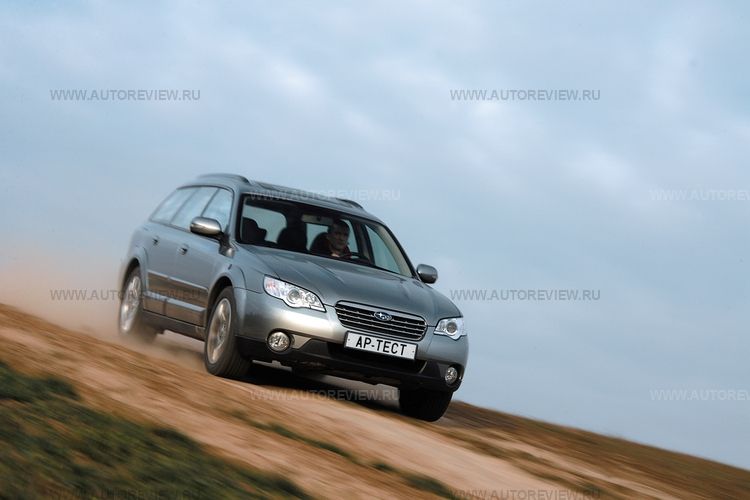
The Subaru performs excellently both on asphalt and on dirt roads. Even if the Outback sometimes lacks precision, this is fully compensated by excellent mutual understanding with the driver
The Subaru Outback is slower: if the roads of the test site were free of ice and we could take measurements, the equipment would surely confirm this. But the sensations from the Subaru's acceleration are sharper: the nervous, hoarse roar of the "boxer" is a song! True, the Japanese engine lacks traction "down low", and during leisurely driving, the gearbox sometimes does a disservice — it's not always possible to predict its not-so-smooth shifts. But in the Subaru, as in the Audi, there are convenient paddle shifters mounted on the steering column. We pull the left paddle toward us, forcing a downshift — and forward, to the red zone of the tachometer!
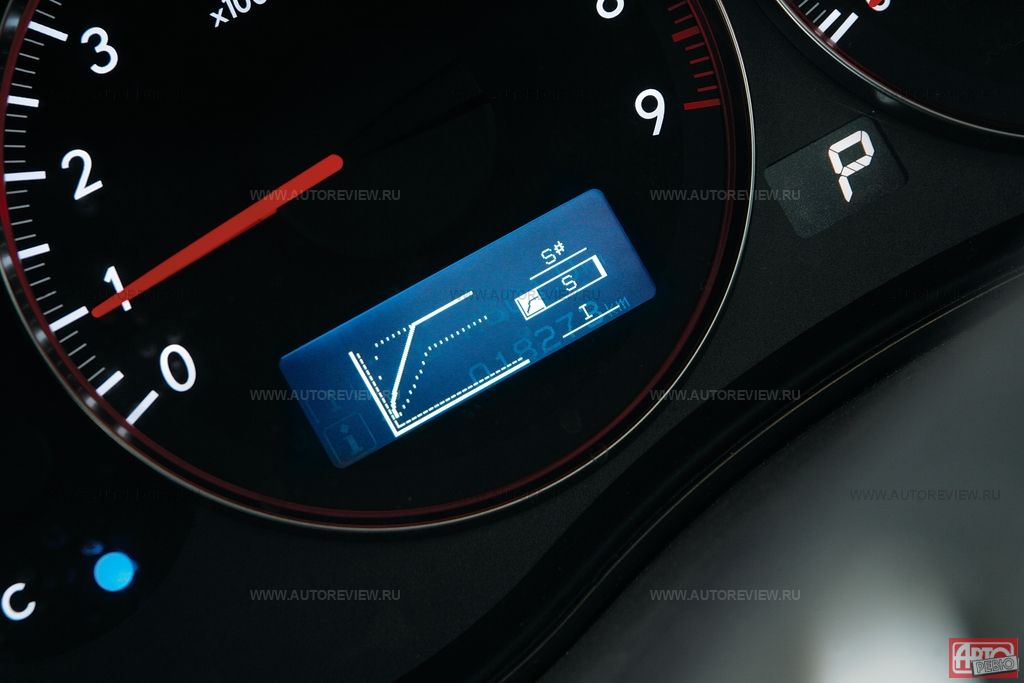 | 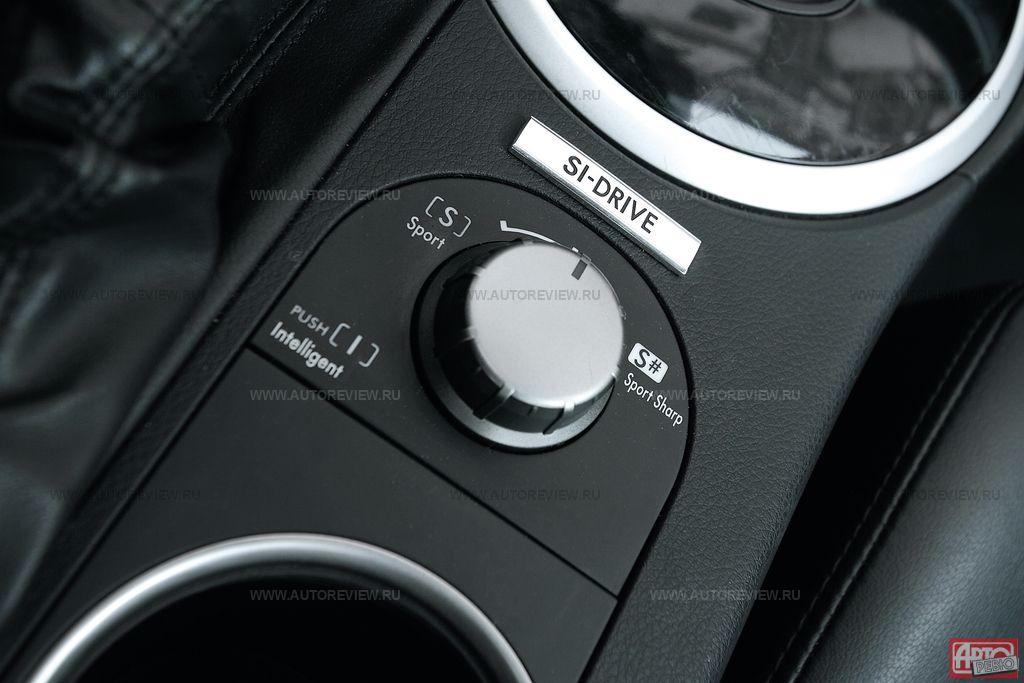 | 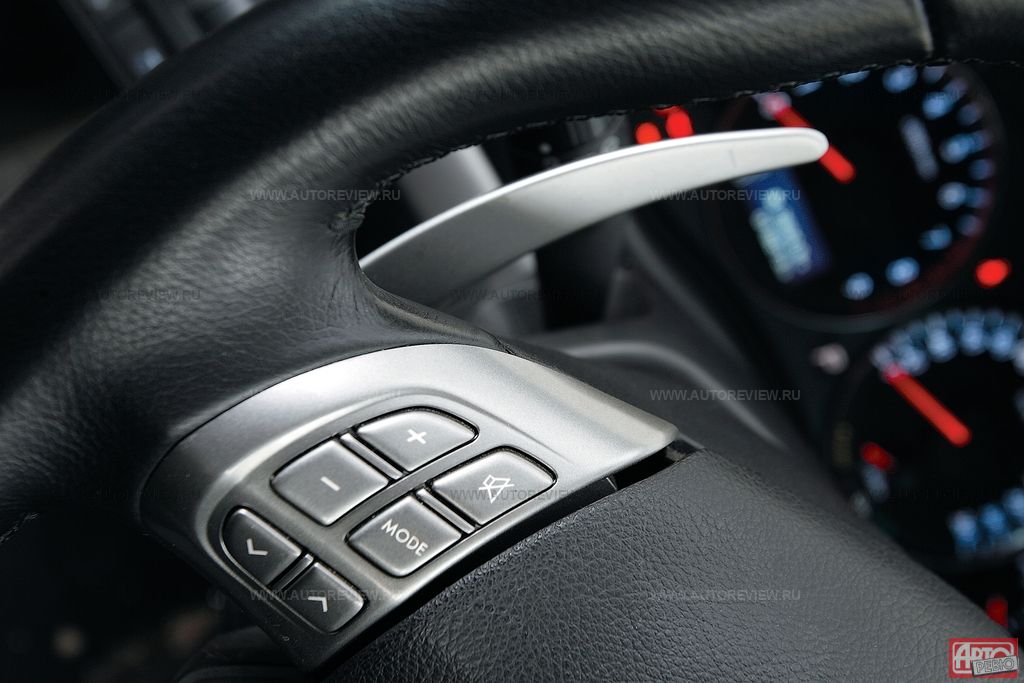 |
| The Subaru Outback is equipped with the Si-Drive (Subaru Intelligent Drive) system, which allows you to choose one of three modes of engine response to pressing the gas pedal. Si-Drive is controlled by a washer on the center tunnel. When pressed, the Intelligent mode is activated — the calmest, designed for comfort and fuel economy. But the engine power in it is limited not only at partial loads, but also when the accelerator is pressed "to the floor". Dangerous! Turning the washer to the left, you can activate Sport mode, which is most convenient for everyday driving. By turning the "knob" to the right or using the large key under the right spoke of the steering wheel, Si-Drive switches to Sport Sharp mode, in which responses to the gas pedal become sharper. Changes in settings and the level of engine thrust can be observed on the display of the onboard computer | The audio system control keys, like the convenient paddle shifters of the "automatic", are included in the Subaru's standard equipment | |
But the Volvo XC70 does not provoke speeding at all. Although it accelerates faster than the Outback, yielding only to the Audi, it does everything smoothly and leisurely. True, the non-linear response to pressing the gas pedal interferes, making it difficult to precisely dose the thrust when crawling in traffic jams.
Smoothness is the Volvo's creed. Soft "automatic" shifts, soft suspension… In a straight line, the XC70 rushes superbly, tracing arcs accurately. But the steering wheel is almost "empty", and the car responds to turns of the wheel with a slight delay. Unsurprisingly, during an emergency obstacle avoidance maneuver, the "seventy" turned out to be the laziest of the trio — even very fast and deep steering wheel turns did not provide the desired sharpness of the maneuver.
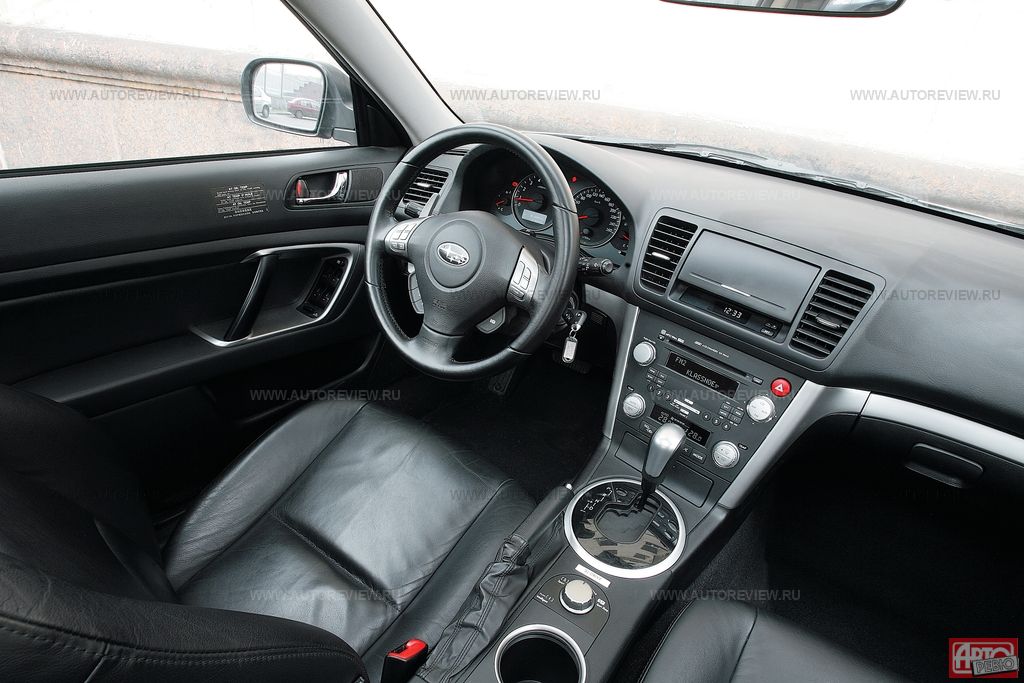 | 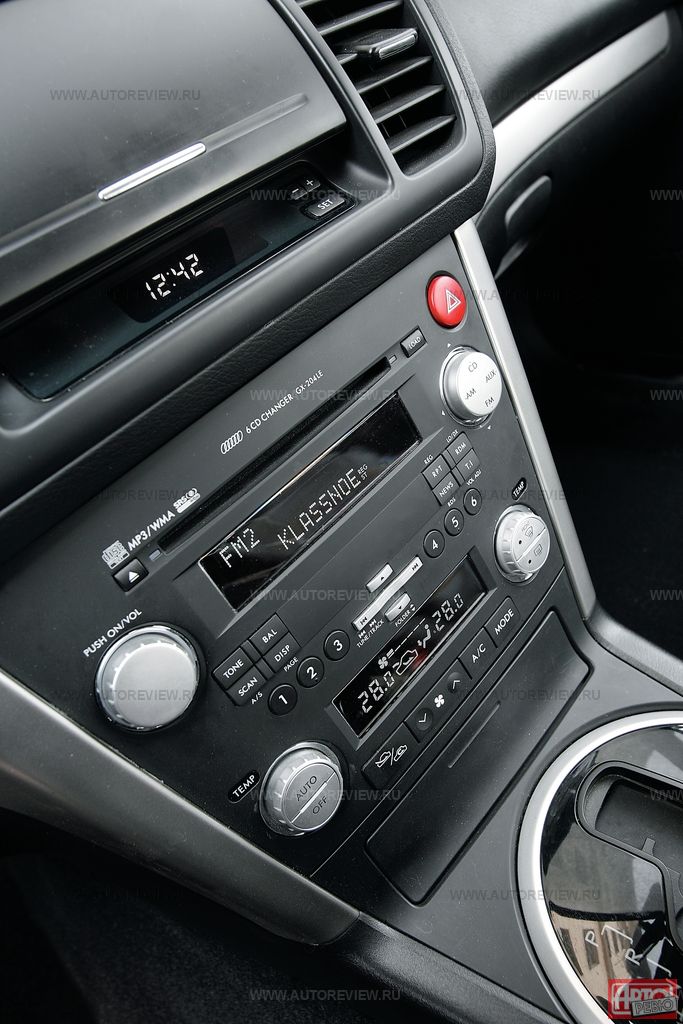 |
| The Subaru's interior is starting to age — this is primarily noticeable in the quality of materials. The seating position is the lowest | The control unit for the dual-zone climate control on the Subaru is located low, so the "automatic" selector in the "P" position covers some of the buttons |
Audi doesn't disappoint either: the chassis here is clearly a notch higher. On a high-speed straight, the Allroad holds confidently, like the German ICE express, changes lanes quickly and smoothly, and in corners it holds the line with neutral handling. And if you need to swerve sharply around an obstacle? You throw the wheel to the side, and the car reacts instantly, almost without delay.
| Audi Allroad | Subaru Outback | Volvo XC70 |
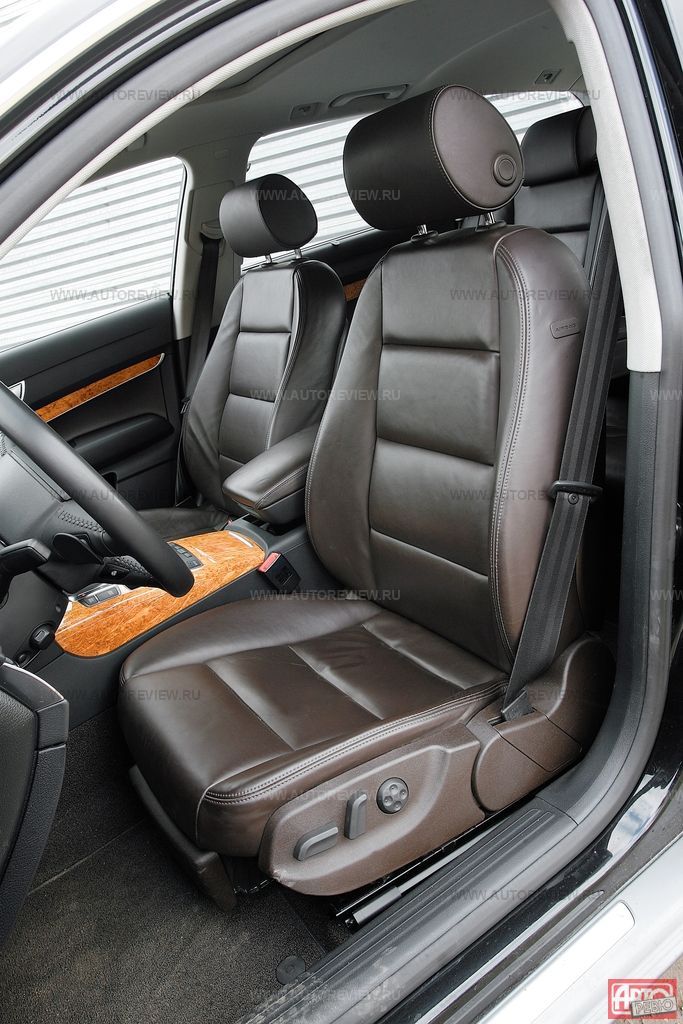 | 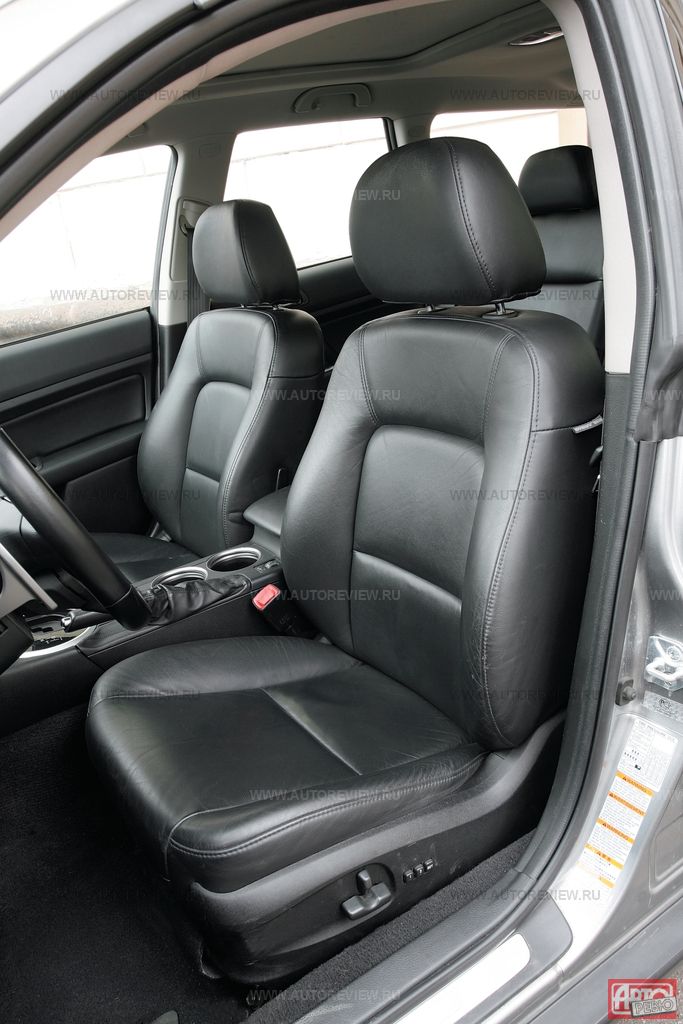 | 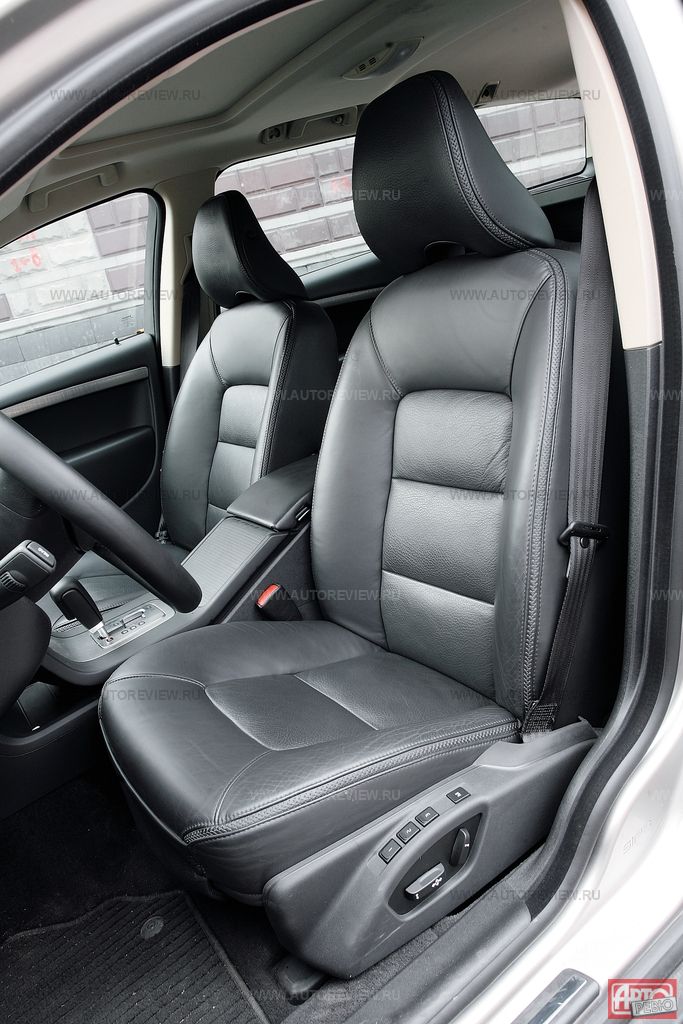 |
| The flattest front seats are in the Audi, while the most sporty are in the Subaru. In the Volvo, the central part of the seats is covered with more "grippy" leather than the side bolsters | ||
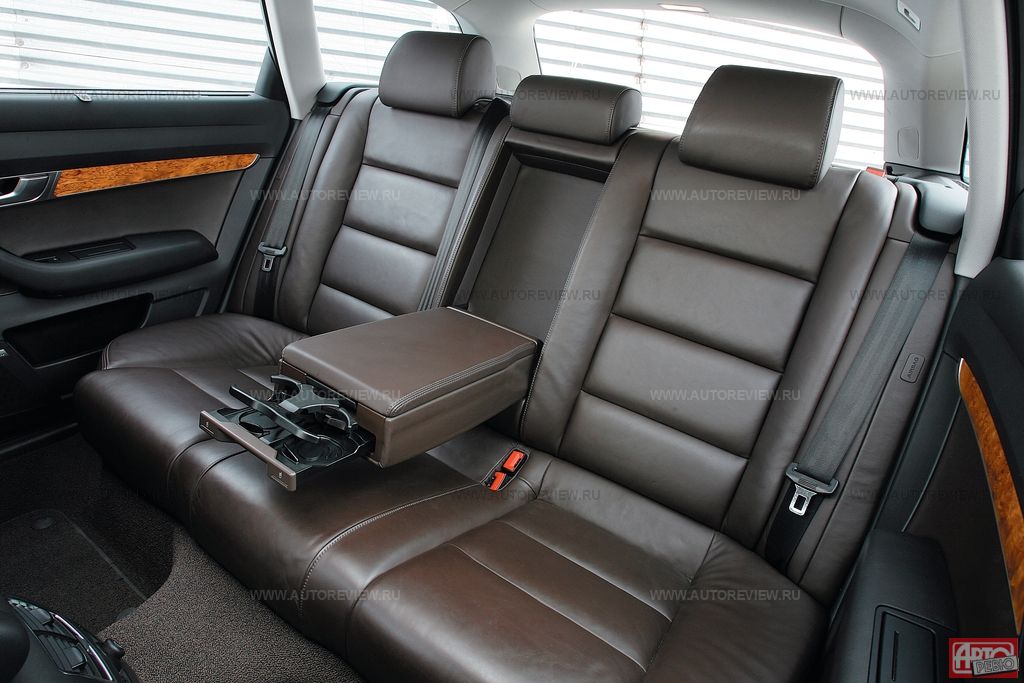 | 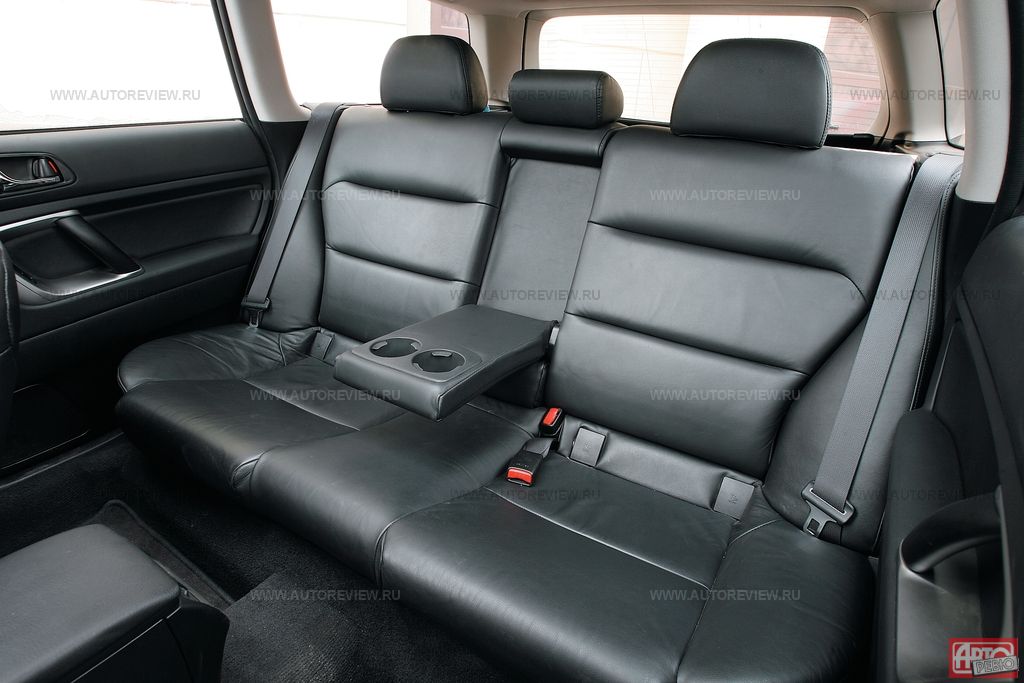 | 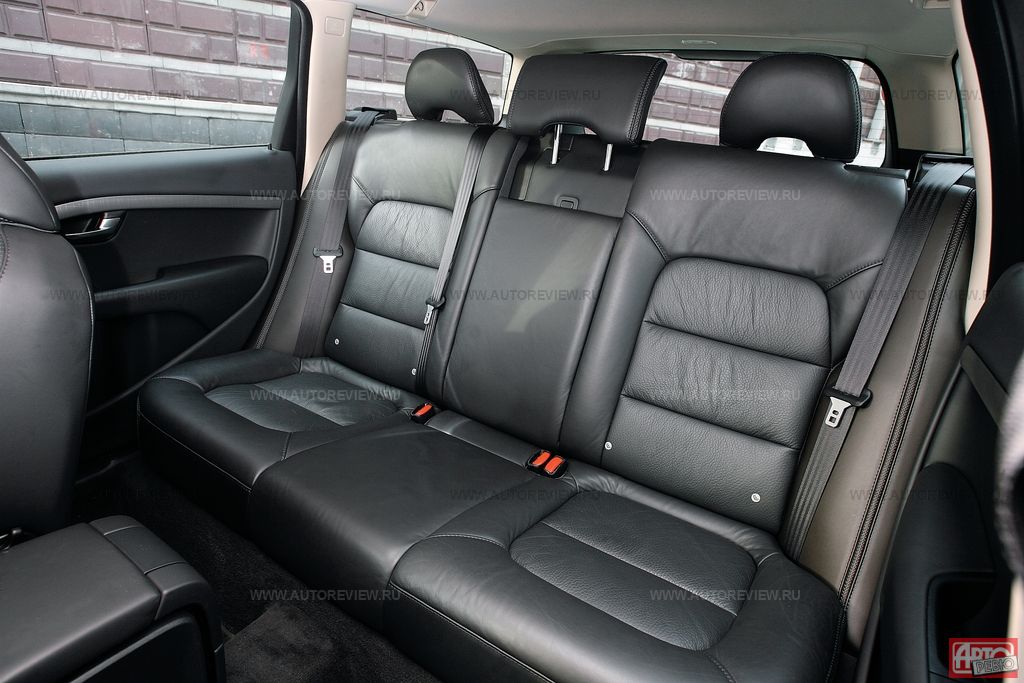 |
| The rear seat in the Audi is the most comfortable and spacious. But three people won't sit comfortably in any of them, and the Subaru is the tightest. In the Volvo, the central armrest is a folding section of the backrest. Both European cars have air vents in the rear pillars | ||
But there's one annoying nuance — the steering feels "empty." Normal feedback appears only above a hundred kilometers per hour, and even then only when driving straight or making very careful lane changes. In other situations, the effort on the wheel changes unpredictably!
But the Subaru Outback is a completely different story...
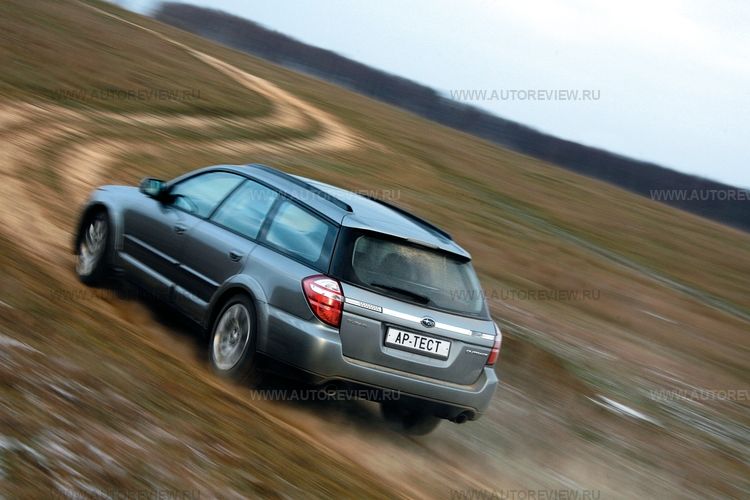
Actually, the Japanese chassis isn't as "sharp" as the Audi's. In fast corners, the Outback leans more noticeably and "floats" slightly off the line... But it holds a high-speed straight like a rock, and in fast bends when you lift off the throttle, it first slides slightly at the front, then literally screws into the corner on the verge of oversteer. Magnificent! The steering effort is so natural that it feels like you could drive the Outback with your eyes closed.
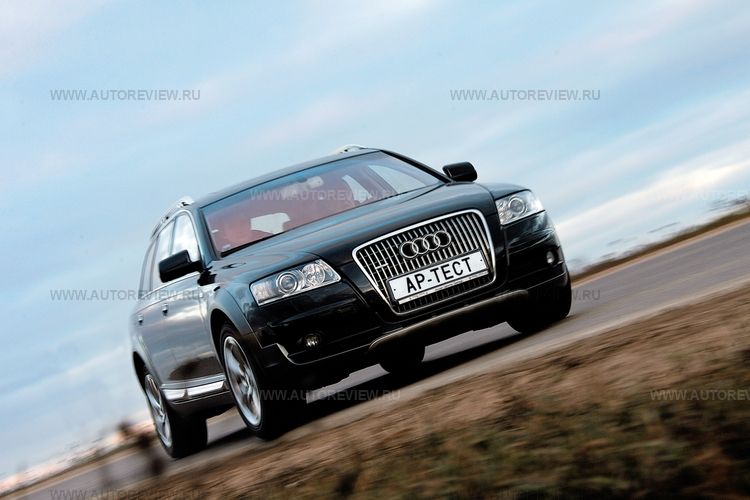
The Audi's chassis is tuned perfectly, but it "talks" to the driver as if from a distance.
True, its brakes are the most logical to control
And what about off-road capability?
These three wagons have never been and never will be true "off-roaders." The Audi has air suspension with adjustable ride height, but the new Allroad's maximum ground clearance has been reduced from the previous 208 mm to 185 mm. And the Torsen center differential, which can't fully lock, often proves useless in mud and snow — you have to rely on the brake-based traction control that grabs the spinning wheels. The Volvo and Subaru have fixed ground clearance (210 mm and 200 mm respectively), but their center couplings can engage the rear axle up to a rigid connection (the Volvo has the famous Haldex, and the Subaru with the "automatic" has a similar multi-plate mechanism).
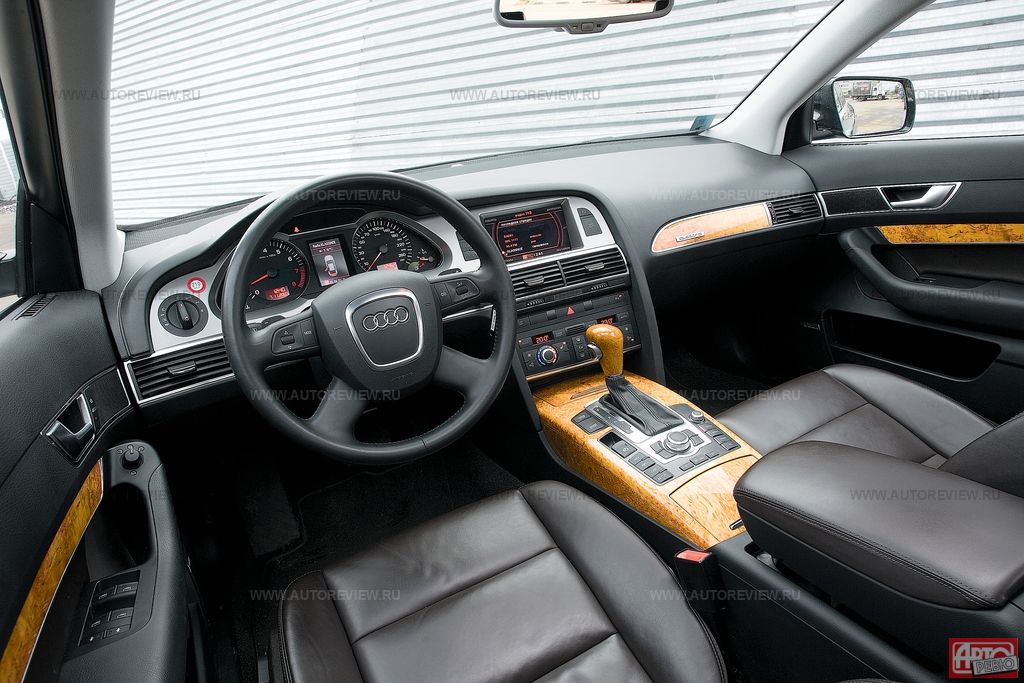 | 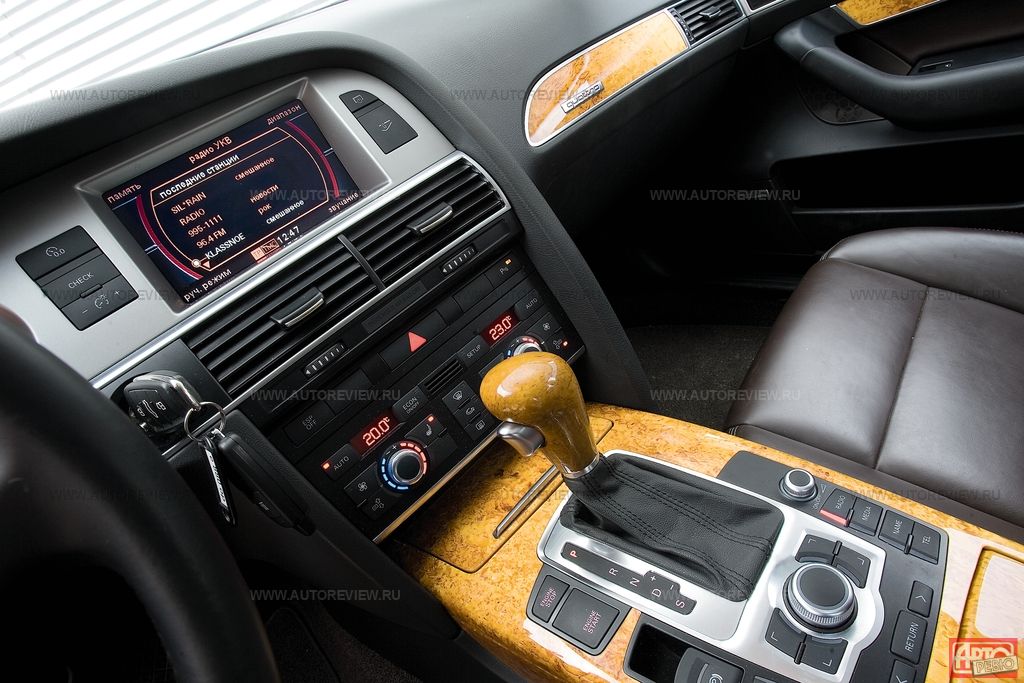 | |
| Even the base version of the Audi Allroad looks luxurious inside. And our wagon also got a color MMI screen instead of a monochrome one, plus a heated steering wheel | The Audi's air suspension has one automatic and four "manual" modes that differ in ride height and damper stiffness. The off-road Lift mode works up to 35 km/h | It's easy to get lost in such a multitude of buttons... |
However, for such cars, the main thing is the ability to quickly and smoothly, without impacts from below, dash along a country road to the dacha. And here the Audi Allroad wins. Even though the suspension meticulously follows the road surface even in the most comfortable of the five modes, there's no pitching at all, and vibration from "small stuff" appears only in the stiffest Dynamic mode.
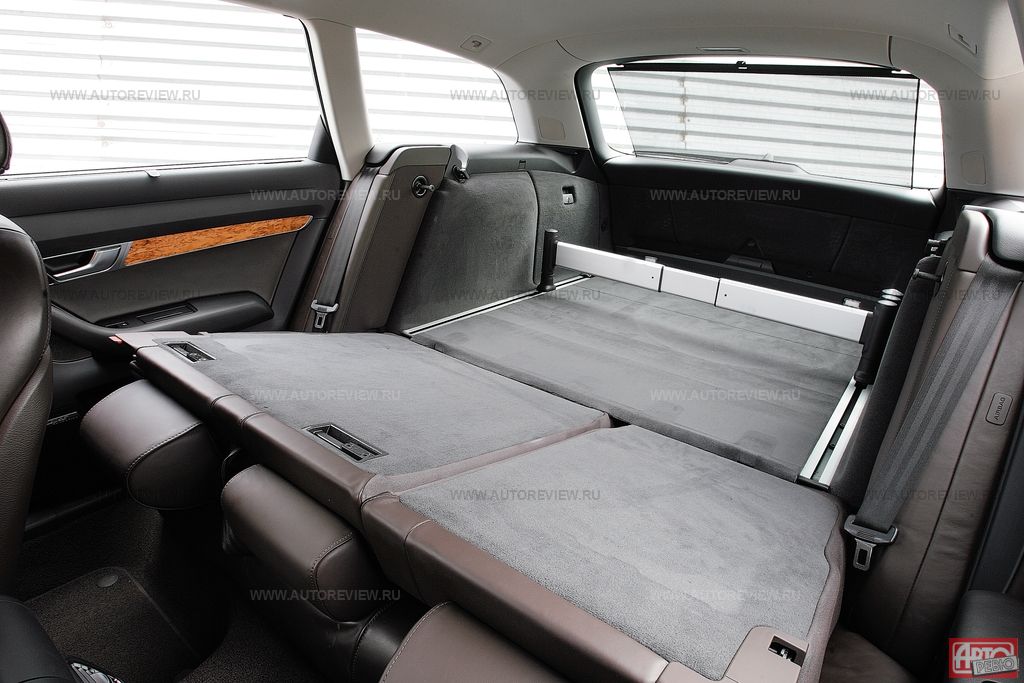 | 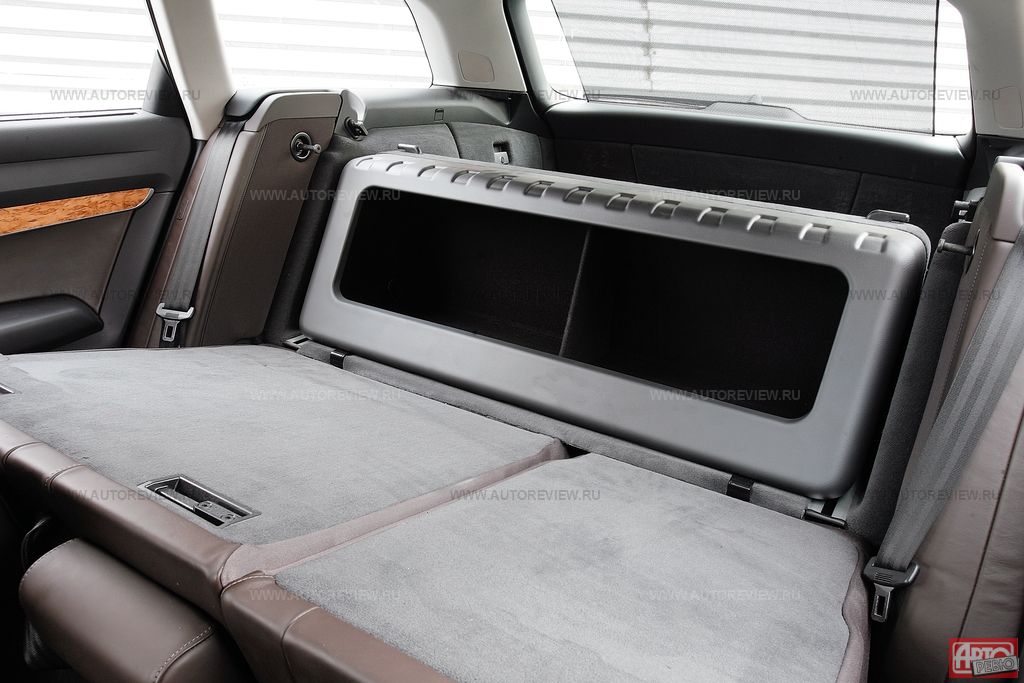 |
| The Audi's trunk can be supplemented with a lightweight removable secret compartment accessible from the cabin | |
The Subaru's suspension reacts more harshly to medium and large bumps — it feels like it's tuned for battle. But calling it stiff doesn't feel right — too often the body shows a tendency to pitch and oscillate repeatedly on waves.
The Volvo also pitches, but mostly in the lateral direction. The Swedish chassis absorbs small cracks and asphalt joints well, but on medium-sized potholes, passengers get noticeably shaken.
| Audi Allroad | Subaru Outback | Volvo XC70 |
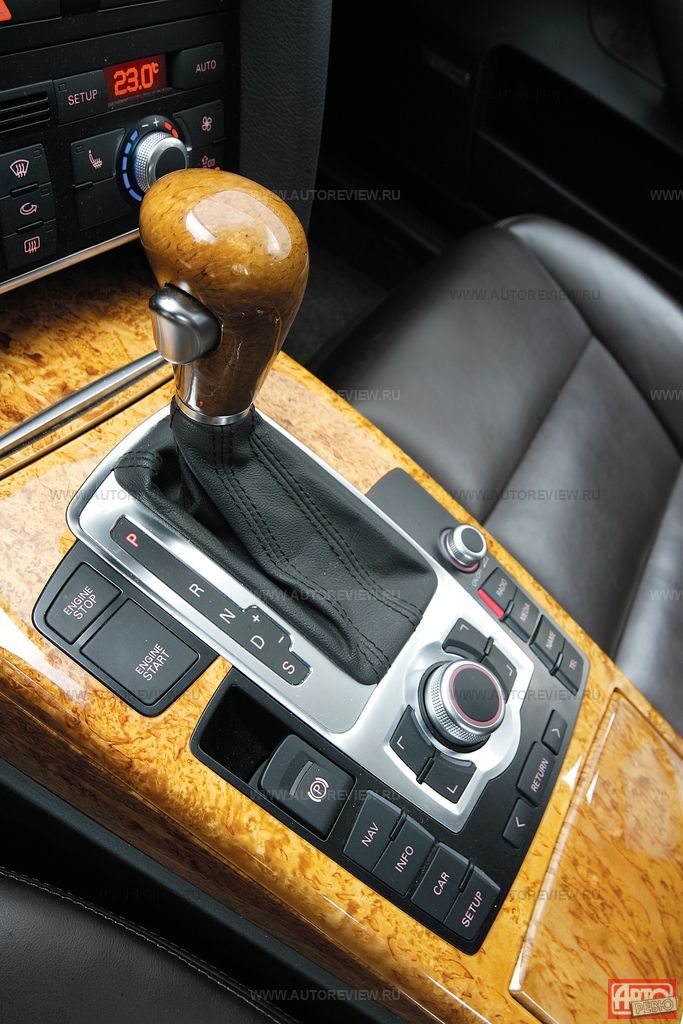 | 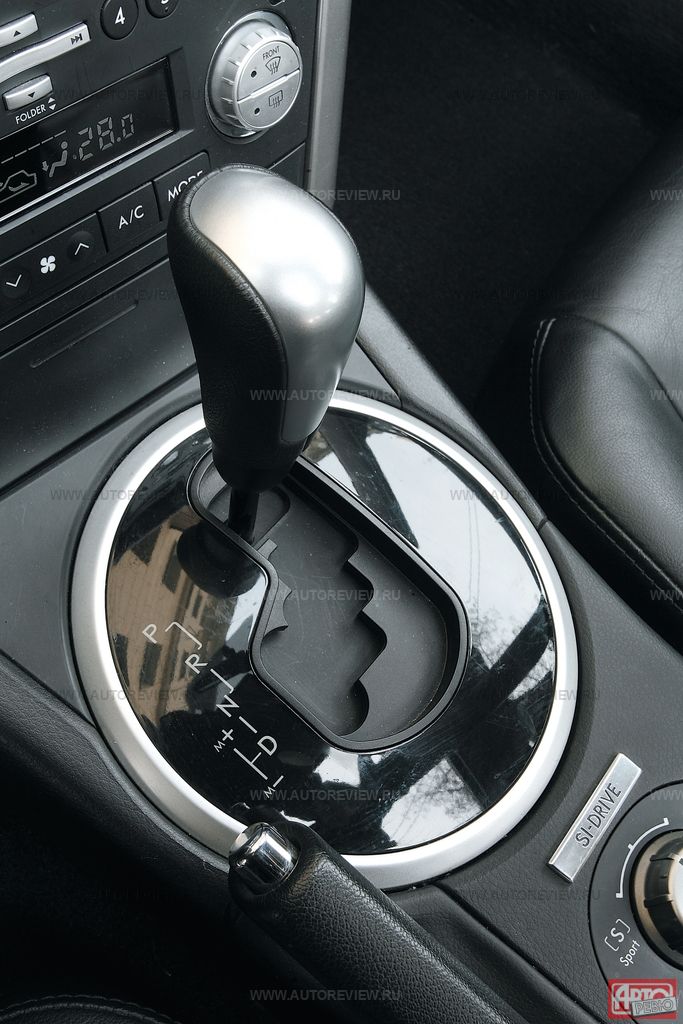 | 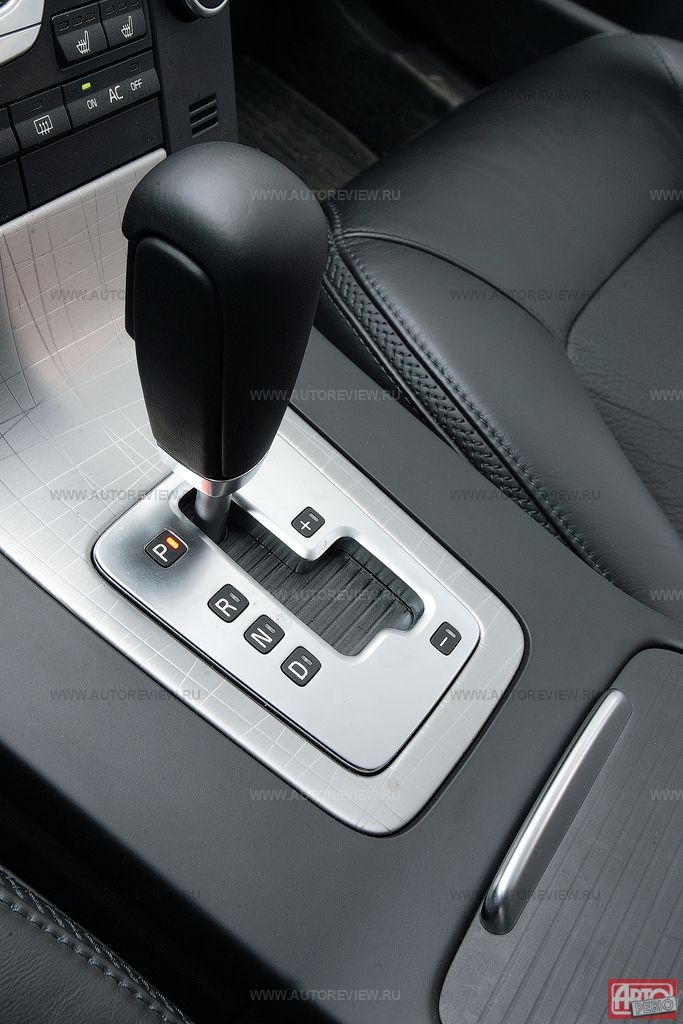 |
| In the Volvo XC70, to switch to manual mode, the "automatic" selector must be moved to the right — away from the driver. The Swede has no sport mode, nor does the Subaru. But the Japanese car has the most convenient manual transmission control — both with the lever and with long paddle shifters | ||
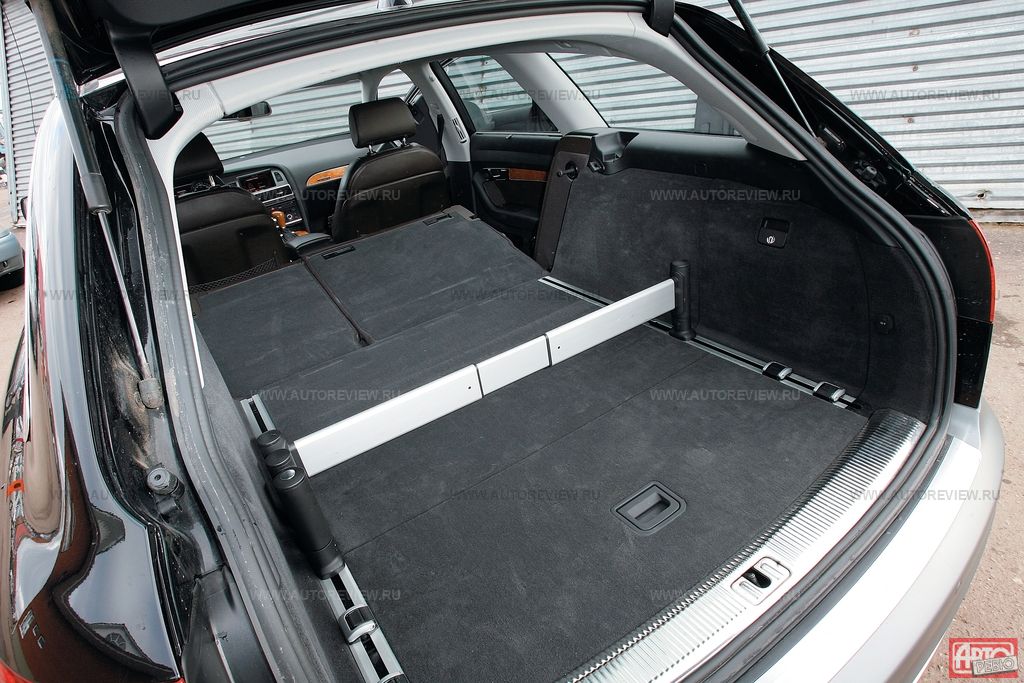 | 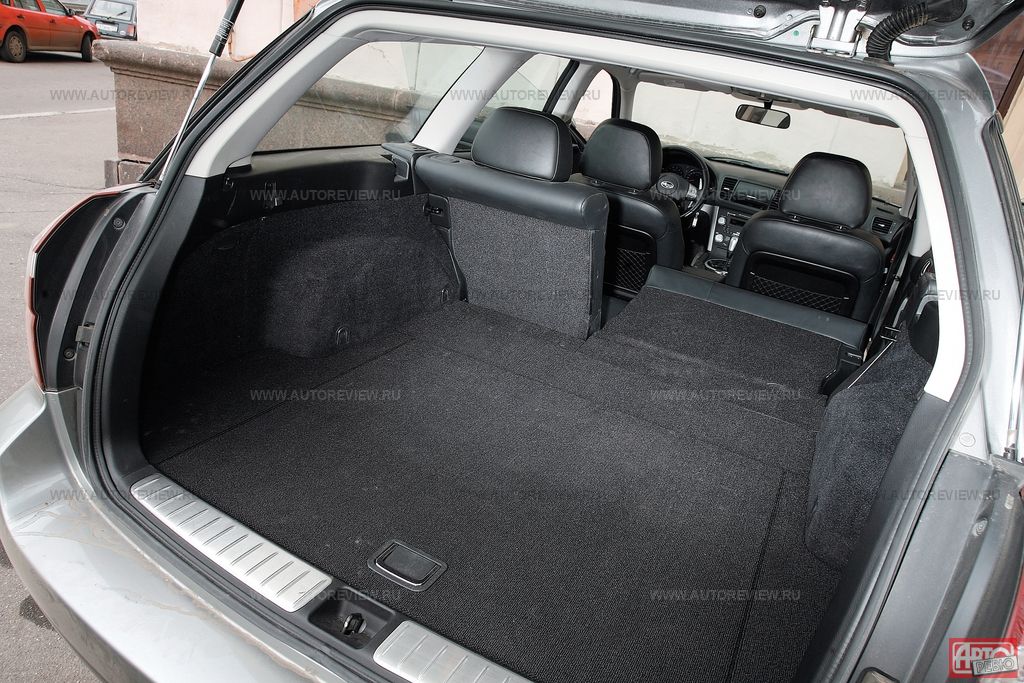 | 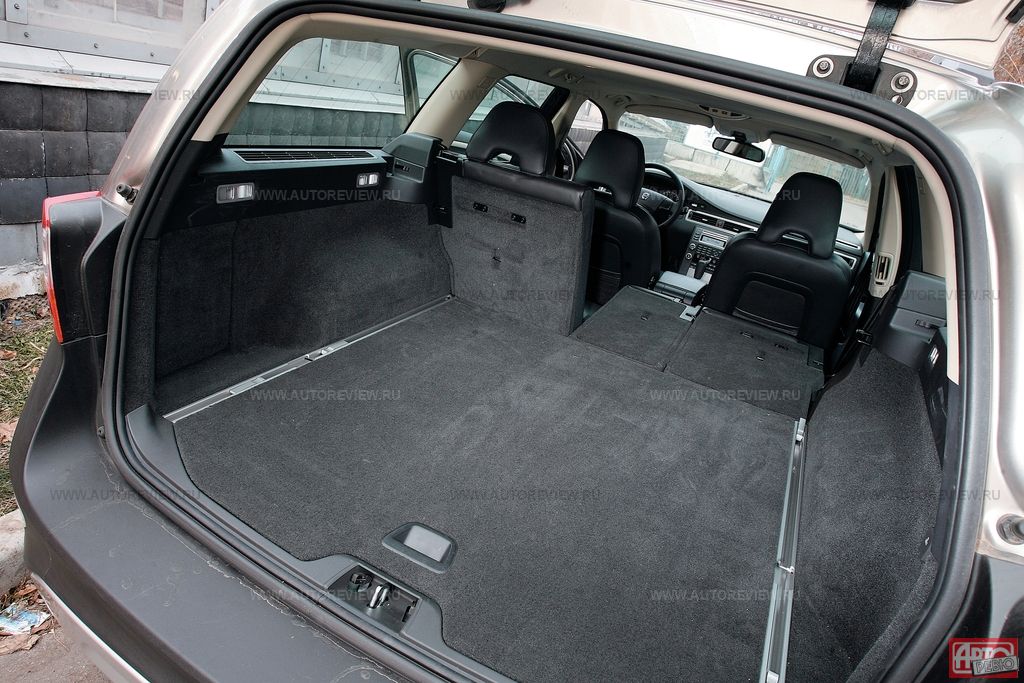 |
| The trunks of all three cars are comparable in volume and convenience. But the Audi and Volvo are equipped with rails on the floor for securing cargo, and an electric tailgate is optional. The Japanese managed to hide a full-size spare under the Subaru's floor. The highest loading height is in the Volvo, while loading things into the Audi is the most convenient | ||
The Volvo XC70's cabin isn't quiet either: the hum of winter studded tires is louder here than in the Subaru and Audi. But the engine's voice only breaks through during "kick-down." The Subaru's hoarse engine sound perfectly matches its driver-oriented character, but will it hold up on a long trip? That's why we gave the highest acoustic comfort rating to the Audi. The velvety voice of the "six" is heard in the cabin only during acceleration, and the rest of the time, only a muffled hum of winter tires penetrates through the solid sound insulation.
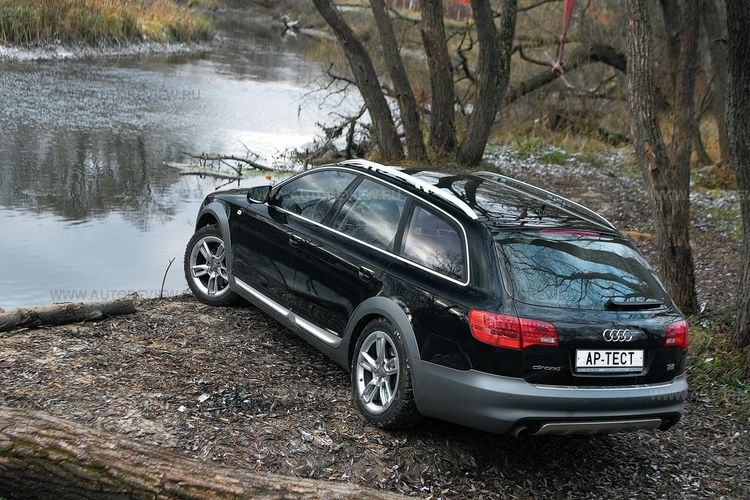
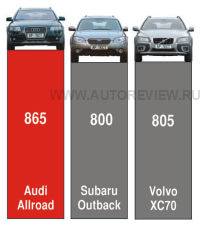
So, the Audi Allroad has won again — which, of course, was predicted by the price.
The Subaru Outback and Volvo XC70 practically shared second place. But these are completely different cars!
The Outback is a bit cramped for rear passengers, but it deserves the title of "driver's car" more than any of them, which is rare for vehicles with off-road ambitions. And the Swedes, even if they tried to turn the new Volvo XC70 toward the driver, did so without much enthusiasm: it's still a comfortable and friendly car for relaxed driving. Moreover, the Volvo isn't as much worse than the "premium" Audi as it is cheaper.
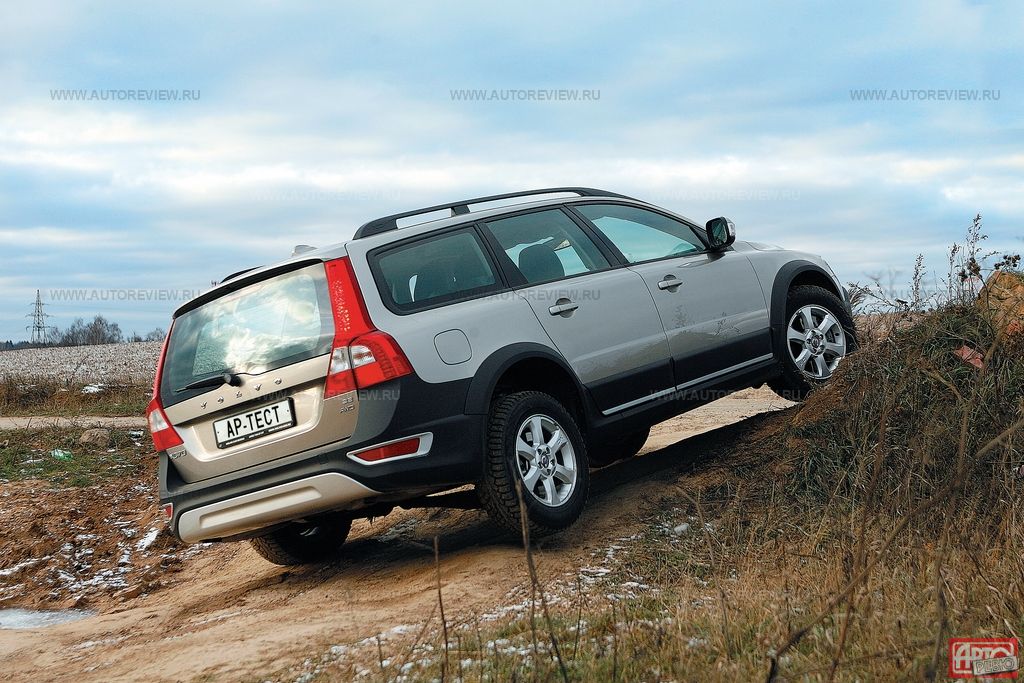 | 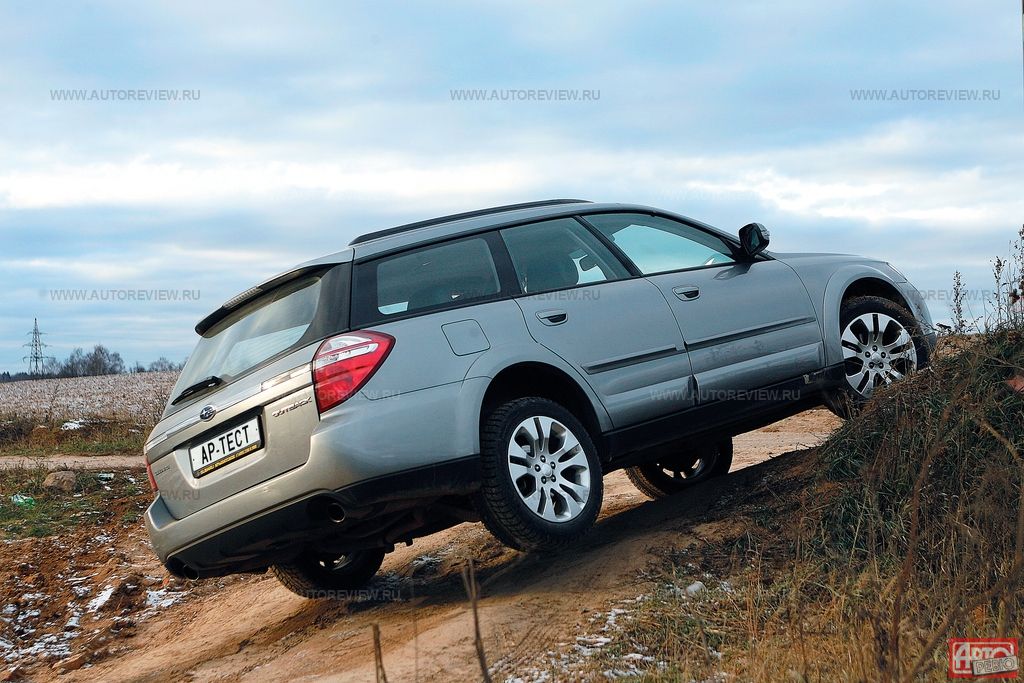 | 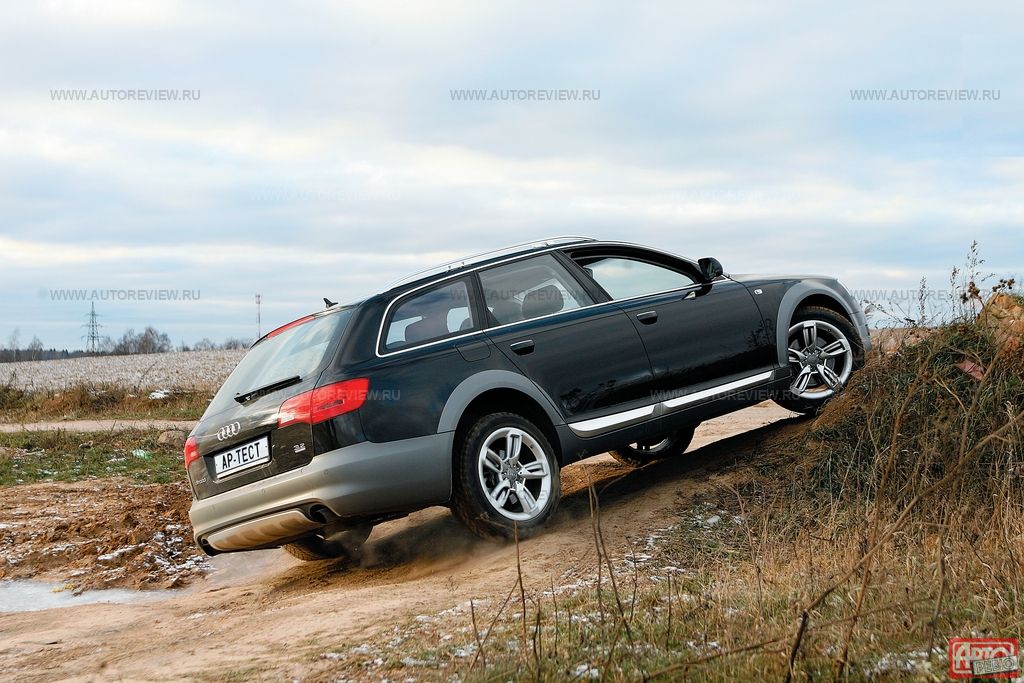 |
| Climbing a hill and lifting one or two wheels off the ground is within the capabilities of all three cars — thanks to electronic assistants. Subaru's symmetrical all-wheel drive, which normally splits torque between the axles at 45:55, wins off-road over Volvo's scheme, where almost all torque is sent to the front until wheelspin begins. | ||
Before we went for testing, on the website www.autoreview.ru we asked readers which car from the trio of participants they would choose for themselves.
The votes were divided as follows:
Audi Allroad 48.28%
Subaru Outback 25.04%
Volvo XC70 26.68%
A total of 9229 people voted
| Expert assessments of Autoreview | ||||
| Evaluated parameters | Max. score | Cars | ||
| Audi Allroad | Subaru Outback | Volvo XC70 | ||
| Design | 160 | 150 | 130 | 140 |
| Exterior | 80 | 75 | 65 | 70 |
| Interior | 80 | 75 | 65 | 70 |
| Ergonomics | 160 | 135 | 140 | 140 |
| Driver's workplace | 80 | 70 | 70 | 70 |
| Visibility | 80 | 65 | 70 | 70 |
| Dynamics | 330 | 285 | 275 | 255 |
| Acceleration dynamics | 80 | 75 | 70 | 65 |
| Braking dynamics | 100 | 90 | 85 | 85 |
| Handling | 90 | 75 | 80 | 70 |
| Off-road | 60 | 45 | 40 | 35 |
| Ride comfort | 180 | 155 | 130 | 140 |
| Ride smoothness, vibration protection | 70 | 60 | 50 | 55 |
| Acoustic comfort | 60 | 50 | 45 | 45 |
| Microclimate | 50 | 45 | 35 | 40 |
| Cabin comfort | 170 | 140 | 125 | 130 |
| Passenger seats | 70 | 55 | 45 | 50 |
| Trunk | 60 | 55 | 50 | 50 |
| Cabin transformation | 40 | 30 | 30 | 30 |
| Total score | 1000 | 865 | 800 | 805 |
Final assessments of Autoreview
| Audi Allroad | Subaru Outback | Volvo XC70 |
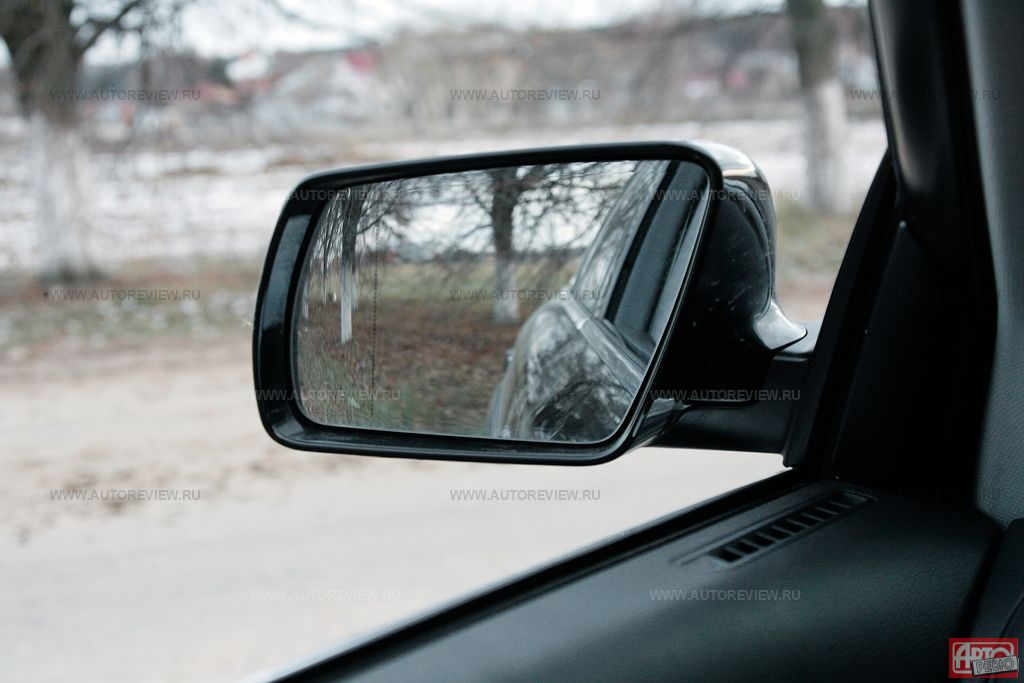 | 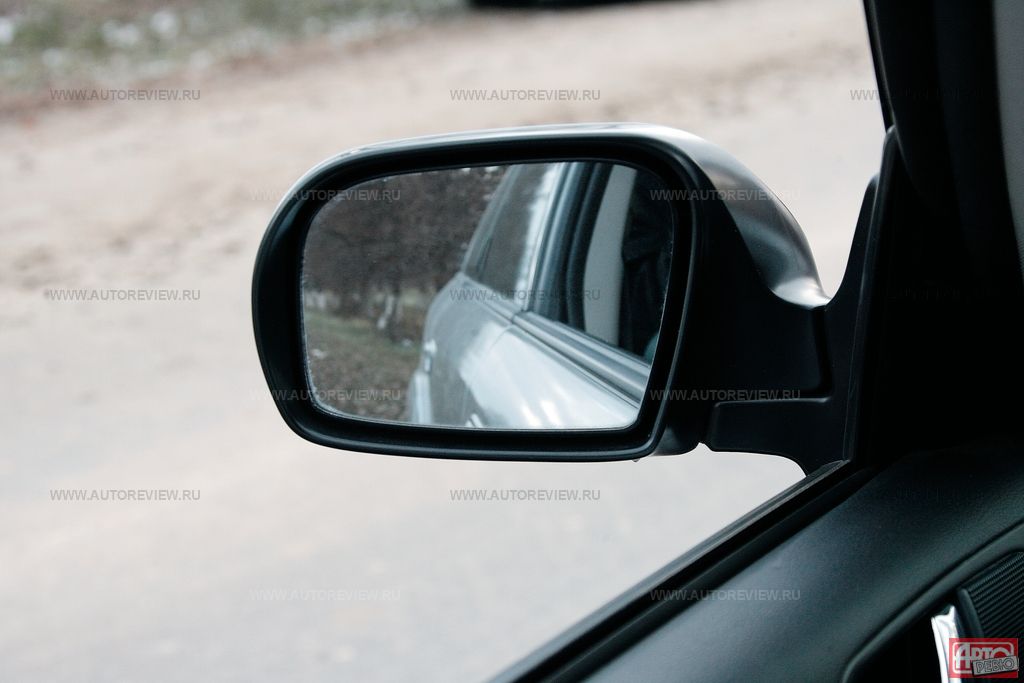 | 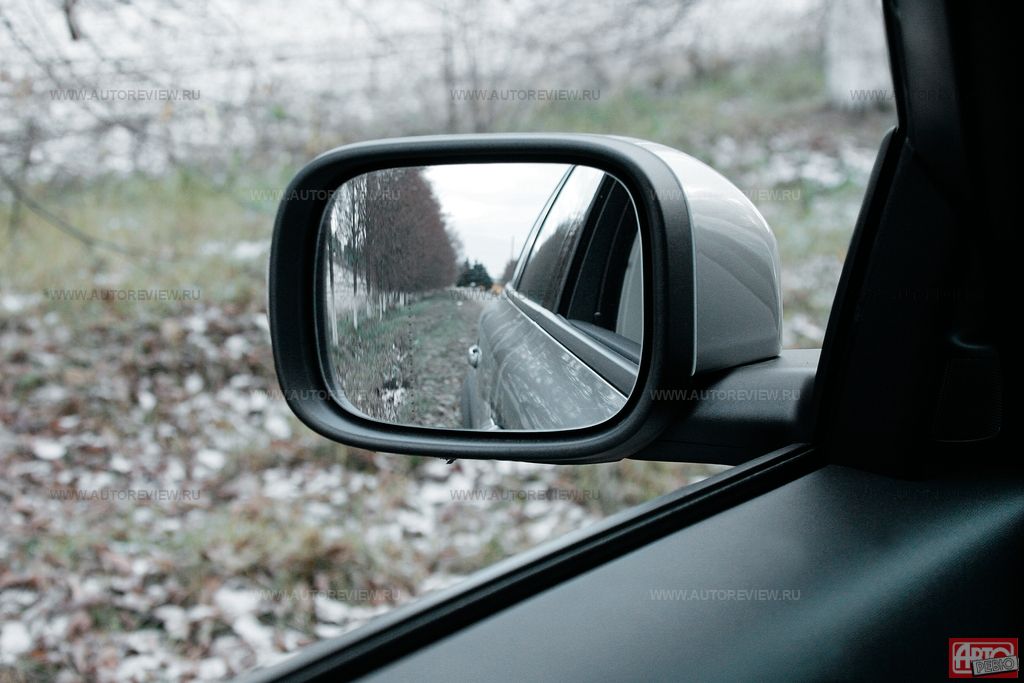 |
| The exterior mirrors on all three station wagons are quite successful, although on the Subaru they are somewhat more compact, and the flat zone of the Volvo mirrors could be made larger. In the Audi, the panorama before the eyes is spoiled by the heavily raked windshield pillars and the rearview mirror, which sits too close. In the Volvo, visibility is hindered by massive front pillars. But in the Subaru with frameless door windows, visibility is the best. | ||
| Specifications | |||
| Parameters | Cars | ||
| Audi Allroad | Subaru Outback | Volvo XC70 | |
| Body type | 5-door station wagon | 5-door station wagon | 5-door station wagon |
| Trunk volume, l | 565—1660* | 459—1628* | 555—1600* |
| Curb weight, kg | 1800 | 1570 | 1725 |
| Gross weight, kg | 2430 | 2060 | 2390 |
| Engine | petrol, direct injection | petrol, port injection | petrol, port injection |
| Location | front, longitudinal | front, longitudinal | front, transverse |
| Number and arrangement of cylinders | 6, V-shaped | 6, opposed | 6, in-line |
| Displacement, cm³ | 3123 | 2999 | 3192 |
| Cylinder bore/piston stroke, mm | 84.5/92.8 | 89.2/80.0 | 84.0/96.0 |
| Compression ratio | 12.5:1 | 10.7:1 | 10.8:1 |
| Number of valves | 24 | 24 | 24 |
| Max power, hp/kW/rpm | 255/188/6500 | 245/180/6600 | 238/175/6200 |
| Max torque, Nm/rpm | 330/3250 | 297/4200 | 320/3200 |
| Gearbox | automatic, 6-speed | automatic, 5-speed | automatic, 6-speed |
| Gear ratios | |||
| I | 4.17 | 3.54 | 4.15 |
| II | 2.34 | 2.26 | 2.37 |
| III | 1.52 | 1.47 | 1.56 |
| IV | 1.14 | 1.00 | 1.16 |
| V | 0.87 | 0.83 | 0.86 |
| VI | 0.69 | — | 0.69 |
| reverse | 3.40 | 2.37 | 3.39 |
| final drive | 3.68 | 3.27 | 3.75 |
| Drive | permanent all-wheel, with symmetrical Torsen center differential | all-wheel, with multi-plate clutch in rear wheel drive | all-wheel, with Haldex multi-plate clutch in rear wheel drive |
| Front suspension | independent, air, four-link | independent, spring, McPherson | independent, spring, McPherson |
| Rear suspension | independent, air, double wishbone | independent, spring, multi-link | independent, spring, multi-link |
| Front brakes | disc, ventilated | disc, ventilated | disc, ventilated |
| Rear brakes | disc | disc | disc |
| Tires | 225/55 R17 | 215/55 R17 | 235/55 R17 |
| Maximum speed, km/h | 240 | 224 | 215 |
| Acceleration time 0—100 km/h, s | 7.7 | 8.5 | 8.8 |
| Fuel consumption, l/100 km | |||
| urban cycle | 15.8 | 13.8 | 16.4 |
| extra-urban cycle | 8.2 | 7.4 | 8.5 |
| combined cycle | 11.0 | 9.8 | 11.4 |
| Fuel tank capacity, l | 80 | 64 | 70 |
| Fuel | petrol AI-95 | petrol AI-95 | petrol AI-95—98 |
| * With rear seats folded | |||
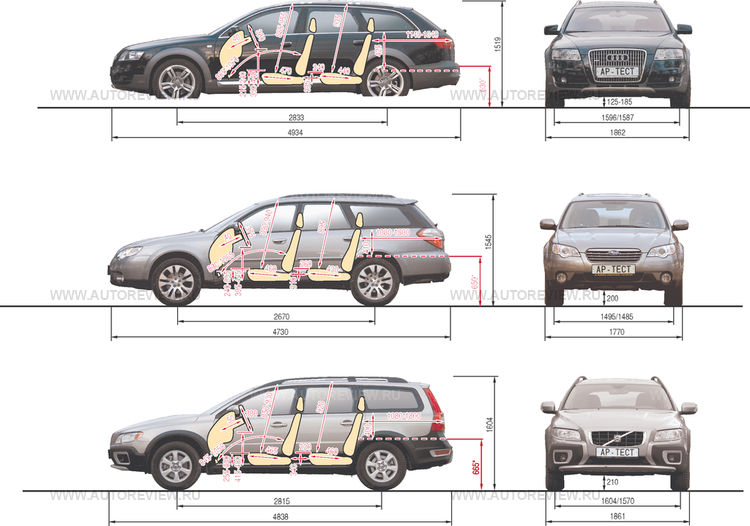
Black indicates manufacturer data, red indicates Autoreview measurement results
* Loading height
Safety
All three station wagons with increased ground clearance already have six airbags in their base versions — front, side front, and curtain. Also standard are seat belts with pretensioners and load limiters, Isofix anchors, and an anti-lock braking system. However, the stability control system is available immediately in the Audi Allroad and Volvo XC70, while the Subaru Outback only gets it in more expensive trims. For 64,600 rubles (approximately $2,660), Volvo can add adaptive cruise control with collision warning, and for 38,800 rubles ($1,600) — the BLIS system that monitors blind spots and alerts about cars there with red LEDs at the mirrors. For Audi, in turn, for 459 euros (about $680), side airbags for rear passengers are offered.
The Subaru Outback was tested in Australia under the ANCAP protocol, which fully replicates EuroNCAP rules. The result — the maximum five stars, but not without remarks: loads on the chest and shins of front occupants slightly exceeded the "green" zone. The car passed side impacts flawlessly, but child and pedestrian safety were not checked by the Australians this time. According to the American NHTSA methodology, the Outback also received five stars in all four categories, and the Americans estimated the rollover risk at 15%, which corresponds to four out of five stars.
The Volvo XC70 and Audi Allroad have not undergone independent crash tests. However, according to EuroNCAP rules, the Audi A6 sedan, on which the Allroad is based, was tested. The power frame of the cabin, airbags, and belts worked clearly — loads on the chest of the driver and passenger were small. But the driver may hit their knees on the steering column in a crash, and the glove box lid can injure the front passenger's legs. Child passenger protection, in turn, is well thought out.
| Subaru Outback* | ★★★★★ |
| Overall rating | 35.5 points |
| Frontal crash test | 14.5 (91%) |
| Side crash tests | 18 (100%) |
| SBR** | 3 |
| Curb weight | 1439 kg |
| * Tests conducted according to ANCAP methodology | |
| ** Presence of seat belt reminder | |
| Subaru Outback* | ★★★★★ |
| Driver protection in frontal impact | 5 stars |
| Passenger protection in frontal impact | 5 stars |
| Driver protection in side impact | 5 stars |
| Rear passenger protection in side impact | 5 stars |
| Rollover rating | 4 stars |
| Curb weight | 1574 kg |
| * Tests conducted according to NHTSA methodology | |
| Audi A6* | ★★★★★ |
| Overall rating | 33 points |
| Frontal crash test | 13 (81%) |
| Side crash tests | 18 (100%) |
| SBR** | 2 |
| Child passenger protection | 39 (80%) |
| Pedestrian protection | 3 (8%) |
| Curb weight | 1540 kg |
| * Tests conducted according to EuroNCAP methodology | |
| ** Presence of seat belt reminder | |
| Equipment of cars participating in the test | |||
| Equipment | Cars | ||
| Audi Allroad | Subaru Outback | Volvo XC70 | |
| Price of base version, RUB/$* | 2193192/90250 | 1363100/56090 | 1393100/57330 |
| Front airbags | + | + | + |
| Front side airbags | + | + | + |
| Rear side airbags | O | – | – |
| Curtain airbags | + | + | + |
| ABS | + | + | + |
| Dynamic stability control | + | + | + |
| Adjustable suspension | + | +** | – |
| Power steering | + | + | + |
| All-wheel drive | + | + | + |
| Automatic transmission | O | + | + |
| Transmission shift paddles on steering wheel | O | + | – |
| Multifunction steering wheel | O | + | – |
| Steering column adjustable for tilt and reach | + | + | + |
| Power-adjustable steering column | O | – | – |
| Leather-wrapped steering wheel | + | + | + |
| Heated steering wheel | O | – | – |
| Heated windshield | – | +*** | – |
| Power-adjustable front seats | + | O | +**** |
| Driver seat memory | – | O | + |
| Heated front seats | + | + | + |
| Heated rear seats | O | – | – |
| Auto-dimming rearview mirror | + | – | – |
| Bluetooth | O | – | – |
| Central locking (remote) | + | + | + |
| Central locking with keyless entry | O | O | – |
| Anti-theft alarm | + | – | + |
| Air conditioning | + | + | + |
| Dual-zone climate control | + | + | + |
| Power-adjustable and heated exterior mirrors | + | + | + |
| Power-folding exterior mirrors | O | + | + |
| Power windows front and rear | + | + | + |
| Split-folding rear seat | + | + | + |
| Pass-through for long items | – | – | + |
| Rear seat armrest | + | + | + |
| CD stereo | + | + | + |
| CD changer | O | + | – |
| TV tuner | O | – | – |
| Engine start button | + | O | + |
| Rearview camera | O | – | – |
| Light sensor | + | – | – |
| Rain sensor | + | – | – |
| Tire pressure monitoring | O | – | – |
| Trip computer | + | + | + |
| Cruise control | – | + | – |
| Power sunroof | O | O | O |
| Front parking sensors | + | – | – |
| Rear parking sensors | + | – | – |
| Folding rear headrests | – | – | + |
| Leather upholstery | + | O | O |
| Wood interior trim | O | – | – |
| Remote tailgate lock | + | +***** | + |
| Power tailgate | O | – | – |
| Remote fuel filler flap lock | – | + | + |
| Bi-xenon headlights | + | + | – |
| Adaptive low beam | O | – | – |
| Front fog lights | + | + | + |
| Headlight washers | + | + | + |
| Sun blinds on side windows | + | – | – |
| Sun blind on tailgate glass | + | – | – |
| Door soft-close | O | – | – |
| Alloy wheels | O | + | + |
| Full-size spare wheel | – | + | – |
| Metal engine underbody protection | – | + | – |
| Metallic paint | O | + | O |
| Tires | Dunlop SP Winter Sport M3 | Michelin X-Ice North | Nokian Hakkapeliitta 5 |
| 235/45 R18 M+S | 215/55 R17 M+S | 215/65 R16 XL | |
| Price of tested car, RUB/$ | 2589140/106549 | 1428100/58769 | 1483500/61049 |
| * At exchange rate $1=24.3 RUB and €1=36 RUB. | |||
| ** Ride height leveling system | |||
| *** Wiper rest zone | |||
| **** Driver's seat only | |||
| ***** Only with key fob | |||
| (+) Included in base version | |||
| (–) Not available in base version | |||
| (O) Options installed on test cars | |||
How much does it cost?
The base Subaru Outback with a 2.5-liter engine producing 173 horsepower, a five-speed manual transmission and a low-range gear is priced at 1,019,700 rubles (or $41,960). Standard equipment includes six airbags, dual-zone climate control, a six-disc CD changer and heated front seats, but stability control is not included. If you want a four-speed automatic — without low-range — you'll have to pay an additional 38,900 rubles ($1,600). Leather upholstery, power-adjustable driver's seat and bi-xenon headlights will add another 57,500 rubles ($2,370) to the bill. The most fully equipped version of the four-cylinder Outback, including sunroof and stability control, will cost 1,192,300 rubles ($49,070).
The version with a 3.0-liter six-cylinder engine (245 hp) and a five-speed automatic starts at 1,363,100 rubles ($56,090). However, this car will not have a sunroof, leather upholstery, or power-adjustable driver's seat. All of the above, plus engine start button and power-adjustable passenger seat, are available in the trim priced at 1,428,100 rubles ($58,770). If you add another 62,300 rubles ($2,560), you get the top version with navigation. Dealers already have such cars on their lots, but if you order to your specifications, you'll have to wait about two months. Until the end of the year, there are discounts on the Outback ranging from 36,700 to 50,000 rubles ($1,510–$2,060).
The Subaru comes with a warranty of three years or 100,000 kilometers. The brand's official dealer network in Russia includes 32 locations in 26 cities.
The starting price of the Volvo XC70 is 1,289,800 rubles ($53,080). For this money, you get a five-cylinder turbo diesel with a displacement of 2.4 liters (185 hp) and a six-speed manual transmission. An automatic will require an additional 51,700 rubles ($2,130). The gasoline version with a 3.2-liter engine (238 hp) and automatic transmission costs at least 1,393,100 rubles ($57,330). Already in the base, any XC70 has six airbags, stability control, dual-zone climate control, heated front seats (driver's seat with power adjustment) and a CD stereo. Options can be ordered both as packages and individually — the choice is huge. If you equip the gasoline version to the level of the top Subaru Outback 3.0R — leather, power-adjustable passenger seat, sunroof, CD changer, bi-xenon, start button and navigation — the final amount will be 1,638,600 rubles ($67,430). This is 148,200 rubles ($6,100) more expensive than the Japanese competitor. Demand for the XC70 significantly outstrips supply: dealers have no available cars, and the order queue is about four months.
The Volvo warranty is two years or 100,000 kilometers. There are 59 official dealers of the brand in Russia, operating in 50 cities.
Audi Allroad is the most expensive participant in this comparison. The petrol version with a 3.2 FSI engine producing 255 hp starts at €60,922 (which is $90,250). A slightly more affordable modification is the 2.7 TDI turbodiesel (180 hp) — from €60,213 ($89,200). For the version with the 3.0 TDI diesel (232 hp), the price is already €62,701 ($92,890), and the flagship petrol modification with the V8 4.2 FSI (349 hp) is priced at €81,290 ($120,430). For the 3.2 FSI and 3.0 TDI engines, both a six-speed manual gearbox and a Tiptronic automatic are available, with the surcharge for the latter ranging from €1,765 to €1,829 ($2,610–$2,710). Even in the base version, the Allroad comes with six airbags, stability control, air suspension, leather interior, climate control, power-adjustable and heated front seats, an MMI multimedia system with a monochrome display, a CD player, bi-xenon headlights, and light and rain sensors. The top version with the 4.2 engine additionally features wooden interior trim. Audi's list of options is huge — even larger than Volvo's. If you take the Allroad 3.2 FSI with an automatic, CD changer, sunroof, navigation, and engine start button, the price reaches €69,876 ($103,520) — that's 35% more expensive than the Volvo XC70 3.2 with a similar set of options. A car with the desired configuration is quite easy to find at dealers, and if you order one, you'll have to wait about three months.
The warranty on the car is two years with unlimited mileage. In Russia, Audi is sold through a network of 36 dealers in 27 cities.
* Exchange rates: $1=24.3 rubles, €1=36 rubles.
What else?
All-terrain wagons represented by the Audi Allroad, Subaru Outback, and Volvo XC70 currently have no direct competitors among other brands. For example, the Skoda Octavia Scout — the most affordable in this class — costs only 939,000 rubles ($38,640*) and is available with only one powertrain: a two-liter petrol engine 2.0 FSI (150 hp) paired with a six-speed manual. Torque is transmitted to the rear axle via a Haldex multi-plate clutch. The Scout differs from the regular Octavia Combi 4x4 wagon by an increased ground clearance of up to 180 mm (17 mm more), engine protection, more developed bumpers, and plastic cladding on the sills and wheel arches. More details in AR No. 5, 2007.
Following the same scheme and using the same components, the all-terrain MPV Seat Altea Freetrack is also built. Its two-liter engine, equipped with turbocharging, produces 200 hp, and the ground clearance is increased by 40 mm relative to the base Altea XL compact MPV. Price — 1,044,660 rubles ($42,990).
All-terrain wagons in terms of their capabilities are somewhere between regular wagons and crossovers. The latter includes, for example, the Mazda CX-7, which can be bought for 1 million 141 thousand rubles ($46,950). Under the hood is an inline petrol four-cylinder with turbocharging, 2.3 liters (238 hp), and a six-speed automatic. The rear wheels are connected via a multi-plate clutch. The car has a 'driver-oriented' character, energy-intensive suspension, and a comfortable cabin. Its off-road capabilities are at a good level for a 'crossover'. Details in AR No. 17, 2007.
| Skoda Octavia Scout | Seat Altea Freetrack |
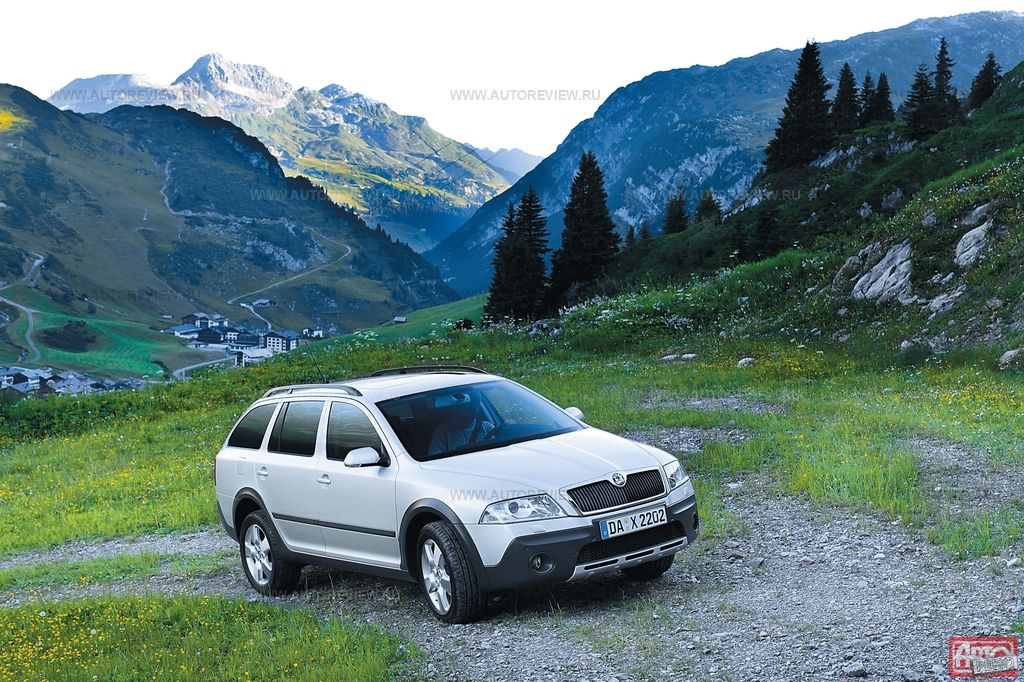 | 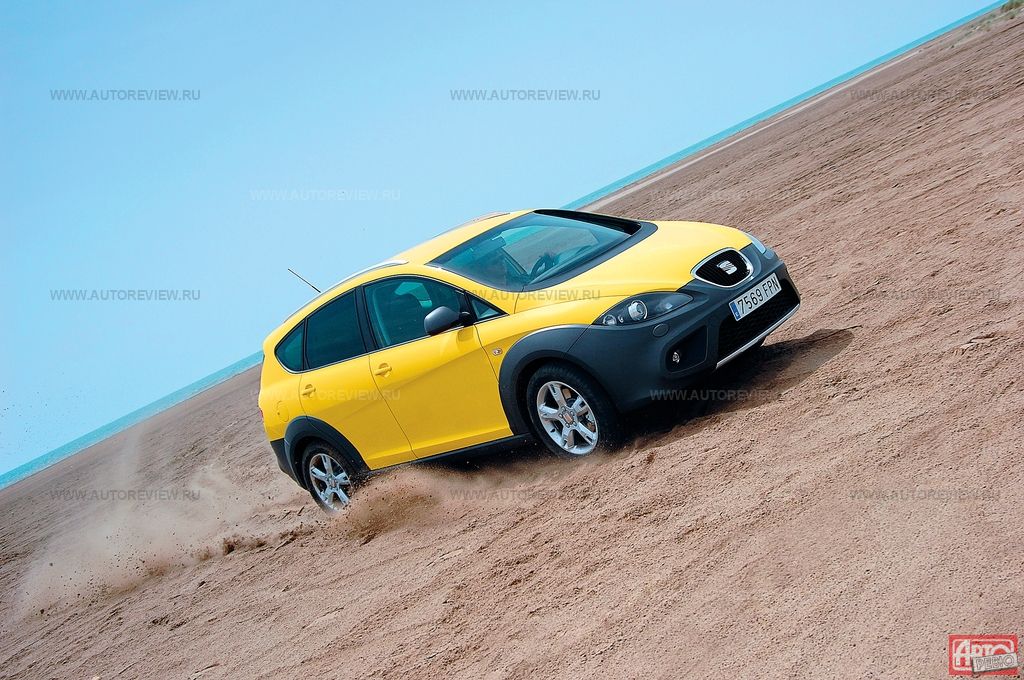 |
| Mazda CX-7 | Land Rover Freelander |
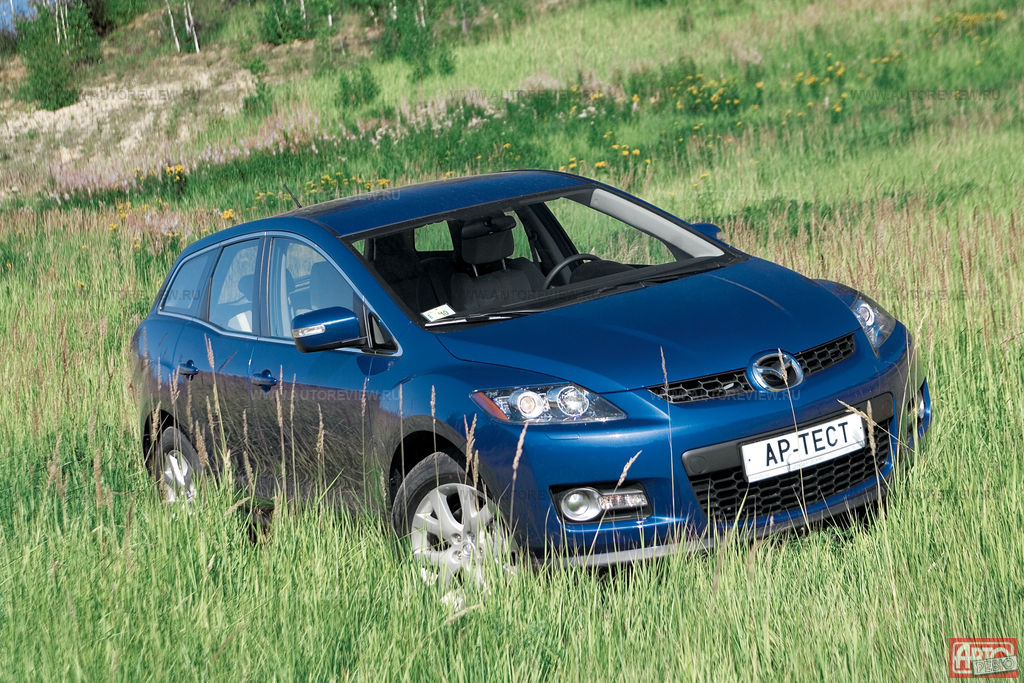 | 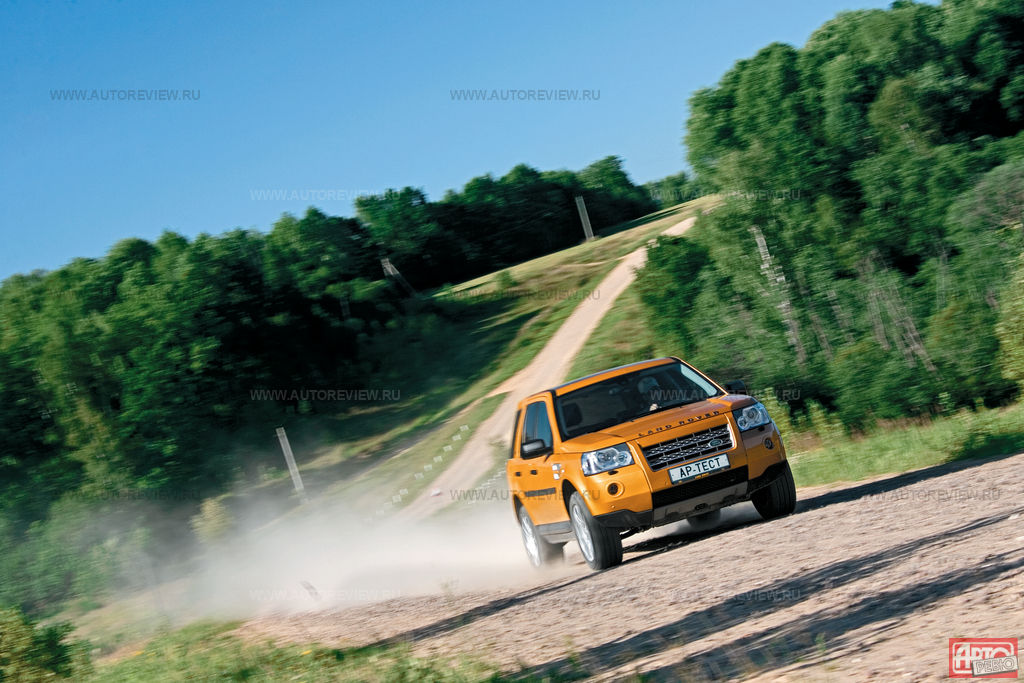 |
In the summer crossover test (see AR No. 17, 2007), the first place was taken by the Land Rover Freelander. The version with an inline six-cylinder engine of 3.2 liters (233 hp) and a six-speed automatic gearbox costs from 1 million 340 thousand rubles ($55,140). The rear axle is connected via a Haldex clutch. The aristocratic Freelander pleases with the well-calibrated ergonomics of its strict interior, smooth ride, and good off-road capability.
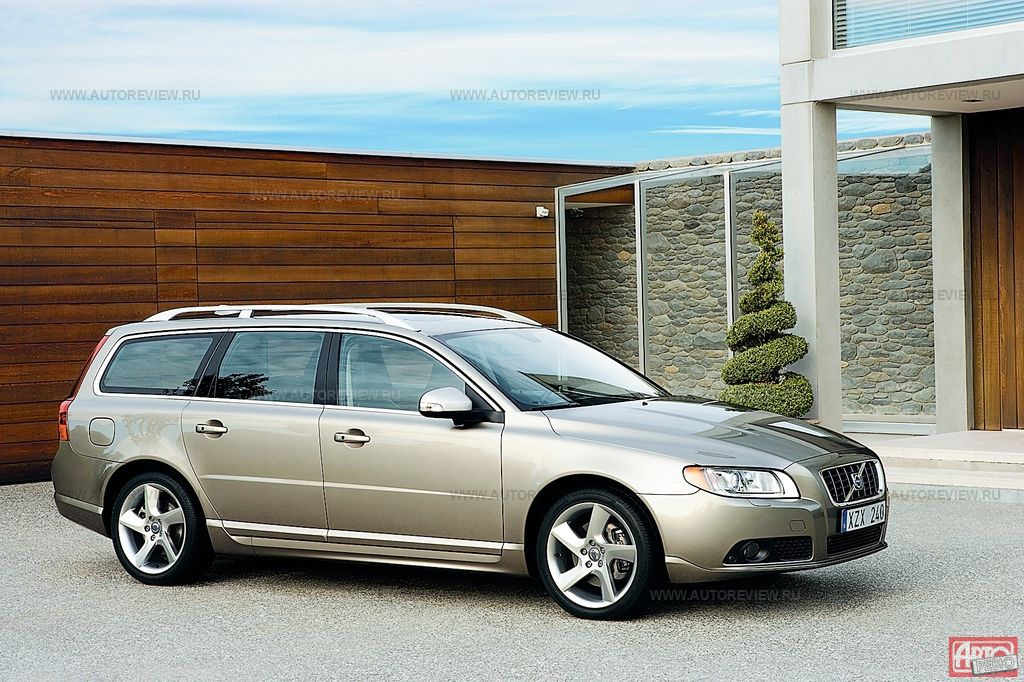
In addition, all test participants have their 'older brothers', and Audi and Volvo also have more affordable versions without off-road pretensions. The all-wheel-drive wagon Volvo V70 AWD differs from the XC70 only by the absence of plastic body cladding and a reduced ground clearance of 67 mm (143 mm versus 210 mm). The base version with a petrol engine 3.2 (238 hp) and an automatic costs from 1,336,300 rubles ($54,990) — 56,800 rubles ($2,340) cheaper than the similar XC70. Details in AR No. 11, 2007.
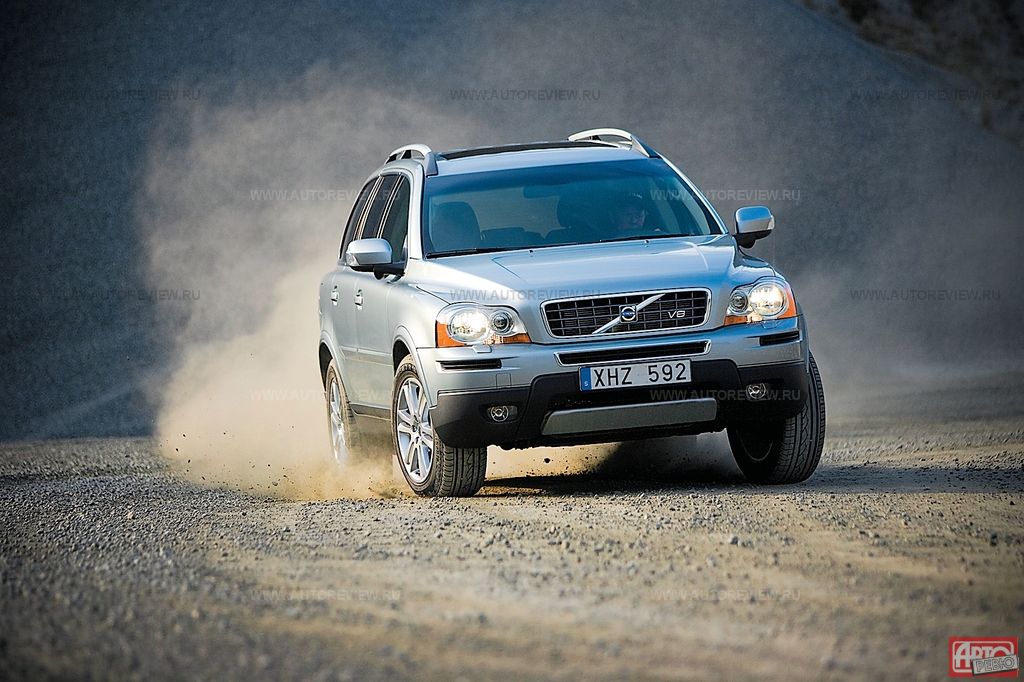
By the way, the larger crossover Volvo XC90 with the same engine is noticeably more expensive — from 1,625,800 rubles ($66,910). However, for an additional 77,500 rubles ($3,190), you can order a third row of seats for it. Details in AR No. 15, 2005.
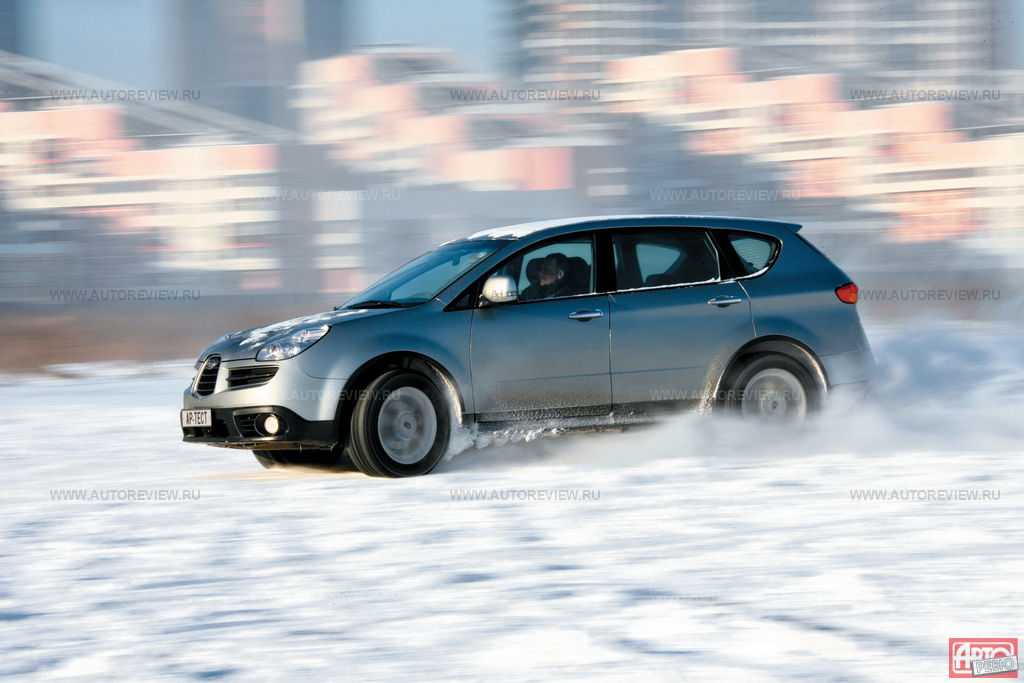
All-wheel-drive Subaru Legacy wagons are not officially supplied to Russia — demand is too low. However, in January, dealers should have restyled Subaru Tribeca crossovers with a flat-six engine of 3.6 liters (256 hp) and a six-speed automatic. The drive is permanent all-wheel with an electronically controlled center differential. Prices start from 1 million 862 thousand rubles ($76,630). The pre-restyling Tribeca was tested by Autoreview experts last winter (see AR No. 4, 2007) and was remembered for its good 'driver' habits and comfortable cabin.
The Audi A6 Avant quattro wagon with a 3.2 FSI engine (255 hp) and a manual gearbox costs €56,602 ($83,850), and with an automatic — €58,368 ($86,470). The difference with the Allroad reaches €4,320 ($6,400), and it is primarily explained by the absence of adjustable air suspension in the regular wagon. In addition, the 'road' version lacks plastic body cladding, has smaller mirrors, and a different radiator grille.
| Volvo V70 AWD | Volvo XC90 |
 |  |
| Subaru Tribeca | Audi Q7 |
 | 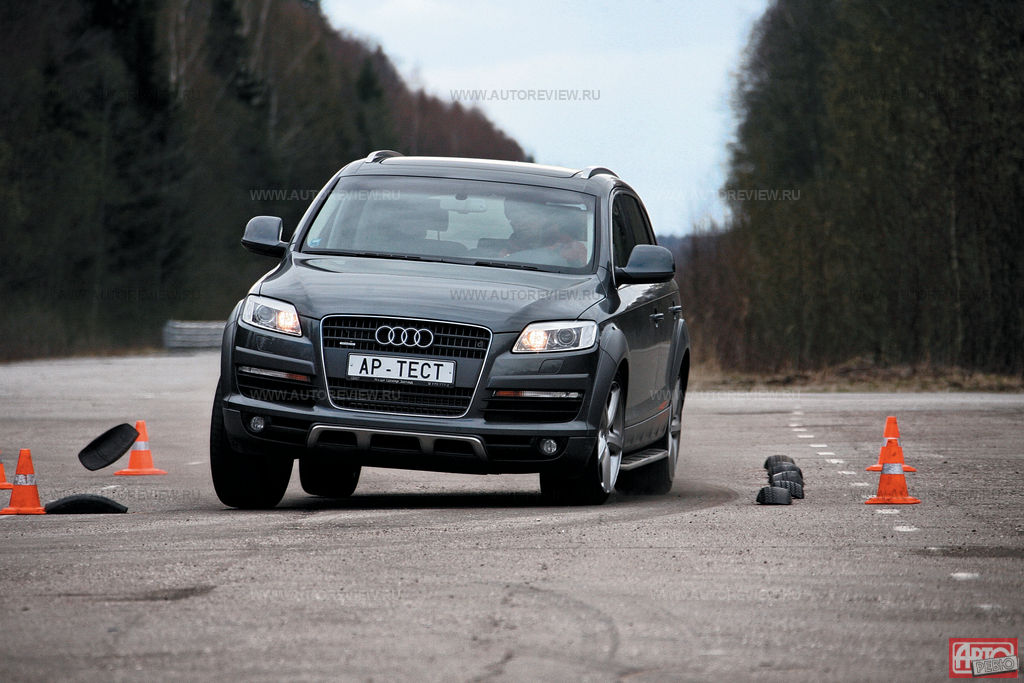 |
The older brother Audi Q7 with the base 3.6 FSI engine (280 hp) and a manual gearbox costs from €63,867 ($94,620) — only €2,945 ($4,360) more expensive than the Allroad. The surcharge for the automatic is €1,765 ($2,610). The Q7 is a versatile and well-balanced car, but it lacks individuality both in appearance and character. Details in AR No. 10, 2007.
* Exchange rates: $1=24.3 rubles, €1=36 rubles.