
 Comments
  When Alfa Romeo returned to the Russian market last autumn, brand representatives tirelessly repeated about upcoming new models, and in each of their descriptions parallels with BMW were clearly discernible. Like, a crossover is about to appear — a kind of X3, then Alfa Junior — a competitor to the MINI Cooper will follow. Isn't it too bold of the Italians to aim at direct competitors of the Bavarians? If you look at the model range of those years, two or three years ago, Alfa Romeo and BMW are separated by a huge distance — both in quality and technological content. But it was not always so. In fact, in the first post-war decades, it was the Italians with their legendary Alfa Julietta and Alfa Julia who set the fashion in Europe for cars with a sporty character. We are not talking about supercars, but about affordable family sedans that, nevertheless, give the driver a constant feeling of involvement in racing. While Germany was rising from the ruins, and BMW was riveting Izetta motor scooters, Alfa was building its reputation on tracks and ordinary roads.
In the late 70s, Alfa Romeo fell into a deep crisis, which almost sent the company to the next world. To save the situation, the brand was taken under the wing of the Fiat concern. In subsequent years, there were both brilliant successes and resounding failures.
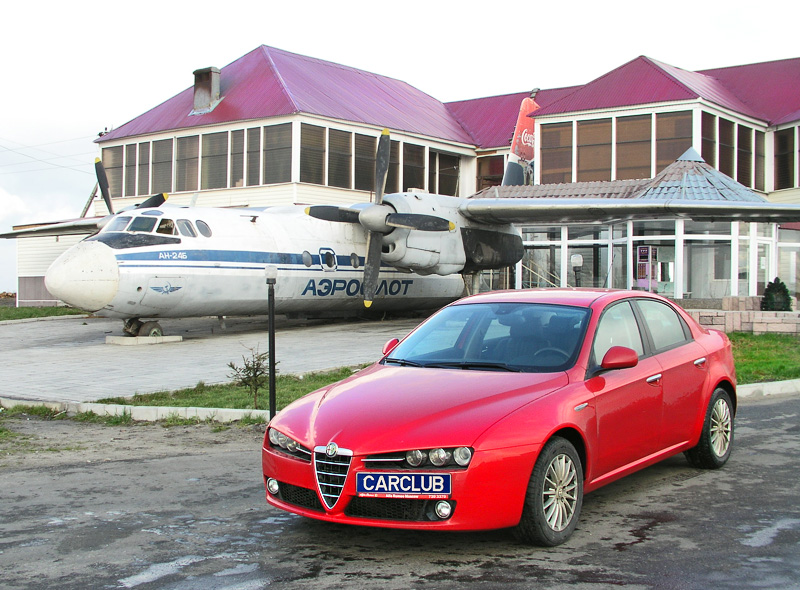
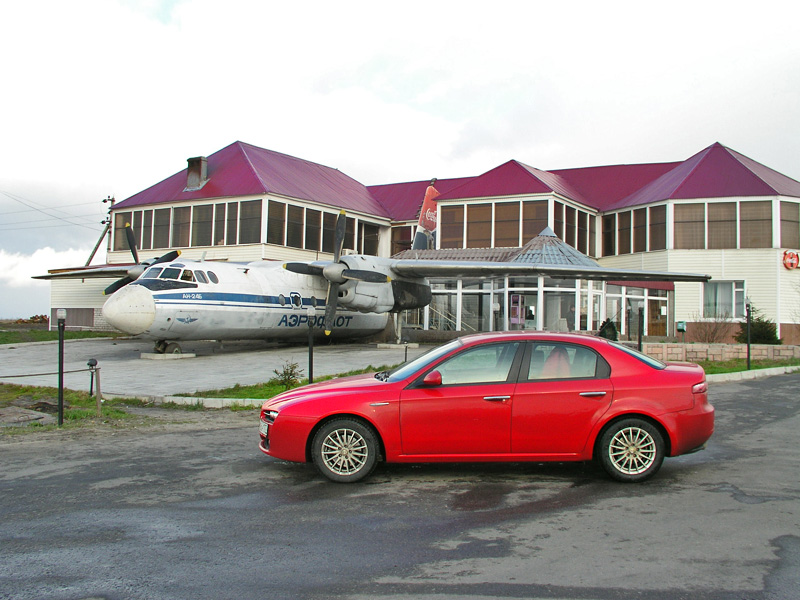
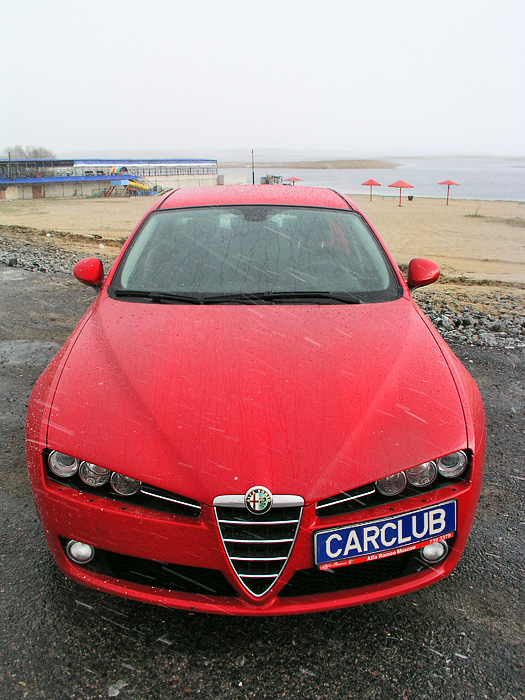
The last bright surge came in 1997, when the Alfa 156 appeared, awarded the title of "Car of the Year" and a bunch of awards for style. Chief designer Walter de Silva was immediately lured away by Volkswagen, and Alfa again risked sinking into obscurity, but the severe crisis inside Fiat forced the team to shake themselves up — so as not to be left without work, the engineers turned out the new Alfa 159, which, despite its external similarity to its predecessor, is a completely independent model.
The sedan acquired a chassis extended by 105 mm, the body added 22 cm in length and 8.5 cm in width compared to the beautiful Alfa 156. In addition — a fresh range of engines, multi-link rear suspension, providing for the possibility of all-wheel drive modifications with a self-locking Torsen center differential.
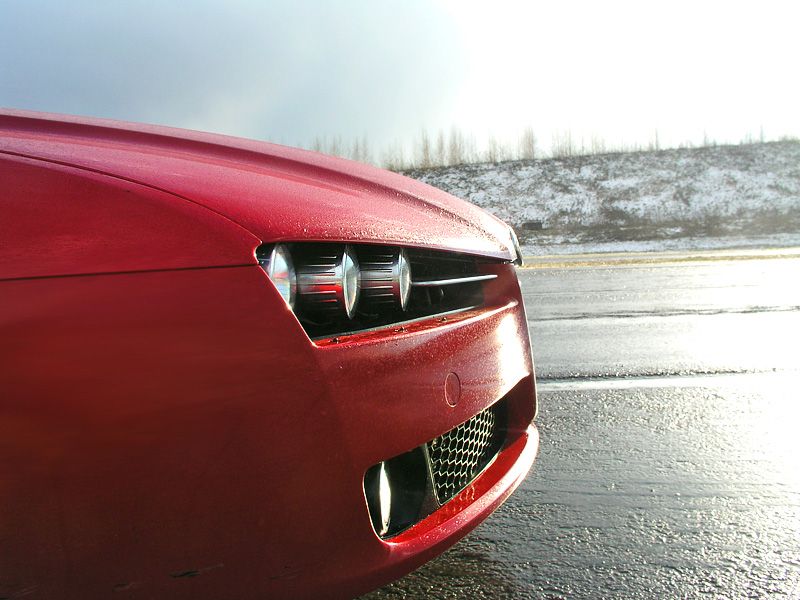
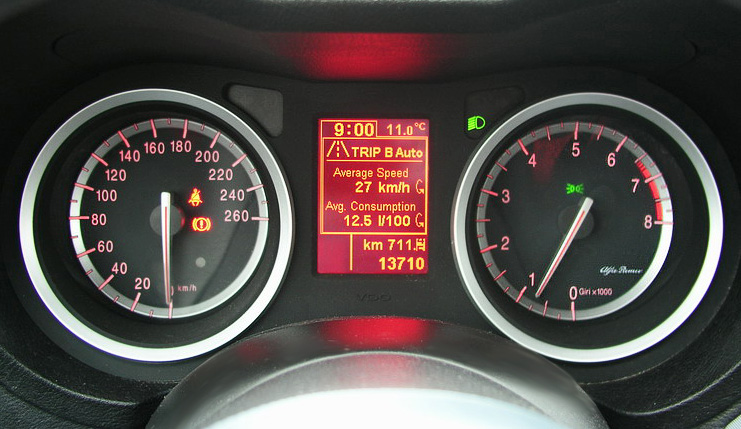
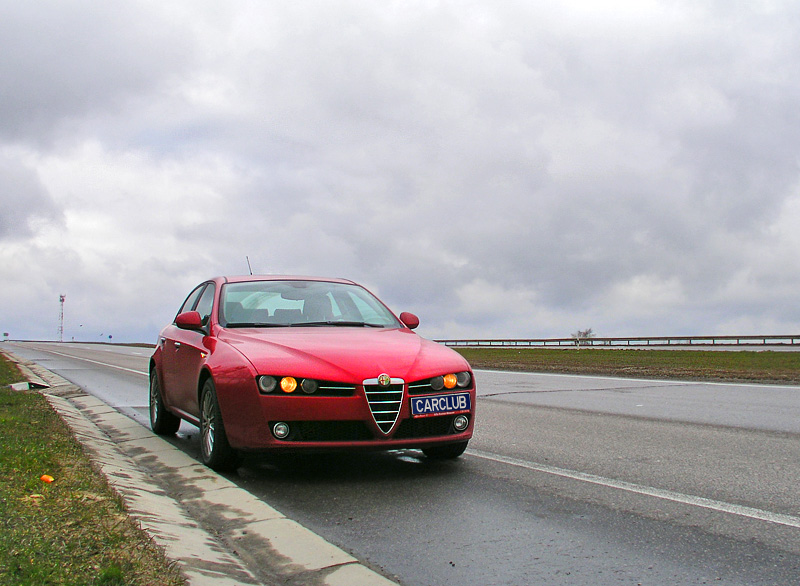
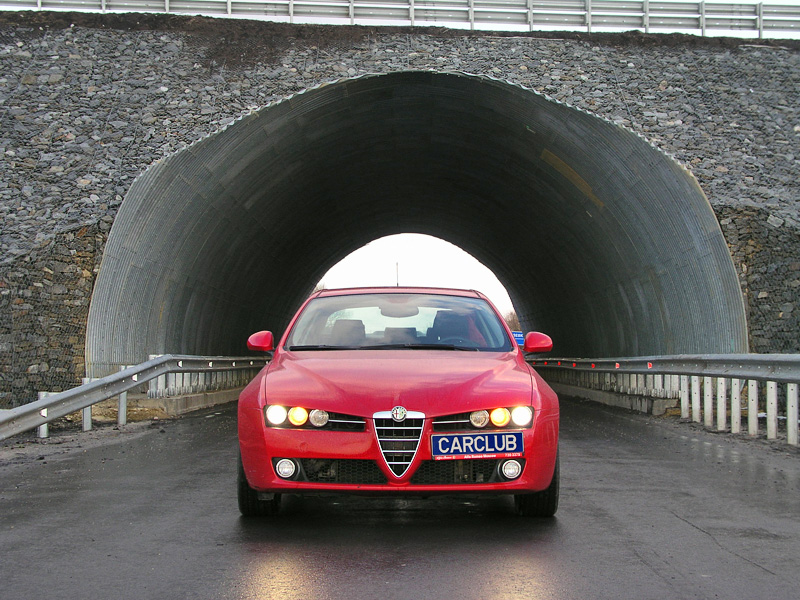
The narrow "waist" of the body and powerful wheel arches — the proportions are perfectly maintained. It seems that the car was sculpted while looking at Monica Bellucci. To emphasize the difference between the models, maestro Giugiaro made the rear door handles as massive as the front ones. In the fight against aerodynamics, the legendary stylist abandoned the single glass covering the headlights, and instead installed three separate reflectors, each with its own washer. For an additional charge, xenon is available not only for low beam, but also for high beam. The "bespectacled" Alfa looks stunning, although the design, it would seem, could not be simpler — like the "six" VAZ.
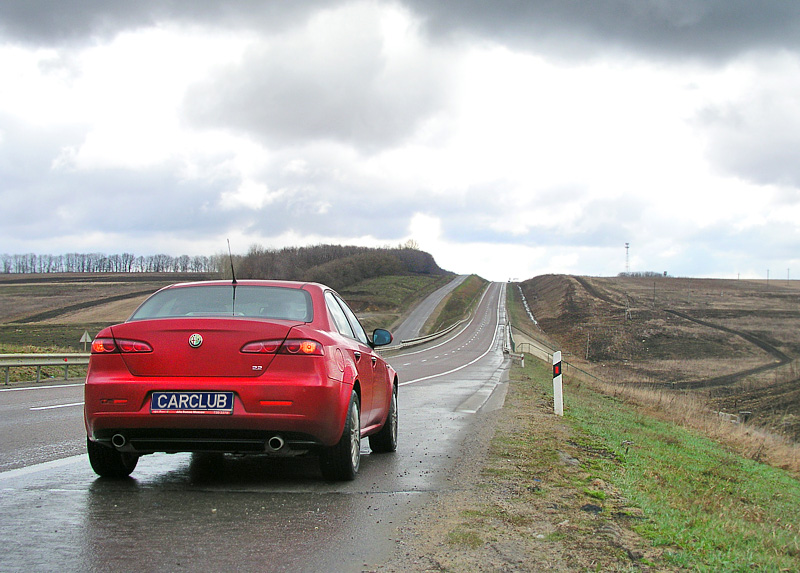
The rear lights are signature Alfa ones. Although recently everyone and their dog copies them, from Mazda and Seat to Chevrolet Lacetti, in the original they look amazing.
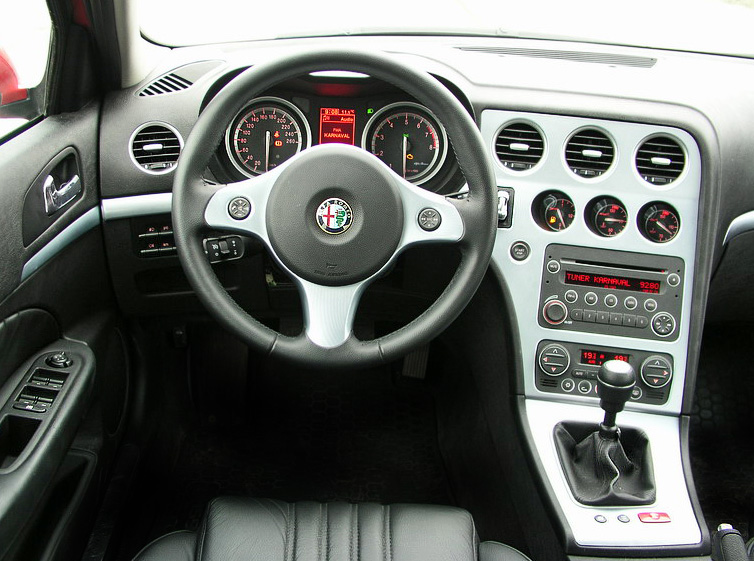
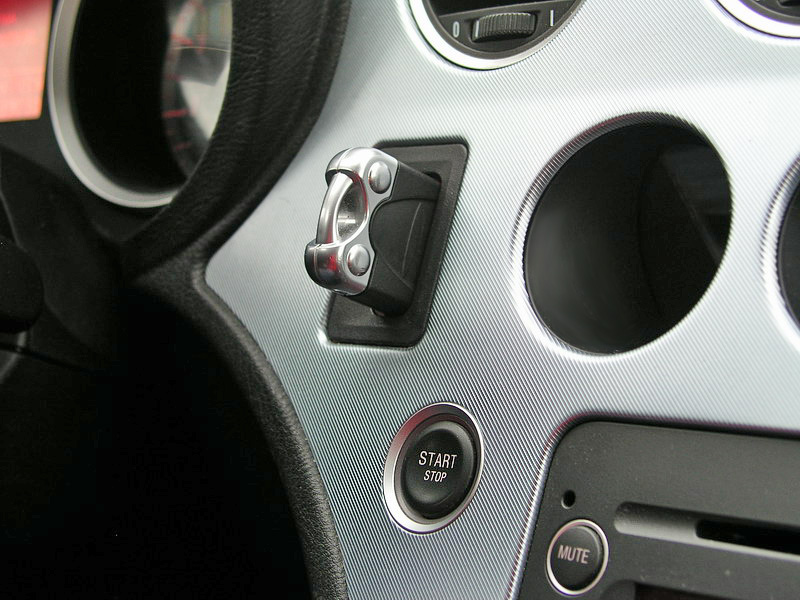
Inside, there is natural aluminum. It is on the center console, on the door cards, and even on the steering wheel. And the red instrument scales, each recessed into its own well? The two main instruments are located in the usual place, three auxiliary, smaller ones, are on the center console and turned towards the driver. True, I had to tinker with the steering column switches: the logic of the on-board computer menu is not amenable the first time. But then, having mastered it, I was no longer distracted — all the necessary information was always before my eyes.
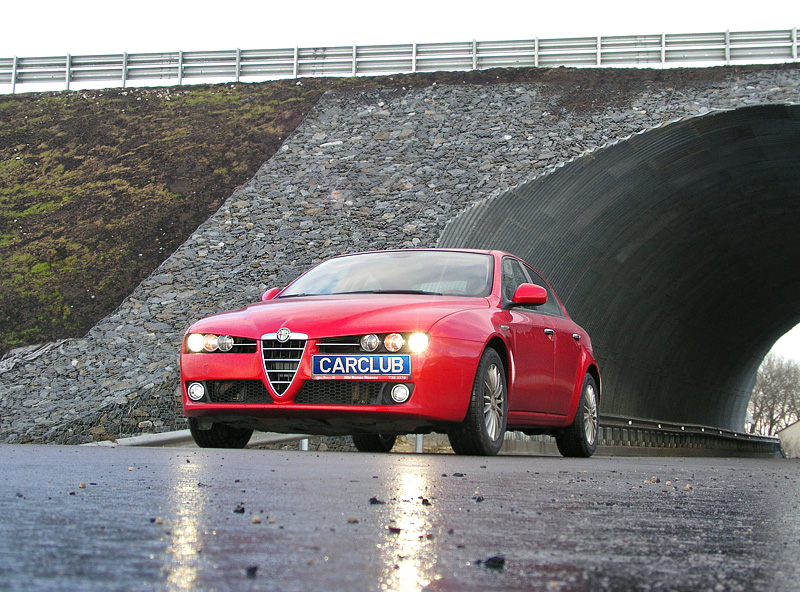
The 2.2-liter unit primarily impresses with its instant response to the gas. No matter what rpm the engine is running, the Alfa relentlessly follows the pedal. Traction is already available from 1500 rpm, and after 4000 a real hysteria begins — a sporty roar cuts through the engine's voice, and the tachometer needle flies to the red zone. You just have time to click the gears. This process is so addictive that you don't notice how the speedometer needle goes to the right side of the scale — and that's already more than 180 km/h...
Despite all its fighting temperament, the engine runs surprisingly quietly: up to 4000 rpm it is almost inaudible in the cabin, and the tires hum much less than you expect from a hot Italian. Even when the needle goes over 200 km/h, you can calmly talk in the car, just slightly raising your voice.
The gearshift mechanism, perhaps, could have been made shorter, but that's a matter of taste. Of course, the Italians could not resist and selected very tight gear ratios. Second gear hits the limiter without reaching a hundred, on third — a maximum of 135 km/h. Even in sixth gear, the revs are higher than you expect. At 200 km/h, the tachometer shows more than 5500 rpm, and the Alfa reaches its maximum speed already at the edge of the red zone.
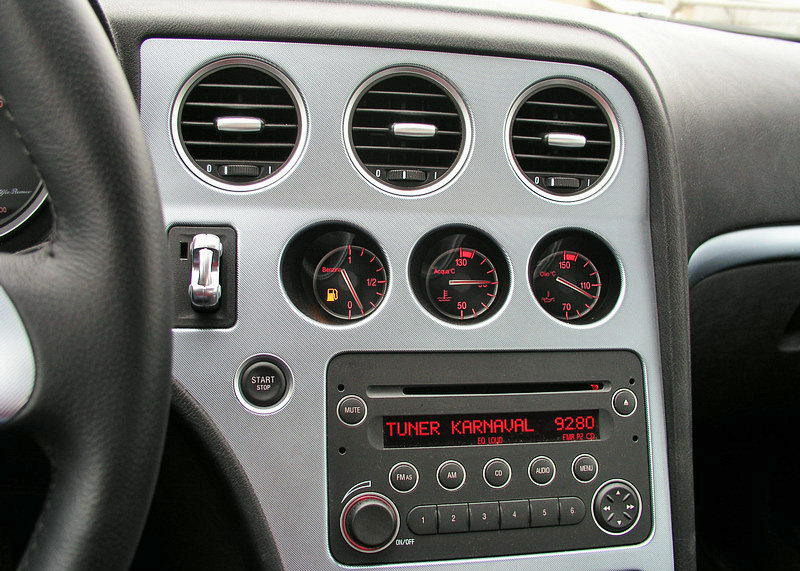
And the steering is a separate song. The steering wheel makes less than 2.5 turns from lock to lock, and the Alfa is almost as maneuverable as a rear-wheel-drive car. At the same time, on the highway at under two hundred, you can drive holding the steering wheel with one hand, and no corrective steering is required. It seems that the Italians managed to achieve incredible body rigidity, and with the suspension settings they, as always, did not miss. The 159 holds the road like a rally car and rushes along the highway, ignoring its imperfections. It seems that Alfa Romeo has built the ideal car for Russian roads — it knows no pitching and deep rolls, and the energy intensity is enough to digest any of our potholes.
On the test car, the interior trim had already begun to come off in several places, and the dangling gear knob was quite annoying. And what to do about it is unclear: the car is magnificent, but minor flaws just kill it. Having suffered with "Italians", one of my acquaintances, an Alfa Romeo fan, derived for himself the optimal Alfa formula: a 2.0 or 2.2 liter engine, a manual gearbox, and no auxiliary electronics — ideally even mechanical window regulators. With the first two points I fully agree — the 2.2-liter 159 on manual is incredibly good, but the electronics seem to work tolerably, because a team of German engineers was involved in refining the sedan. If only they had worked more thoroughly on the interior, the Alfa could not just compete with, but also surpass the natives of Bavaria or Ingolstadt. Moreover, 7 airbags are a serious claim to the premium segment.
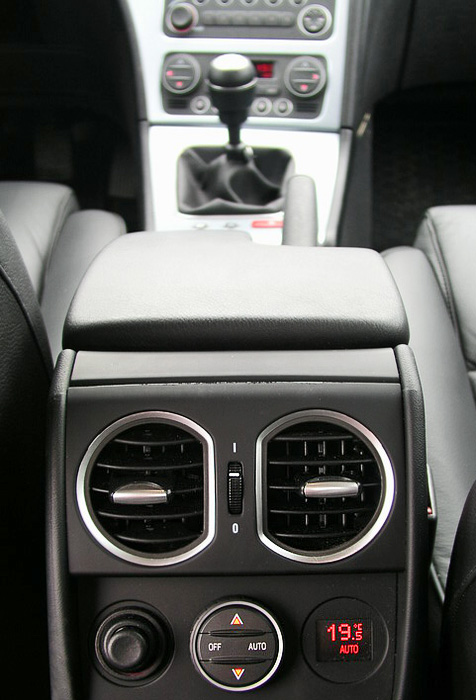
Agree, when a base Alfa 159 with a 2.2 engine costs 32,500 euros — almost 44,000 dollars — most sensible buyers will prefer a more powerful Toyota Camry V6 in top trim or even an extreme Mazda6 MPS with 260 horsepower. After all, for that money you can already look at a BMW 3 Series. But if you put aside the calculator, don't limit yourself to a dry study of the price list, and decide to go for a test drive, it's simply impossible to resist this Italian — she charms from the first meters! And even the fact that the test car with leather interior, rear passenger climate control, and other options pulled in at all 50 thousand dollars doesn't cool the ardor.
Text: Leonid Pavlov