Что значит чек в машине
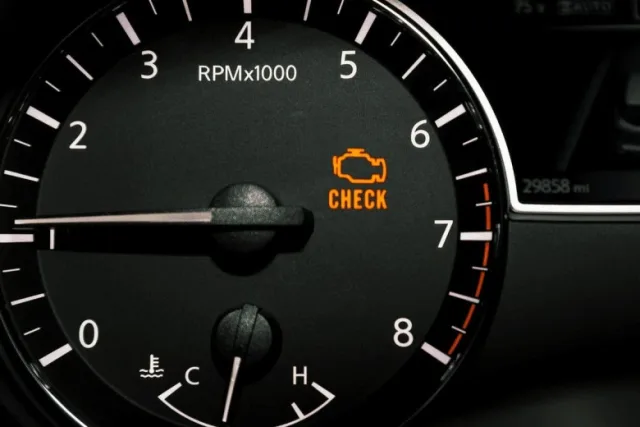
Значок Check Engine (в народе просто «чек») - это индикатор неисправности двигателя или связанных с ним систем. Он загорается на приборной панели, чтобы предупредить водителя о том, что в автомобиле обнаружена ошибка. Иногда чек горит постоянно, иногда мигает, и в зависимости от этого можно понять степень серьезности проблемы.Почему горит чек: возможные причины
Почему горит чек двигателя? Причин может быть множество - от самых безобидных до критических. Вот основные:- Проблемы с кислородным датчиком (лямбда-зонд)
Ошибка в смеси топлива и воздуха, неправильные показания датчика. - Некачественное топливо
Вызвано неправильным октановым числом или примесями. - Проблемы с катализатором
Засорение или повреждение катализатора приводит к сбоям в системе выхлопа. - Сбои в системе зажигания
Износ свечей, катушек зажигания или проводки. - Датчик массового расхода воздуха (MAF)
При его поломке мотор работает нестабильно, и горит чек. - Неплотно закрытая крышка бензобака
Может показаться странным, но система улавливает утечку паров топлива.

Как узнать из-за чего горит чек
Итак, как узнать из-за чего горит чек? Существует несколько способов диагностики:1. OBD2-сканер
Это основной и самый точный способ. Порт OBD-II есть в каждом автомобиле с 2000-х годов.- Подключаете сканер к разъему,
- Считываете код ошибки,
- По коду определяете, из-за чего горит чек.
Бюджетные сканеры можно купить за 10-30 долларов или использовать с приложением на смартфоне (например, Torque, Car Scanner).
2. Диагностика на СТО
Если у вас нет сканера - отправляйтесь в автосервис. Там с помощью профессионального оборудования быстро определят, почему горит чек и какие действия необходимы.3. Визуальный осмотр и симптомы
Обратите внимание:- Мотор троит или глохнет?
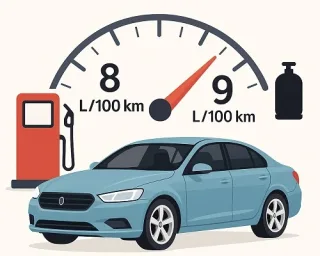
- Повышенный расход топлива?
- Дергается при разгоне?
Это может подсказать, почему загорелся чек.
Что значит, если чек мигает
Если чек мигает, это уже серьёзная неисправность - например, пропуски зажигания, которые могут повредить катализатор. В таком случае:- Сразу снизьте скорость,
- Избегайте резких ускорений,
- Как можно скорее обратитесь в СТО.
Что делать, если чек горит, но машина едет нормально
Такое случается часто. Горит чек, но поведение машины не изменилось. Это может быть:- Временный сбой в датчике,
- Ошибка из-за низкого уровня масла,
- Последствия кратковременной детонации.
Как сбросить чек двигателя
После устранения неисправности чек можно:- Сбросить вручную - с помощью OBD2-сканера.
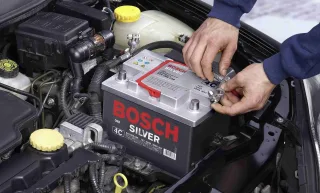
- Отключить клемму аккумулятора (минусовую) на 10-15 минут (подходит не для всех авто).
- Подождать - на некоторых моделях чек сам гаснет через 3-5 успешных запусков, если ошибка не повторяется.
Теперь вы знаете, как узнать, из-за чего горит чек в автомобиле. Основной способ - использовать OBD2-сканер и прочитать код ошибки. Почему горит чек? - причин может быть много: от свечей и топлива до датчиков и катализатора. Главное - не игнорировать сигнал и вовремя провести диагностику.