
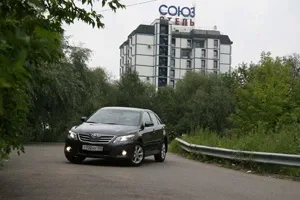
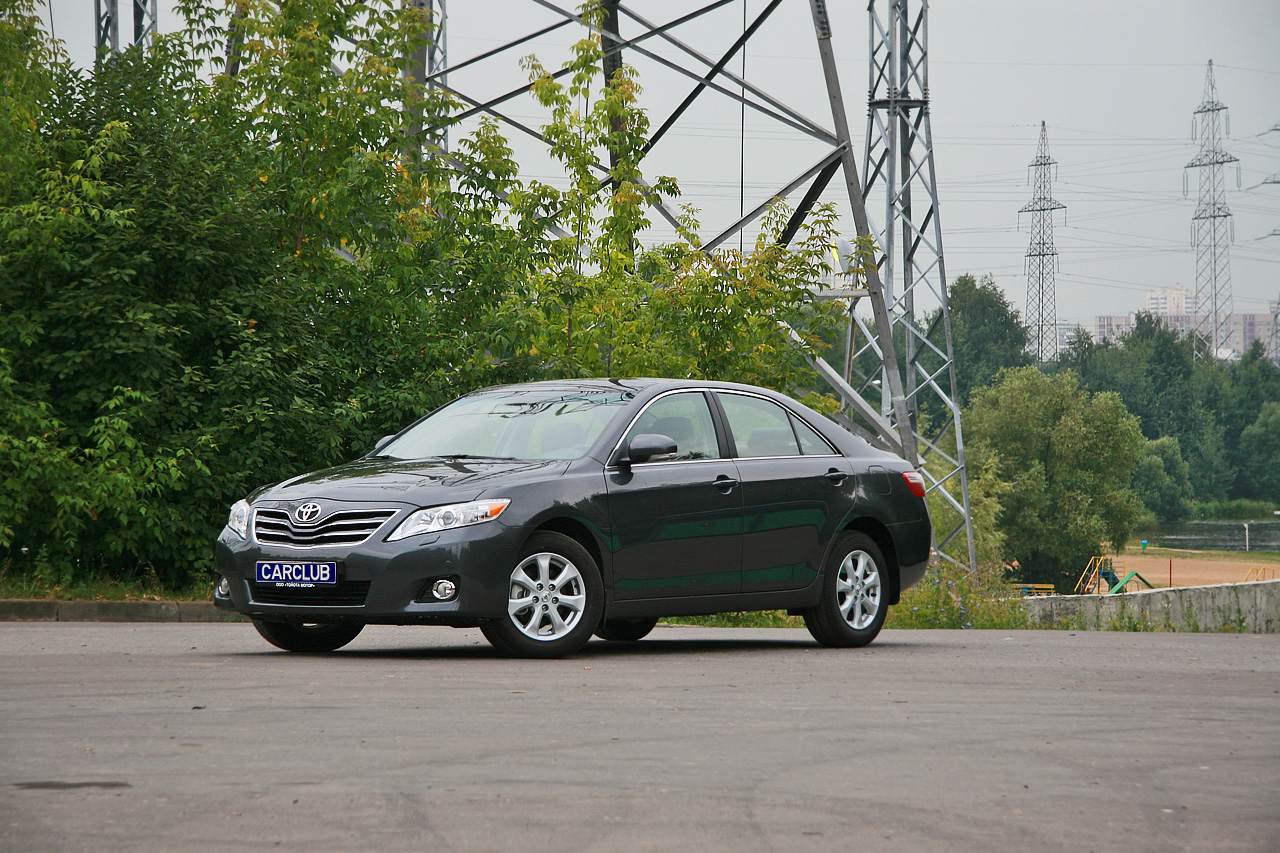
 In June of this year, the updated Toyota Camry sedan went on sale in Russia. The model had already enjoyed steady demand, and trust in the Japanese brand and the reputation of its cars as very reliable only reinforce buyer interest.Comments
 In the first seven months of 2009, Camry sales surpassed the 10,500-unit mark — that's a quarter of all Toyotas sold in the country. As soon as the model began to be assembled at the St. Petersburg plant, imports of sedans from Japan were halted: imported examples cost on average 180,000 rubles more.
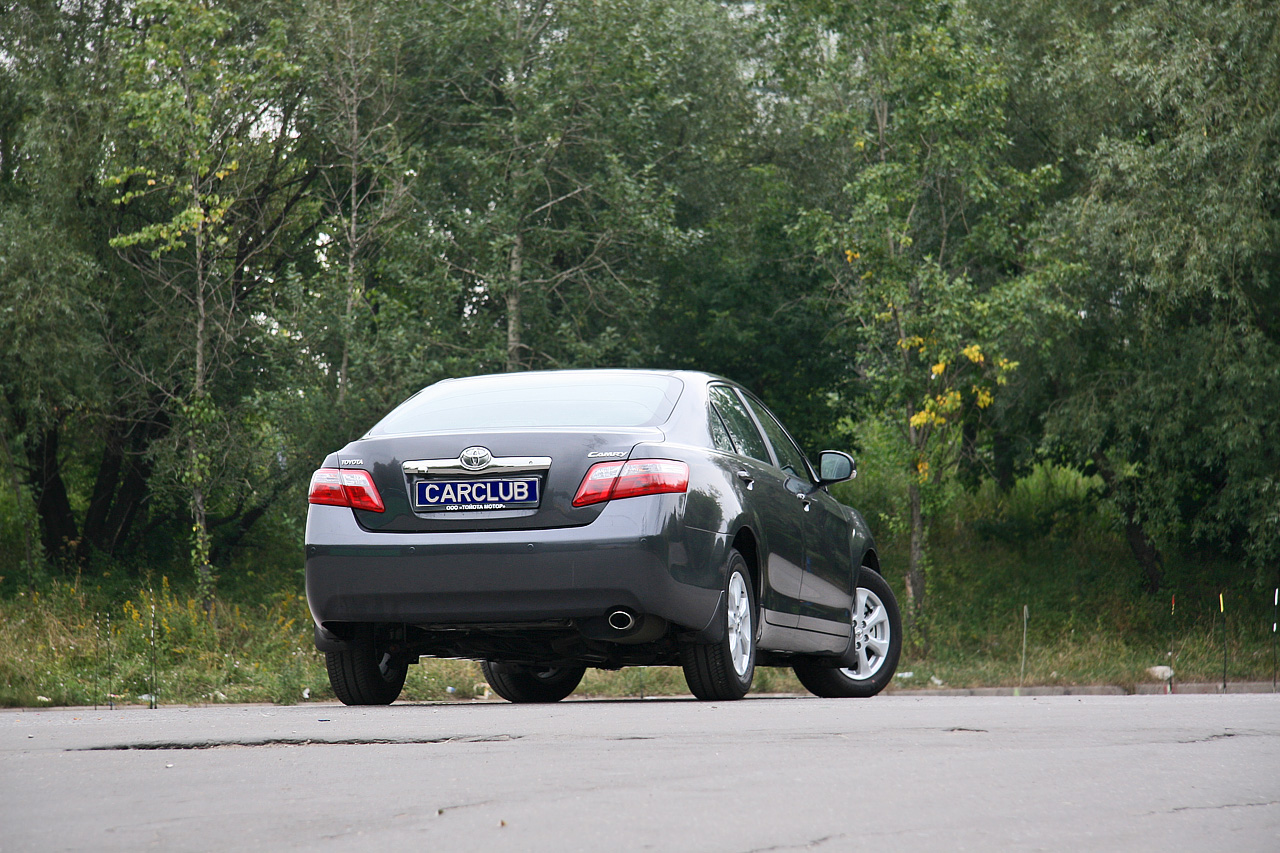
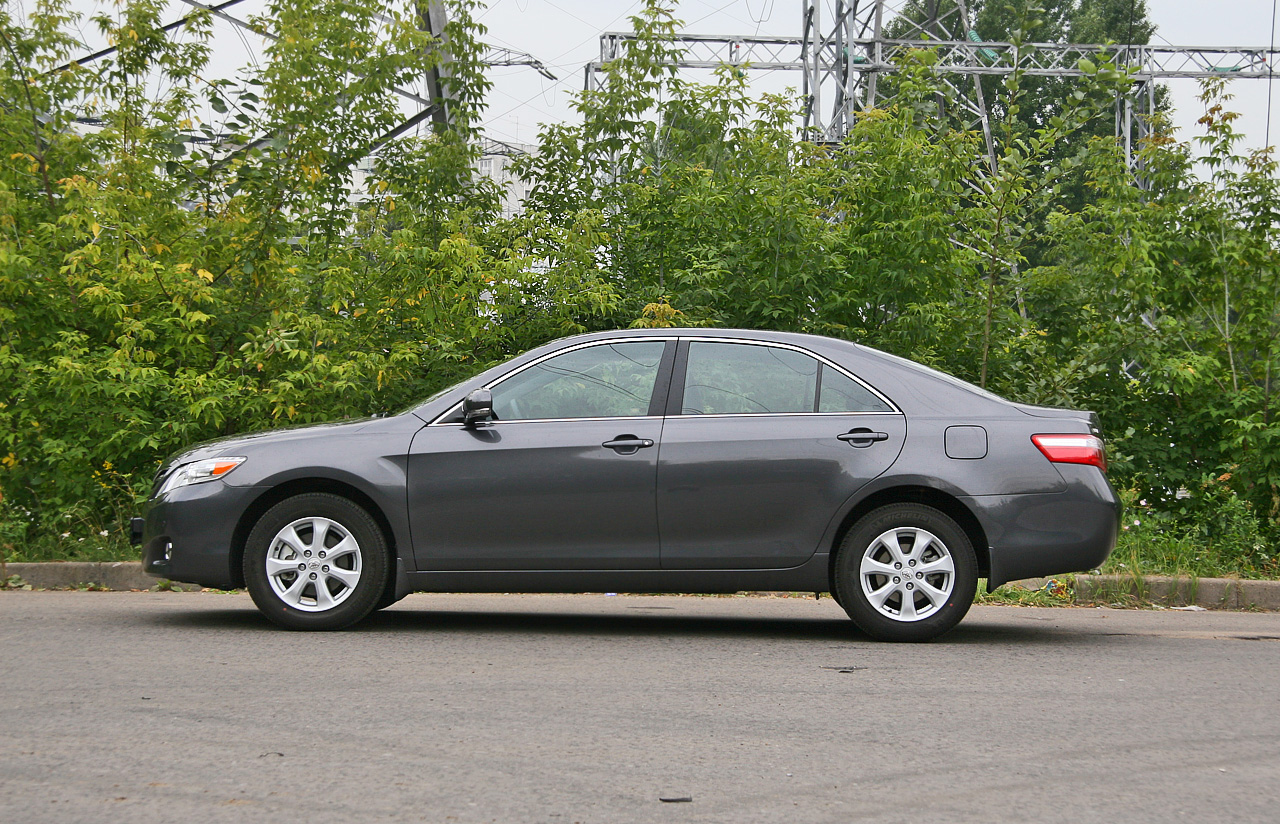
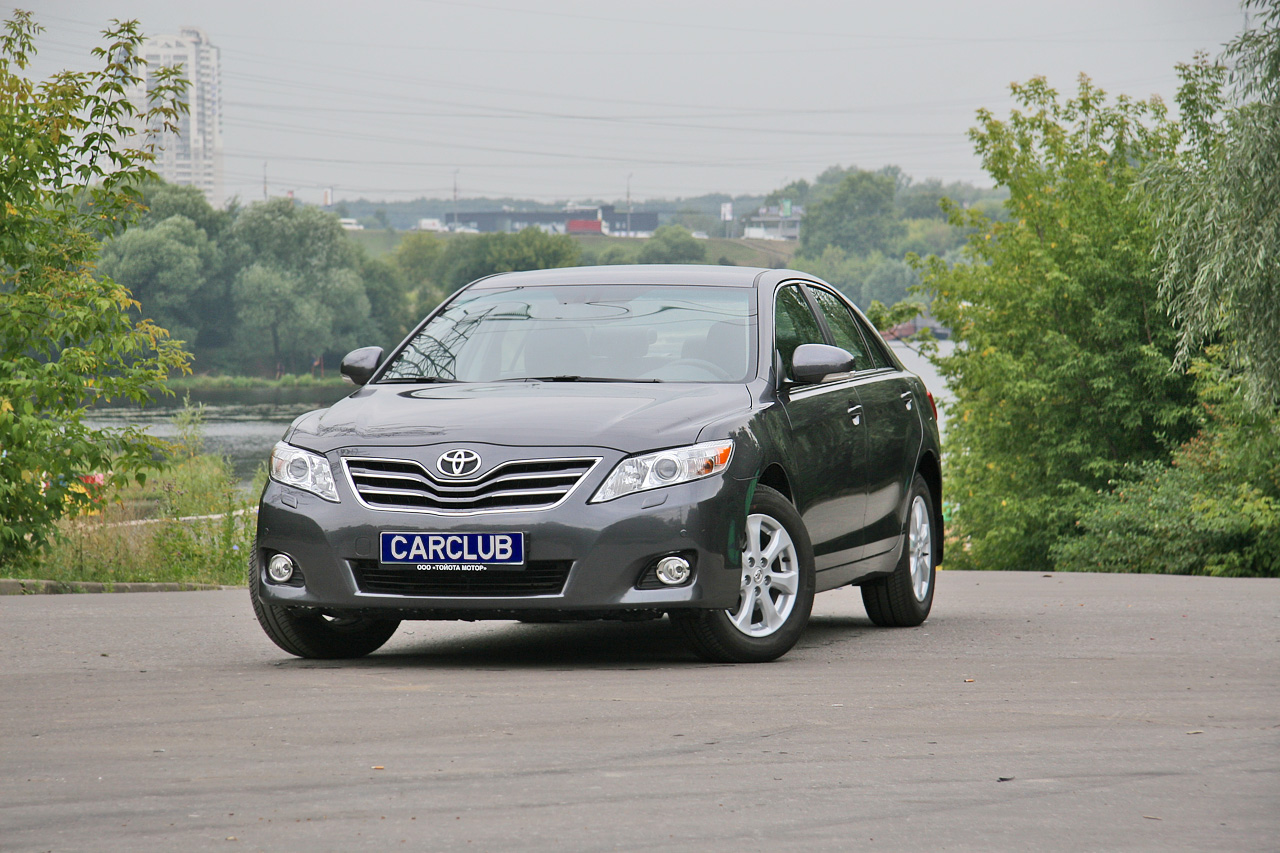
I'll warn you right away: don't expect radical changes in appearance. At the front, the car features a differently styled grille, different mirrors with built-in turn signal repeaters, and a new bumper with integrated fog lights with chrome trim. The alloy wheels are also fresh: ten-spoke for the "Lux" version and seven-spoke for other trims.
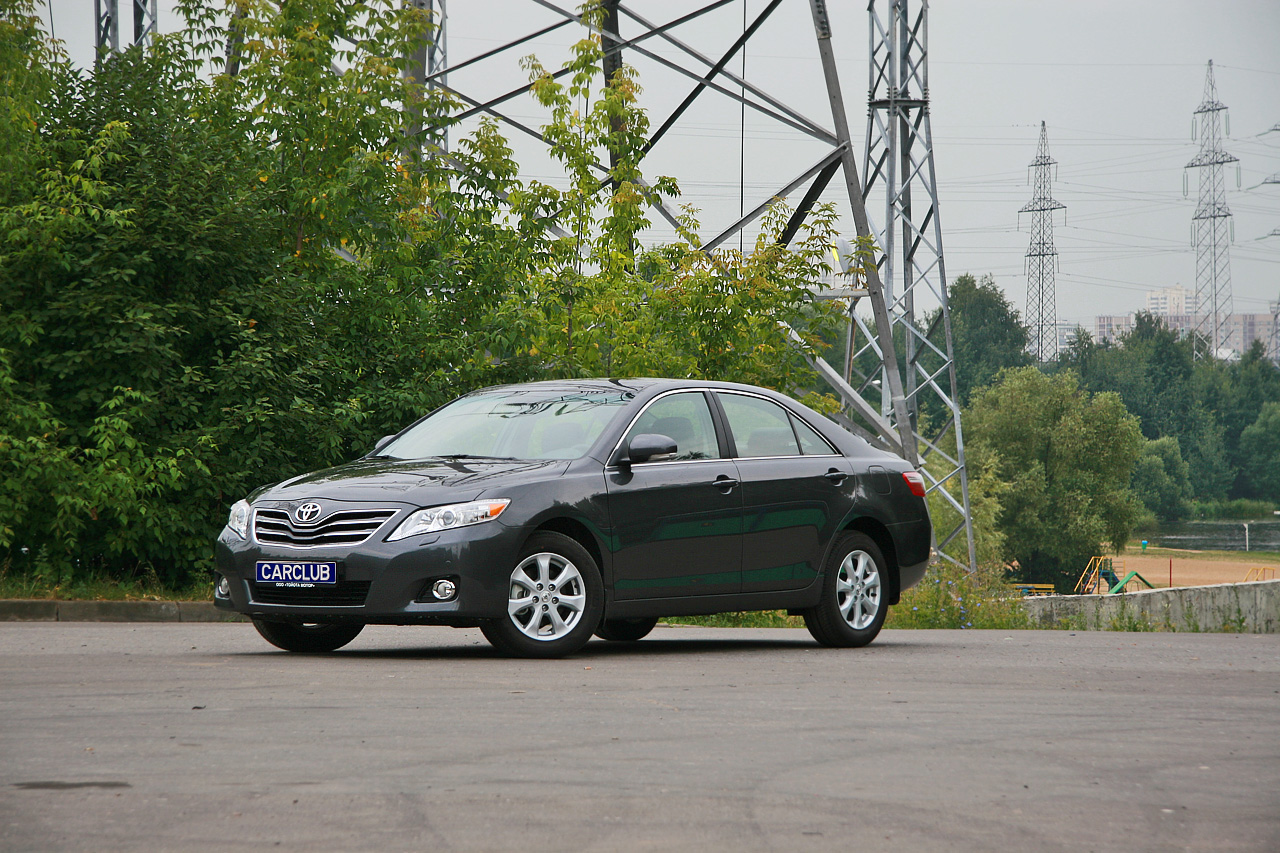 |
| With the start of production of this model at the Toyota plant in St. Petersburg, it was decided to stop importing cars from Japan. After all, the cost of Japanese examples is on average 180,000 rubles more expensive. |
Inside, there are more changes. If you don't count the monitor on the center console in certain trims, the interior looks almost unchanged. But functionally, the car has been noticeably refined: many useful options have been added that should make the owner's life more convenient and emphasize the business status of the Camry.
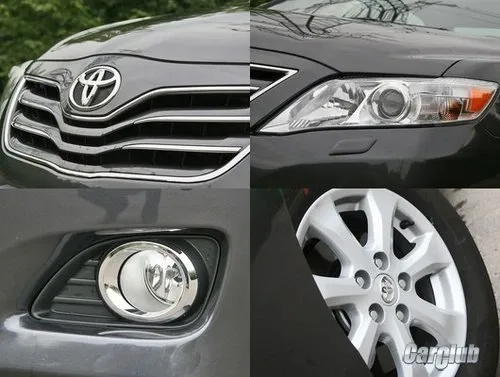 |
| As a result of the restyling, the Camry received a new grille, a modified front bumper, fog lights with chrome trim, and a new design of alloy wheels. |
In expensive versions, navigation with a Russian interface, touchscreen, voice control, and a 10 GB hard drive, Bluetooth wireless connectivity with steering wheel buttons, a keyless entry and engine start system with the Smart Entry & Push Start button, as well as a rear-view camera appeared. Otherwise, it's the same well-known and long-ago "Russified" Camry.
 |
| The 2.4-liter engine won't endow the 1.5-ton car with hurricane acceleration dynamics, but for city maneuvers such an engine is quite sufficient, especially since in a calm mode it is quite economical – no more than 12 liters per 100 km in city traffic. |
The touchscreen is pleasant to use, but questions arose about the navigation. In Moscow, it somehow got us to the right point, but outside the city it started doing strange things: it plotted illogical routes and a couple of times lost satellites even on a federal highway. Perhaps with the release of fresher maps, this problem will disappear.
The typically "Toyota" seating position, where you sit quite high, interior trim with quality leather and soft plastic, a spacious rear row, and a roomy 534-liter trunk — this has long been the calling card of the Camry, which we have dubbed the people's business sedan.
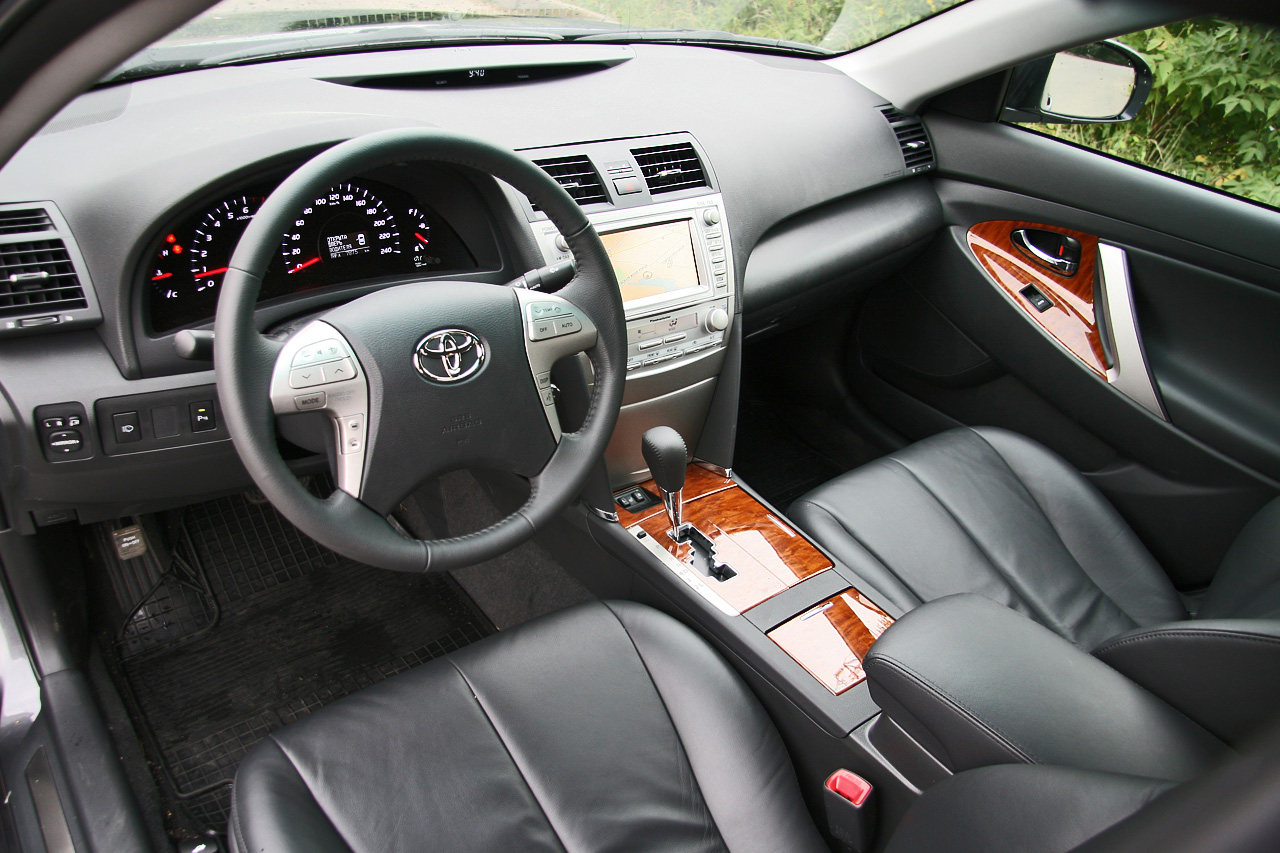 |
| The high, typically "Toyota" seating position, solid interior trim with quality leather and soft-to-the-touch plastic, a spacious cabin, and a large 534-liter trunk have long been the calling card of the Camry model in Russia. |
Under the hood are two gasoline engines: a four-cylinder 2.4-liter and a 3.5-liter V6 with a dual variable valve timing system Dual VVT-i, producing 167 and 277 horsepower. The younger engine gets five-speed manual and automatic transmissions, the older one only a six-speed automatic.
 |
| I liked the excellent sound insulation – even at high speeds, aerodynamic noises and engine hum almost don't enter the cabin. |
With the 2.4-liter engine, the 1.5-ton car won't become a rocket, but in the city such a reserve is more than enough. Plus, in a calm rhythm, it is quite economical: according to the onboard computer, it comes out to no more than 12 liters in traffic jams and about 9 on the highway. The five-speed automatic pleases with its responsiveness and smoothness, it's just a pity that it still hasn't gotten a sport mode.
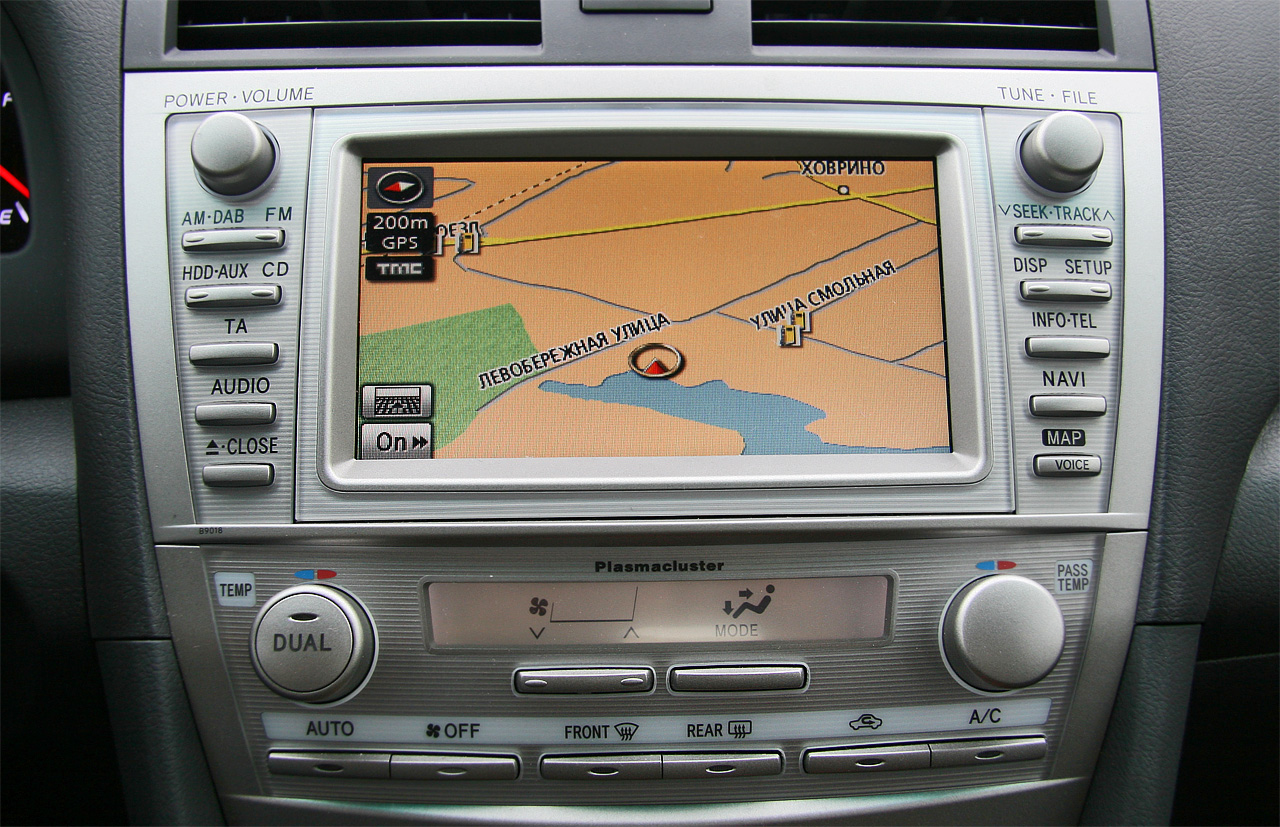 |
| In top trims, a Russified navigation system with a touchscreen display, voice control, and a 10 GB hard drive appeared. However, the navigation system drew criticism. If in Moscow we almost without problems got to the desired address, then in the region the "Toyota" navigation calculated some unimaginable routes and a couple of times even got lost on a federal highway! |
But for confident overtaking, it's better to take the version with the 3.5-liter engine. Unlike its younger sibling, it doesn't give up at high speeds and briskly accelerates even after 140 km/h. The price for 277 horsepower is frequent visits to the gas station.
 |
| However, after purchasing the car, we strongly recommend replacing the "stock" Michelin Energy tires, which are characterized by high noise and do not have the best effect on handling. |
The Camry's suspension is a successful balance between composed handling and decent smoothness. The car seems not to notice small joints and bumps, and passes larger potholes with a large reserve of energy. But for comfort, you have to put up with body roll in corners. Special thanks for the sound insulation: even at speed, aerodynamic noises and engine hum almost don't penetrate the cabin. But I advise you to immediately send the factory Michelin Energy tires for replacement: they are noisy and do not have the best effect on the car's behavior. On dry asphalt, they are still tolerable, but on wet surfaces, their grip properties run out too early — the Camry starts to slide its front end earlier than you expect.
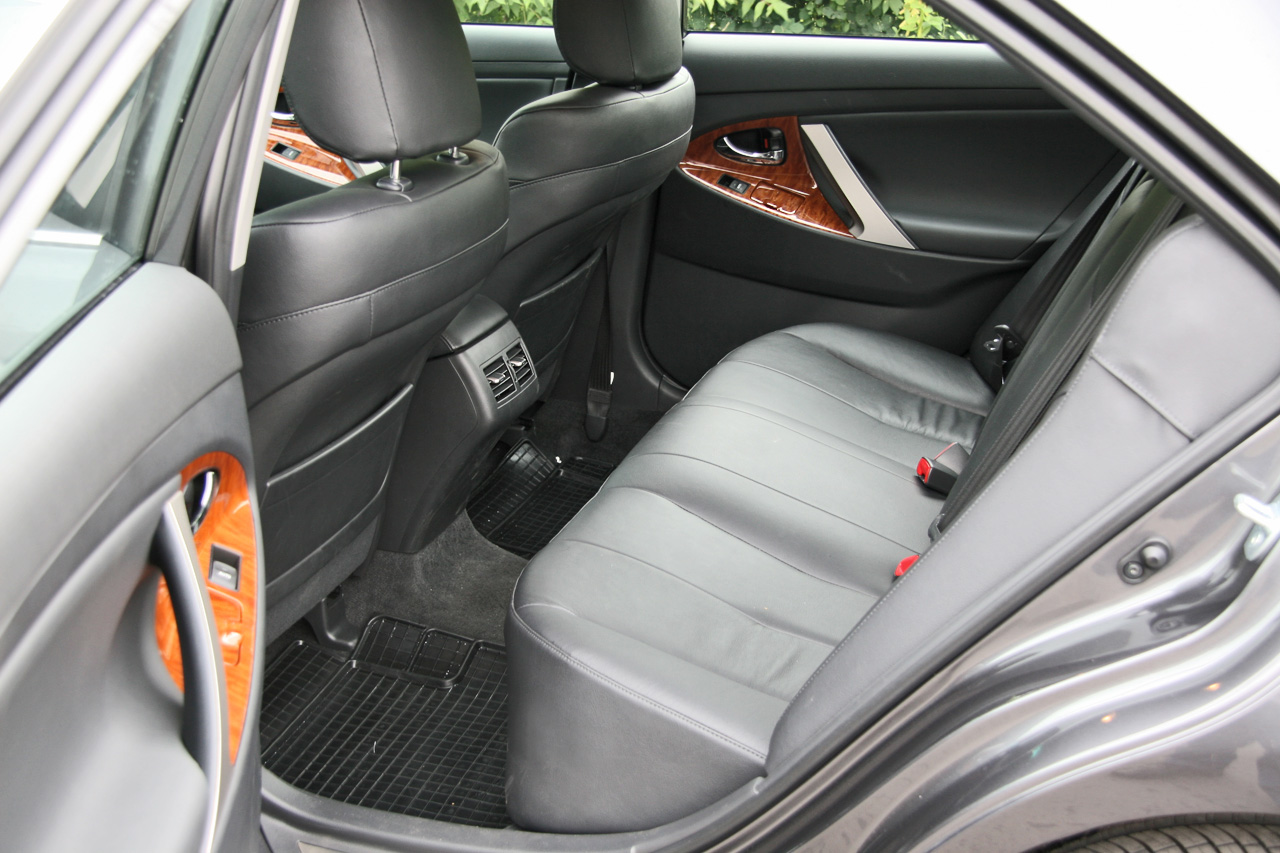 |
| In the back, it's spacious, as it should be in a car that aspires to the business class. |
Prices for the restyled Camry start from 853,000 rubles. The lineup includes five trims: "Comfort", "Elegance", "Elegance Plus", "Prestige", and "Lux". A fully loaded version with the 3.5 V6 engine will cost 1,273,000 rubles.
Ruslan Galimov