
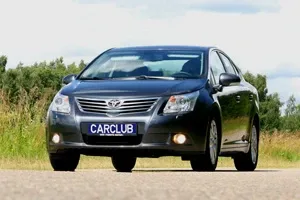
We got a new Toyota Avensis for a test in the top 'Lux' trim with a two-liter engine and Multidrive-S CVT.
The arrival of the new Avensis generation posed a tricky question for Toyota's Russian office: how to differentiate this model from the Camry, which is successful in the market. In Europe, there is no such problem — there, the Avensis is the flagship, since the Camry is not sold there. In Russia, it's the opposite: the Japanese business sedan confidently leads its segment, largely thanks to the launch of Toyota's plant in St. Petersburg, where the Camry is assembled.
The previous Avensis won over our drivers with its classic looks, signature build quality, comfort, and reliability. But after the Camry appeared, the older versions of the second-generation Avensis started selling noticeably worse. The question remains: can the new model win over some of the audience from the firmly established Camry in Russia?
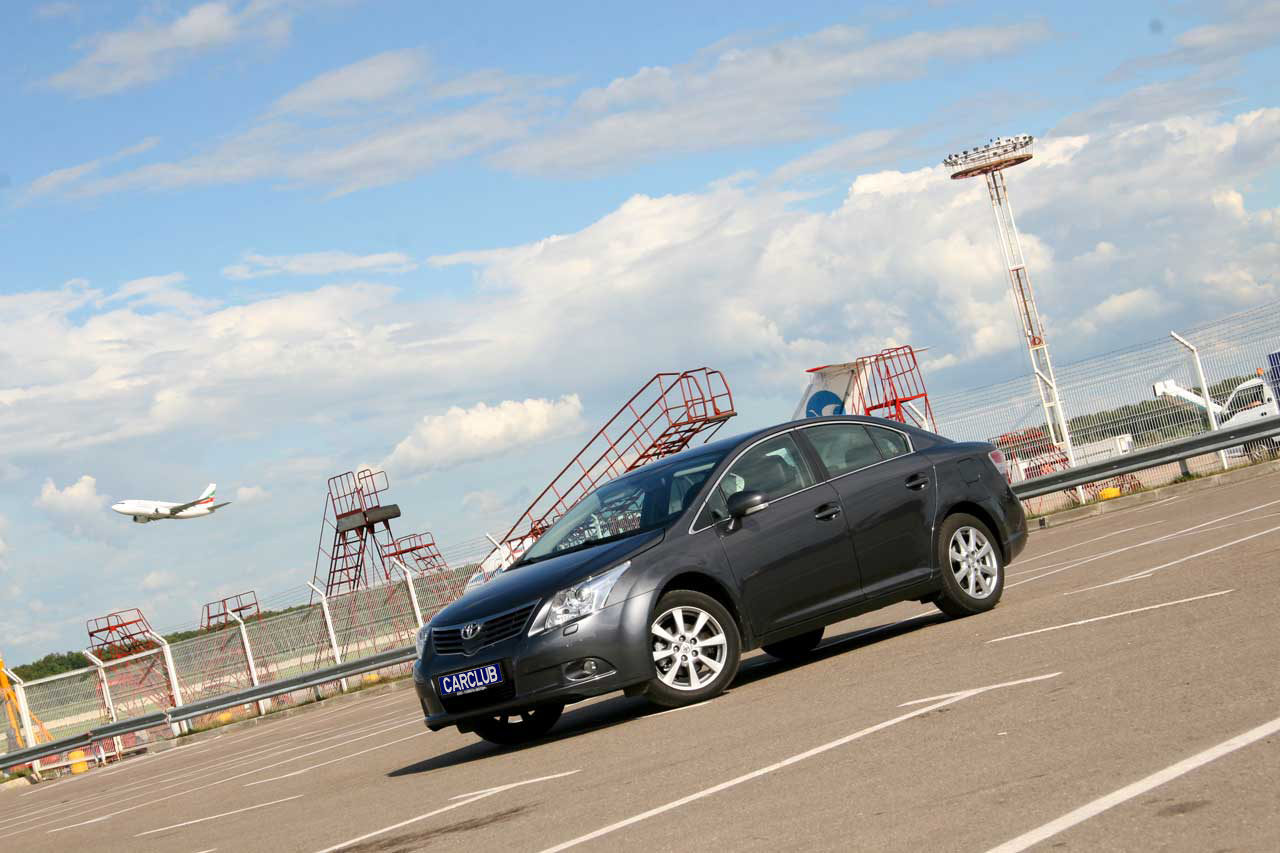 |
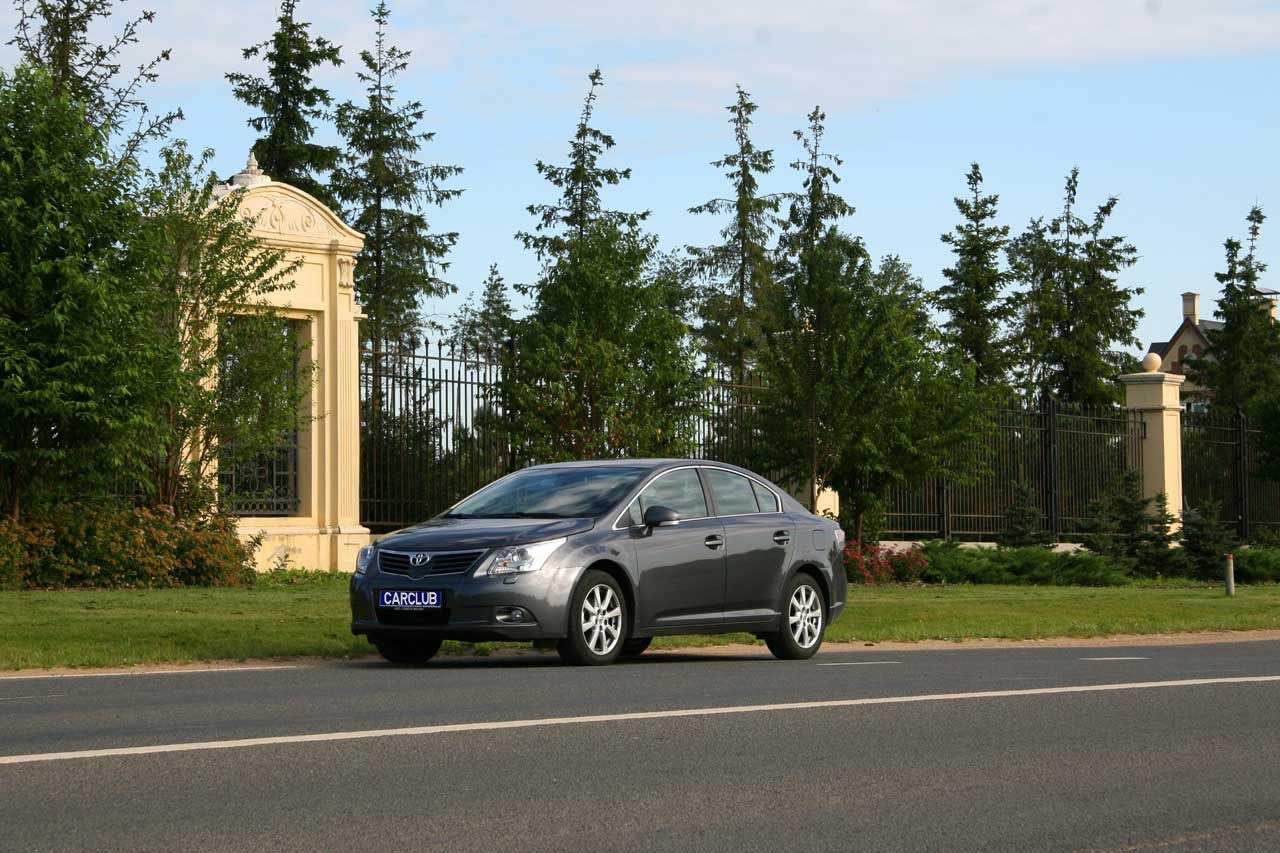
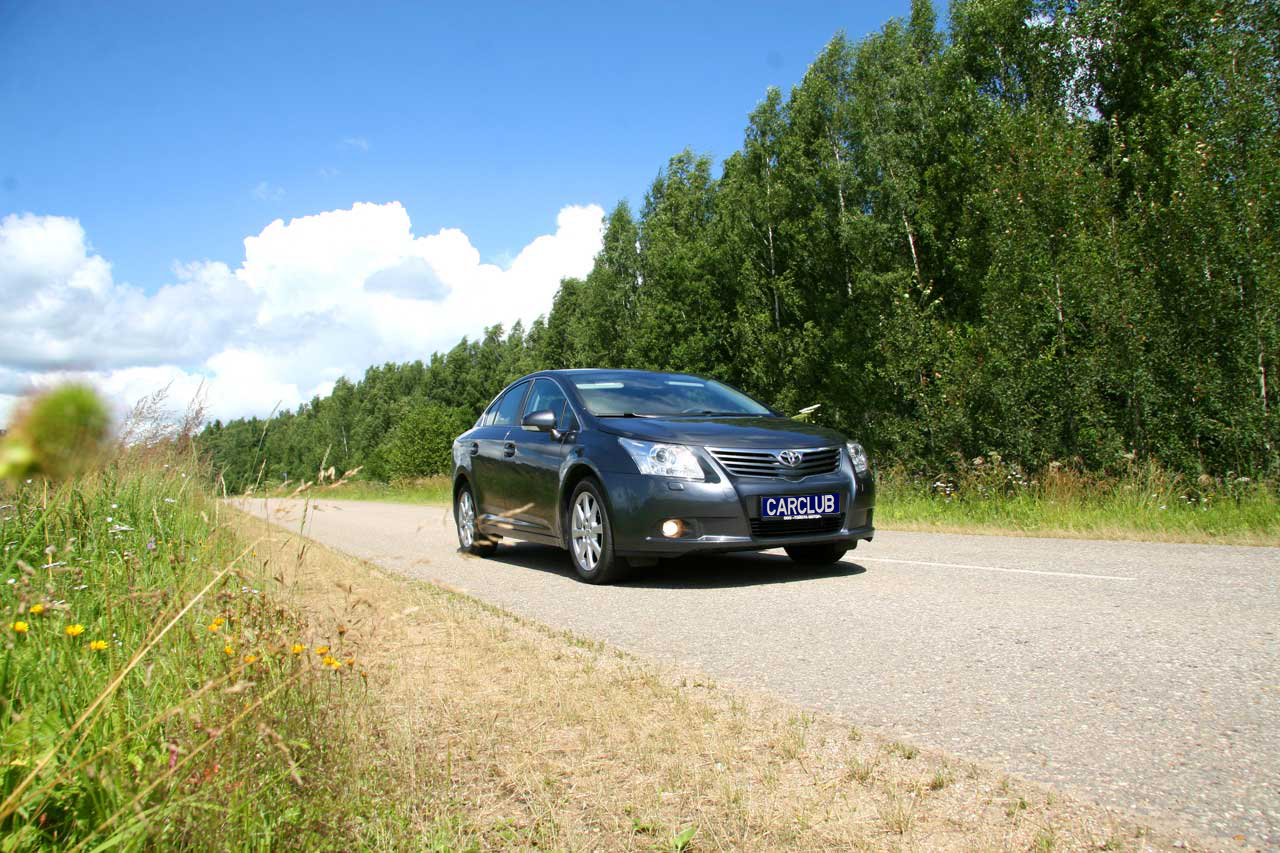
| On the outside, the new Avensis is tailored to the current corporate Toyota style. The grille echoes the Camry. But the headlights are completely new, and they overload the front end. The profile is powerful, muscular, with a heavily raked pillar and a large stamping at the bottom — it looks solid. |
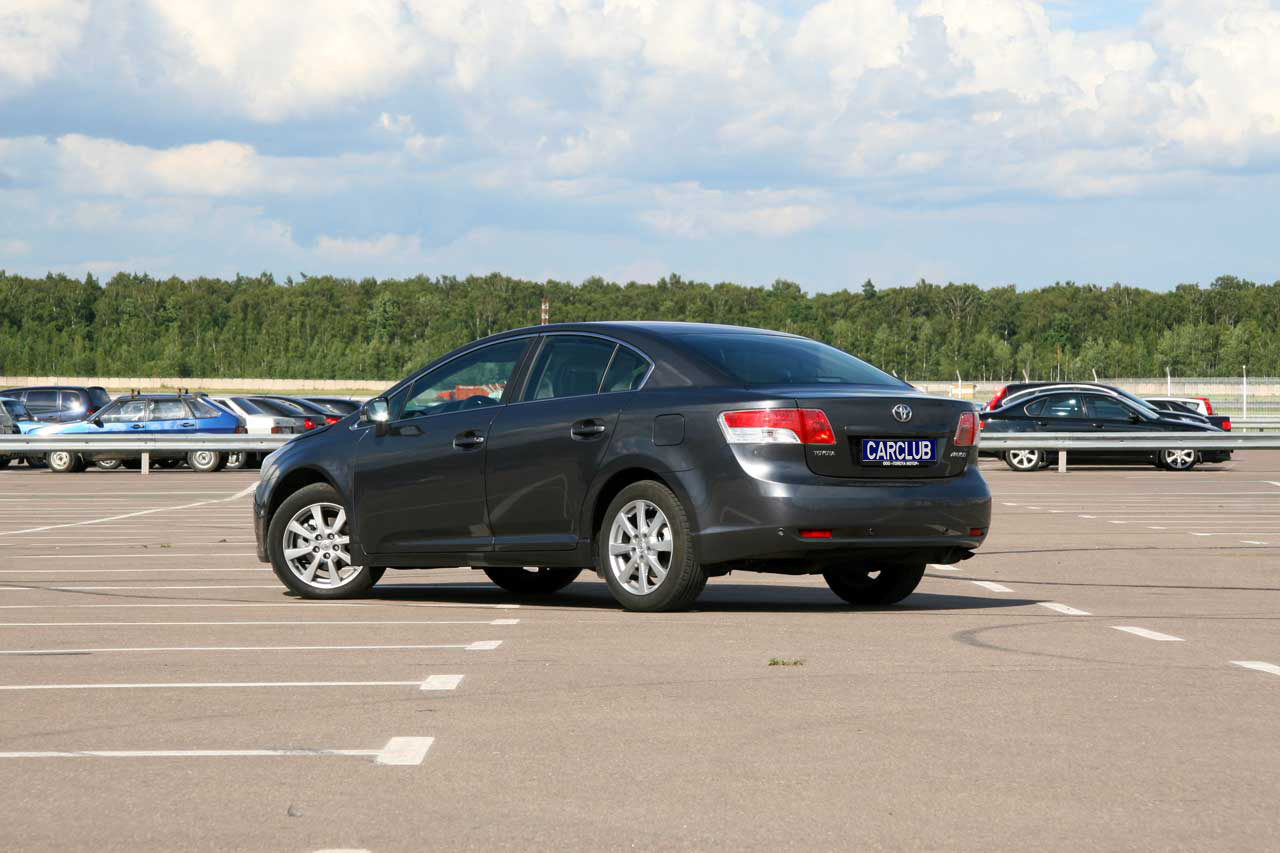
To be honest, in photos the new Avensis didn't impress me. But in person, the sedan looks completely different. The design of the new model has been brought to a common corporate denominator. The grille makes it related to the Camry, but the new headlights overload the front. In profile — a powerful, muscular silhouette with a raked pillar and stamping at the bottom — solid. And from the rear — pure Lexus.
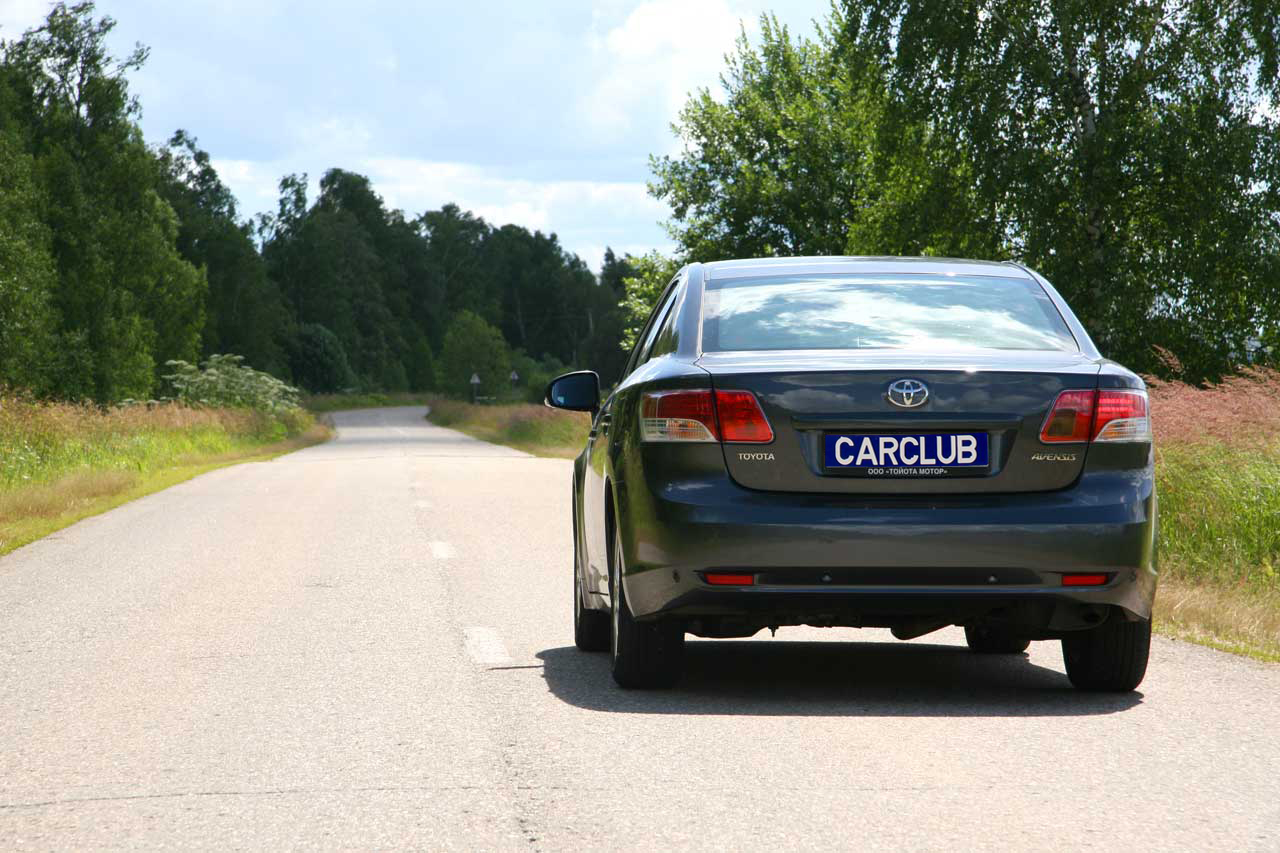 |
| The rear is a spitting image of a Lexus. |
With the same wheelbase, the new Avensis has grown by five centimeters in length and width, making the interior even more spacious. In the back, the central tunnel is practically absent, so three people can ride quite comfortably — there's enough room for legs and shoulders. The trunk volume is an impressive 509 liters.
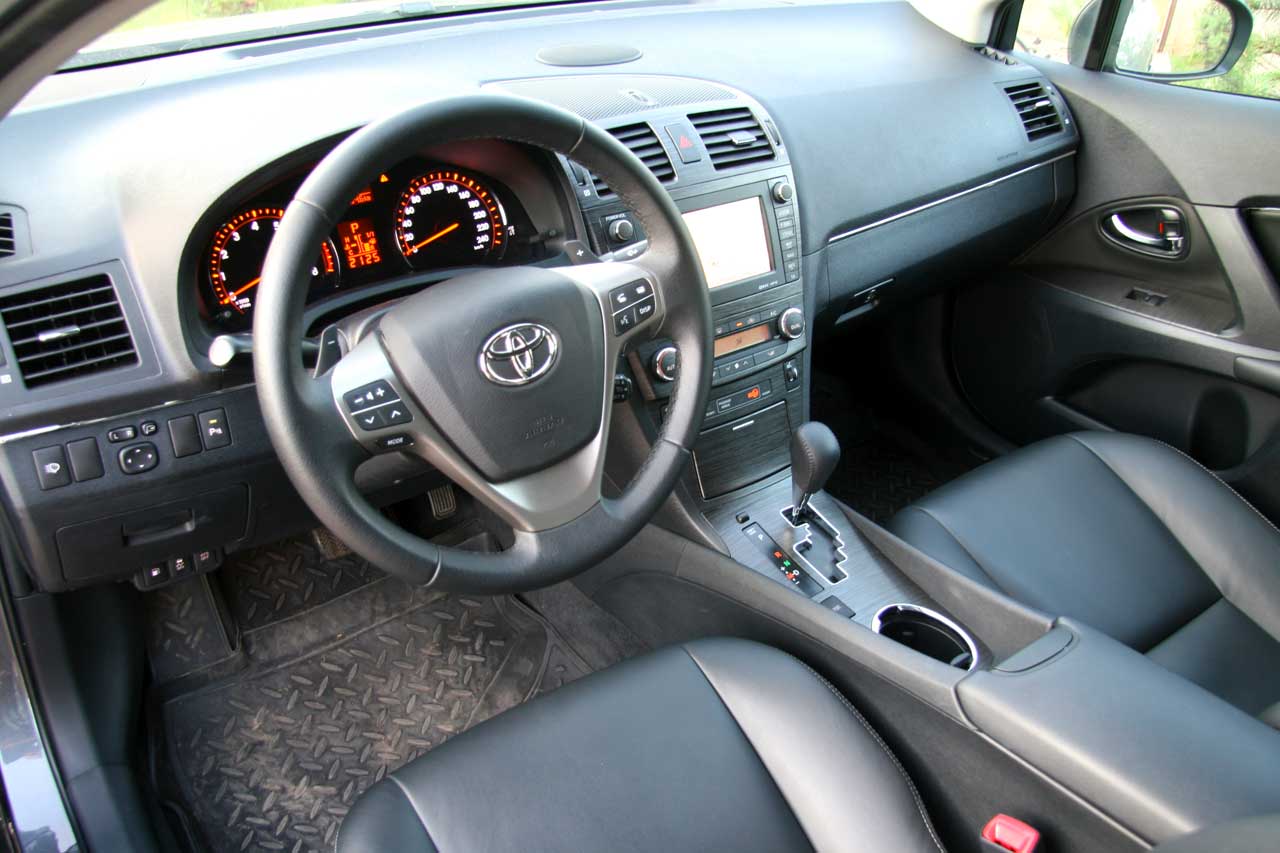 |
| The conservative dashboard doesn't shine with design flair, but the materials are all soft and solid. The wood-look plastic is well chosen. Build quality is top-notch, but there are ergonomic issues: the front seats lack lateral support and height adjustment range. |
The dashboard is conservative and doesn't impress with design, but all materials are soft and high-quality. The wood-look plastic is well chosen (in the trim description, this finish is called the mysterious 'takasumi style', meaning bamboo charcoal). Assembly is at a high level. But the front seats lack lateral support and height adjustment range. In the 'Lux' version, the seats and steering column have electric adjustment with memory. The optitronic instrument cluster pleases with informativeness and a pleasant orange backlight. Between the dials, there are two displays showing onboard computer readings, fuel and coolant levels, as well as an automatic transmission mode indicator.
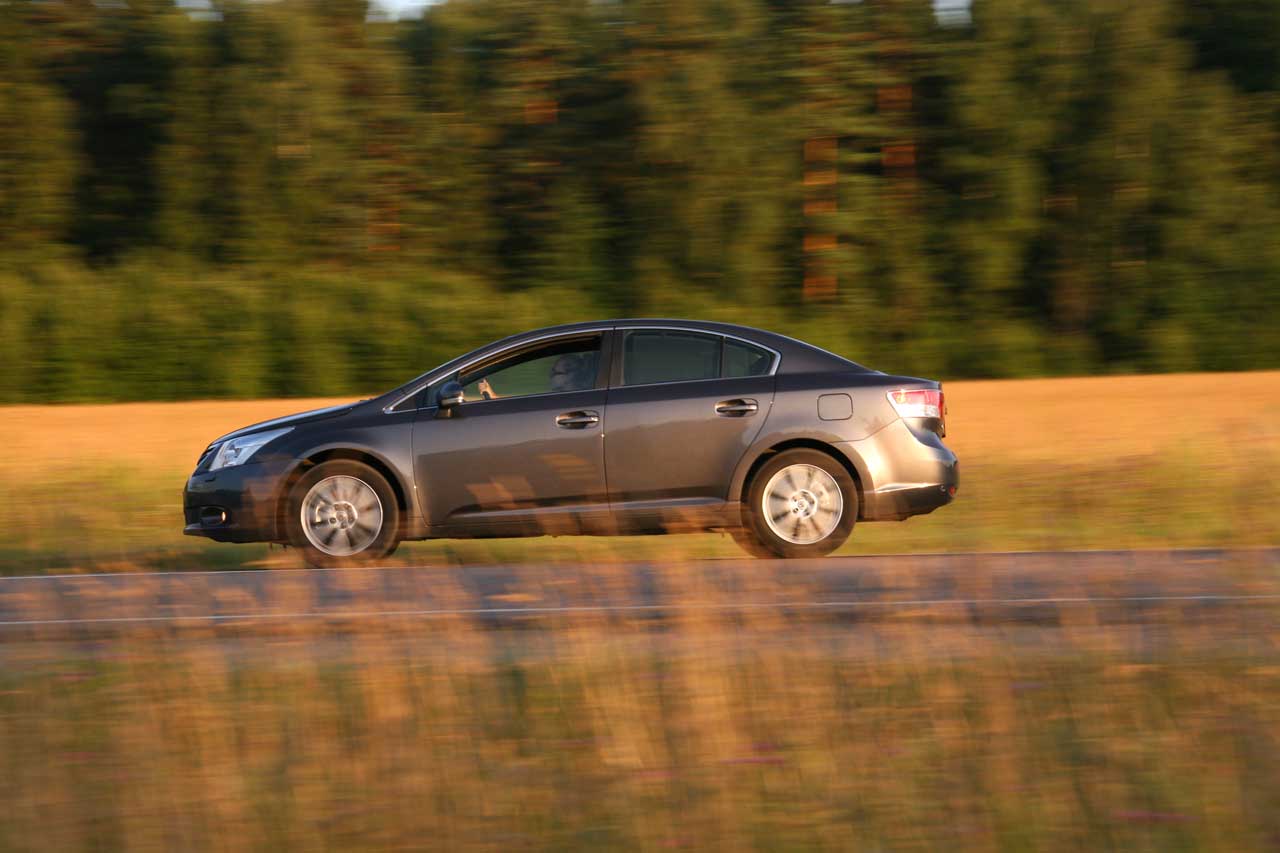 |
| The two-liter version with CVT starts without delay, but too smoothly and leisurely — you could easily doze off. According to the specs, the 152-horsepower Toyota accelerates to 100 km/h in 10 seconds, while the 1.8-liter version with manual transmission is 0.6 seconds faster. |
On the center console, there's a large screen responsible for fully Russified navigation, Bluetooth phone connectivity, vehicle settings, and an audio system with all sorts of formats and a 10 GB hard drive. Below is the dual-zone climate control unit and two dials for seat heating.
 |
| On the Russian market, the new Avensis is available with three petrol engines: 1.6, 1.8, and 2.0 liters. The Avensis has diesels, but, as usual, they are not brought to Russia — the Japanese fear for the quality of our diesel fuel. |
Overall, the 'top' Avensis is equipped to the max. In addition to the above, it includes swiveling bi-xenon headlights, an electronic parking brake, keyless entry and engine start, a multi-function steering wheel with paddle shifters, leather interior, cruise control, 17-inch alloy wheels, a rearview camera, seven airbags, and rain and light sensors. The list is impressive — not every premium classmate can boast such a set, let alone direct competitors.
 |
| The starting price of the Toyota Avensis with a 1.6-liter engine and manual transmission is 819,500 rubles. For comparison, the 'base' Camry with better equipment costs 853 thousand. And the top version from our test is 1,387,000 rubles, which is 114 thousand more expensive than the top 277-horsepower Camry with a similar set of options. |
On the Russian market, the new Avensis is sold with three petrol engines: 1.6, 1.8, and 2.0 liters. Diesels exist, but, as usual, they are not brought to Russia — the Japanese still don't trust our fuel. And I understand them.
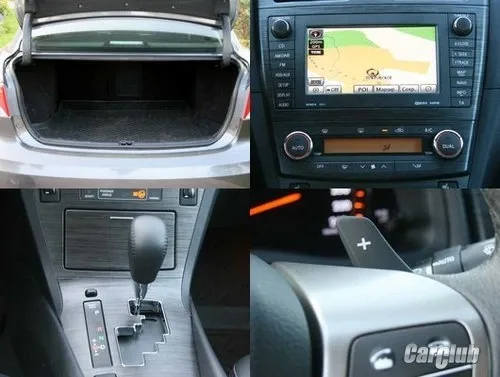 |
| The screen on the center console is responsible for Russified navigation, Bluetooth, vehicle settings, and an audio system with a 10 GB hard drive. Steering wheel paddle shifters for manual CVT control are the prerogative of the 2.0-liter version. Trunk volume is 509 liters. |
Let's return to the petrol engines. Their main novelty is the development of the well-known VVT-i technology called Valvematic. The system controls valve timing and lift, which improves fuel consumption and reduces emissions. Already the 1.6-liter naturally aspirated engine produces 132 hp and is paired only with a manual.
Those who need more power will be offered a 1.8-liter unit with 147 hp or a 2.0-liter with 152 hp. The senior engine comes only with a CVT with a sport mode, while the 1.8-liter can be had with any gearbox.
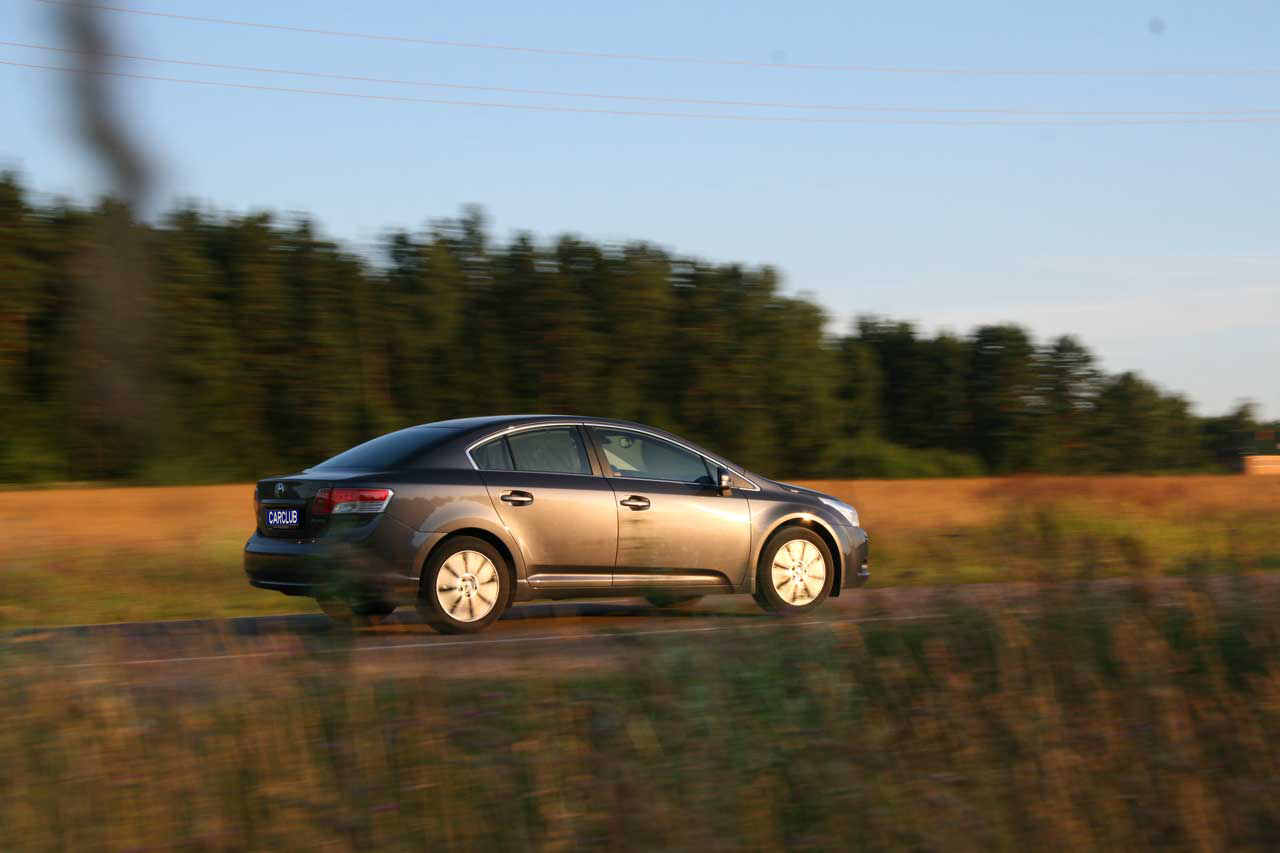 |
| The sedan confidently dives into corners, holds the straight clearly, and ignores ruts. The steering is beyond reproach: the effort is exactly as needed, informativeness is at the level. Reliable. |
The 2.0-liter Avensis with CVT starts without delay, but the acceleration is so smooth and measured that you could easily doze off in the cabin. The claimed 152 horsepower accelerate the sedan to 100 km/h in 10 seconds, while the version with the 1.8-liter engine and manual gearbox does it 0.6 seconds quicker. It would be interesting to try the Avensis with a 'stick'. I have nothing against the CVT, but with it, the car becomes too balanced, too smooth, and too proper. There's a lack of spark. But there's an obvious plus — the average fuel consumption stayed around 9 liters per 100 km. And that's with fairly active driving on the 152-horsepower version. A bit of adrenaline is added to the CVT by the manual mode with seven virtual gears. On the two-liter car, you can shift using paddle shifters.
 |
| The main innovation in the Toyota Avensis engine lineup is the development of the famous VVT-i technology, called Valvematic. This system controls valve timing and lift, which positively affects fuel consumption and emissions. Note that even the 1.6-liter engine without any turbocharging produces 132 hp. |
On the road, you feel the same signature 'Toyota' solidity. The sedan confidently dives into corners, stays stable on the straight, and ignores ruts. The steering also raises no complaints: the effort is correctly chosen, and there's enough feedback. Everything is predictable. I wonder how many times I've written the word 'reliability' in this material? And it's not tautology, but the brand philosophy of Toyota, nothing can be done about it. So, I'm looking for something to nitpick... Ah yes, the brakes. The pedal reacts too sharply. You barely touch it — and the 'Avensis' seems not to notice, but add just a tiny bit of effort, and all passengers nod their heads in unison.
Now about the price, and there is a catch here too. The starting price of the Toyota Avensis with a 1.6-liter engine and manual transmission is 819,500 rubles. For comparison, the "base" Camry with richer equipment costs 853 thousand. But the top version, which we had on the test, already costs 1,387,000 rubles — that's 114 (!) thousand more expensive than the most powerful 277-horsepower "Camry" with a similar set of options.
 |
| With the same wheelbase, the new "Avensis" has added 5 cm in length and width. As a result, the interior has become even more spacious. Thanks to the virtual absence of a central tunnel, three people can comfortably ride in the back – there is enough room for both legs and shoulders. |
In all other respects, the Toyota Avensis is a well-balanced car: quality finishing, spacious interior, impressive list of options, modern engine, high level of safety, and, I'm not afraid to say, reliable handling. But does this model have a future in Russia? It seems to me that no, at least until the new Toyota Camry appears or until the "Avensis" starts being assembled at the Russian plant of Toyota.
Ruslan Galimov