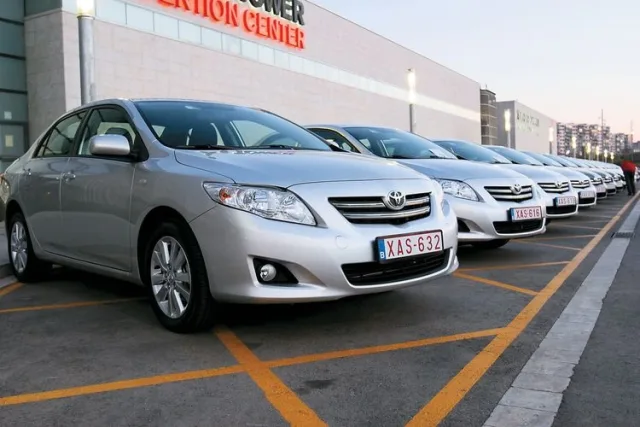
When you say “Corolla,” “Toyota” automatically comes to mind. And vice versa. Even five years after the start of mass production, interest in the Corolla has grown by eight percent! It would seem, just make money and don't worry! But the company had completely different plans: instead of simply replacing the model, they decided to split the Corolla into two separate directions — for America and for Europe. And at Toyota, they are used to carrying out their plans strictly.
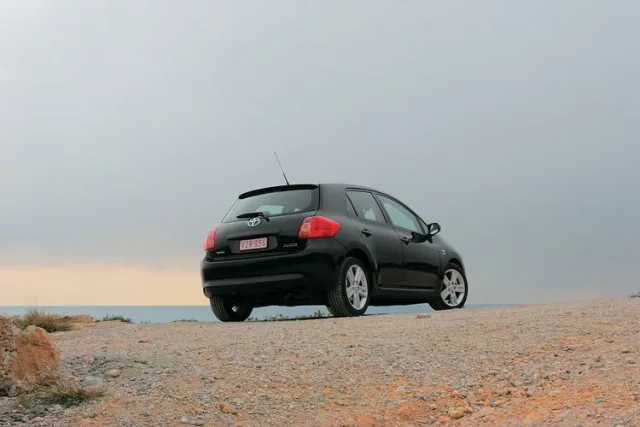
And here is the result — the Corolla has split: a sedan (only it now bears the name Corolla) and the Auris hatchback. What's the point?
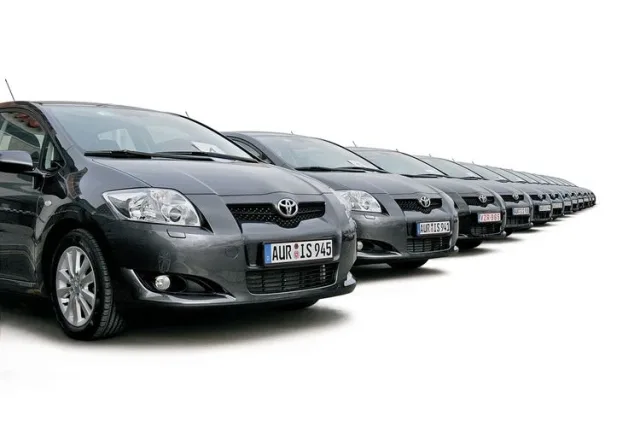
The idea is this. The sedan is aimed at those who hold conservative views on cars — such people are the majority both in the States and in countries with “rapidly growing markets” (that's about us). But the Auris hatchback (the name comes from the Latin Aurum, meaning “gold”) is intended for markets that are hardly growing, but where a more mobile population lives (here we are talking about Western Europe). It's not surprising that the hatchback's name echoes the Yaris — a car that is in great demand in Europe…
 |
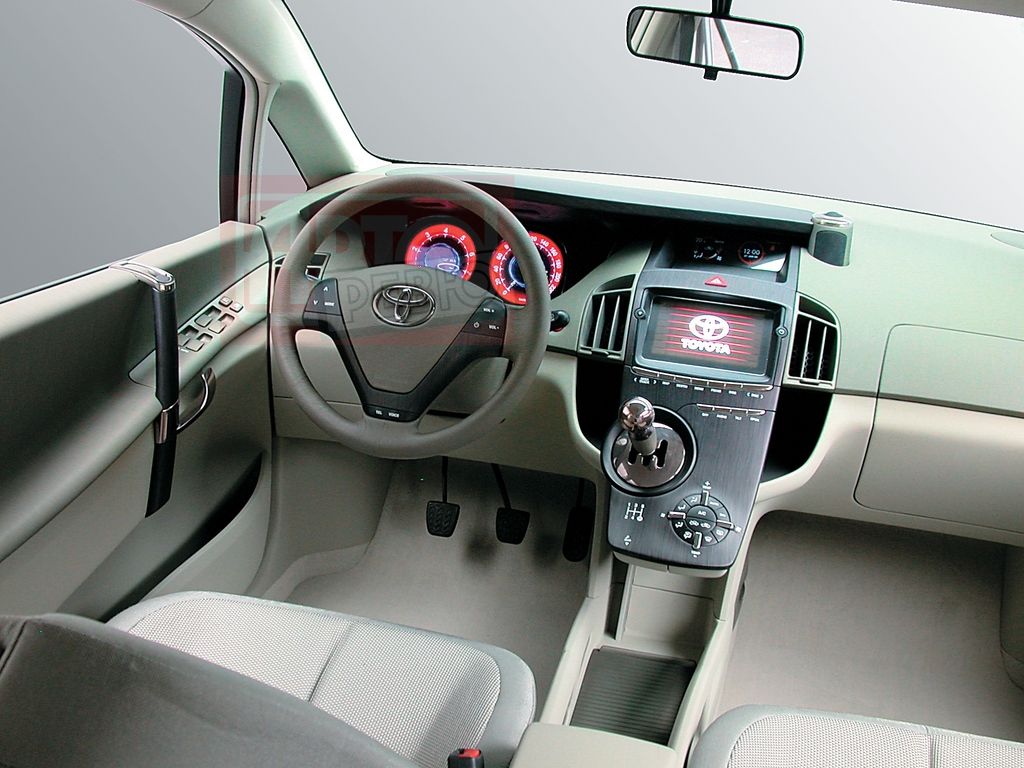 |
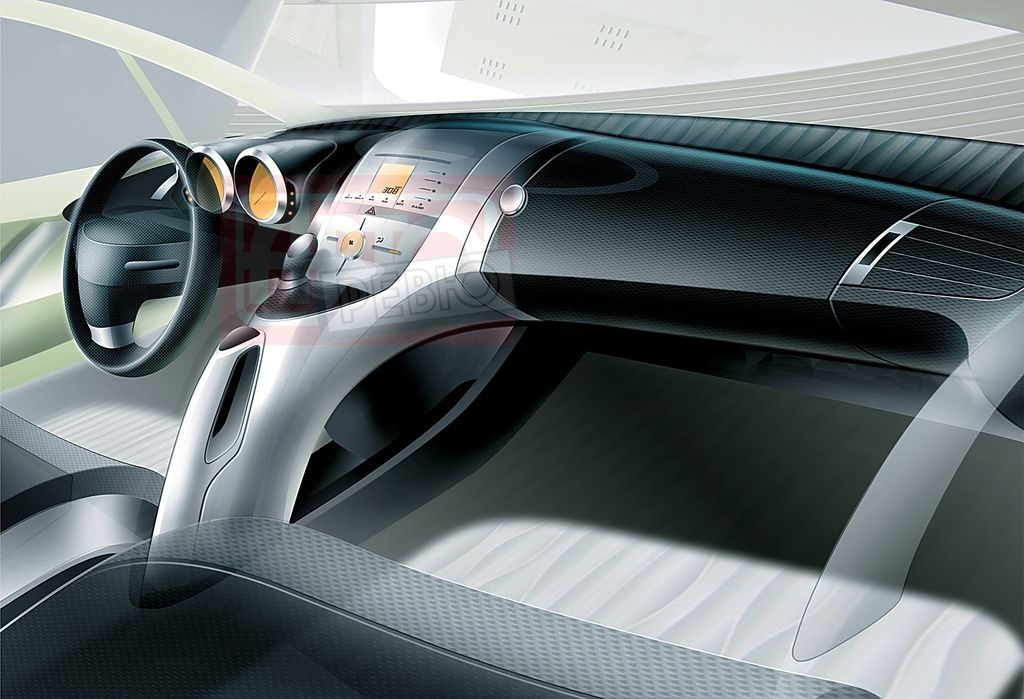
| The designers primarily worked on the Auris: the simplified sedan was built on the basis of the hatchback. The basis for the Auris's appearance was a sketch by Koichi Sugi, who at that time worked at the European design center ED² in Nice. And the interior was made according to drawings by Takayuki Nakajima — the leading designer of the main Japanese studio in Toyota City. | Although the Auris's interior could have turned out like this: the project by Vladimir Pirozhkov, the leading interior designer of the European studio ED2 in Nice, also reached the final competition, but during voting it lost to Nakajima's more “youthful” sketch. Note that Pirozhkov's interior architecture is completely different and more functional. |
If earlier the difference between the Corolla sedan and the Corolla hatchback was mainly reduced to the presence or absence of a “third volume,” now… They are radically different! About the hatchback, for example, one can diplomatically say that the Auris is an enlarged Yaris. Or you can look at it skeptically, squinting, and grumble that it is assembled from quotes borrowed from “Europeans.” Here you have “milled” cheekbones of wheel arches in the Ford style, and triangular windows at the front, like the Opel. True, the most memorable element is purely Toyota: it's a bull's head mounted on a powerful pedestal with the Toyota emblem. That's right: enough being shy!
 |
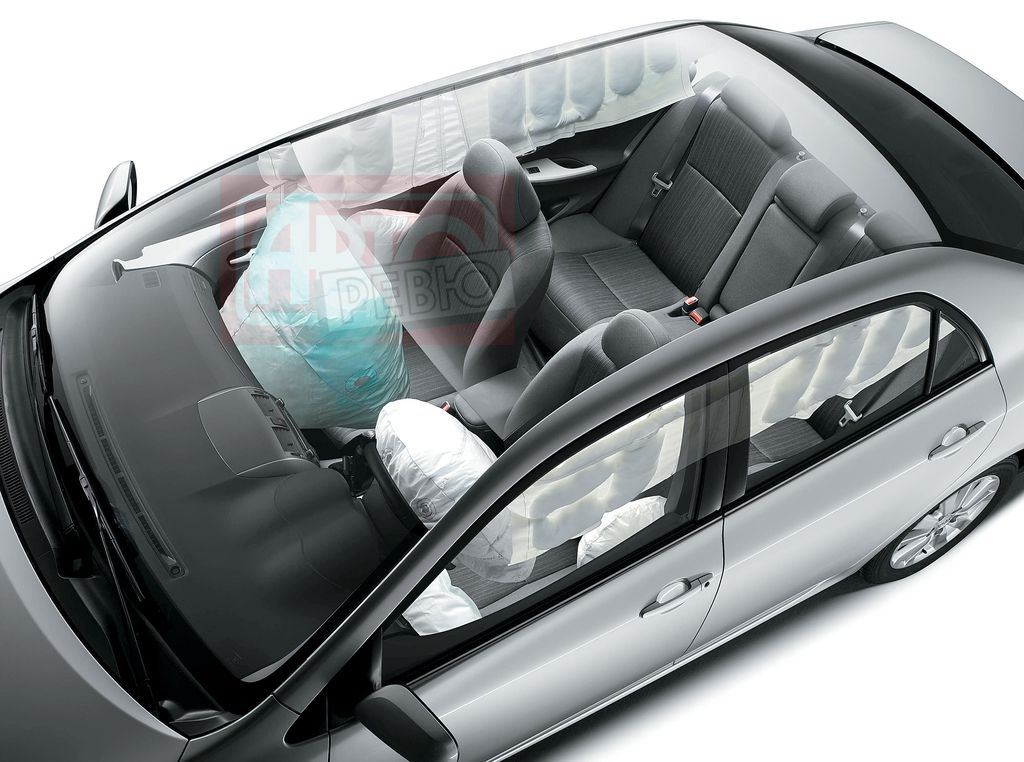 |
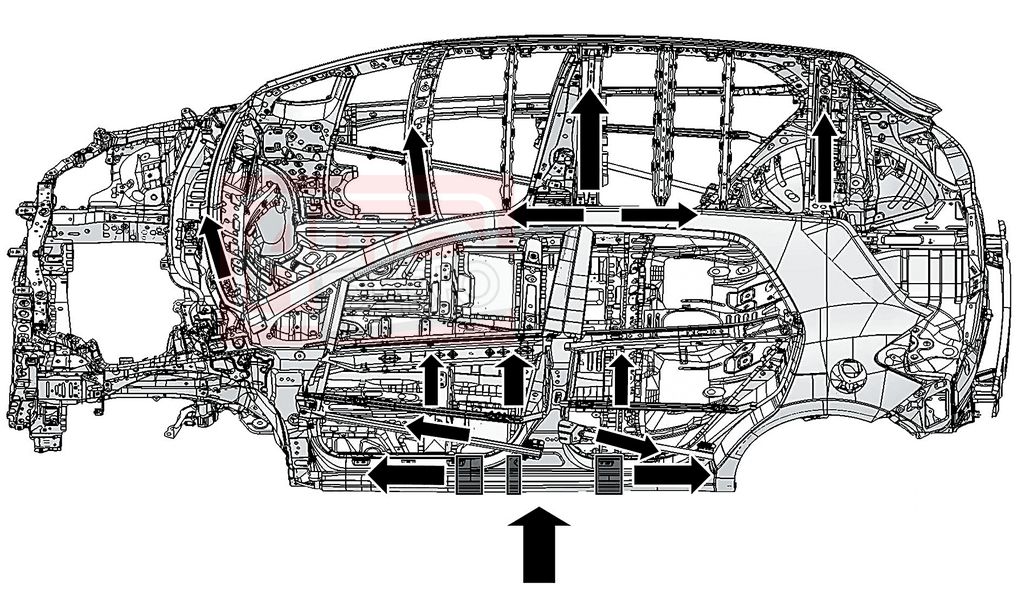
| Rigid and durable bodies with programmed deformation zones and seven airbags (including a “knee” one for the driver, like the Camry) should provide both cars with five stars in EuroNCAP crash tests. | |
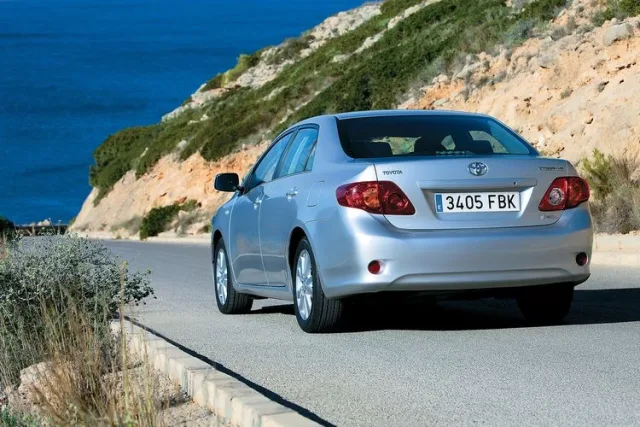
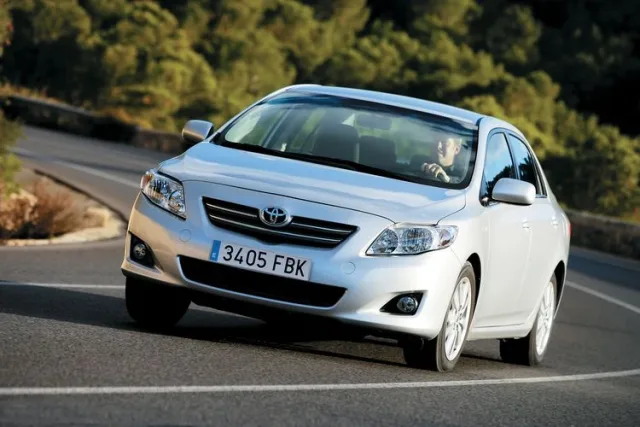
And the Corolla sedan is made in the overseas cab forward style — that is, with the “cabin” shifted forward. The hood is pointed, the massive rear is raised up: in profile it's the spitting image of the previous Toyota Camry. No challenge or shock value: the gaze glides from nose to tail without obstacles. And slight cross-eyedness can hardly be called a J-factor. And rightly so: why disturb the dormant patriotism of Americans?
| A feature of the 1.6 Dual VVT-i engine is phase shifters on both camshafts, due to which the peak torque is shifted to the high-rev zone without compromising low-end traction. | |
 |
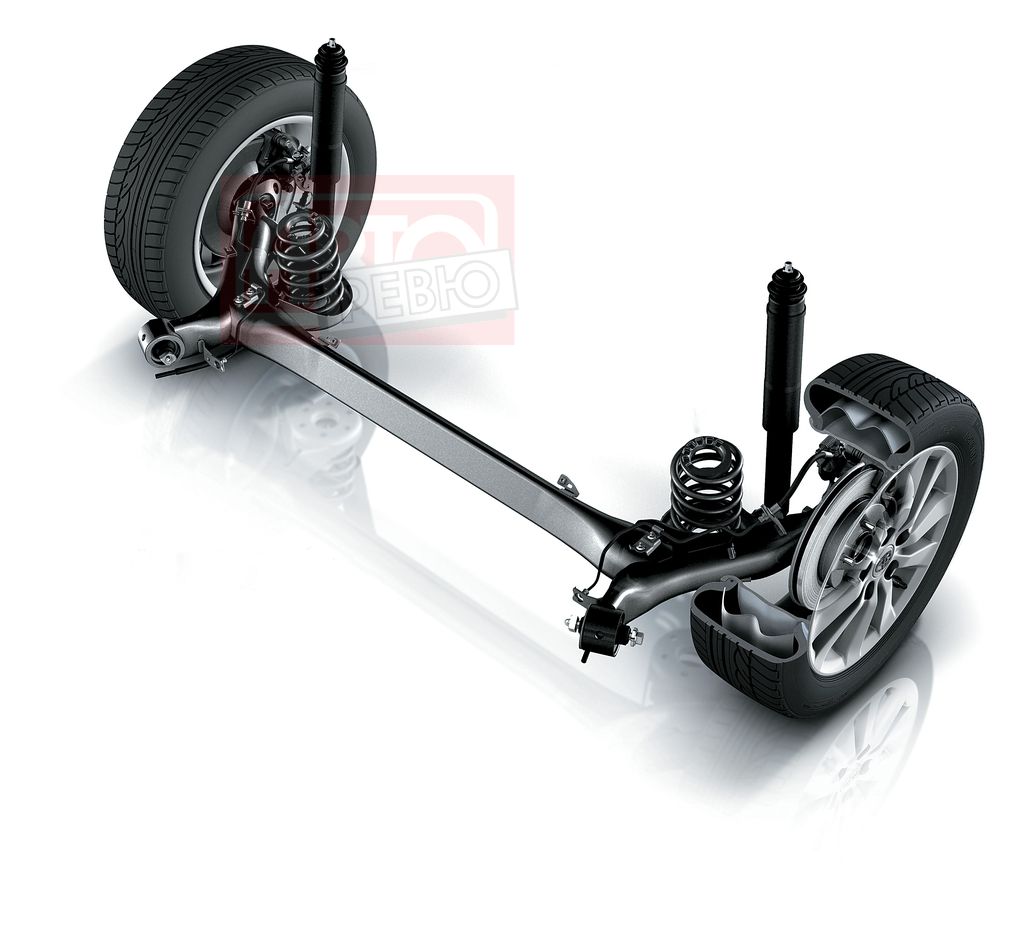 |
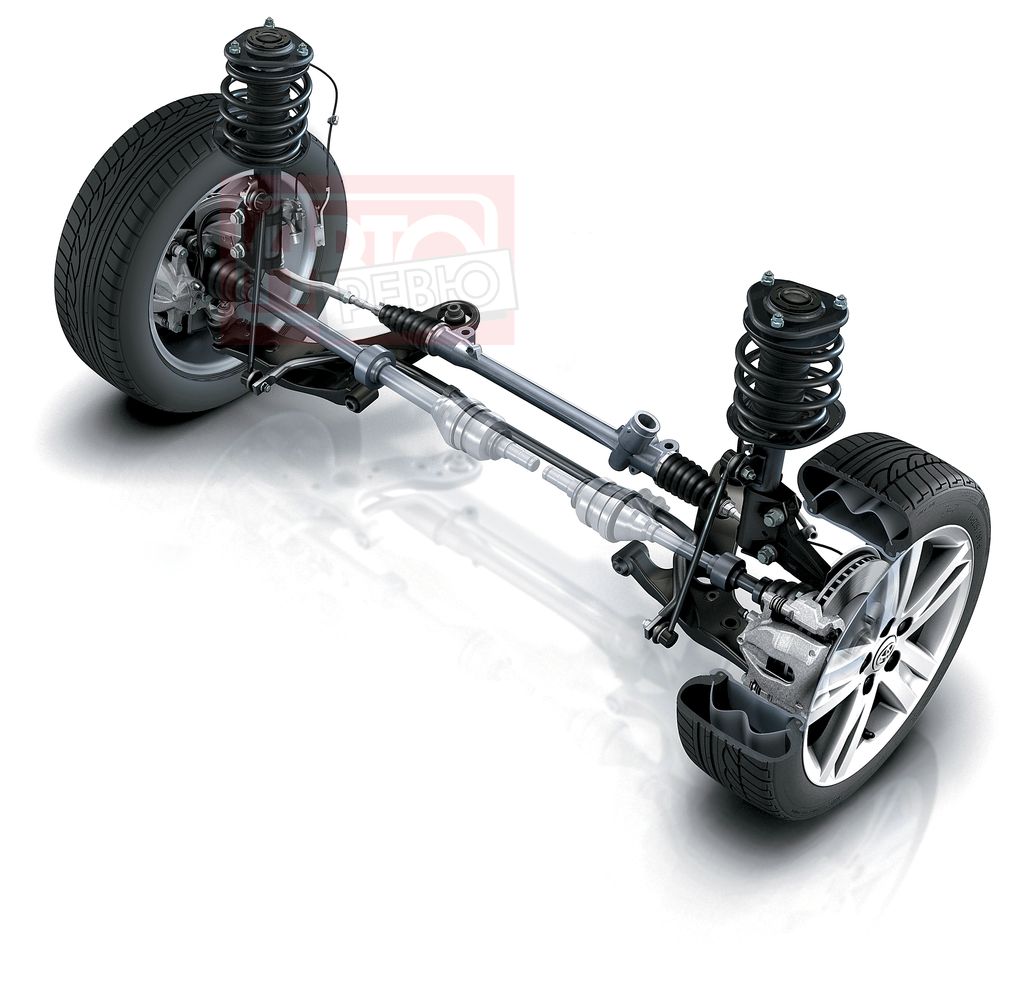
| The basic suspension layout is the same as that of the previous-generation Corolla: McPherson at the front and semi-independent at the rear. But both suspensions are completely new. | |
Compared to the predecessor Corolla, the wheelbase has not changed, and it is the same for the sedan and hatchback. But this did not prevent the cars from “gaining fat”: both became 50 mm wider, with the hatchback lengthening by 40 mm and the sedan by as much as 155 mm. And each gained 100 kg in weight.
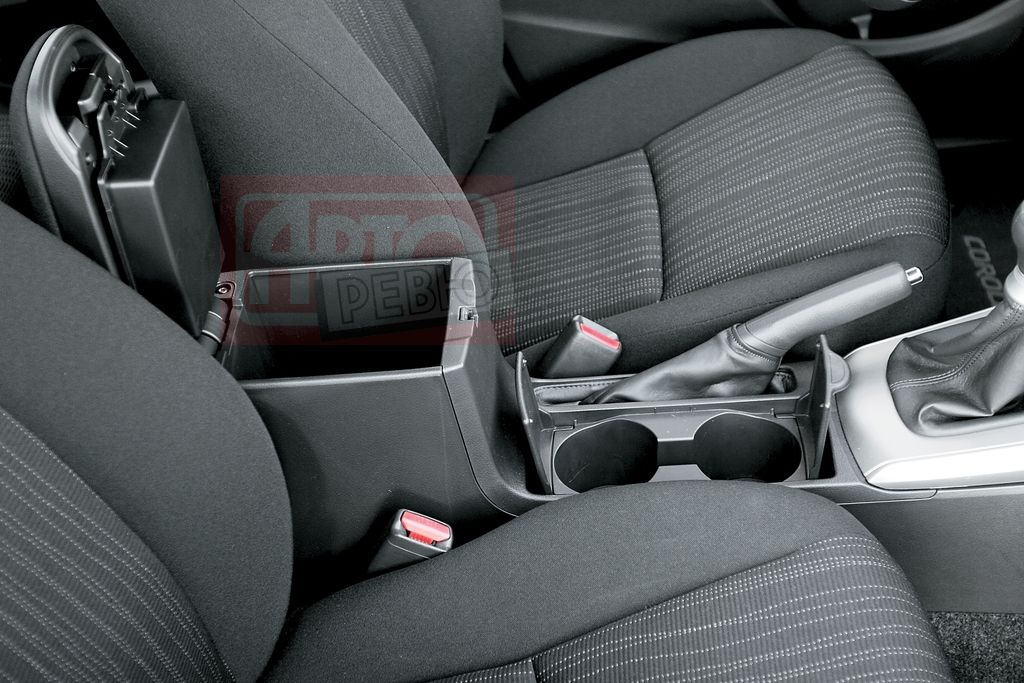
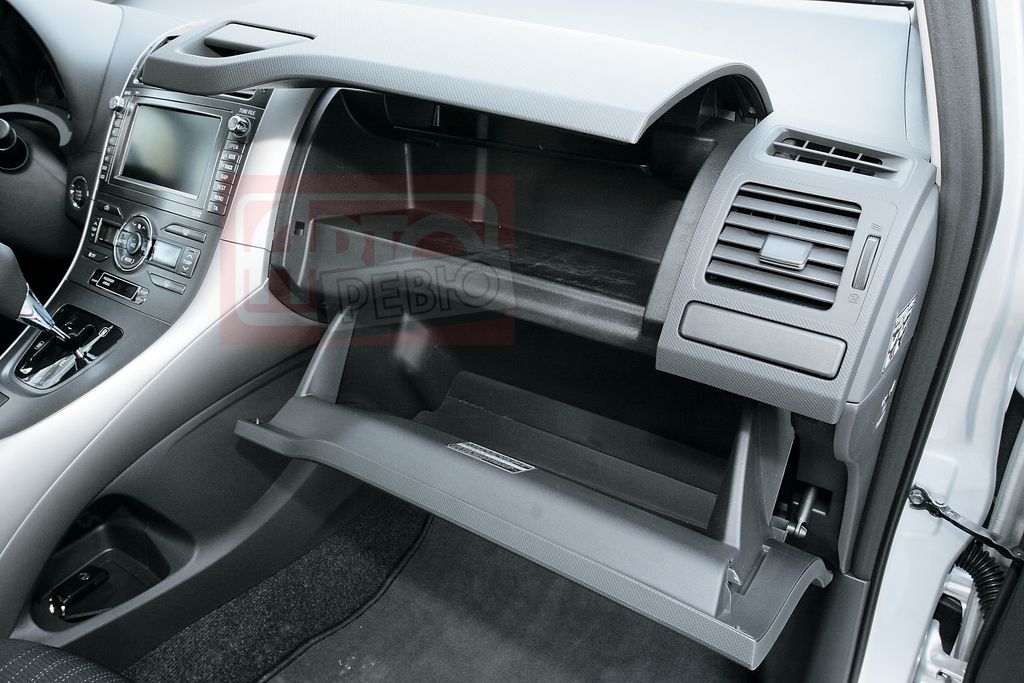
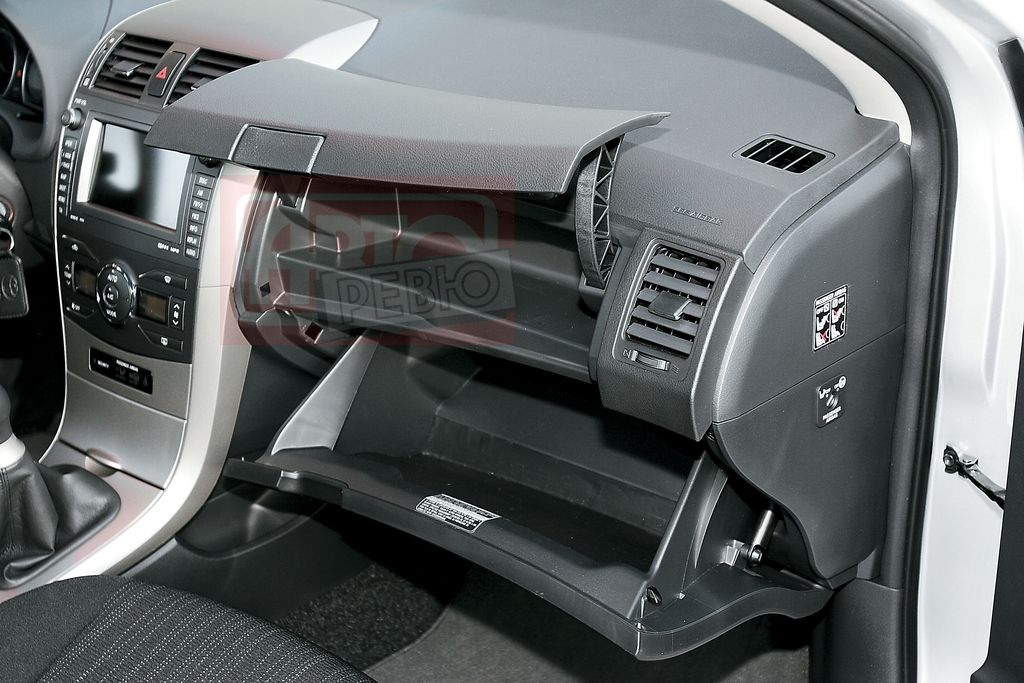
The interiors are also made differently. Although their basis is common.
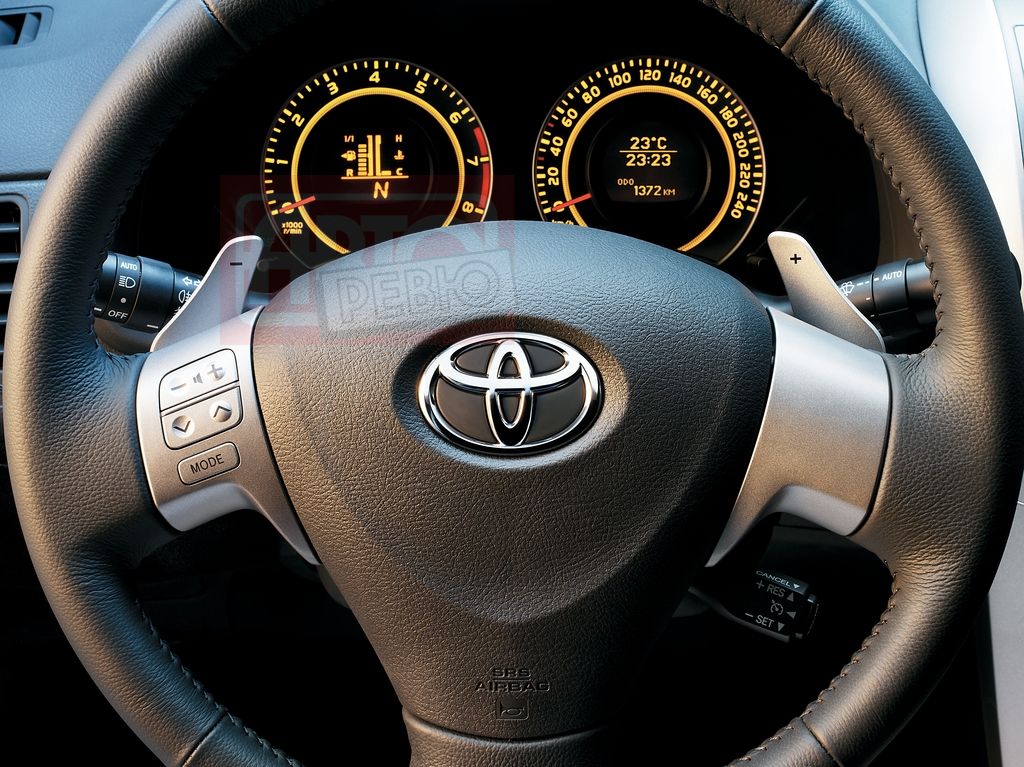
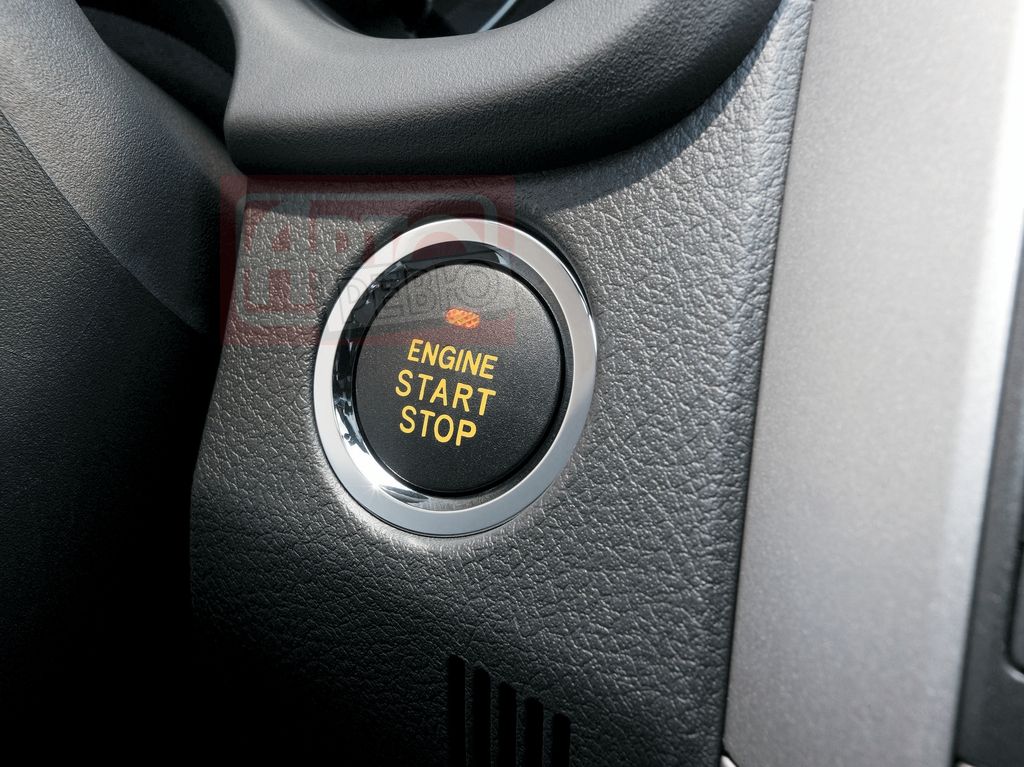
Thanks to the concavity of the upper “platform,” the block of the sedan's front panel no longer seems so heavy. The instruments are two “optitron” scales with information displays built into them, and the needles — just like on Mercedes! — are not fully visible: only their tips are illuminated. The excellent leather steering wheel seems unchanged (except that there are more buttons on it), and on versions with a robotic gearbox, “formula-style” paddle shifters have appeared. Moreover, against this soothing background, they look provocative.
 |
 |
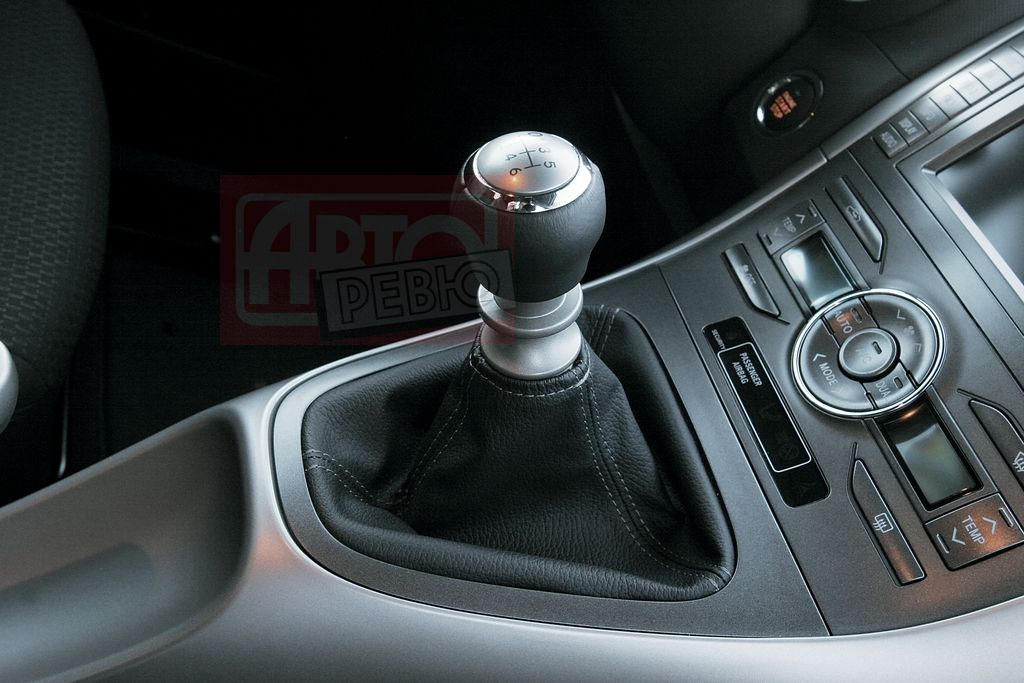 |
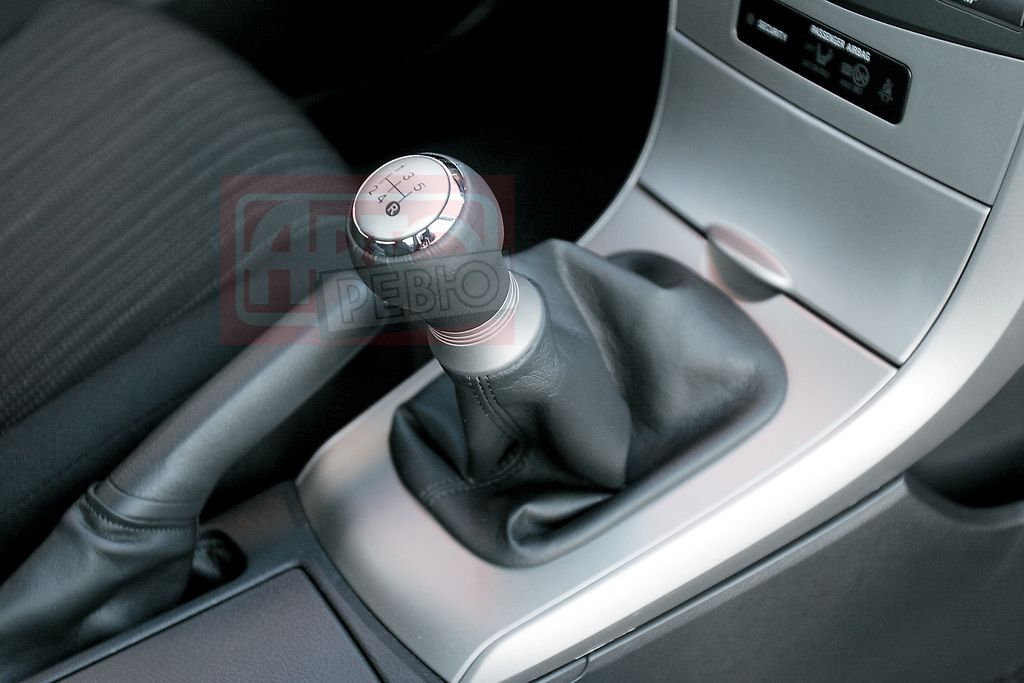
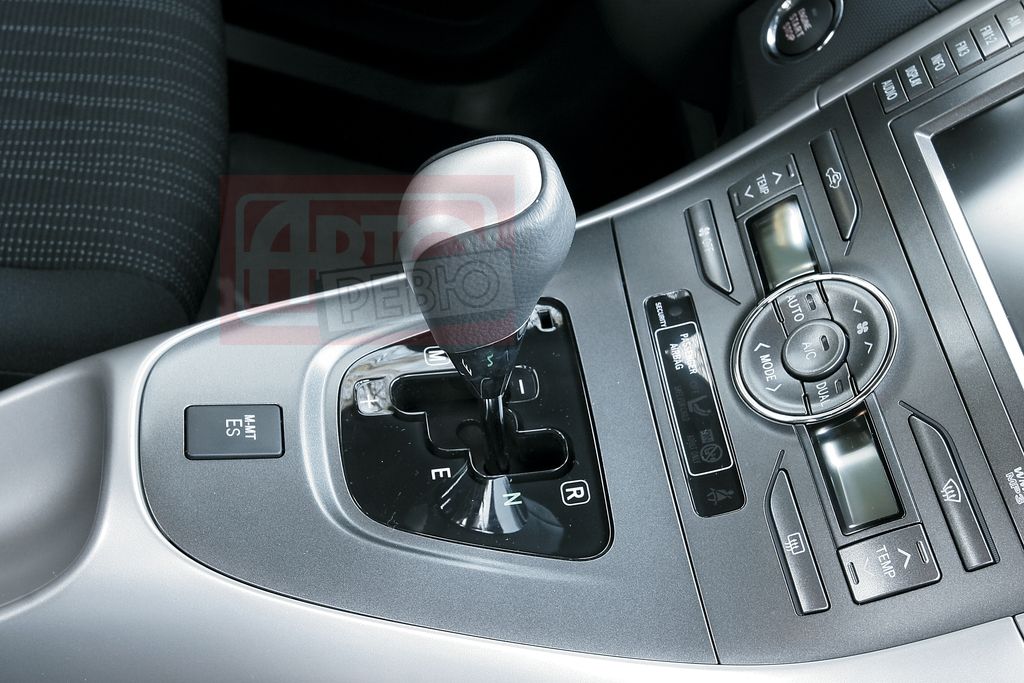
| Russians will be offered only one gearbox — a five-speed manual (left photo) or its robotic version, and without extra charge (center photo). But a six-speed manual will be equipped only on cars for the West — with powerful 2.0 D-4D and 2.2 D-4D diesels (right photo). | ||
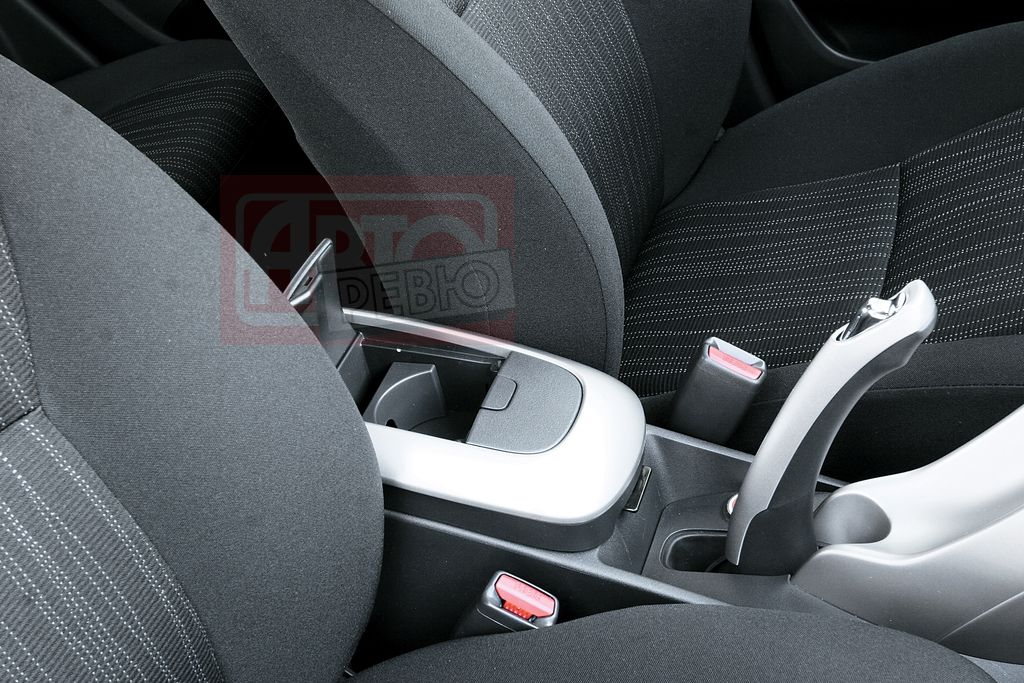
But in the hatchback, such paddles are just right. The instruments and steering wheel here are exactly the same, but the design… The Auris sports hard plastic with a fine “mesh” pattern, and the main find of the Japanese designers is the gear lever “pedestal” combined with the central console, as well as the “vertical” parking brake lever.
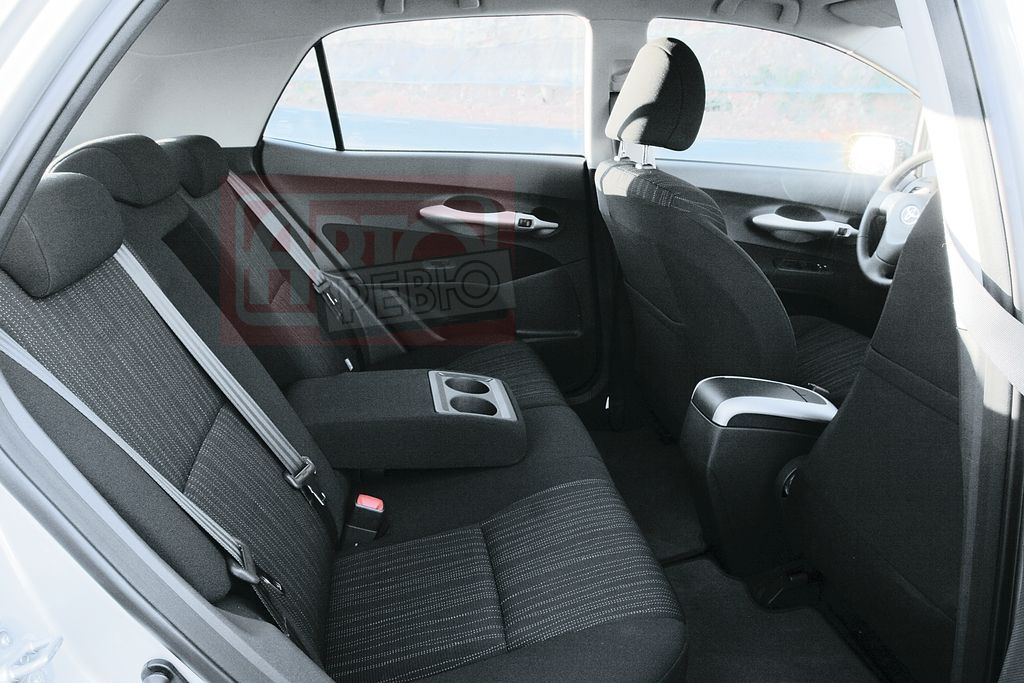
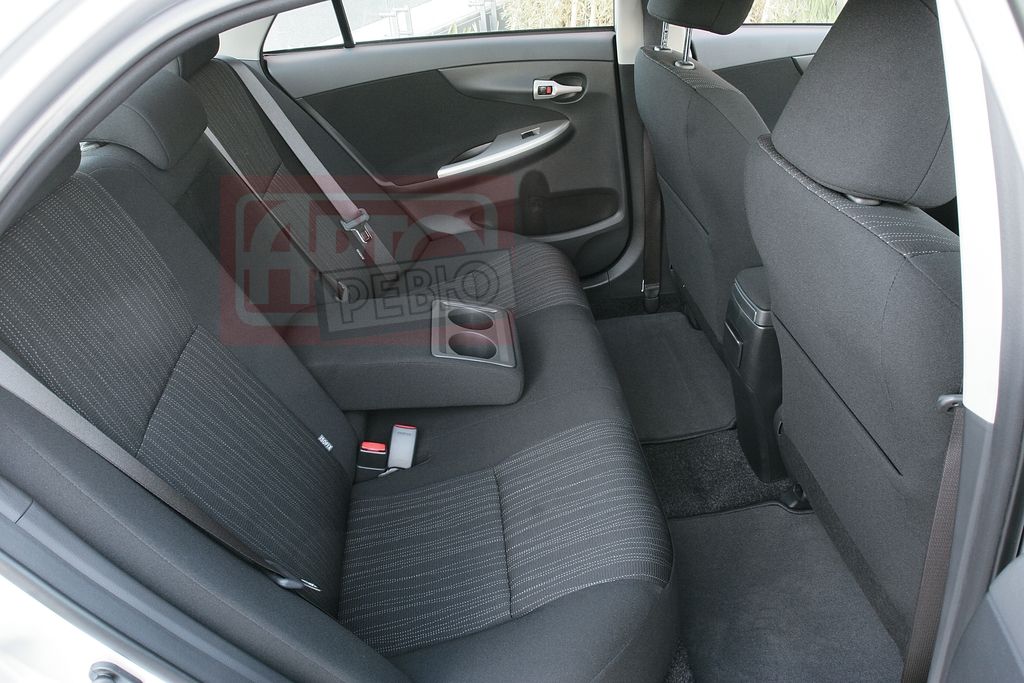
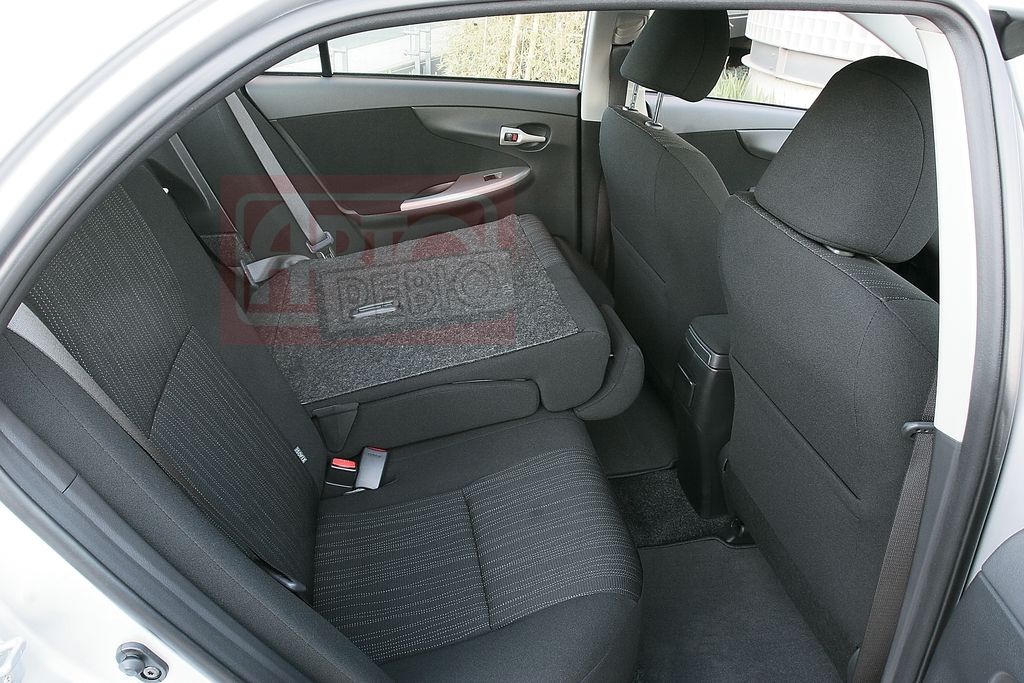
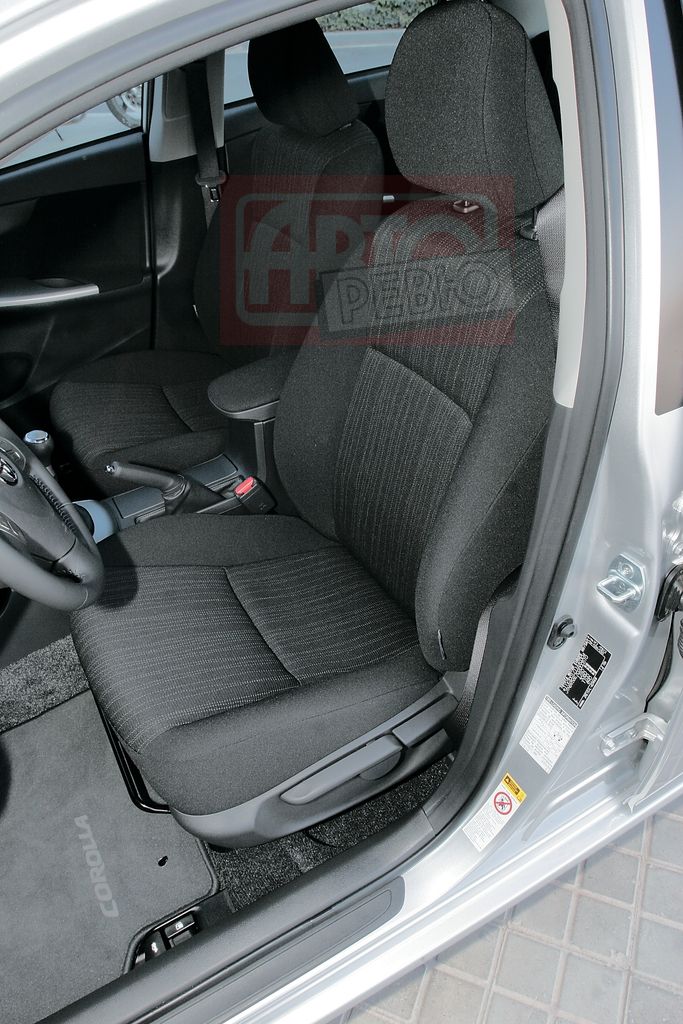
The fabric seat (they are the same on sedans and hatchbacks) pleases with an excellent profile and a large range of adjustments, and the space in the head and left elbow area is simply huge. Even despite the high, urban seating position. It's also spacious in the back.
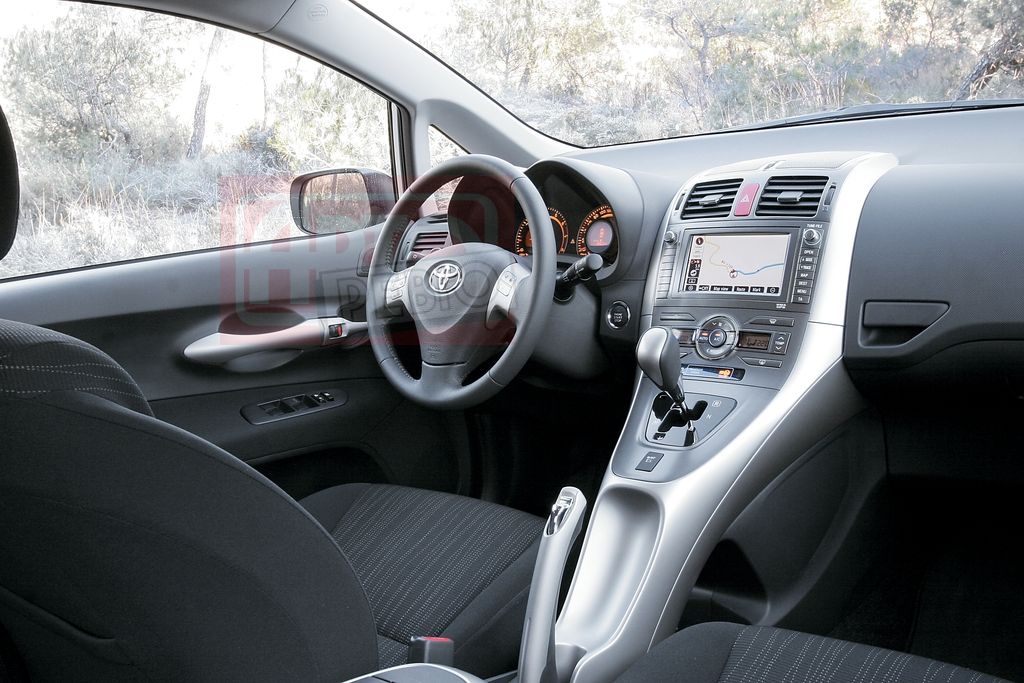 |
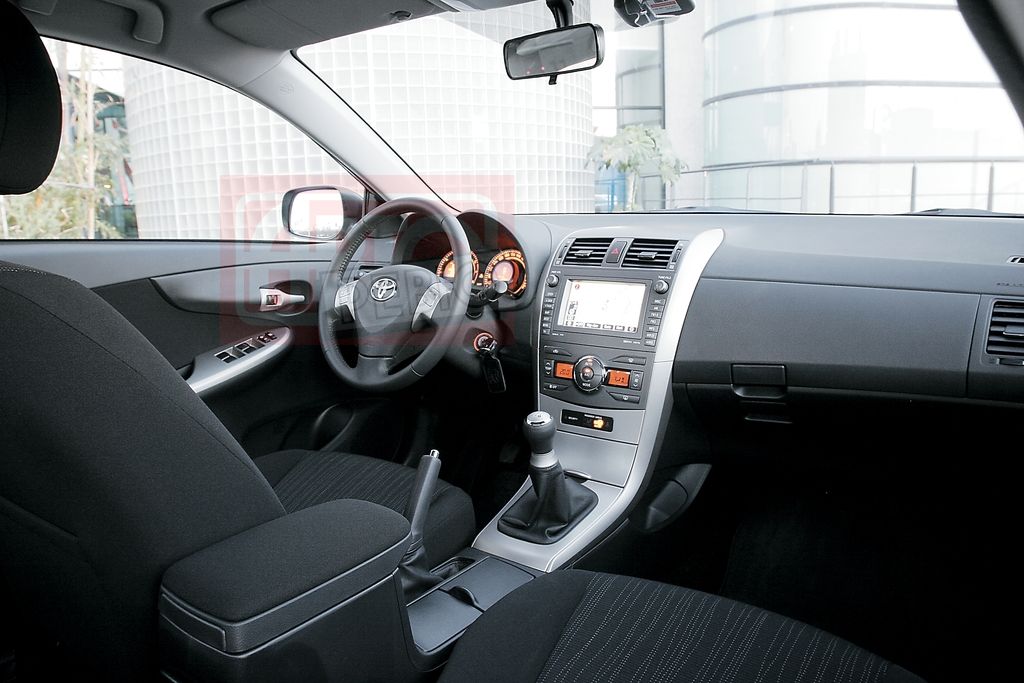 |
| The Auris's interior is a mini-cockpit for the driver. The convenience of the high-mounted gear lever and the “vertical” handbrake will be appreciated not only by “athletes.” | Quality materials, impeccable assembly, and refined ergonomics — the limit of consumer dreams. And the Corolla is its embodiment. |
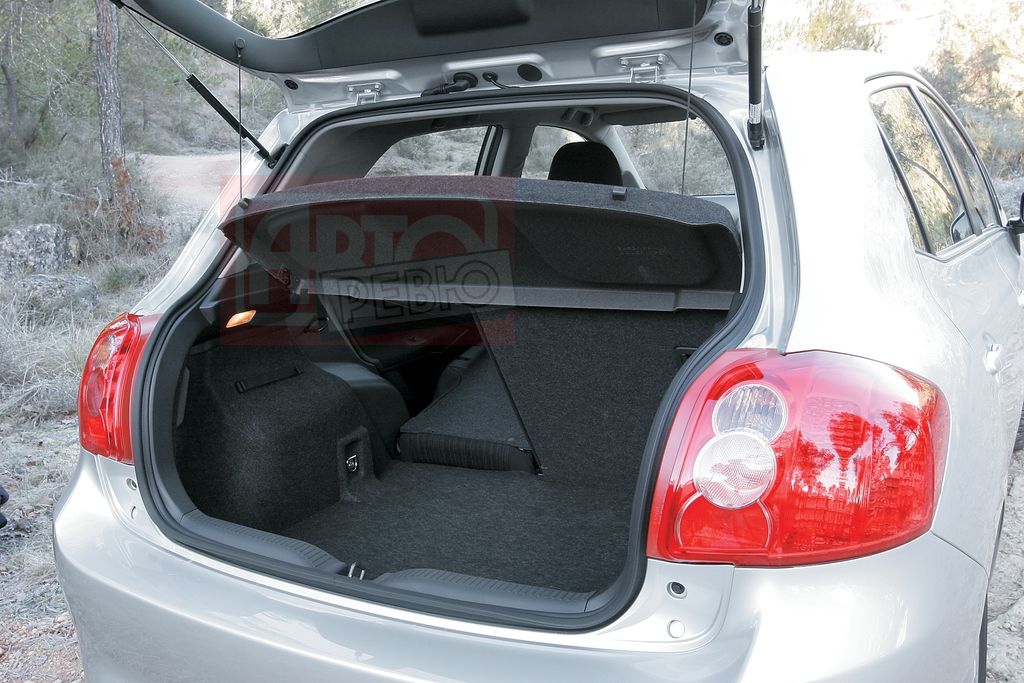
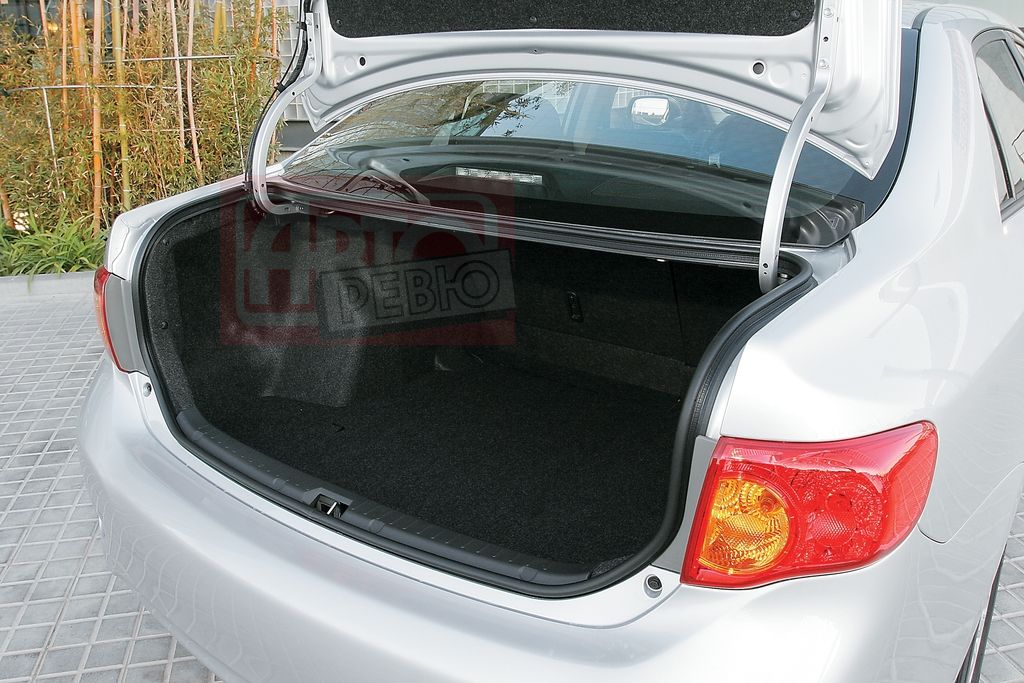
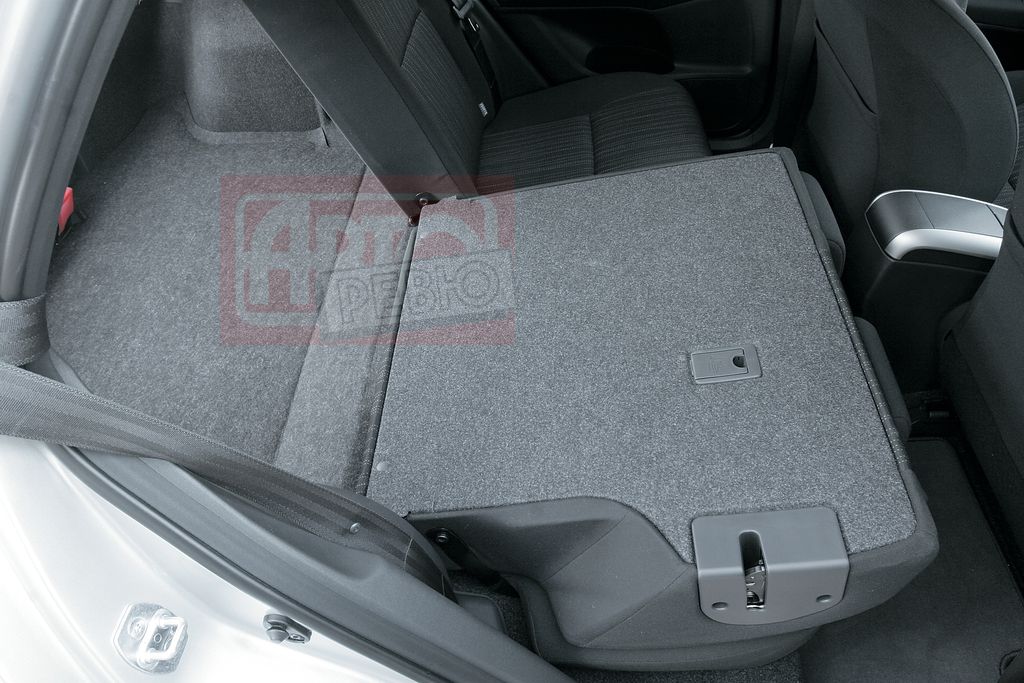
The trunks have become larger: plus 65 liters for the Auris and 50 liters for the Corolla (354 and 450 liters, respectively), and the sedan has finally acquired a split folding rear seat back. Previously, this was not available.
The “architecture” of the suspensions has not changed — McPherson at the front and an H-shaped beam at the rear. And the choice of power units is as follows: two gasoline VVT-i engines (with variable valve timing) of 1.4 L and 1.6 L, and two D-4D diesels — 1.4 L and 2.0 L. There is also another diesel, but more on that later. And if “European” Auris models will be mostly diesel (56%), then the majority of Corollas (77%) will be gasoline. And in Russia, only gasoline cars will be sold at all. There are no traditional “automatics”: either a manual or a “robot.”
The 1.4 VVT-i gasoline engine (97 hp) was left unchanged. But the larger one (1.6 L) was thoroughly reworked — only the cylinder block was left untouched. Optimizing the piston shape along with new rings made it possible to reduce fuel consumption by 4.8%, another 1.6% was provided by a phase shifter on the exhaust camshaft (previously, only the intake phases were changed) — and as a result, the 1.6 Dual VVT-i engine became not only more economical, but also more powerful: 124 hp versus 110 hp previously.
| Auris | Corolla | ||||||||||||||||||||||||||||||||||||||||||||||||||||||||||||||||||||||||||||||||||||||||||||||||||||||||||||||||||||||||||||||||||||||||||||||||||||||||||||||||||||||||||||||||||||||||||||||||||||||||||||||||||||||||||||||||||||||||||||||||||||||||||
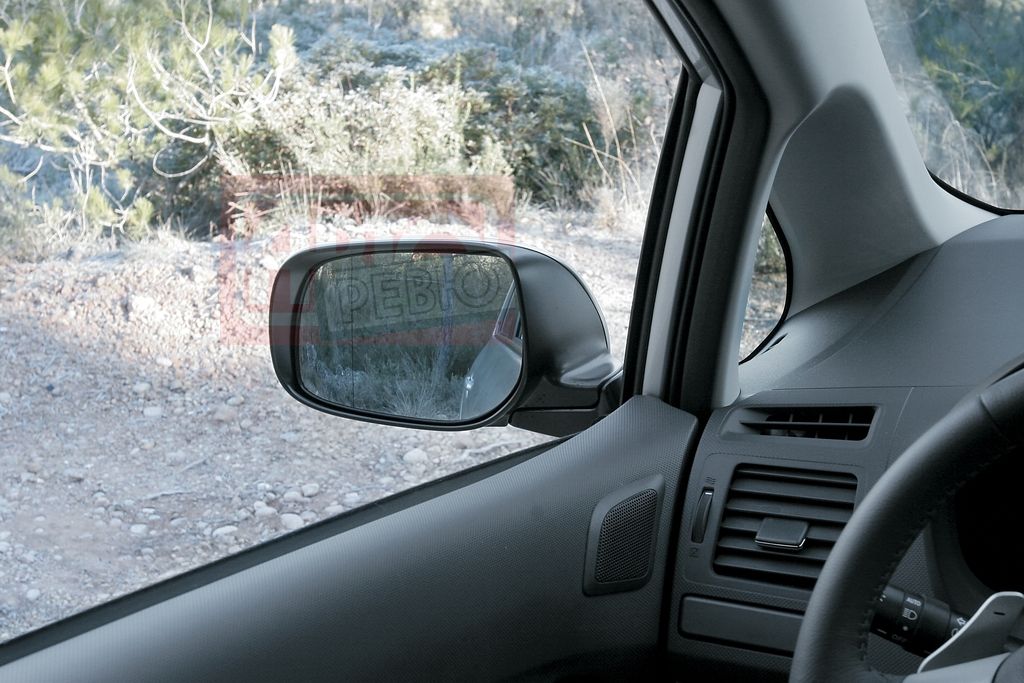 |
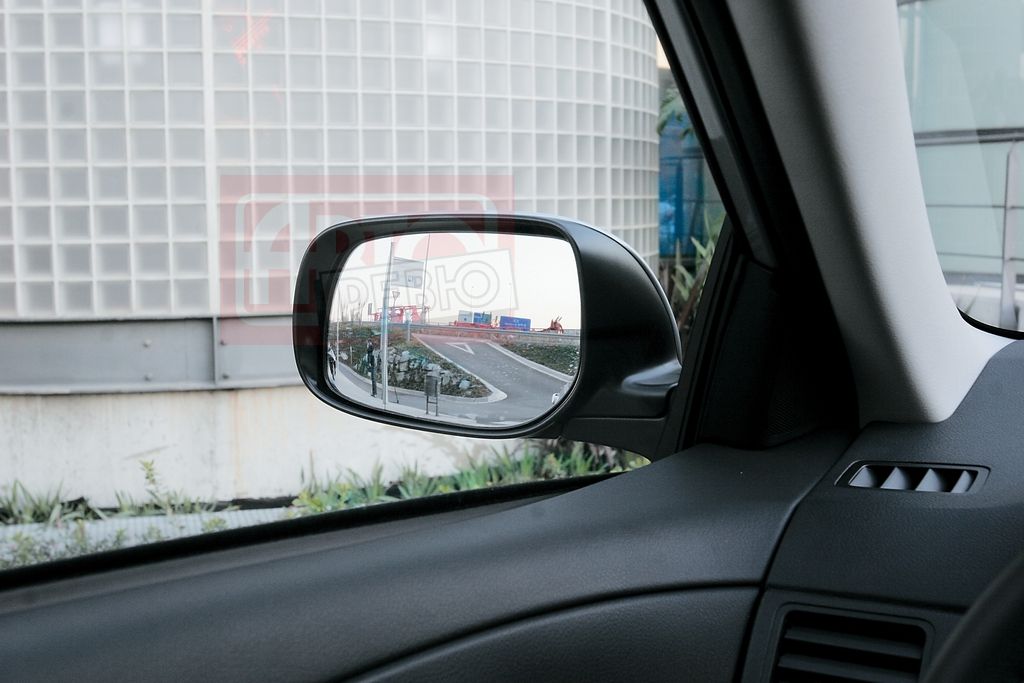 |
||||||||||||||||||||||||||||||||||||||||||||||||||||||||||||||||||||||||||||||||||||||||||||||||||||||||||||||||||||||||||||||||||||||||||||||||||||||||||||||||||||||||||||||||||||||||||||||||||||||||||||||||||||||||||||||||||||||||||||||||||||||||||
| Large mirrors are good on both cars.
The Corolla's visibility is indeed better — it lacks the decorative front windows that slightly restrict visibility in the Auris.
Unfortunately, we will no longer see the "hot" T-Sport version: the legendary 1.8 VVTL-i engine with 192 hp, which was even installed on the Lotus Exige, according to the Japanese, emits too much carbon dioxide. Therefore, for the most active buyers, they prepared... a new 177-horsepower 2.2-liter diesel paired with a six-speed manual. The engine produces an incredible 400 Nm of torque — a huge figure for such a displacement! But such a diesel will only be available for hatchbacks; they do not plan to install it on sedans. Structurally, the unit resembles modern diesels from Volkswagen and Peugeot with a common-rail system. But the injection pressure here is higher by 200 bar (1800 bar), and the compression ratio is lower — 15.8:1 versus 18–18.5 for competitors. Multi-phase injection (up to five portions per working cycle) made the engine quieter, and ceramic glow plugs instead of steel ones reduce harmful emissions due to faster warm-up. The most powerful Auris also has a different rear suspension: independent, multi-link, with a powerful trailing arm and a pair of transverse links per wheel. A hint of future all-wheel drive? The Japanese, as usual, avoid answering, but emphasize improved handling. So, let's start with this — the multi-link and powerful Auris. I run to the lined-up cars and... I see no external differences from the "moderate" versions! Except for the 17-inch wheels, behind which hide front brake discs increased from 273 to 295 mm. The interior is also all the same. They were stingy. Wow, this diesel even at idle confidently pulls uphill! And when I pressed the pedal to the floor, I was afraid that 400 newton-meters would simply smear me across the seat.
On the autobahn, the Auris drives excellently, and the clear build-up of steering effort with the slightest movements of the wheel adds even more confidence. It does everything right! And if you overdo the speed in a sharp turn, the VSC stability system will deliver a precisely dosed "turning" impulse — you won't break the car into a slide. Emotions are minimal, but the passenger next to me is about to overflow — she's already turned pale... Not surprising: the car's ultimate capabilities are indeed high! It's a pity that diesel versions won't be sold here. The maximum that Russians can count on is the 124 "horses" of the 1.6 VVT-i engine. I switched to the Auris 1.6 with the "robot" and... After the powerful diesel, it's certainly a bit bland. But the smooth torque in the range from 1200 to 6500 rpm is quite enough for calm driving. And what about the robotic gearbox? I knew before that driving in higher gears saves fuel. But there's a limit to everything! The "robot" is always trying to engage fifth... And if you alternate active and smooth accelerations (a typical "jerky" style for a big city), the gearbox will annoy with frequent and not always logical shifts, and on upshifts — also with jerks. Compensation for the discomfort and 1.7 seconds lost in acceleration to 100 km/h is half a liter of gasoline per 100 km. But on a mountain road, I discovered other virtues of the "robot." And it's not the sport mode, which raises shift revs and intensifies jerks. The trick of the Multimode "robot" is that even in automatic mode, you can instantly select the desired gear with paddle shifters. Convenient, especially when braking. And the "robot" works promptly and smoothly. And if you hesitate during acceleration, when reaching the rev limit, the gearbox will upshift itself. If that's not enough, the "robot" has a true manual mode. I liked it: on the serpentine, I felt like Carlos Sainz in the Corolla WRC. Even better: Sainz didn't have such an assistant. Nor did he have the excellent VSC stability system, which won't be installed on Russian Corollas and Aurises — according to the Japanese, Russians are not yet ready to pay extra for safety. But in my opinion, they are ready.
The Toyota Auris 1.6 smoothly swallows any bumps, but small roughness causes an unpleasant vibration in the seats. Like the diesel, the 1.6 Dual VVT-i engine only makes noise under full throttle, the wind doesn't howl up to 140 km/h, but the sound insulation of the wheel arches is frankly weak. The Corolla sedan with the same engine accelerates just as briskly. And how good and understandable the simple "manual" is! And the brakes work no worse than on the powerful Auris. But why did Toshi Ezaki, the chief designer of the Corolla, assure me that the suspensions of the sedan and hatchback are absolutely identical? First, the suspension travel of the Corolla is noticeably larger — I verified this by doing a diagonal wheel hang. Second, the sedan rolls more, although its center of mass is 40 mm lower. And third, and most importantly, the Corolla's suspension is much softer. Just what is needed for Russian roads! And has the Corolla, which has gained a hundredweight, become too lazy with the old 1.4 VVT-i engine (it is only paired with a "manual")? While getting out of the city, I grew more confident that this Corolla is the most correct. The traction is trolleybus-like, and even though the small engine makes more noise, it's still far from discomfort. And when on fifth gear the speedometer needle confidently passed the 150 mark and went further... Strange, very strange: why are only 15% of total sales allocated to cars with this engine? Even the little 1.4 D-4D diesel, which won't be available in Russia, is predicted 20%...
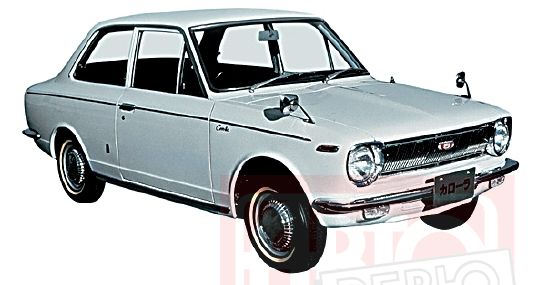
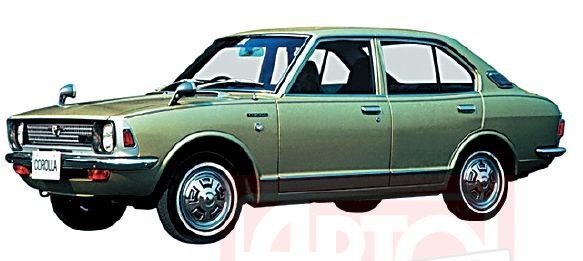
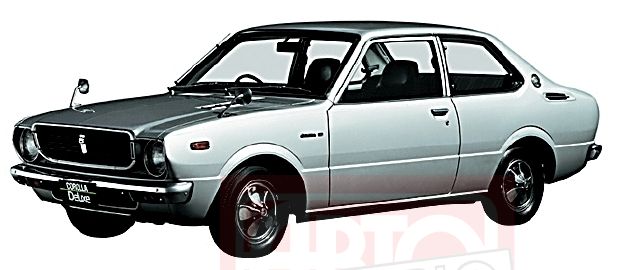
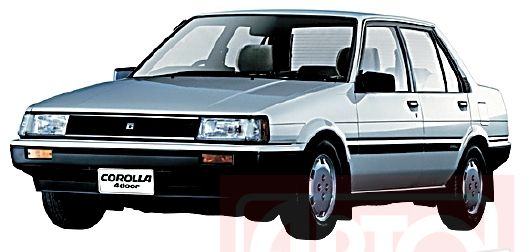
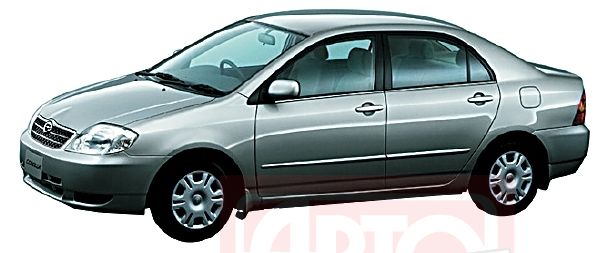
The history of the Corolla model is, without exaggeration, the history of the global automotive industry. In 2006, this name turned 40 years old, and over four decades, ten generations have changed. The total production run has surpassed the 32 million mark — an achievement recorded in the Guinness Book of Records, and this figure continues to grow every year. The debut of the first Corolla took place in Japan in October 1966. It was a modest rear-wheel-drive sedan only 3845 mm long, and exclusively two-door. Under the hood was an inline four-cylinder engine with a displacement of 1.1 liters, producing 60 hp, paired with a four-speed manual gearbox. The rear used a leaf spring suspension, and the front — independent on a transverse leaf spring. Already in May 1967, the lineup was expanded: a four-door sedan and a three-door station wagon appeared, and a year later, the Corolla Sprinter coupe saw the light. At the same time, the car reached the US market. The second generation debuted in 1970. The car became slightly larger, but the engine output, despite the increase in displacement to 1.2 liters, dropped to 55 hp. However, a two-speed automatic Toyoglide appeared in the options list. The front suspension switched to coil springs, a five-door station wagon was added to the body lineup, and from 1971 — a 1.6-liter engine with 75 hp (102 hp for America). For the first time in this class, a five-speed manual could be ordered for an extra charge. It was then that the division of cars for the domestic and North American markets began, and the differences concerned not only the steering wheel position. The third generation appeared in 1974. There were more body styles: two- and four-door sedans, three- and five-door station wagons, and for the USA — also an extended three-door hatchback Corolla Liftback. The base engine was a 1.6-liter with 75 hp, although in some countries versions with 1.2 and 1.4-liter units were offered. The exterior became stricter and more solid. Gearboxes — to choose from: four- or five-speed manual, as well as a two-speed automatic, which was later replaced by a three-speed one. In the States, this Corolla was in particular demand — just against the backdrop of the fuel crisis. The fourth generation, introduced in April 1979, featured an angular design. The wheelbase grew to 2400 mm, and the rear suspension became coil-spring (station wagons retained leaf springs). The 1.8-liter engine stubbornly produced the same 75 hp. In 1982, for the first time in small cars, a four-speed automatic and power steering were offered. And in 1983, a new overhead-valve 1.6-liter engine with 90 hp appeared. May 1983 marked the transition to front-wheel drive — the fifth generation received independent rear suspension. Initially, a four-door sedan and a five-door hatchback with an extended rear overhang (wheelbase 2430 mm) were released, and in October 1984, they were joined by the "short" three- and five-door Corolla Compact hatchbacks. Engines — carbureted 1.3-liter (69 or 75 hp) and 1.6-liter (90 hp), with a five-speed manual becoming standard. At the same time, the first Corolla diesel appeared — 1.8 liters with 58 hp. Separately, there was a three-door Corolla GT coupe on the old rear-wheel-drive platform with a 16-valve 1.6-liter engine producing 121 hp. The Japanese saw the sixth generation in May 1987, while Europeans had to wait another year. The platform remained almost unchanged, but the body became 20 mm wider, and a station wagon returned to the lineup. From October 1987, all-wheel-drive sedans began production, and a year later — station wagons with a unique body, sold in Europe as the Toyota Corolla Tercel. From 1990, 1.6-liter engines received fuel injection and a catalytic converter. There was also a "hot" GTi version — a three-door with the same displacement but boosted to 115, and later 125 hp. The seventh generation debuted in June 1991 in Japan, reaching Europe a year later along with the Compact hatchbacks. Production also started in England and Turkey at that time. Some countries, including Russia, continued to receive carbureted 1.3-liter versions, although only injected 1.3 and 1.6-liter engines, plus a two-liter naturally aspirated diesel, were intended for Europe. For an extra charge, a driver's airbag and ABS could be added, and after a light facelift in 1995, they became standard. At the 1997 Moscow Auto Show, the eighth generation was shown (in Japan it had been sold since 1995). The design remained the same, but the styling changed dramatically. The five-door Compact hatchback disappeared from the lineup. Engines remained the same, but for the three-door, a six-speed manual could be ordered, and the station wagon could be all-wheel-drive — with a 1.8-liter engine. In 1999, the Corolla underwent a facelift, and gasoline engines gained VVT-i. The ninth generation arrived in Europe in 2001. It was based on a shortened platform of the Toyota Vista sedan for the Japanese market. Three- and five-door hatchbacks were maximally unified in body, assembled in England. Sedans and station wagons were made in Turkey — with slightly different front-end styling. D-4D diesels received common-rail and turbocharging, and the flagship became the T-Sport modification with a 1.8-liter engine producing 192 hp, equipped with VVTL-i. The tenth generation was presented in Japan on October 10, 2006. For the domestic market, the Corolla Axio sedan and Corolla Fielder station wagon were intended, whose design differed noticeably from the "world" version. The station wagon, alas, remained exclusive to the Japanese, and the hatchback now bears its own name worldwide — Auris.
| |||||||||||||||||||||||||||||||||||||||||||||||||||||||||||||||||||||||||||||||||||||||||||||||||||||||||||||||||||||||||||||||||||||||||||||||||||||||||||||||||||||||||||||||||||||||||||||||||||||||||||||||||||||||||||||||||||||||||||||||||||||||||||