
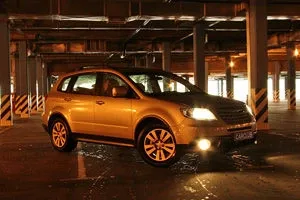
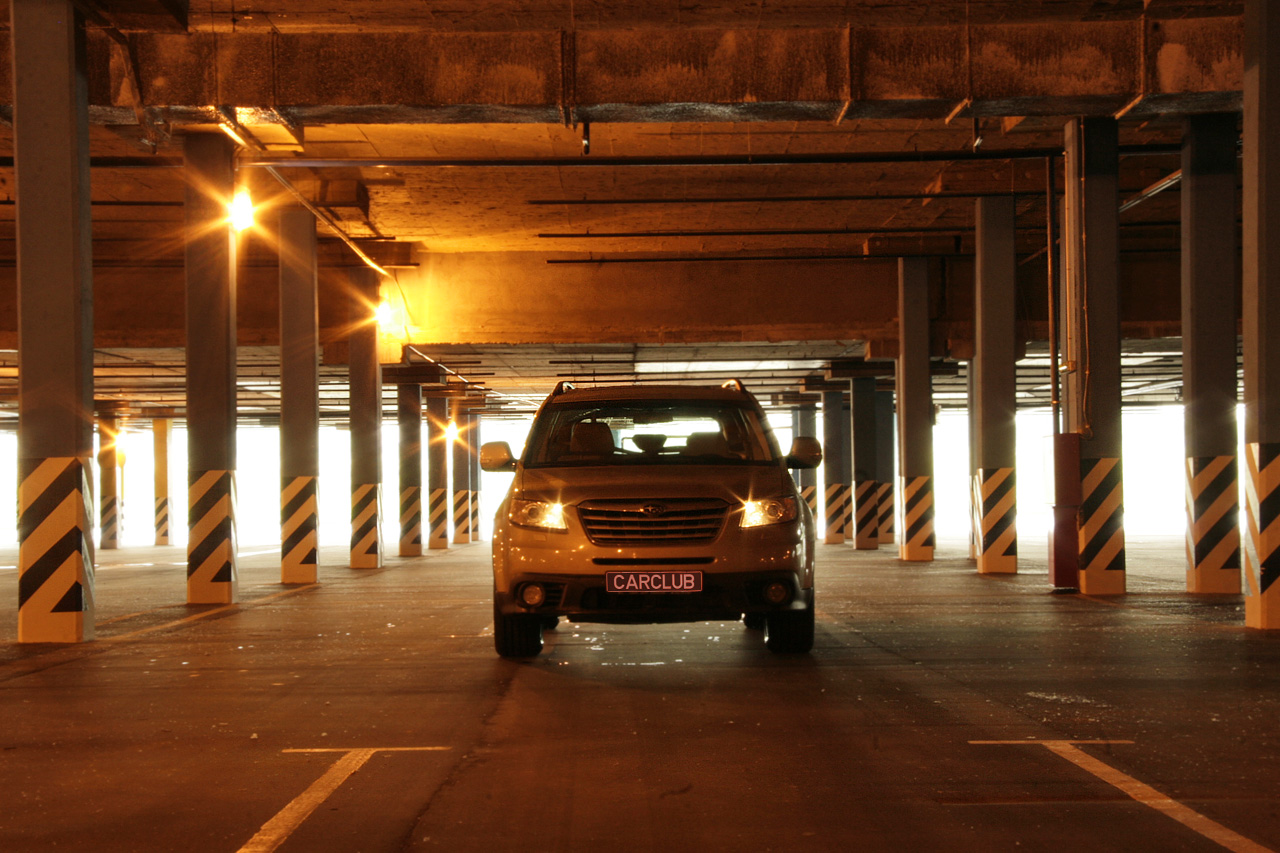
 After the 2008 restyling, the car began to look much more solid and added age to an already not young audience.Comments (4)
The modern market is increasingly dictating its rules to automakers. The saying that demand shapes supply is more relevant today than ever. But are such offers always appropriate? Maybe loyalty to traditions is more important than chasing fashionable trends?
I suggest we look into this issue using the example of Subaru's flagship crossover — Tribeca, which after the update lost the prefix B9 in its name.
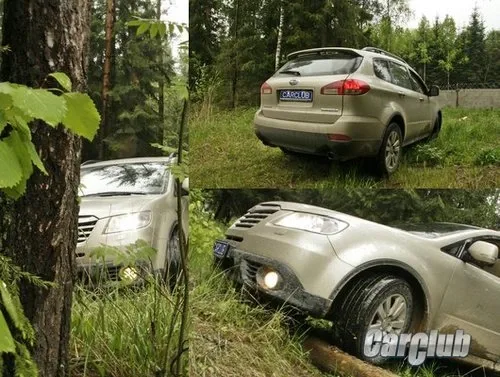
Hardly anyone needs to explain that Subaru is known worldwide for cars for those who value dynamic and precise handling. Boxer engines with excellent tuning, impeccable chassis, and — perhaps last but not least — distinctive looks. The army of brand fans has long been formed: these are mostly young and loyal drivers.
 |
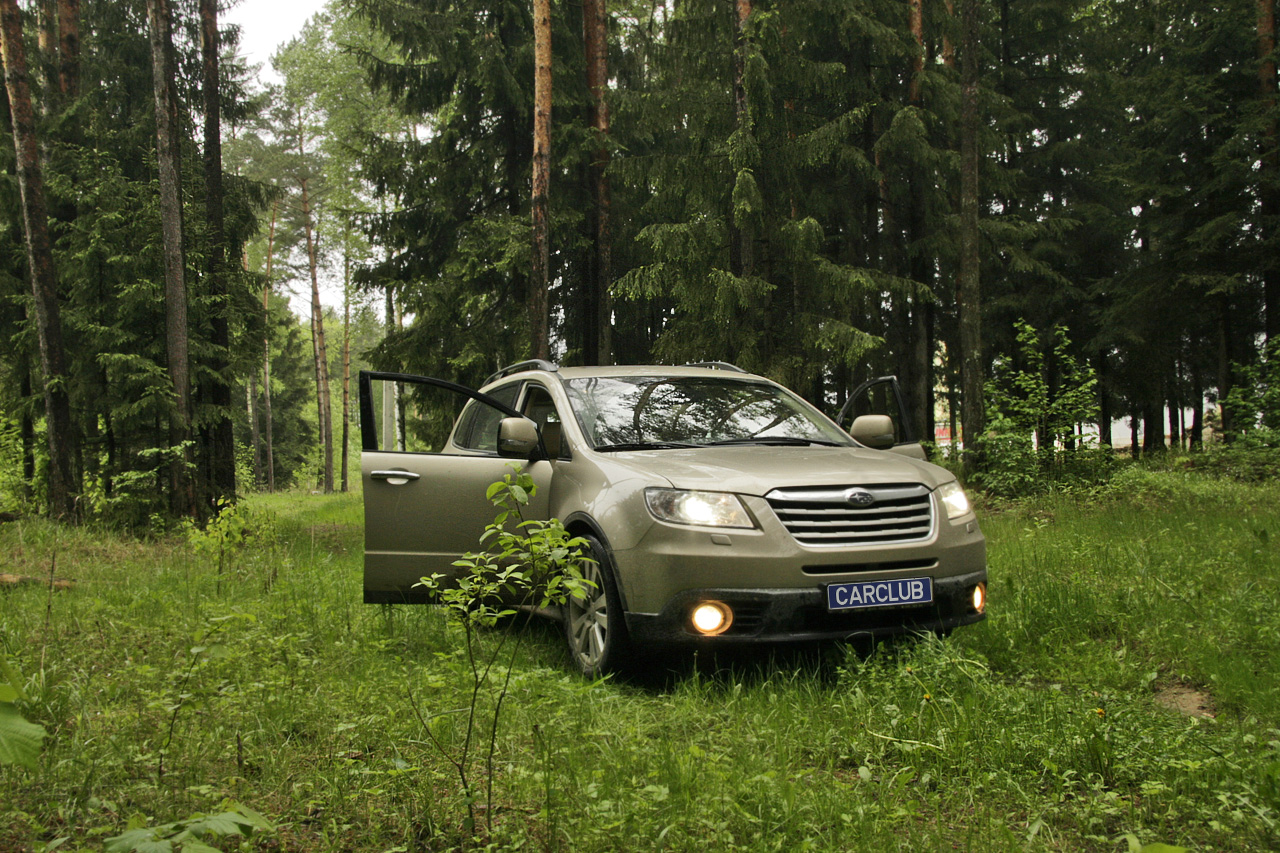 |
However, in 2005, yielding to harsh market pressure, the company put its first SUV — Tribeca into production, deciding to make its mark in this rapidly growing segment. Three years later, after experimentation, the manufacturer summed up the results and released an updated version of the Tribeca.
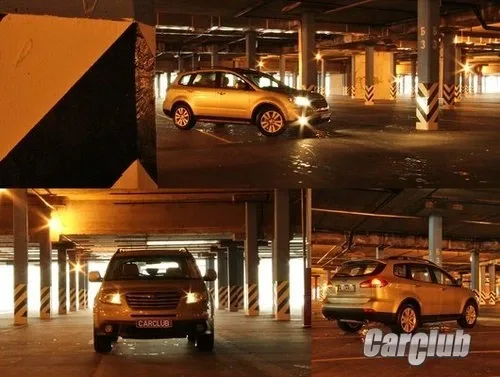
The appearance of the 2008 model became noticeably more respectable, adding solidity in the eyes of an already not young target audience. Changes affected both the front and rear of the body. At the front, the Tribeca got rid of the flashy grille that seemed to have migrated from the previous Impreza WRX, and received a new, strict one with longitudinal chrome slats reaching to the trapezoidal headlights, which also became much calmer than in the pre-restyling version. Following this, the hood rose and became more even and serene.
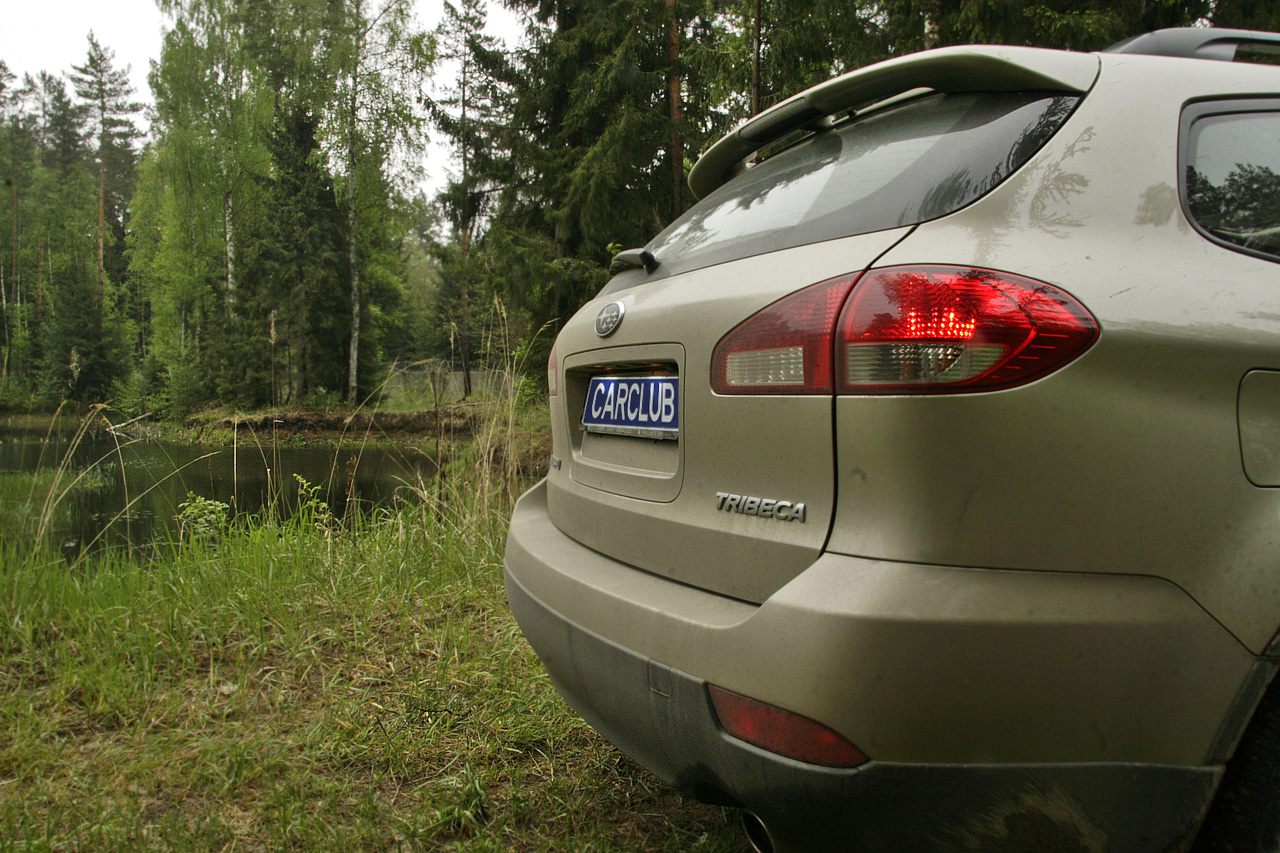
The rear also transformed towards restraint: the sharp edges on the trunk lid, smoothly flowing onto the sides, smoothed out and no longer catch the eye. Overall, in my opinion, the appearance became more majestic and no longer resembles a futuristic capsule for off-road.
 |
And what about under the hood — or rather, in the cabin? Here lies the main contradiction. The interior remained the same — the same futuristic "space" style: a panel flowing in a single arc from door to door through the central console, with quirky climate control knobs resembling three small aquariums. And they work unconventionally: they don't rotate or press, but cheerfully rock from side to side.
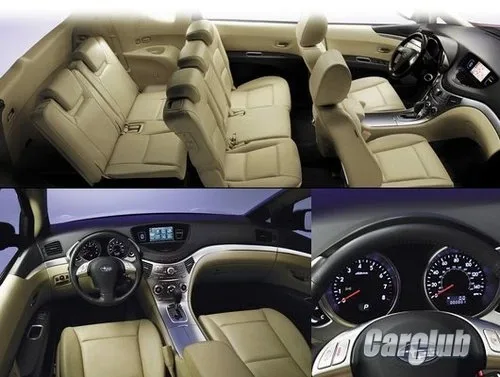 |
The equipment list of the Tribeca is certainly impressive: a multimedia DVD screen for rear passengers, a rear-view camera with intelligent trajectory guidance, and much more. But, admittedly, I never understood how the solid exterior combines with such a playful ultra-modern interior, which would suit the bolder pre-restyling version much better.
The technical content of the updated Tribeca remained at the same high level. The refined 3.6-liter engine with 258 horsepower, paired with an automatic transmission, features a very low level of vibration — thanks to excellent balancing of structural elements. This adds points to comfort and almost silent running. The presence of the engine under the hood begins to be felt from about 3000 rpm.
True, in normal Drive mode, the engine-transmission combo doesn't cause a wow effect. To get more drive, you'll have to be sure to engage Sport mode.
Overall, driving the Tribeca is more calming than exciting. Steering effort is constant in all modes. The suspension is quite energy-intensive and only occasionally reminds of imperfect road surfaces, but you can forget about active cornering and attacking sharp turns.
The impression is a very smooth and balanced car, without any claims to being a "super-sport among crossovers." And it is designed primarily for older people, with means and a sense of humor — to adequately perceive its interior.
Dmitry Malygin