
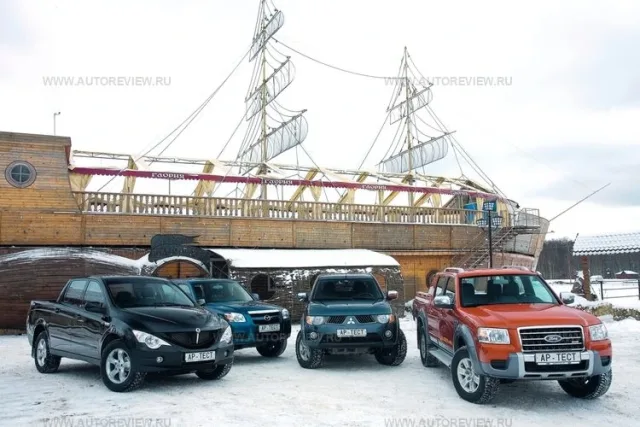
If Nekrasov were writing today, his heroine would surely be not a peasant horse pulling a cart of brushwood, but a modern pickup truck. After all, any "horse" work can now be entrusted to a practical all-wheel-drive vehicle with a diesel engine, a spacious cabin for five, and a cargo platform — for example, the Mitsubishi L200, Ford Ranger, Mazda BT-50, or SsangYong Actyon Sports. To paraphrase Mayakovsky, they are all "a bit horse." The question remains: which of them is more of a "horse," and which is less?
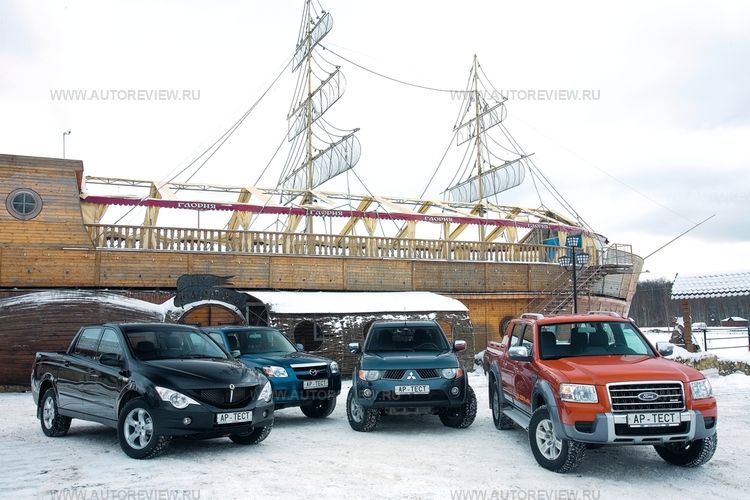
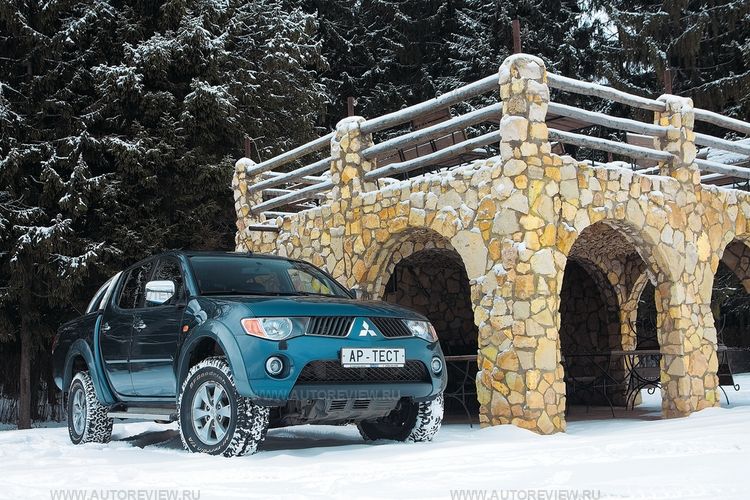
As for the exterior, the 2005 Mitsubishi L200 clearly wins. Its stylish cabin, reminiscent of a bathyscaphe, looks far more attractive than the utilitarian "twins" Ford Ranger and Mazda BT-50, which come off the same assembly line in Thailand (by the way, the L200 is also made in Siam). And for the Ranger's Wildtrak body kit — fender flares, side steps, and roof rails — you'll have to pay extra: in that trim, it's $5,000 more expensive than the Mazda.
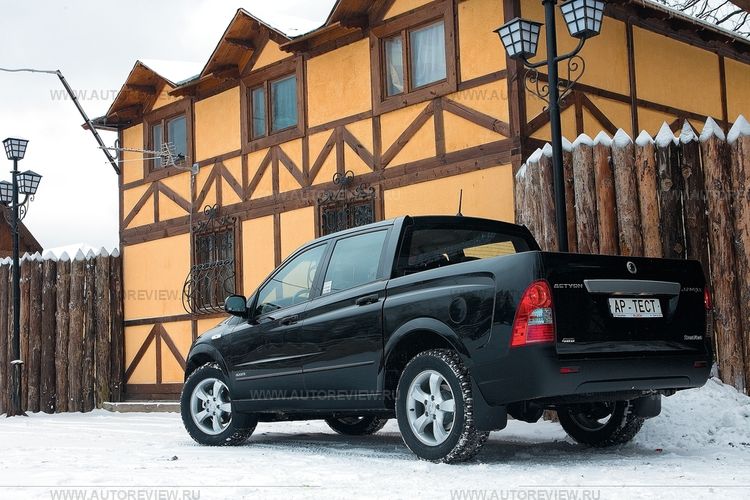
The SsangYong Actyon Sports stands apart — the car is origina-a-al… Some will like the "predatory" headlights with round "pupils" and the bold grille design, others will call the Actyon ugly. But it won't leave anyone indifferent. And what could be worse than indifference?
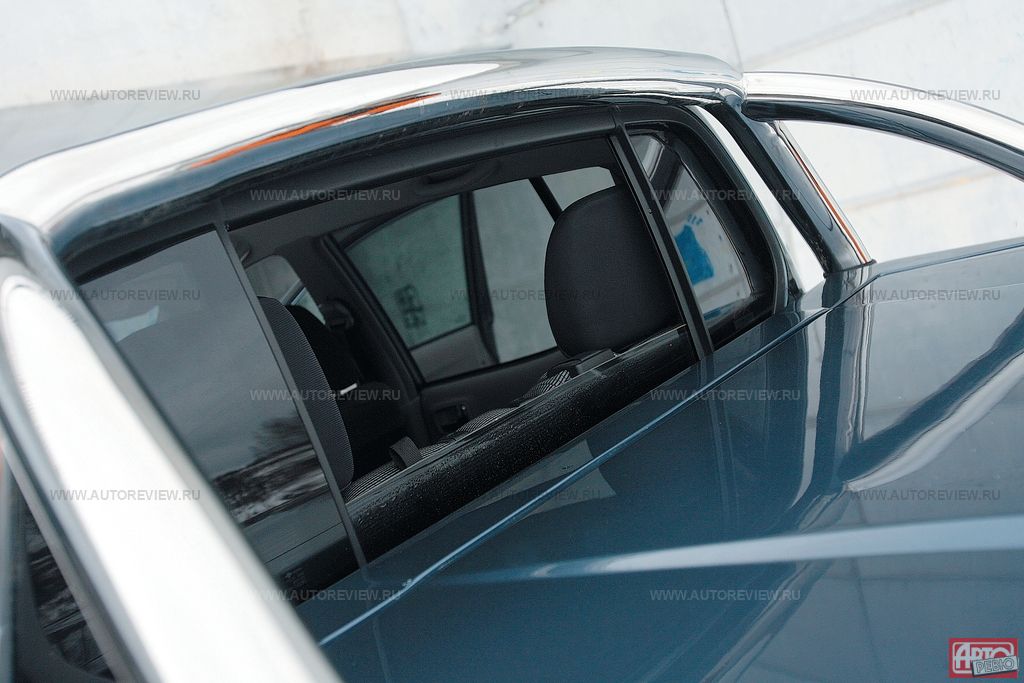 | 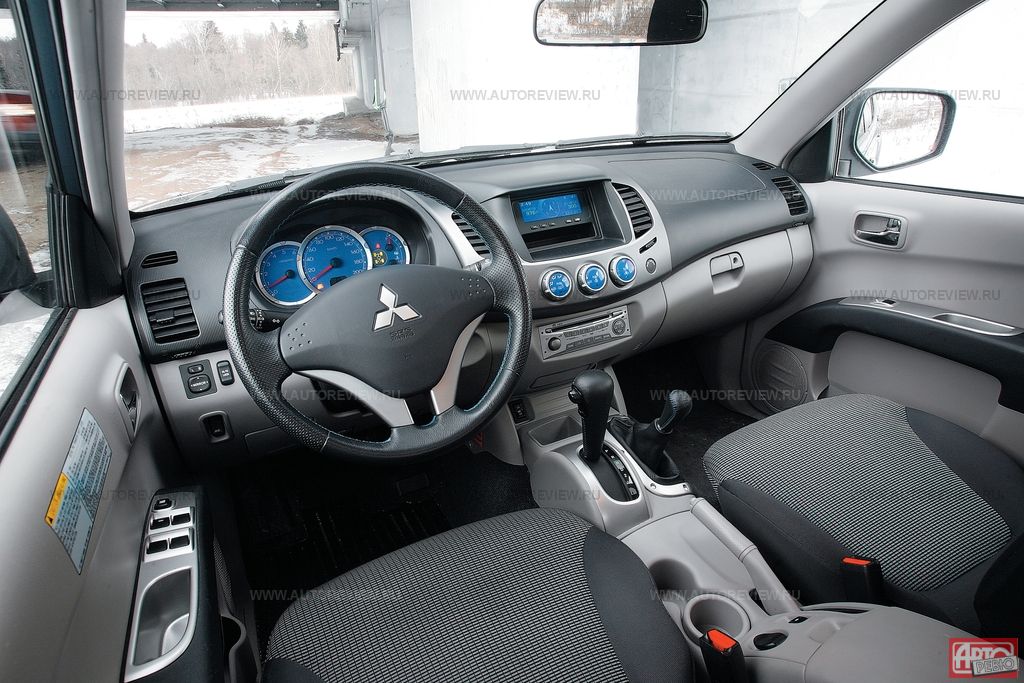 |
| The rear window of the L200 cabin can be opened electrically | Mitsubishi interior: nice design, solid build |
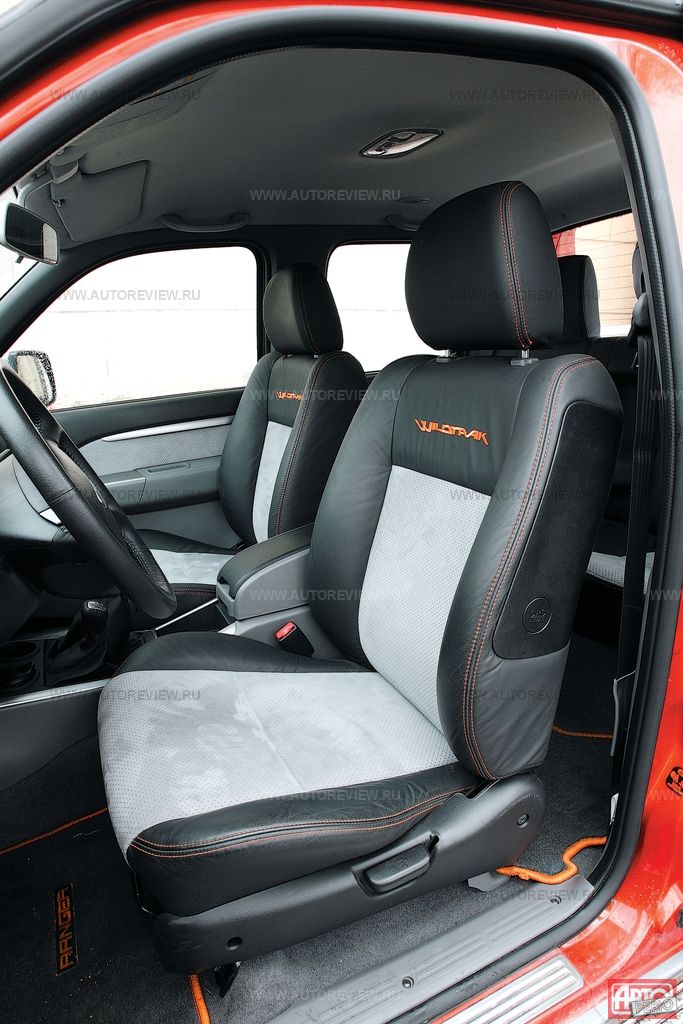
The interiors of the Mitsubishi and SsangYong also look more interesting — the dashboards are more sculpted, and the L200 also offers a richer color palette. The Ford and Mazda are more modest, but the Ranger Wildtrak stands out favorably: both the steering wheel and seats are upholstered in soft leather with orange stitching matching the body color. Moreover, the seams are not ordinary but "French" — the stitches run in two parallel lines. It looks striking.
| Ford Ranger | Mazda BT-50 |
 | |
| Mitsubishi L200 | SsangYong Actyon Sports |
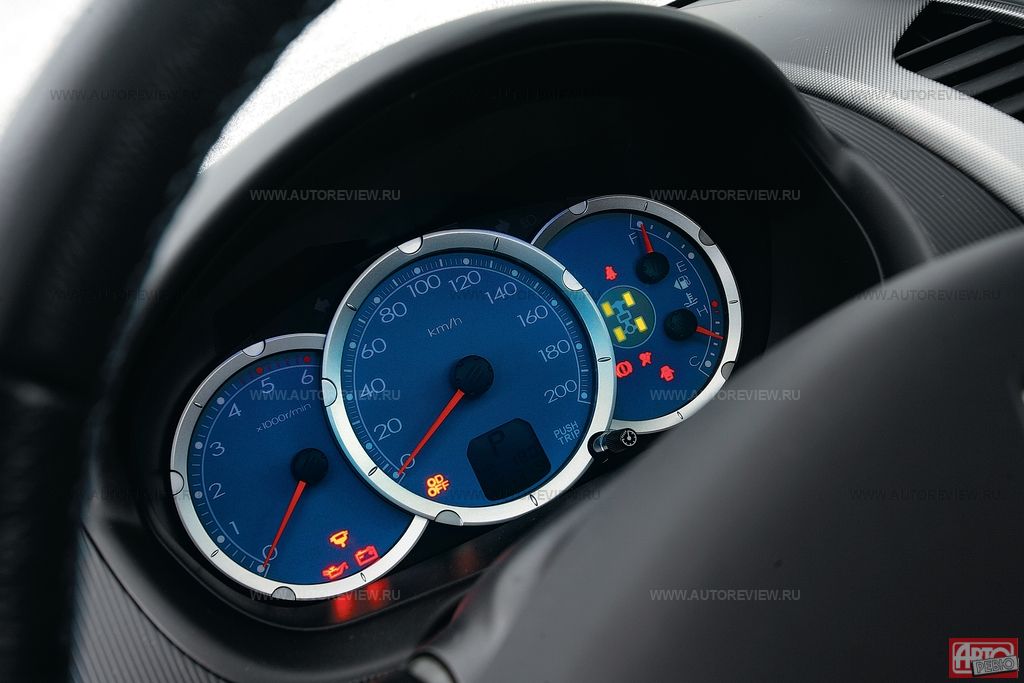 | 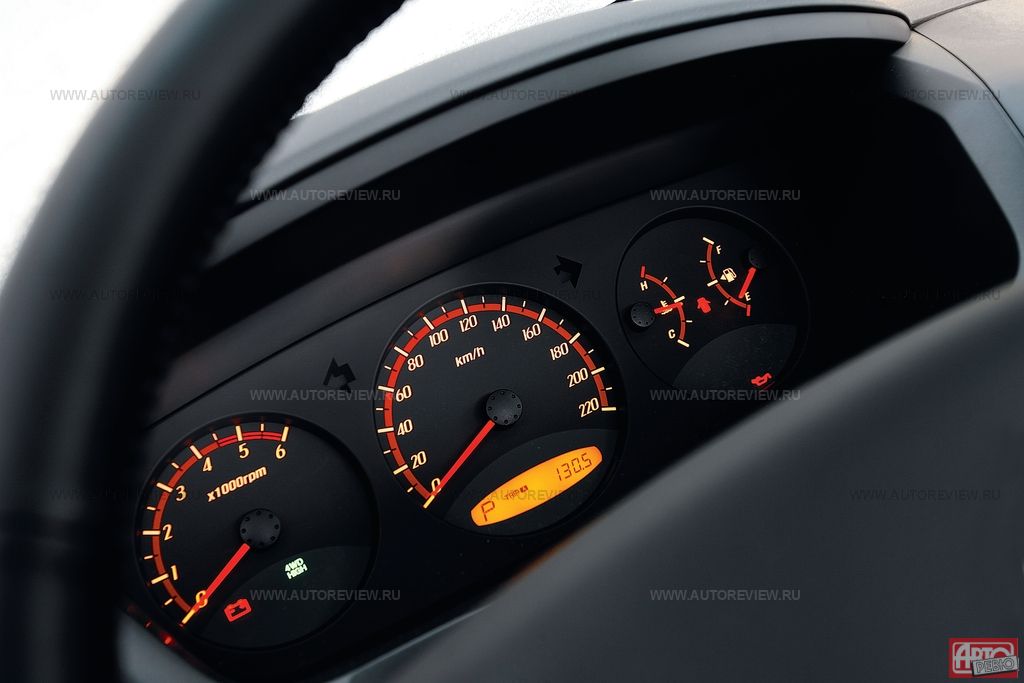 |
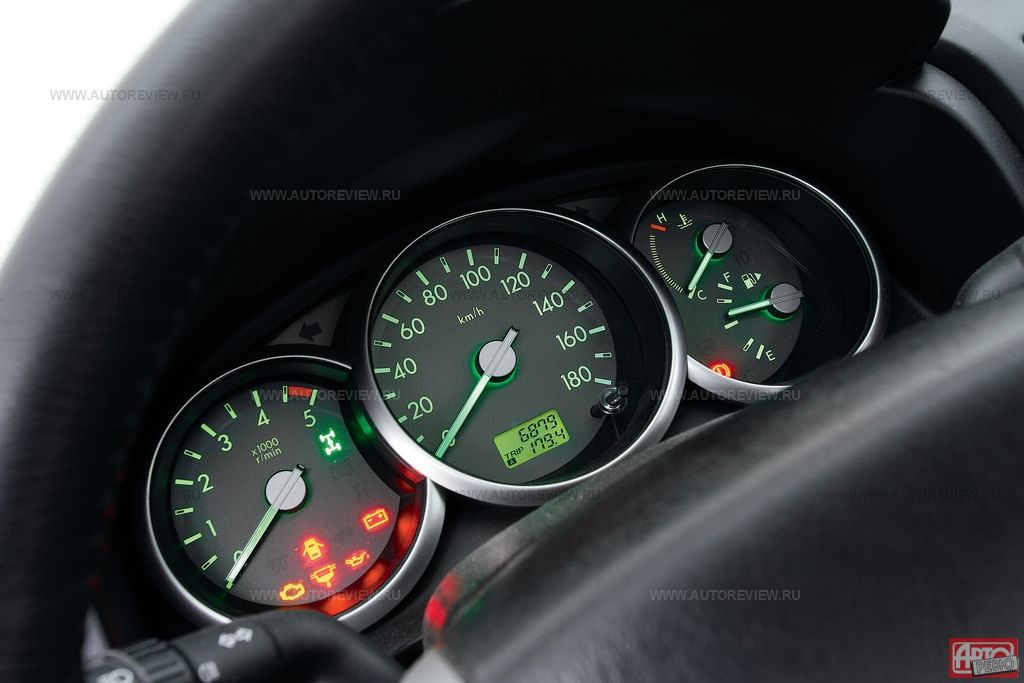
| The most beautiful instruments are in the Mitsubishi. And in terms of informativeness, they are unmatched: transmission modes are displayed with a clear pictogram | |
It used to be thought that a pickup driver should make do with a minimum of comforts, like a truck driver. But now, paying over $30,000 for a vehicle, the buyer has the right to expect not a "saddle" but a full-fledged seat with height adjustment and heating, power windows, and climate control… All of this is in the Mitsubishi. Plus — a beautiful and perfectly readable instrument cluster with clear pictograms for transmission modes. I'd also like a slightly more comfortable seat and a roomier pedal area…
| Ford Ranger | Mazda BT-50 |
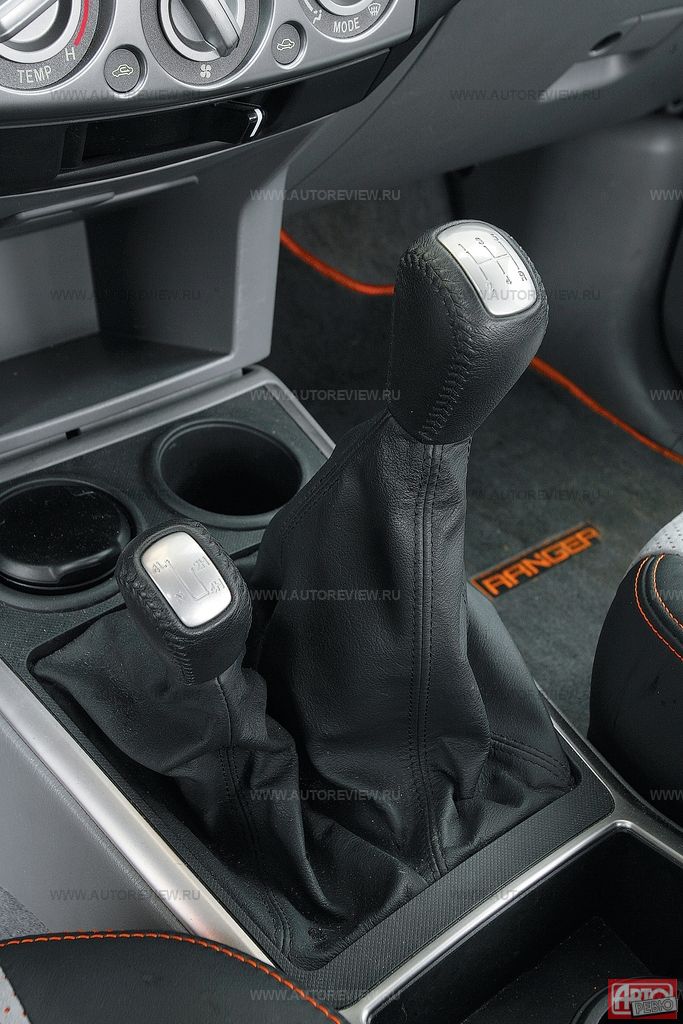 | 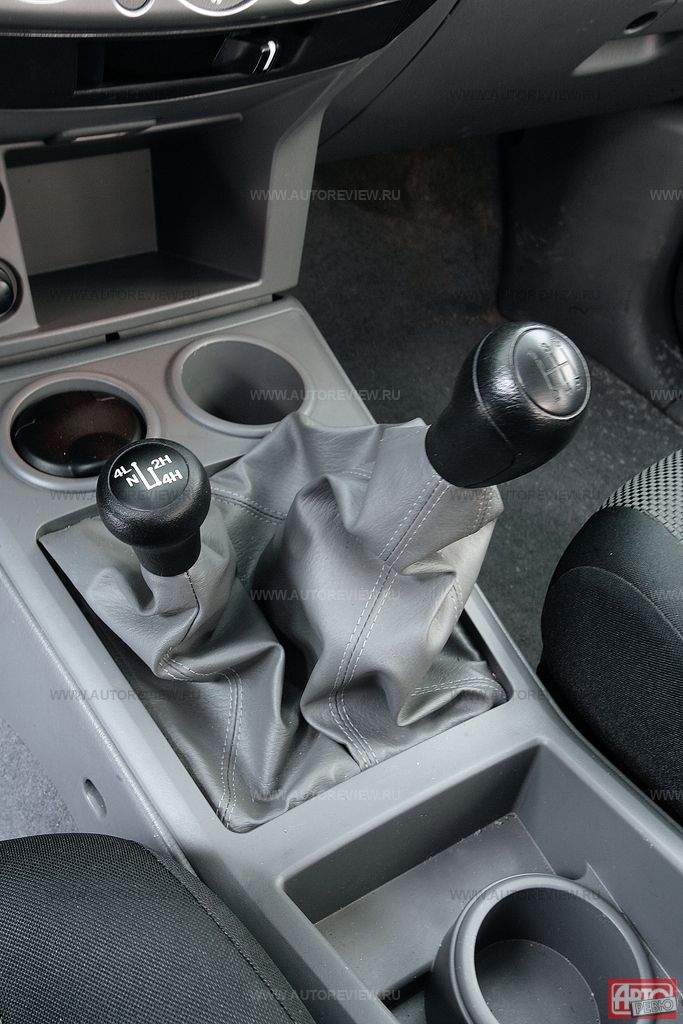 |
| Mitsubishi L200 | SsangYong Actyon Sports |
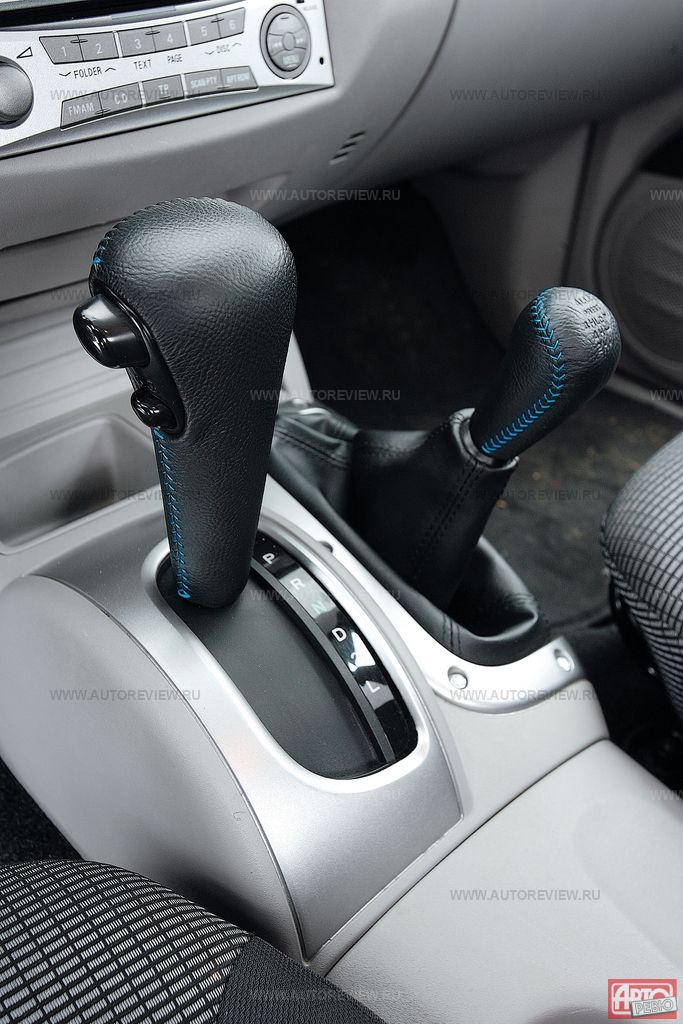 | 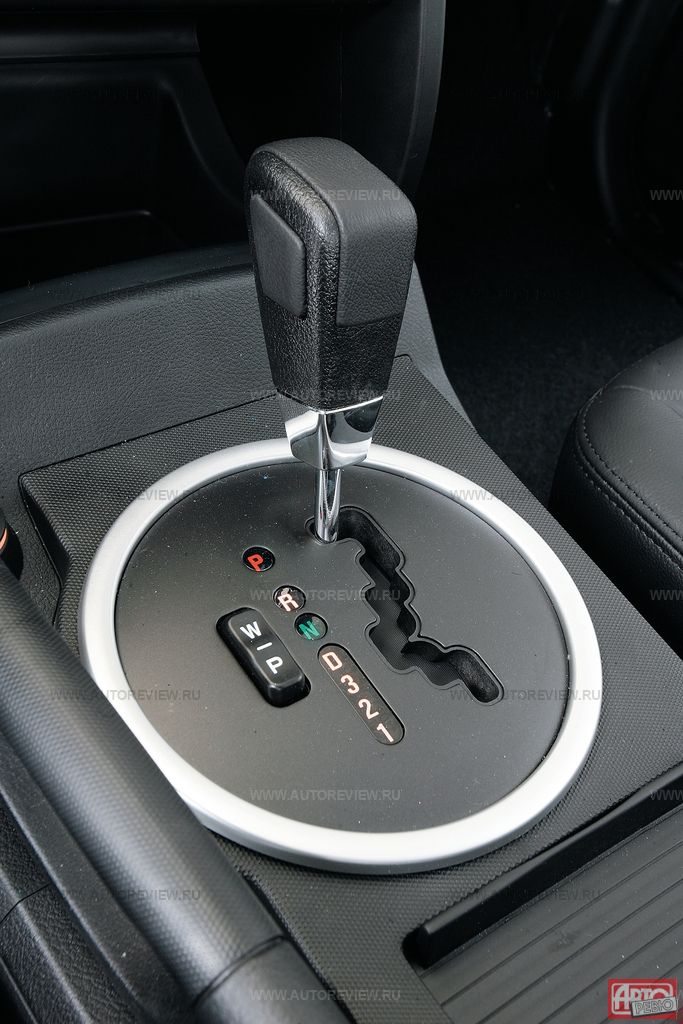 |
| Ford and Mazda come only with a manual transmission, while Mitsubishi and SsangYong can be equipped with four-speed automatics for an extra charge | |
The front part of the Actyon Sports cabin completely replicates the Actyon SUV — an avant-garde dashboard and good-quality black plastic, sometimes even soft. And in terms of equipment, the Actyon has no equal: it has everything the Mitsubishi has, plus rain and light sensors, heated lower windshield zone, and music control buttons on the steering wheel (though, for them to work, you need to order a separate switching unit). The driver's seat adjusts in five directions, including lumbar support. But the seat itself is not the most comfortable, the leather steering wheel is slippery, and the fuel filler flap release handle… doesn't work! We pull up to the gas station, pull it — the flap is closed. Only after five minutes of dancing around the Actyon with a tambourine do we notice: the hood is slightly open. Got it? The hood and fuel flap release handles are located nearby, the same shape, and… swapped. A consequence of Russian assembly? After all, the SsangYong Actyon Sports, like the Actyon and Rexton SUVs, is assembled in Naberezhnye Chelny.
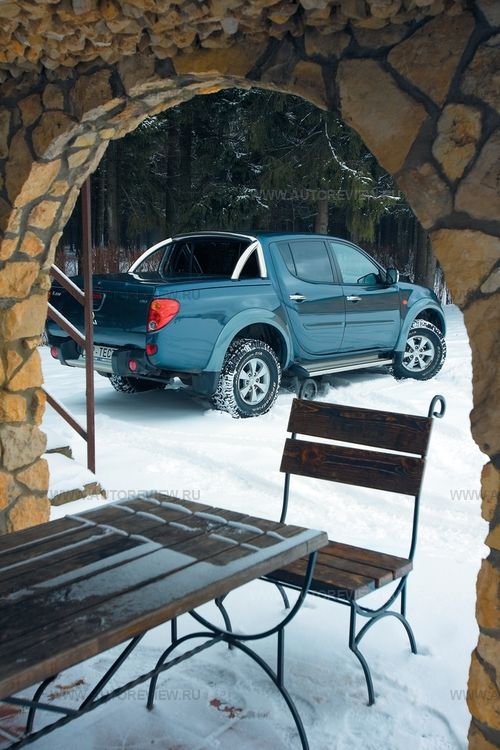
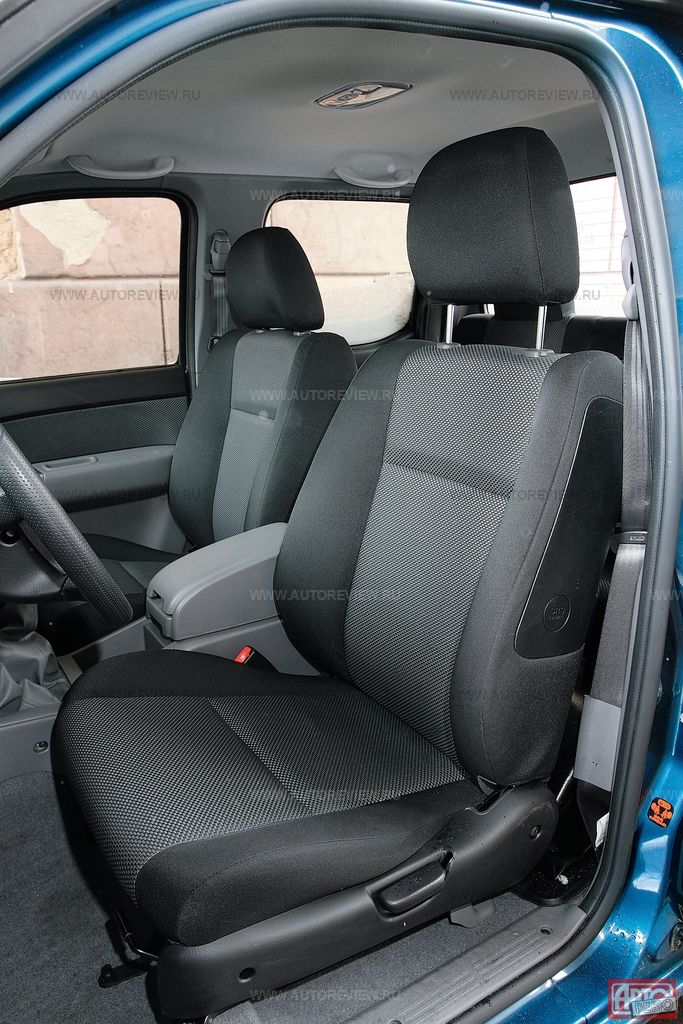
The Ford Ranger and Mazda BT-50 are more sparsely equipped, but the seats are more comfortable, and it's more pleasant to hold the steering wheel. Downsides? In both pickups, the transfer case lever is located closer to the driver than the manual gearshift lever — even a person of average height has to stretch to reach fifth gear. It's clear the vehicle was designed for the Asian market: on right-hand-drive versions, shifting gears is probably more convenient.
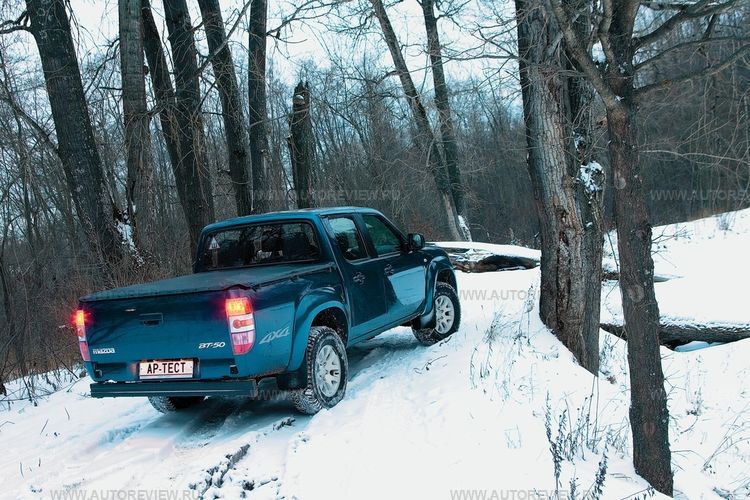
Mazda BT-50: modest looks and a simple tarp over the bed
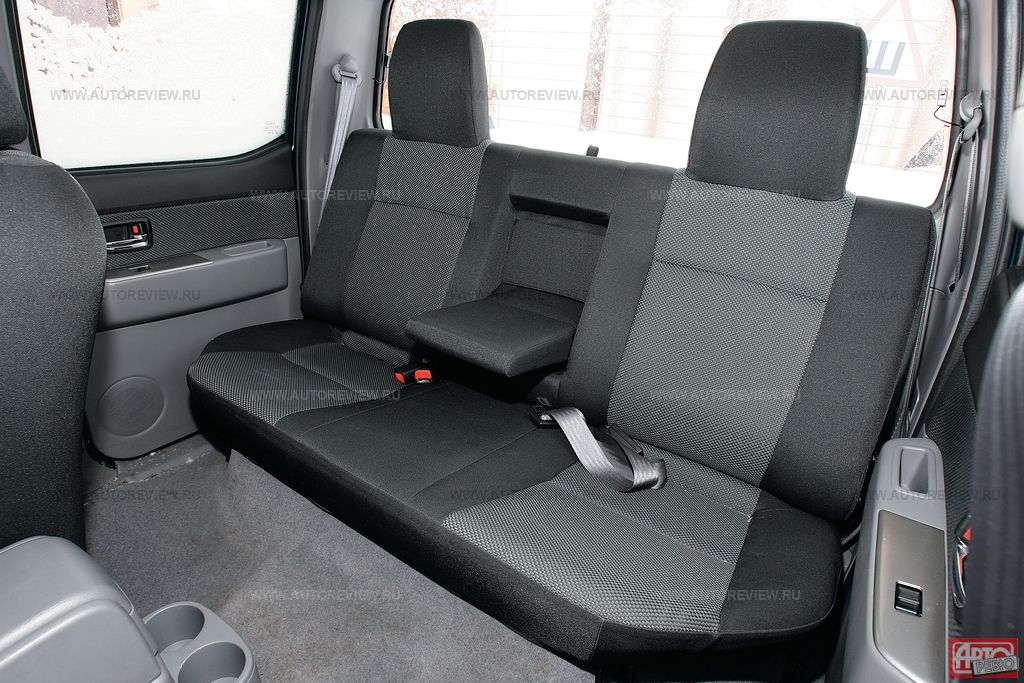
And what about passengers? Here the Mitsubishi L200 is beyond competition — a full-fledged rear row and full-fledged doors. The backrest is angled like in a normal passenger car, and there's so much legroom that a person 190 cm tall can easily sit "behind himself."
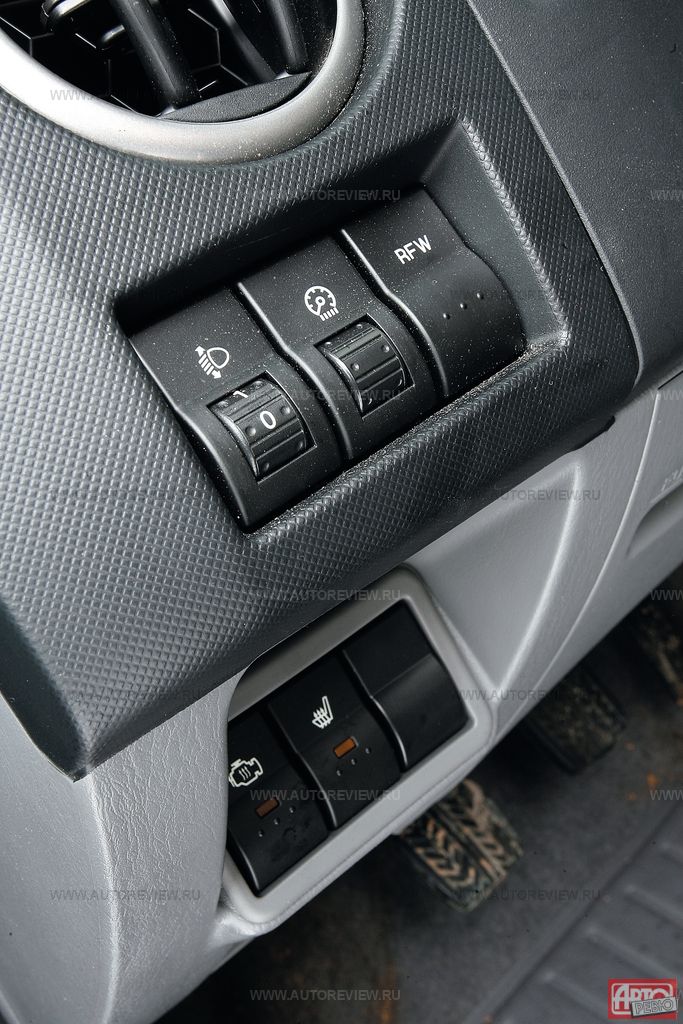 | 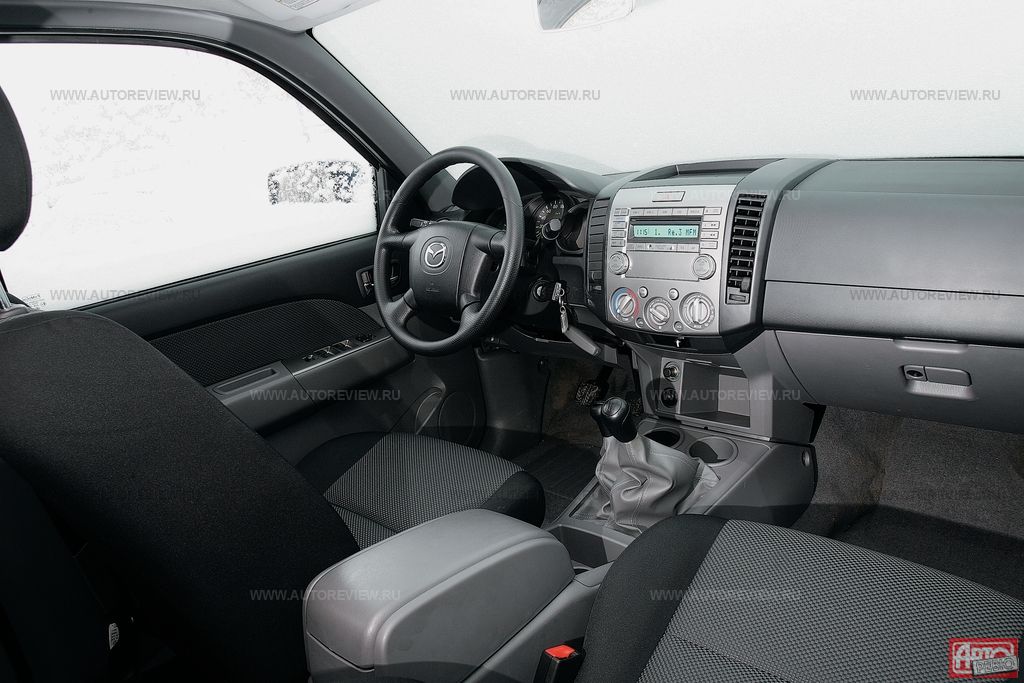 |
| Next to the seat heating button (one for two seats) is a "choke" button that raises idle speed for faster warm-up | The modest interior of the Mazda BT-50 is enlivened only by the silver center console |
The Actyon Sports is slightly more spacious in the shoulders — three in the back barely nudge elbows, but there's less knee room than in the L200. It's even worse in the Mazda and Ford — little room for legs, and the seat back is almost vertical. And it's not easy for a large person to squeeze through the narrow doors.
| Ford Ranger | Mazda BT-50 |
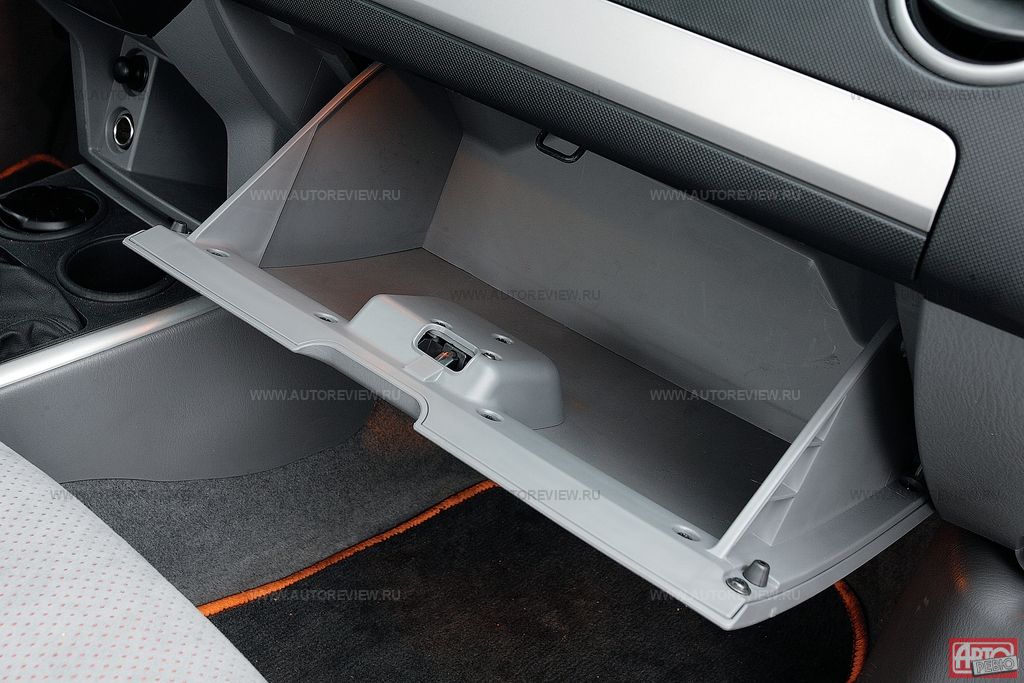 | 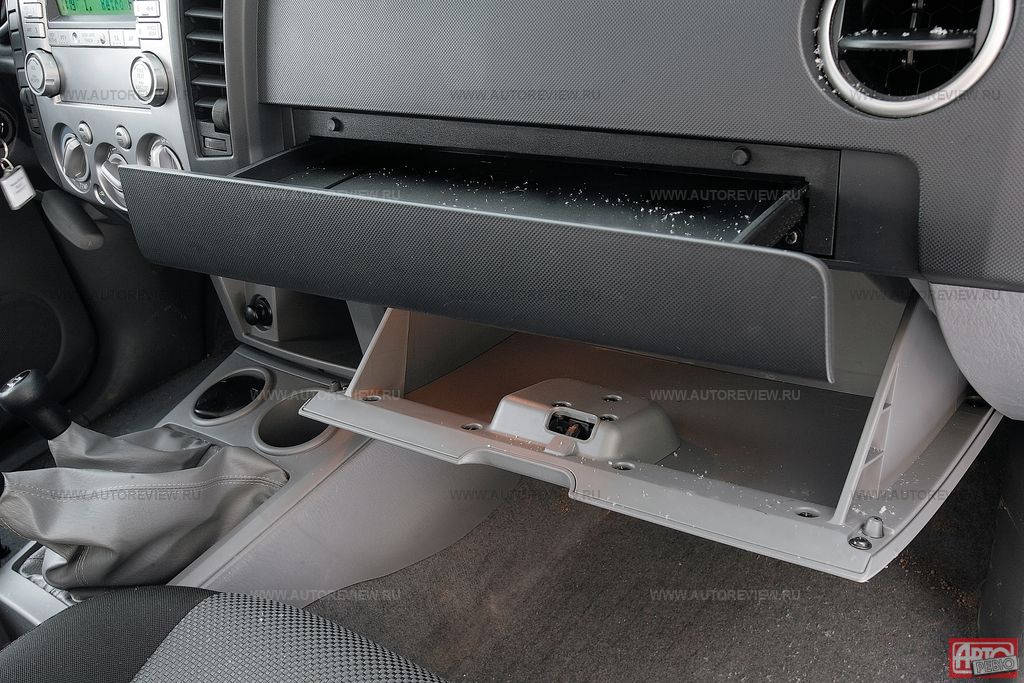 |
| Mitsubishi L200 | SsangYong Actyon Sports |
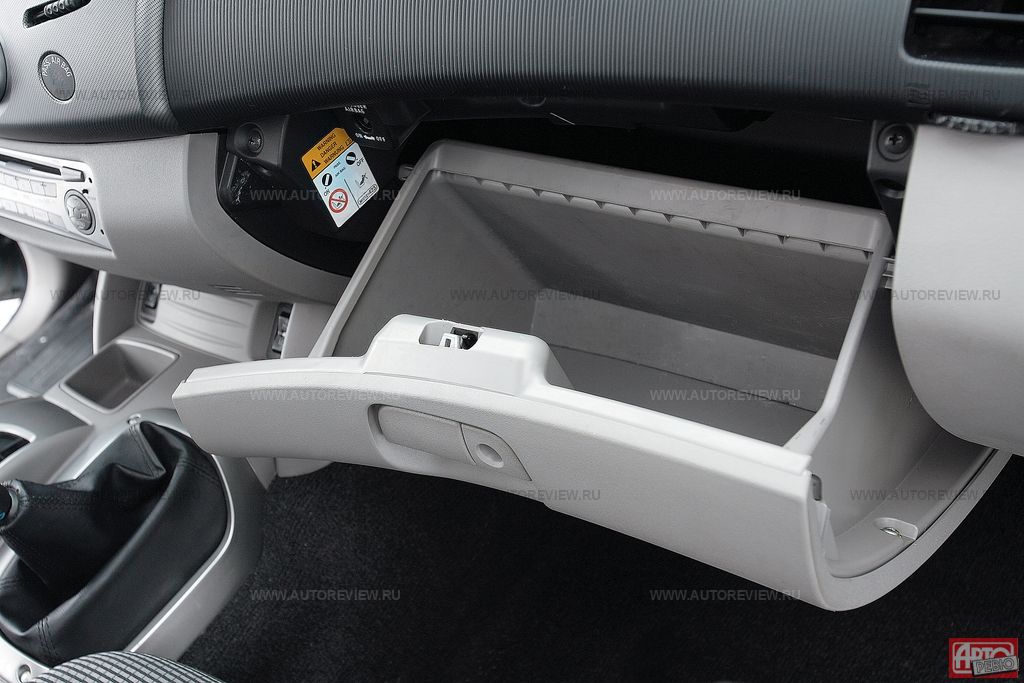 | 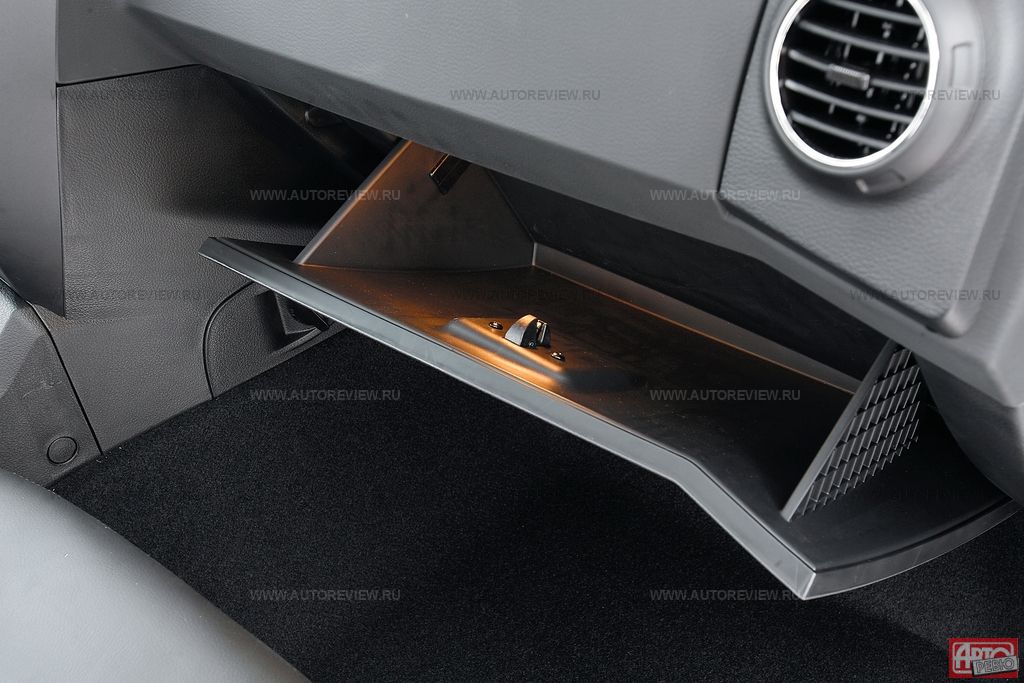 |
| The most spacious glovebox is in the Mitsubishi, while the Mazda and Ford, in addition to the main gloveboxes, have sliding trays for papers. In the Actyon Sports cabin, there's nowhere to put documents | |
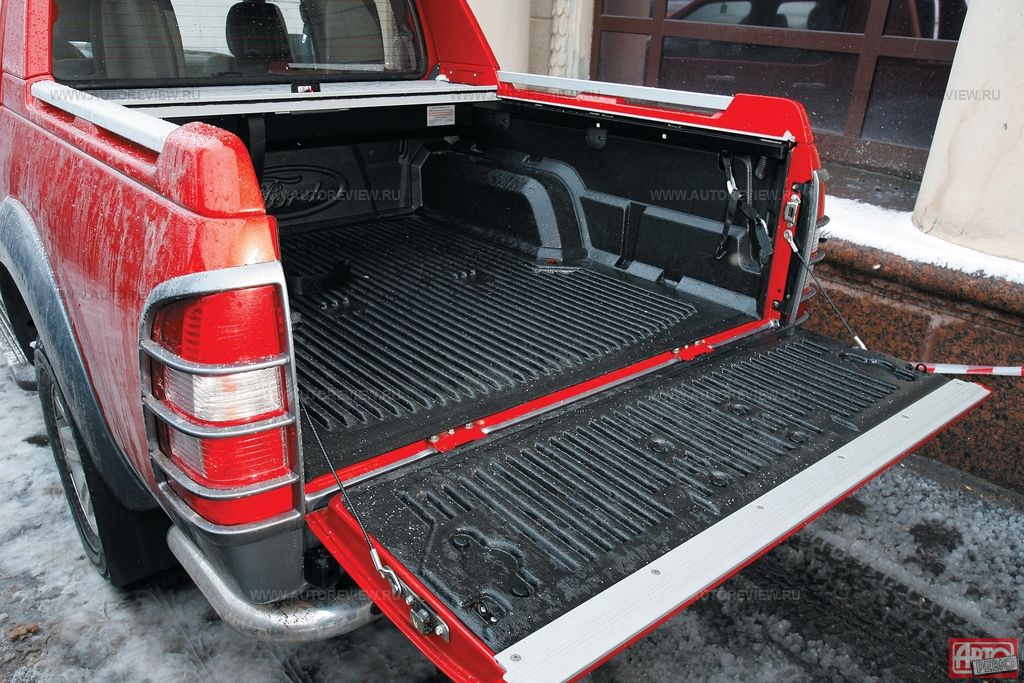
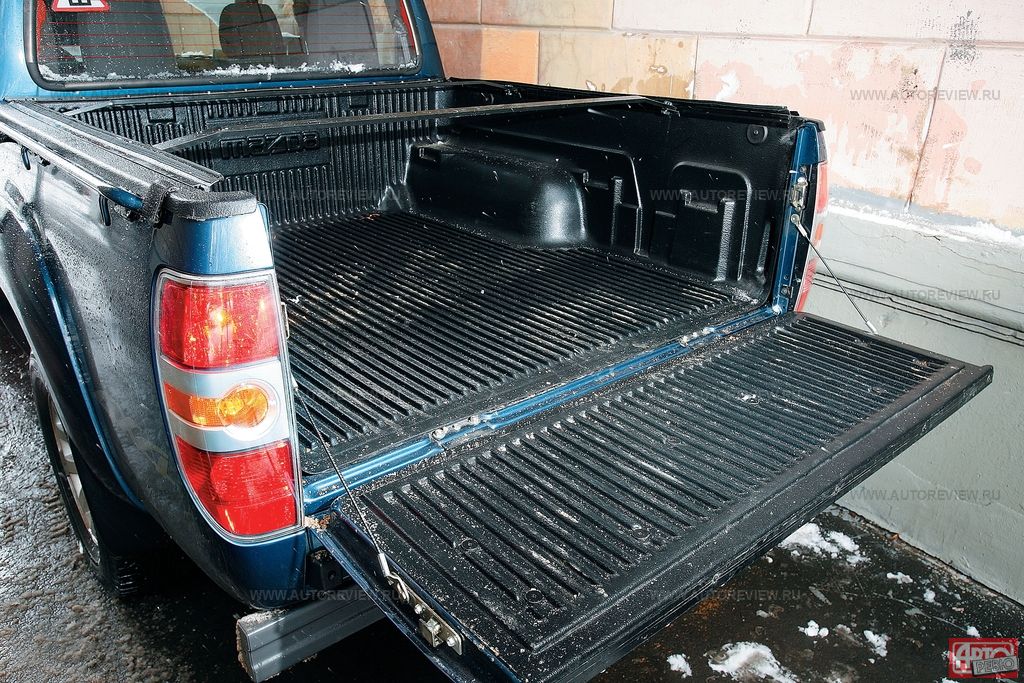
However, everything has its explanation: the cargo platforms of the Ford and Mazda are at least ten centimeters longer. What does that mean in practice? We loaded the pickup beds with 20-liter water canisters — and it turned out that the Ford, Mazda, and Actyon each hold exactly 22 canisters (the Actyon's compartment is noticeably shorter than the Ford's or Mazda's, but wider and deeper). And the Mitsubishi held only 20 canisters — that's the price for cabin space.
Let me start by saying that the powertrain in the Ford and Mazda is one of the best in this quartet. Their 2.5-liter sixteen-valve diesels produce the same 143 hp and 330 Nm of torque, and they work only with a manual gearbox — no automatics are available for these versions. Both pickups accelerate noticeably more briskly than the Mitsubishi or SsangYong, and, what's especially pleasing, they barely notice heavy loads. We loaded 22 water canisters into the bed — that's about 440 kg — and seated five adult men in the cabin, but the dynamics hardly suffered! The torquey diesel wakes up as early as 1,800 rpm, when the "turbo lag" disappears, and pulls all the way to 4,500 rpm. An excellent indicator!
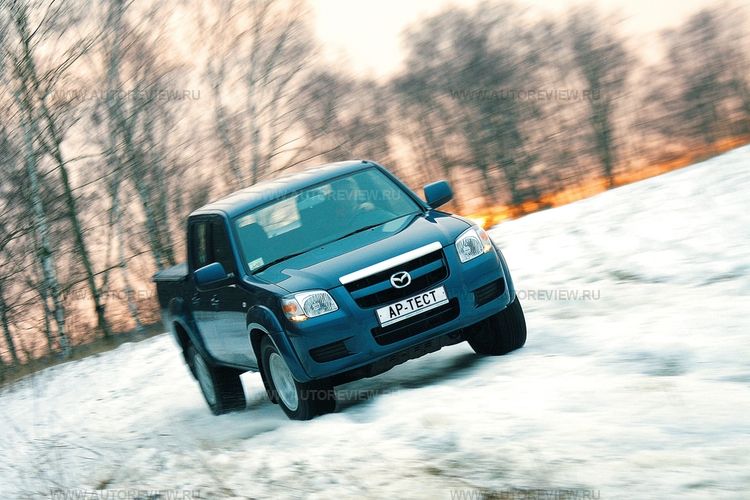
With a "rigid" all-wheel drive, both Mazda and Ford handle worse on slippery roads than the Mitsubishi with its advanced Super Select transmission
The Mitsubishi L200 lags behind in this regard, primarily due to its four-speed automatic transmission. Although credit must be given where it's due: the gearbox works surprisingly softly and smoothly, making city driving in such a pickup a pleasure. But as soon as you switch to manual mode, you realize that the 2.5-liter turbodiesel is slightly "choked": only 136 hp and 314 Nm. Therefore, when loaded, the L200 feels noticeably heavier.
The SsangYong Actyon Sports didn't turn out to be faster — the name "Sports" here is more of a marketing tribute than reality. What sport can you talk about when the gas pedal reacts with a delay, and the automatic transmission is as unhurried as the Mitsubishi's, but also jerks with every shift — both up and down? Moreover, the Actyon's two-liter turbodiesel is just as sensitive to load as the L200: with a heavy load, the car accelerates with obvious "shortness of breath."
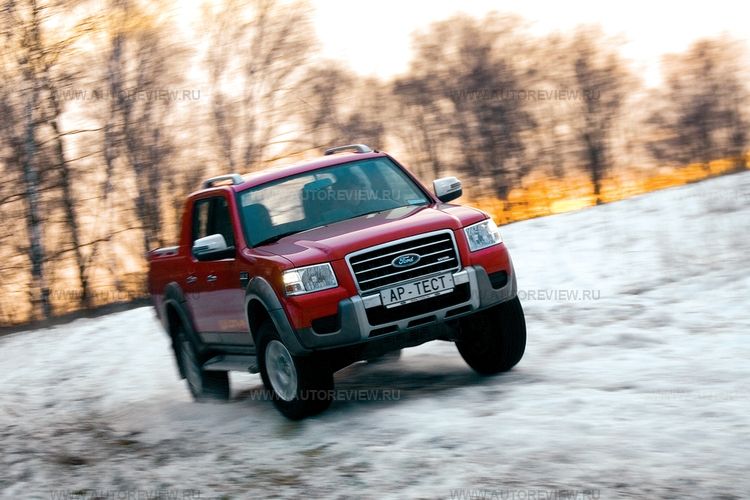
The striking body kit and two-tone paint are a privilege of the top-spec Ranger Wildtrak
However, the brakes of the "Korean" pleased the most — they turned out to be the most understandable and "car-like" in character. In the other three pickups, the pedals have an increased travel, and in an emergency, it takes a bit longer to activate the ABS, meaning the braking distance lengthens by several meters. Moreover, on loaded vehicles, this drawback is more pronounced than on empty ones.
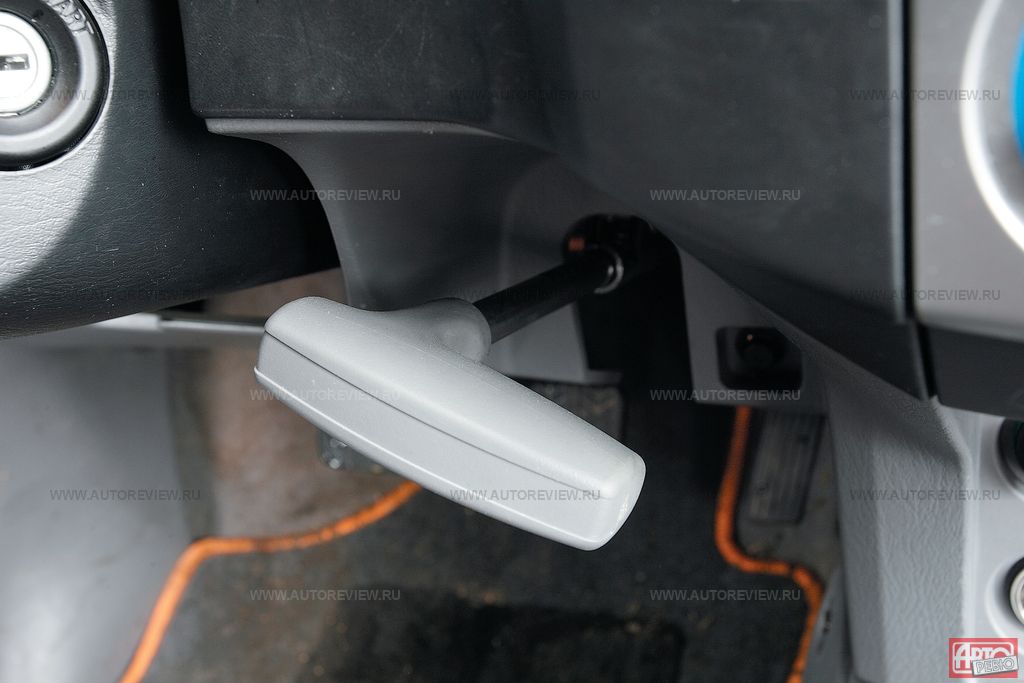 | 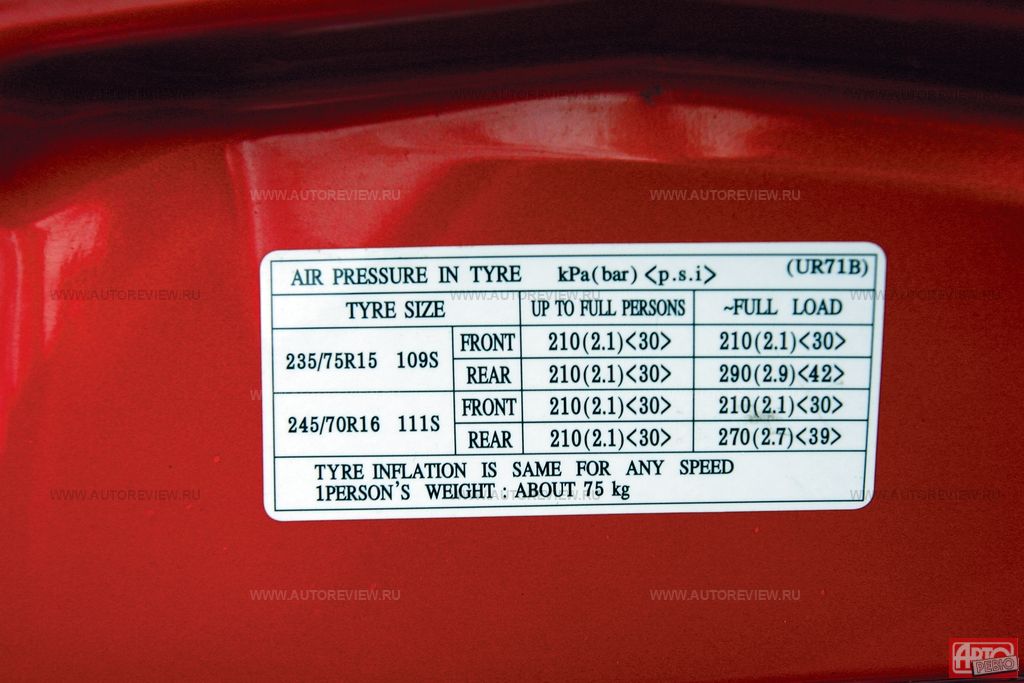 | 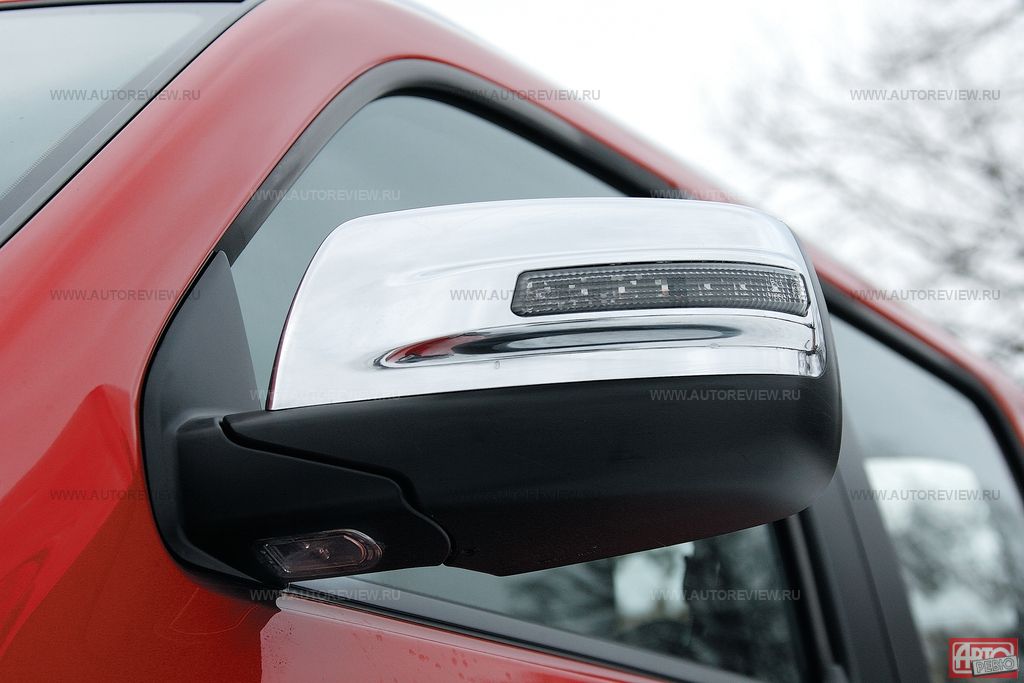 |
| Ford and Mazda have an old-fashioned parking brake drive in the form of a pull-out handle | It's not worth neglecting the recommendations on the tire pressure plate depending on the load | Chrome mirror housings with turn signal repeaters — one of the signs of the top-spec Wildtrak |
Now about handling. The Ranger and BT-50 are real trucks in their behavior. On a straight line, they hold up well, but they react sluggishly to steering turns — the steering wheel makes a full four turns from lock to lock! Add to this the long wheelbase and increased slip of winter tires — and you get vehicles that enter sharp turns lazily, have a "empty" steering wheel on a straight line, show a slight "step" in reactions, and are in no hurry to avoid a suddenly appearing obstacle.
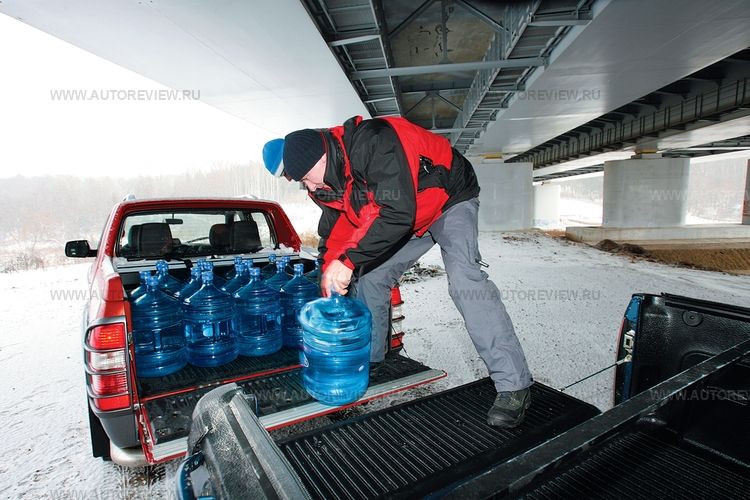
Twenty-liter water canisters helped us assess the behavior of loaded pickups
The Mitsubishi L200 feels much more like a "car-like" vehicle. Here, the reactive action on the steering wheel is clear, without a "dead" zone, and reactions are linear. Even though body rolls are also significant, and the steering wheel turns 4.2 turns from lock to lock, behind the wheel of the Mitsubishi, you still feel more confident.
| Ford Ranger | Mazda BT-50 |
 |  |
| Mitsubishi L200 | SsangYong Actyon Sports |
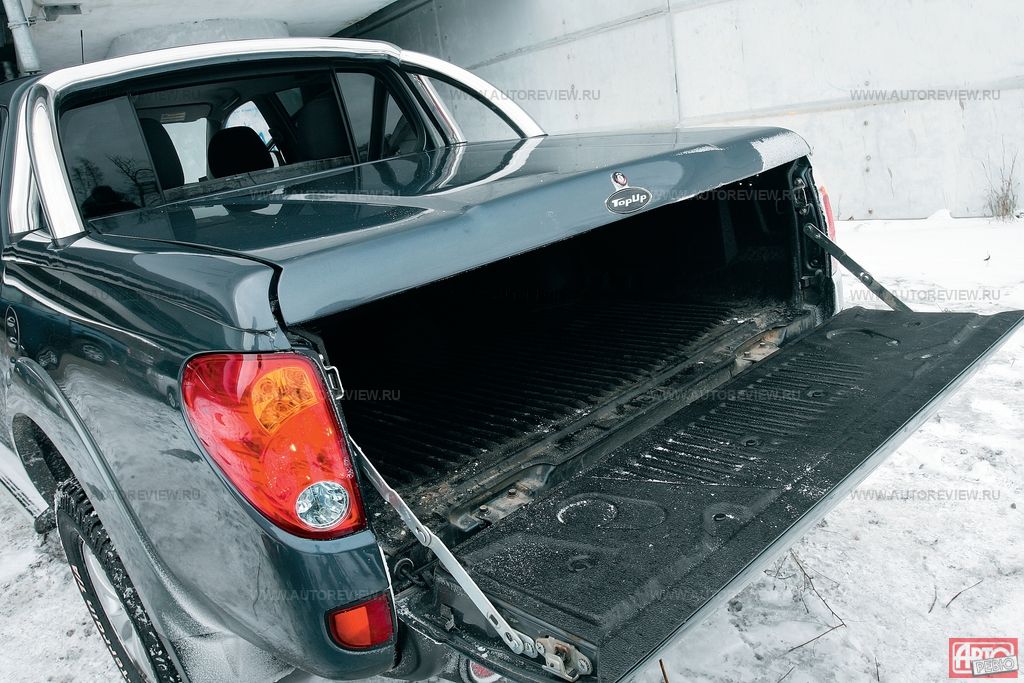 | 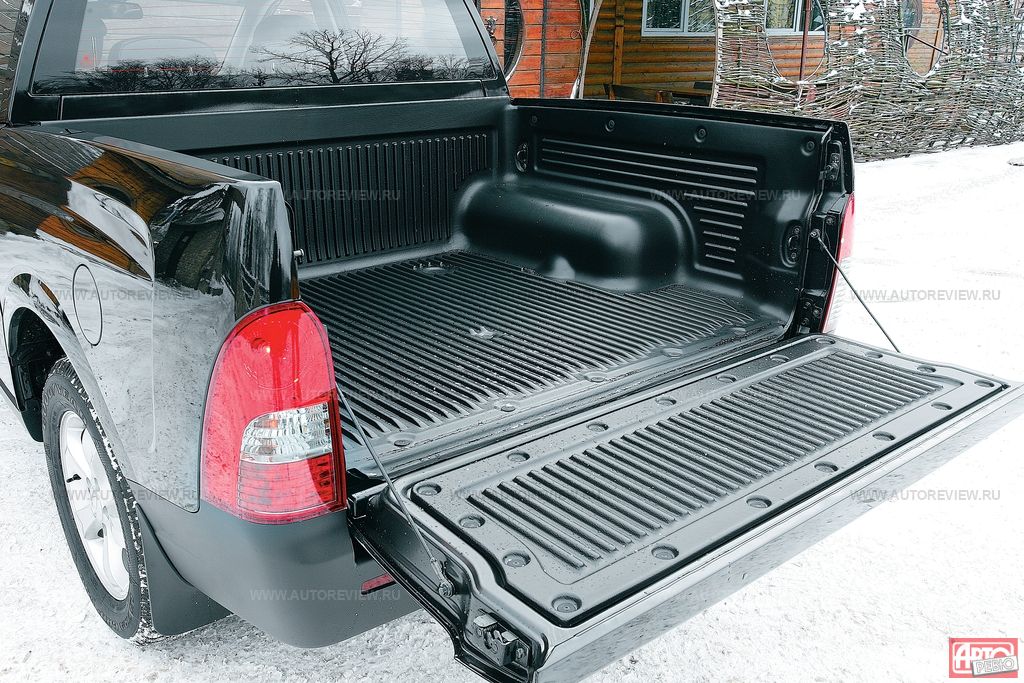 |
| The cargo platforms of Ford and Mazda are the longest. Actyon Sports, on the contrary, has a wide and deep body. And the L200's body loses to competitors in area, but the lifting lid makes it very practical. Ford also offers a good option — a key-lockable roller shutter | |
But the Actyon Sports is a completely different story. It would seem that the car reacts more lively to steering turns, dives into an arc more willingly, and the "static" sensitivity is higher — only 3.6 turns from lock to lock. But this doesn't add confidence behind the wheel! The main problem is the lack of reactive action on the steering wheel and its stepwise change. Turn a little harder — and the contact with the car seems to break off. And it's all aggravated by the fact that the increasing body roll at some point begins to additionally screw the car into the turn.
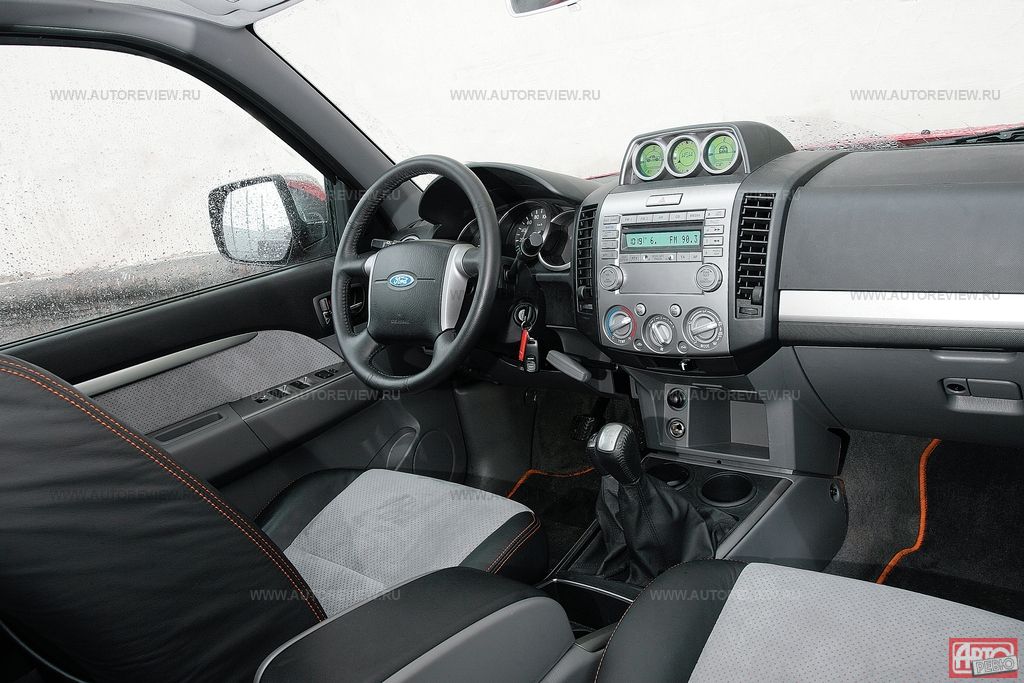 | 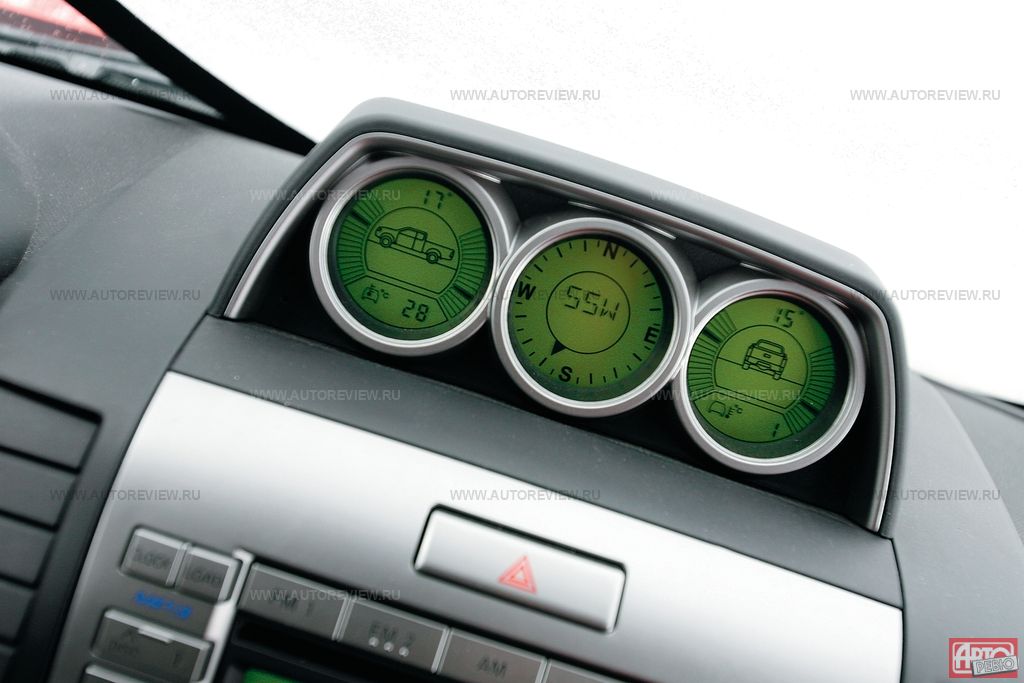 |
| The Ford's interior in the Wildtrak trim is upholstered in leather and "metal-look" inserts | The Ford's instruments allowed us to assess the steepness of the climb that all four pickups can take "head-on" — 26° |
By the way, all four pickups have different tire pressure recommendations depending on the load. We conducted an experiment: we drove fully loaded vehicles with pressure calculated for an empty car. And here's what happened: with a sharp turn of the steering wheel, the pickups simply fall on their side! God forbid, a loaded pickup, squatting on an underinflated rear wheel, goes into a skid or worse — rolls over! If in cars you can turn a blind eye to the recommendation to pump up the rear tires when fully loaded, then in pickups — absolutely not. Carrying a compressor with you is a must!
| Ford Ranger | Mazda BT-50 |
 |  |
| Mitsubishi L200 | SsangYong Actyon Sports |
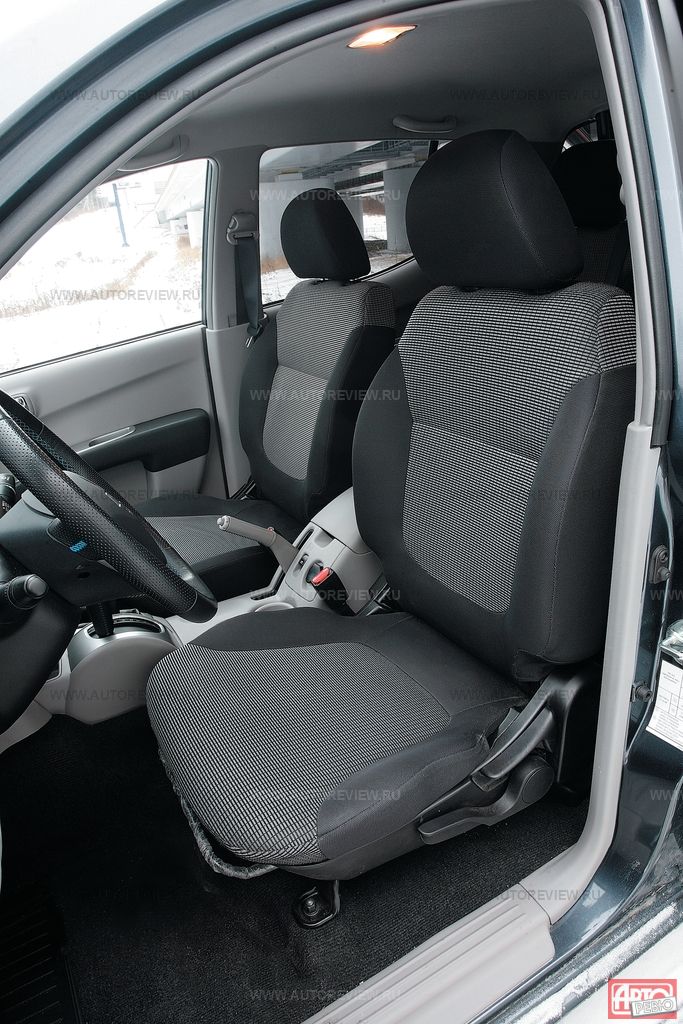 | 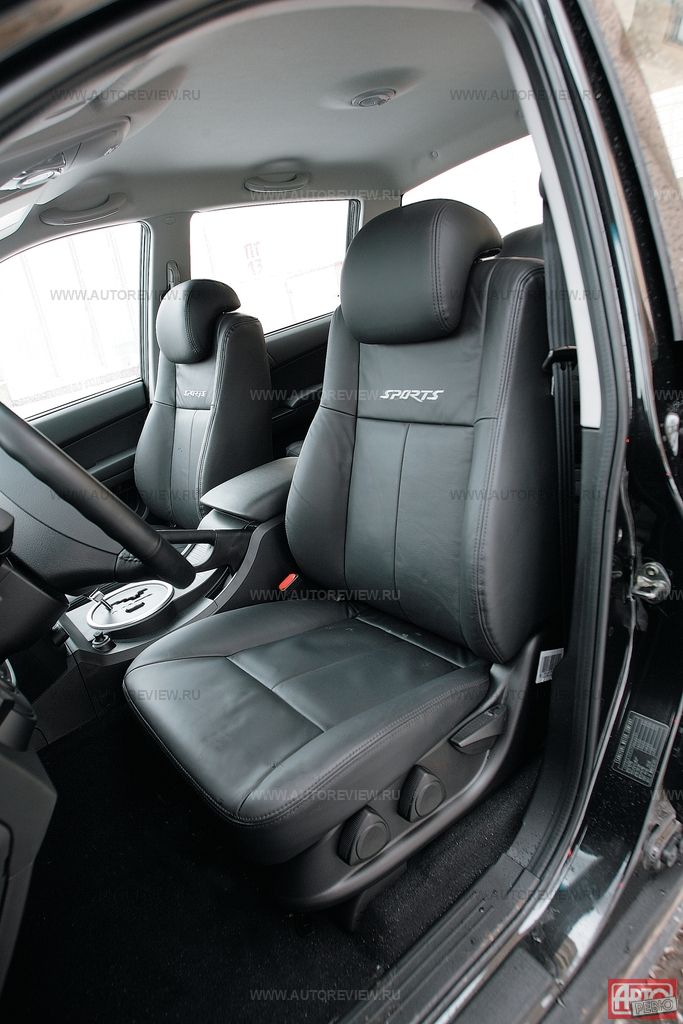 |
| The most successful seats are in Ford and Mazda. The Mitsubishi's seats are too "wide." SsangYong stands out with the richest selection of adjustments, but the "flat" seats upholstered in slippery leather poorly hold the body | |
And another eternal pain of all pickups is ride smoothness. Empty vehicles, as a rule, handle bumps very harshly — it's not for nothing that many owners carry ballast in the bed. For Ford and Mazda, such measures, alas, are indeed justified: empty vehicles thoroughly repeat every road imperfection, and on bumps the rear literally jumps.
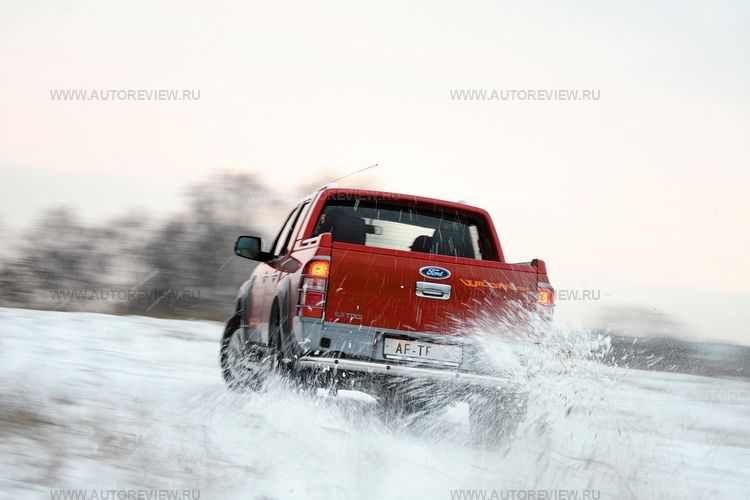
Ford Ranger: the "elastic" suspension allows you not to stand on ceremony on uneven dirt roads
The empty SsangYong demonstrates a slightly softer ride, but here another problem arises — vibrations coming from unsprung masses. The situation is worsened by the insufficient rigidity of the frame, which creates the feeling that the entire structure is slightly loose and unreliable. When the car is loaded, this effect becomes less noticeable, but doesn't completely disappear. Additionally, on a wavy road, the body begins to sway — nothing like this is present in either the Mazda or the Ford.
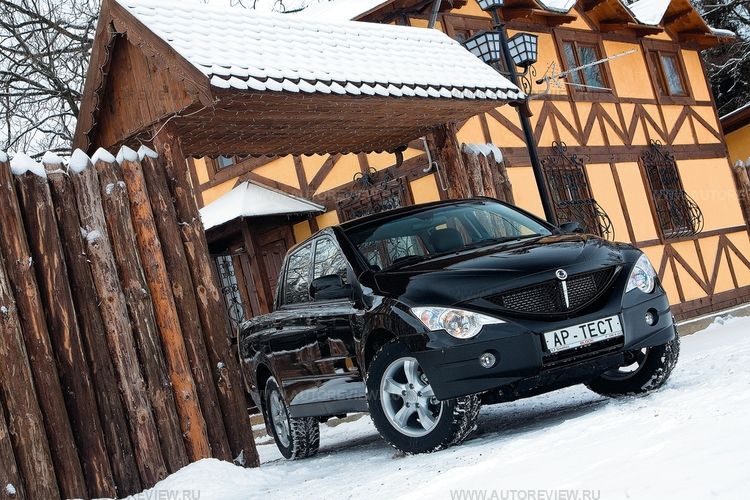
Actyon Sports: the grin of the radiator grille and predatory eyes give the car an aggressive look
The most comfortable in this quartet turned out to be the Mitsubishi L200. While it's empty, it's the softest of all — on a country road, it literally floats above the ground, ignoring potholes and ruts. With a load, the L200, of course, begins to sway, but that's a fair price for the comfort you get when driving empty.
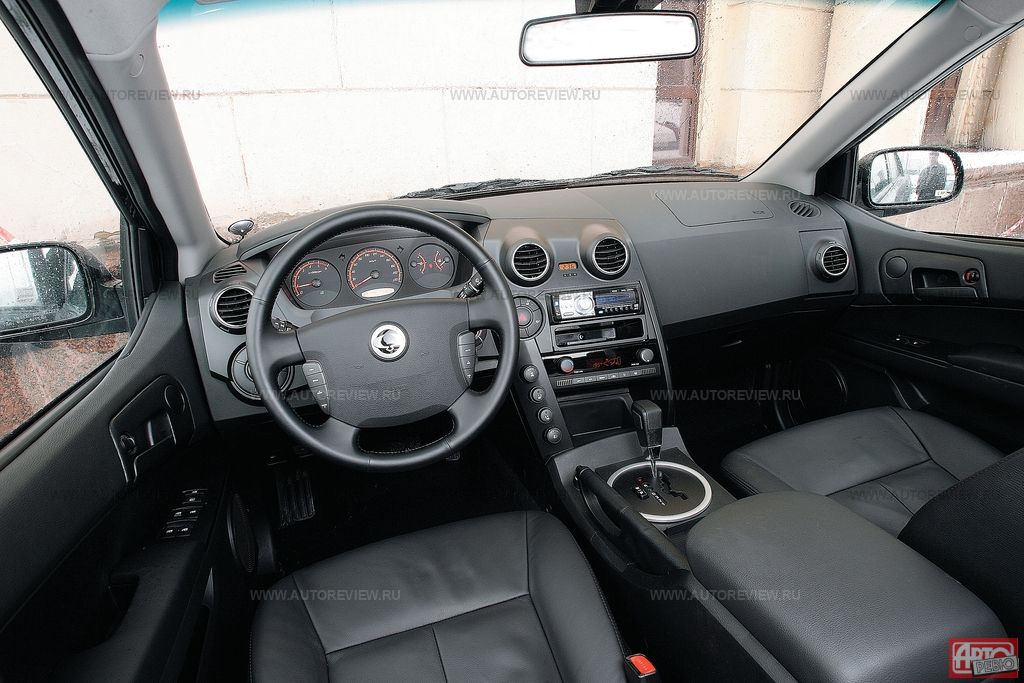 | |
| On the center console — the lever for engaging all-wheel drive and low range | The front panel is like that of the SsangYong Actyon SUV |
By the way, in terms of acoustics, the Mitsubishi L200 is also ahead of the rest: if you don't rev the engine to the cutoff, the cabin is quiet, and the characteristic "diesel" vibration on the steering wheel and levers is barely perceptible. The Ford and Mazda also have decent sound insulation, but the rattling and vibrations from the diesels are felt more strongly. The Actyon's engine is also a bit noisy, although at low revs it runs quieter and smoother than the Ford and Mazda. However, the SsangYong is plagued by aerodynamic noise — especially when speed exceeds 100 km/h.
| Ford Ranger | Mazda BT-50 |
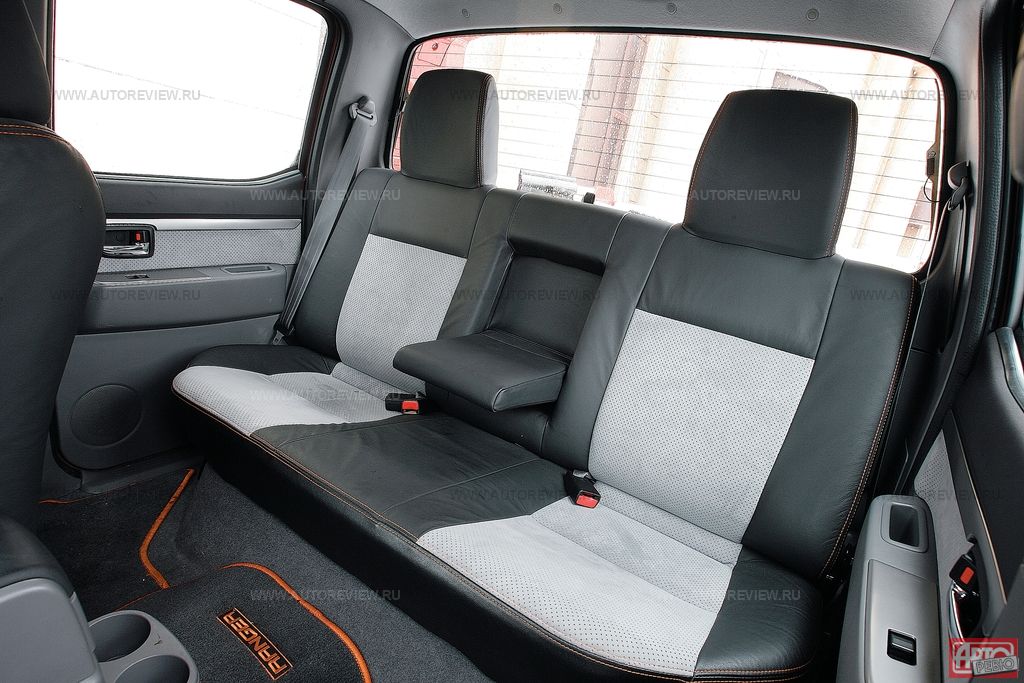 |  |
| Mitsubishi L200 | SsangYong Actyon Sports |
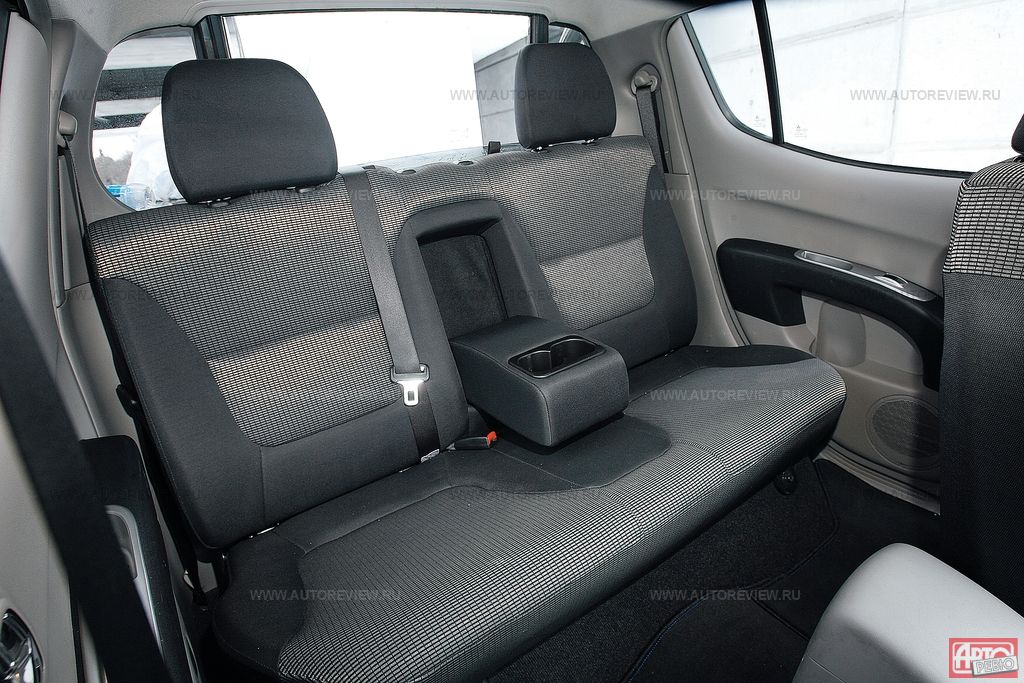 | 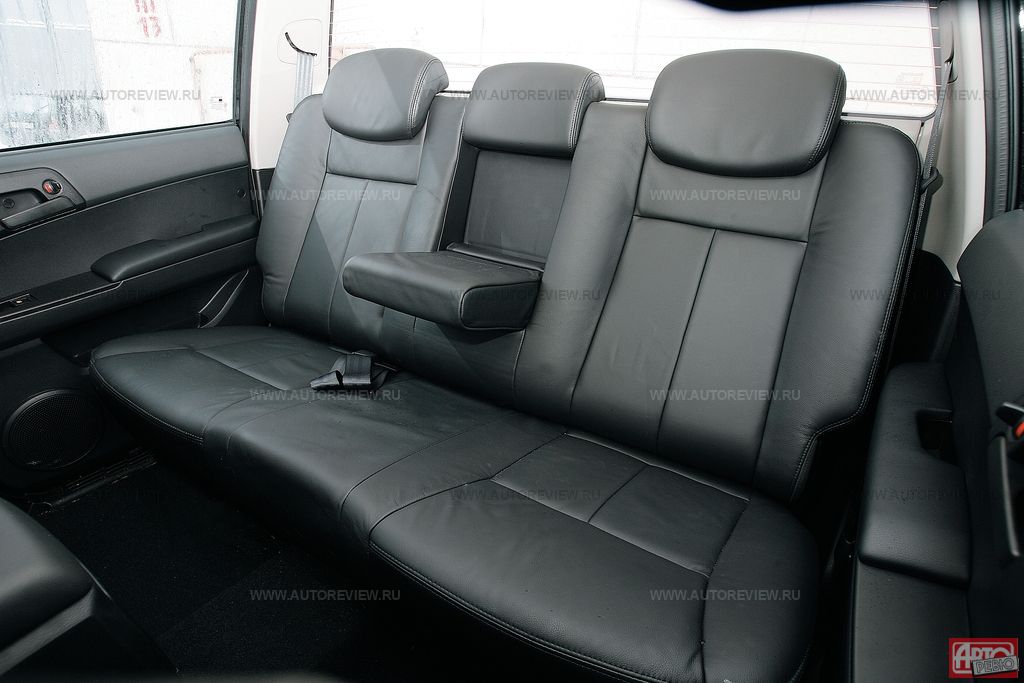 |
| The Mitsubishi is most comfortable for rear passengers. The Actyon Sports is tighter, and the Mazda and Ford also complicate entry and exit with a narrow door opening | |
All four vehicles, of course, have enhanced off-road capability — they crawl over rough terrain so well that it's a pleasure! The Ford's "tilt" indicator reads 260, but even loaded, it stubbornly climbs uphill in low range. True, all participants made it up this same slope. The SsangYong nearly grounded its belly on the crest — its low ground clearance made itself known.
And in terms of off-road capability, the Mitsubishi L200 came out as the leader. It may have spun its wheels due to the poor grip of all-season tires (the others had winter tires), but its geometry is excellent, and the Super Select transmission on expensive versions is the most advanced. We had exactly such a car with "Super Select," which has a center differential that allows driving on asphalt not only in rear-wheel drive but also in all-wheel drive. Off-road, such an L200 handles better than the other three pickups, which have part-time four-wheel drive. Moreover, only the Mitsubishi L200 has a rigid rear differential lock, which helps when wheels are diagonally suspended.
The Ford Ranger and Mazda BT-50 lag slightly behind, although to get them stuck, you'd have to try very hard. But the SsangYong loses not only in "geometry" but also in the engine's traction capabilities.
The tally of expert points immediately reveals the leader — the Mitsubishi L200. Moreover, it is also preferable for everyday driving. Behind its handsome body lies a spacious cabin, the suspension is well-tuned, and expensive versions also have a modern transmission. So Mitsubishi's market leadership (6,077 cars sold last year) is absolutely deserved.
The Ford Ranger and Mazda BT-50 (1,567 and 1,476 cars sold, respectively) yield to the Mitsubishi in comfort, handling, and off-road capability, but they surpass it in traction and cargo capabilities. They are the "workhorses," and indeed, draft horses. Real heavy-duty workers. And the SsangYong Actyon Sports (only 494 cars sold in eight months) is a car for enthusiasts who value flashy looks and trendy options like rain and light sensors more than off-road capability and handling.
Autoreview Readers' Forecast
Before this test, we asked visitors to the website www.autoreview.ru to answer the question: "Which of the vehicles in the next Autoreview test would you prefer?"
Here's how the votes were distributed:
Ford Ranger 46.88%
Mazda BT-50 13.65%
Mitsubishi L200 36.88%
SsangYong Actyon Sports 2.59%
22,421 people voted
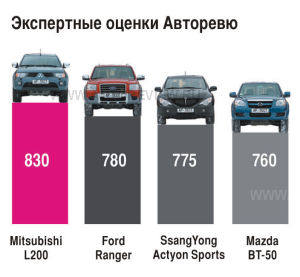
| Autoreview Expert Ratings | |||||
| Parameters Assessed | Max Score | Vehicles | |||
| Ford Ranger | Mazda BT-50 | Mitsubishi L200 | SsangYong Actyon Sports | ||
| Design | 160 | 130 | 120 | 145 | 140 |
| Exterior | 80 | 65 | 60 | 75 | 70 |
| Interior | 80 | 65 | 60 | 70 | 70 |
| Ergonomics | 160 | 130 | 130 | 130 | 130 |
| Driver's Seat | 80 | 65 | 65 | 65 | 65 |
| Visibility | 80 | 65 | 65 | 65 | 65 |
| Dynamics | 320 | 260 | 260 | 265 | 245 |
| Acceleration | 80 | 65 | 65 | 60 | 55 |
| Braking | 100 | 80 | 80 | 80 | 85 |
| Handling | 80 | 65 | 65 | 70 | 60 |
| Off-road Capability | 60 | 50 | 50 | 55 | 45 |
| Ride Comfort | 200 | 140 | 140 | 160 | 145 |
| Ride Smoothness, Vibration Protection | 70 | 50 | 50 | 55 | 45 |
| Acoustic Comfort | 70 | 55 | 55 | 60 | 50 |
| Climate Control | 60 | 35 | 35 | 45 | 50 |
| Passengers and Cargo | 160 | 120 | 110 | 130 | 115 |
| Passenger Seats | 80 | 50 | 50 | 65 | 60 |
| Cargo Platform | 80 | 70 | 60 | 65 | 55 |
| Total Score | 1000 | 780 | 760 | 830 | 775 |
Safety
Safety-wise, most modern pickups are poorly equipped. For example, the SsangYong Actyon Sports in base trim makes do with a single airbag — more expensive versions add a passenger airbag and ABS. The Mitsubishi L200 and Mazda BT-50 come standard with two airbags each, while the Ranger also has ABS, which is only available on more expensive versions for the Japanese models. If expensive versions of the Ranger and BT-50 can boast side airbags, the stability control system is only available on the fully loaded Mitsubishi.
Furthermore, the Mitsubishi L200 is the only pickup in our quartet that has undergone independent crash tests in Australia under the ANCAP methodology (an analogue of EuroNCAP). It received four out of five stars only thanks to good results in the side crash test. The pickup withstood the frontal impact rather weakly: the dummies' chests experienced increased loads, and the dashboard poses a danger to legs. Pedestrian safety is at a very low level.
| Mitsubishi L200* | ★★★★☆ |
| Overall Rating | 25 points |
| Frontal Crash Test | 9.1 (57%) |
| Side Crash Tests | 16 (89%) |
| SBR** | 0 |
| Pedestrian Protection | 3.3 (9%) |
| Curb Weight | 1930 kg |
| * Tests conducted according to ANCAP methodology | |
| ** Presence of seatbelt reminder | |
Transmissions
The gearboxes and transfer cases of the Ford Ranger, Mazda BT-50, and SsangYong Actyon Sports are made according to the same scheme: the rear wheels are always driven, and the front axle is engaged manually. However, the two Japanese pickups have an advantage over the Korean competitor — a rear self-locking differential. True, it is "soft," without forced locking, so on serious off-road terrain this is not too big a plus. But the Ford and Mazda have a function to disengage the front drive without disconnecting the wheels from the transmission — this allows engaging the front axle on the move, at speeds up to a hundred kilometers per hour. To return everything back, you need to press a separate button.
The Mitsubishi L200 in the base Invite version has an Easy Select transmission with rigid front axle engagement and a low range. But there is a nuance: a vacuum-actuated clutch is installed on the right half-shaft, so you'll have to stop to engage four-wheel drive. However, in more expensive Intense and Instyle trims, the Super Select system with a symmetrical center differential is already installed. It incorporates a viscous coupling that helps on slippery roads, and for heavy off-road use, a forced lock is provided — activated by 4HLc mode or low range. On all L200 versions, there is a rear "self-locker" that can be locked forcibly.
The transmission control of the Korean pickup is via a rotary knob, while the other three cars use a lever.
| Equipment of the vehicles tested | ||||
| Equipment | Vehicles | |||
| Ford Ranger | Mazda BT-50 | Mitsubishi L200 | SsangYong Actyon Sports | |
| Price of base version, RUB/$* | 660000/27050 | 611000/25040 | 685810/28110 | 698000/28610 |
| Driver airbag | + | + | + | + |
| Passenger airbag | + | + | + | P |
| Side airbags | P | P | – | – |
| ABS | + | P | P | P |
| Power steering | + | + | + | + |
| Automatic transmission | – | – | P | P |
| All-wheel drive | + | + | + | + |
| Tilt-adjustable steering column | + | + | + | + |
| Leather-wrapped steering wheel | P | – | P | P |
| Heated windshield | – | – | – | +** |
| Heated front seats | + | P | + | + |
| Auto-dimming rearview mirror | – | – | – | P |
| Central locking (remote) | + | P | P | + |
| Anti-theft alarm | – | – | – | + |
| Air conditioning | P | P | P | + |
| Climate control | – | – | P | P |
| Power exterior mirrors | + | P | P | + |
| Heated exterior mirrors | – | – | P | + |
| Power windows | + | P | + | + |
| Power rear cab window | – | – | + | – |
| Rear seat armrest | P | + | + | + |
| CD player | + | P | P | O |
| CD changer | P | – | – | – |
| Light sensor | – | – | – | P |
| Rain sensor | – | – | – | P |
| Rear parking sensors | P | – | – | – |
| Leather upholstery | P*** | – | – | P |
| Cargo bed protective coating | P | O | – | + |
| Cargo bed cover | O**** | O | O**** | – |
| Remote fuel filler flap lock | + | + | + | + |
| Fog lights | – | – | P | + |
| Headlight washers | – | – | P | – |
| Alloy wheels | P | P | P | P |
| Full-size spare wheel | + | + | + | + |
| Metallic paint | P | O | O | O |
| Tires | Nokian Hakkapeliitta SUV 5 245/70 R16 | Nokian Hakkapeliitta SUV 5 245/70 R16 | BF Goodrich All-terrain T/A 265/70 R16 | Goodyear Ultra grip 500 255/60 R18 |
| Price of tested vehicle, RUB/$ | 920000/37705 | 790000/32380 | 893930/36640 | 868000/35570 |
| * At exchange rate $1=24.4 RUB | ||||
| ** Wiper rest zone | ||||
| *** Leather, Alcantara | ||||
| **** Hard locking | ||||
| (+) Included in base version | ||||
| (–) Not available in base version | ||||
| (O) Options installed on tested vehicles | ||||
| (P) Equipment included in package of tested vehicle | ||||
Visibility
From the driver's seat, all four pickups offer good visibility. Ford, Mazda, and Mitsubishi have large rearview mirrors, and the hood is clearly visible — this simplifies maneuvering and helps you better sense the dimensions. SsangYong stands out in this regard: on one hand, it has the most "transparent" cab — headrests fold down, side windows lower deeply, and the total viewing angle is the largest; on the other hand, its mirrors are the narrowest, and the hood is not visible at all. However, overall visibility can be considered on par.
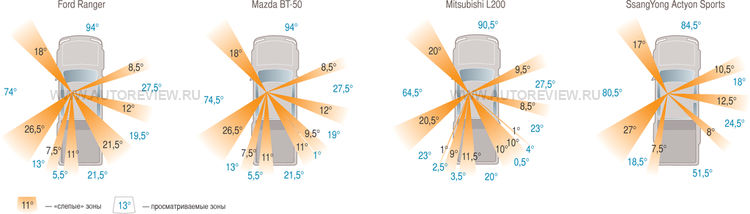
| Vehicle | Ford Ranger | Mazda BT-50 | Mitsubishi L200 | SsangYong Actyon Sports |
| Total viewing angle, deg. | 255.0 | 256.0 | 259.0 | 277.5 |
| Total blind spot angle, deg. | 105.0 | 104.0 | 101.0 | 82.5 |

In terms of geometric off-road capability, SsangYong looks like the outsider: it has less ground clearance, a longer wheelbase, and increased overhangs. Indeed, the Actyon Sports was the one that most often scraped the ground off-road. Mazda, on the other hand, maintains excellent geometry even when fully loaded — as does Ford.
What costs how much?
Mazda BT-50 with a 2.5-liter engine (143 hp) in the base Direct version sells for 611,000 rubles ($25,040), but for this money you get an almost "bare" vehicle: unpainted door handles, front bumper, and fender flares — though with two airbags. The Touring trim adds four airbags, ABS, power accessories, heated front seats, central locking, CD player, and a fully painted body — price 663,000 rubles ($27,170). For air conditioning and alloy wheels, you'll have to pay an additional 57,000. The top Active version for 788,000 rubles ($32,300) features side steps and a CD changer. Metallic paint costs 14,500 rubles, and the gray lower body paint on the Active is another 18,000. Additionally, you can order a plastic cargo bed liner for 20,000 rubles and a glazed canopy: the original will cost 130,000 rubles, but a non-original one can be found for about half that. Pickups are available at dealers in stock, but a vehicle in the desired color may take up to six months to wait for.
Warranty — three years or 100,000 km. Mazda's network in Russia includes 32 dealers in 20 cities.
Ford Ranger (2.5 L, 143 hp) has a much wider list of options than the Mazda BT-50. The base XL version already includes two airbags, ABS, power accessories, CD player, central locking, and heated front seats. Price — 660,000 rubles ($27,050), with air conditioning — 35,000 more. The XLT trim with four airbags, velour interior, CD changer, side steps, and alloy wheels costs 755,000 rubles ($30,940) — that's 33,000 less than the Mazda BT-50 Active with similar equipment. The Ranger in Limited trim with leather interior and rear parking sensors is 810,000 rubles ($33,200), and the top Wildtrak version with exterior body kit, sports bar behind the cab, and leather-suede interior is 875,000 rubles ($35,860). A sports bar and cargo bed cover can be installed on any trim for 56,900 rubles, and for the Wildtrak, a bed cover is available for 45,000 rubles. Also on the options list — plastic cargo bed liner (18,100 rubles) and a glazed "cap" (69,800 rubles). And another feature: the Ford Ranger is the only pickup on the Russian market available with an "extended" cab, which allows saving 15 or 20 thousand rubles depending on the trim. Vehicles are in stock at dealers; a custom order will take five months.
The manufacturer provides a warranty on the pickup for two years or one hundred thousand kilometers, and the official dealer network includes 133 points in 88 cities.
Mitsubishi L200 with a 2.5-liter engine producing 136 horsepower in the base Invite version starts from 685,810 rubles (or $28,110). The initial trim includes the Easy Select transmission, which implies permanent rear-wheel drive and a rigidly engaged front axle, a pair of airbags, heated front seats, central locking, and front electric windows. To get air conditioning and fog lights, you'll have to pay an additional 53,600 rubles. The next Intense trim is priced at 819,810 rubles ($33,600) and already includes ABS, climate control, CD player, central locking, full power accessories, heated mirrors, alloy wheels, and a more advanced Super Select transmission with a self-locking center differential. If you order the same L200 with a four-speed automatic transmission, the price rises to 860,010 rubles ($35,250). At the top of the model range is the Instyle version for 913,610 rubles ($37,440) with leather interior, power front seats, and stability control. For a plastic cargo bed liner, you'll pay 16,000 rubles, while a canopy for the platform will cost 64,000 rubles for a non-original and 101,000 for a genuine one. Pickups are freely available, but if you need a custom-ordered vehicle, you'll have to wait up to three months.
Warranty on the Mitsubishi L200 — three years or 100,000 kilometers, and the brand's dealer network in Russia includes 97 showrooms in 67 cities.
SsangYong Actyon Sports with a two-liter turbodiesel engine producing 141 horsepower in the base trim costs 698 thousand rubles (28,610 dollars). For this money, the buyer gets one airbag, power windows, central locking, heated mirrors, and fog lights. For ABS, air conditioning, heated front seats, and alloy wheels, they ask for an additional 50 thousand rubles. The trim with a passenger airbag and climate control is priced at 773 thousand rubles (31,680 dollars). If the same pickup is equipped with a four-speed automatic transmission, the price will be 808 thousand rubles (33,110 dollars). The top version of the Actyon Sports with a leather interior, light and rain sensors costs 868 thousand rubles (35,570 dollars). Interestingly, this is 58 thousand rubles more expensive than the Ford Ranger Limited, which has four airbags, parking sensors, and a CD changer, but lacks climate control and light and rain sensors. A cover for the cargo area, made by a third-party company, will cost 70 thousand rubles, while the original one costs from 100 thousand. The plastic platform lining is installed at the factory on all vehicles without exception. Pickups in all trims are available at dealers, and a car of a specific color will be delivered in less than a month.
The SsangYong Actyon Sports comes with a warranty of three years or 100,000 kilometers, and the brand's network in Russia consists of 70 dealers in 44 cities.
* Conversion at the rate of 24.4 rubles per dollar.
| Cost of scheduled maintenance, including consumables and parts, rub. | |||||
| Scheduled maintenance | Vehicles | ||||
| Ford Ranger | Mazda BT-50 | Mitsubishi L200 | SsangYong Actyon Sports | ||
| Labor rate per hour | 1800 | 1650 | 1700 | 1000 | |
| Mileage, km | 3000 | — | — | 3500 | — |
| 5000 | 2000* | 4880 | — | 4200 | |
| 10000 | — | — | — | 8500 | |
| 15000 | 8500* | 10900 | 5500 | — | |
| 20000 | — | — | — | 15500 | |
| 30000 | 8500* | 12430 | 8900 | 11000 | |
| 40000 | — | — | — | 15500 | |
| 45000 | 8500* | 13910 | 8200 | — | |
| 50000 | — | — | — | 8500 | |
| 60000 | 8500* | 12430 | 12900 | 24000 | |
| 70000 | — | — | — | 8500 | |
| 75000 | 8500* | 14200 | 5500 | — | |
| 80000 | — | — | — | 15500 | |
| 90000 | 8500* | 16100 | 18800 | 11000 | |
| Total | 53000* | 84850 | 63300 | 122200 | |
| * Base cost | |||||
| Average prices for original parts at Moscow dealer centers, rub. | ||||
| Parts | Vehicles | |||
| Ford Ranger | Mazda BT-50 | Mitsubishi L200 | SsangYong Actyon Sports | |
| Oil filter | 624 | 301 | 557 | 472 |
| Fuel filter | 2920 | 1906 | 1133 | 4600 |
| Air filter | 2035 | 2040 | 1464 | 740 |
| Cabin filter | — | — | — | 1721 |
| Front brake pads | 7745 | 6676 | 5114 | 4236 |
| Rear brake pads | 6510 | 5711 | 3967 | 3725 |
| Front shock absorber | 4990 | 1887 | 3164 | 5800 |
| Rear shock absorber | 3900 | 2440 | 3164 | 4500 |
| Front headlight | 6050 | 7200 | 13630 | 10500 |
| Rear taillight | 3500 | 4000 | 4540 | 3770 |
| Front fender | 10712 | 4430 | 9600 | 6170 |
| Front bumper | 6705 | 9300 | 12070 | 20800 |
| Hood | 20000 | 13200 | 12150 | 18980 |
| Windshield | 8300 | 6820 | 9450 | 15950 |
Other options
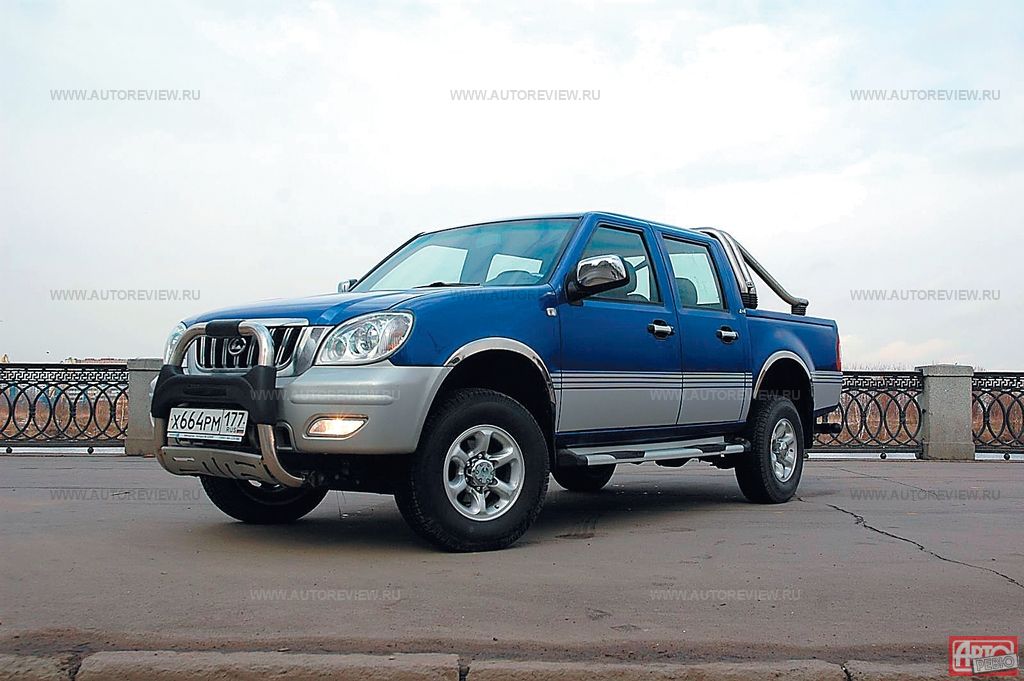
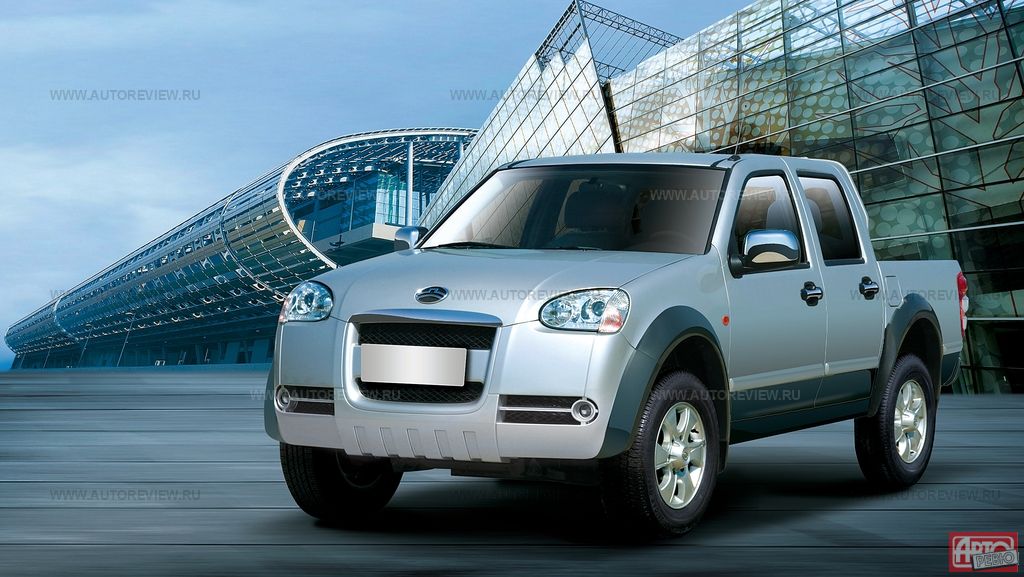
The cheapest diesel pickup on the Russian market is the Chinese Changfeng Flying with a 2.8-liter engine and 92 horsepower, which costs 435 thousand rubles (17,830 dollars). The single trim includes air conditioning, power accessories, a cassette stereo, leather interior, central locking, and alloy wheels.
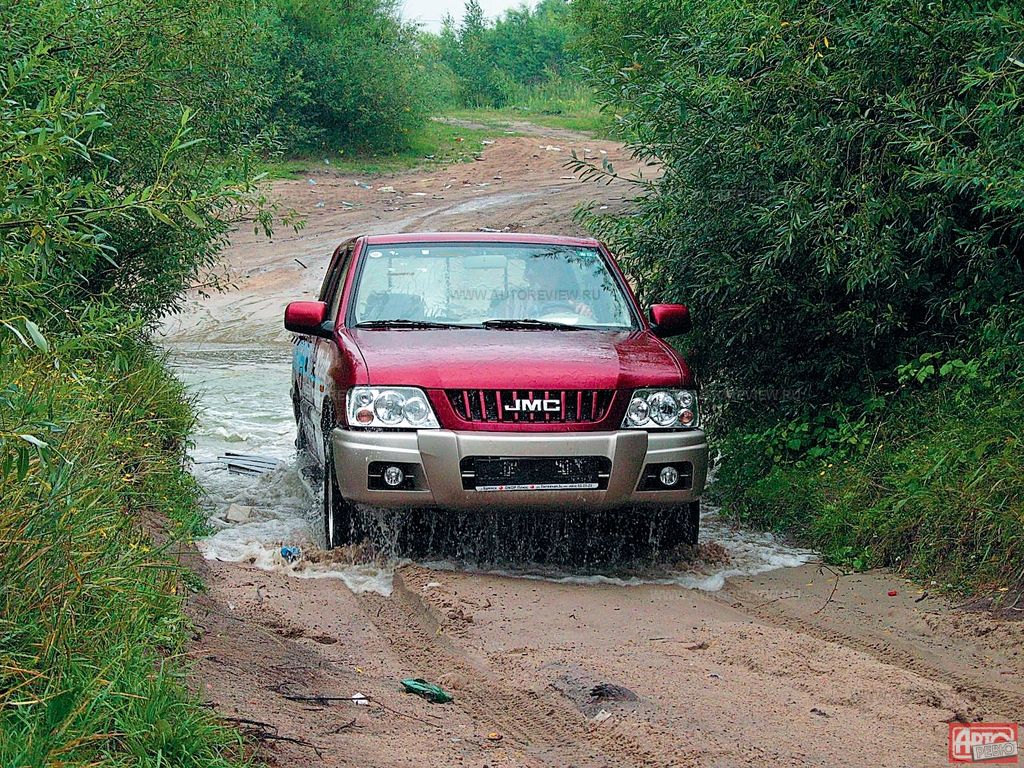
JMC Baodian (2.8 liters, 84 horsepower) is sold for 444 thousand rubles (18,200 dollars). Equipment includes air conditioning, front electric windows, central locking, and alloy wheels.
Another representative from China, Great Wall Wingle with a 2.8-liter engine producing 95 horsepower, in all-wheel drive is priced at 483 thousand rubles (19,800 dollars). The base version has air conditioning, a cassette stereo, central locking, and alloy wheels. All three Chinese pickups are equipped with a five-speed manual transmission, permanent rear-wheel drive, and a rigidly connected front axle.
| Changfeng Flying | JMC Baodian | Great Wall Wingle |
 |  |  |
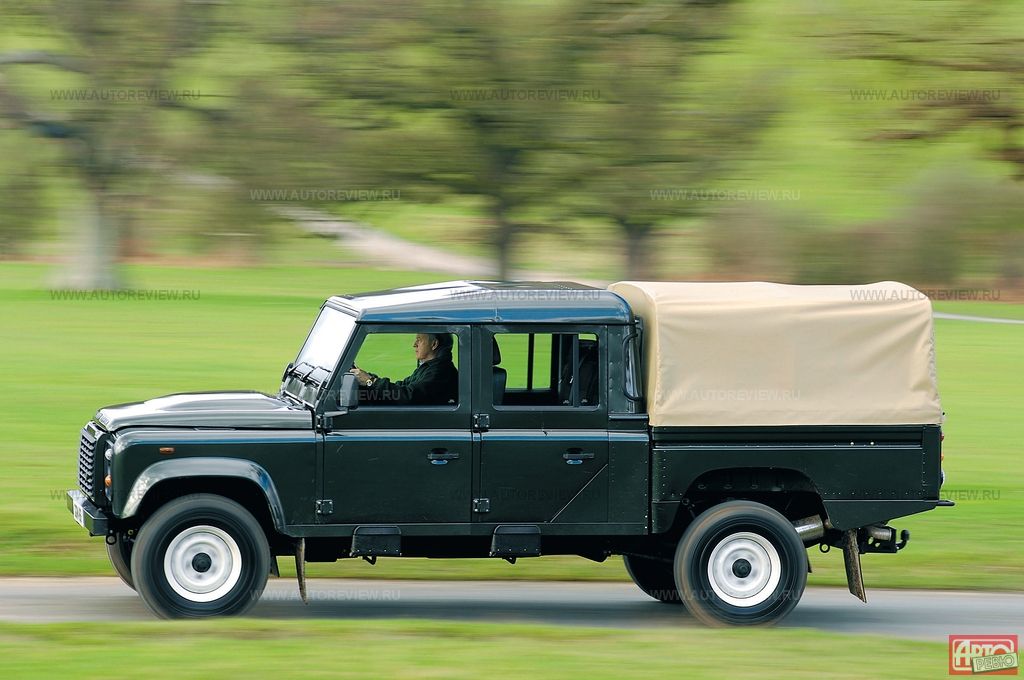
If we consider more expensive options, then, besides the participants of our test, only two pickups are presented on the Russian market. The classic Land Rover Defender (2.4 liters, 122 horsepower) costs at least 900 thousand rubles (36,890 dollars). It is equipped with a six-speed manual transmission, permanent all-wheel drive with a locking center differential and a low range. The simplest base trim has only audio preparation, and options such as ABS, stability control, air conditioning, and others are available for an additional cost. All details are in AR No. 8 for 2007.
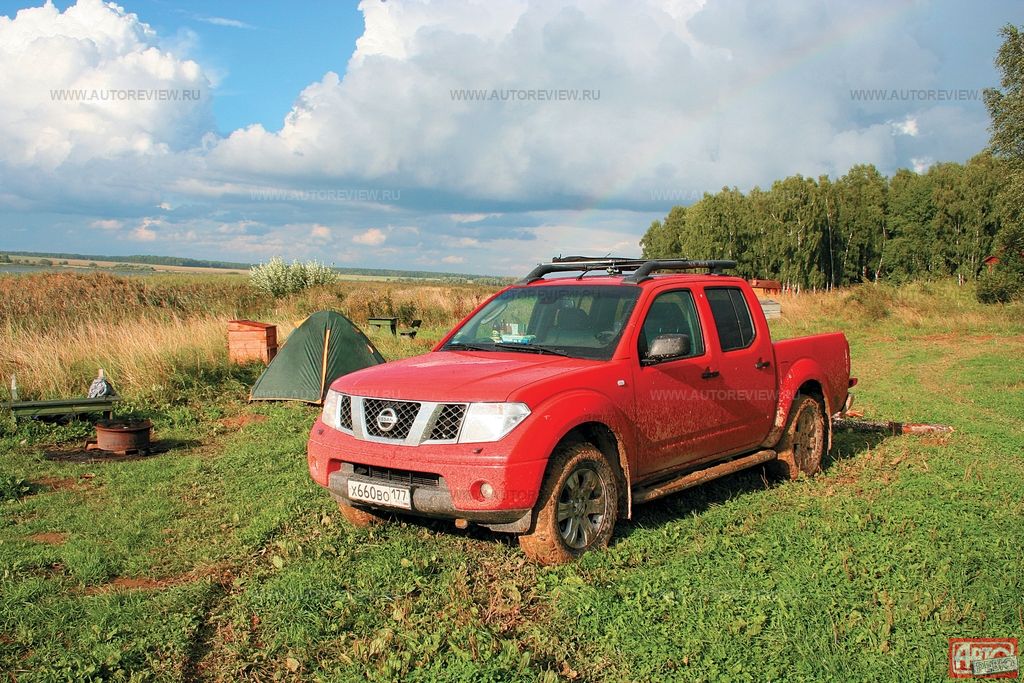
Nissan Navara with a 2.5-liter engine producing 174 horsepower and a five-speed manual is priced at 976,500 rubles (40,020 dollars), and for an automatic transmission you need to pay an additional 44,500 rubles. The front axle is rigidly connected, with a low range and rear differential lock. The base version already has six airbags, ABS, climate control, power accessories, heated front seats and mirrors, a CD changer, and alloy wheels. A detailed review is in AR No. 12, 2005.
| Land Rover Defender | Nissan Navara |
 |  |
* Dollar exchange rate — 24.4 rubles.