
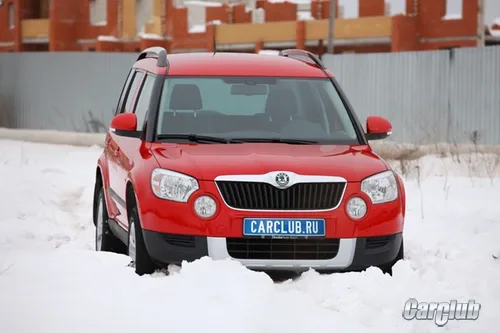
 An abominable snowman who ended up in the city, but is ready to cope with forest conditions if necessary. An incomprehensible creature whose existence enthusiasts tirelessly seek to prove. That very universal car whose existence is not proven, but which all automakers strive for?Comments
 O tempora! O mores!
Current times are such that a crossover simply must be in place. The fashion for this body type flared up several years ago and still does not intend to yield leadership to other directions. It seems that it is the crossover that has become the embodiment of versatility, and not at all a station wagon, even with increased ground clearance. And this is convenient: here you have a station wagon with a spacious trunk, and an interior where the whole family can fit along with dogs, and ground clearance suitable for urban obstacles, and a high seating position, and fairly compact dimensions for parking on narrow streets, and a price not like a jeep, and even all-wheel drive in some versions!
But perfection is unattainable — and that is good. Otherwise everyone would drive identically perfect cars. However, crossovers have come closer to it than others…
 |
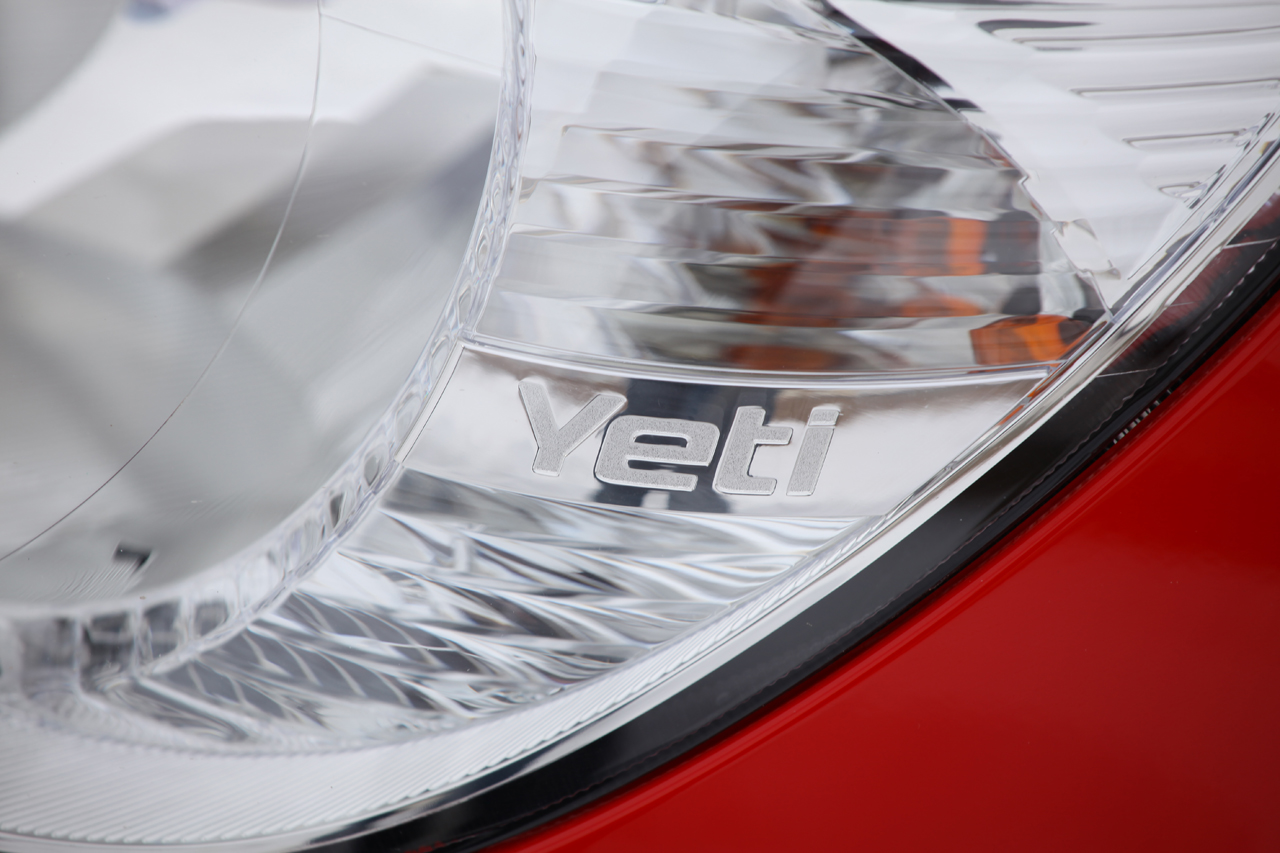
| The first Czech crossover was doomed to sympathy. The concept immediately pleased the public, and therefore it was decided to release the Yeti into the big and dangerous world. |
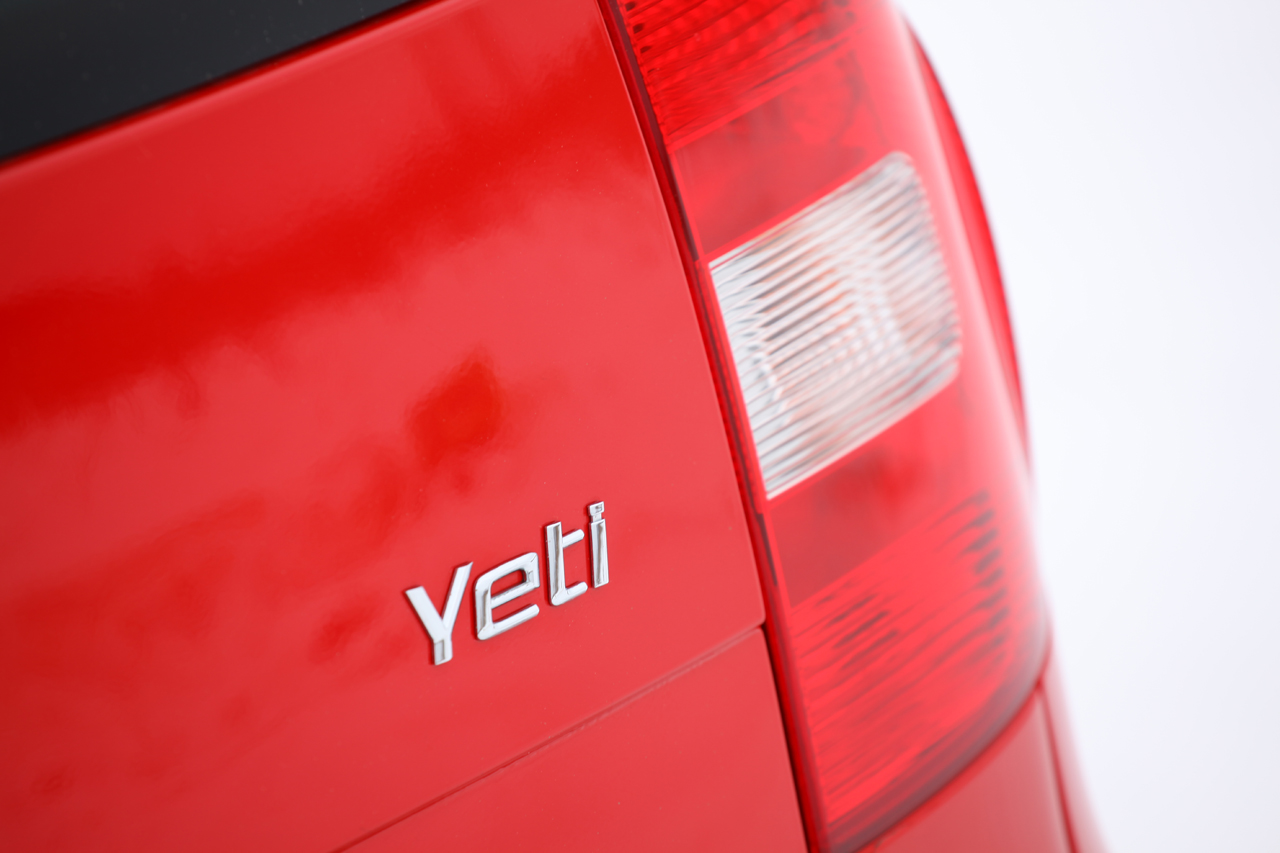
The first Czech crossover Skoda Yeti was doomed to sympathy. The new model was first shown as a concept back in 2004, without thinking about serial production. But the public received the car with a bang, and therefore it was decided to send the "Yeti" into the big and dangerous world. There was no need to worry about its serial future — the older brother Volkswagen was to provide proven quality and reliable units. For Skoda, it remained to bring it to its own individuality and some attractive idea.
 |
 |
An abominable snowman who ended up in the city, but is ready to cope with forest conditions if necessary. An incomprehensible creature whose existence enthusiasts tirelessly seek to prove. That very universal car whose existence is not proven, but which all automakers strive for?
 |
 |
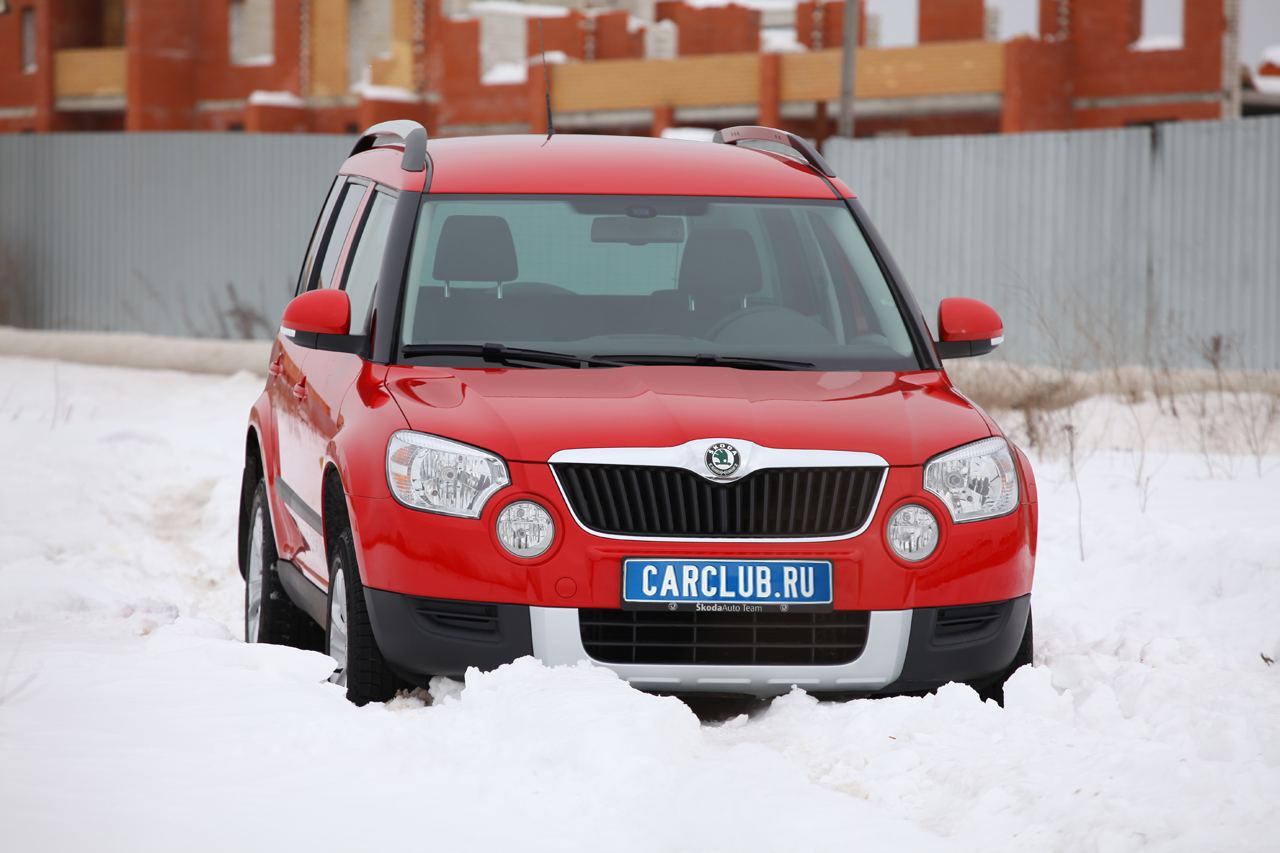
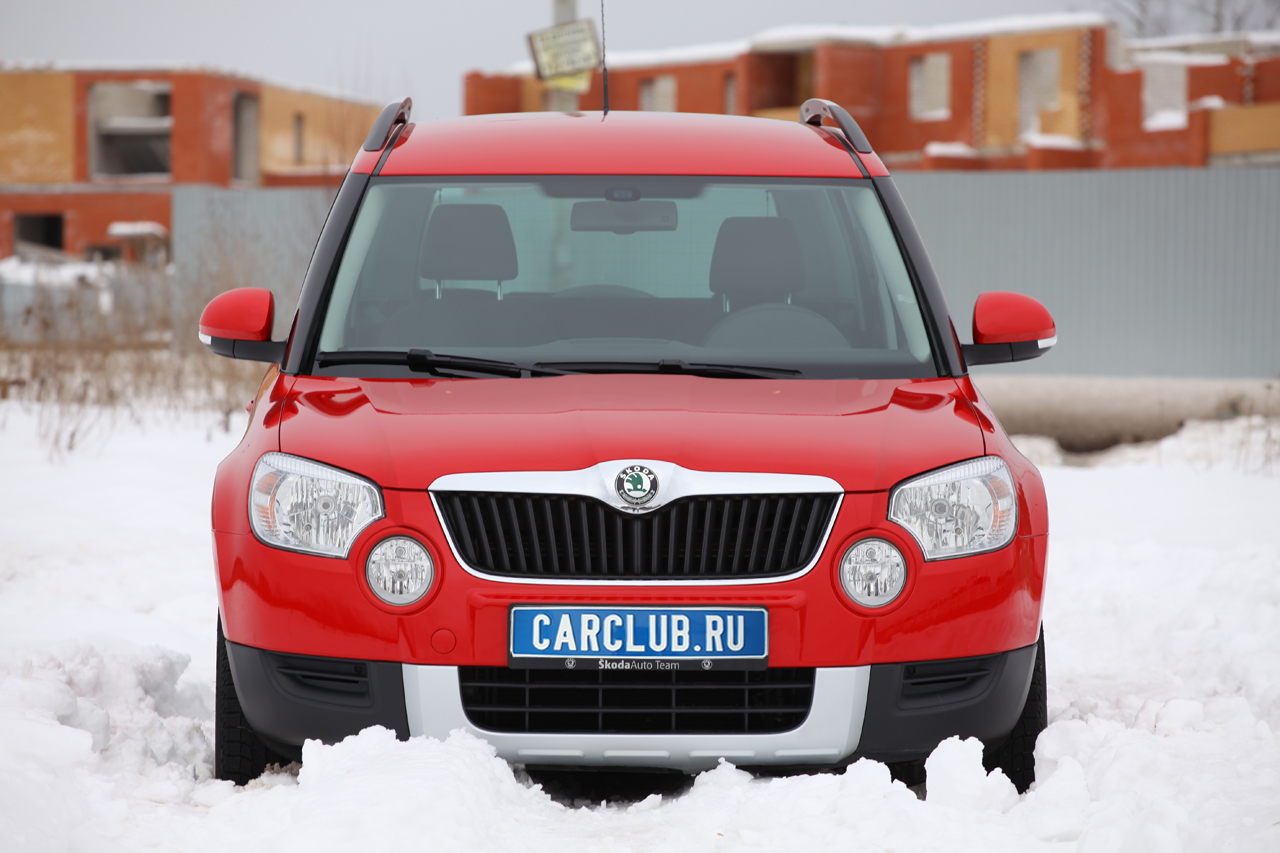
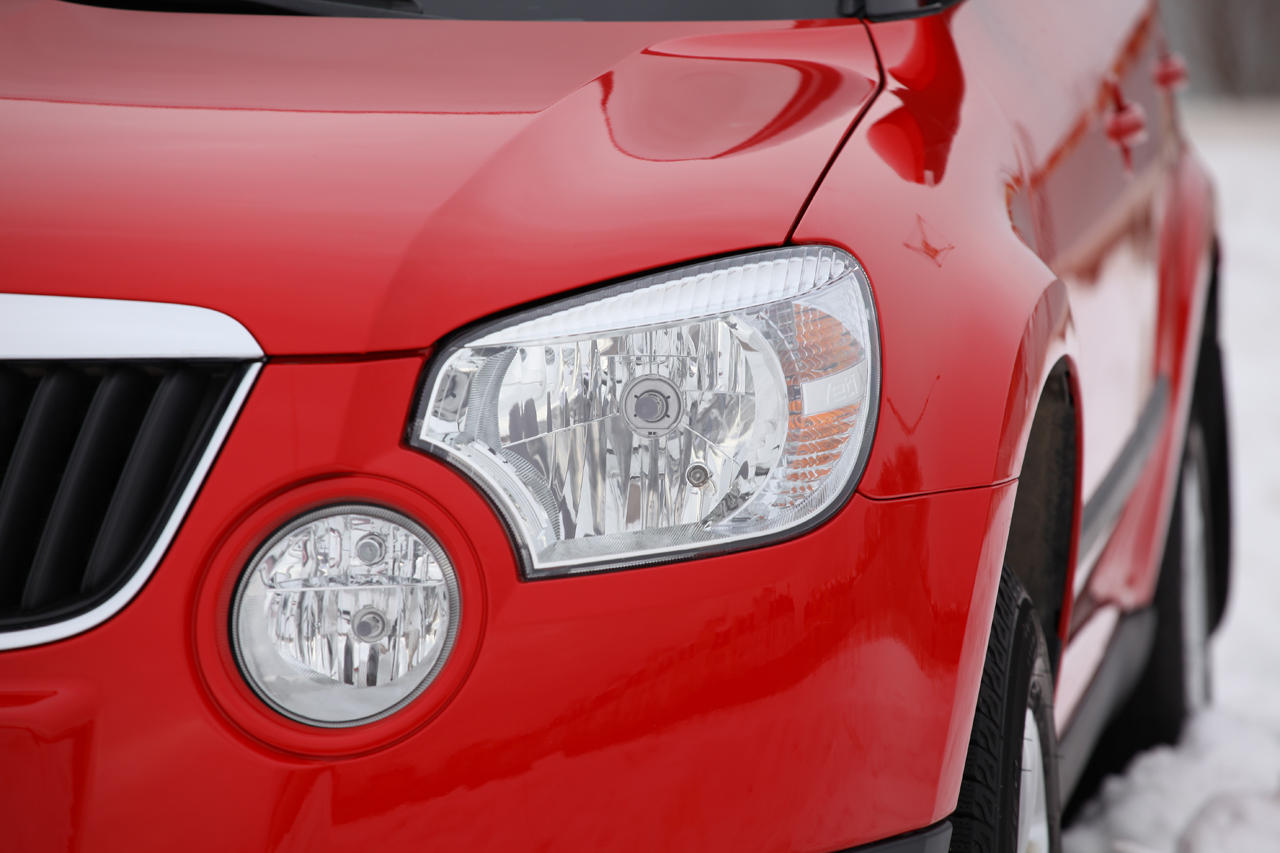
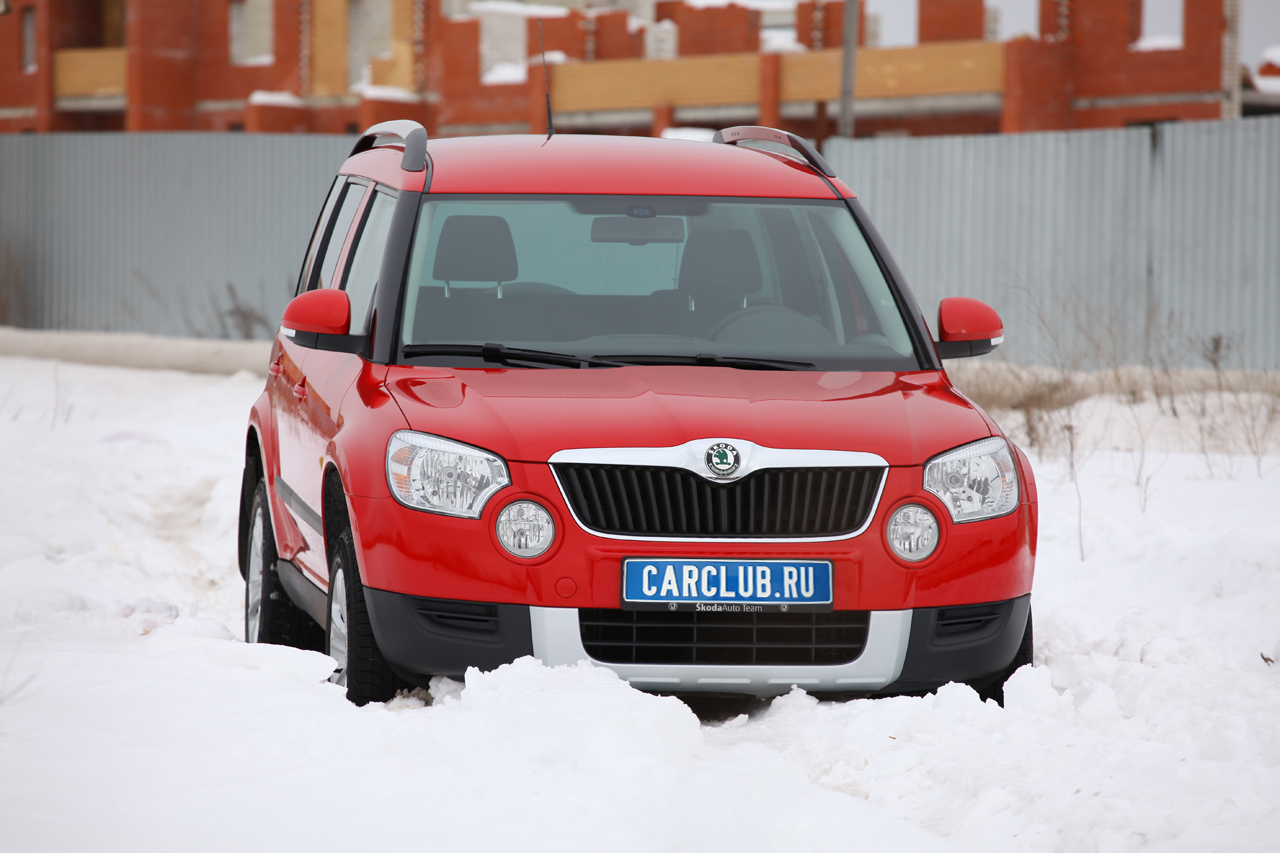
Fortunately, when drawing the Yeti, the designers did not start licking the lines and stretching the headlights to the middle of the fenders and hood, but preserved the chopped and at the same time friendly appearance. Naively round fog lights are placed higher than usual, and this adds a bit of non-standardness and liveliness to the calm appearance. "Invisible" black pillars, a flat roof and a vertical cut of the stern are long-known (the most obvious example is Kia Soul, a competitor of the Yeti) and still successful solutions. On the bumpers and sills there are unpainted plastic overlays. A hint of off-road potential? Or just protection from the dangers of tight city parking?
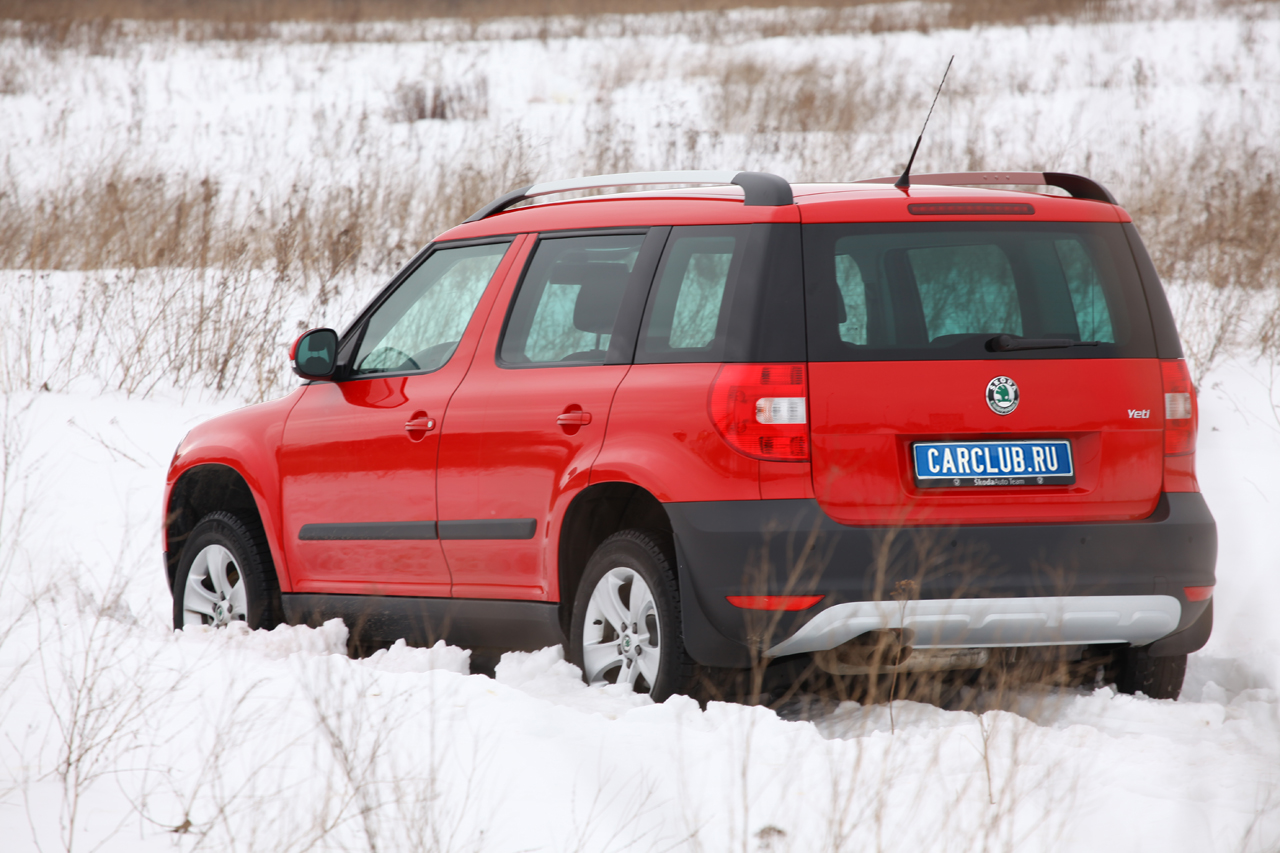 |
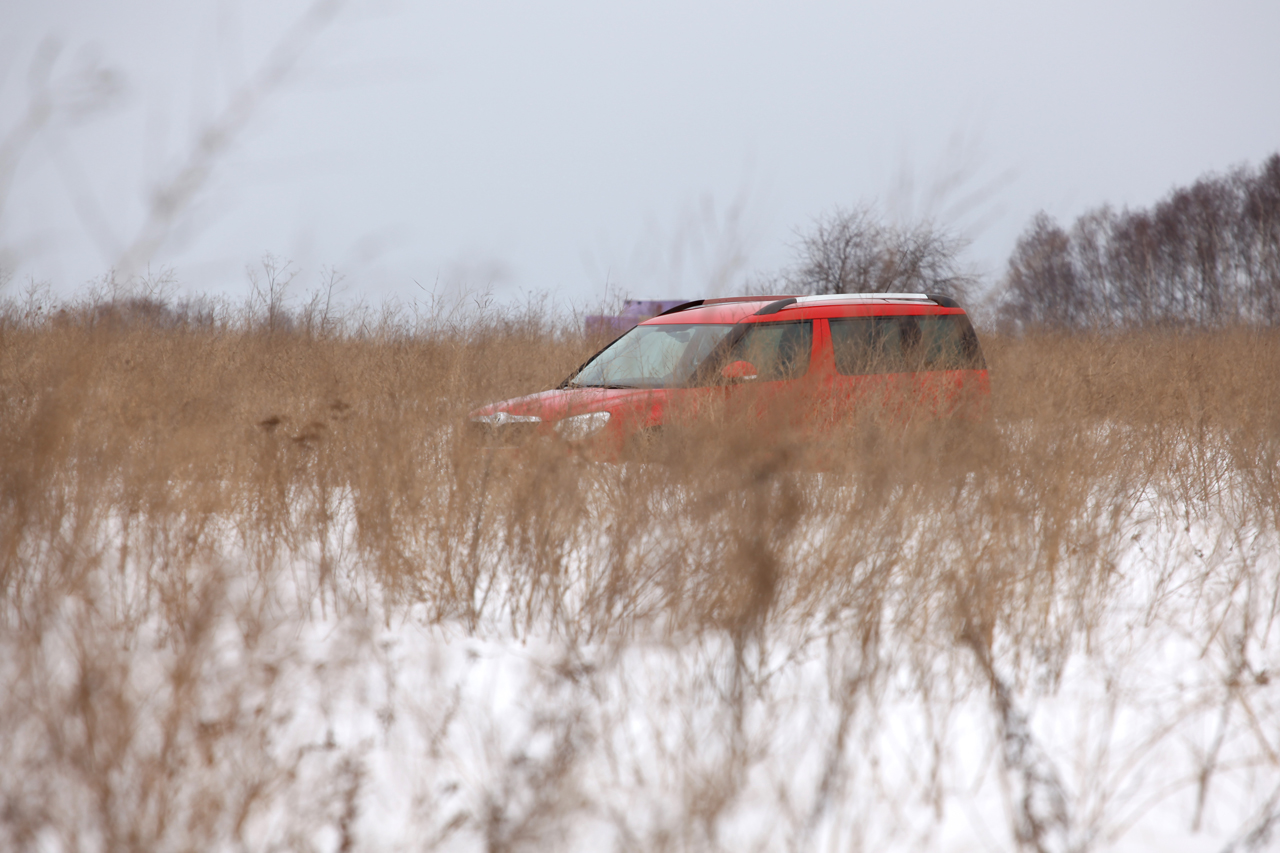
| The designers provided the Yeti with a chopped and at the same time friendly design. "Invisible" black pillars separate the driver's compartment from the rest of the car, a vertical cut of the stern, on the bumpers and sills - unpainted plastic overlays. A hint of off-road potential? We did not dare to move on front-wheel drive across a snowy field further. |
Now it is not fashionable to paint cars in monotonous gray-black tones, so Skoda has a whole palette of shades for the "Yeti": from blue to green.
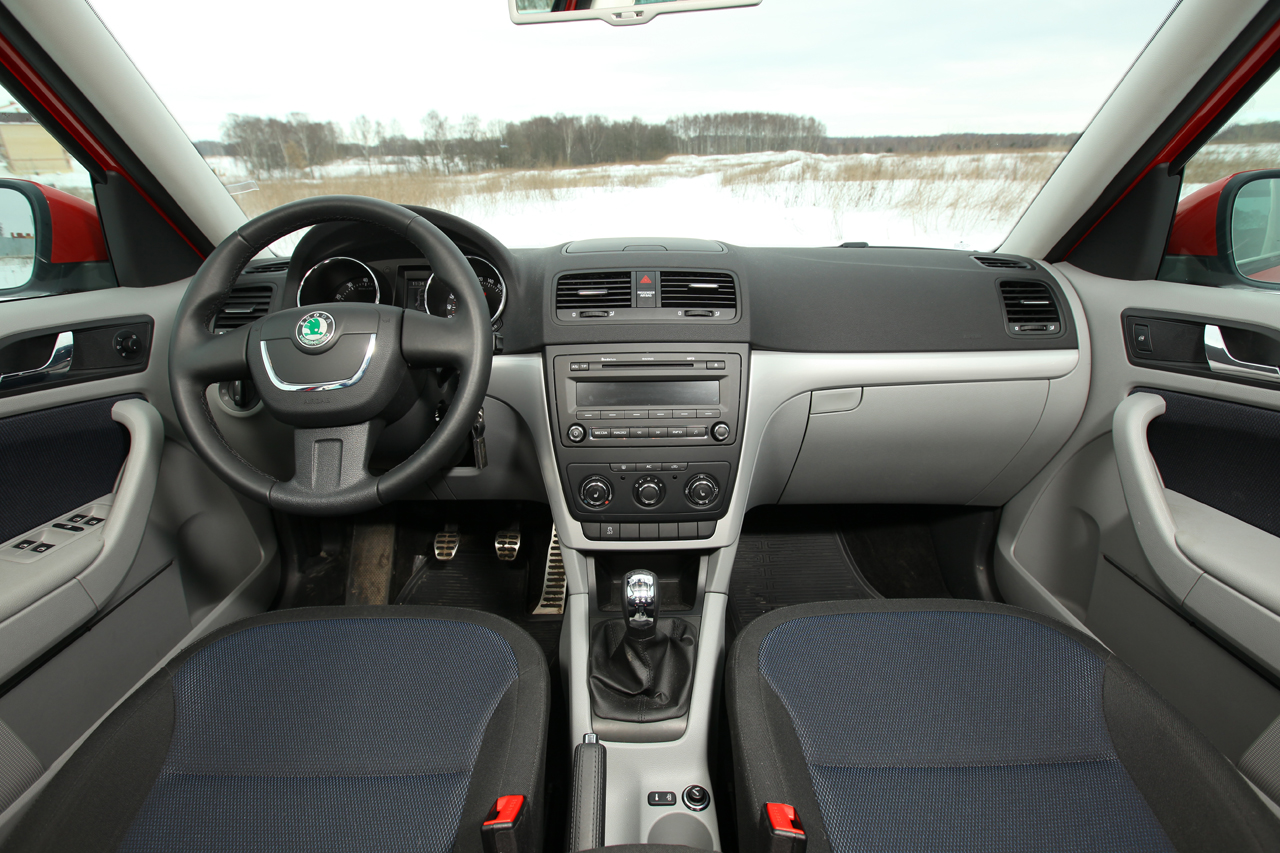 |
| In the interior - no surprises. Solid, functional, high-quality and predictable. Skoda is sensitive to its self-identification, so the Yeti strives to resemble the Octavia more than the Tiguan. |
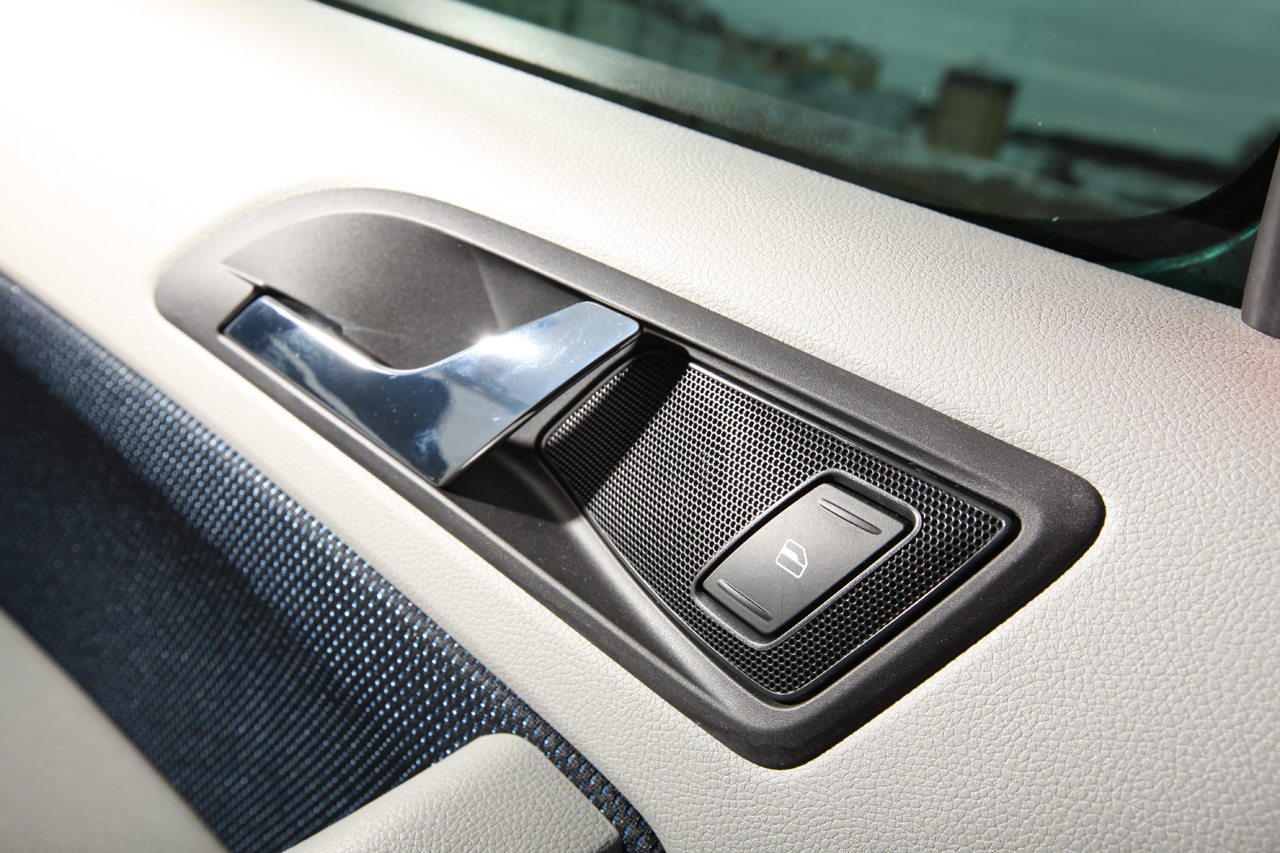
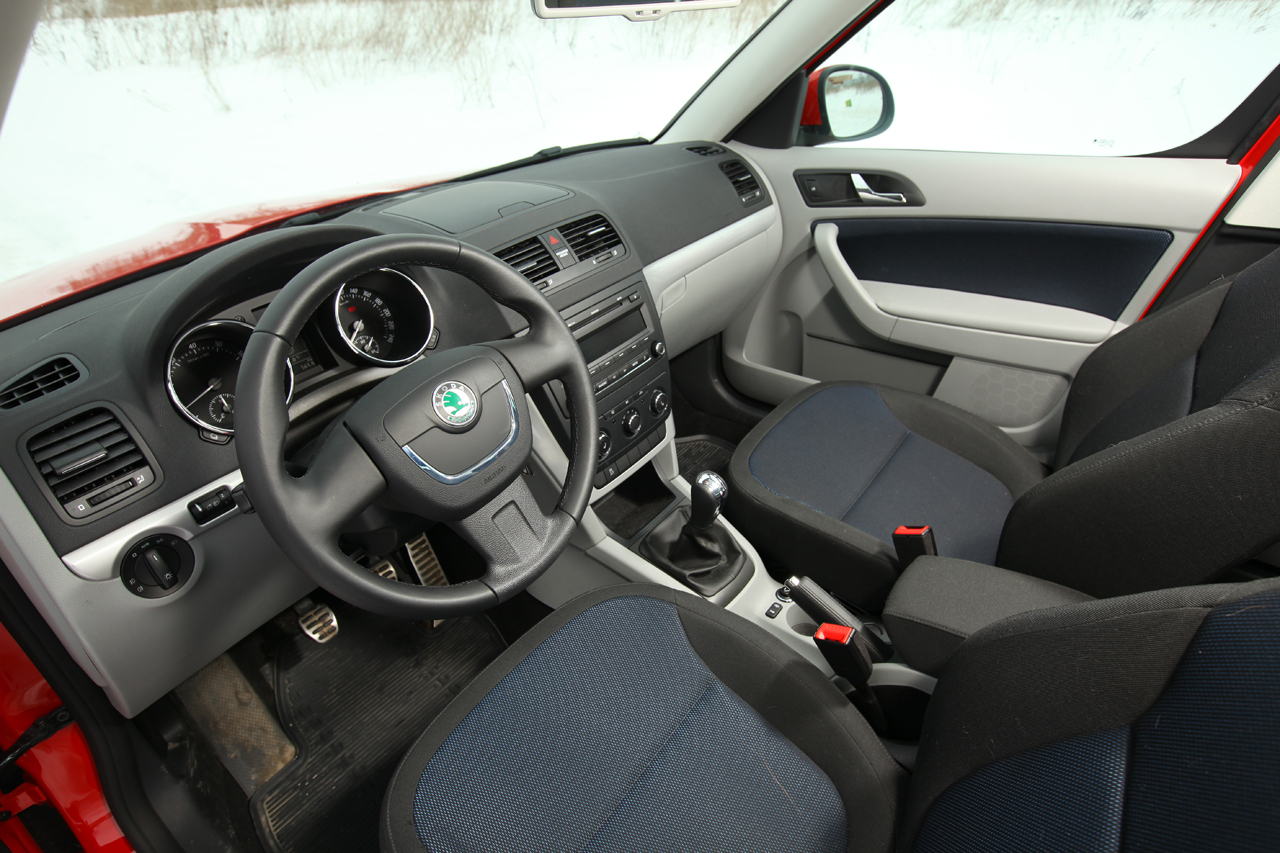
In the interior — no surprises. Solid, functional, high-quality and predictable — like any car of the VW concern. But Skoda is sensitive to its self-identification, so the Yeti strives to resemble the Octavia more than the Tiguan. The continuity is especially visible in the family central console and instruments.
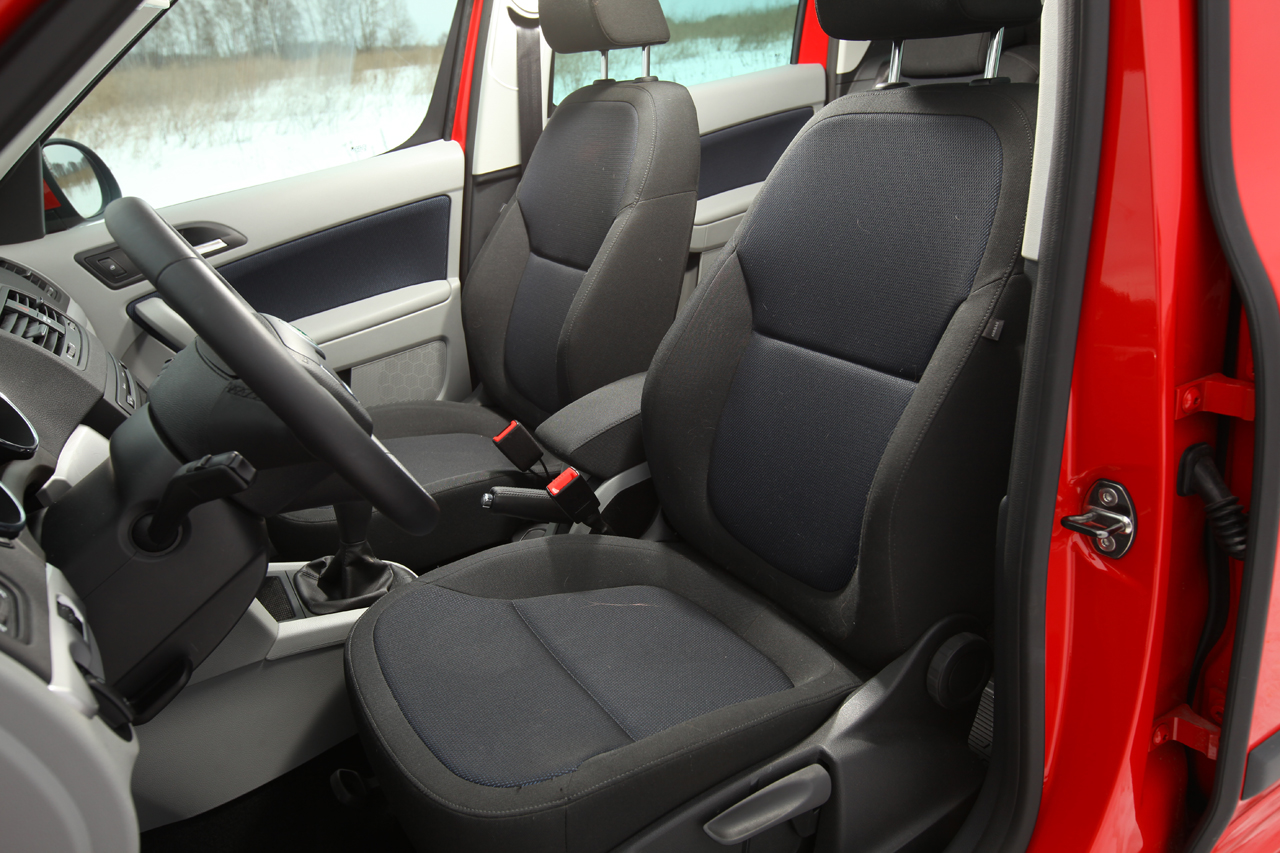
The seating position is excellent: comfortable grippy seats, good visibility and adequate orientation by dimensions, optimally located controls. The only complaint about ergonomics is that the steering wheel in the lower position covers the upper part of the instruments.
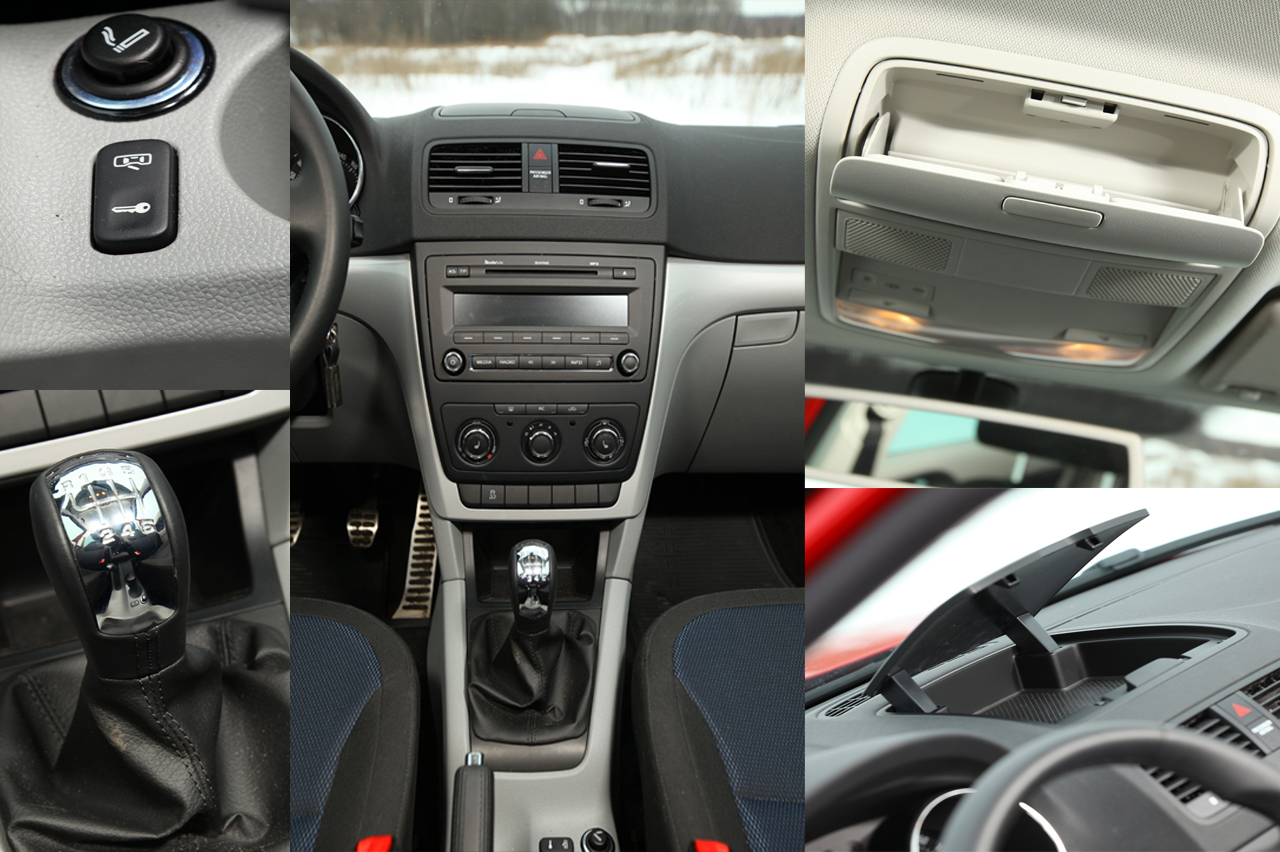 |
Climate control sensors monitor the quality of the air entering the car and automatically turn on the air recirculation mode if necessary. The central console screen displays parking sensor readings.
 |
 |
 |
 |
Quietly-quietly and smoothly-smoothly — these are the sensations that cover the moment when the "Skoda" crossover starts moving. Sound insulation is excellent on any road surfaces, silence and smooth running of the car create amazing coziness in the cabin. Potholes, irregularities and other "lying" obstacles seem not to exist for passengers of the Czech crossover.
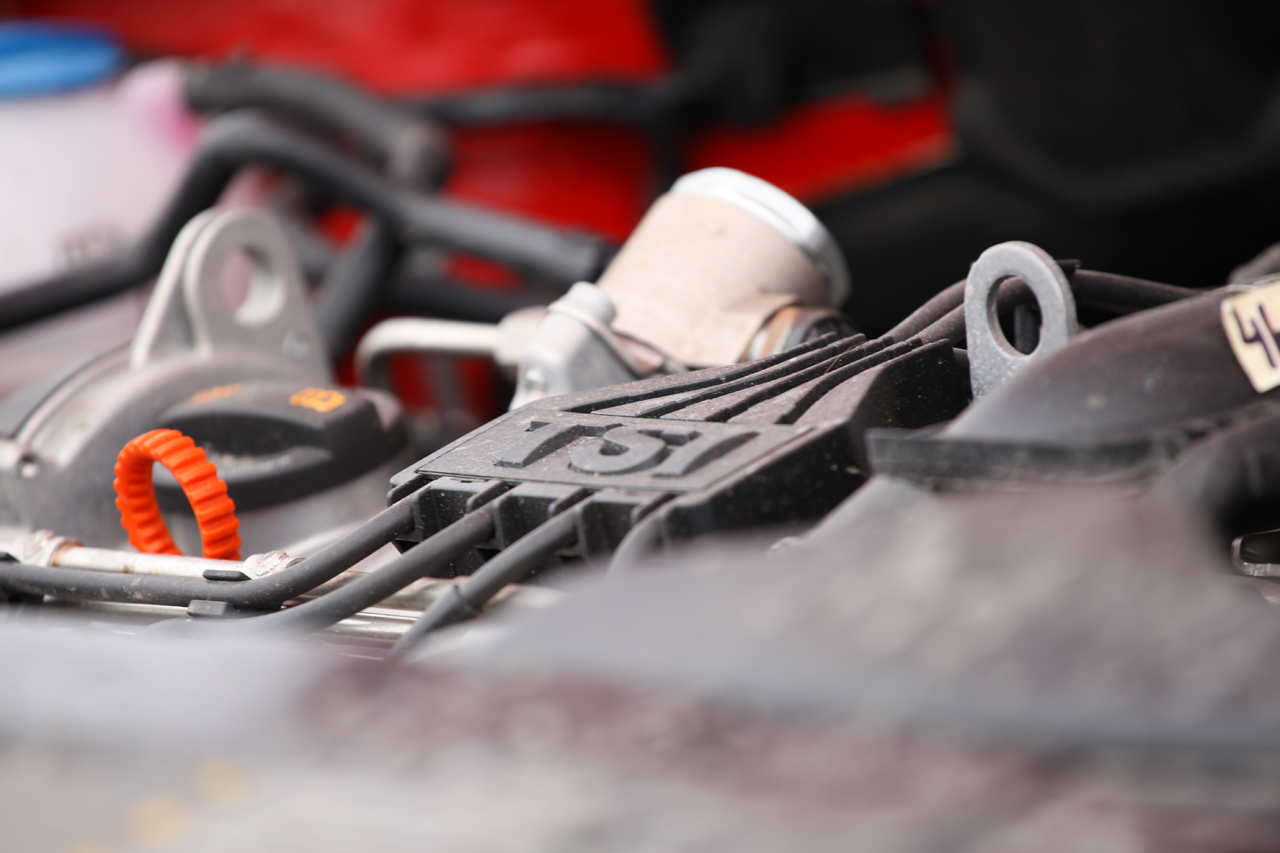
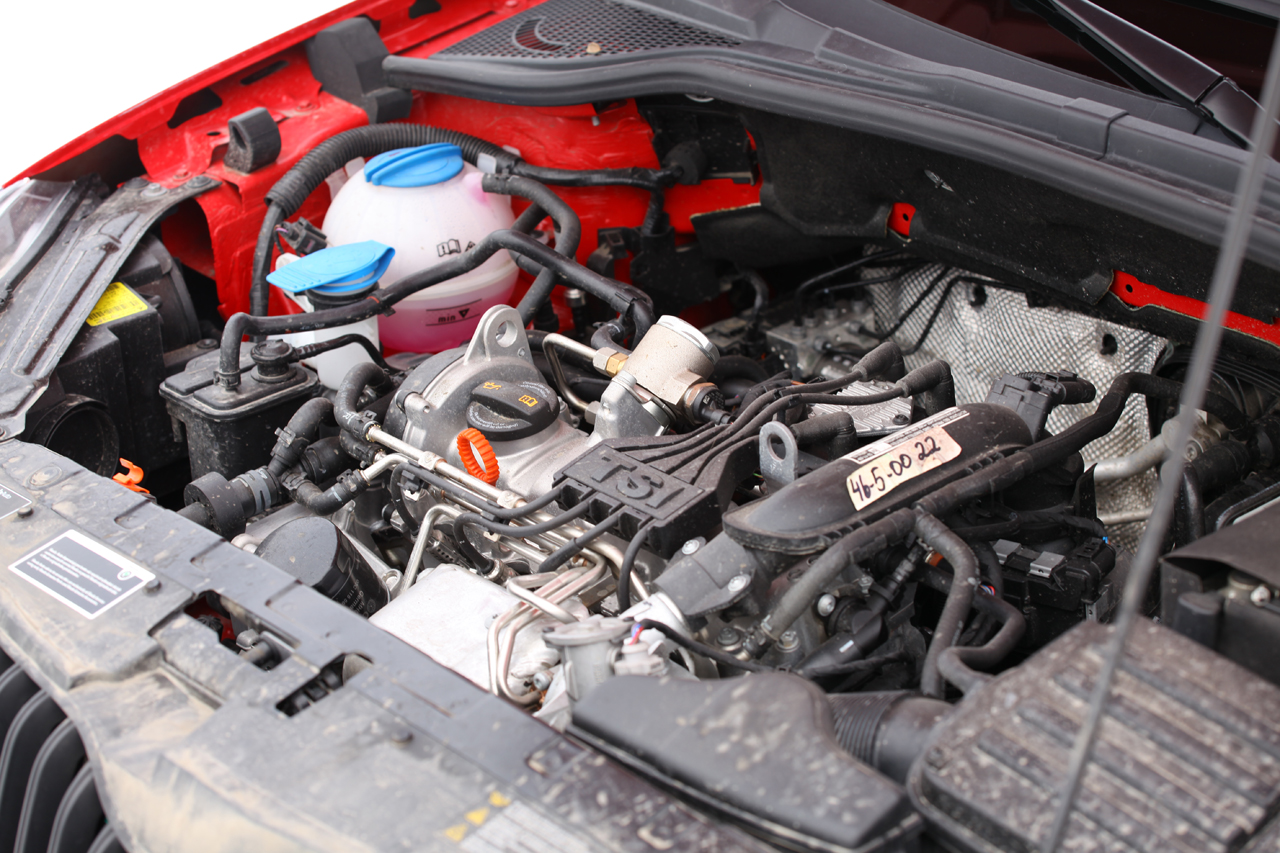
We got a basic configuration for the test with a new TSI engine with a volume of 1.2 liters and a power of 105 hp, aggregated with a manual gearbox. This engine can also be equipped with a DSG transmission. These configurations are front-wheel drive, and all-wheel drive, for which, according to advertising, "roads do not end", is available only with the most powerful 1.8-liter 152-horsepower power unit and manual transmission.
 |
 |
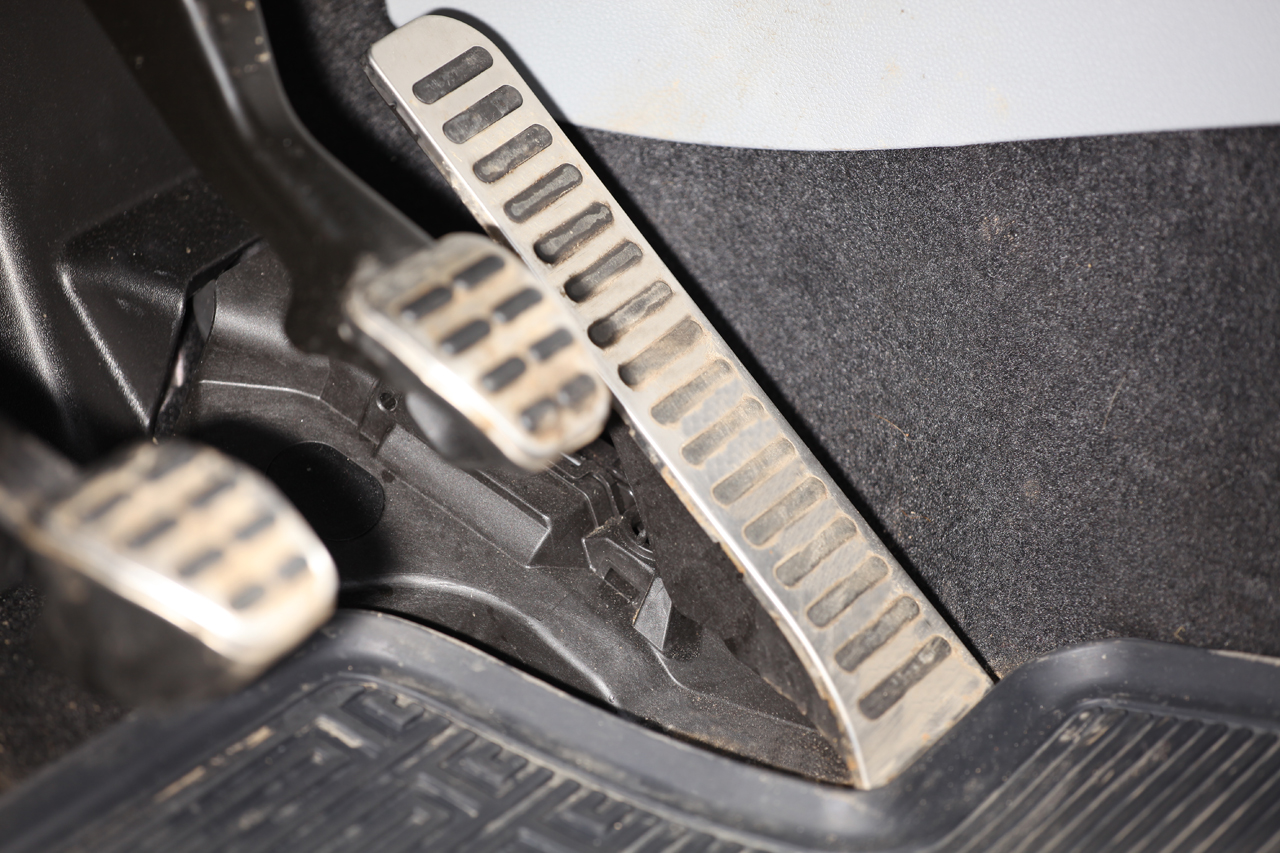
The character of the Yeti is not at all "mischievous". The small but proud TSI engine cheerfully responds to the gas, rumbling quite a bit, easily accelerates the car and, while maintaining good revs, allows you to stay in the flow without much effort. But the "Yeti" does not keep the driver in exciting tension, not provoking him and allowing him to relax behind the wheel. Catching the moment when the clutch "grabs" is not easy without getting used to it, the accelerator pedal — by the way, floor-mounted — reacts to pressing without fanaticism. The gearbox lever clearly runs through the grooves of the gears, but without enthusiasm, and the strokes are a bit long for such a small handle. The steering wheel is the same — grippy, comfortable, but the reactions seem softened.
|
 |
Despite all the comfort, the suspension — McPherson struts up front, multi-link at the rear — holds the car perfectly, allowing neither body roll nor deviation from the intended line. The stability control system behaves in the spirit of all the concern's models: softly, yet precisely.
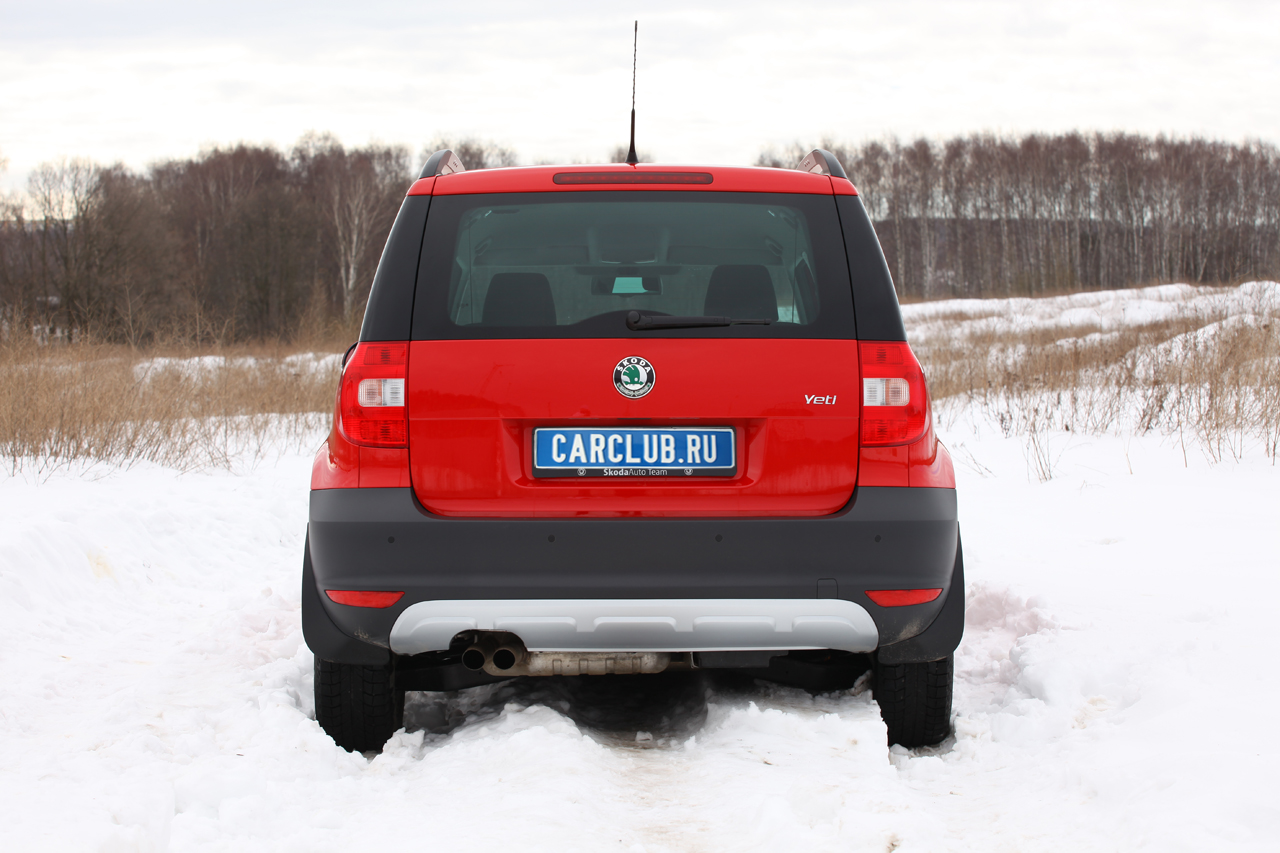 |
| The front-wheel-drive Yeti is an ordinary passenger car |
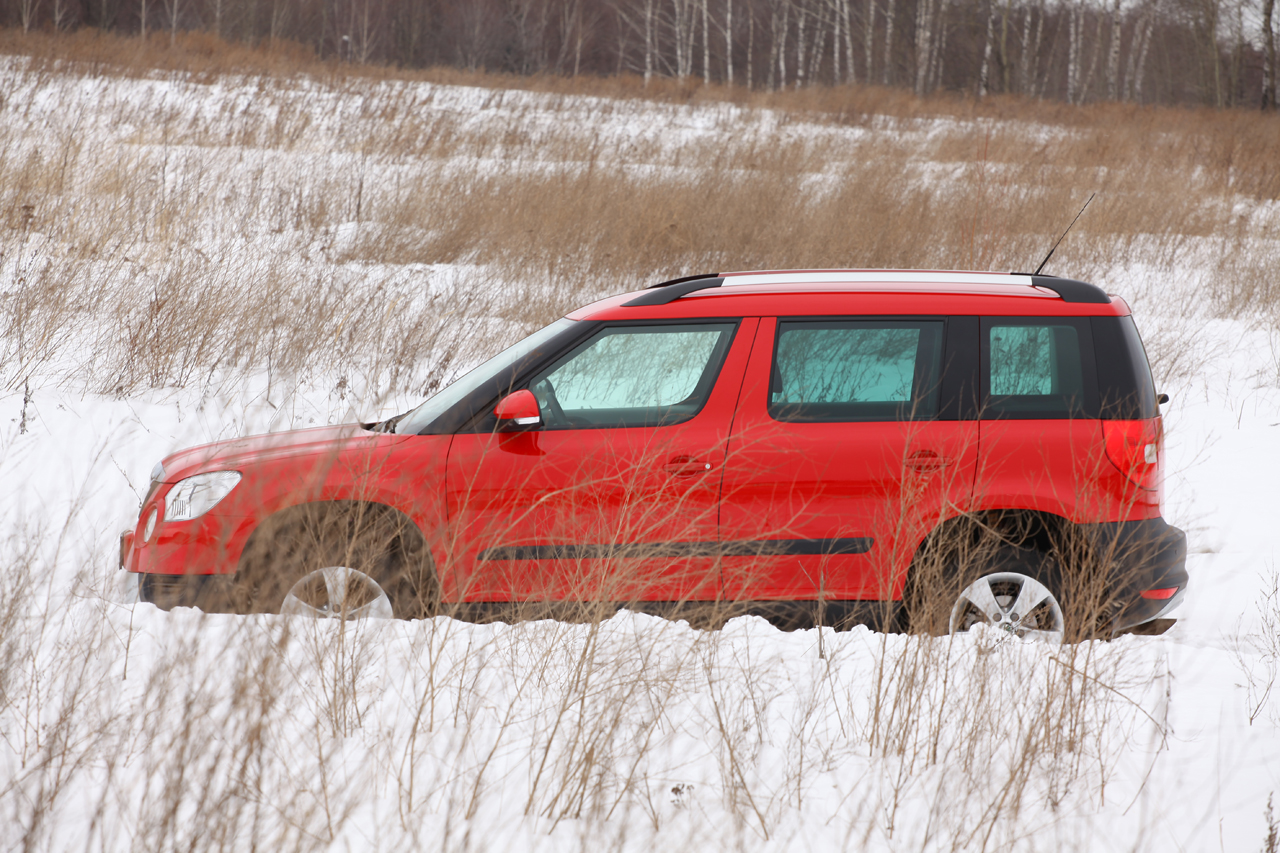 |
| Ground clearance of 180 mm, suspension travel is minimal |
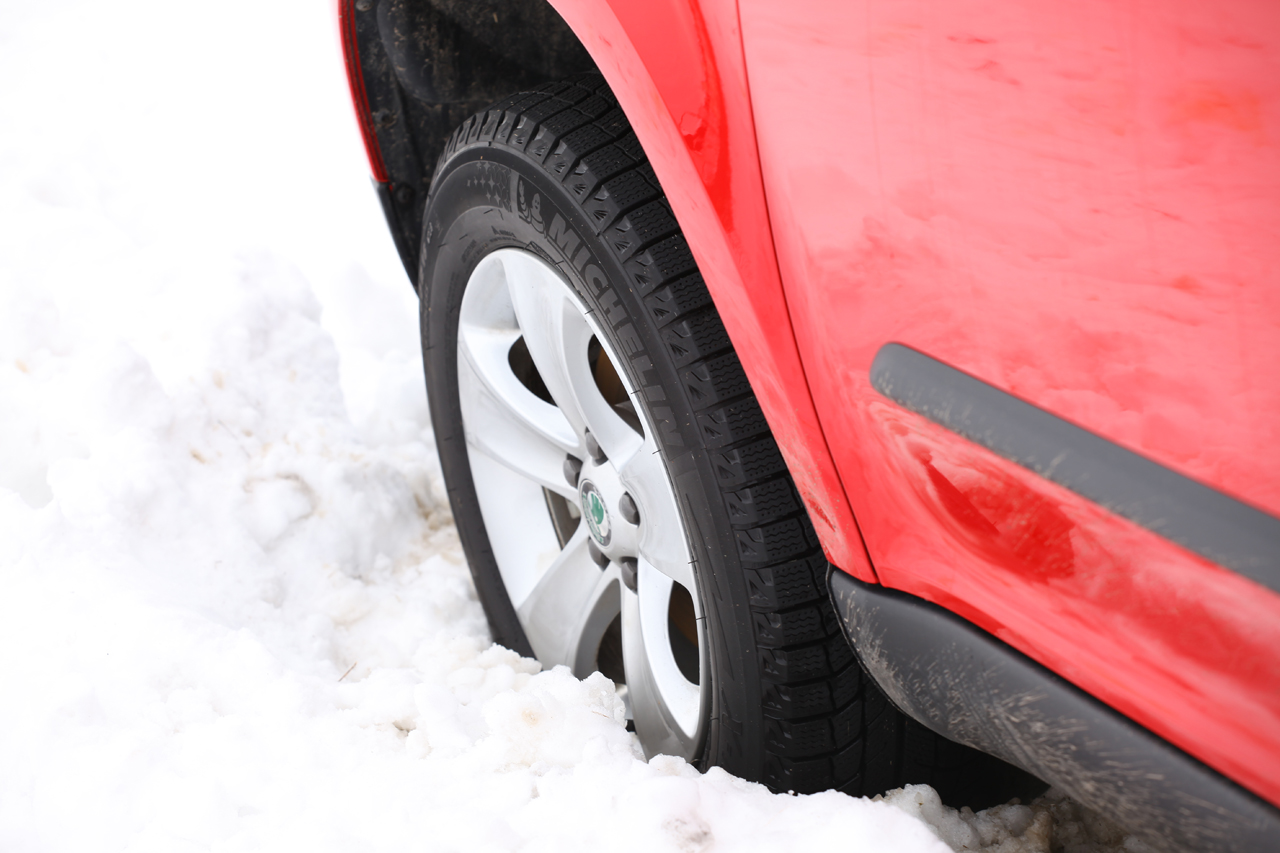
The front-wheel-drive version is, in essence, an ordinary car: a ground clearance of 180 mm can hardly be called large, suspension travel is quite small, and short overhangs alone will not help off-road.
But the 4x4 modification will clearly not let you down where the asphalt ends — it has noticeably more capability than the single-drive version. The Hill Assist descent control system allows you not to interfere at all in the process of descending a steep slope: just press the Off-road button (it works at speeds from 2 to 30 km/h, in the first three gears or in neutral) and set the pace with the accelerator and brake pedals.
True, hardly anyone will take a compact crossover into a muddy field. Such cars are not bought for trophy raids. In essence, a compact crossover is the same minivan, just not so openly admitting its family orientation. Therefore, buyers are primarily interested in the trunk volume, whether German shepherds will fit in the back row, and whether the car will make it to the dacha. And, of course, the price. Suspension travel and differential locks do not concern most of them.
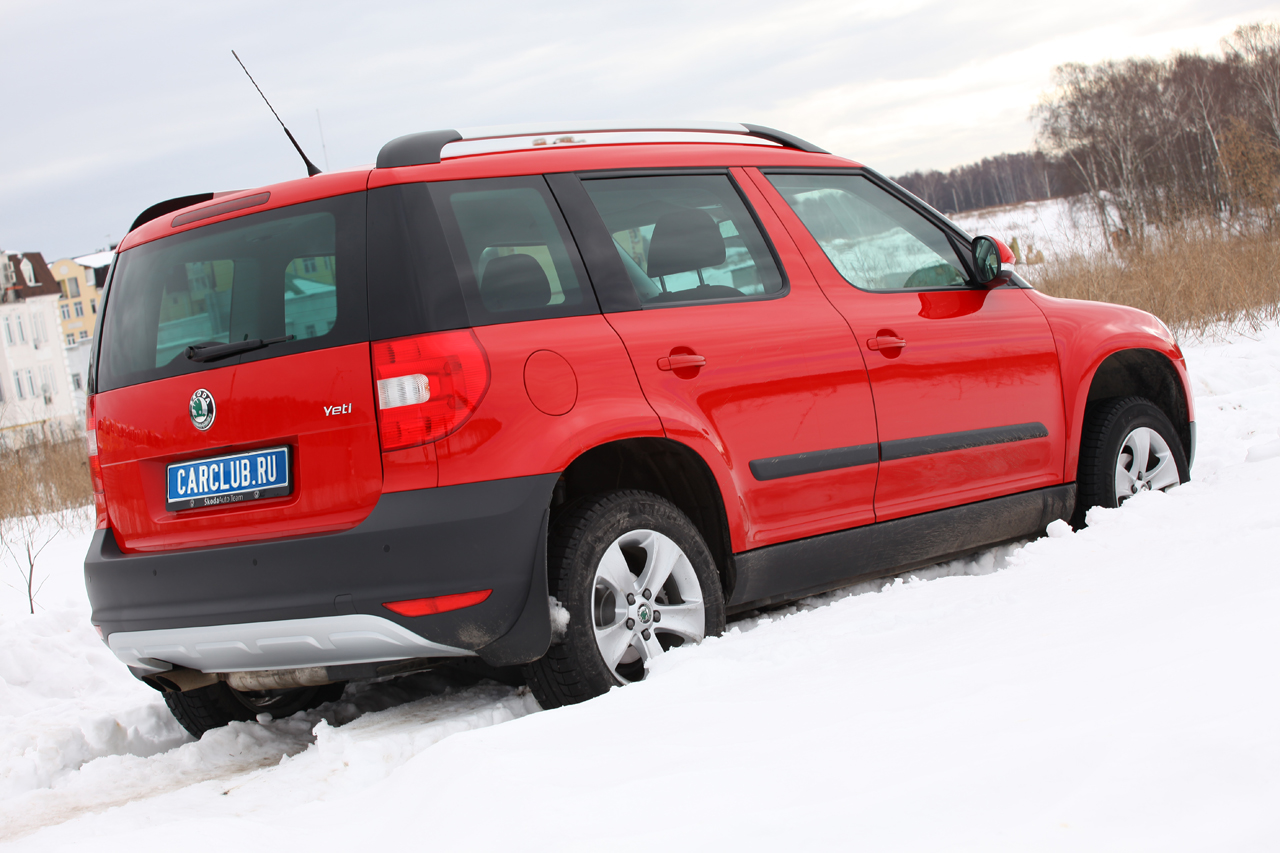 |
| In terms of its ideological essence, a compact crossover is the same minivan, only without such an obvious admission of its complete and final family-oriented nature. Therefore, buyers are primarily concerned about what the trunk is like, whether the family and German shepherds will fit in the cabin, whether the car will make it to the dacha. And, of course, the price. Suspension travel and differential locks are of little interest to most of them. |
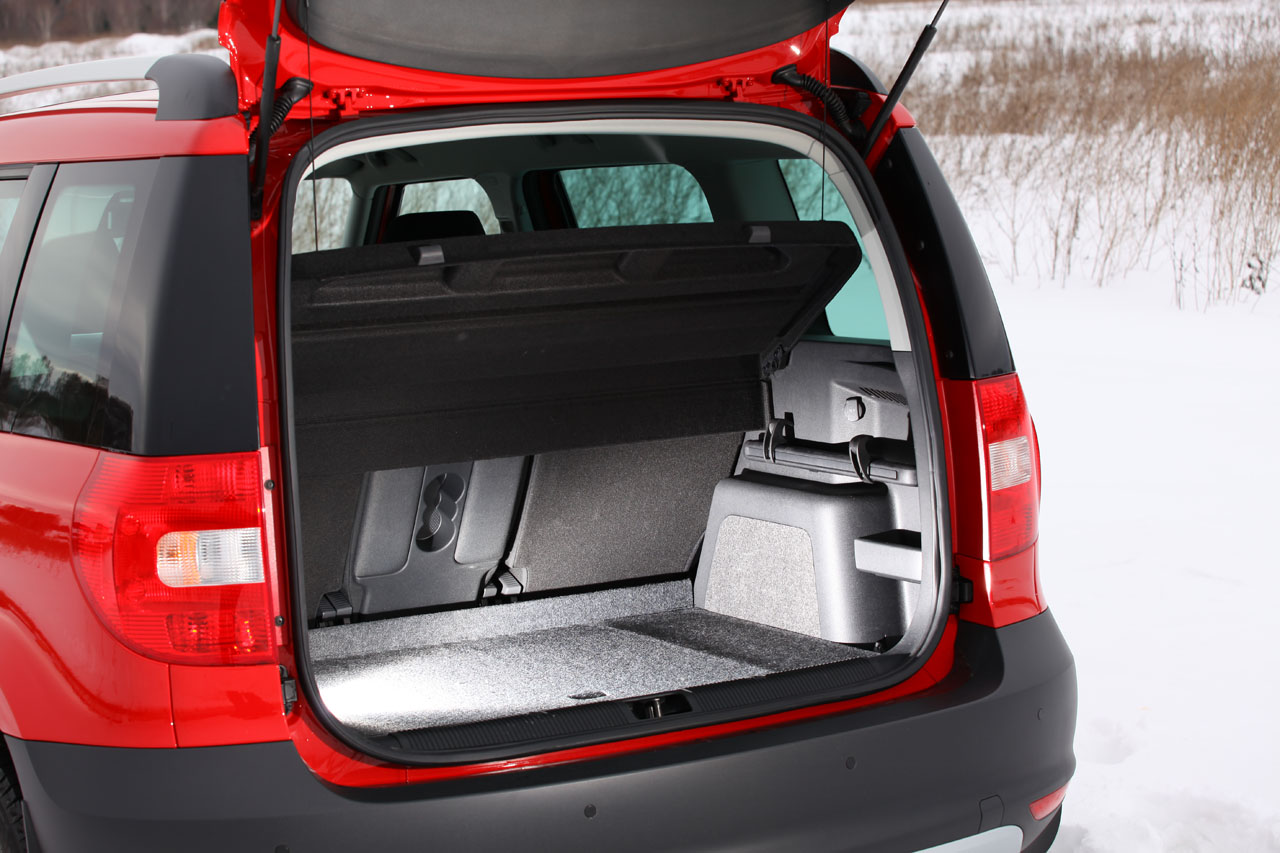
And the answers to these questions will surely please future owners. The rear is spacious and comfortable: plenty of room for both legs and above the head. But the main feature of the rear row is the proprietary VarioFlex transformation: the seats can be moved forward and backward (together or separately), and the backrests are adjustable for recline. If needed, the central section of the sofa can be removed into the trunk, and the two remaining seats can be moved toward the center, increasing space for passengers.
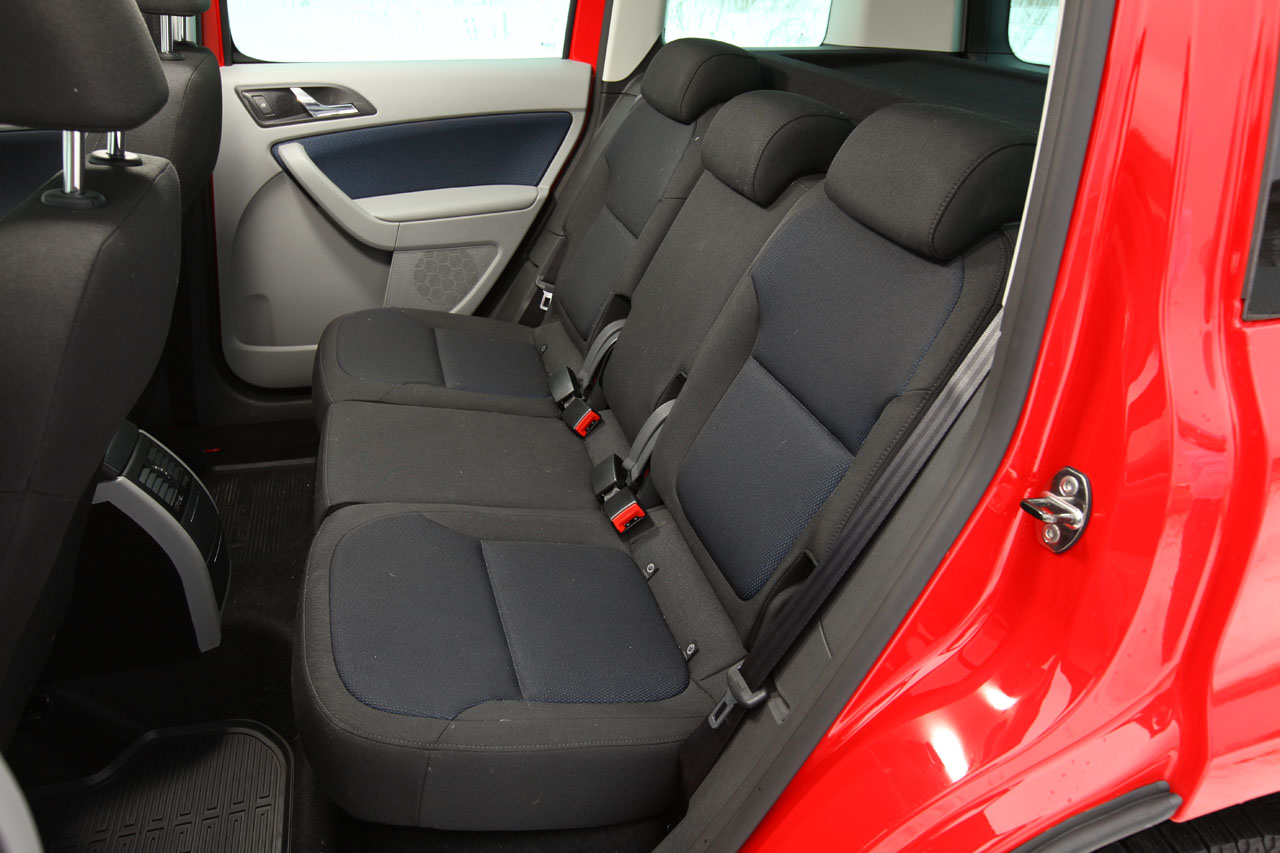 |
| Spacious in the rear seats, backrests are adjustable for recline |
 |
| The VarioFlex system allows you to play with the luggage space to your heart's content |
The same system gives complete freedom in handling the Yeti's trunk — as far as your imagination allows. You can fold part of the seat, use only the hatch for long items, or remove all sections entirely, increasing the volume to 1760 liters. In its normal state, the trunk holds 505 liters.
 |
The trunk itself is equipped with a huge number of devices for securing items — from hooks to nets and clamps.
As for the price, everyone decides for themselves how justified it is. The minimum cost of the Skoda Yeti is 699,000 rubles: for this money you get a car with a 1.2-liter engine and manual transmission, ABS, climate control, spare wheel, front electric windows, heated front seats and washer nozzles, driver and passenger airbags, 12V outlets in the center console and trunk, electromechanical power steering, and electrically adjustable mirrors with heating and turn signal repeaters.
 |
 |
The most affordable version with a 1.8-liter engine and all-wheel drive (standard) costs 899,000 rubles. An automatic transmission is not offered with this engine, and that is a pity — many would choose the more powerful unit instead of the 1.2, but with an automatic gearbox.
The most noticeable drawback of the Russian trim levels is the absence of an intermediate 1.4-liter engine. The buyer is forced to choose between 1.2 and 1.8, and the price difference between them is a whole 200,000 rubles!
Svetlana Aleeva
 City. Not a field.