
 Last autumn in Paris, Skoda showed the public the restyled Octavia. There are not many changes, but they are noticeable.Comments
 When you drive on the roads of the Old World, you understand how rationally Europeans think. If in our country the sedan is considered the standard, then in the West everything is different: a compact car is necessarily a hatchback, and something larger is in most cases a station wagon. At almost equal price, a practical body gives much more useful volume. Plus, Europeans actively travel across the continent in their cars, and cargo capacity is one of the main arguments for them when choosing.
 |
| Europeans love to travel in their cars, and the capacity of the car plays one of the decisive roles for them. Practically not inferior in price, station wagons are often many times more spacious than sedans. Maybe it's time for us to follow their example? |
In our country, the picture is different. Since the country began making its own cars, we have become accustomed to sedans. Therefore, every Friday, when the dacha season opens, you can see overloaded cars with roof racks on the highways. And here you involuntarily think: isn't it more reasonable to take a station wagon, in which, with the rear seats folded, both belongings, seedlings, and an ever-dissatisfied mother-in-law will fit?
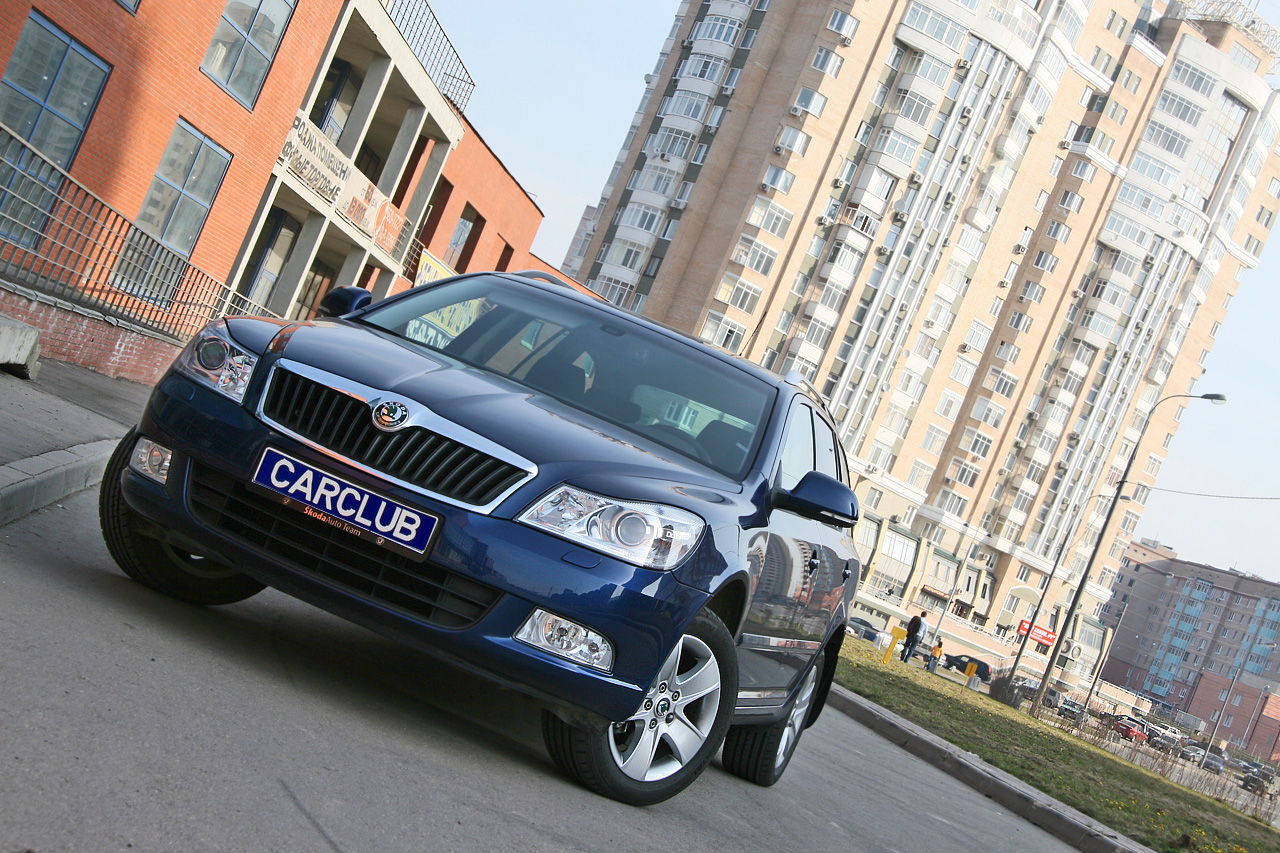 |
| At the end of last year, at the international auto show in Paris, Skoda presented the updated Octavia model. There are few changes, but they still exist. First of all, this is a new, more expressive shape of the head optics, radiator grille and front bumper. |
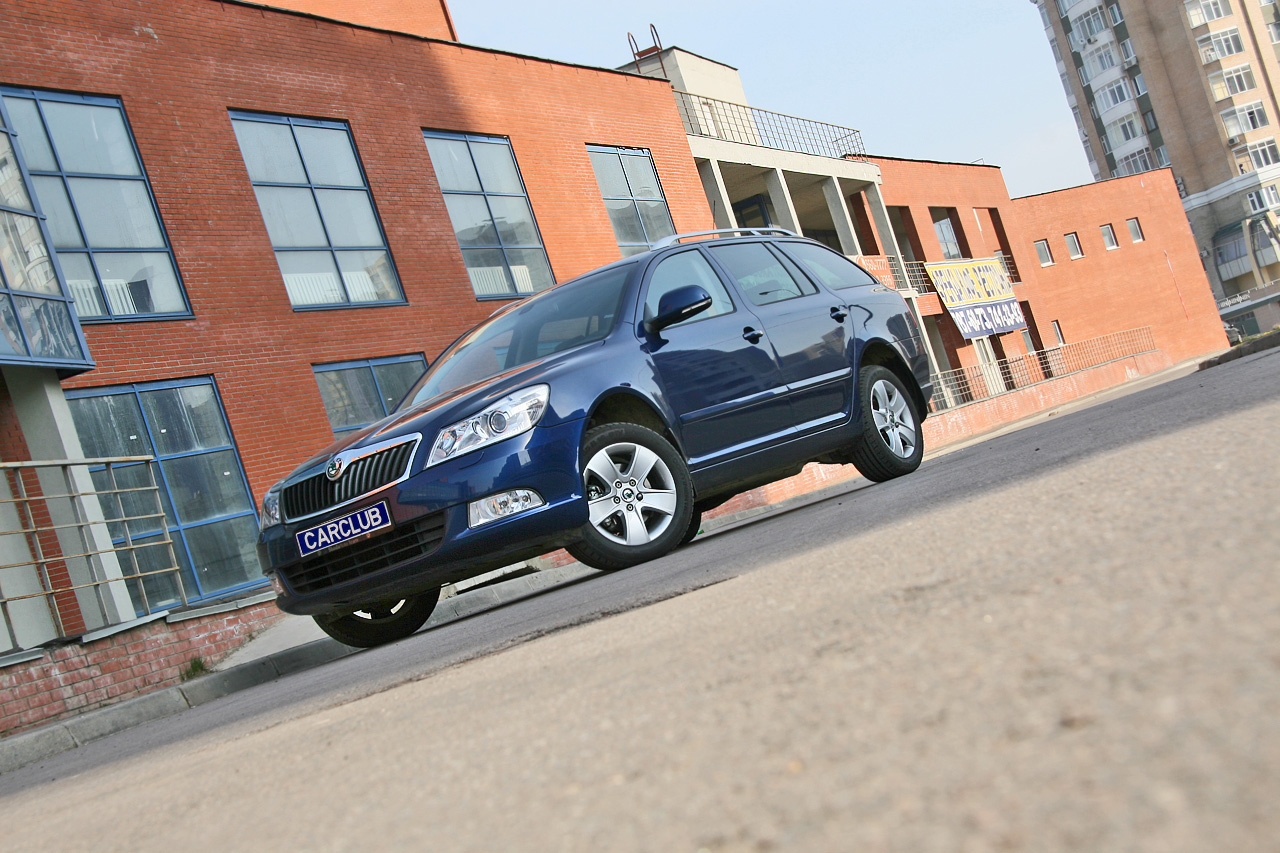
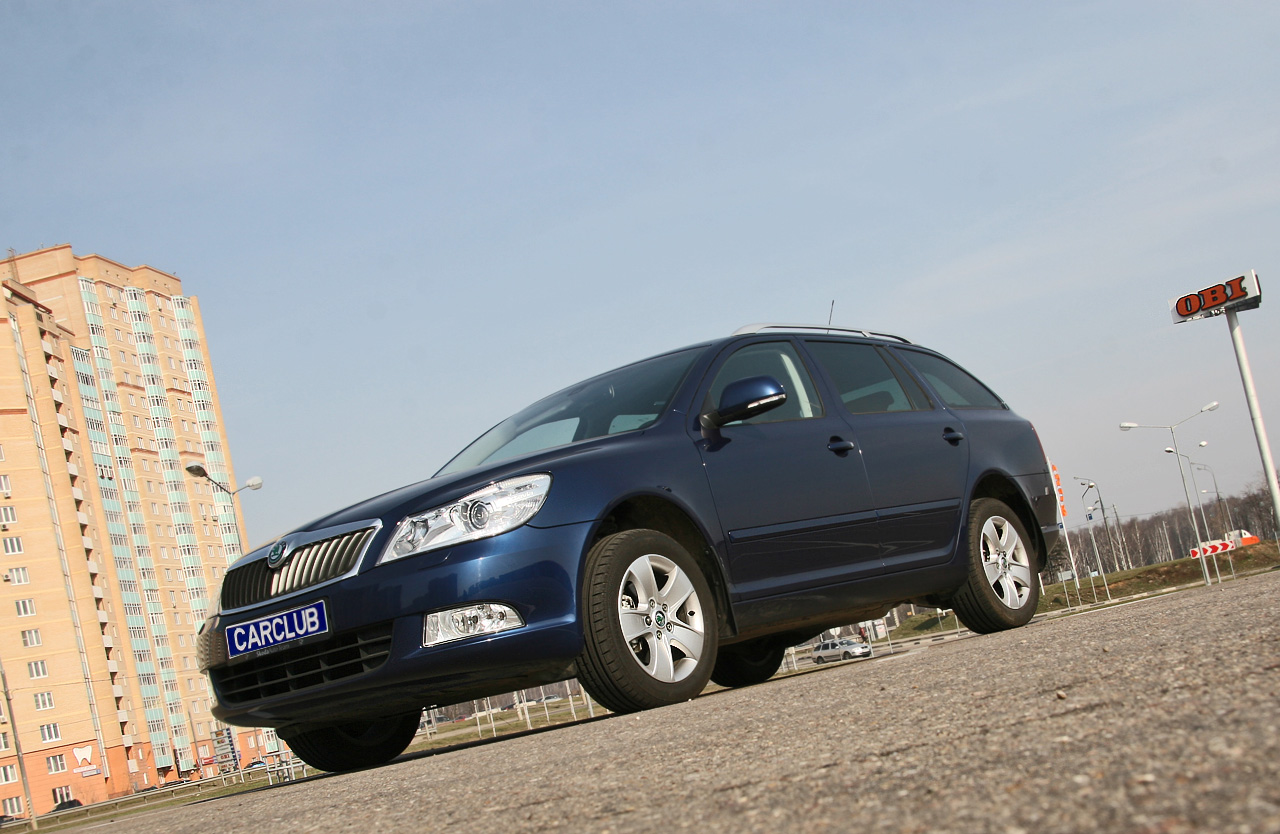
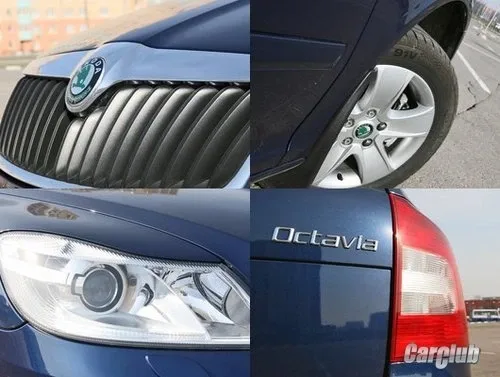
Last autumn in Paris, Skoda showed the public the restyled Octavia. There are not many changes, but they are noticeable. First of all, this is a more expressive design of the head optics, a different radiator grille and front bumper. At the rear, the lights and bumper shape were updated. Inside, the Skoda Octavia 2009 model received a fresh design of the steering wheel, center console, and the instrument panel got new lighting. Plus, other trim materials became available.
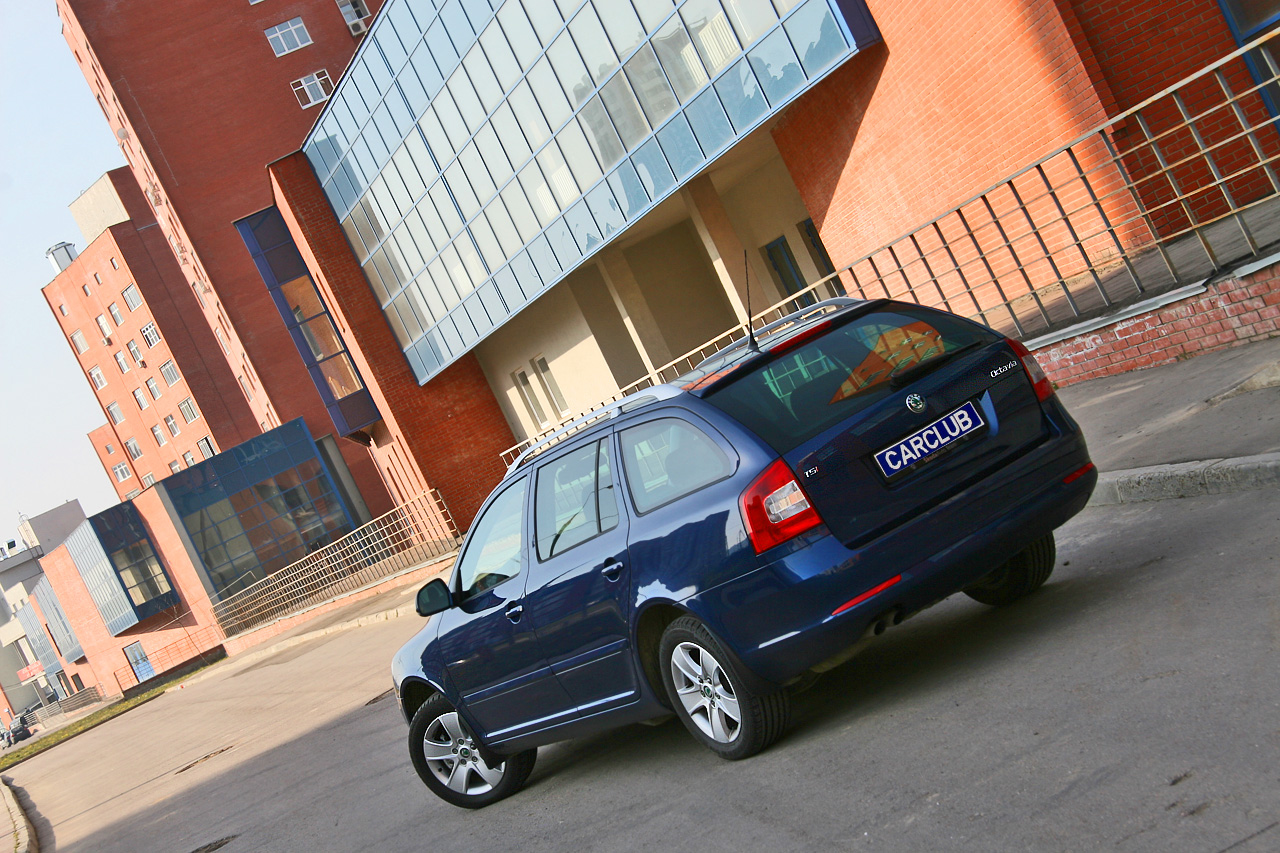
Externally, the Octavia has become noticeably fresher, more modern and more dynamic, although, honestly, as a conservative, I liked the previous look more. The Combi body of the Skoda is successful - the falling line of the tailgate door refers to the best examples of BMW and Mercedes. The trunk volume is 580 liters, and with the rear row folded, all 1620 liters, which is a record in this class! The low loading height and wide opening allow you to easily load bulky items. On the left in the trunk there is a spacious compartment where two five-liter bottles of water fit easily.
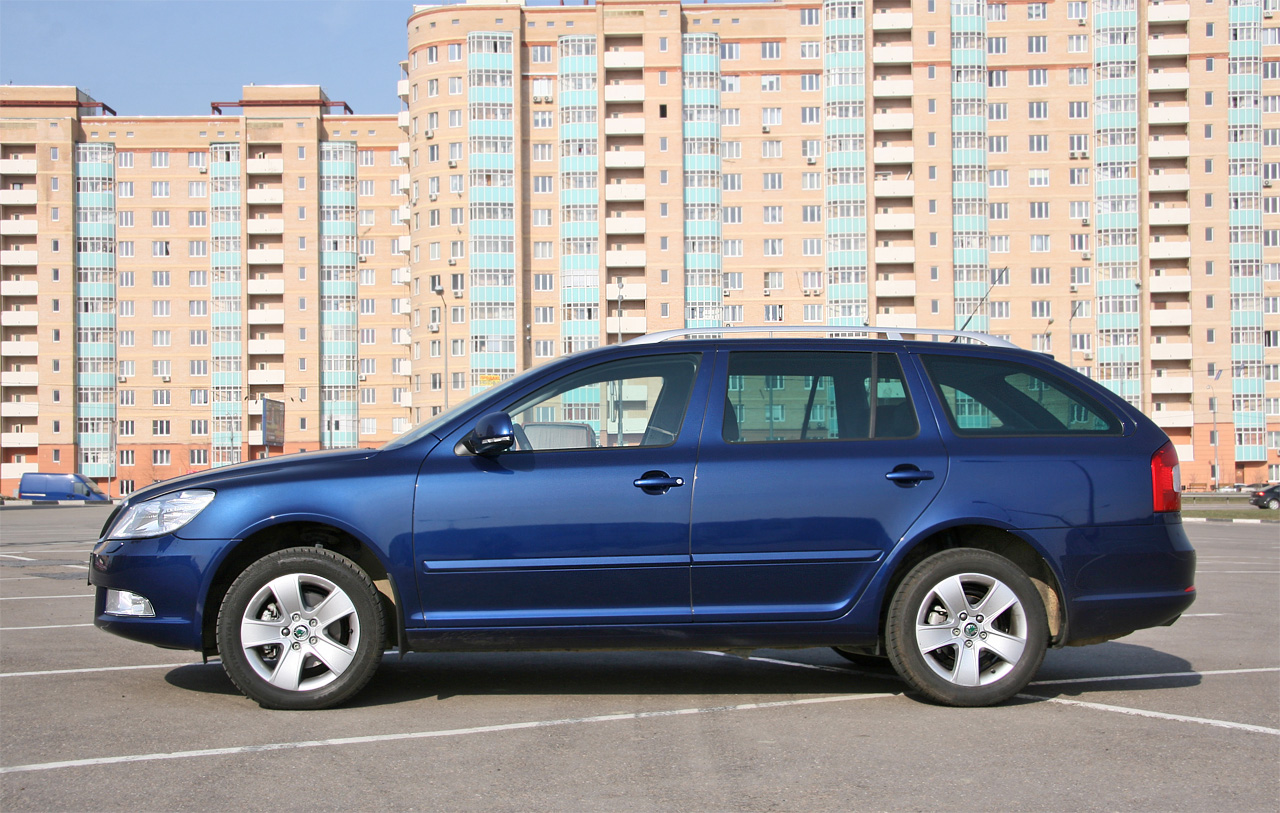 |
| The Combi body of the Skoda is beautiful – the dynamic sloping line of the rear door is made in the best traditions of BMW and Mercedes. |
At the rear it is spacious – three people will not be cramped. In terms of legroom, the Octavia is one of the leaders: a driver 185 cm tall sits behind himself with a decent margin.
At the front, everything is also convenient. Wide seats with a competent profile and developed lateral support are adjustable over a wide range. For an additional charge, they can be equipped with electric drive. The new steering wheel received convenient buttons for controlling music and the on-board computer. The instrument panel finally got rid of the dull green backlight – now the dials glow with a stylish white color, which also had a positive effect on the readability of the readings.
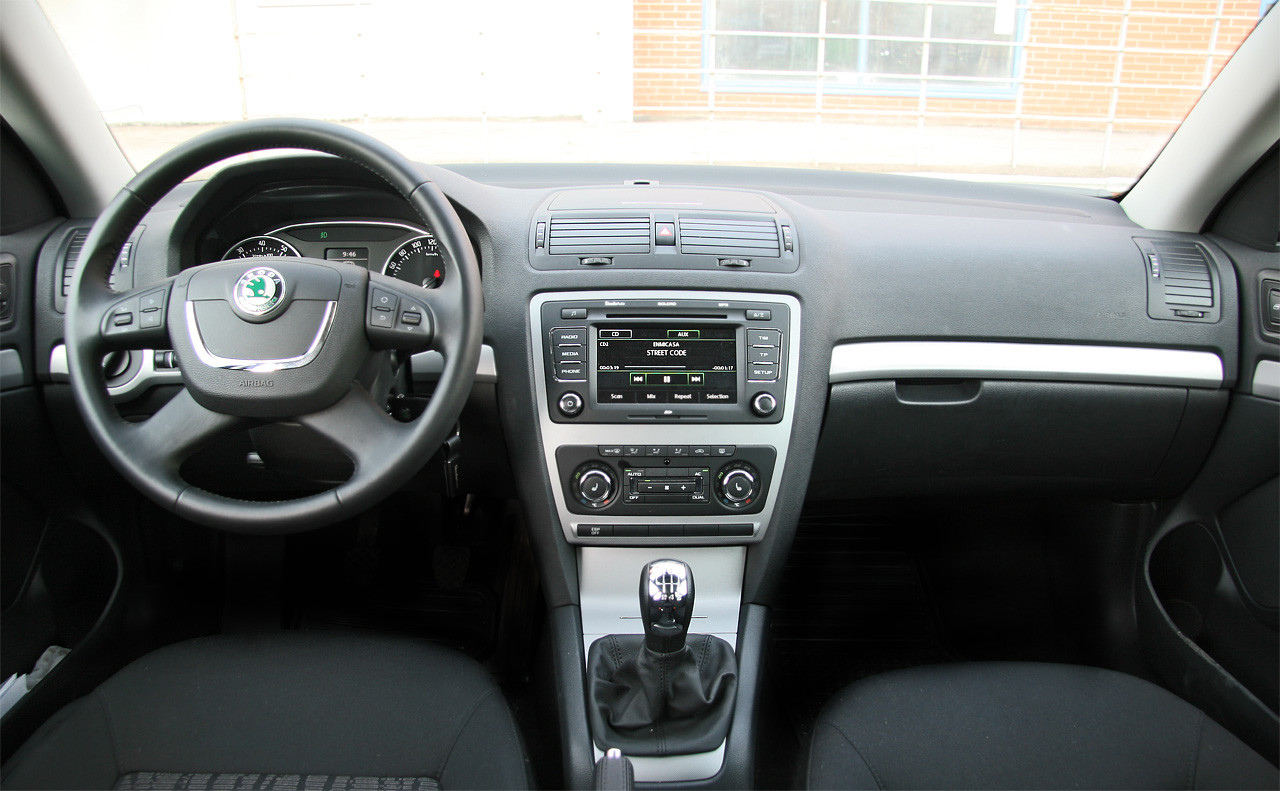 |
| As for the interior, there is German pedantry and precision everywhere. Clear straight lines, everything in its place. Boring? But convenient. Ergonomics are solid. Excellent seats with the necessary adjustments and an excellent profile will not let you get tired even on a long journey. The convenient center armrest has height adjustment. |
On the center console there is an optional Bolero audio system with a touch screen and a six-disc changer. For 73 thousand rubles, it can be replaced with a Columbus navigation system. Just below the radio, a new climate control unit is located, which moved here from the older Superb model.
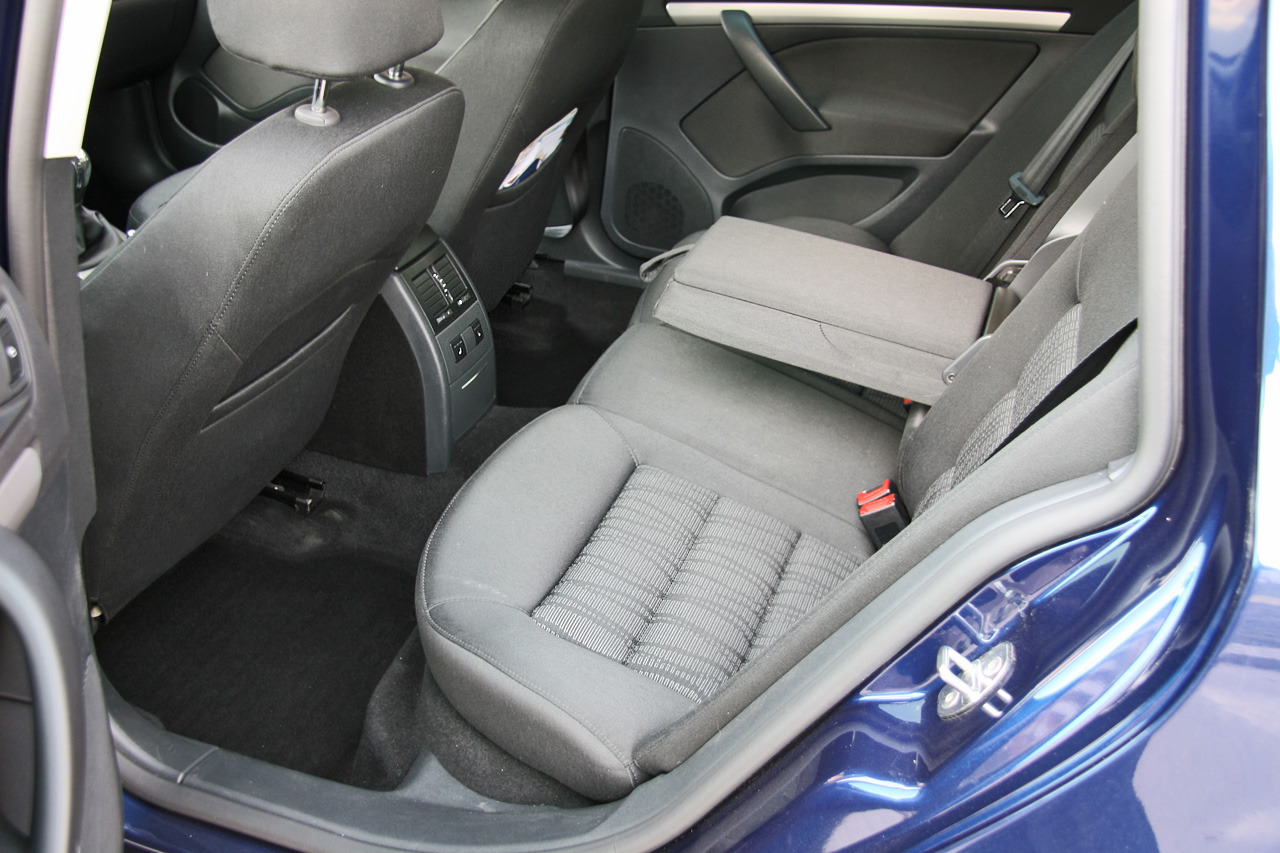 |
| There is plenty of space on the rear sofa. Three people will not be cramped here. And in terms of legroom, the Octavia is definitely among the leaders – a driver 185 cm tall sits behind himself with a noticeable margin. |
For the test, we got a Skoda Octavia Combi with a familiar 1.8-liter gasoline turbo engine and a six-speed manual. Up to 2000 rpm during intense acceleration, the engine seems to sleep, and only after this mark does the Octavia begin to show quite decent dynamics. The gears engage in a German way, but the clarity of the lever selection leaves much to be desired – this is especially felt when engaging third.
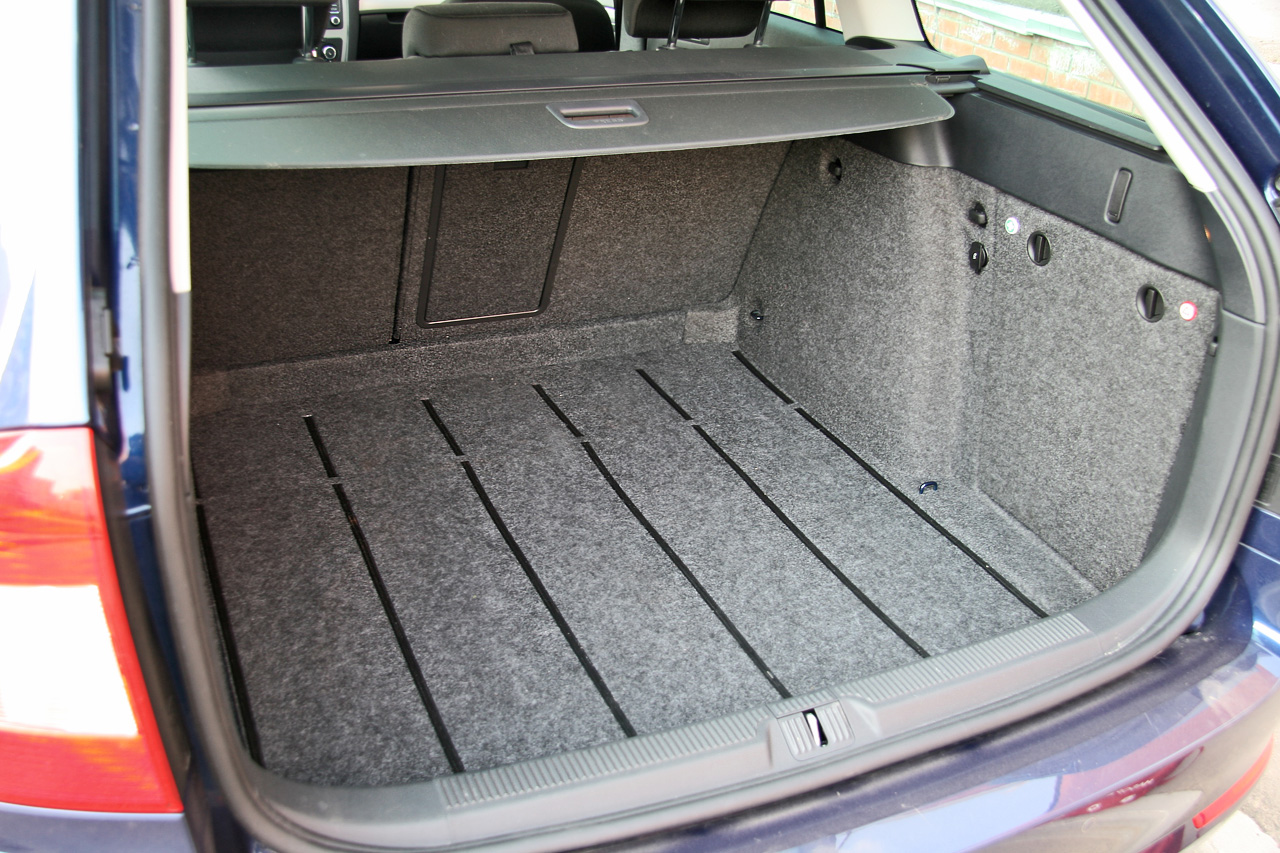 |
| The capacity of the luggage compartment is 580 liters, and if you fold the rear row of seats, this figure increases to 1620 liters – a record indicator in the class! The low loading height and wide opening of the rear door facilitate loading of bulky items. |
The Skoda handles clearly and predictably, without a hint of sportiness. In corners, the body leans slightly, but nothing more. The trajectory is held confidently, and the informative steering wheel allows you not to make unnecessary steering corrections.
The Octavia's suspension is stiff, in the European style – all the details of the road surface are transmitted to the cabin. But the sound insulation is excellent! With the windows closed, even passing trucks are almost inaudible, and at speed, only a delicate rustle of tires disturbs the peace. In extreme situations, the stabilization system will come to the rescue. As on the pre-restyling version, it works so delicately that you usually only learn about its intervention from the indicator on the instrument panel.
 |
| The Octavia's suspension is European-stiff; information about road irregularities is transmitted to the cabin with all details. But the sound insulation here is excellent! With the windows closed, even passing trucks become silent, and at high speed, the peace in the cabin is unobtrusively disturbed by a pleasant rustle of tires. |
At Russian dealers, the base Skoda Octavia Combi in the Ambient trim with a 1.4-liter engine with 80 hp and a manual gearbox costs 639 thousand rubles. The most popular version with a 1.6-liter engine with 101 hp and a manual transmission is estimated at 705 thousand.
More saturated Elegance equipment – with climate control, automatically folding mirrors, full electric package, cruise control, 15-inch alloy wheels, fog lights and alarm – will add another 44 thousand rubles to the price.
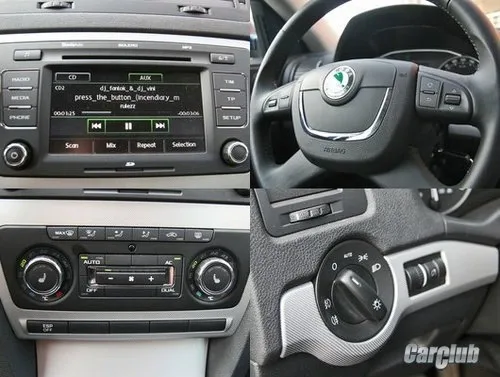 |
| The new steering wheel is equipped with convenient buttons for controlling the audio system and on-board computer. On the center console there is an optional Bolero audio system with a touch display and a 6-disc CD changer. As an option, for 73 thousand rubles, it can be replaced with a Columbus navigation system. Just below the radio display, a new climate control unit appeared, borrowed from the older Superb model. |
In addition, after the update, the Octavia model received a new turbocharged 1.4 TSI engine producing 122 horsepower. For such an Octavia Combi, you will have to pay 755 thousand rubles. If you add a DSG gearbox, the price will increase by another 60 thousand.
The tested Octavia Combi with a one-and-a-half-liter (clarified: 1.8-liter) TSI engine with 160 hp in the Elegance version, supplemented with a number of options – fog lights with Corner function, Bolero multimedia system, 16-inch alloy wheels, leather multifunction steering wheel, heated all seats, stabilization system, rear parking sensors, tinted windows and swivel xenon – is estimated at 945,390 rubles.
 |
| At Russian official dealers, the base trim of the Skoda Octavia Combi called Ambient with a 1.4-liter engine producing 80 hp and a manual gearbox costs 639 thousand rubles. The most popular version here — with a 1.6-liter unit producing 101 hp and a manual transmission — will cost 705 thousand. |
Ruslan Galimov