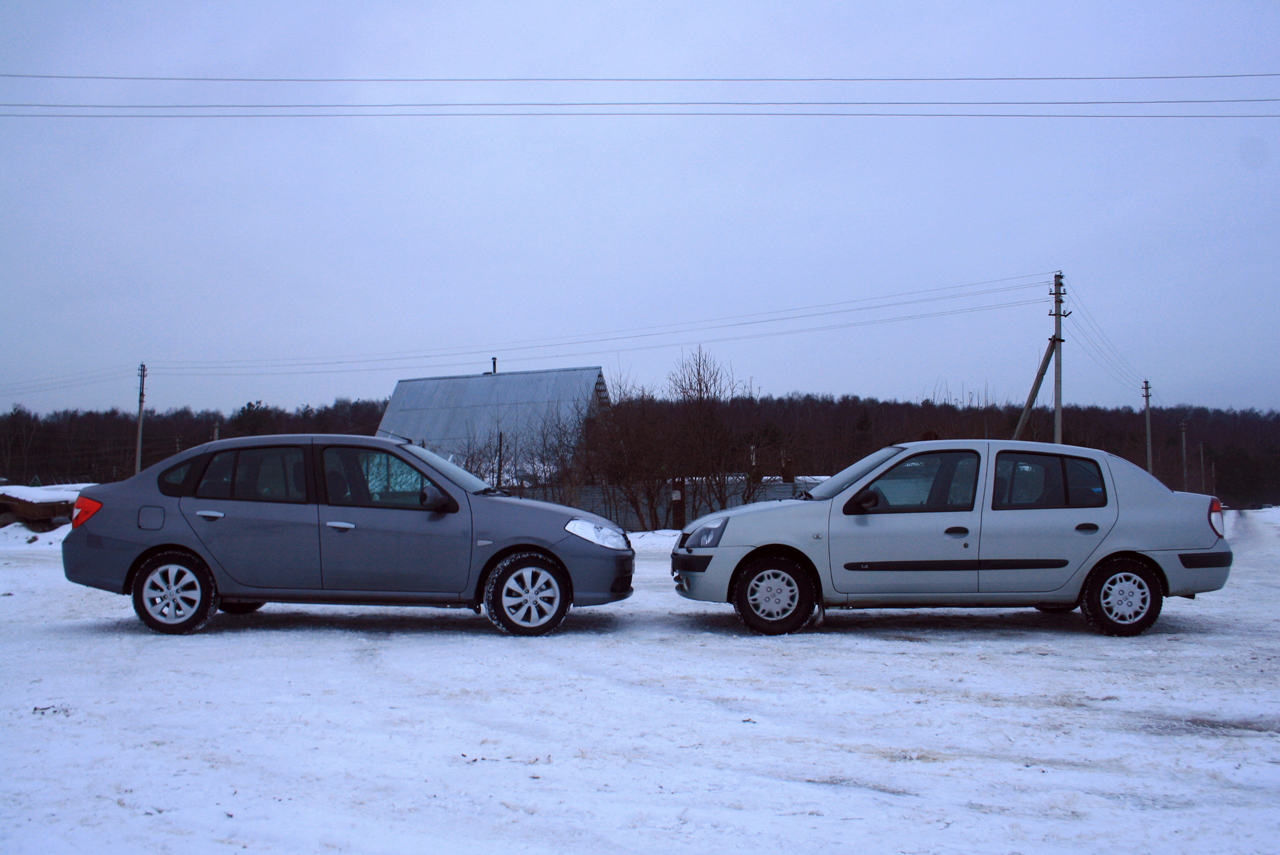
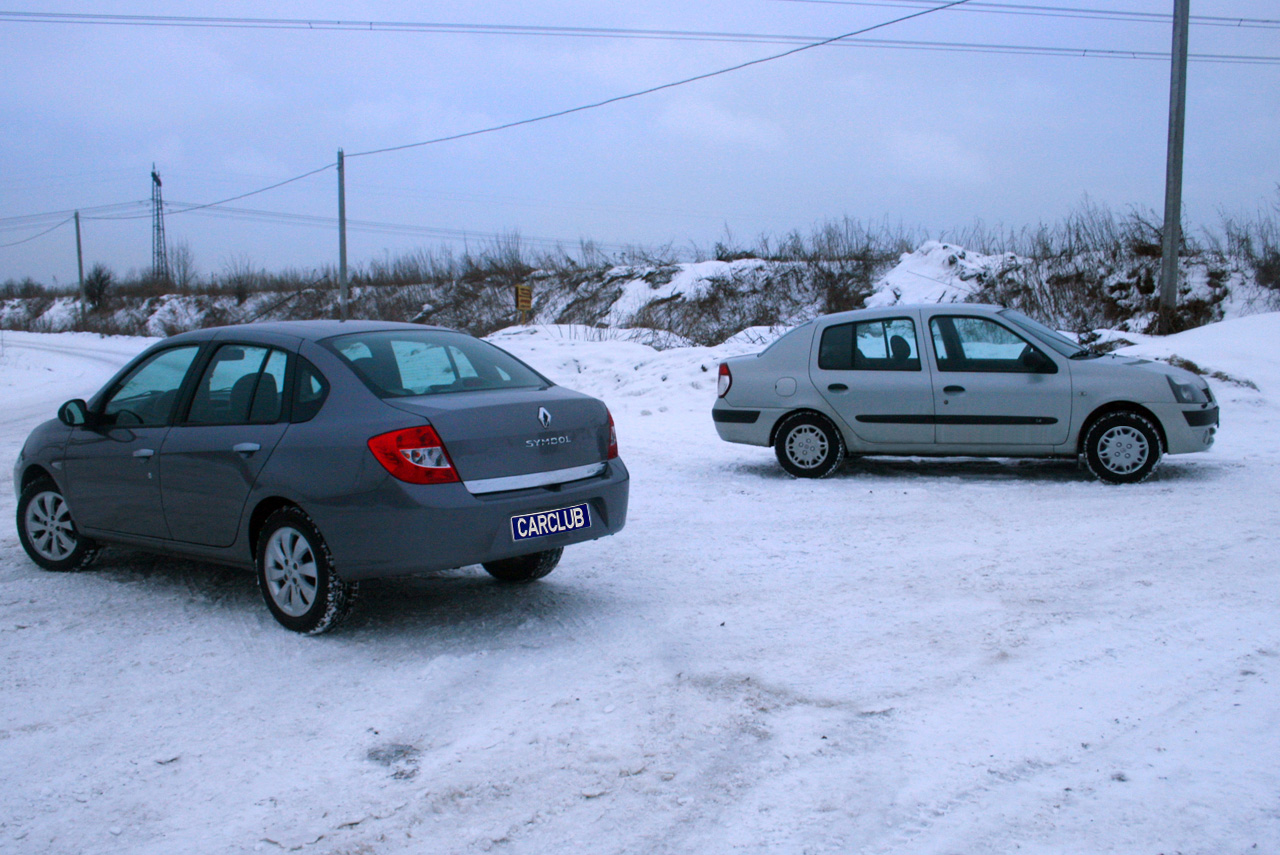
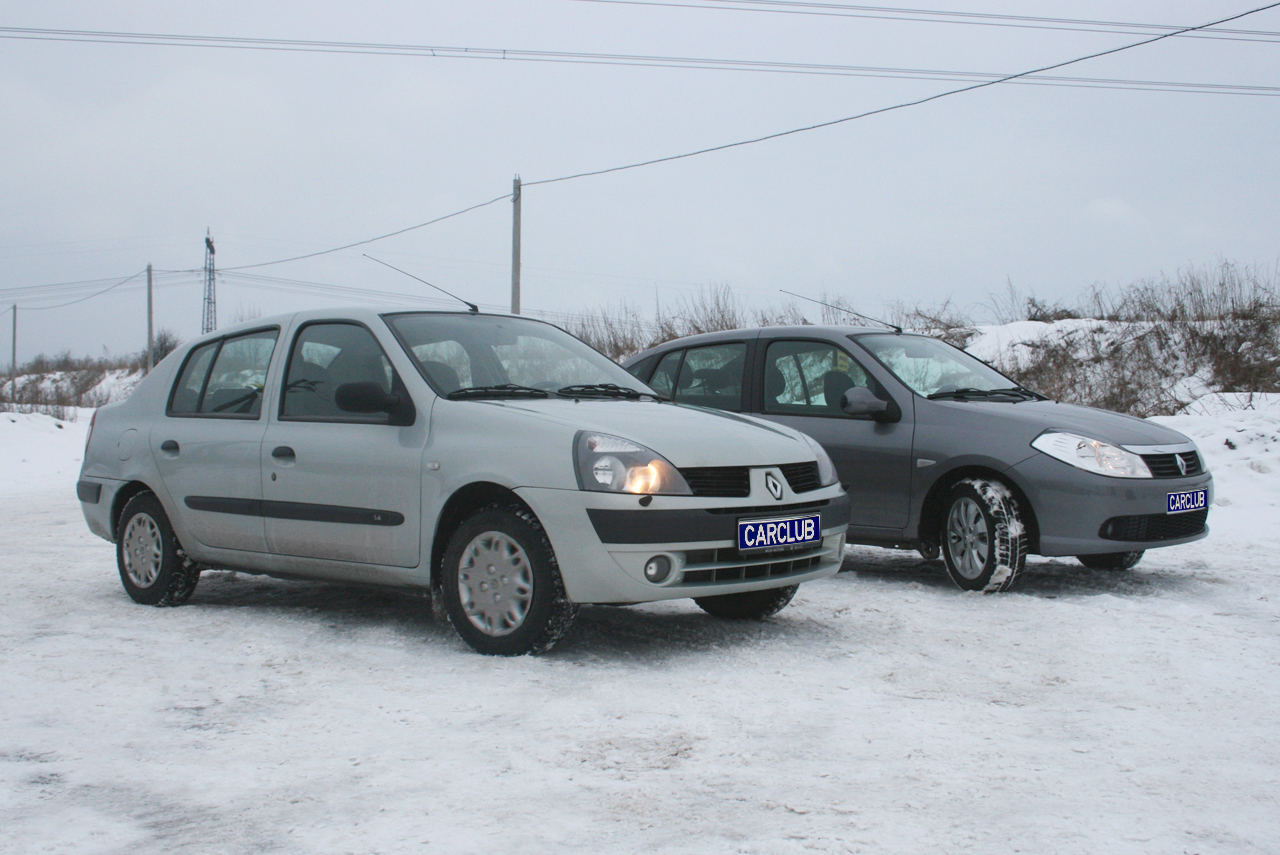
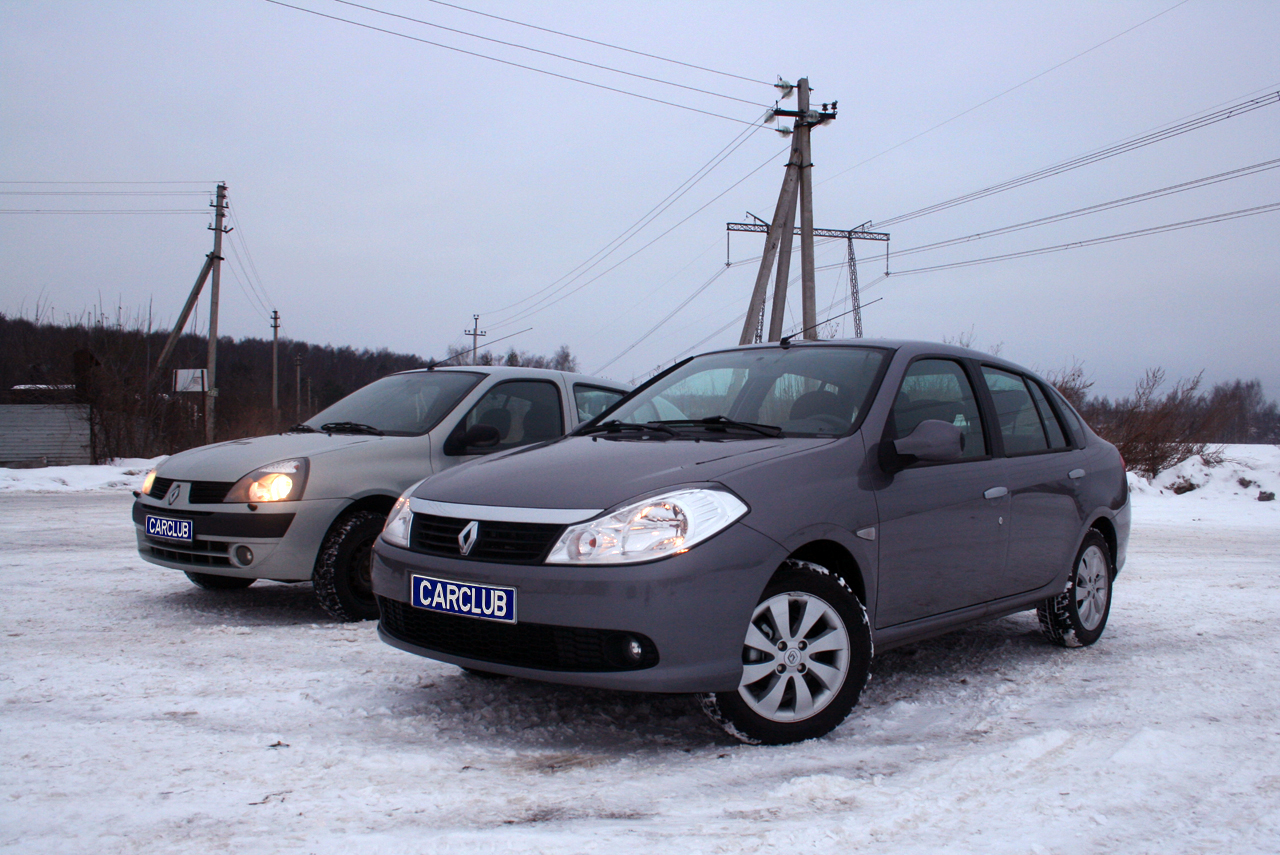
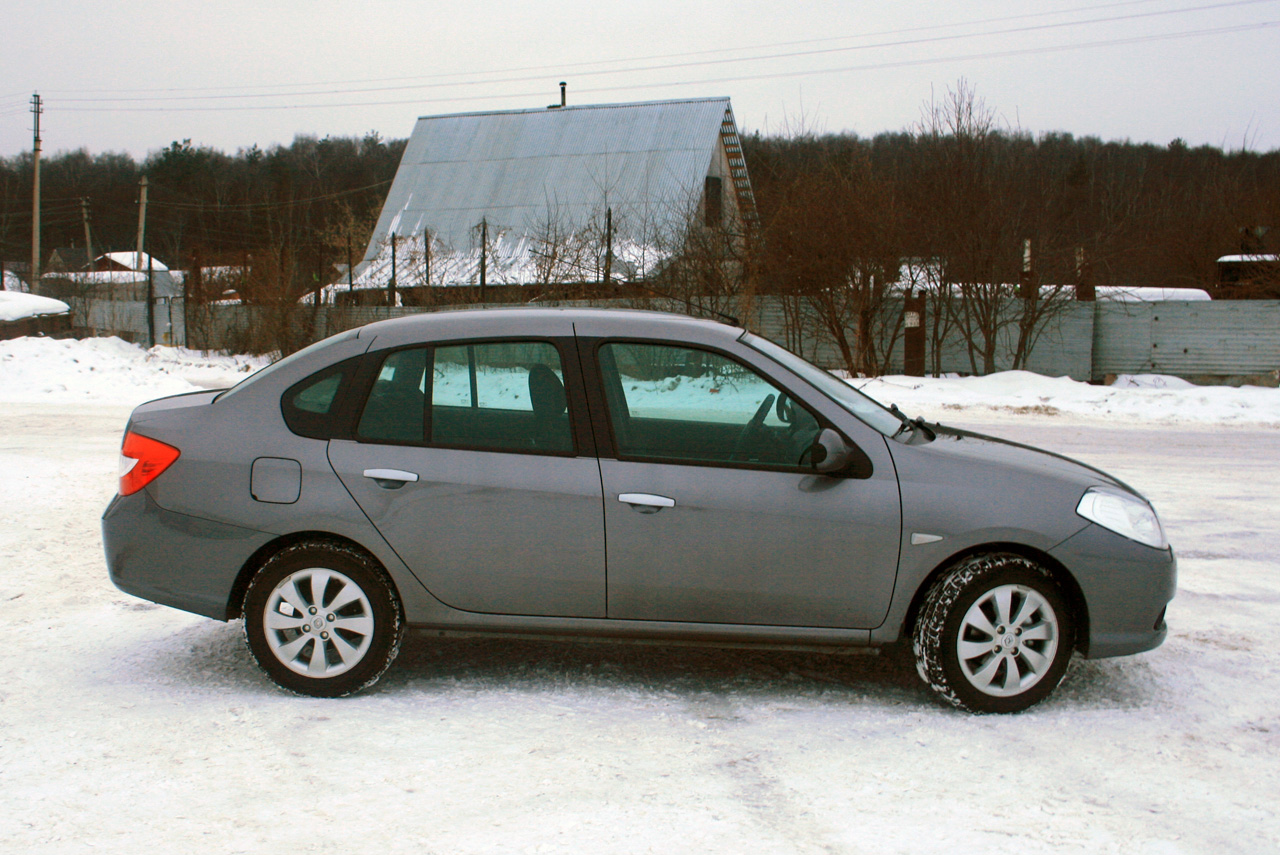
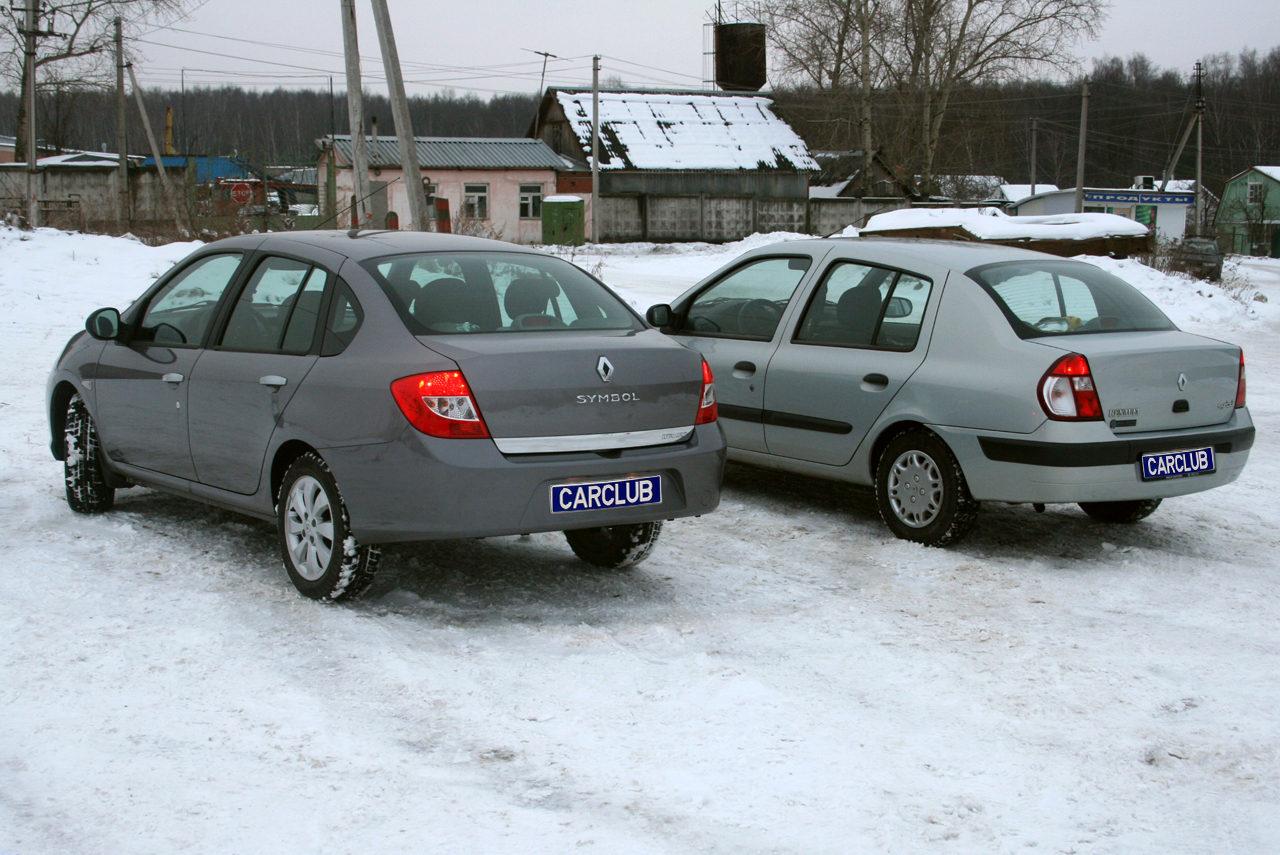
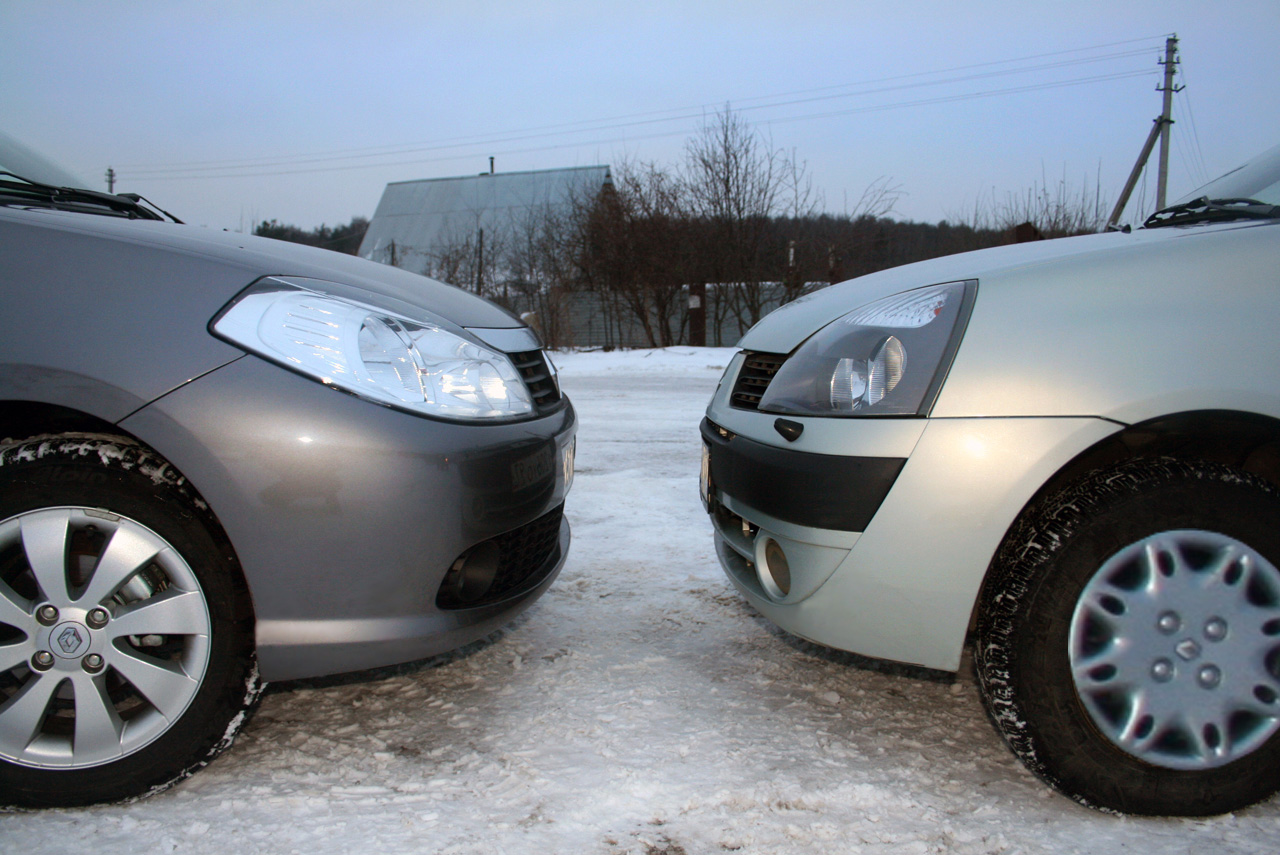
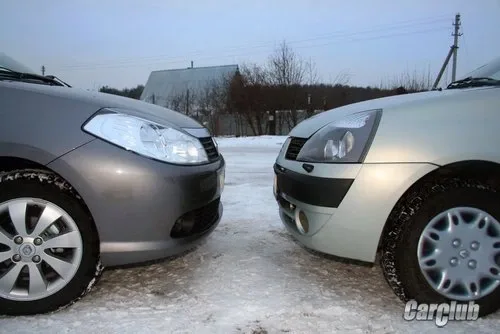
Renault Symbol has always looked decent in its class: inexpensive, economical, with a reasonable amount of space, acceptable dynamics and comfort. But that rear pillar… Budget models rarely spoil with sophistication, but this unfortunate triangular shape spoiled the overall impression. When the facelift came in 2006, everyone expected a miracle — but in vain. The car got a fresher and more solid interior, the "face" became more expressive, but the ill-fated pillar remained in place.
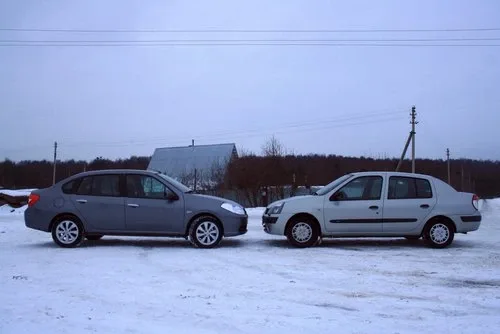 |
| A small window turned the hatchback with a strange trunk into a stylish sedan |
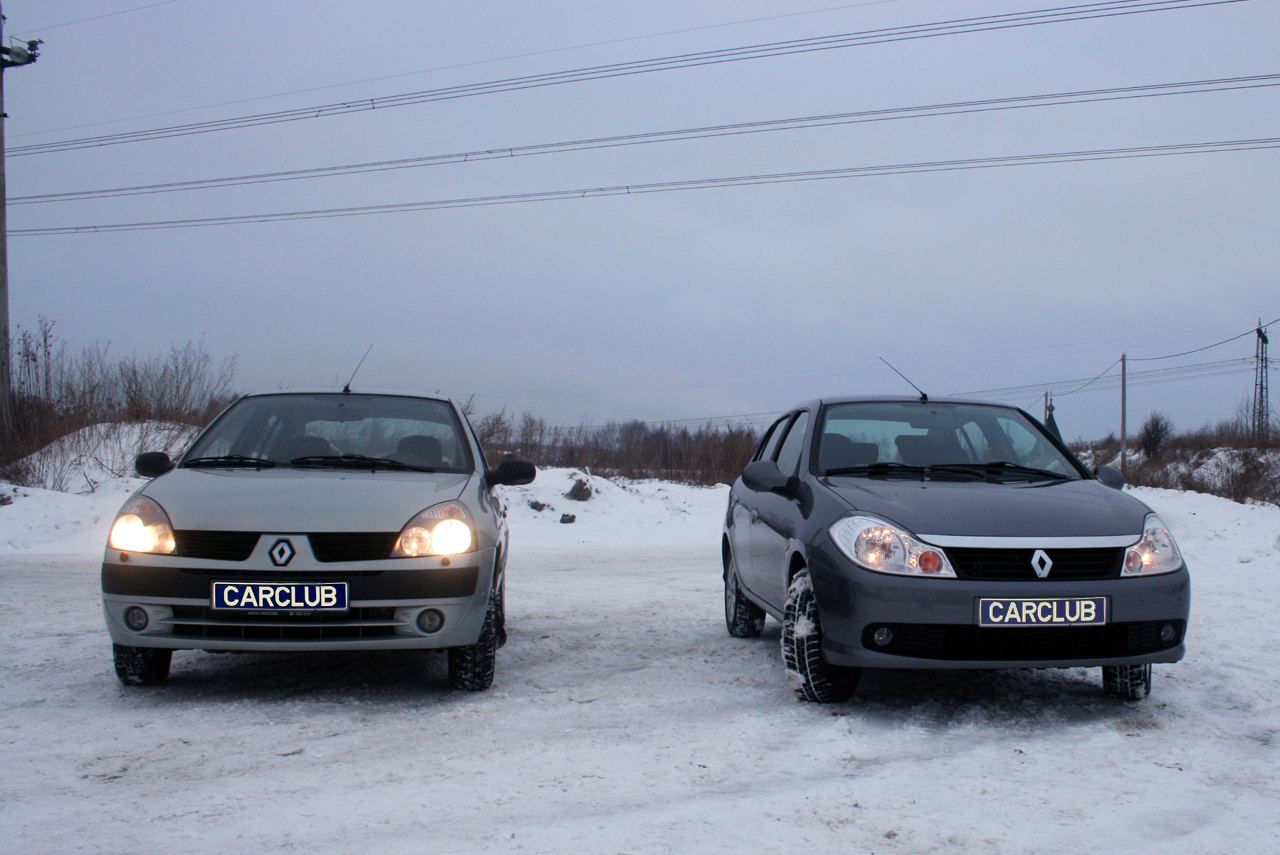
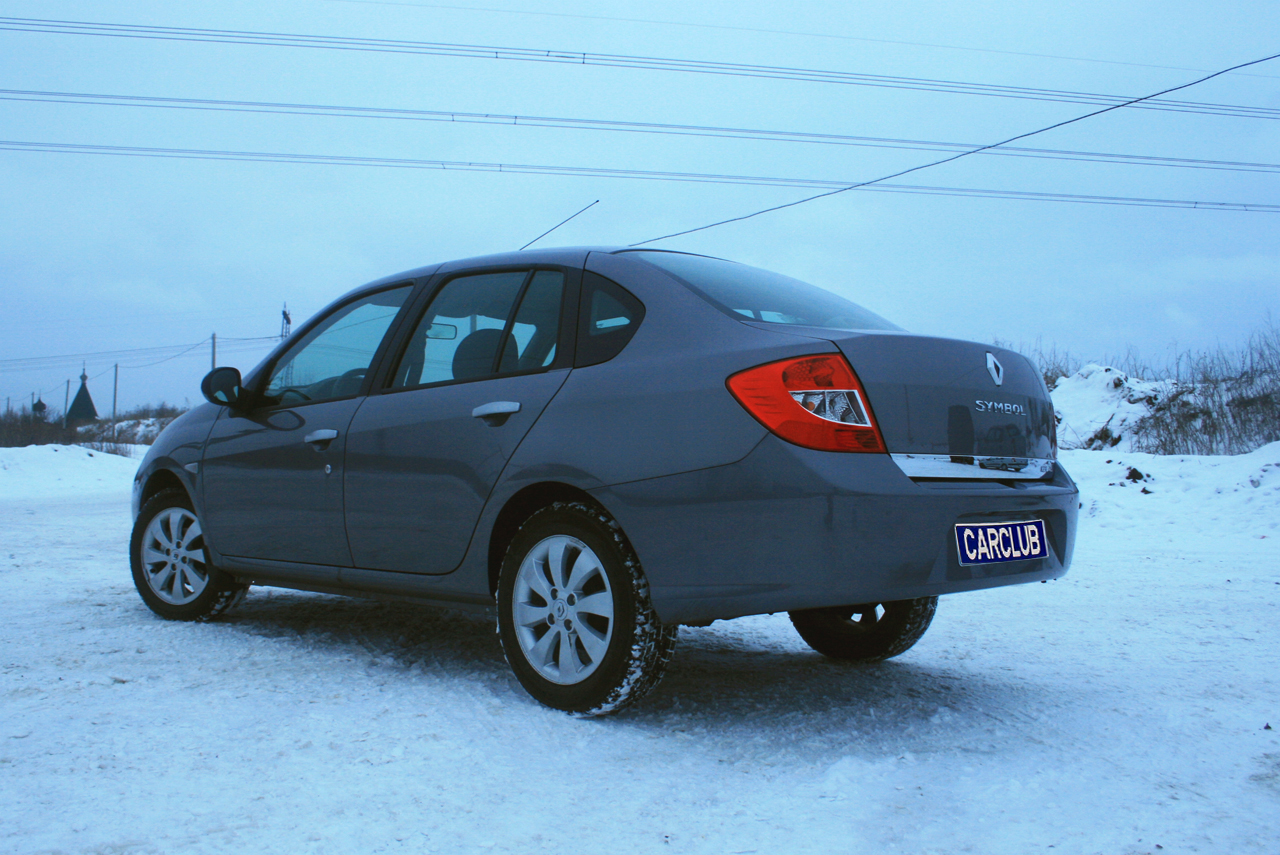
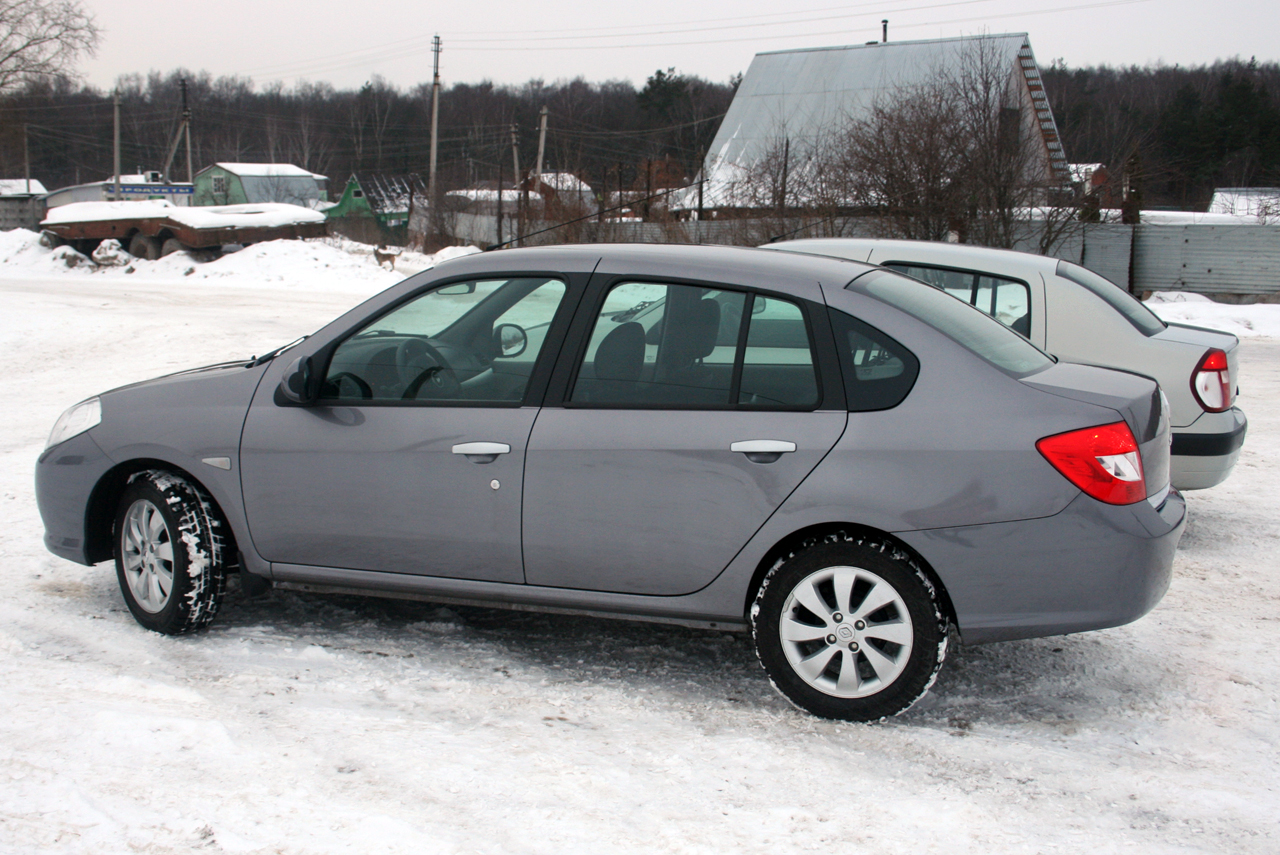
The real miracle was shown only in 2008 at the Moscow Auto Show — and the solution to the "triangle problem" turned out to be simple and elegant: no expensive modifications, engineers simply changed the pillar, adding a glazed window to it. This is the most important innovation of the new "Symbol", one might say revolutionary — no wonder marketers gave the car the name New Symbol, although the technical content remained the same.
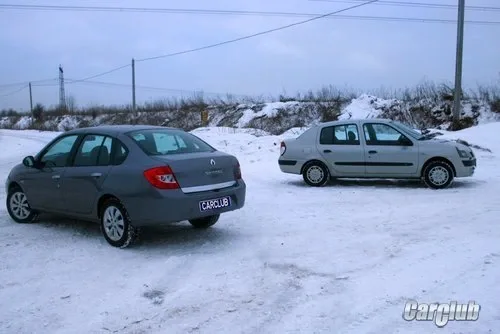 |
| Marketers were not in vain to call the new product New Symbol |
Just think: a small window, and before us is a different car – not a Clio hatchback with a somehow attached trunk, but a quite harmonious sedan, somewhat even resembling the older Megane model.
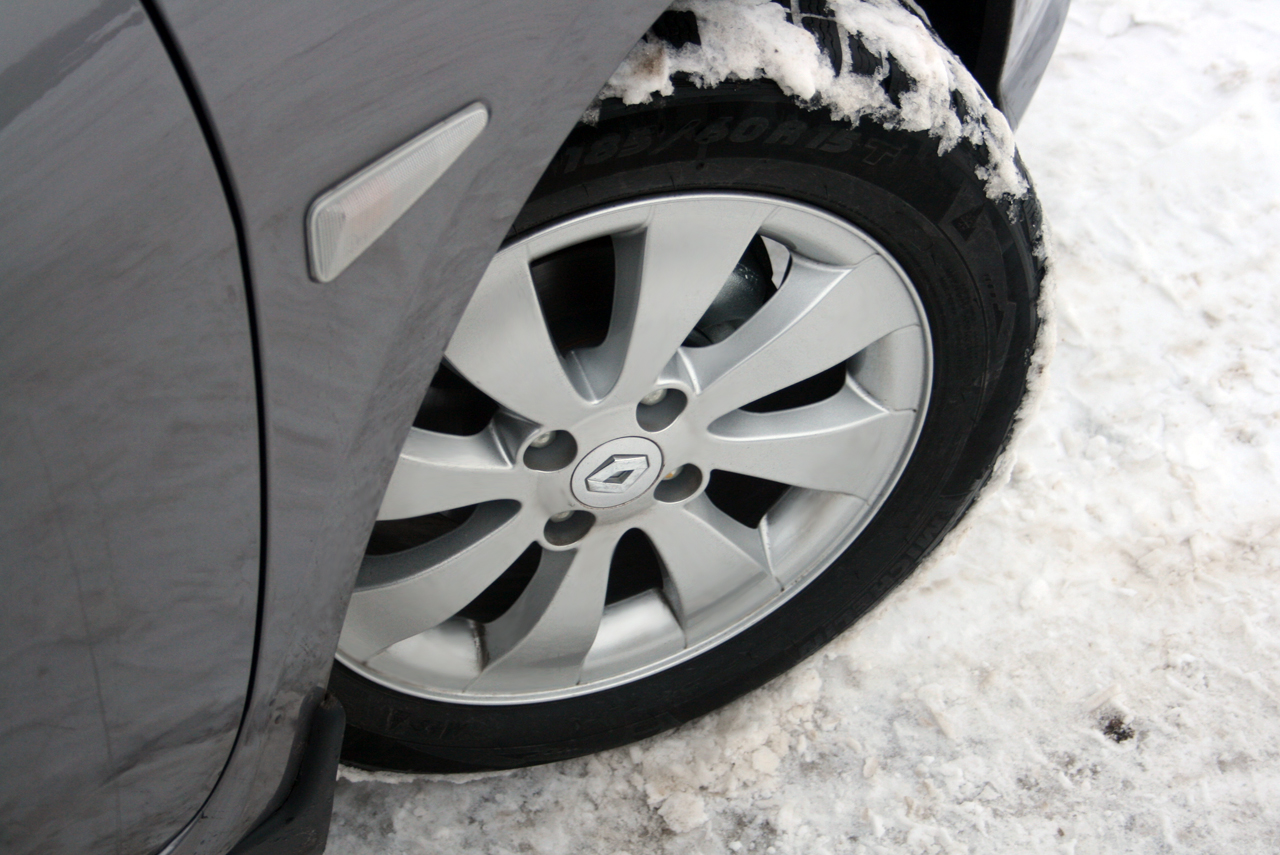
Another successful acquisition of the New Symbol is the new head optics: instead of triangular headlights, slightly elongated ones appeared, extending onto the hood and fenders. The front bumper changed, chrome-like stripes appeared on the hood and trunk lid, and the rear lights became more interesting. The body stretched by 9 cm — visually this was expressed in longer overhangs. Perhaps the New Symbol is now one of the most attractive sedans in its class.
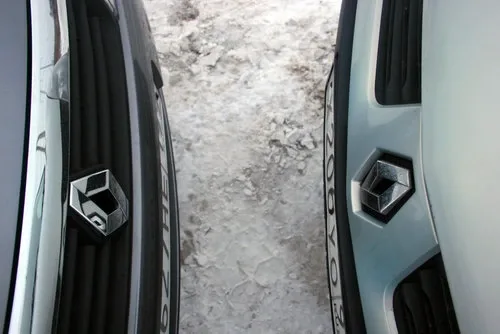 |
| Chrome-painted stripes appeared on the hood |
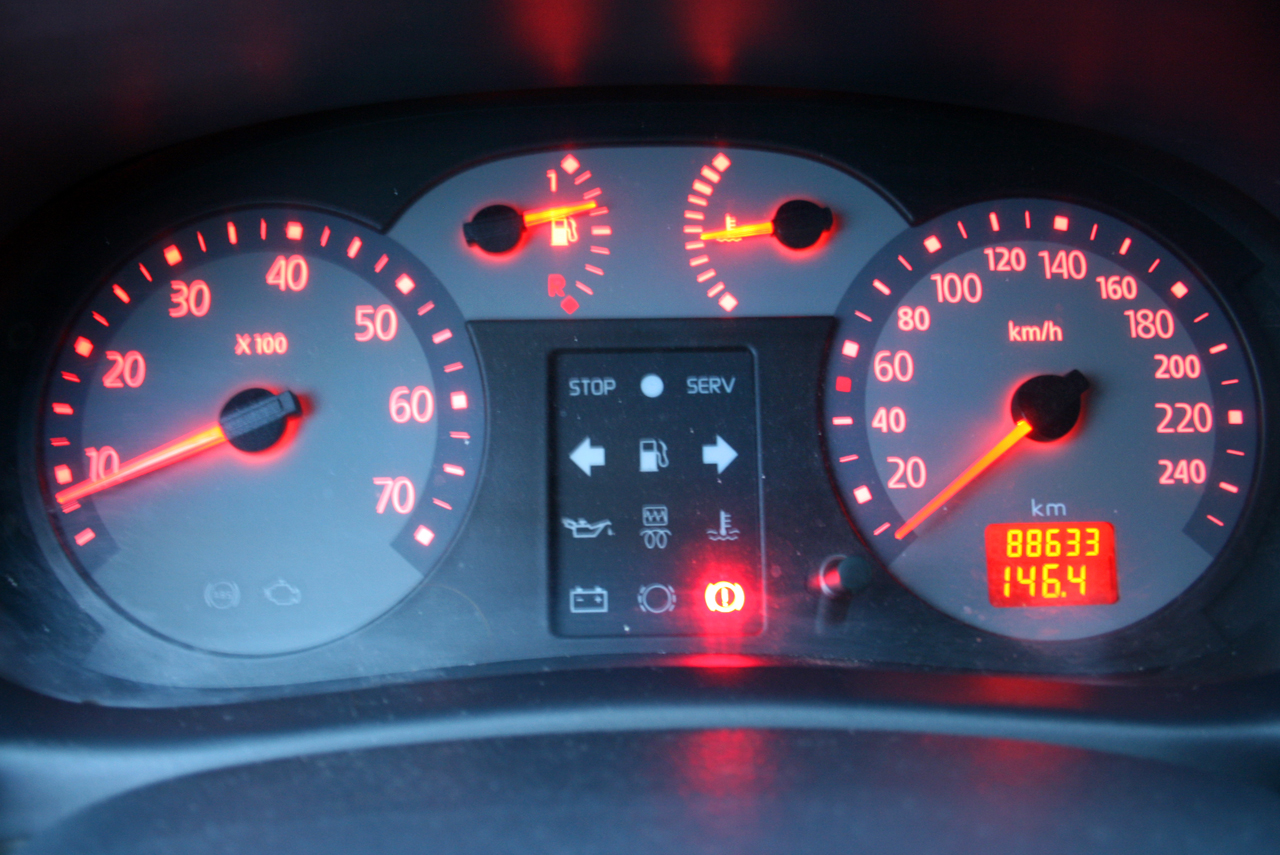
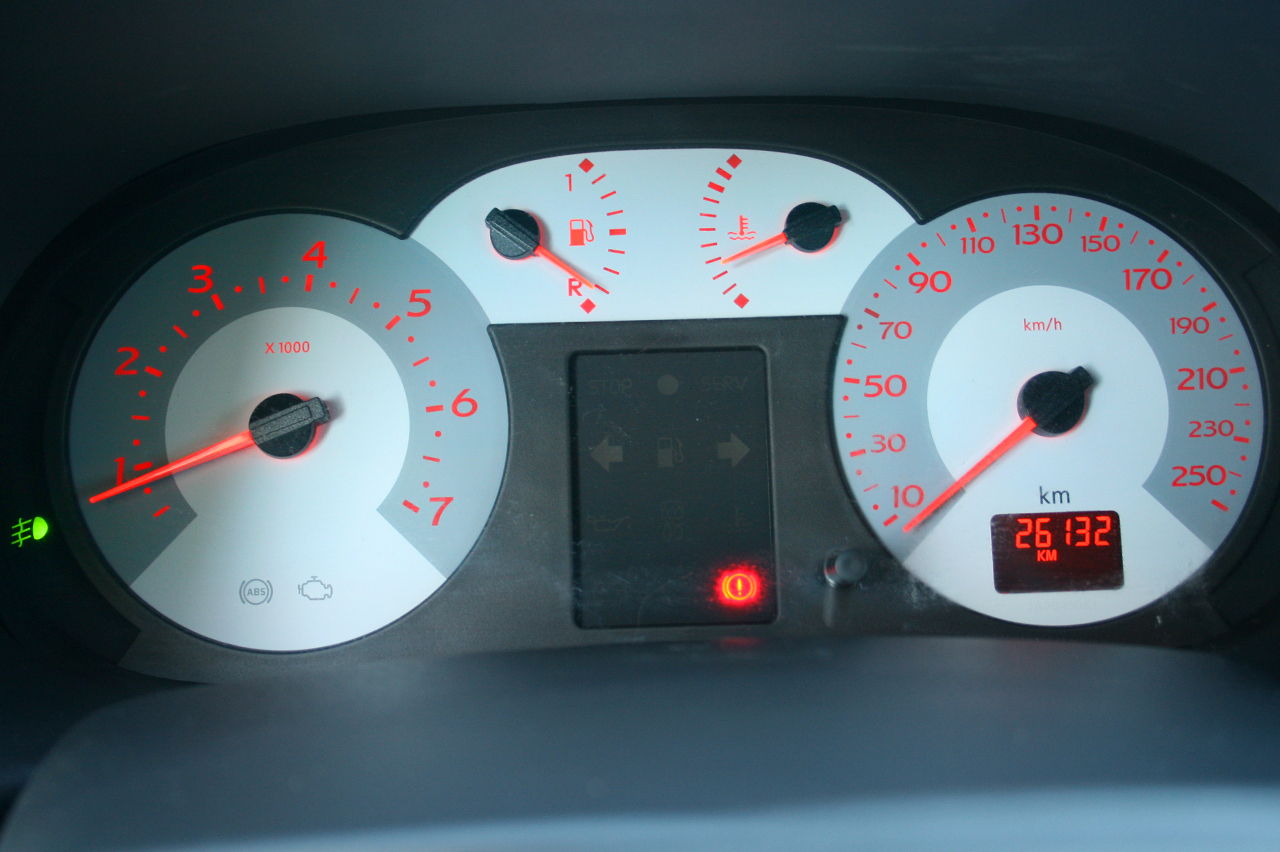
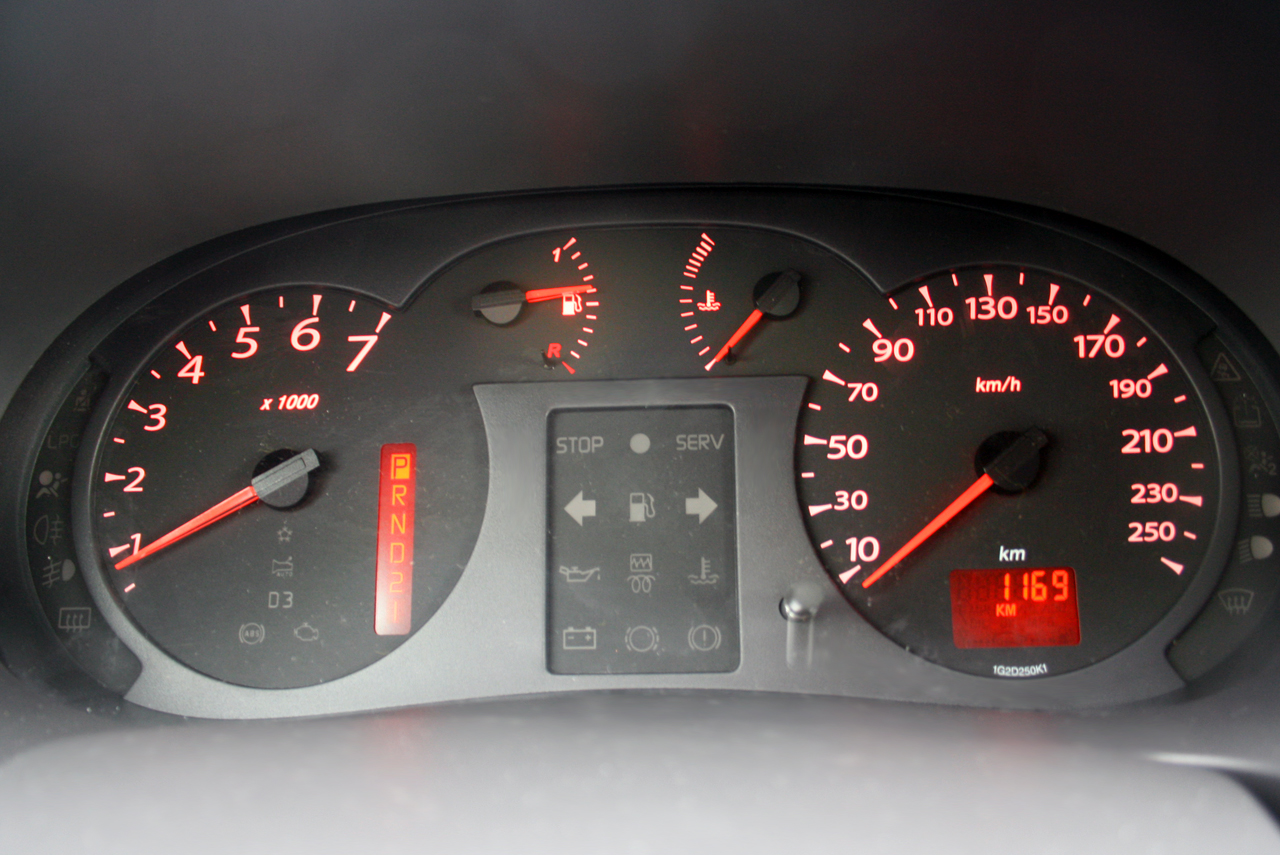
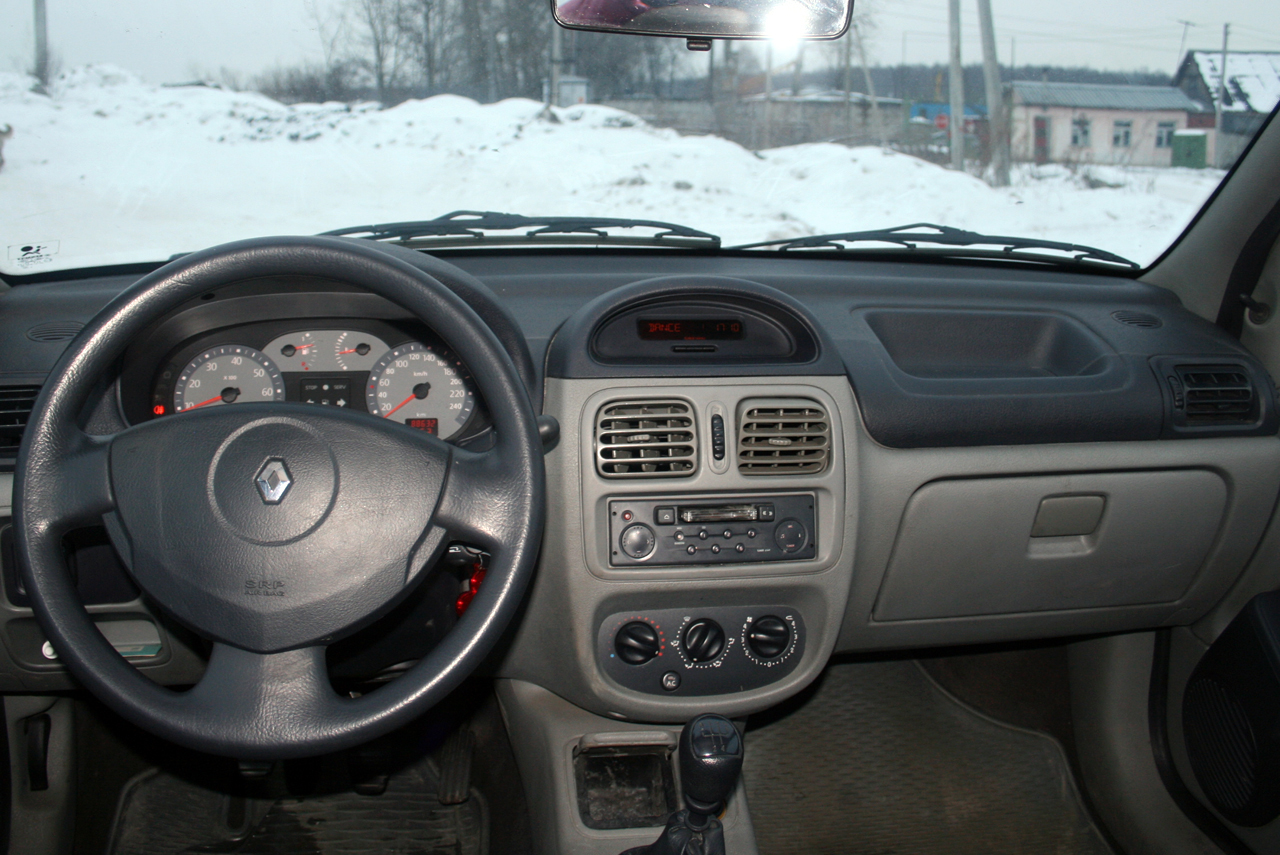
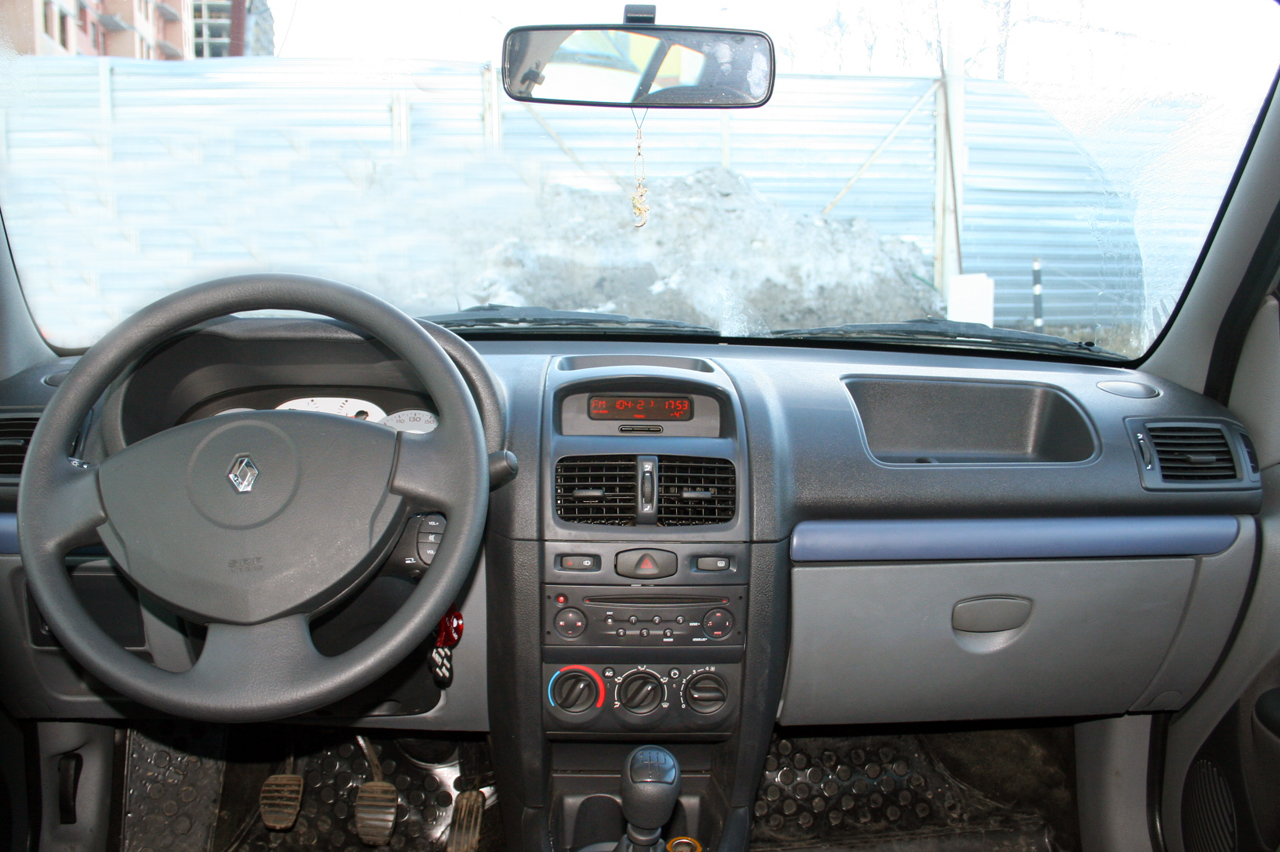
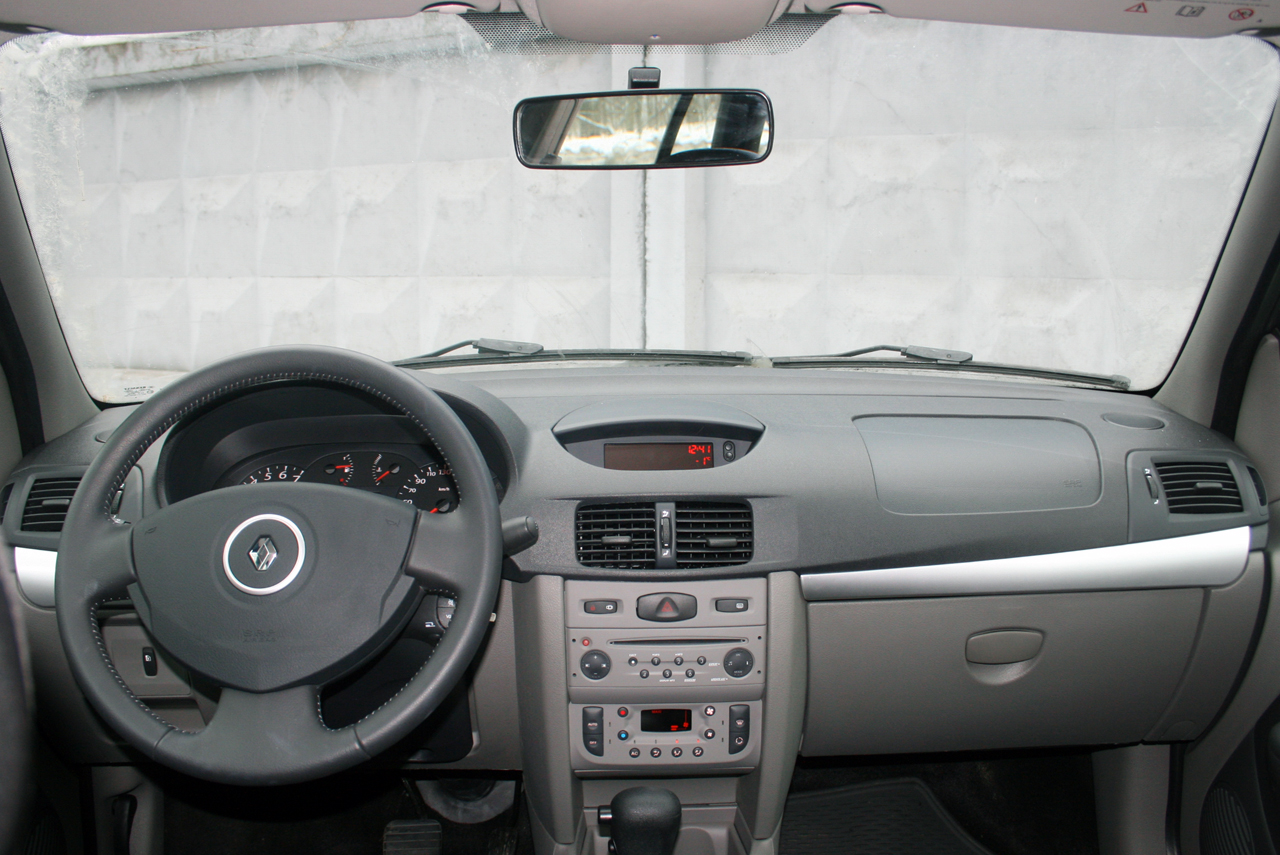
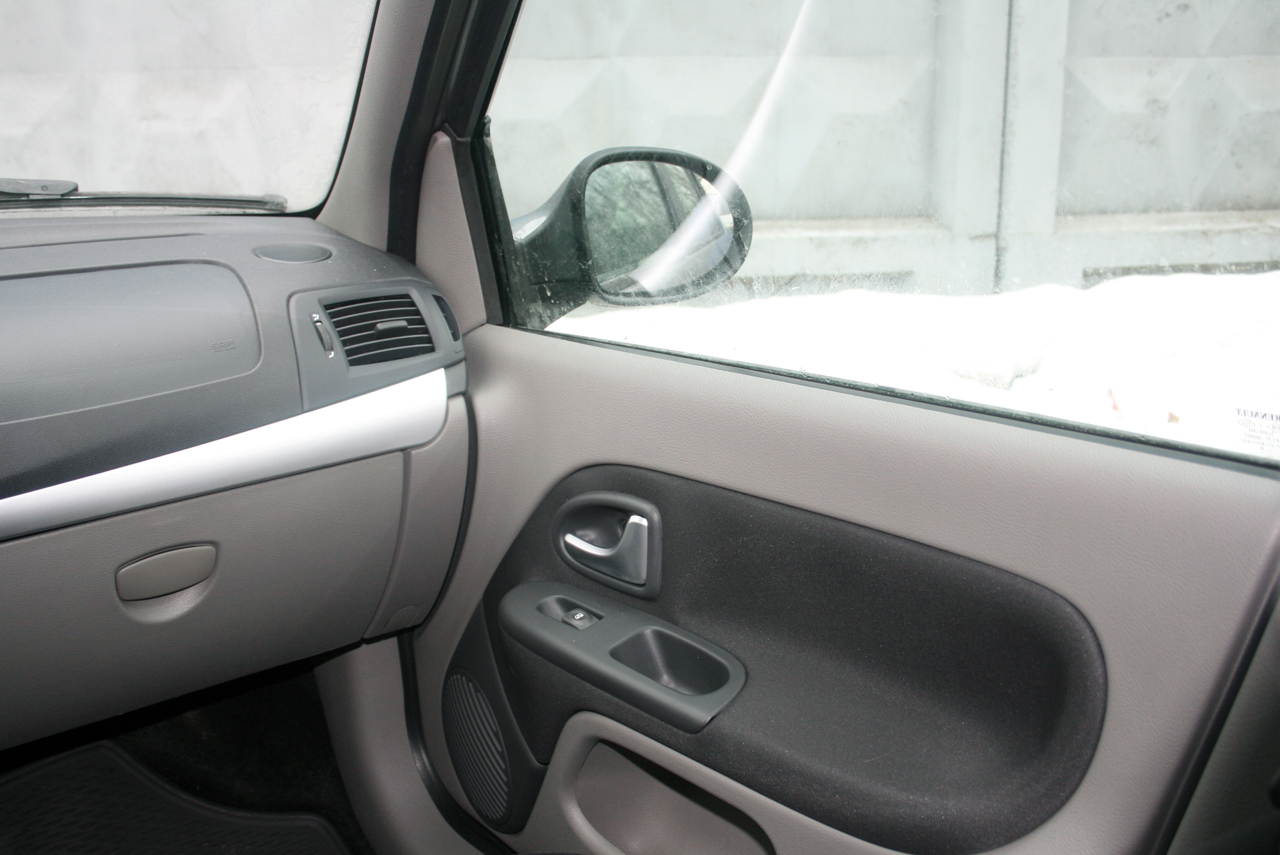
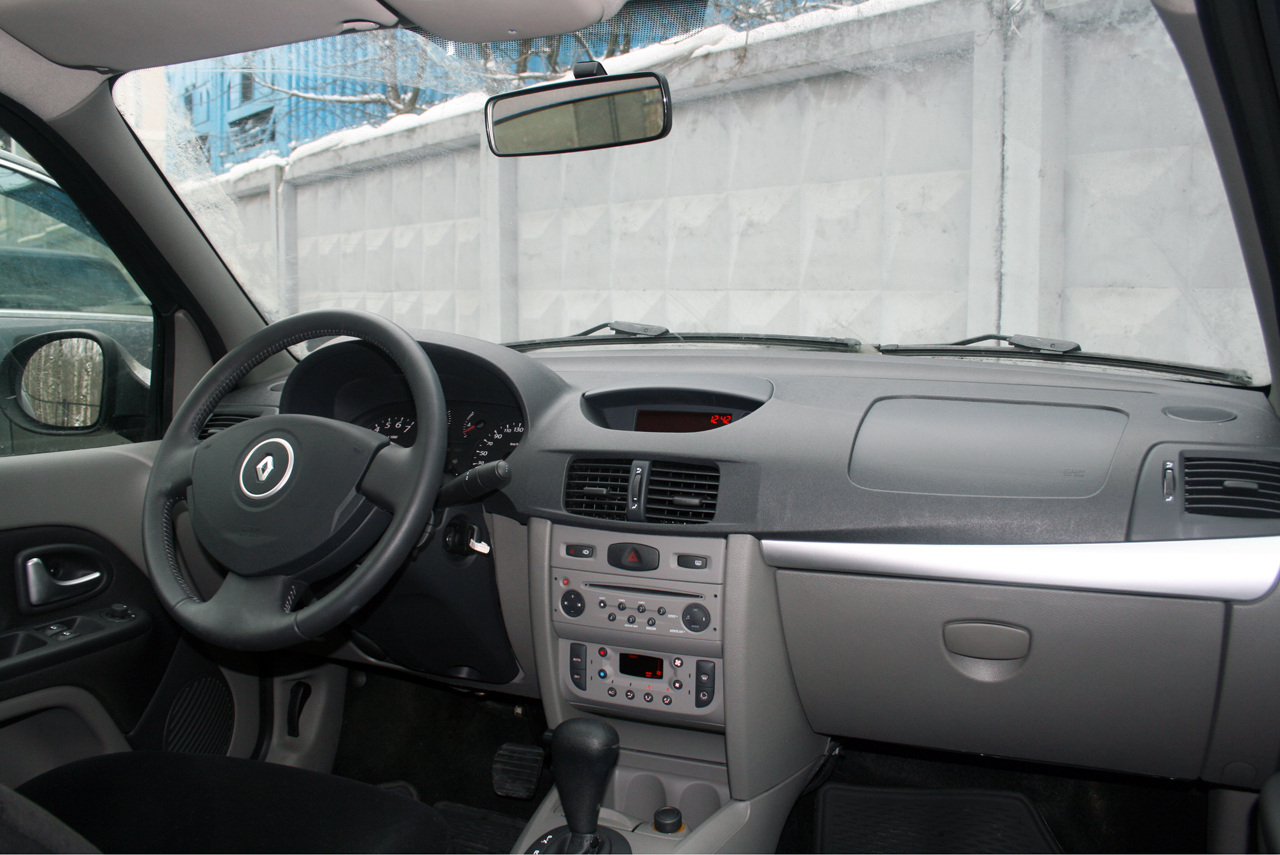
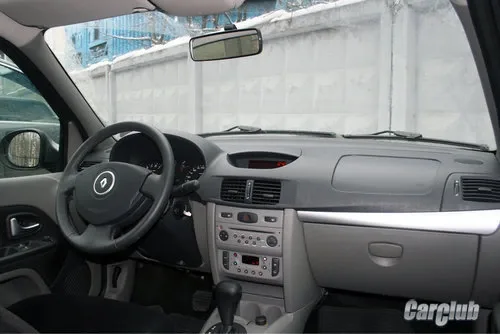
Inside, there are fewer changes: the "revolution in the cabin" happened back in 2006. The two-tone dashboard looks fresh and lively, although the plastic is, of course, hard — even the climate control and radio buttons are hard to the touch. The Renault logo on the steering wheel is now encircled by a chrome ring. The instrument lighting is modest, but the scales and numbers are perfectly readable, and the chrome bezels add a touch of gloss.
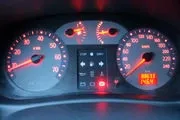 |
| Pre-facelift Symbol |
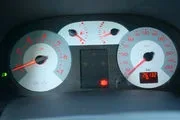 |
| Symbol 2008 model year |
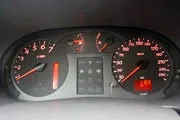 |
| New Symbol |
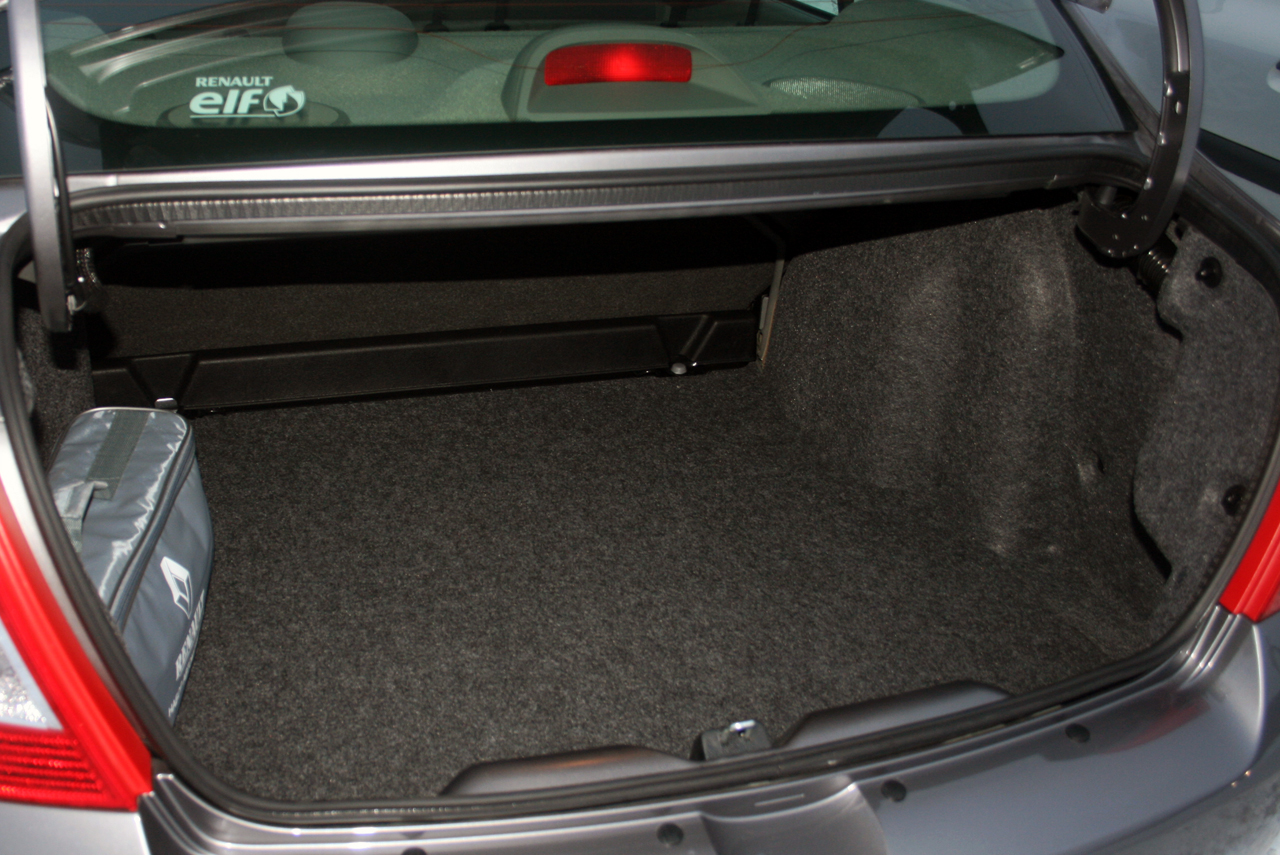
The trunk — as before, without exaggeration, a huge trump card of the Symbol. It is so spacious that it doesn't fit into the camera frame: 504 liters of useful volume, only slightly reduced by protruding wheel arches. One drawback: the rear seat folds as a whole, but due to the design, only a narrow gap remains instead of a full opening — loading large items into the "Renault" will be difficult.
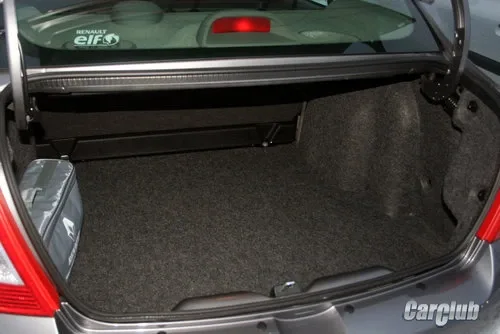 |
| The trunk is so huge that it doesn't fit into the lens :) |
Getting into the cabin is very easy: the opening is wide, the doors are almost weightless. The low window line turns the Symbol into an aquarium with all the ensuing pros and cons. The main plus is perfect visibility, complemented by easily calculated dimensions and good mirrors.
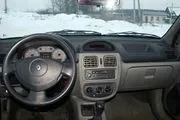 |
| Pre-facelift Symbol |
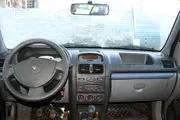 |
| Symbol 2008 model year |
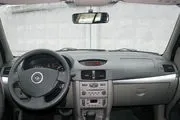 |
| New Symbol |
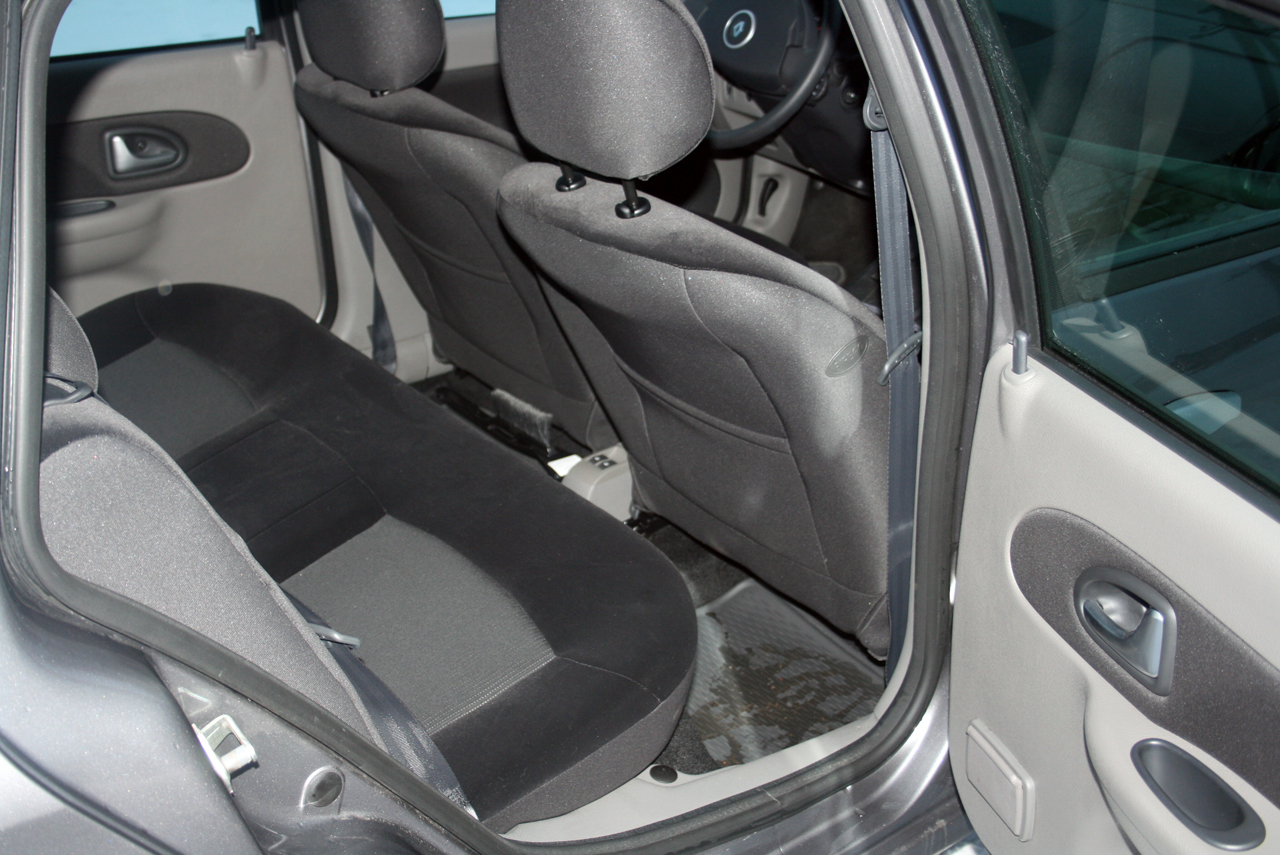
The driving position cannot be called ideal: either there is not enough legroom, or you sit too far from the steering wheel. Moreover, the steering wheel adjusts only by height. But the seats please with a comfortable profile and lateral support. In the back, there is still barely enough space: there is quite a lot of legroom, but above the heads — a shortage of space and slight claustrophobia. A third passenger on the rear seat will be quite sad — it is even shaped for two. The rear window lift buttons are also poorly located — on the central tunnel, you can't reach them.
Further, no revolutions are expected: the chassis remained the same, as did the engines and transmission. For the New Symbol, only a 1.4-liter engine is available, now with 98 hp instead of the previous 75. Diesel versions, as is often the case, are not supplied to Russia. At least for now.
We took a car with an automatic transmission for the test. It is available even in the most basic trim, which adds points to the "Symbol" compared to budget sedan competitors. And for comparison — the previous generation Symbol with a "manual", pre-facelift. It, as already mentioned, essentially differs from the "post-facelift" only in different bumpers.
Of course, you don't expect miracles from the old four-speed "automatic", but this gearbox paired with the 98-horsepower engine is simply dangerous for life. Gears shift with noticeable jerks, barely providing acceleration. Instead of waiting for the "automatic" to adapt to you, it's better to adapt yourself to it and prepare the car for maneuvers in advance.
The Renault's chassis remains unchanged: MacPherson struts up front, a torsion beam axle in the rear, and that's more of a plus. The car impresses with excellent smoothness; passengers with sensitive backs will be grateful for how it smooths out potholes and other road imperfections. The price for this comfort is noticeable body roll in corners, but the car's character doesn't encourage reckless driving, so that's not a drawback either. Especially since after a series of active maneuvers, the onboard computer showed a not-so-modest 11.8 liters with the automatic! So it's better to crawl slowly in traffic or cruise steadily on the highway—for such scenarios, the Symbol is perfectly suited. They also improved sound insulation, which contributes to serene trips accompanied by an inexpensive stereo: it plays decently, though sometimes its tone changes on its own whim.
 |
| |
Among the unpleasant moments—the heavy steering wheel; after a couple of hours behind the wheel, you can pump up your arms, and the brakes are not the most responsive with vague feedback. ABS certainly saves the day, but on ice, when trying to stop, the sedan traveled about five meters further than expected.
The new Symbol is a harmonious and honest car. It retains everything that made the previous generation valued: affordability, suitability for daily routine, a huge trunk, a relatively spacious cabin, neat finishing, and a decent list of options. But now it has transformed from an "aged" hatchback with an attached trunk into a truly elegant little sedan.
Besides loyal fans among families and companies that need an inexpensive car with a spacious trunk, the New Symbol is quite capable of attracting those who want pleasant design for reasonable money.
 |
| How affordable has the new Symbol remained? |
But the main question for a budget sedan is whether it has lost its affordability.
The price was affected by both the update and the financial crisis. 2009 prices are impressive: the base Authentique with a manual—425,600 rubles, with an automatic—454,600 rubles. This version includes power steering, front electric windows, steering wheel height adjustment, and a driver's airbag, and with the automatic—also an onboard computer. The Expression trim adds air conditioning, driver's seat height adjustment, rear power windows, a stereo with steering wheel controls, heated and electrically adjustable mirrors, rear headrests, ABS, a passenger airbag, and ISOFIX anchors. The price is also more serious—478,600 rubles for the manual and 507,600 for the automatic. The top Privilege starts at 508,600 rubles (537,600 with the automatic), offering climate control, heated front seats, and side airbags.
Expensive? But given the current market instability and the almost vanished car loans, the Symbol can play on the contrast with more expensive cars in the class above. True, there is still a chance to find cars at pre-crisis 2008 prices: from 371,275 rubles for the base and from 483,275 for the Privilege. For now...
Among competitors is a compatriot assembled in Iran—Peugeot 206 Sedan. Its base price is 381,500 rubles: a 1.4-liter engine, two airbags, fog lights, air conditioning, electric mirror adjustment, front power windows, and a stereo. Impressive. But the Peugeot with an automatic will cost 515,500 rubles, though that includes a 1.6-liter engine, ABS, and rear electric windows.
The other rivals are tougher. Hyundai Accent is livelier and more energetic than the Renault, and cheaper—from 329,700 rubles, but less comfortable and not as attractive. Chevrolet Aveo has stylish looks, but the lower versions with a 1.2-liter engine start at 380,630 rubles. Kia Spectra—from 379,000 rubles.
Svetlana Aleeva

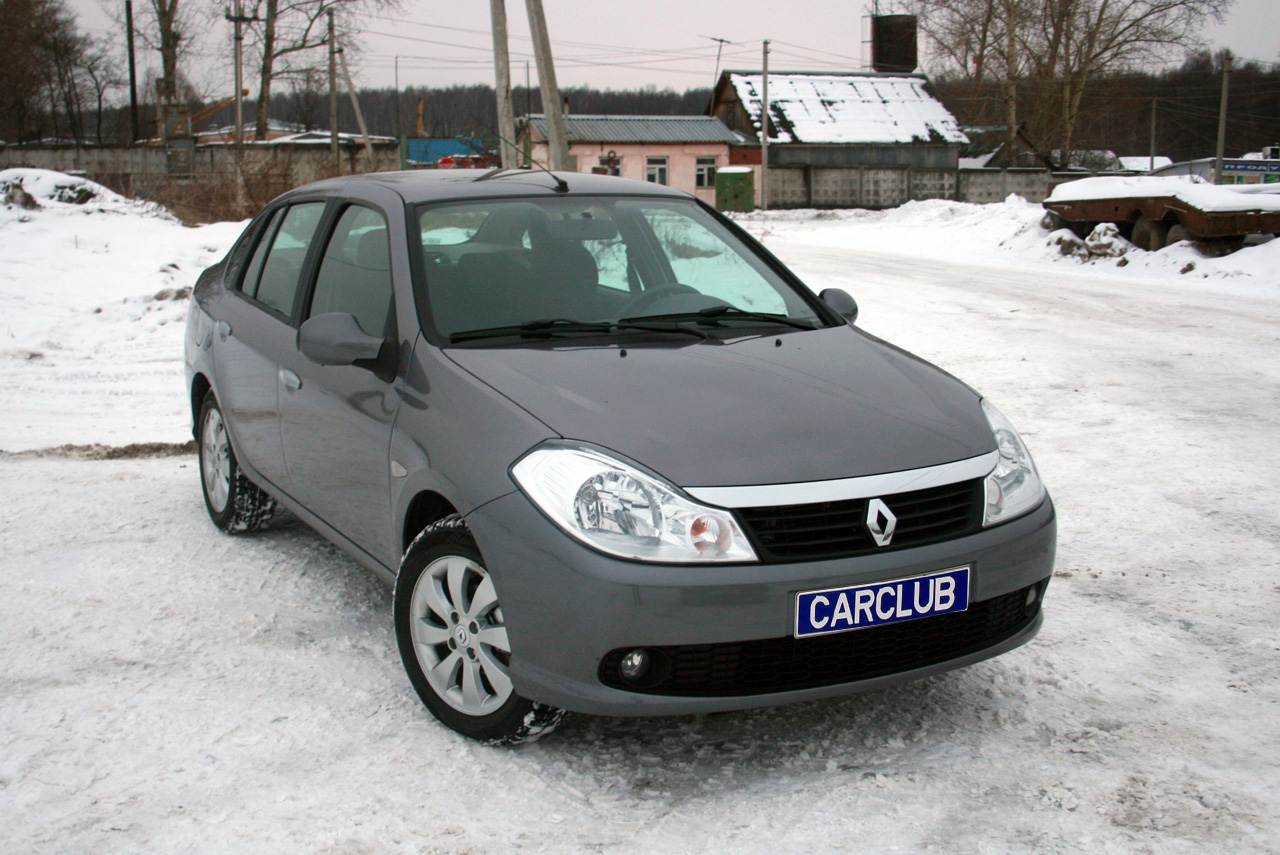 Just imagine: a small window in the pillar — and before us is a completely different car, not a Clio hatchback with a trunk attached, but a quite handsome sedan, somewhat resembling the older Megane model.Comments (6)