
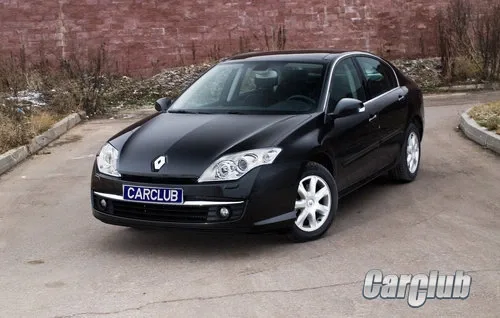
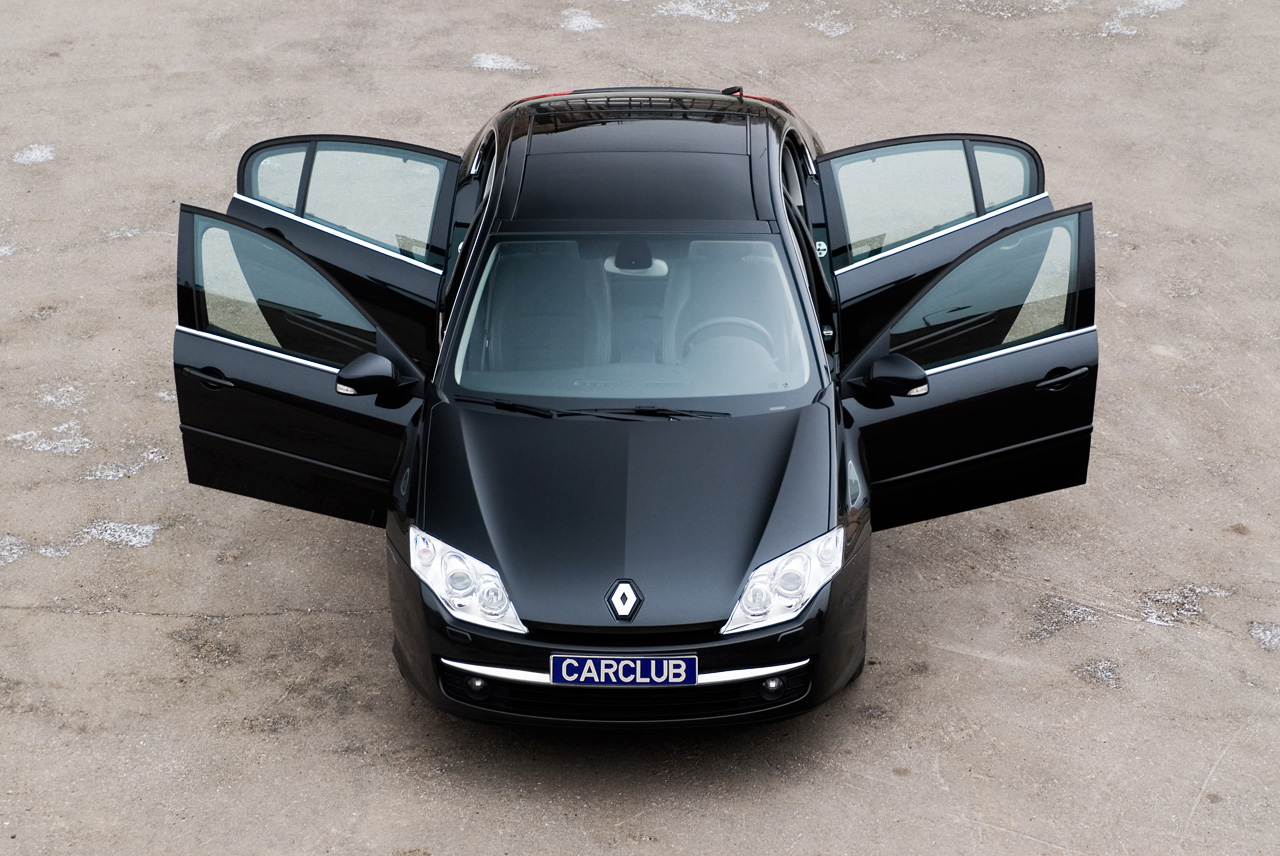
 The new Laguna III, presented to the world in September 2007 at the Frankfurt Motor Show, became one of the first joint projects of the Renault-Nissan alliance.Comments (8)
A French car is like a French woman — elegant, unpredictable, and at times capricious. Perhaps, I have never encountered such a contradictory attitude towards any other car. But times dictate their own rules: globalization forces large companies, including automakers, to unite and share developments and technologies with each other.
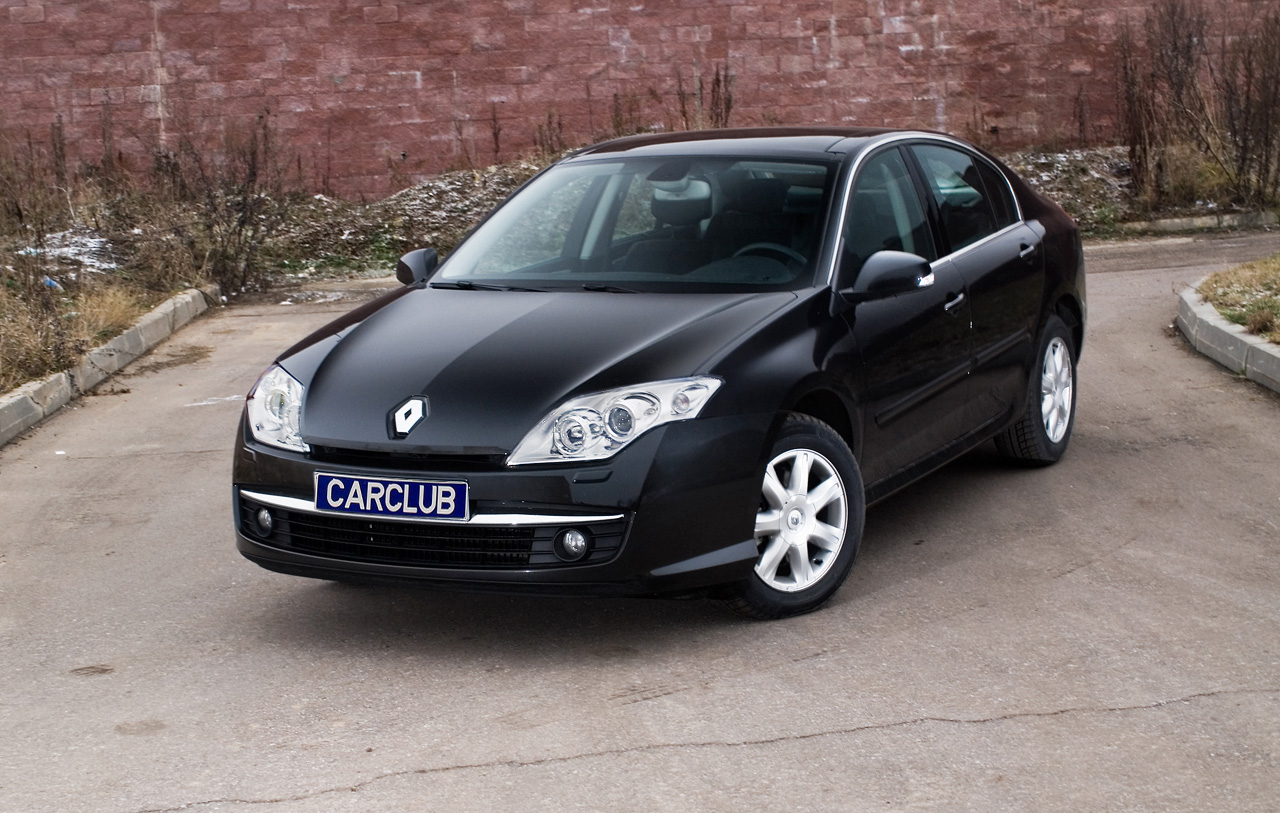 |
| The premiere of the new Laguna III took place in September 2007 at the international motor show in Frankfurt. |
Take, for example, the French concerns: the alliance with the Germans and Japanese allowed them to noticeably improve the quality of cars and acquire fresh solutions in engine building. Renault, which formed an alliance with the Japanese giant Nissan, did not stand aside either.
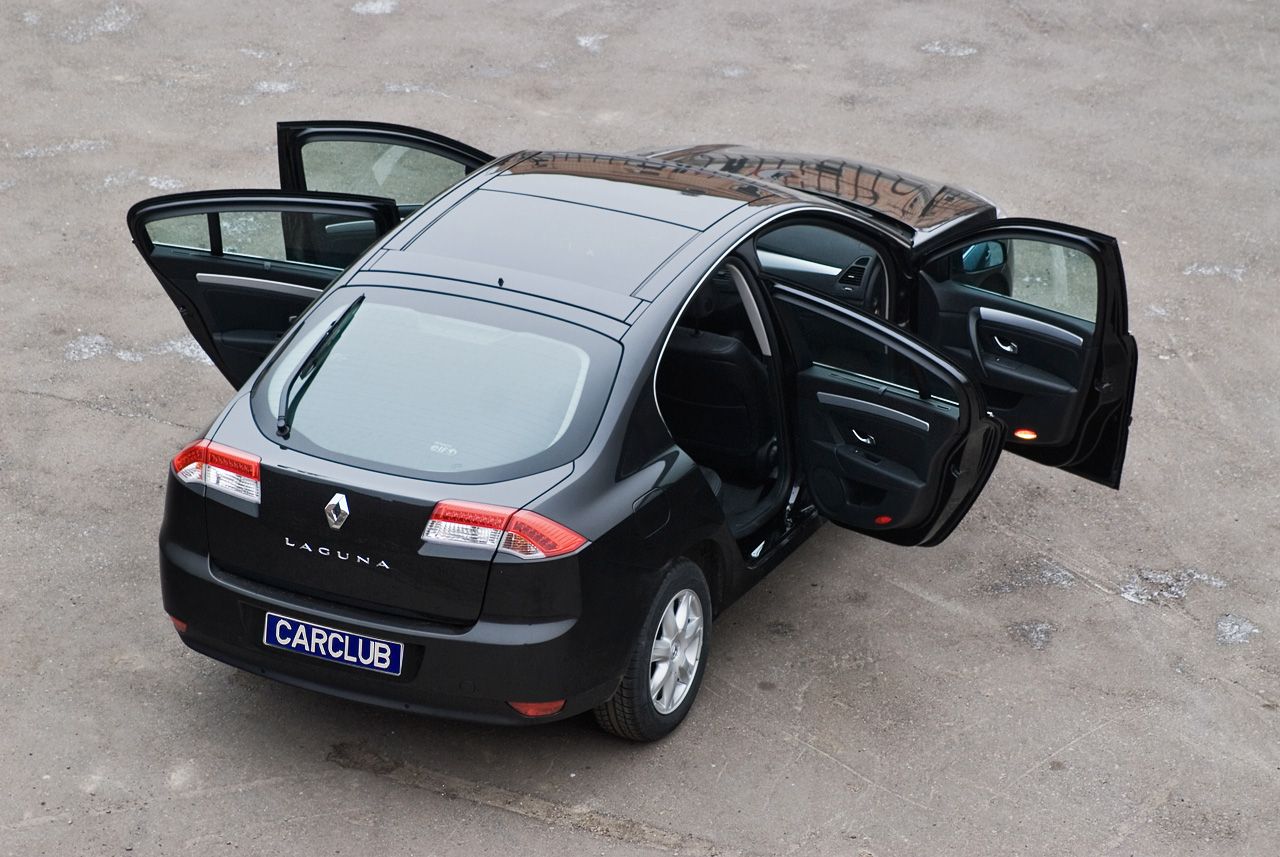 |
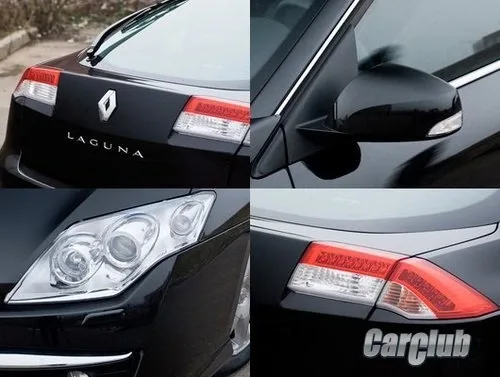
| The rear of the hatchback with narrow LED optics looks massive and at the same time elegantly French, refreshing the ambiguous design of the Laguna. |
The new Laguna III is one of the first fruits of Renault-Nissan cooperation. Its world premiere took place back in September 2007 at the Frankfurt Motor Show. Nevertheless, in Russia the model is still in the status of a new product — sales here started only a year after the official premiere.
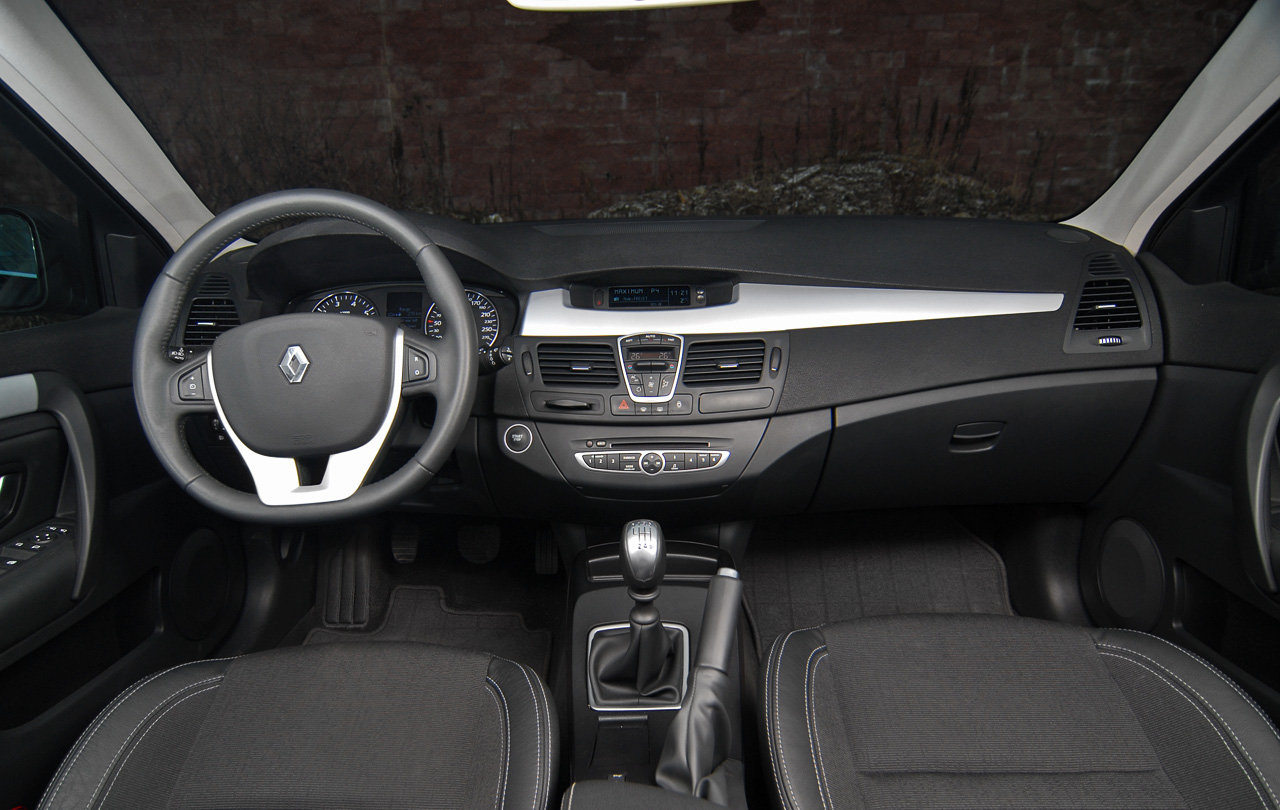 |
| The front panel is of the so-called sandwich type; the smooth curve somewhat resembles the new BMW style. The quality of materials pleasantly surprised: the panels are fitted perfectly, the plastic is both beautiful and soft. |
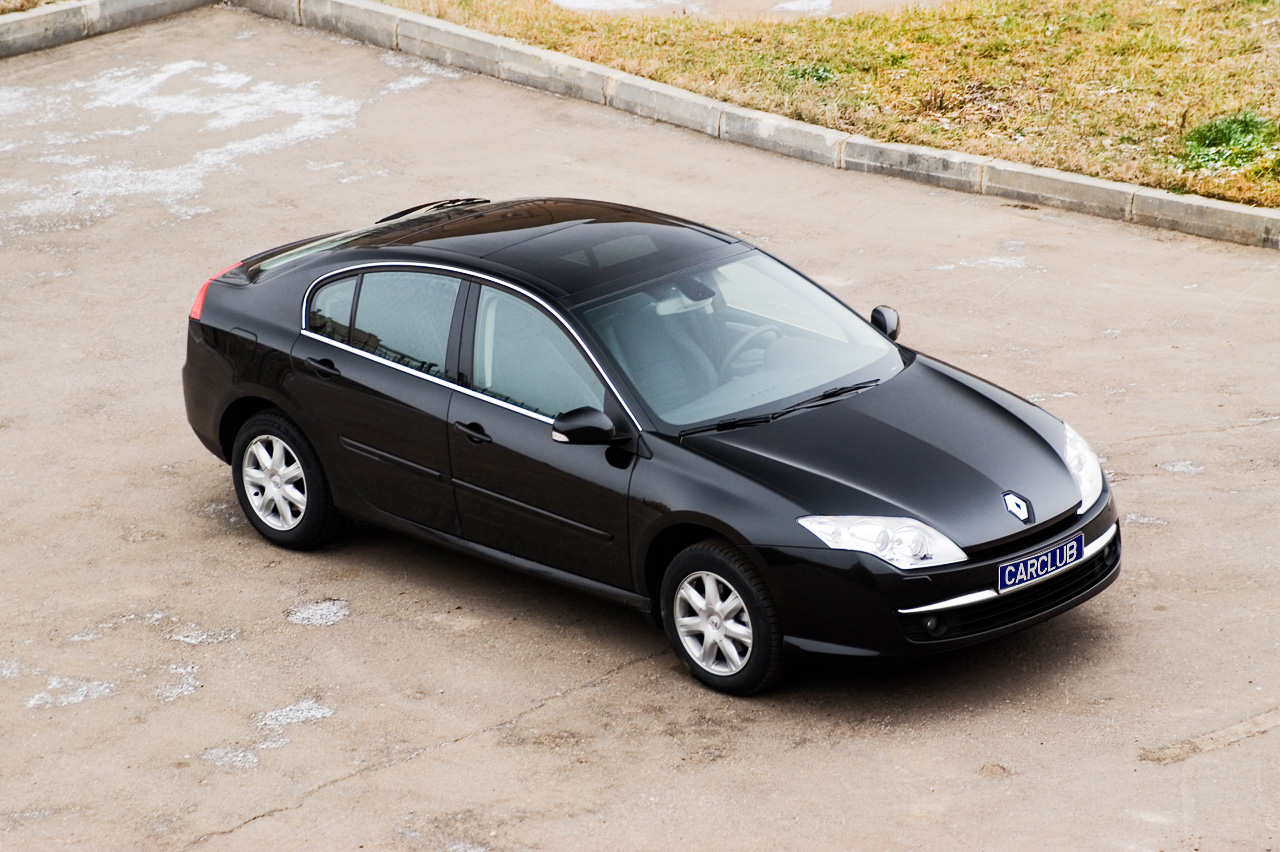
The appearance of the Laguna III can only be called controversial. The attractive profile with smooth lines and transitions does not combine at all with the "heavy" nose — the bulky bumper and irregularly shaped headlights look at the world with sincere surprise. But the massive rear of the hatchback with narrow LED lights, on the contrary, pleases with freshness and French elegance.
The third Laguna, as usual, has grown compared to its predecessor. At the same time, thanks to new materials, the hatchback has lost 15 kilograms.
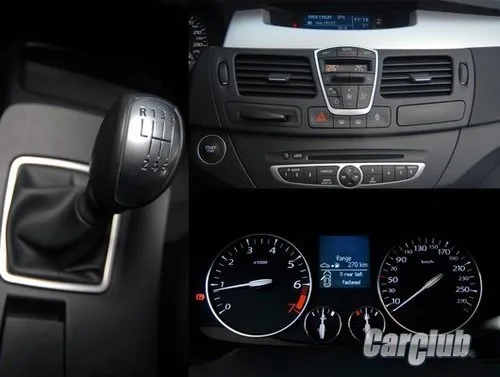 |
| The lever of the 6-speed manual has good selectivity, although the travel could be shorter. Climate control is managed through an original unit between the air ducts. The small buttons of the audio system are not very convenient. But the instrument panel is informative — no complaints. |
The interior has become more spacious: more space at shoulder level, and rear passengers will appreciate the legroom. But the main thing is different. The Laguna III has a completely new interior. The sandwich-type front panel with a smooth curve remotely echoes the BMW style. The instruments are exemplary in terms of informativeness. In the center, between the deflectors, there is an original climate control unit, below is the audio system with inconvenient button volume control. The quality of the trim pleased: the panels are joined flawlessly, the plastic is soft and pleasant to look at. And this is not accidental — the French are clearly aiming at the leaders of the D-class, and to lure customers away from the Volkswagen Passat, you need to try very hard.
 |
And the French are trying. The seats deserve special compliments: instead of amorphous soft "sofas" — excellently profiled, moderately rigid seats with good lateral support and wide adjustment ranges. The rear sofa is also well profiled, and three adults will be quite comfortable here. The hatchback's trunk volume of 450 liters does not claim leadership in the class, nor does it shine with the ergonomics of useful space.
The technical content has hardly changed. The platform is the same. The suspension has been refined: the anti-roll bars have become thicker, the springs are stiffer — by 20% at the front and 50% at the rear.
 |
In Russia, the Laguna III is offered with 1.6- and 2.0-liter naturally aspirated engines producing 115 and 140 hp — both only with a 6-speed manual. Also available are a turbocharged 2.0-liter gasoline engine with 170 hp and a two-liter turbodiesel with 150 hp, which work in pair with a 6-speed "automatic".
We got a Laguna with a 2.0-liter gasoline engine producing 140 hp in the Dynamique trim — decent, although not the maximum. We insert the key card into the slot on the panel, press the Start/Stop button. You can understand that the engine has started only by the tachometer needle — they worked hard on sound insulation!
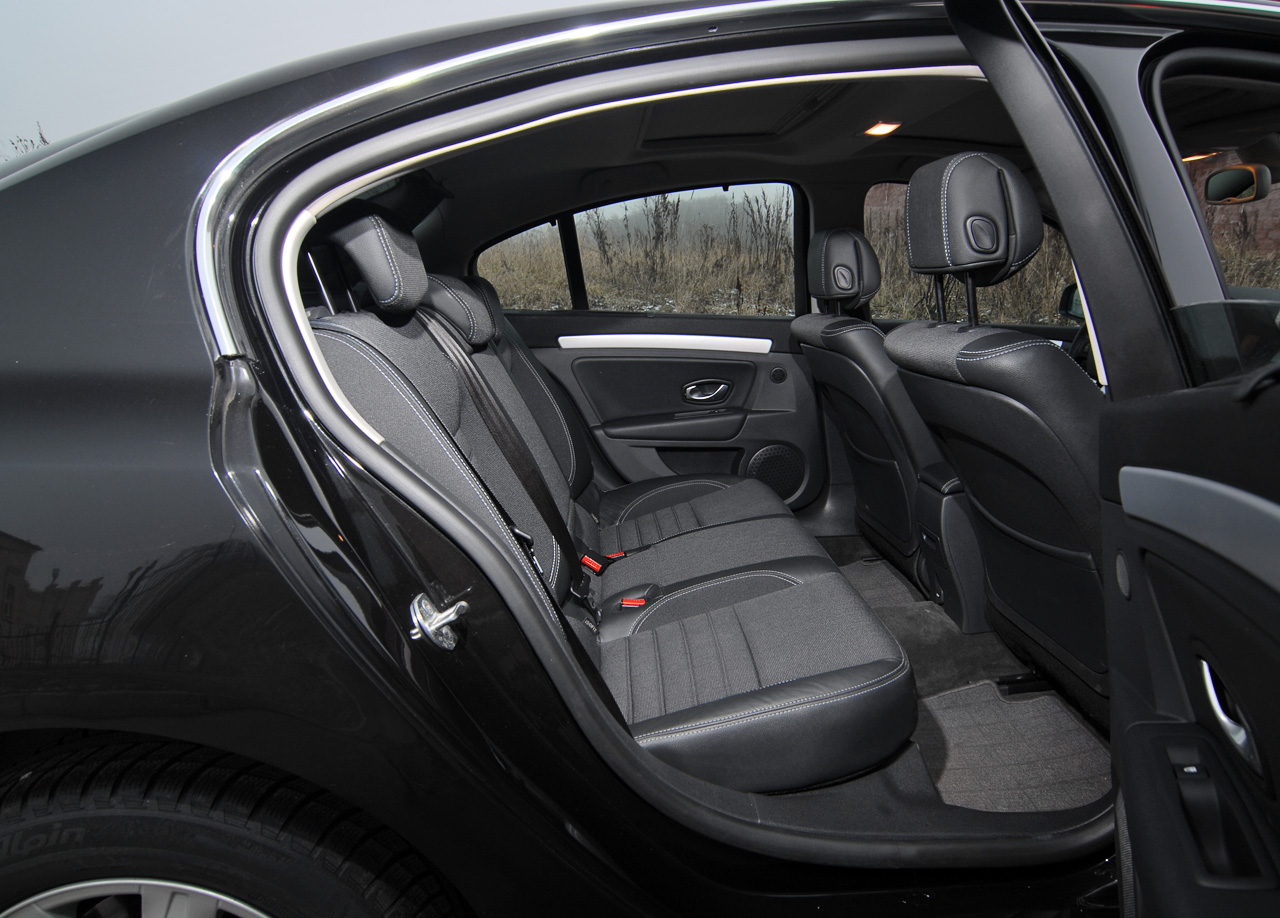 |
| The rear sofa is perfectly profiled for two, but three adults will also be quite comfortable here. |
The 140-horsepower engine drives without enthusiasm. The engine — a joint development of the Renault-Nissan alliance — has a smooth characteristic, and only at the very highest revs is a slight pickup felt. It is enough for city driving, but when overtaking on the highway, you should be careful — you should not expect sharp acceleration at speed.
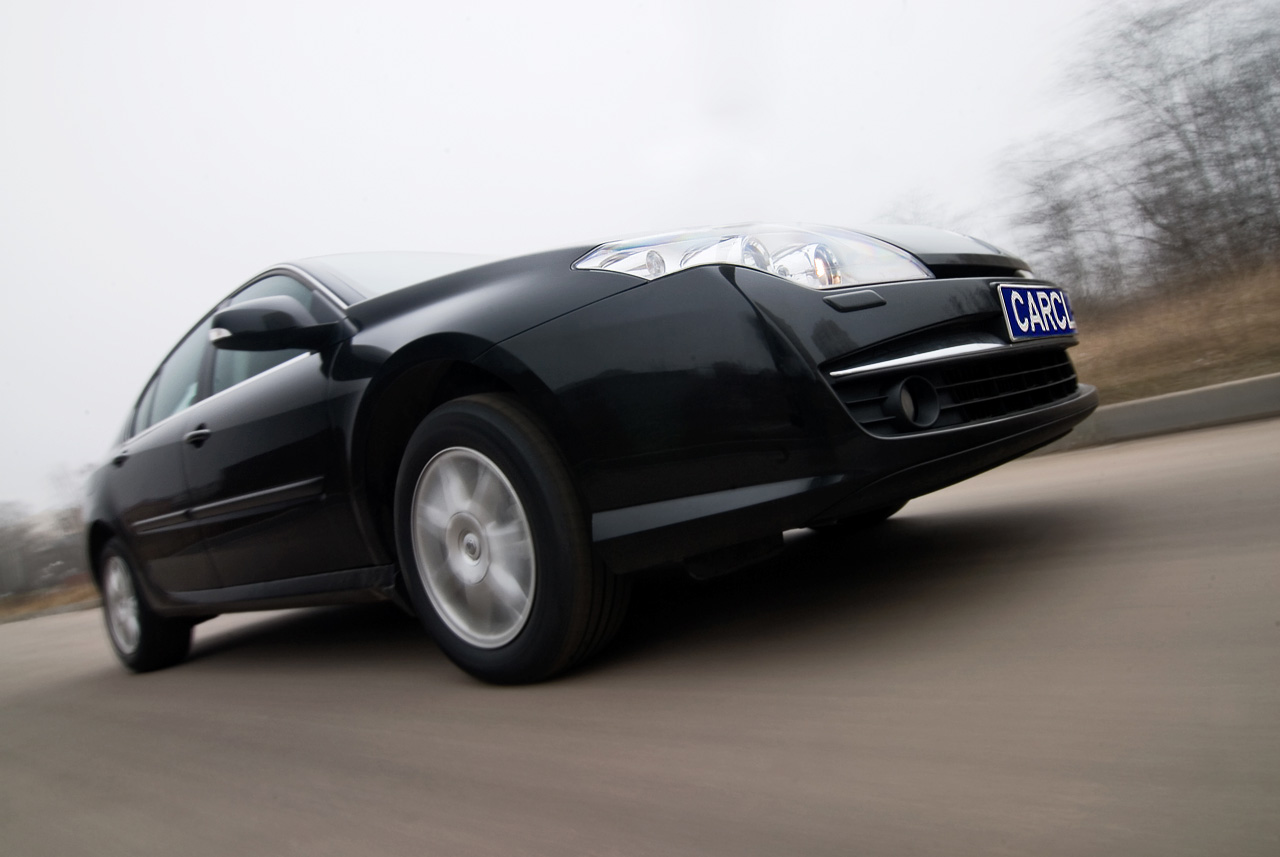 |
| The 140-horsepower engine pulls without excitement. This engine — a joint development of the Renault-Nissan alliance — is distinguished by a smooth characteristic, and only at the "top" does a barely noticeable pickup appear. |
But the comfort that the "Laguna" gives to its occupants can be boasted by few. Despite the increased stiffness of the suspension, the Laguna III simply does not notice small joints and irregularities, and larger potholes are damped silently for passengers. Stiffer springs and thicker stabilizers reduced body roll in corners, and handling became more precise and understandable. A moderately sharp steering wheel with excellent feedback allows you to accurately hold the trajectory even at extreme speeds.
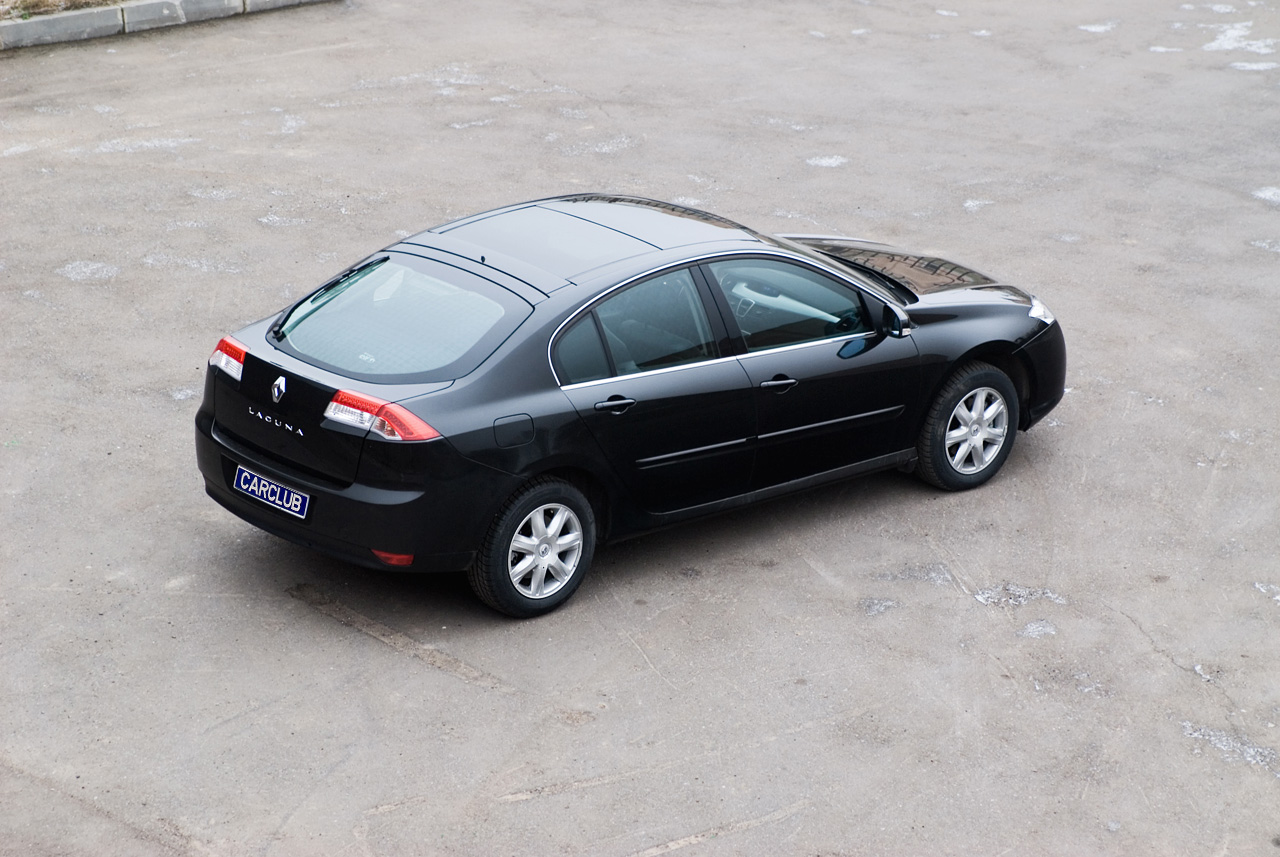 |
| Few competitors can boast of the comfort that the "Laguna" gives to passengers. Even with a stiffer suspension, the Laguna III ignores small joints and silently swallows large irregularities. |
With the release of the third generation of the Renault Laguna, the French took another step forward in terms of handling and comfort, approaching German cars. The third "Laguna" is unlikely to become the leader of the segment in Russia, but, having reached a qualitatively new level, Renault will certainly strengthen its position in our market.
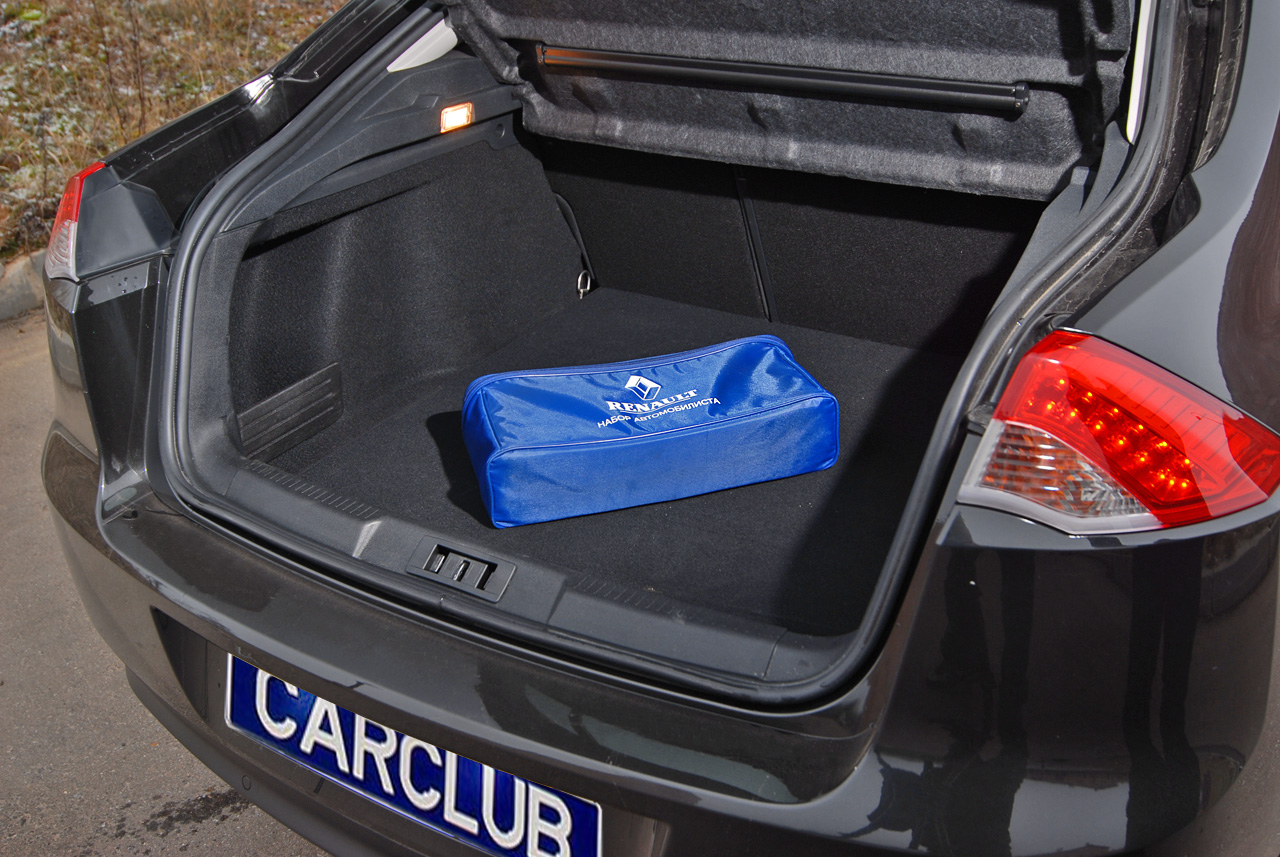 |
| The trunk with a volume of 450 liters does not claim leadership in the class. If you fold the rear row of seats, its volume increases to 1377 liters. |
For the base version of the Renault Laguna III with a naturally aspirated 1.6-liter engine and manual transmission, they ask 719,500 rubles. This amount includes steel 16-inch wheels with decorative caps, fabric upholstery of the seats, air conditioning, power steering, heated front seats, anti-lock braking system, six airbags, full electric package and a standard audio system.
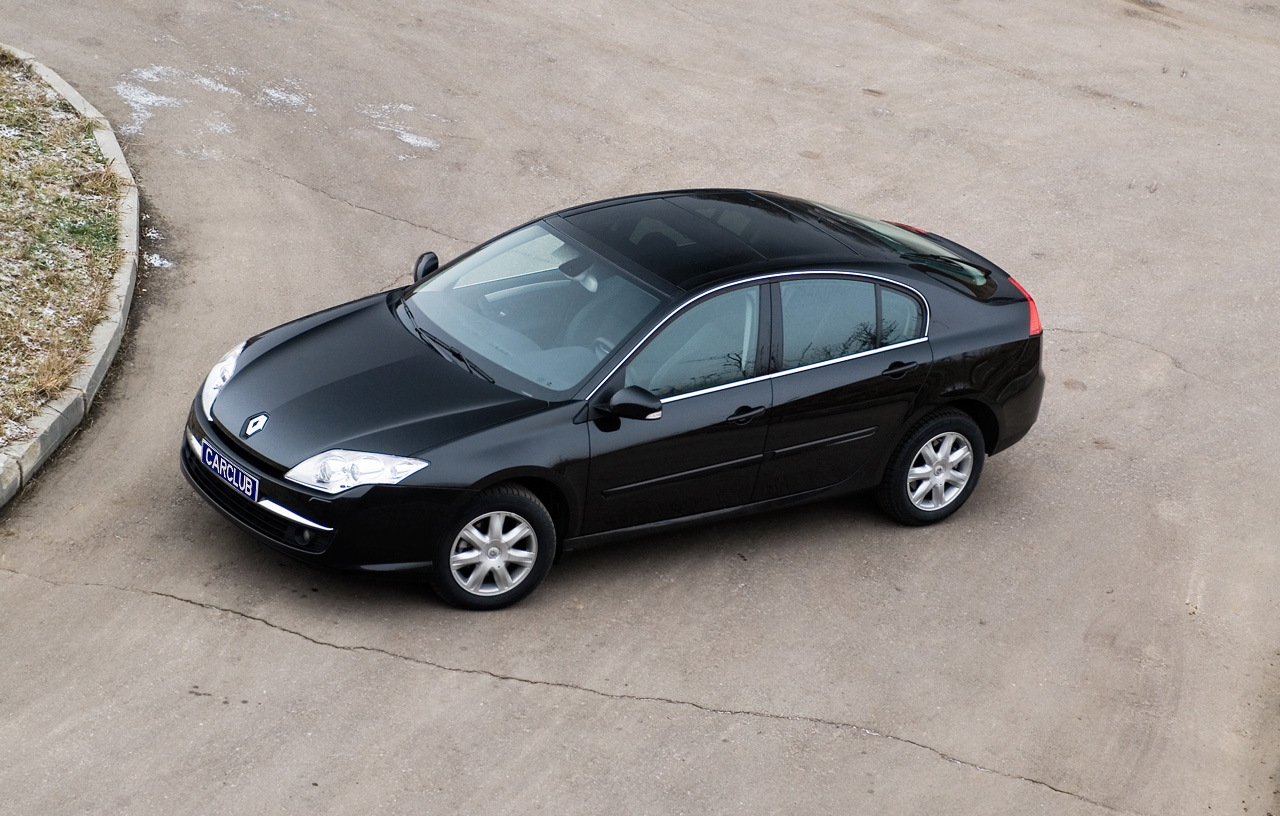 |
| The car tested with a 2.0-liter engine and manual transmission in the good Dynamique trim, which includes alloy wheels, combined interior trim, 2-zone climate control, rain sensor and stability control system, will cost 830,800 rubles. Well, if you add optional curtains for the rear doors, parking assistance system and panoramic sunroof, the cost will increase by another 56,600 rubles. |
The example I got for review is equipped with a two-liter engine and a manual transmission in the Dynamique trim — you will have to pay 830,800 rubles for it. For this money, the buyer gets alloy wheels, combined interior trim, dual-zone climate control, a rain sensor, and an electronic stability system. If you also want to install rear door curtains, a parking radar, and a panoramic roof, the surcharge will be 56,600 rubles.
The hatchback with a turbocharged engine producing 170 hp and an automatic gearbox in a similar trim will be 83,450 rubles more expensive. The most luxurious modification of the Renault Laguna with a diesel engine and automatic transmission in the Privilege version, which includes 17-inch alloy wheels, leather interior, rear parking sensors, bi-xenon headlights with a swivel mechanism, electric front seat adjustment, and a better audio system, is priced at 1,033,500 rubles. The station wagon, in turn, will cost on average 42,000 rubles more than the hatchback.