
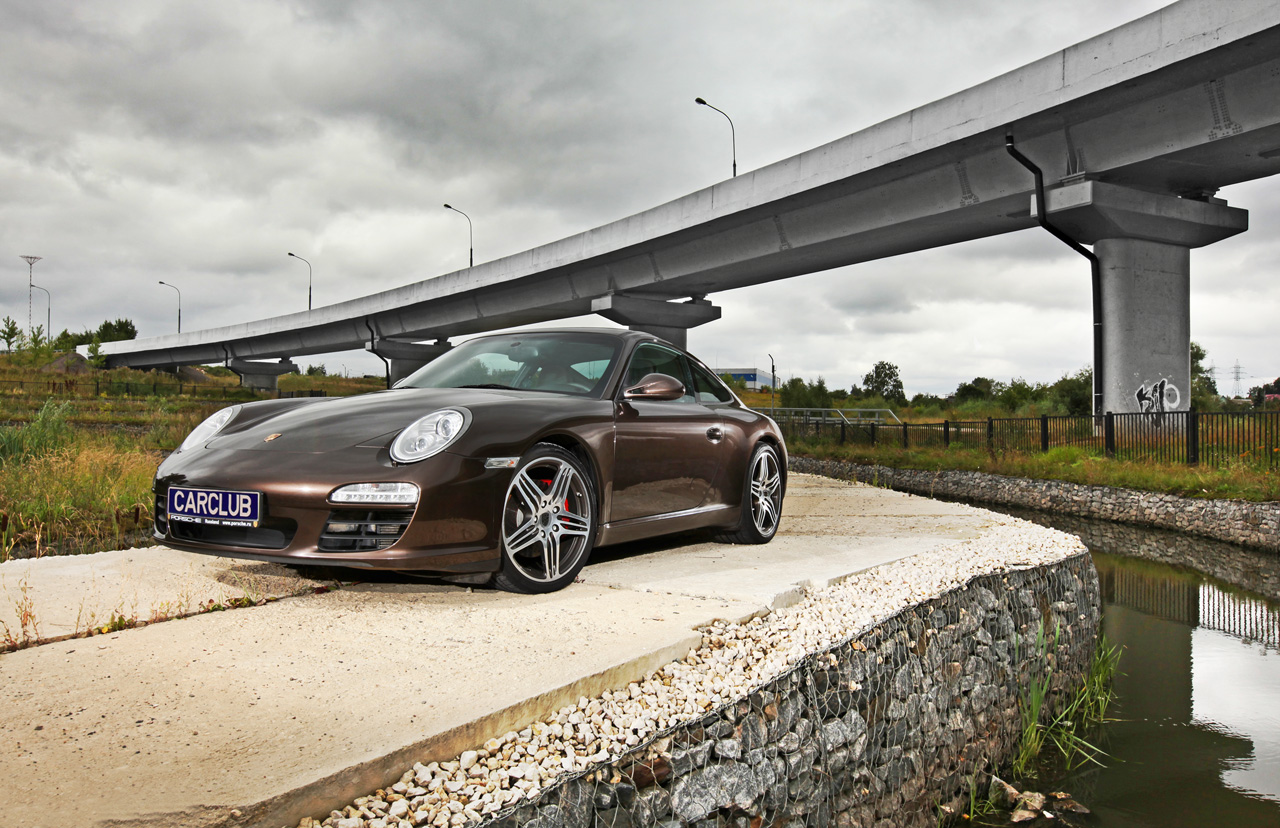
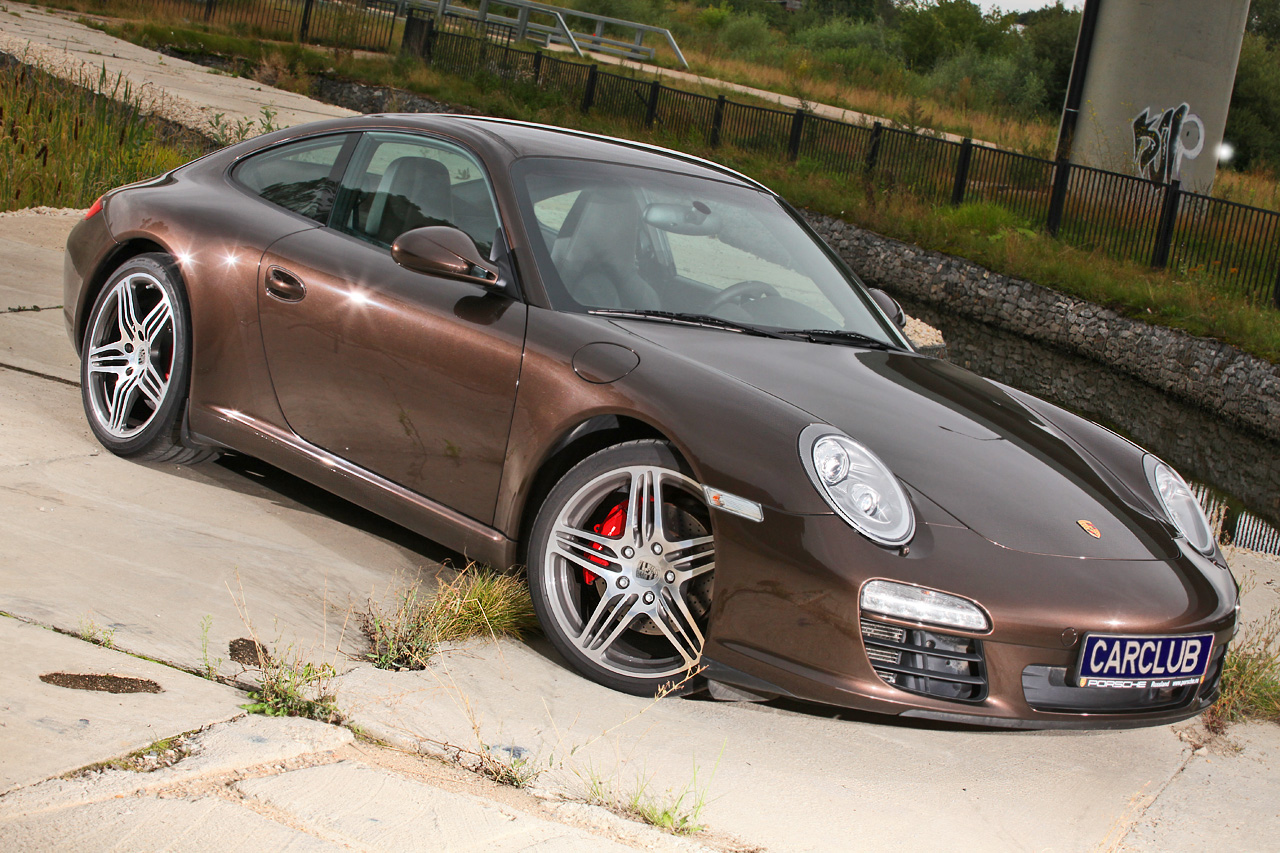
 I was really looking forward to getting behind the wheel of the new Porsche 911 Carrera S, equipped with the optional PDK (Porsche Doppelkupplung) transmission and painted in a gorgeous Macadamia shade — milk chocolate with metallic flecks.Comments (14)
Externally, the fresh generation of the legendary 911 is recognizable by its updated bi-xenon headlights and LED daytime running lights. The rear lights have also become LED, which is currently in trend. For the first time, Porsche offers dynamic cornering lights, and the side mirrors have grown in size for European safety standards.
However, the main changes in the new Porsche 911 Carrera S are hidden inside. This is a new engine, the PDK gearbox, and the touchscreen multimedia system PCM (Porsche Communication Management).
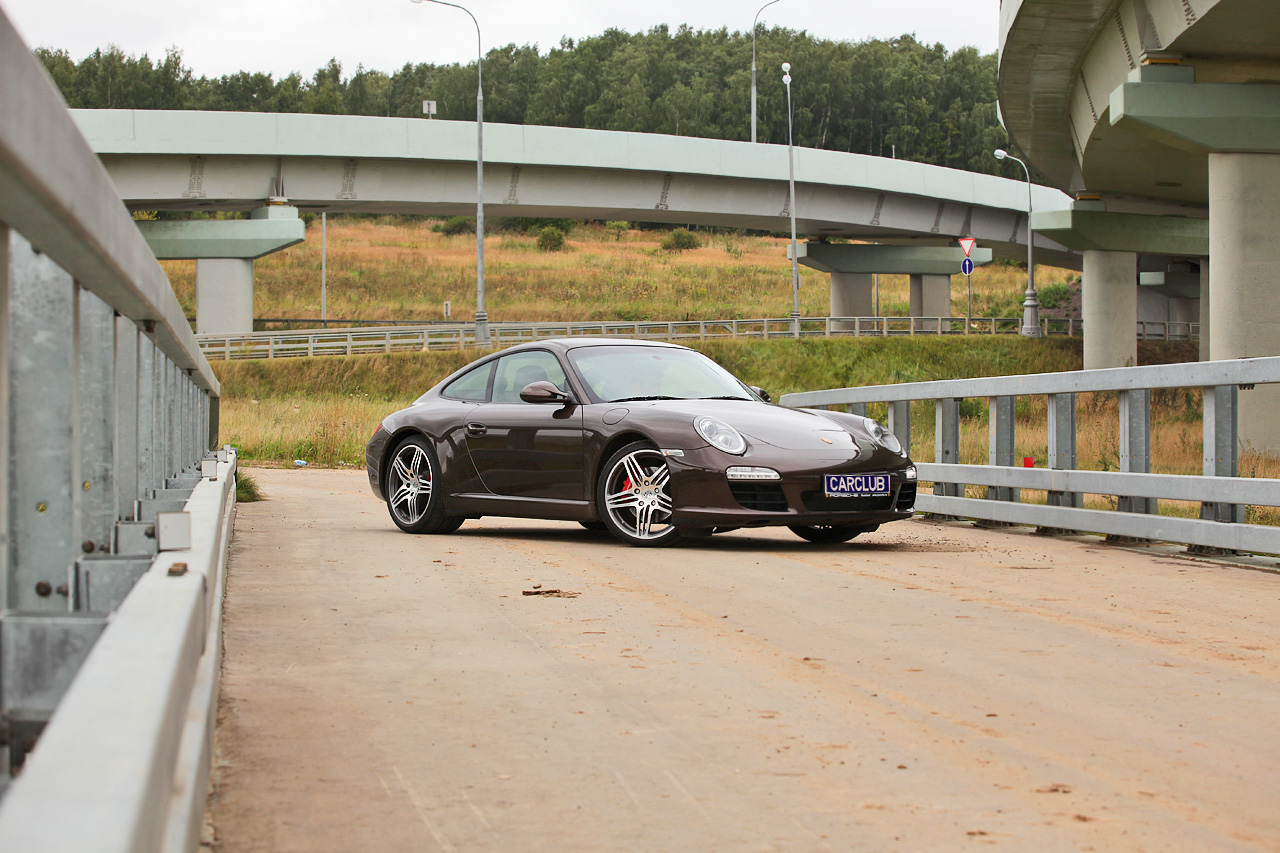 |
| The current Porsche Carrera S received a refined 3.8-liter engine producing 385 hp at 6500 rpm. |
Let's break it down point by point. As they claim at Porsche, the fresh engines for the updated 997 body have become 8.5 percent more powerful, 12.9 percent more fuel-efficient, and 15.4 percent cleaner in CO2 emissions. In numbers, it looks like this: the 3.6-liter engine of the base Carrera gained 20 horsepower — now 345 hp, and our naturally aspirated 6-cylinder flat-six with a displacement of 3.8 liters added 30 “horses” — totaling 385 hp.
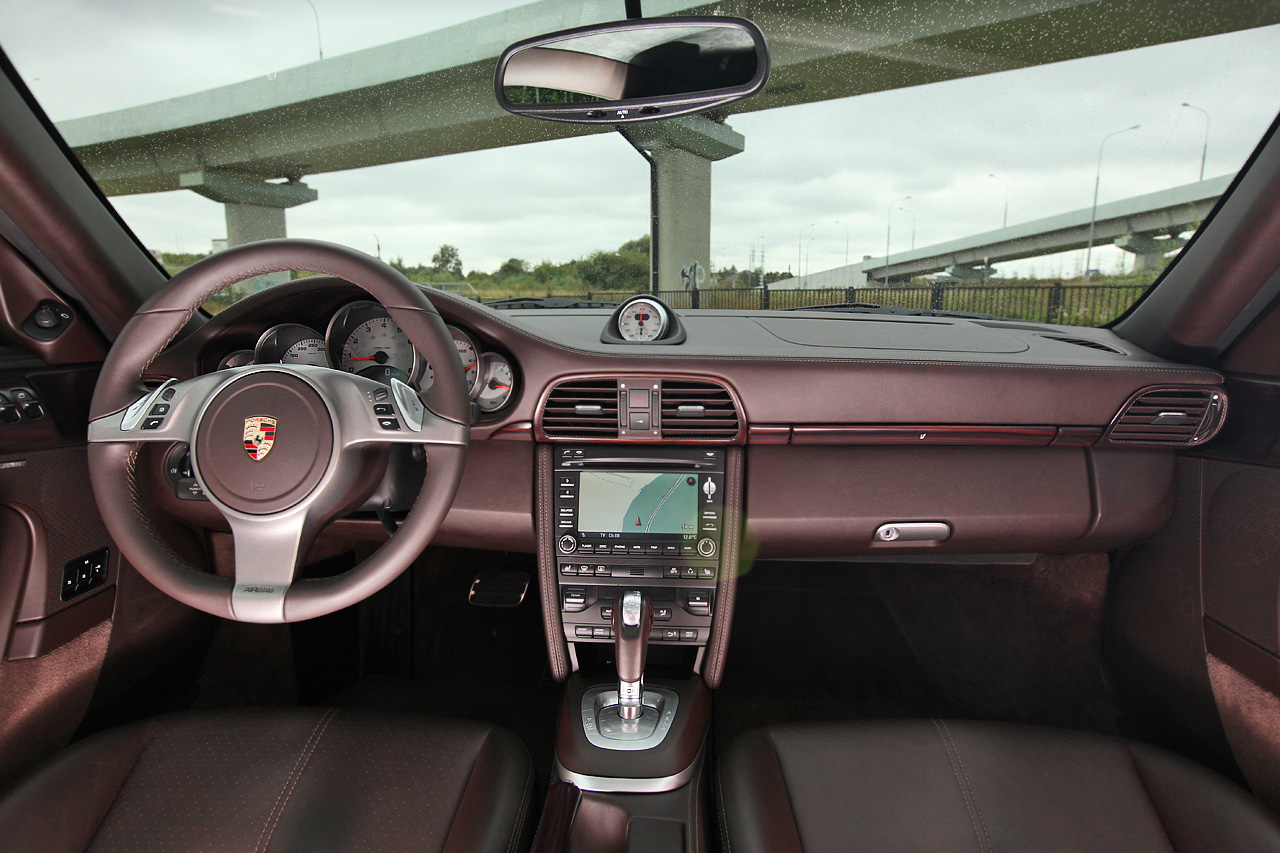 |
| The interior of the 911 is art. Leather and Alcantara everywhere. In the new generation, a touchscreen multimedia center PCM with navigation, DVD, audio system with Bluetooth, and optional TV tuner has appeared. Though, who would want to watch TV in a 385-horsepower Carrera S? |
The base Carrera comes with a 6-speed manual gearbox, and optionally available is the new robot Porsche Doppelkupplung — it shifts gears faster, without interrupting the power flow, and consumes less than the old Tiptronic S with a torque converter. The PDK has seven gears, two clutches, and a pair of shafts: one carries the even gears, the other the odd ones.
 |
| The base Carrera is equipped with a sporty 6-speed manual gearbox, and for an extra charge you can get the Porsche Doppelkupplung robot. |
A regular robot, to shift a gear, must first disengage the clutch, disengage the current gear, engage the next one, and then re-engage the clutch. PDK does it faster: while one gear is working, the next one is already waiting on the shaft of the second disengaged clutch. But how does the gearbox know which gear to prepare — higher or lower? The electronics constantly read a bunch of data from sensors and vehicle systems and, based on that, select the needed gear. And if the “brains” prediction doesn't come true, the needed gear will be on the second clutch shaft within fractions of a second. The shifts are so lightning-fast that it's simply impossible to tell when PDK guessed right and when it didn't.
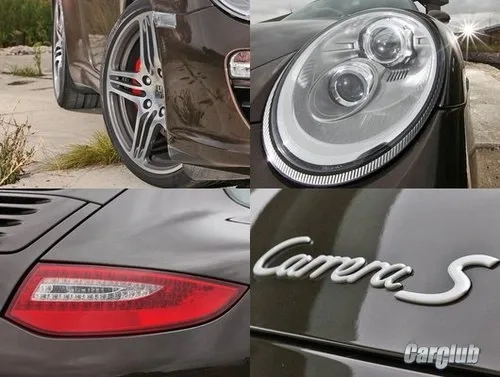 |
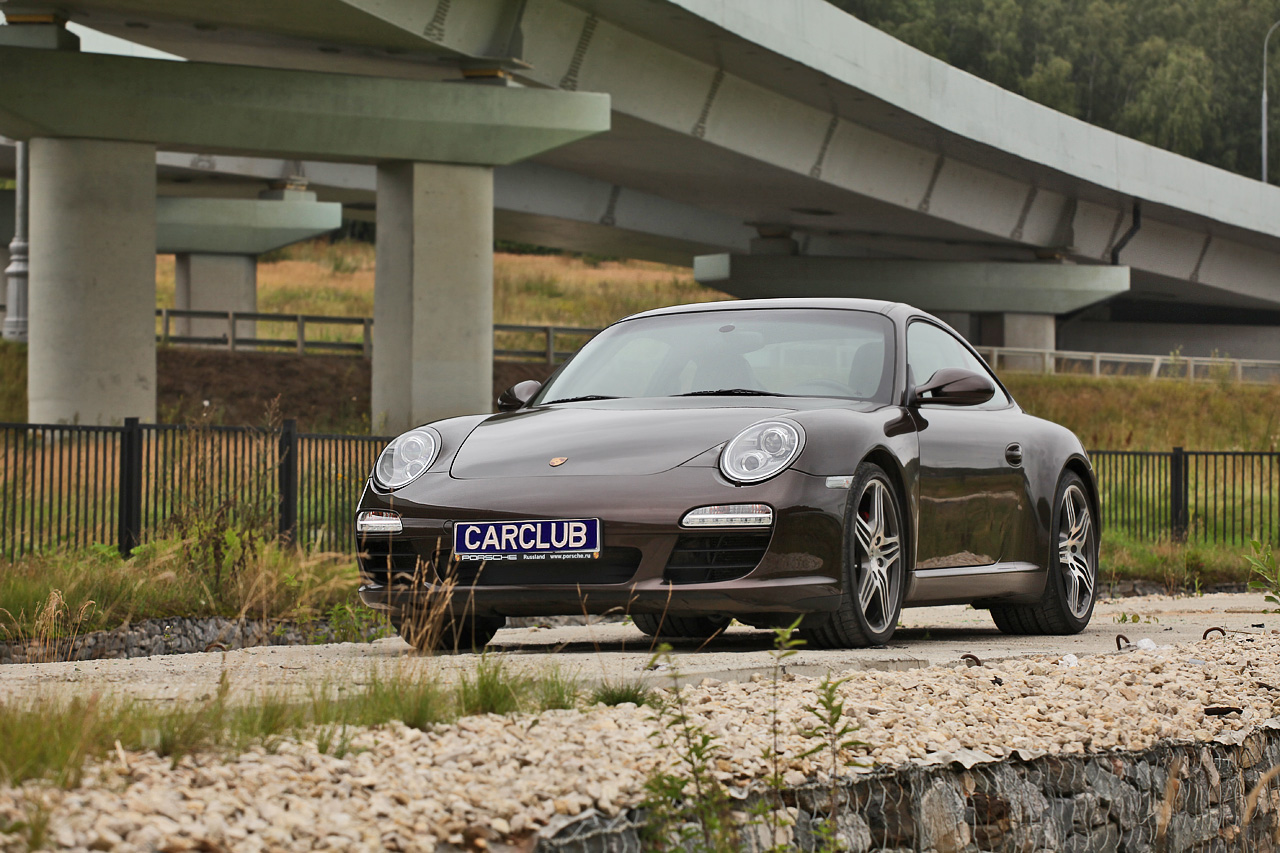
| The new generation Porsche 911 is distinguished externally by new lighting: front bi-xenon headlights with dynamic cornering lights, and LED taillights at the rear. The look is completed by 19-inch Turbo wheels. |
Manually, PDK can be shifted by the usual rocking of the lever or by new buttons on the steering wheel, which have replaced the paddle shifters. Having read a bunch of reviews, unlike the general opinion that “paddles” are better, I consider the new buttons more convenient and versatile — if only because each one can shift both up and down. Another plus of PDK is the ability to skip several gears, for example, from fifth directly to second. True, if the gearbox decides that it's more logical to go from even to even or from odd to odd, it will do it through a gear on the other shaft. Sounds complicated? In theory, yes, but in practice, the rate of fire of PDK doesn't suffer from this.
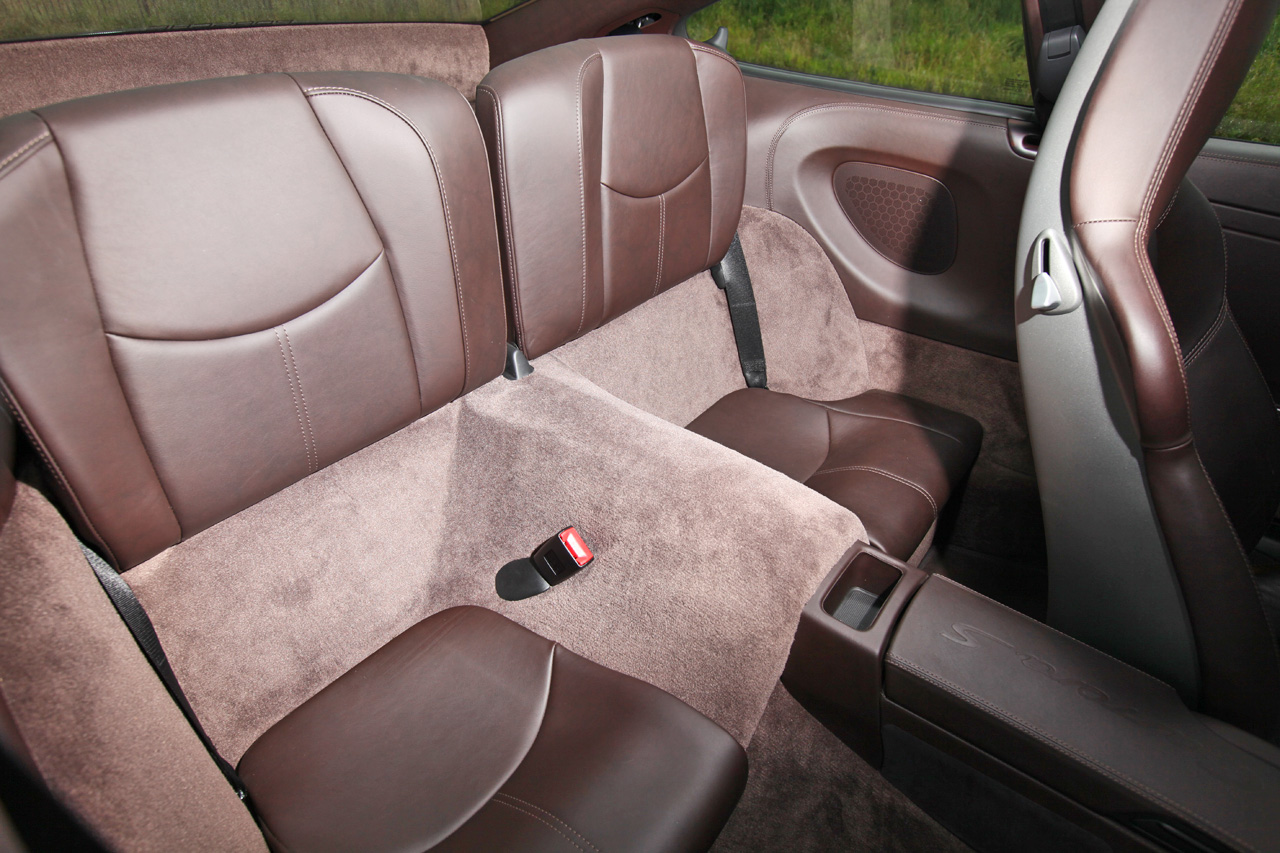 |
| At the rear — a pair of “toy” seats. If you try hard, an adult can squeeze in and even ride for a couple of minutes. |
The test Porsche Carrera S had the optional Chrono Plus package — a large stopwatch on the dashboard for track timing and a magic Sport Plus button that activates the Launch Control quick start function. Such experiments, of course, don't extend the life of the transmission, but there is protection: if the gearbox overheats, the function will turn off by itself, and if necessary, the gearbox will lock until it cools down. And, honestly, not trying Launch Control on the Carrera S would be a real crime.
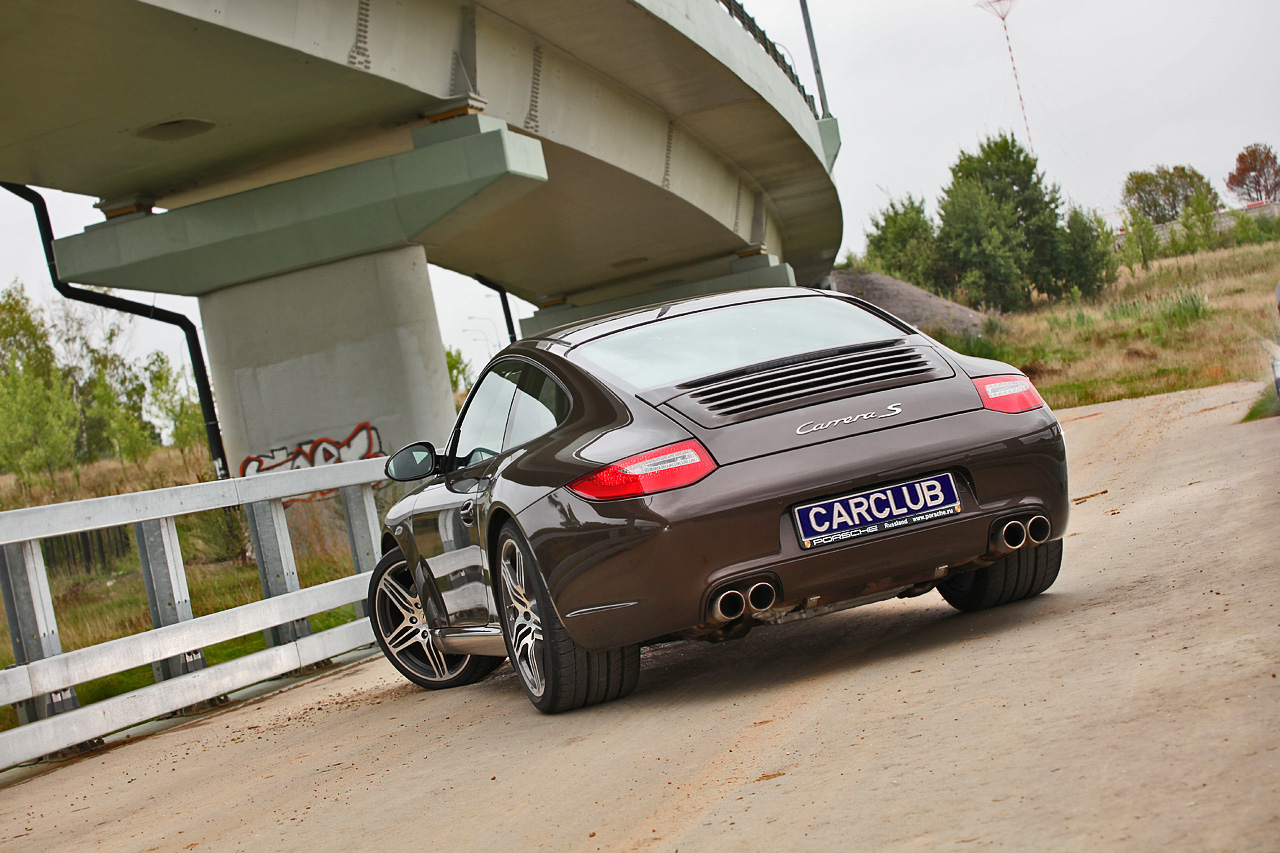 |
| The test Porsche Carrera S was painted in a gorgeous Macadamia color. By the way, for the “metallic” you'll have to pay an extra 52,509 rubles. |
So, left foot on the brake, right foot presses the gas to the floor, release the brake — and with minimal wheelspin, the Porsche shoots off like a cannonball. Just think: 385 hp at 6500 rpm and 4.5 seconds to 100 km/h. It presses you into the seats like during an airplane takeoff. Powerful acceleration holds across the entire rev range up to 250 km/h, and then the agility of the Carrera S slightly fades. But is that not enough?
 |
| The new PDK robot has seven gears, two clutches, and two shafts, one of which carries the even gears and the other the odd ones. Manually, you can shift with the lever or buttons on the steering wheel. But there's also an automatic mode in which PDK works no worse than a classic “automatic”. |
The steering wheel is tight, reactions are sharp — the driver's commands are executed instantly and without objection. And the sound of the engine! The 6-cylinder flat-six in the rear overhang sings like an opera soloist. No fake pipes into the cabin — only pure live sound without a soundtrack.
On a straight line, the Porsche Carrera S stands perfectly at any speed, maneuvering in traffic is a pleasure. Just indicate the direction, and the 911 will dash there without looking back. But on our roads, you need to be on guard: due to the large difference in the width of the front and rear tracks and wide tires, the car gets nervous in ruts. Moreover, the Carrera S transmits every road imperfection into the cabin in detail.
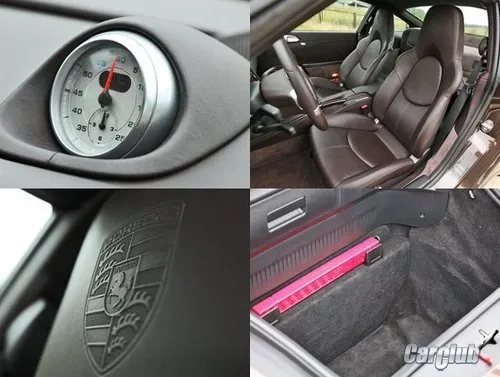 |
| The tested Porsche was equipped with the Sport Chrono Plus package: it includes an analog stopwatch, a sport mode for the engine and transmission, a track-adapted suspension, and display of lap data on race tracks on the PCM screen. The front seats are a model of thoughtfulness. A compact bag will fit in the “hood”. The Porsche emblem embossed on the headrests is a unique option priced at 9,700,000 rubles. |
In corners, the car demonstrates impeccable precision, excellent grip, and an impressive speed reserve. And if you overdo the pace too much, the Carrera will first slightly push the front axle outward, but then PSM (Porsche Stability Management) will immediately intervene and restore traction. We try again — now before the corner, we drop a couple of gears so the front tires bite better into the asphalt, steer, and open the throttle on the arc. Now that's what we need!
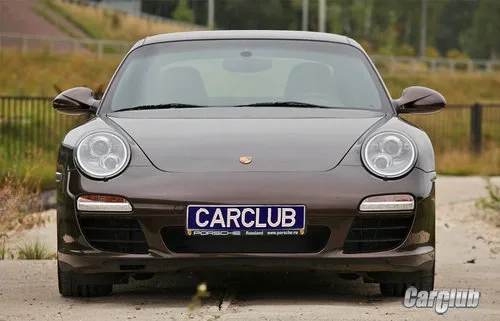 |
| On a straight line, the Porsche Carrera S behaves impeccably at any speed, and changing lanes in traffic is a sheer pleasure. But on our roads, you should be on guard: the significant difference in the width of the front and rear tracks and very wide tires add nervousness in ruts. |
To add some emotion, you can turn off the stability control and play with the throttle in a corner, taking it in a controlled drift, and if necessary, adding more steering angle with the 991's wheel. The handling is very clear and honest. Despite the fact that the Porsche is packed with electronics to the brim, there is none of that synthetic artificiality that many pseudo-sports cars are guilty of. Behind the wheel of a Porsche Carrera S, you can get genuine pleasure from the real sound and real handling.
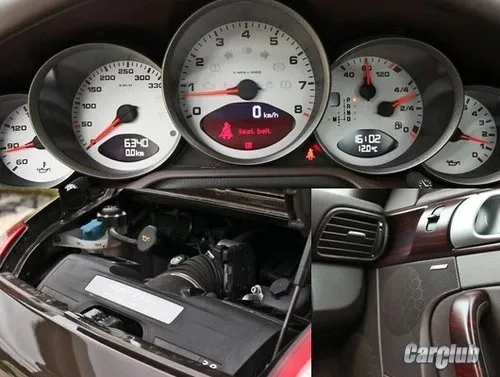 |
| As befits a true sports car, the analog tachometer sits in the center of the instrument panel. Inside, there is only natural wood and an abundance of leather, which optionally can cover everything, down to every rib of the air vents. |
As for the interior, everything is, as always, at the highest level. Around you is quality leather, refined ergonomics, and classic design from Stuttgart. We should also note the new PCM (Porsche Communication Management) system — with a touchscreen display, excellent Bose acoustics, DVD player, navigation, optional TV tuner, and Bluetooth support. With the arrival of the flagship Porsche Panamera, the PCM system received a Russian-language interface. Soon, a similar update will reach the systems in the Carrera lineup. However, communicating with this system in English is also not difficult.
 |
| The price of the Porsche 911 Carrera S starts from 5,160,000 rubles. Many options for interior and exterior finishes, as well as a wide list of options, up to engine tuning, can raise the final cost by another couple of million. But believe me — it's worth it! |
To the great joy of loyal fans and the disappointment of detractors, the new Porsche 911 is an excellent sports car for those who understand the specifics of the rear-engine layout and know how to benefit from it, and most importantly — simultaneously get true aesthetic pleasure from it, which you feel behind the wheel of a Porsche.
Ruslan Galimov