
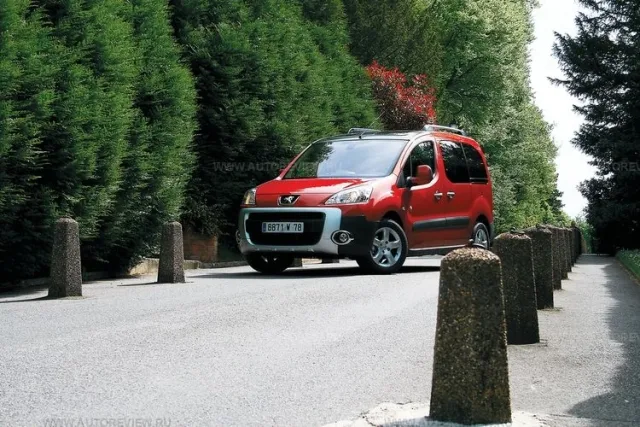
The taxi driver turned out to be a talker. It was enough to ask how he manages with the Peugeot Partner "heel", and until the airport I listened to why drivers don't like these cars, but are in no hurry to change them. It was curious to listen: I was just flying to test the new Partner…
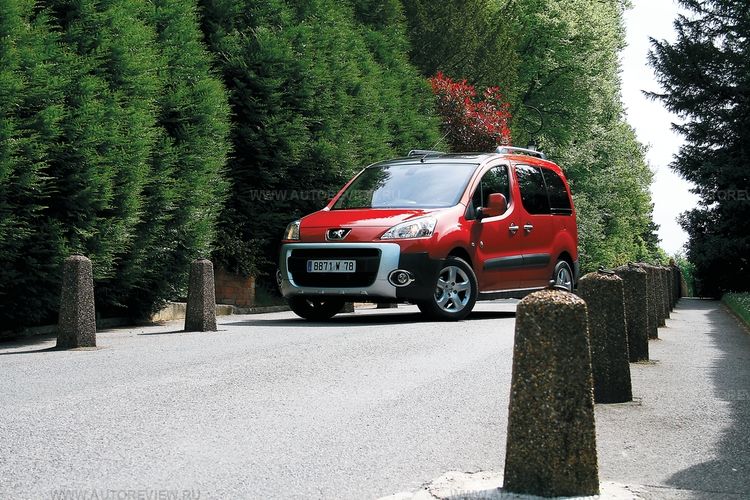
Working as a taxi is no picnic: annual mileage of nearly a hundred thousand kilometers, any roads, the car is not spared. However, as drivers claim, the "twins" Peugeot Partner and Citroen Berlingo are suitable for such a load. The body with suspension and gearbox survive 300 thousand kilometers. Petrol engines sometimes overheat, and often the cylinder head gasket has to be replaced due to leaks, and the gearbox drive becomes loose over time and even falls apart. But the electrics only start to glitch after two hundred thousand, and even the sliding doors withstand rough passenger handling. And we must not forget about the needle bearings in the rear suspension, inherited from the 405 model.
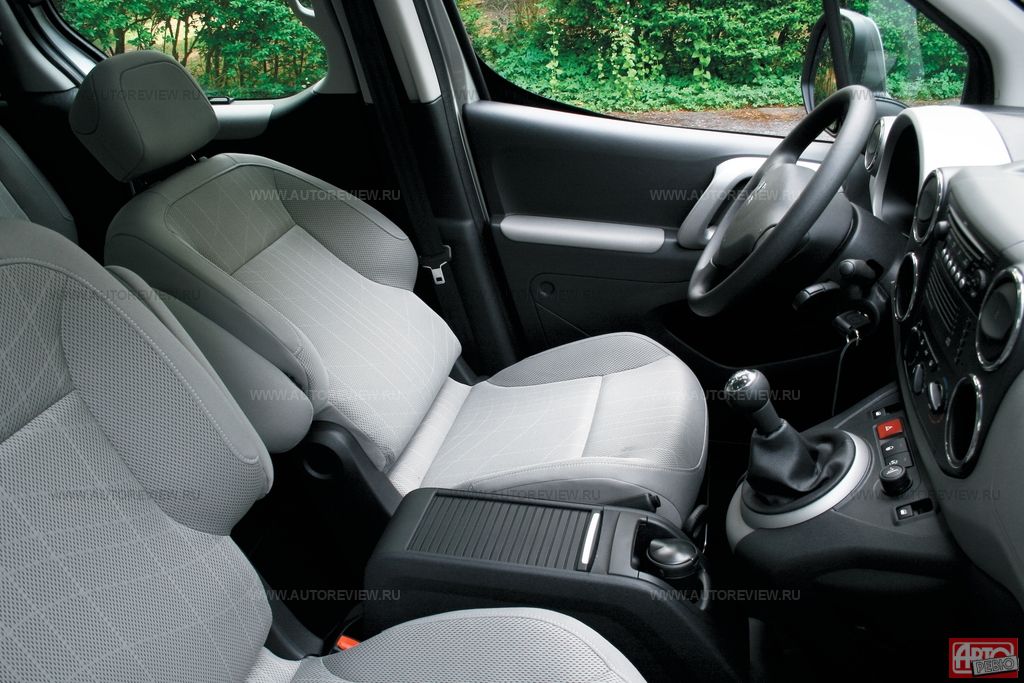 | 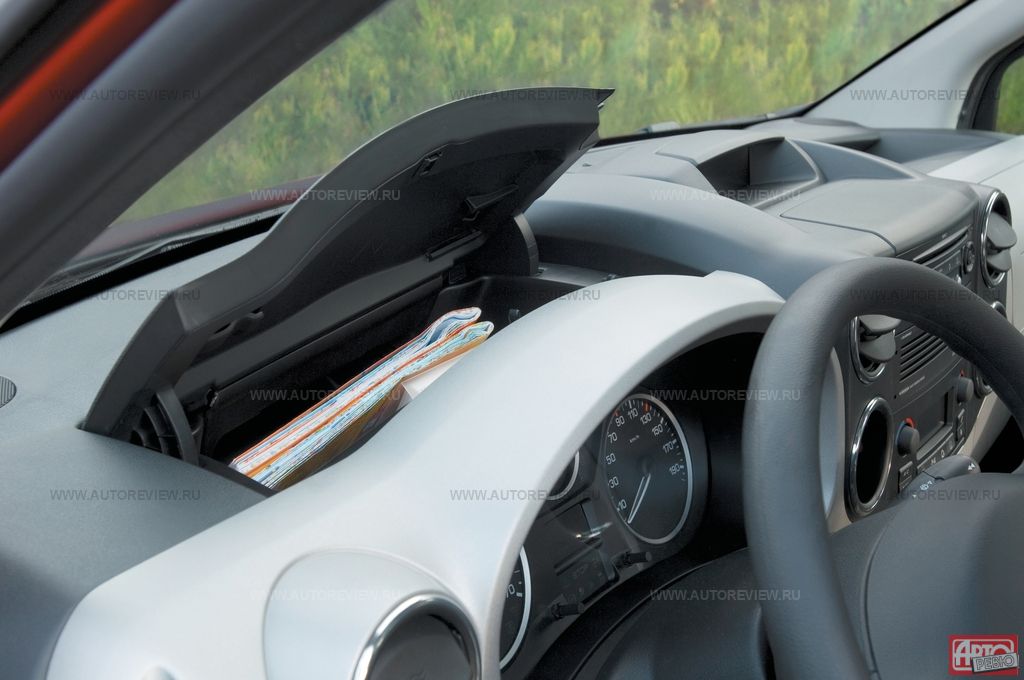 |
| The front seat backs recline, but not all the way | It seems all free volumes are used for "glove compartments" |
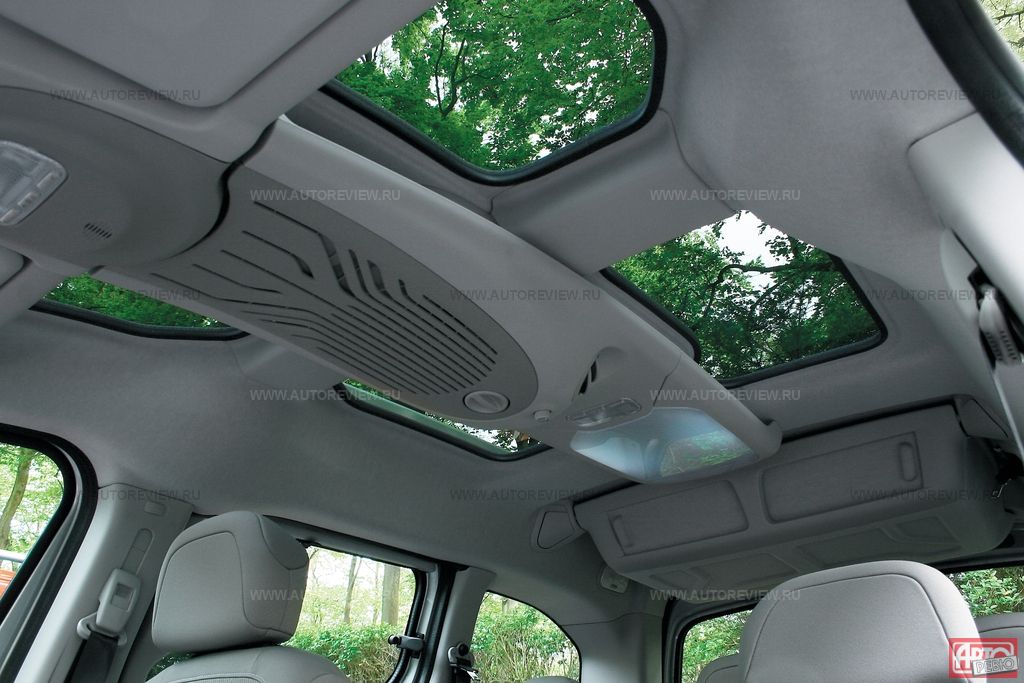 | 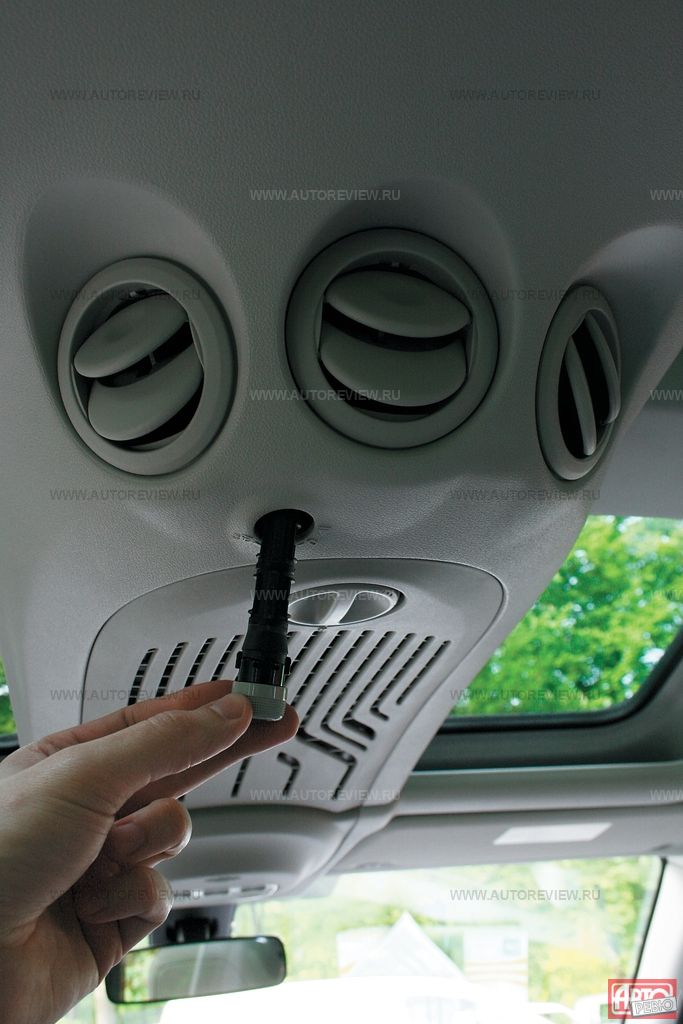 |
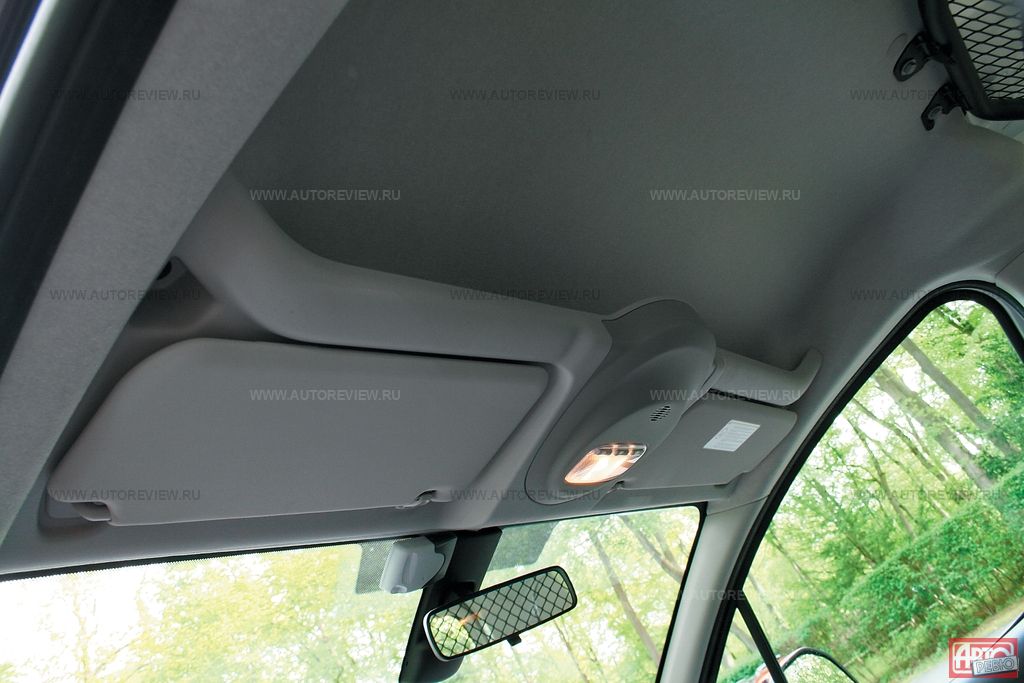
| Unlike PSA passenger models, the transparent roof of the cargo-passenger Tepee consists of four separate panes. But in its "spine" there are shelves, a fan for rear passengers, and even an air freshener with replaceable capsules (photo on the right) | |
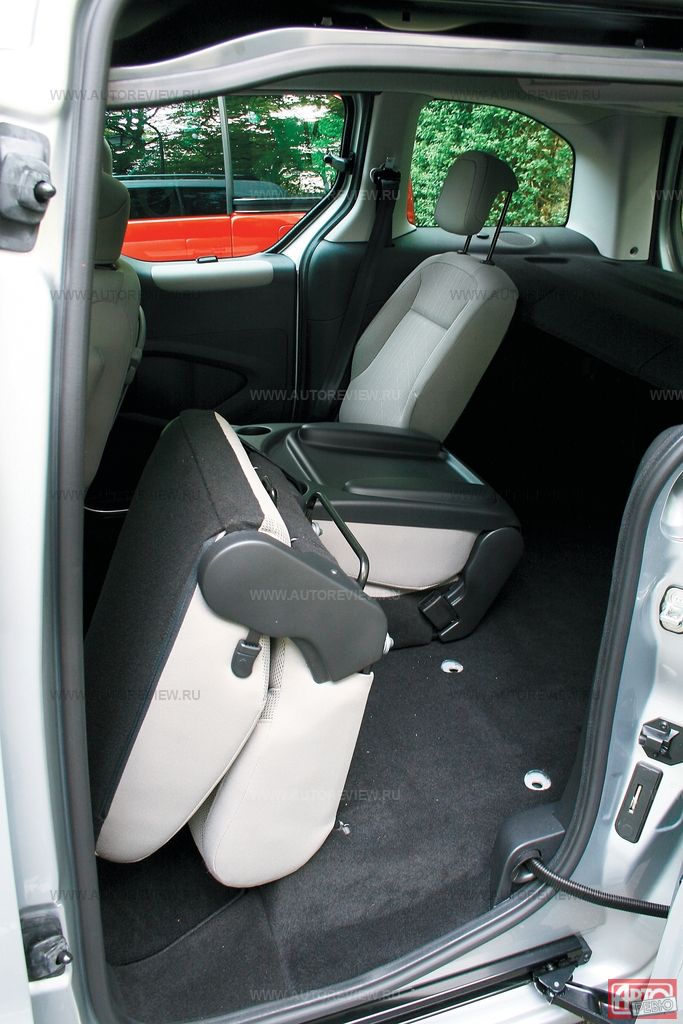 | 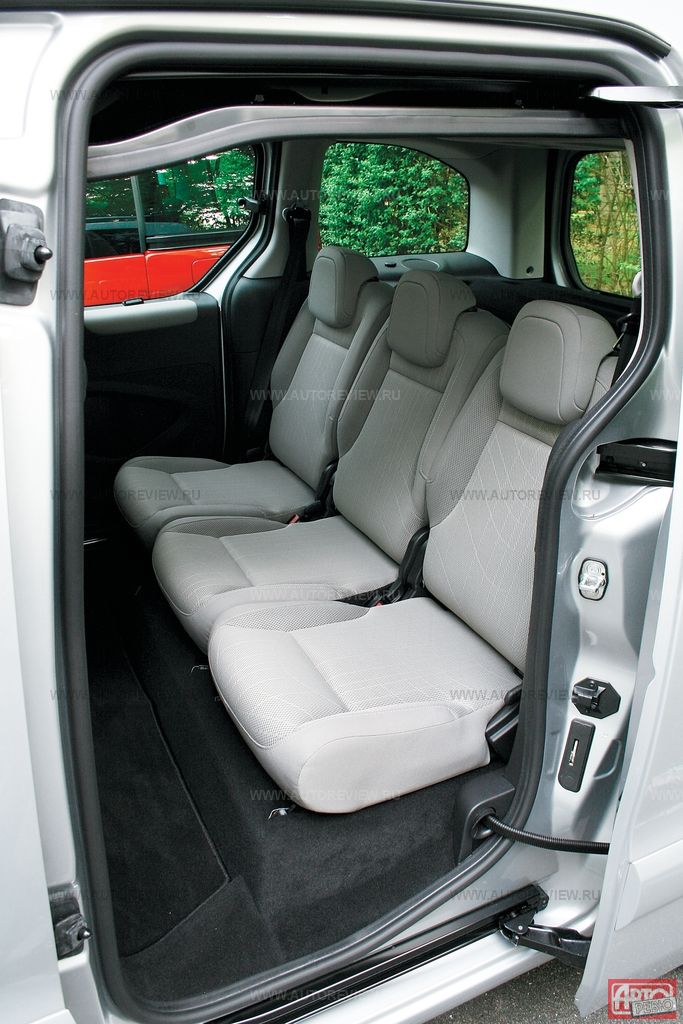 |
| The three rear seats can be folded... | ...or turned into one sofa |
True, sitting behind the wheel of the Partner is a dubious pleasure. The seating position is uncomfortable: the seat is simple and raised high, the steering wheel lies flat. Tall drivers suffer especially — they would gladly switch to a Ford Focus, but… continue to carry passengers in Partners. The reason is simple: the huge trunk is valued by the most "profitable" clients — those who are also going to the airport, but loaded with mountains of suitcases.
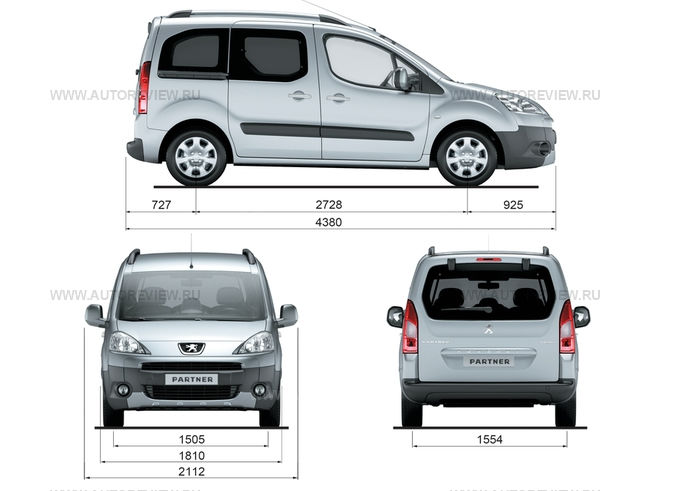
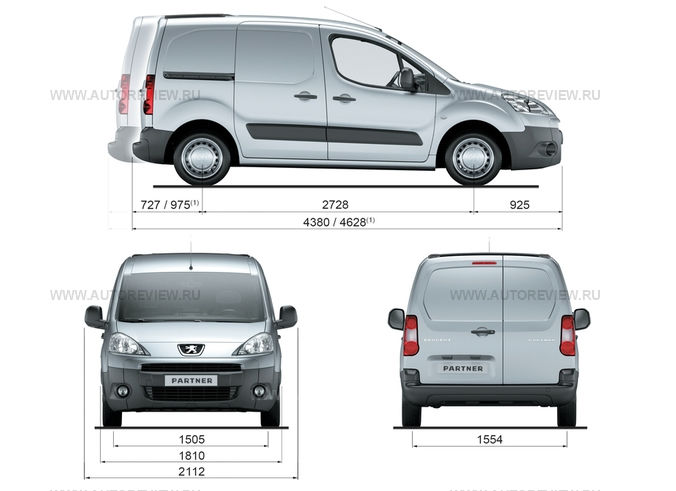
The new Partner, or rather its cargo-passenger version, which received its own name Partner Tepee (tepee is an Indian wigwam), is a taxi driver's dream! The car has lengthened by 25 cm, and the trunk now holds 642 liters "under the curtain". The width has increased by 9 centimeters, so cargo versions can be ordered with a three-seat front "sofa" — cramped, but appearing for the first time on urban "heels".
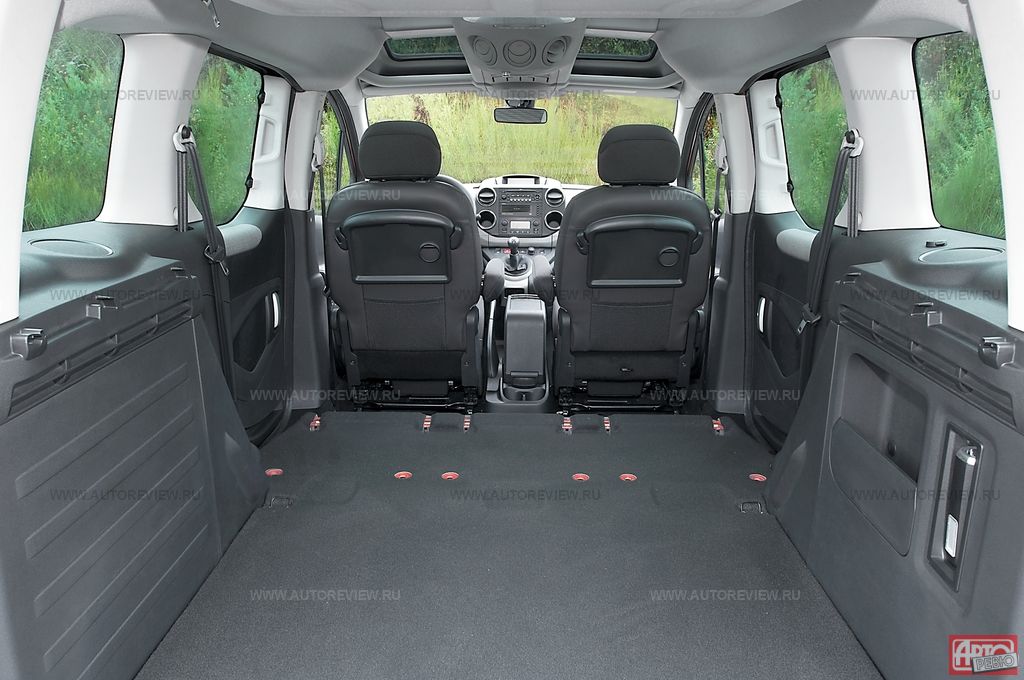 | |
| The rear seats are easily removed, turning the passenger Tepee into a van with a cargo compartment of 2800 liters | The trunk light is combined with a removable battery-powered flashlight |
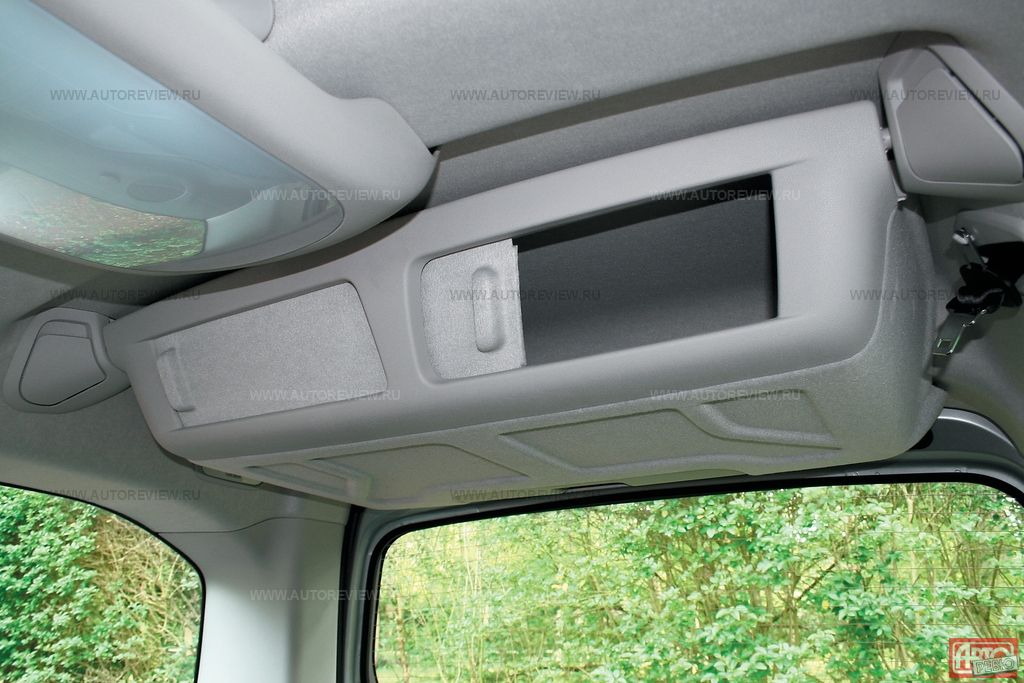 | 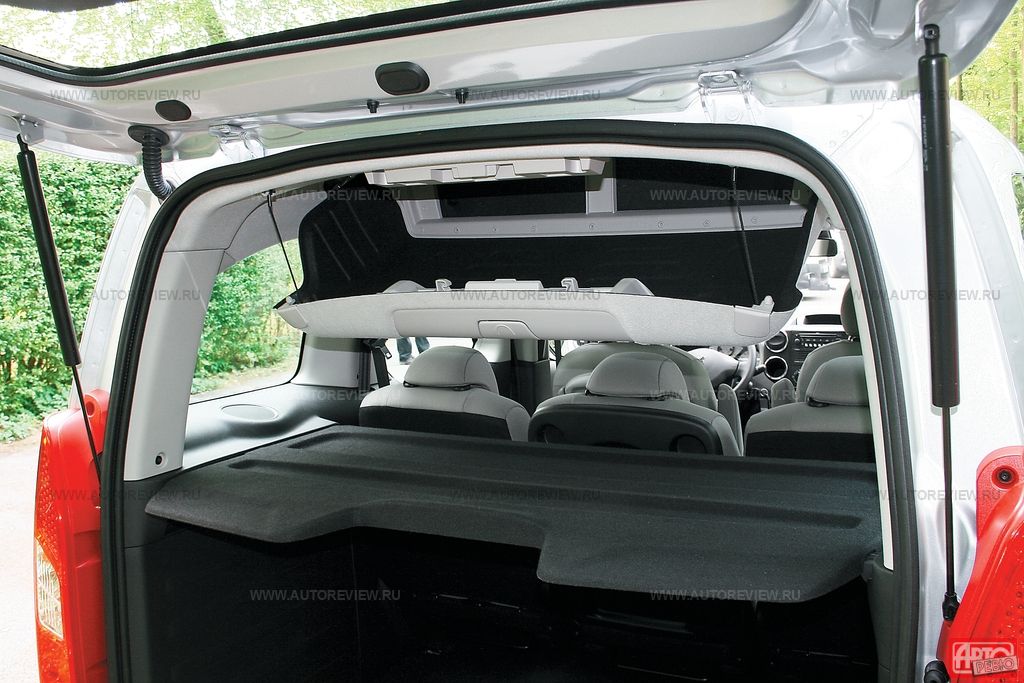 |
| Access to the "ceiling" trunk is also from the cabin... | ...and from the rear |
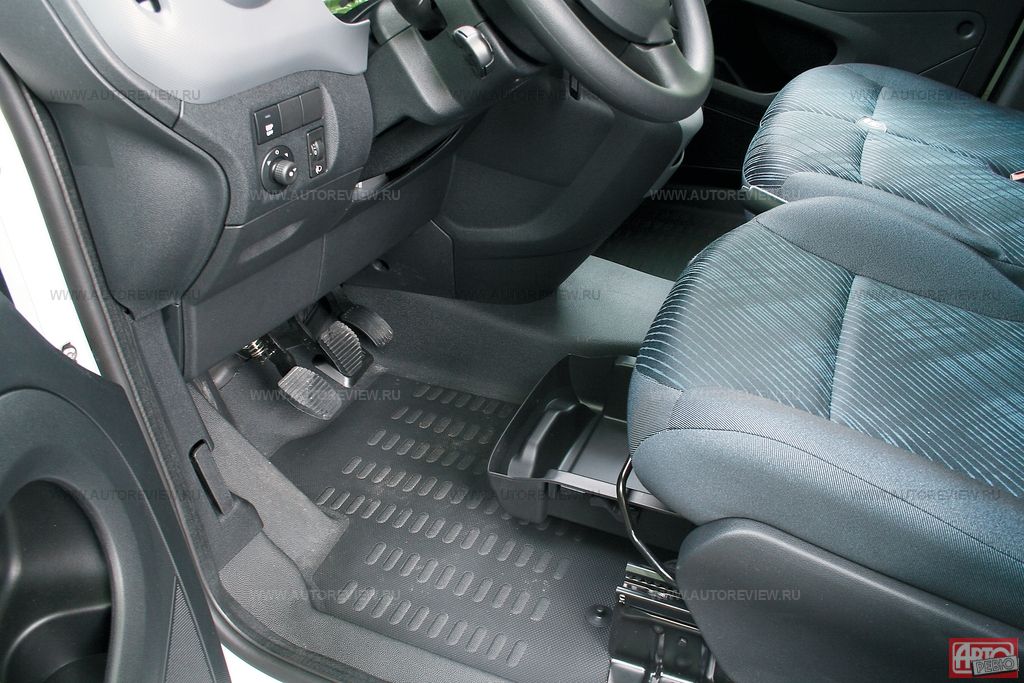
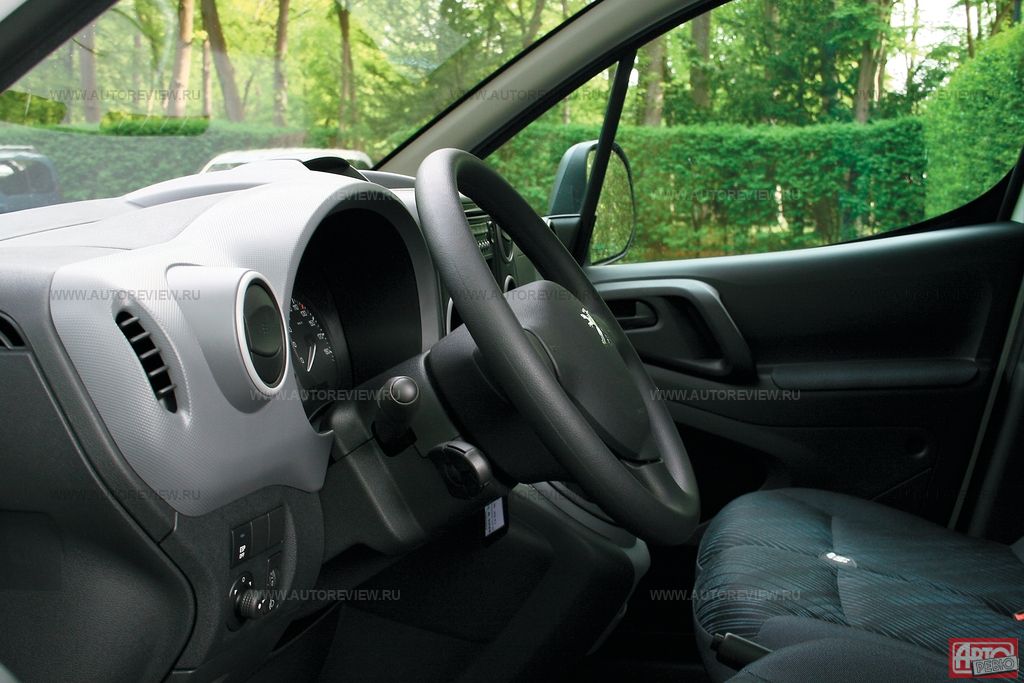
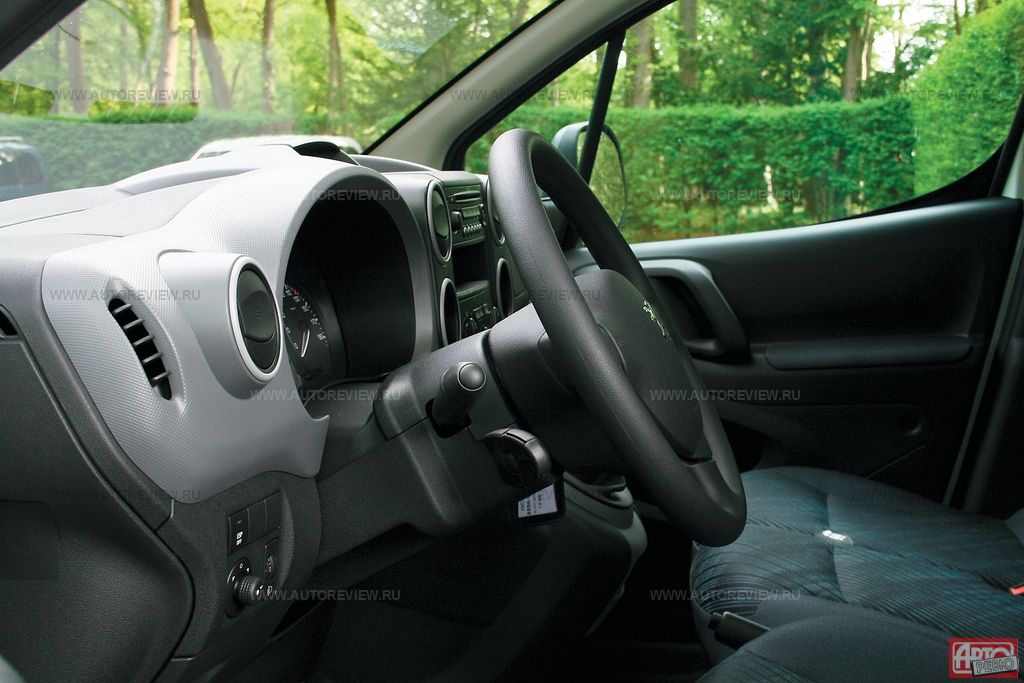
Behind the wheel it has become more comfortable: the steering wheel is now adjustable in two directions. The gear lever has moved under the hand, to the central console, the drive works more precisely. The plastic in the cabin remains simple, but inside the new Partner already feels like a passenger car: beautiful and modern. And the equipment… You can order light sensors, rain sensors, tire pressure sensors, dual-zone "climate", cruise control, and from the end of the year — even a navigation system!
The rich list of options is especially important for the Tepee version — its expensive modifications, according to the French, occupy a niche between a station wagon and a minivan. Some "civilian" buyers will be interested in the Zenith roof with four windows and a built-in fan with an air freshener — for only 750 euros. Some will be interested in the huge number of "glove compartments" with a total volume of up to 76 liters. And someone will like the pseudo-off-road version Outdoor with increased ground clearance by 10 mm, standard crankcase protection, tires sized 215/55 R16 and different trim.
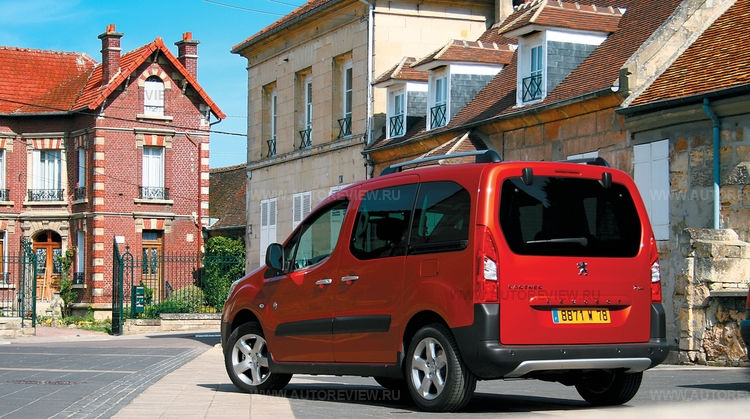
The rear door glass can be lifting — as on this "heel" in the Tepee Outdoor version
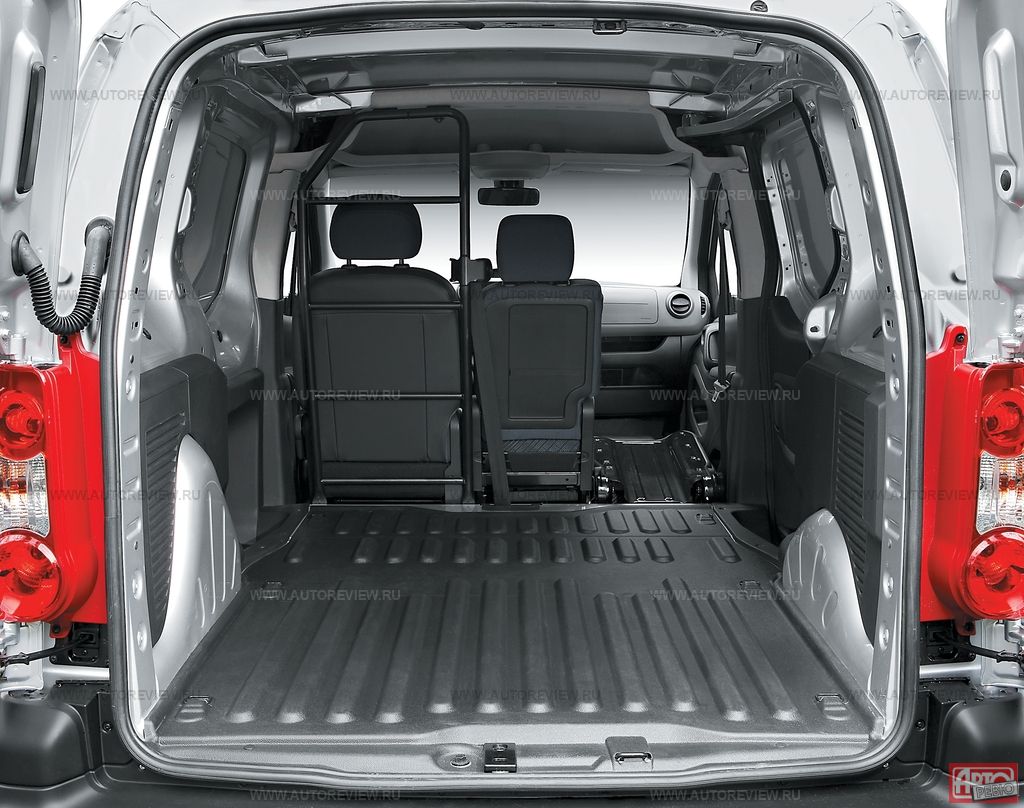
The new Partner is based on the 308 platform, that is, a refined "307". The suspensions — front McPherson and rear semi-independent instead of trailing arms and torsion bars on the previous car — are redesigned to increase interior space. Therefore, the cargo compartment of the van with a volume of 3300 liters (or 3700 liters for the long version) now fits two Euro pallets measuring 1200 mm by 800 mm — they can be placed across, and there will still be 30 mm left to the wheel arches.
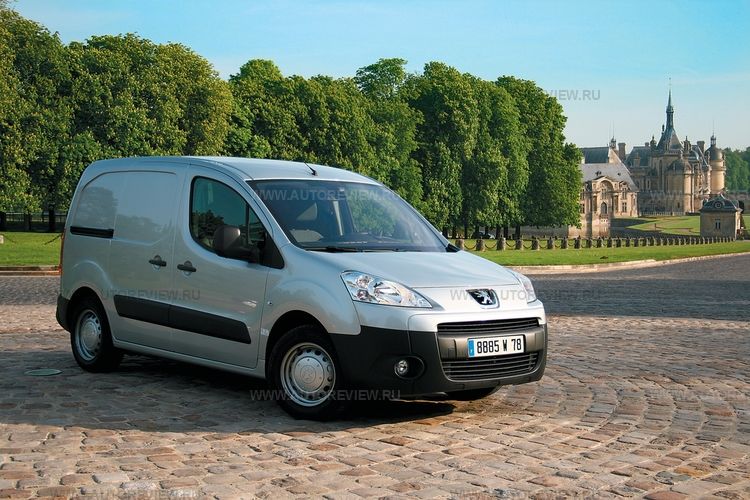
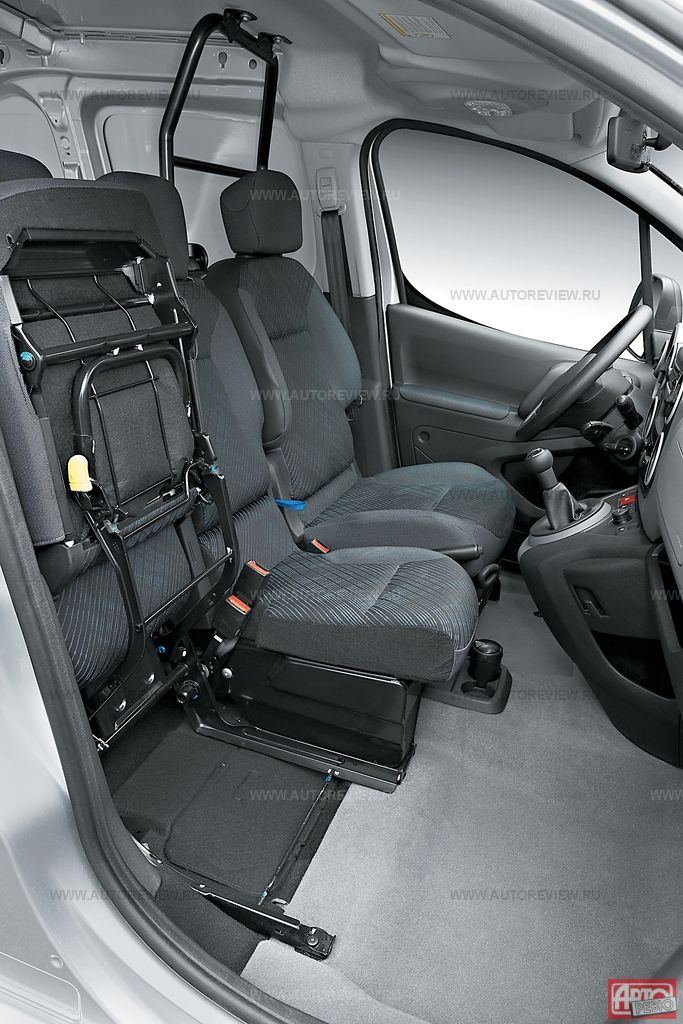
The payload has increased from 600 kg to 650 kg, including the driver's weight, and for an additional payment of only 250 euros you can order a "reinforced" modification capable of accepting 850 kilograms. And if you rarely carry long loads, then instead of the long version L2 with a payload of 750 kilograms, you can order that very triple front seat — it folds in such a rational way that a flat platform up to three meters long is formed.
So far, the cargo Partner has three modifications: a regular one with a short body, the same with increased payload, and a long one. And by the end of the year, the plant in Vigo will begin producing "bare" chassis with a cab — for subsequent conversion into pickups and special equipment.
First, I got to drive the simplest cargo Partner with the only petrol engine in the range with a power of 90 hp. The unit is well known — from the same family that frays my taxi driver's nerves. But 300 kg, including two people in the cab, it carries quite confidently. Aiding this is the "short" gearbox: already at 45 km/h you need to engage second, at 75 km/h — third. But for Europeans, petrol Partners are exotic: they account for no more than 14 percent of sales overall and no more than six in France.
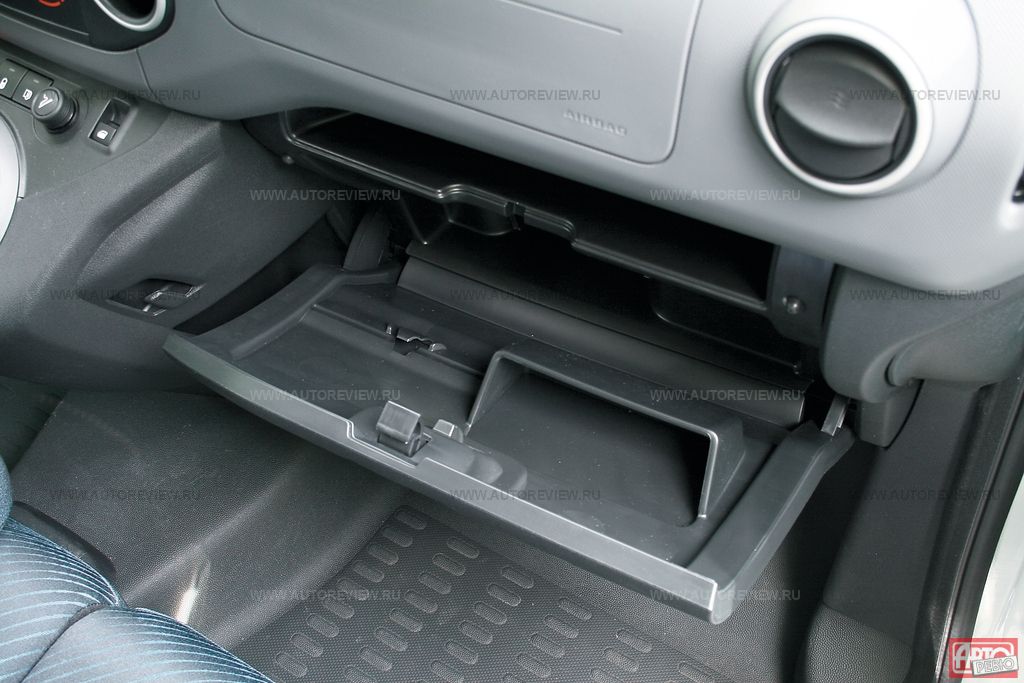 |  |  |
| The main "glove compartment" is deep and "two-story" | On top — a shelf for documents | Another hiding place... |
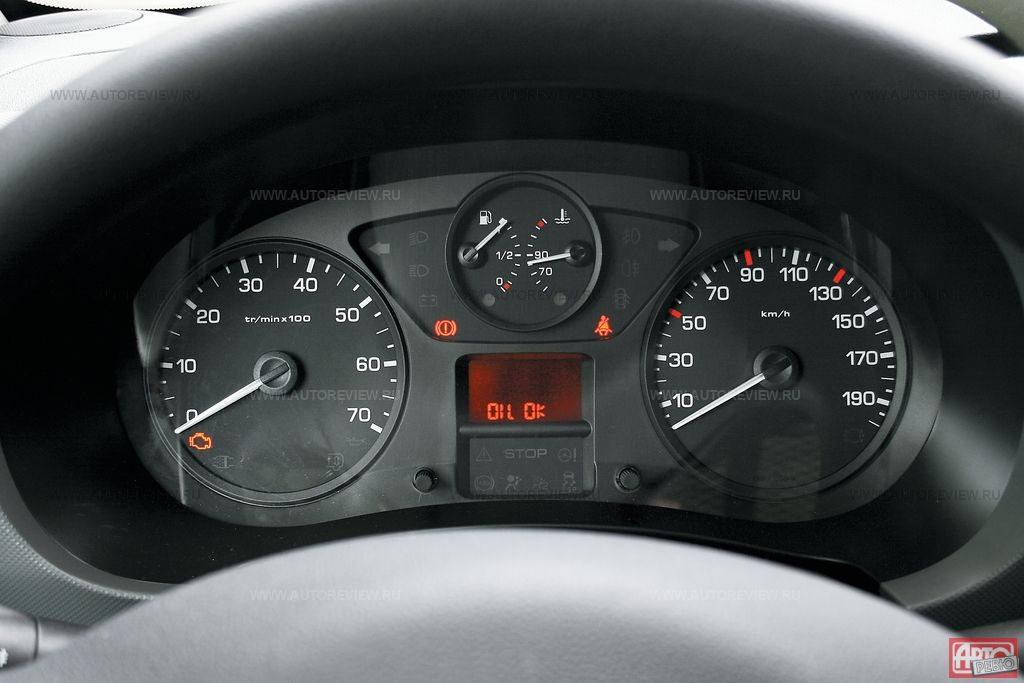 | 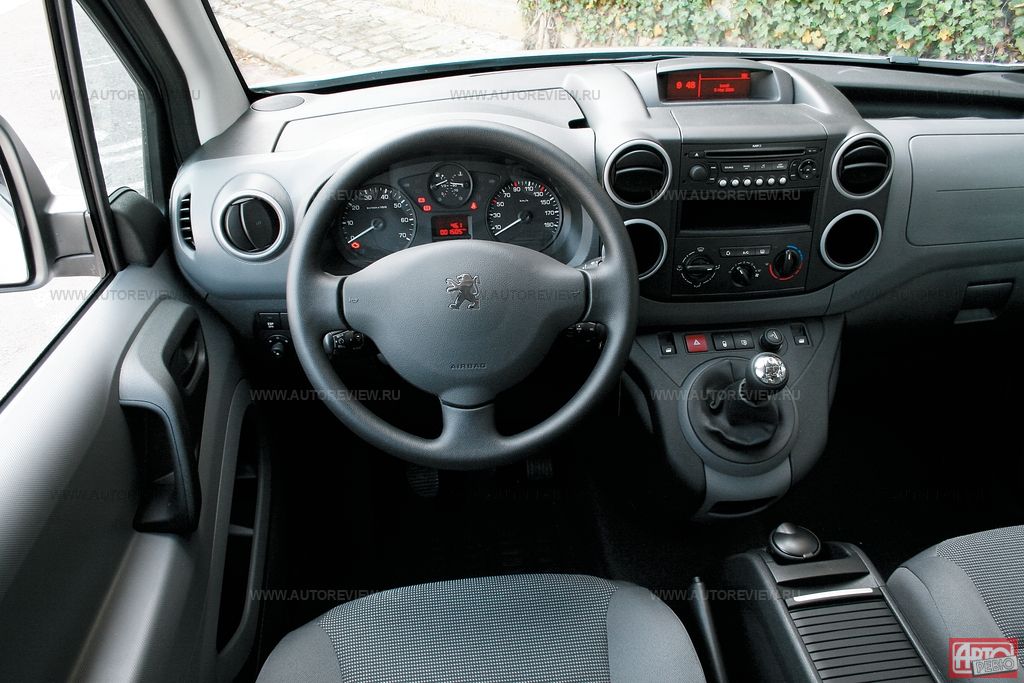 | 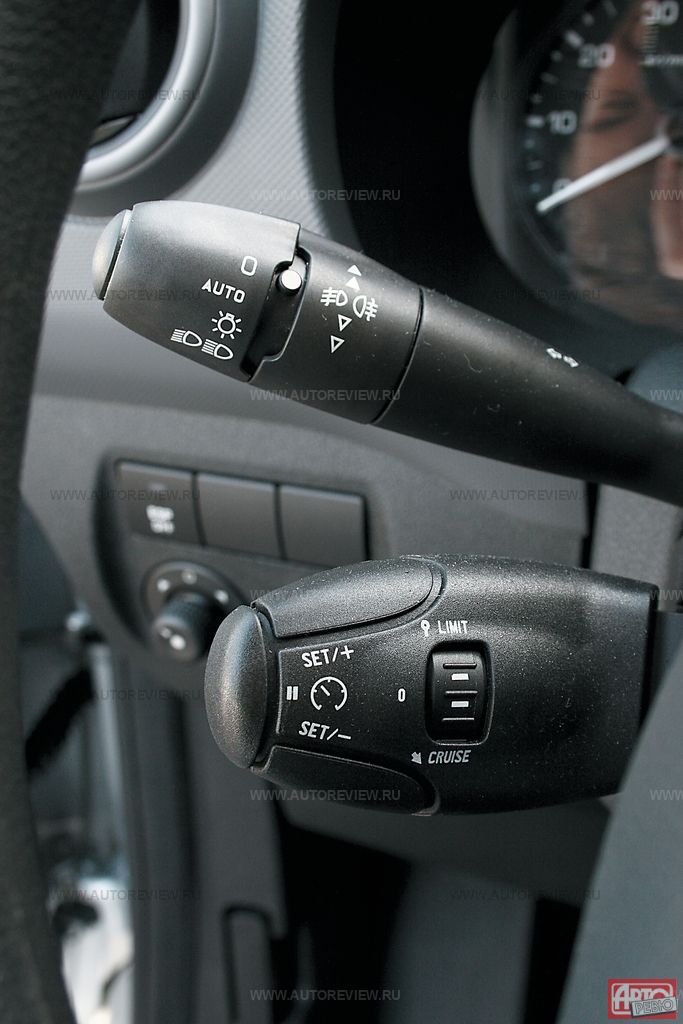 |
| The instruments, although not dazzling with beauty, are read well. The tachometer has no red zone and is unified for petrol and diesel cars | The front panel is stylish and convenient. Under the round central deflectors there are niches for small items like a phone | The list of options is not inferior to the passenger model 308: light sensor, cruise control, speed limiter… |
In the body of the test cars, bags with ballast lay almost at the floor, so the center of gravity remained low, and body rolls were almost like a passenger car. The brakes pleased: it seems the French have finally revised their approach and stopped making hypersensitive boosters. By the way, at the rear, disc mechanisms and ABS are already standard.
Only the steering disappointed me — the reactive force feels fake, unnatural. And, apparently, it appeared only because of the load: when I later took a ride in an empty passenger Tepee, the steering wheel lost all informativeness. Is this really a Peugeot?
 |
 |
 |
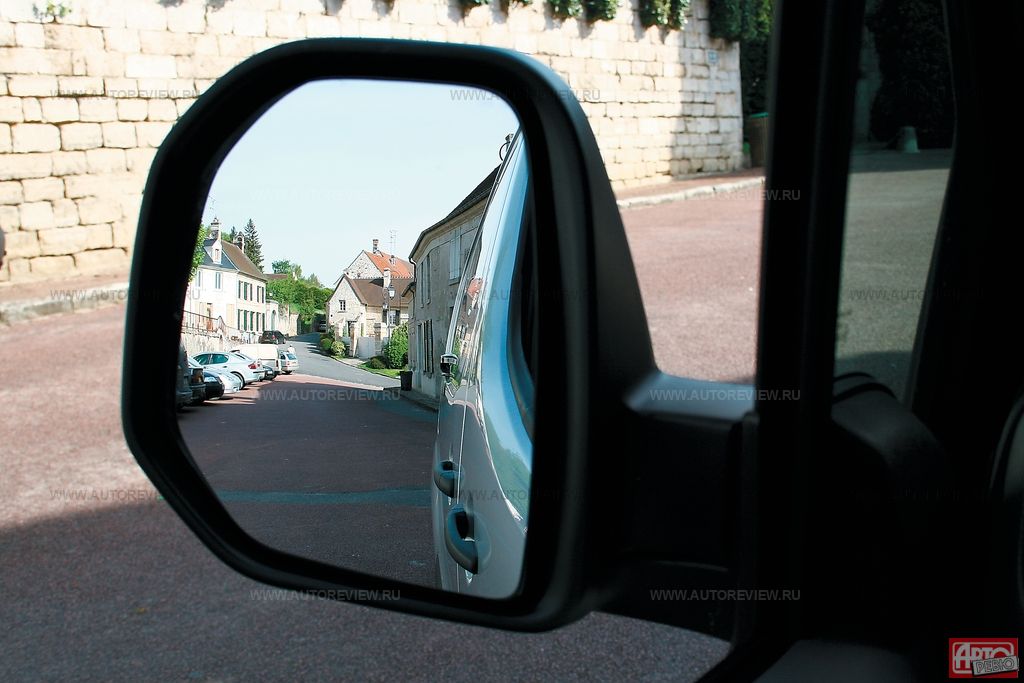
| The mirrors have become noticeably larger |
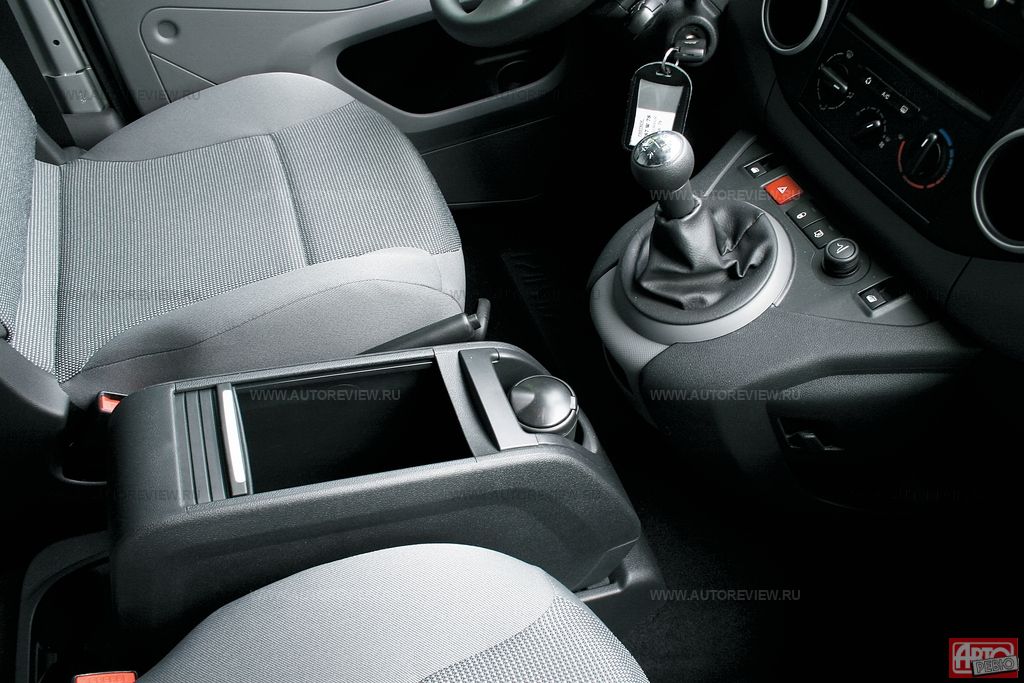
The box between the front seats has a capacity of 13 liters and includes cup holders | For an extra charge, the Partner can be equipped with a three-seat front bench, part of which can be folded down for cargo transport. Under the right seat, a jack and tools are stored in the floor |
As for ride smoothness, the Tepee — I got the Outdoor version — also remained at the "commercial" level. The all-metal Partner with a half load doesn't notice potholes and bumps at all, but the Tepee with two passengers in the front seats transmitted every irregularity into the cabin, and even rocked after speed bumps.
The Tepee clearly doesn't reach the comfort of "family" cars. Already at 90 km/h, the wind howls at the hood, and the suspension works noisily. The 90-horsepower diesel rumbles at any RPM — the French clearly saved on sound insulation. One can only hope that the 110-horsepower diesel and petrol engines, available only for the Tepee version, will be quieter.
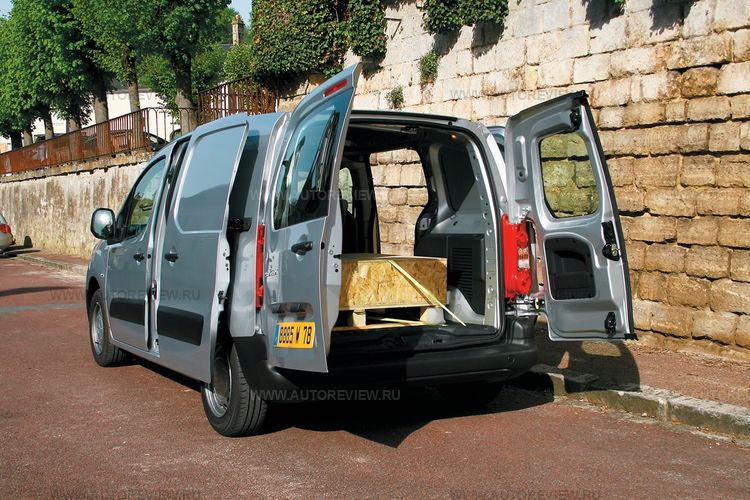
The rear doors are split in a 60:40 ratio. As an option, a roof hatch can be ordered for transporting long items
And in general, what could make one choose a painted Partner Tepee over a minivan? The possibilities of interior transformation? Yes, each of the three separate rear seats can be adjusted, folded, and removed. But any "family" one-box car can boast the same, and here they are an option instead of a bench that folds in a 60:40 ratio.
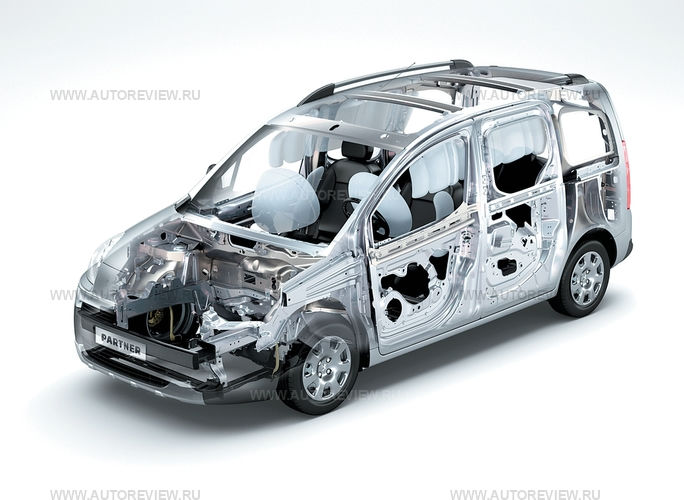
The passenger-cargo Tepee has up to six airbags
But the Tepee has a very high cabin — children up to 1.2 meters tall can stand without bending. Moreover, the Partner shouldn't be expensive. Prices for Russia will be announced closer to July, at the start of sales. In France, the base cargo "heel" in Confort trim without air conditioning costs 15,400 euros, and with the 75-horsepower diesel — from 16,700 euros. This is only 700 euros more than they ask for the "old" Partner Origin with the same powertrain and in worse trim.
The passenger-cargo Partner Tepee is not more expensive than the cargo version — from 15,450 euros. And cars with both 110-horsepower engines in loaded versions — such as Outdoor (plus 1,000 euros) — will cost just over 20 thousand euros.
 |
 |
|
| The steering column is now adjustable not only for tilt but also for reach. The seating position has become more comfortable |
This is not a defect, but the welding on the roof is not covered by anything | |
 |
||
| The fuel filler neck is still opened with a key, but now it's covered by a flap |
The useful volume of the van is 3,300 liters. And the folded right seat allows transporting cargo up to three meters long | |
For that kind of money, you could, of course, buy a compact van. But the Partner Tepee is taller! And wider.
"Beep-beep-yay!"
The previous generation Partner/Berlingo is not leaving the assembly line — the plant in Vigo will continue to assemble 60,000 such cars annually. Interestingly, in Argentina, they still produce the pre-restyling Partner of the very first generation, from as far back as 1996.
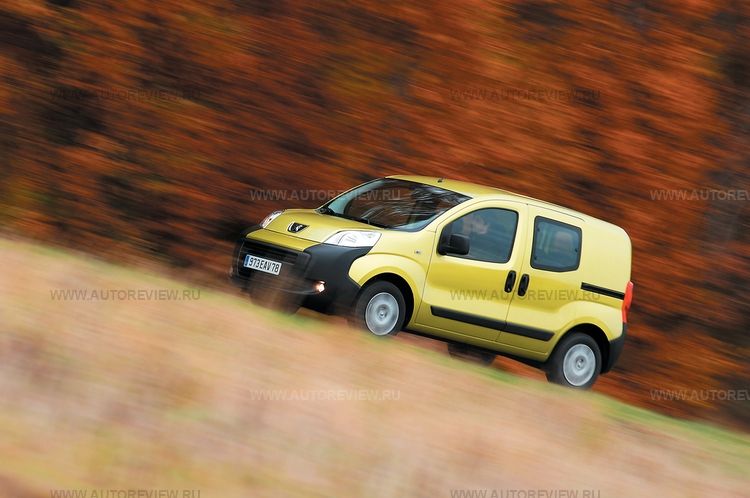
How long the European market will live with two generations of the family simultaneously — Peugeot doesn't say. However, in addition to the previous cars, the Old World also sells the tiny Peugeot Bipper, whose production started in early 2008 at the Turkish Tofas plant in Bursa. This is another joint project of PSA and FIAT: in essence, the Bipper is an Italian, because it has a twin, the Citroen Nemo. In its homeland, this car is known as the Fiat Fiorino. It's based on the platform of the Fiat Panda hatchback, and under the hood is either a French 1.4-liter petrol engine with 75 horsepower, or a 1400-cc turbodiesel with 70 hp. The diesel can be paired not only with a manual gearbox but also with a "robot".
With a modest length of 3,864 mm, the cargo Bipper doesn't lag behind the old Partner in payload (610 kg vs 600 kg), but its cargo compartment is at least 200 liters smaller — from 2,500 to 2,800 liters, depending on the version. There's also a five-seat passenger-cargo Bipper Tepee: its rear overhang is extended by 100 mm, and the trunk holds 356 liters. Additionally, similar to the Partner, an Outdoor modification is available — with ground clearance increased by 15 mm, engine protection, and off-road decor.
The Turkish Tofas is ready to produce up to 165,000 such vans per year, working in three shifts. In France, the diesel Bipper starts at 14,000 euros. Whether it will appear here is still unclear. But in any case, in Russia, as in many European countries, the "back" of the new Partner will be covered by the previous Partner Origin.