In the rapidly changing global automotive industry, manufacturers, as in any other business, are constantly looking for ways to achieve the desired result with minimal costs. One such way is the unification of efforts of several companies. Practice shows that this approach pays off. Large corporations owning several brands strive to create a common platform in order to then produce not one, but several models on its basis. This significantly reduces costs and increases profits. In addition, brands within one concern often share among themselves the line of engines, gearboxes and suspension schemes.
As a result, with the same filling, we get different-looking cars. The PSA Peugeot Citroen concern decided to follow this path. To create its first SUV, the French did not invent something from scratch, but joined forces with the Japanese company Mitsubishi, which had already established itself as one of the leaders in the world of "off-roaders". The cooperation turned out to be beneficial for both sides. PSA Peugeot Citroen took the platform from the well-known Mitsubishi Outlander XL. In return, the Japanese received an excellent diesel engine (created jointly by Peugeot and Ford), which should help Mitsubishi in promoting on the European market.
So, as a result of joint work, the Mitsubishi Outlander got two "relatives" — the Citroen C-Crosser and the Peugeot 4007. And we will talk about the latter.
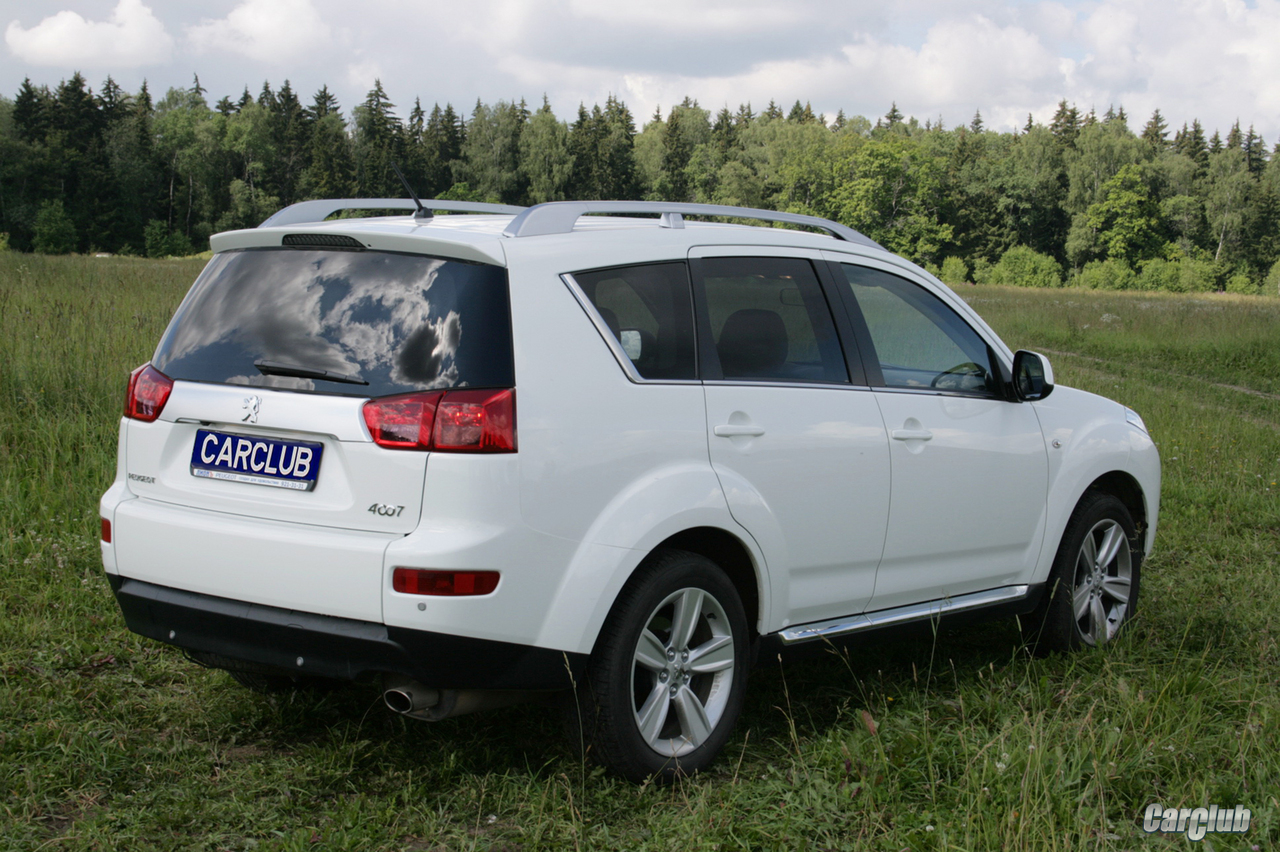
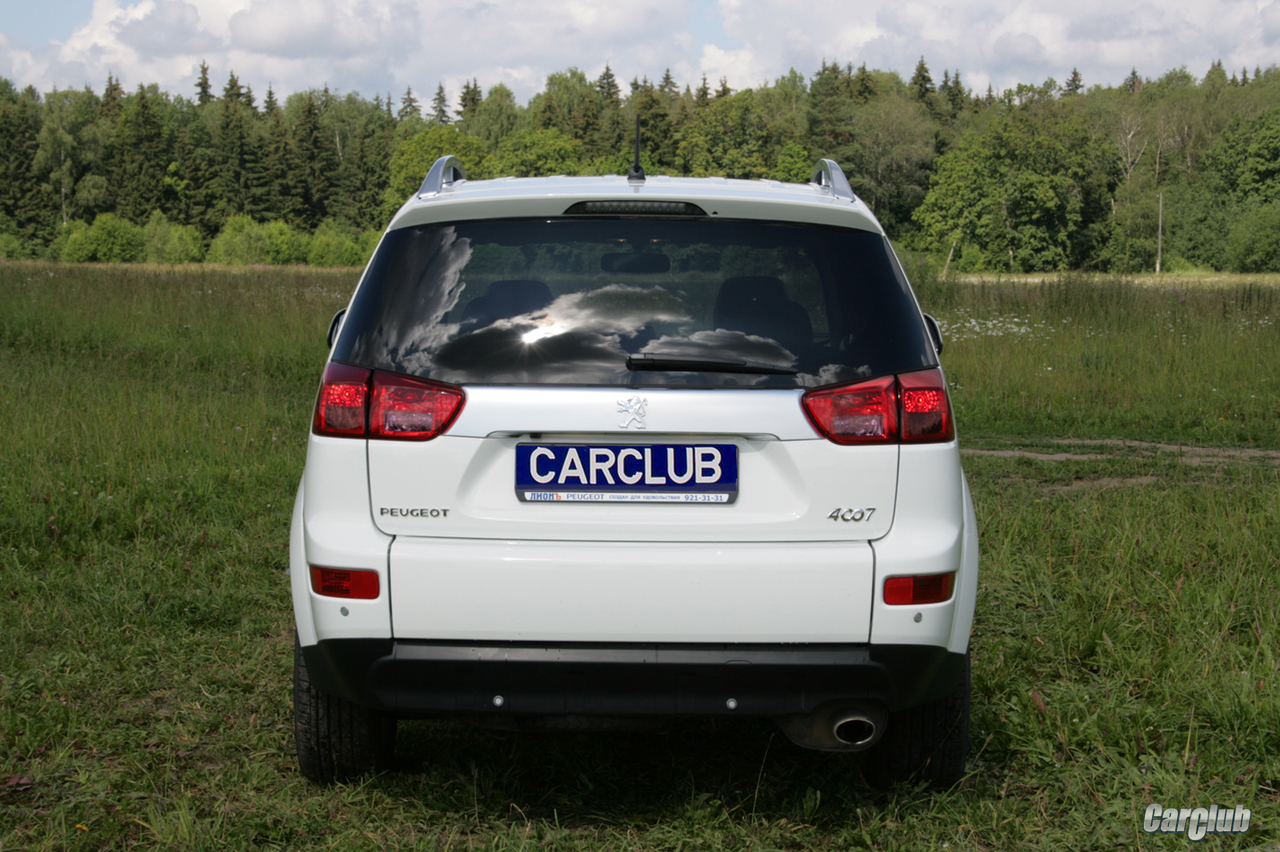
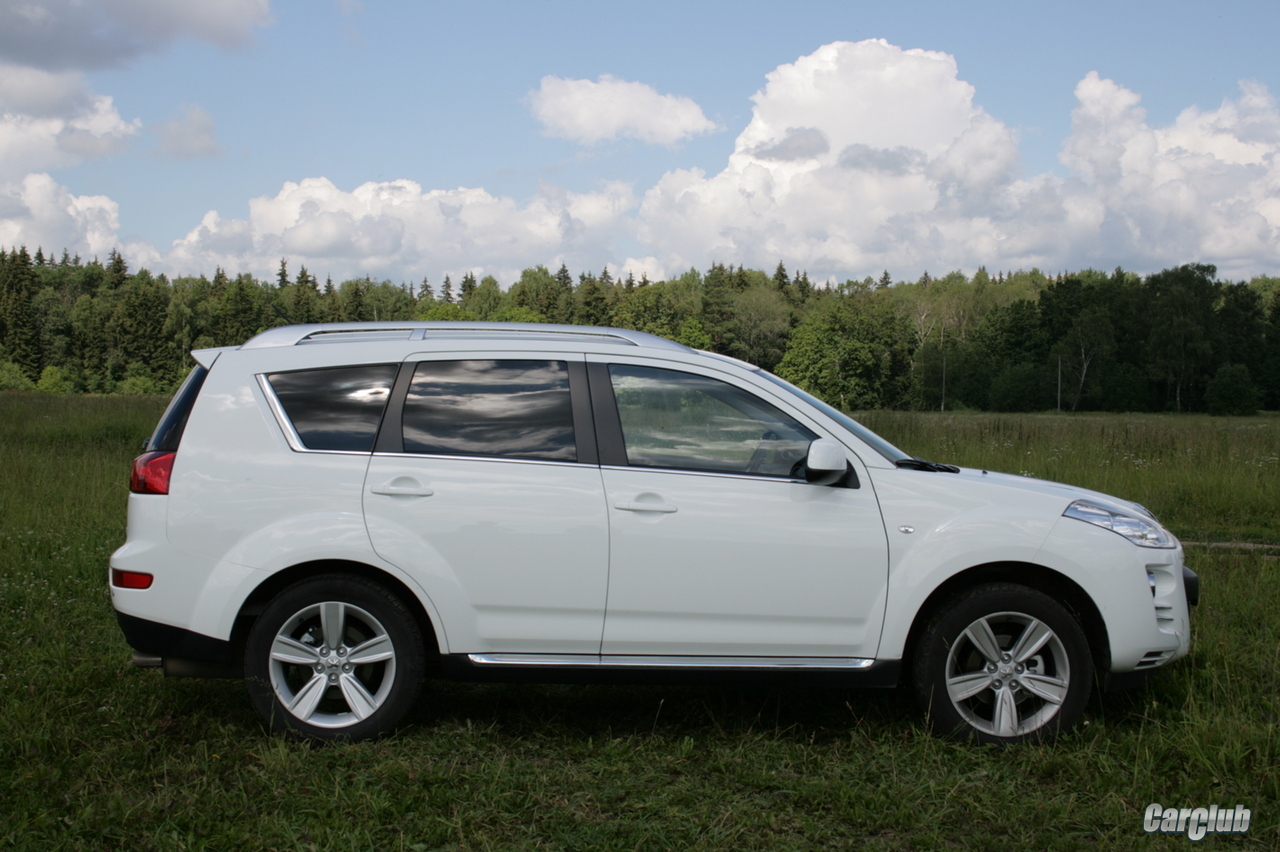
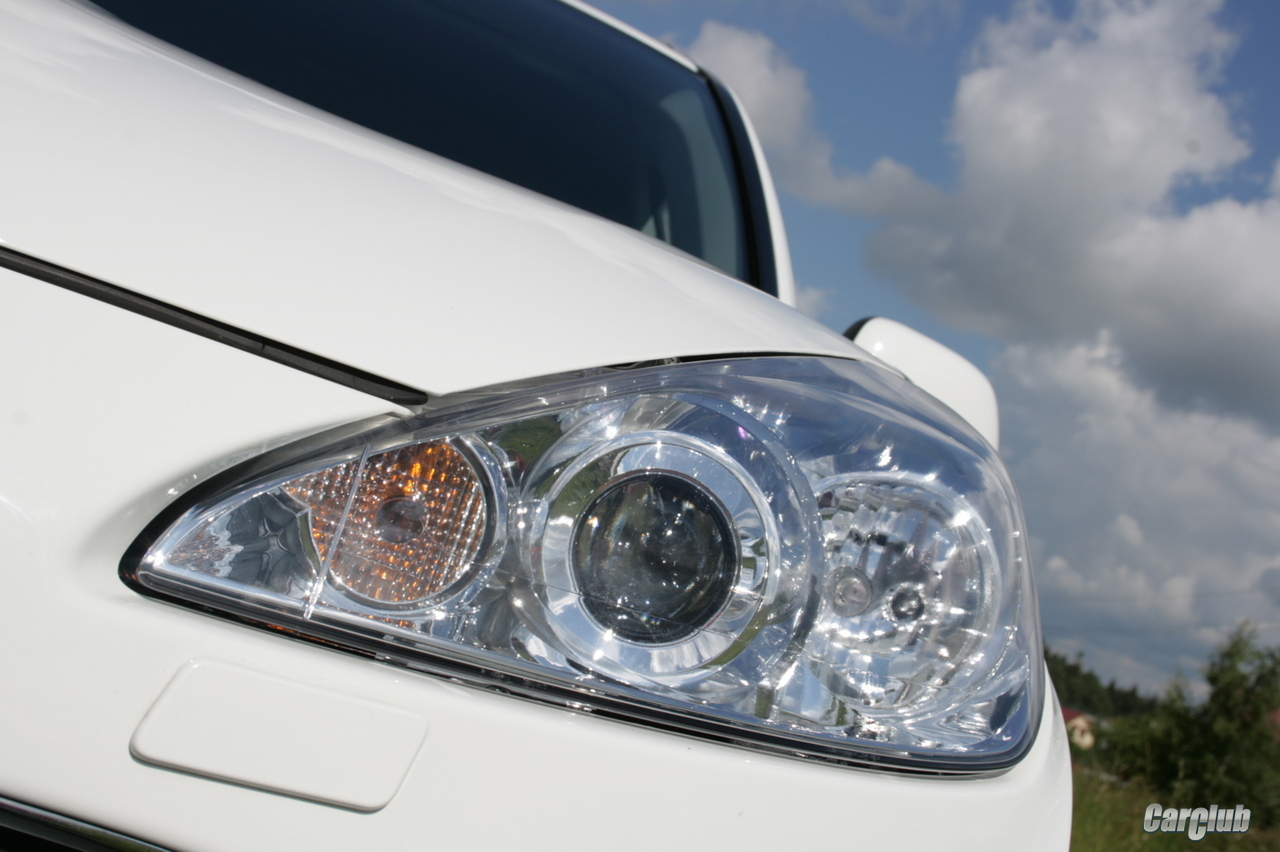
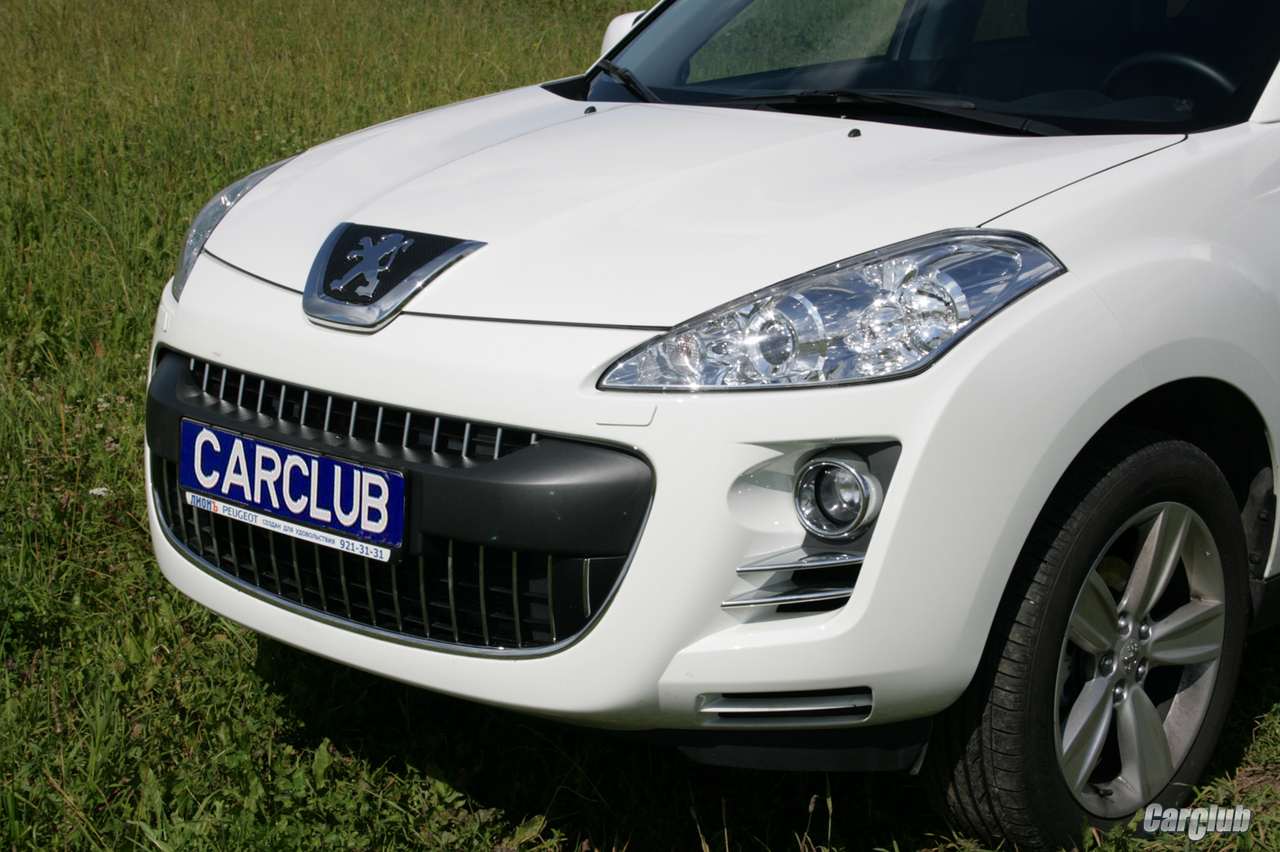
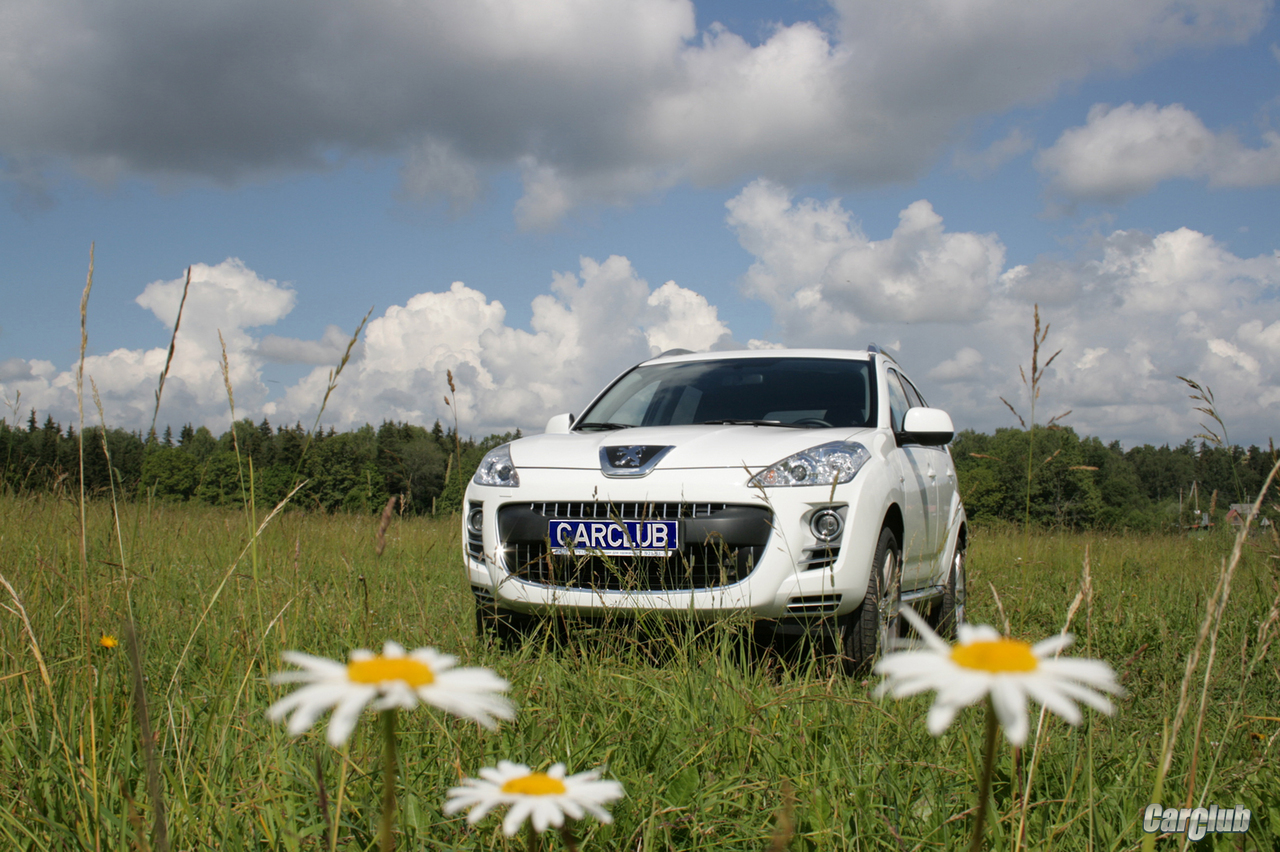
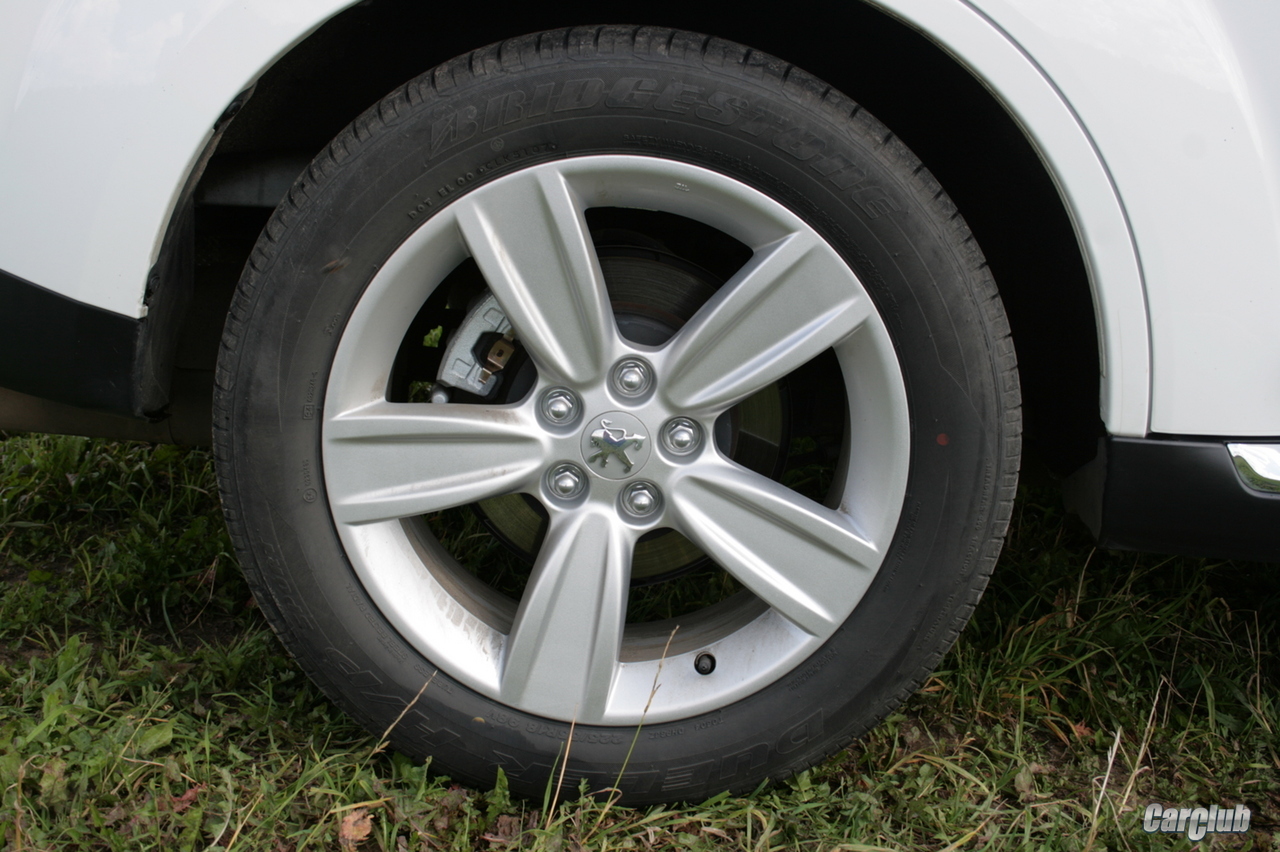
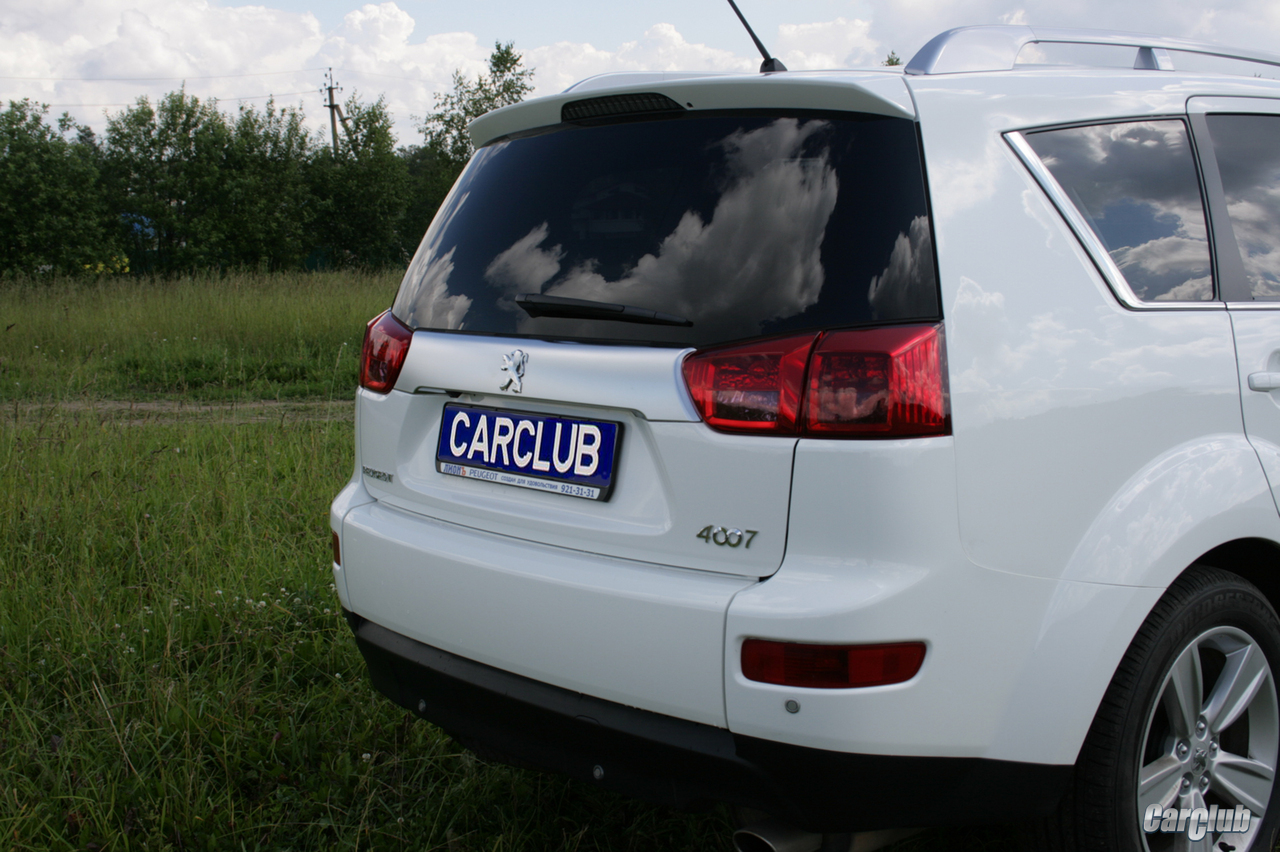
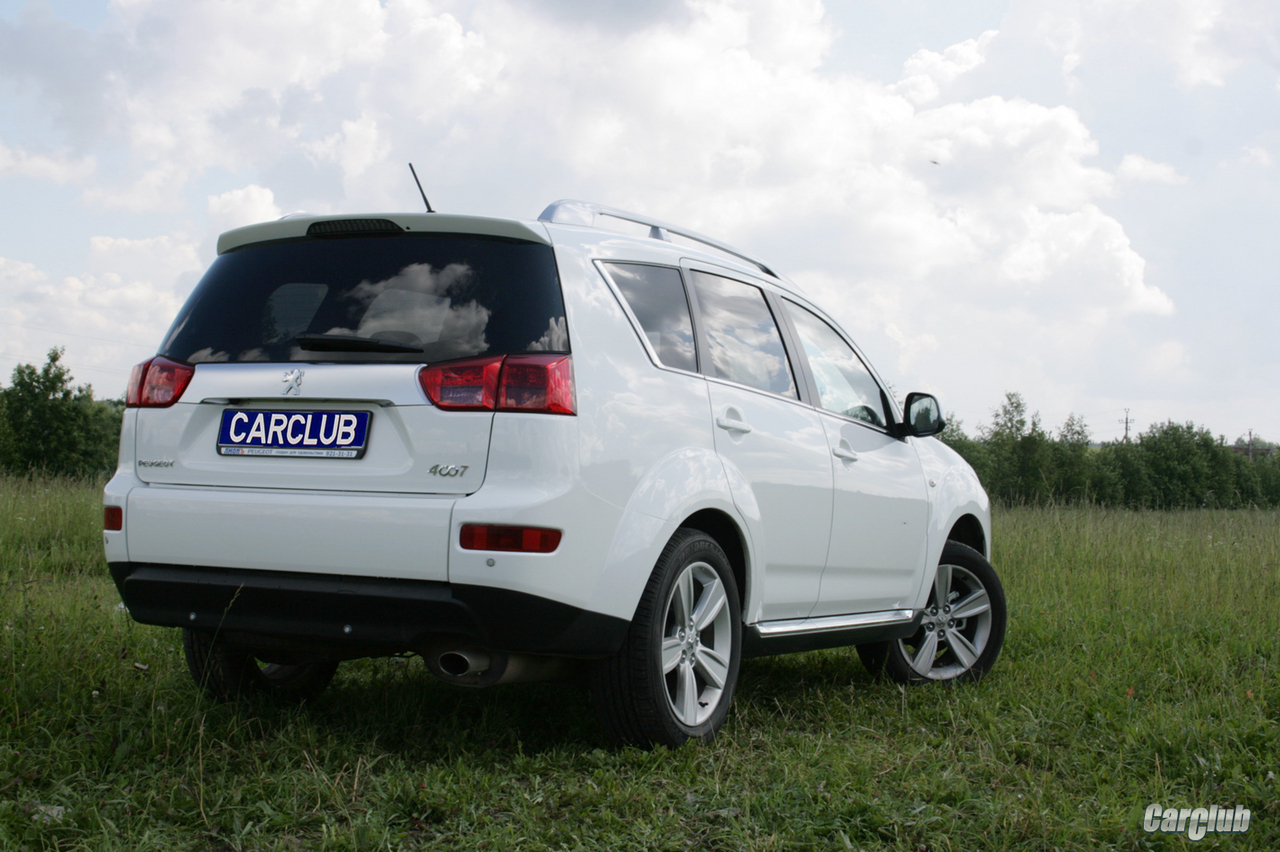
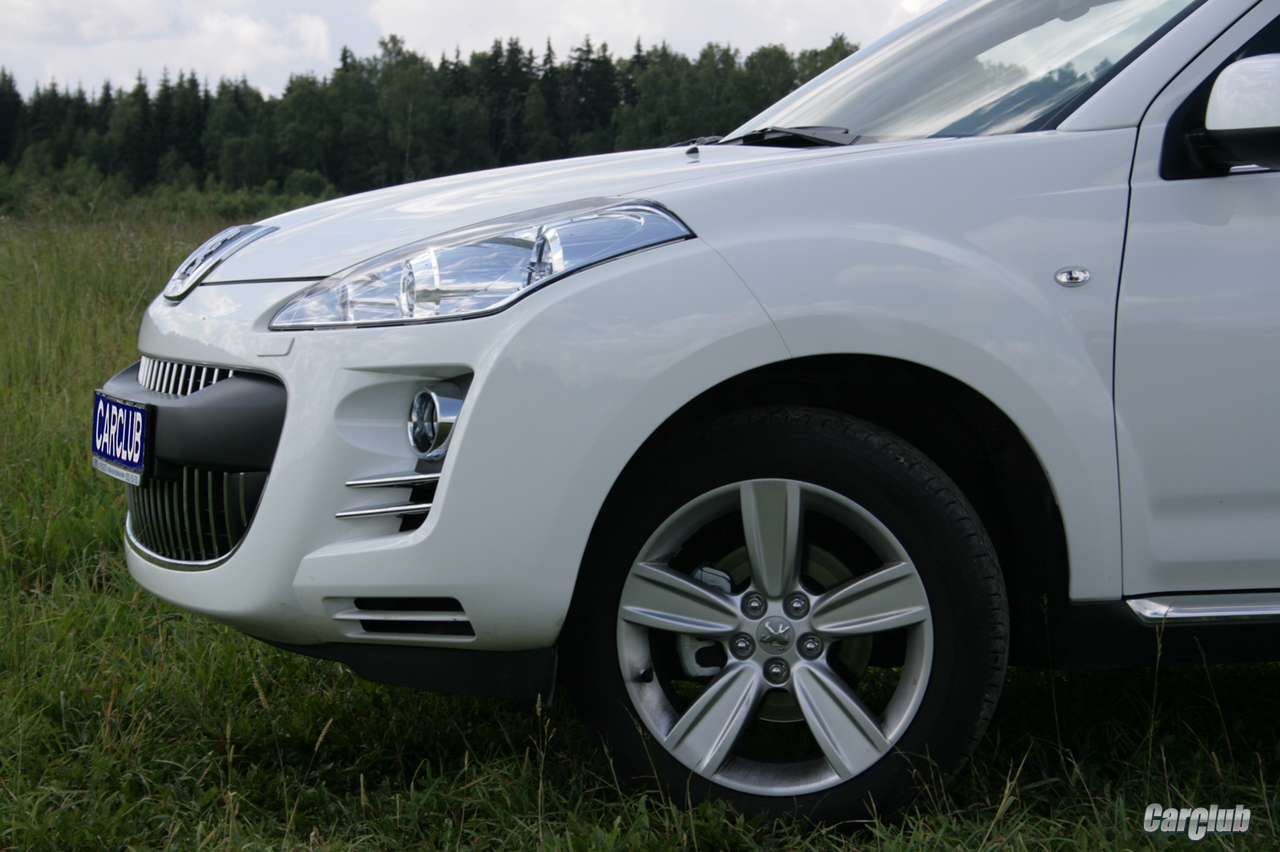
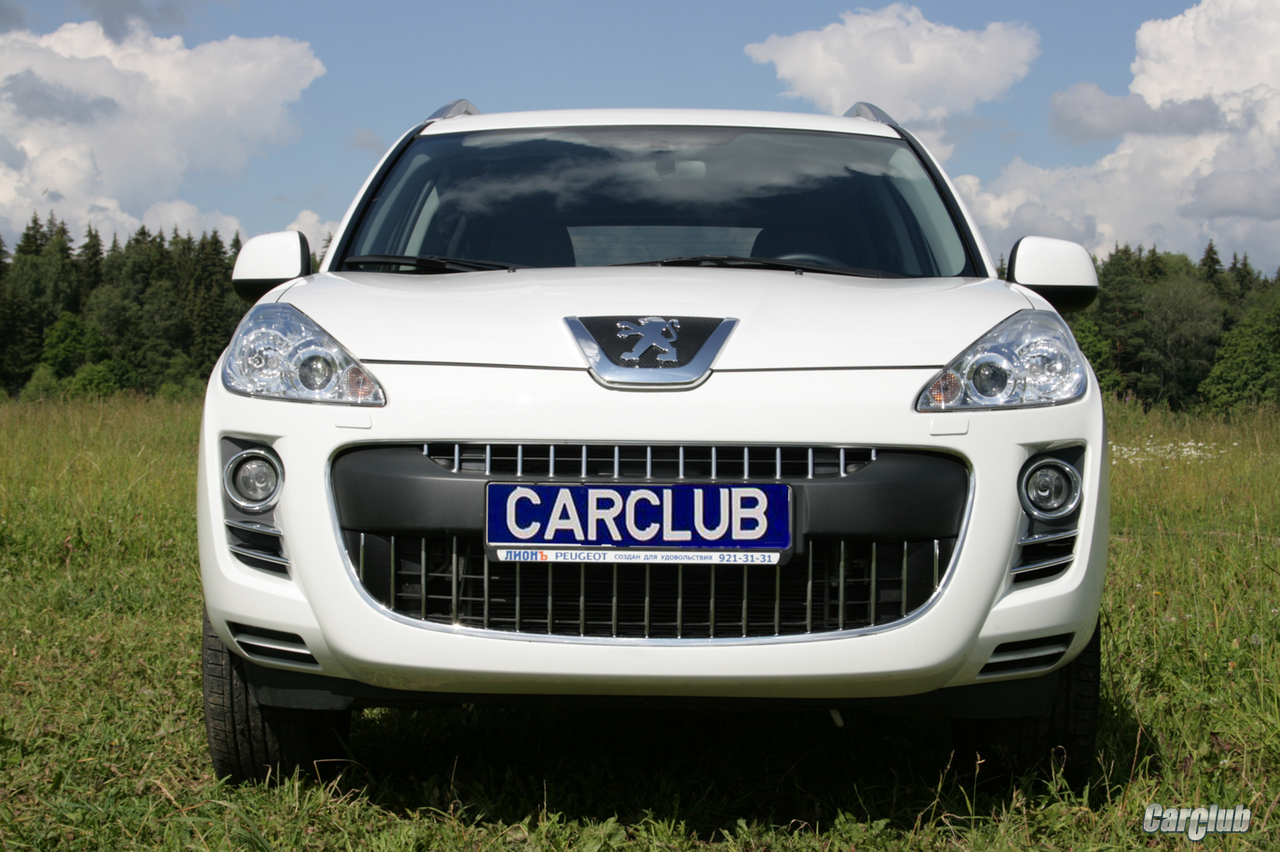
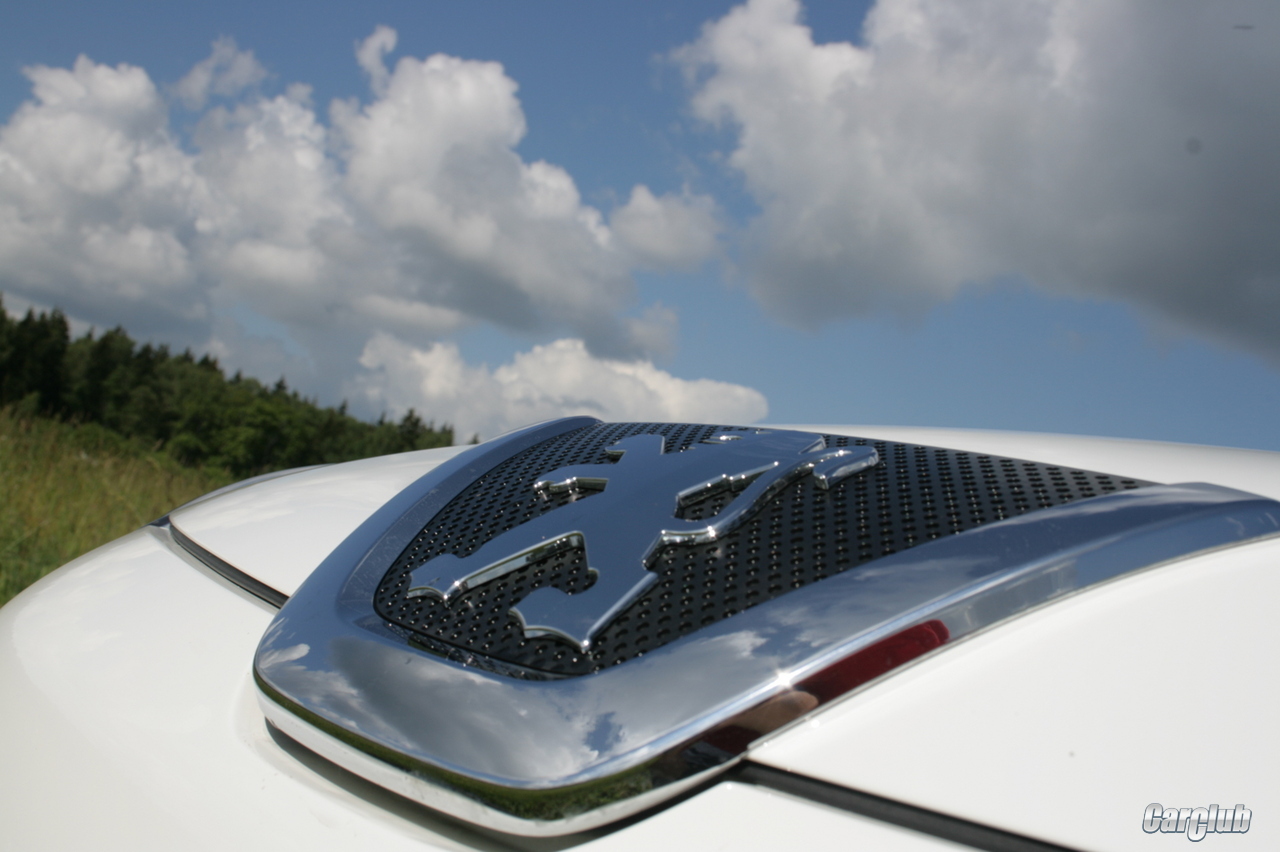
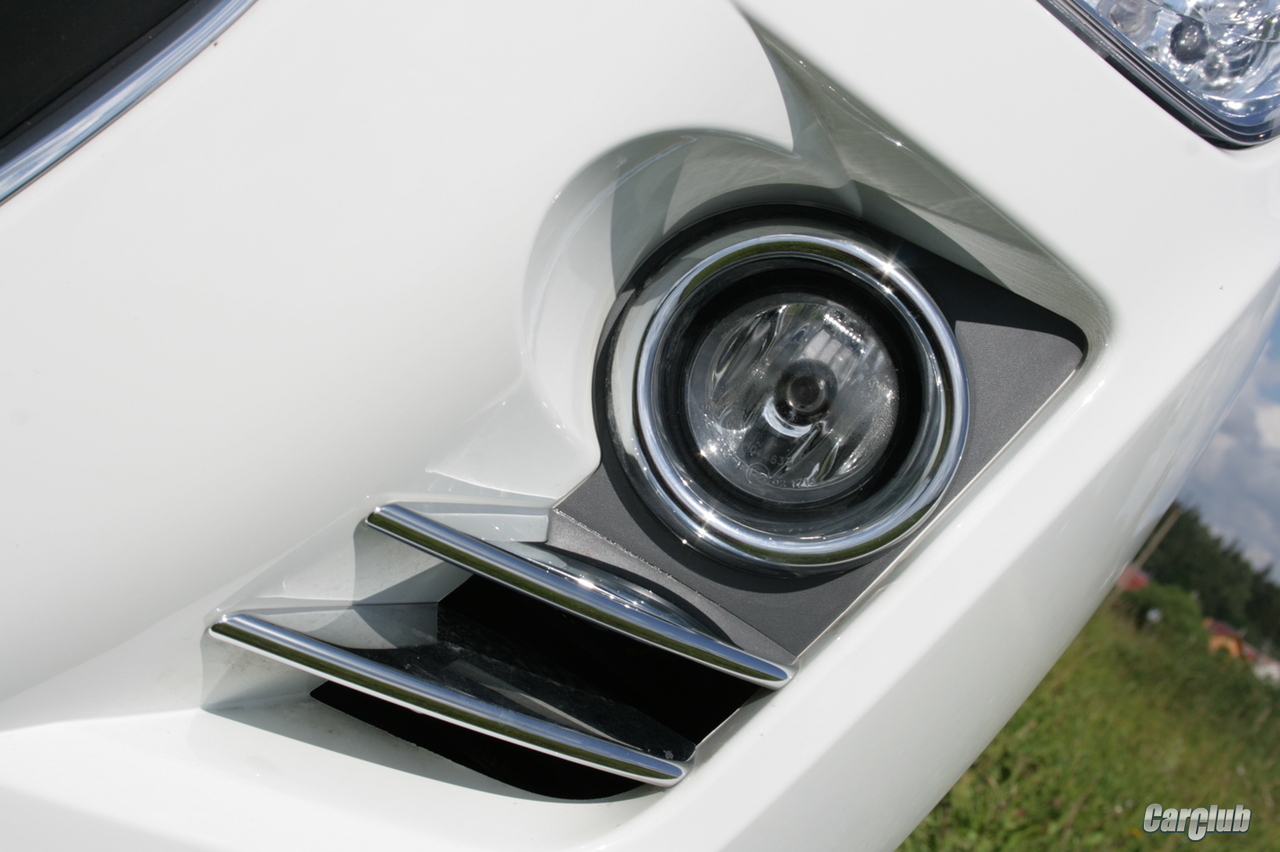
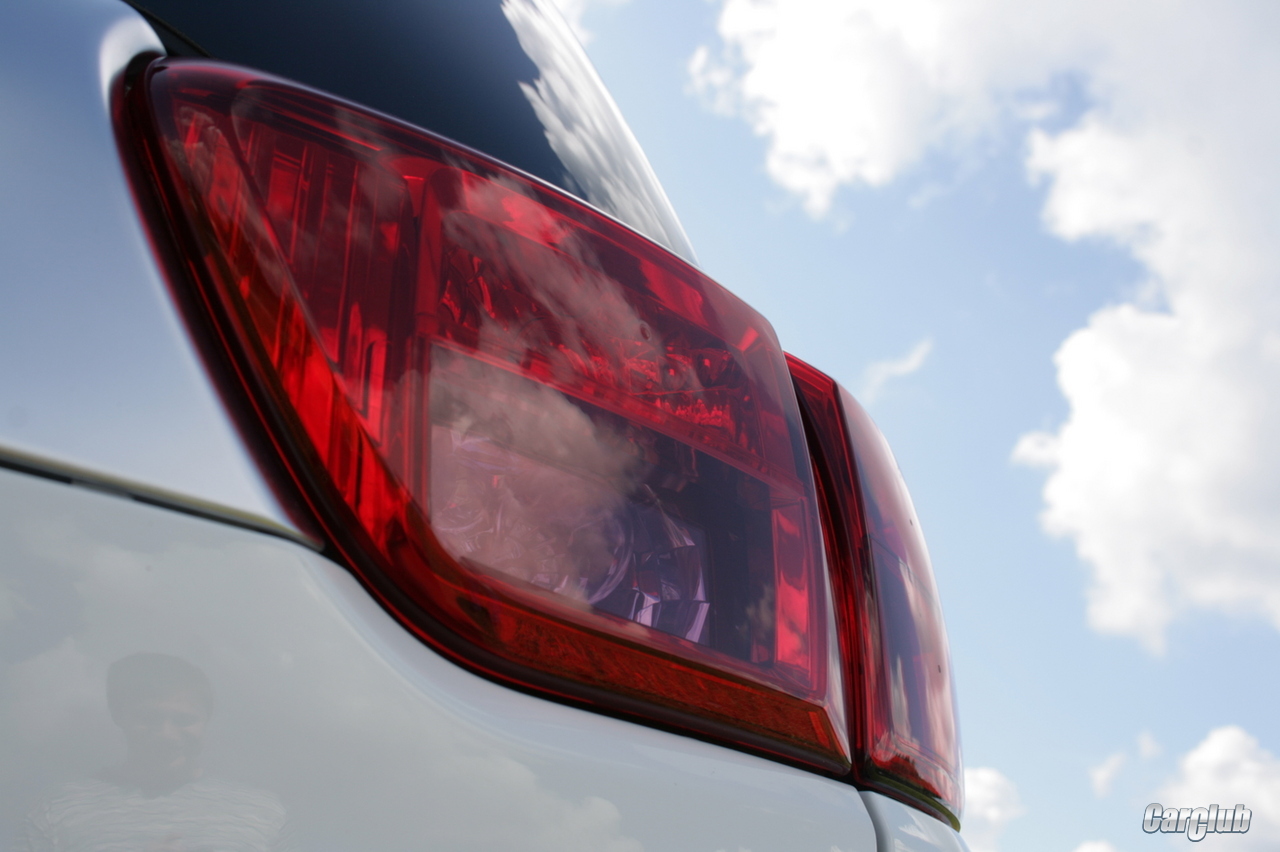
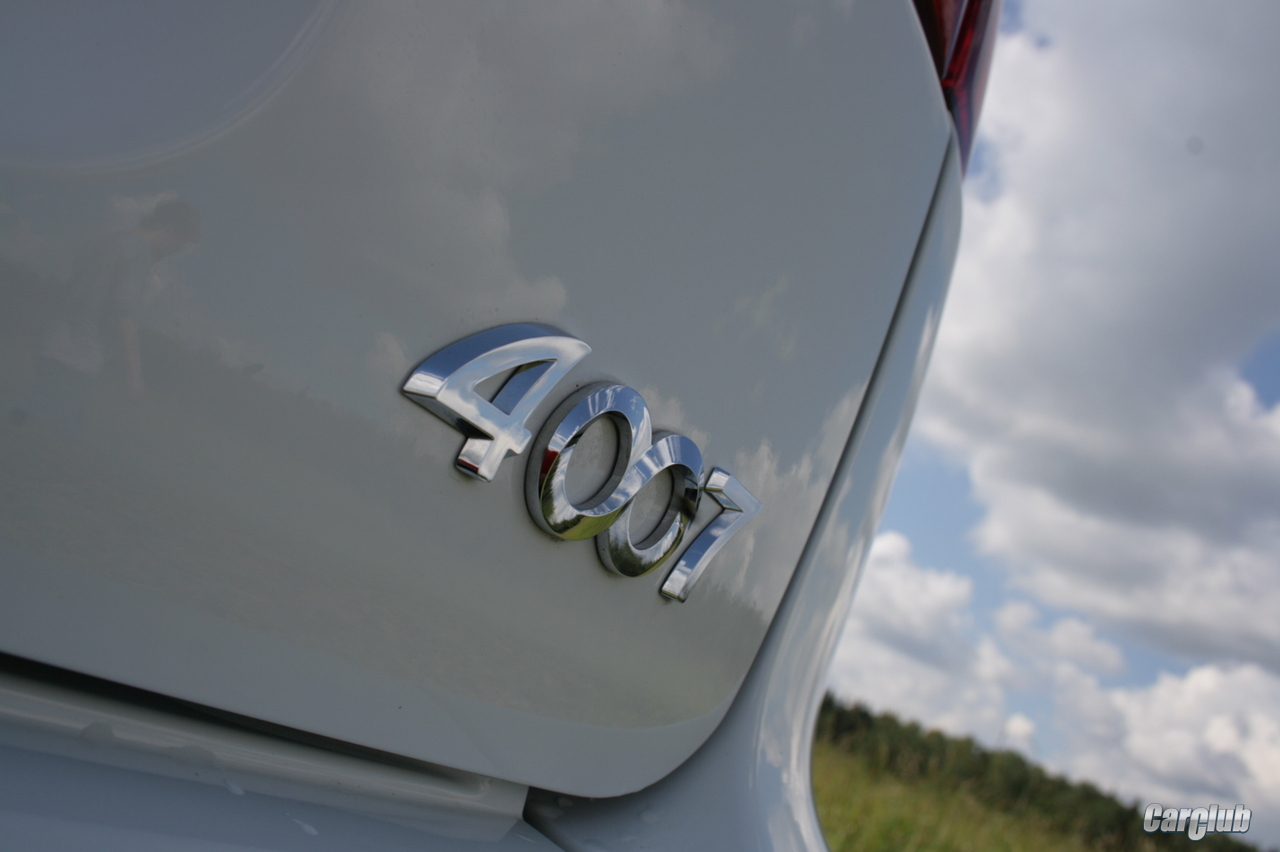
When you look at the 4007, you immediately notice not the similarity with the Japanese original, but the features created by French designers. The huge radiator grille with vertical chrome stripes, unusual fog lamp housings, slanting headlights and a large chrome "lion" on the hood — all this unambiguously indicates the manufacturer. And only then do you realize that these two crossovers are very similar. From the side, the Peugeot 4007 is recognizable by the chrome overlays on the sills and the trim of the window line. The Premium Pack version also sports 18-inch alloy wheels with an original pattern. The rear of the "Frenchman" stands out with ruby lights and a "metal-look" overlay with the brand logo.
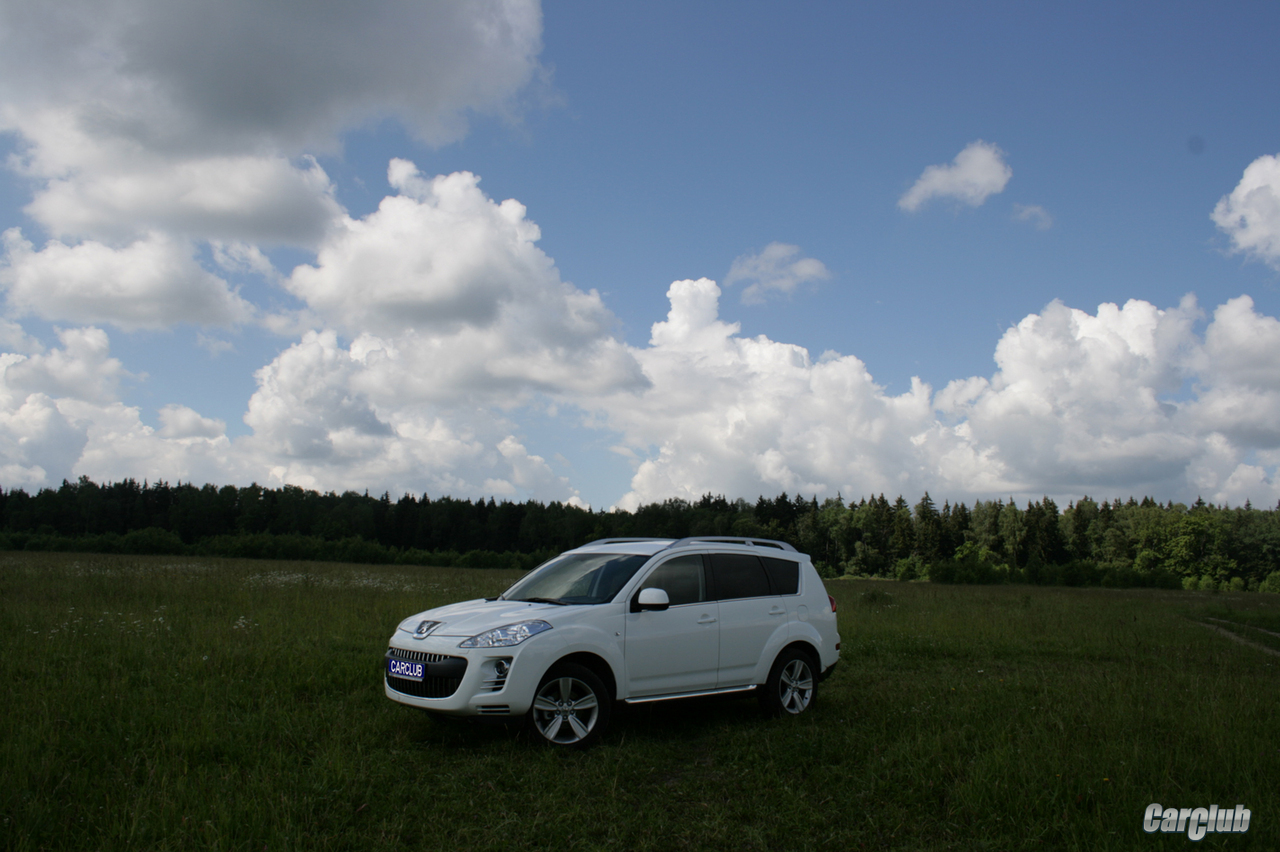
Despite the common kinship, visually the Peugeot 4007 feels like an independent model with its own character. The designers achieved such individuality by changing the front end, which received that very French charm inherent in cars with the lion emblem.
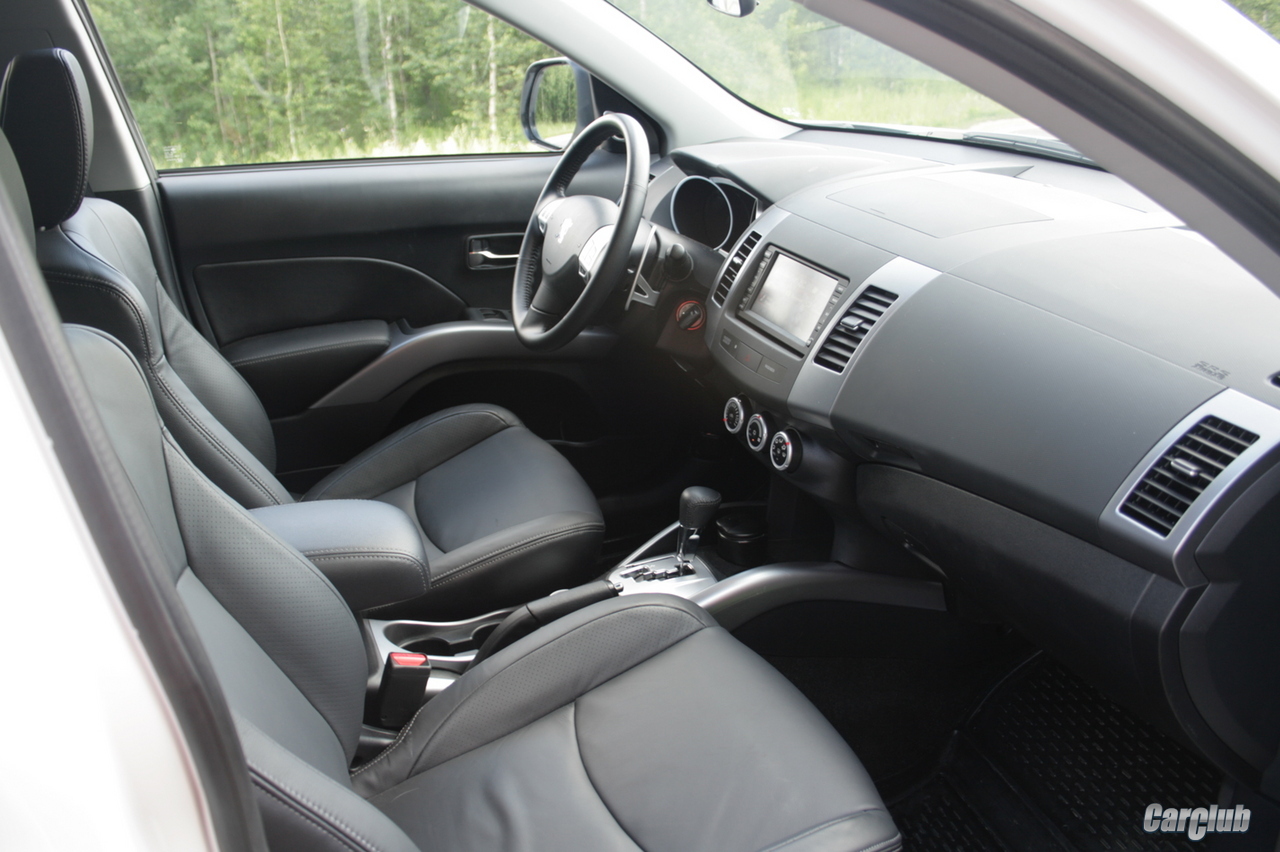
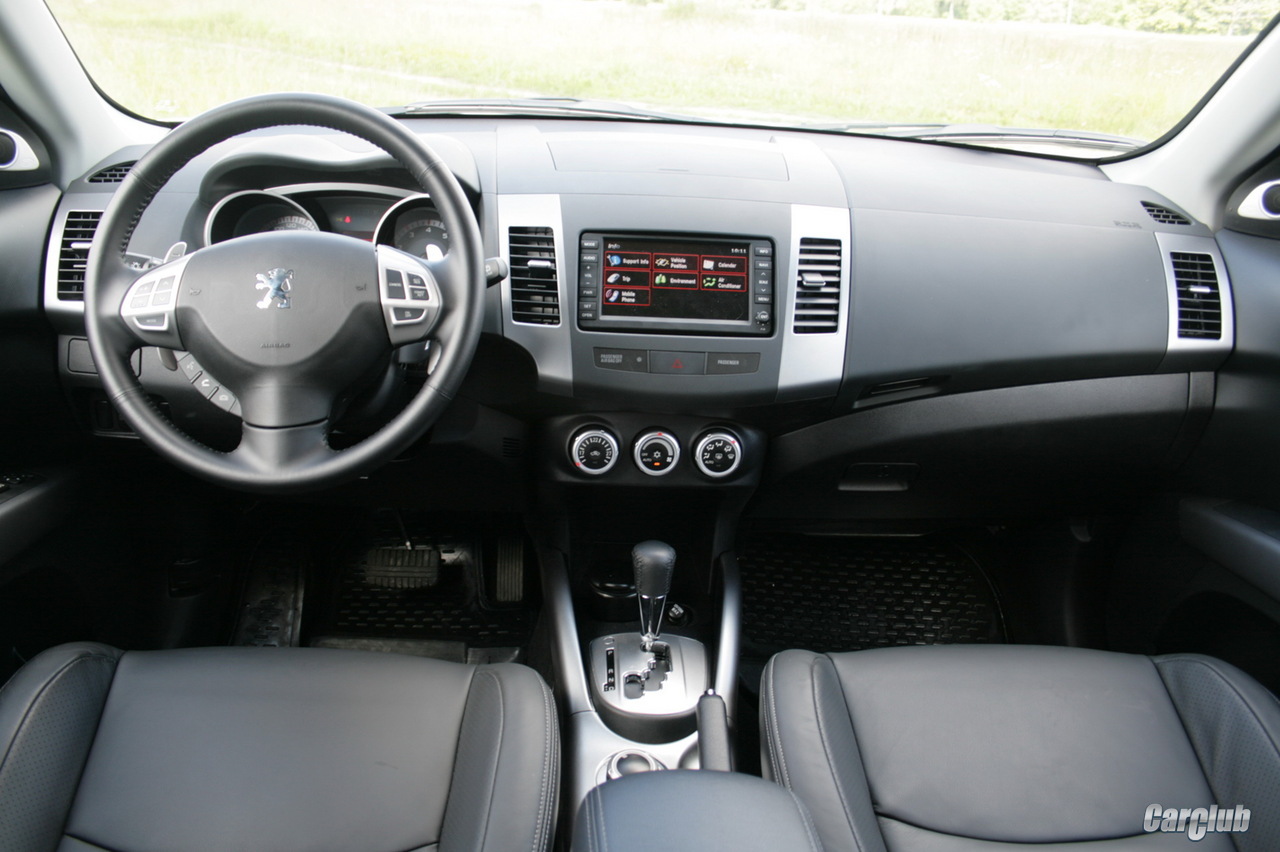
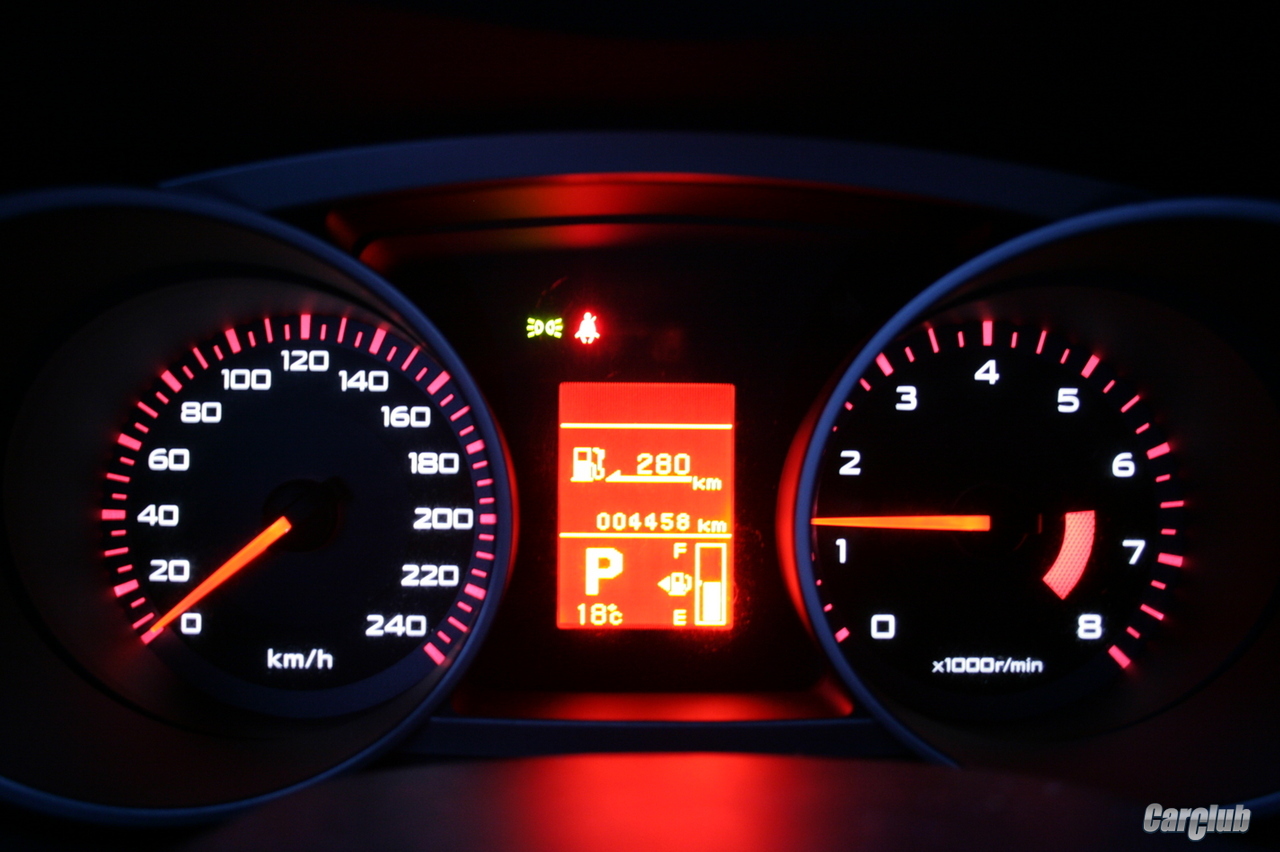
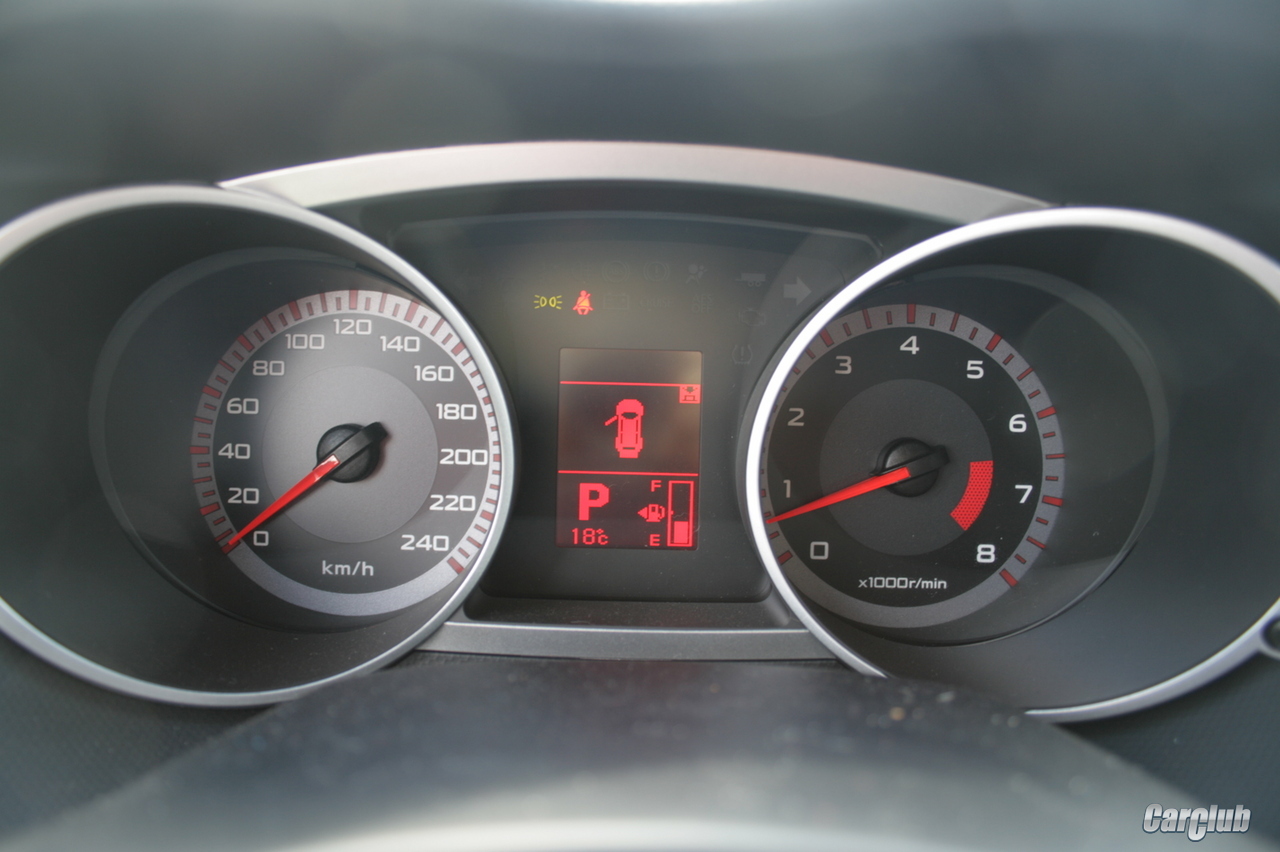
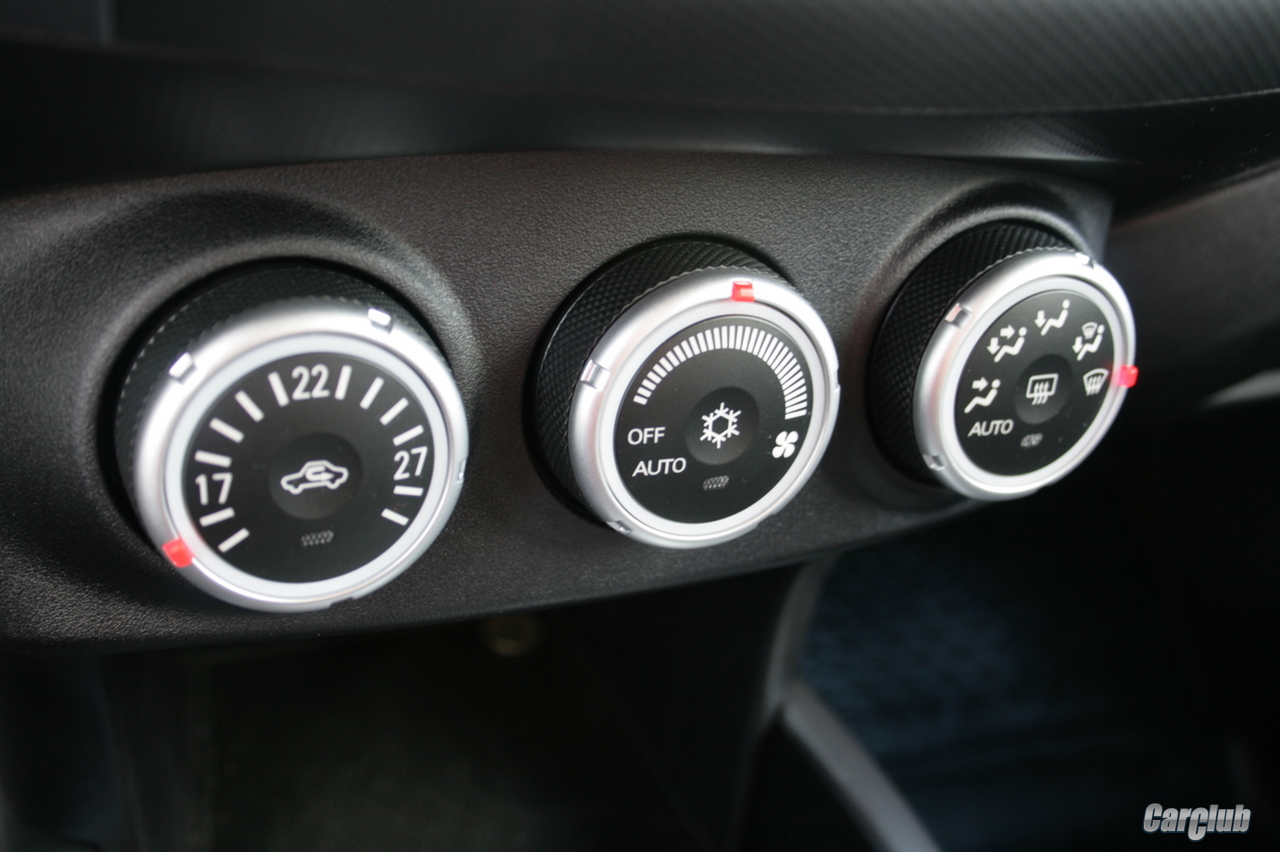
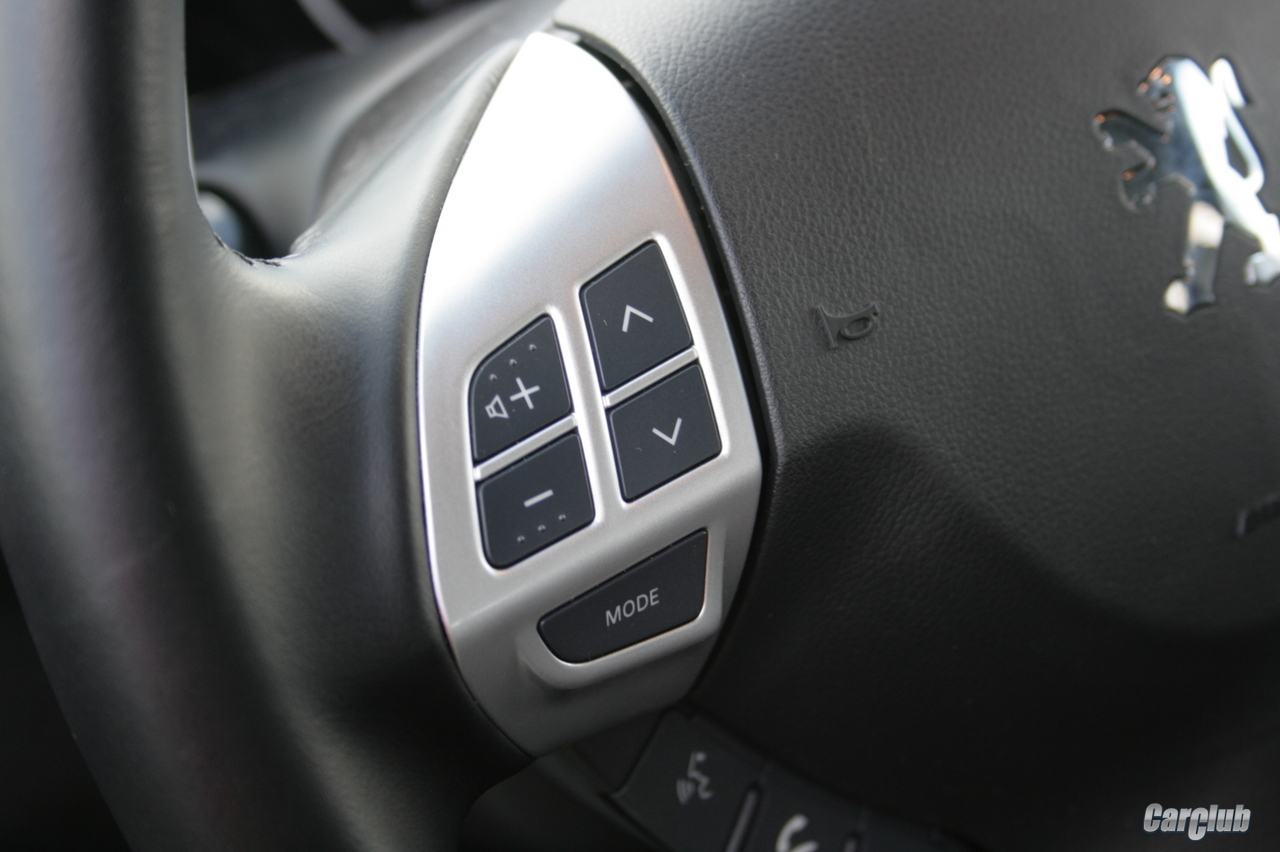
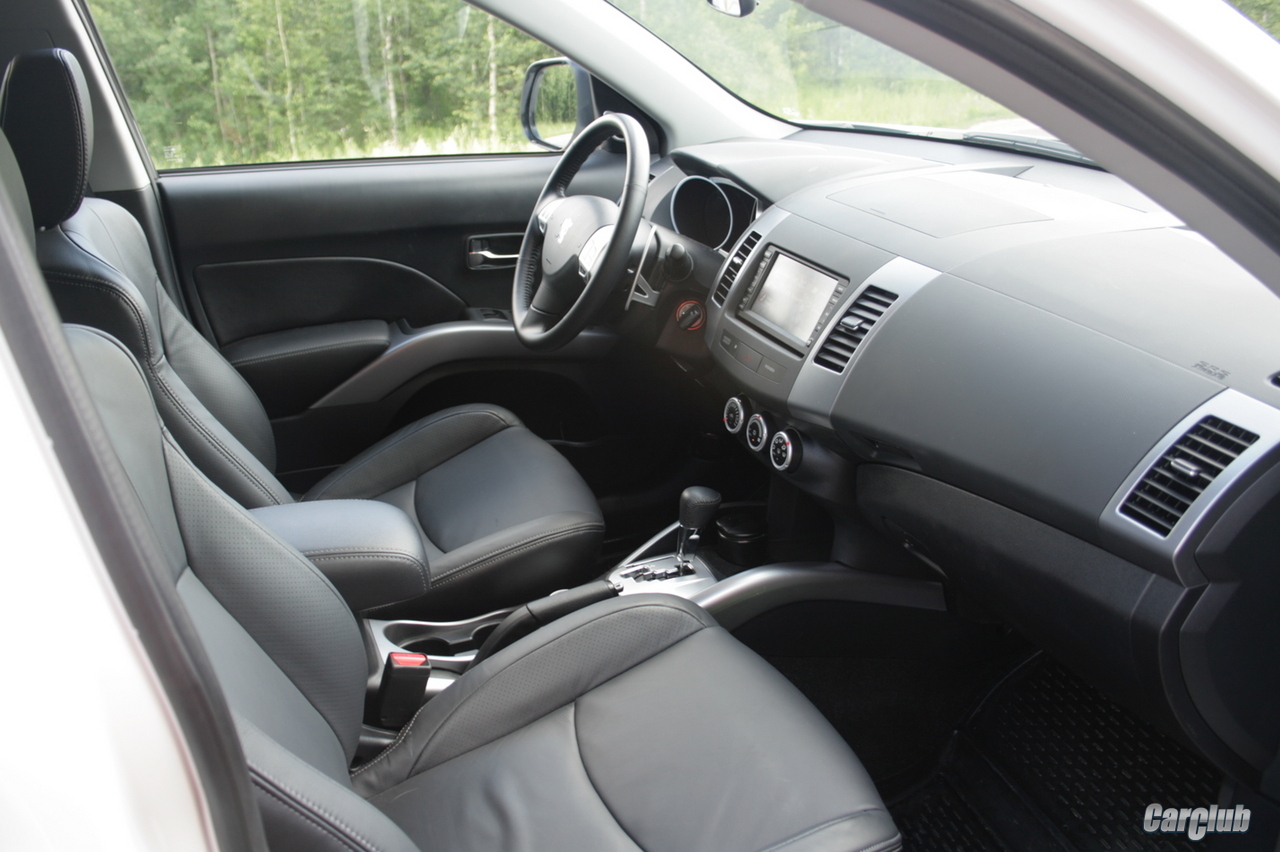
But with the interior, the "Peugeot people" decided not to bother. The only visual difference I found is that very emblem on the steering wheel. Otherwise, the interior completely repeats the Japanese one. You sit in the cabin and understand: this is anything but a Peugeot. Boring. There are no familiar round deflectors, no chrome details, no steering wheel with a "plump" horn button. Instead — strict lines and a monochrome color scheme. All because developing a new interior is extra costs and, accordingly, an increase in price. Otherwise, everything is done decently. The instrument panel with the on-board computer display and two wells for the speedometer and tachometer reads perfectly and pleases with a pleasant red backlight. The front seats have a good profile and pronounced lateral support. In the top Premium Pack trim, the driver's seat has electric adjustments, which are enough for a person of any build. But the lack of longitudinal steering wheel adjustment upset me. Those who like a "car-like seating position" have to choose between two evils: either legs bent too much, or reaching for the steering wheel. There are also complaints about the front armrest: it adjusts in length, but even in the extreme position it does not allow shifting the automatic transmission without lifting the elbow.
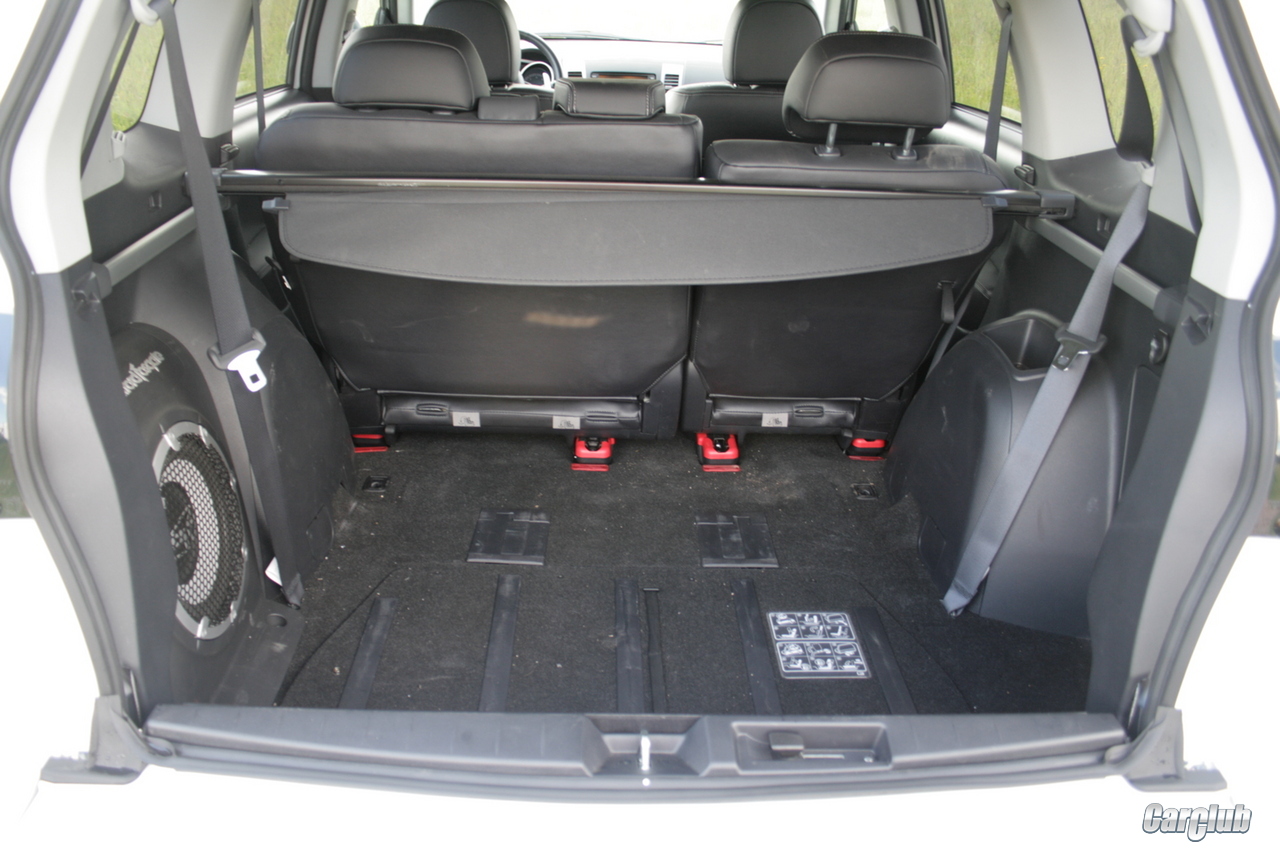
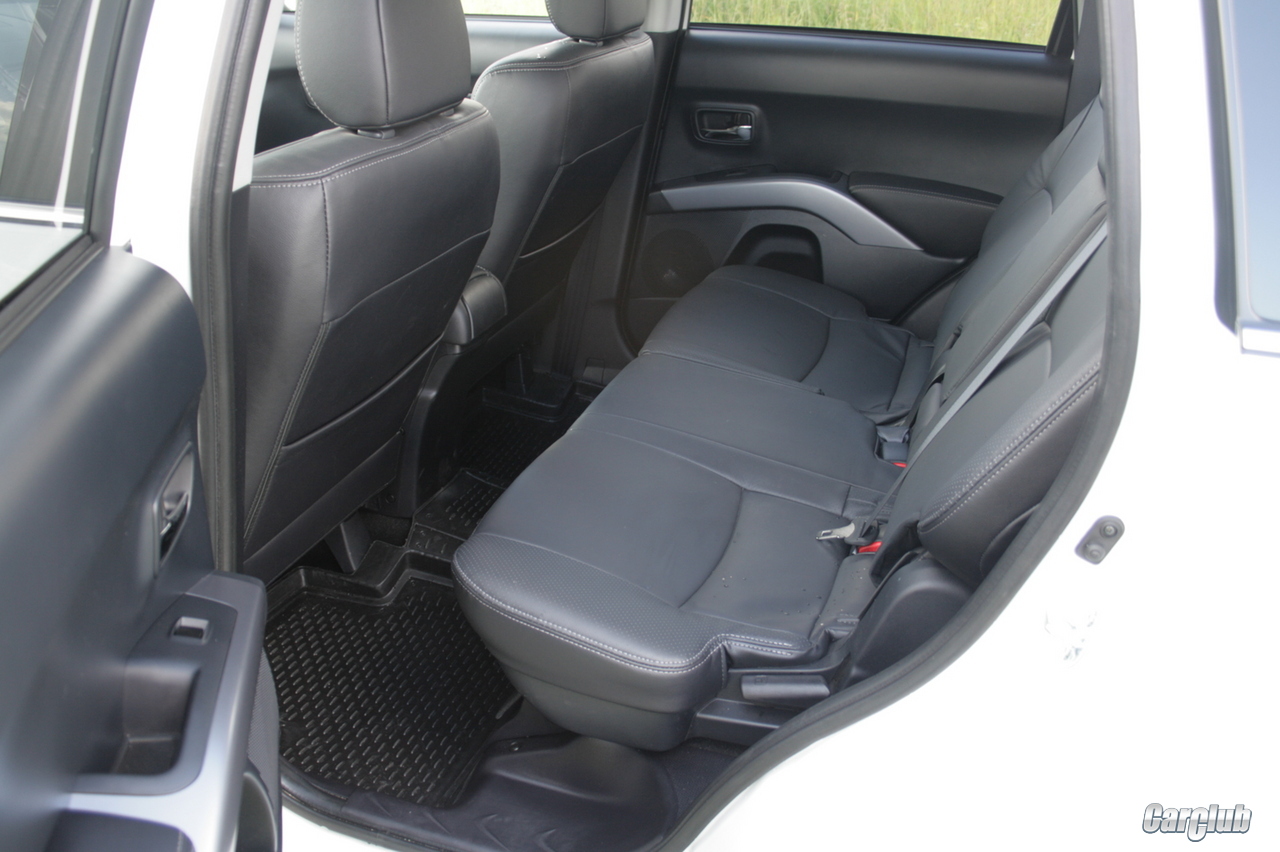
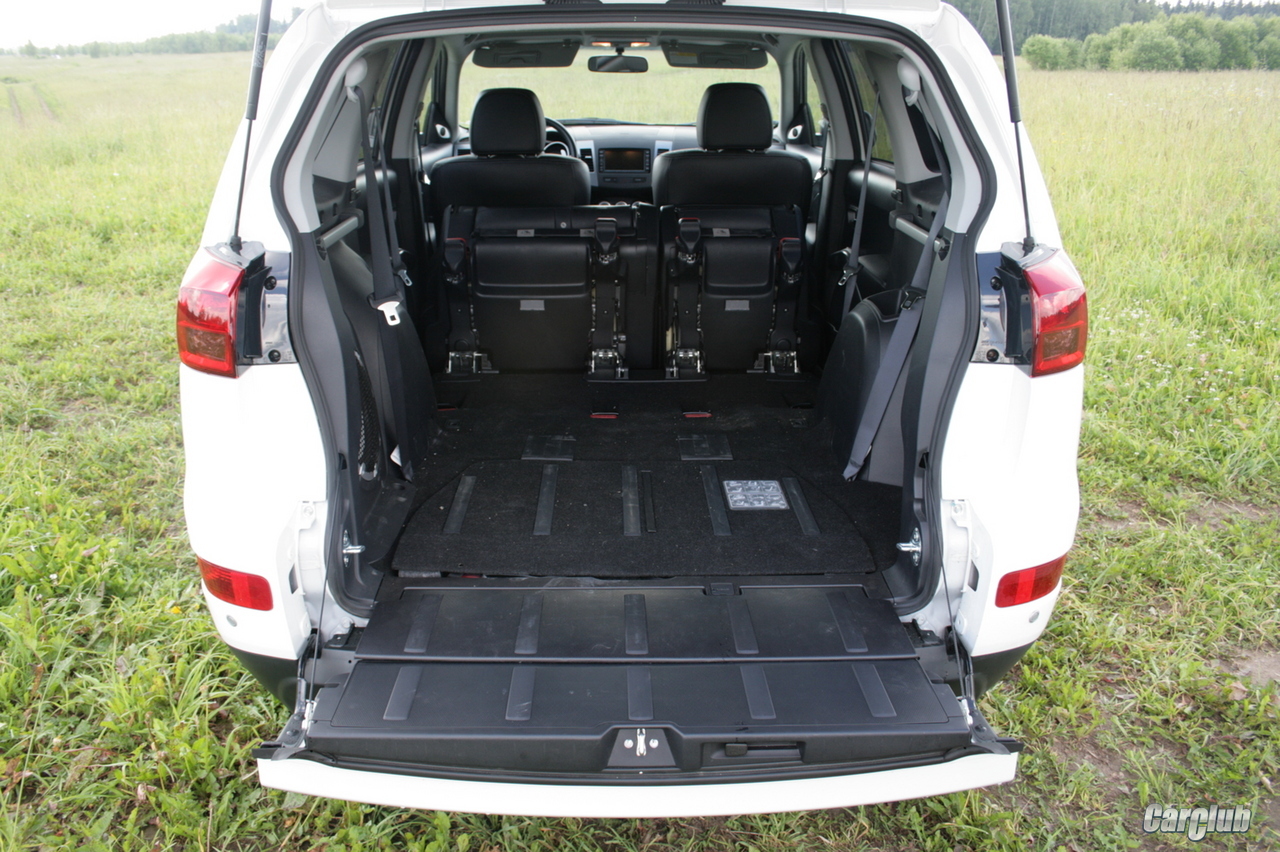
Although the plastic is hard everywhere, credit must be given to the quality of execution: assembly is top-notch, pleasant texture of materials and good leather brighten up the grayness of the design. The rear sofa does not shine with a comfortable profile, but it can be moved forward and backward in a range of 80 mm, so there is enough space for the legs of rear passengers. On a long journey, a convenient armrest with two cup holders will come in handy. The rear seats fold in a 60:40 ratio — this can be done both from the cabin and with buttons from the trunk. The useful trunk volume is 510 liters, and with the row folded — 1,686 liters. A full-size spare wheel hangs outside under the floor, and in the niche itself there is a third row of seats, where only children can fit.
 |
| |
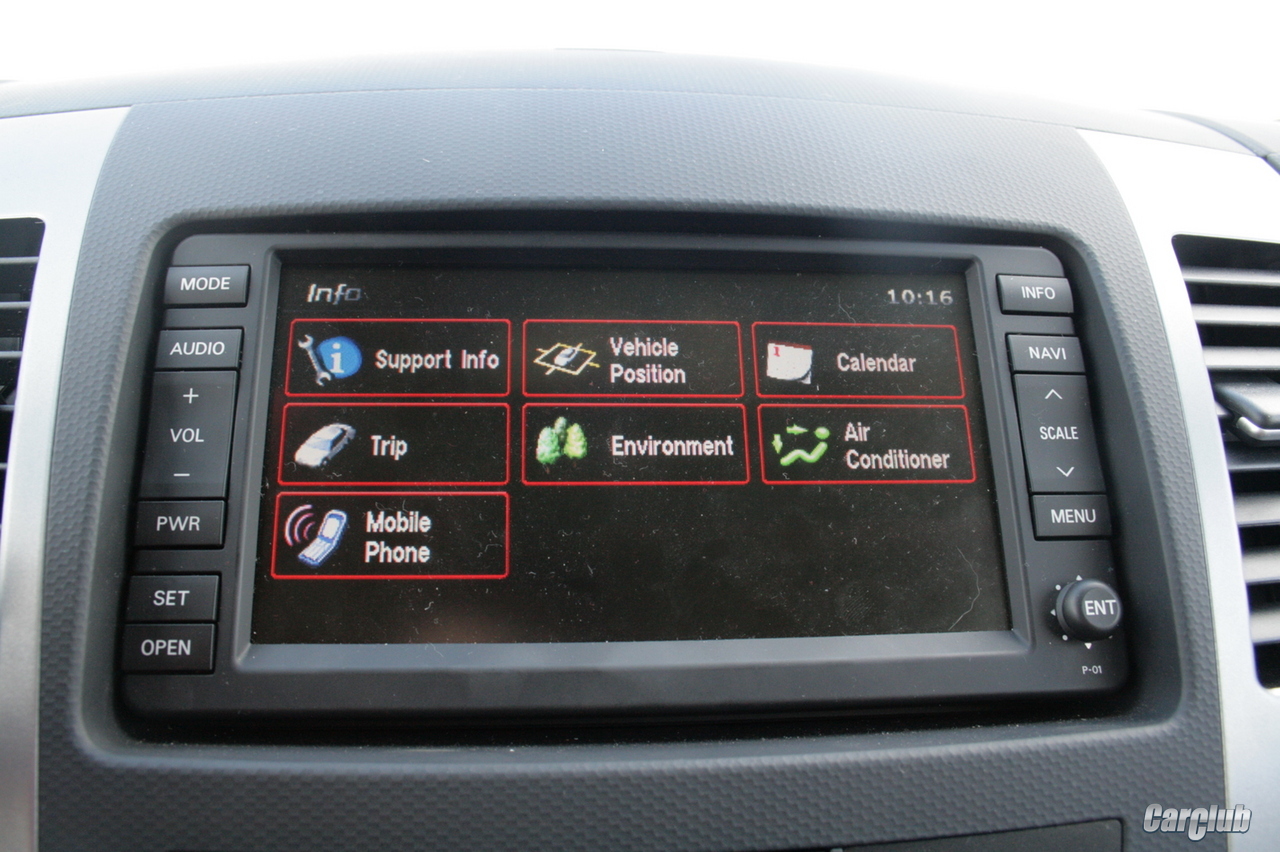
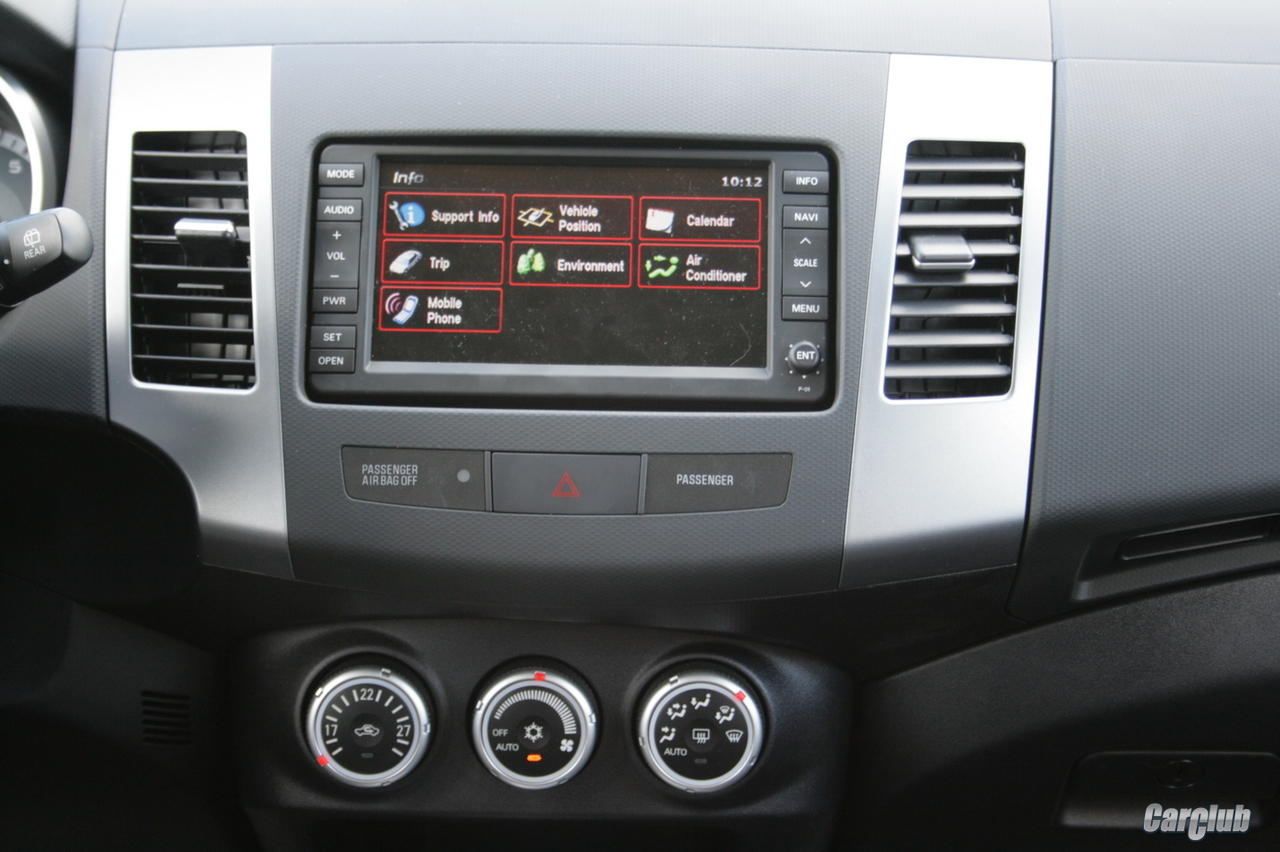
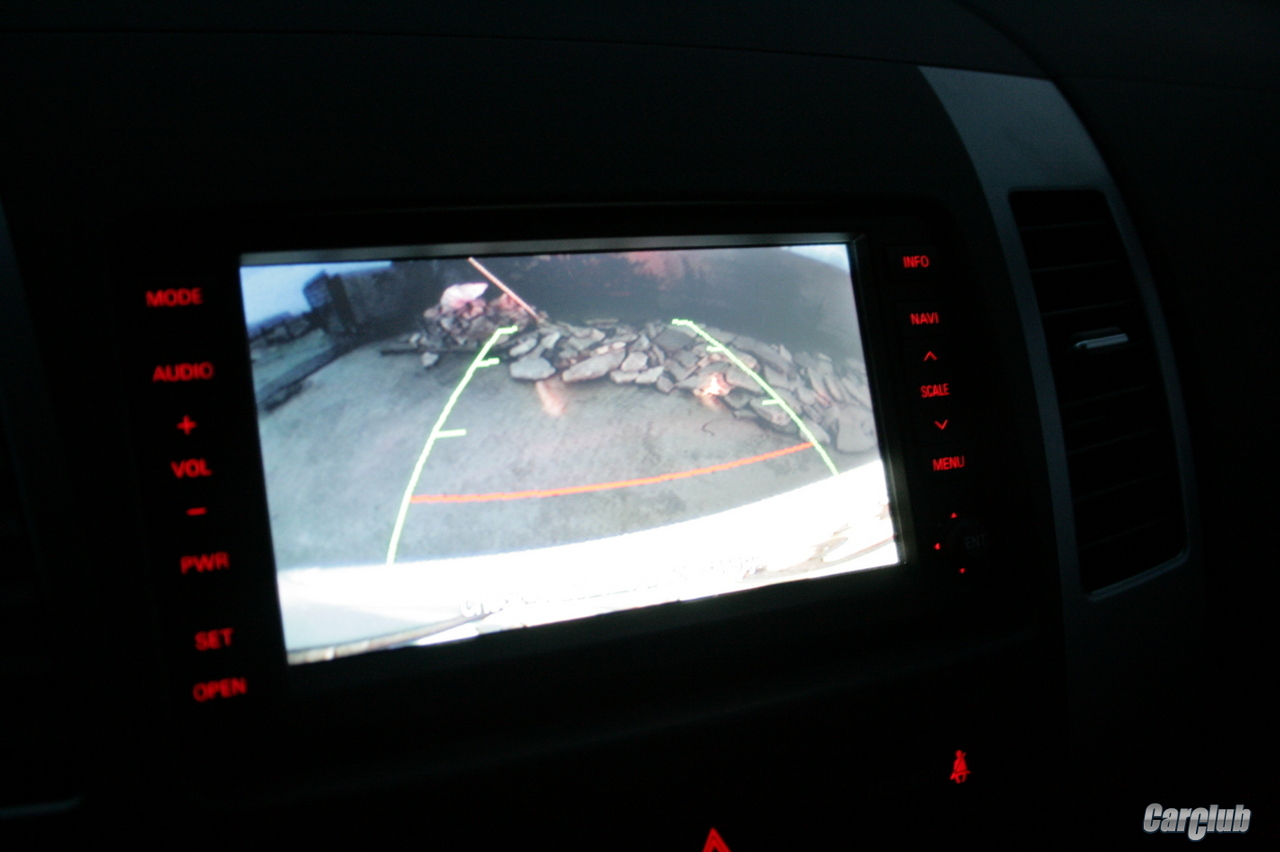
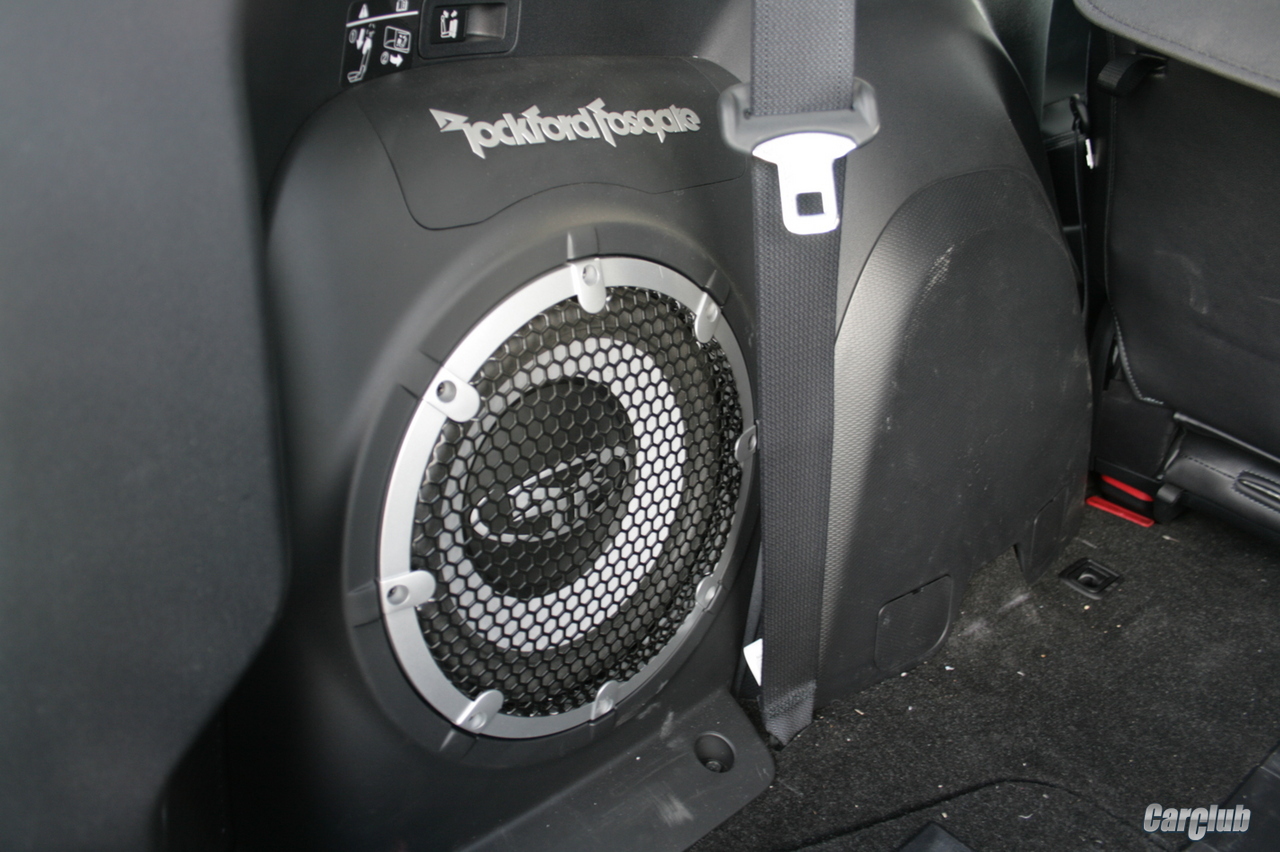
The car we received for testing was fully equipped: xenon headlights, rear parking sensors, leather interior, 18-inch alloy wheels, and hands-free calling. But even in the base trim, the crossover doesn't look deprived: even the standard version includes ABS, stability control, six airbags, climate control, all power windows, cruise control, audio system, and much more. For an additional 35,000 rubles, you can order the Rocford Fosgate sound system—eight speakers, a subwoofer, and a 650-watt amplifier. If sound quality matters to you, it's worth spending on this option because it really sounds convincing. And for 92,000 rubles, a multimedia system with navigation, a 30-gigabyte hard drive, a rearview camera, and a 7-inch touchscreen is available. But there's a catch: Peugeot's navigation software for Russia is not yet localized, so there's no point in overpaying for it. Moreover, the system itself is slow—switching radio stations or tracks from a disc can take up to 10–15 seconds.
Under the hood is a two-liter MIVEC engine (actually 2.4 liters) producing 170 horsepower. It works with either a five-speed manual or a CVT that can simulate six gears. We got a 4007 with the continuously variable transmission. This combination doesn't make the crossover a dynamic projectile, but it distributes torque evenly across the entire rev range. Plus, the CVT consumes less fuel than a traditional automatic. However, if you don't press the pedal to the floor, fuel consumption stayed around 15 liters per 100 km, and with active driving, the appetite could rise to 20 liters.
On the highway, the 4007 holds its course confidently and pays little attention to ruts. The steering is well-tuned: reactions to turns are quite sharp, and the effort builds logically. However, near the center point, there's a slight lack of feedback. On smooth asphalt, the car delivers a smooth ride and hardly leans in corners. It traces the line through a turn precisely—sometimes you forget you're sitting in a tall crossover, not a sedan. The only complaint is about the floor's sound insulation—but that's a typical story for Japanese models, and this SUV has a direct lineage with them. When good pavement gives way to broken asphalt or dirt roads, passengers start to get noticeably shaken, and on large potholes, there are tangible impacts. The body responds to every joint and small bump. This is largely due to the 18-inch wheels in the top Premium Pack trim. If you put 16-inch wheels on, it becomes a bit more comfortable, but the situation won't change drastically. Moreover, with high-profile tires, the 4007 would lose that very driver-oriented liveliness in handling.
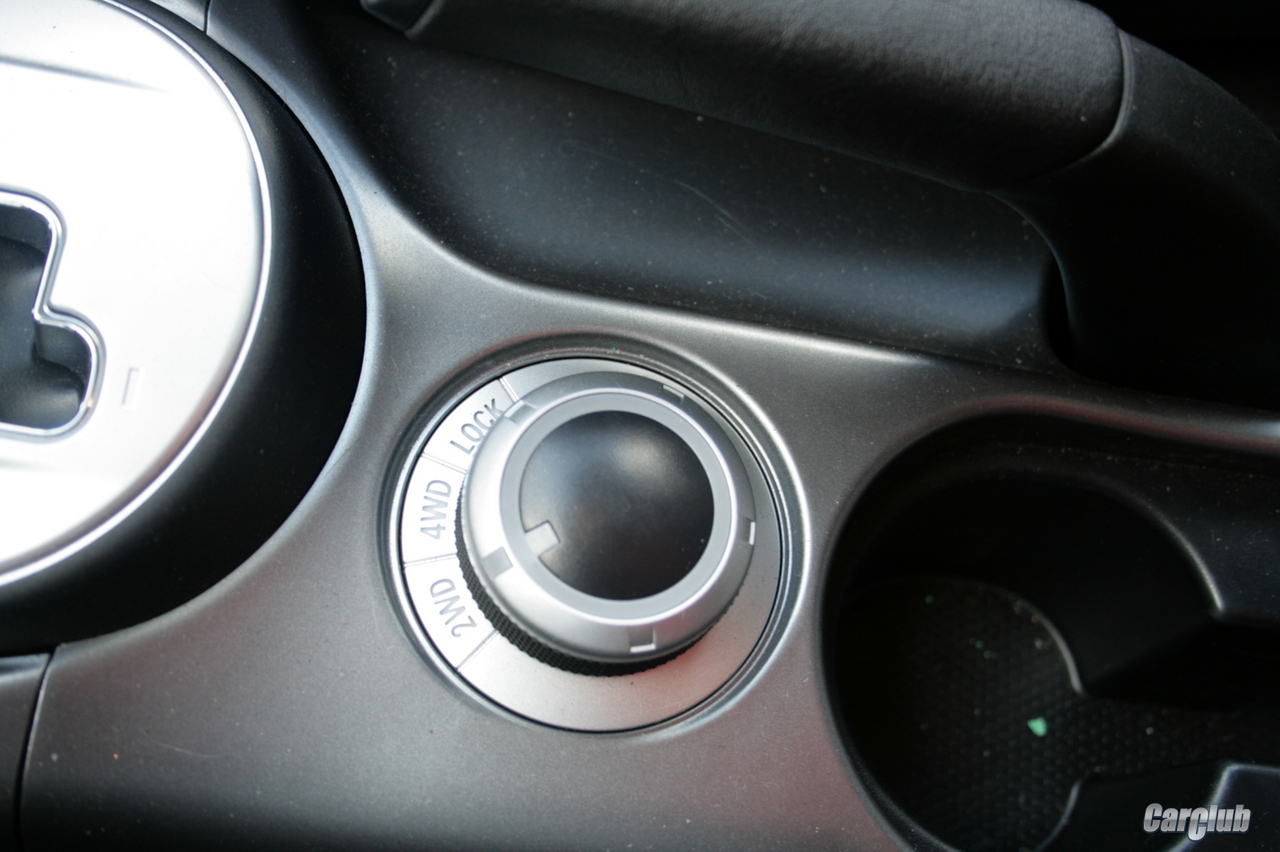
The transmission modes are switched via a round washer on the center tunnel. There are three in total: 2WD—drive only to the front wheels, 4WD—a mode where electronics engage the rear axle when slipping, and Lock—simulating a center differential lock. For a city crossover, this is quite sufficient: you can get out of a snowy courtyard or reach a dacha across a field. The 4007 is not capable of more—the ground clearance is modest, and the body overhangs are large, so serious off-roading is beyond its capabilities.
After the test, the 4007 leaves the impression of a crossover with an asphalt character. The weak off-road capability and stiffness on bumps are the price for excellent behavior on smooth surfaces. Additionally, a downside of the model is that it has two twins—the Citroen C-Crosser and Mitsubishi Outlander. When choosing among them, the Peugeot may attract with a combination of French looks and Japanese technical content.
Ruslan Galimov

 At first glance at the 4007, you notice not its kinship with the Japanese "donor", but those exterior details that the French came up with. The huge radiator grille with vertical chrome stripes, unusual recesses for fog lights, slanted headlights and a large chrome "lion" on the hood immediately reveal the car's brand.Comments (5)