
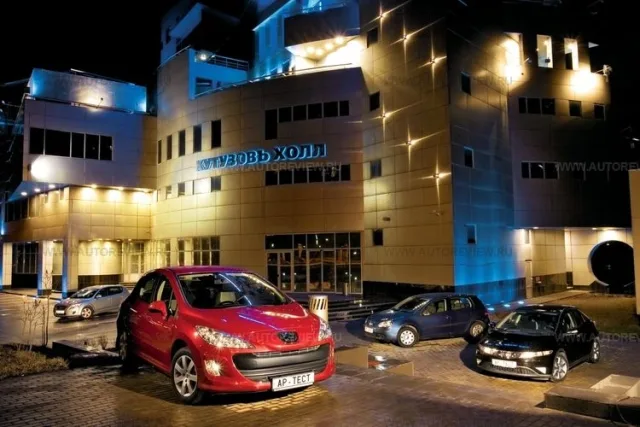
“This is a real step forward!” — these were the words Oleg Rastegaev used to greet the Peugeot 308 after getting acquainted with it in Morocco. But how will the newcomer behave on our roads when compared to the recognized class leader — the Volkswagen Golf?
True, for the Golf you will have to pay noticeably more. But the Kia cee’d practically matches the “three hundred eighth” in price — so it makes sense to invite it for comparison as well. We took all three cars with 1600 cc engines and automatic transmissions.
And what is the Honda Civic 1.8 with a “robot” doing in this company? We need at least one participant who can compete with the Peugeot for the title of the most stylish!
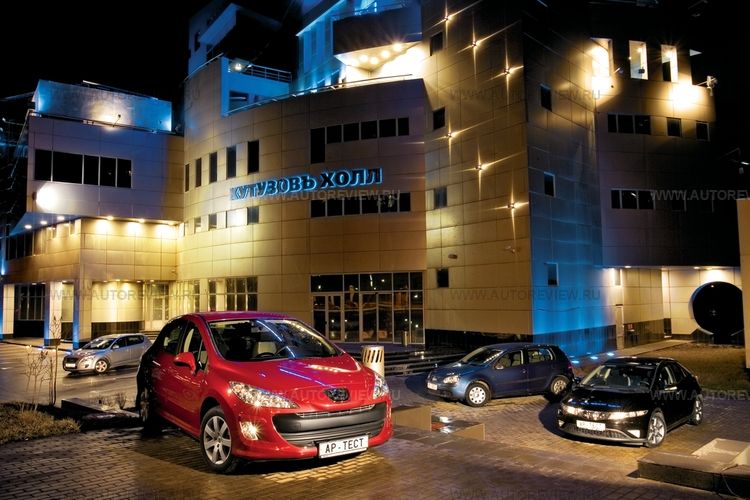
If we, as before, awarded points for appearance, the Civic would have gained an advantage from the very start: it’s a spaceship on wheels! Next would be the Peugeot 308 — like a grown-up Peugeot 207: a friendly “smile” of the front bumper, large slanting headlights, and rear lights extending far onto the sides, resembling flames blown by the wind… But the neat and modest Golf and cee’d would have been left behind.
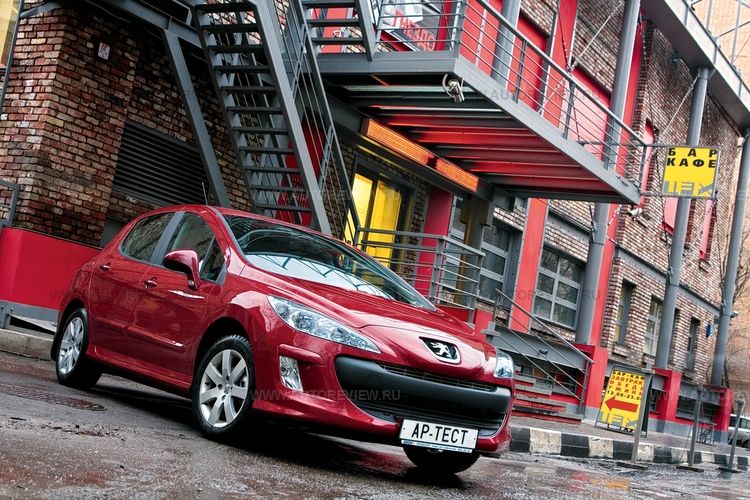
But today we do not evaluate design with expert points — it’s too subjective a matter. So let’s deal with more concrete things: ergonomics, acceleration dynamics, handling, and ride smoothness. This time the task turned out to be not an easy one...
White instrument scales and deflectors in chrome trim, quality fabric on the seats, perfect joining of soft plastic panels… And how appetizingly the closing door “smacks”! Yes, as far as “feeling of quality” goes, the Peugeot 308 has truly made a breakthrough. It’s comfortable to sit in the soft seat — the only thing is that the steering wheel, lowered a bit, can block the instrument scales. But the “automatic” selector with vague fixation (despite the winding groove in the style of Mercedes) and the seatback folding handle, which is inconvenient to reach, did not appeal to us.
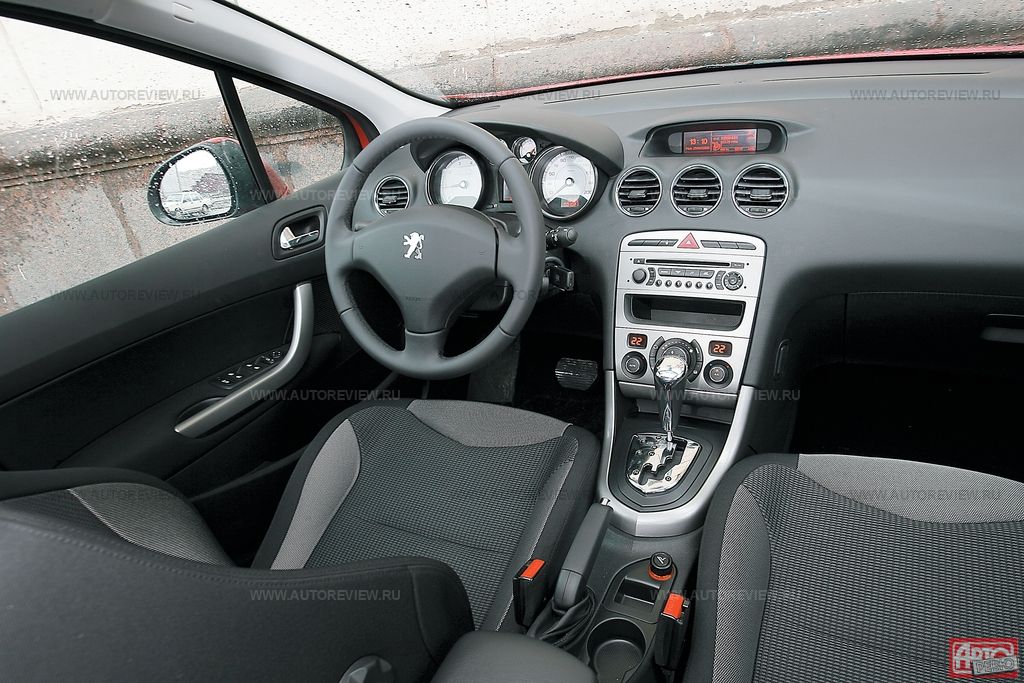 | 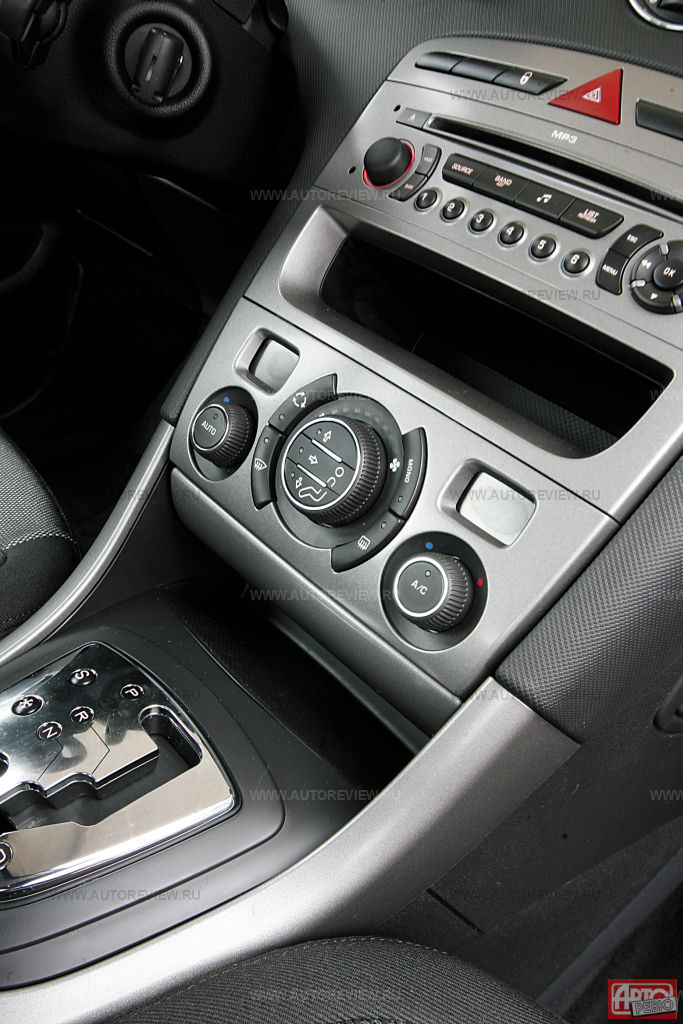 |
| Stylish, rich, solid: in terms of interior, the Peugeot 308 is a real breakthrough for the PSA concern | The unusual control of the dual-zone climate control is well thought out and convenient |
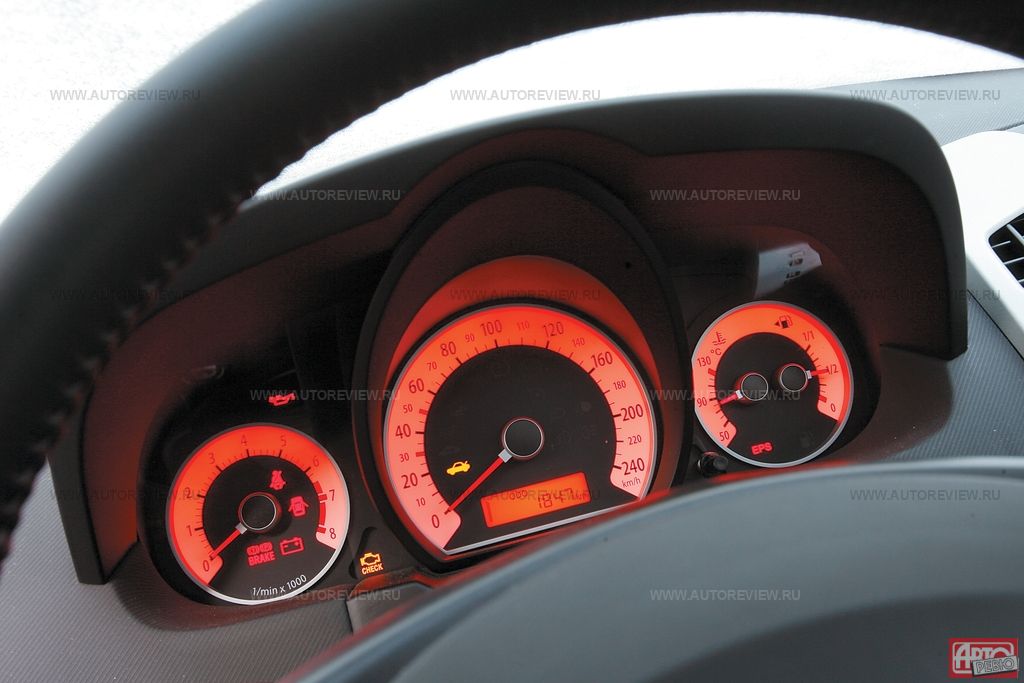
Volkswagen does not allow such oversights: ergonomics are exemplary! But even the signature blue backlighting of the scales cannot revive the ordinariness of the Golf’s interior. A similar story with the Kia cee’d — like a three-star hotel. Everything is clean, tidy, but without a spark. Although there are even fewer complaints about ergonomics than about the Peugeot — except that the “automatic” lever catches when moving along the toothed groove.
| Honda Civic | Kia cee‘d |
 |  |
| Peugeot 308 | Volkswagen Golf |
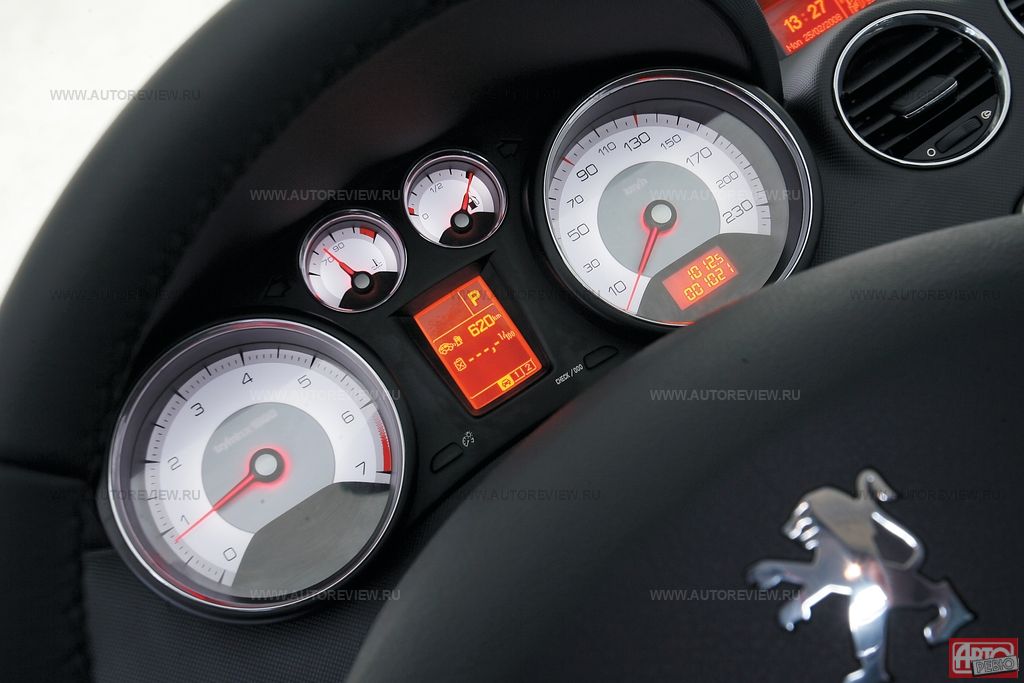 | 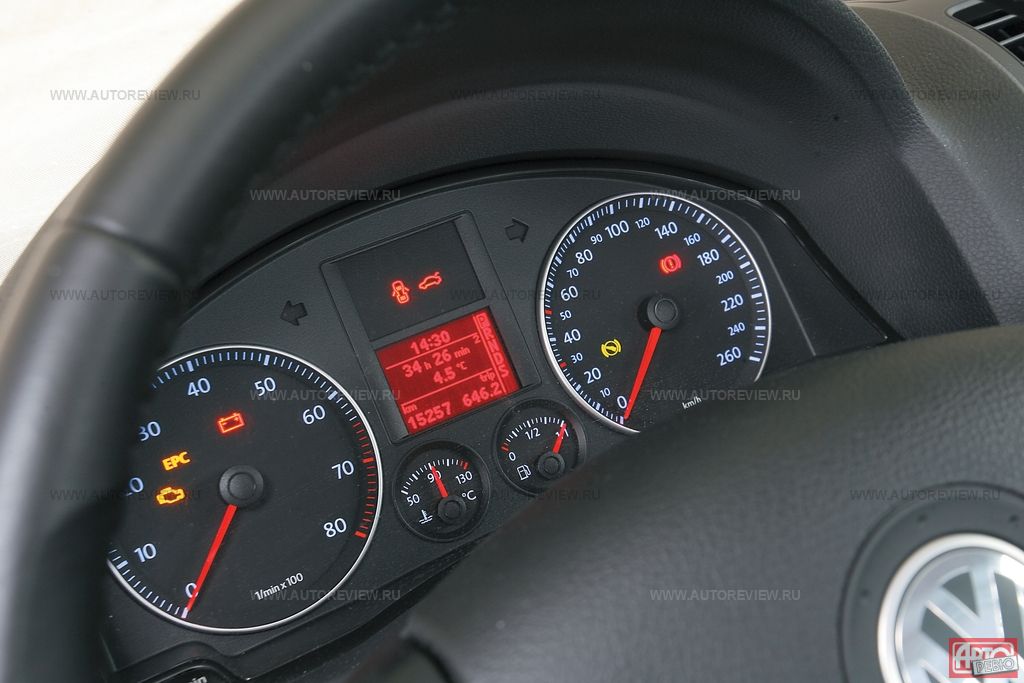 |
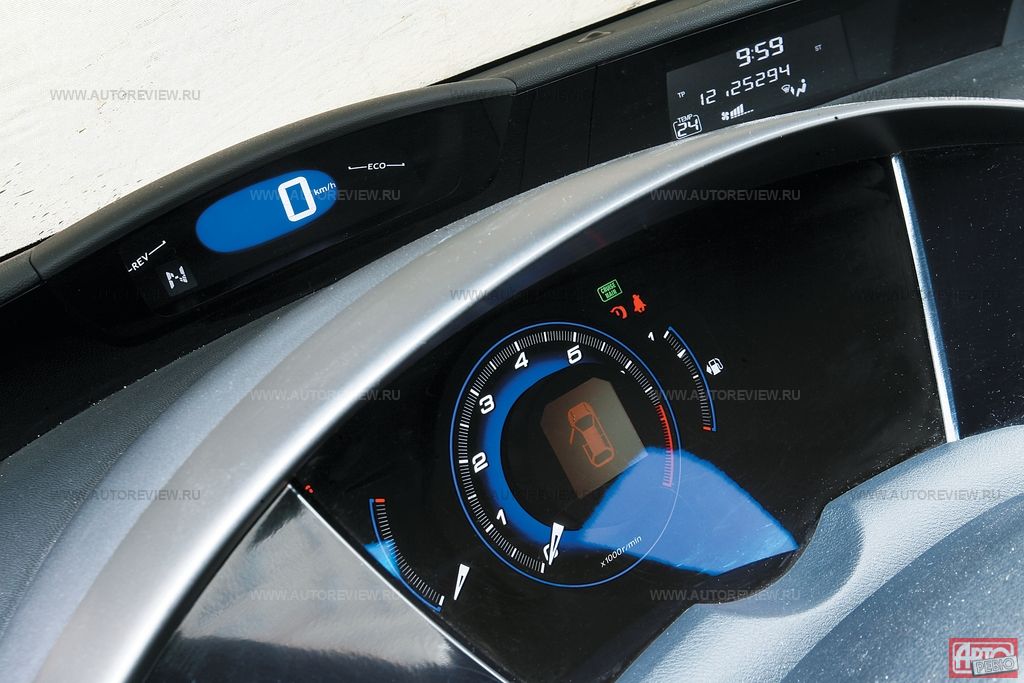
| The spectacular Honda instruments are not only beautiful but also clear. The faded numbers on the white scales of the Peugeot make you want to make them more contrasting. Information from the simple “round dials” of the Kia is read instantly, while the neon backlighting and small divisions of the Golf force you to keep your eyes on the instruments longer | |
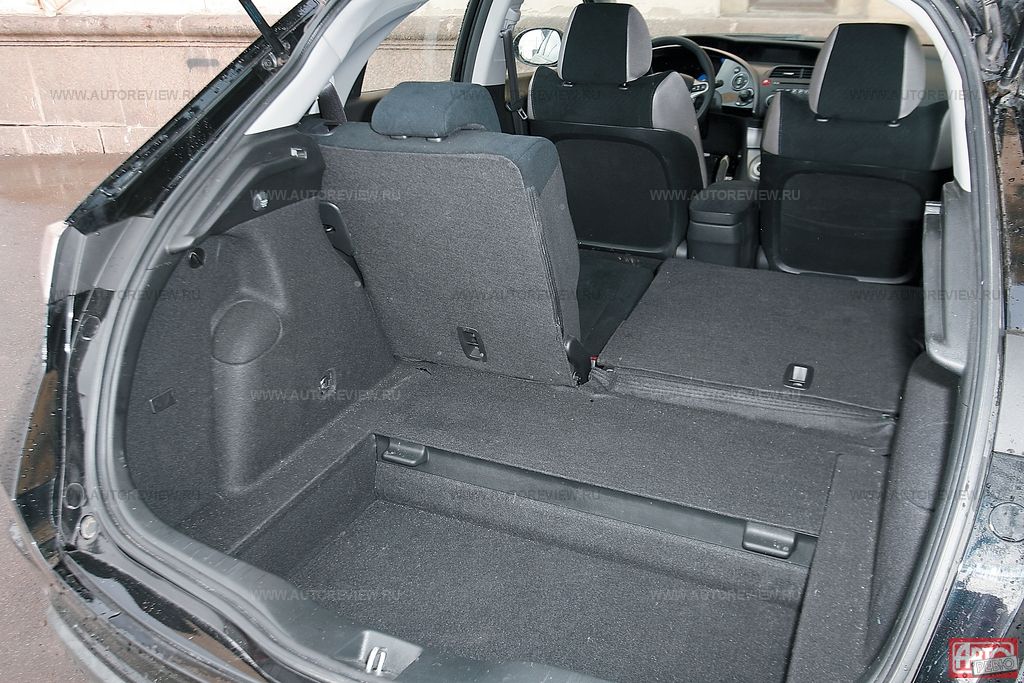
A real revelation is the Civic. The interior is the best of all! Compact “grippy” steering wheel, anatomical seat, everything is easy to reach, perfectly readable tachometer and “digital” speedometer… Moreover, if you ask the passengers, they will also choose the Civic — it is the most spacious in our quartet. And there is nothing to say about the trunk: there are plenty of transformation options!
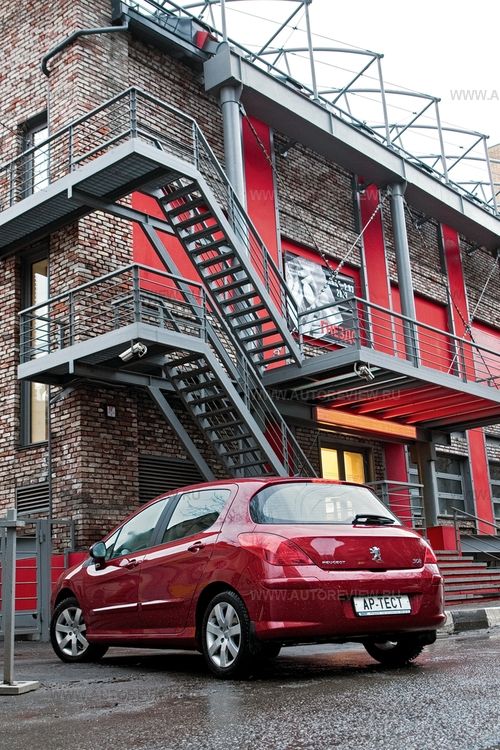
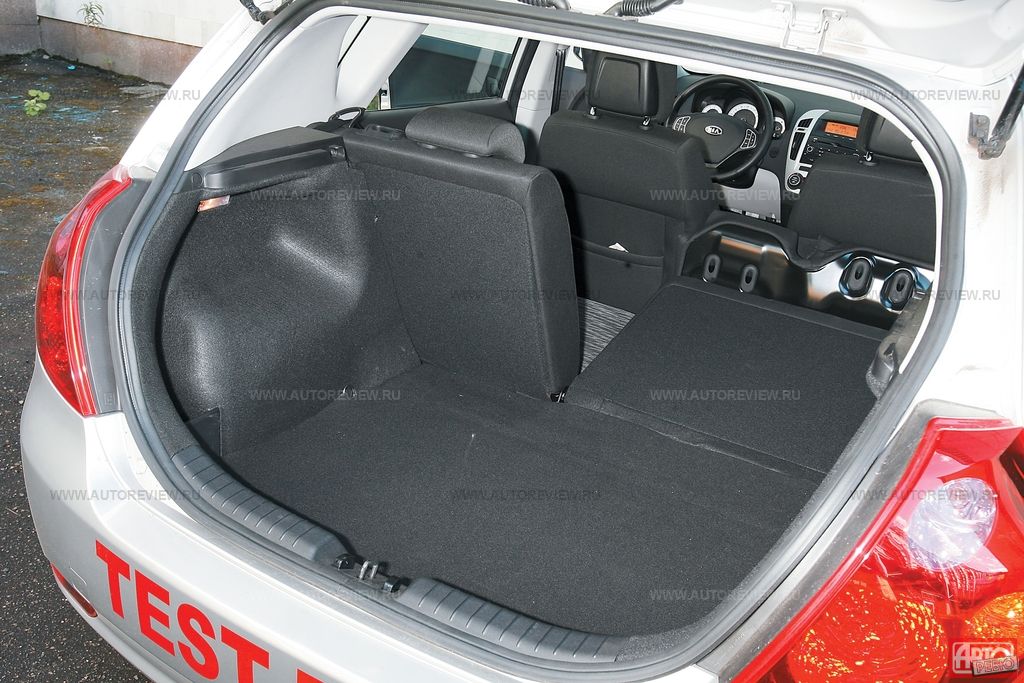
The new Peugeot lags behind in this regard: there is less legroom than in the Golf, the middle passenger, as in the “German”, is hindered by a high tunnel, and a hard folding armrest presses into the back. But both the “three hundred eighth” and the Golf have adjustable air deflectors in the rear. However, the Peugeot’s trunk is more spacious than the Golf’s — in volume it is about the same as the Kia’s.
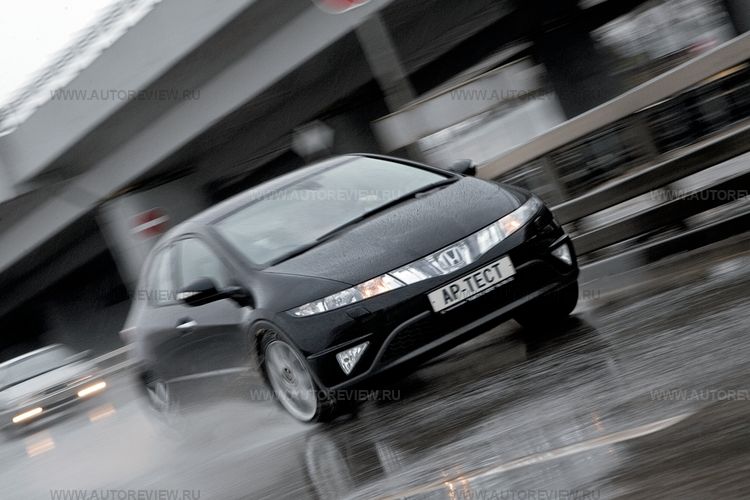
Futuristic appearance, fighting engine… It’s a pity that the loose suspension, clearly “tired” after 15 thousand kilometers, does not fit into this picture
But it’s not in the trunk that we should look for the breakthrough of the Peugeot 308! Where then? Under the hood! After all, the 1600 cc engine was developed by BMW engineers, and is produced by the French concern PSA solely to reduce costs. Now the Peugeot has exactly the same engine as the Mini Cooper!
What does this give?
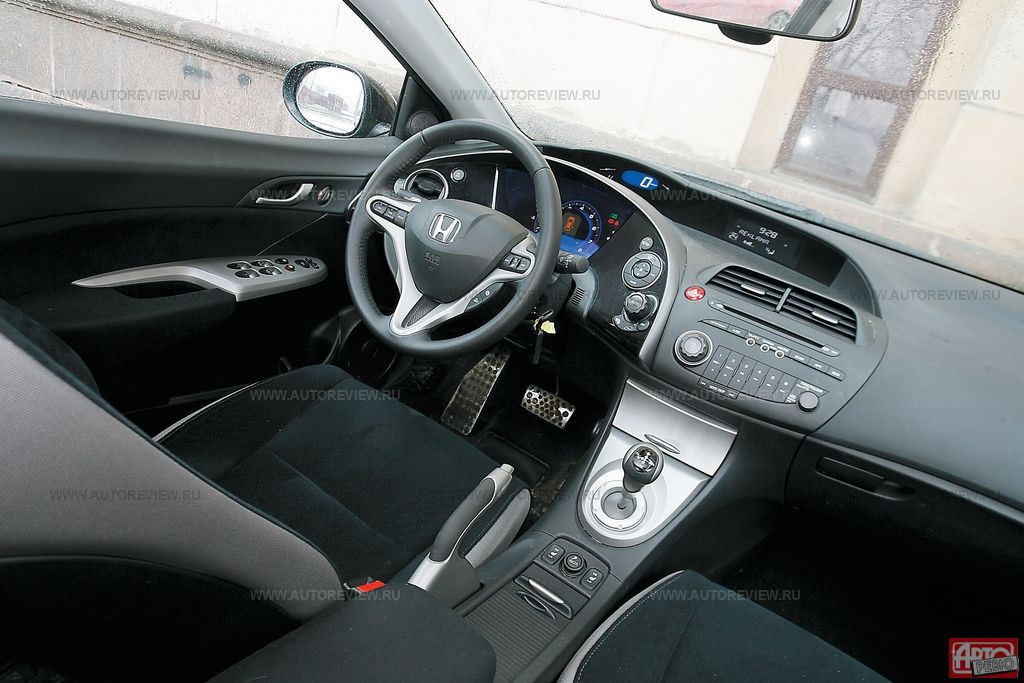 | 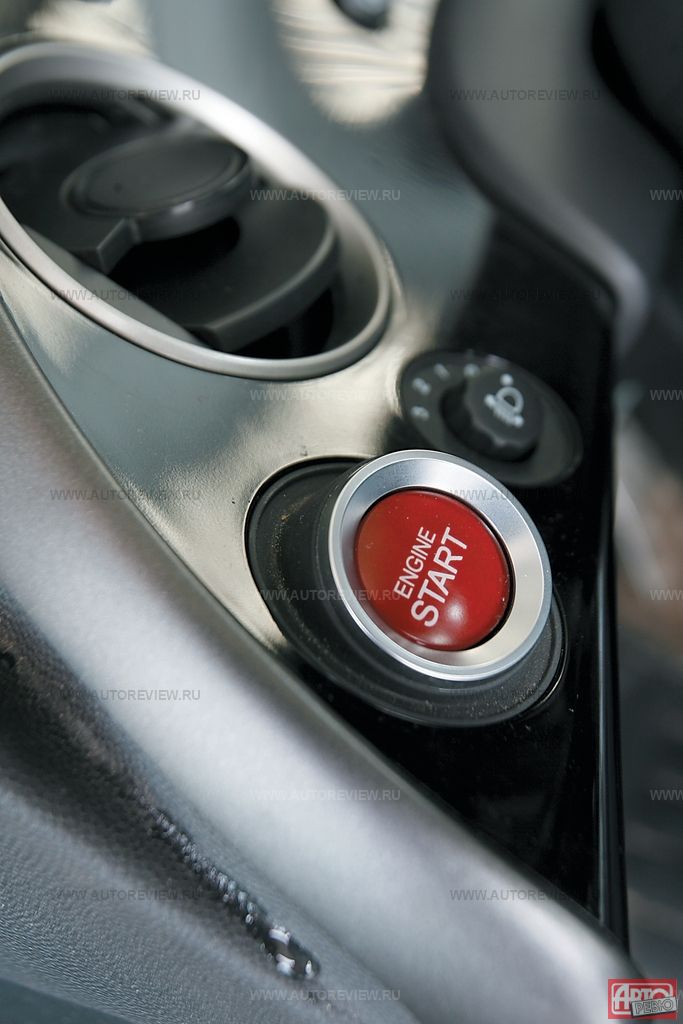 | 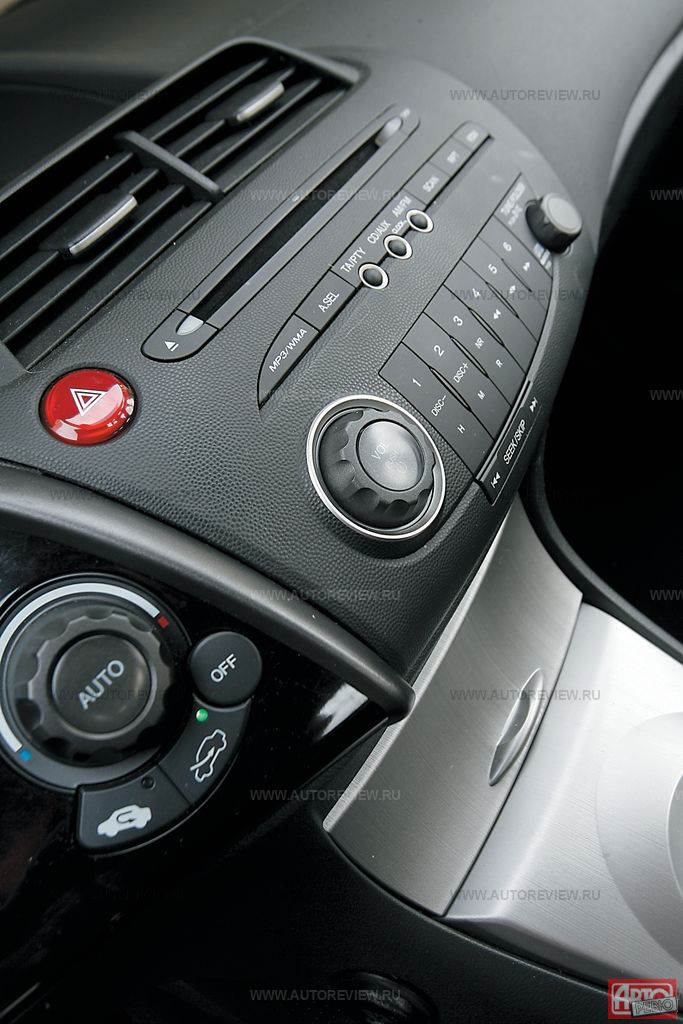 |
| The cosmic interior is also ergonomic | The ignition key is to the right of the steering wheel, and the starter button is on the left. You need to get used to it | The heater control unit is inaccessible to the passenger |
In combination with the “automatic” — alas, not much. Only four steps (inevitably “stretched”, which spoils acceleration dynamics), the shift logic is lame… True, the old PSA “automatic” is adaptive, but often excessively: after a single intense press on the gas, you then have to listen to the engine howling in lower gears for a long time, which the gearbox stubbornly and inappropriately “holds”. The situation is aggravated by the damped accelerator pedal: you press a little — no reaction, press harder — and the Peugeot sharply jumps forward.
The Golf clearly demonstrates how important the transmission is in the “engine—gearbox” pairing. It would seem an archaic eight-valve engine with only 102 hp. But add a modern six-speed “automatic” with a decent shift algorithm — and as a result, the Volkswagen accelerates nose to nose with the Peugeot, despite the lack of 18 “horses”.
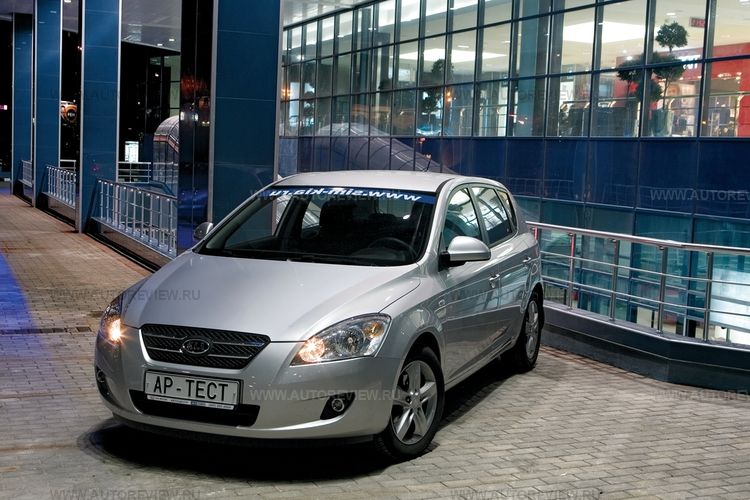
But the Kia cee’d is even more spirited. How much? We did not take measurements (the season at the Dmitrov test track had not yet opened at that time), but the difference is obvious — and quite explainable, since the cee’d is not only more powerful (122 hp), but also 58 kg lighter than the Peugeot 308. And the “automatic”, although four-speed, is tuned much more successfully than the French one: it shifts smoothly and in tune with the driver’s wishes. Sporty sharp responses to the gas add fire.
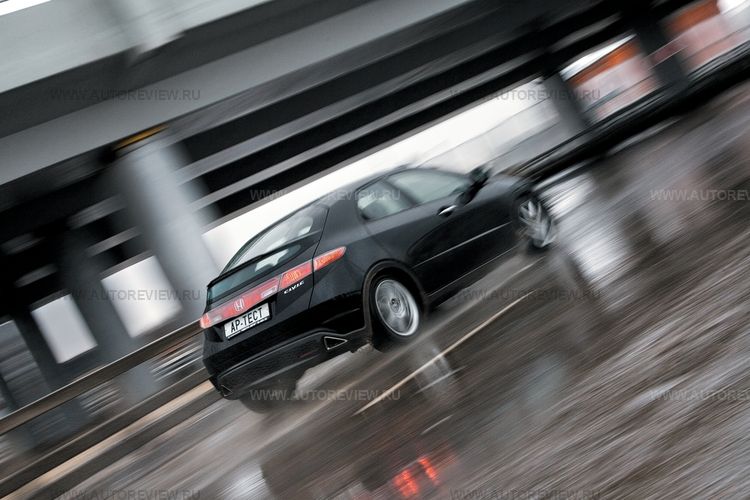
But the real fire is in the 140-horsepower Honda. Even in the previous test, it was only slightly slower than the two-liter Mazda 3 (see AR No. 12, 2006). And when it comes to parallel starts with 1600 cc competitors… Press the gas — and to the rousing roar of the engine, the Civic easily flies away! The lightweight and short-travel gas pedal only sharpens the feeling of dynamics. And what about the robotic gearbox? Imagine, we liked it. Smooth shifts, logical and almost imperceptible gear changes. Want some drive — pull the convenient paddle shifters, thereby activating manual mode. And the stumbling characteristic of “robots” is only felt when shifting from first to second gear under full throttle.
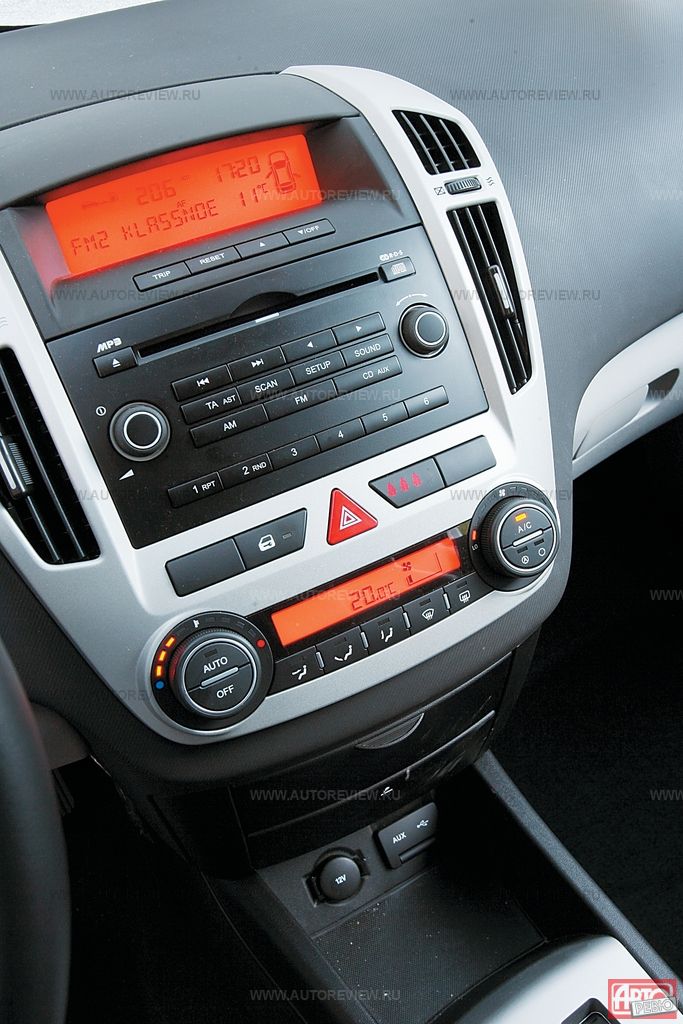 | 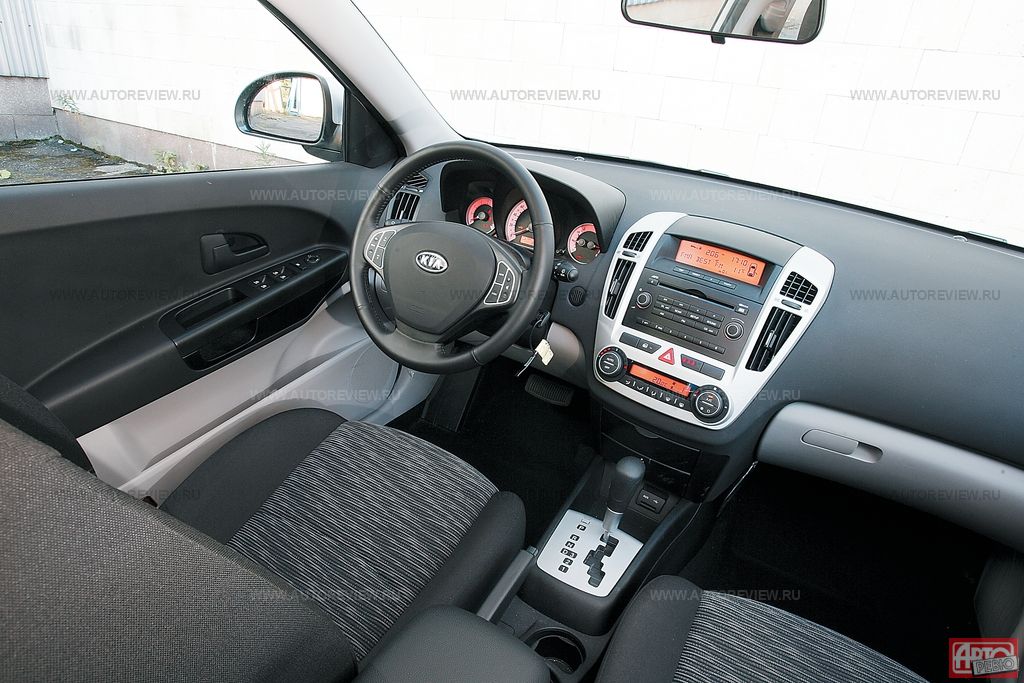 | |
| Turning the convenient climate control knobs is accompanied by LEDs lighting up around them | In the modest Kia interior, the bright orange display looks garish | Kia cee’d is like a modern gadget: a USB port and an audio player jack are a must |
The only thing that let this company down was the Honda brakes: the Civic's pedal is a bit soft, which prevents it from competing on equal terms with the Kia and Peugeot. However, the Golf can boast the most transparent and precise feedback.
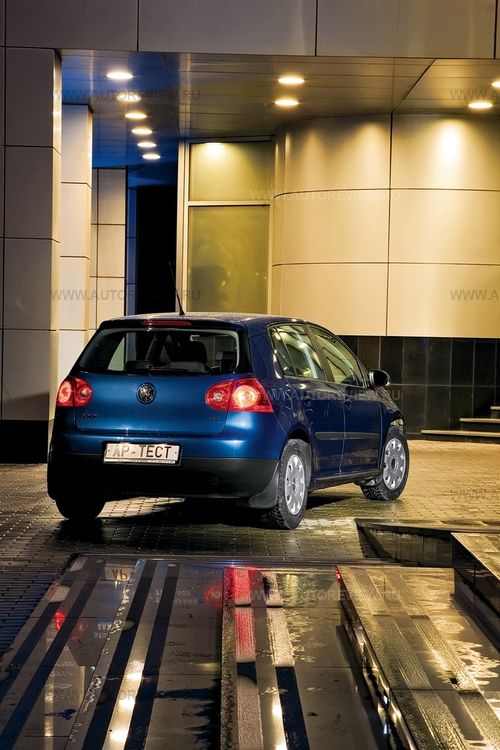
In fact, the Golf remains the benchmark in everything else as well. Take the chassis, for example — it's simply purebred! Even on Gislaved Nord Frost 5 studs, the precision of reactions, the transparency of the steering, and the behavior at the limit — everything is impeccable. At the same time, ride comfort did not disappoint: despite considerable mileage, the suspension has not lost its energy capacity and swallows typical Russian potholes without strain.
| Honda Civic | Kia cee‘d |
 |  |
| Peugeot 308 | Volkswagen Golf |
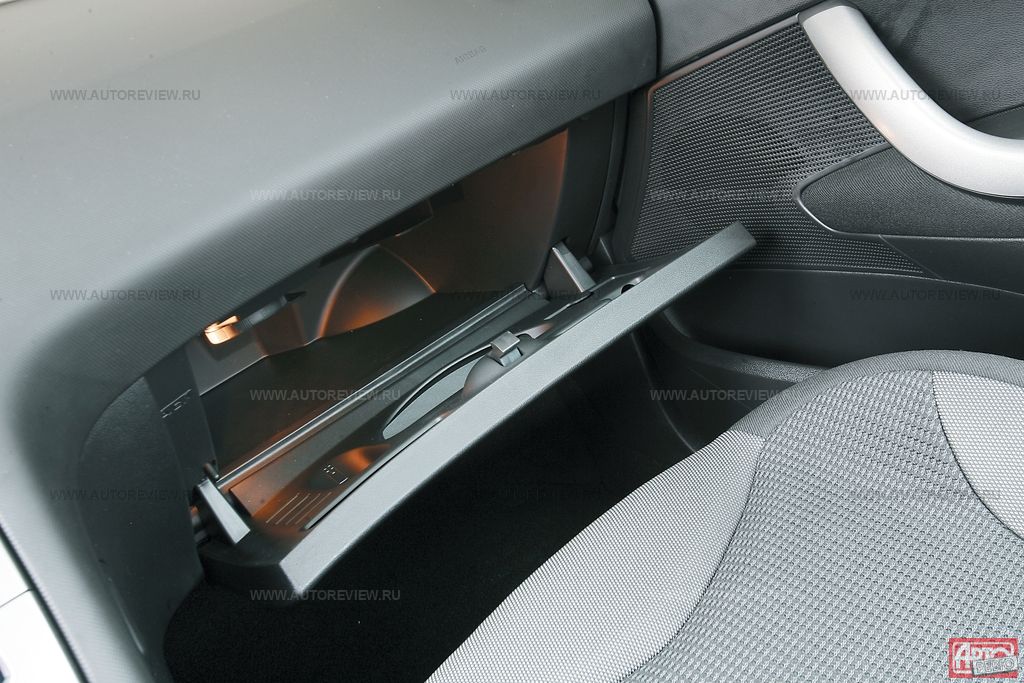 | 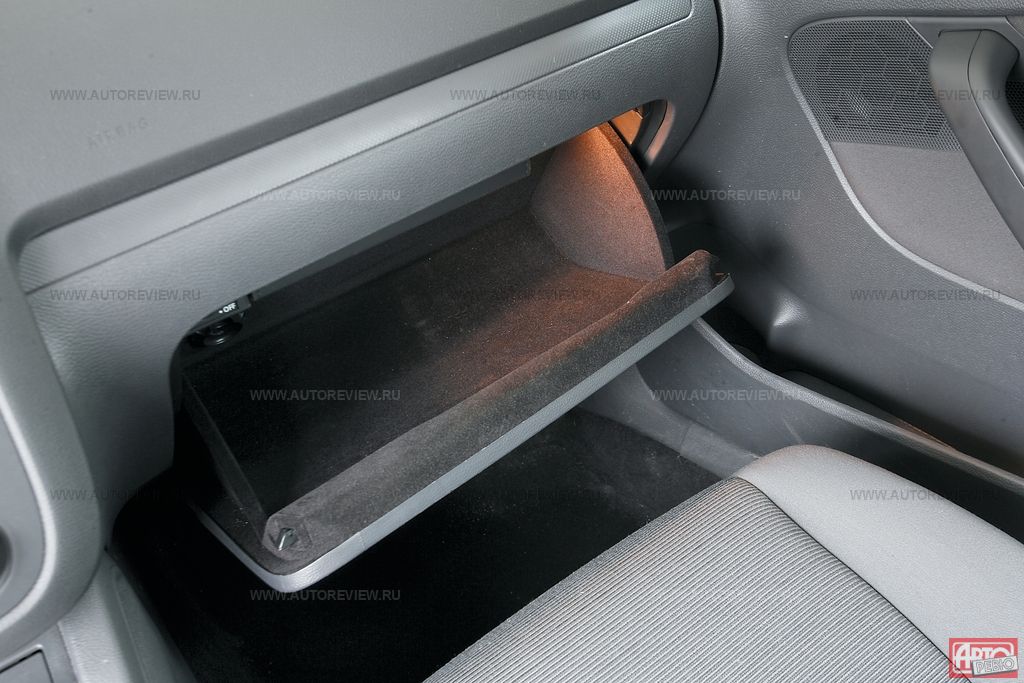 |
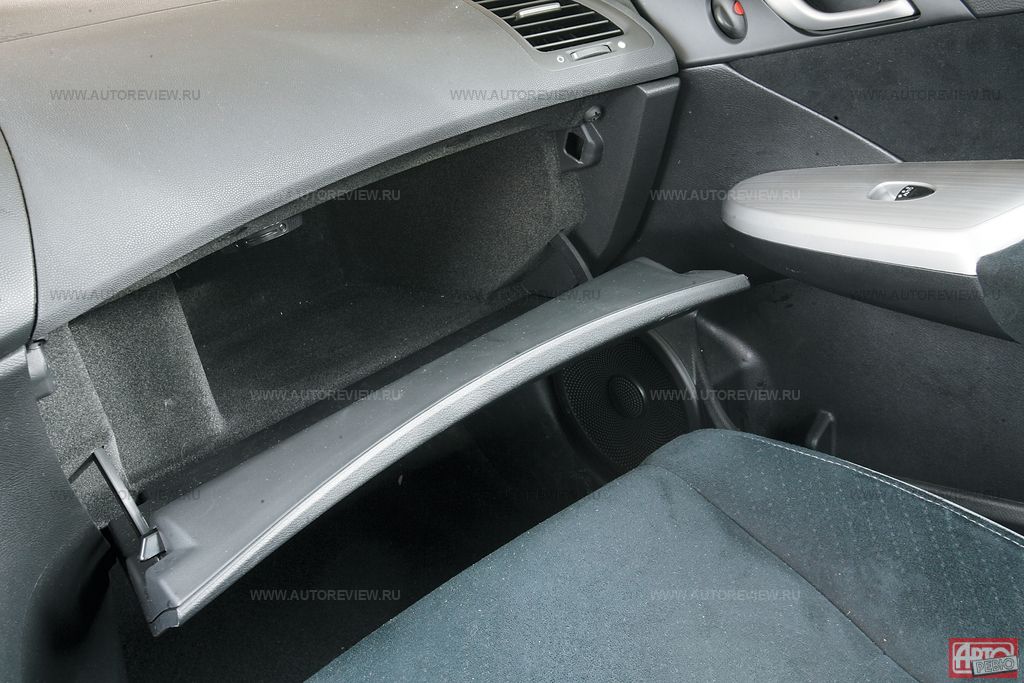
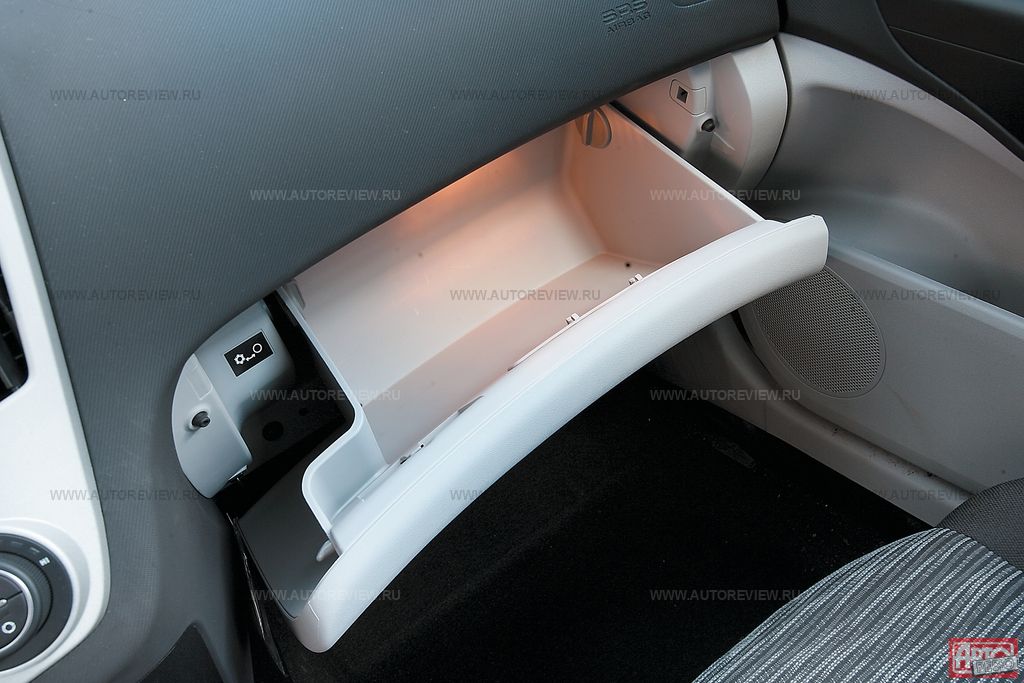
| The most spacious glove box (elbow-deep) is in the Honda. The Peugeot and Kia glove boxes are medium-sized. The Golf's modest compartment wins with its neatness | |
The Honda has comparable mileage, but it loses to the Volkswagen in handling. On one hand, the Civic is livelier: the steering wheel makes just over two turns from lock to lock, and reactions are as swift as a cobra's. Therefore, on the highway, you have to carefully correct slight swaying on soft Nokian Hakkapeliitta 5 tires. Turn the wheel a bit — and the Honda darts sharply to the side! At the same time, the steering momentarily becomes empty, and noticeable body rolls provoke kinematic mismatch of the suspensions — remember that the Civic hatchback has a simple torsion beam at the rear, not a multi-link like the VAZ 'eight'. The VSA stability system, which all Civic hatchbacks are equipped with, saves the day: it works proactively and backs up the driver even during sharp lane changes.
| Honda Civic | Kia cee‘d |
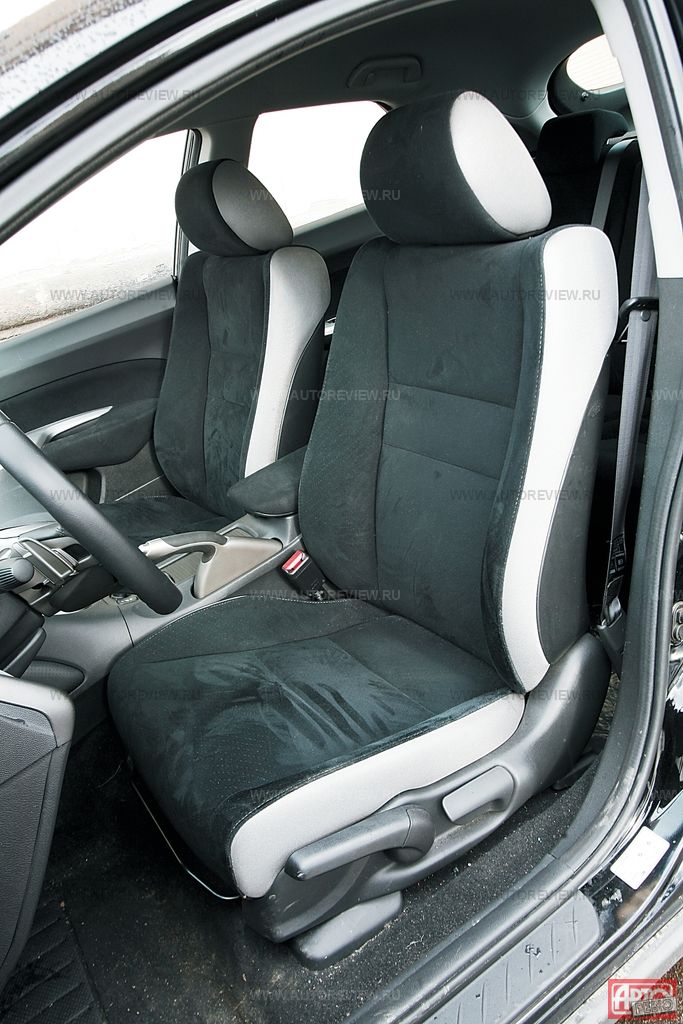 | 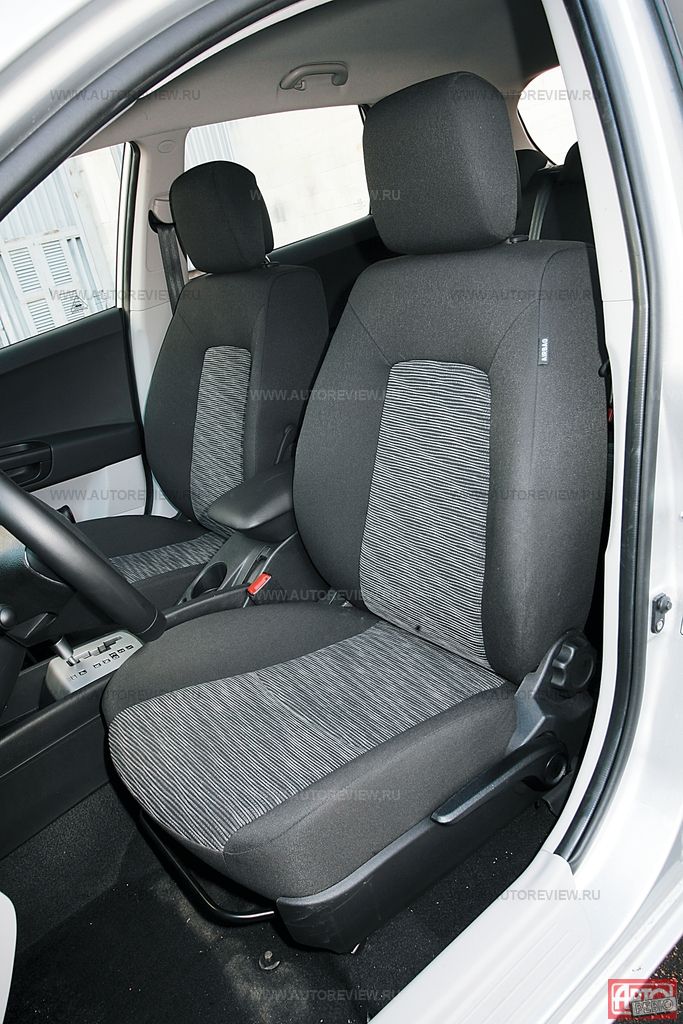 |
| Peugeot 308 | Volkswagen Golf |
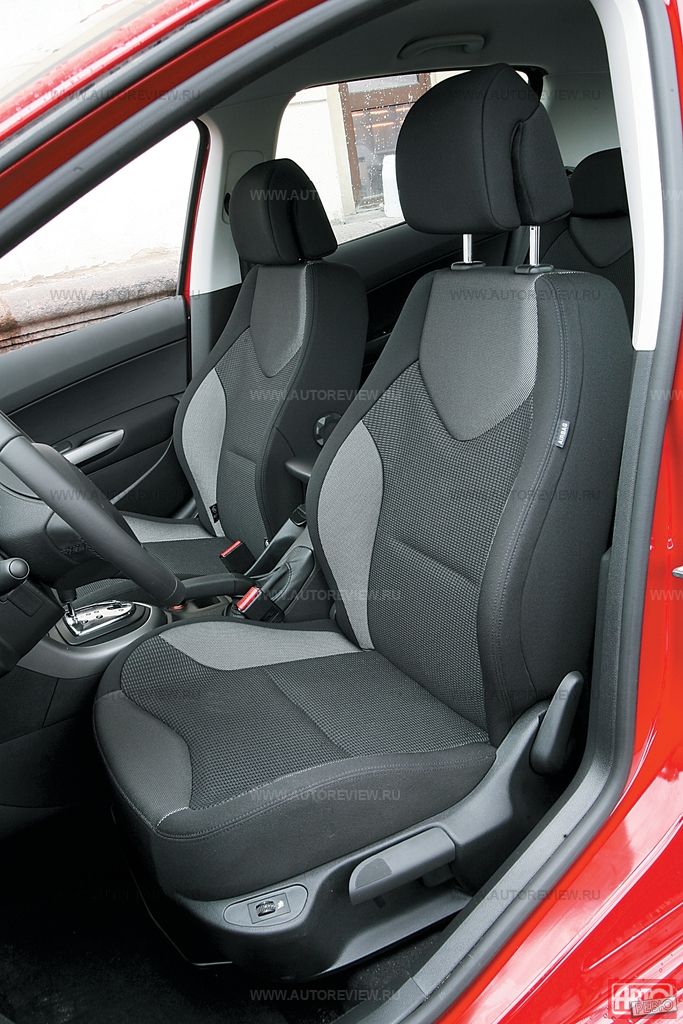 | 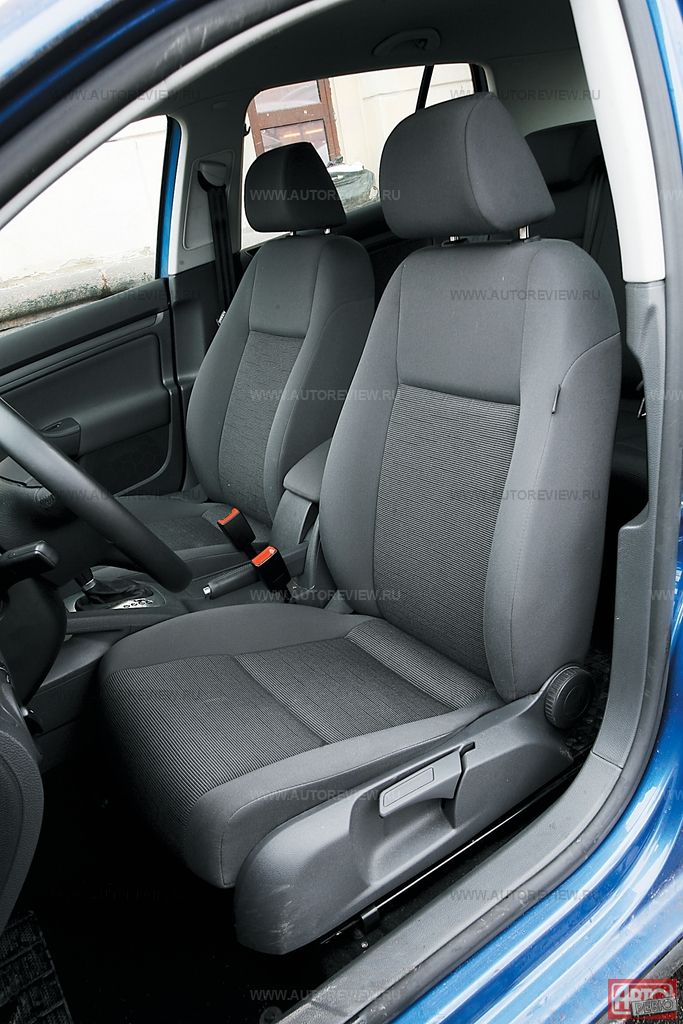 |
| The profile of all seats is good, but the firmness of the Korean 'chair' is excessive, the French one is insufficient, while the German and Japanese ones are optimal | |
The Honda's ride comfort is not bad, but over the same 15,000 km as the Golf, the suspension has noticeably tired — looseness and rocking appeared, and it even bottomed out a couple of times.
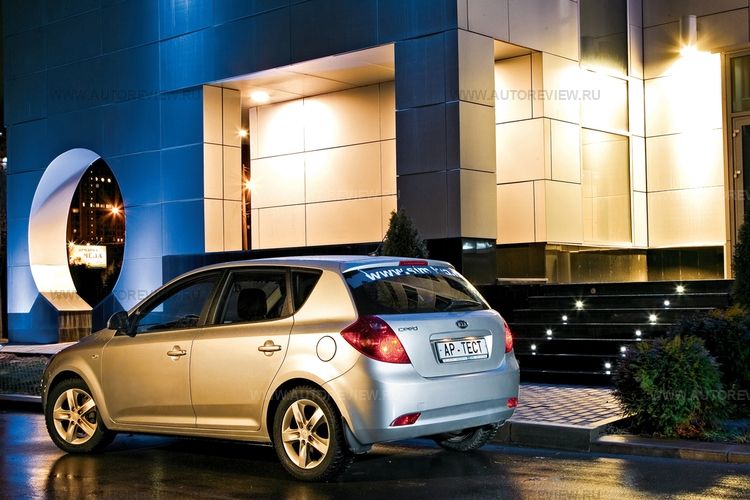
Our Kia cee’d is fresh, and its suspension is the stiffest: it swallows huge potholes without choking! It's a bit harsh, but not to the point of discomfort. However, handling is excellent. There's no Honda's sportiness, nor the Golf's polish, but the cee’d behaves quite European: it confidently holds a straight line, during sharp maneuvers the rear axle only slightly steers, and it's not prone to oversteer — despite the Bridgestone Ice Cruiser tires noticeably reducing the pronounced understeer we noted in summer (see AR No. 21, 2007). The steering is slightly tight near the center, but the feedback was pleasing. If not for the lack of a stability system even as an option, the cee’d could have scored higher for handling than the more nervous Civic.
| Honda Civic | Kia cee‘d |
 |  |
| Peugeot 308 | Volkswagen Golf |
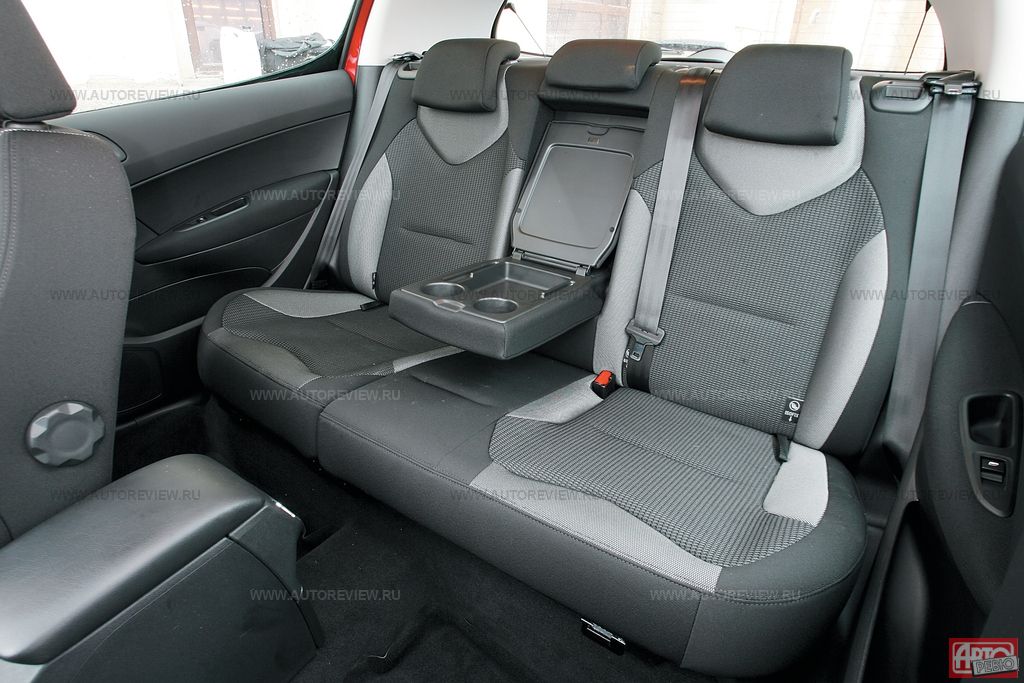 | 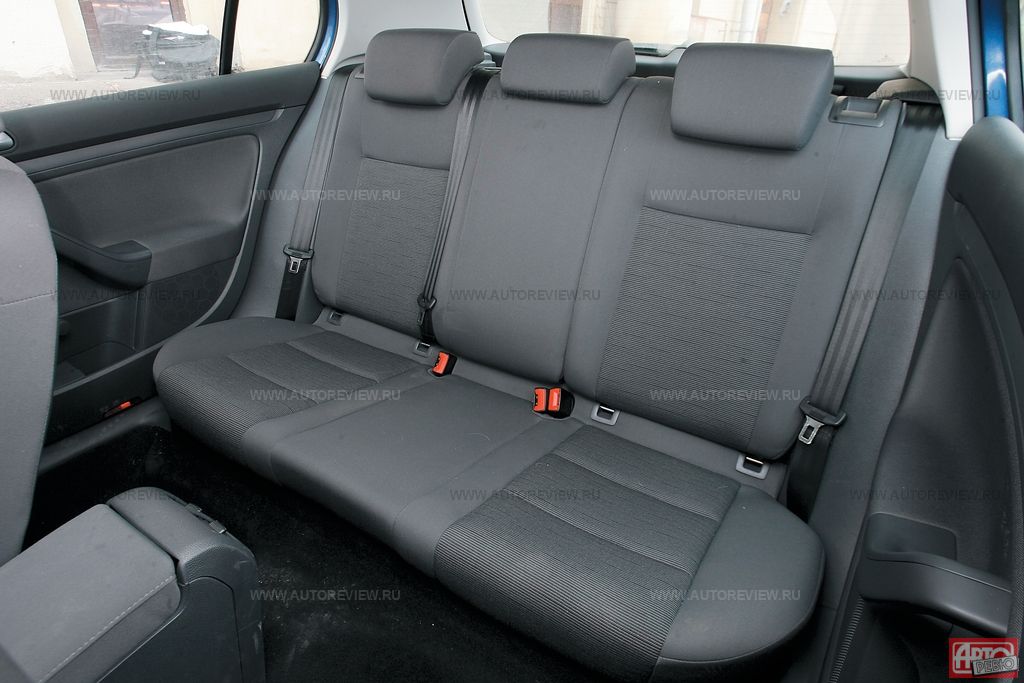 |
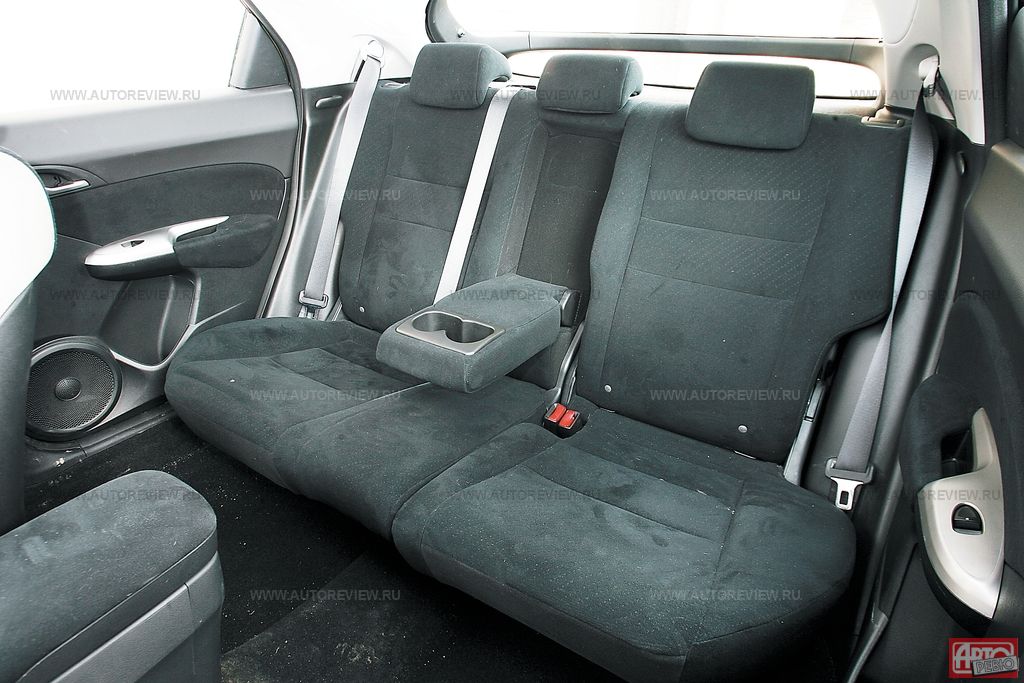
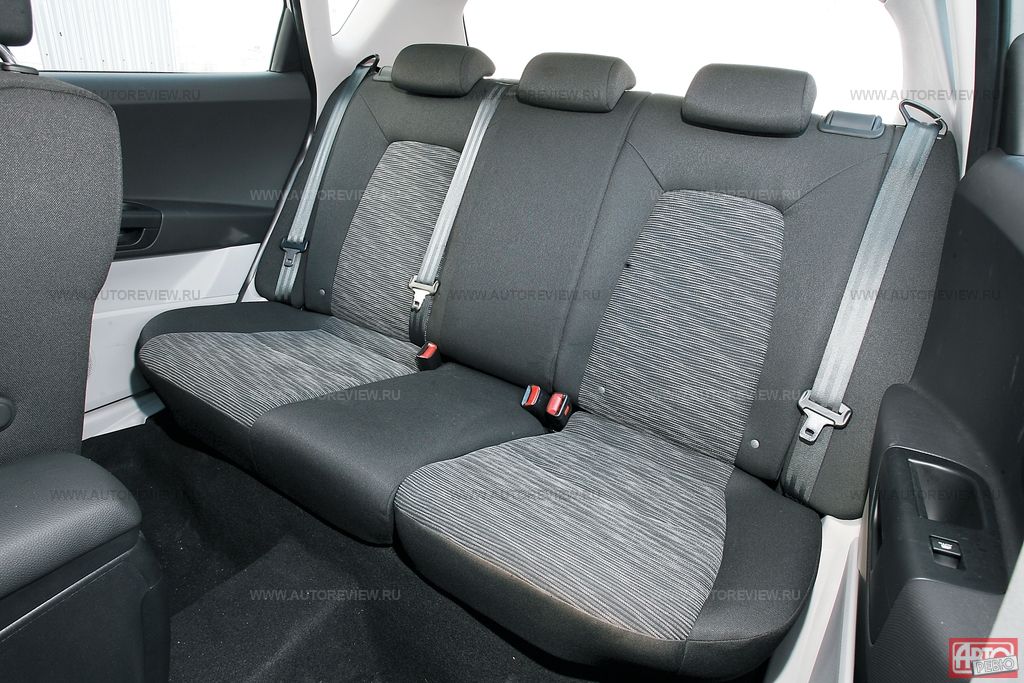
| The Civic provides coziness and space even for three rear passengers, the Golf only for two. In the Peugeot, the width space is the largest, but there's little room for knees. And the most cramped for passengers is the Kia cee’d | |
Well, what about the Peugeot?
While driving straight, everything is calm — the Peugeot is indifferent to ruts, the clear center on the steering wheel and the understandable increase in effort during smooth turns inspire confidence. At 'pre-limit' speeds in corners, confidence does not disappear. The feedback is not as natural as the Golf's, but adequate, although the steering wheel noticeably trembles on bumps. The Peugeot enters the arc clearly, and when lifting off the throttle, the elastokinematics of the rear suspension gently turns the rear… But as soon as you jerk the wheel more sharply — all the French charm disappears! The steering wheel becomes empty, and the rear on Kleber Kapnor winter tires swings out so strongly that you have to correct in advance.
Unsurprisingly, ESP is already standard on all 150-horsepower Peugeot 308s. And for owners of 120-horsepower versions, I would advise paying an extra 20 thousand rubles for the stability system.
At the same time, the Peugeot 308 is a very comfortable car, but only on relatively smooth surfaces. If you drive calmly, you can talk in a low voice in the cabin. But on broken asphalt, the 'velvet' suspension gives in: bottoming out is accompanied by loud thuds. At high RPMs, the engine annoys with howling. And in the parking lot, vibrations from the engine at idle occasionally run through the '308's' body.
However, both the Golf and especially the cee’d are noisier than the Frenchman — the Kia has the weakest sound insulation, as reminded by the ringing sound of sand and pebbles hitting the wheel arches. But the Civic is quieter than the '308' — despite the engine's battle song, the tires and suspension make less noise, and the aerodynamics are also better refined.
| Honda Civic | Kia cee‘d |
 |  |
| Peugeot 308 | Volkswagen Golf |
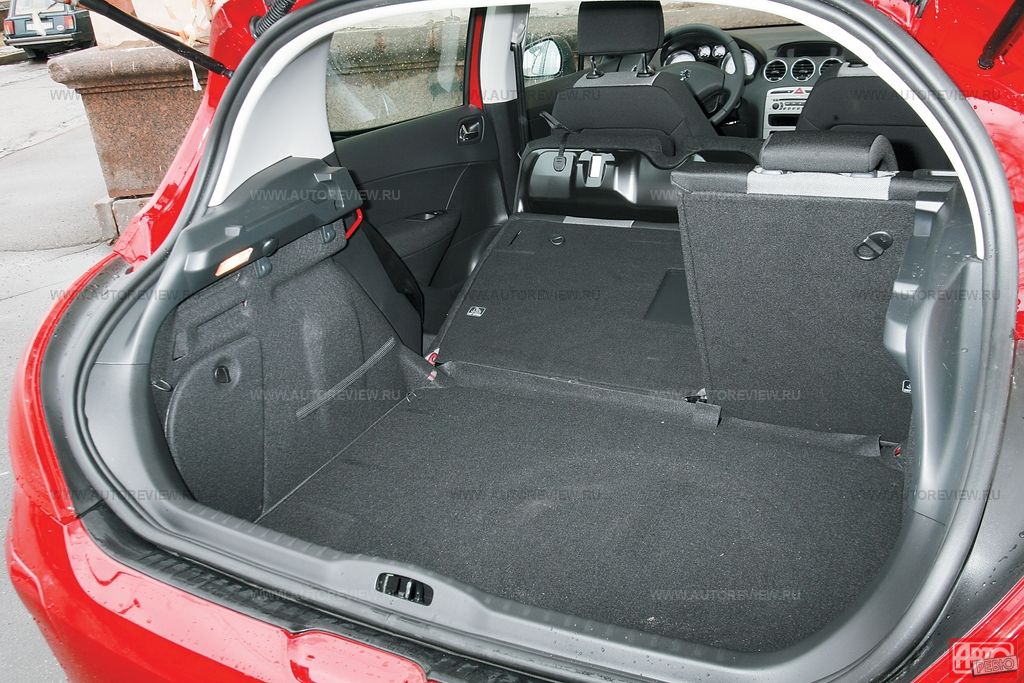 | 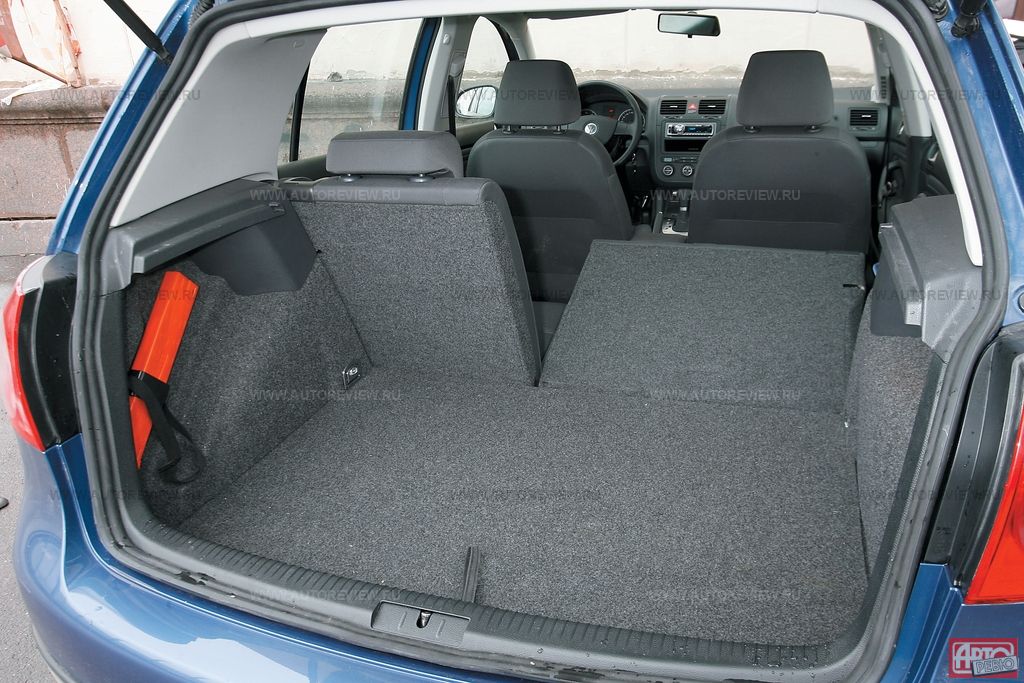 |
| All hatchbacks have asymmetrical folding rear seats. But only in the Honda does it form a completely flat floor, and only there can the seat cushions be placed vertically. The folded Peugeot seats give the cushions a reverse tilt — removing them is necessary to avoid limiting the movement of the front seats | |
So, the winner of this comparison is Honda. Futuristic looks, rapid acceleration, spacious cabin and huge trunk, confident chassis and generous equipment... The only drawback is the price: for 699 thousand rubles you can already look at compact crossovers, business-class sedans or high-capacity station wagons. The situation is similar with the Golf: it is really good (second place in the expert vote), but it is not cheap. And if you order a Golf with an automatic transmission and a more powerful engine (140-horsepower 1.4 TSI turbo engine), the cost will exceed 700 thousand rubles.
 |
 |
 |
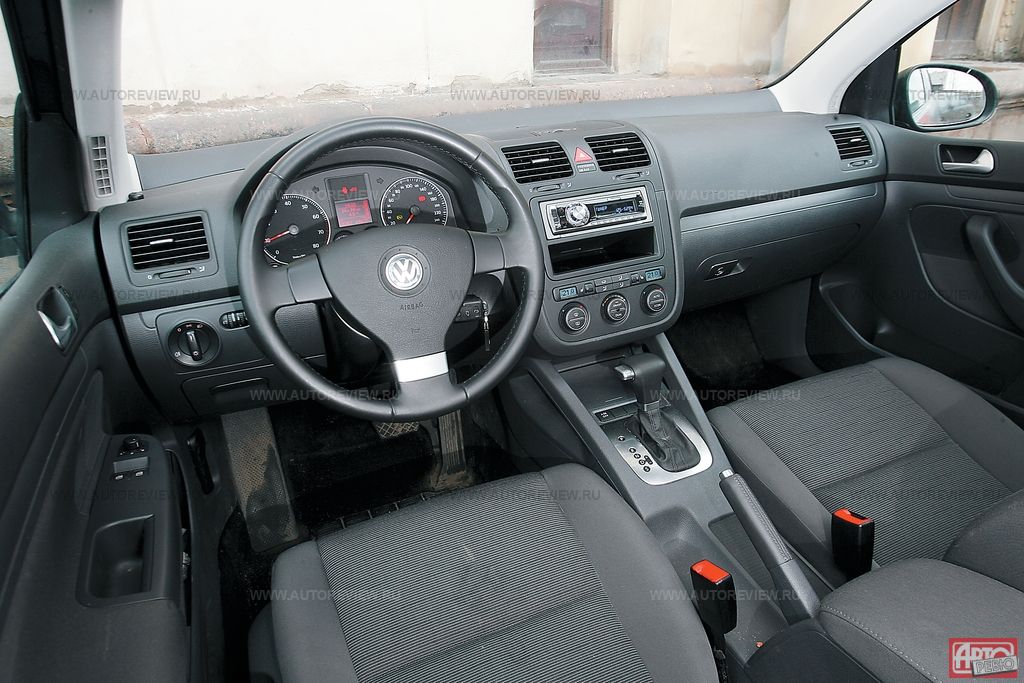
| German perfection is slightly spoiled by the Chinese radio installed by the dealer |
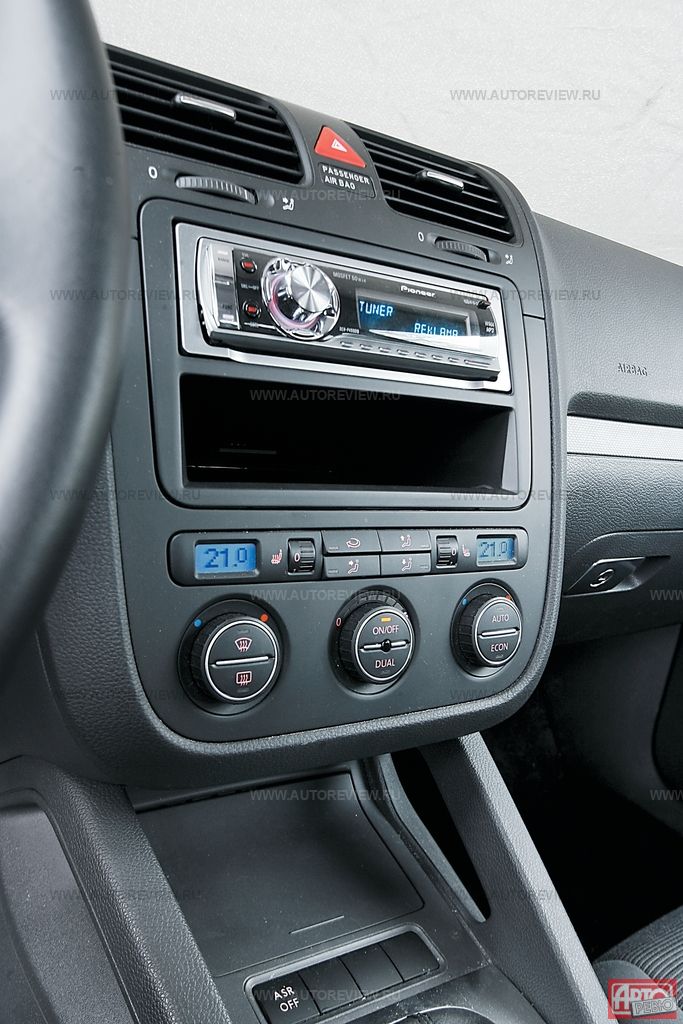
The control of the dual-zone climate in the Golf is well thought out, but the numbers on the displays are too small |
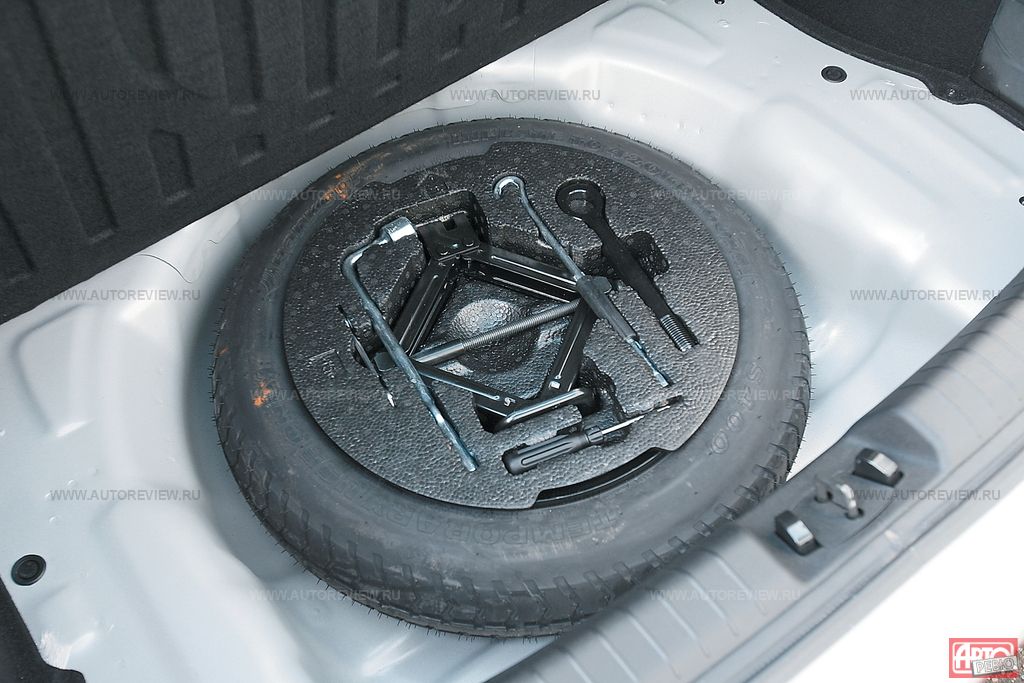
Kia has only a space-saver spare wheel, Peugeot has a full-size spare. Volkswagen offers a choice, but for the space-saver, which frees up space for cargo, you will have to pay 1423 rubles. Honda is content with a repair kit, so its trunk is the most spacious |
Now it is clear why the Kia cee’d sells so briskly — more than 12 thousand units last year, while the Civic sold 3000 cars, and the Golf — 4570. After all, the cee’d is a real breakthrough. For Kia. This is the first Korean golf-class car that in our test fights on equal terms with the Volkswagen Golf itself! And at the same time, the cee’d loses to the German in quality much less than it wins in price.
And what about the Peugeot 308... It turned out to be the best in only one thing: comfort. For the velvet smoothness on flat asphalt and the sensible operation of the dual-zone climate, it can be given the highest score. But in other disciplines there was always someone stronger.
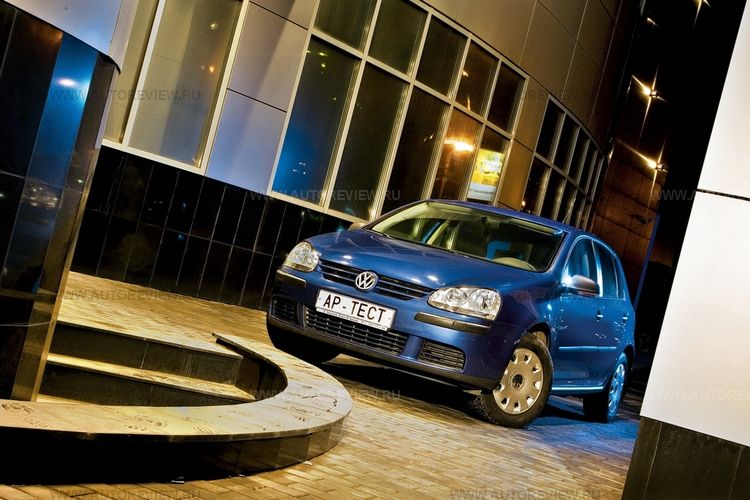
Perhaps the version with the 120-horsepower engine and manual transmission will be more lively, and summer tires will solve most of the handling problems. But based on the results of this test, the Peugeot 308 is just a very attractive and relatively inexpensive family hatchback. If in a couple of years, when it starts being assembled in Kaluga, prices drop below the current half a million rubles, then there will be even more reasons to buy the “three hundred eighth”. But to call it a breakthrough, just the BMW engine was not enough.
Autoreview readers' forecast
Before this test, visitors to www.autoreview.ru were asked: “Which car from the participants of the next Autoreview test would you choose?”
The votes were distributed as follows:
Peugeot 308 37.32%
Volkswagen Golf 26.92%
Honda Civic 26.49%
Kia cee’d 9.27%
A total of 28,681 people voted
Autoreview expert assessments
| Autoreview expert assessments | ||||||
| Assessed parameters | Max. score | Cars | Why? | |||
| Honda Civic | Kia cee’d | Peugeot 308 | Volkswagen Golf | |||
| Ergonomics | 220 | 171 | 186 | 175 | 186 | The Civic's cockpit is simply magnificent. The Golf is annoying with its “neon” instrument lighting and small scale. The seat in the Kia is too wide, and in the Peugeot it is French-soft. |
| Driver's workplace | 110 | 96 | 90 | 87 | 93 | |
| Visibility | 110 | 75 | 96 | 88 | 93 | |
| Dynamics | 330 | 275 | 273 | 247 | 271 | The Honda's smart gearbox works perfectly with the 140-horsepower engine, while the outdated “automatic” of the Peugeot completely stifles the power of the BMW engine. The Golf even without ESP behaves impeccably in corners, and the rear suspension of the Peugeot is too actively steering. |
| Acceleration dynamics | 100 | 85 | 80 | 60 | 70 | |
| Braking dynamics | 120 | 100 | 105 | 105 | 108 | |
| Handling | 110 | 90 | 88 | 82 | 93 | |
| Ride comfort | 240 | 185 | 180 | 199 | 192 | The Peugeot is soft and quiet. The Civic sounds more enticing with its engine than the Golf. The Honda's suspension after 15,000 km of mileage has become quite “tired”, and the Kia is elastic, like a boxing bag. The Koreans save on sound insulation more than anyone else. |
| Smoothness, vibration protection | 90 | 65 | 63 | 72 | 70 | |
| Acoustic comfort | 80 | 65 | 57 | 62 | 62 | |
| Microclimate | 70 | 55 | 60 | 65 | 60 | |
| Interior comfort | 210 | 178 | 153 | 159 | 154 | The spacious Civic is upset by the cramped door opening. The Honda has the best trunk, and the transformation is simply fantastic. The Peugeot has no fewer possibilities, but the high loading height interferes, and folding the seats is inconvenient (the Golf's simple mechanism is more practical). The Golf has the smallest trunk. |
| Passenger seats | 70 | 58 | 50 | 52 | 53 | |
| Trunk | 70 | 57 | 52 | 53 | 47 | |
| Interior transformation | 70 | 63 | 51 | 54 | 54 | |
| Total score | 1000 | 809 | 792 | 780 | 803 | |

The summary table makes the differences between the test participants clear. The base price of the Honda Civic is 674,000 rubles, which is noticeably higher than the Kia cee'd (500,000 rubles) and Peugeot 308 (498,000 rubles). The Volkswagen Golf costs 550,770 rubles in the base version. However, the final cost of the tested cars, including options and packages, turned out differently: the most affordable of them is the Kia at 570,000 rubles, and the most expensive is the Volkswagen at 705,700 rubles. Honda and Peugeot are positioned between them with price tags of 699,000 and 604,000 rubles, respectively. In terms of safety, the base equipment differs radically. Honda and Volkswagen offer a full set: front and side airbags, as well as inflatable curtains. Kia is also equipped with all three positions. But the Peugeot 308 is content with only front and side airbags; curtains are not available for it even for an additional fee. A similar situation exists with electronic assistants: Honda has both traction control and dynamic stability control. Volkswagen has only traction control. Kia and Peugeot have neither in the base. The list of comfort equipment also contrasts. For example, heated front seats are standard for Honda and an option for Kia, while for Peugeot and Volkswagen they are available only as an additional option. Leather steering wheel trim is base for Honda, a package option for Kia, and a paid option for the other two. Climate control is available for Honda and Peugeot, while Kia gets it as part of a package, and Volkswagen only for an extra charge. Dual-zone climate is exclusively a Peugeot prerogative, and only as part of a package. The number of "exclusive" options for Honda is impressive. Only this car in the test can boast engine start with a button, light and rain sensors, cruise control, power-folding mirrors, and paddle shifters on the steering wheel. Even headlight washers and an alarm are in the base only for Honda, while Volkswagen offers them as options, and Kia and Peugeot do not offer them at all. Otherwise, the equipment is roughly comparable. All four cars have ABS, power steering, an adjustable steering column, central locking with remote control, power and heated mirrors, all power windows, and folding rear seats. The differences are in details: the Peugeot is equipped with a hatch for long items, and the Honda and Peugeot have a central rear armrest. The spare wheel for Peugeot and Volkswagen is full-size, while Honda and Kia are content with a repair kit or a space-saver. Alloy wheels are base for Honda, a package option for Kia, and paid for Peugeot, while Volkswagen comes on steel wheels in the base. Prices for base versions are given for five-door bodies, and for Kia and Volkswagen — with a caveat. The robotic gearbox for Honda is an option. The CD player for Volkswagen was installed by the dealer additionally. Various designations in the table show what is included in the base version, what is not, what was added as an option on the test cars, and what is in special packages.
| Technical specifications | ||||
| Indicators | Cars | |||
| Honda Civic | Kia cee’d | Peugeot 308 | Volkswagen Golf | |
| Body type | hatchback with 5 doors | hatchback with 5 doors | hatchback with 5 doors | hatchback with 5 doors |
| Number of seats | 5 | 5 | 5 | 5 |
| Trunk, l | 455—1282* | 340—1300* | 348—1201* | 350—1305* |
| Curb weight, kg | 1190 | 1291 | 1312 | 1211 |
| Maximum weight, kg | 1750 | 1730 | 1800 | 1830 |
| Engine type | petrol, distributed injection | petrol, distributed injection | petrol, distributed injection | petrol, distributed injection |
| Mounting | front, transverse | front, transverse | front, transverse | front, transverse |
| Cylinders | 4, in-line arrangement | 4, in-line arrangement | 4, in-line arrangement | 4, in-line arrangement |
| Displacement, cm³ | 1799 | 1591 | 1598 | 1595 |
| Cylinder bore / piston stroke, mm | 81.0/87.3 | 77.0/85.4 | 77.0/85.5 | 81.0/77.4 |
| Compression ratio | 10.5:1 | 10.5:1 | 11.1:1 | 10.5:1 |
| Valves | 16 | 16 | 16 | 8 |
| Max power, hp/kW/rpm | 140/103/6300 | 122/90/6200 | 120/88/6000 | 102/75/5600 |
| Max torque, Nm/rpm | 174/4300 | 154/5200 | 160/4250 | 148/3800 |
| Transmission | manual, robotic, 6-speed | automatic, 4-speed | automatic, 4-speed | automatic, 6-speed |
| Gear ratios | ||||
| I | 3.14 | 2.92 | 2.73 | 4.15 |
| II | 1.87 | 1.55 | 1.50 | 2.37 |
| III | 1.30 | 1.00 | 1.00 | 1.56 |
| IV | 1.05 | 0.71 | 0.71 | 1.16 |
| V | 0.85 | — | — | 0.86 |
| VI | 0.73 | — | — | 0.69 |
| Reverse | 3.31 | 2.48 | 3.58 | 3.39 |
| Final drive | 4.29 | 4.62 | 3.65 | 4.32 |
| Drive | front | front | front | front |
| Front suspension | independent, spring, McPherson | independent, spring, McPherson | independent, spring, McPherson | independent, spring, McPherson |
| Rear suspension | semi-independent, spring | independent, spring, multi-link | semi-independent, spring | independent, spring, multi-link |
| Front brakes | disc, ventilated | disc, ventilated | disc, ventilated | disc, ventilated |
| Rear brakes | disc | disc | disc | disc |
| Tires | 205/55 R16 | 185/65 R15 | 195/65 R15 | 195/65 R15 |
| Maximum speed, km/h | 205 | 187 | 188 | 181 |
| Acceleration 0—100 km/h, s | 10.9 | 11.4 | 13.8 | 12.5 |
| Fuel consumption, l/100 km | ||||
| City | 8.3 | 8.9 | 10.3 | 11.3 |
| Highway | 5.1 | 5.8 | 5.7 | 6.4 |
| Combined | 6.3 | 6.9 | 7.3 | 8.2 |
| CO₂ emissions, g/km, combined | 149 | 165 | 174 | 195 |
| Fuel tank capacity, l | 50 | 53 | 60 | 55 |
| Fuel | AI-95 | AI-95 | AI-95 | AI-95 |
| * With folded rear seats | ||||
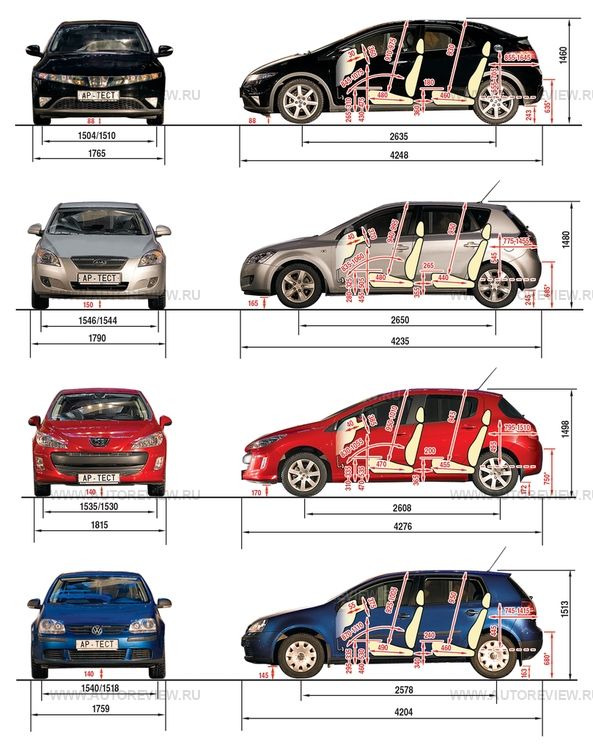
Dark indicates manufacturer data, red indicates Autoreview measurement results
* Loading height

Safety
The base equipment of the Honda Civic, Kia cee’d, and Volkswagen Golf includes six airbags (front, side, and curtains) and ABS. However, the stability control system is standard only on the Honda. For the Kia cee’d in Russia, such an option is not available at all. The Peugeot 308 stands out against their background: its base configuration is more modest — only two airbags and ABS, but the list of additional equipment is the richest. In addition to the standard six airbags and ESP, you can order a driver's knee airbag and side airbags for rear passengers.
All four cars underwent EuroNCAP crash tests. The worst result was shown by the Civic — four stars out of five. In a frontal impact, the driver dummy pierced the airbag and hit the steering wheel. Also, the front panel was deemed dangerous for legs. Similar complaints about the panel were received by the Kia cee’d and Volkswagen Golf, but they earned five stars. In the Kia, in addition, the clutch pedal shifted by more than 100 mm. The interior of the Peugeot 308 turned out to be safer, although the optional knee airbag played an important role. All cars withstood side impacts well.
In our review of EuroNCAP crash tests (AP No. 18, 2007), the Peugeot 308 scored 34 points. Later, a seatbelt reminder for the rear seats was added to the base trim, for which the model received an additional point.
Child passenger protection is the same for all four cars — four stars. All hatchbacks used Britax-Roemer seats with Isofix mounts: the Baby Safe model for one-and-a-half-year-olds and the Duo for three-year-olds. The best pedestrian protection is from Honda — 24 points and three stars out of four possible. The Peugeot 308 and Volkswagen Golf also received three stars but scored only 19 points. The Kia cee’d earned just two stars and 11 points in this test.
| Honda Civic* | ★★★★☆ | 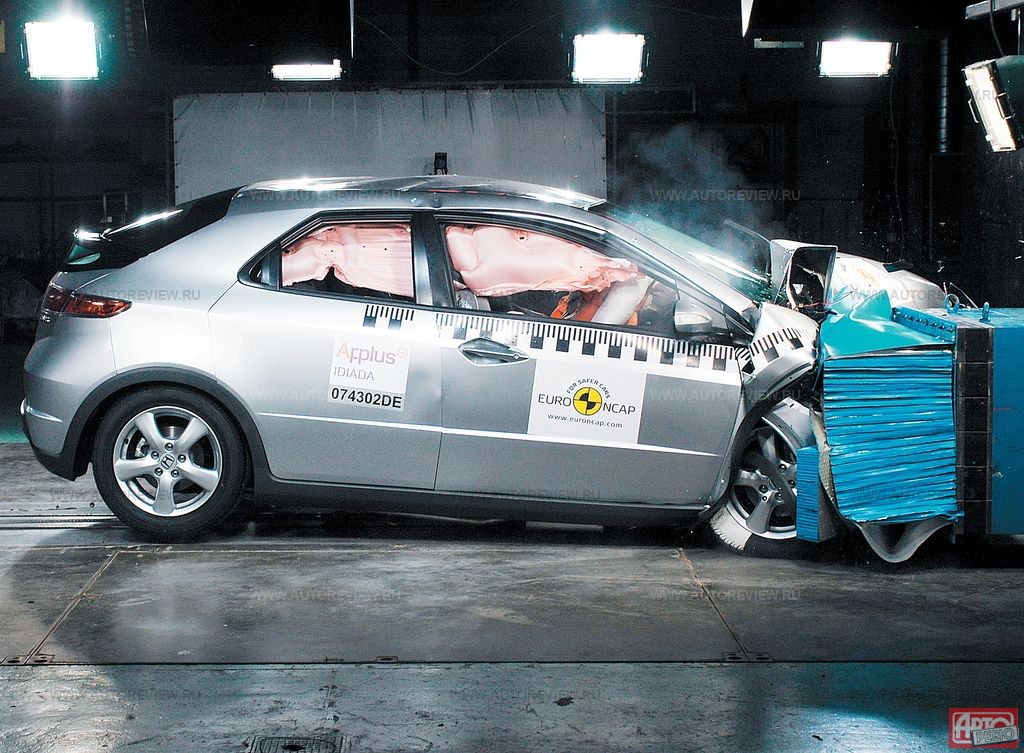 |
| Overall rating | 32 points | |
| Frontal crash test | 12 points (75%) | |
| Side crash tests | 17 points (94%) | |
| SBR** | 3 points | |
| Child passenger protection | 39 points (80%) | |
| Pedestrian protection | 24 points (67%) | |
| Curb weight | 1251 kg | |
| * Tests conducted according to EuroNCAP methodology | ||
| ** Seatbelt reminder availability | ||
| Kia cee’d* | ★★★★★ | 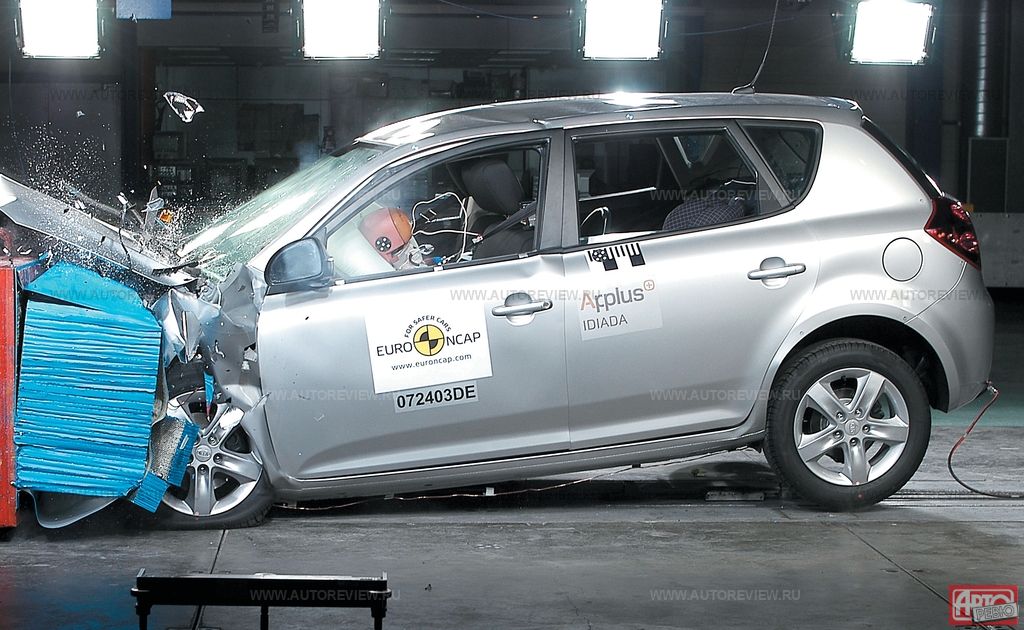 |
| Overall rating | 34 points | |
| Frontal crash test | 13 points (81%) | |
| Side crash tests | 18 points (100%) | |
| SBR** | 3 points | |
| Child passenger protection | 37 points (76%) | |
| Pedestrian protection | 11 points (31%) | |
| Curb weight | 1234 kg | |
| * Tests conducted according to EuroNCAP methodology | ||
| ** Seatbelt reminder availability | ||
Safety: dry numbers
I'll start with the EuroNCAP crash test results, which say a lot about the character of the cars. The Peugeot 308 earned five stars and 35 points. Frontal impact — 14 points (88%), side — 18 points (100%). For the seatbelt reminder — 3 points. Child protection — 39 points (80%), pedestrian — 19 points (53%). Curb weight — 1322 kg.
The Volkswagen Golf also received five stars but scored 33 points. Frontal crash test — 13 points (81%), side — 18 points (100%). Seatbelt reminder — 2 points. It protects children at 37 points (76%), pedestrians at 19 points (53%). Curb weight — 1200 kg.
How the cabin warms up
In winter, not only dynamics matter, but also how quickly the heater brings the cabin to life. We tested climate systems after an overnight stay at temperatures around zero. Climate control systems were set to automatic mode, temperature to maximum. Sensors recorded data at four points: in the foot and head areas of the driver, as well as the feet and head of the rear passenger. Measurements were taken every minute for 20 minutes.
The Kia cee'd warms the upper part of the cabin best. However, in the other three cars, the temperature in this zone also rose above 20°C. But the driver's feet in the Golf warm up reluctantly. When it's 0°C outside, the lower limbs of rear passengers are "defrosted" fastest by the Peugeot 308. The Honda Civic and Volkswagen Golf cope worst with this task.
Visibility
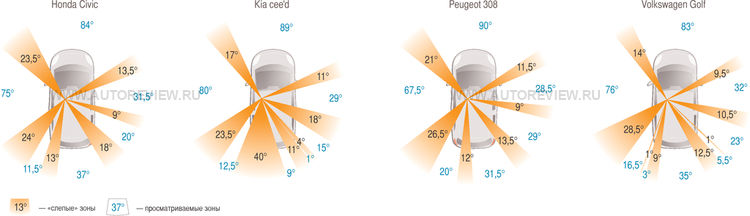
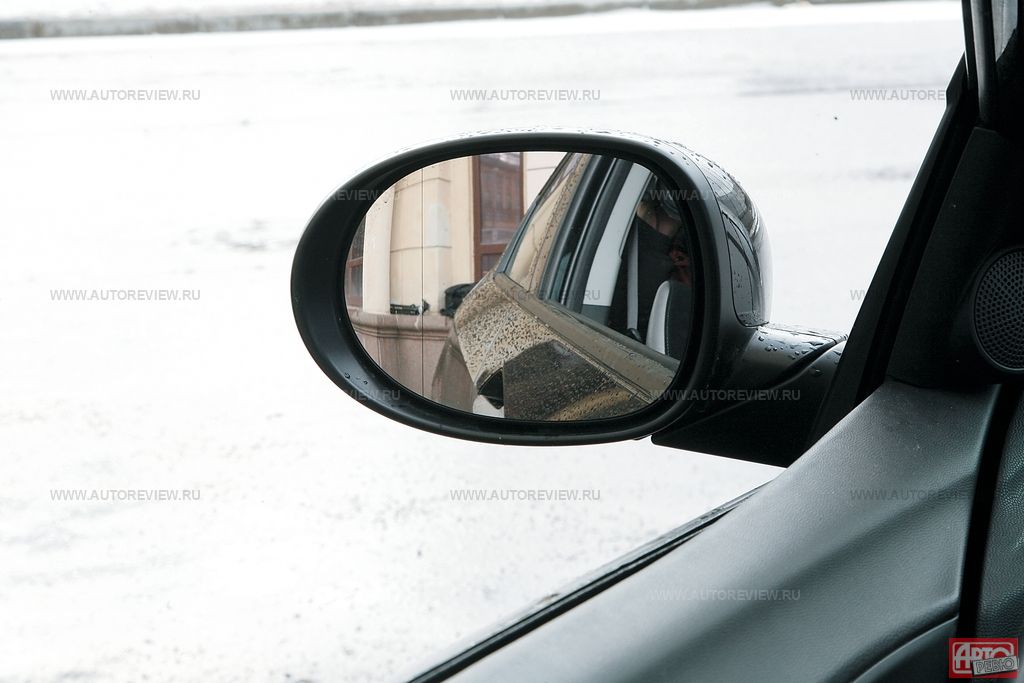
The best visibility is in the Kia cee'd. True, the total viewing angle turned out to be modest because the driver's seat headrest falls into the visibility zone of the measuring device. But otherwise there are no complaints: excellent mirrors, a sufficient rear window opening, thin windshield pillars, and a large wiper cleaning area.
The Golf has a total viewing angle of as much as 274°, and the driver's wiper blade almost touches the thin pillar. However, the good impression is spoiled by small mirrors. The Peugeot 308's main problems are poor front-end feel, massive pillars, and a modest cleaning area for the opposed wipers. The mirrors, noticeably shifted back, force the driver to constantly turn their head.
| Honda Civic | Kia cee‘d |
 | |
| Peugeot 308 | Volkswagen Golf |
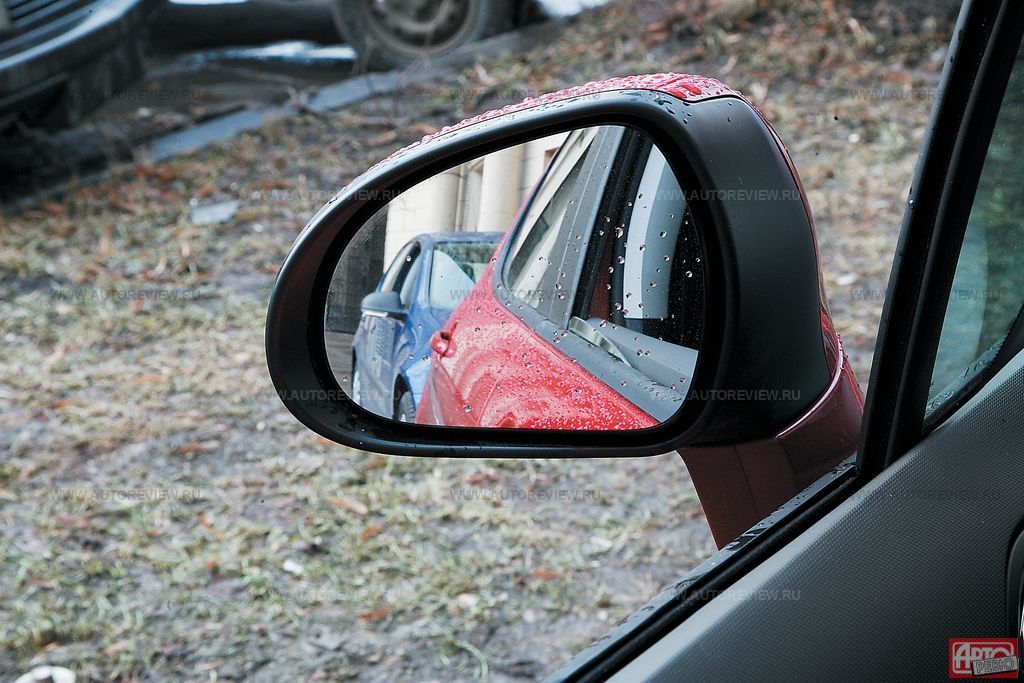 | 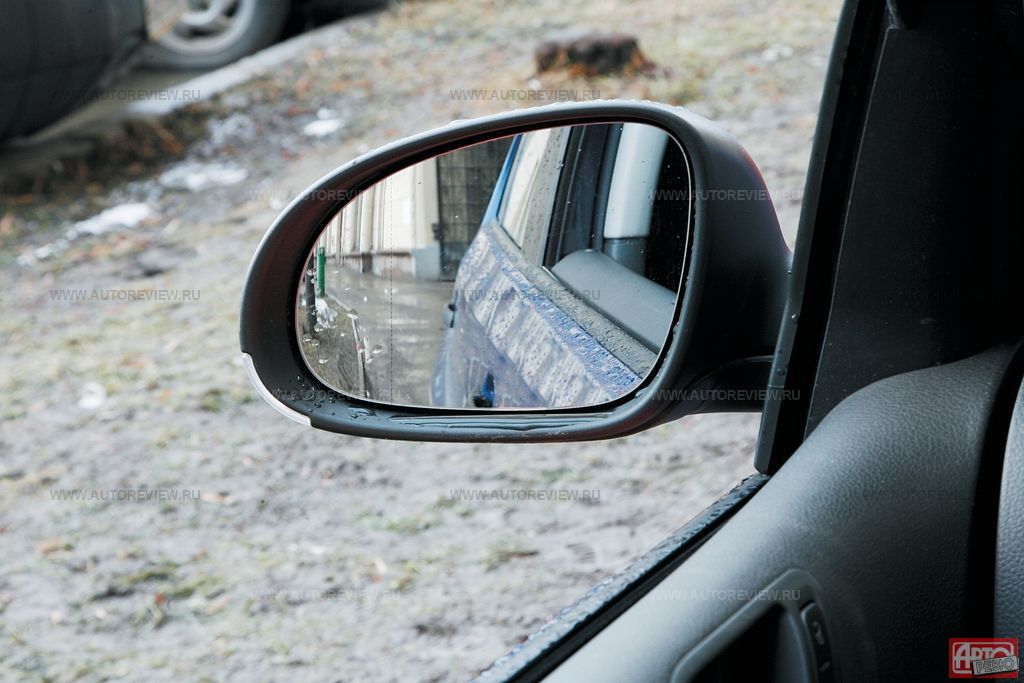 |
The worst visibility is in the Honda Civic. Only the side mirrors are good. The rear window is blocked by a spoiler in the middle, and there is no wiper at all — this is especially unpleasant in slush. The opposed front wipers leave the largest uncleaned area, and the body pillars are too massive. The total viewing angle is only 259°.
| Car | Total viewing angle, deg. | Total "blind" zone angle, deg. |
| Honda Civic | 259.0 | 101.0 |
| Kia cee’d | 235.5 | 124.5 |
| Peugeot 308 | 266.5 | 93.5 |
| Volkswagen Golf | 274.0 | 86.0 |
What costs how much?
Kia cee'd with the 1.4 engine (109 hp) starts at 479,450 rubles. The base includes air conditioning, CD/mp3 stereo, six airbags, and ABS. The engine range is wide: petrol 1.6 (122 hp) and 2.0 (143 hp), plus a 1.6-liter turbodiesel (115 hp). The diesel cee'd will cost at least 544,310 rubles, petrol versions — from 500,000 for the 1.6 version to 581,020 for the two-liter. The "automatic" is available only for them and costs an additional 24,120 rubles. Our test car in EX trim (climate control, power package, fog lights) is priced at 570,000 rubles. Dealers have any modifications, and an order will wait up to two months.
Warranty — five years or 120,000 km. The Kaliningrad-assembled Kia is sold by 88 dealers in 46 Russian cities.
Peugeot 308 1.6 (120 hp) in Confort Pack trim costs 498,000 rubles — two thousand less than the Korean hatchback with the 1.6 engine (122 hp). But instead of six airbags, it has only two. For side airbags, climate control, full power package, and fog lights in Premium trim, you'll have to pay an extra 26,000 rubles. Alloy wheels (plus 24,300 rubles) and stability control (plus 20,000 rubles) are standard for the Peugeot 308 with the turbo engine, which for versions with the "automatic" is detuned from 150 hp to 140 hp. Such a car costs 628,300 rubles. The "automatic" for any modification is an additional 37,000 rubles. Deliveries of the "three hundred eighths" have just begun, so there are few cars in stock, and an order will have to wait five months.
Warranty — two years without mileage limit. Peugeot is sold by 53 dealers in 34 Russian cities.
Volkswagen Golf is available only in a poor base version with the 1.4 engine (80 hp), six airbags, and ABS — 494,520 rubles for the three-door modification. You even have to pay extra for pockets on the front seat backs. But the choice of options and engines is huge: petrol naturally aspirated 1.6 (102 hp) and 2.0 (150 hp), turbo engines 1.4 TSI (122 hp) and 2.0 TFSI (200 hp), two versions of the "twin-charged" 1.4 TSI (140 hp and 170 hp), as well as turbodiesels 1.9 (105 hp) and 2.0 (140 hp). Starting prices — from 529,700 rubles for the Golf 1.6 to 906,780 rubles for the 200-hp Golf GTI. Five-door body — plus 21,070 rubles. There are also more transmissions: six-speed manual, Tiptronic "automatic" (plus 46,500 rubles), and a robotic DSG gearbox with two "wet" clutches (for almost the same surcharge). Soon, an "economical" seven-speed DSG with "dry" clutches will appear for the Golf. Cars are available in stock, and an order will wait up to eight months.
Warranty — two years without mileage limit. Volkswagen is sold by 62 dealers in 38 Russian cities.
On the Russian market, the Honda Civic is available exclusively with a 1.8-liter engine producing 140 horsepower. The base trim of the hatchback impresses with its richness: six airbags, stability control, climate control, and a full electric package. Plus, heated front seats and mirrors, rain and light sensors, an audio system with CD/MP3 support, alloy wheels, and fog lights. The price for such a car is 674,000 rubles, which is 40,500 rubles less than the similarly equipped but less powerful Golf GT 1.6 (102 hp). The test Civic with a robotic gearbox is priced at 699,000. For the top Executive version, which boasts a glass roof, leather interior, parking sensors, and xenon headlights, you will have to pay 775,000 — 20,000 less than the similarly equipped 140-horsepower Peugeot 308 with an automatic transmission. Despite the Civic being sold here for almost two years, the shortage of cars has not gone away: depending on the dealer, the wait can stretch from three to nine months.
The car is covered by a warranty for three years or 100,000 kilometers. The official Honda dealer network includes 38 centers located in 19 Russian cities.
| Cost of scheduled maintenance with consumables and parts, RUB | |||||
| Scheduled maintenance | Vehicles | ||||
| Honda Civic | Kia cee'd | Peugeot 308 | Volkswagen Golf | ||
| Cost per standard hour | 1500 | 1100 | 1300 | 1640 | |
| Mileage, km | 1000 | — | 3200 | — | — |
| 7500 | 2600 | — | — | — | |
| 15000 | 6170 | 5800 | — | 4000 | |
| 20000 | — | — | 3700 | — | |
| 30000 | 11640 | 8000 | — | 4700 | |
| 40000 | — | — | 5800 | — | |
| 45000 | 6320 | 5800 | — | 4000 | |
| 60000 | 14250 | 9500 | 3700 | 6500 | |
| 75000 | 6170 | 5800 | — | 4000 | |
| 80000 | — | — | 5800 | — | |
| 90000 | 12690 | 13700 | — | 5800 | |
| Total | 59840 | 51800 | 19000 | 29000 | |
| Approximate prices for original parts at dealers in Moscow, RUB | ||||
| Parts | Vehicles | |||
| Honda Civic | Kia cee'd | Peugeot 308 | Volkswagen Golf | |
| Oil filter | 414 | 170 | 516 | 490 |
| Fuel filter | 1128 | 837 | 6390* | 1580 |
| Air filter | 834 | 740 | 498 | 1660 |
| Cabin filter | 655 | 1100 | 955 | 811 |
| Spark plug | 970 | 150 | 321 | 382 |
| Front brake pads | 2992 | 2670 | 3470 | 3200 |
| Rear brake pads | 2079 | 2100 | 2120 | 2800 |
| Front shock absorber | 4150 | 2600 | 2692 | 6700 |
| Rear shock absorber | 8730 | 2450 | 3398 | 5870 |
| Front stabilizer link | 2047 | 920 | 752 | 1690 |
| Clutch disc | 10556 (10240**) | 2200** | 4085** | 10500** |
| Front headlight | 7000 | 4300 | 7028 | 7260 |
| Rear taillight | 2417 | 2700 | 4461 | 2664 |
| Front fender | 8345 | 3500 | 7254 | 5764 |
| Front bumper | 15000 | 5300 | 13065 | 8557 |
| Hood | 11231 | 8200 | 16134 | 11809 |
| Windshield | 11677 | 10000 | 13214 | 10758 |
| * Complete with fuel pump | ||||
| ** For version with manual transmission | ||||
Alternative
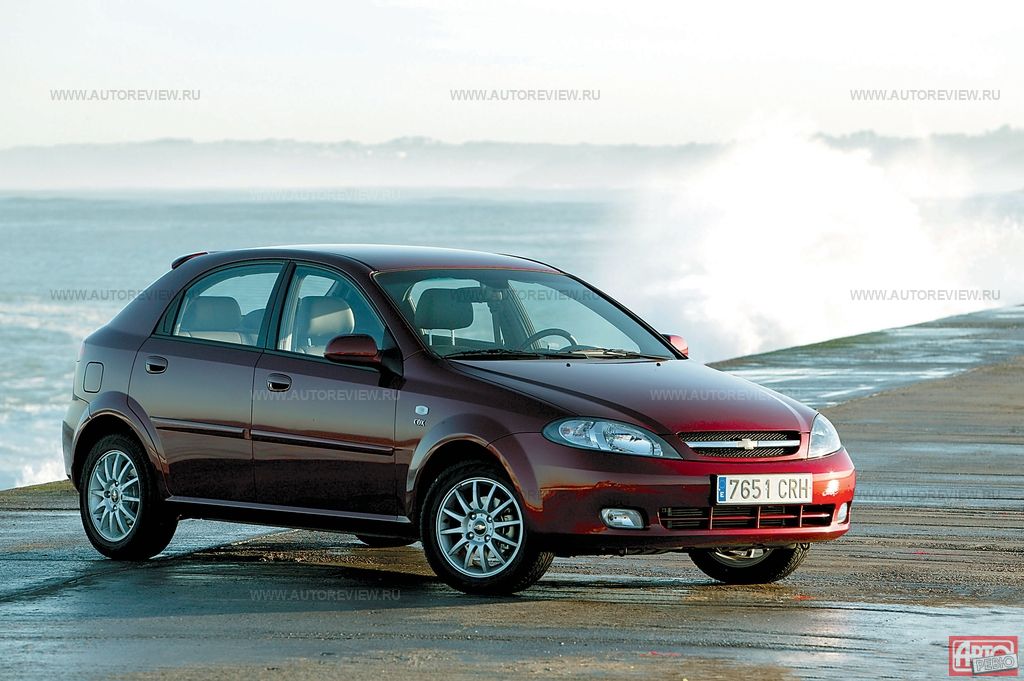
The most affordable option among golf-class hatchbacks with an automatic transmission is the Chevrolet Lacetti 1.6 (109 hp), priced at 457,500 rubles. Standard equipment includes two airbags, ABS, air conditioning, full electric package, heated mirrors, and a CD player. The version with a more powerful 1.8-liter engine (122 hp) will cost 530,700 rubles. A new generation of this Korean hatchback is expected in 2009.
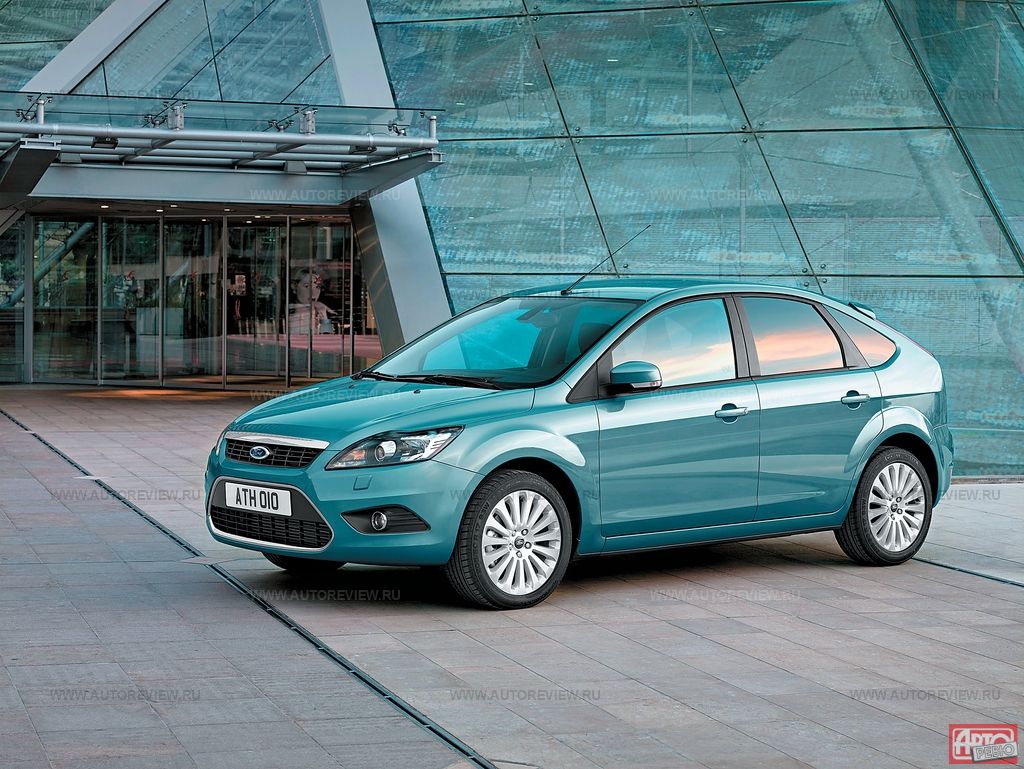
Ford Focus 1.6 (100 hp) with an automatic transmission has risen in price to 459,000 rubles after a recent facelift, while the base equipment remains the same: one airbag, air conditioning, front electric windows, and heated power mirrors. ABS is an extra cost. The Focus's strengths are refined ergonomics and a spacious rear row, but the acceleration dynamics of the 1600cc version with an automatic leave much to be desired.
| Chevrolet Lacetti | Ford Focus | Opel Astra |
 |  | 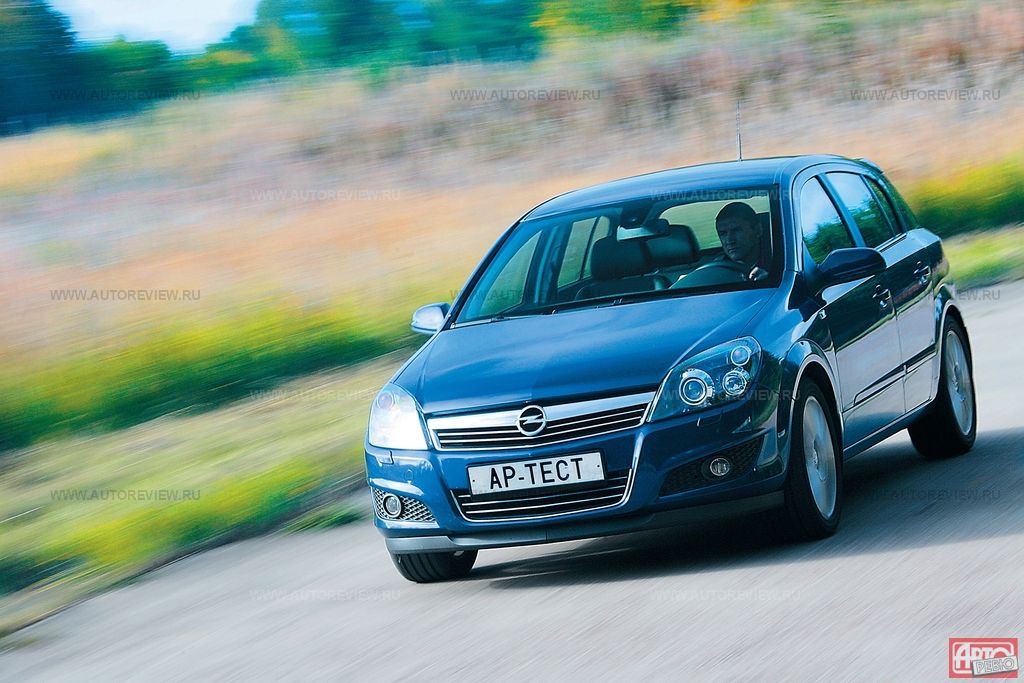 |
The Opel Astra, launched in 2003, stands out with stylish looks, a solid interior, and a generous base set of options: four airbags, ABS, climate control, CD player, heated front seats and mirrors. At the same time, prices for comparable trims are not much higher than Ford's: the version with a 1.6-liter engine (115 hp) and Easytronic robotic gearbox costs 533,000 rubles, while the modification with a 1.8-liter engine (140 hp) and a classic automatic costs 583,000.
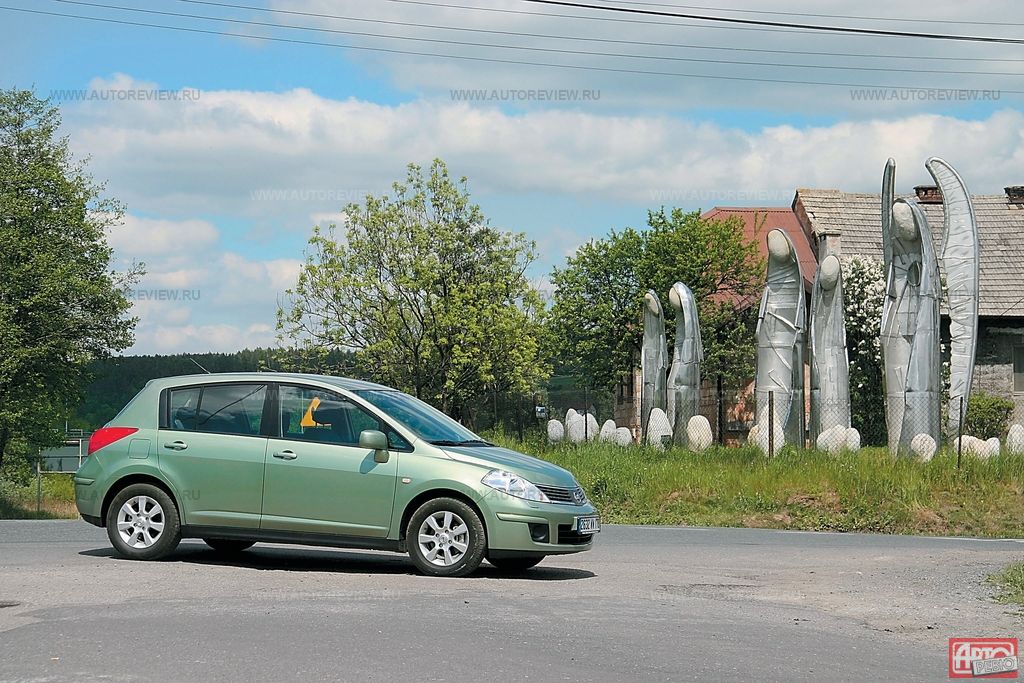
The Nissan Tiida hatchback, assembled in Mexico, with a 1.6-liter engine (110 hp), automatic transmission, and equipment similar to the Opel, sells for 548,700 rubles. Despite the awkward 2004 styling, the Tiida boasts incredible space for rear passengers. A detailed review is in AR No. 22, 2007.
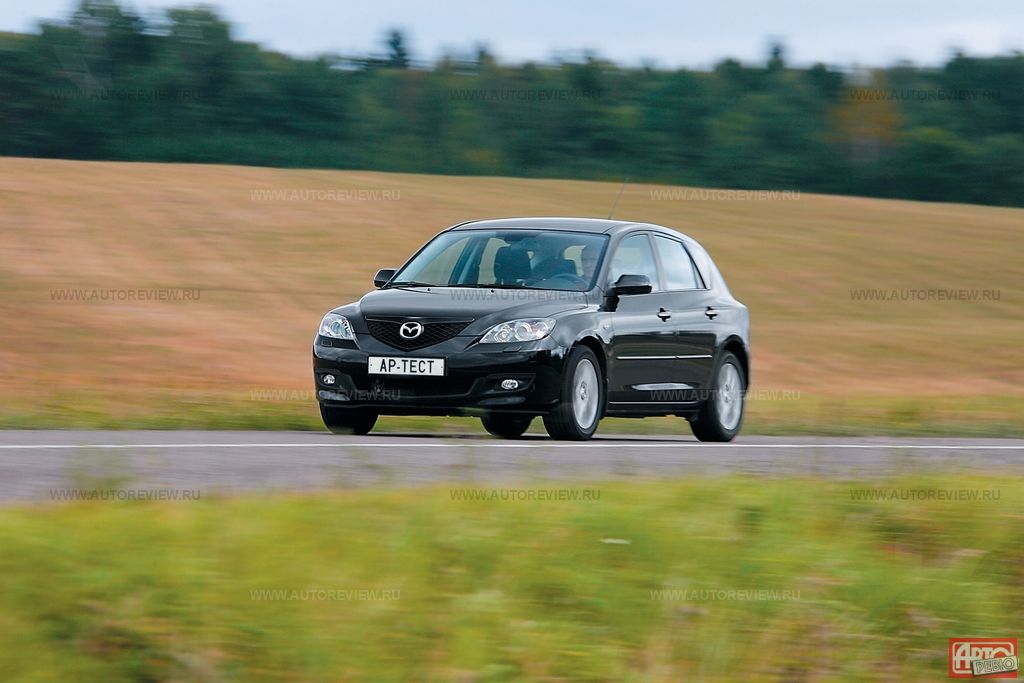
The ageless Mazda 3 (the next generation debuts in a year) still attracts with a stylish and ergonomic interior, spirited handling, and decent ride comfort. The "three" with a 1.6 engine (105 hp) and automatic costs 554,000 rubles, not inferior in equipment to the Tiida and Astra, and even surpasses them in the number of airbags (six).
| Nissan Tiida | Suzuki SX4 |
 |  |
| Mazda 3 | Toyota Auris |
 |  |
The stylish Renault Megane will give way to a new model by the end of this year. Meanwhile, this hatchback, a bit cramped for rear passengers, with modest equipment (only two airbags), a 1.6-liter engine (115 hp), and an automatic, can be bought for 566,100 rubles.
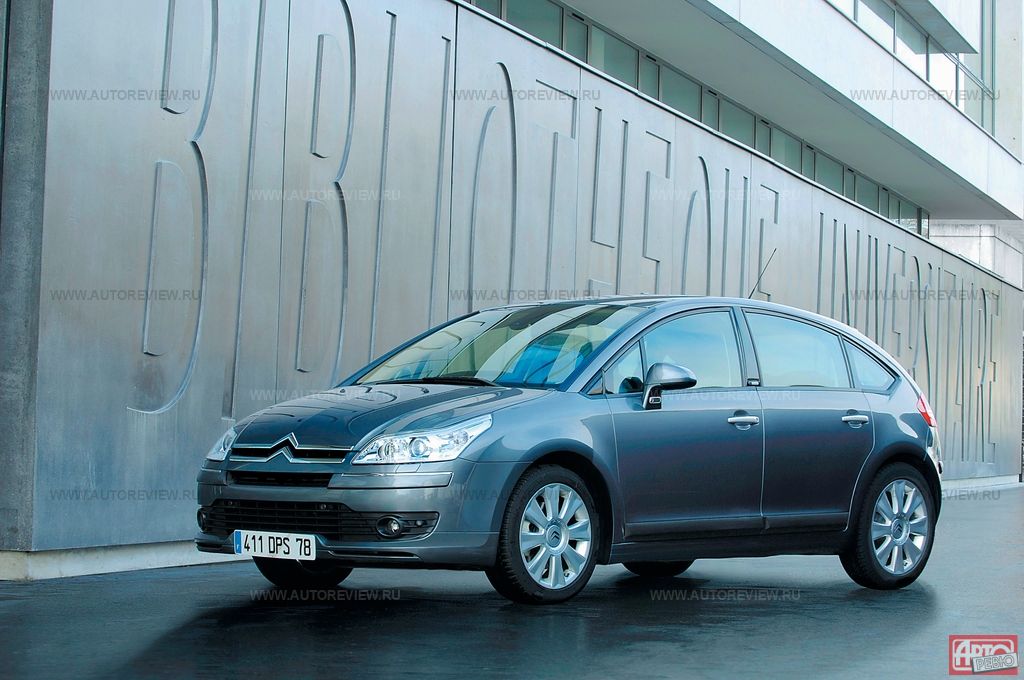
Citroen C4 1.6 (110 hp) with an automatic transmission, not inferior to the Renault in design and superior in equipment (six airbags), will cost only two thousand rubles more — from 568,000. However, choosing the "double chevron" requires accepting ergonomic flaws and a lack of space for rear passengers. Details are in AR No. 3, 2005.
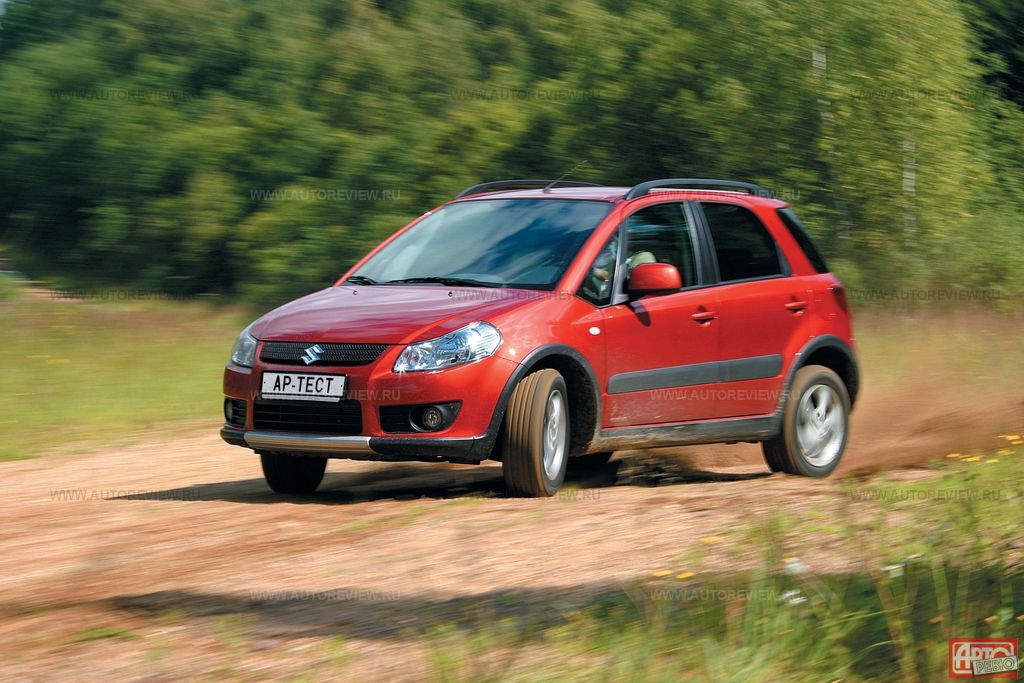
The front-wheel-drive crossover Suzuki SX4 (no automatic is offered for the all-wheel-drive version) with a 1.6 engine (107 hp) for 568,000 rubles offers the richest base equipment in its class: six airbags, stability control, climate control, electric package, heated front seats and mirrors, CD changer, and even alloy wheels! However, the driver-oriented chassis is not particularly comfortable, and sound insulation is somewhat weak. Details are in AR No. 17, 2006.
| Renault Megane | Skoda Octavia |
 | |
| Citroen C4 | Subaru Impreza |
 |  |
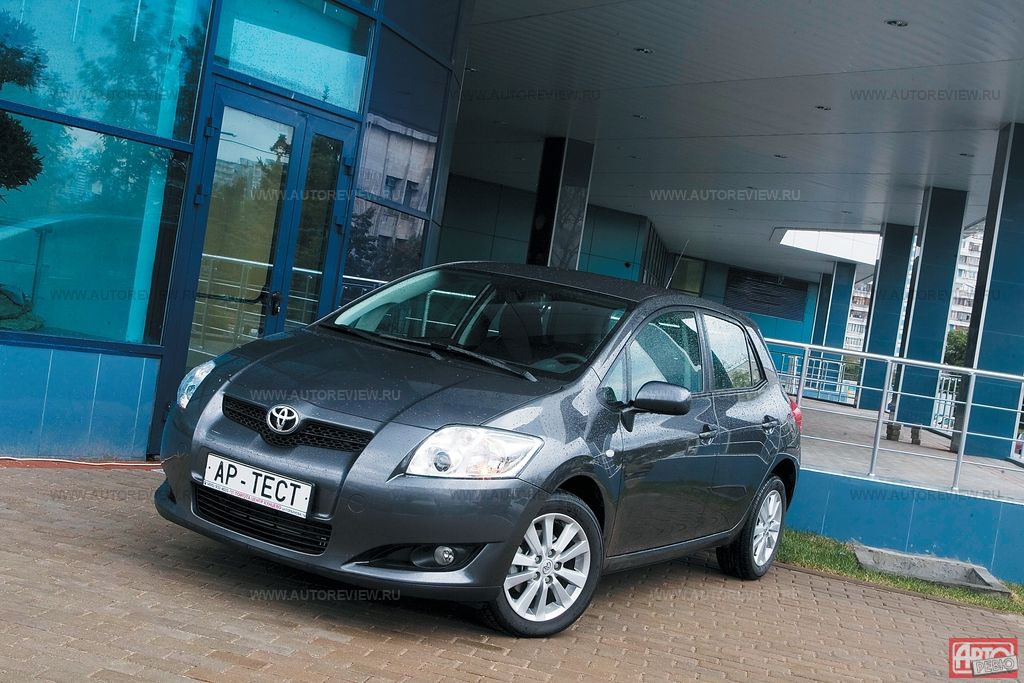
Toyota Auris 1.6 produces 124 hp, but the Multimode robotic gearbox disappoints with its operation, the trim is more modest, and the price tag bites — starting from 602 thousand rubles. The only things that can please in this car are the unusual cockpit and the free rear row. Look for a detailed analysis in AR No. 21 for 2007.
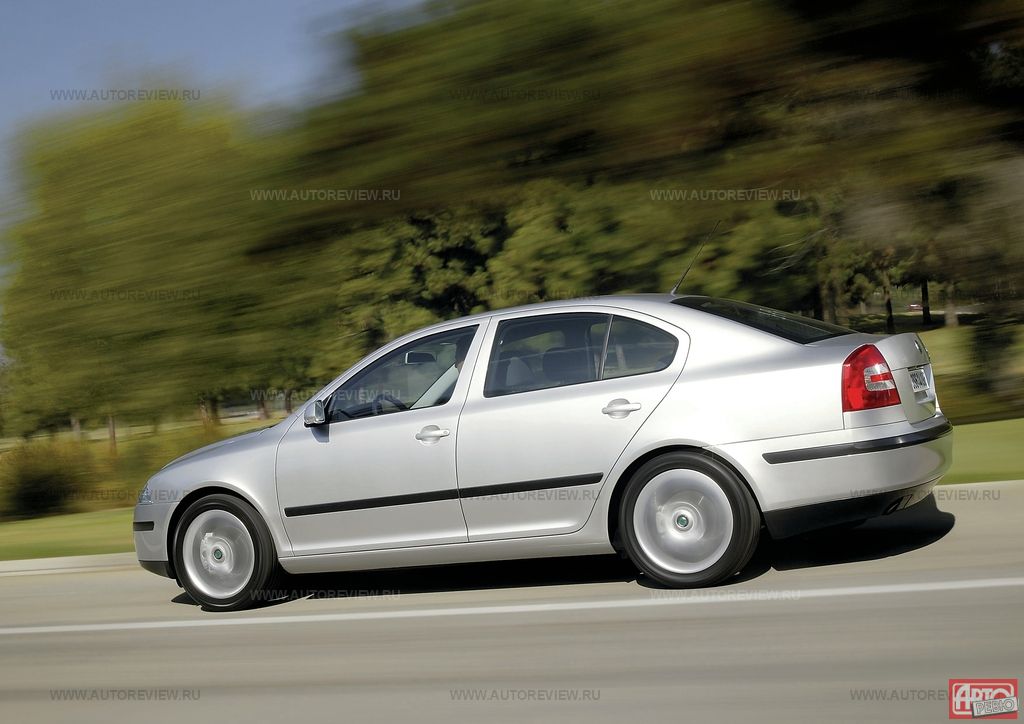
Skoda Octavia of the second generation, although assembled in Russia, costs even more: for the modification with an outdated 1.6 L engine (102 hp) and automatic gearbox they ask 613 thousand rubles. But inside there is a solid interior, plenty of space in the back, and a spacious trunk. More information — in AR No. 9 for 2006.
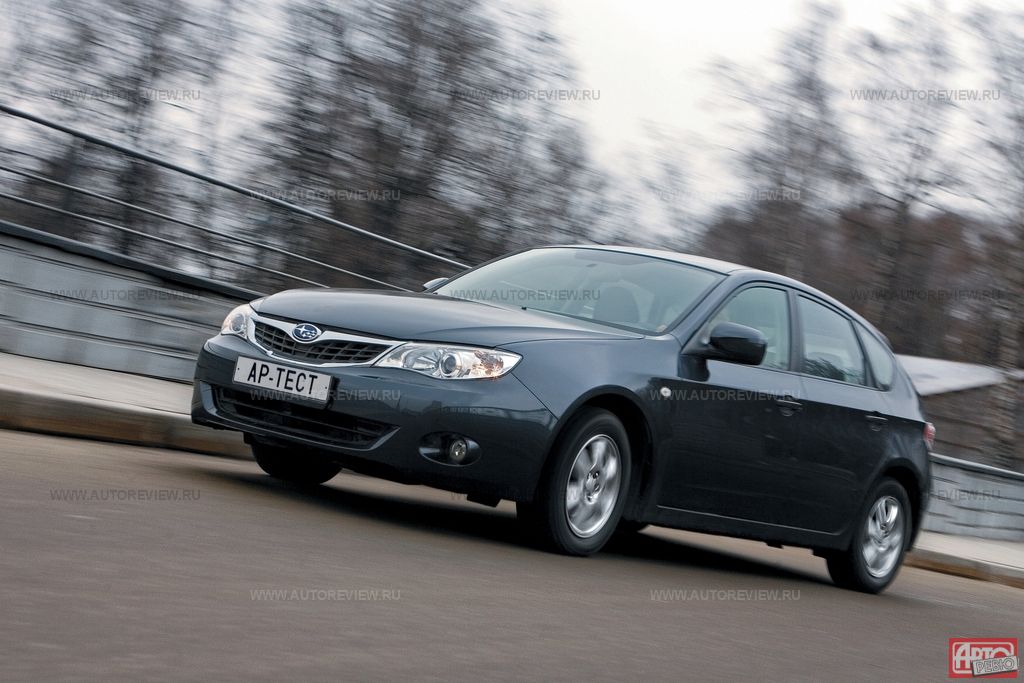
All-wheel drive Subaru Impreza 1.5 (107 hp) with an automatic transmission costs 618,500 rubles, although there are only two airbags. The base includes climate control, electric windows, and alloy wheels. The strengths of the 2007 Impreza are thoughtful ergonomics, a spacious rear bench, and a soft suspension; the weaknesses are a small trunk and a lazy but thirsty engine.