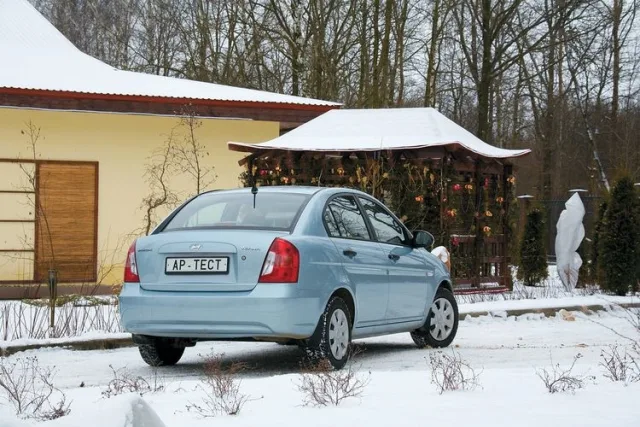
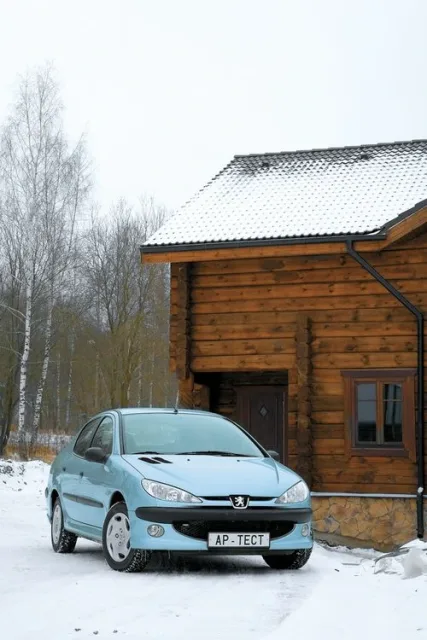
For the next comparison of "budget" sedans, we headed to Tula — only the local dealer could provide us with a Hyundai Verna. We gathered quickly, and now three cars are driving along Kashirskoye Highway south: Chevrolet Aveo, Renault Symbol, and Peugeot 206 — direct competitors of the newcomer. All participants have 1.4-liter petrol engines and manual transmissions.
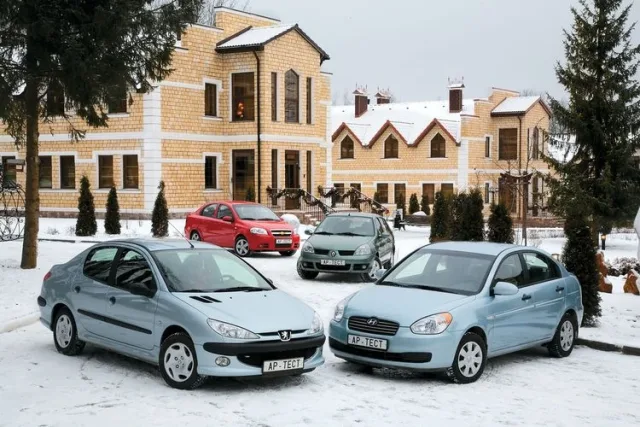
In Tula, it immediately became clear that local gunsmiths apparently test their products right on the roads: the asphalt looks as if it had been subjected to artillery fire — potholes and ruts everywhere. But for testing ride smoothness and handling, you couldn't ask for a better proving ground. And the gingerbread, by the way, is excellent — sold on every corner.
When we finally got the keys to the Hyundai Verna, one of us mistakenly tried to open a nearby Kia Rio with them — the cars are that similar. And no wonder: they are built on a shared platform and equipped with the same engines — new 1.4-liter sixteen-valve units producing 97 hp. Both models are currently imported from Korea, but this year Kia Rio will go onto the assembly line at Izh-Auto, and Verna, most likely, in a year or two will start being assembled at TagAZ, where Hyundai Accent is currently produced.
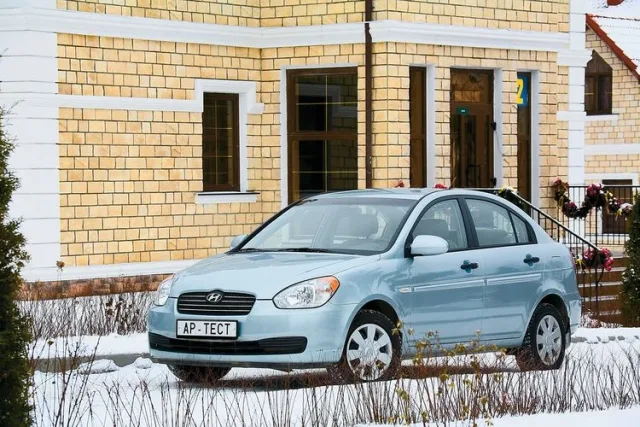
The Hyundai Verna is a cute little car. The headlights are almost like a Fiat's, the stamping on the hood is almost like a Toyota's... And the interior pleasantly surprised us: both in color scheme and trim materials, and the center console turned toward the driver... If it weren't for the alien "music" (no factory radio), it would be priceless.
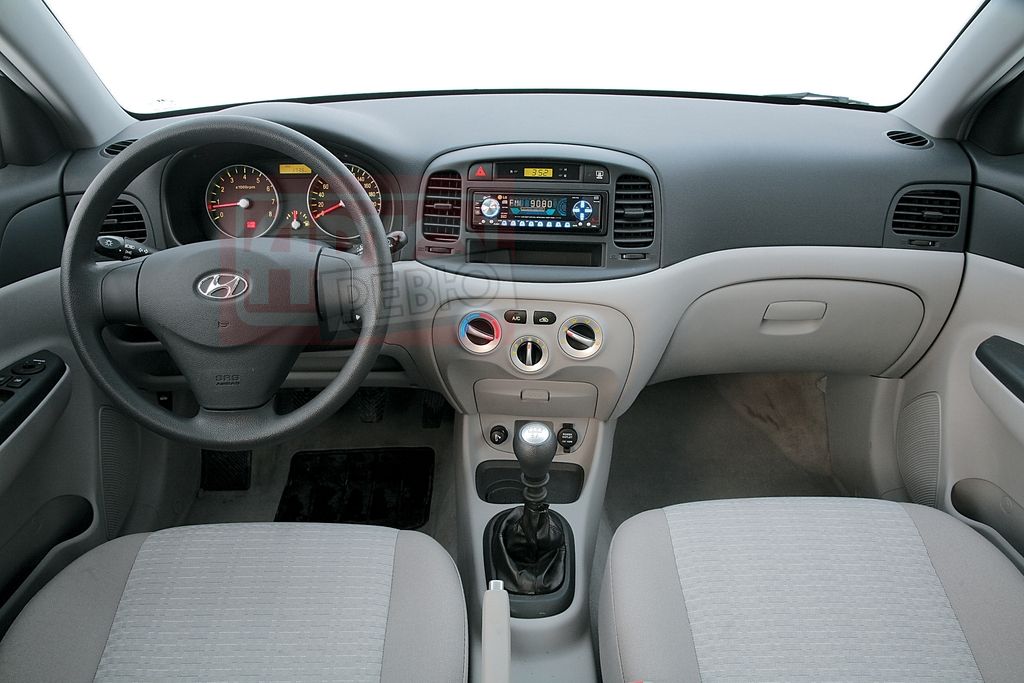 | 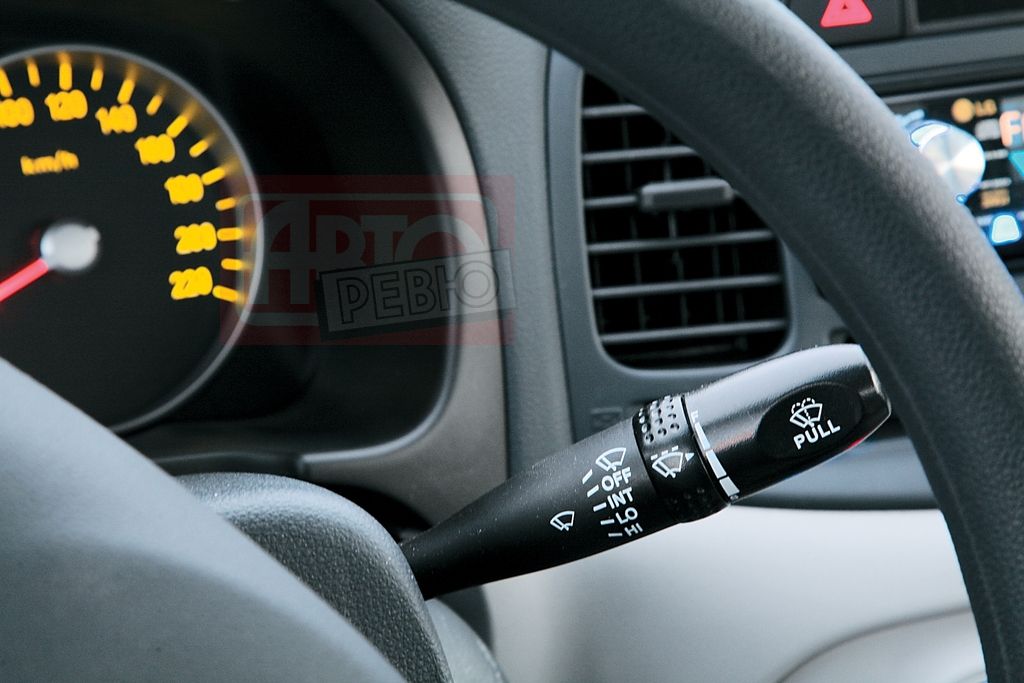 |
| The interior pleases with both design and material quality. And how do you like the two-tone panel? | The pause between wiper sweeps can be adjusted |
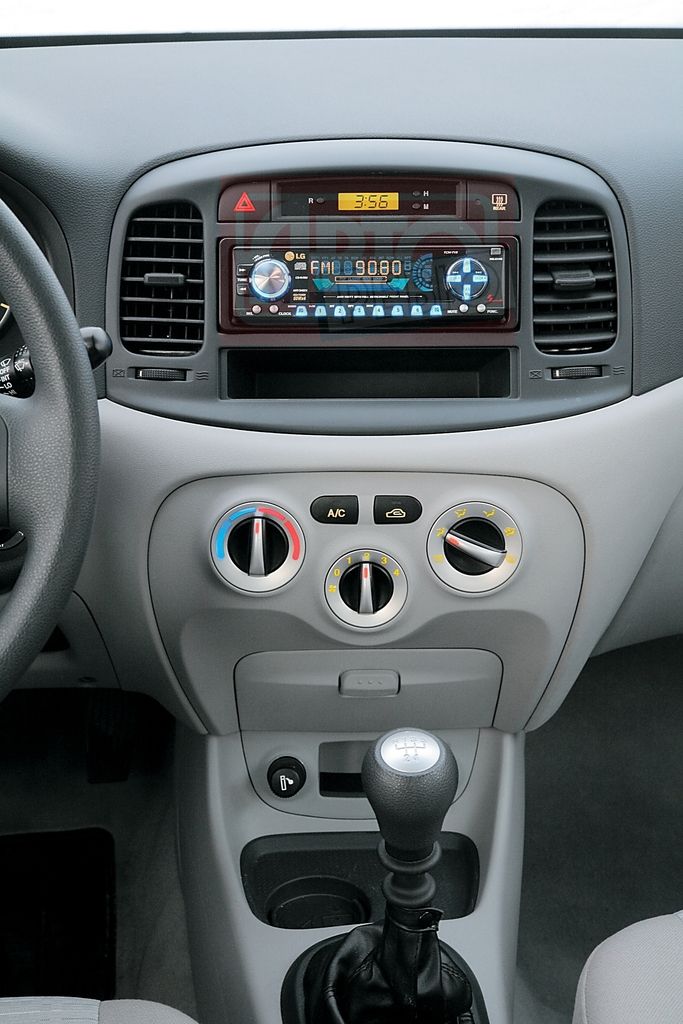 | |
| Rear fog light button. Pretty? | No factory audio system: a minus in terms of aesthetics, but you can choose a CD receiver to your taste |
At first, the driver's seat also pleased us. First, it has the most adjustments — not only height but also seat cushion angle can be changed. Second, the padding is firm, like in German cars. However, it soon turned out that both the seat shape and adjustment ranges are far from ideal: drivers taller than 180 cm will find it cramped here.
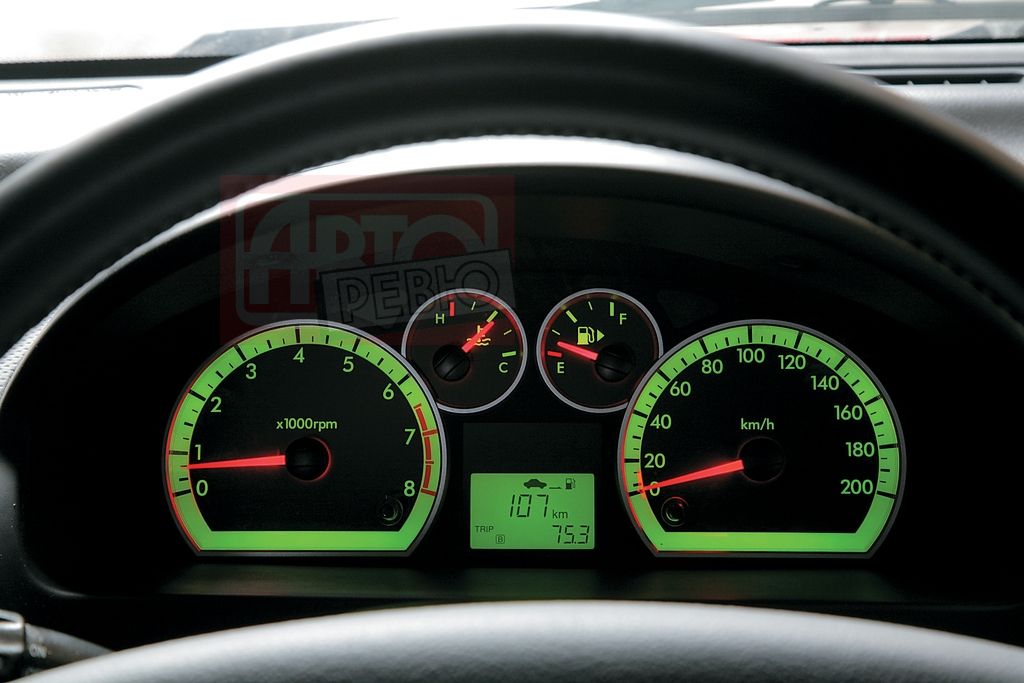 | 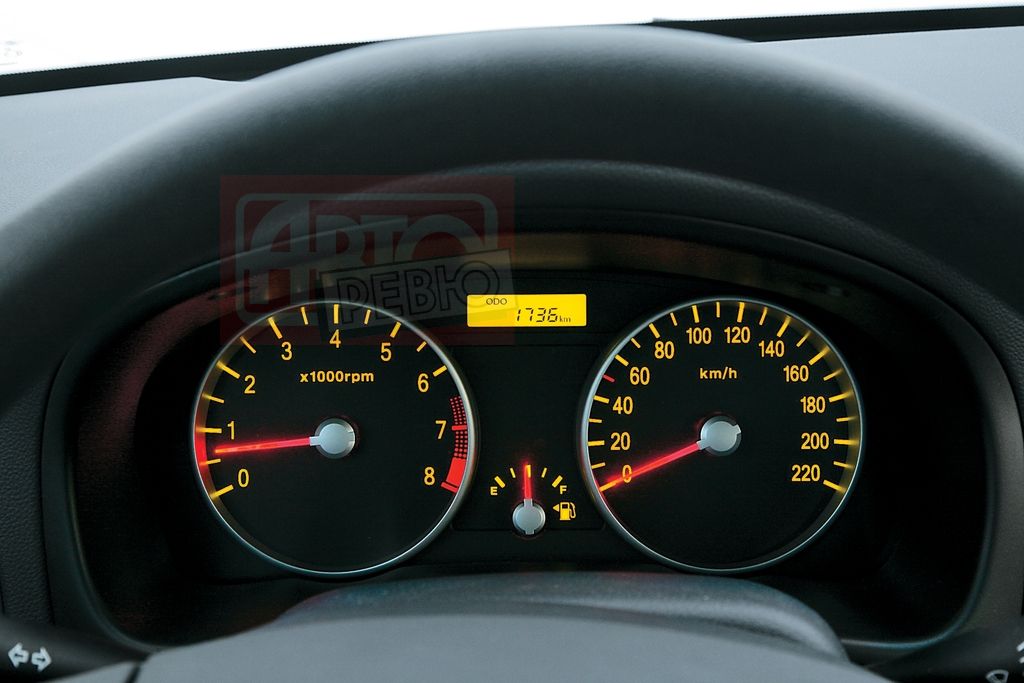 |
| Chevrolet Aveo In the center — trip computer display | Hyundai Verna Instead of a temperature gauge — a warning light |
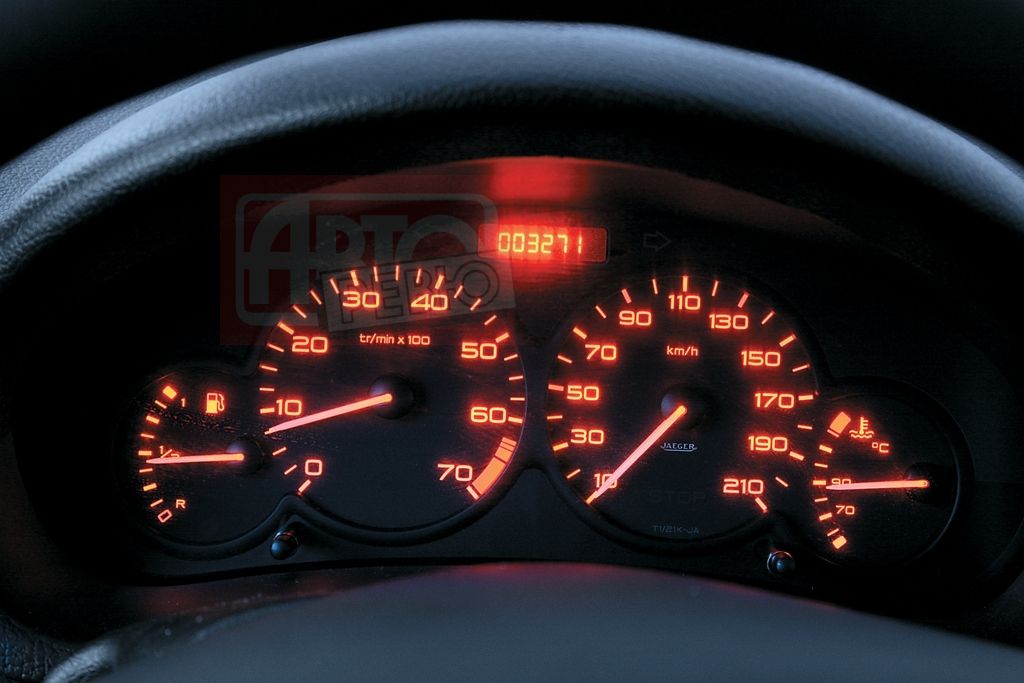 | 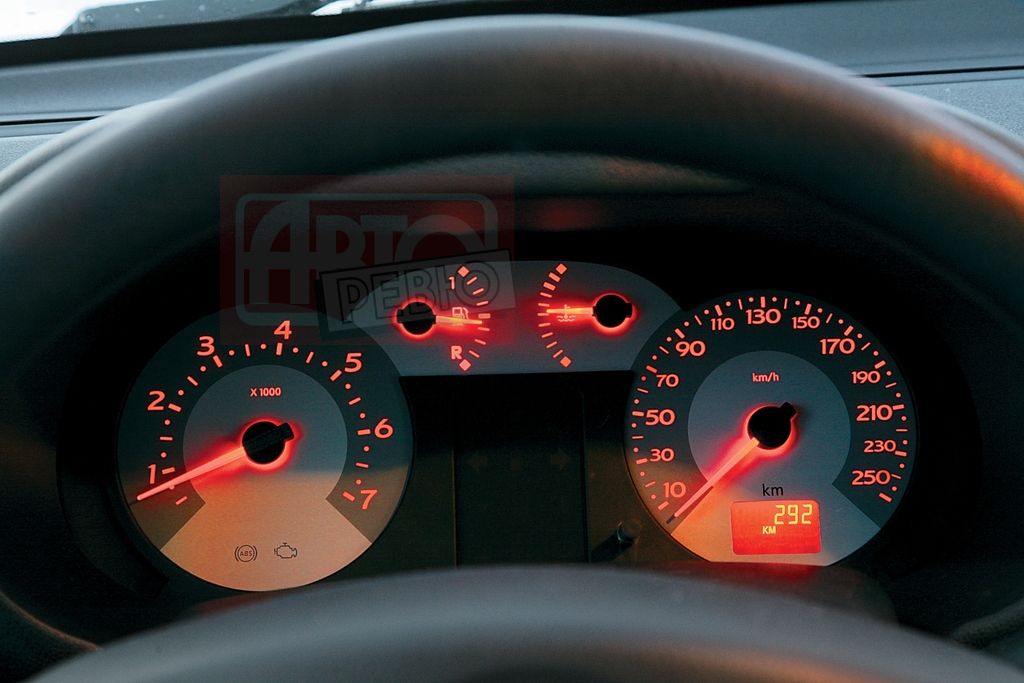 |
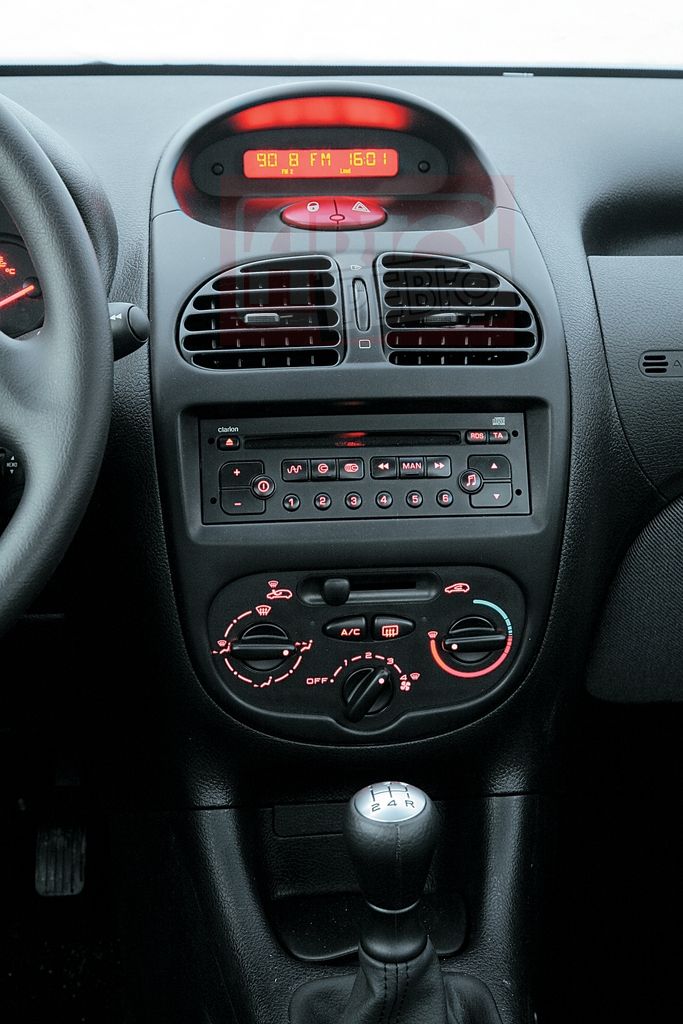
| Peugeot 206 Sedan "Odd" speedometer calibration | Renault Symbol After the facelift, only the dial graphics changed |
The Chevrolet Aveo's exterior can't be called expressive either. But the interior is almost like in cars a class higher: black plastic (even if it looks hard), decent equipment. And this despite the Aveo being almost $1000 cheaper than the Verna (what silly names — Verna, Aveo, Viva, Lanos… Matching the design: all like salesgirls in grocery stores!). The Aveo has a factory radio with an mp3 player, a leather multifunction steering wheel with buttons, and a trip computer. And the driver's seat is more comfortable here. The only complaint is that gears engage with difficulty, and you can't blame it on "not being run in": the car's mileage is almost 20,000 kilometers.
 | 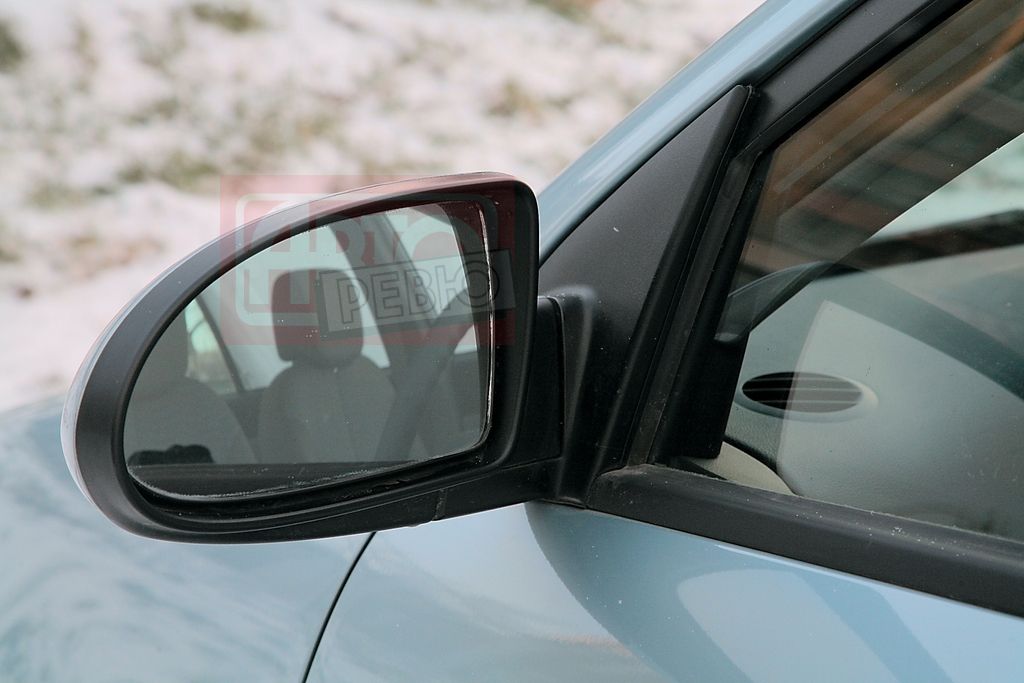 |
| Chevrolet Aveo | Hyundai Verna |
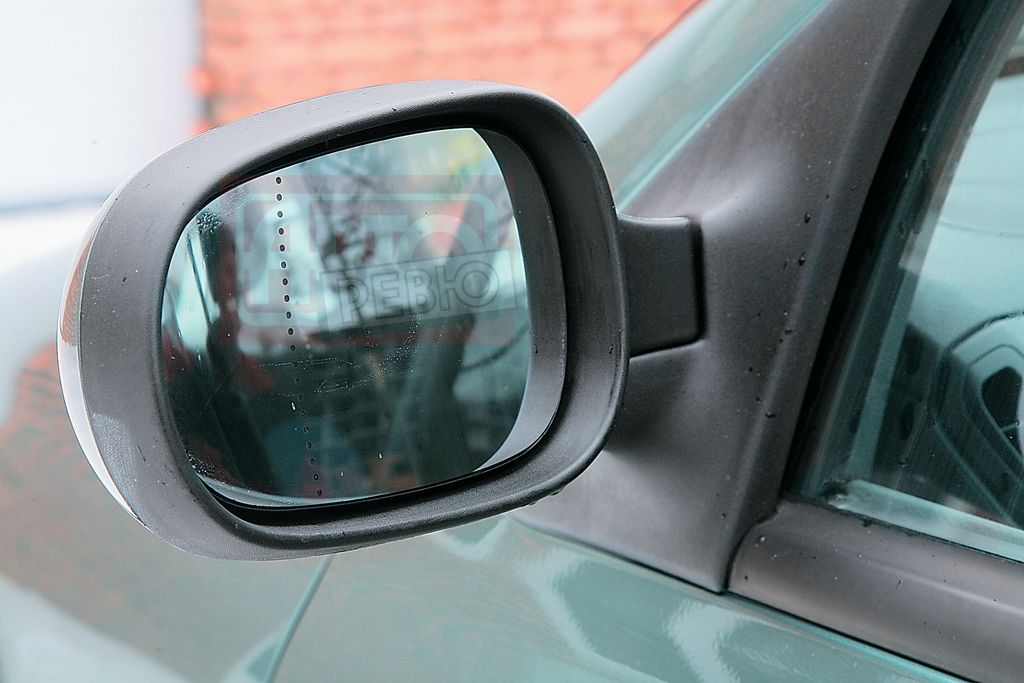 | |
| Peugeot 206 Sedan | Renault Symbol |
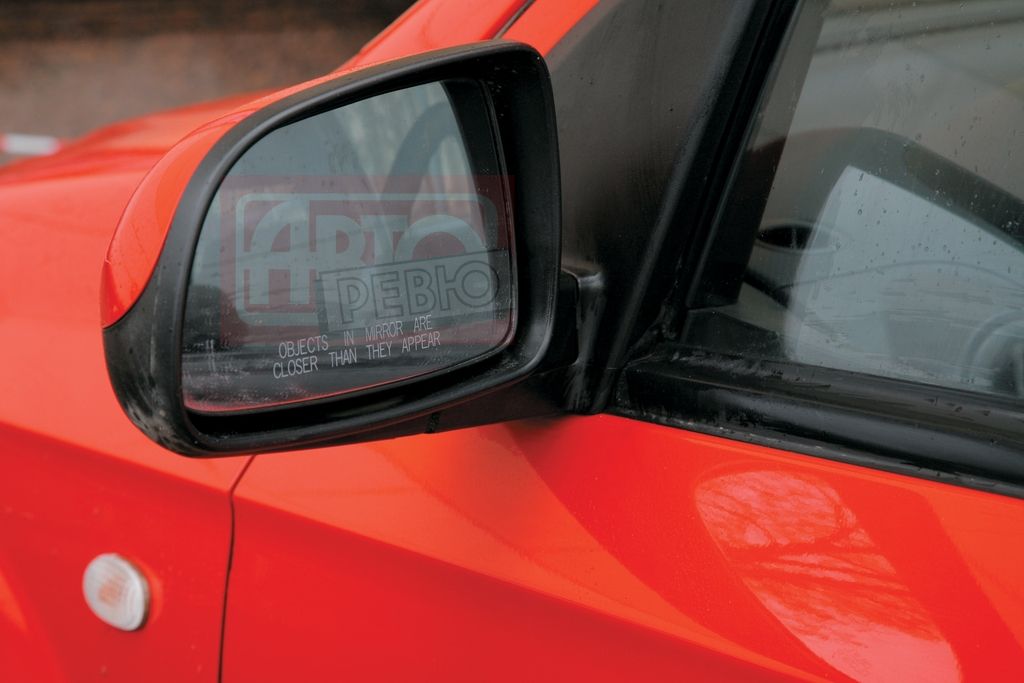
| The Hyundai Verna has the largest mirrors — you can see everything! The Aveo's are a bit narrower. But the French cars let us down — the mirror area is already small, and the image is "broken" by zones with diopters | |
What's new in the Peugeot 206? Nothing! Except that instead of a fifth door, there's now a tacky backpack-like trunk. Good thing they didn't touch the cute face, so even in sedan guise, the Peugeot 206 looks no worse than the new Korean cars. The interior is all familiar: an excellent steering wheel, a rounded dashboard, a huge glovebox. There's also a pleasant surprise: the range of driver's seat adjustment in length has become wider — now even a driver 190 cm tall can fit here. They can sit, but can they drive... You adjust for the pedals — you can't reach the steering wheel, and if you sit for the steering wheel — there's nowhere for your knees. So the Peugeot 206 needs steering wheel reach adjustment more than others. And it doesn't have it.
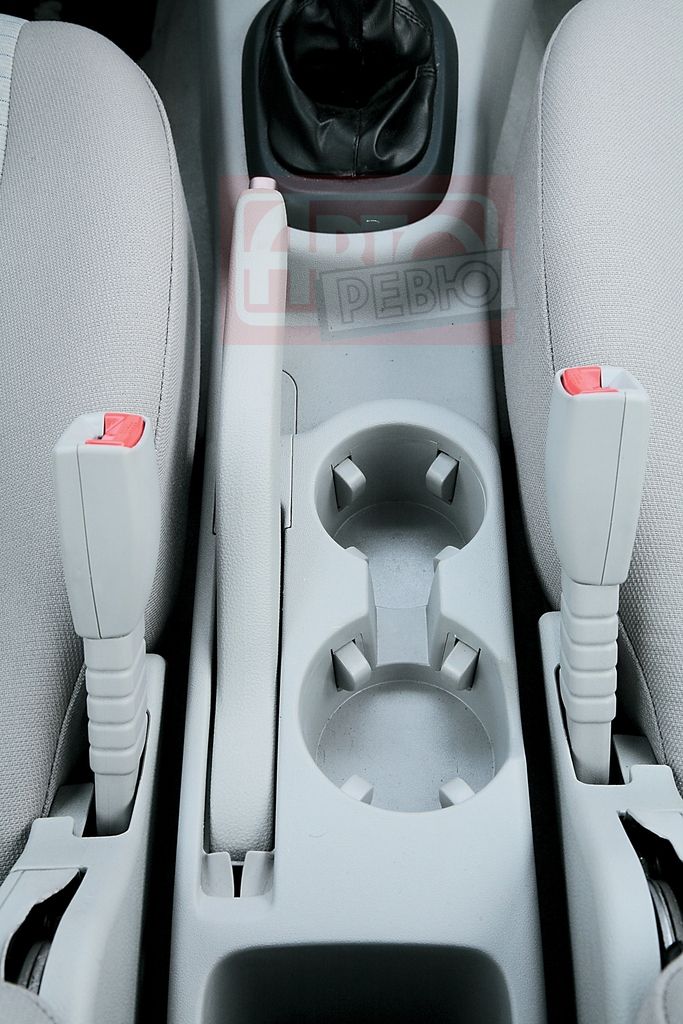 | 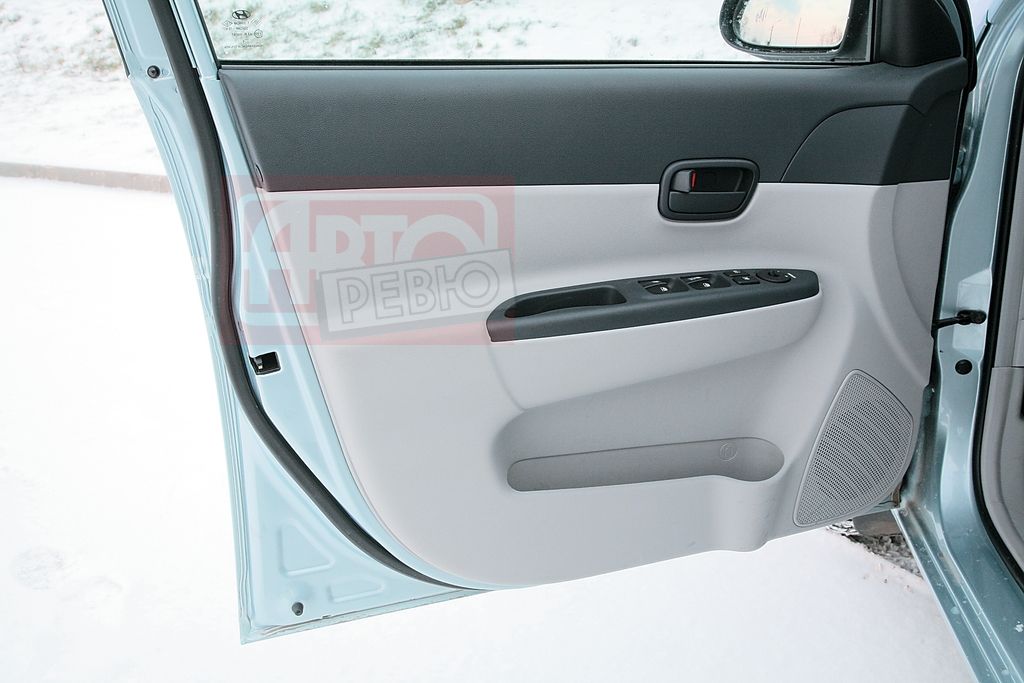 |
| Space for small items, cupholders — everything is thought out | The Verna's door pockets have recesses for bottles |
The seating position in the Renault is also not ideal — the steering wheel tilted forward gets in the way. Although the steering wheel itself, and the soft seat, are no worse than in the Peugeot. And in general, from an ergonomics standpoint, both cars are two peas in a pod, French style. Even despite the fact that the Renault Symbol is assembled in Turkey, and the Peugeot 206 sedan — in Iran.
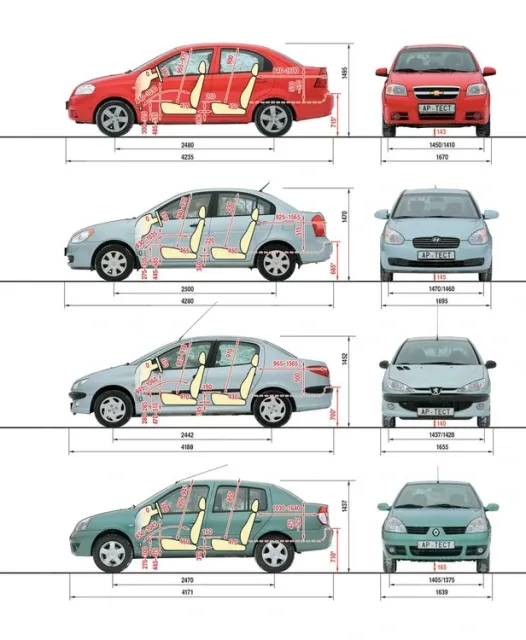
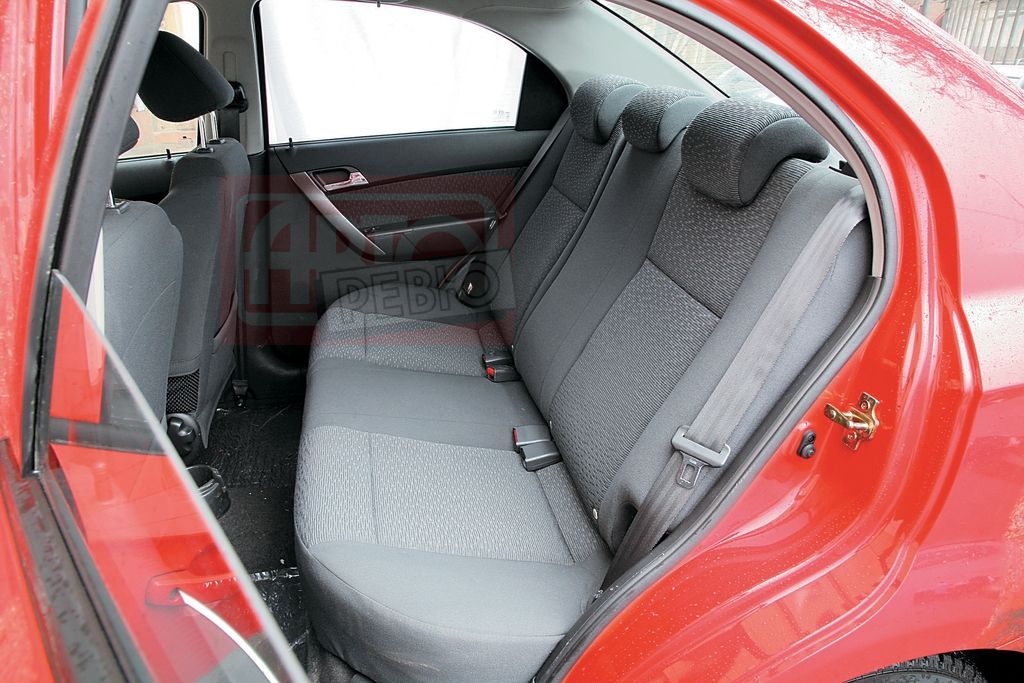
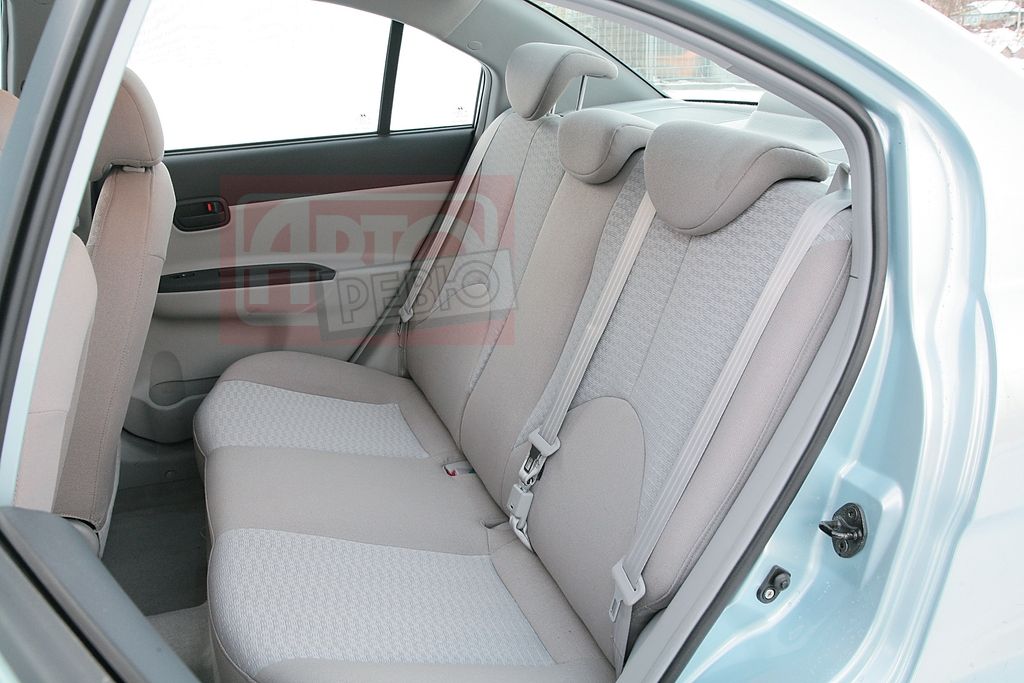
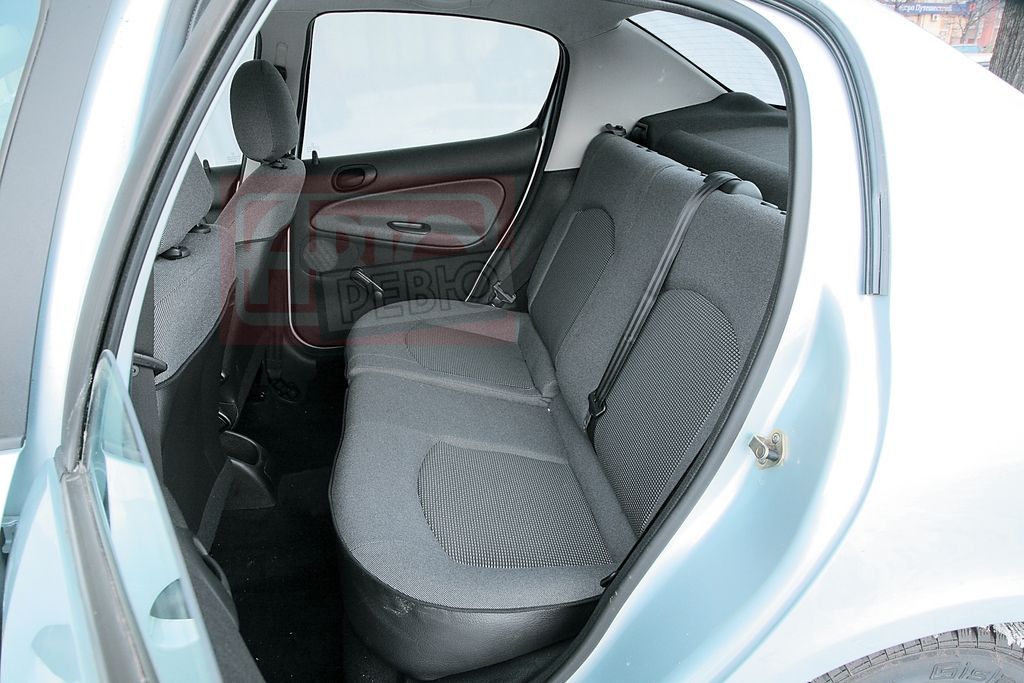
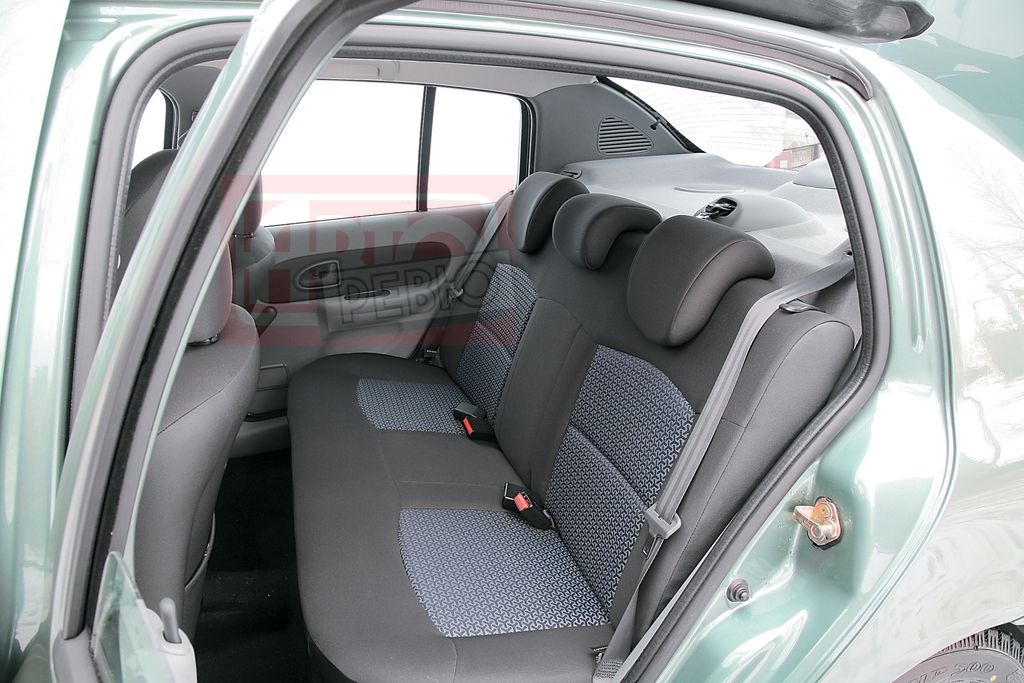
Rear passengers are better off in the "Koreans." There's more space, easier entry and exit, and additional conveniences. The Verna and Aveo, for example, are equipped with power rear windows, and each of the three passengers has three-point seat belts and folding headrests. In the back of the Peugeot 206, it's tighter both lengthwise and crosswise, there are no headrests (a privilege of expensive trims), and the high sill hinders entry. But it's even tighter in the Renault: even if people of average height are in the front seats, those sitting in the back already have their knees touching. And if there are three in the back of the Symbol, especially in winter clothes, you'll have to exhale in unison to close the door. One consolation: the cabin volume is sacrificed for the trunk, which remains the most spacious in its class — 510 liters (the trunks of the other three cars are smaller by a hundred or more liters). We wanted to praise the Peugeot's trunk for having an interior handle (the others don't), but we won't: dried glue on the handle dug into our palm. Made in Iran.
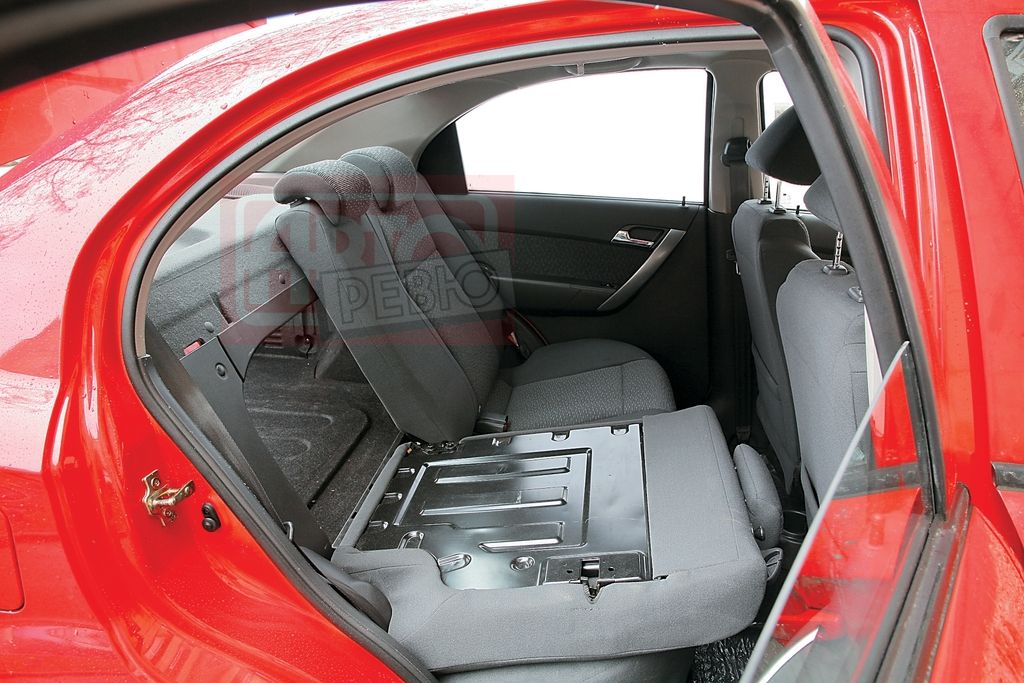
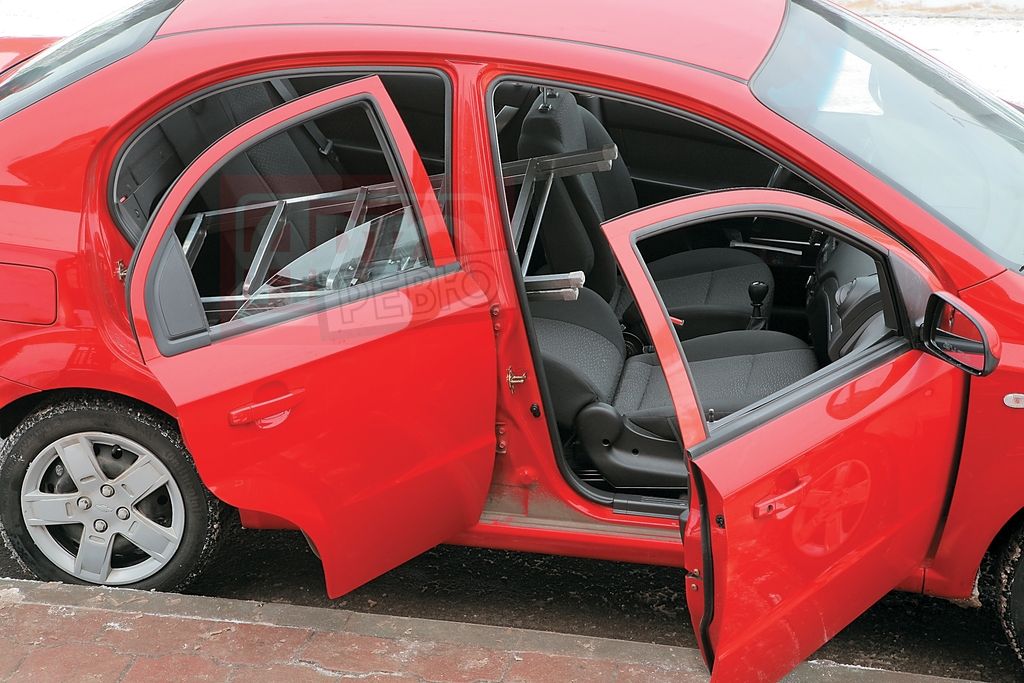
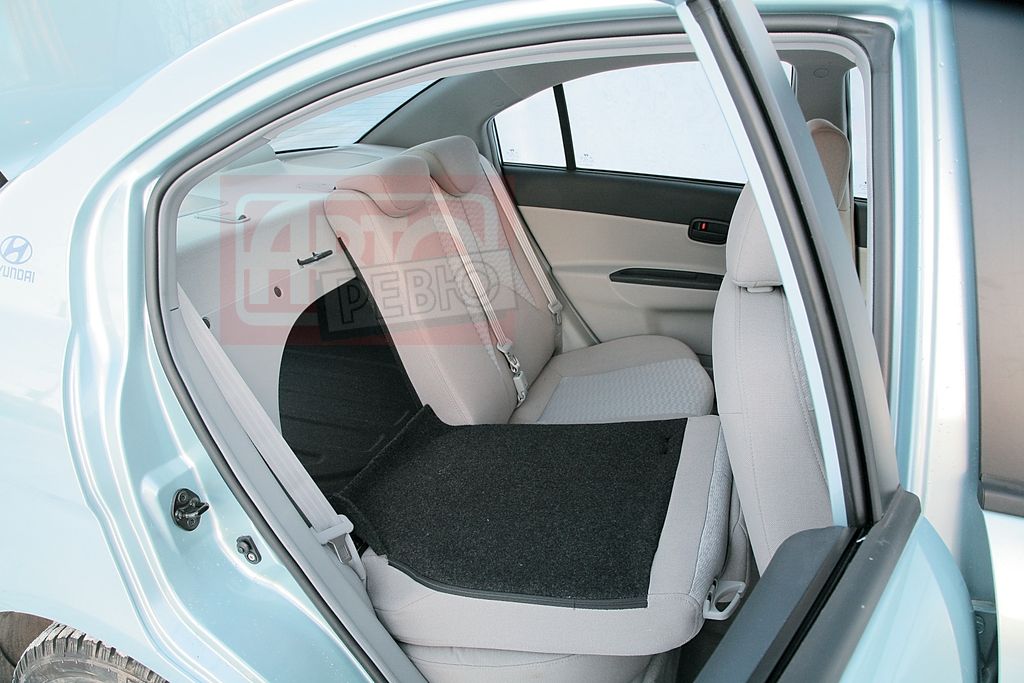
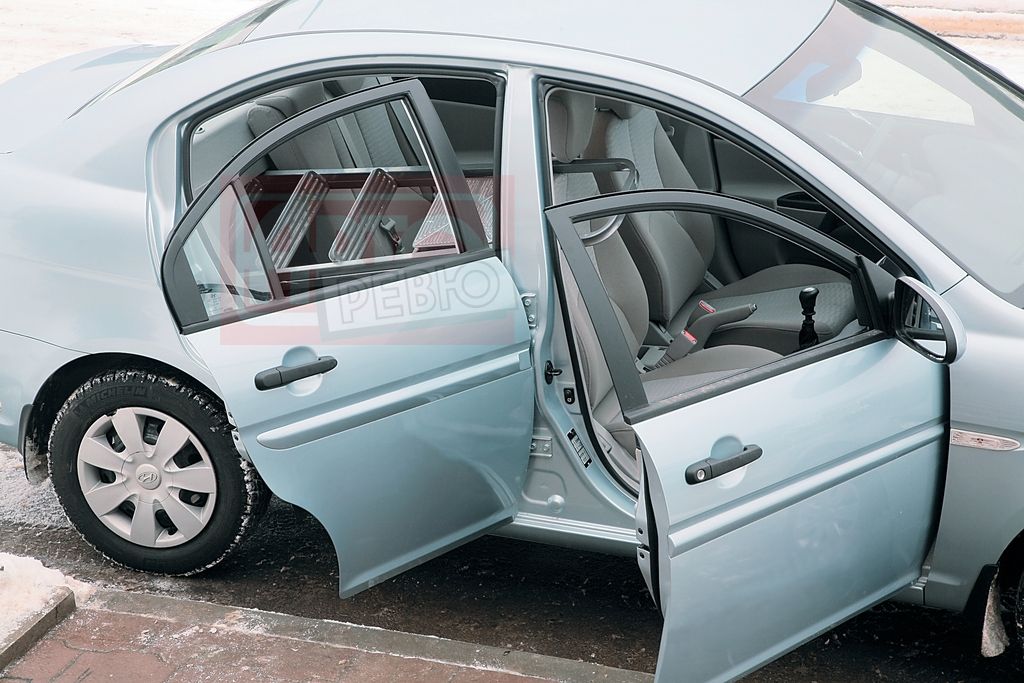
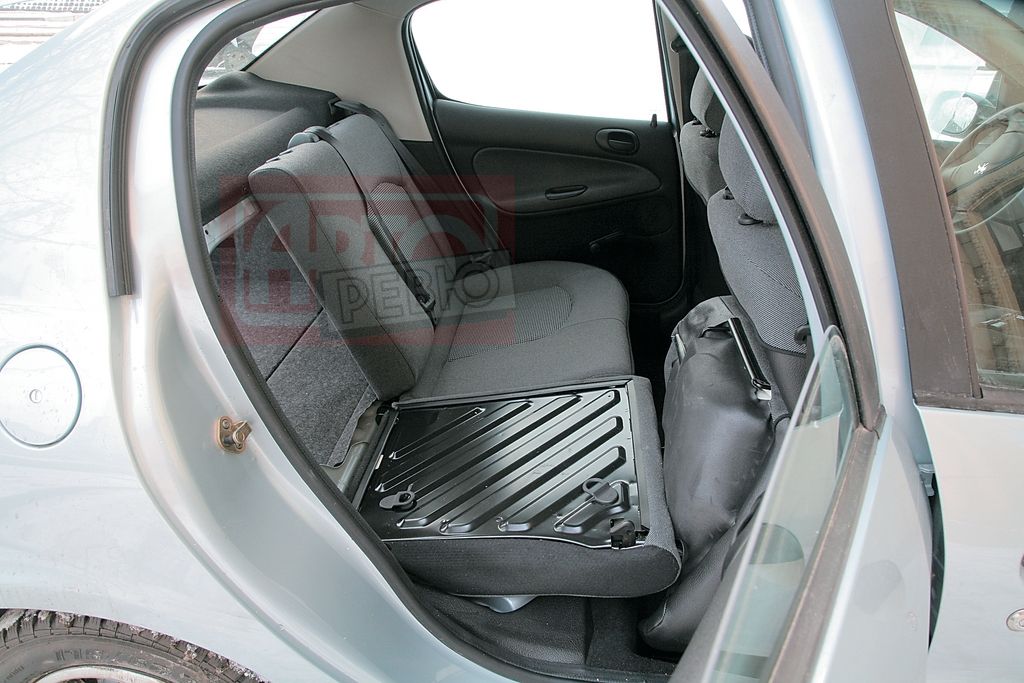
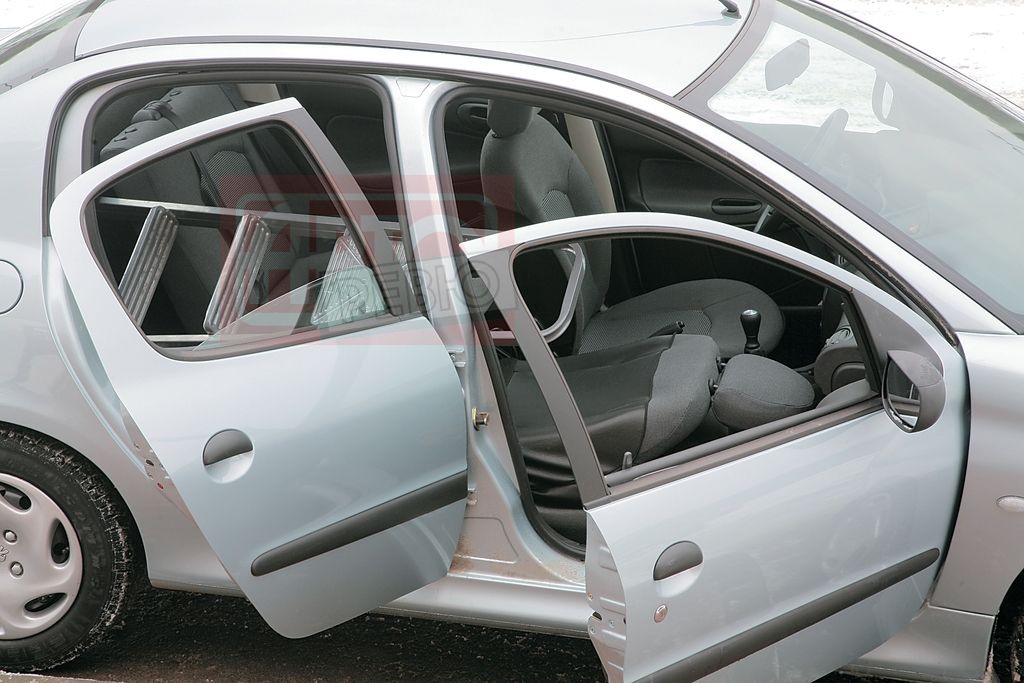
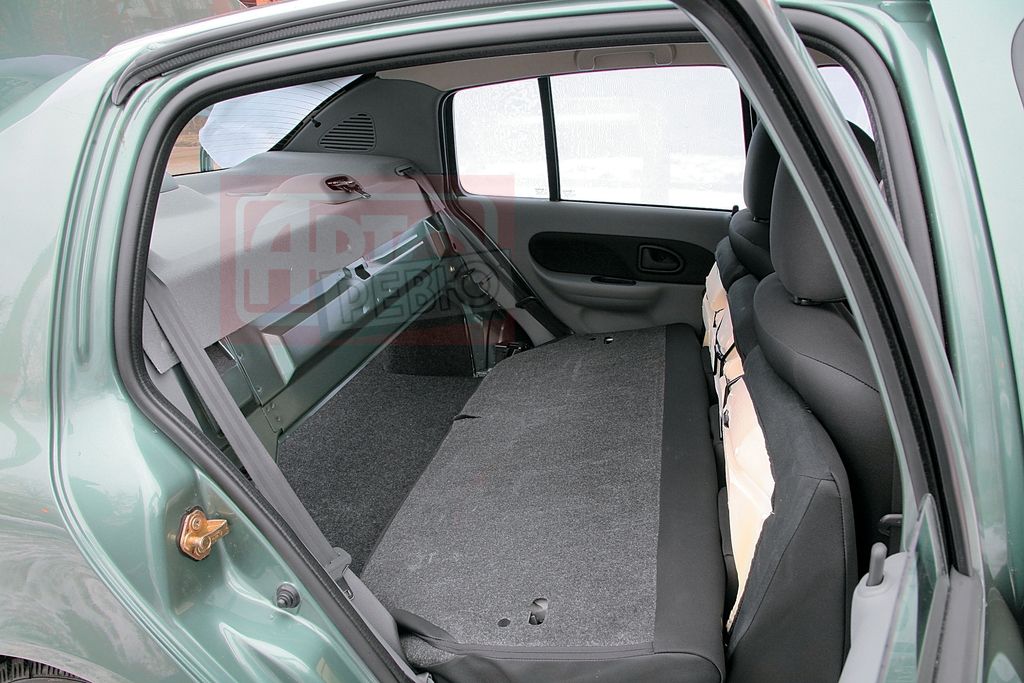
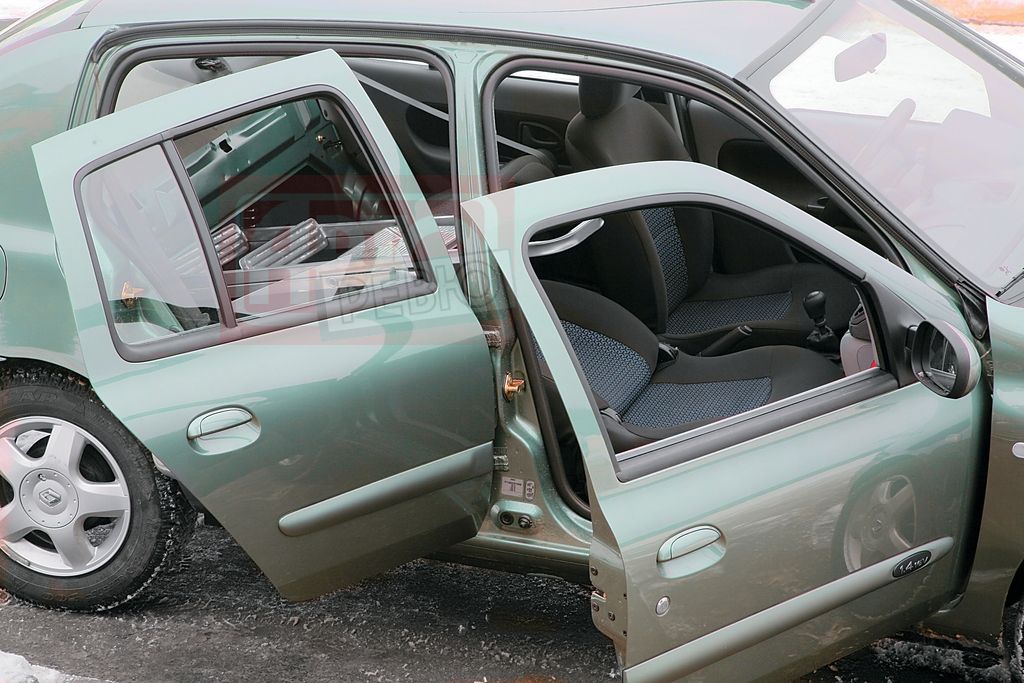
To assess the transformation capabilities of the interiors, we tried to transport a two-meter stepladder in each car. In three cars, we managed almost effortlessly: the rear seat backs fold in sections, so besides the ladder, you can also take a couple of workers. But in the Symbol, we spent about ten minutes shoving that damn stepladder in: the backrest does fold, but only as a whole, and the opening between the trunk and the cabin is too narrow. We had to fold all the seats except the driver's. It's clear that no passengers are out of the question then.
 |  |
| Chevrolet Aveo | Hyundai Verna |
 |  |
| Peugeot 206 Sedan | Renault Symbol |
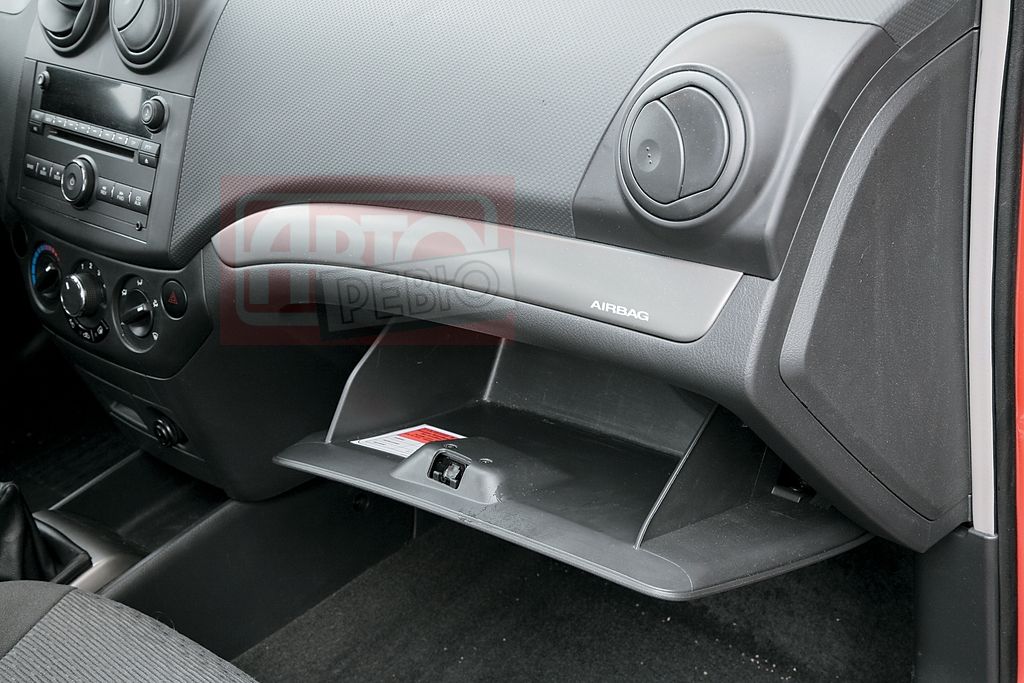
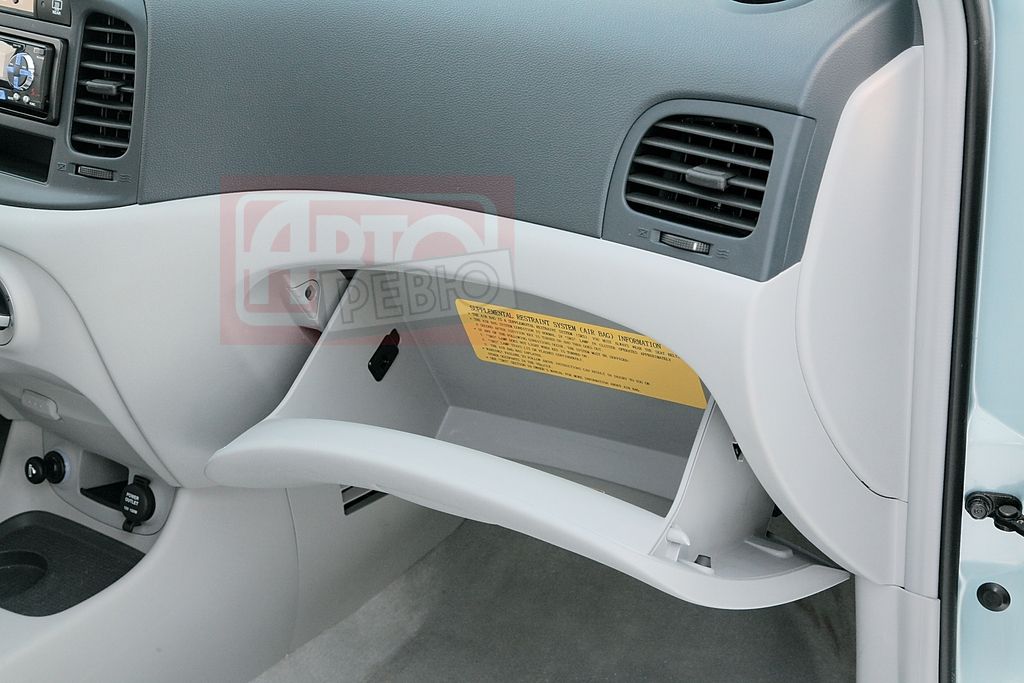
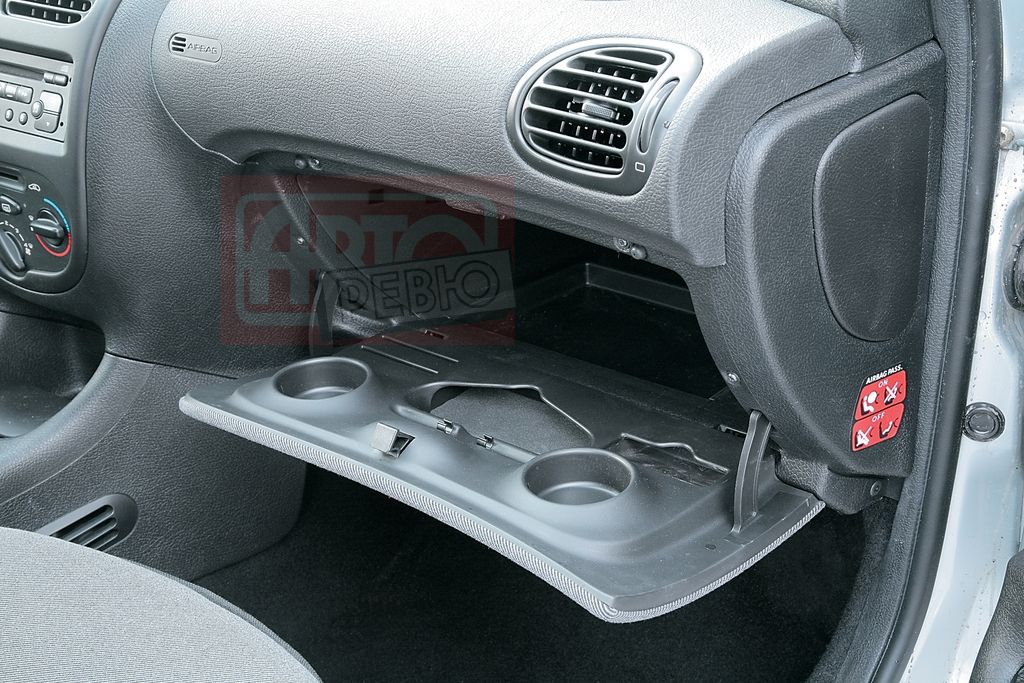
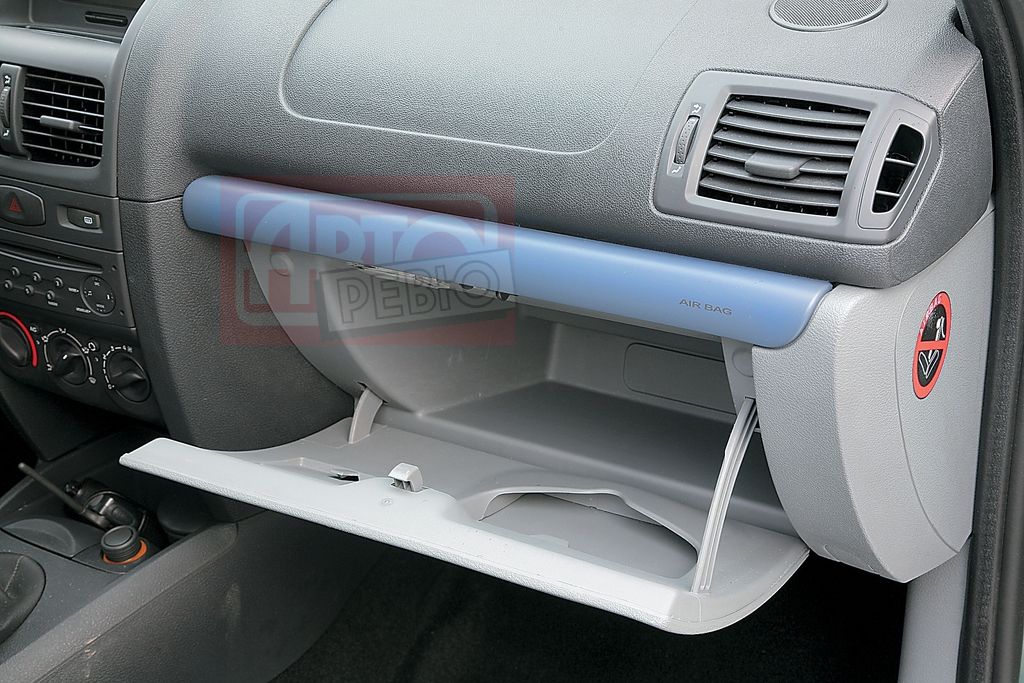
| The most spacious glove box is in the Peugeot. The Renault's is smaller but illuminated. As for the Koreans, they traditionally have small, inconvenient bins that can't fit A4 documents | |
Expecting sparkling dynamics from such cars would be naive. What matters more is how conveniently the power can be meted out in city traffic, and whether the power reserve is enough to merge smoothly and maneuver confidently both in the metropolis and on the highway.
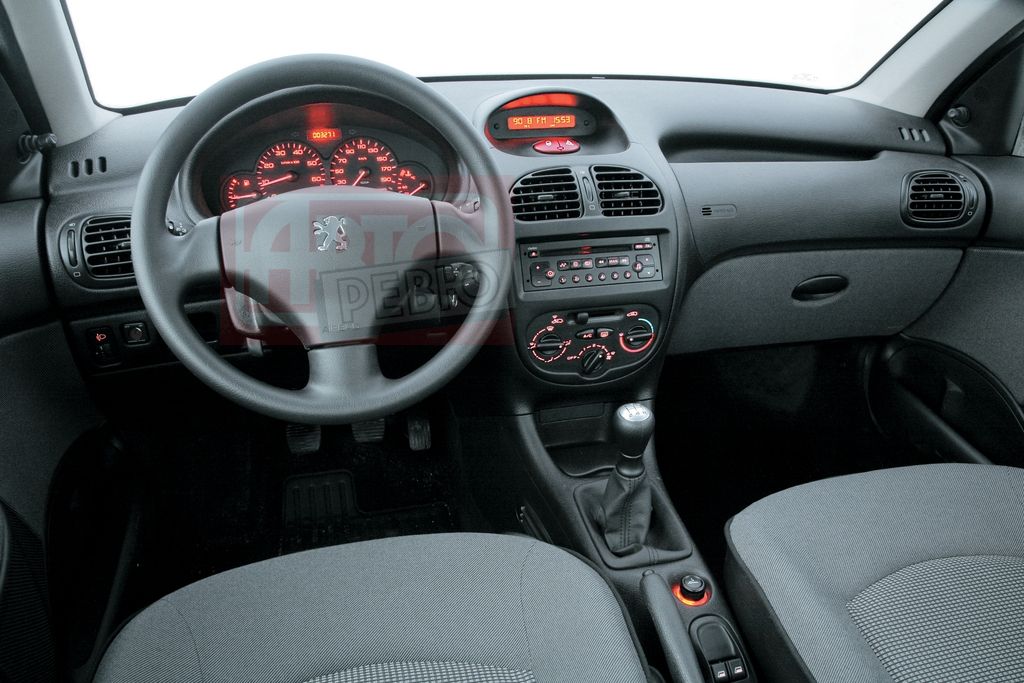 | 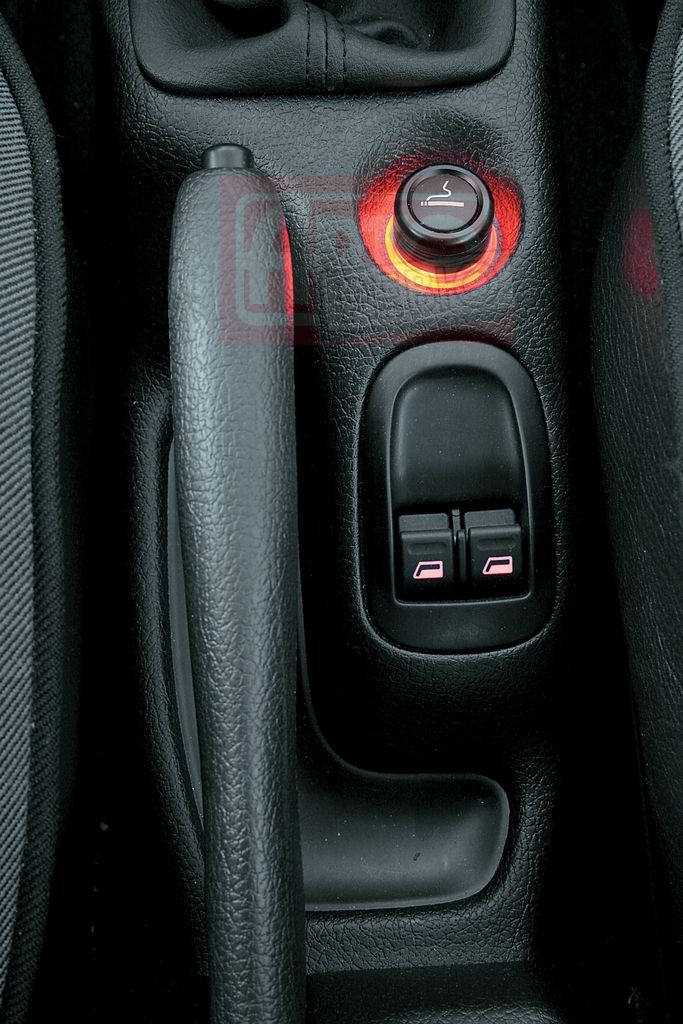 |  |
| Nothing new in the sedan's interior | Window switches are between the seats | Audio system is standard equipment |
The Hyundai Verna handles this task best. Its torquey engine is a real find for the city: the car starts briskly and accelerates eagerly. Telling moment: on an incline, the Verna goes in fourth gear without losing pace, while the other test participants clearly needed third on the same stretch.
The Renault and Chevrolet behave a bit more sluggishly. The Aveo has better potential, but it's spoiled by a stiff gearshift mechanism — in city traffic, this starts to annoy.
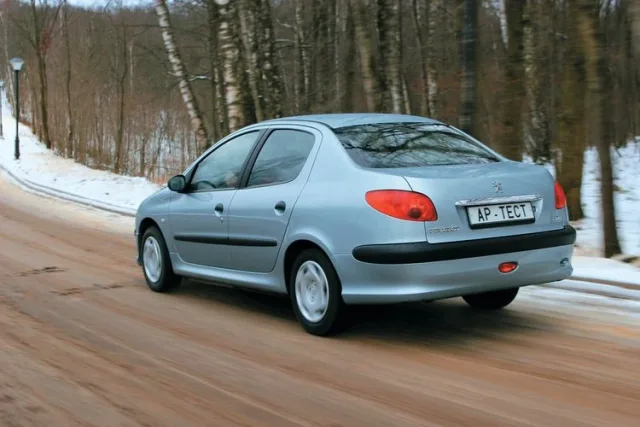
On the highway, however, the Peugeot became the source of irritation. The weak 75-horsepower eight-valve engine and illogically "stretched" gearbox turn overtaking into a trial. If in other cars second gear allows 85–90 km/h, here it can reach 100 km/h, but the process is so dreary that you want to shift up quickly. And frequent shifting is hindered by the long-travel, completely uninformative clutch pedal. In short, there's no pleasure in acceleration.
Brakes are all in perfect order. The pedals on the French cars are more responsive, but you get used to them quickly. Chevrolet and Hyundai earn extra points for having ABS as standard.
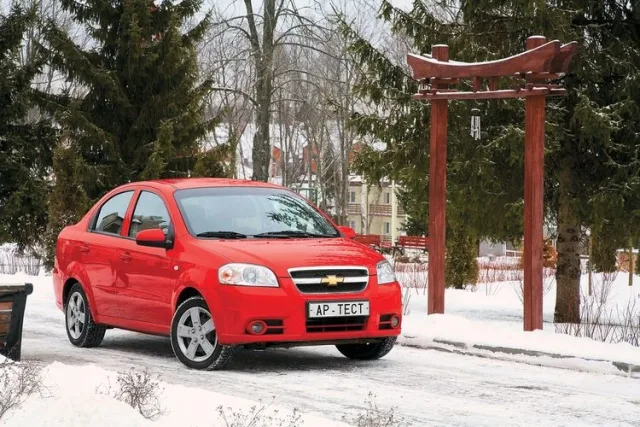
That year there was no snow not only in Moscow but also in Tula, so the studs had to clatter on bare asphalt. Understandably, this affected the handling assessment, but in these equally challenging conditions, sympathies more often leaned toward the Chevrolet Aveo and Renault Symbol. In the city and on the highway, the Aveo follows the steering wheel adequately: moderate body roll, moderate sensitivity, moderate steering effort — the result is predictable behavior, without excitement but also without strain. The only things that knock the car off course at high speed are ruts, crosswinds, and uneven asphalt.
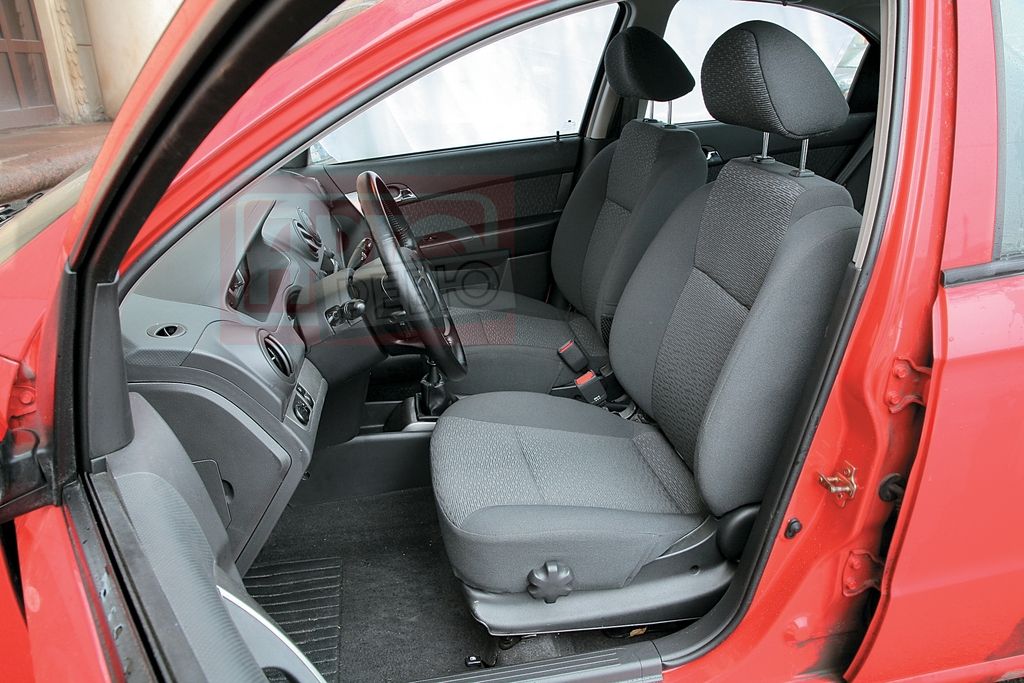 | 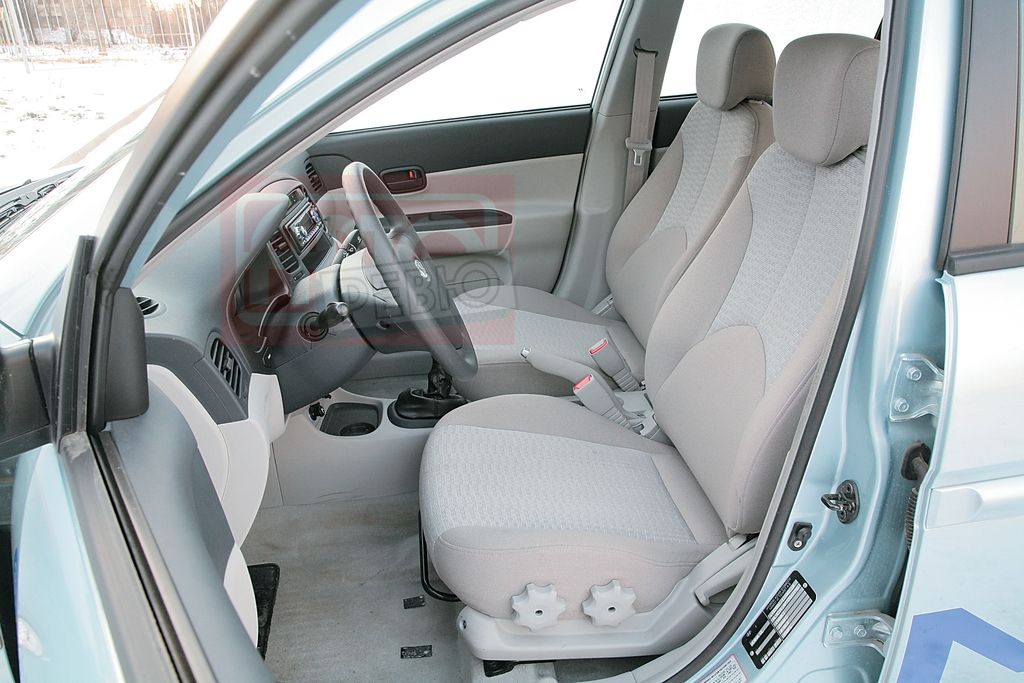 |
| Chevrolet Aveo Soft seat with a pleasant shape | Hyundai Verna The firm seat has one more adjustment than competitors, but adjustment ranges are limited |
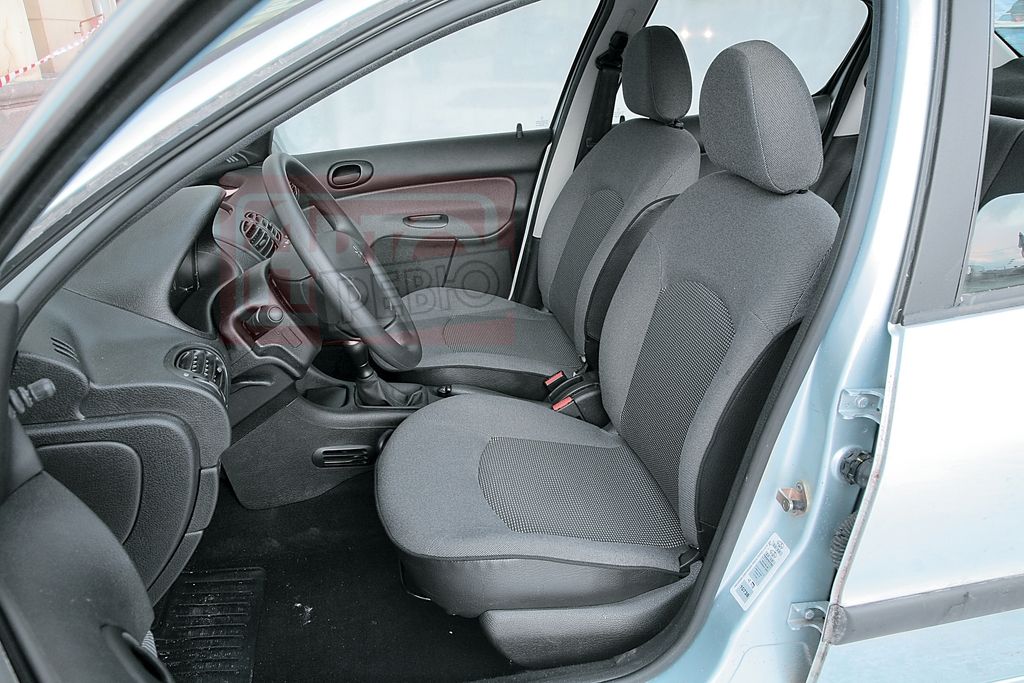 | 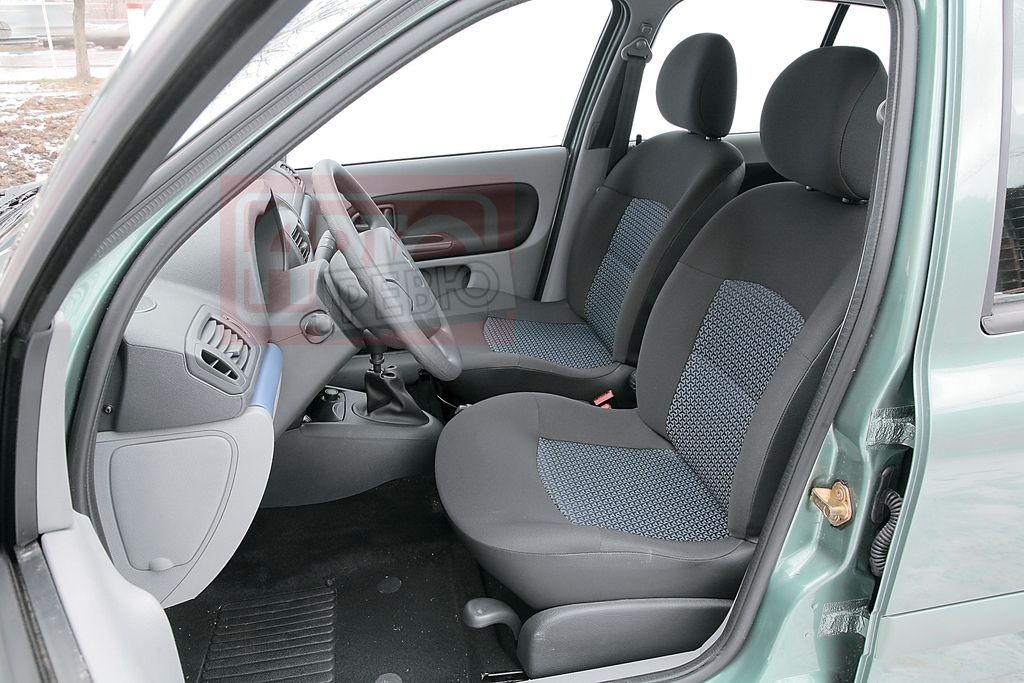 |
| Peugeot 206 Sedan To raise the seat, you have to bounce on it | Renault Symbol Very similar to the Peugeot |
The Renault Symbol holds its course noticeably more stably, largely thanks to the deliberately reduced steering sensitivity. But in the city, this turns into an inconvenience: you have to turn the wheel too often. And in an emergency, the "long" steering wheel can hinder a quick obstacle avoidance — and there are plenty of obstacles on Tula's roads.
 |  |
| Chevrolet Aveo | Hyundai Verna |
 |  |
| Peugeot 206 Sedan | Renault Symbol |
| For rear passengers, the Korean cars are preferable — they have more space and more amenities. The most cramped is the Renault Symbol. All cars have three three-point seat belts and three headrests in the back (for the Peugeot, headrests are available at extra cost) | |
The Hyundai Verna is the only one in this quartet with electric power steering; the others have classic hydraulics. And it's the one with the maximum "assistance coefficient": in parking and city traffic, the wheel turns literally with one finger. At low speeds, this is convenient, and the lack of feedback is almost unnoticeable. But as soon as you hit the highway and accelerate to 100 km/h, confidence evaporates. On a straight line, the Verna holds well, but in a corner, a split personality emerges: as body roll increases, the car "screws" into the arc more and more, and here the artificial steering effort becomes a clear hindrance.
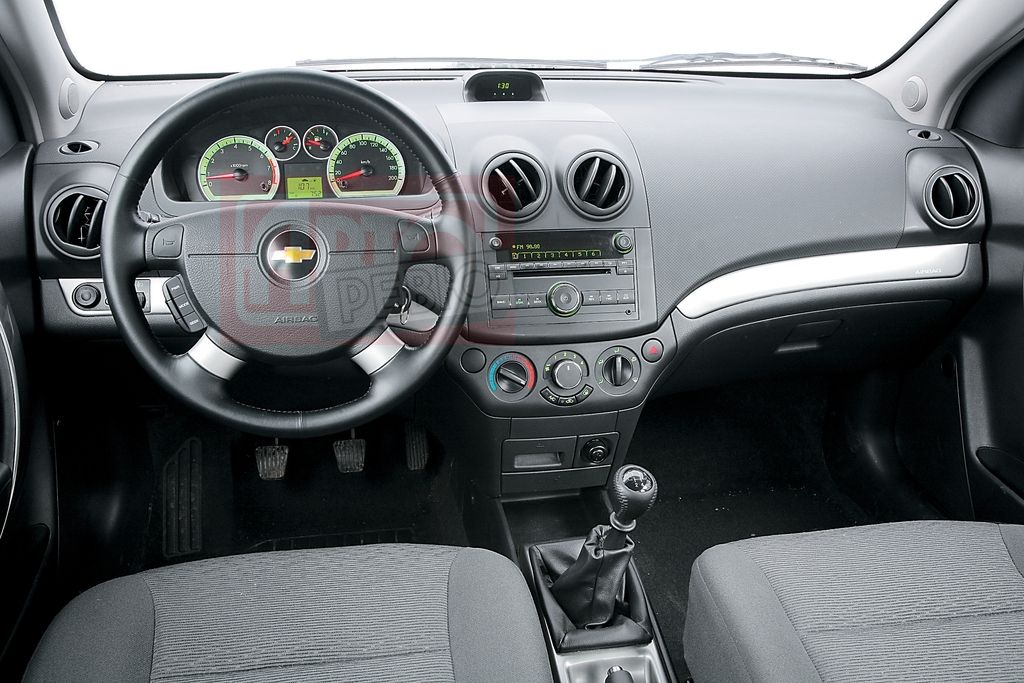 | 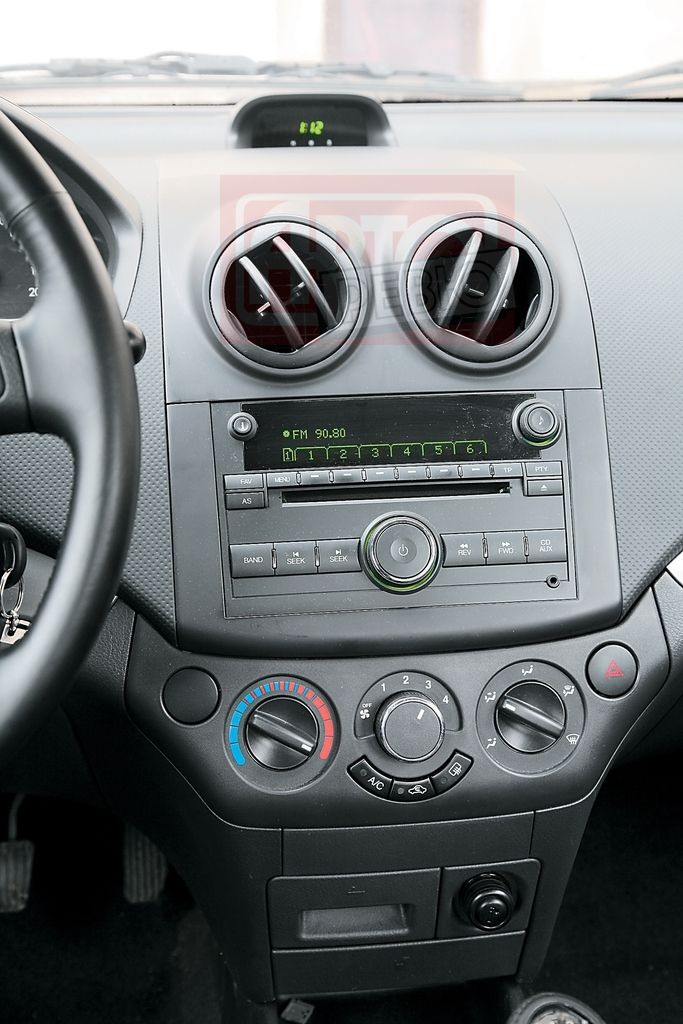 | 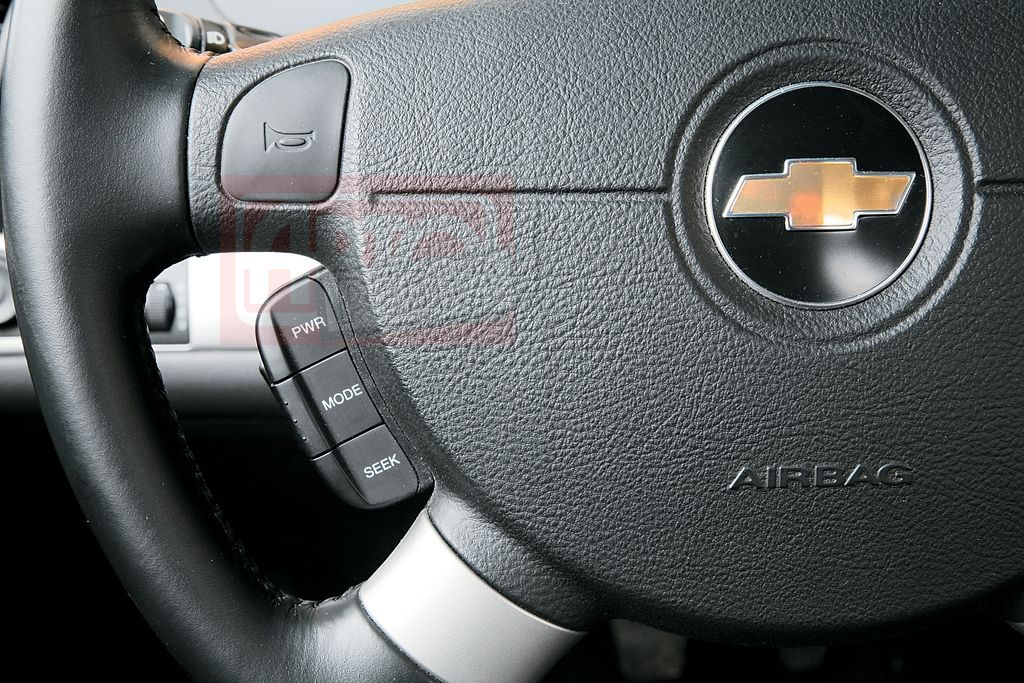 |
| The Aveo's front panel looks soft but is actually made of hard plastic | Audio system with CD/mp3 player is standard equipment for the Aveo | The "leather" steering wheel with audio controls is only for expensive versions |
And what about the Peugeot? Knowing how the hatchback's chassis is tuned, we had predicted the sedan would win in handling. And we were badly mistaken. The sedan surprised us with a vague steering wheel, blurred reactions, and low sensitivity. But the most unpleasant thing is the stepwise responses. First, the car leans and deviates from the trajectory, and the actual change in course begins only after a second, when the rear suspension comes into play. At speeds over 100 km/h, it becomes truly unsettling: the car suddenly lurches to the side… On the way back to Moscow, we almost drew lots to decide who would have to drive this car. Maybe the Iranian assembly is to blame? The rear suspension here is the same as on the Peugeot 206 SW wagon — torsion beams with additional oblique arms. But the French-assembled wagon drives much better! So it's a matter of spring and shock absorber tuning. And the body, welded in Iran, seems insufficiently rigid. We conducted an experiment: we parked all cars with one wheel on a 15-centimeter curb and checked how the doors opened. The Peugeot 206's front doors jammed — the body had twisted! There was slight jamming on the Renault too, but the Koreans withstood the provocation — the doors opened flawlessly.
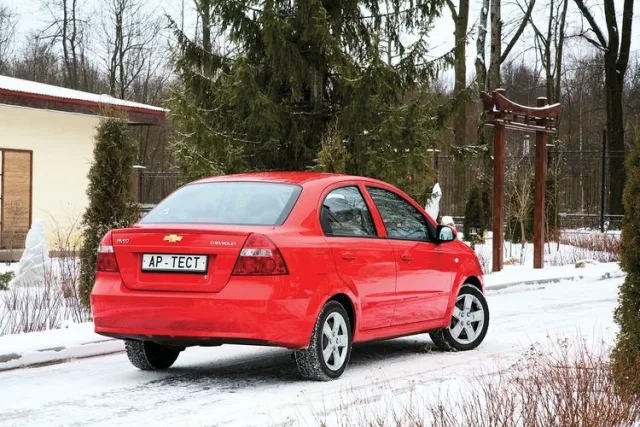
Oh, these roads… What ride comfort can there be — just enough to dodge a pothole and not damage the wheels. And here, unexpectedly, the Symbol turned out to be the best. Its suspension smooths out bumps noticeably better: minimal impacts, minimal pitching. And there's less noise in the cabin than in rivals. In terms of comfort, it's the clear leader of the test. Confidence on Tula's broken roads was also boosted by the largest ground clearance — 165 mm versus 140–145 for competitors, plus a metal sump guard as standard.
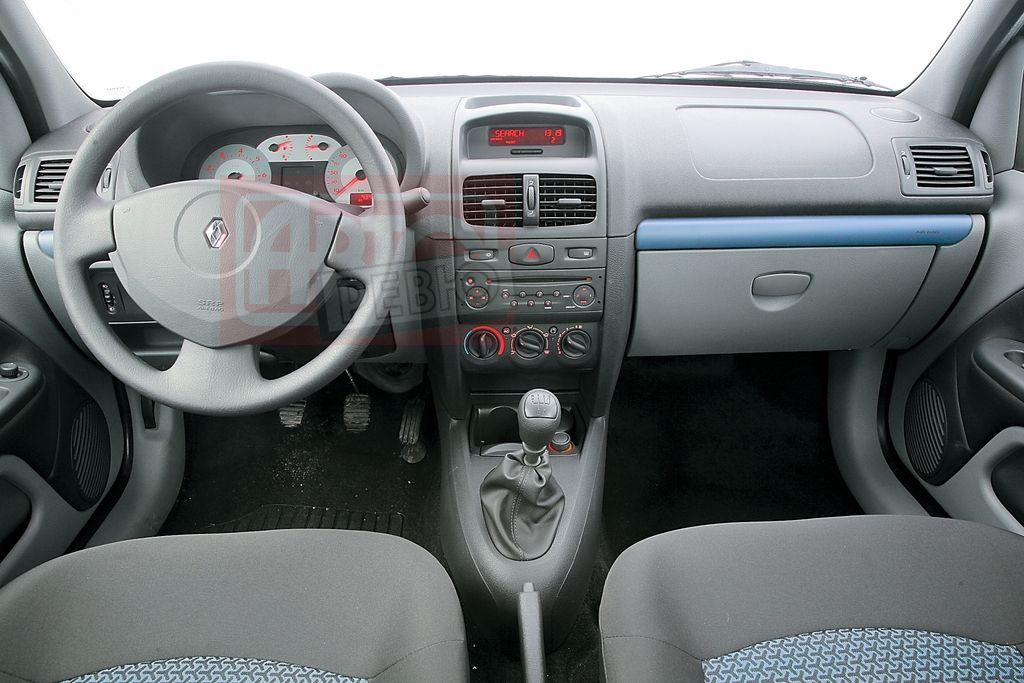 | 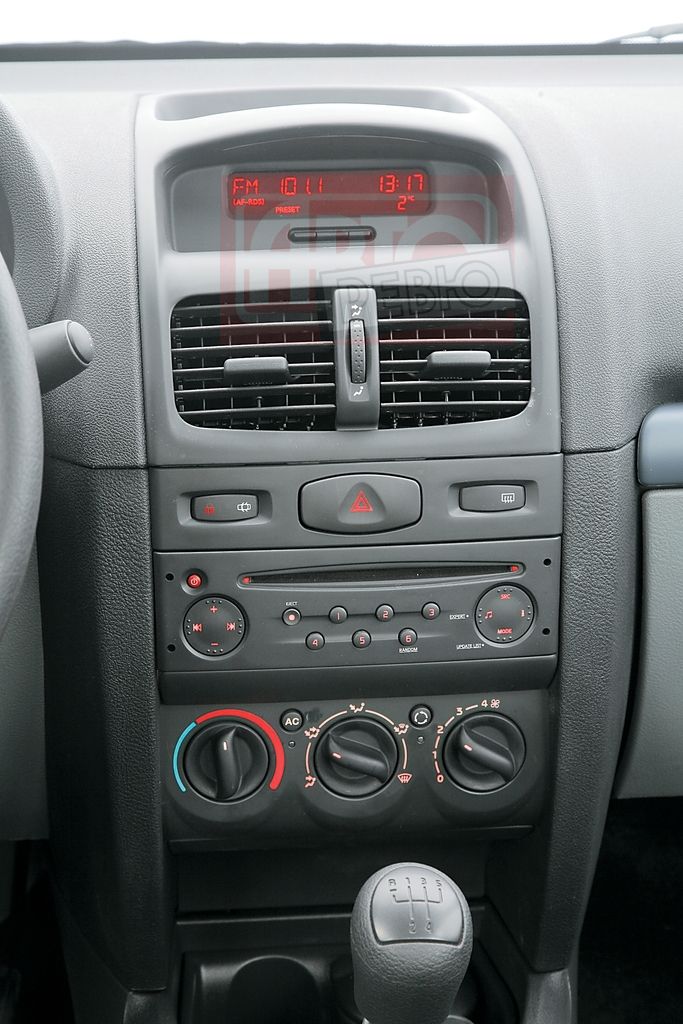 | 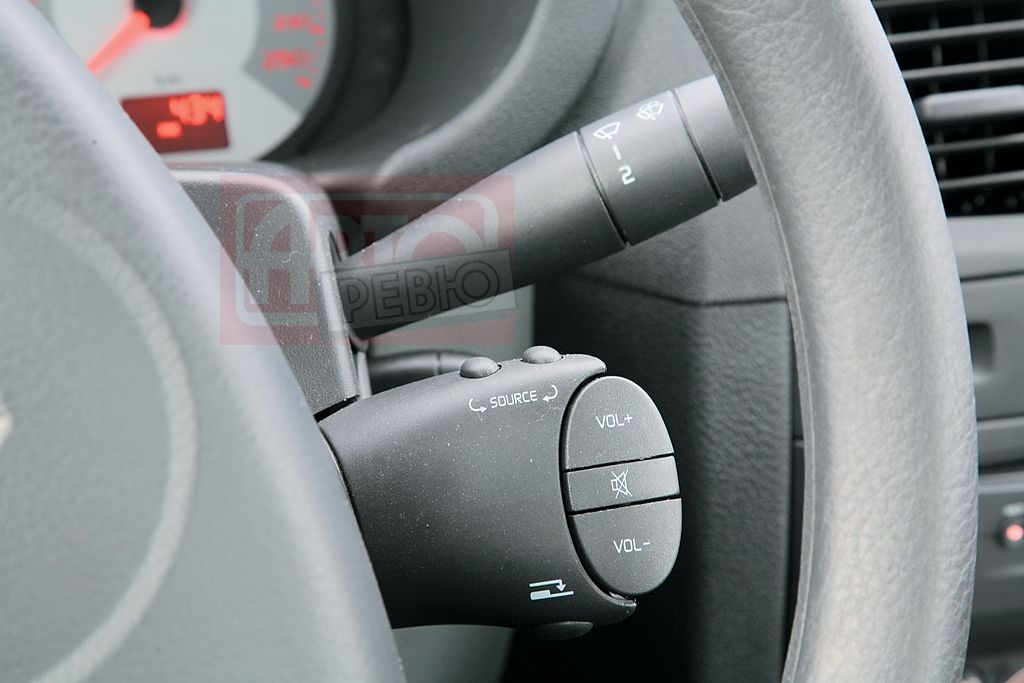 |
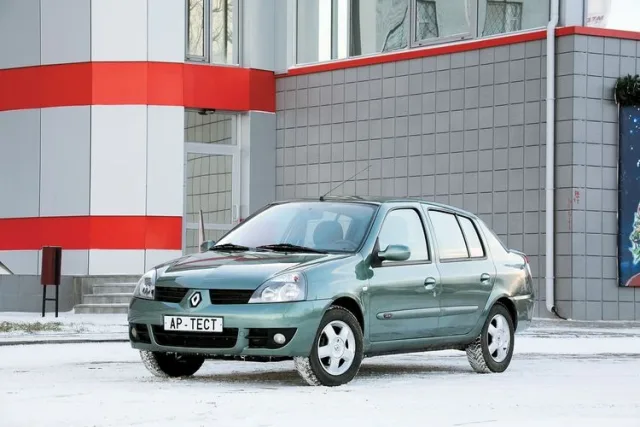
| Even after the facelift, the Symbol's interior is a bit dull. And at night — it's also gloomy… | Three rotary knobs — a unified standard for climate control in budget cars | To the right of the steering wheel — a convenient control panel for the audio system |
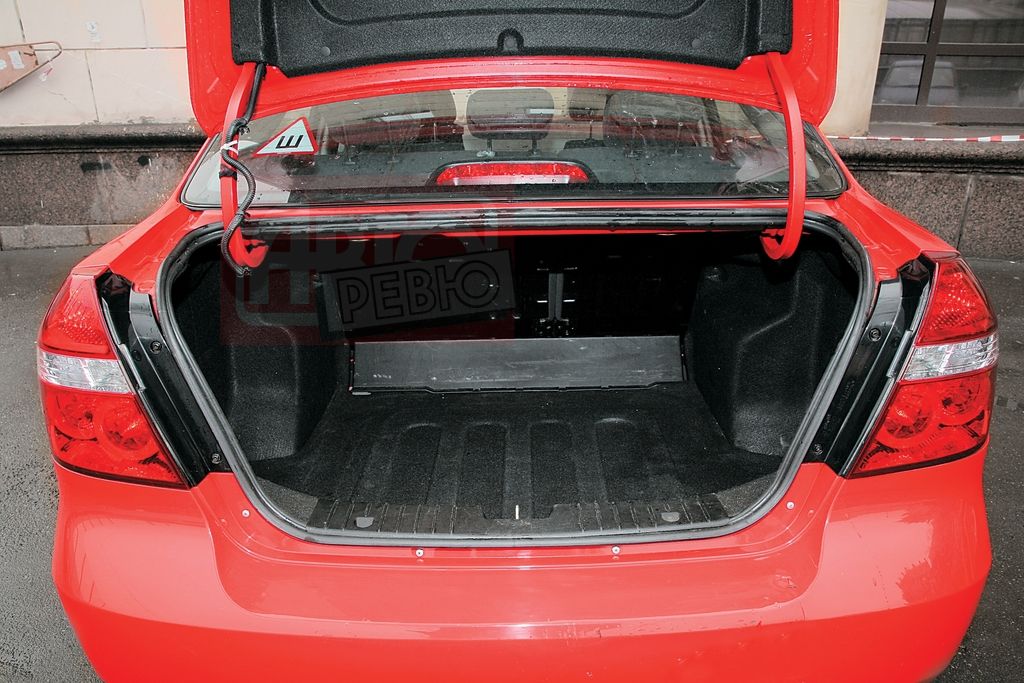 |  |
| Chevrolet Aveo | Hyundai Verna |
 |  |
| Peugeot 206 Sedan | Renault Symbol |
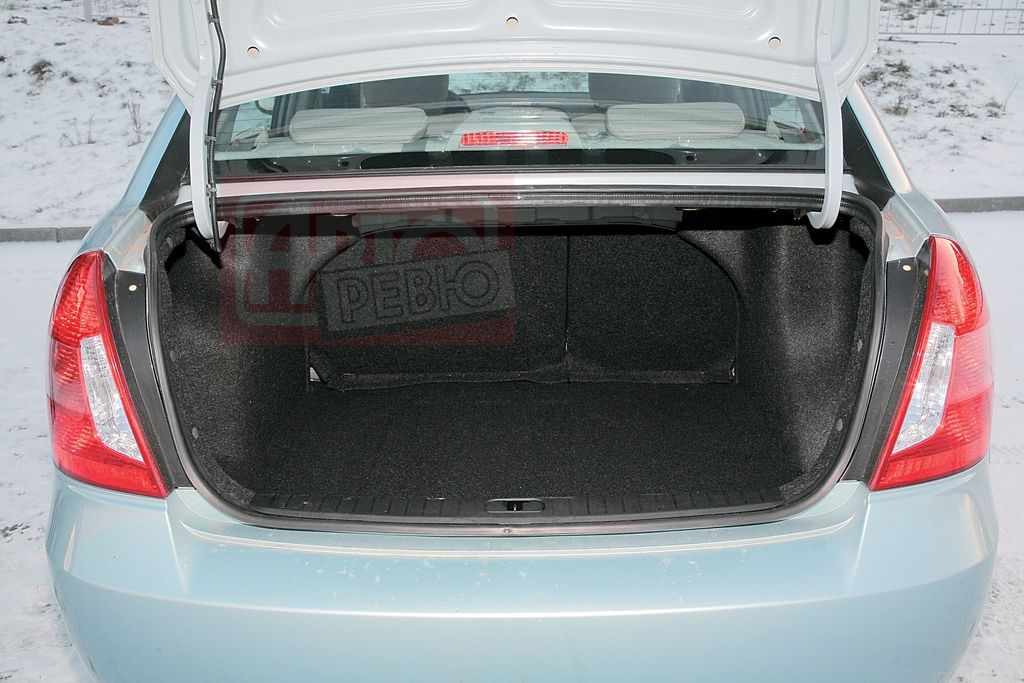
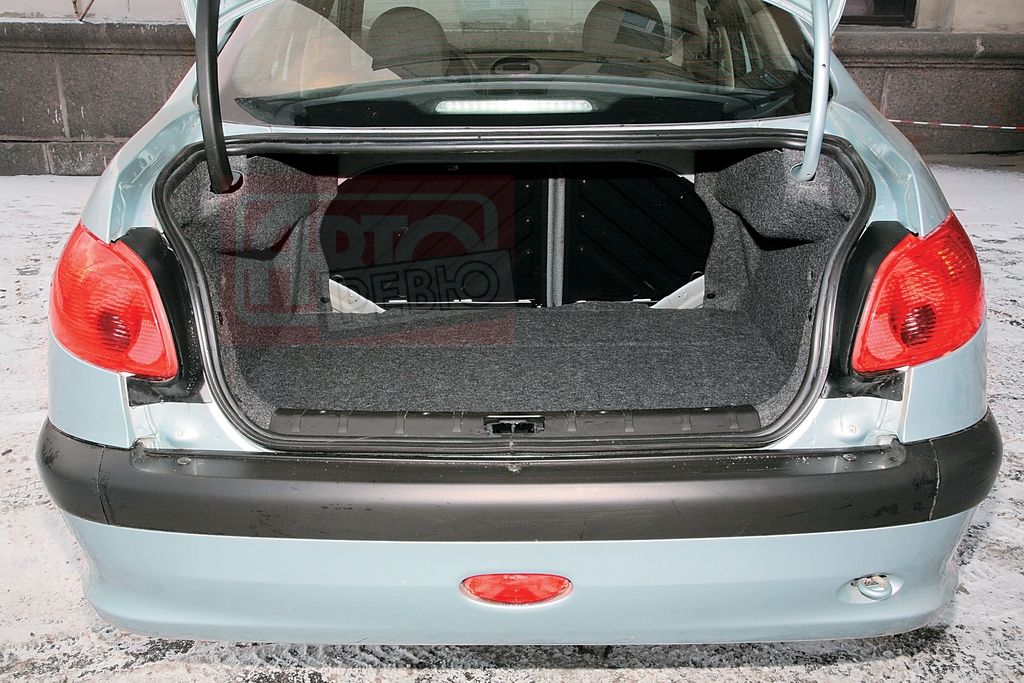
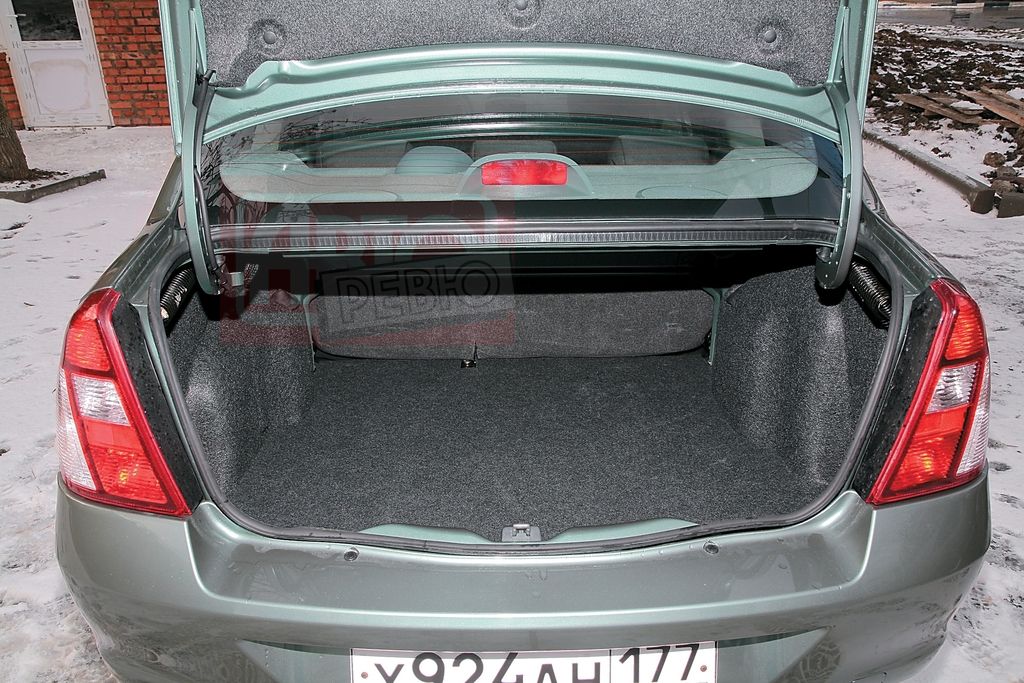
| The most spacious trunk in the class is still offered by the Renault Symbol — 510 liters! The other three have smaller trunks: by 100–120 liters | |
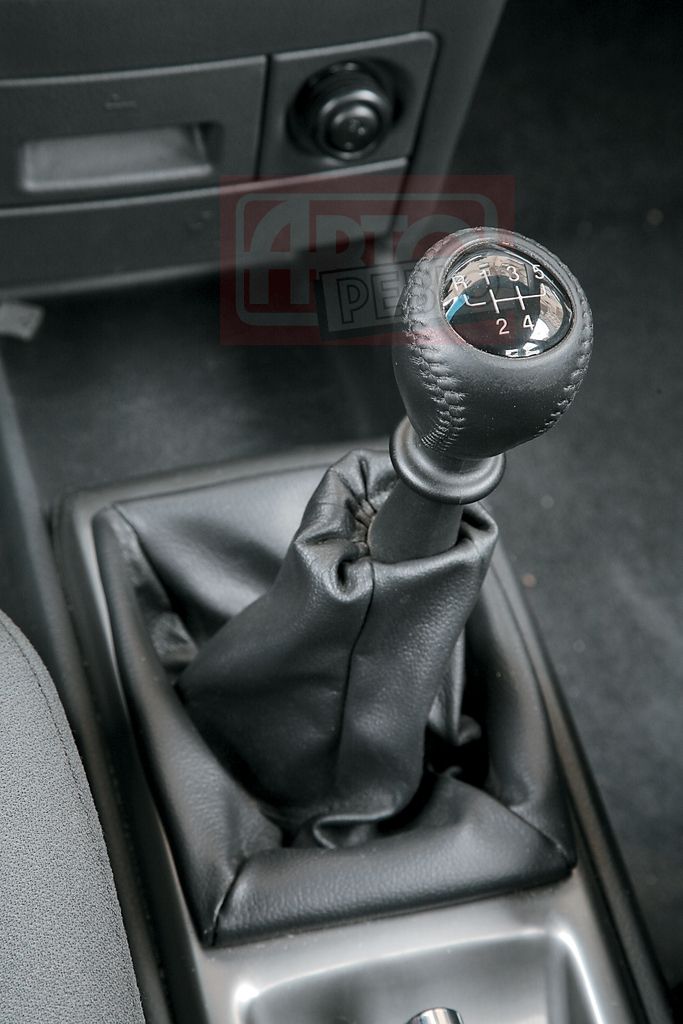 | 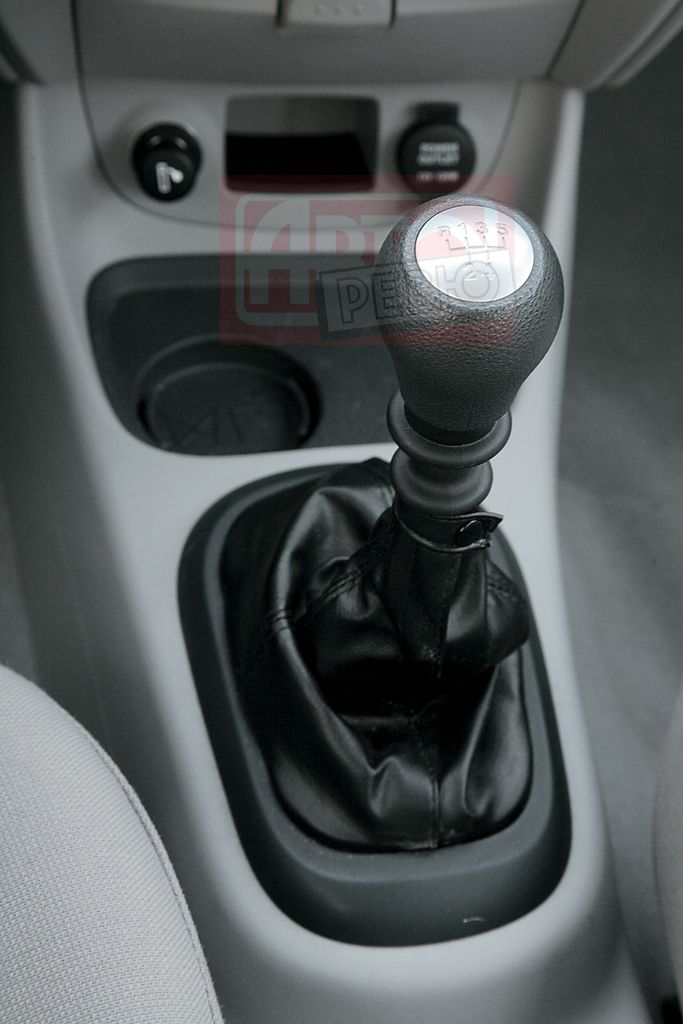 |
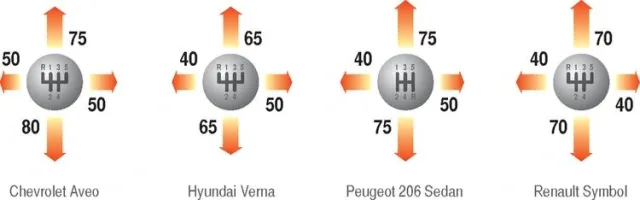
| Stiff synchronizers — a bane of the Aveo's gearbox | The Hyundai has light and precise gear changes |
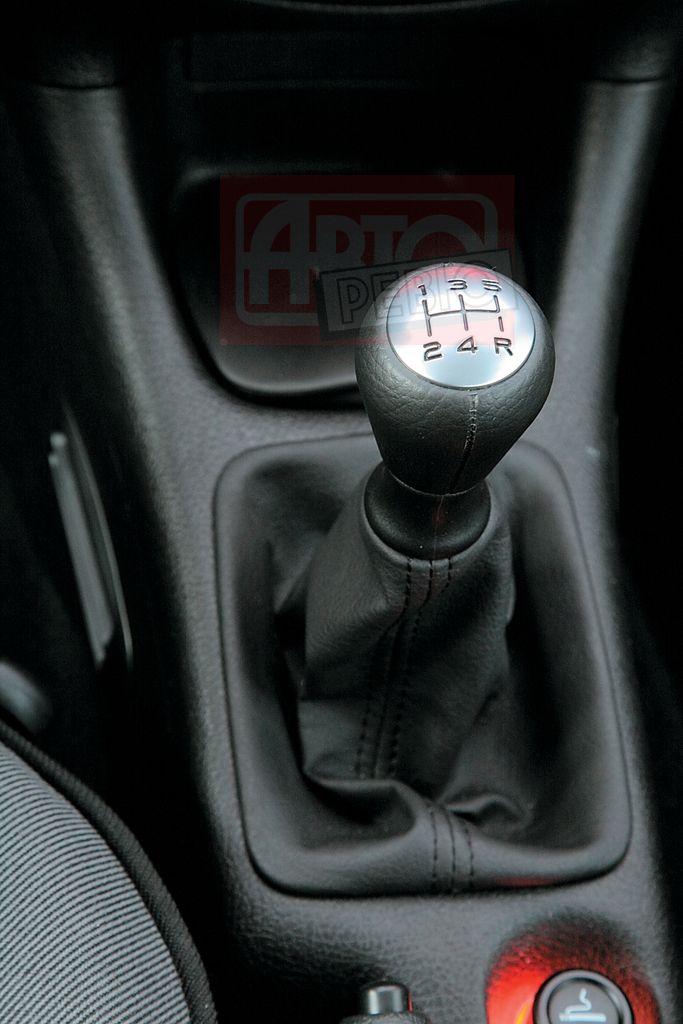 | 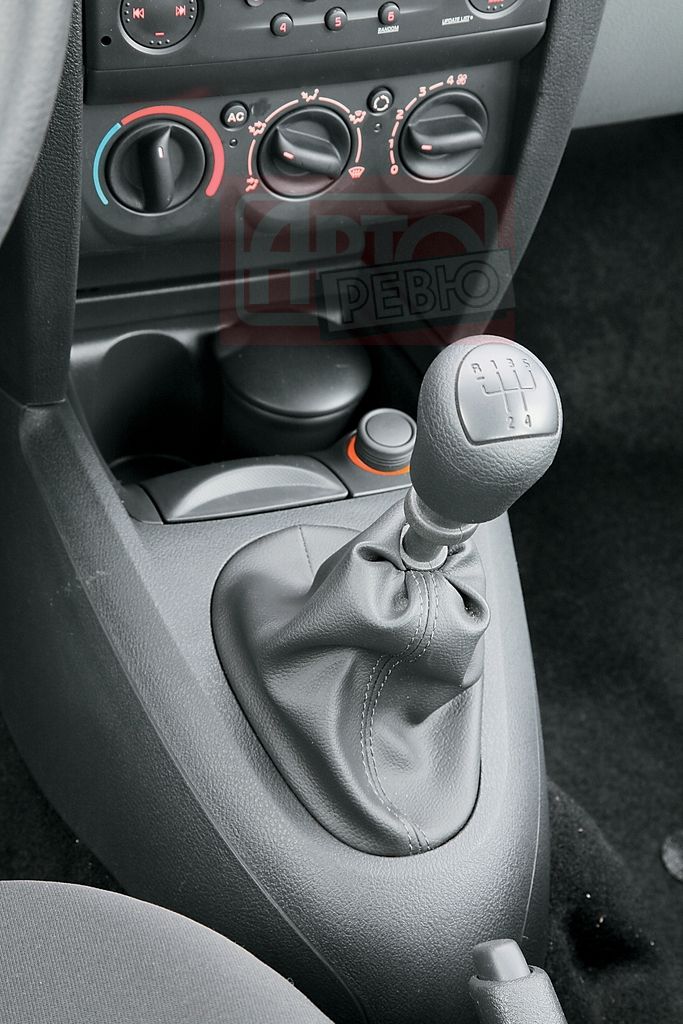 |
| The Peugeot's lever has long throws | The Symbol, like the Verna, pleases with good gear changes |
 |  |
| Chevrolet Aveo | |
 |  |
| Hyundai Verna | |
 |  |
| Peugeot 206 Sedan | |
 |  |
| Renault Symbol | |
| To assess the transformation of the interiors, we tried to fit a two-meter stepladder in each car. This proved most difficult in the Symbol — the rear seat folds as a single piece, and the body reinforcement blocks half of the opening between the trunk and the cabin | |
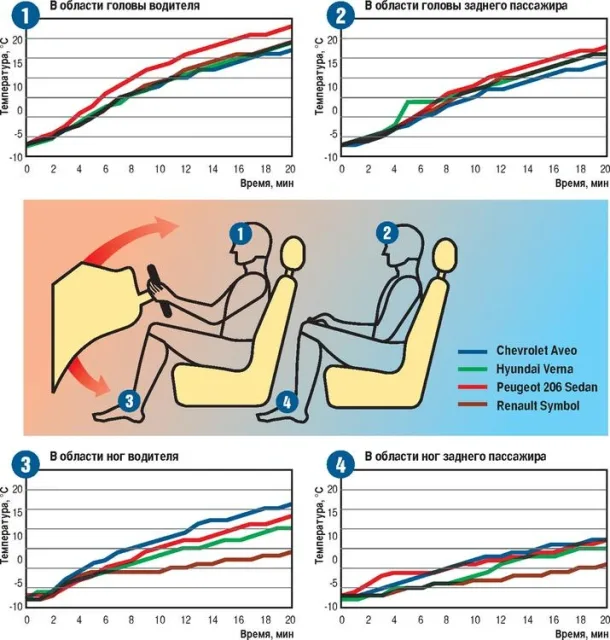
Air temperature dynamics
Are they safe?
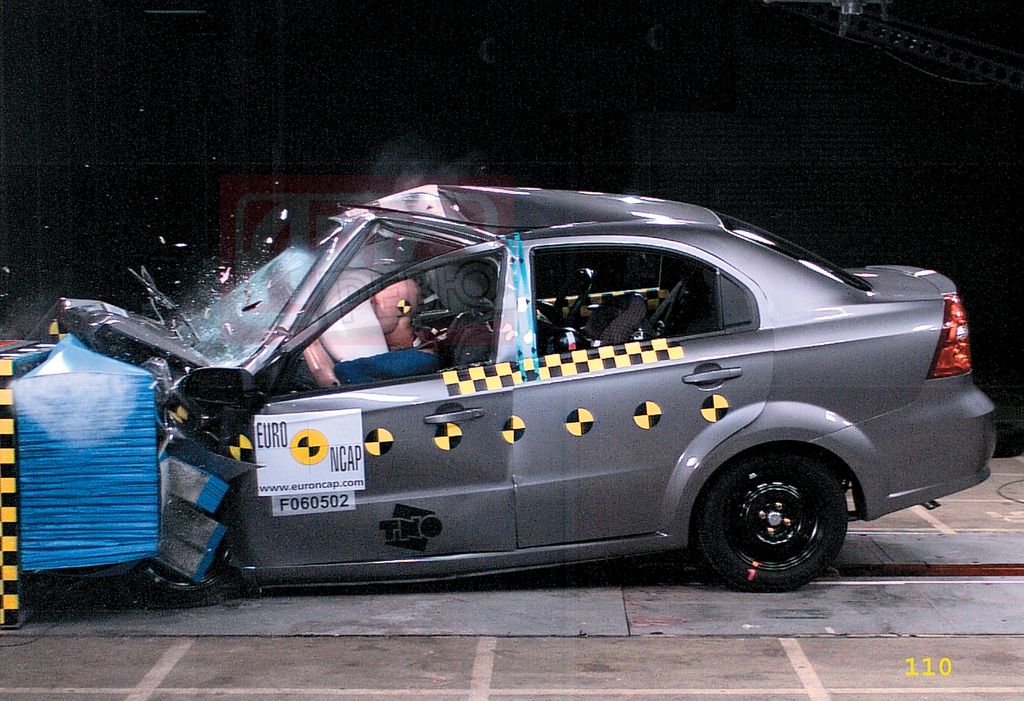
Of the entire quartet, only the Chevrolet Aveo has undergone full EuroNCAP crash tests — and the result, unfortunately, is disappointing. In a frontal impact, the passenger compartment "cage" deformed significantly, the driver dummy hit its chest on the steering wheel hub and rim, and its knees on the hazardous dashboard and ignition lock. Additionally, the legs were at risk due to the clutch pedal, which moved 237 mm rearward. The result — only 3 points out of a possible 16 for the frontal crash test. However, the Aveo protected child passengers well and passed the side impact successfully. Interestingly, before the facelift, the Aveo hatchback scored higher in the frontal crash test — 6 points. The Peugeot 206 tested by EuroNCAP in 2000 was a three-door hatchback of French assembly. It performed well — four out of five stars. But how the Iranian sedan holds up in a crash is unknown. We only know that in base trim, the sedan, like the hatchback, is equipped with two airbags. As for the Turkish Renault Symbol, we crashed it ourselves according to the EuroNCAP methodology at the Dmitrov test site (see AR No. 17, 2002) — in a frontal impact, the car scored 11 points out of a possible 16. The Symbol owes its good result to a sturdy body and the coordinated work of its restraint systems. By the way, the Renault Clio hatchback also scored 11 "frontal" points in EuroNCAP tests. The Hyundai Verna has so far only been tested in America. It passed a full-width frontal impact into a concrete wall at 56 km/h with flying colors. However, side impact protection was lower — four out of five stars for the driver and three for the rear passenger.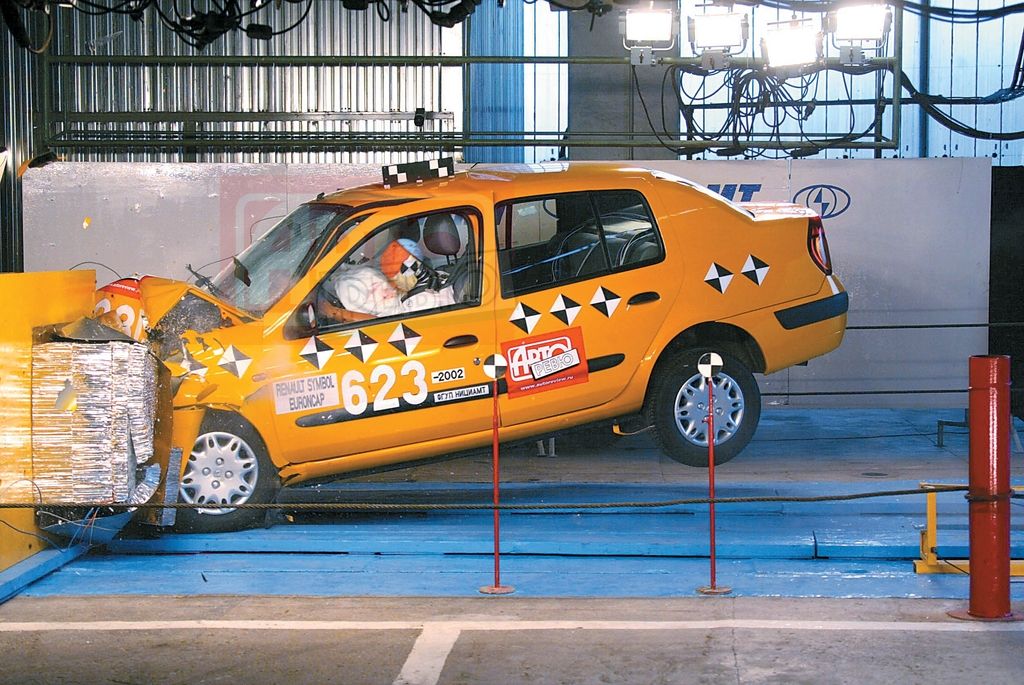 | Renault Clio (hatchback, 2000) | ★★★★☆ |
| Points | 26 | |
| Frontal crash test | 11 points (69%) | |
| Side crash tests | 15 points (83%) | |
| SRP* | 1 point | |
| Pedestrian protection | 13 points (36%) | |
| Child passenger protection | — | |
| Curb weight | 925 kg |
 | Chevrolet Aveo | ★ |
| Points | 21 | |
| Frontal crash test | 3 points (19%) | |
| Side crash tests | 17 points (94%) | |
| SBR* | 1 point | |
| Pedestrian protection | 19 points (53%) | |
| Child passenger protection | 39 points (80%) | |
| Curb weight | 1134 kg | |
| * SBR — seat belt reminder | ||
What else?
If you are considering inexpensive sedans, it is worth considering the Renault Logan with a 1.6 engine (90 hp). In the Expression trim, which includes a driver airbag, power steering and front electric windows, it costs $11,000. For the Privilege version with fog lights, central locking and an on-board computer, you will have to pay $12,300. The Logan has a good set of qualities: reliable assembly, a spacious interior, suspension that is not afraid of loads, and a wide dealer network. The main drawback is that the rear seat cannot be folded. Details — in AR No. 13—14, 2005 and AR No. 2, 22, 2006.
Iran Khodro Samand, built on the basis of the Peugeot 405, with a 1.8-liter engine (100 hp) costs at least $11,650. The basic Basic version for $10,950 is not available everywhere and only on order. Standard equipment includes power steering, power windows and air conditioning, but even in expensive versions there are no airbags or Isofix mounts. The car is spacious, but problems with brakes and ergonomics, as well as poor build quality, negate decent handling and comfort. More details — in AR No. 22, 2006.
The Hyundai Accent (1.5 L, 102 hp) from Taganrog costs more — from $12,240 for the base version with air conditioning, power steering and a cassette radio. For the same money, you can get a version with a 90-horsepower single-cam engine of the same displacement, and versions with an automatic transmission start at $13,370. The Accent is suitable for those who value ride smoothness and confident handling, but you will have to put up with a boring interior, uncomfortable seats and a large steering wheel with a slippery rim. Details — in AR No. 13—14, 2005 and AR No. 13—14, 2006.
The Kia Spectra (1.6 L, 101 hp) is assembled in Izhevsk, price — from $13,000. The base includes power steering, two airbags and electric windows. The version with an automatic transmission is $2,350 more expensive. The car is plain — both outside and inside, although the ergonomics have no obvious flaws. On the move, the Spectra is noisy and rolly: it sways on waves, shakes on hard bumps. A tendency to skid is also noticeable. More details — in AR No. 21, 2004 and AR No. 22, 2006.
The Skoda Fabia also deserves attention. The version with a 1.4 engine (80 hp) in the Classic trim (one airbag, power steering) costs $14,790. With an automatic transmission — from $16,990, an additional $2,200. The car pleases with precise handling, but ride smoothness is sacrificed. The build quality is excellent. True, the Fabia is already on its way out: sales of the new generation will start in the second half of the year. Details — in AR No. 17, 2004.
The second-generation Kia Rio (1.4 L, 97 hp) looks fresher and more elegant, but also costs more — from $15,130. The base includes air conditioning, power steering, a driver airbag and power windows. The version with an automatic transmission — from $17,560. The Rio pleases with a comfortable driver's seat and confident behavior on the road. Overall, it is a very balanced car. More details — in AR No. 13—14, 2006.
Recently, two more models of this class have appeared on the Russian market, and we plan to test them in the near future.
Hafei Princip (1.6 L, 101 hp) — from $14,760. Even in the base version, the "Chinese" has air conditioning, power steering and a cassette radio.
Fiat Albea — a Russian sedan with a 1.4 engine (77 hp) and only a manual transmission. Price — from $11,910. The base equipment includes one airbag and power steering.
What costs how much?
The Chevrolet Aveo starts at $11,280 for the base Direct version with a 1.2 engine (72 hp), which includes a driver airbag, central locking, a CD radio and front electric windows. With a 1.4 engine (94 hp) — already with air conditioning and power steering — $13,330. The Plus trim adds ABS and a passenger airbag for $14,000. The Premium version (power windows, side airbags, alloy wheels, leather steering wheel and gear lever) — $15,160. The top version with a four-speed automatic and climate control — $17,160. You will have to wait a month for the car.
Warranty — 2 years without mileage limit. Chevrolet is sold by 77 dealers in 47 Russian cities.
The Renault Symbol in the modest Authentique trim (power steering, driver airbag) with an eight-valve 1.4 engine (75 hp) costs $12,000. The Expression version with air conditioning, central locking and front electric windows — $13,550. The Symbol with a sixteen-valve engine (98 hp) is also available in the Expression+ trim with a CD radio, power windows, heated mirrors and alloy wheels — $14,400. Climate control — an additional $320, ABS — $395, passenger airbag — $250. A four-speed automatic — only with the 98-horsepower engine in the Authentique ($13,800) and Expression+ ($15,400) trims. Dealers have cars in stock, but on order — three months of waiting.
Warranty — 2 years without mileage limit. Renault is sold by 93 dealers in 55 Russian cities.
The Peugeot 206 Sedan in the base XR version (1.4 L, 75 hp) is already equipped with two airbags, a CD radio, central locking, power steering and front electric windows — $12,500. Air conditioning — an additional $800. The XT trim for $14,750 — with climate control, power windows, ABS and alloy wheels. With a 1.6 engine (110 hp), the XT version costs $16,260. Automatic — an additional $1,250. The queue is four months.
Warranty — 2 years without mileage limit. Peugeot is sold by 33 dealers in 19 Russian cities.
The Hyundai Verna (1.4 L, 97 hp) is one of the most expensive in its class: from $14,290. The base includes only a driver airbag, power steering, central locking and audio preparation. With air conditioning and electric windows — $15,490. ABS, heated front seats, passenger airbag and power-adjustable and heated mirrors — another $1,300. A four-speed automatic — an additional $1,000. There are no queues.
Warranty — 3 years or 100,000 km. Hyundai is sold by 78 dealers in 47 Russian cities.
Visibility
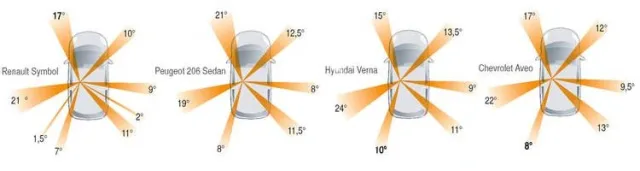
The body pillars on none of the four cars obstruct the view. Even on the Peugeot 206 with its widest front pillars, you don't notice any "dead" zones at intersections. When assigning visibility ratings, we primarily looked at the convenience of the exterior mirrors — it is because of them that the Hyundai Verna received a high score, while the Peugeot 206 and Renault Symbol received lower ones.
Autoreview readers' forecast
Before the test, visitors to www.autoreview.ru answered the question: "Which car from the participants would you choose?" The votes were distributed as follows:
Hyundai Verna 43.18%
Peugeot 206 Sedan 28.21%
Chevrolet Aveo 16.94%
Renault Symbol 11.67%
A total of 9,351 people voted.
Autoreview final ratings
In this test, we decided to find out which of the four available golf-class sedans assembled in Russia and neighboring countries would be the best purchase. The participants were the Chevrolet Aveo, Hyundai Verna, Peugeot 206 Sedan and Renault Symbol. To put them on equal footing, we selected cars with engines of about 1.4 liters and a manual transmission.
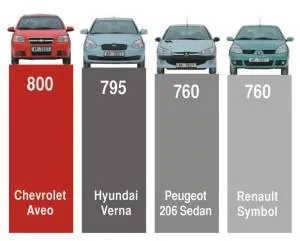
After a thorough expert assessment and testing in real road conditions, the balance of power became quite clear. In terms of total points, the Chevrolet Aveo leads by a small margin. It scored 800 points out of a possible 1000, five points ahead of the Hyundai Verna. The French Peugeot 206 Sedan and Renault Symbol closed the table, sharing last place with a result of 760 points each.
I'll start with the design, which for many buyers is almost a decisive factor. Here, the Aveo and Verna look the most modern and interesting, receiving 130 points each. The Hyundai's exterior seemed to me even a little more attractive, but the Chevrolet's interior is more spacious and thoughtful. The Peugeot 206, despite the age of the model, still looks quite good, but the cabin is already morally outdated. The outsider in design was the Renault Symbol — its appearance and interior look the most simple and archaic, for which it received only 115 points.
From the point of view of ergonomics, the best was the Hyundai Verna with 140 points. It is followed by the Aveo with a small margin (135 points). Both cars have a comfortable driver's seat and good visibility, but the Korean has slightly better front seats. But the Peugeot and Renault have questions about the seating position — they got 125 points each. The "Frenchman" is a bit cramped on the left due to the protruding wheel arch, and the "German" has a steering wheel that is not adjustable for tilt in the base version, although in our test car it was adjustable.
Acceleration dynamics is one of the most important parameters for a city car. Here, the Chevrolet Aveo unexpectedly distinguished itself. With a claimed 11.1 seconds to 100 km/h, it turned out to be the most spirited in the company. I felt the best acceleration dynamics precisely behind the wheel of the Aveo. The Hyundai Verna, despite its greater power (97 hp), in reality turned out to be slightly slower (12.3 s), which is explained by a heavier body (1166 kg). The Peugeot with its 75-horsepower engine and 14.6 seconds is a clear outsider. But the Renault, producing 98 hp, accelerates almost as briskly as the Aveo — 11.2 seconds.
However, in terms of handling and stability on the road, I liked the Renault Symbol the most. Its steering wheel is filled with pleasant effort, and its reactions to driver inputs are precise and clear. The Chevrolet Aveo is also good, but its suspension seemed overly stiff on large bumps. Here lies the main compromise: the Renault has better ride smoothness, but its body roll in corners is greater.
As for the brakes, all four cars work predictably and effectively. However, the shortest braking distance was achieved by the Chevrolet Aveo and Hyundai Verna. Rear drum brakes have long been the standard in this class, so there is nothing surprising about that.
Ride comfort is a complex concept. Here I would highlight the Renault Symbol (155 points). It has the most energy-intensive suspension, which absorbs potholes and joints best of all. The Hyundai Verna (140) and Peugeot (145) are in the middle, while the Aveo (150) is the stiffest of the four, but its drawback is compensated by decent sound insulation. In terms of acoustic comfort, the Renault and Peugeot turned out to be the quietest, while the Aveo and Verna are a bit noisy at speed.
Cabin space is another key criterion. The Chevrolet Aveo and Hyundai Verna offer the most room for rear passengers, scoring 160 points each. They are followed by the Peugeot with 155 points, while the Renault Symbol (145) is the tightest in the back. The trunk is a strong point of the Renault: its volume is an impressive 510 liters. The others have less: 400 liters for the Aveo, 390 for the Verna, and 384 for the Peugeot.
The equipment of the test cars varied greatly. The base price at the time of the test was lowest for the Renault Symbol ($12,000) and highest for the Hyundai Verna ($14,290). However, when comparing trim levels, it turned out that for the money, the buyer gets a different set of options. For example, air conditioning is standard only on the Chevrolet Aveo, while on the others it was offered for an extra charge.
To sum up, the Chevrolet Aveo is the best choice for those seeking an optimal balance of price, dynamics, and spaciousness. It scored 800 points and deservedly won this test. The Hyundai Verna, although it lost by only 5 points, proved to be a more comfortable and balanced car, but its price with options turned out to be the highest. The Peugeot 206 Sedan loses in dynamics and equipment, and the Renault Symbol in cabin space and ergonomics.
The final choice depends on priorities: if you need maximum space and don't mind a stiff suspension, take the Aveo. If you want comfort and smoothness, and rear passengers are not a priority, take a closer look at the Renault Symbol.
| Cost of scheduled maintenance with consumables and parts* | ||||
| Scheduled maintenance | Cars | |||
| Chevrolet Aveo | Hyundai Verna | Peugeot 206 Sedan | Renault Symbol | |
| Cost per labor hour | 35 | 40 | 45 | 41 |
| Mileage, km | ||||
| 7500 | — | 163 | — | — |
| 15000 | 122 | 321 | — | 169 |
| 20000 | — | — | 141 | — |
| 30000 | 250 | 359 | — | 169 |
| 40000 | — | — | 225 | — |
| 45000 | 291 | 378 | — | 169 |
| 60000 | 390 | 680 | 141 | 528 |
| 75000 | 170 | 314 | — | 169 |
| 80000 | — | — | 225 | — |
| 90000 | 423 | 427 | — | 249 |
| Total | 1646 | 2642 | 732 | 1453 |
| * Prices are in US dollars | ||||
| Approximate prices for original parts at Moscow dealers* | ||||
| Parts | Cars | |||
| Chevrolet Aveo | Hyundai Verna | Peugeot 206 Sedan | Renault Symbol | |
| Oil filter | 6 | 7 | 17 | 6 |
| Fuel filter | 16 | 65 | 15 | 14 |
| Air filter | 17 | 14 | 16 | 16 |
| Spark plug | 7 | 6 | 11 | 6 |
| Front brake pads | 79 | 103 | 87 | 74 |
| Rear brake pads | 50 | 95 | 110 | 83 |
| Timing belt | 96 | 76 | 102 | 94 |
| Front headlight | 318 | 284 | 208 | 255 |
| Rear taillight | 98 | 124 | 83 | 111 |
| Front fender | 174 | 129 | 144 | 136 |
| Front bumper | 359 | 243 | 265 | 357 |
| Hood | 367 | 274 | 348 | 277 |
| Windshield | 265 | 531 | 265 | 229 |
| * Prices are in US dollars | ||||