
Again a test site, again small cars and again extreme driving.
A couple of years ago, the Daewoo Matiz inspired awe by performing maneuvers on two wheels (see AR No. 16, 2004), and now its successor, the Chevrolet Spark, is pulling off similar stunts: if Yaroslav Tsyplenkov had reacted a bit slower, the Spark would have flown into the final corridor of the "moose test" not sideways, but already on its roof. When Yaroslav switched to the Peugeot 107 and Fiat Panda, he fastened his helmet with particular care…
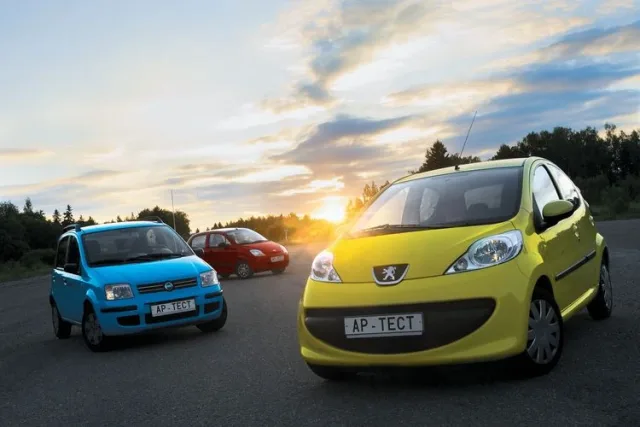
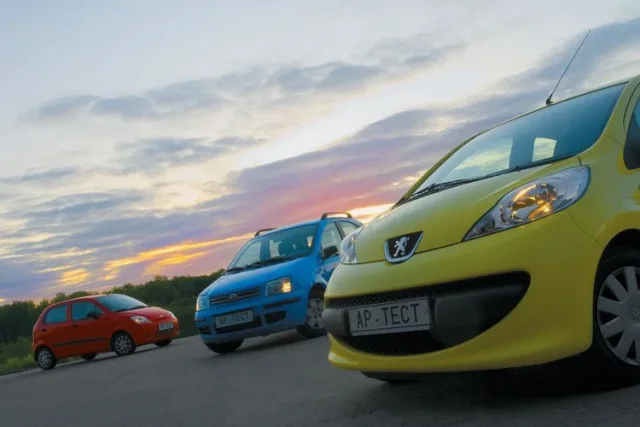
 In Russia, the demand for tiny cars remains unchanged — that is, consistently low. Last year, the A+ segment accounted for only 3% of all sales, and in the first six months of this year — 2.9%. The most sought-after model in the class remains the Daewoo Matiz: 18,066 units were sold in six months. The reason is clear: the Matiz from Uzbekistan costs from 195,000 rubles. But the Spark with the same 0.8-liter engine, but under the Chevrolet brand, will cost 234,400 rubles. However, this is not the limit either: the Peugeot 107 and Fiat Panda in base versions are priced at 299,000 and 320,000 rubles, respectively. A bit pricey? But they look both unusual and lively. Especially the yellow Peugeot with a wide "smile" on its face. A real little sun! Moreover, at first glance you can't tell: does it have three doors or five? It turns out, five! It's just that the rear doors are so cleverly disguised as body elements that you don't notice them right away. The rear part also surprises: instead of the traditional trunk lid, there's glass.
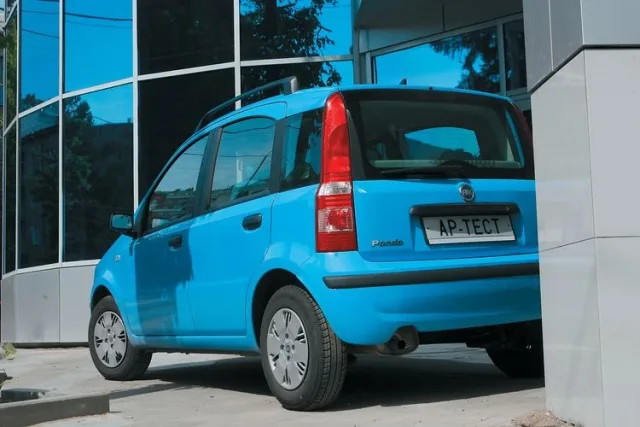
The Panda looks much more modest — a kind of box on narrow wheels. But it will delight those driving behind with long LED strips of taillights.
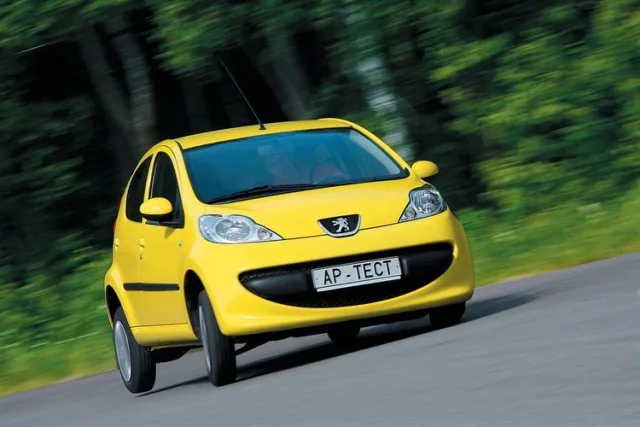
The lightning-fast reaction of the Peugeot doesn't let the driver relax
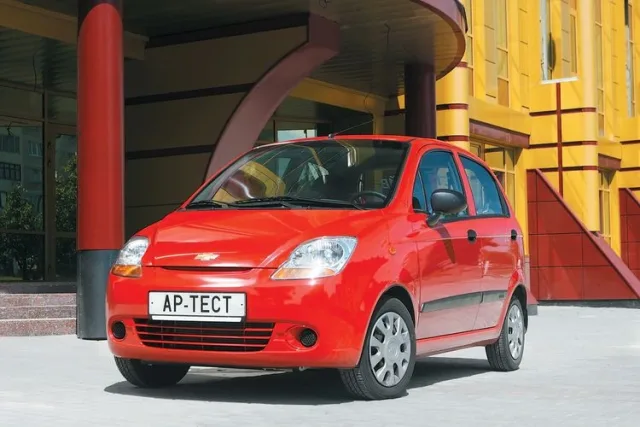
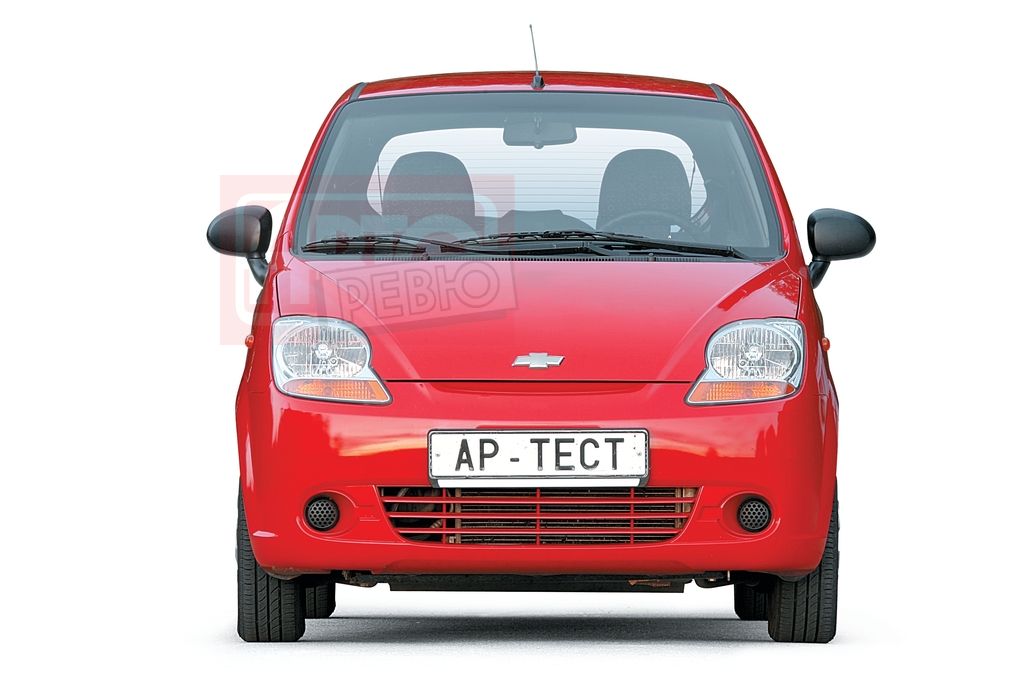
And the Spark, despite its fiery name (in English "spark"), doesn't spark at all: it's the same Matiz, period. Yes, different headlights, different side panels, but in essence — the same Matiz.
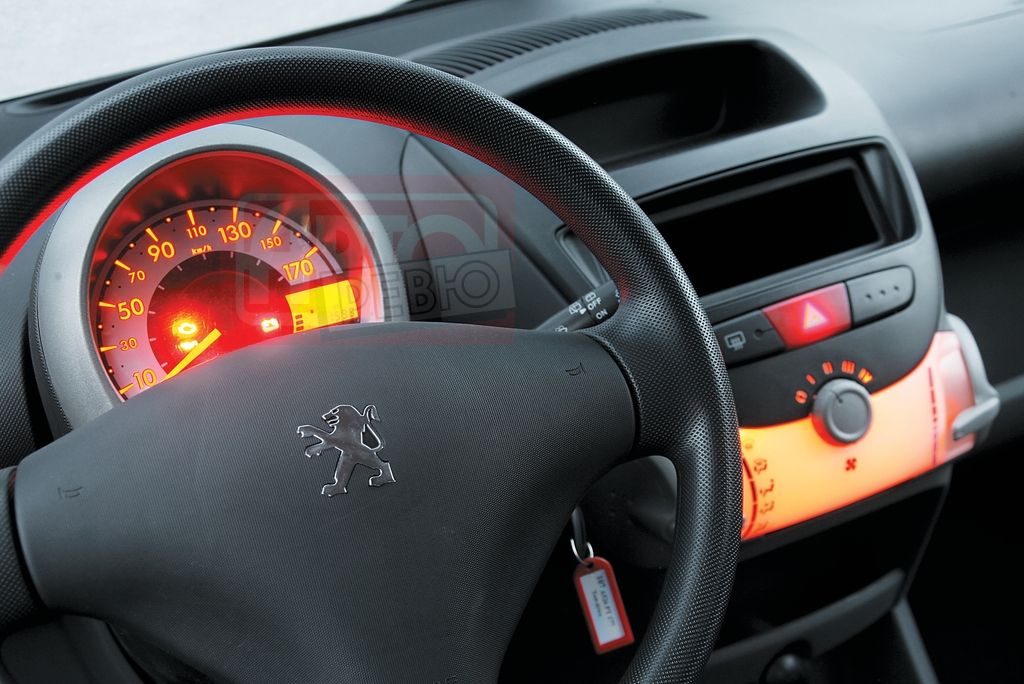
The Peugeot never ceases to amaze: among the usual instruments, there's only a speedometer, and built into its circumference are a liquid crystal fuel gauge and a row of warning lights. Climate control is two knobs with tails. This is certainly original, but the markings for the lower positions are hard to see, and they turn with noticeable effort. But at night, the climate control unit is illuminated from within with a pleasant warm yellow light.
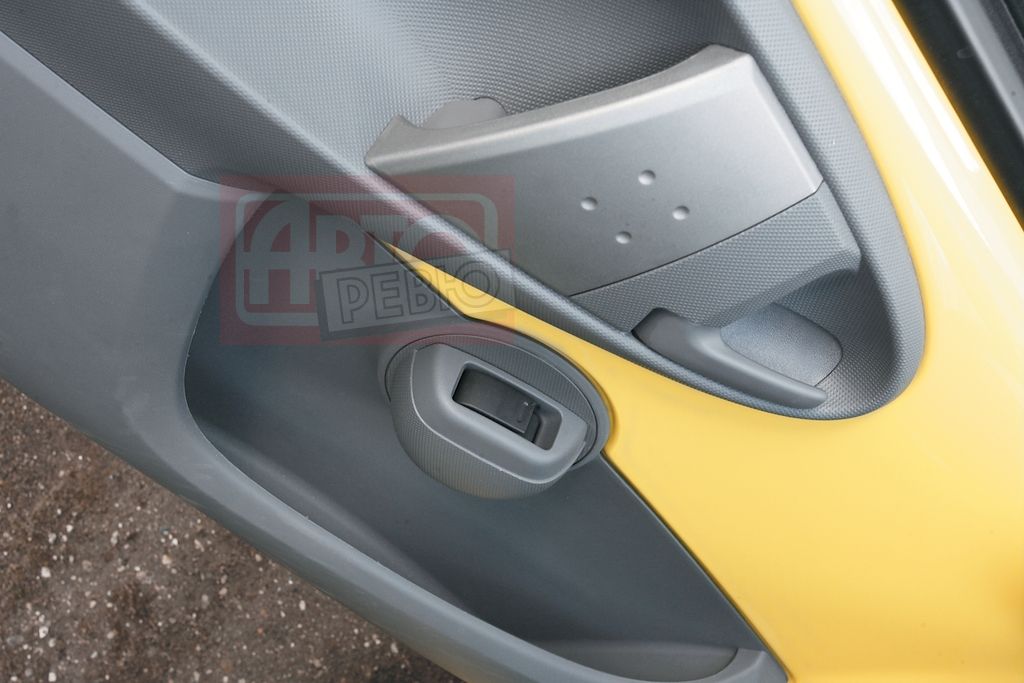 | 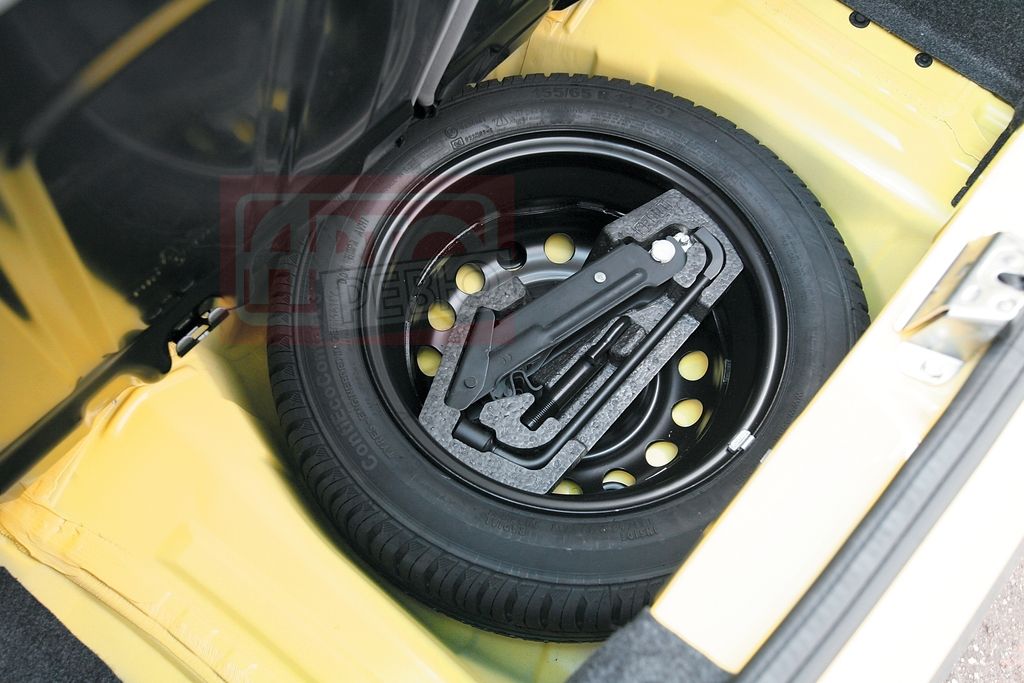 | |
| The left end "knob" (in the photo) controls the direction of air flows, the right one — the temperature | Door panels only partially cover the metal | The Peugeot and Fiat have full-size spare wheels, while the Chevrolet makes do with a space-saver |
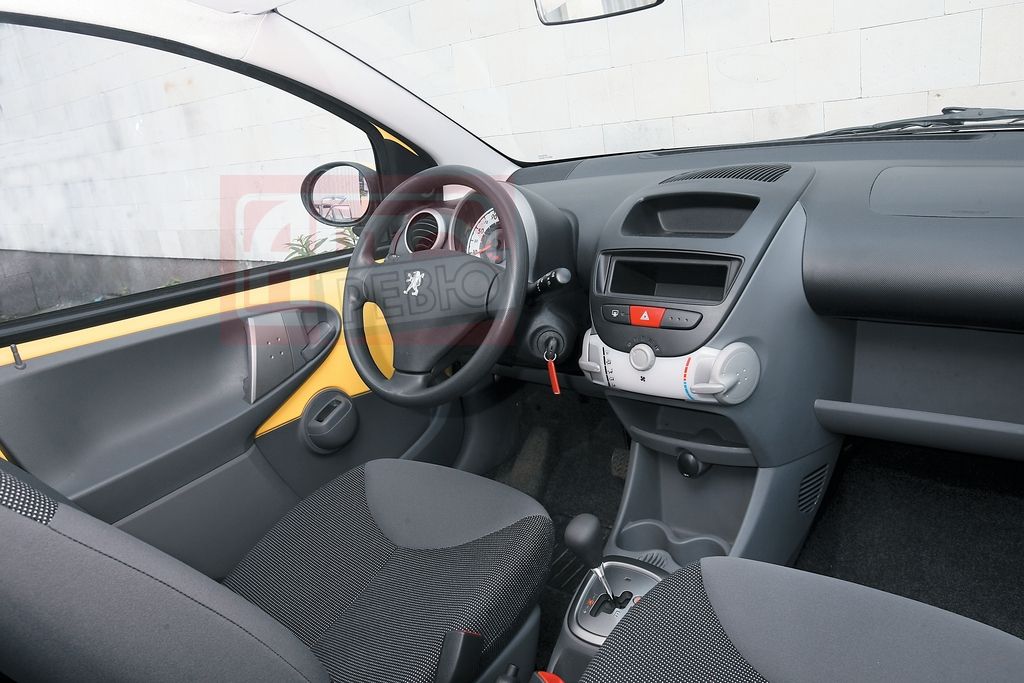 | 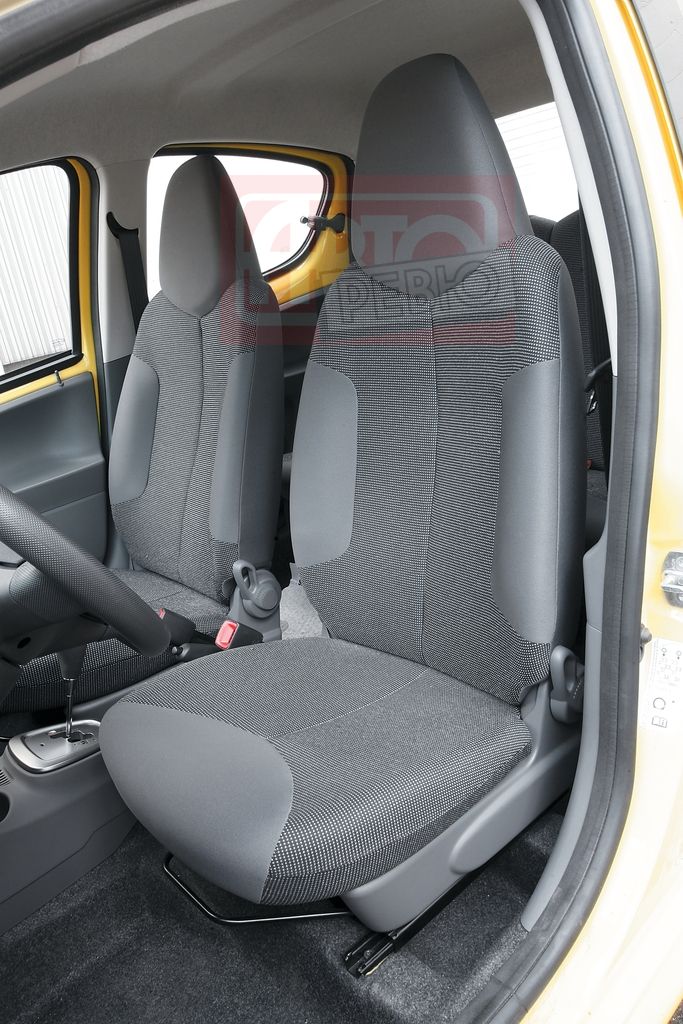 | |
| Peugeot 107: the interior is unusual and truly open | Flat seats don't hold you at all in corners |
The cabin is full of shelves and niches — that's a plus. The minus is that they are all open: even instead of a glove box, there's just a pocket. So phones and documents are always in sight. And there's nowhere to hide business papers — there are no pockets in the backs of the front seats, which usually save the day in such situations, here!
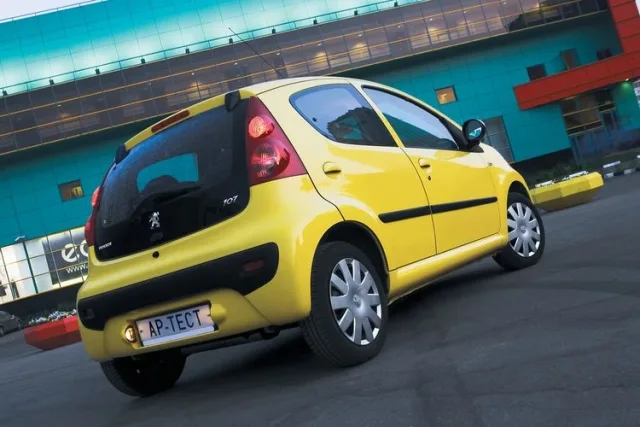
The function of the rear door is performed by glass
Despite its modest size, the Peugeot 107 will suit not only fragile and short drivers. A person 190 cm tall can quite comfortably fit behind the wheel — almost comfortably. "Almost" — because there's too little free space between the legs and the steering wheel. The seating position is upright, and the flat seat with two adjustments resembles more an office chair than a car seat. For relaxed driving, it's fine, but as soon as you enter a corner a bit faster, you start sliding off this "chair."
| Chevrolet Spark | Fiat Panda | Peugeot 107 |
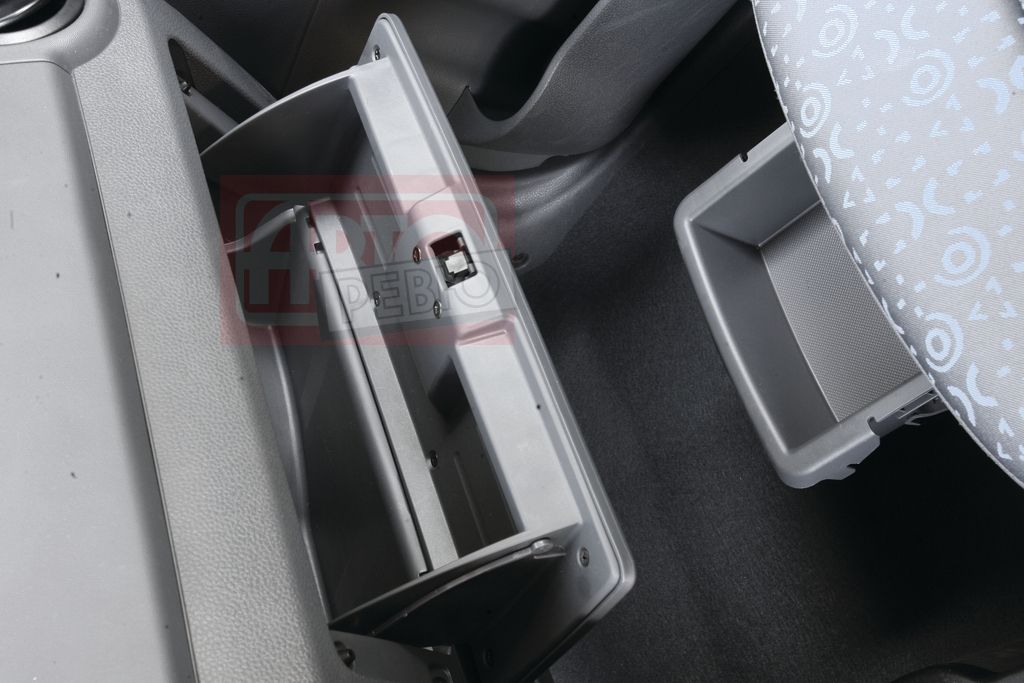 | 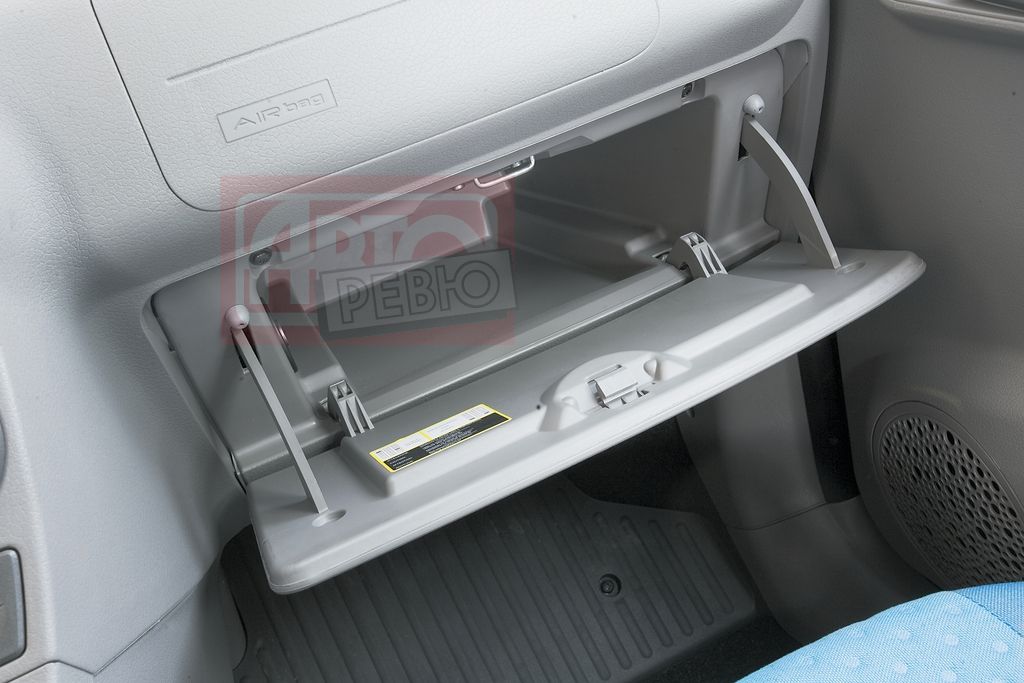 | |
| Unlike the Peugeot, the Fiat has a full-fledged glove box. And the Spark — also a tray under the seat | ||
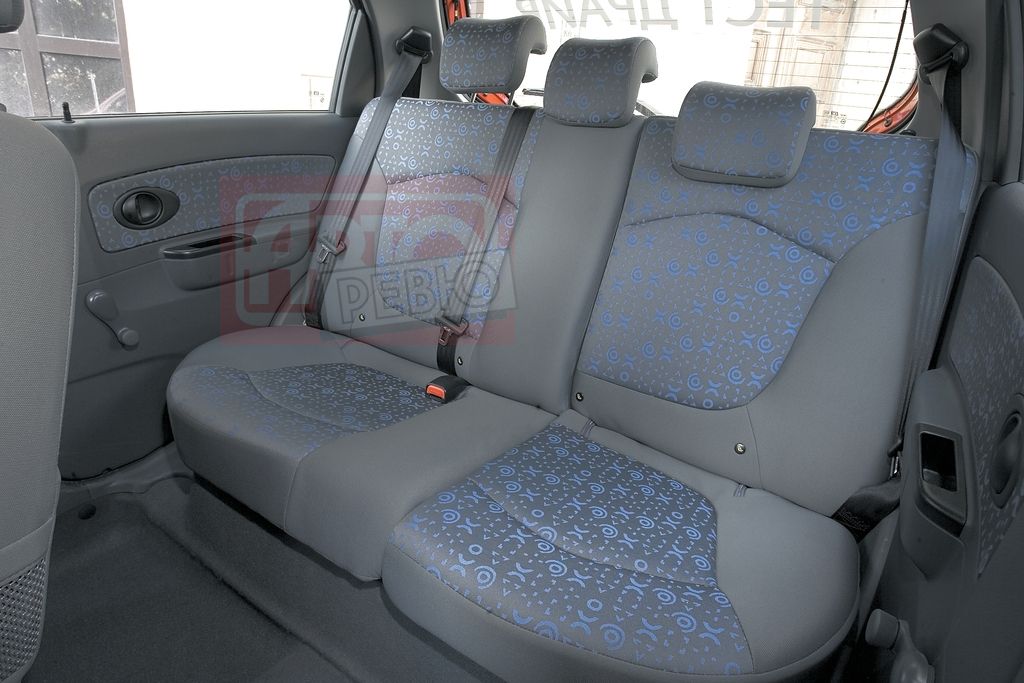 | 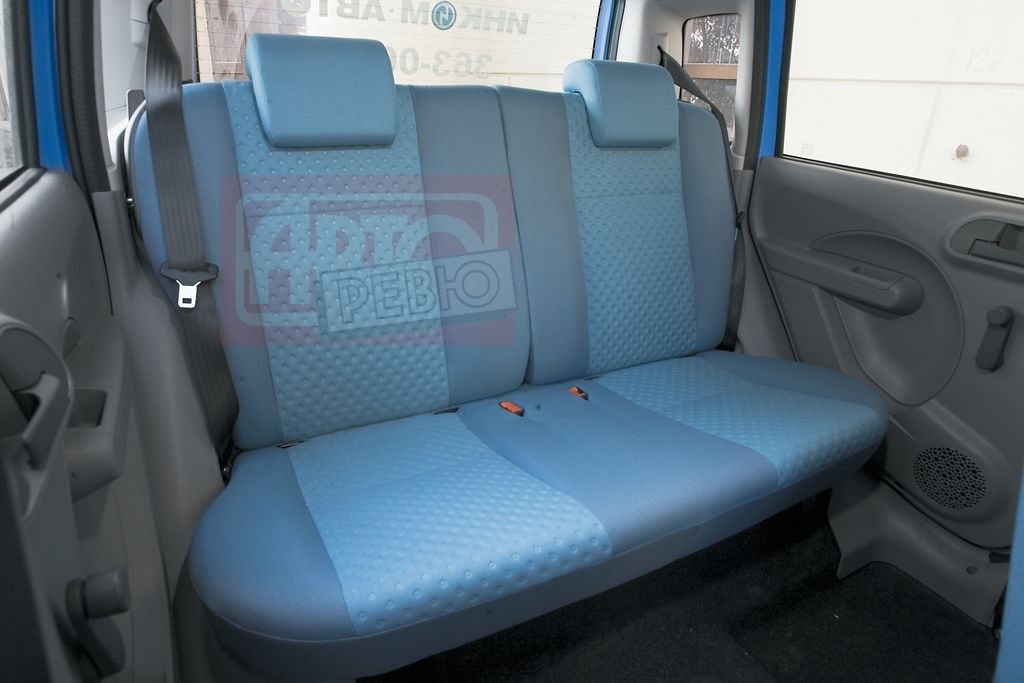 | 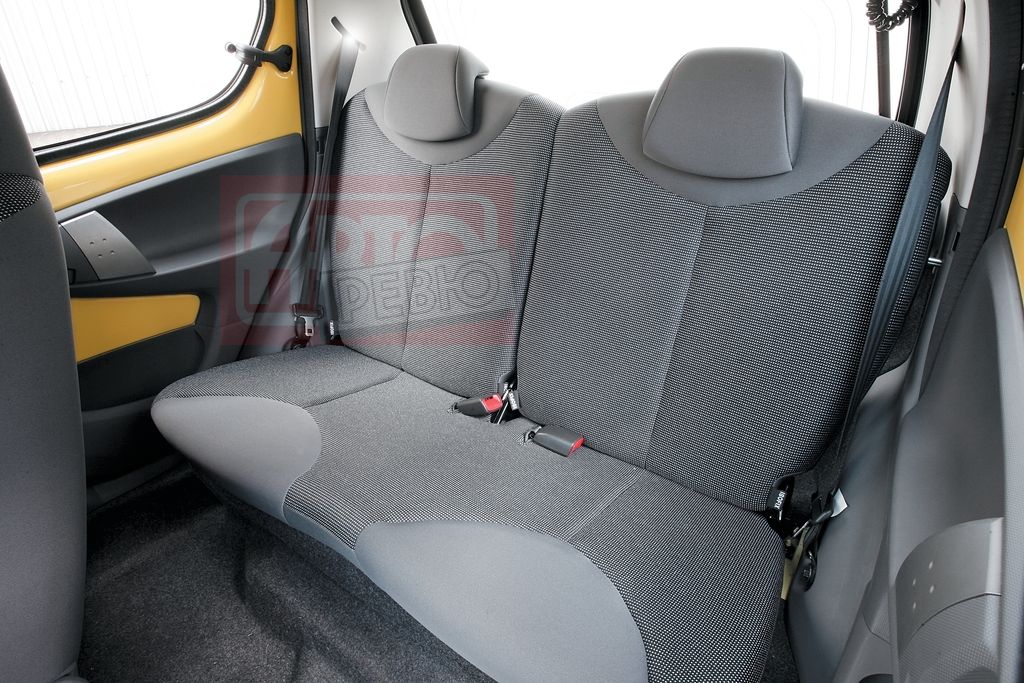 |
| The rear row of the Spark is designed for three very thin passengers | The Panda is a bit more spacious than the Peugeot and has more conveniences | It's cramped in the back — there's nowhere to put your legs even for people of average height |
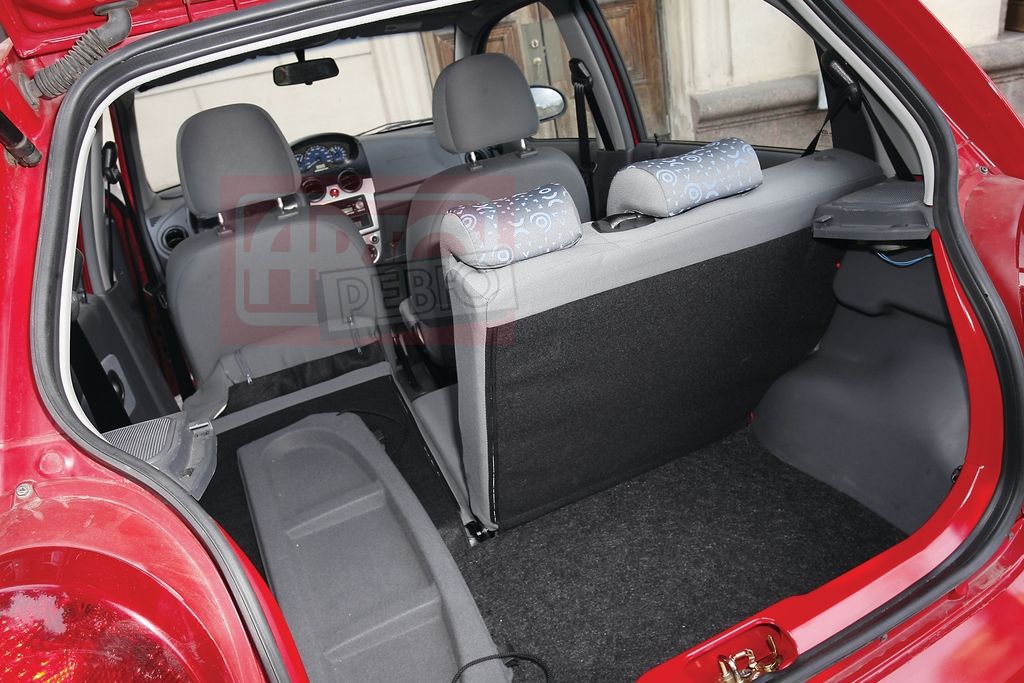 | 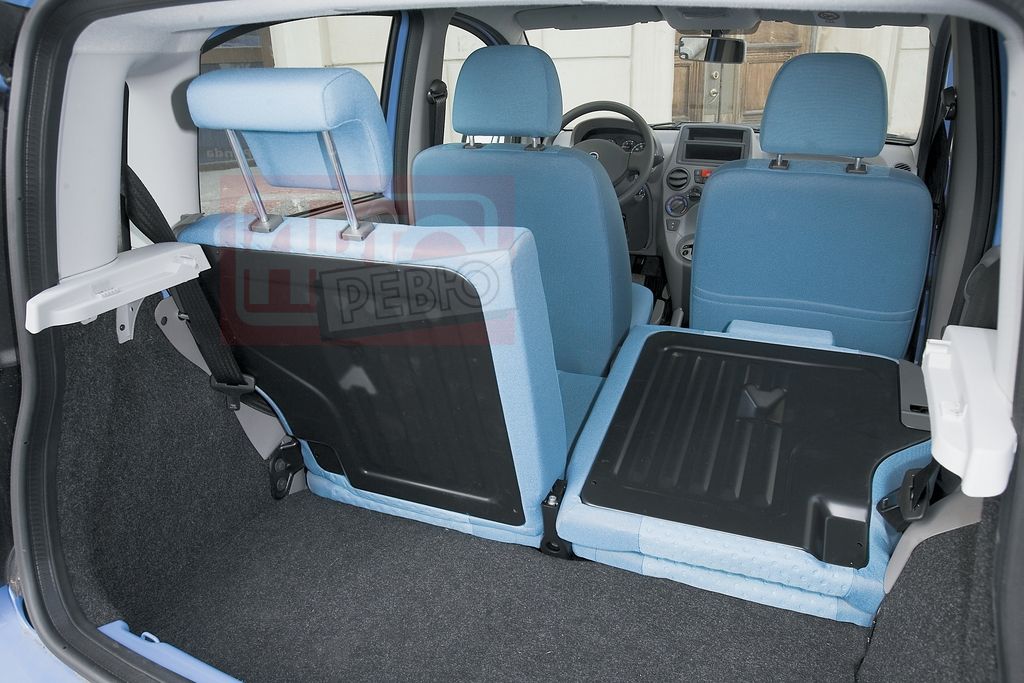 | 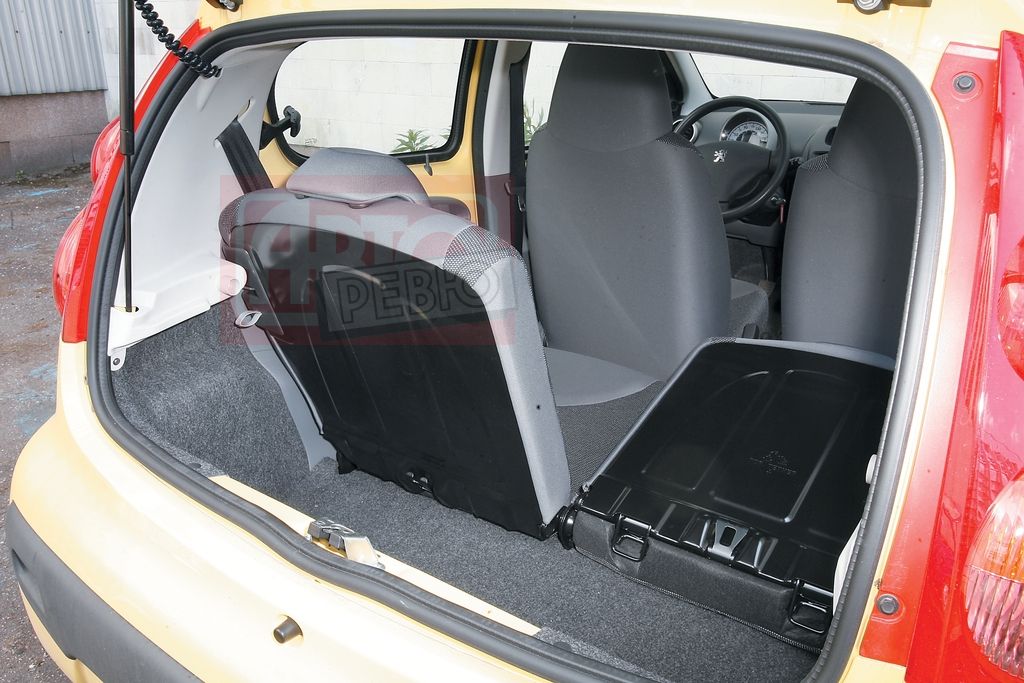 |
| The Spark's seats fold in a 40:60 ratio, in the other two cars — 50:50 | The Fiat's trunk is both the most spacious and the most convenient | The tiny Peugeot trunk disappoints also with a high loading height |
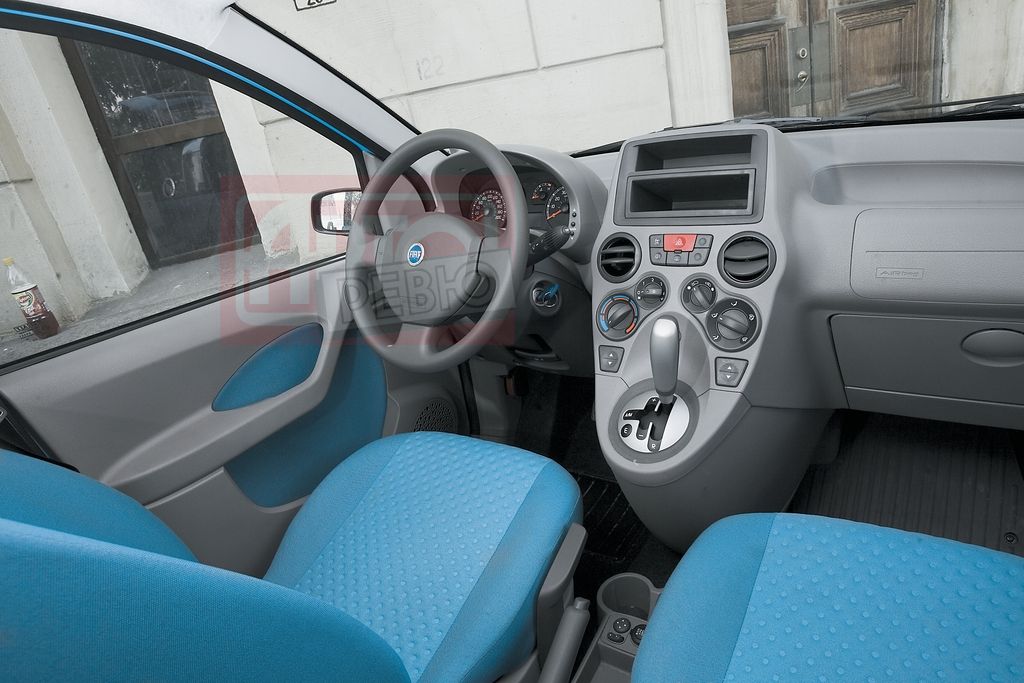
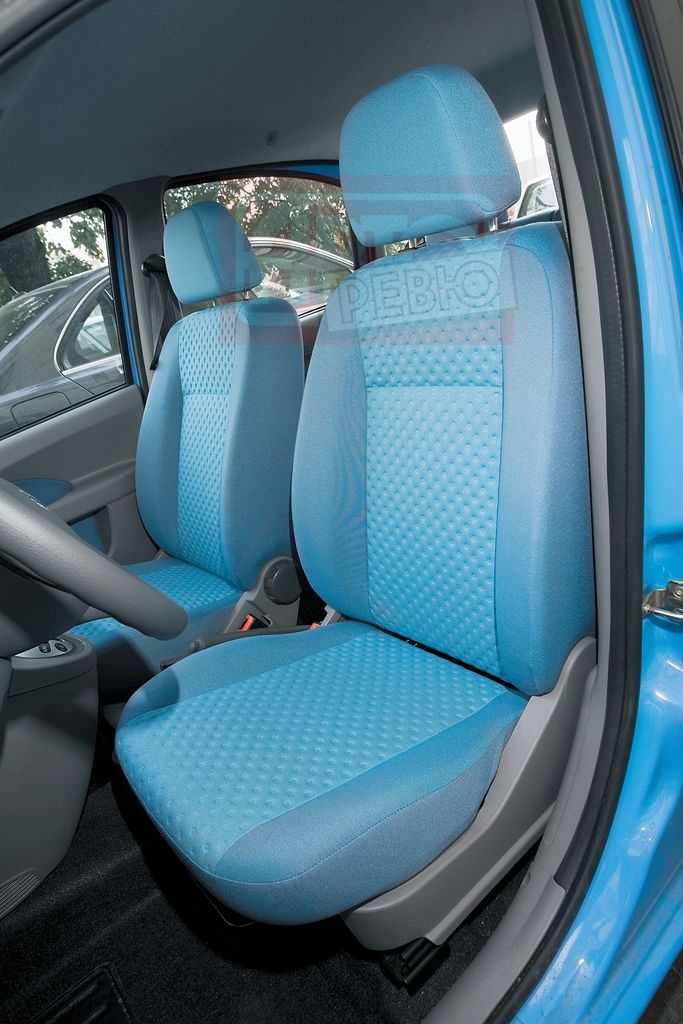
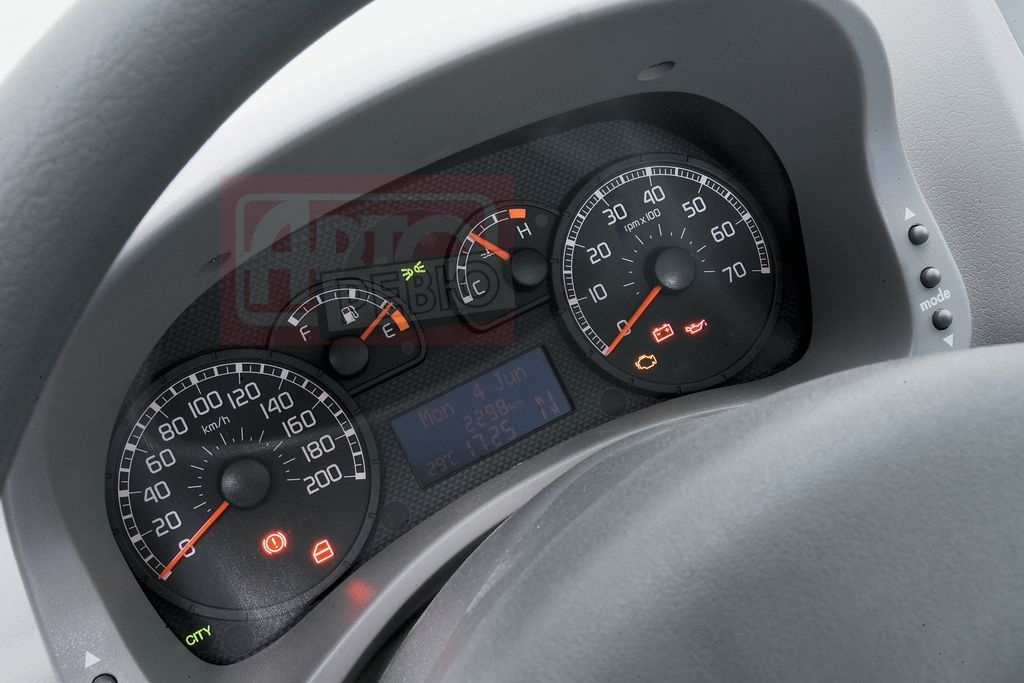
But the Fiat Panda pleased with its seats: anatomical profile, long cushion, plus height adjustment. On such a seat, you could go on a long journey or hit the track. Although we might have been hasty about the track: the high seating position and the "bus-like" layout of the center console with the steering wheel tilted forward don't encourage aggressive driving. But after the Spartan Peugeot, in the Panda you feel almost like a pilot: full-fledged instruments, a large information display, on the console — many buttons and as many as four rotating climate knobs, with the fourth controlling the recirculation flap. And there's a glove box. In general, the interior is not as stylish, but quite practical. True, it's very "plasticky."
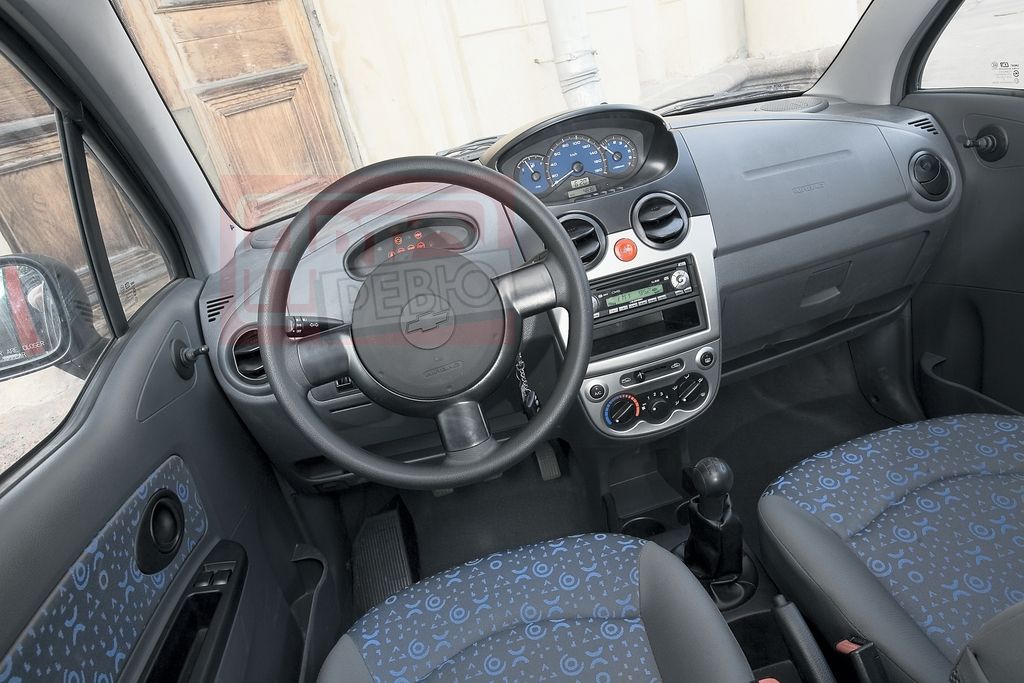
Compared to the "Europeans," the Chevrolet's interior looks simpler and more cramped: a driver taller than 180 cm will feel uncomfortable here. The seat adjustments are more modest, the steering wheel is rigidly fixed, the pedals are placed close together, and there's no footrest for the left foot at all. It's clear that the design was laid down more than ten years ago, and with an eye on the Asian market. The driver constantly bumps the passenger with an elbow, which is not surprising given a body width of less than 1.5 meters. The Fiat Panda is 8.3 cm wider, and the Peugeot 107 — 13.5 cm!
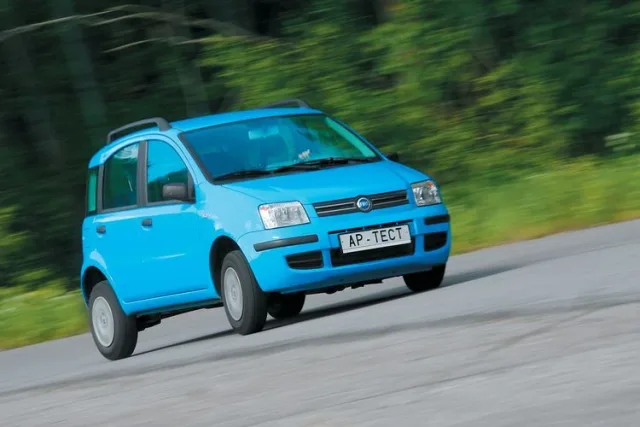
"At the limit," the Fiat goes to the outside of the turn, but as soon as you lift off the throttle, the car can break into a slide, jump, and stand on two wheels
Strangely enough, this didn't stop the Chevrolet from winning the "passenger seats" category: there's the most legroom in the back. And getting in and out is more convenient thanks to the "clean" door opening. Moreover, the Spark formally offers three rear seats with three headrests and three-point belts, while the rear benches of the other cars are designed for only two. If we compare the Peugeot and Fiat, the Fiat is preferable for passengers: a bit more space, full-fledged power windows instead of the "vent windows" like the Peugeot, a pocket in the back of the front seat, and handrails and hooks on the ceiling. The Peugeot has none of this.
But the Peugeot 107 looks great in the supermarket parking lot, and that's a good thing, since you'll have to go there often: a week's worth of groceries won't fit in the microscopic trunk. But at least the groceries will always be fresh. However, loading something bulky with the rear seatbacks folded down is hampered by the small door, or rather, window opening.
 |
 |
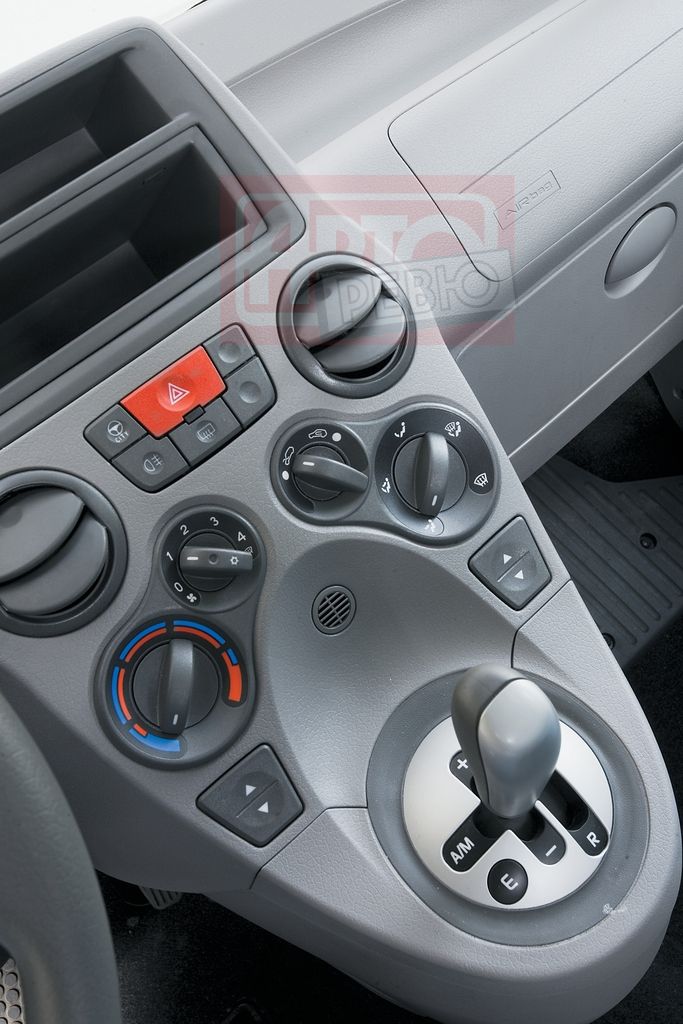 |
| The Fiat's interior is solid, but overly "plasticky" | The seats with a long cushion and expressive profile are comfortable | The gearshift lever, like in minivans, is raised onto the center console |
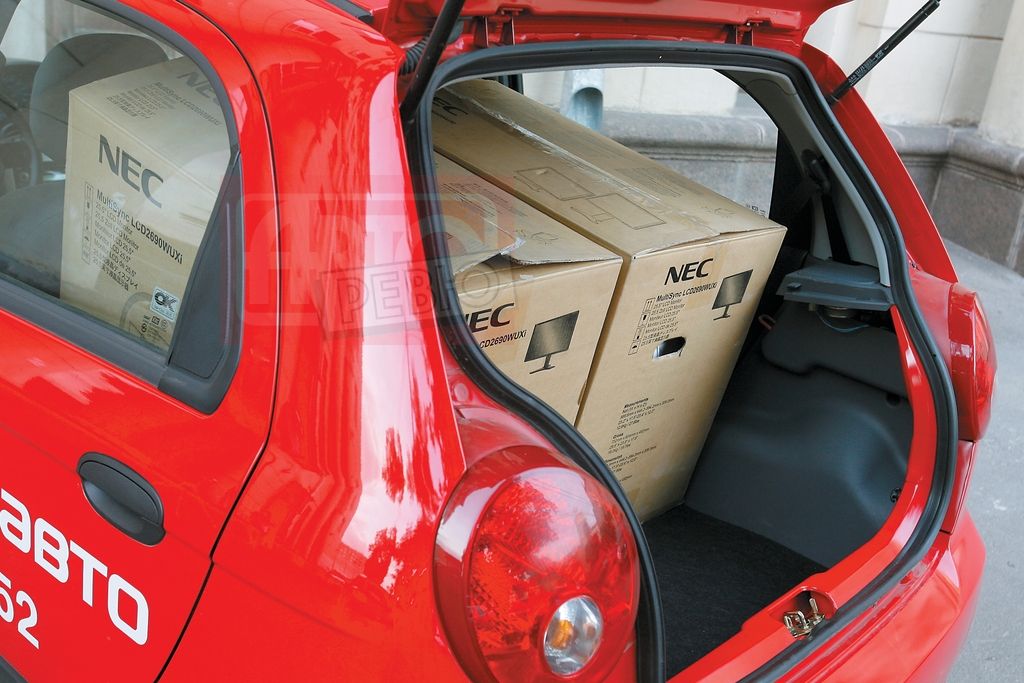
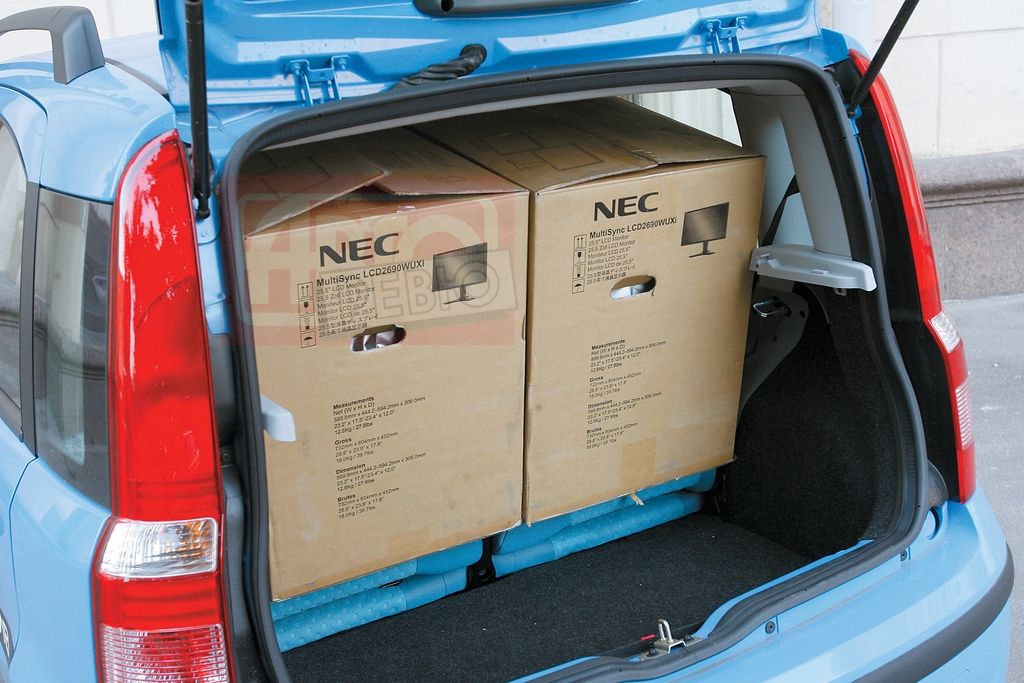
When we folded the rear rows in all three cars, we tried in turn to stuff two large computer boxes into them. The Panda and Spark managed this without difficulty, but in the Peugeot, the second box only fit through the rear side door. The Chevrolet's cargo area is more spacious and better organized, but the best of all was the Panda's trunk: it's the most capacious, with a wide opening and minimal loading height.
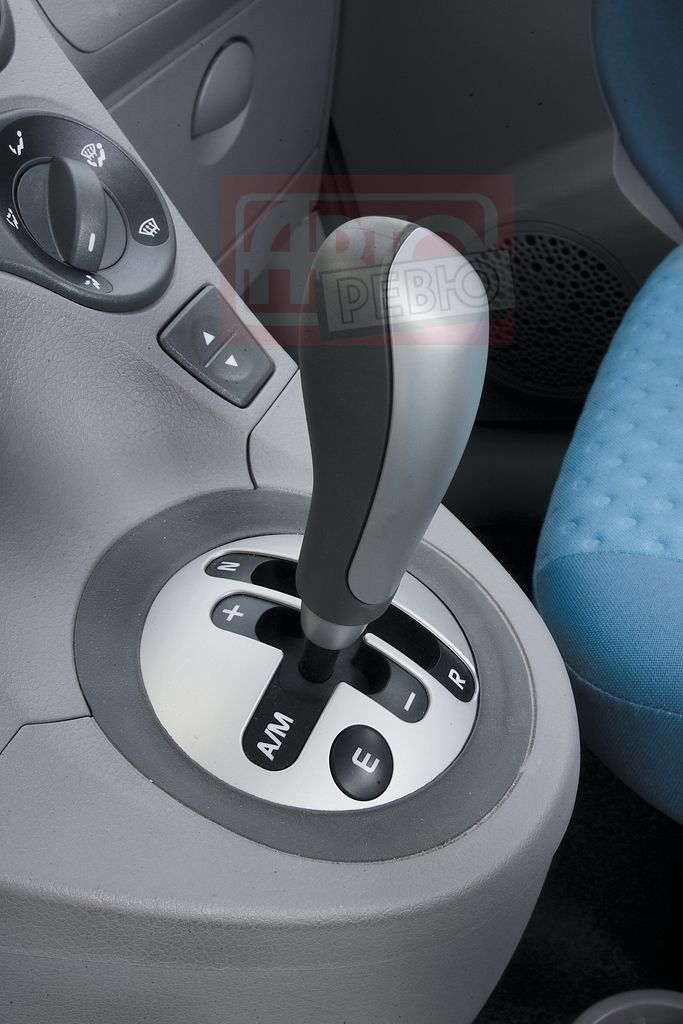
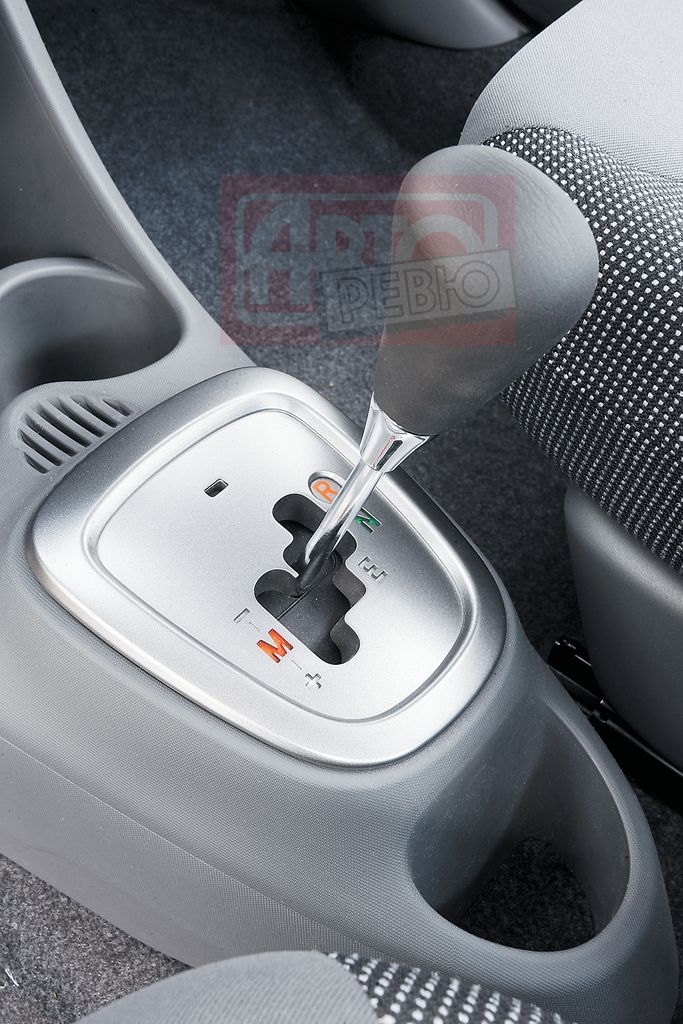
When choosing cars for this test, we understood: the majority of buyers of such cars are women. So the Fiat and Peugeot came to us with robotic manual gearboxes. There's no clutch pedal here; gears are shifted by an electromechanical drive, and it's controlled just like a regular "automatic." But while the Peugeot drives like it has a full "automatic" — it pulls away smoothly and shifts almost imperceptibly, the Panda constantly stumbles. And at a traffic light, it really puts on a show! You press the gas to the floor, the engine revs up, then the gearbox abruptly drops the clutch — and the car, scaring everyone around, travels about five meters with wheelspin. You can, however, press the E button, which activates the economical, "soft" mode, but then the car starts to "lag" when pulling away and shifts up too early. By the way, according to our measurements, the Panda lagged behind its rivals in both manual and automatic shifting modes.
The Chevrolet Spark came to us with a "stick," and this somewhat reduces its appeal to women. The fact is that with a proper "automatic" (not a "robot"), the Spark is only sold with a 0.8-liter engine. We took the more expensive version with a liter engine, and it comes exclusively with "manual." The 64-hp engine paired with a "short" transmission allows for brisk city driving, but on the highway the enthusiasm fades: overtaking at speeds above 100 km/h, the Spark performs as sluggishly as the Peugeot and Fiat. Also, during quick shifts, you can't shake the feeling that the gearbox drive is about to let go. It seems the flimsy lever is about to bend, and the synchronizers won't last even 20,000 km. This feeling is backed by our editorial Daewoo Matiz's experience, whose second-gear synchronizer died after just 12,000 km.
There are no particular issues with the brakes: in normal modes, deceleration is equally easy to control in all three cars. But in extreme situations, ABS comes into play: the Fiat and Peugeot have it as standard, while Chevrolet offers it for an extra charge.
Tuning the chassis of small cars is no easy task: a short wheelbase, narrow track, and high center of gravity are not the best ingredients for a cocktail called "handling." However, if you sip it slowly, nothing terrible happens — in normal modes, all three cars hold a straight line well and respond adequately to the steering. The Peugeot does this a bit more sharply and eagerly — it enters corners with almost no body roll, even hinting at sporty settings. The Fiat and Chevrolet, on the other hand, are less sensitive: their reactions are slower, and body roll is more noticeable. But if you take a big gulp — for example, a sudden lane change or a fast corner entry — you might choke. The Peugeot responds too sharply to an active steering input, and the rear axle breaks into a slide. If you're a bit late correcting the oversteer, expect a secondary oscillation and a spin. It's a pity that the Peugeot 107 doesn't offer a stability control system in its options list.
 |
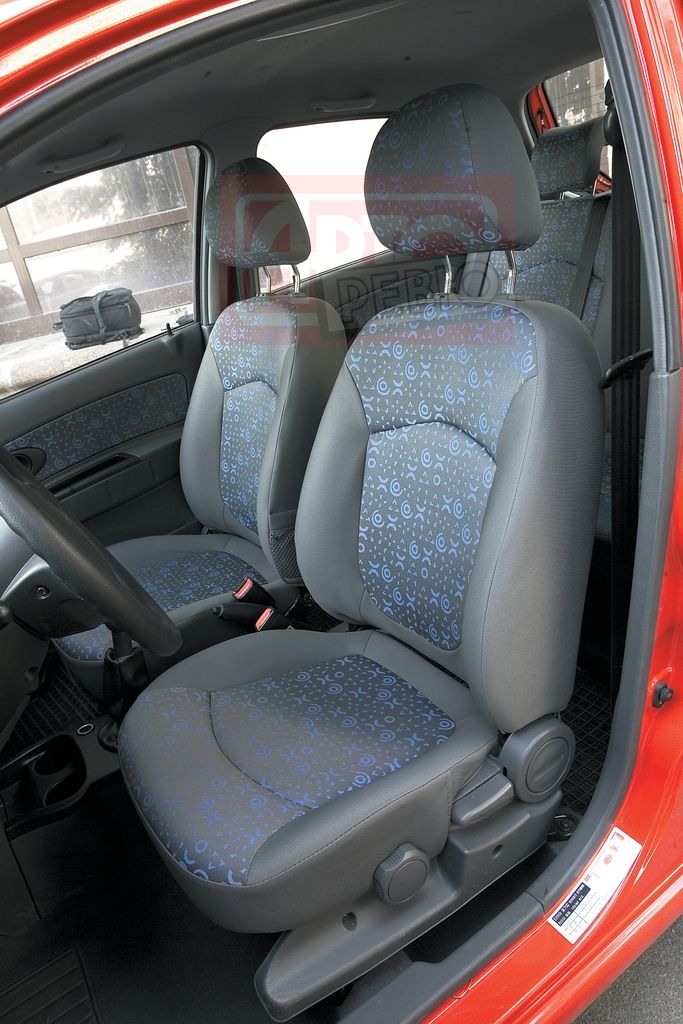 |
| The new trim and the Chevrolet cross cannot hide the Spark's Korean origins | The seats are a bit cramped — but at least they have height adjustment |
 |
|
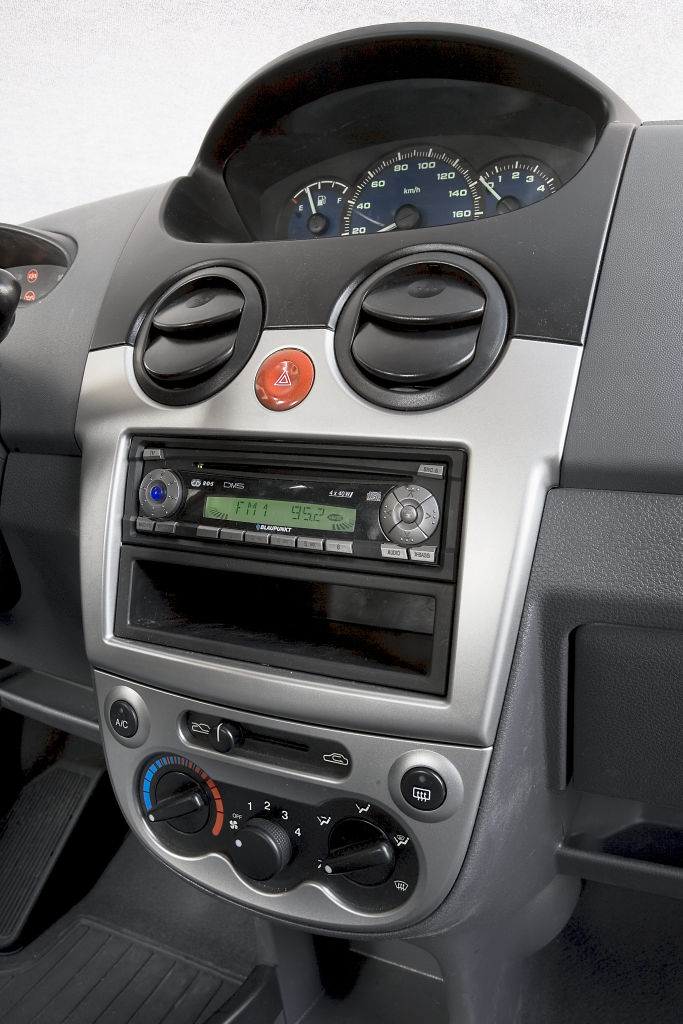
| The audio system appears in the Spark starting from the third trim level, Star | But the warning light cluster in the Chevrolet is always in front of your eyes |
ESP is also not offered for the other two little ones, although an anti-rollover system — like those installed on expensive SUVs — would come in handy here. Both the Chevrolet Spark and Fiat Panda don't slide in a skid; they jump. They jump — and stand on two wheels. You should have seen what they did in the "moose test"! Conclusion: don't tempt fate; avoid sharp high-speed maneuvers. We think if the cars had been loaded more heavily, the situation would only have gotten worse.
But every cloud has a silver lining. Yes, the soft suspensions don't hold the body during sharp maneuvers, but they absorb impacts on bumps excellently! The Chevrolet Spark and Fiat Panda handle our roads well (the Panda reacts a bit more stiffly to minor surface defects). But the "stable" Peugeot follows the road profile too meticulously and shudders on every, even the smallest, crack. In the city, that's tiring.
| Chevrolet Spark | Fiat Panda | Peugeot 107 |
 |
 |
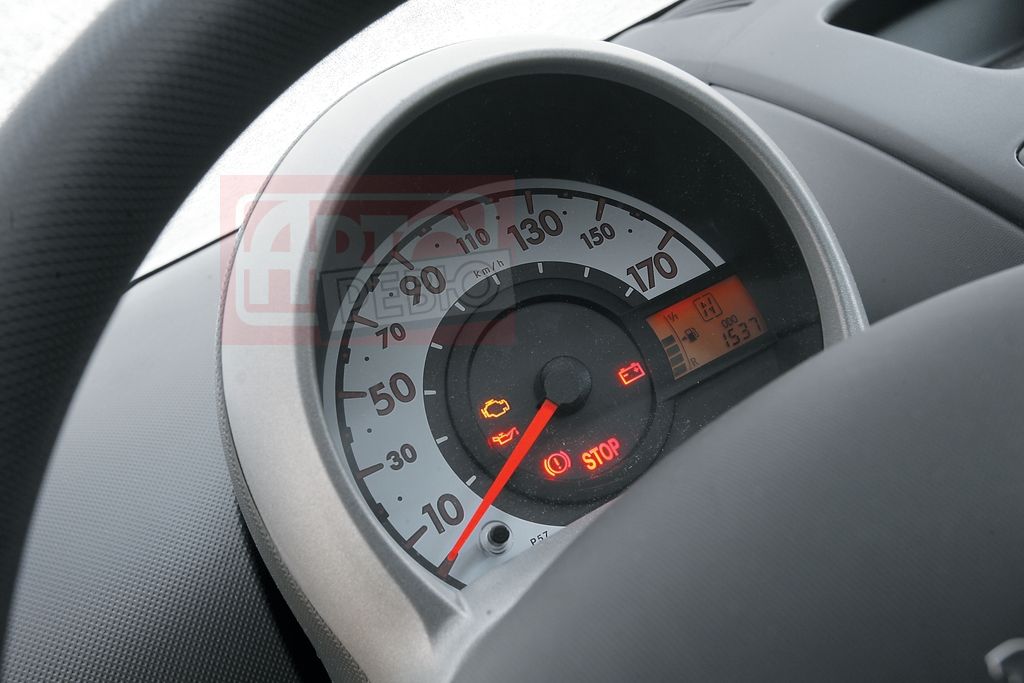 |
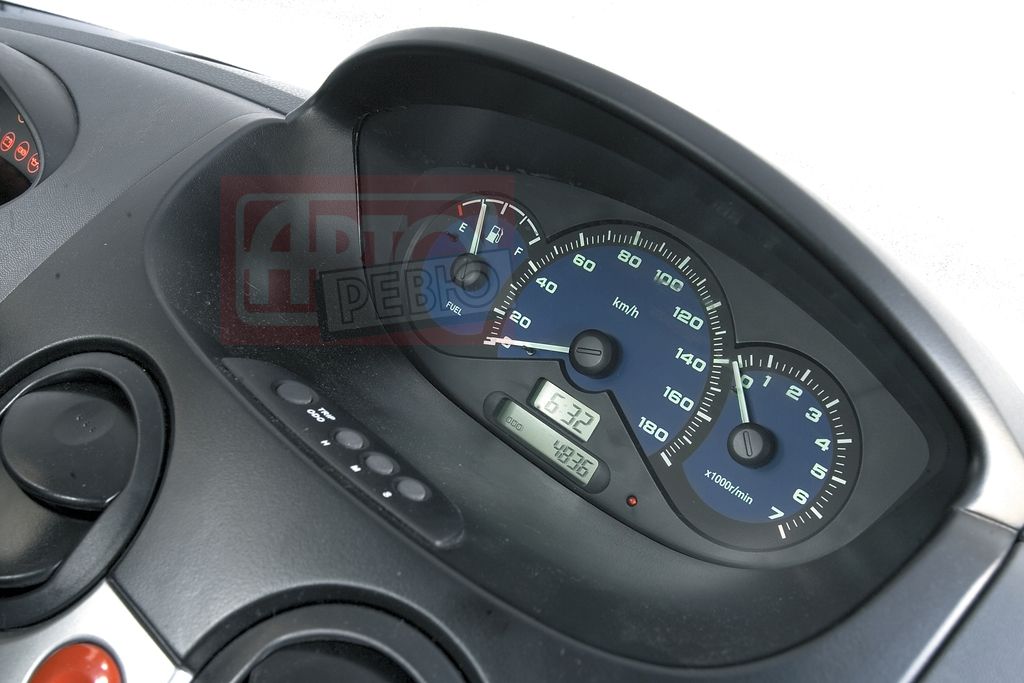
| The little gauges are decent, but the central placement makes information perception difficult | The full instrument cluster has an information display | The instrument panel is just a speedometer. But for 1500 rubles, you can order a tachometer "on a stalk" |
Also alarming is the uneven engine operation — the little motor misfires. And that's its normal state: the Peugeot 107 is sold in Russia only with a three-cylinder liter engine producing 68 hp. The other two cars have four-cylinder engines, and they vibrate less. But they sound just as unpleasant, especially at high revs. As for noise levels, the Fiat and Peugeot are preferable: the Chevrolet's suspension, like its trim panels, rattles more. As a result, the driver and passengers get the impression of a cheaper car. Well, that's what it is.
The Chevrolet Spark is hard to call a stylish car. It's more of a utilitarian little machine — a compact vehicle that's easy to park even in central Moscow, hiding behind some SUV.
| Chevrolet Spark | Fiat Panda | Peugeot 107 |
 |
 |
|
| The Peugeot's robotic gearbox works well in both automatic and manual modes. On the Fiat, the "robot" shifts gears more roughly and sharply, and in economy mode (activated by the "E" button), the Panda is too thoughtful. The Spark's "manual" lever is painfully flimsy… | ||
You can also hide the Peugeot. But why? Such a beauty — only for show! A stylish little car! And that's perhaps its main advantage. Practicality is worse: a small trunk, cramped rear seats, and a stiff suspension. Apparently, for this reason, the two clones of this model — the Toyota Aygo and Citroen C1 — are not yet officially represented in Russia by dealers.
| Chevrolet Spark | Fiat Panda | Peugeot 107 |
 |
 |
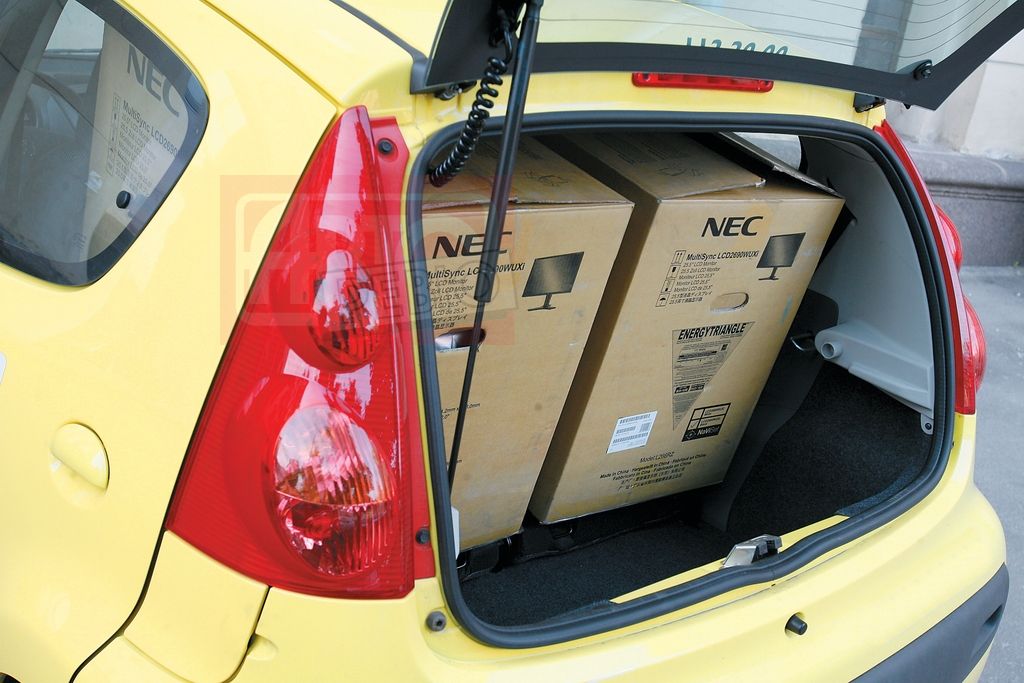 |
| When we folded the rear seats, we managed to fit two large computer boxes into the cars. The Panda handled this task easily, the Spark with some effort, but in the Peugeot the second box did not fit through the boot opening, so we had to push it in through the side door. | ||
The most balanced choice of the three is the Fiat Panda. Although the Italian may not look as striking as the Peugeot, it is preferable in terms of overall qualities. It was not for nothing that it was named "Car of the Year 2004" in Europe. Perhaps this title is the reason for such a price? In our opinion, if the cost were 10-15% lower, the balance would be simply ideal.
Before this test, we asked visitors of www.autoreview.ru to vote for which car of our trio they would prefer.
The votes were distributed as follows:
Chevrolet Spark — 12.60%
Fiat Panda — 29.65%
Peugeot 107 — 57.75%
7,848 people expressed their opinion.
Final Autoreview ratings
| Expert assessments of Autoreview | ||||
| Parameters assessed | Max. score | Cars | ||
| Chevrolet Spark | Fiat Panda | Peugeot 107 | ||
| Design | 160 | 115 | 125 | 135 |
| Exterior | 80 | 55 | 60 | 70 |
| Interior | 80 | 60 | 65 | 65 |
| Ergonomics | 160 | 130 | 125 | 130 |
| Driver's workplace | 80 | 60 | 65 | 65 |
| Visibility | 80 | 70 | 60 | 65 |
| Dynamics | 280 | 205 | 200 | 220 |
| Acceleration dynamics | 90 | 60 | 55 | 65 |
| Braking dynamics | 100 | 85 | 85 | 85 |
| Handling | 90 | 60 | 60 | 70 |
| Ride comfort | 200 | 140 | 140 | 125 |
| Ride smoothness, vibration protection | 80 | 60 | 55 | 45 |
| Acoustic comfort | 60 | 35 | 40 | 40 |
| Microclimate | 60 | 45 | 45 | 40 |
| Interior comfort | 200 | 120 | 130 | 105 |
| Passenger seats | 70 | 45 | 40 | 35 |
| Boot | 70 | 40 | 50 | 35 |
| Interior transformation | 60 | 35 | 40 | 35 |
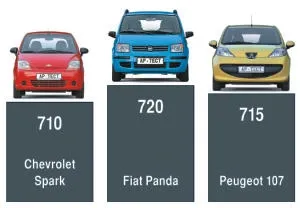
| Total score | 1000 | 710 | 720 | 715 |
| Equipment of the cars participating in the test | |||
| Equipment | Cars | ||
| Chevrolet Spark | Fiat Panda | Peugeot 107 | |
| Base price of the car, RUB/$* | 311400**/12120 | 320000/12450 | 307000***/11945 |
| Driver's airbag | + | + | + |
| Passenger's airbag | + | O | + |
| ABS | O | + | + |
| Power steering | + | + | O |
| Automated manual transmission | – | O | O |
| Height-adjustable steering column | – | + | O |
| Height-adjustable driver's seat | + | O | – |
| Central locking | + | + | O**** |
| Air conditioning | + | O | – |
| Electric exterior mirrors | – | O | – |
| Front electric windows | + | + | O |
| Split-folding rear seat | + | O | O |
| Audio system (installed by dealer) | + | – | – |
| On-board computer | – | + | – |
| Head restraints on rear seats | + | + | + |
| Remote boot lock | + | – | – |
| Remote fuel filler flap lock | + | – | – |
| Full-size spare wheel | – | + | + |
| Metal engine compartment protection | + | – | – |
| Price of the tested car, RUB/$ | 324000/12607 | 385000/14980 | 355000/13813 |
| * At the exchange rate of $1=25.7 RUB. | |||
| ** Engine 1.0 L | |||
| *** Five-door body | |||
| **** Remote | |||
| (+) Included in base version | |||
| (–) Not available in base version | |||
| (O) Options installed on the cars participating in the test | |||
For the first time in the history of our "moose tests", something extraordinary happened: two of the three cars nearly rolled over during the test!
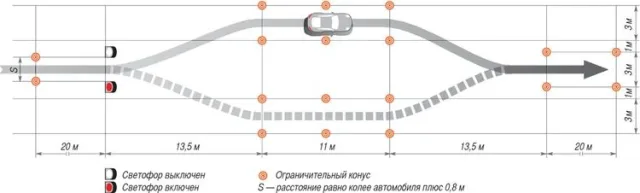
The first unexpected surprise came from the Chevrolet Spark: even during the initial sighting runs, when the tester was just getting used to the car's character, both wheels lifted off the asphalt by about half a meter on the trajectory. After that, all attempts were made as smoothly and carefully as possible. In the end, it was only possible to accelerate to 73.6 km/h — further progress was hindered by weak steering response and understeer.
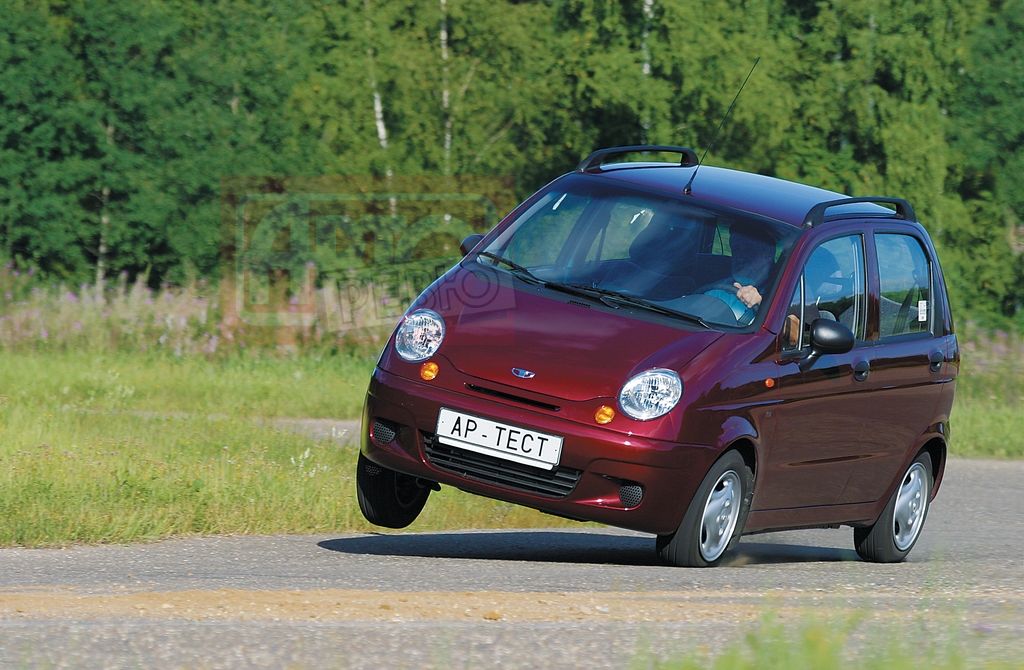 |
| The predecessor of the Spark, the Daewoo Matiz, showed a tendency to roll over even earlier (see AR No. 16, 2004). High center of gravity, soft suspension... The main thing is to brake in time before corners! |
Of the five ordinary drivers who started at 65 km/h, only two managed the exercise. The rest failed, although the steering was quite informative. The reasons were the same as those that prevented the expert from accelerating: sluggish response and understeer. Perhaps this is even for the best...
Only one volunteer managed the Fiat. The others were let down by the heavy steering sensitivity, noticeable body roll, and slides into oversteer. As soon as the tester began to increase the pace, the Panda tilted dangerously, lifting the rear inner wheel on the arc. It seemed that the car was leaning its entire mass onto the turned-out outer front wheel and trying to turn it even more. From then on, driving had to be done with maximum caution. The limit was 70.2 km/h — the car hung in a slide and knocked down cones in the corridors. A slightly more active intervention in the trajectory could have had dire consequences.
With the Peugeot, two of the "one-time" drivers found common ground. The others were hindered by unpredictable steering response and the need for abrupt actions when correcting slides. The expert also did not shine: 70.3 km/h. In a slide, the car literally stood across the corridor and was in no hurry to respond to corrections, and in the third corridor it was again pulled into a deep slide, now in the other direction. Nevertheless, despite its difficult nature, it was this car that we considered the safest: even an uncontrolled spin when trying to catch the car is better than a rollover in response to a sharp steering movement.
| Maximum speed of the "moose test", km/h | |
| Cars | Speed |
| Chevrolet Spark | 73.6 |
| Fiat Panda | 70.2 |
| Peugeot 107 | 70.3 |
| "Moose test" on the first attempt at 65 km/h | |
| Cars | Maneuver completed |
| Chevrolet Spark | 2 out of 5 drivers |
| Fiat Panda | 1 out of 5 drivers |
| Peugeot 107 | 2 out of 5 drivers |
Safety
Chevrolet Spark
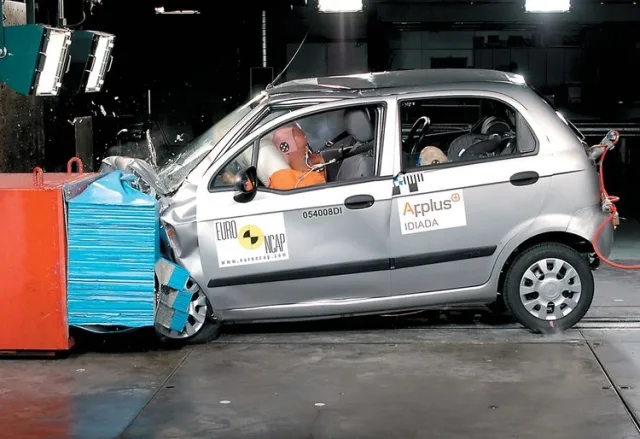
The base version of the Chevrolet Spark is not abundant in active and passive safety systems — the only pleasant feature here is seatbelt pretensioners. In "mid-range" trims, a passenger airbag appears, and the top version for $13,410 additionally gets side airbags for front occupants. Crash tests according to the EuroNCAP methodology are not encouraging: the belt loads on the chest of both dummies are excessive, and the front panel threatens the legs. In a side impact (tests were conducted on a car without side airbags), the "driver's" chest suffers even more — hence the final three stars for the Spark are crossed out. Child protection is rated at "three", and pedestrian safety is rated two stars out of four due to the too-stiff bumper.
The Fiat Panda in the base version has a driver's airbag, ABS, and electronic brake-force distribution system EBD. However, the options are more modest than the Chevrolet's: in more expensive versions, only a passenger airbag appears. The Panda survived the frontal crash test better than the Spark, although the belt load on the "passenger's" chest was also high, and the front panel was deemed injury-prone. The clutch pedal displacement was also above normal. In the side impact, high loads were placed on the driver dummy's chest. The result is three stars out of five. Protection for young passengers is mediocre: two stars out of five. The Panda is unfriendly to pedestrians — only one star out of four possible.
 |
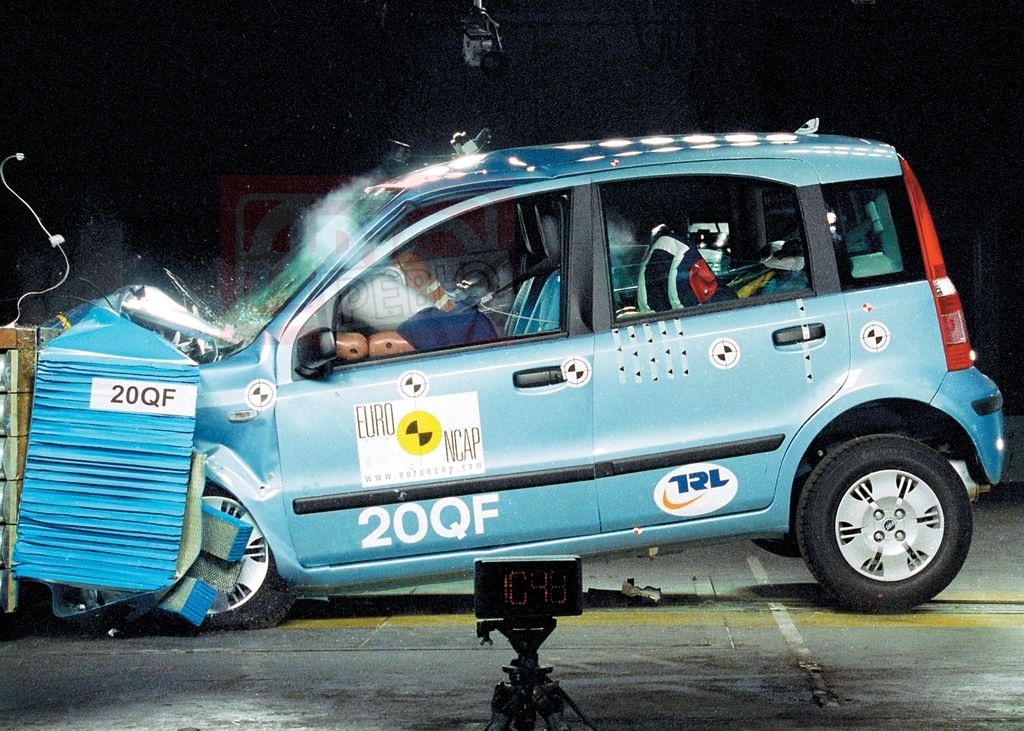 |
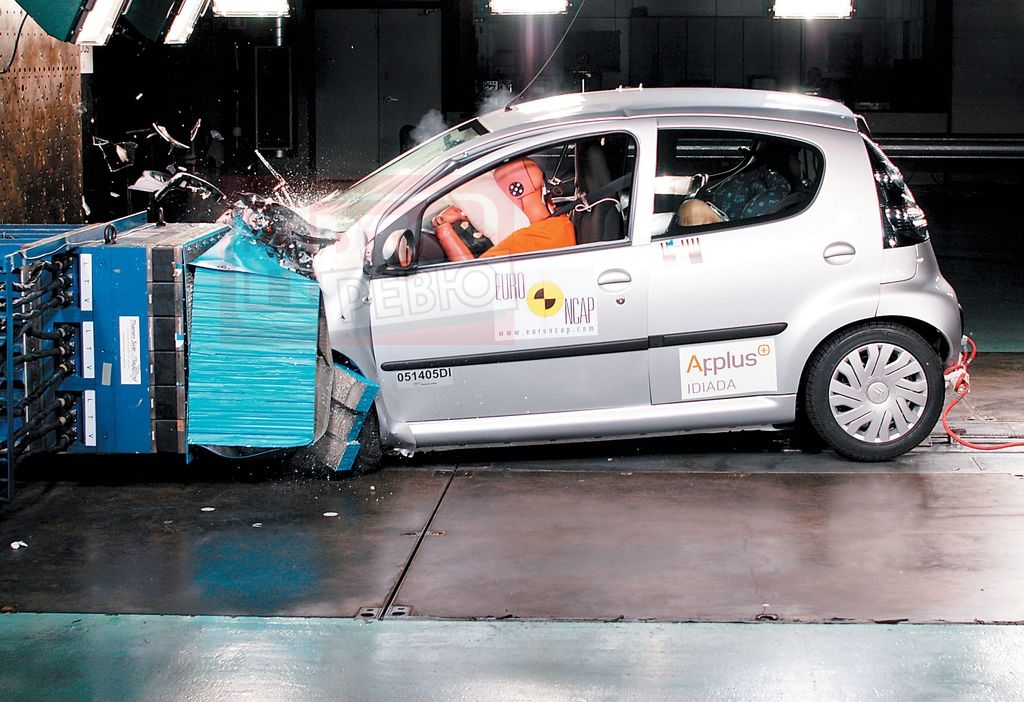
| Citroen C1 | Fiat Panda |
The Peugeot 107 in standard trim already has two airbags and ABS. For an additional cost, side airbags for front passengers and curtain airbags can be ordered. In addition, the Trendy version is equipped with Isofix anchors for child seats — the only one of the trio. The twin brother of the Peugeot 107, the Citroen C1, underwent EuroNCAP crash tests. The body survived the frontal impact well, but the brake pedal displacement was too large, and the front panel was deemed potentially dangerous. Also, during the impact, the "driver" penetrated the airbag and hit his chest on the steering wheel. The side crash test was passed well (a car with side airbags was tested), and the final result is four stars out of five. Protection for child passengers is well developed — the same four stars out of five, but in the frontal impact, the one-and-a-half-year-old "child" experienced increased chest loads. Pedestrian safety is at an average level — two stars out of four.
| Parameters | Chevrolet Spark* | Fiat Panda* | Citroen C1* |
| ★★½ | ★★★ | ★★★★ | |
| Overall rating | 17 points | 20 points | 26 points |
| Frontal crash test | 9 points | 10 points | 11 points |
| Side crash tests | 8 points | 10 points | 14 points |
| SBR** | 0 points | 0 points | 1 point |
| Child passenger protection | 30 points | 21 points | 37 points |
| Pedestrian protection | 13 points | 6 points | 14 points |
| Curb weight | 815 kg | 850 kg | 810 kg |
| * Tests were conducted according to EuroNCAP rules | |||
| ** SBR — presence of seatbelt reminder | |||
Visibility
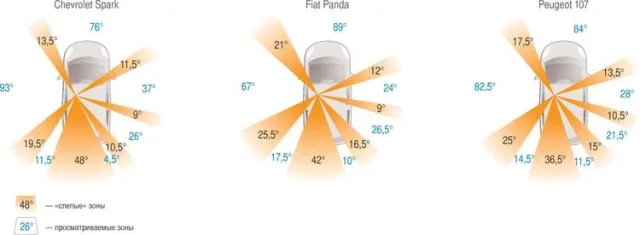
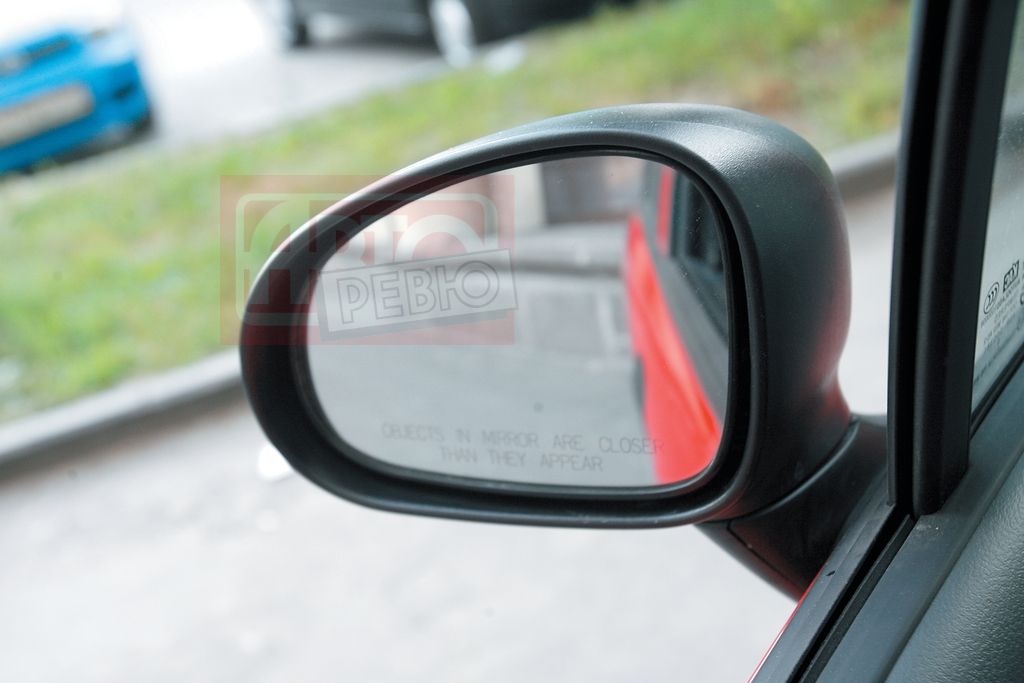
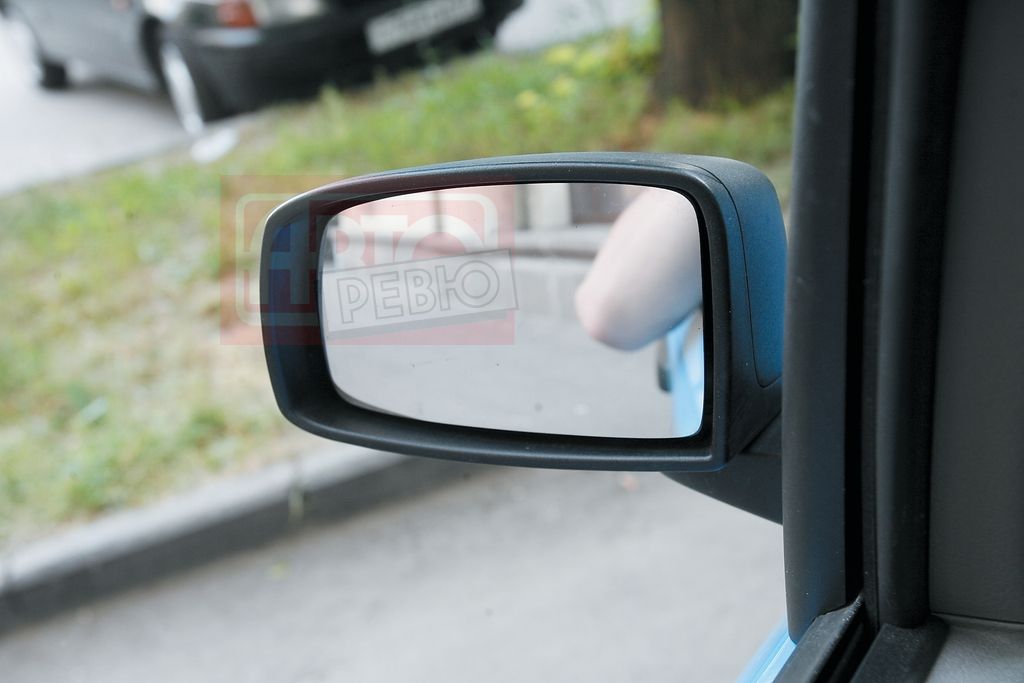
The Chevrolet Spark, thanks to its thin roof pillars and low beltline, earned the title of the most "transparent" car in the trio, and its mirrors are also large. The Peugeot is average. And the Fiat is an outsider due to its small mirrors, which are extremely difficult to navigate by in city traffic.
 |
 |
|
| Chevrolet Spark | Fiat Panda | Peugeot 107 |
| Car | Total viewing angle, deg. | Total "blind" zone angle, deg. |
| Fiat Panda | 234 | 126 |
| Chevrolet Spark | 248 | 112 |
| Peugeot 107 | 242 | 118 |
Headlight Performance
Night photography of cars from one point allows us to assess how well the headlights work. Judging by the photos, the best low beam is from the Chevrolet and Peugeot: their optics fully illuminate a person standing on the roadside 65 meters away. The Fiat's situation is worse — a pedestrian in a white coat is barely visible, and in dark clothing they would be completely lost in the darkness. The high beam of all three cars is inferior to cars of a higher class: a person at a distance of 160 meters is practically invisible. To make the picture clearer, we placed the pedestrian closer — at the 120-meter mark. And again, the Fiat was at a disadvantage — its light picks out a person worse than the other two "small cars".
| Low beam. A pedestrian stands on the roadside 65 m from the car | ||
| Chevrolet Spark | Fiat Panda | Peugeot 107 |
| High beam. A pedestrian stands in the middle of the road 120 m from the car | ||
| Chevrolet Spark | Fiat Panda | Peugeot 107 |
During the filming, only the driver was in the cabin, headlight adjusters were in the zero position.
What costs how much?
 Chevrolet Spark in the base trim Direct with a 0.8 L engine (52 hp) costs 234,400 rubles ($9,120*). Next are ten trim levels with different option sets. The fully equipped Spark in the Star version (two airbags, air conditioning, power steering, front electric windows, central locking, ABS, CD player, roof rails) costs 313,000 rubles ($12,180*). The same car with a four-speed automatic transmission costs 345,700 rubles ($13,450*). Spark with a 1.0 L engine (66 hp) in the Elite trim starts at 311,400 rubles ($12,120*), but there is no ABS here. The top Premium version (side airbags, ABS, fog lights, rear electric windows, electric right mirror) costs 344,600 rubles ($13,410*). There are also two intermediate trims. Metallic paint is an extra 6,800 rubles ($265*). Most dealers only have the 0.8 L versions in stock; orders take up to two months.
Warranty is 2 years without mileage limit. Chevrolet dealer network is 85 points in 54 Russian cities.
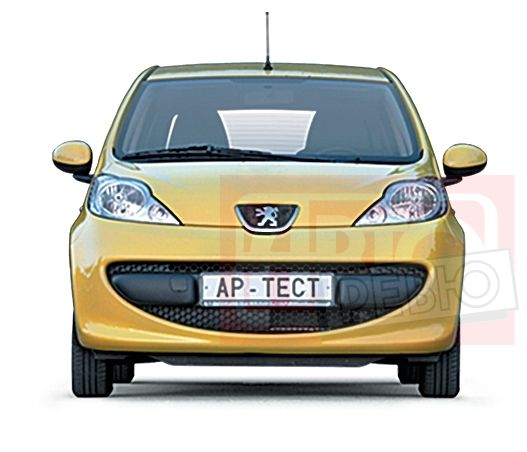 Peugeot 107 (1.0 L, 68 hp) is slightly more expensive: the base Urban costs 299,000 rubles ($11,634*). But the equipment is more modest — the three-door hatchback has only two airbags and ABS. The five-door version is 8,000 rubles ($311*) more expensive. The Trendy trim costs 324,000 rubles ($12,610*) — here there is already electric power steering, central locking, and front electric mirrors (apparently meaning window lifts). With the 2-Tronic robotic gearbox — 347,000 rubles ($13,500*). Options: side airbags ($389*), curtain airbags ($642*), air conditioning ($700*), CD player ($272*), alloy wheels ($350*). Metallic paint — $195*. A fully equipped five-door 107 will cost 420,500 rubles ($16,362*). Order time is three to five months.
Warranty is 2 years without mileage limit. Peugeot is sold by 38 dealers in 23 Russian cities.
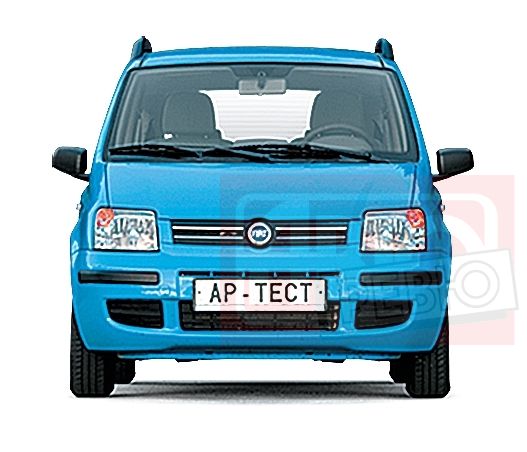 Fiat Panda (1.2 L, 60 hp) is noticeably more expensive: the base Active costs 320,000 rubles ($12,450*). The base includes one airbag, ABS with EBD, front electric windows, onboard computer, electric power steering, and central locking. Dynamic for 355,000 rubles ($13,813*) adds a passenger airbag, air conditioning, electric mirrors, and roof rails. The version with the Dualogic robot costs 385,000 rubles ($14,980*). Separately — the unique all-wheel-drive Panda 4x4 Climbing for 510,000 rubles ($19,844*). In normal modes, torque goes to the front wheels; the rear wheels are connected automatically via a viscous coupling, for which a lock can be ordered ($195*). Panda is brought to Russia only on order, with a delivery time of up to two months.
Warranty is 2 years without mileage limit. Fiat is represented by 38 dealers in 26 Russian cities.
* Exchange rate $1 = 25.7 rubles.
| Cost of scheduled maintenance with consumables and parts* | ||||
| Scheduled service | Cars | |||
| Chevrolet Spark | Fiat Panda | Peugeot 107 | ||
| Cost of standard hour | 42 | 40 | 50 | |
| Mileage, km | 7000 | — | 99 | — |
| 10000 | — | — | 77 | |
| 15000 | 198 | 161 | — | |
| 20000 | — | — | 135 | |
| 30000 | 178 | 298 | 77 | |
| 40000 | — | — | 231 | |
| 45000 | 333 | 177 | — | |
| 50000 | — | — | 77 | |
| 60000 | 194 | 330 | 135 | |
| 70000 | — | — | 77 | |
| 75000 | 258 | 526 | — | |
| 80000 | — | — | 231 | |
| 90000 | 450 | 298 | 77 | |
| Total | 1611 | 1889 | 1117 | |
| * Prices are in US dollars | ||||
| Approximate prices for original parts at Moscow dealers* | ||||
| Parts | Cars | |||
| Chevrolet Spark | Fiat Panda | Peugeot 107 | ||
| Oil filter | 8 | 12 | 21 | |
| Fuel filter | 18 | 501** | — | |
| Air filter | 17 | 18 | 30 | |
| Cabin filter | 26 | 36 | 29 | |
| Spark plug | 8 | 12 | 10 | |
| Front brake pads | 77 | 91 | 93 | |
| Rear brake pads | 70 | 260 | 229 | |
| Front shock absorber | 113 | 137 | 64 | |
| Rear shock absorber | 69 | 104 | 98 | |
| Front headlight | 220 | 244 | 206 | |
| Rear light | 100 | 132 | 93 | |
| Front fender | 144 | 172 | 167 | |
| Front bumper | 115 | 340 | 393 | |
| Hood | 378 | 403 | 298 | |
| Windshield | 421 | 376 | 366 | |
| * Prices are in US dollars | ||||
| ** Complete with fuel pump | ||||
What else?
When looking at small cars for the city, it makes sense to explore other options. Although the Chinese Byd Flyer, which has earned a reputation as the most affordable foreign car in Russia, is probably better to avoid. This five-door hatchback is equipped with an 800 cc engine producing 40 horsepower and a four-speed manual gearbox. Its price is 166,900 rubles ($6,494*). Apart from the cost, its only plus can be called the amount of space for rear passengers. More details in AR No. 23, 2005.
The Uzbek Daewoo Matiz, equipped with a three-cylinder 800 cc engine (51 hp), costs at least 195,000 rubles ($7,588*). If you want a version with a four-speed automatic gearbox, you will have to pay 249,000 rubles ($9,689*). The Matiz Best variant, under the hood of which is a liter four-cylinder unit (63 hp), is priced at 244,000 rubles ($9,494*). The model is already quite old and familiar to everyone, but its cabin with not the most pleasant "plastic" design is nevertheless comfortable to sit in, and the ergonomics are at a decent level. Details in AR No. 23, 2005 and AR No. 21, 2006.
Chery Sweet, which is a Chinese copy of the Matiz, already boasts air conditioning in its base trim. The version with the 0.8-liter engine (52 hp) costs 202,500 rubles ($7,879*). The modification with the EZ-drive robotic transmission will cost 239,000 rubles ($9,300), while the Sweet with the 1.1 engine (53 hp) and manual gearbox will be 500 rubles cheaper. This Chinese hatchback, although inferior to its "donor" in a number of parameters, has higher quality interior materials. Details — in AR No. 23, 2005.
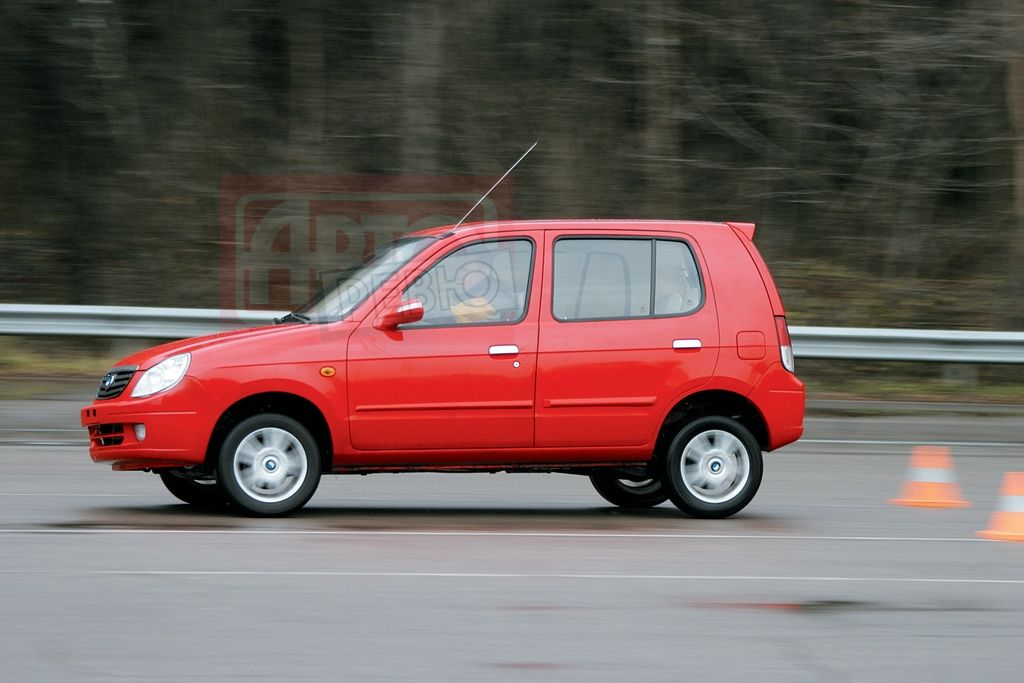 | 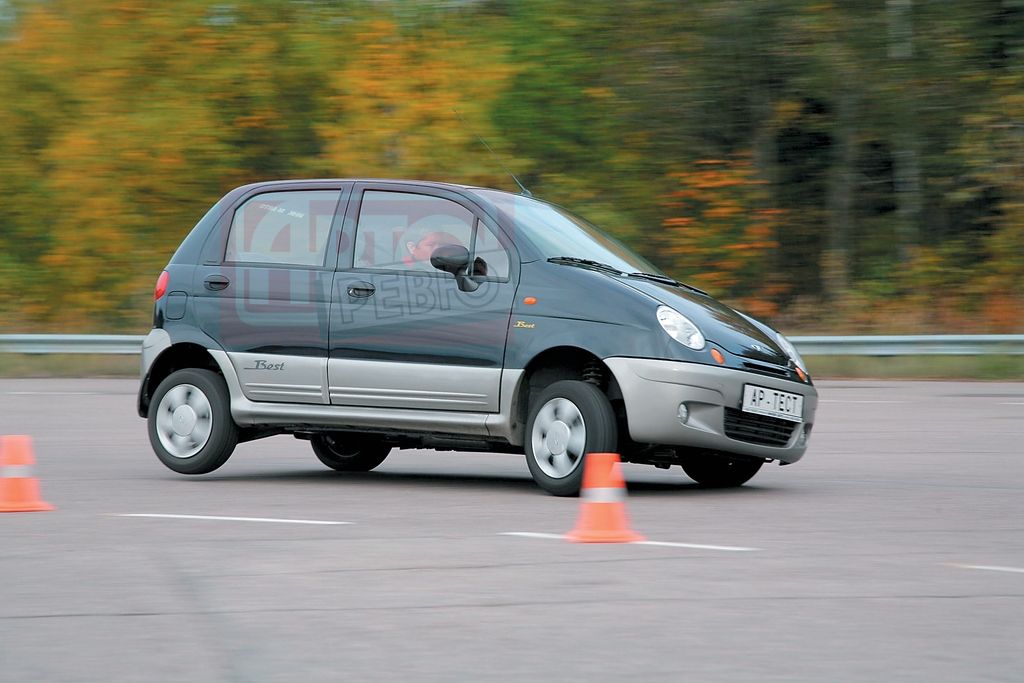 | 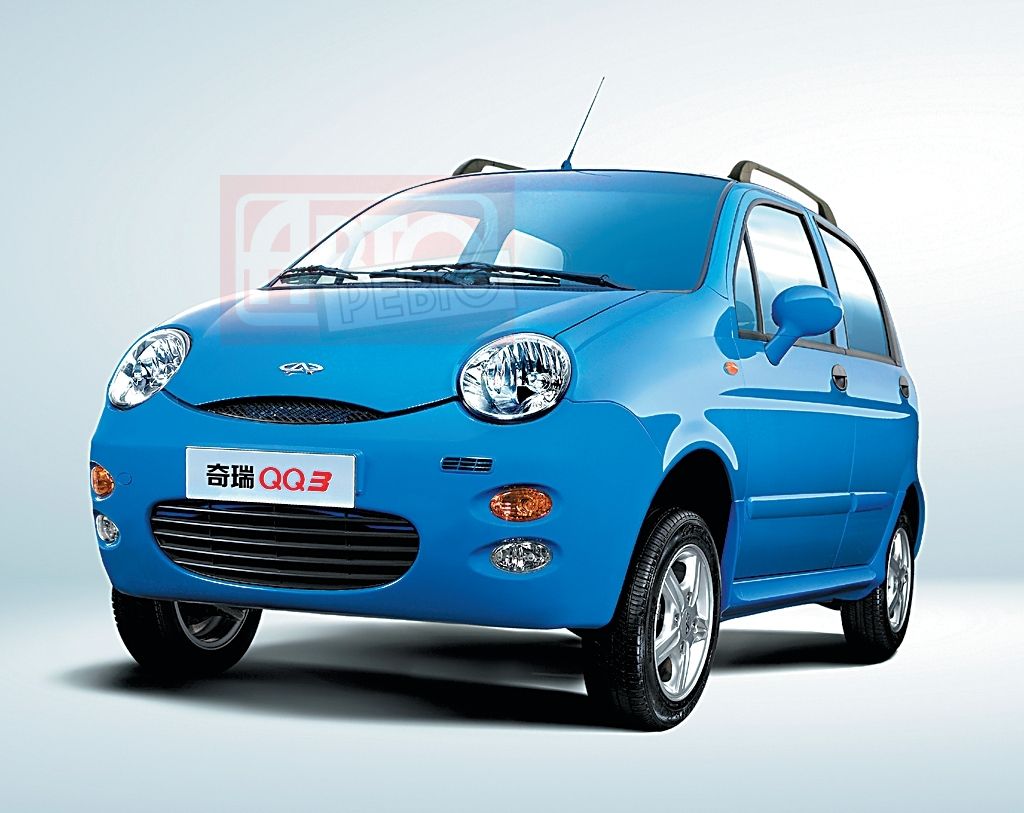 |
| Byd Flyer | Daewoo Matiz | Chery Sweet |
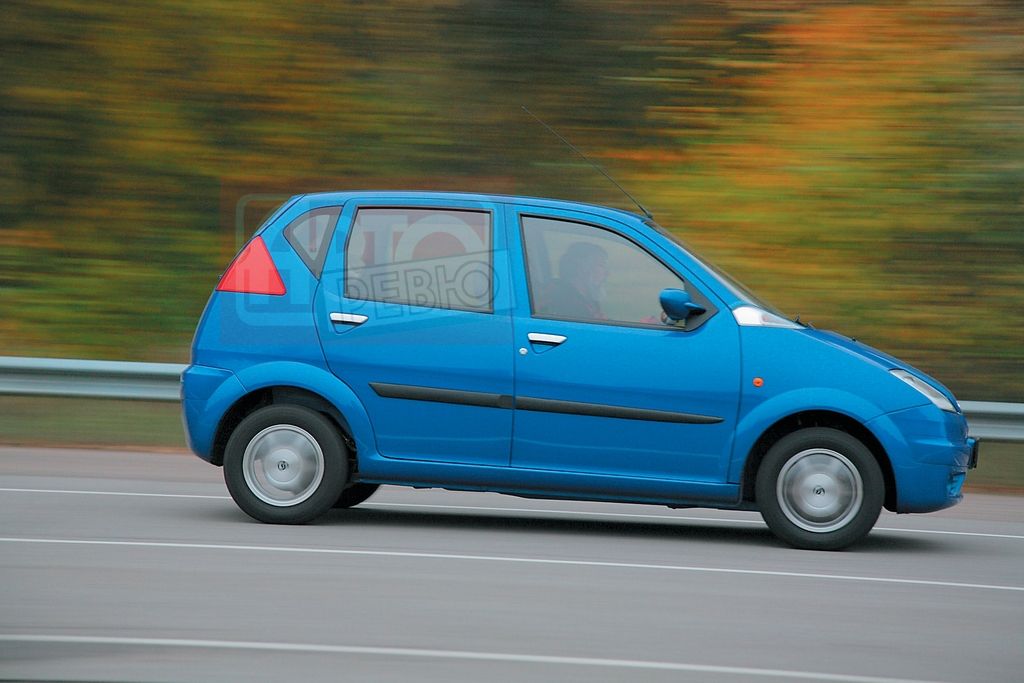 | 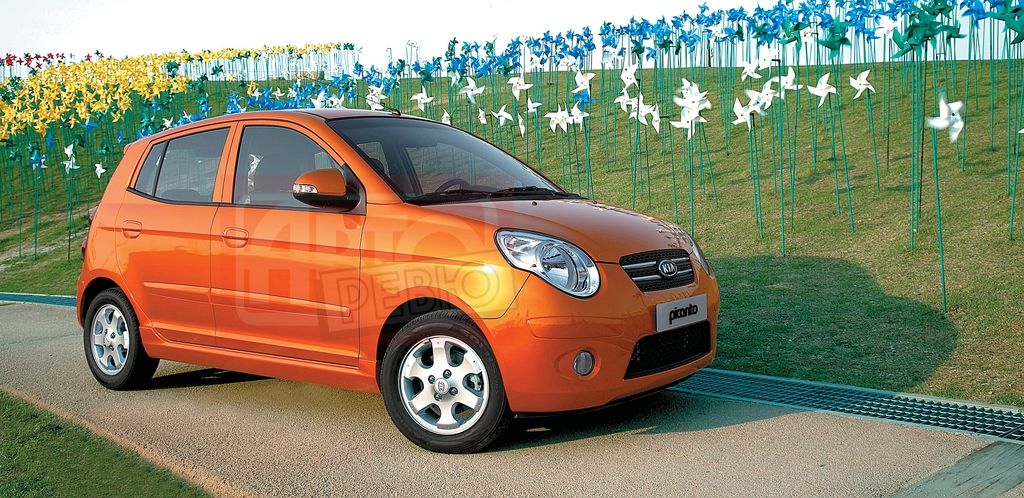 | 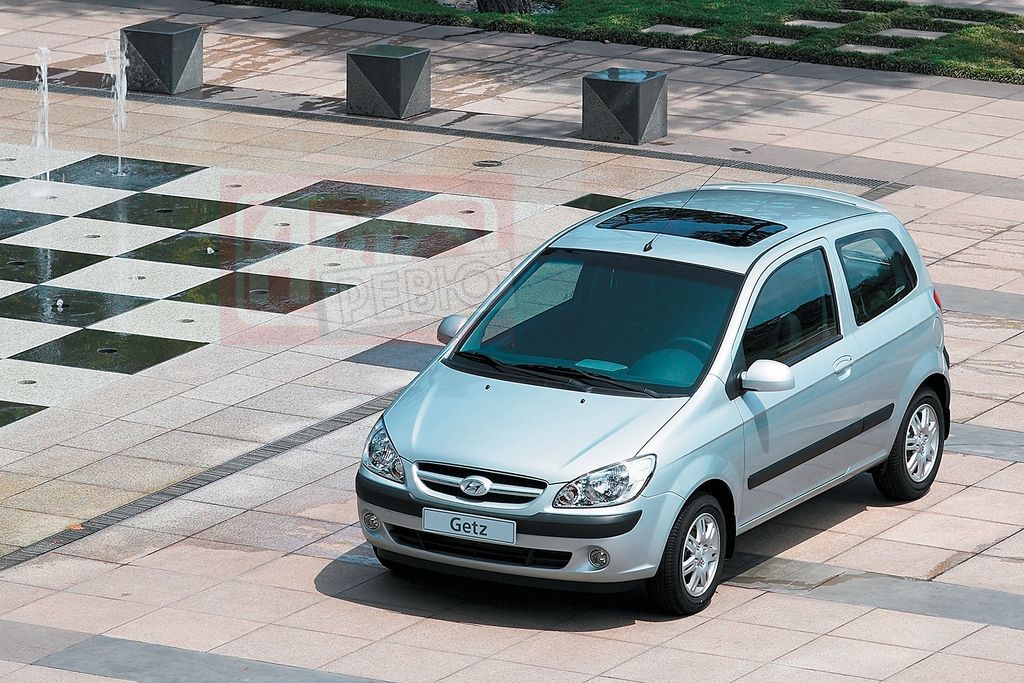 |
| Hafei Brio | Kia Picanto | Hyundai Getz |
Hafei Brio with a liter four-cylinder engine developing 46 hp can be bought for 199,900 rubles ($7,778*). A more powerful version equipped with a 16-valve 1.1 engine (65 hp) will cost at least 233,900 rubles ($9,101). An automatic transmission is not available for this model at all. The Brio stands out with its unusual design, which was worked on by the Pininfarina studio, but that's where all its advantages end. The ergonomics of the interior are frankly poorly designed, and the overly soft suspension allows for bottoming out and rocks the car on uneven surfaces. Details — in AR No. 21, 2006.
Kia Picanto is noticeably more expensive than its competitors from China and Uzbekistan: the base trim with a liter engine (62 hp) is priced at 279,000 rubles ($10,856*). The version with an automatic transmission, which is paired with the 1.1-liter engine (65 hp), sells for 359,000 rubles ($13,969*). The Picanto is a car with a fairly good interior that will be quite comfortable for short drivers, while rear passengers will find it a bit cramped. Details — in AR No. 16, 2004. By the way, this fall, updated Kia Picanto models should appear at dealers, but exact prices have not yet been announced.
Hyundai Getz is a larger car and formally belongs to the European B-class, but given its relatively moderate price, it can well be considered as an alternative to the "little ones." The three-door version with the 1.1 engine (66 hp) costs 286,900 rubles ($11,163*), and for the five-door modification you will have to pay an additional 16,000 rubles ($622). In terms of comfort and interior space, the Getz is head and shoulders above representatives of the A-class. Details — in AR No. 20, 2005.
* At the exchange rate of $1=25.7 rubles.