Uniquely — this word was constantly heard at the presentation of the new generation Opel Astra in Frankfurt. Whatever was discussed — design, engineering, marketing, or strategy — everything was accompanied by comments: "This is unique for Opel," "This is unique for the segment," "This is unique." And it's no surprise that the event turned out to be so rich: from the basics of aerodynamics to a closed test track. It's clear that the company is truly proud of the new model.
How could it be otherwise? The Astra is the main star in Opel's lineup: it accounts for a third of all global sales of the brand. The planet mostly chooses five-door hatchbacks (Russia, as usual, goes its own way), and it is with this version that a new chapter in the history of the Astra begins. And these are not just beautiful words — the new model is truly revolutionary.
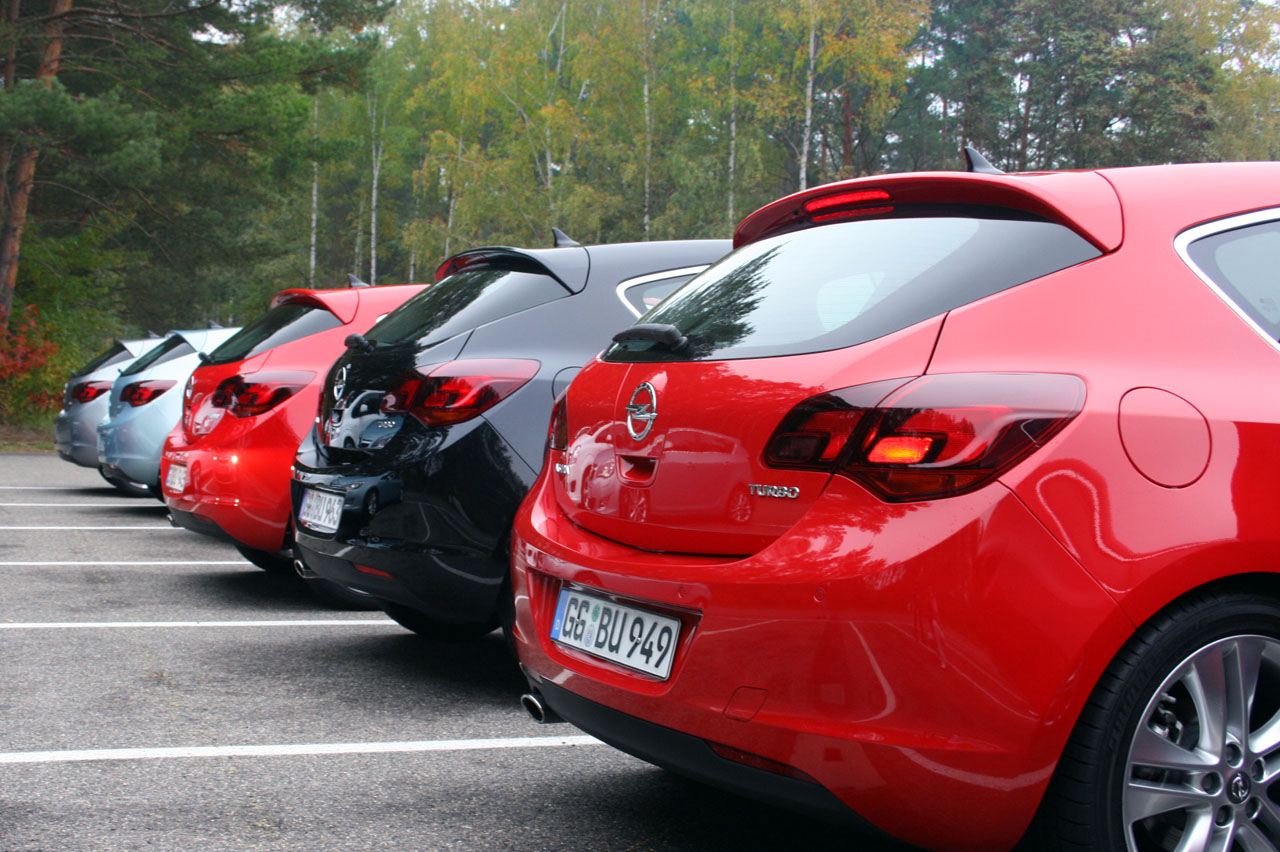
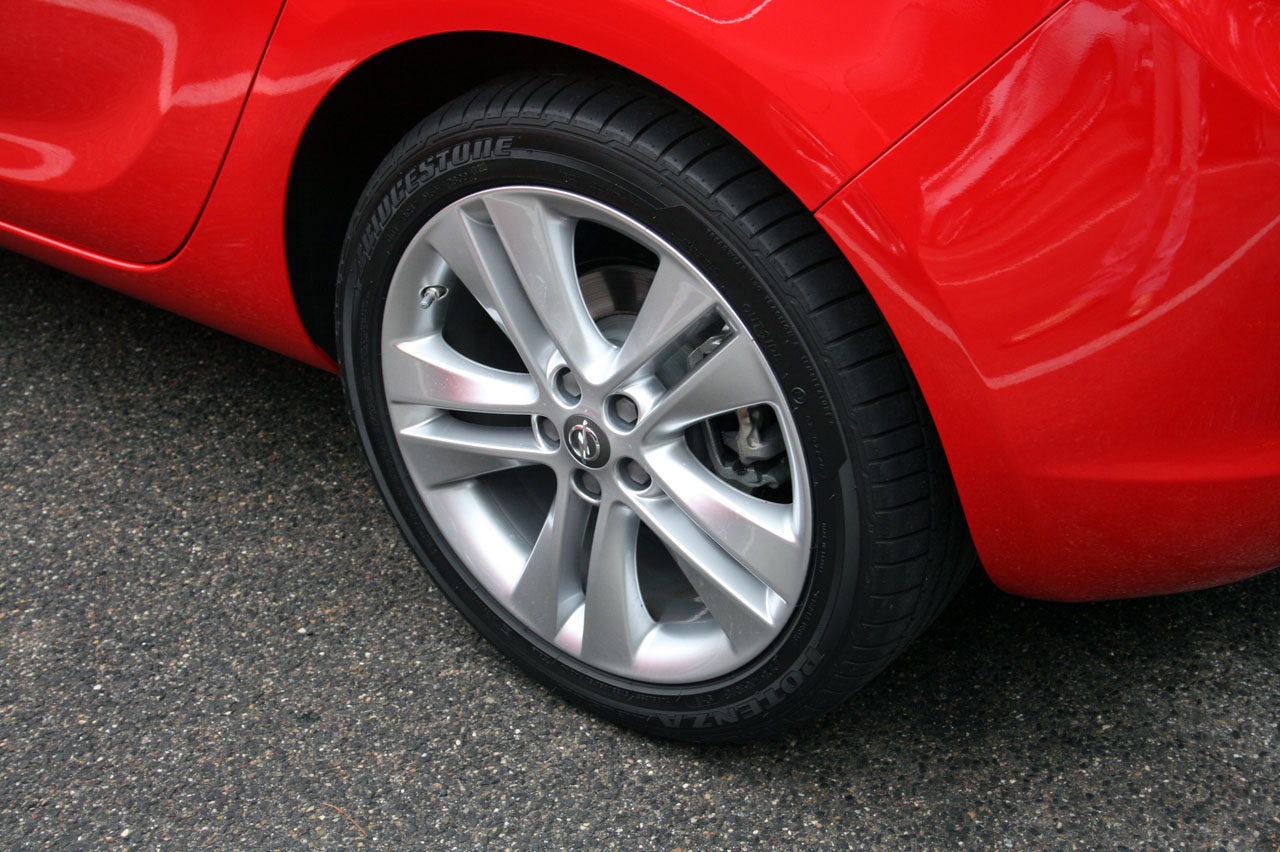
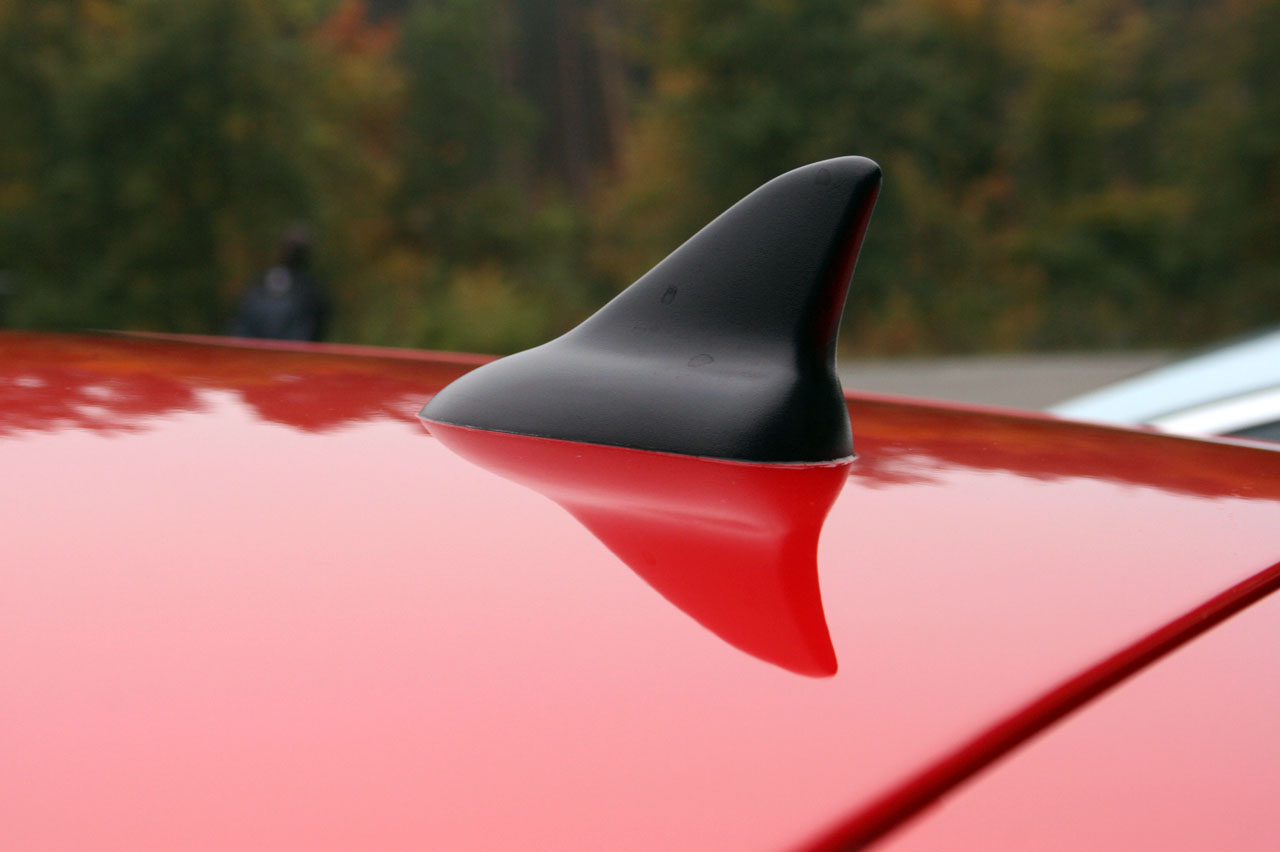
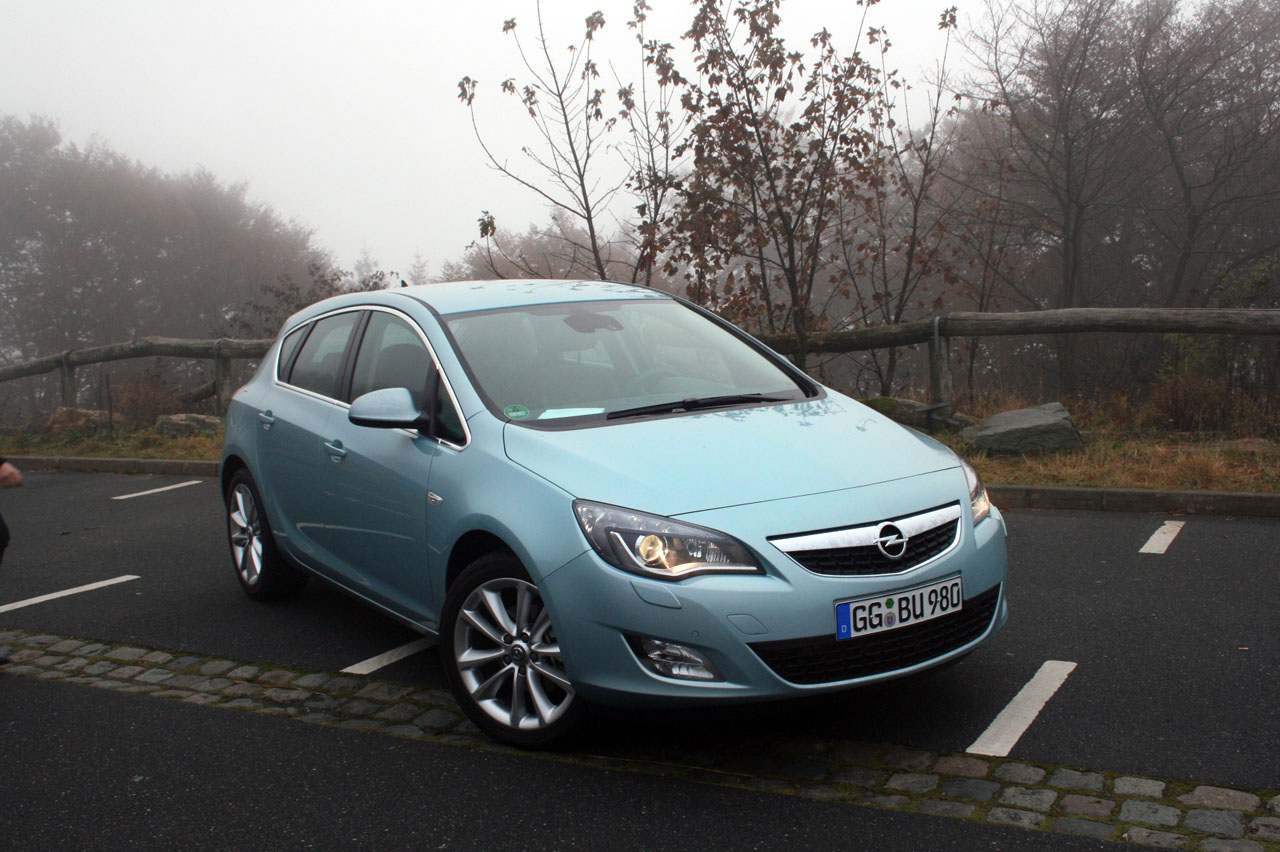
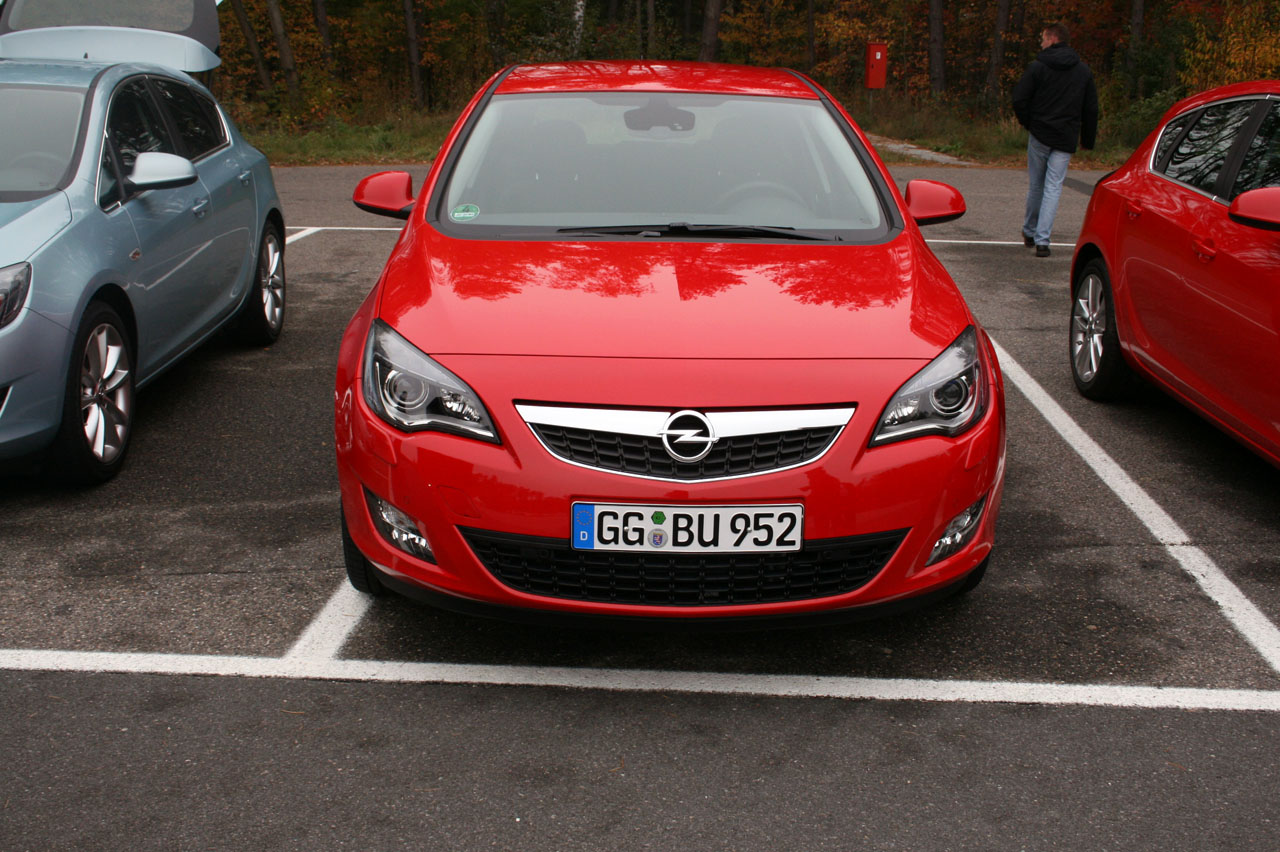
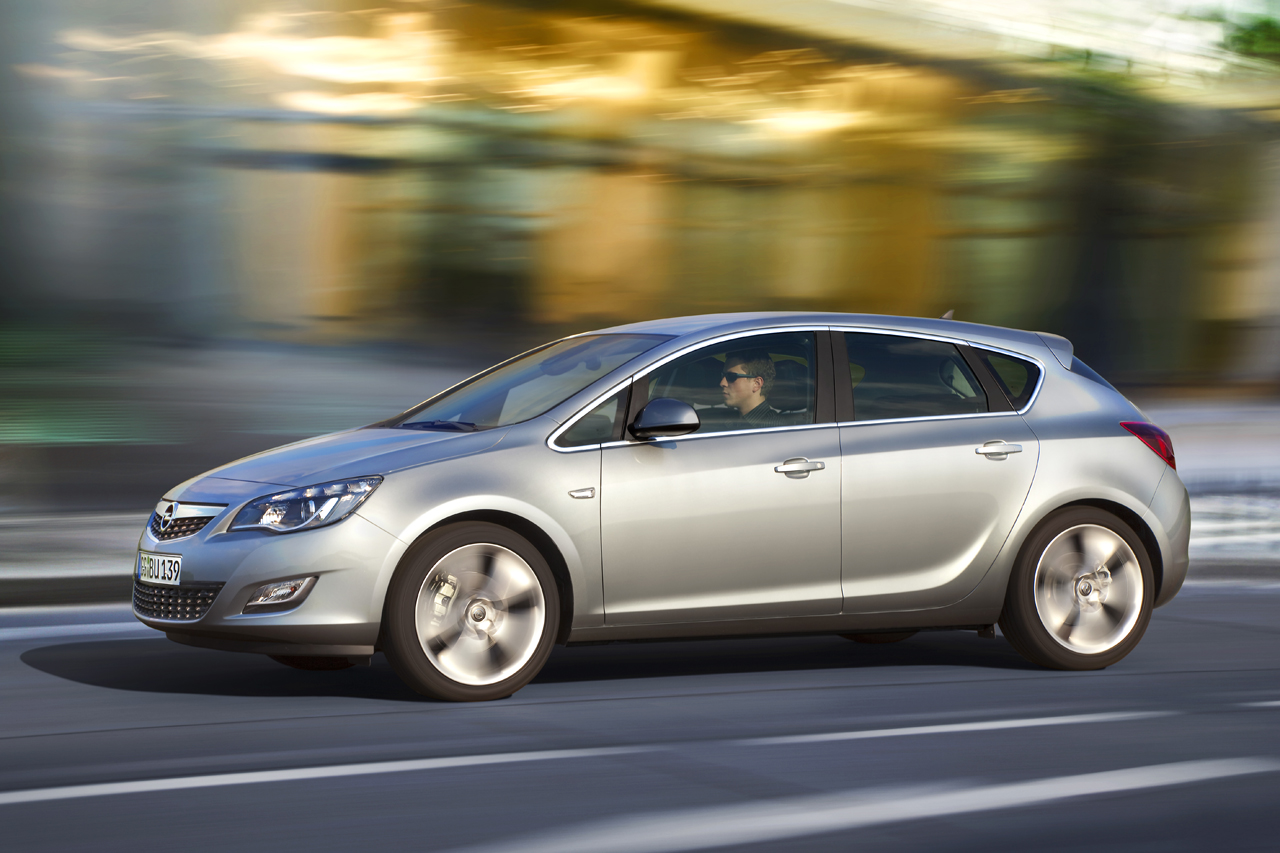
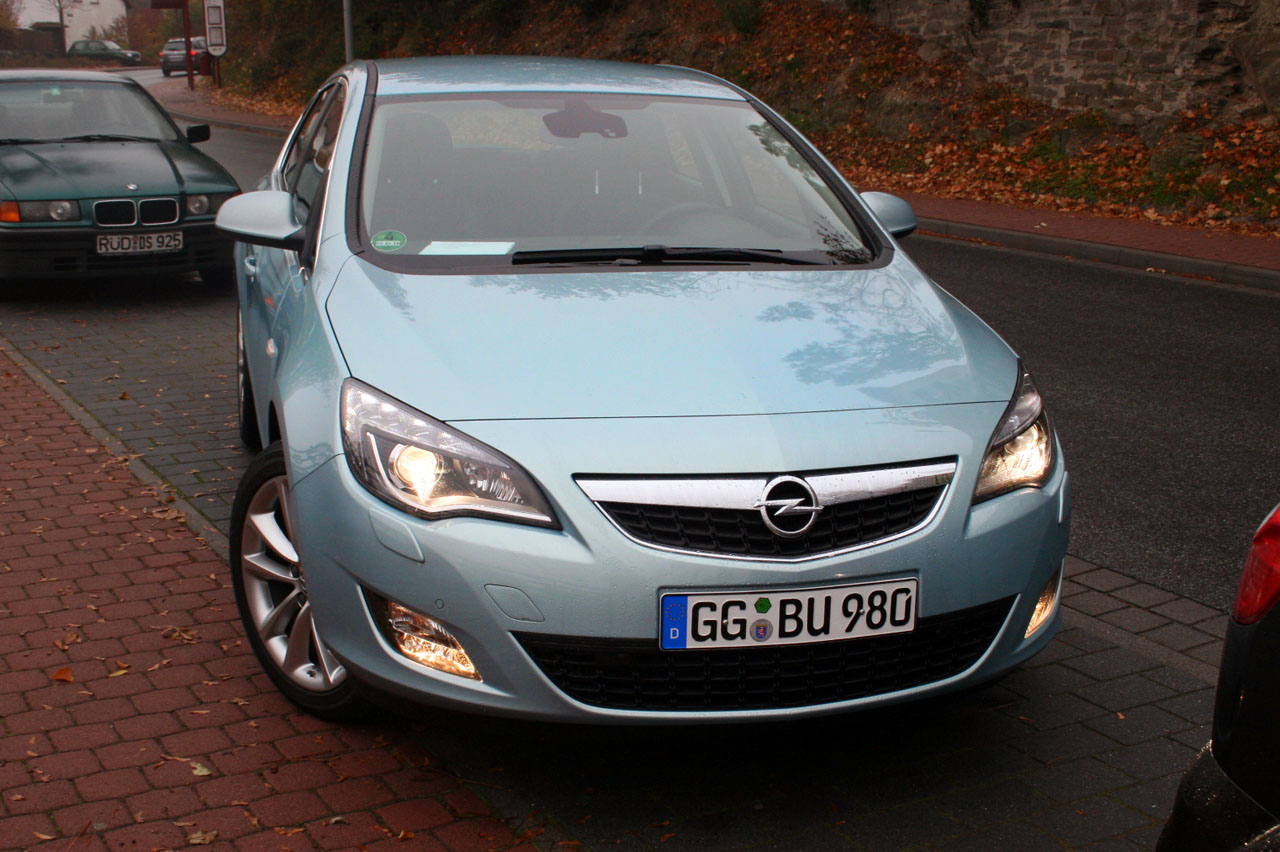
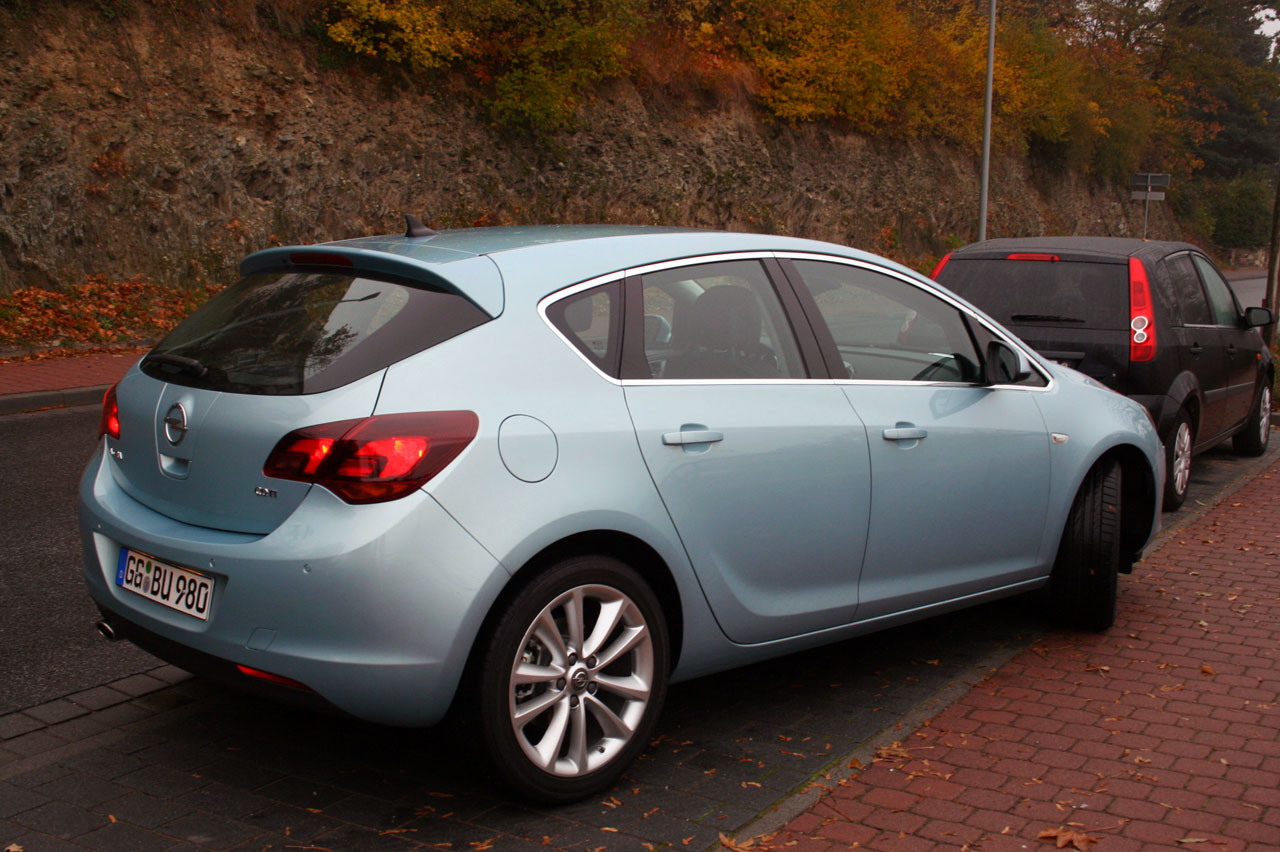
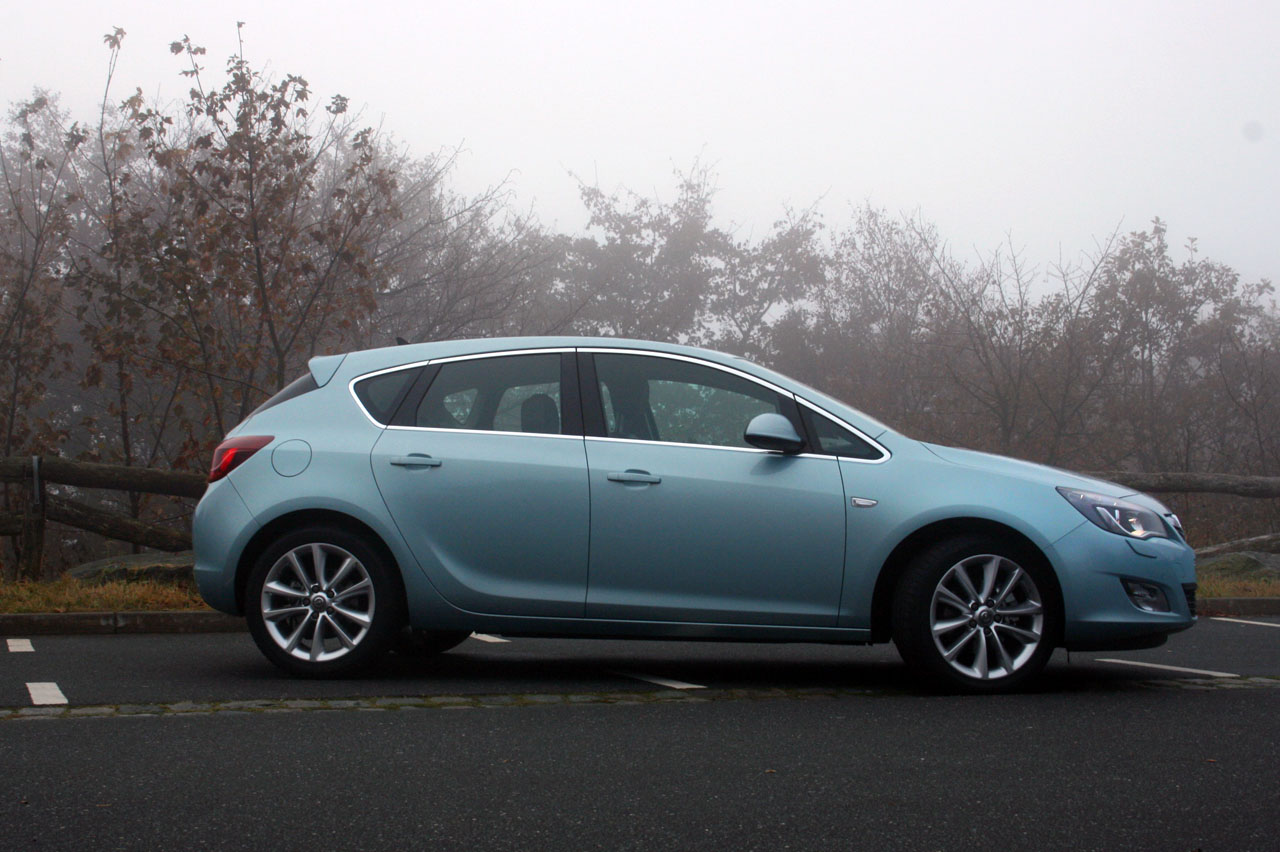
One glance at the car is enough to understand everything. The Astra 2010 speaks the same design language as the Insignia: intricate but elegant headlights, modern fog lights, a daring rear, a coupe-like silhouette, huge low-profile wheels for its size, and a shark fin on the roof. By the way, the headlights are now swiveling — this has noticeably improved road illumination.
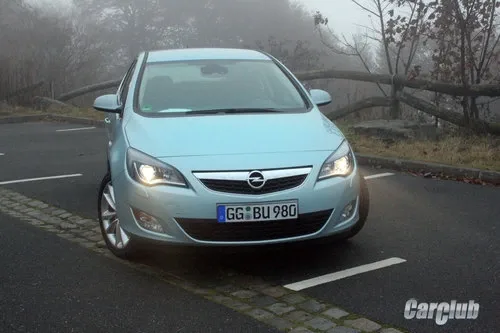 |
| The Astra speaks a new design language, first heard from the Insignia |
Previously, the five-door looked modest and boring against the stylish three-door, but now it's impossible to take your eyes off it. All that remains is to wait for the new three-door Astra, and then the station wagon and sedan of the new generation.
The new Astra has grown 17 cm in length, 61 mm in width, and 2 cm in height, and the wheelbase has stretched by 71 mm. Overall, the car looks much more solid and expensive. And we haven't even gotten to the interior yet…
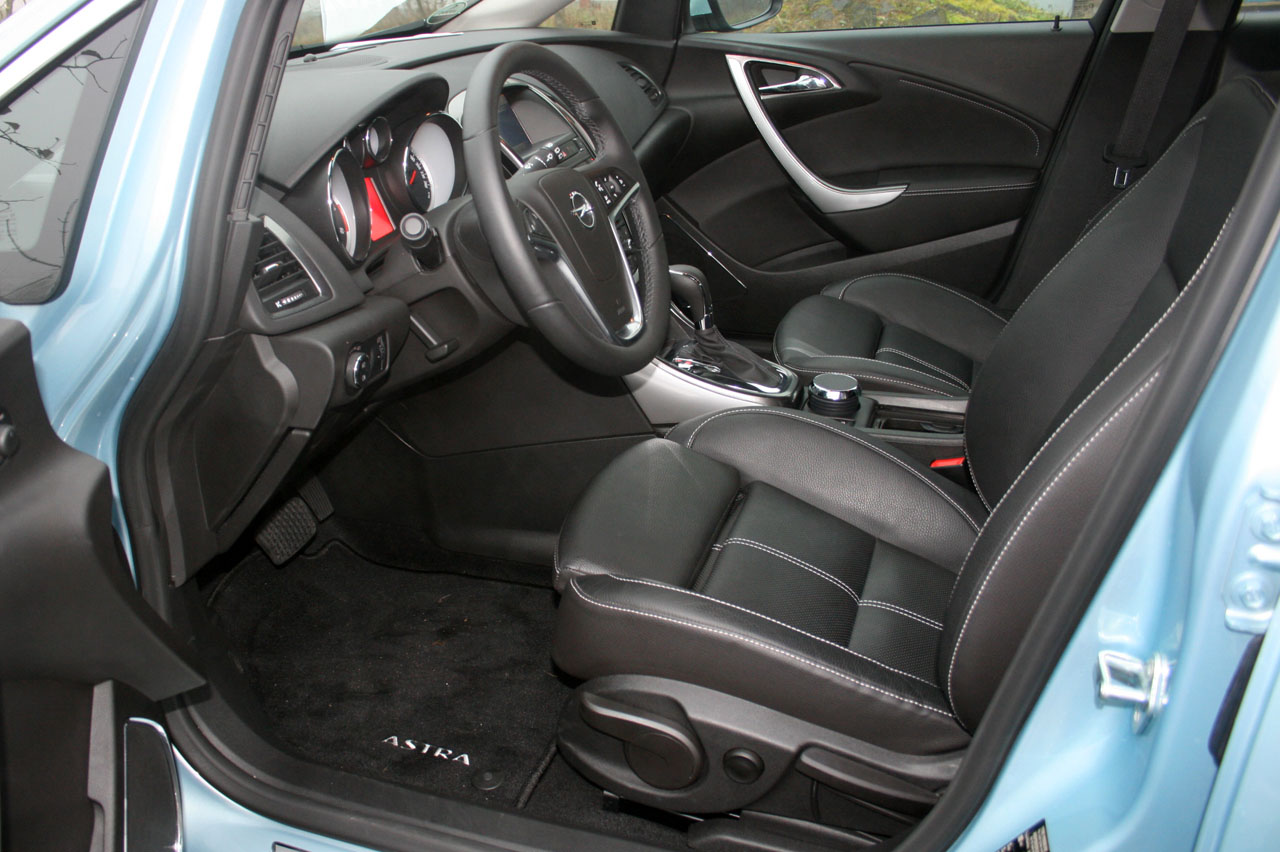
You open the door of the new Astra — and it feels like you've stepped into a car a class higher. It all starts with the door. As noise insulation specialists explained, there are noises (which need to be muffled) and there are sounds. Sounds can be unpleasant (like the buzzer of an unfastened seatbelt) and pleasant. One of these is the sound of a closing door. It's no wonder that many consider the thud of Mercedes doors to be synonymous with luxury. The new Astra is not a Mercedes, but its doors close with that noble sound characteristic of more expensive cars.
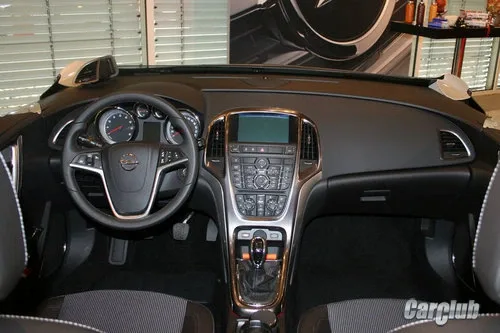 |
| You open the door of the new Astra — and it seems you've entered a different car. A class higher. |
It seems the Opel engineers weren't lying: during development, surveys of drivers from different countries — both men and women — were indeed studied.
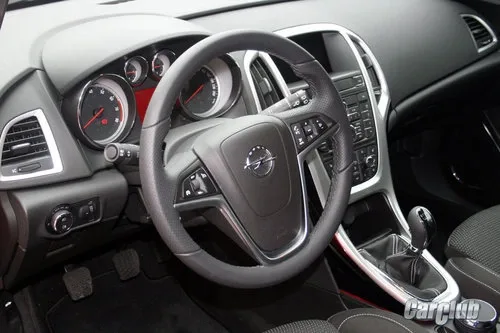 |
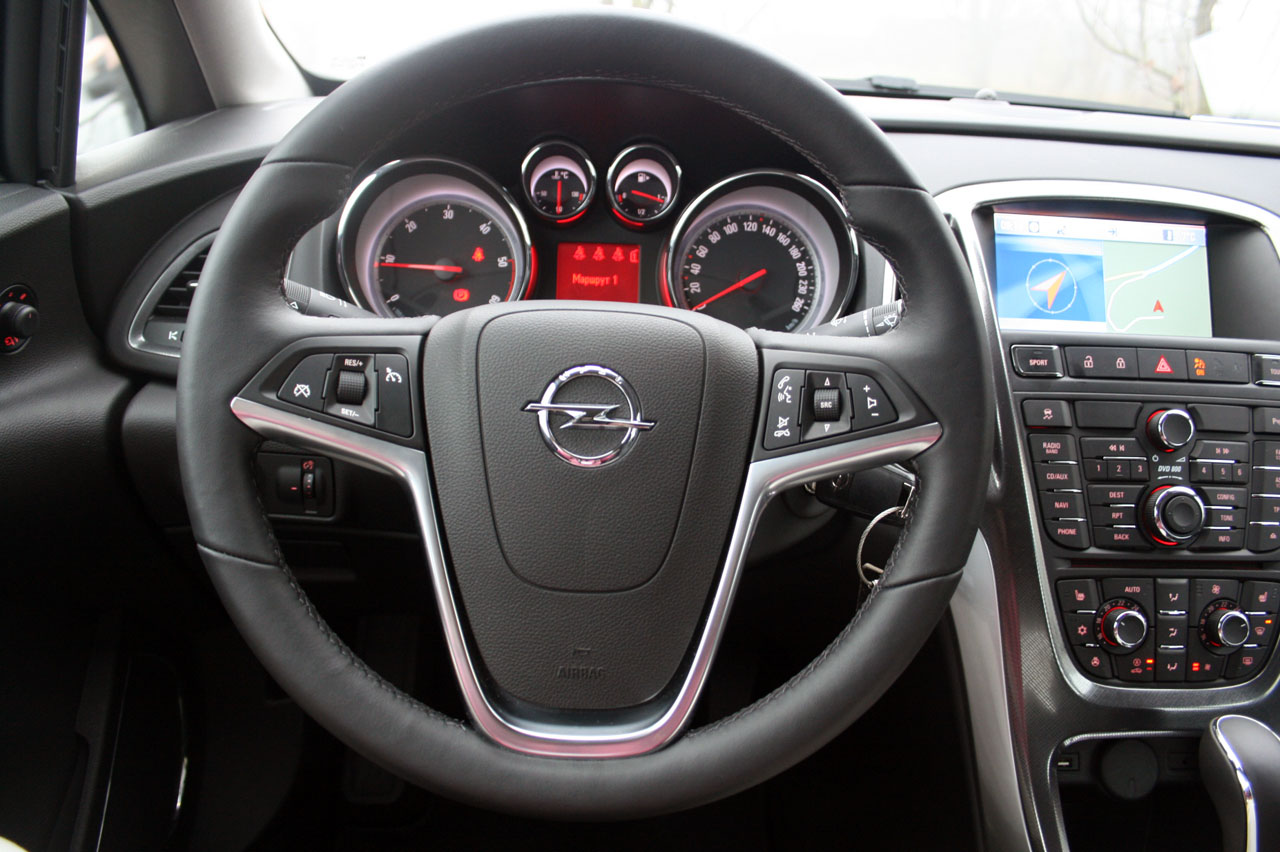
| The steering wheel received a unique option for its class — heating! Specially for Russia |
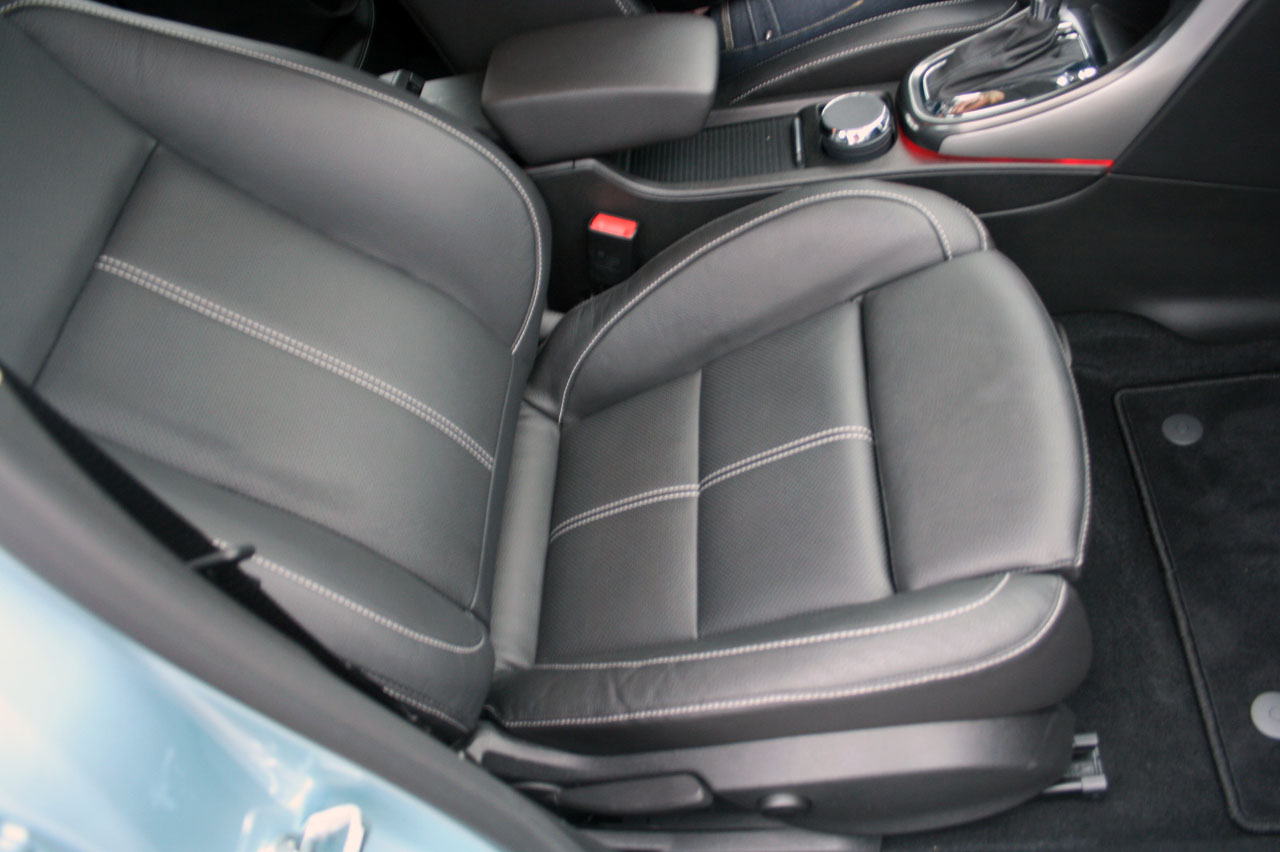
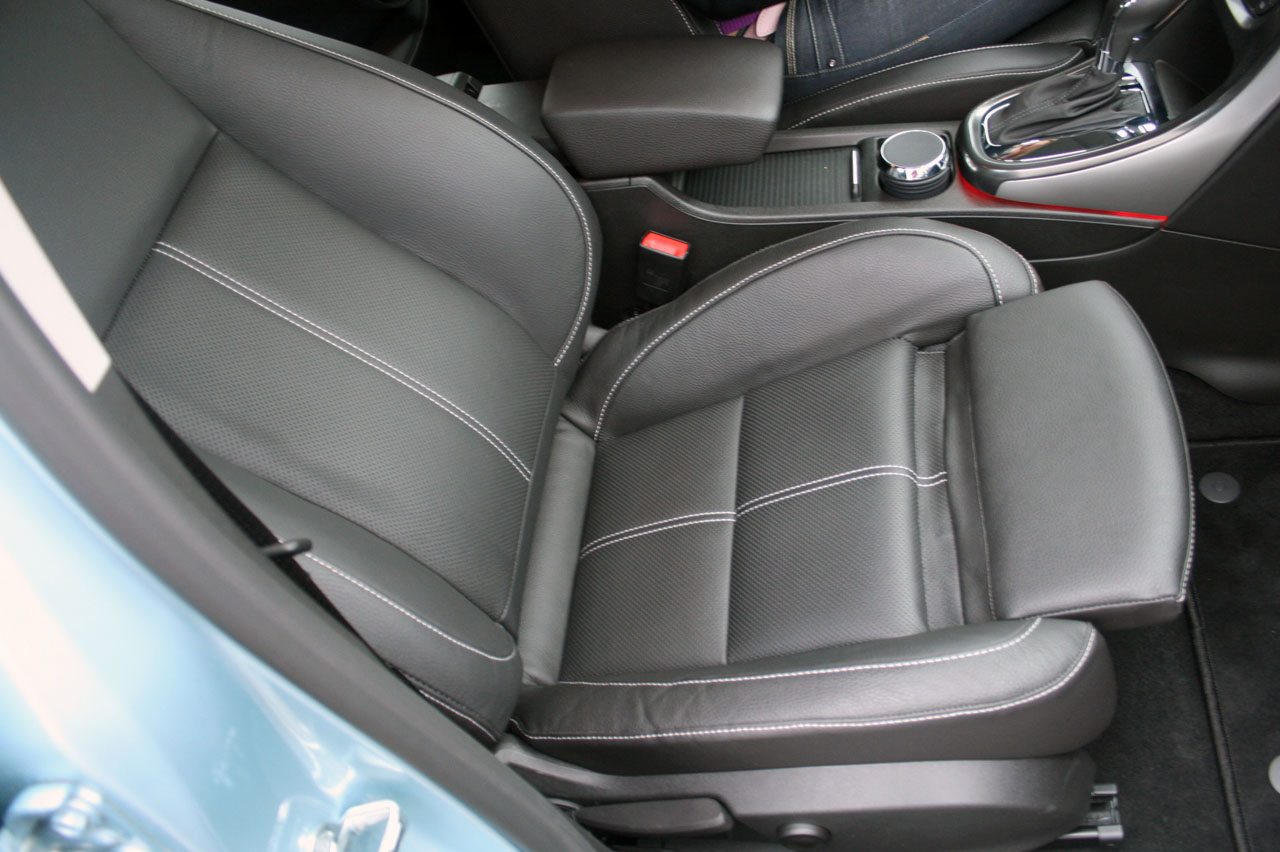
Where to start with uniqueness? Let's take the seats. Even the base seats were developed with the participation of the German medical association AGR ("Campaign for Healthier Backs"), for which drivers of any height will be grateful. The adjustment ranges of the seat and steering wheel are so vast that it's simply impossible not to find a comfortable driving position. And the main feature is an optional extendable section in the seat cushion, solving the problem of a "short seat." Even we, women, have no complaints about ergonomics, and that says a lot! Although there is one complaint... And a very serious one: adjusting the backrest tilt is a whole problem; your hand barely fits between the pillar and the adjustment wheel.
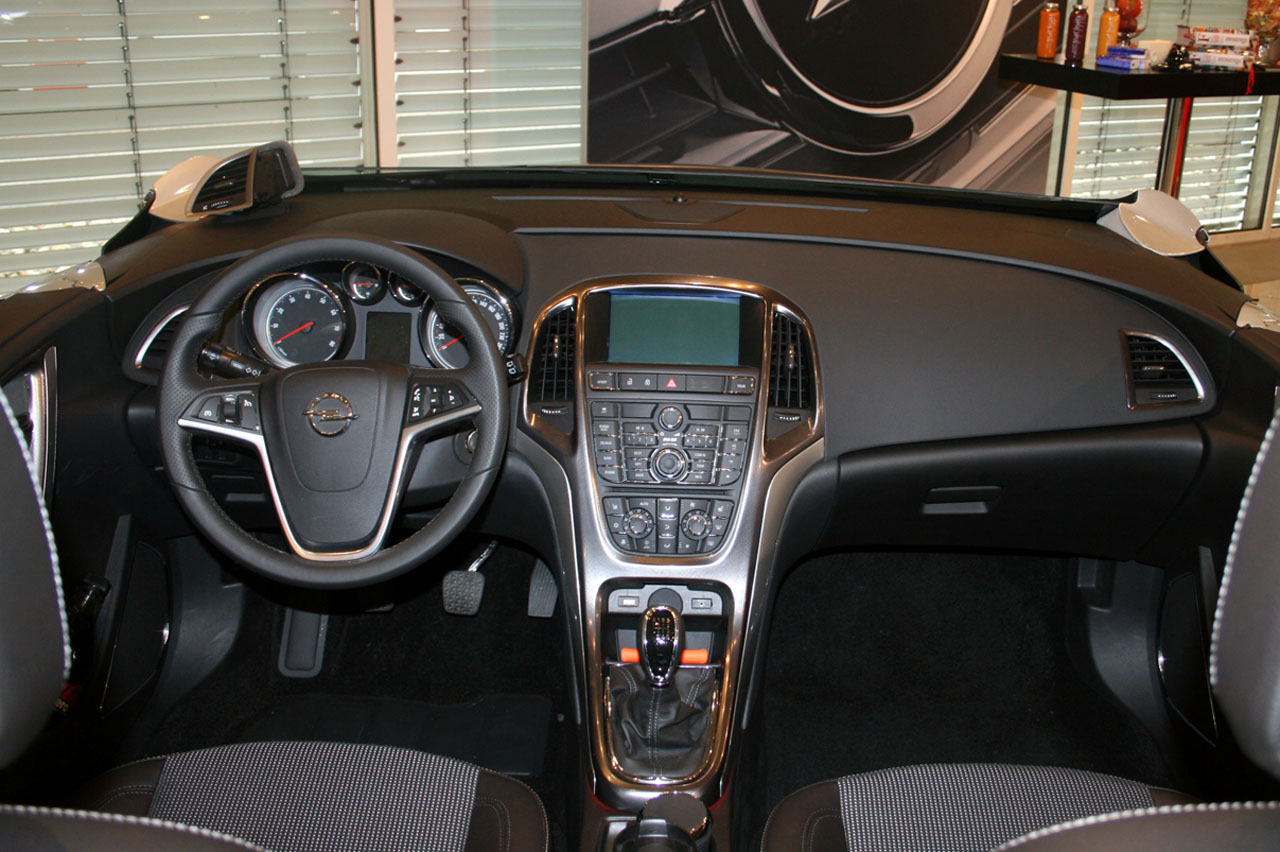
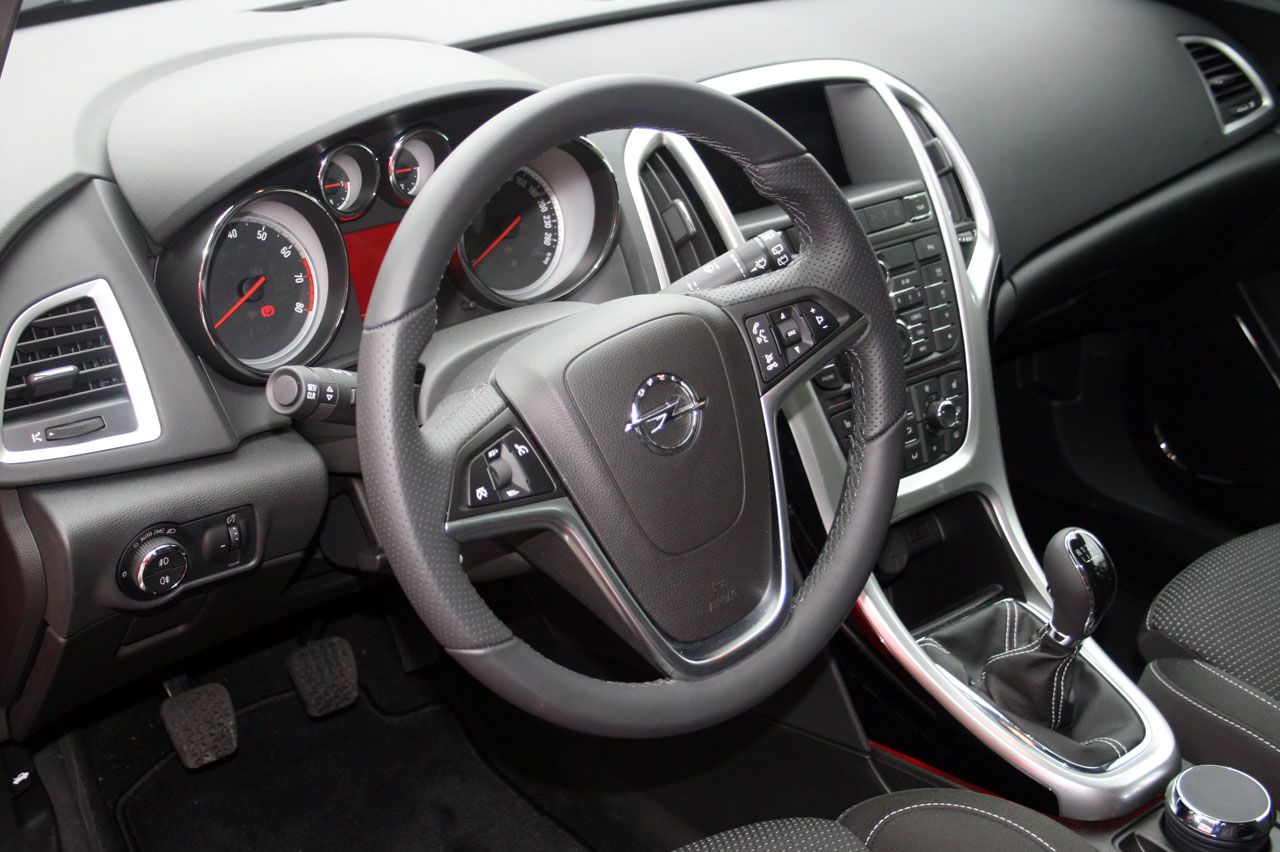
Inside, the car is illuminated by spot lighting, creating a soft, cozy atmosphere. The seats, steering wheel, and gear lever are adorned with stylish white stitching. The steering wheel pleased with comfortable grips on the rim and its own unique option for the class — heating! As Opel designers clarified, this function was developed specially for Russia. The handbrake here is a regular button. On one hand, it's convenient: the button takes up less space. On the other, you need to get used to it. Plus, it automatically releases when you start moving.
Special thanks for the classic turn signal stalks: unlike the previous ones, where "one touch" for lane changing made you then click the stalk several times trying to return it to the neutral position, the new ones work according to the traditional scheme.
The central console of the new Astra is styled like a mobile phone — a technique we've already seen in the latest Fiesta, but it still looks unusual. True, there's a fly in the ointment: there are so many buttons and they are so small that it's hard to figure out this variety at a glance; your eyes just dart around. Everything is concentrated here: climate control, music, navigation, and phone book. The joysticks for navigation and audio system are located one below the other, so confusing them is as easy as pie. A single display saves the day, showing clear readings of climate control, navigator, music, or DVD depending on priority. At the very top of this "tube," the hazard light button and the Sport and Tour keys modestly sit, but we'll talk about them later.
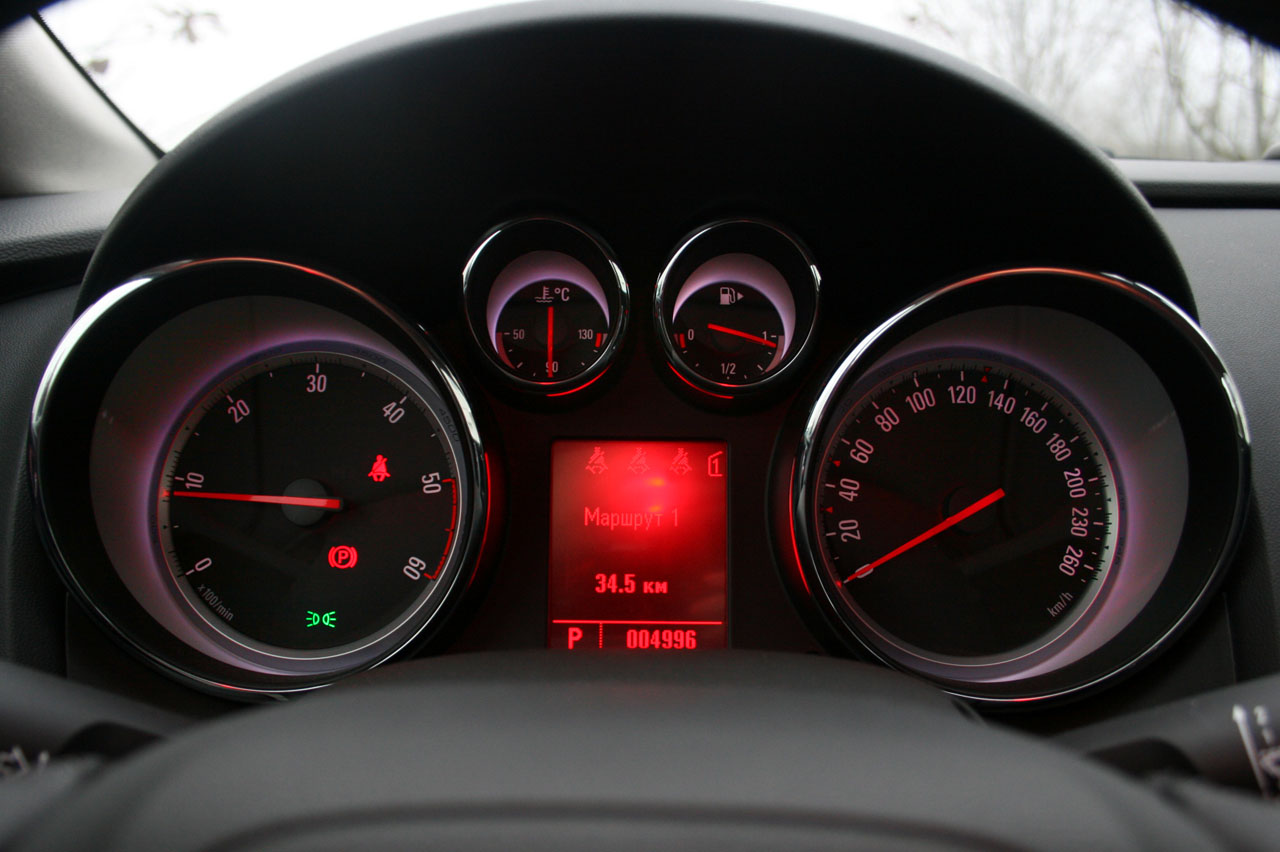
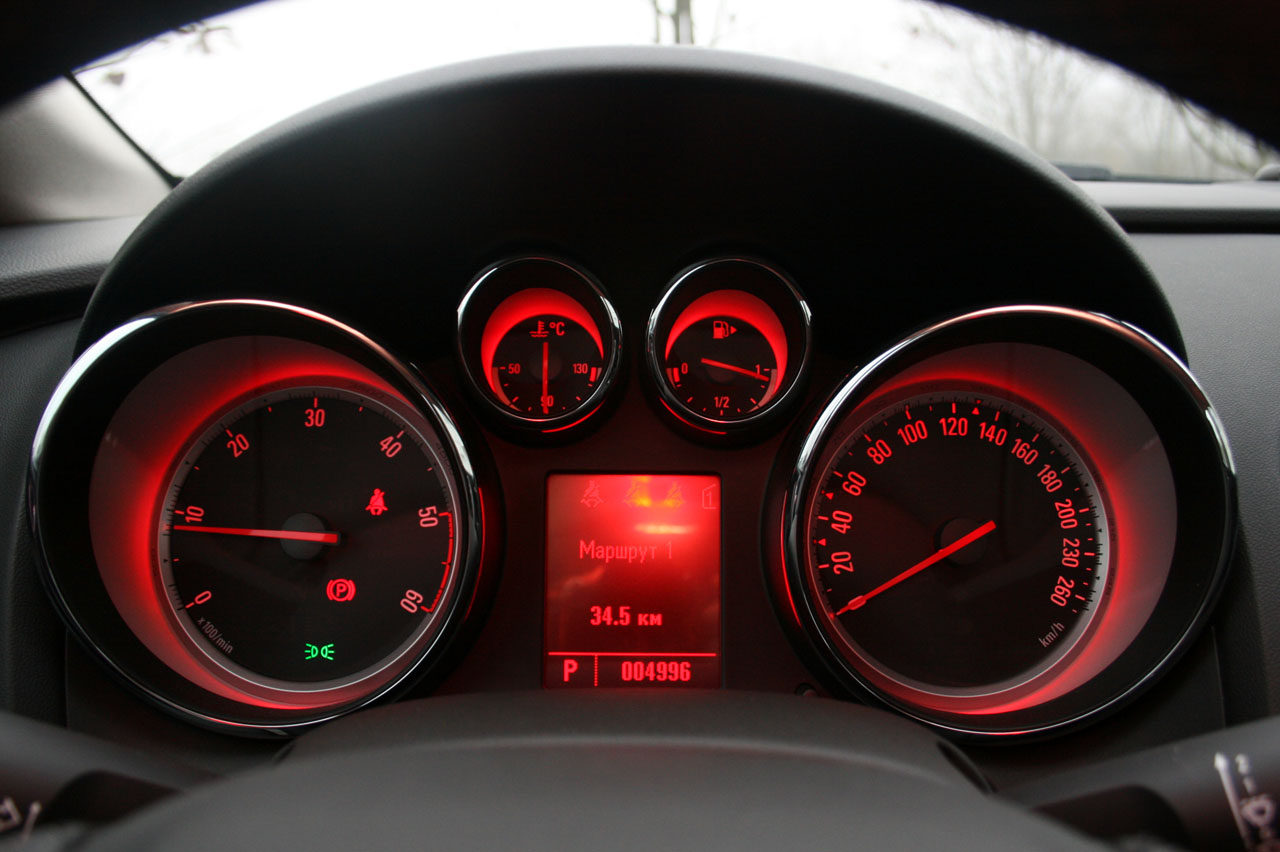
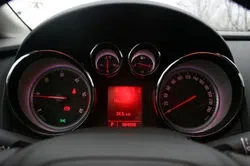 |
| When changing modes ... |
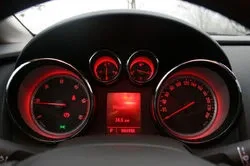 |
| ...the instrument lighting changes |
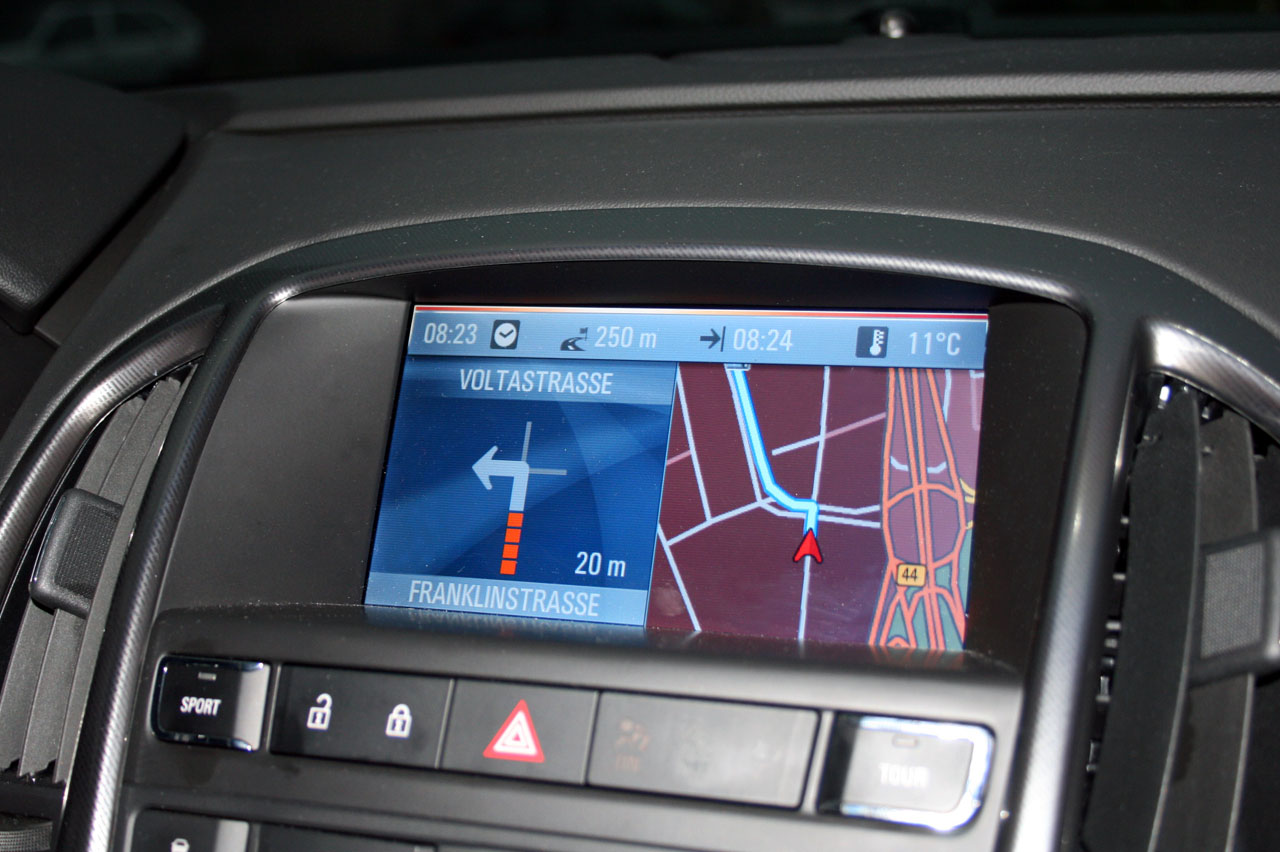
Another feature of this car is the navigation. Its memory contains not just maps, but a whole reference book: attractions near the current location with photos and descriptions, plus shops, restaurants, and other useful places. We were able to fully appreciate its work when we left the official route and escaped to "unauthorized" Wiesbaden. "Natasha" (yes, Russian language is available in the system! And there is a chance that this option will appear on Russian cars) worked perfectly, like a real tour guide.
And of course, we can't forget the usual things: USB input, phone synchronization capability, and other standard pleasures.
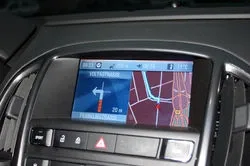 |
| The navigation system's memory contains attractions with photos and information, as well as cafes, restaurants, shops, etc. |
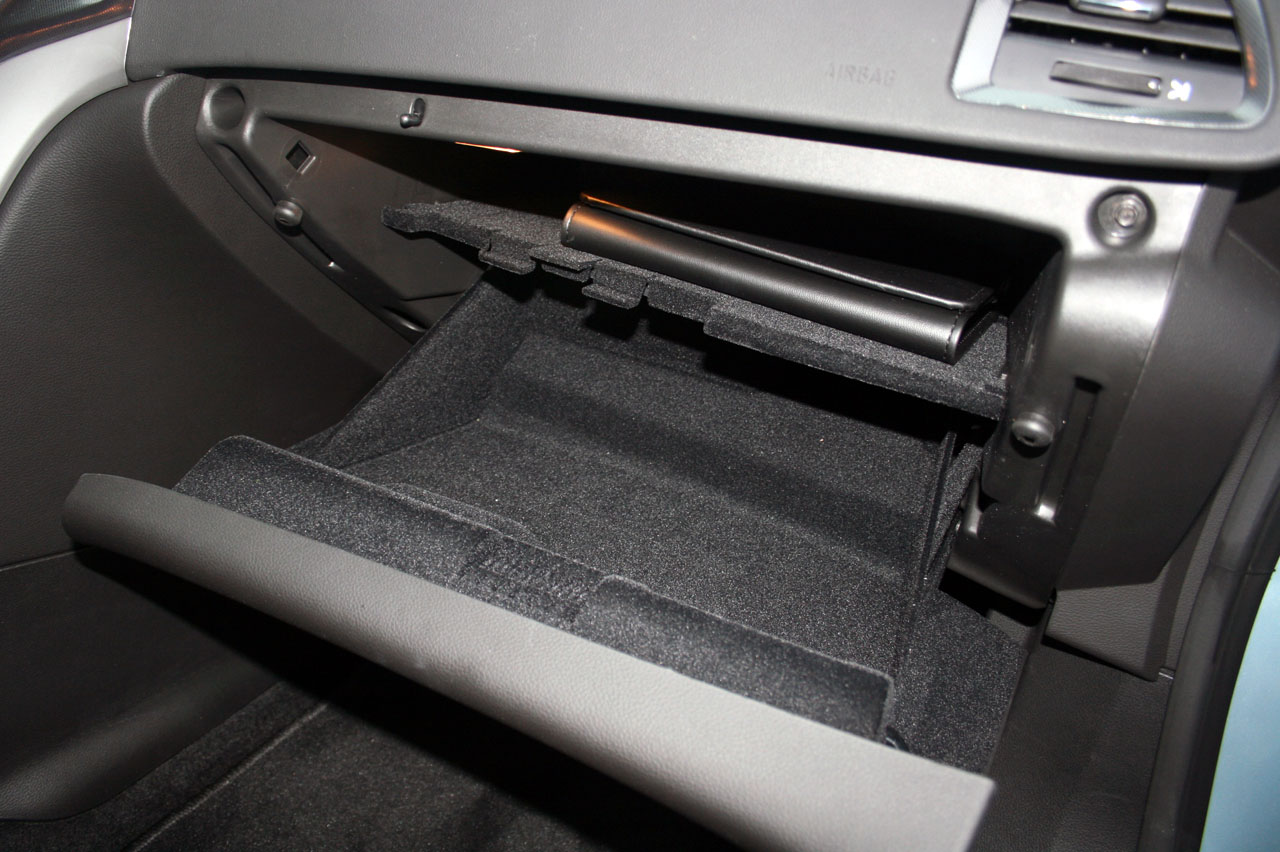
The German engineers deserve another plus — apparently, they conducted very thorough surveys. The new Astra not only got rid of the problem of lack of storage space for small items that plagued its predecessor, but it seems to have anticipated every whim: glasses holder, cup holders, bottle pockets in the doors, and even a coin holder. But what touched us most was the box under the front passenger seat. According to research, most women carry high-heeled shoes in their cars — so they made this spacious drawer for them. Guys, you knew!
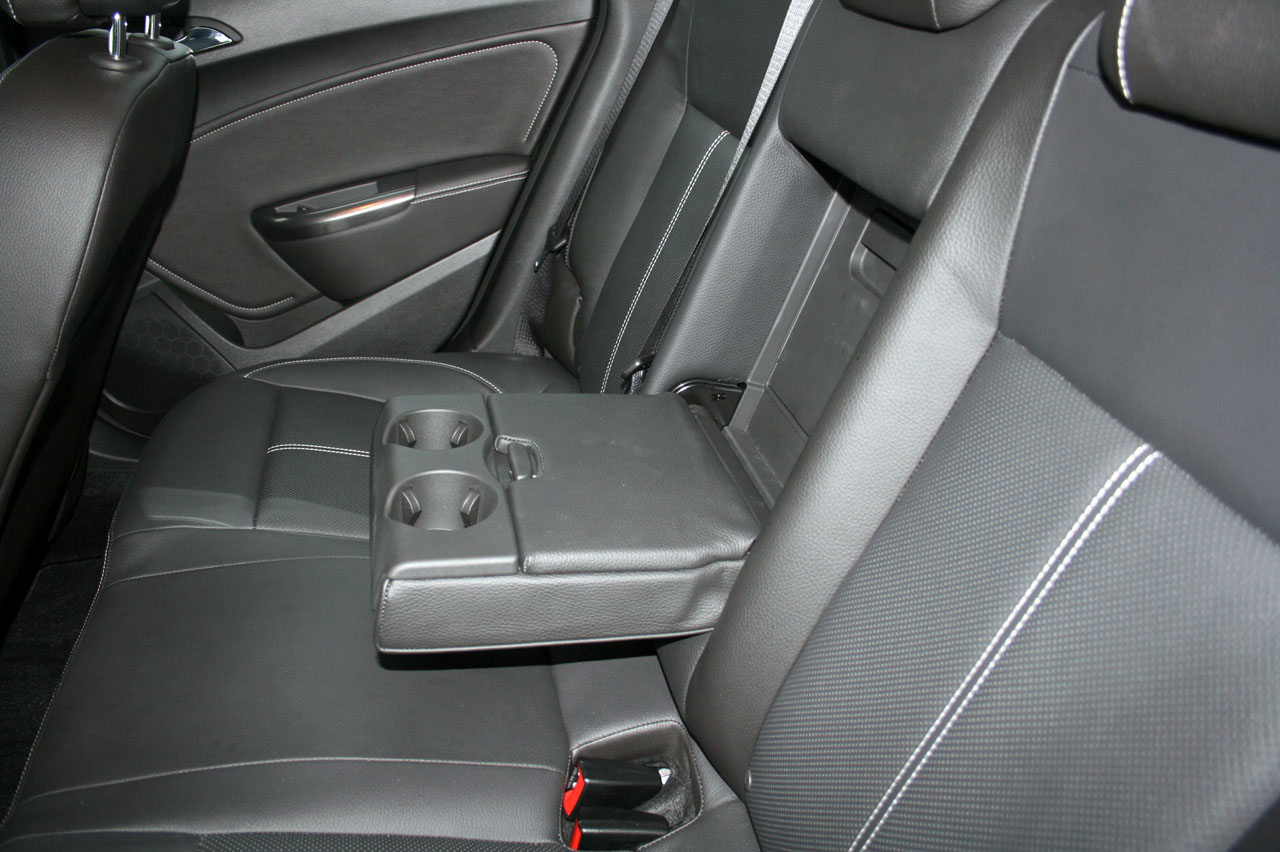
Despite the fact that the wheelbase has increased, there isn't much extra space in the back. The sofa is profiled for two, and the "third" place in comfort mode transforms into an armrest with cup holders and a small compartment for odds and ends.
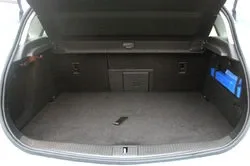 |
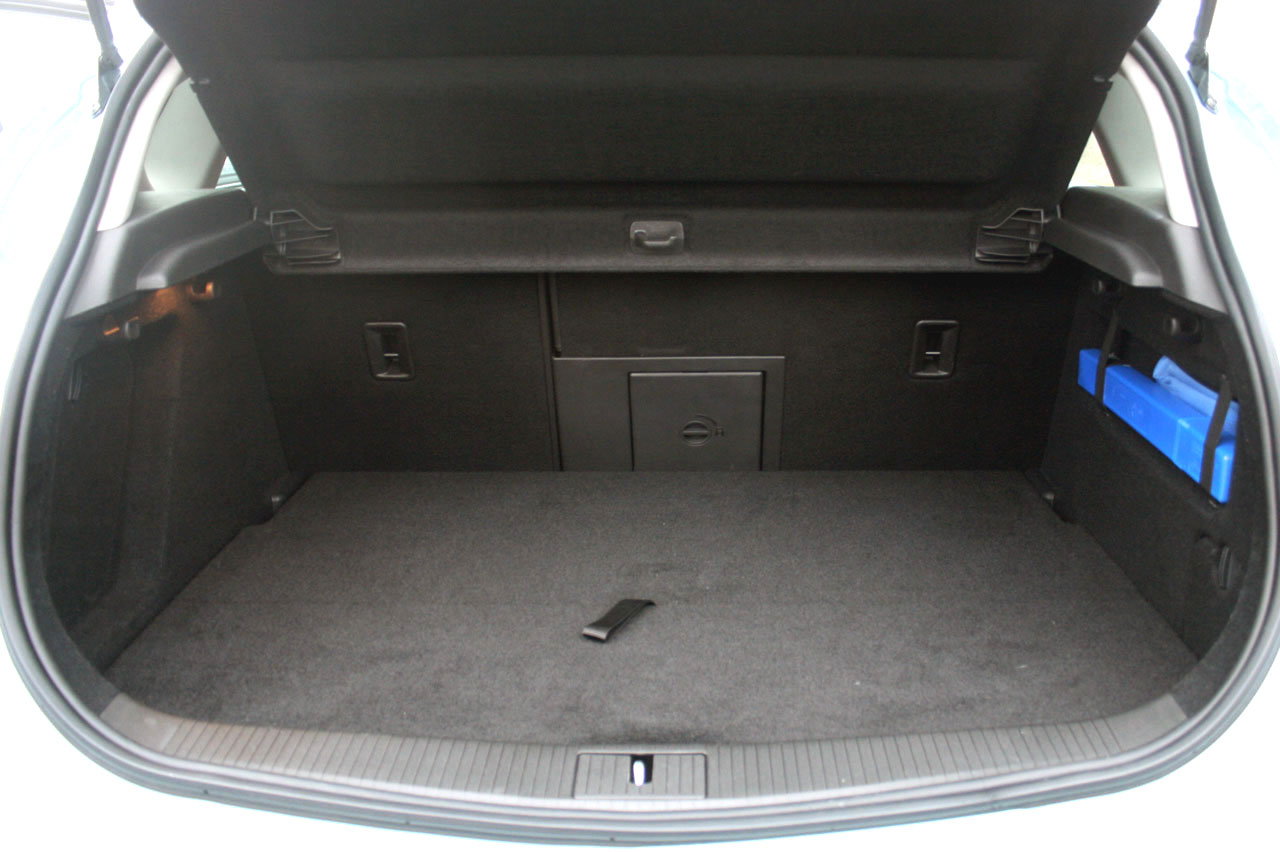
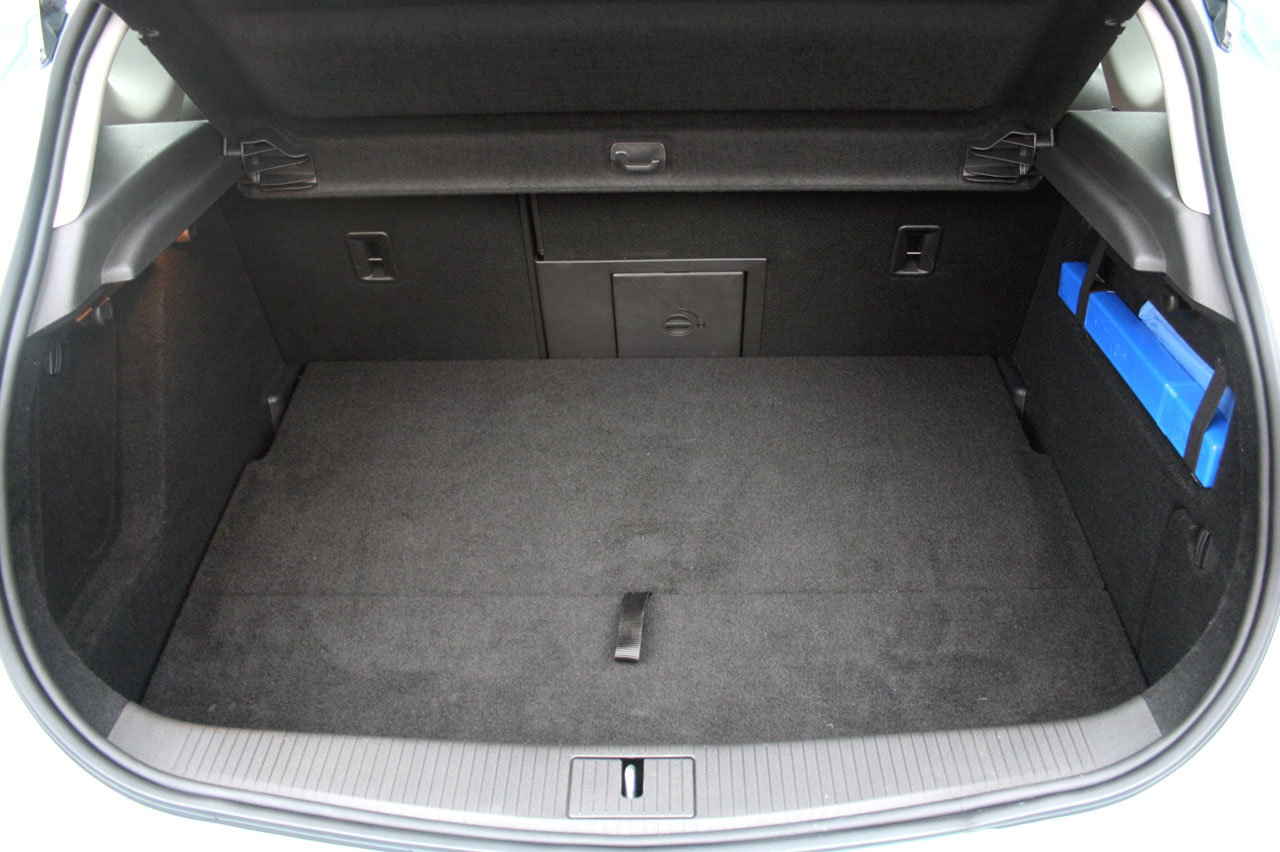
| The trunk has a unique system |
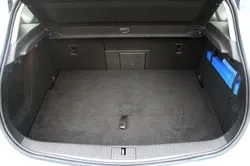 |
| FlexFloor, which changes the floor level |
The next innovation is the FlexFloor system. The floor in the Astra's trunk can be set in one of three positions. In the lowest — a tall load will fit, in the middle — a large-sized one, while the floor line becomes level with the folded rear seat backs, and in the upper — it coincides with the loading level, so small items can be placed without bending. The floor is easy and quick to reposition. In Europe, the car is sold with a repair kit, but to Russia, most likely, it will be delivered with a space-saver spare wheel. The spare wheel will not affect the volume and functionality of the trunk.
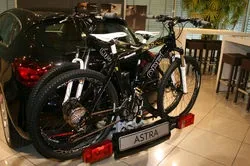 |
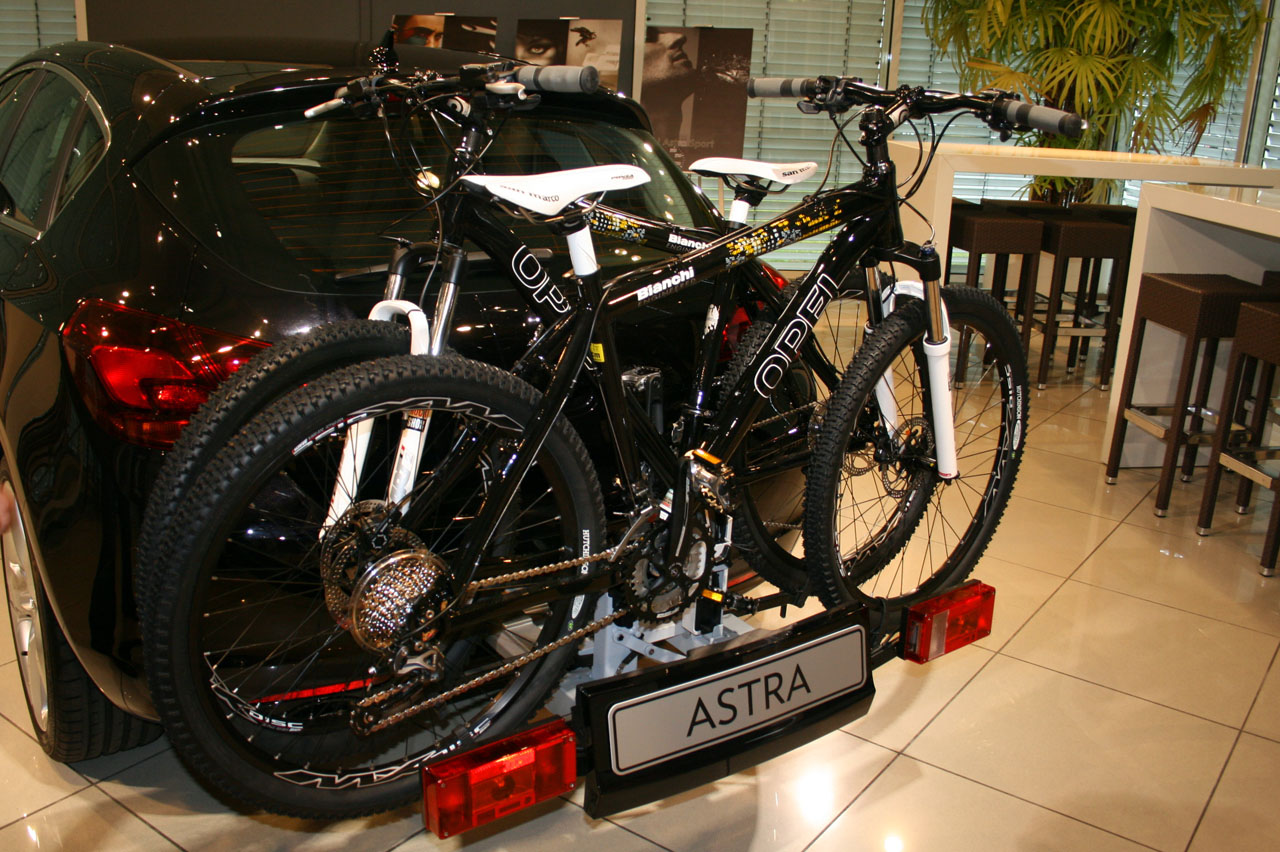
| Bicycle holder |
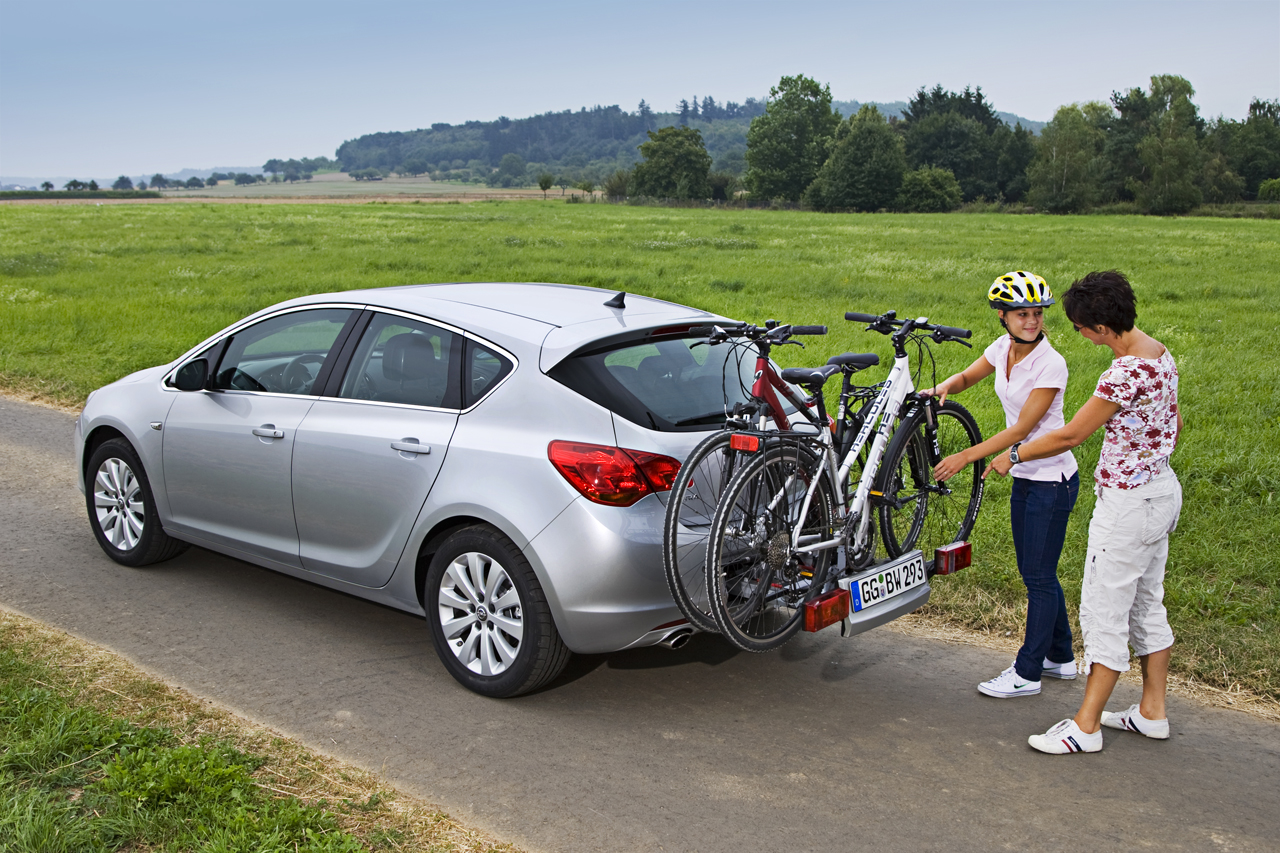
And finally, the feature that the Opel folks themselves seem most proud of — the built-in bicycle holder! The mount extends right out of the license plate and is designed for two bicycles. The system was tested at a speed of 250 km/h (oh, why are unlimited autobahns only in Germany!). But how much such a device will be in demand in Russia is an open question.
From such a practical and functional car, you no longer expect a daring temperament? But in vain! Under the body of the new Astra hides, perhaps, the main surprise. To test it, we went to the closed Opel proving ground in Dudenhofen near Frankfurt.
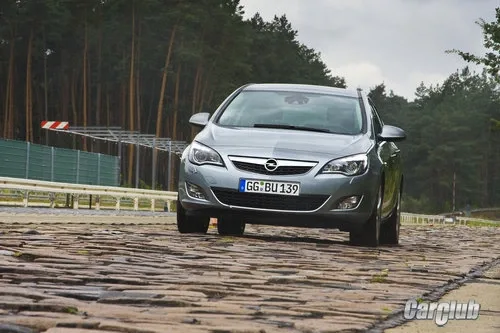 |
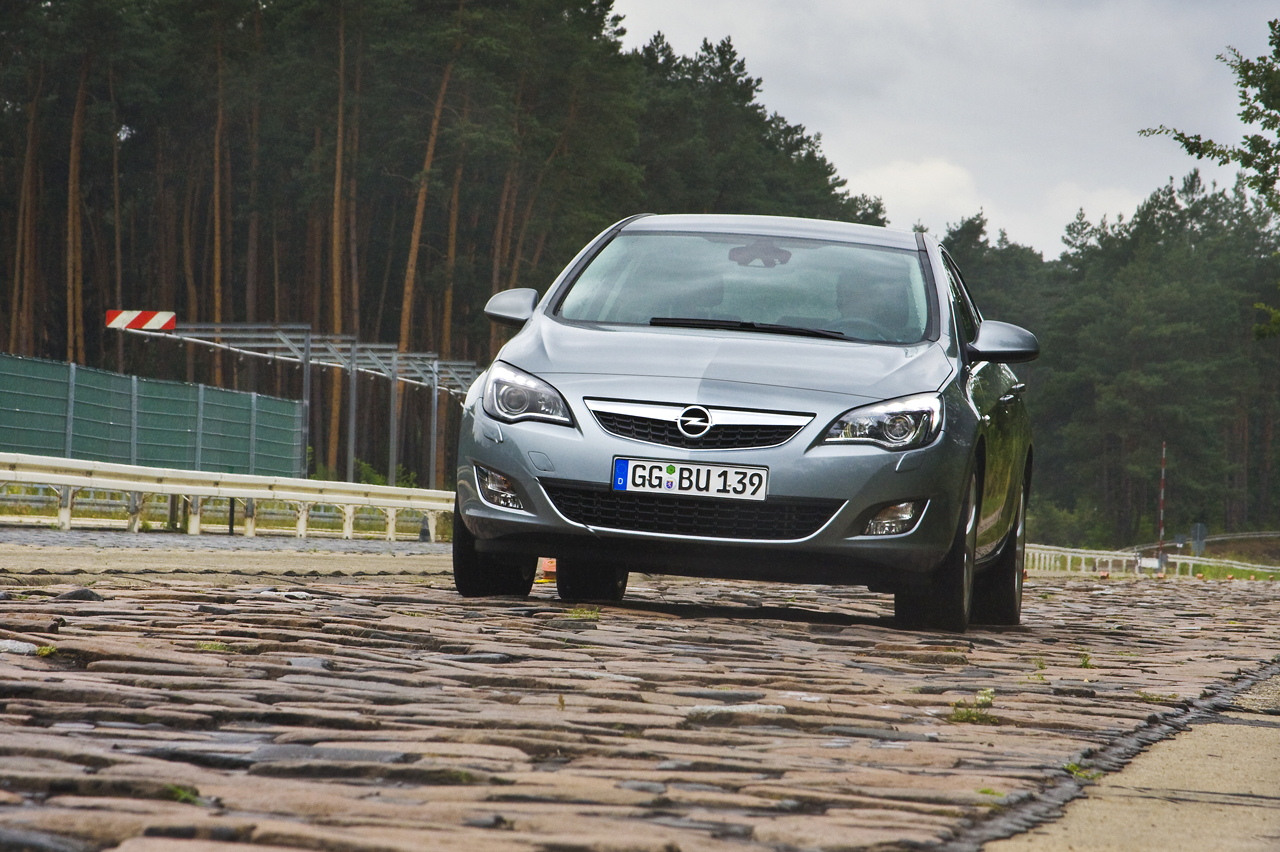
| Sound insulation has become an order of magnitude better, which was clearly demonstrated by Opel drivers on different types of road surfaces |
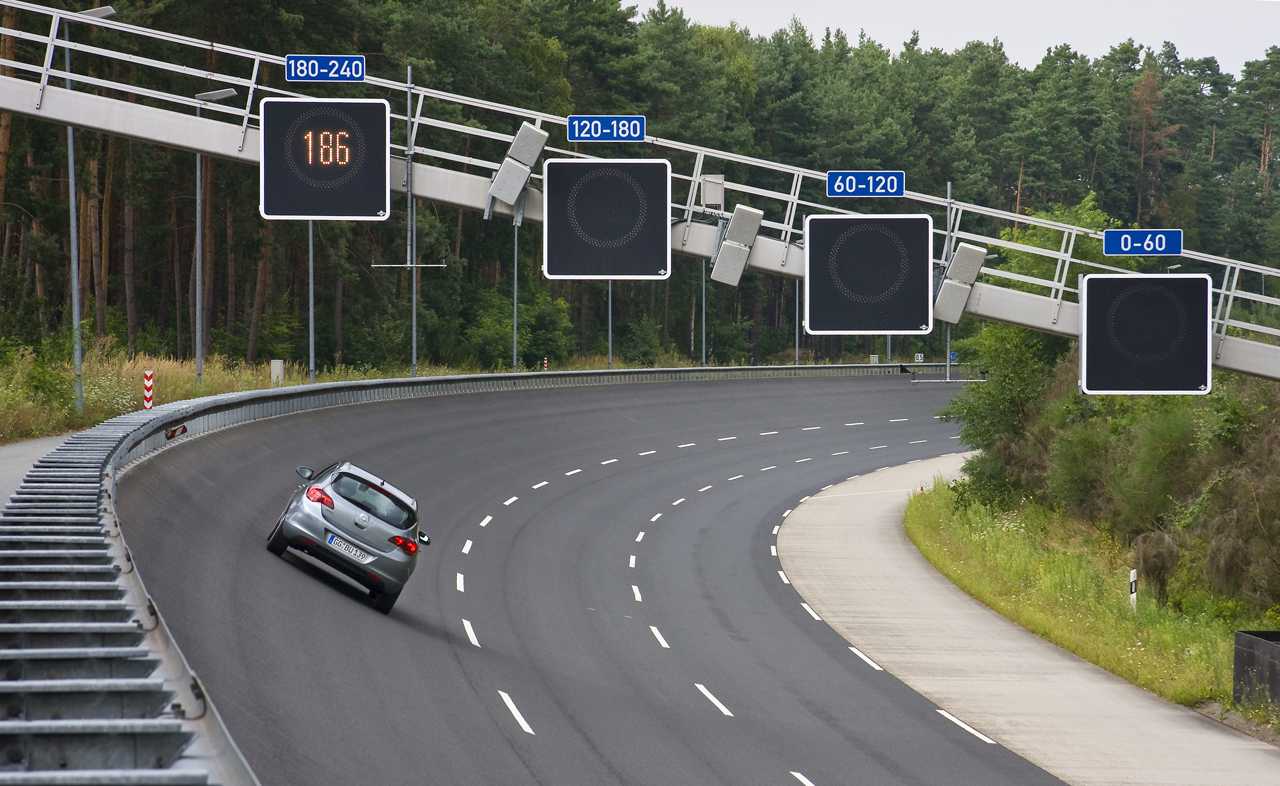
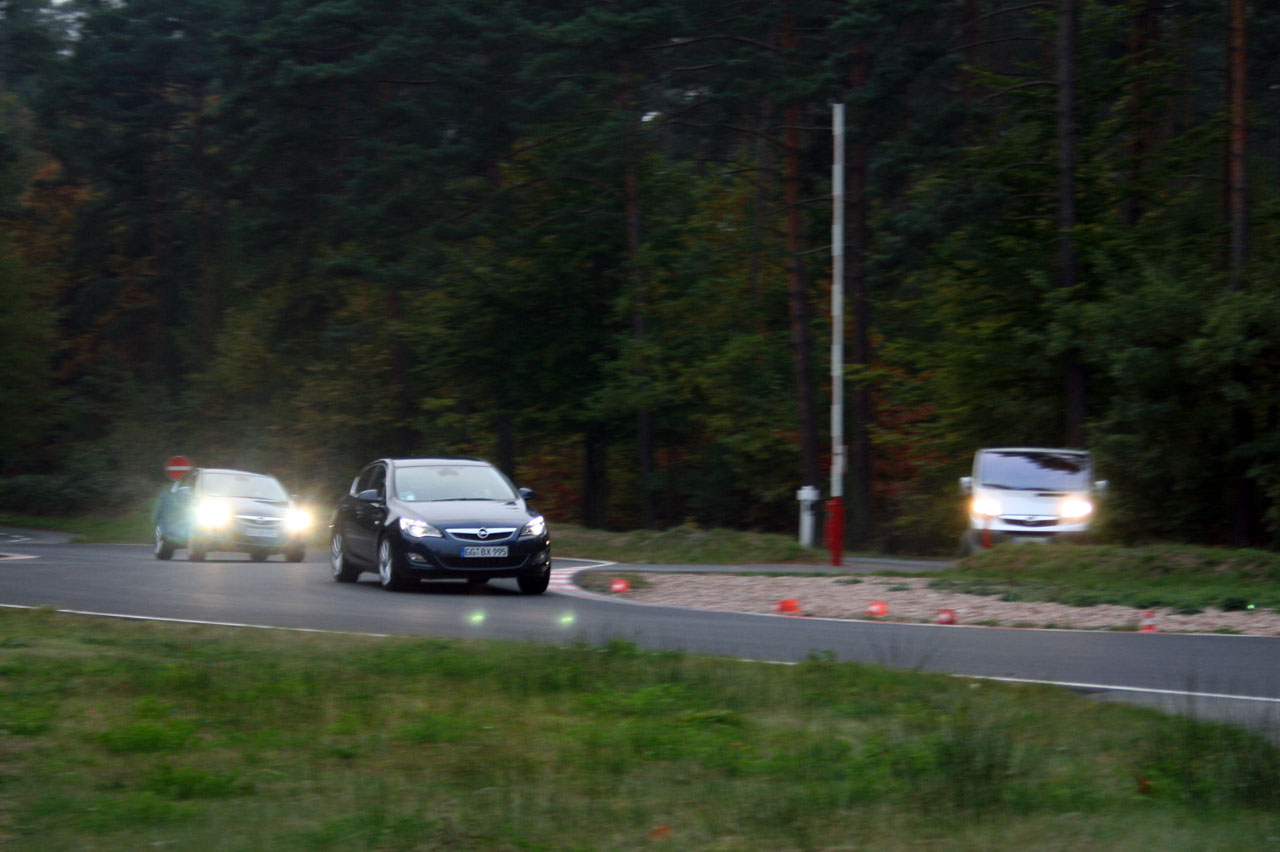
A dozen variants of road surface, 16 grades of fuel of different quality, 90-degree turns — these are the conditions in which the new Astra was tested. And judging by the camouflaged prototype that flashed among the trees ("You can't film here!"), they are currently testing the next-generation three-door there. The test driver took us over all types of surfaces, including broken concrete, and the car clearly showed: you can really talk in it without raising your voice much.
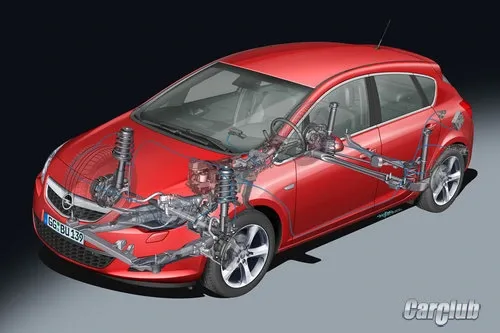 |
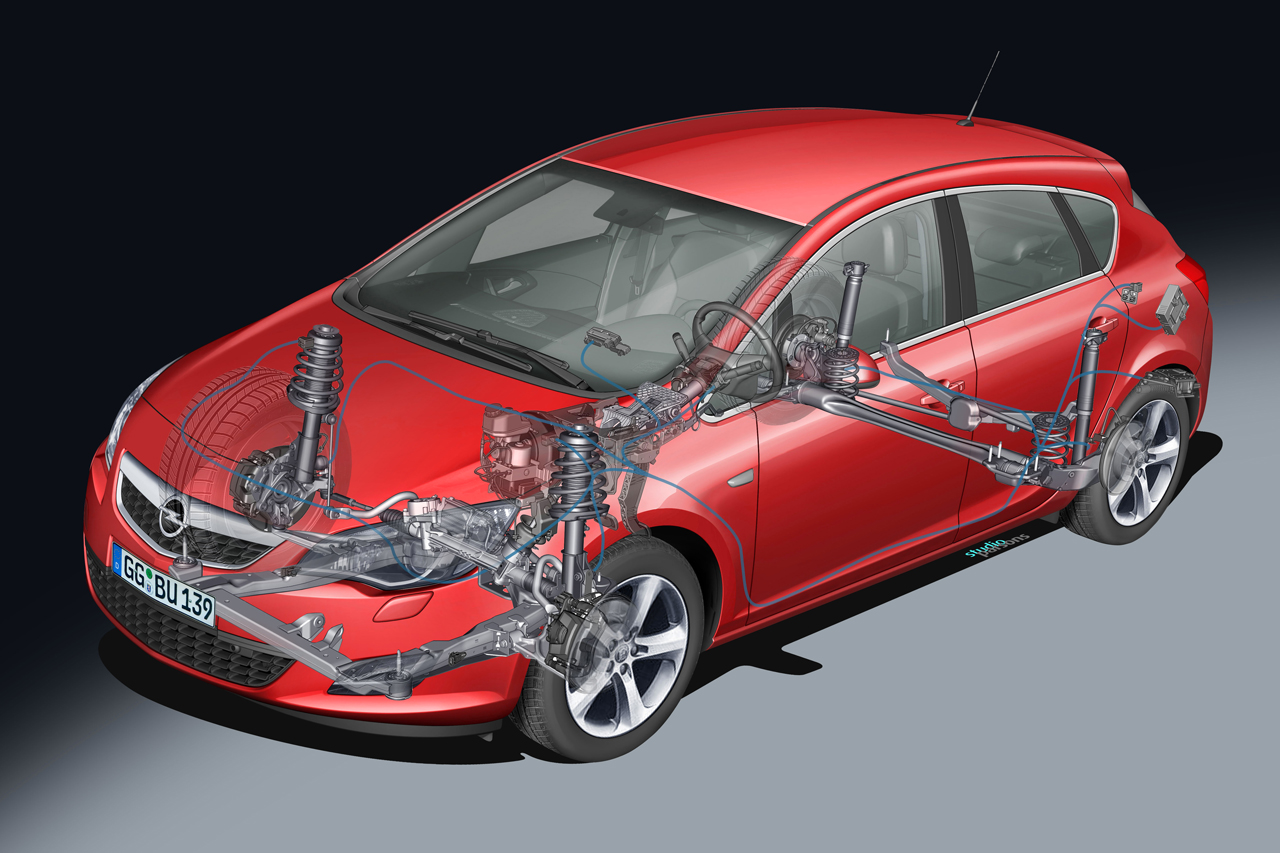
| The most interesting thing in the new model is the chassis, which works as a mechatronic system. At the front - McPherson suspension, and at the rear - a semi-independent beam combined with a Watt's linkage. Used for the first time in the world. |
But the most interesting thing in the car is the chassis, working as a single mechatronic system. At the front is a classic McPherson, and at the rear is a semi-independent beam combined with a Watt's linkage, which gives amazing stability and maneuverability without sacrificing comfort! On the road, this mechanism helps the longitudinal arms resist lateral displacements and shocks from bumps, relieves the load on the rear axle, and allows softer bushings to noticeably dampen noise and vibrations. This is truly a unique solution — it is used for the first time in the world, although it seems to lie on the surface. The system is patented by Opel.
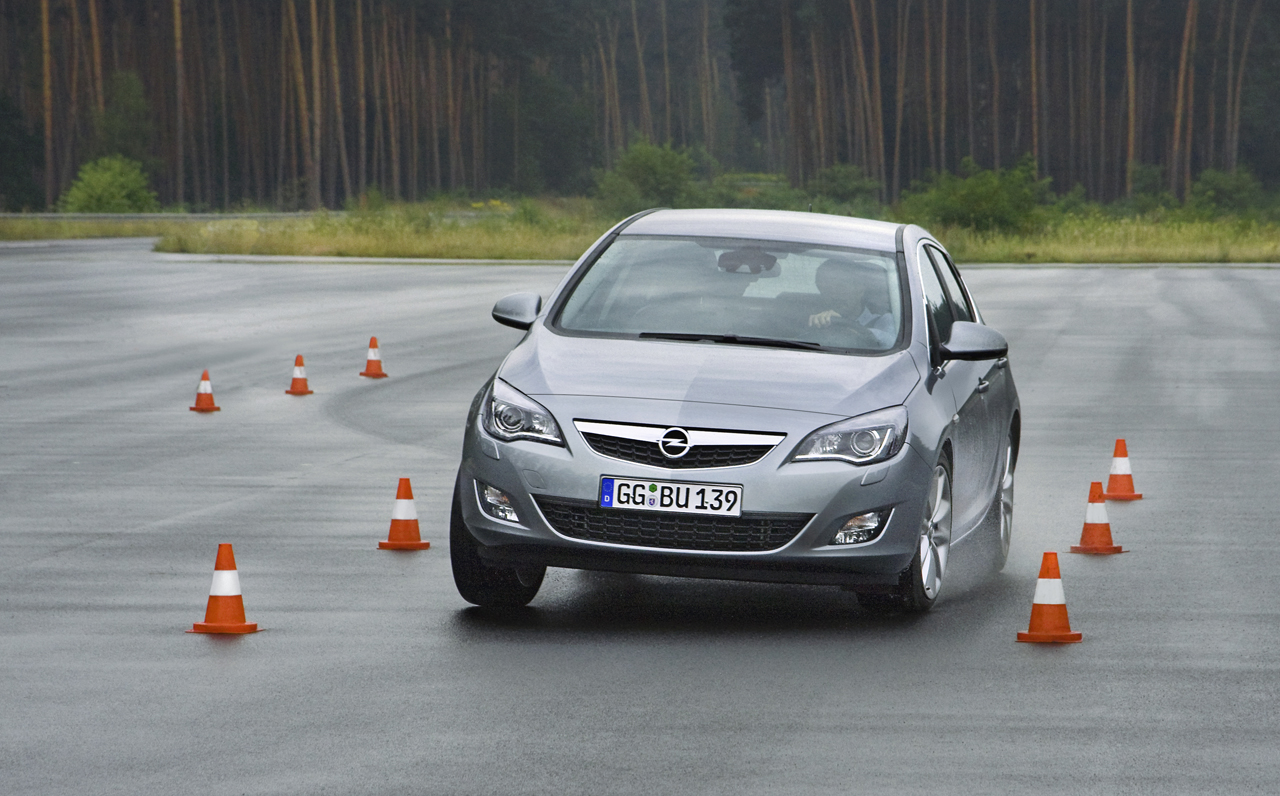
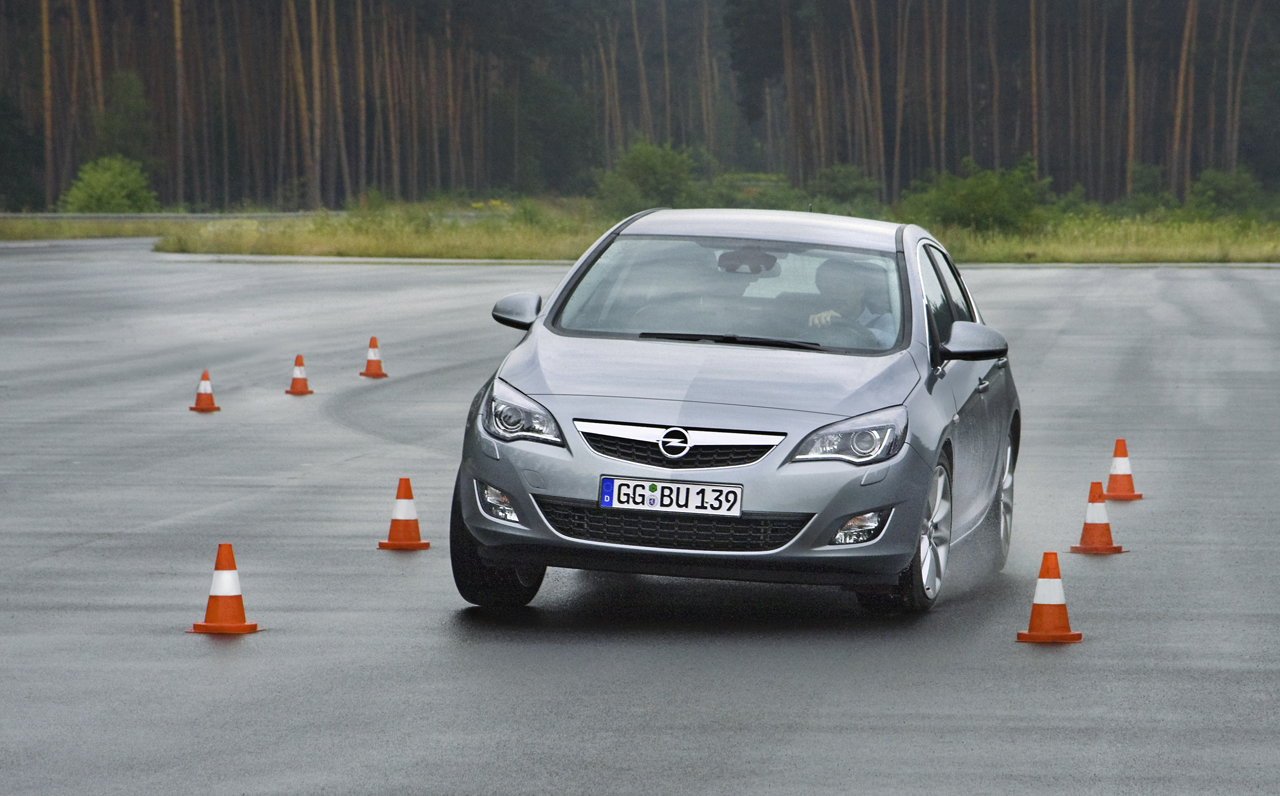
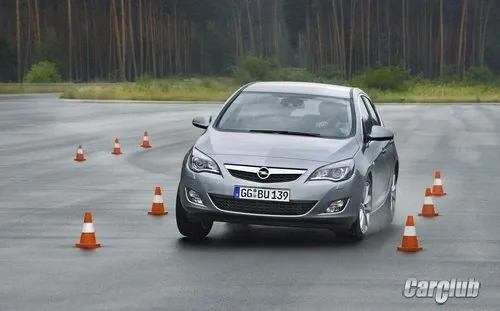
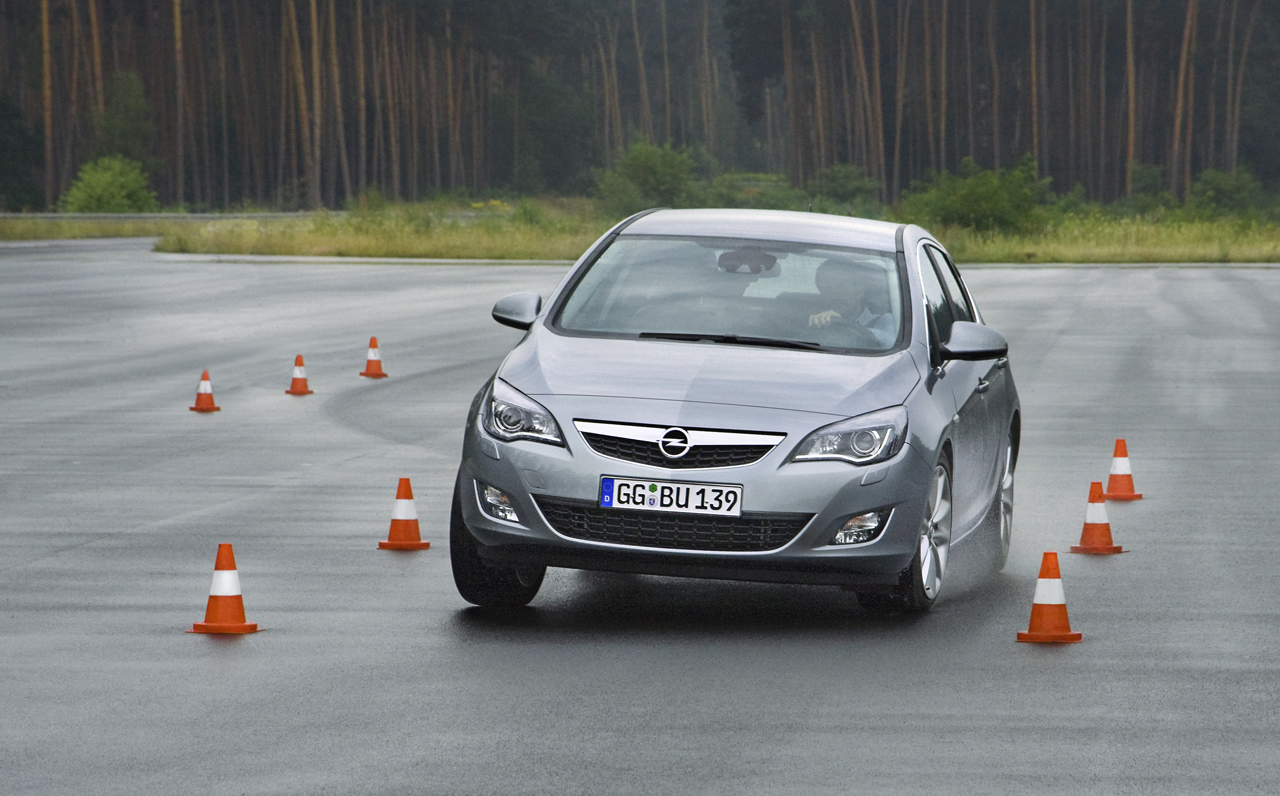
How does this feel in practice? Pure emotions! Measured and comfortable driving instantly gives way to sharp turns, into which the car flies with a piercing squeal of tires. It seems that this squeal is just a sound effect, and the landscape outside the window is accelerated four times by some clever program. As if everything is happening not here and not with this car. And the real Astra, meanwhile, enters a turn at a decent speed and does not deviate from the trajectory by a millimeter — and all this without the slightest effort from the driver! The steering is very informative.
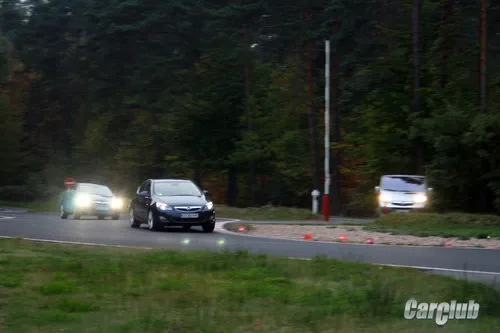 |
| It feels like the hysterical squeal of tires is just a sound effect, and the flashing landscape outside the window is accelerated four times with the help of some clever computer program. This is not happening here and not with this car. Meanwhile, a quite real Astra bursts into a turn at a serious speed and does not deviate from the trajectory by a millimeter - and without the slightest effort from the driver! |
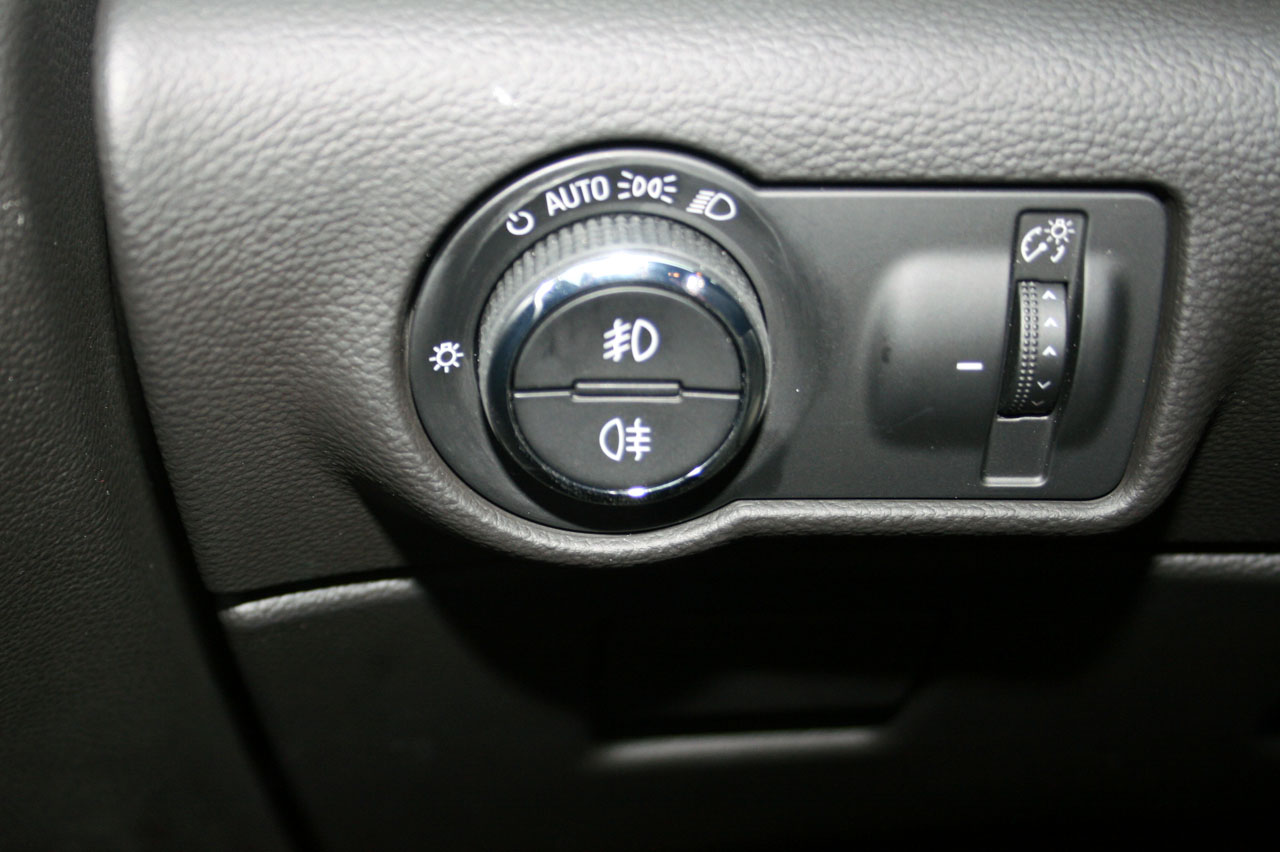
The new model in the compact class received the intelligent FlexRide system, which was previously found only on the flagship Insignia. With its help, the driver can switch the settings of the chassis, steering, and throttle response, choosing between three programs: normal, relaxed Tour, and dynamic Sport. At the same time, the electronics constantly monitor the driving style and, if necessary, makes adjustments on its own. There is also a pleasant detail: along with the mode change, the instrument panel lighting changes — from calm lilac to bright red.
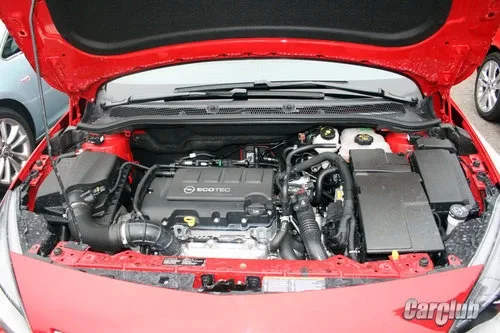 |
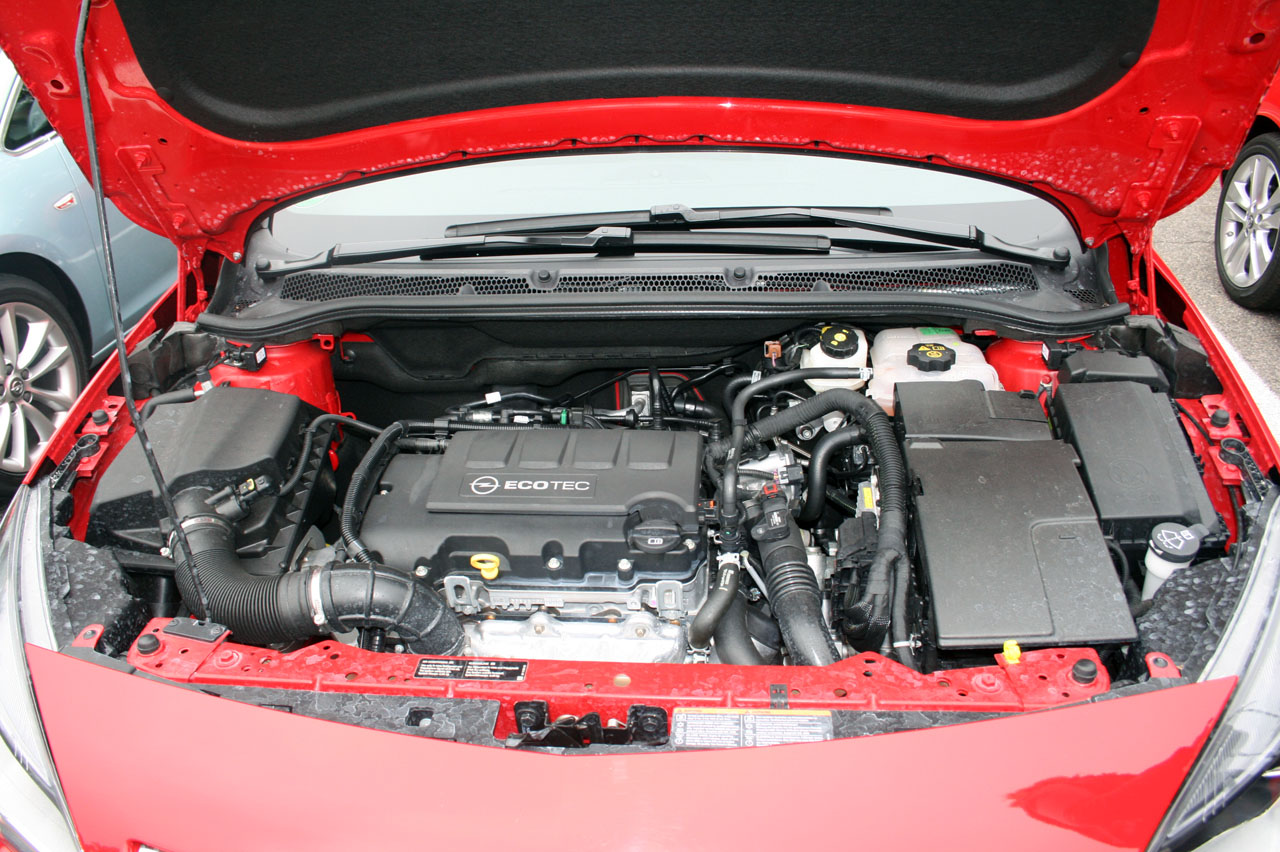
| In Russia, 4 petrol engines will be available. Diesels are in question. |
For the new model, Opel has prepared eight powertrains — equally split between petrol and diesel. Unfortunately, on our market, heavy-fuel engines are still in question, although a final decision has not been made yet — negotiations are ongoing. But petrol versions will definitely appear: these are naturally aspirated and turbocharged engines with a displacement of 1.4 and 1.6 liters, producing from 100 to 180 horsepower. The turbocharged 1.4-liter engine is already very good on its own, while the 1.6-liter unit is truly impressive. Diesels, if they do make it to Russia, will range from 1.3 to 2.0 liters with power outputs of 95–160 hp. Transmissions include a five-speed manual for the naturally aspirated 1.4 and 1.6, as well as the 1.3 turbodiesel, a six-speed manual, and a six-speed automatic. The manual gearbox works flawlessly, and the automatic also deserves no complaints about its responsiveness.
Sounds too flattering? Perhaps. But the new Astra has indeed made a breakthrough in its segment. In terms of equipment level, finish quality, and road behavior, it has arguably stepped a couple of levels above the usual perceptions of the compact class.
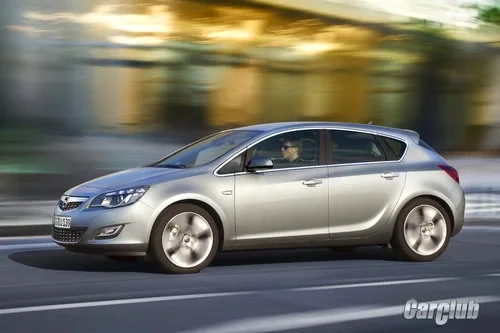 |
| The Astra is equipped with the intelligent electronic control system Opel FlexRide, like the flagship Insignia. With FlexRide, you can adjust the suspension settings, electric power steering, and accelerator pedal response, choosing one of three modes: standard, comfortable Tour, and sporty Sport. In reality, the system constantly analyzes driving style and adapts itself to circumstances when necessary. |
The suspension works brilliantly, the engines are pleasing, and the set of electronic safety assistants is impressive: lane departure warning, driver fatigue monitoring, and traffic sign recognition. Add to this a heated steering wheel, solid interior finish, and thoughtful ergonomics — though with a caveat about the abundance of small buttons and not the most convenient seatback angle adjustment. Noise insulation is also top-notch. The Germans promise not to raise the price too much, but it's hard to believe that the new model will stay within the previous range of 500,000–700,000 rubles. Although there is hope that localization at the GM plant in St. Petersburg will help curb price growth.
In Europe, the new-generation five-door Opel Astra hatchback will appear at dealers as early as December. Russian buyers will see the car in early 2010, and a year later, assembly will begin at the General Motors plant in our country.
Svetlana Aleeva
Behind the scenes:
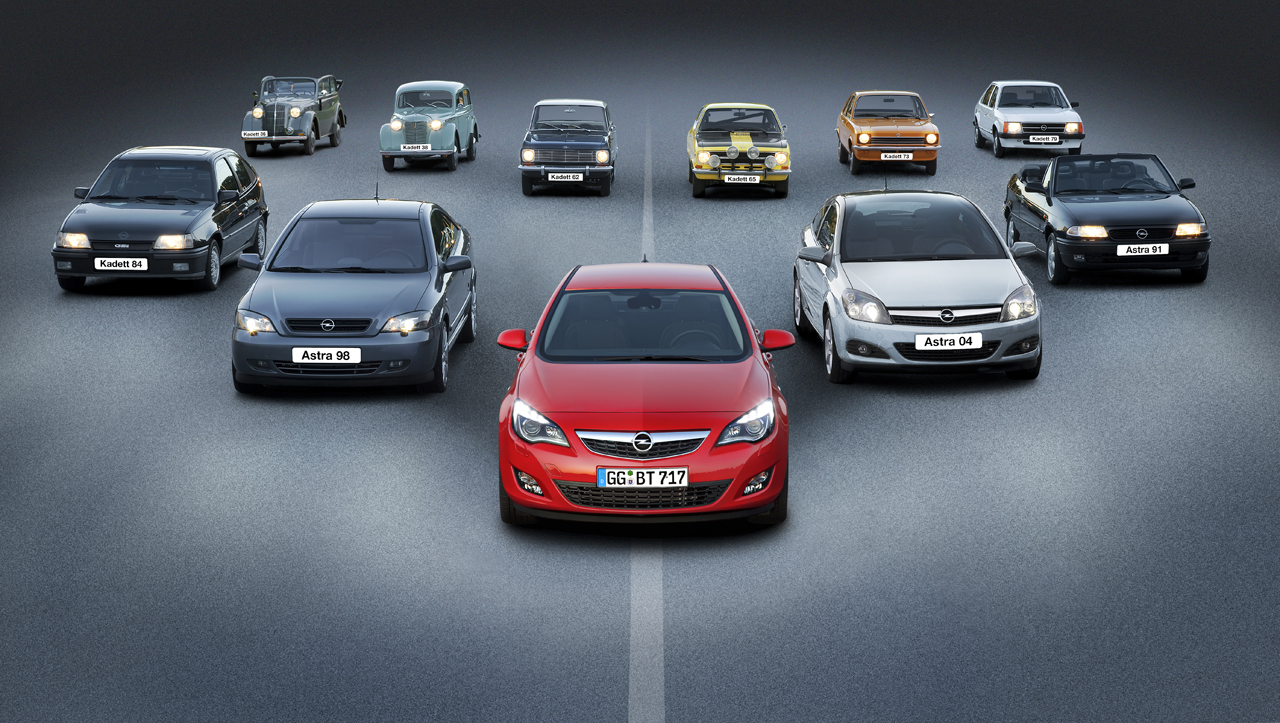
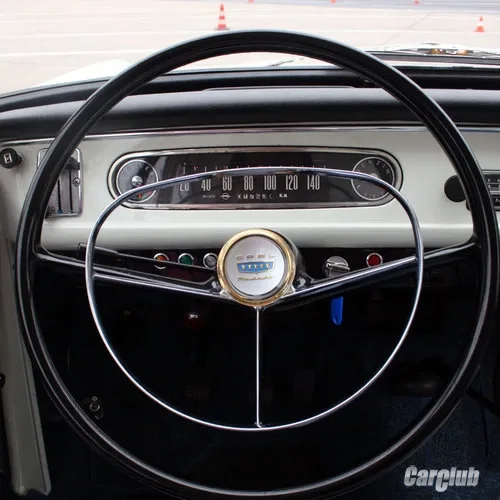
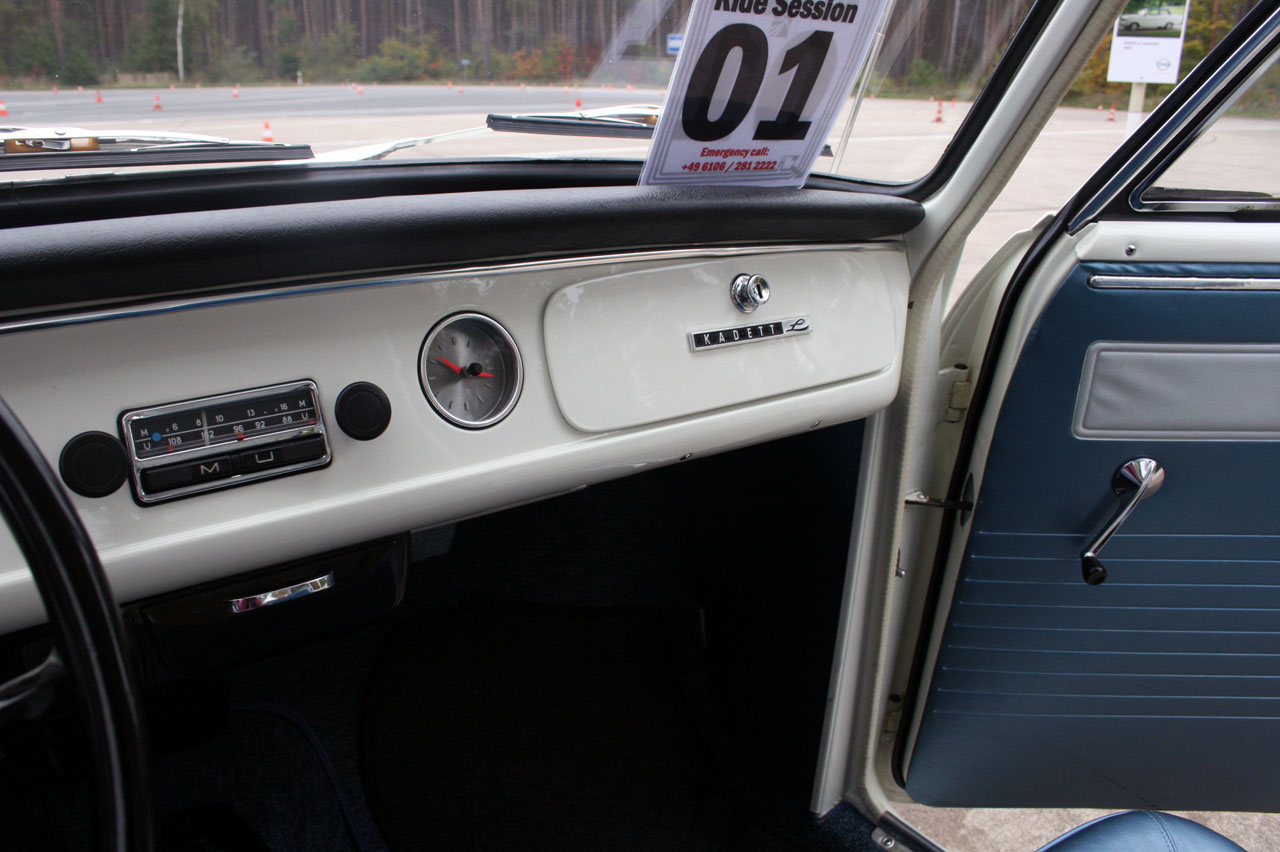
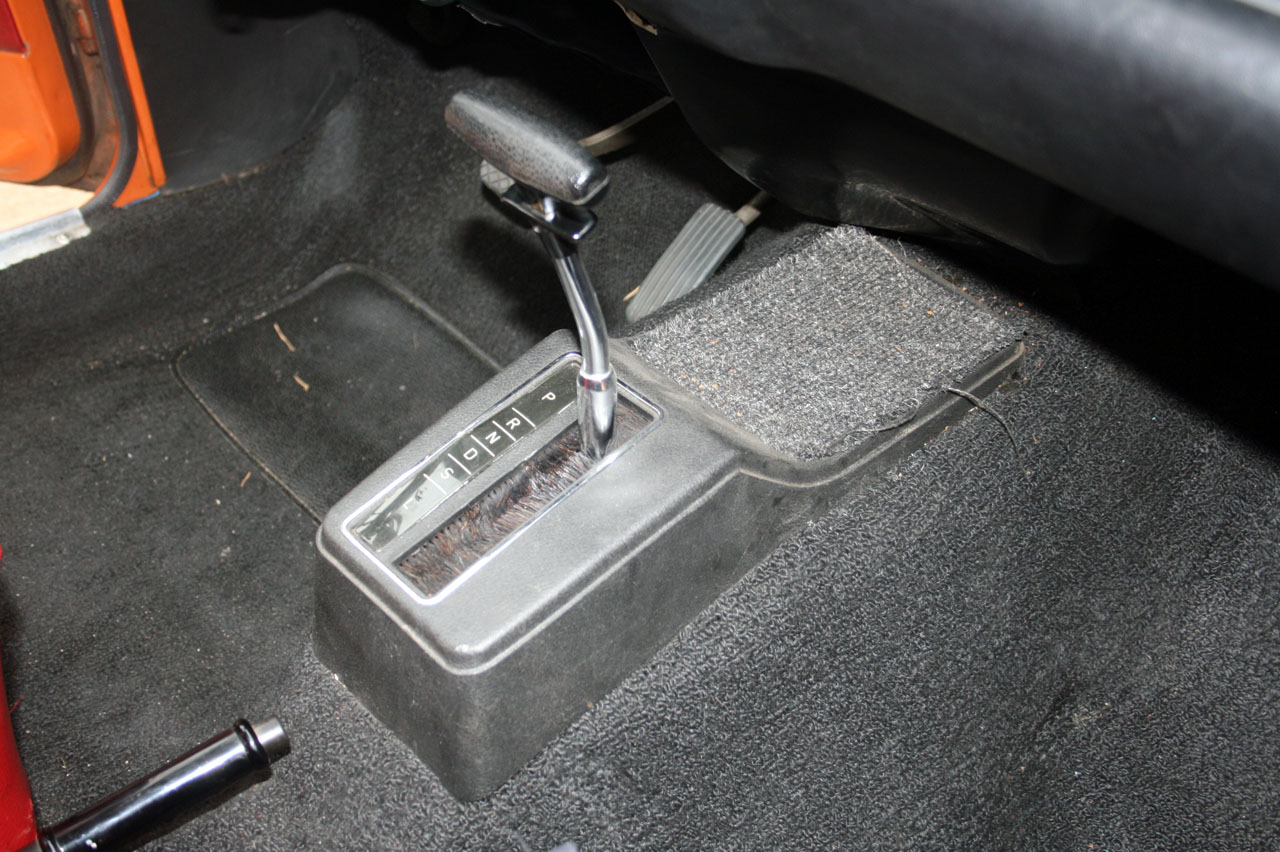
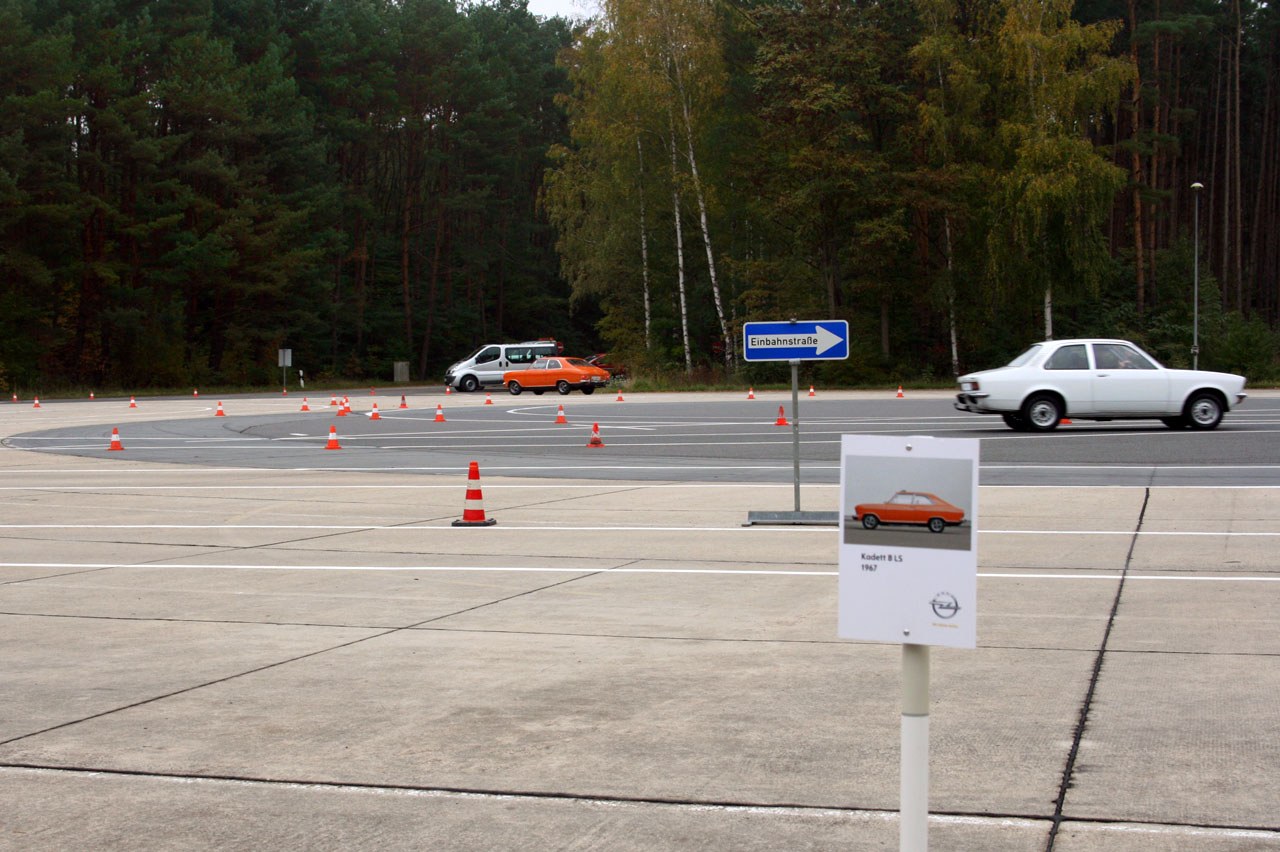
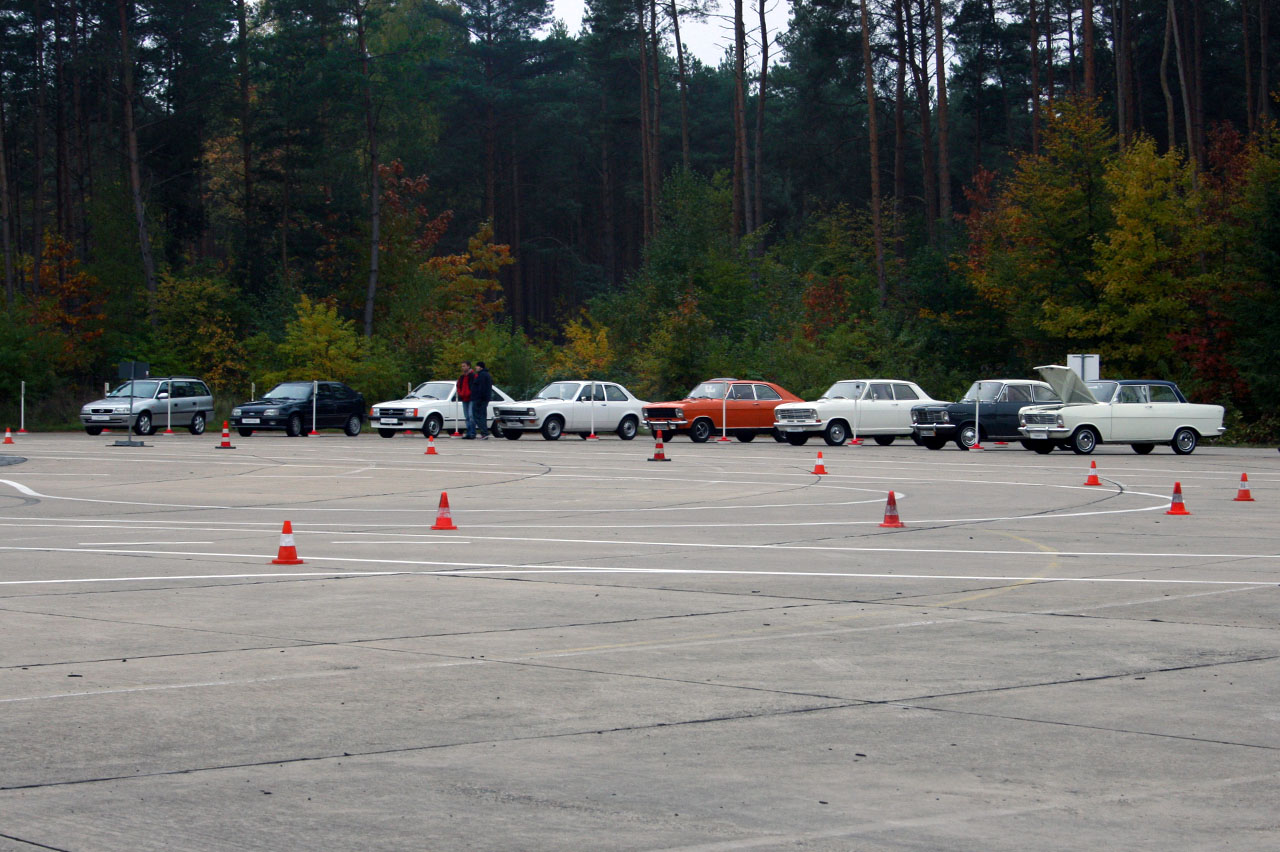
At the test site in Dudenhofen, in addition to the new Astra, you could take a ride in Opels from 1936–1987! It was simply impossible to refuse such a chance...
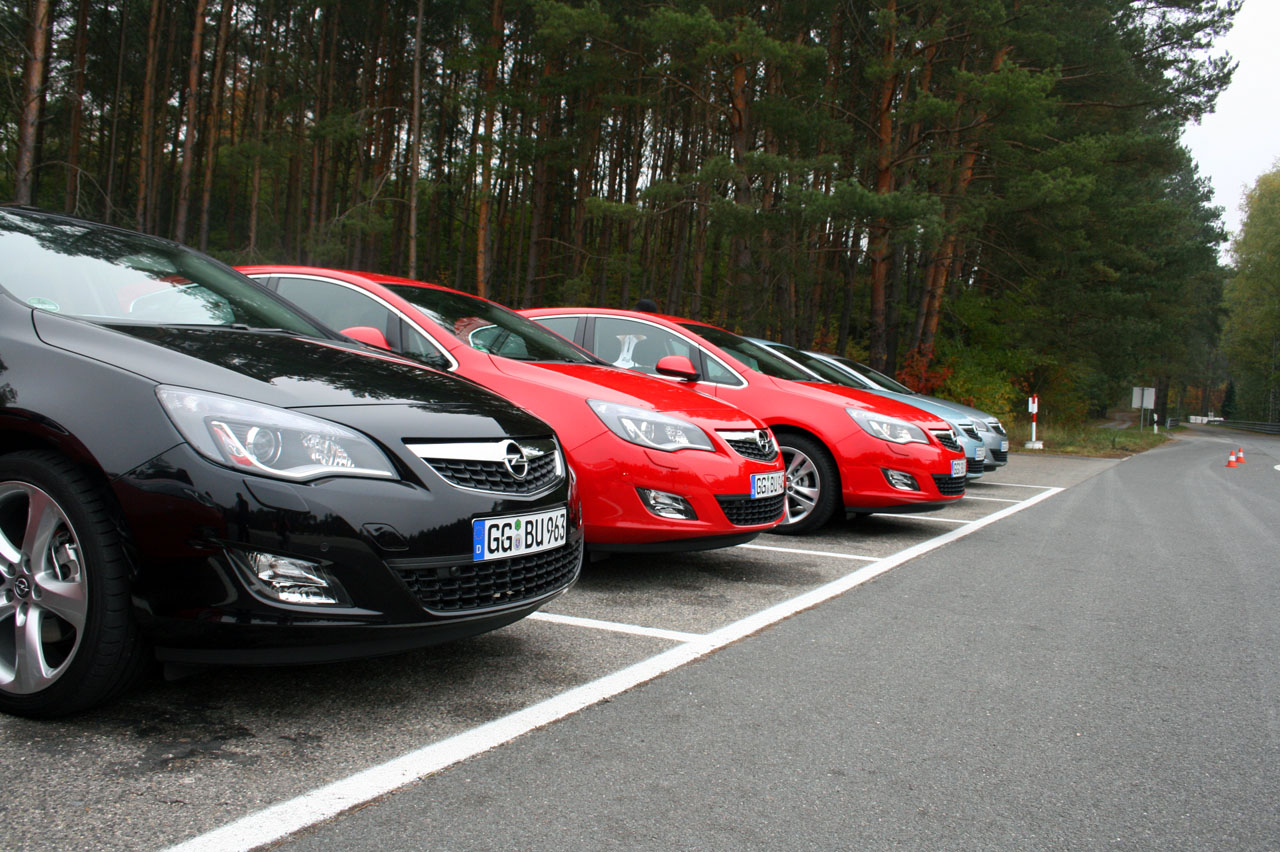
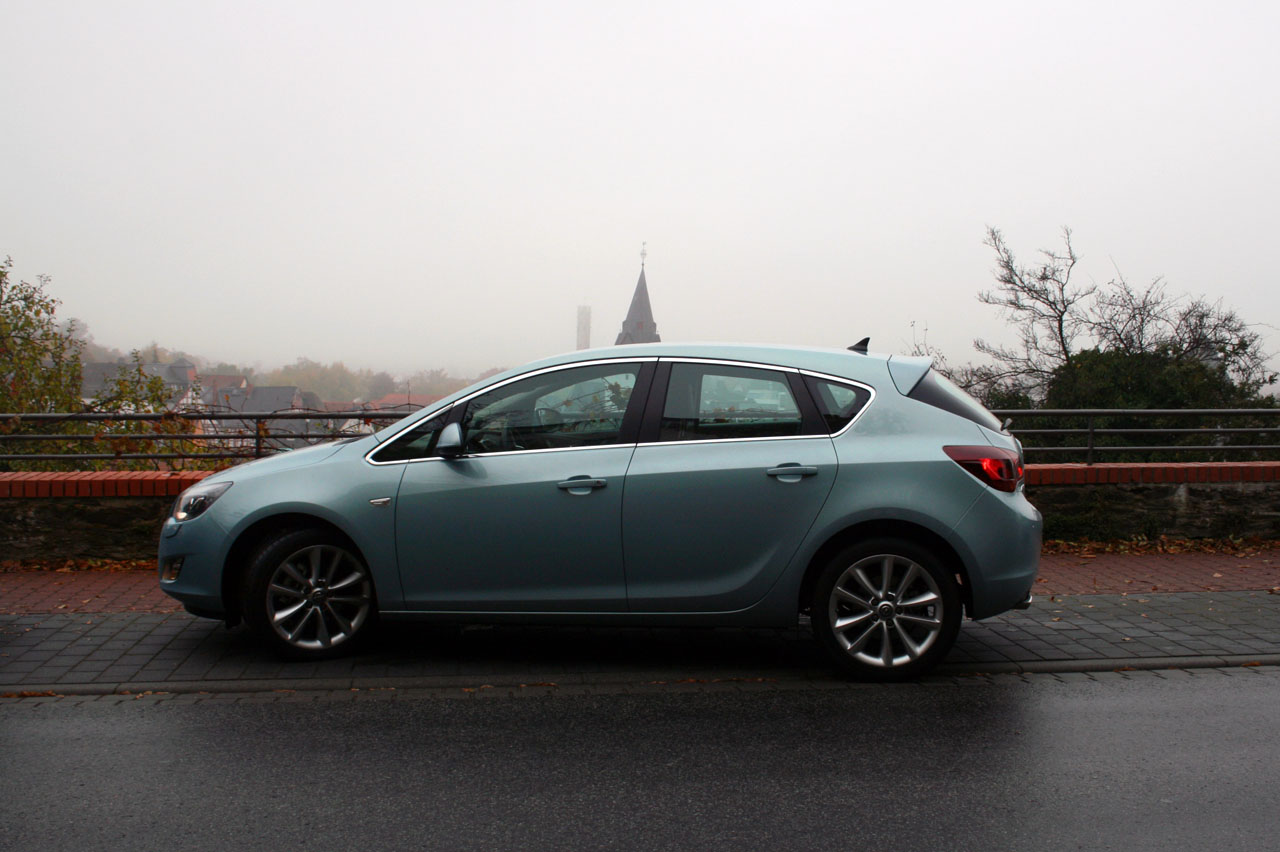
The Astra in its familiar environment. By the way, in Germany itself, sales of the new model haven't even started yet — they will only begin in December.
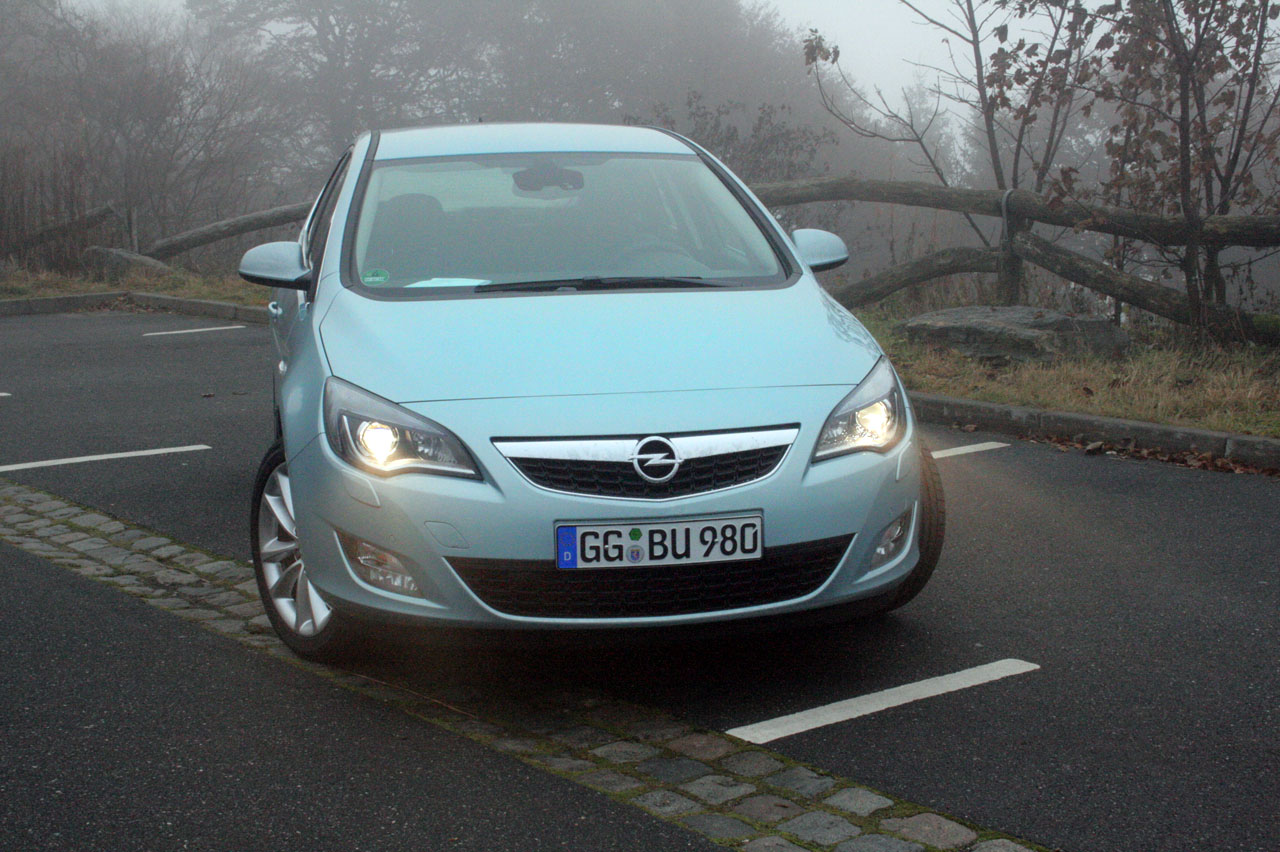
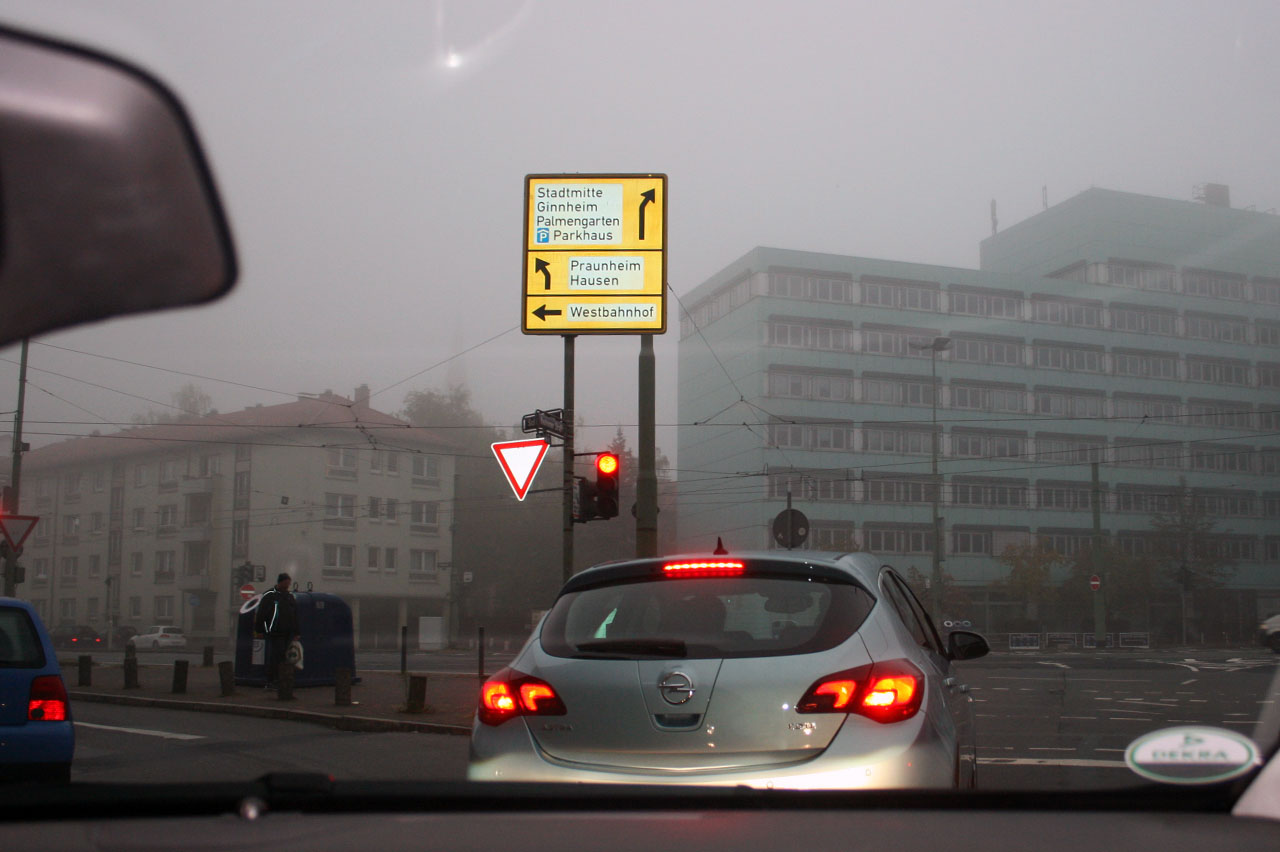
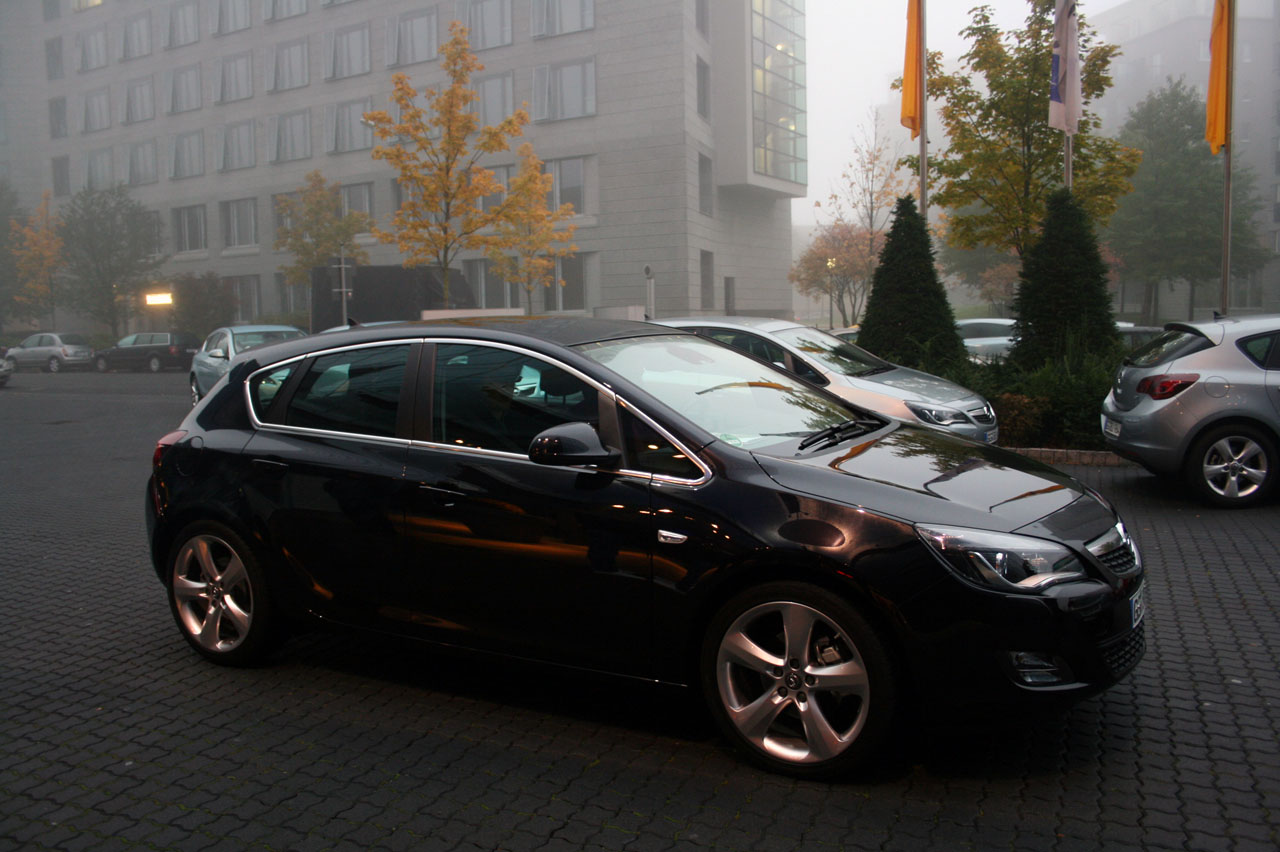
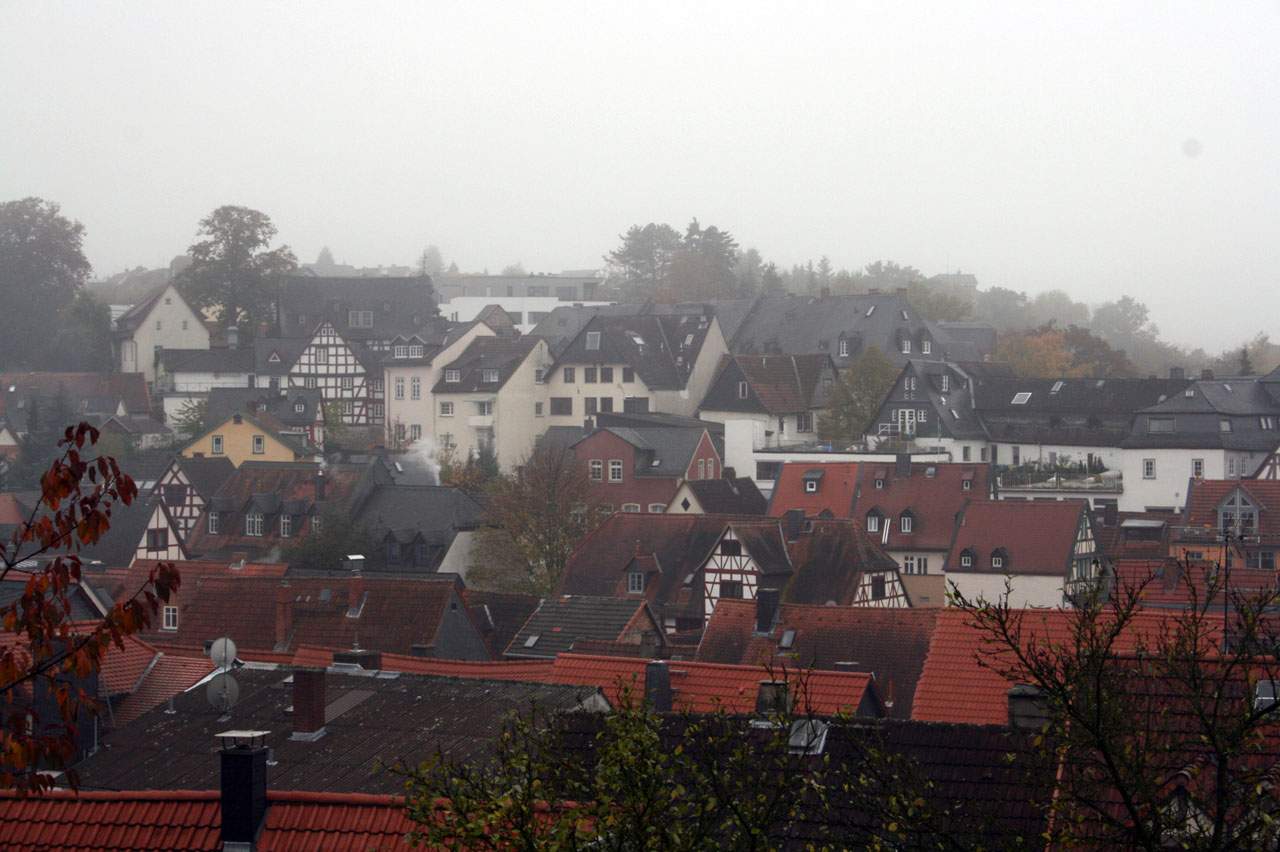
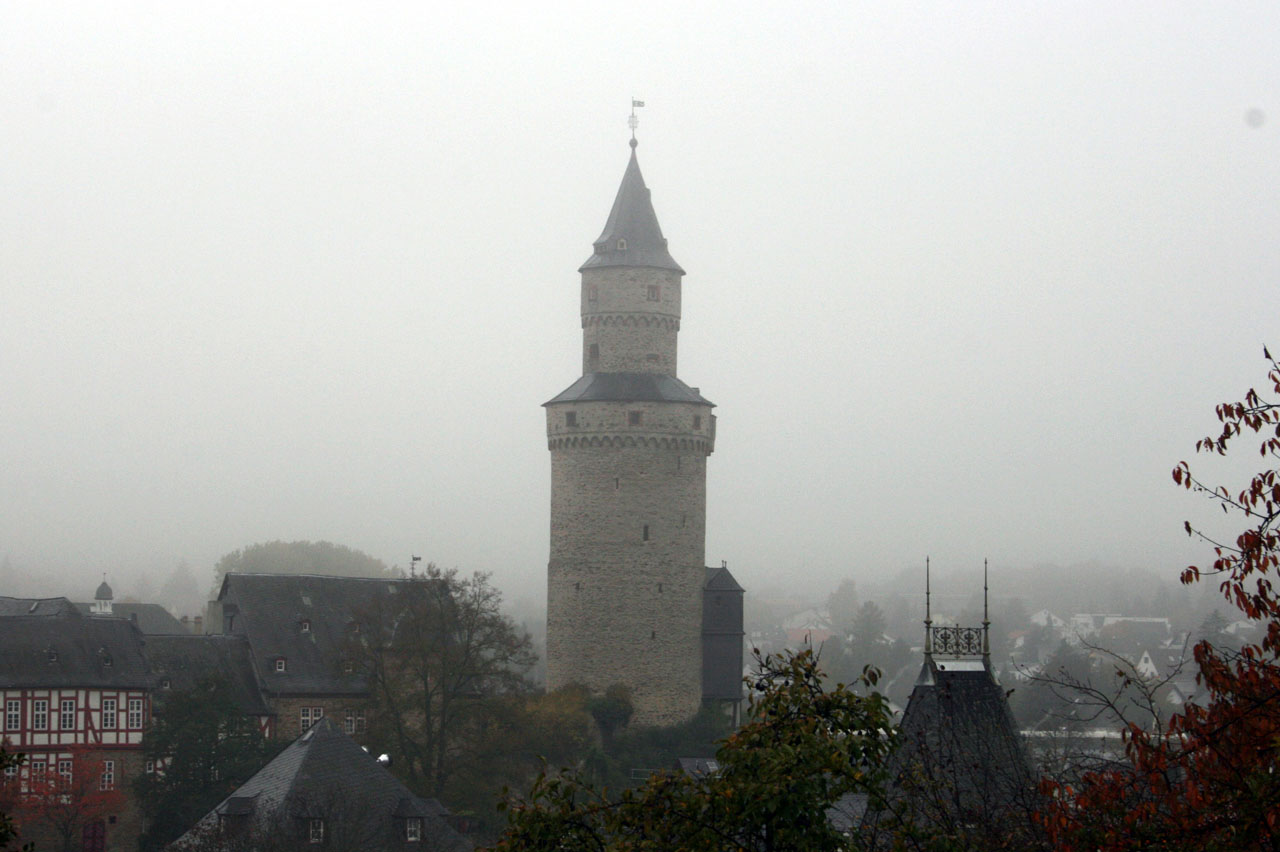
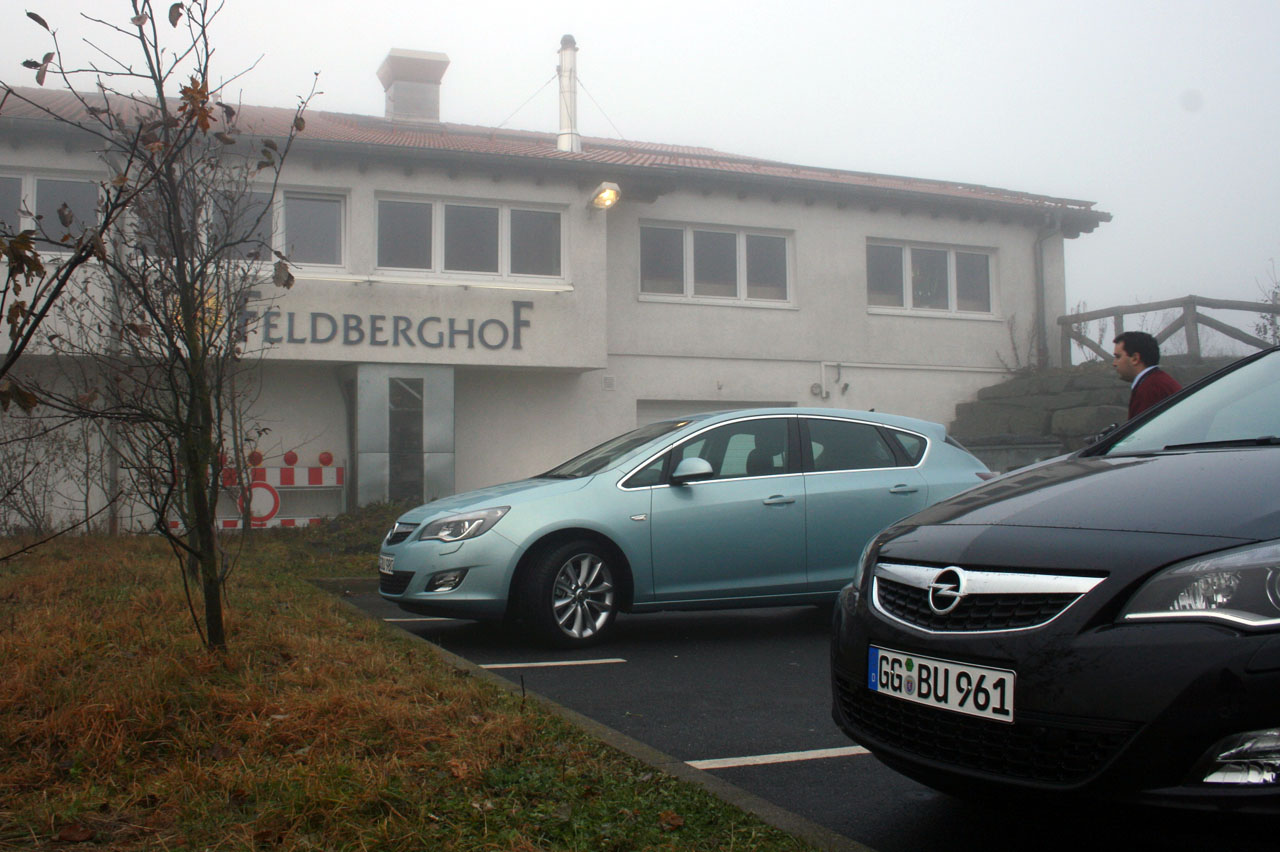
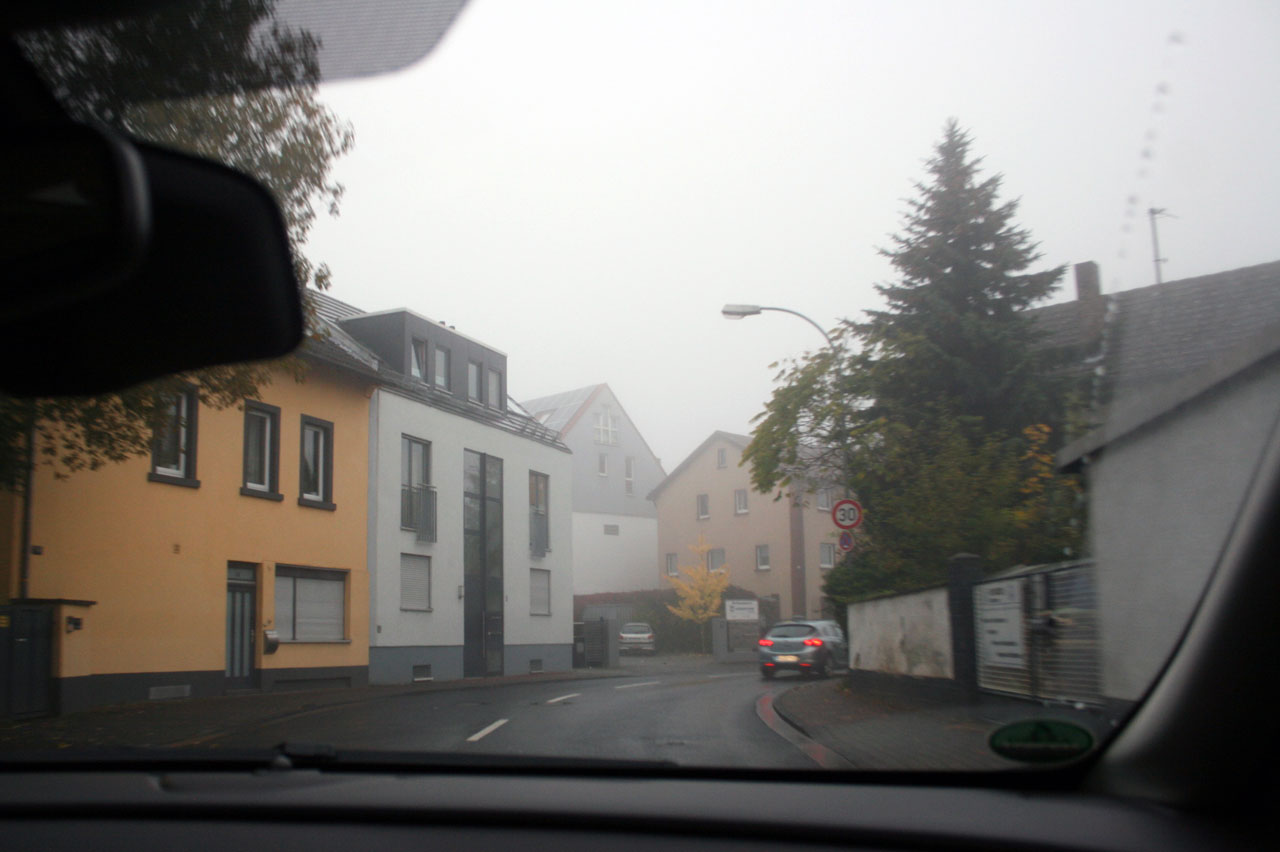
Both test days were accompanied by thick fog...
...and it cleared, of course, only just before departure.

 Admire it? And why not — the new Astra has indeed made a leap in its class. In terms of equipment, finish quality, and driving manners, it has probably stepped a couple of rungs above the usual compact-class level.Comments (33)