
When the first-generation Nissan Teana reached the Russian market in the summer of 2006, competitors in the business class immediately got nervous. Of course, Audi, BMW, and Mercedes-Benz have their own loyal fan base, but Toyota Camry, it seems, lost some of its followers — the Japanese sedan from Nissan took away quite a few buyers from it.
The appearance of the Teana was due to the fact that sales of the once-popular Maxima began to decline, and its next generation was decided to be sold exclusively in North America. A completely different model was developed for our market, sharing a platform with the Murano crossover, and the top 3.5-liter engine was borrowed from the 350Z sports car. The first Teana could boast decent comfort and high-quality interior trim, but its appearance was, perhaps, too inconspicuous.
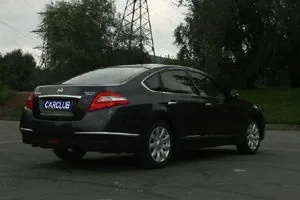
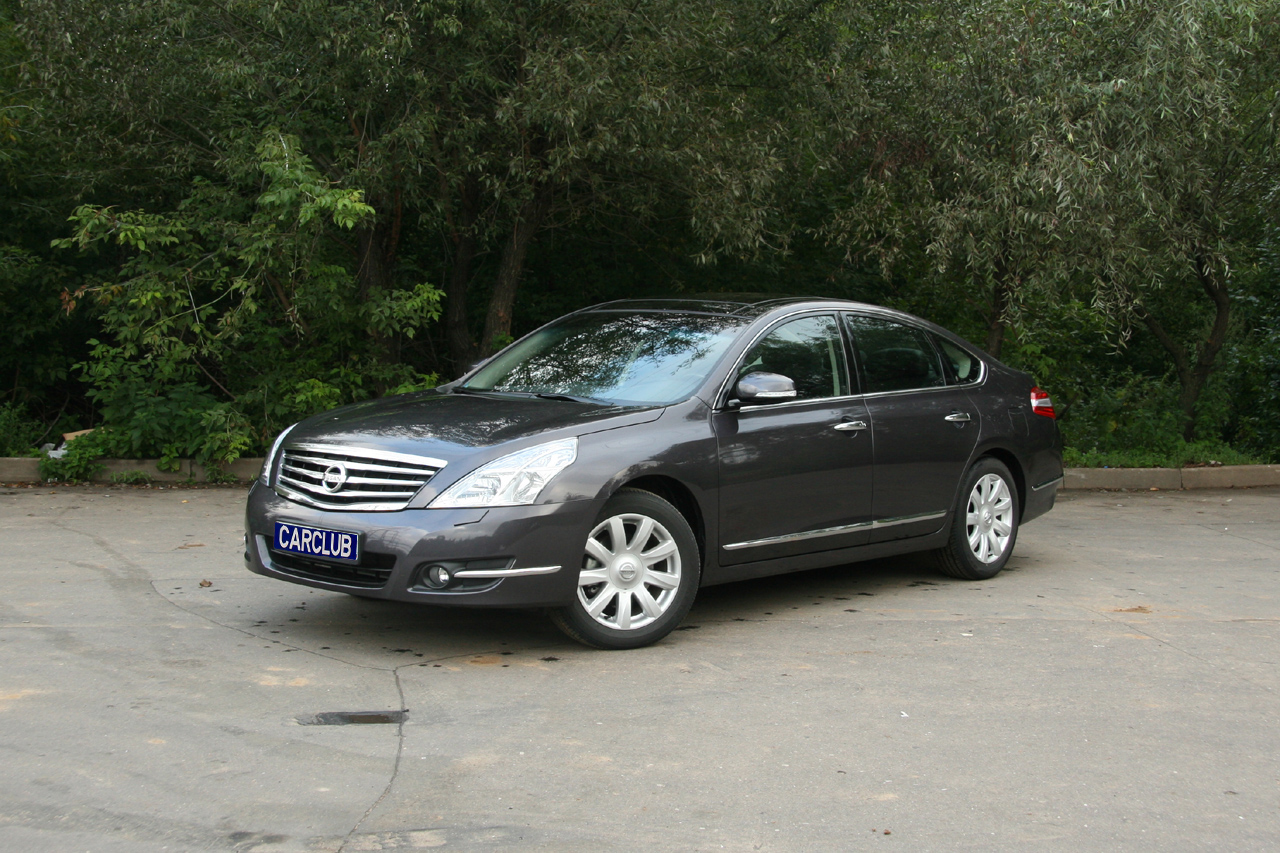
Two years later, Nissan introduced the new Teana. And this is indeed a new model, not just an update, although at first glance it may seem that we are looking at a regular facelift. The body shapes, external dimensions, and overall styling seem to remain the same, but upon closer inspection, you realize that this is a completely different car.
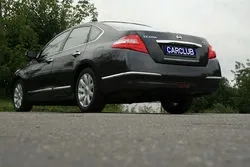
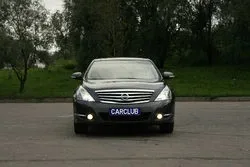
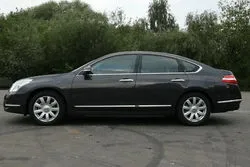
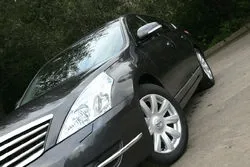
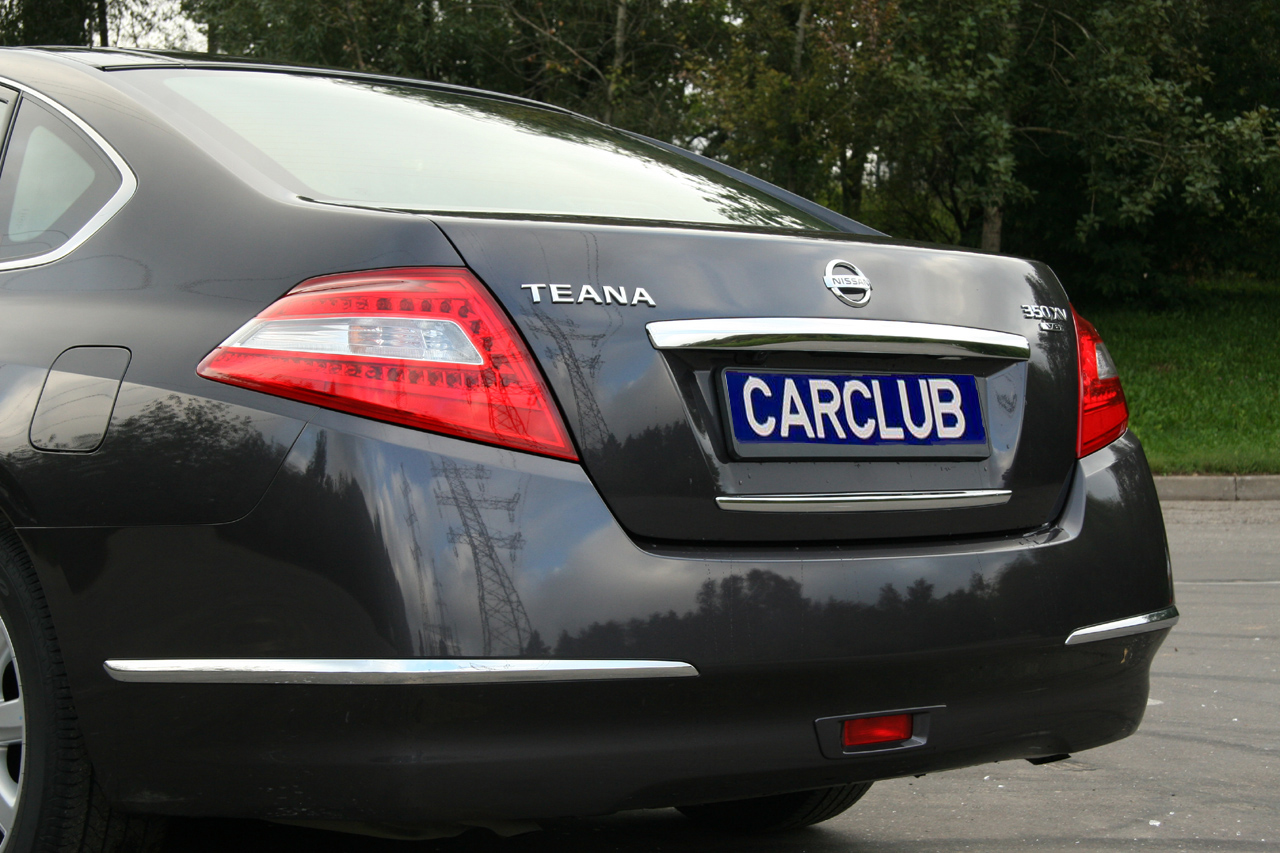
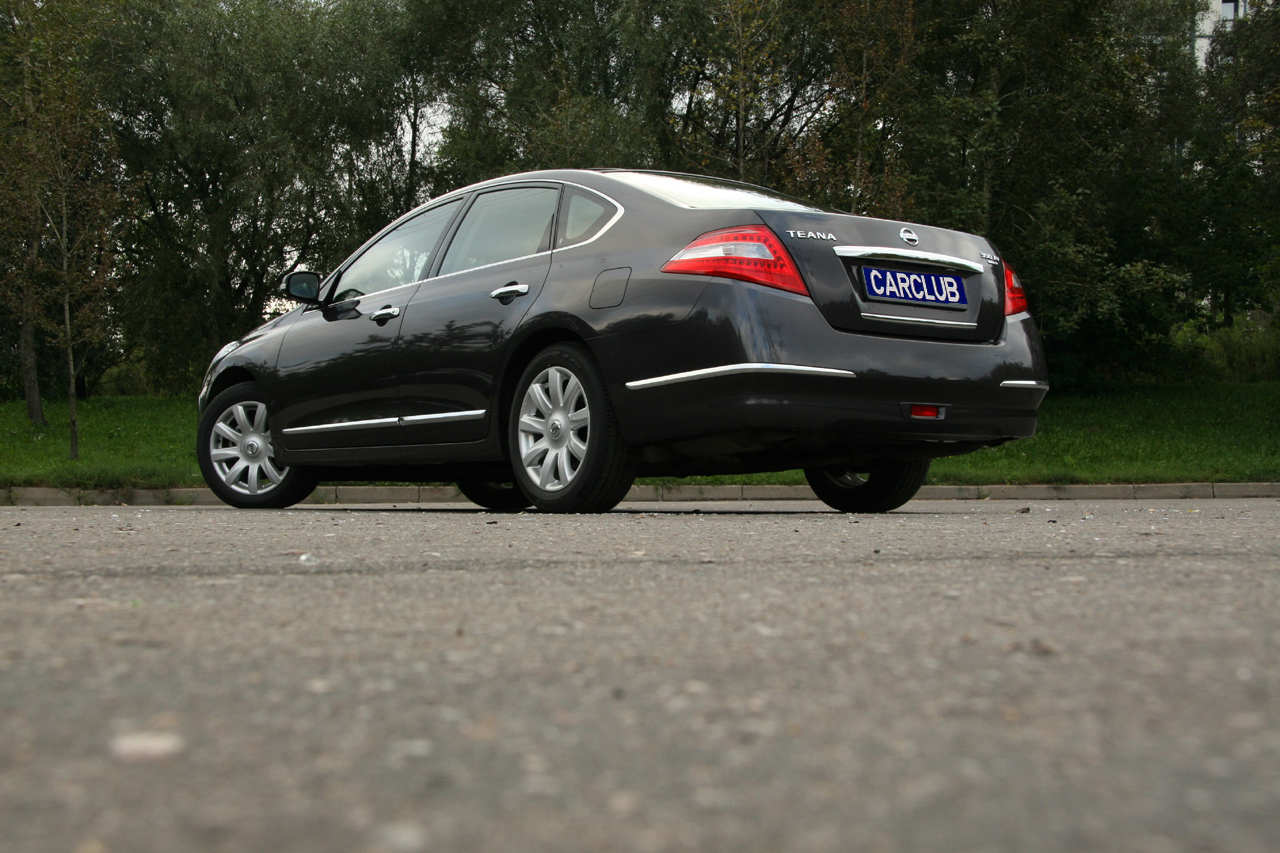
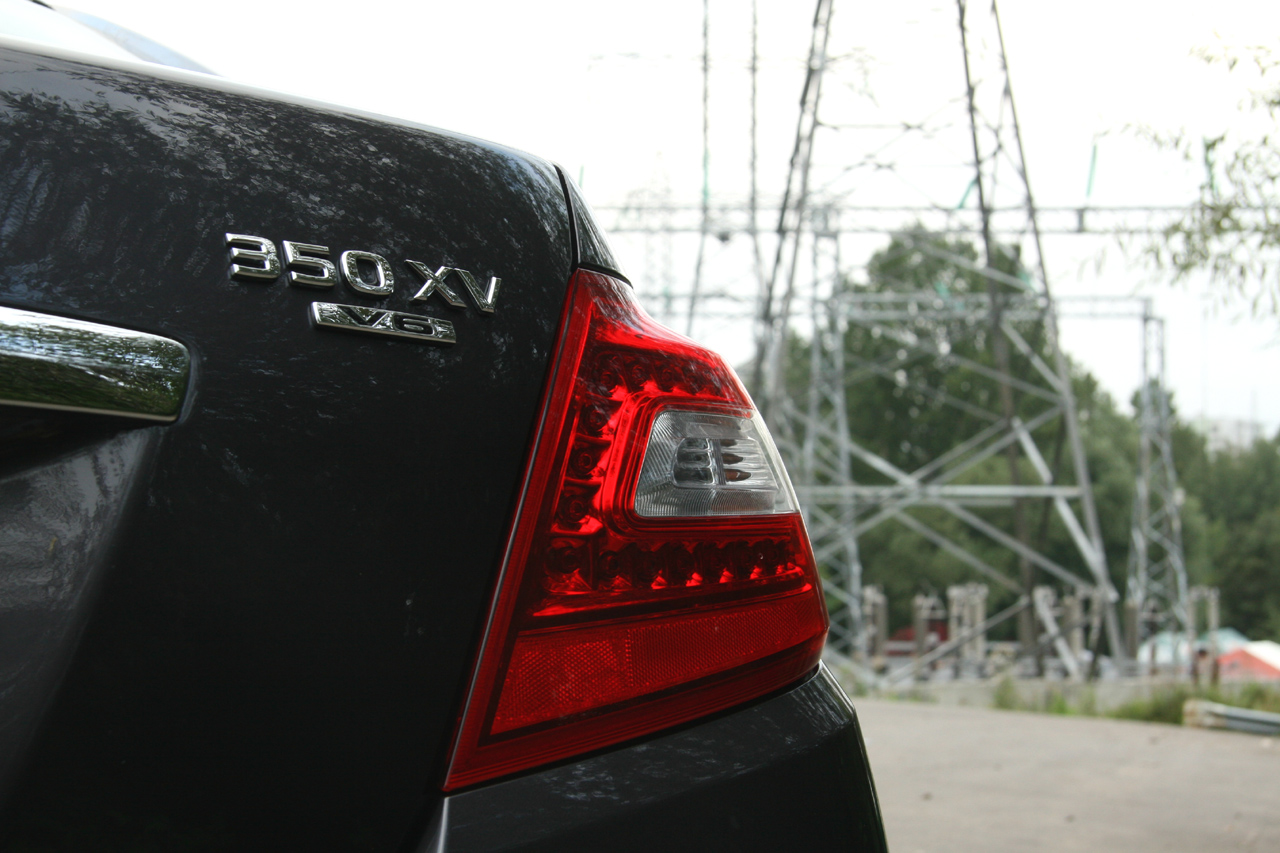
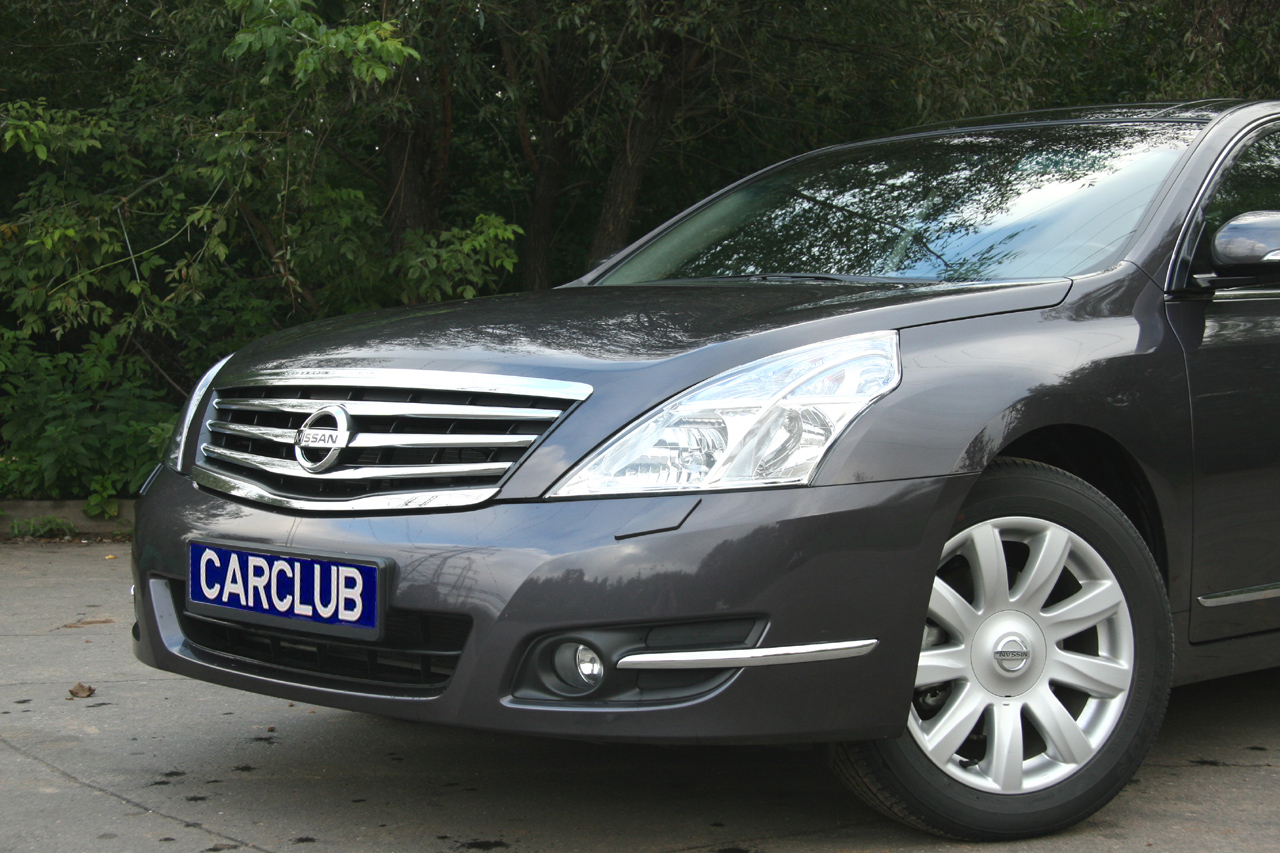
So, the Nissan Teana of the 2008 model year is based on an entirely new "D" platform, which is used on the "American" Altima and Maxima, as well as on the new Murano crossover, whose Russian premiere took place at the Moscow International Automobile Salon. The appearance has changed noticeably: new slanting headlights that extend significantly onto the front fenders, a different front bumper, other rear LED lights, a massive radiator grille, and a new rear bumper. Now the Teana looks much fresher and more modern. The abundance of chrome details gives the business sedan's appearance solidity and polish. Everything that was lacking in the exterior of its predecessor has been realized in the new Teana — Nissan's designers managed to do an excellent job of working on the mistakes.
The Teana has grown 5 mm in length, the height remains unchanged, but the width has increased by as much as 30 mm, which had a positive effect on the space in the cabin. The ground clearance has also increased — by 5 mm. The new D-platform was designed to improve comfort and reduce vibrations on the body. The front suspension was modernized, the rear multi-link received a new design, and torsional rigidity improved. All this made handling more confident and behavior on uneven roads noticeably better.
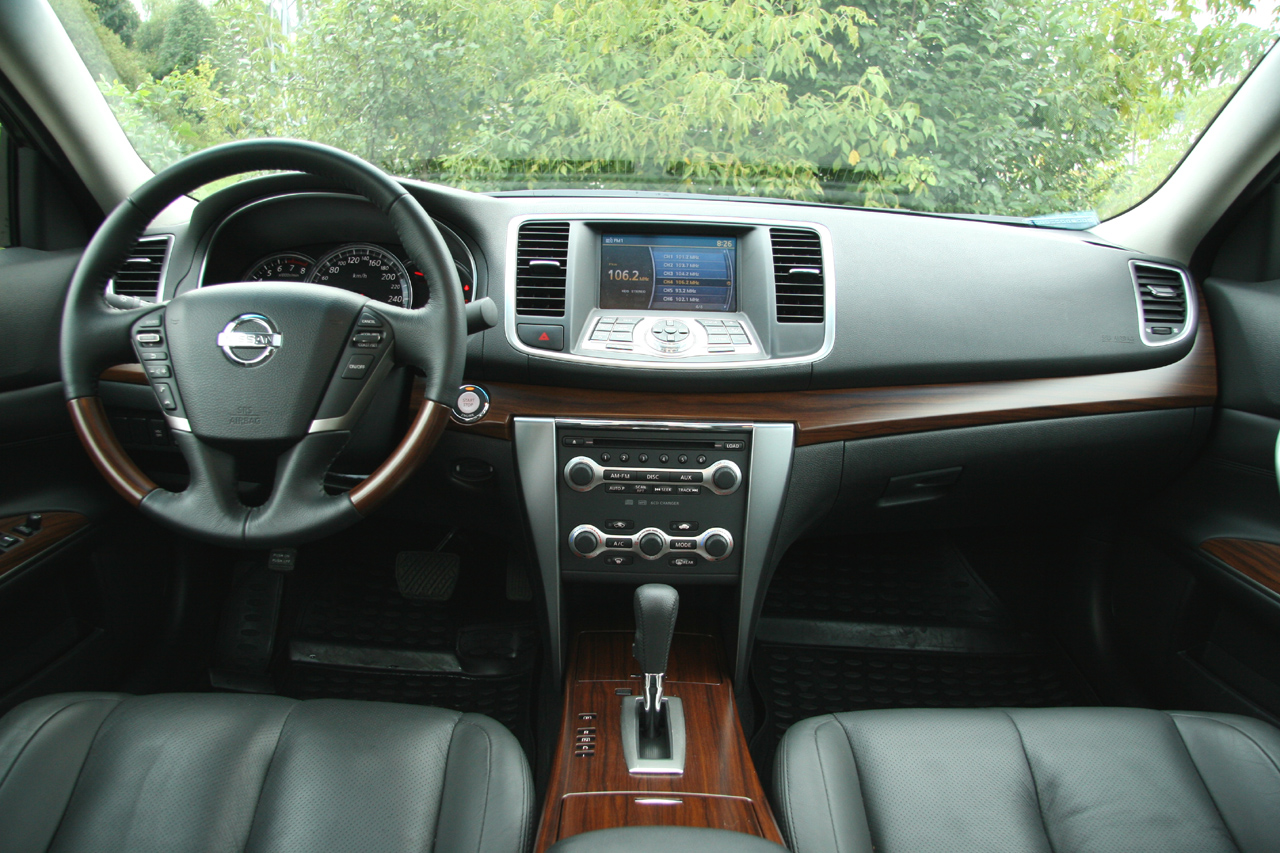
The Teana's interior has changed much more seriously. Only high-quality materials are used everywhere: pleasant-to-the-touch plastic, good leather — everything indicates that you are in the cabin of a business-class car. The only thing that spoils the overall impression is the faux wood trim, which frankly cheapens the interior space. As for the design, an uninitiated person could easily mistake the Teana's interior for the luxury Infiniti M.
The front seats provide passengers with true comfort, and there are enough electric adjustments to find a comfortable driving position. The only complaints are the weak lateral support of the front seats and the lack of longitudinal adjustment of the steering column. The Teana's signature feature — the electrically extending leg rest for the front passenger, the so-called ottoman — is a very convenient thing on a long journey. It is also worth noting the heating and ventilation not only of the front seats but also of the rear sofa. However, the location of the buttons for turning on the heating and ventilation of the front seats cannot be called convenient — to use them, you have to open the front armrest.
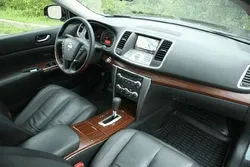
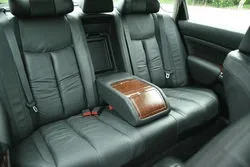
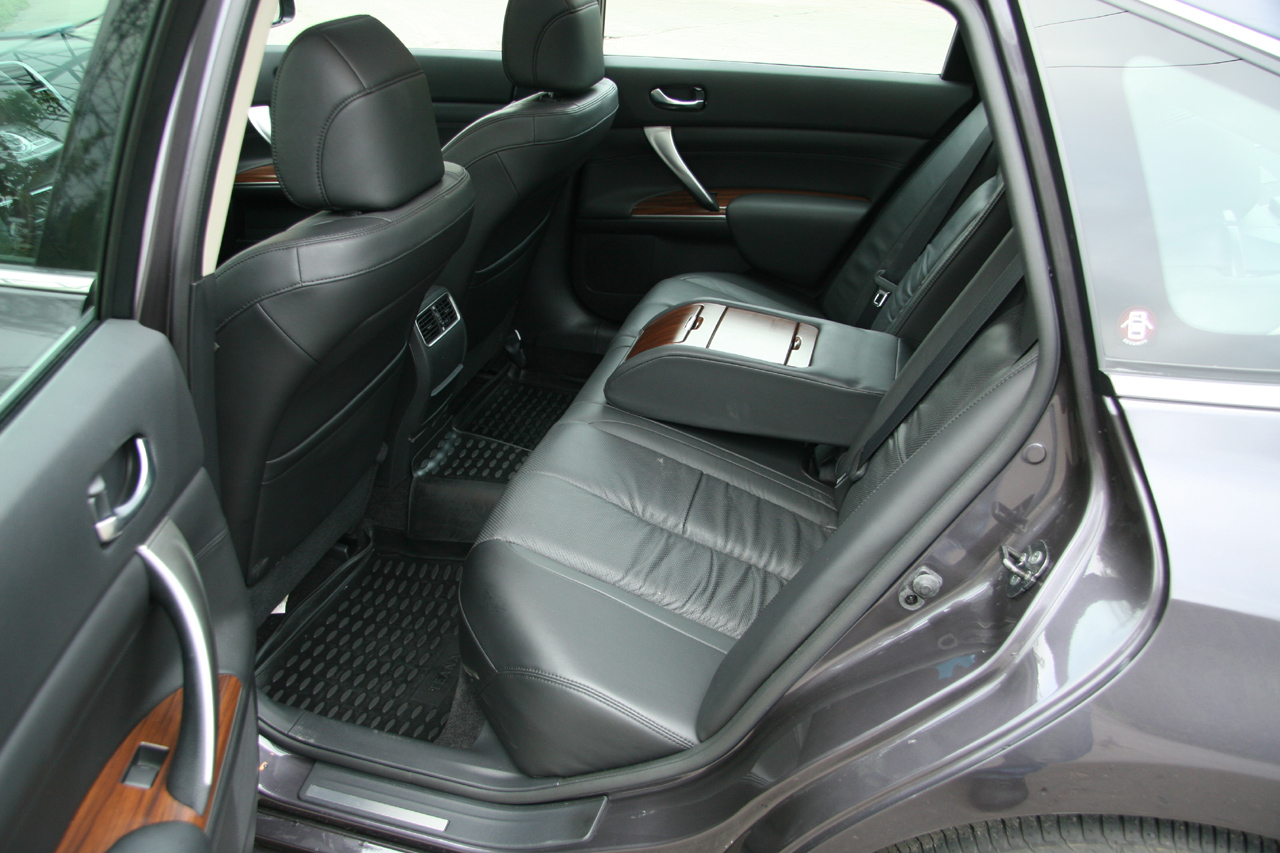
The instrument panel with pleasant backlighting is distinguished by excellent readability. The steering wheel has convenient control buttons for almost everything except climate control. At the top of the center console are the touchscreen information display of the navigation system and the control joystick surrounded by many buttons, borrowed from Infiniti models. Climate control is managed by three convenient rotary knobs with a pleasant rubberized texture. Rear passengers are also not deprived of attention: the sofa, profiled for two seats, can accommodate three adults without much discomfort. The rear armrest hides buttons for controlling heating, ventilation, microclimate, audio system, and the rear electric sunshade.
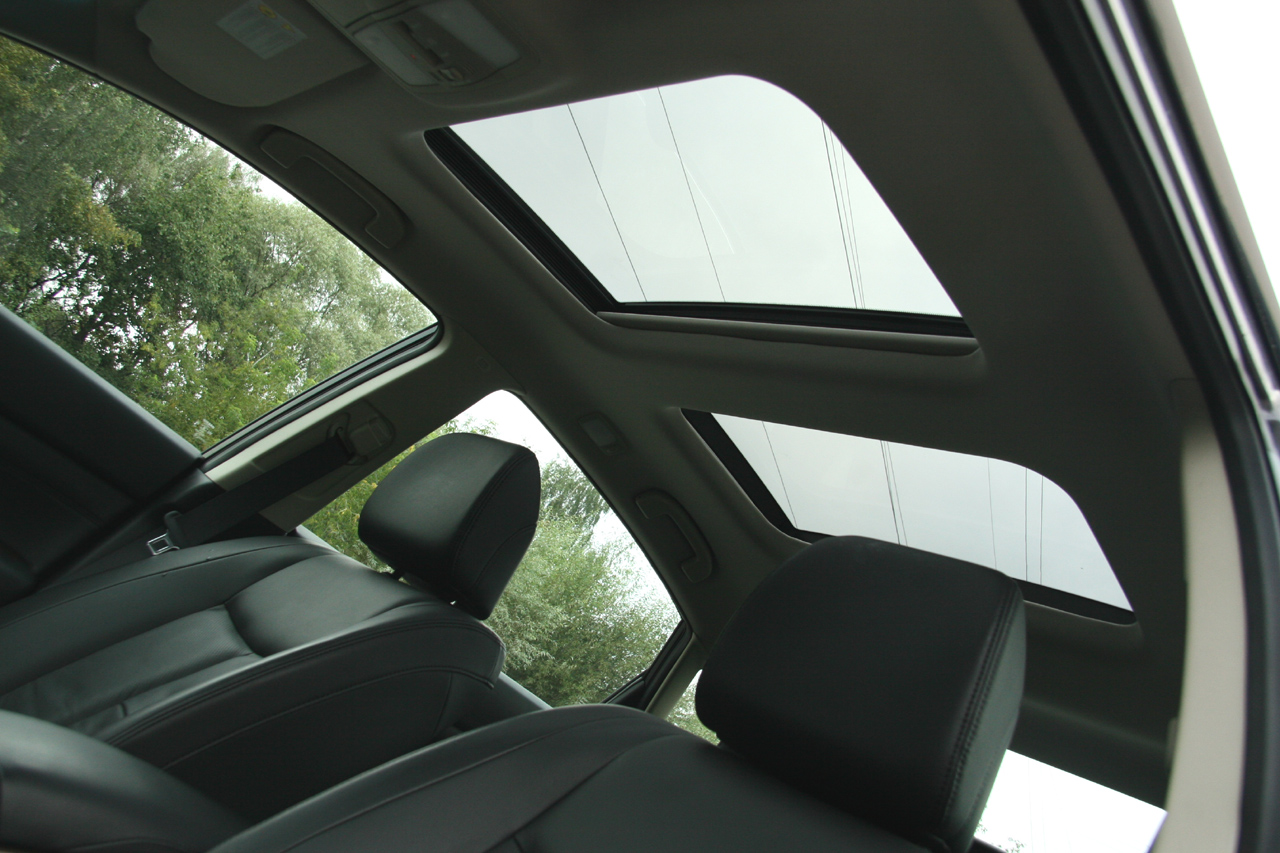
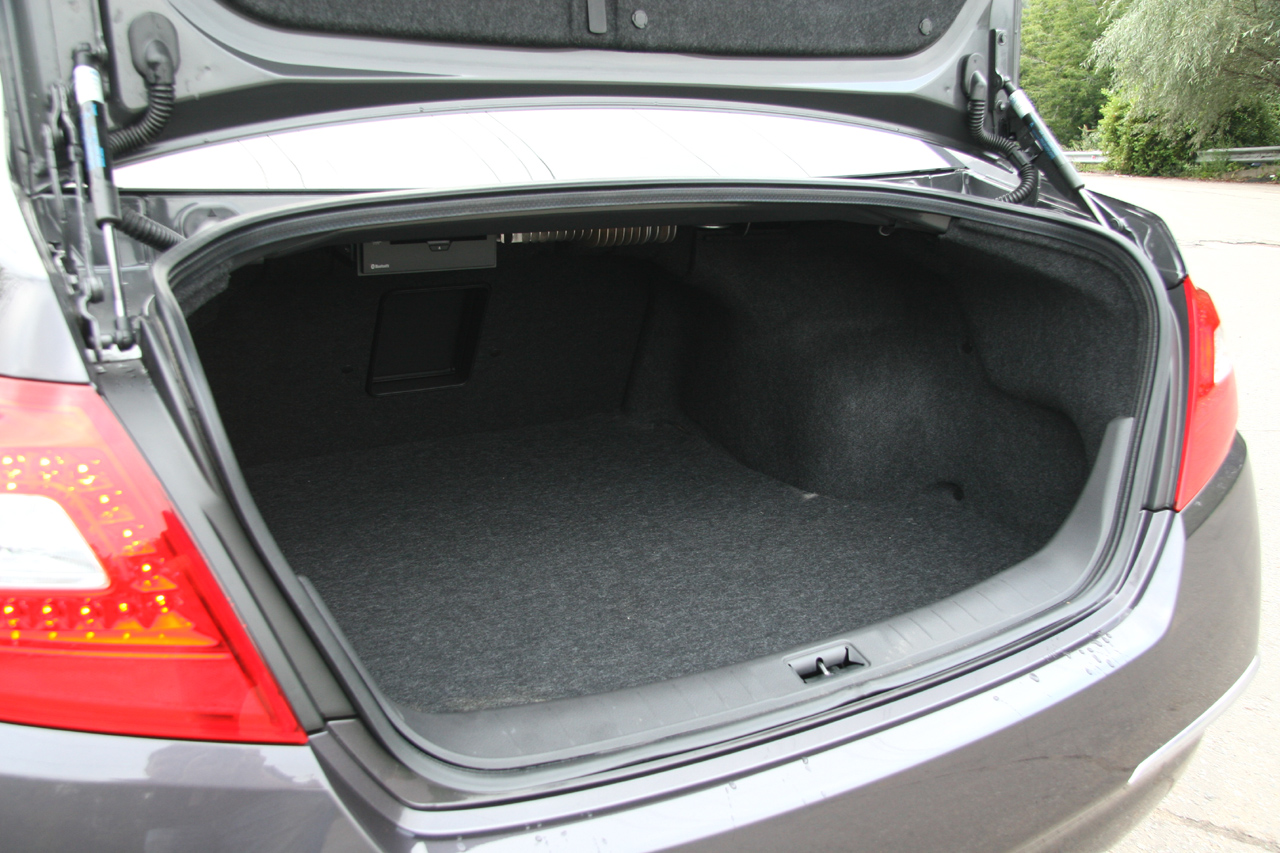
The two-section panoramic roof is equipped with a large electric sunroof. But the aerodynamics with the sunroof open are poorly worked out: already at speeds above 60 km/h, strong extraneous noise penetrates the cabin. The trunk is quite spacious — 488 liters, and there is a hatch in the armrest for transporting long items.

For the Russian market, the Teana is offered with two six-cylinder gasoline engines with a displacement of 2.5 and 3.5 liters. The 182-horsepower 2.5-liter engine was created specifically for the new Teana. Thanks to the extended operating range of the CVTC system, this engine delivers torque over a wide range of revs. Moreover, the unit is designed to use 92-octane gasoline.

For the test, we got the version with a 3.5-liter engine producing 249 hp and a torque of 326 Nm, 80% of which is available from 1,600 rpm. All engines work in conjunction with a new electronically controlled continuously variable transmission with an adaptive gear ratio change system. Thanks to the excellent transmission, which also knows how to adapt to the driving style, the response to pressing the accelerator pedal has improved and fuel efficiency has increased.

I start the engine with the Start/Stop button, move the gear selector to "Drive" mode — and the car begins to smoothly pick up speed. Subjectively, this process takes no more than a couple of seconds: the tachometer needle quickly crosses the 1,600 rpm mark, then a confident surge is felt, and within a moment the revs reach 5,000 per minute. The 3.5-liter engine operates at full power, providing solid acceleration quite worthy of a flagship sedan. The sound insulation here is noticeably better than that of the Teana's predecessor — this allows you to completely detach from what is happening outside the window and enjoy the smoothness of the ride and comfort, because noise and vibration levels are minimized.
Nissan's engineers managed to tune the suspension in such a way that Teana passengers get the feeling that the car is gliding over a water surface. At the same time, despite the obvious bias towards comfort, lateral rocking is practically not felt at speed. The steering is more focused on convenience than on sharp feedback — on the highway this is a bit of a hindrance, but in city traffic it brings true pleasure.
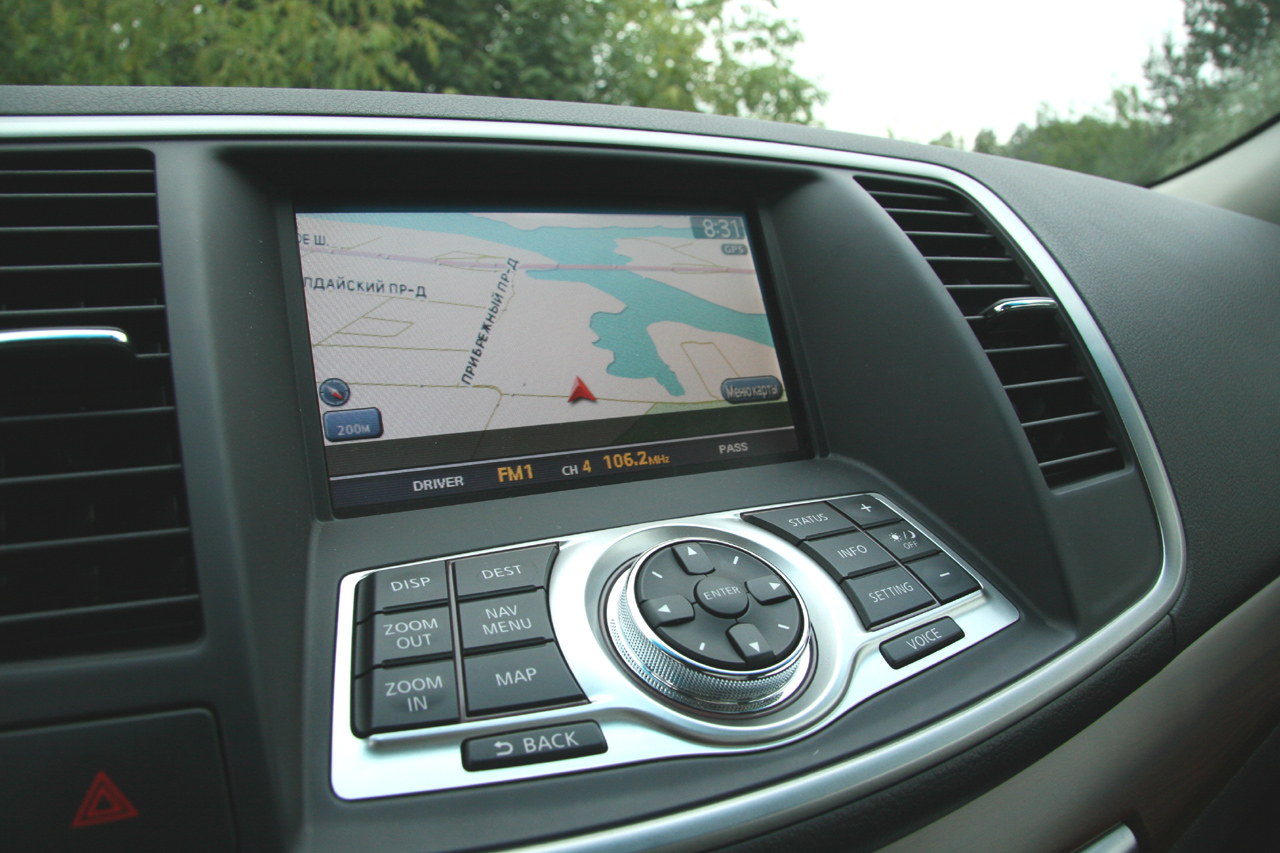 |
| The navigation system screen and joystick moved over from Infiniti models |
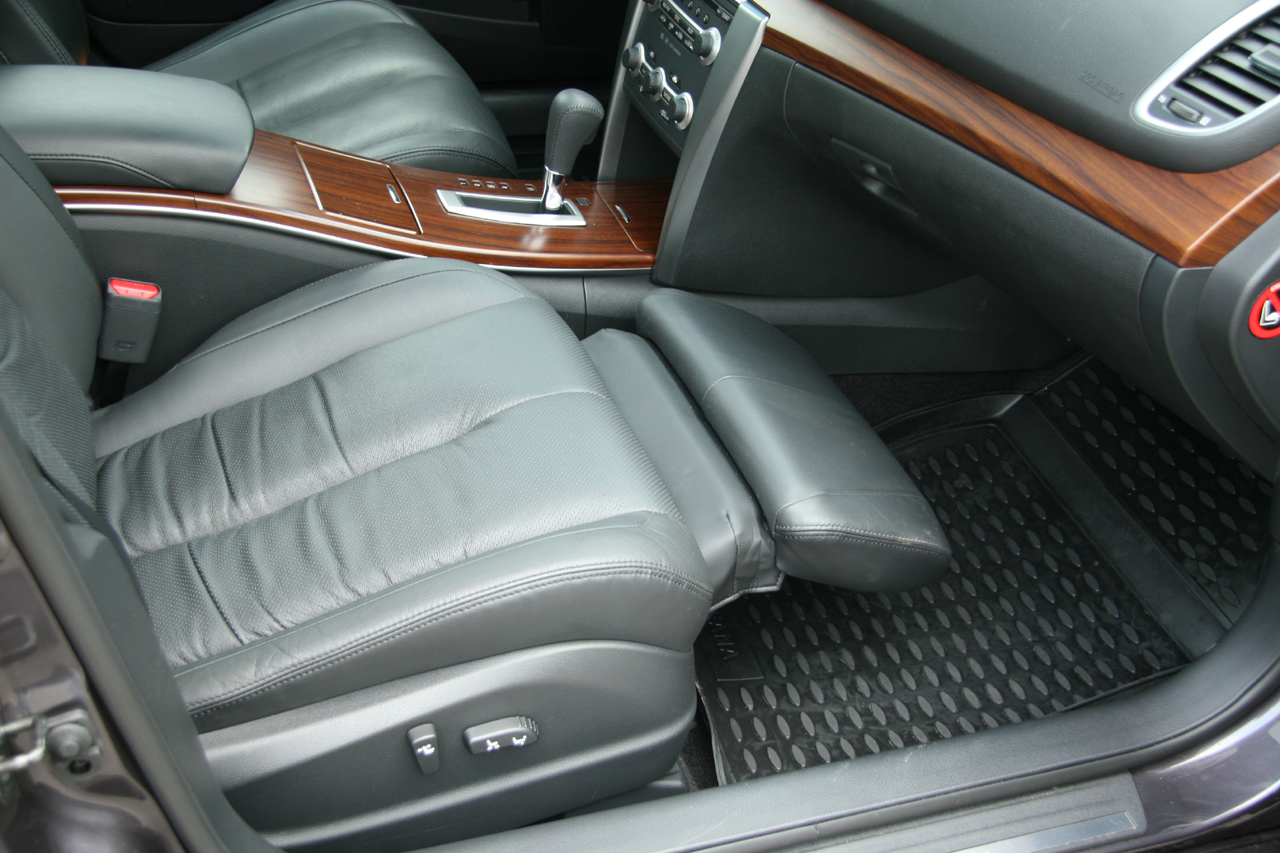 |
| The ottoman seat will not let the front passenger get tired on a long journey |
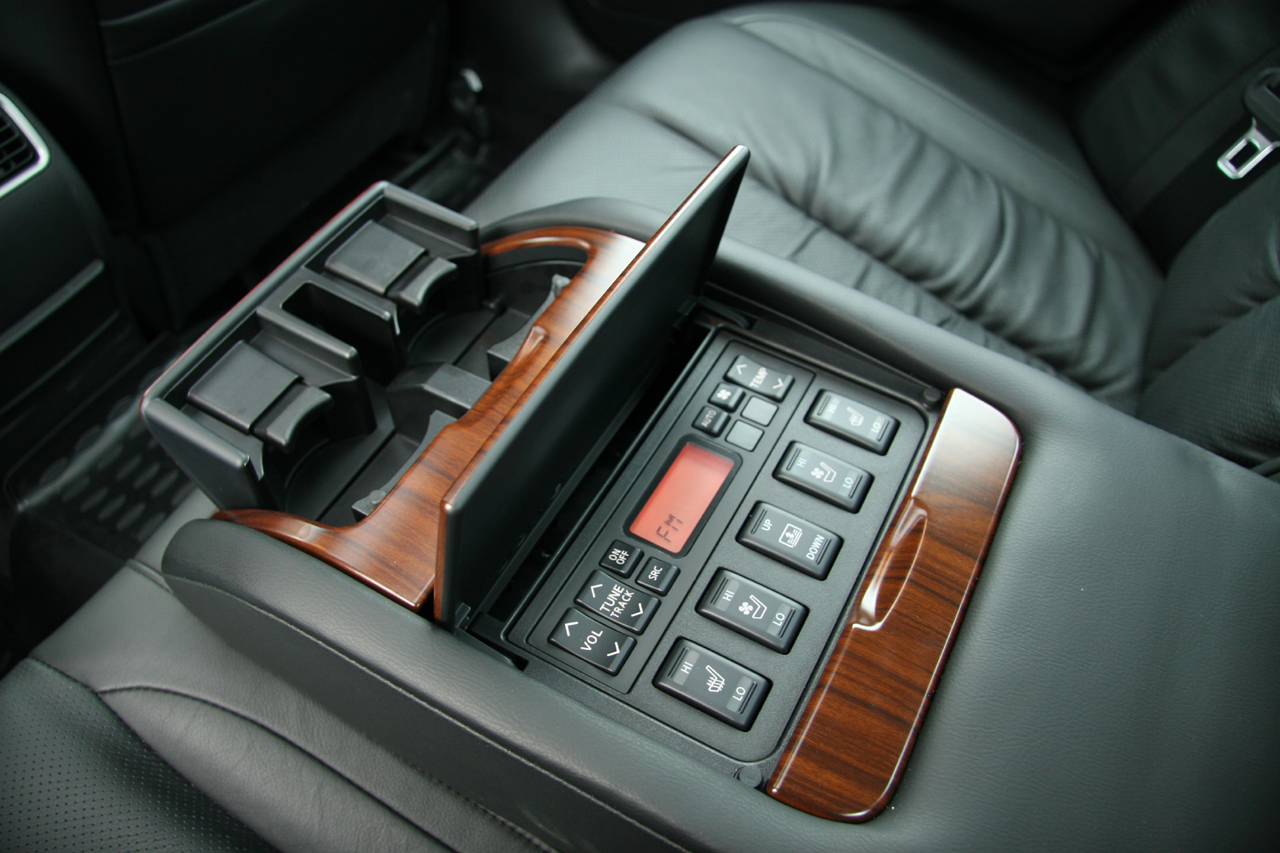 |
| In the rear armrest are hidden buttons for controlling the audio system, climate control, and heating |
When it comes to dynamic driving, it becomes clear: in the pursuit of comfort and smoothness, the Teana has body rolls in corners that seem excessively noticeable. But this is not the kind of car that is made for racing from traffic lights or aggressive cornering.
The base price of the Nissan Teana with the 3.5-liter engine starts from 1,108,000 rubles (at an exchange rate of 135 hryvnias per dollar). For this money, the buyer gets six airbags, ABS with brake force distribution, a dynamic stability system, a light sensor, dual-zone climate control, a keyless entry system, a full electric package, cruise control, an audio system, a 7-inch screen, leather interior, xenon headlights, power front seats, as well as heating and ventilation for all seats.
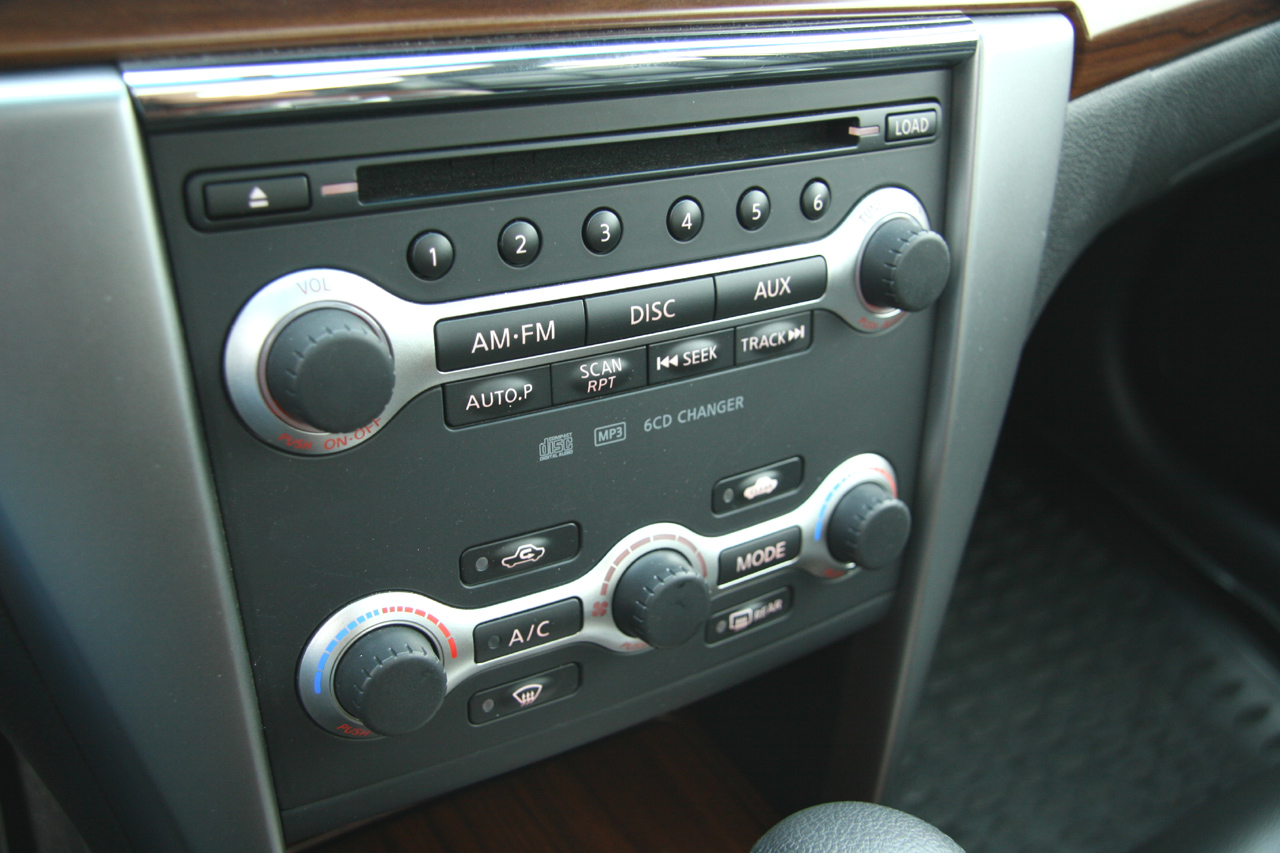 |
| Climate control is managed using three rotary regulators |
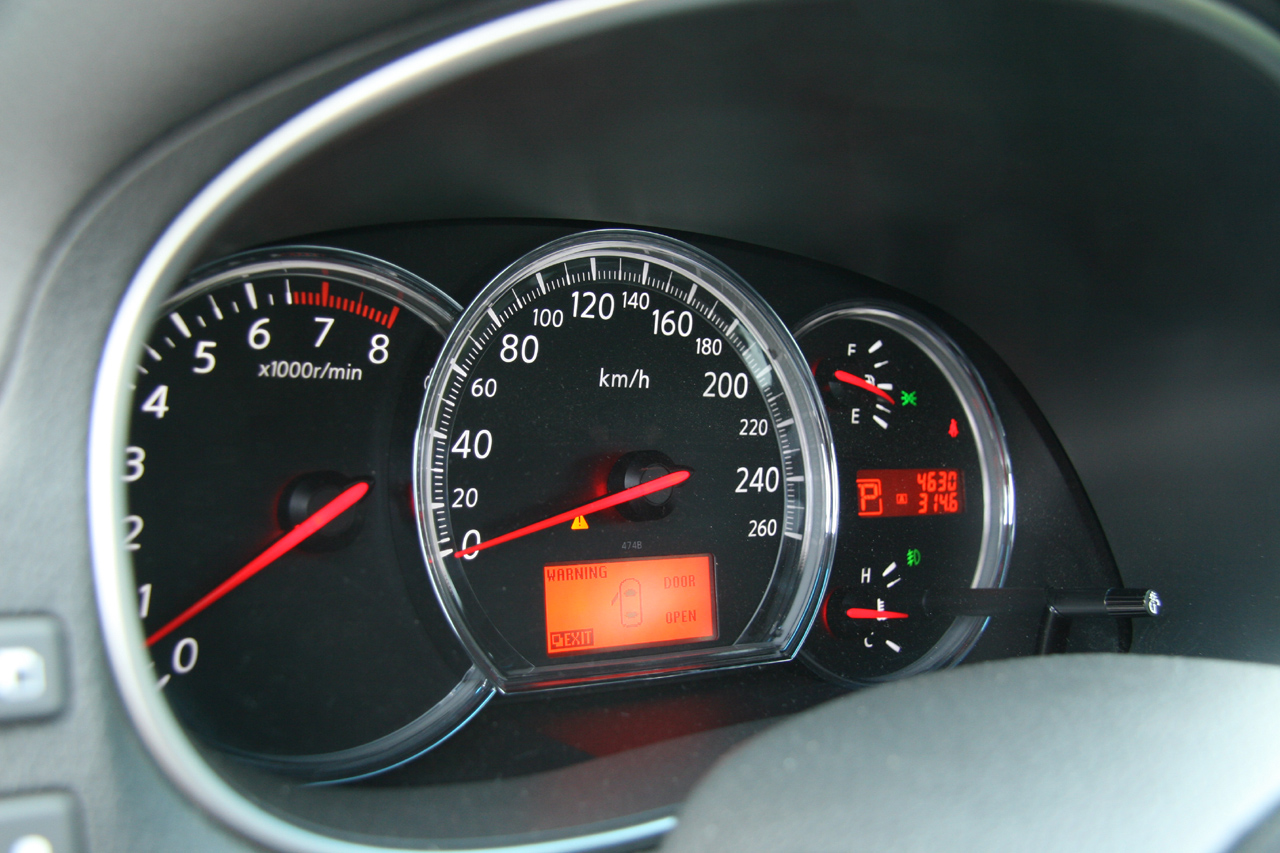 |
| The instrument panel with pleasant backlighting has excellent readability |
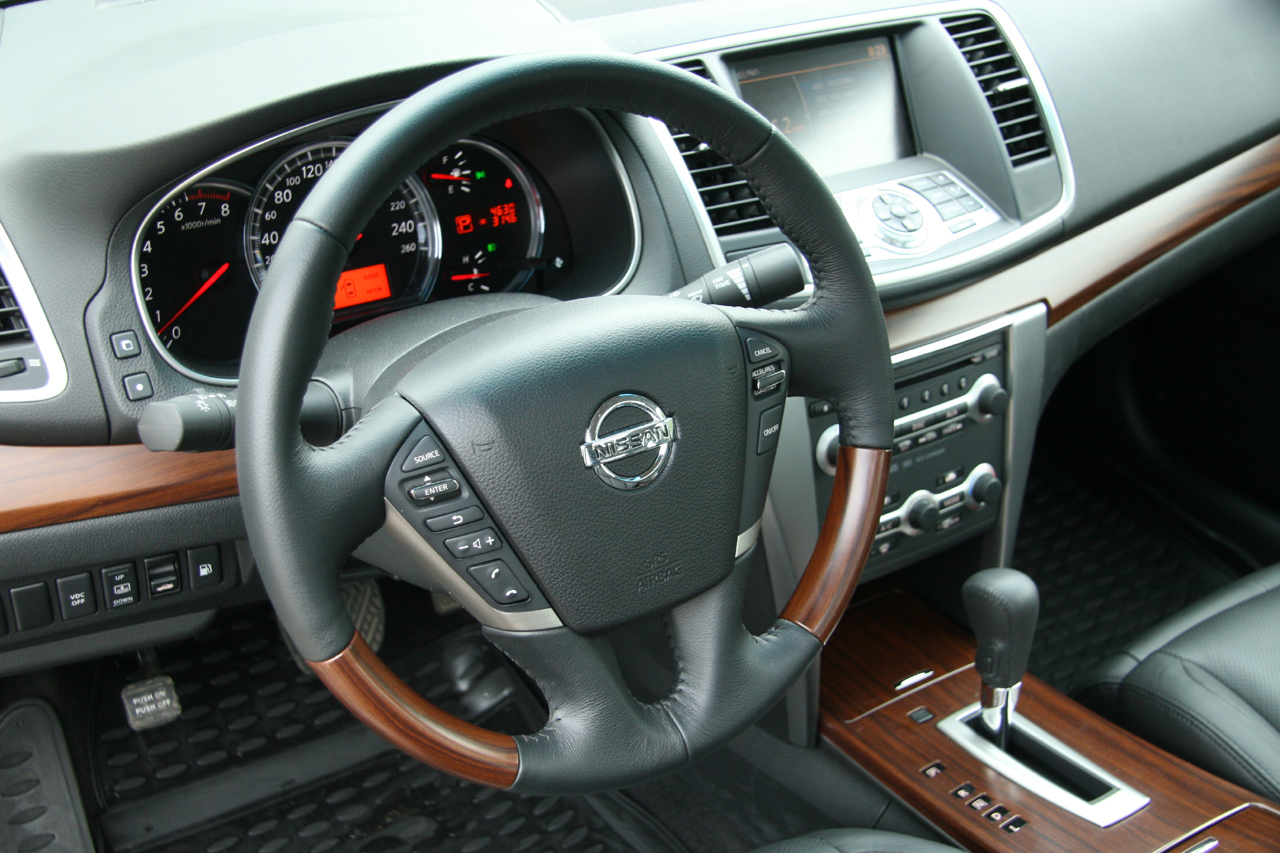 |
| From the steering wheel you can control everything except the climate |
In our test top version, navigation with a touchscreen, a Bose DVD audio system with eleven speakers, a panoramic roof with an electric sunroof, and Bluetooth protocol support are additionally installed. For such equipment, you will have to pay 1,233,000 rubles. Despite the full range of equipment, Nissan representatives seem to have ignored the requests of owners of the previous generation car: neither a rain sensor nor an electrochromic rearview mirror has appeared here.
With the advent of the new Teana, Nissan has set a new benchmark in the ratio of price, comfort, quality of finishing, and level of equipment for the business class. Now competitors will have to work hard to outdo this car.
Ruslan Galimov
 |
 |
 |
 |
 |
 |
 |
 |
 |