

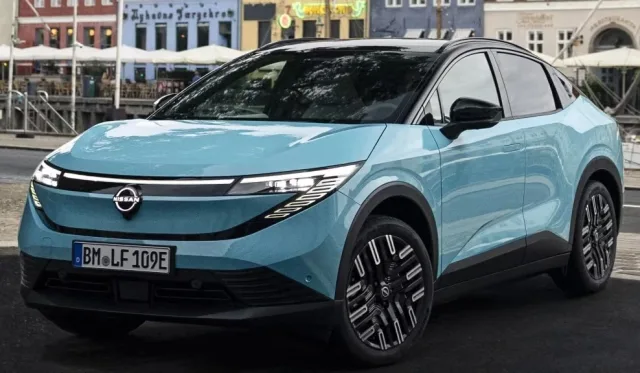
We tested the more powerful version of the Nissan Leaf with a 75 kWh battery and 217 hp. On a real trip, the electric car consumed about 16 kWh/100 km, and its main advantages turned out to be comfort, quietness and well-tuned assistants.
The Nissan Leaf has become a crossover
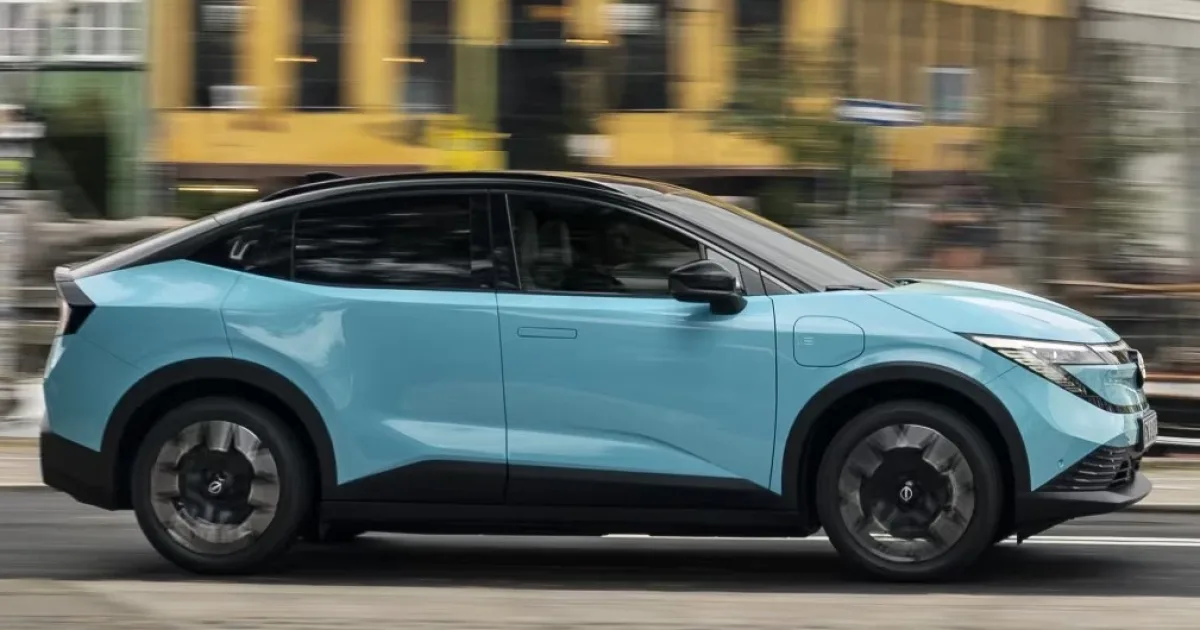
The third Nissan Leaf is built on the CMF-EV platform and is about 4.35 m long. The car received a sloping roof, flush door handles, contrasting trim and wheels measuring 18 or 19 inches.
The front-end design is reminiscent of the Nissan Ariya. The rear looks much more original, with a spoiler, a wide strip and three-dimensional taillight graphics with retro motifs.
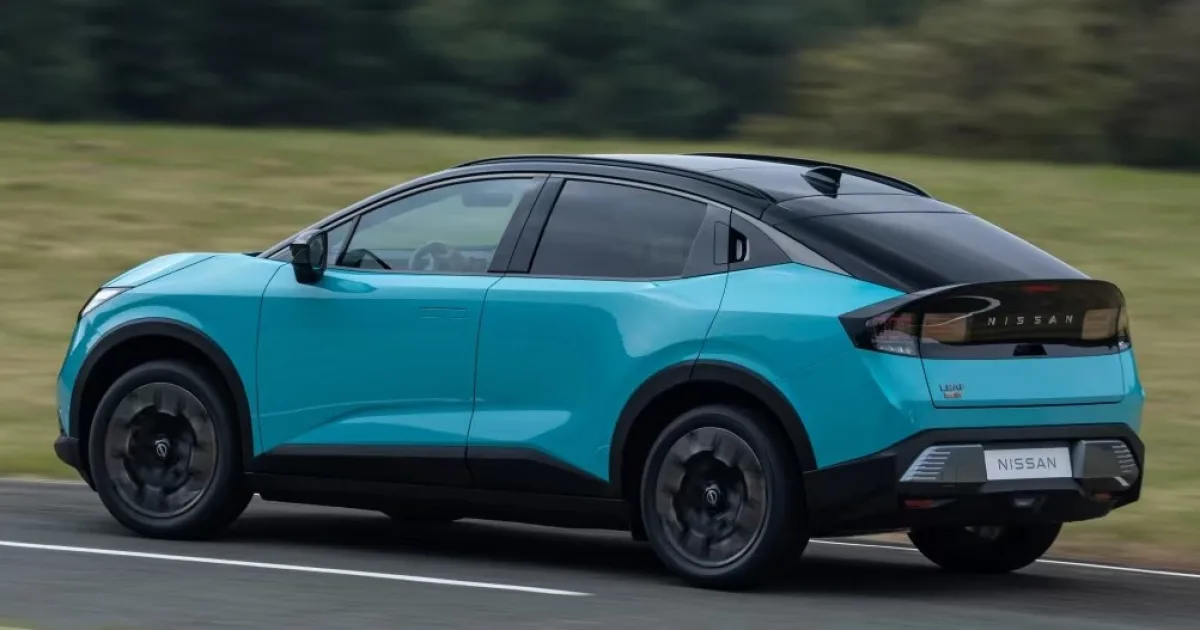
The streamlined shape is needed not only for design. Aerodynamics directly affect range, although the wide 235-mm tires on the optional 19-inch wheels somewhat reduce efficiency.
Two batteries and up to 217 hp
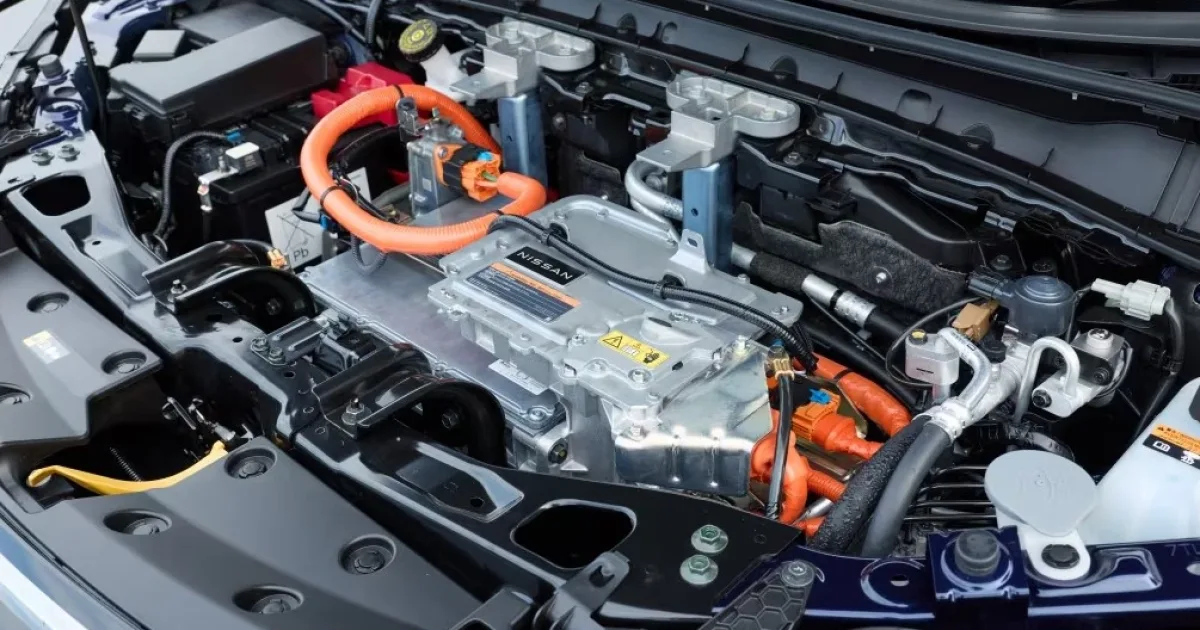
The Nissan Leaf is offered with batteries of 52 and 75 kWh usable capacity. Depending on the version, the electric motor develops 177 or 217 hp. In both cases, drive is to the front wheels.
Key specifications of the Nissan Leaf:
battery - 52 or 75 kWh;
power - 177 or 217 hp;
fast charging - up to 105 or 150 kW;
range of the senior version - over 600 km WLTP.
On a fast highway, the test author estimates the realistic range of the version with the large battery at approximately 300-350 km. The Nissan Leaf also supports Vehicle-to-Load and Vehicle-to-Grid technologies.
The Nissan Leaf interior has become significantly more modern
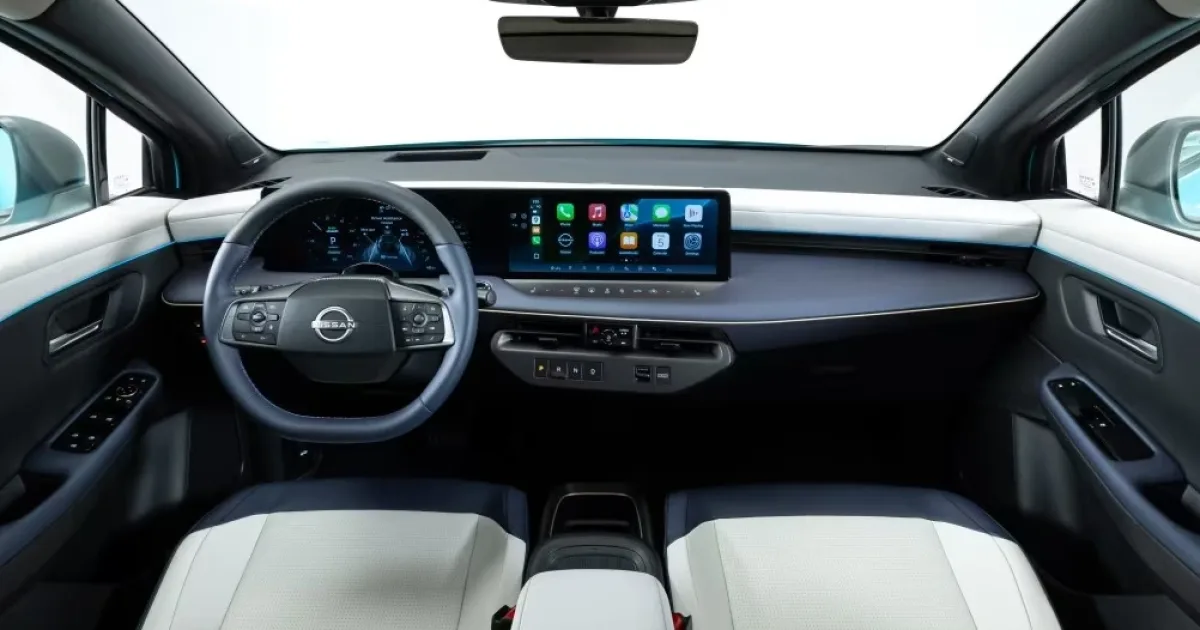
The Nissan Leaf interior makes a pleasant impression with its materials and colors. The doors have soft surfaces and textile inserts, and ambient lighting is provided. Mirror and window controls remain physical.
The top version has two 14.3-inch displays, while simpler ones have two 12.3-inch displays. There is a head-up display, power seat adjustment, wireless charging and an optional Bose audio system.
The fixed panoramic roof received electrochromic glass that can be made transparent or tinted in a second.
Google Maps plans charging stops itself
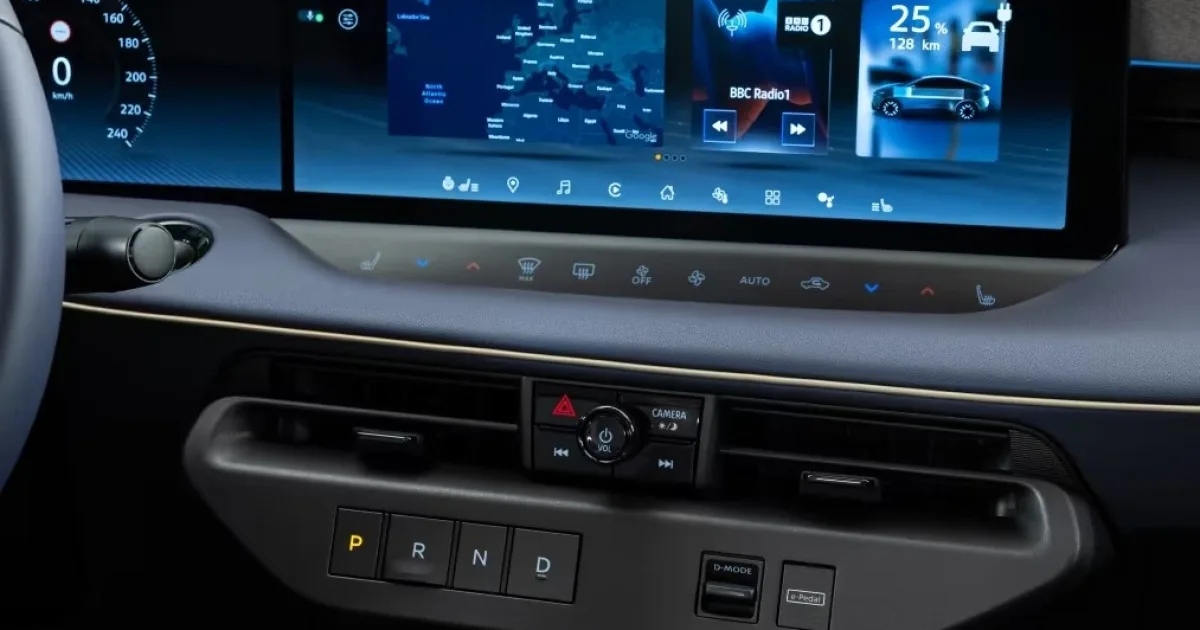
The Nissan Leaf multimedia runs on Android Automotive OS with Google built-in. Google Maps is integrated with the car's systems and takes battery charge into account when planning a route.
Before arriving at a charging station, the Nissan Leaf can precondition the battery for fast charging. Navigation also selects charging stops and can change the route if a station is occupied.
Apple CarPlay is available, and Apple Maps information can be displayed on the digital instrument panel.
There isn't enough rear space for everyone
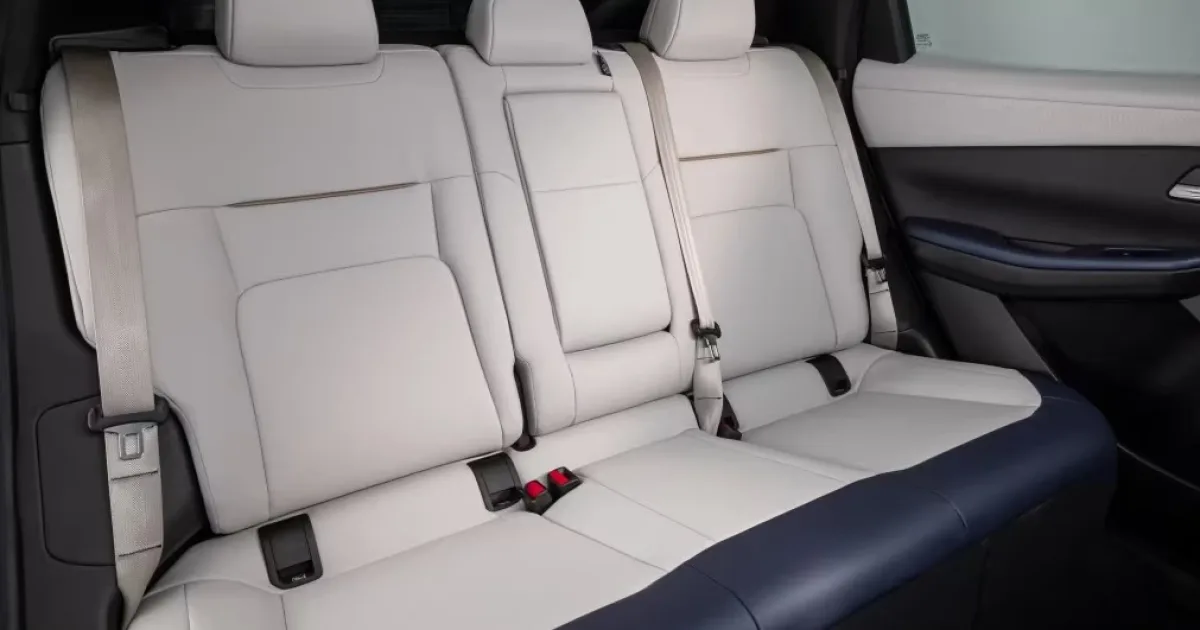
A passenger 173 cm tall sits comfortably behind a driver of the same height. There is knee room, a flat floor, ventilation vents and USB-C.
At the same time, for a person around 185 cm tall, the second row may already be cramped, especially overhead. Because of the sloping roof, the rear of the Nissan Leaf is less practical than more traditional crossovers.
The second row includes:
ISOFIX mounts;
two USB-C ports;
a central armrest with cup holders;
pockets in the backs of the front seats.
The Nissan Leaf trunk holds 437 liters
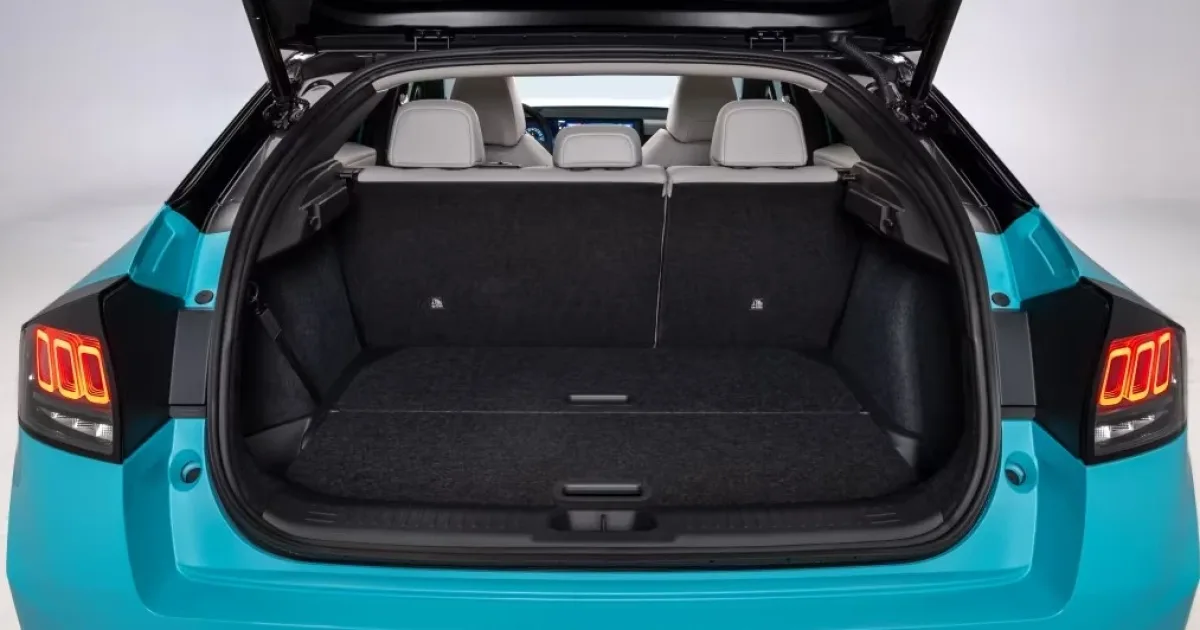
The trunk has a volume of 437 l. Three small suitcases fit without problems, and the floor can be set at different levels.
With the second row folded, a wide, practically flat load area is created. There are side niches, hooks and tie-downs for items. The test car is equipped with a power tailgate.
The Nissan Leaf has no front trunk.
How the Nissan Leaf drives in the city
The city is the natural environment of the new Nissan Leaf. The electric car is quiet, easy to handle and absorbs small bumps well. Forward and side visibility are good, although rear visibility is worse due to the sloping roof.
Automatic recuperation works in an interesting way. The Nissan Leaf takes navigation, vehicles ahead, intersections and roundabouts into account and chooses the deceleration intensity itself after the accelerator is released.
There is also an e-Pedal with stronger recuperation. At the same time, in the tested car the system did not bring the Nissan Leaf to a complete stop, so there is no classic one-pedal driving here.
ProPILOT helps on the highway
ProPILOT Assist keeps the Nissan Leaf in the center of the lane, monitors distance and works with traffic sign recognition. The system can adapt speed and slow the car down in advance according to the route.
On the highway, the Nissan Leaf remains quiet. Tire noise is low, although at high speed airflow can already be heard.
There are questions about the front seats: the cushion is somewhat short, so tall drivers on long distances may lack thigh support.
217 hp without a sporty character
The tested Nissan Leaf develops 217 hp, but does not try to be a sporty electric car. During a sharp start, the front wheels do not always manage to fully put down the electric motor's instant torque.
In Sport mode, the accelerator response becomes sharper, but the difference is small. There is enough power for overtaking, but the character of acceleration remains calm.
On a winding road, the Nissan Leaf takes a different approach. The low center of gravity provides good stability, the steering pleasantly gains weight at speeds of around 80 km/h, and responses remain predictable.
The suspension is tuned for balance
The Nissan Leaf suspension is firm but not harsh. In the city, small bumps are almost unnoticeable, while larger road surface defects are already felt.
On narrow country roads, the compact dimensions and light steering make maneuvering easier. The Nissan Leaf does not provoke attacking corners, but behaves stably and clearly.
Real consumption of the Nissan Leaf
At the end of the test trip, the onboard computer showed approximately 16 kWh/100 km. The test author notes that with longer and calmer driving the result can be improved.
Three key figures of the tested Nissan Leaf:
75 kWh - usable battery capacity;
217 hp - electric motor power;
about 16 kWh/100 km - consumption during the test.
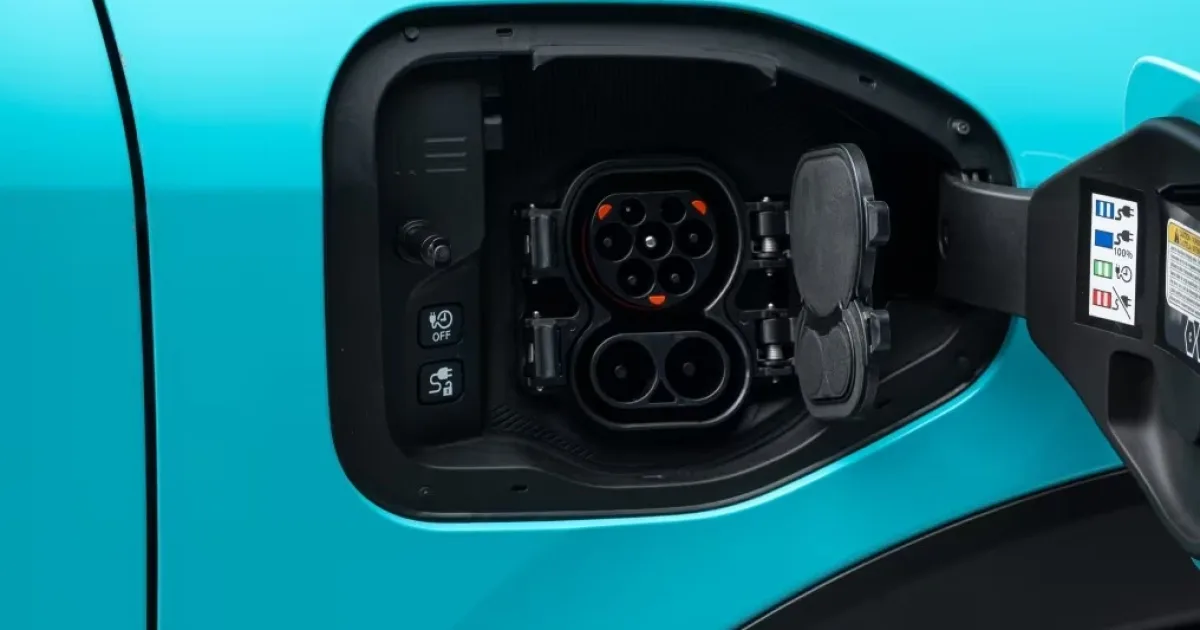
The claimed over 600 km WLTP looks attractive, but on a fast highway the real range will be noticeably lower.
Autoportal conclusion
The third-generation Nissan Leaf has changed its concept. It is now a modern electric crossover with a 437-liter trunk, large screens, Google built-in and well-tuned electronic assistants.
The 217-hp version does not impress with sporty dynamics, but the Nissan Leaf is comfortable, quiet and predictable. It feels especially good in the city, where the advantages of automatic recuperation and compact dimensions come into play.
There are compromises too. In the second row, tall passengers are cramped, rear visibility is limited, 150 kW fast charging no longer looks record-breaking, and the real highway range differs significantly from the WLTP figure.
However, the new Nissan Leaf has become a much more mature car. It no longer relies only on the name of one of the pioneers of the electric car market, but offers modern technologies, comfort and practicality needed to compete with a new generation of electric crossovers.