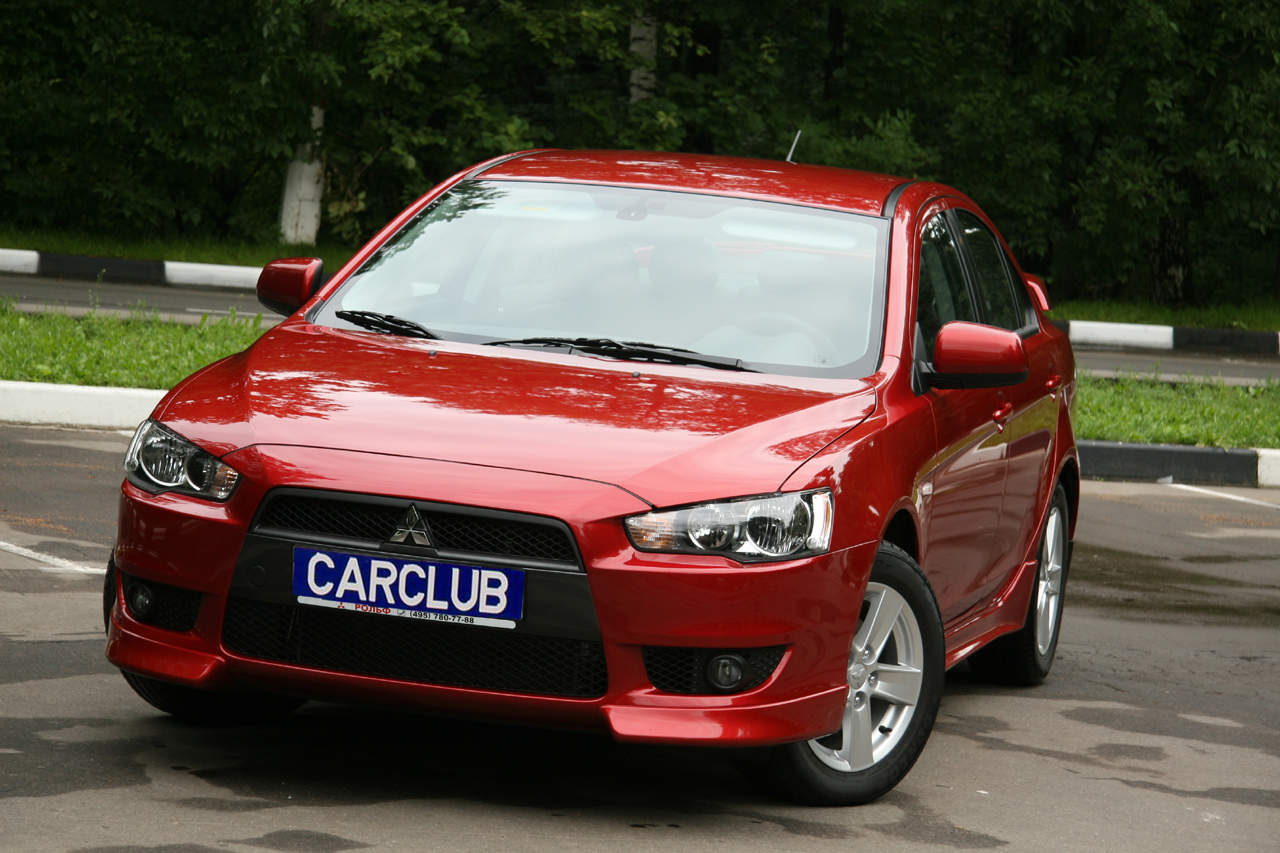
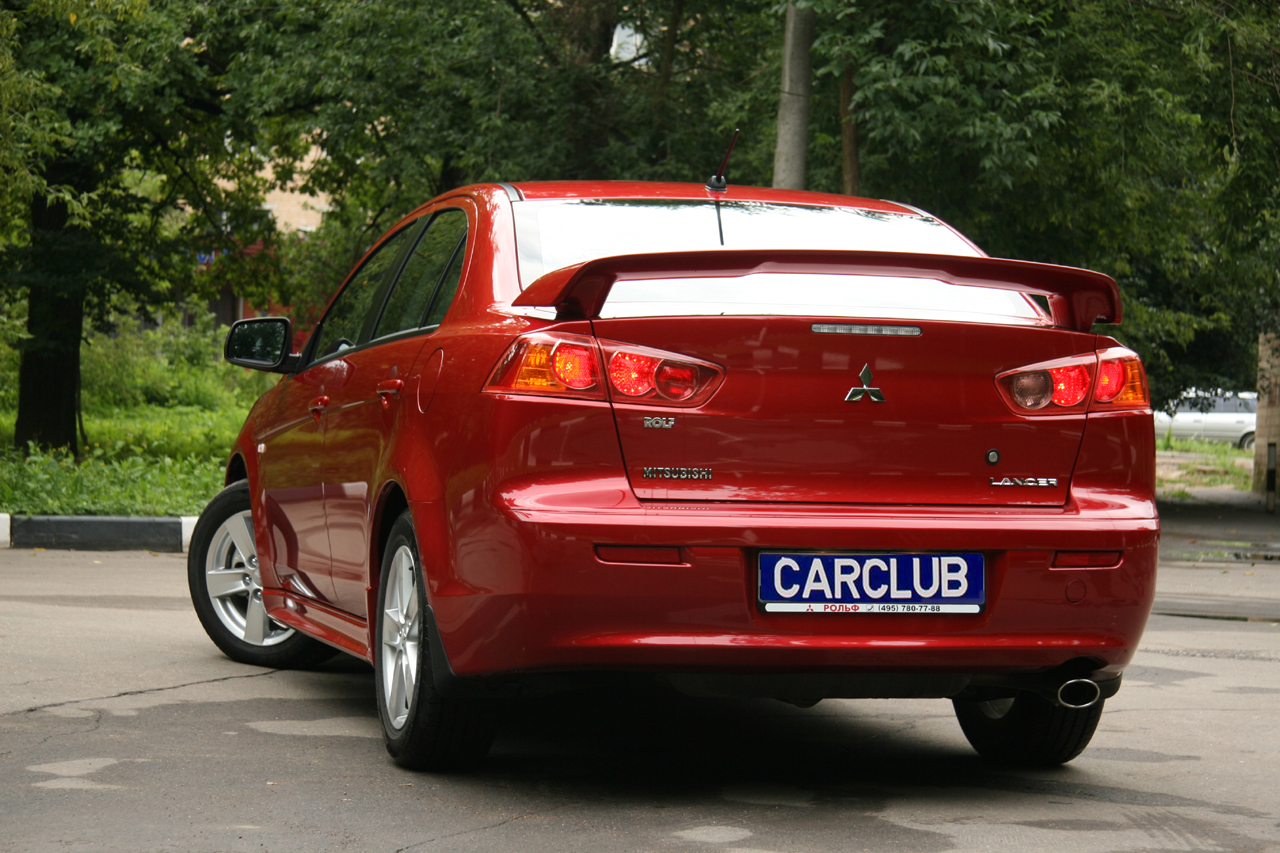
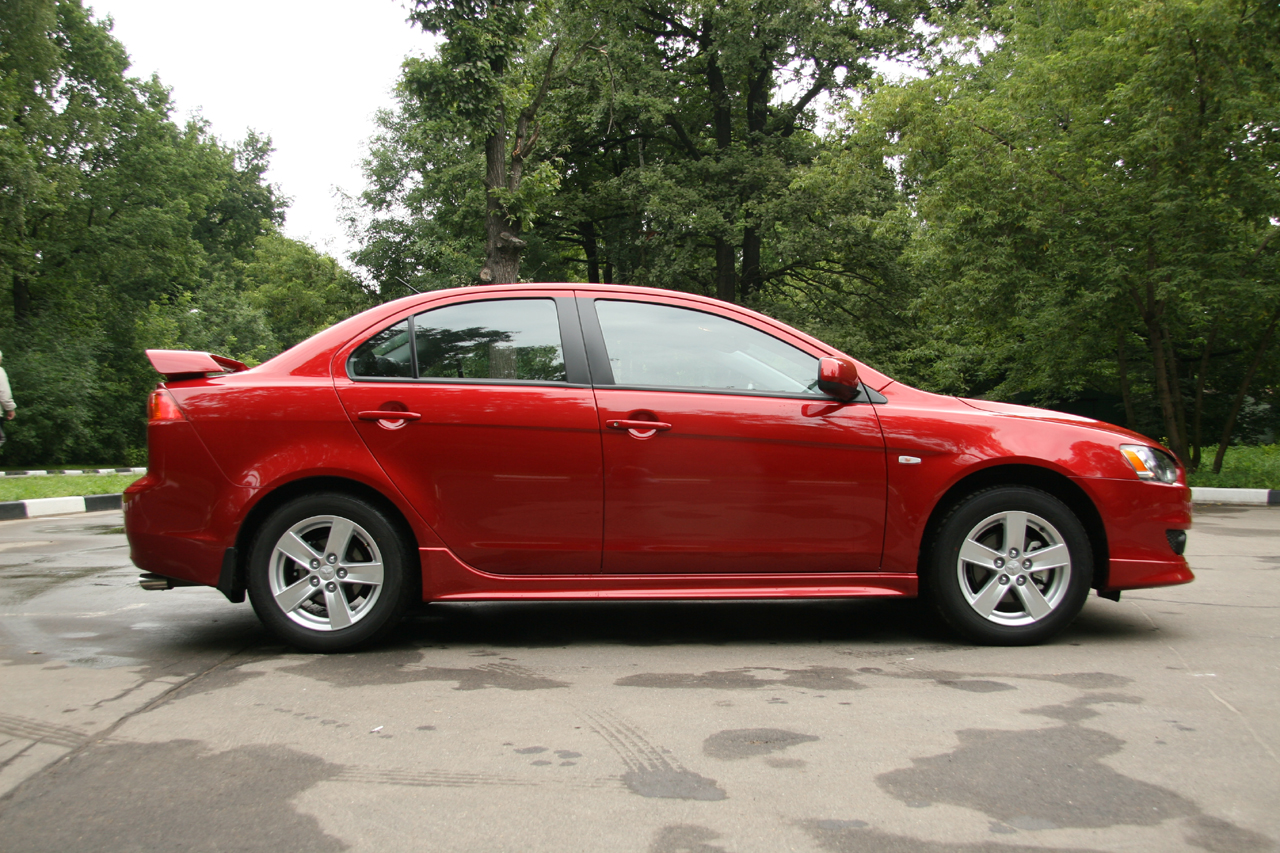
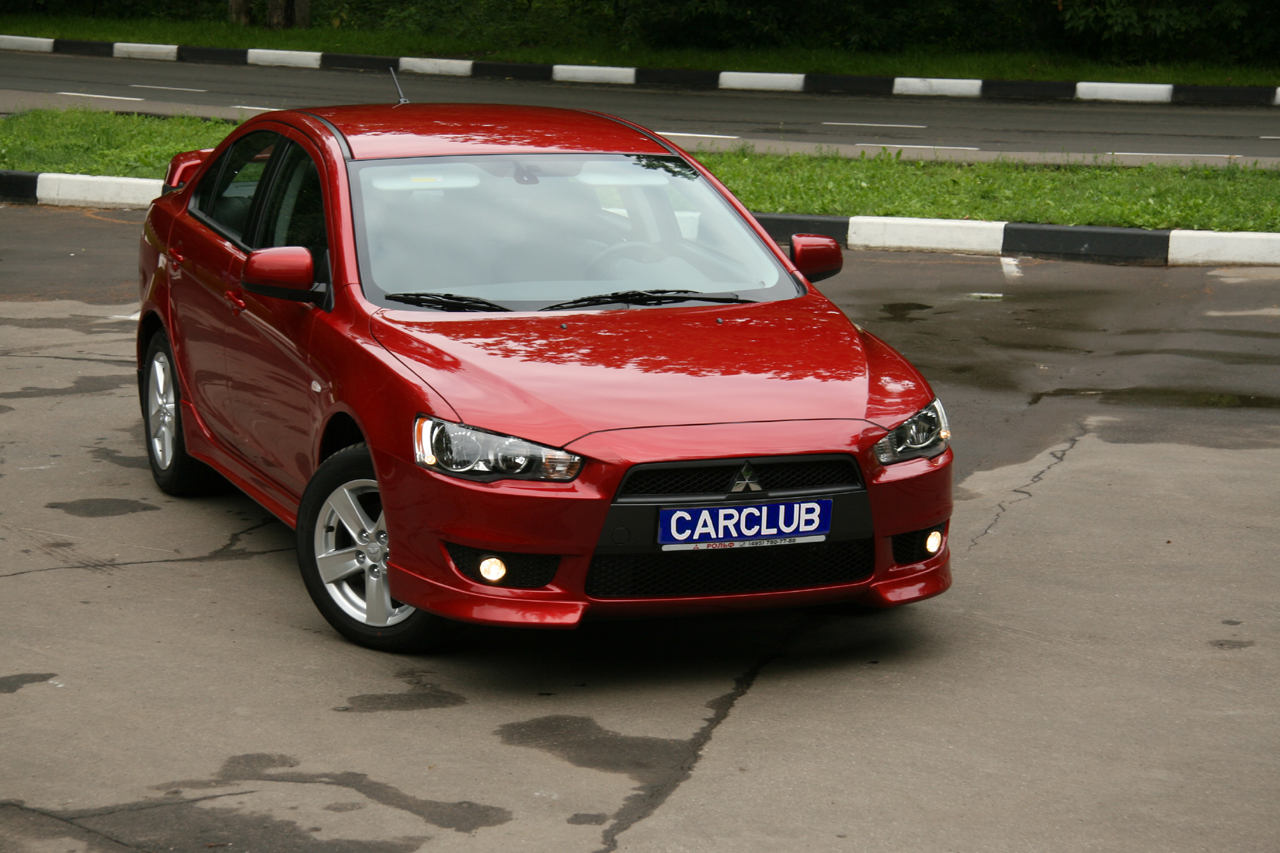
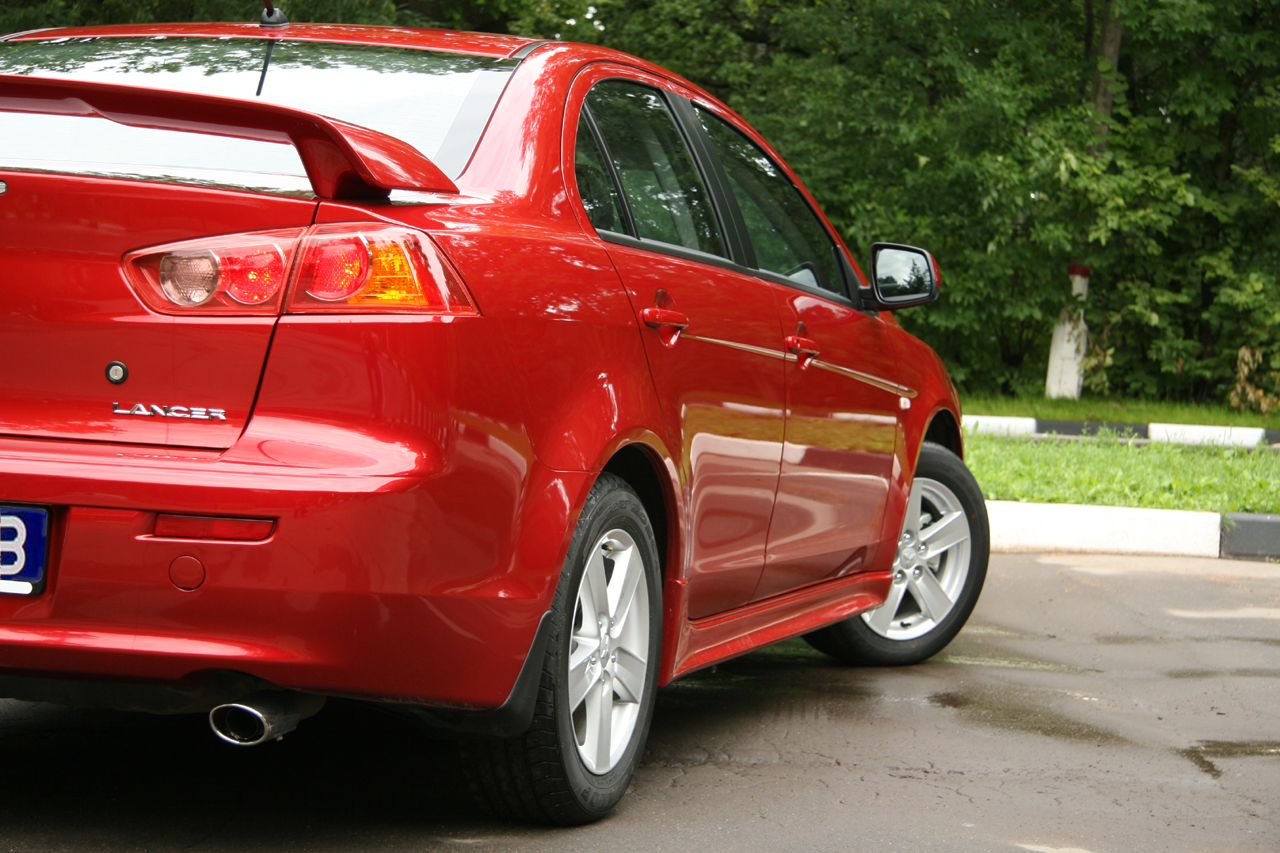
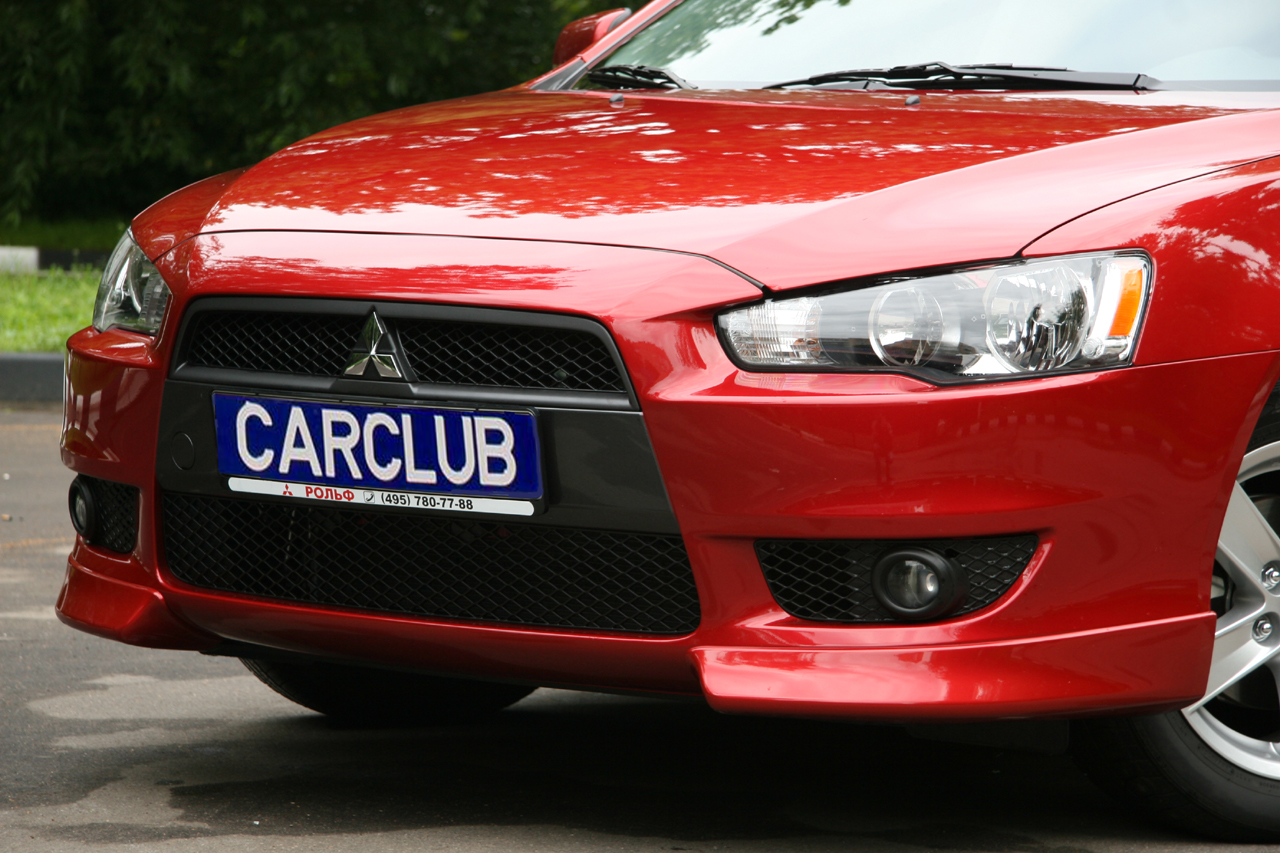
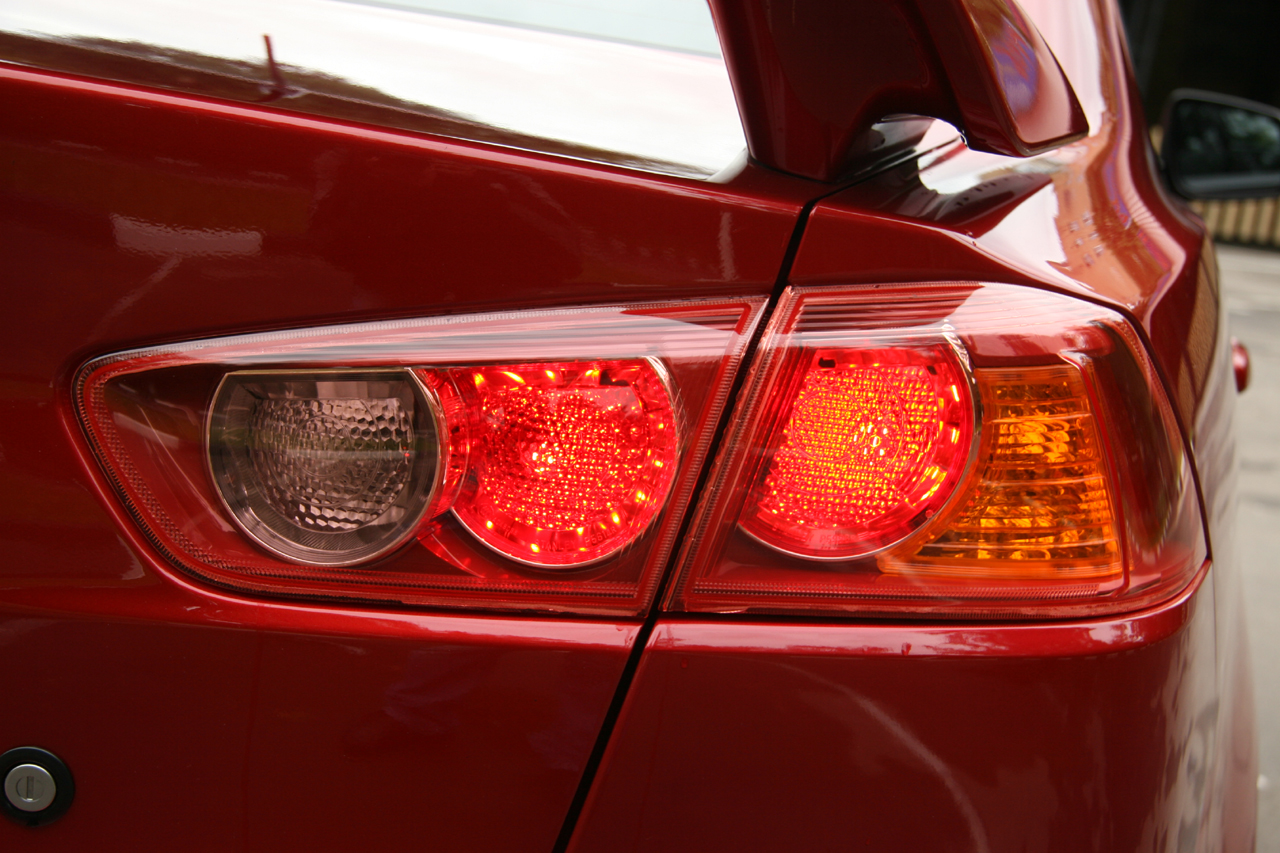
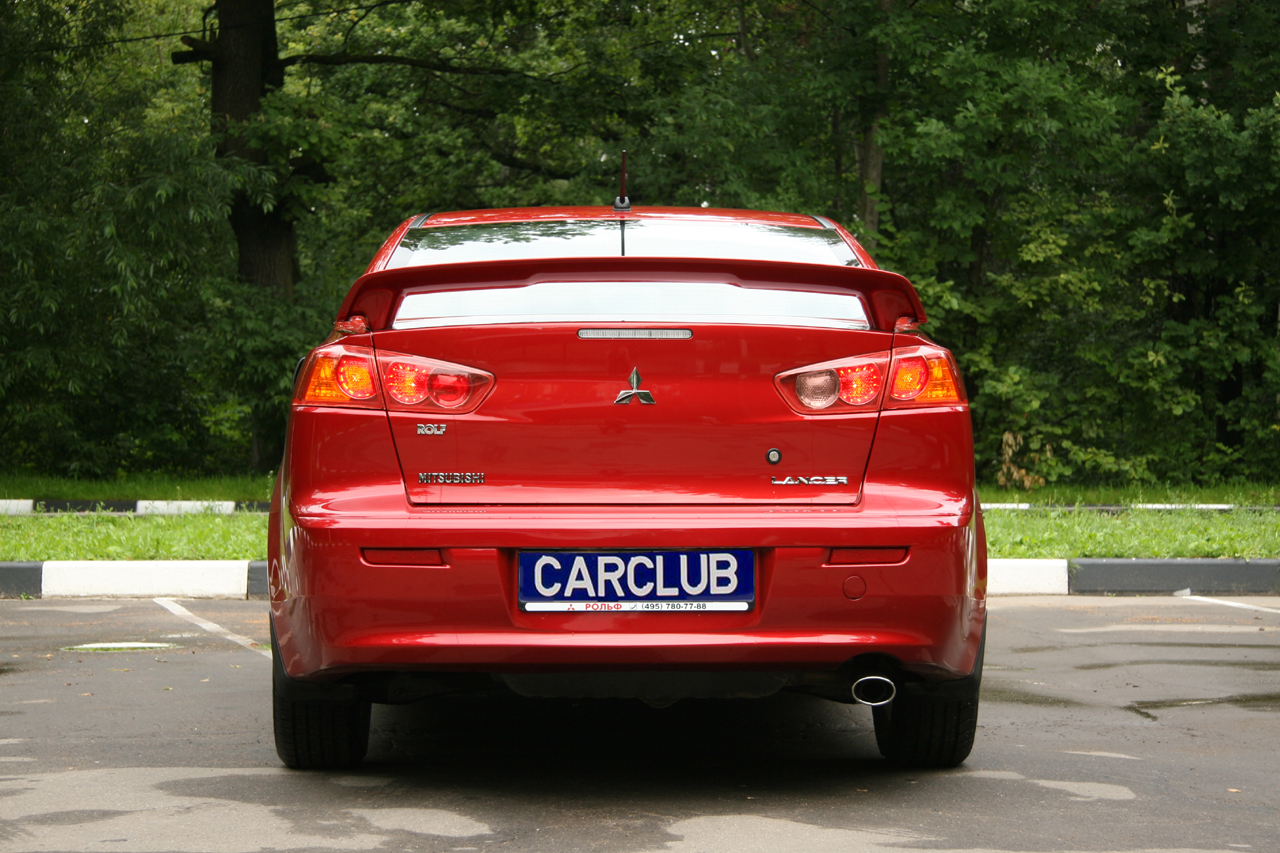
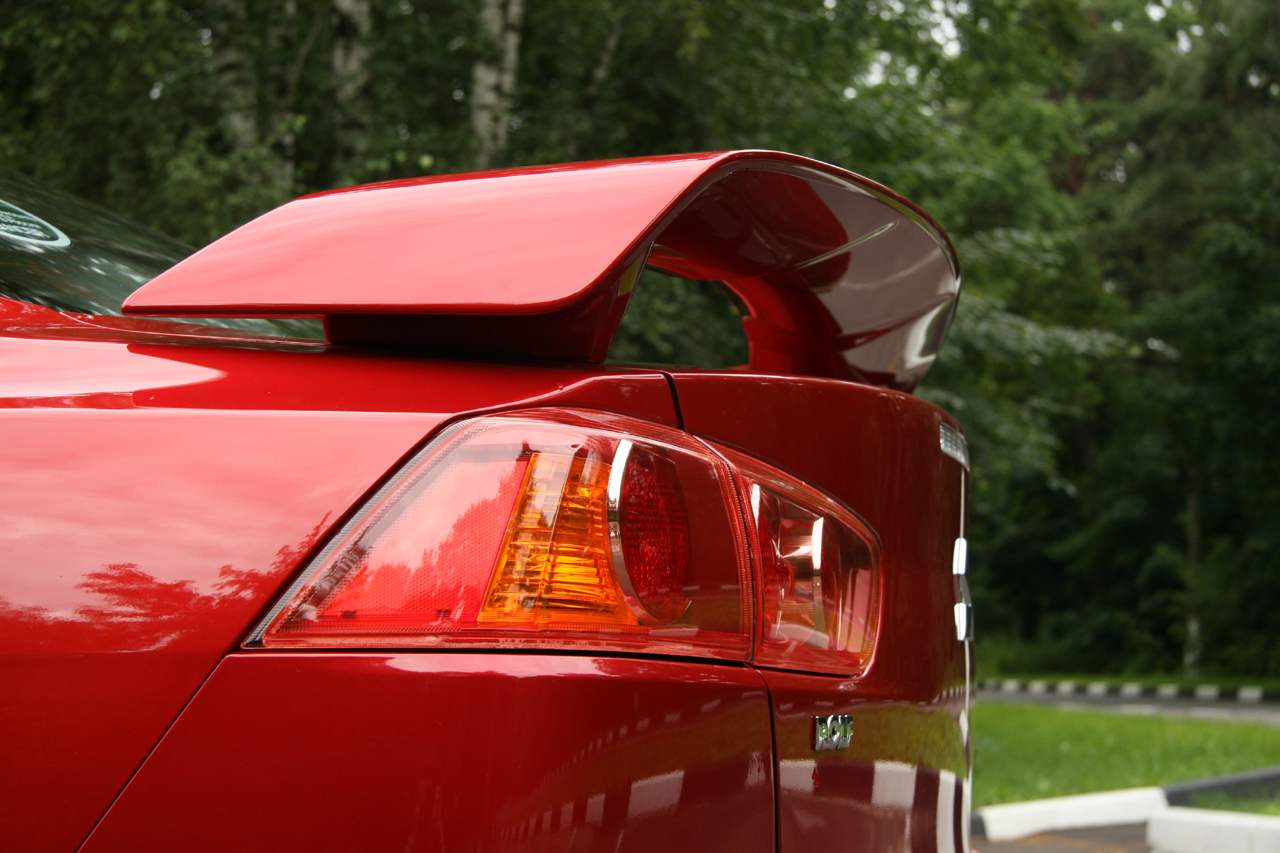
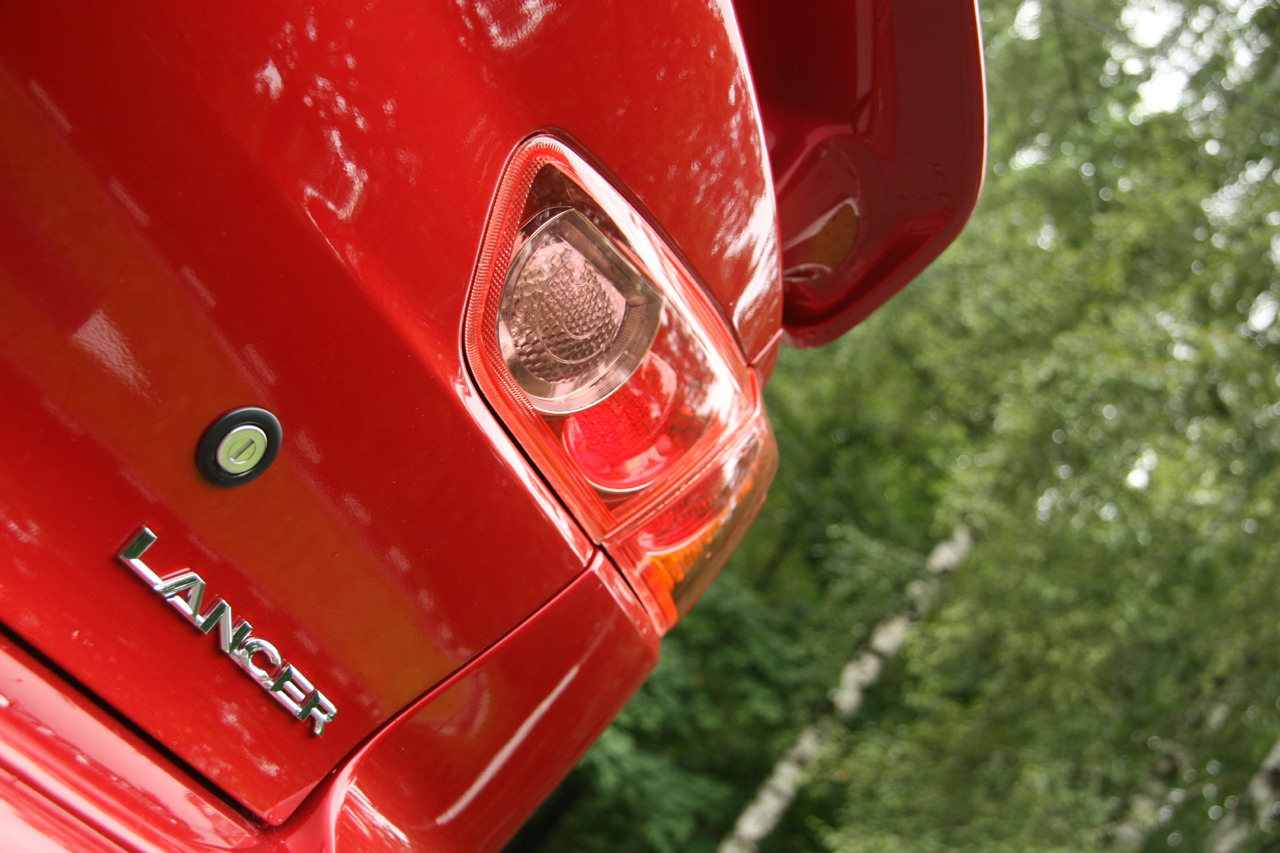
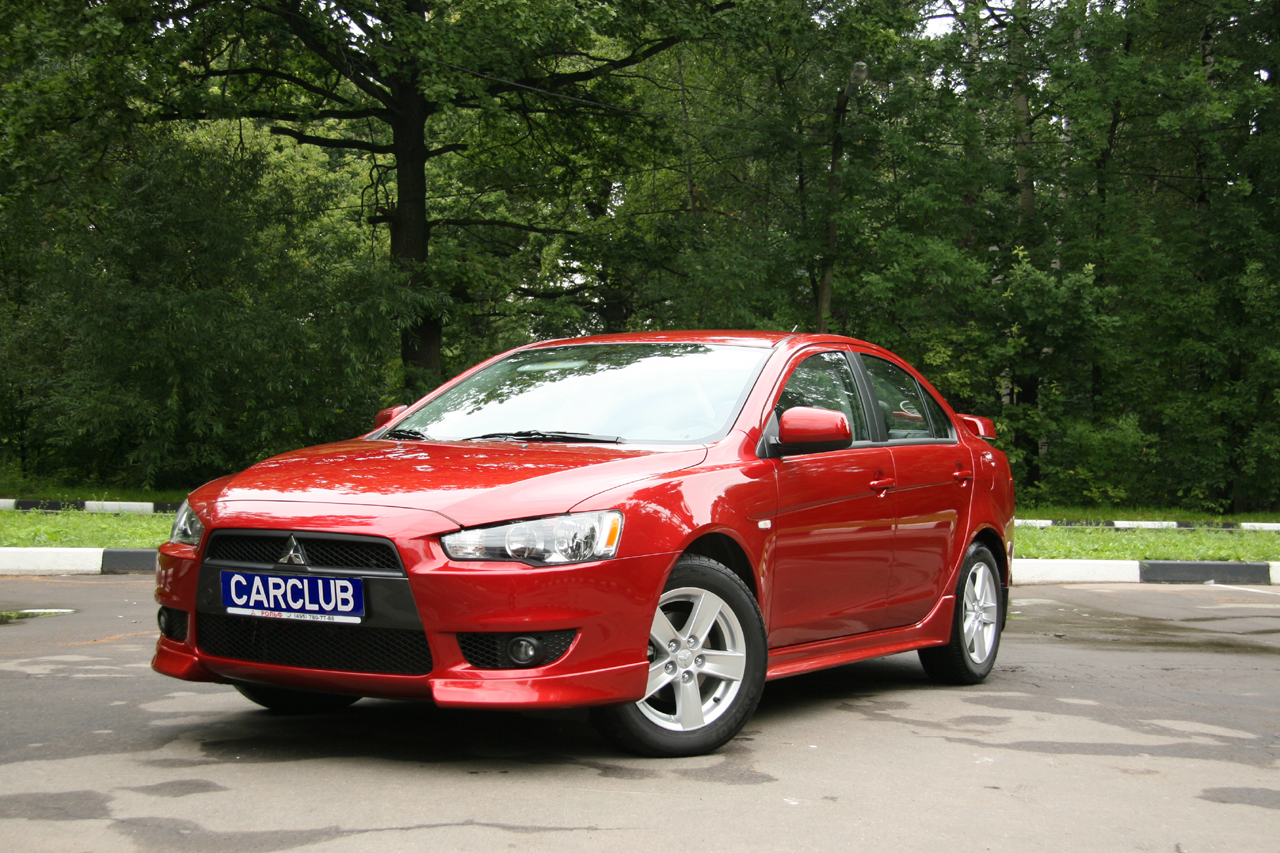
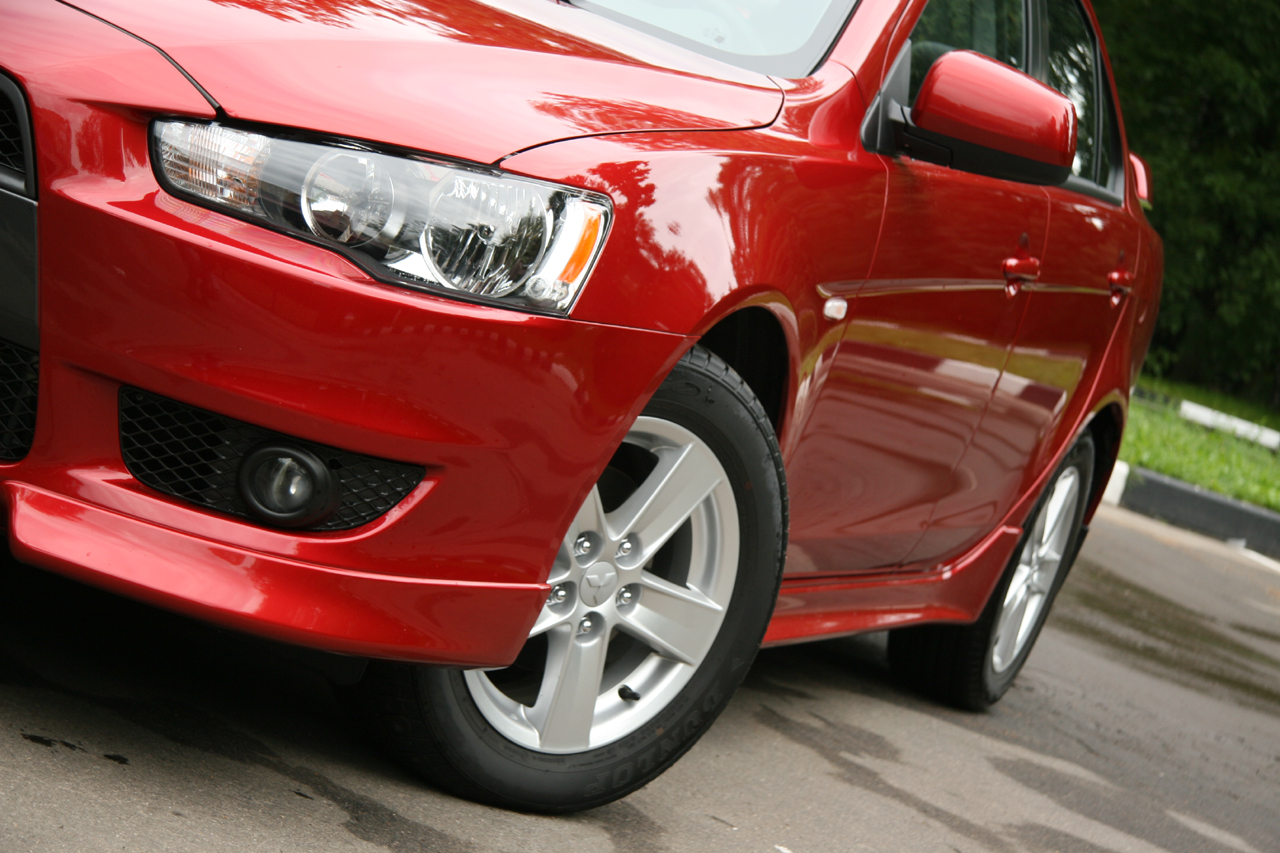
With the advent of the tenth generation, the Lancer model stepped up a notch in the model lineup. If the "nine" was perceived as an inexpensive and reliable family car, the current generation has bet on a sporty image and aggressive looks. The massive body and increased dimensions have completely erased memories of the predecessor's good-natured appearance. Let me remind you that we have already told you about this car with a two-liter engine and a CVT. But this time, a modification with the 4WD prefix, implying all-wheel drive, came in for a test.
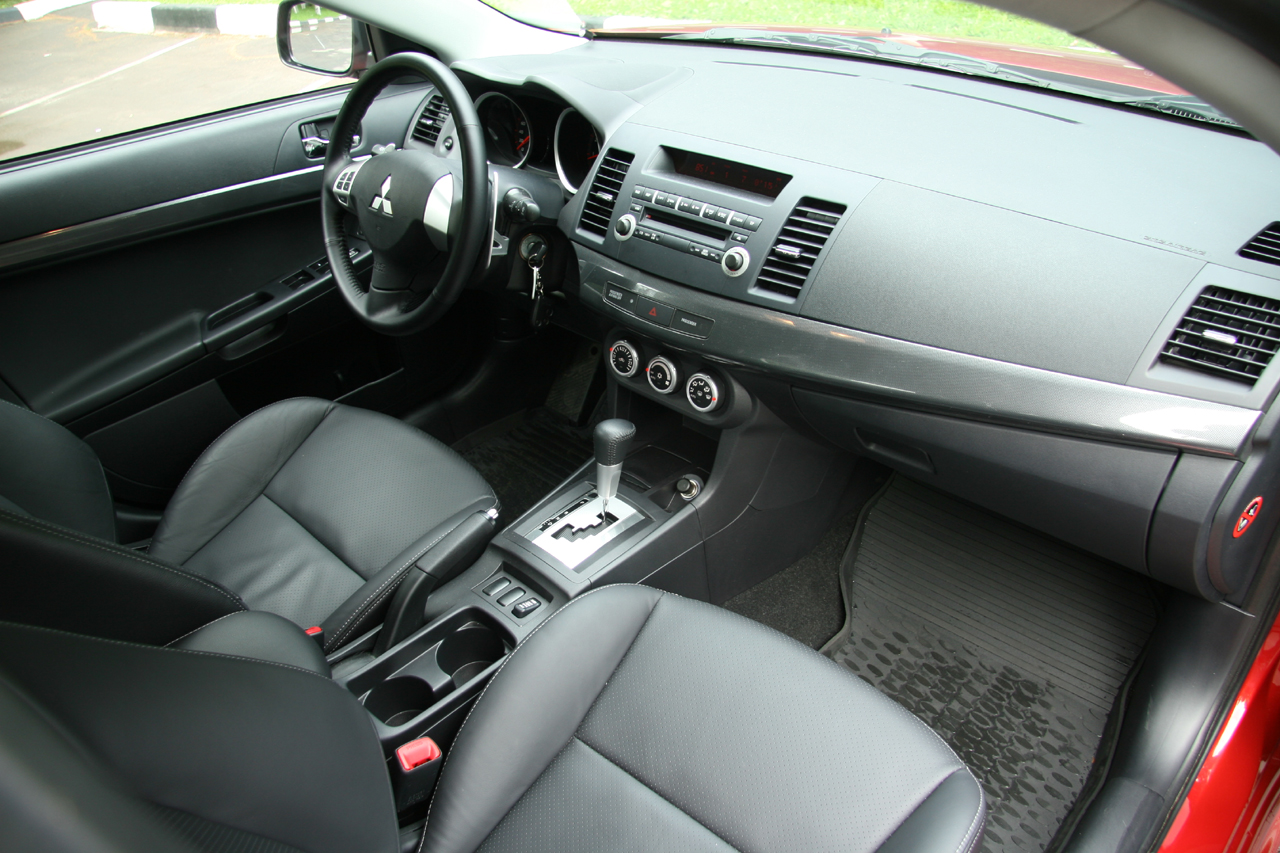
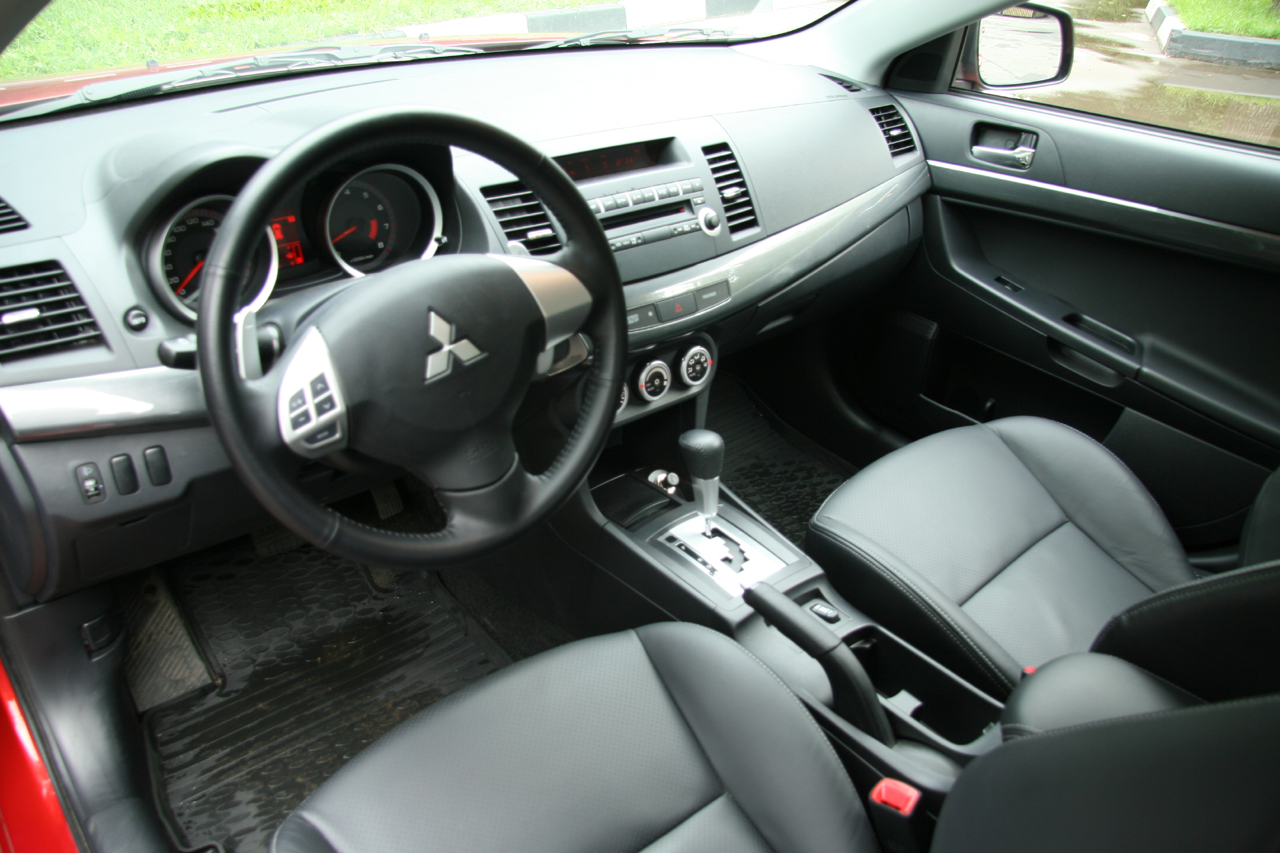
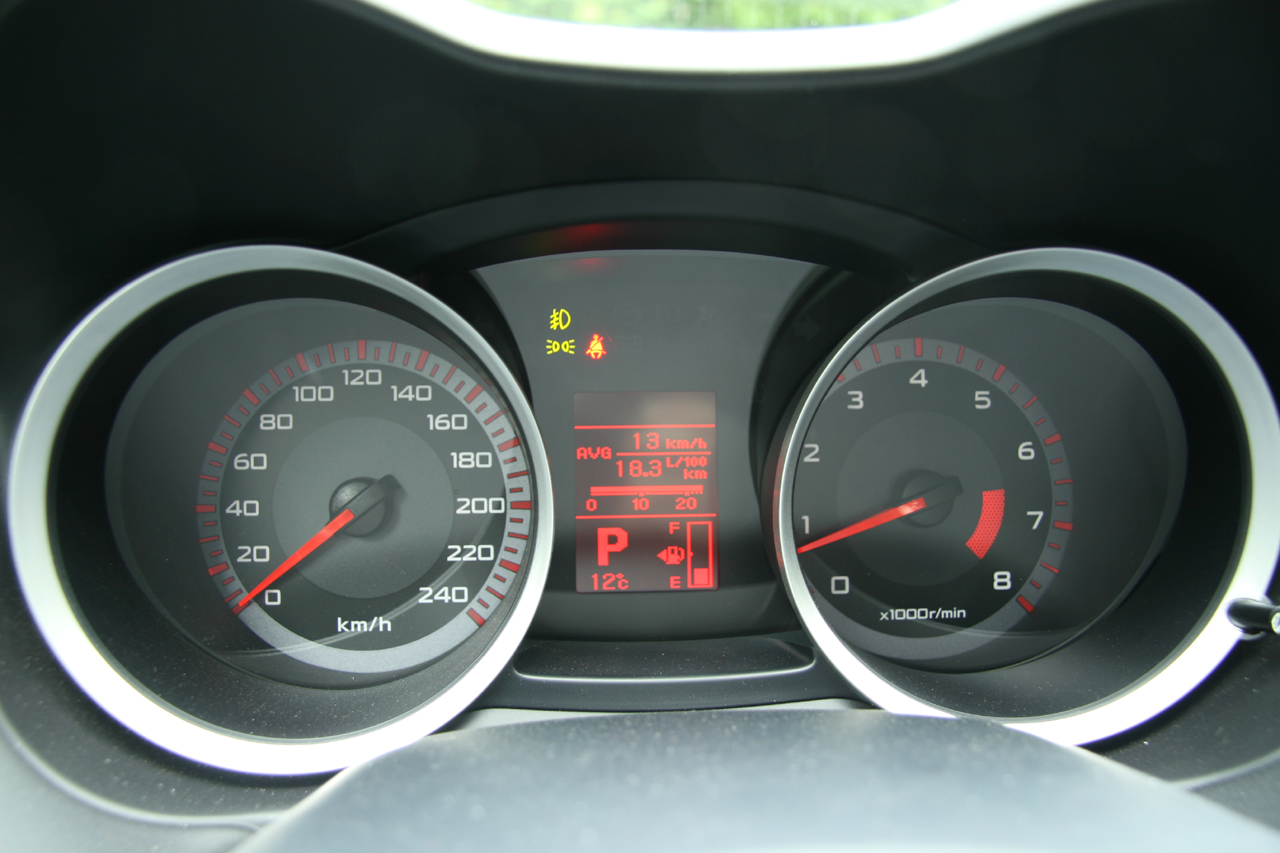
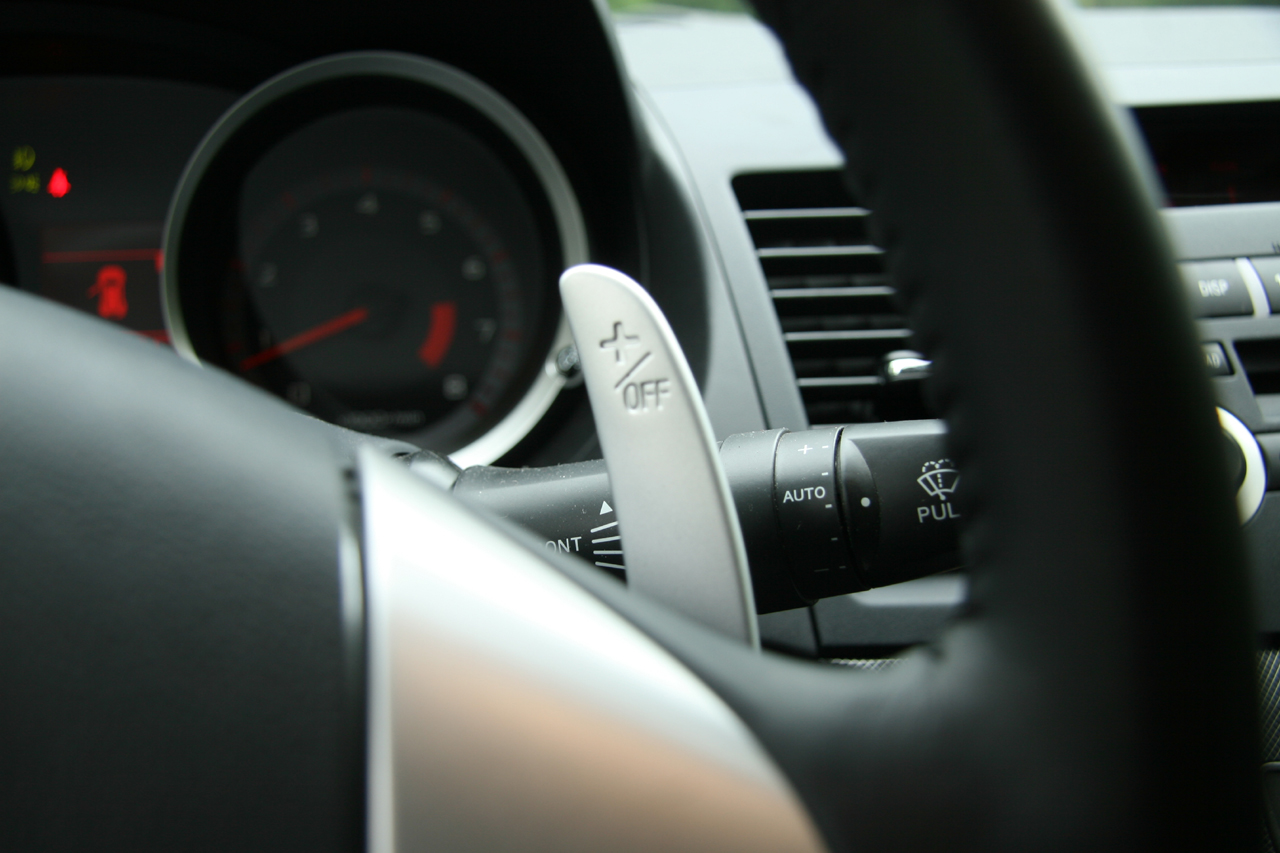
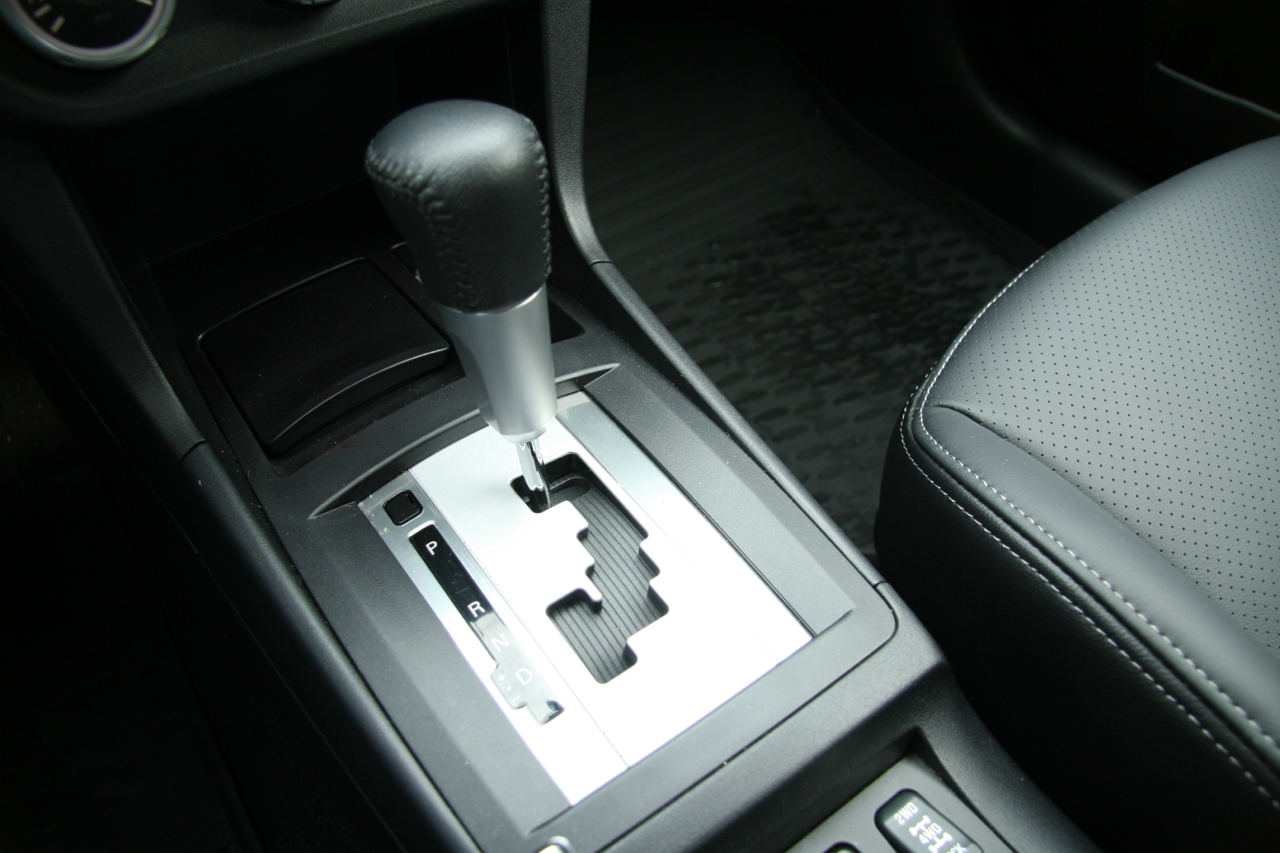
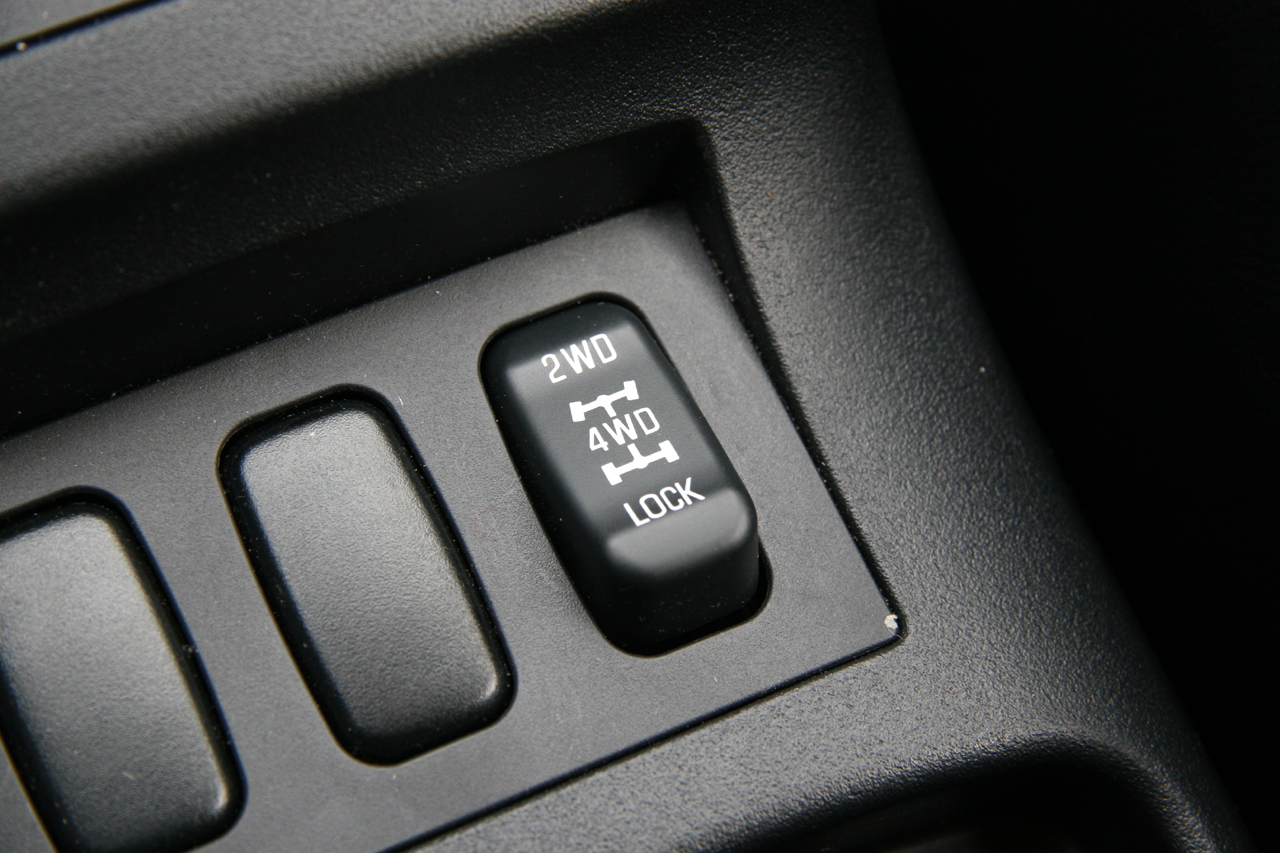
The all-wheel-drive Lancer X is offered with a naturally aspirated 2.0-liter engine producing 150 hp. It is paired with either a five-speed manual gearbox or a CVT with manual gear selection capability. The transmission here is the familiar "On demand 4WD" system from Outlander XL with electronic control and automatic connection of the rear axle when the front wheels slip. In the interior, the difference from the two-wheel-drive version comes down to the mode selection washer on the center tunnel and the indication on the on-board computer screen.
The driver can choose one of three algorithms: 2WD — front-wheel drive in its pure form; 4WD — the system itself decides how much torque to send to the rear axle based on the accelerator pedal position and the difference in wheel rotation speeds; Lock — more torque goes to the rear, which improves traction on uneven or slippery roads and increases stability at speed.
The first mode is essentially economical — when front wheels are sufficient. When selecting 4WD, the electronics smoothly engage the controlled clutch on the rear axle, and it begins to distribute traction depending on throttle input. With the pedal fully depressed, up to 40% of the torque goes to the rear; at speeds above 64 km/h, it's already 25%. At cruising speed, the rear wheels' share drops to 15%, and in sharp turns at low speed, the force is reduced so as not to interfere with a smooth trajectory.
For difficult conditions such as snow or ice, the Lock mode is provided. Here, most of the torque immediately goes to the rear wheels. For example, when accelerating uphill, the clutch almost instantly transfers traction to the rear to engage all four wheels, whereas in automatic mode, the rear axle is engaged only after the electronics detect front-wheel slip.
The clutch operation algorithm is based on data from two systems: a direct link that works in sync with accelerator depression, and a feedback one that monitors each wheel's speed and calculates the difference in rotation between the front and rear axles. Information about pedal position and speed is transmitted via the CAN bus. The system assesses the road situation and pedal effort and determines what proportion of torque to send rearward. Current passing through the coils creates a magnetic field that actuates the clutch drive. A ball in the cam mechanism retracts, creating a linear force that acts on the main clutch, and torque goes to the rear wheels.
Unfortunately, the test did not fall during the snowy season, so it was not possible to fully appreciate the advantages of all-wheel drive. And on dry asphalt without extreme loads, the benefits of two driven axles cannot be revealed. But the weather pleased us with rain, and we managed to get a feel for the Lancer 4WD on wet pavement. Remembering the habits of the front-wheel-drive version, we set off to find a suitable sequence of turns. In the near Moscow region, there are still places where, with smooth asphalt, there are practically no cars. The chosen section consisted of two turns: one sharp, the second more gentle but long. After driving the all-wheel-drive Lancer at different speeds, we can say that on slippery roads, handling has indeed improved. All-wheel drive is described in one phrase that I have heard more than once from fellow journalists and from owners of such cars — it adds confidence. But a car with two driven axles requires certain skills, especially when breaking into a skid, so it is important that confidence does not turn into overconfidence.
As for off-road capability: the 150 mm ground clearance will not allow conquering serious off-road terrain, but in a washed-out rut or a snowy yard, the chances of getting stuck are noticeably reduced. In automatic 4WD mode, when the front wheels slip, the rear axle engages without delay, not letting the car dig in.
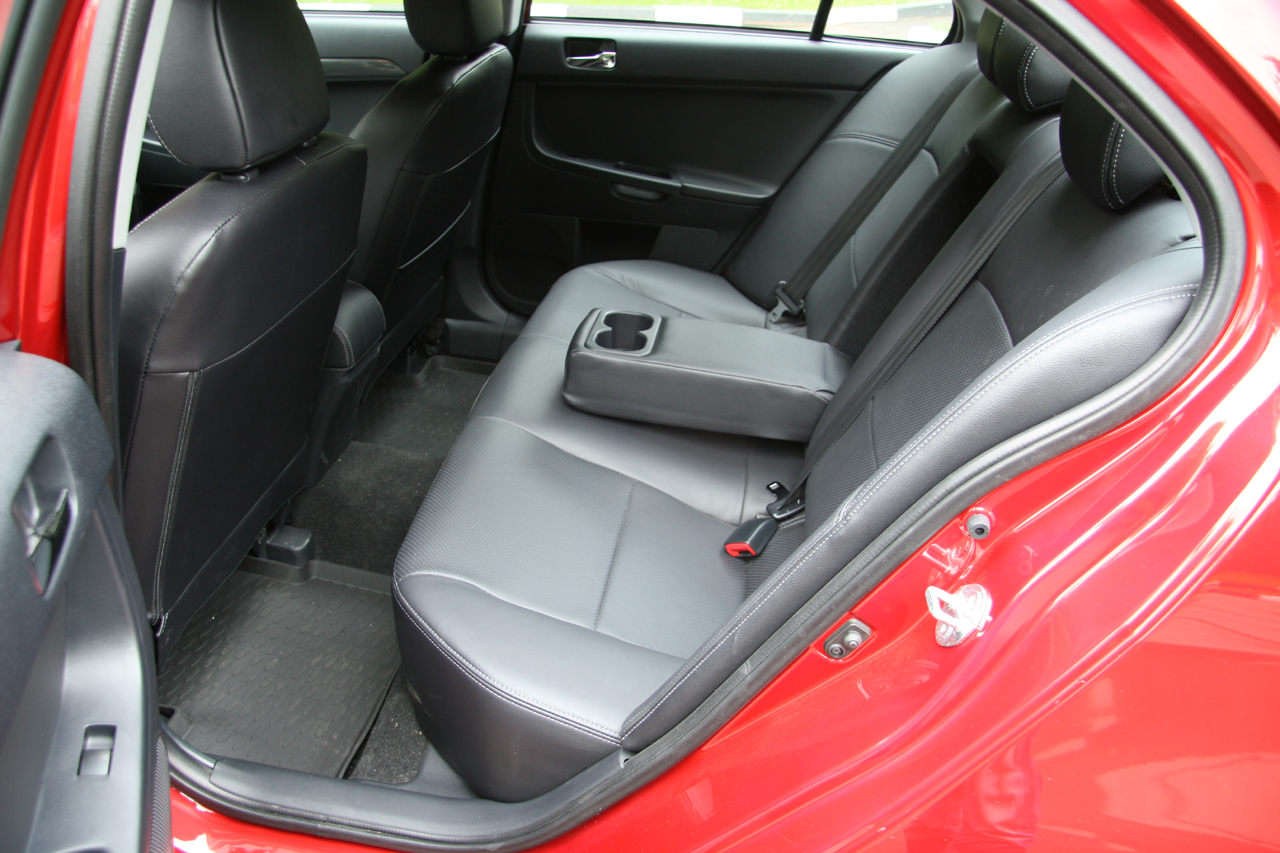
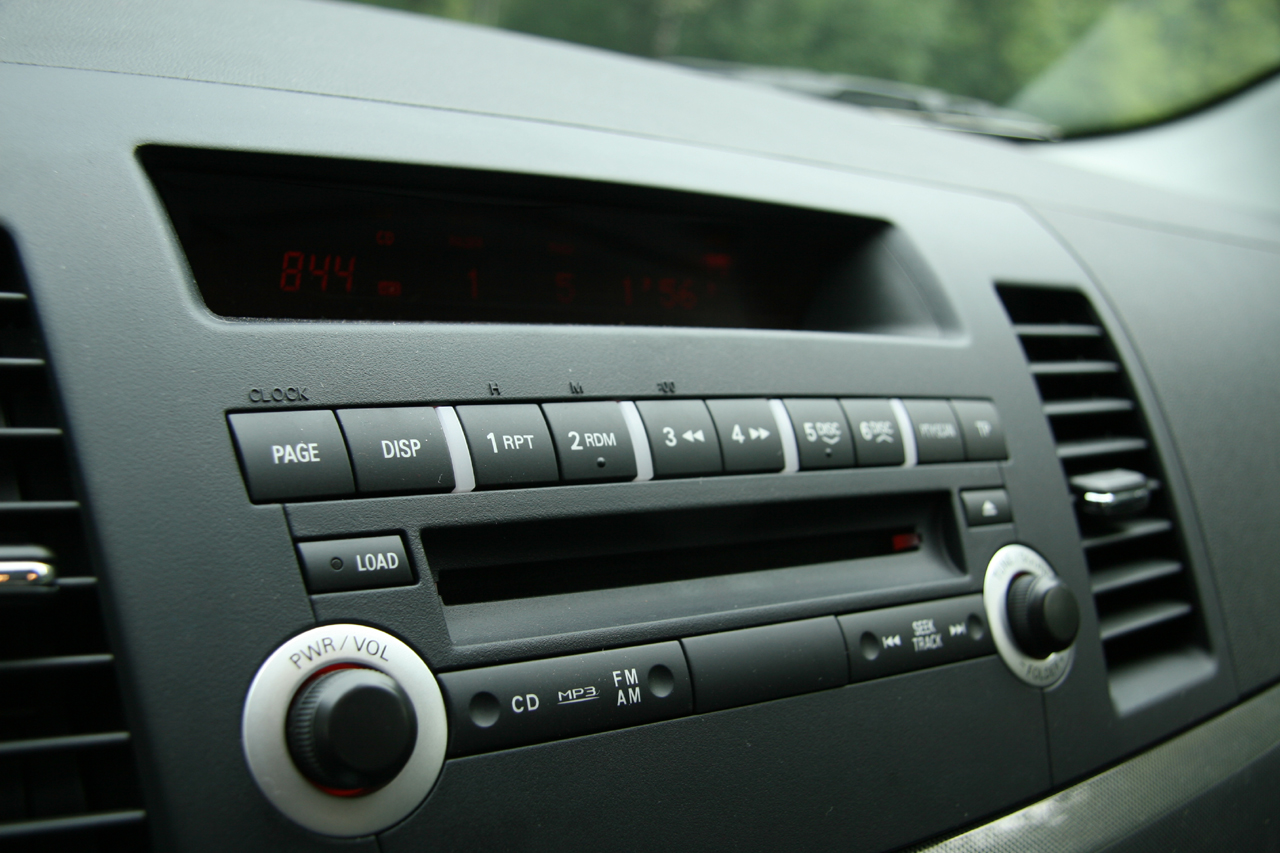
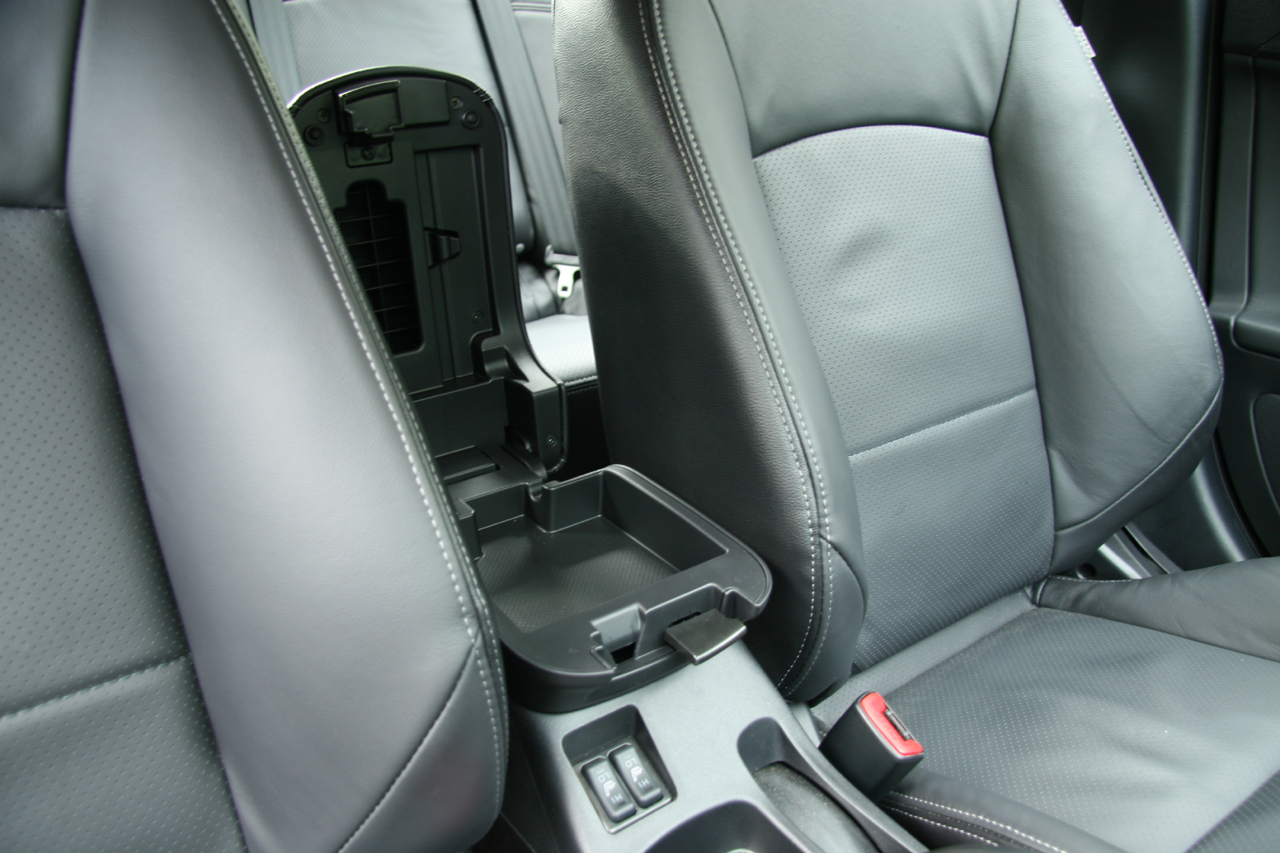
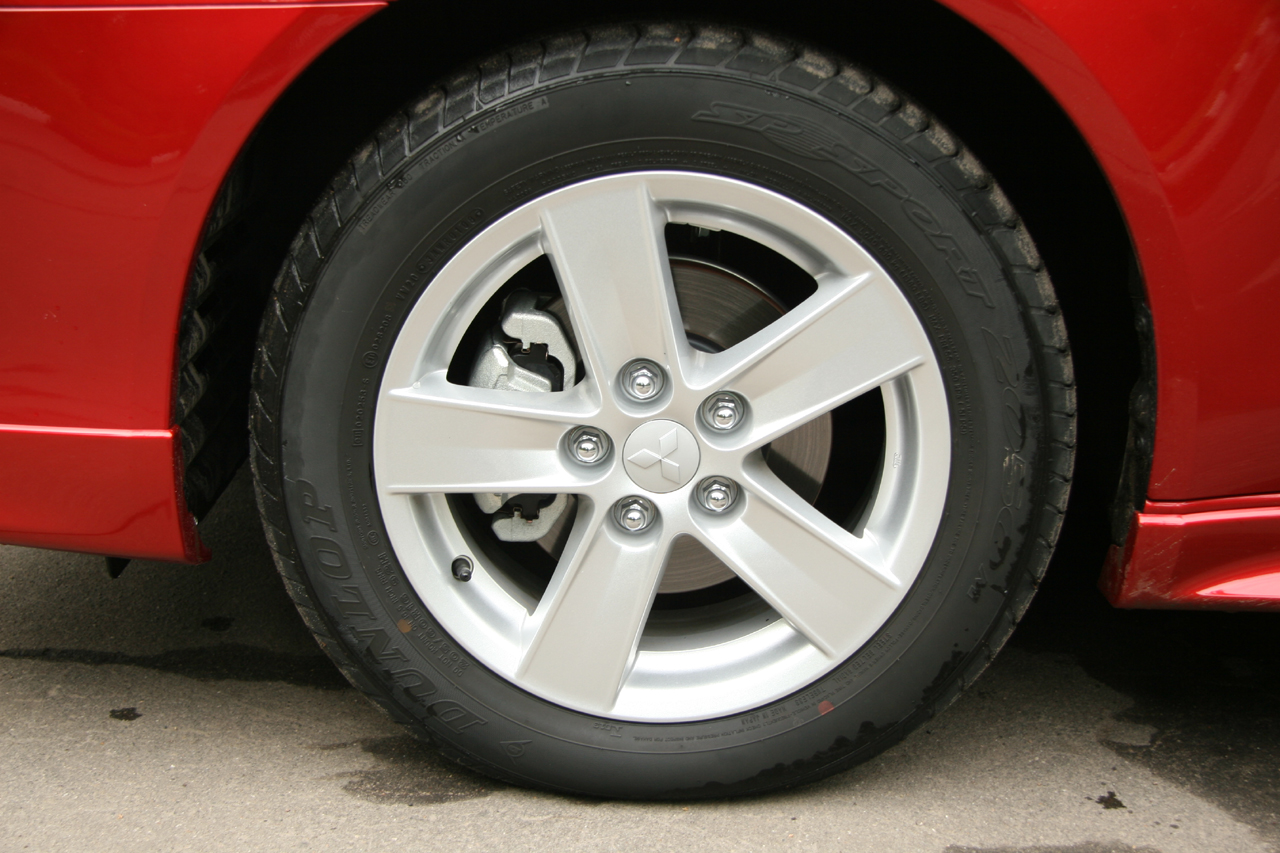
The Mitsubishi Lancer with a two-liter engine and all-wheel drive is offered in only two trim levels, which differ from each other in content: Intense and Intense+. The base Intense with a five-speed manual gearbox includes a trip computer, climate control, automatic rain and light sensors, a CD/MP3 stereo for six discs, a sports suspension lowered by 15 mm, a strut brace between the front shock absorber towers, and alloy wheels R16 — such a car is priced at 674,020 rubles. If you want a CVT, you will have to pay another 31,088 rubles on top. The older Intense+ version, where the seats are already upholstered in leather, costs 745,308 rubles. When comparing equally equipped cars with and without all-wheel drive, the overpayment for the 4WD transmission is 21,976 rubles.
For less than 750 thousand rubles, we get all-wheel drive and a quite decent set of options. But there are also questions about the equipment. So, with climate control and leather interior, the engineers seem to have forgotten about such little things as an interior trunk lid handle or mirror lights in sun visors — these things have long become standard for most cars in this class. The stability control system is not offered even for an extra charge. And although the ergonomics and driving position pleased us, the lack of steering wheel reach adjustment was an unpleasant surprise. Otherwise, the appearance of the all-wheel drive version makes the Lancer one of the most attractive options, at least if you look at the price.
Ruslan Galimov