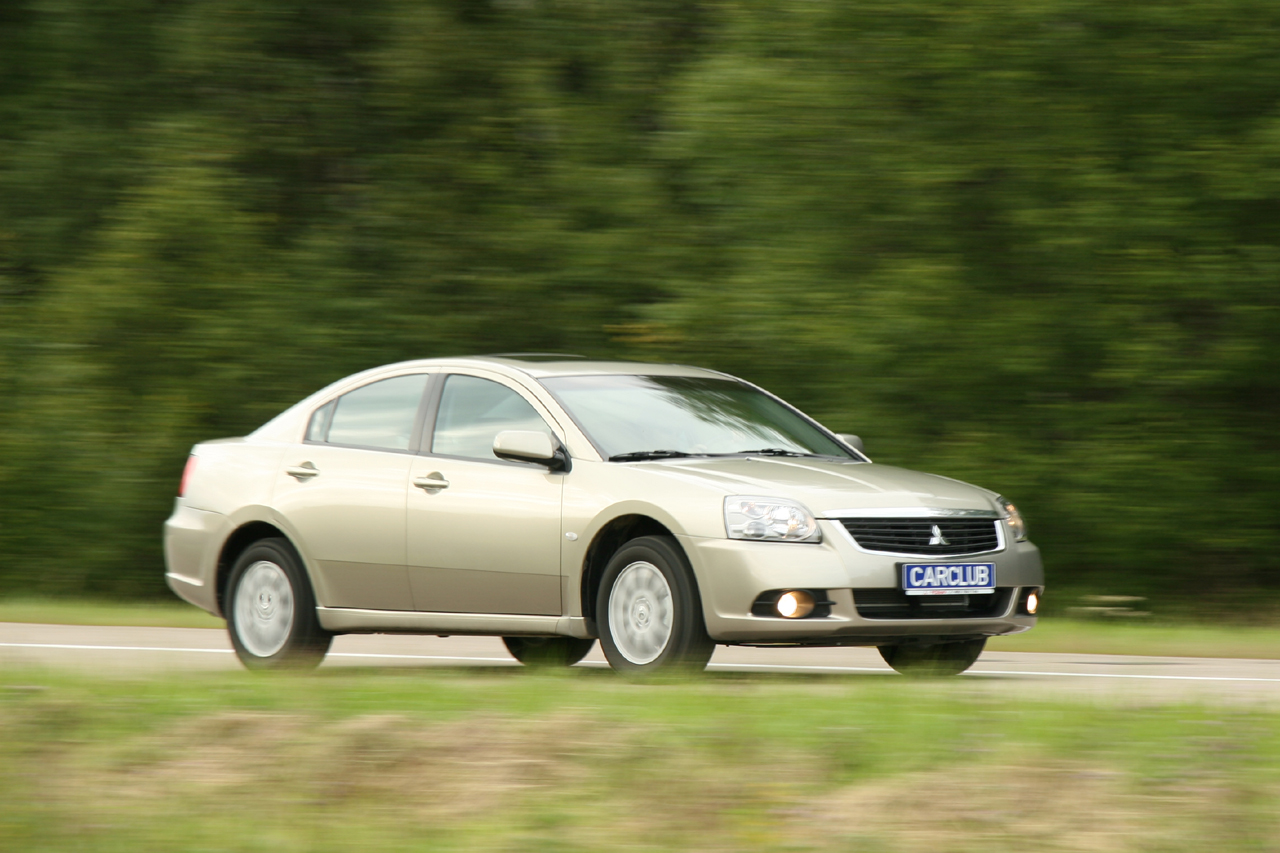
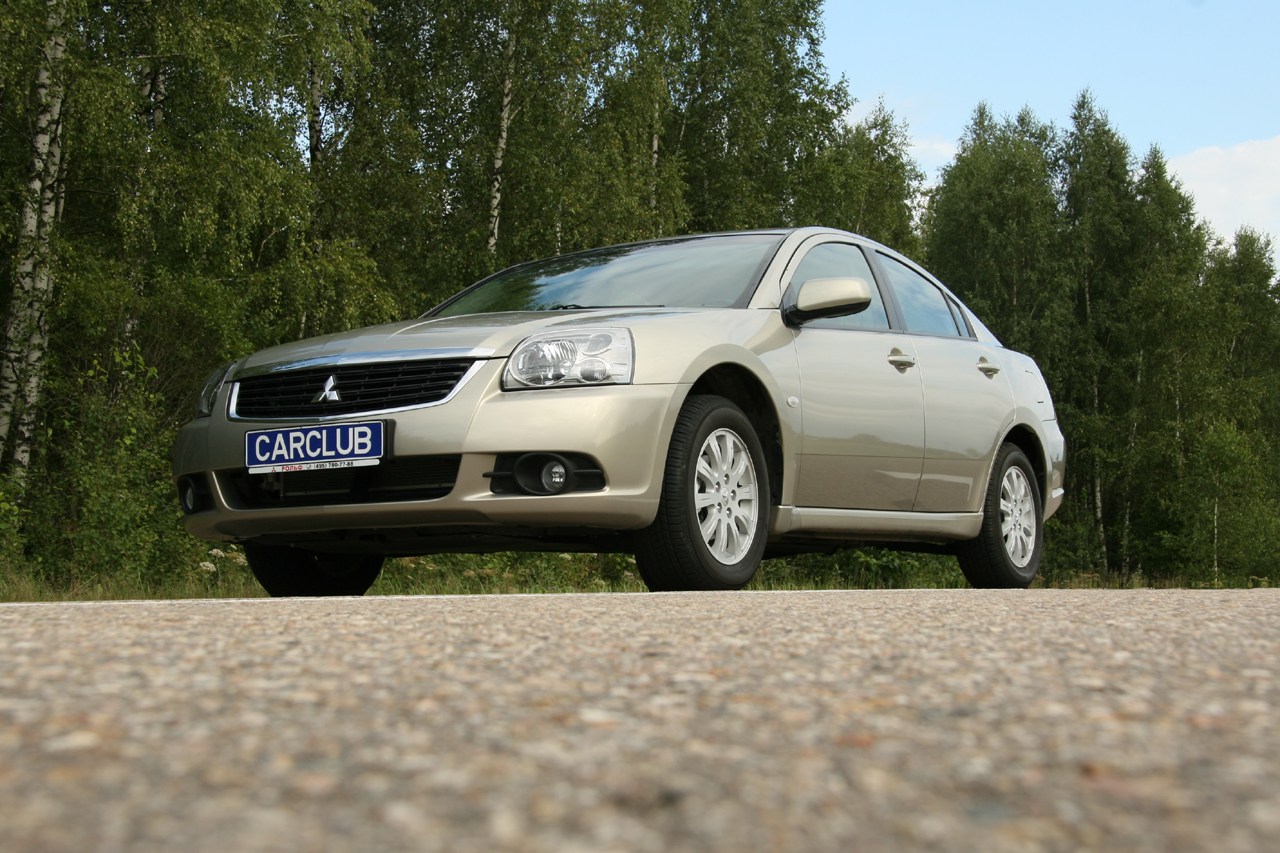
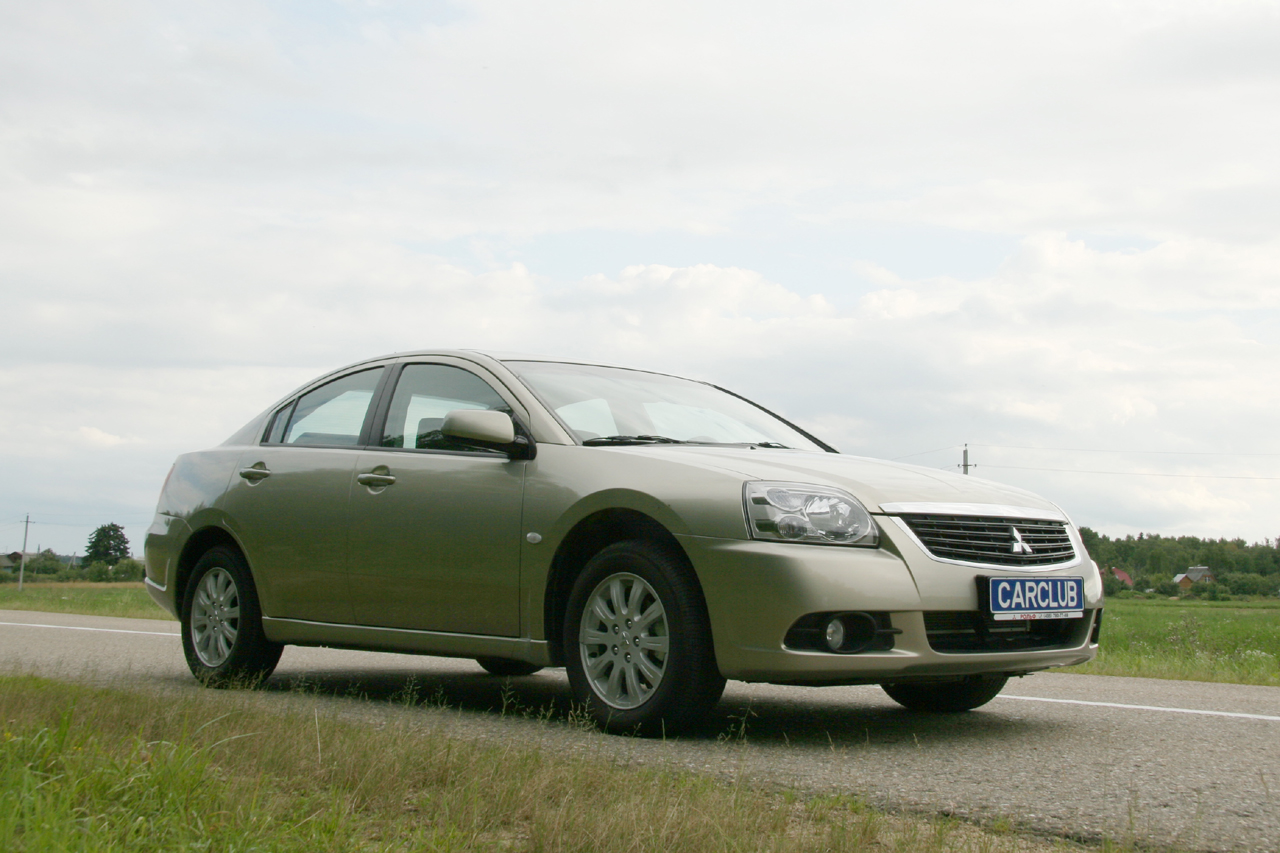
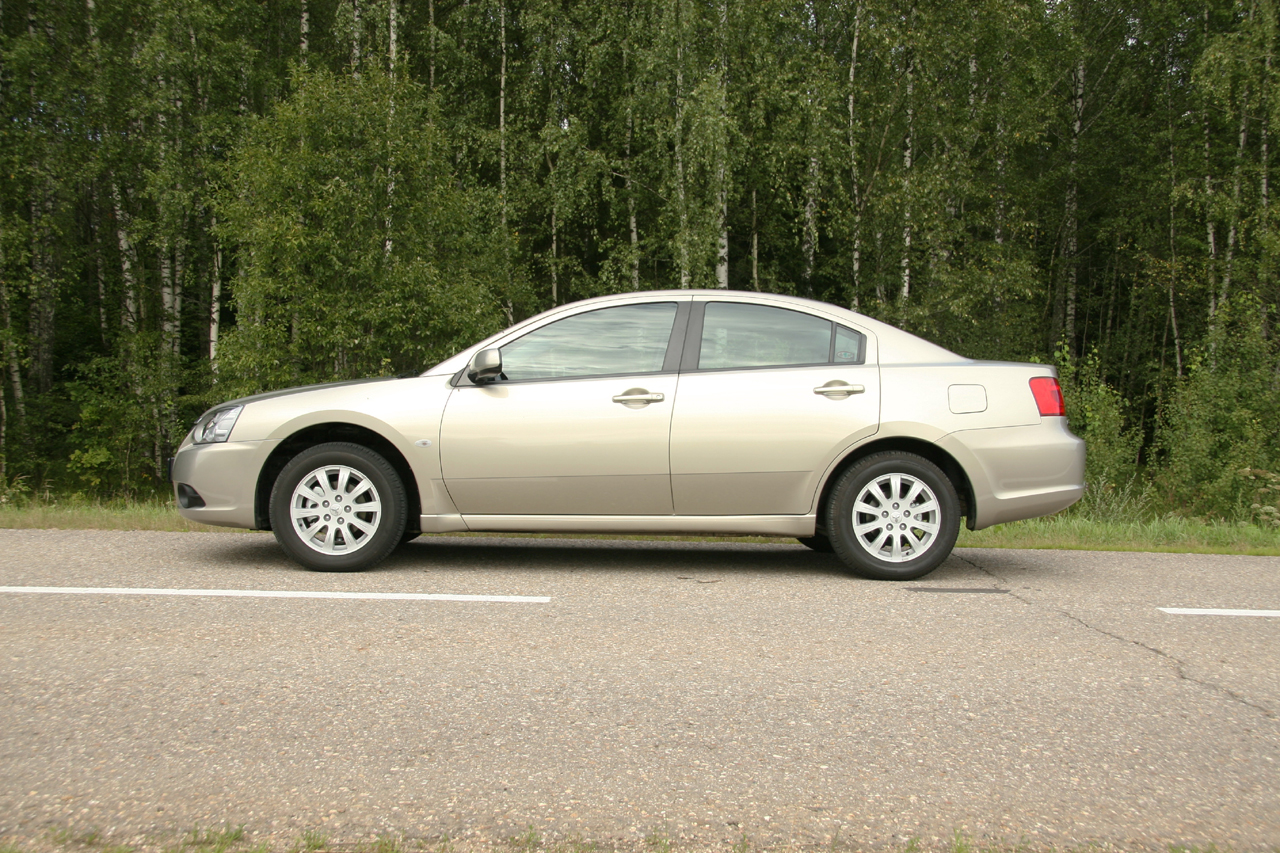
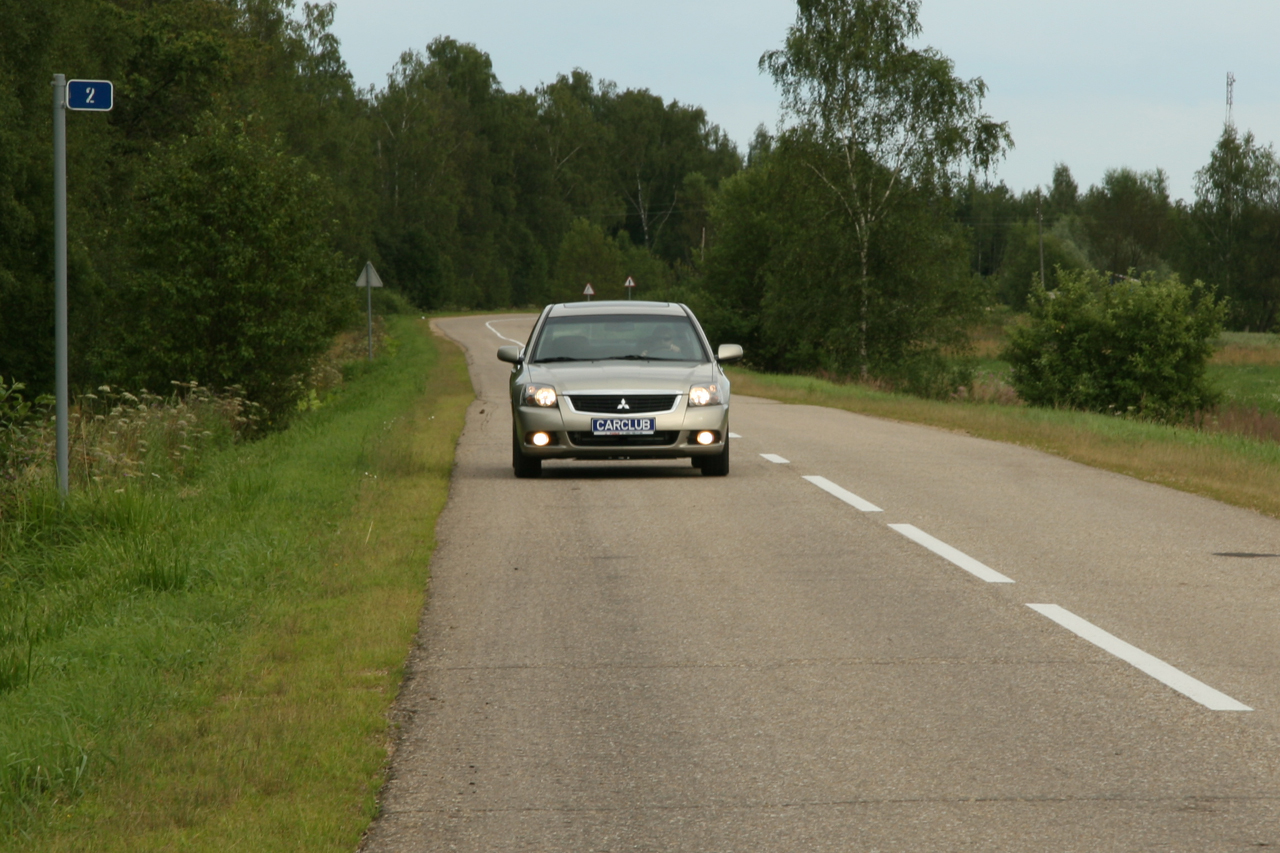
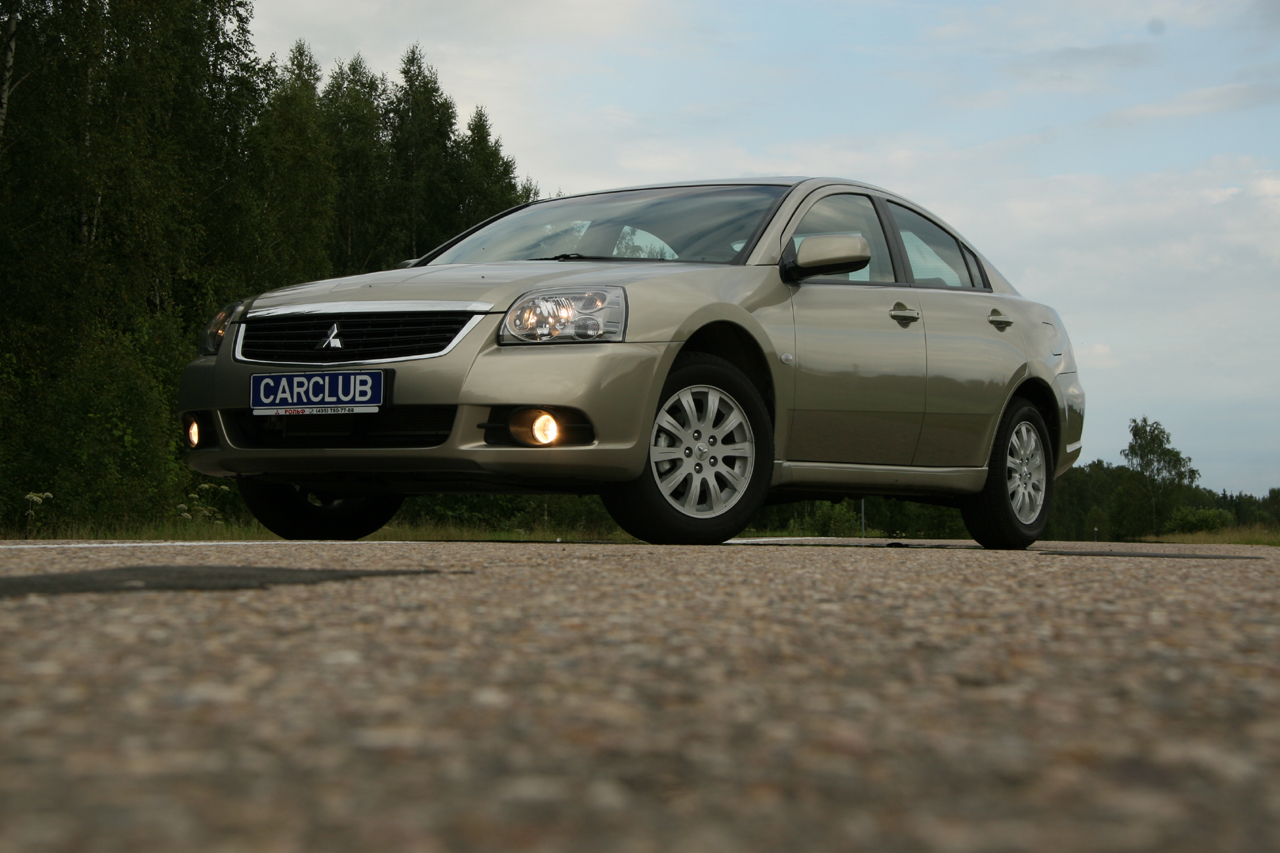
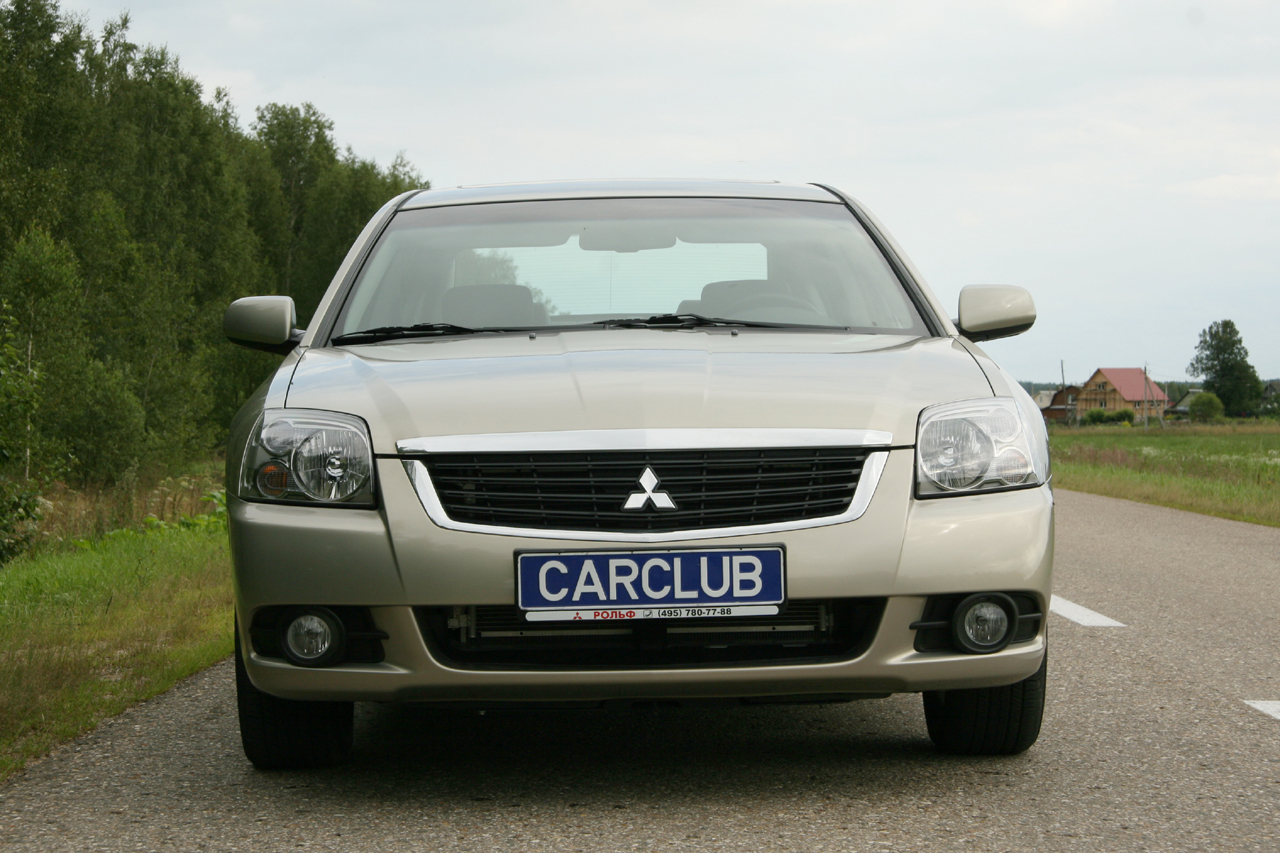
 The ninth-generation Mitsubishi Galant was one of the first cars to come to us not from Europe or Japan.
Comments (8)
Mitsubishi Galant
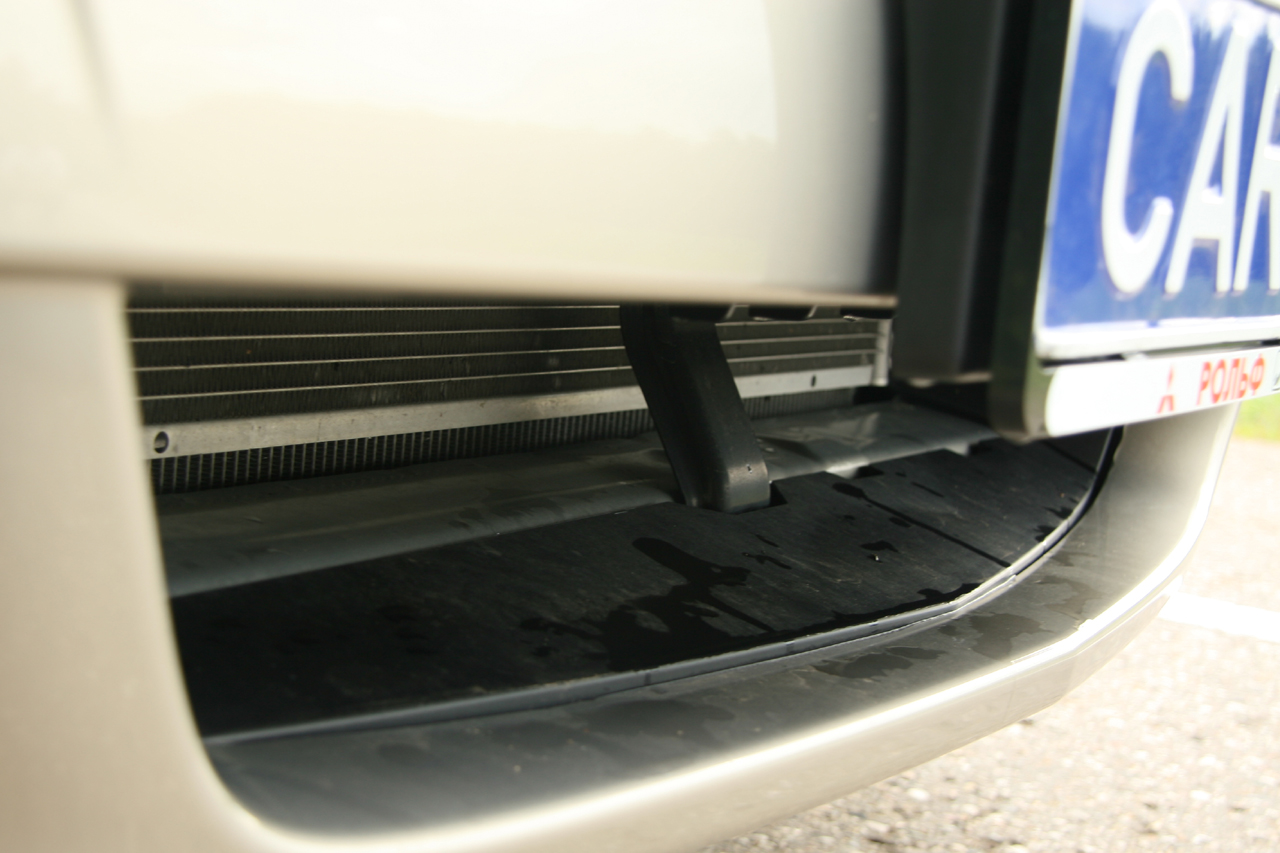
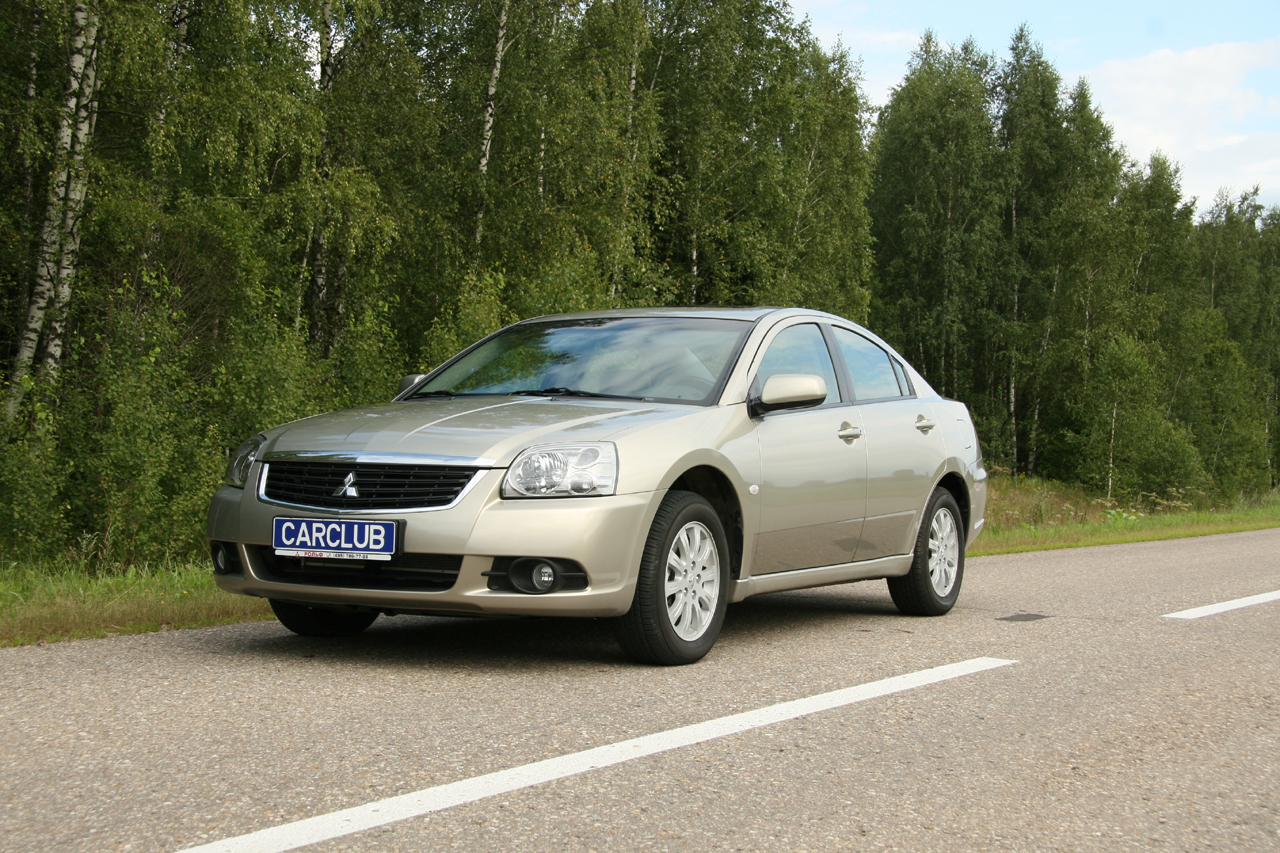
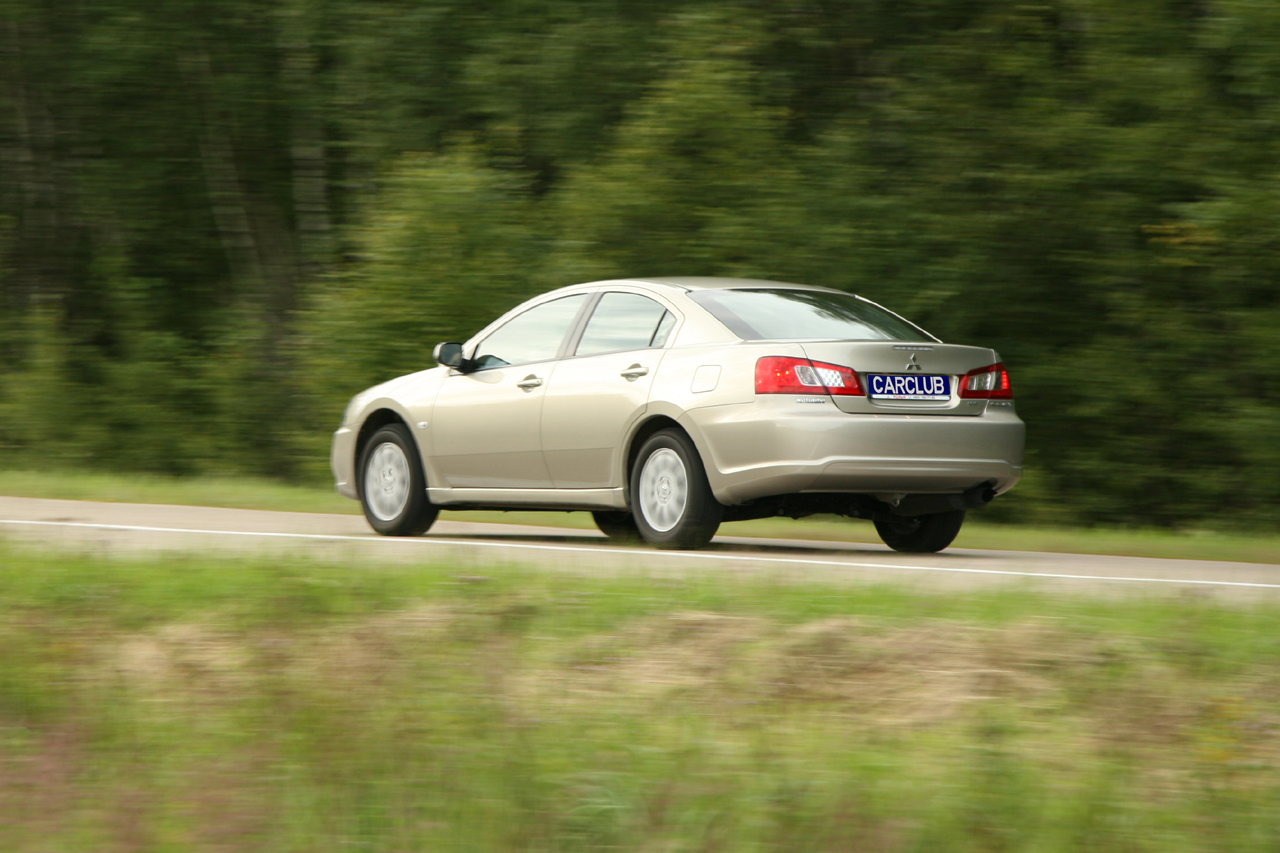
The ninth-generation Mitsubishi Galant turned out to be one of the first cars to reach us not from Europe or Japan. It is a classic "American" that was additionally adapted before entering the Russian market. The car was first shown in Russia in September 2006, although sales overseas started two years earlier. Why did Mitsubishi marketers delay the premiere for so long? The answer was found quickly. As explained in the Japanese concern, before launching the ninth Galant in Russia, all components and assemblies were refined taking into account local operating conditions, and this took a year and a half. The result — 308 changes made to the design.
Among the key improvements are an increased ground clearance of 165 mm, a higher-capacity battery for confident starting in cold weather, as well as a more powerful starter and generator compared to American versions. Another year and a half later, the Galant underwent a light restyling.
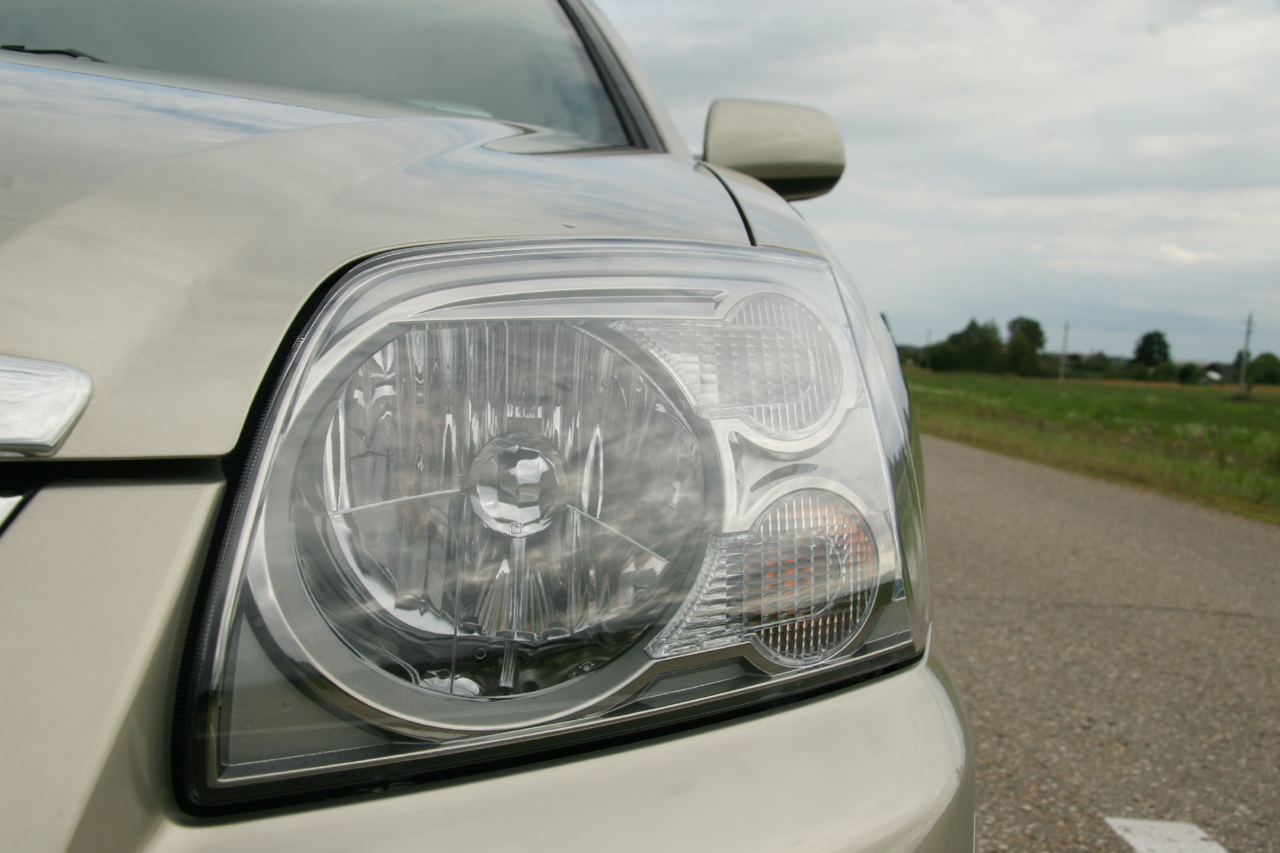
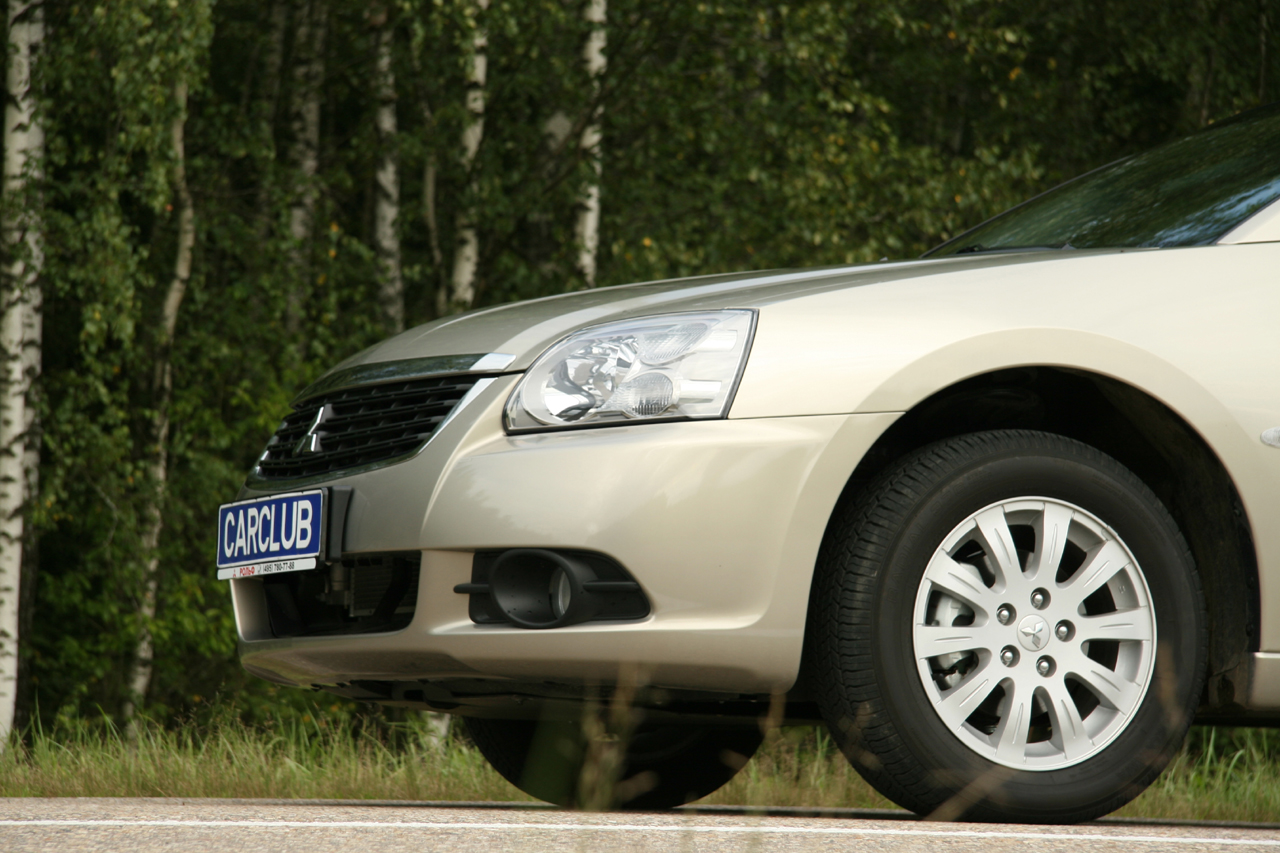
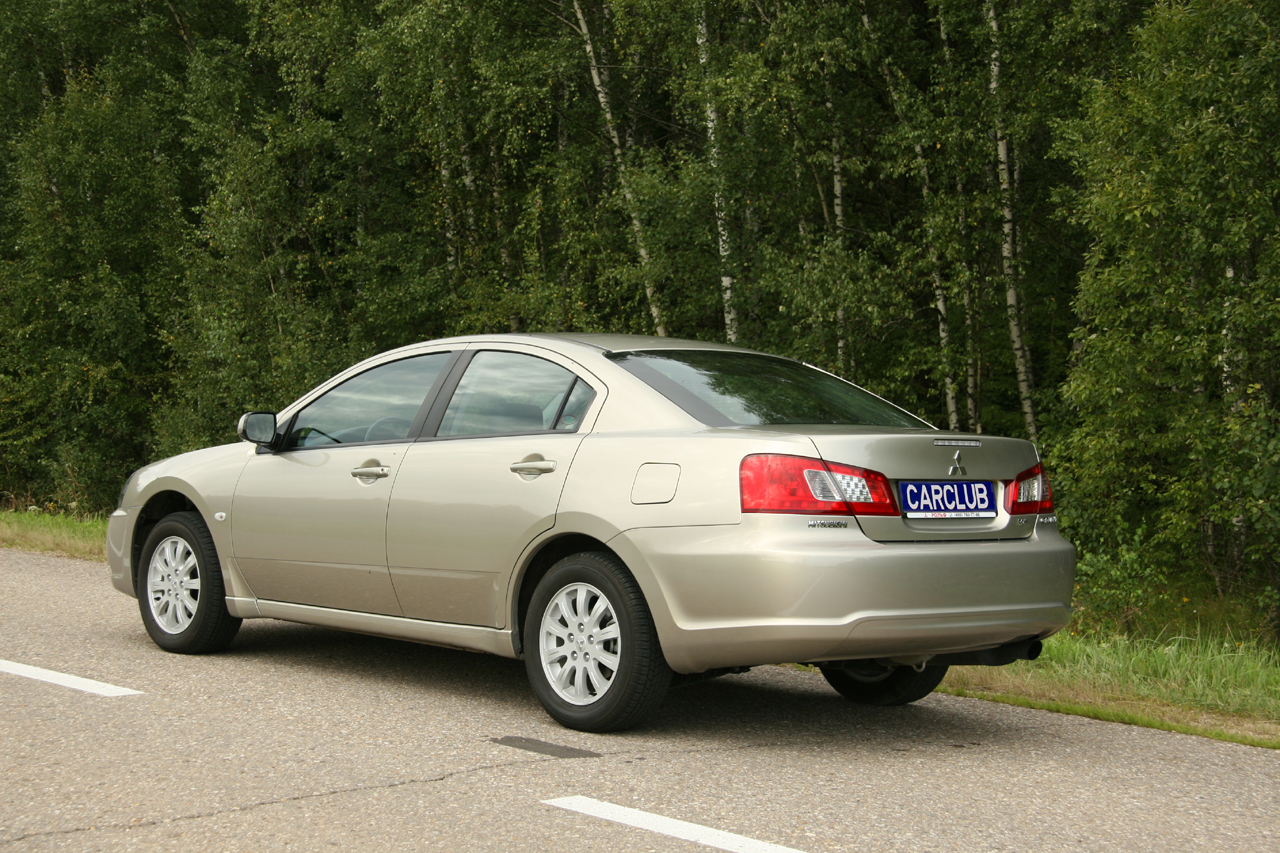
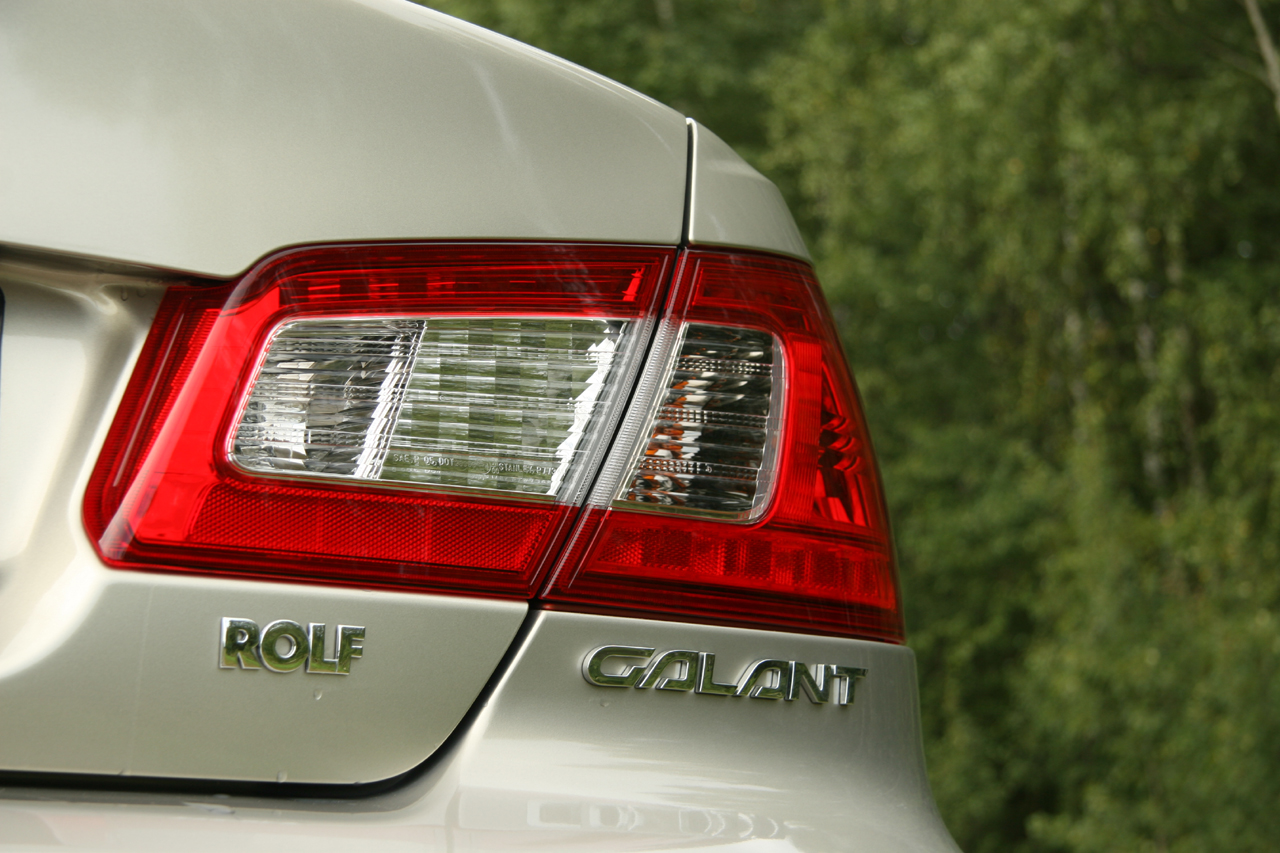
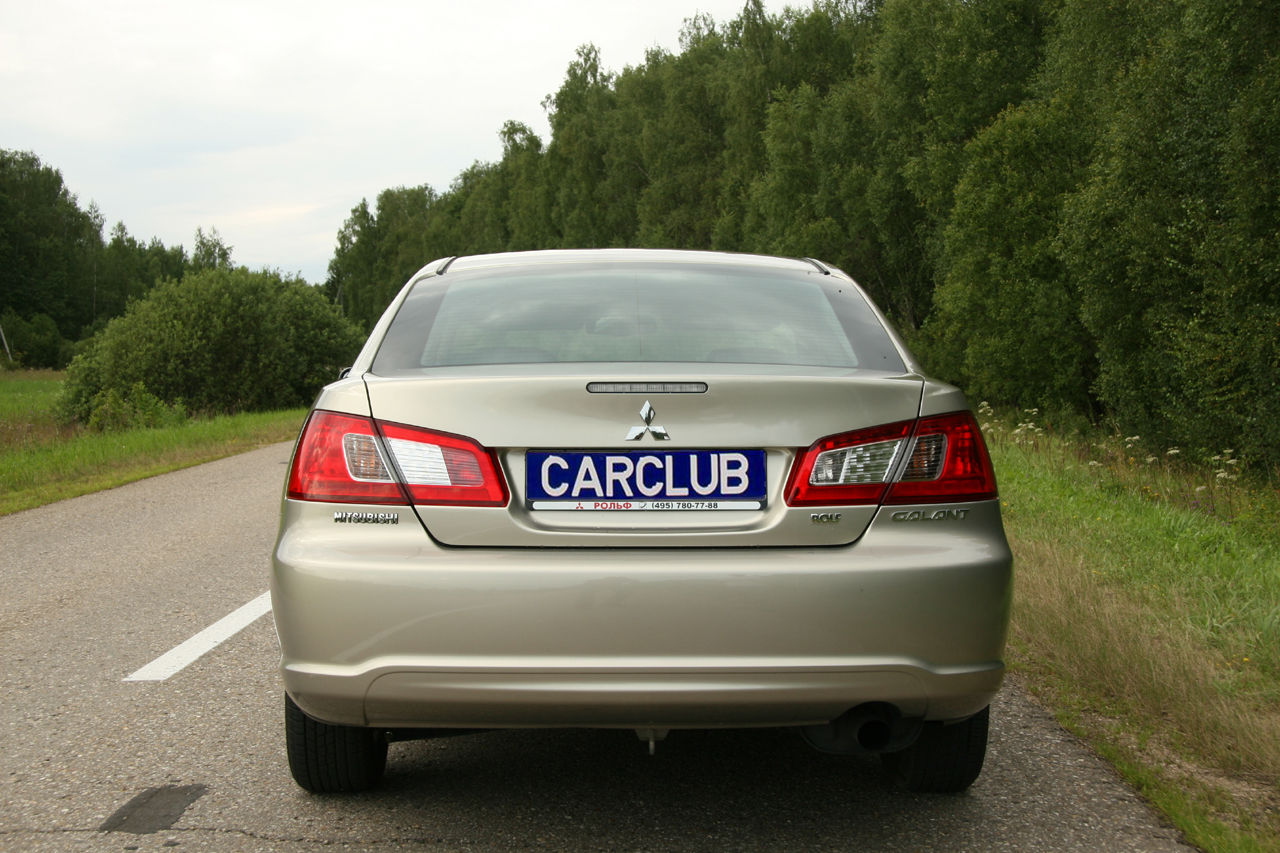
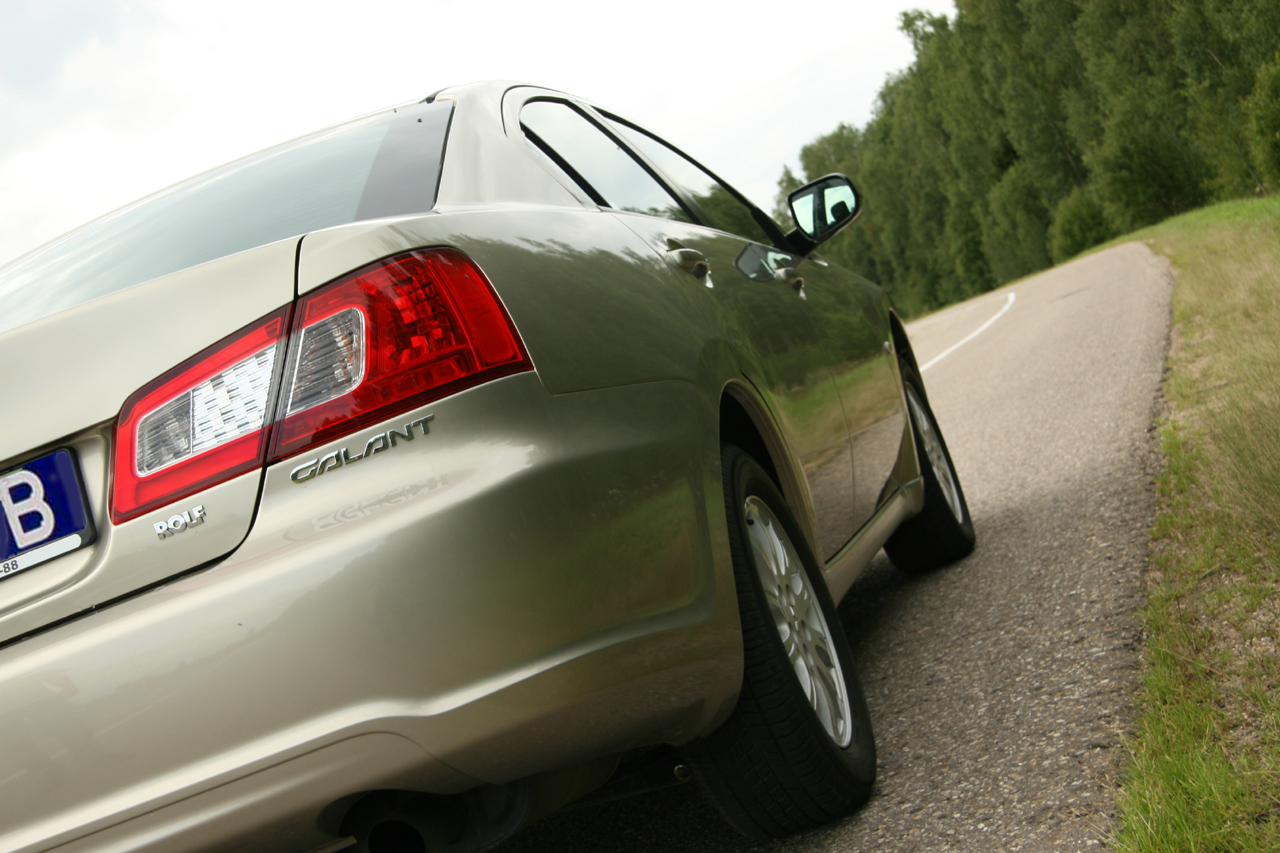
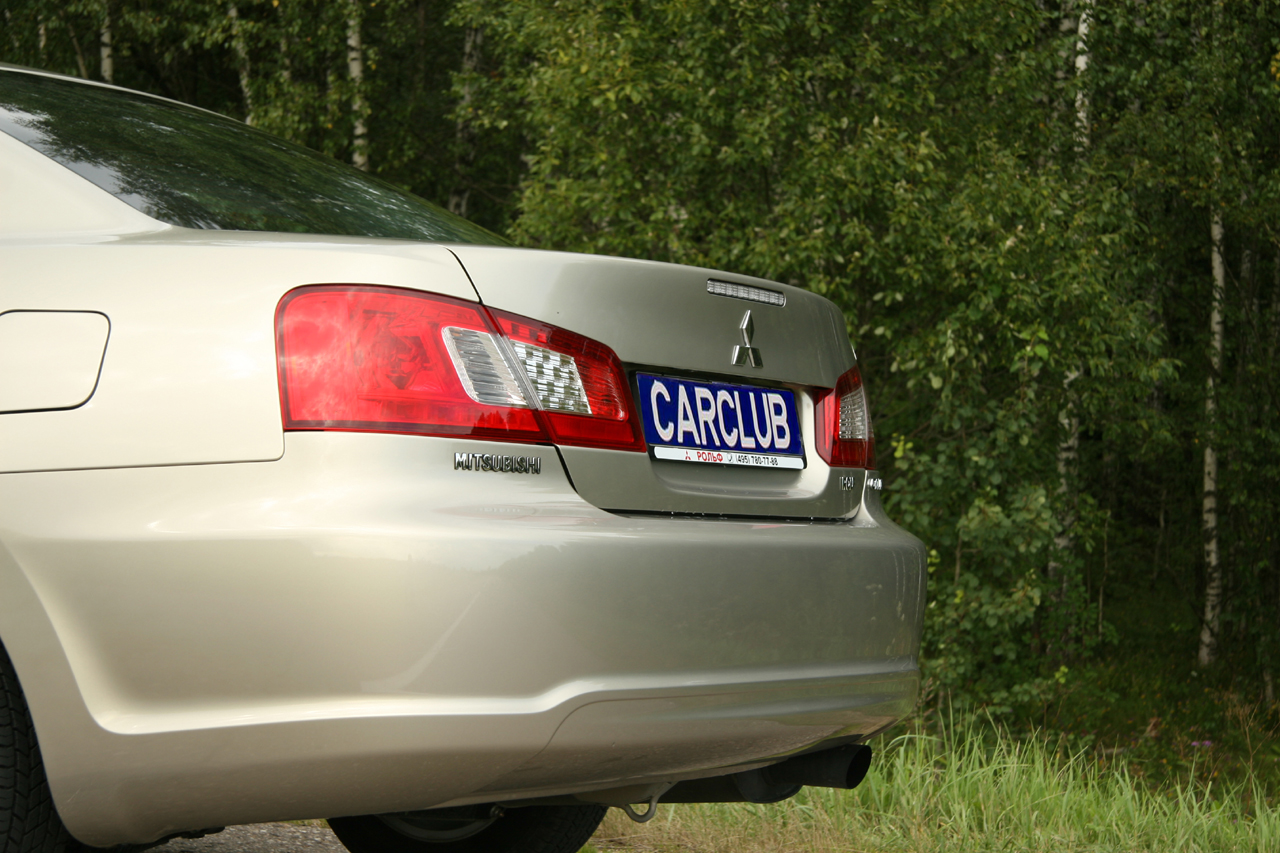
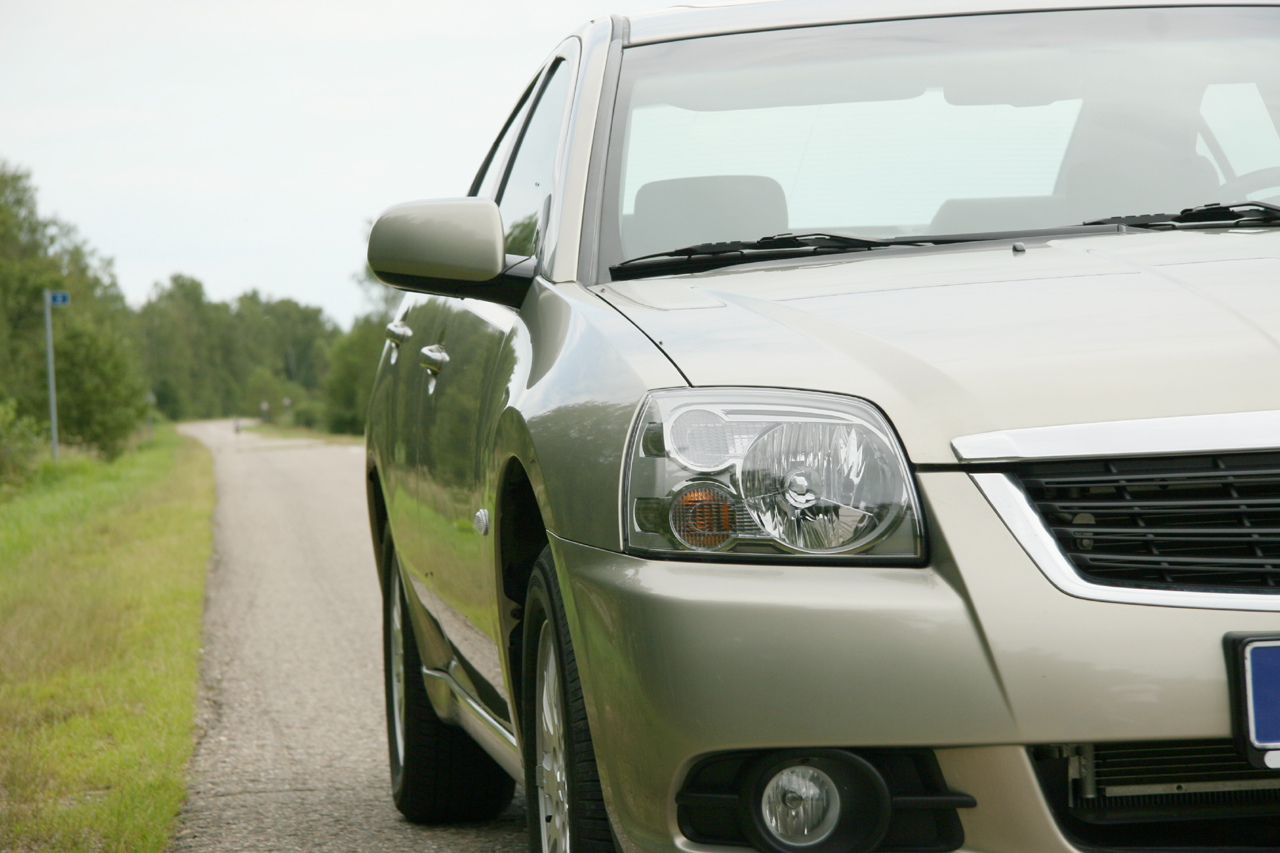
Most of all, after the update, the exterior changed: the radiator grille received a new trim, the fog lights became larger, and the rear lights got a different design.
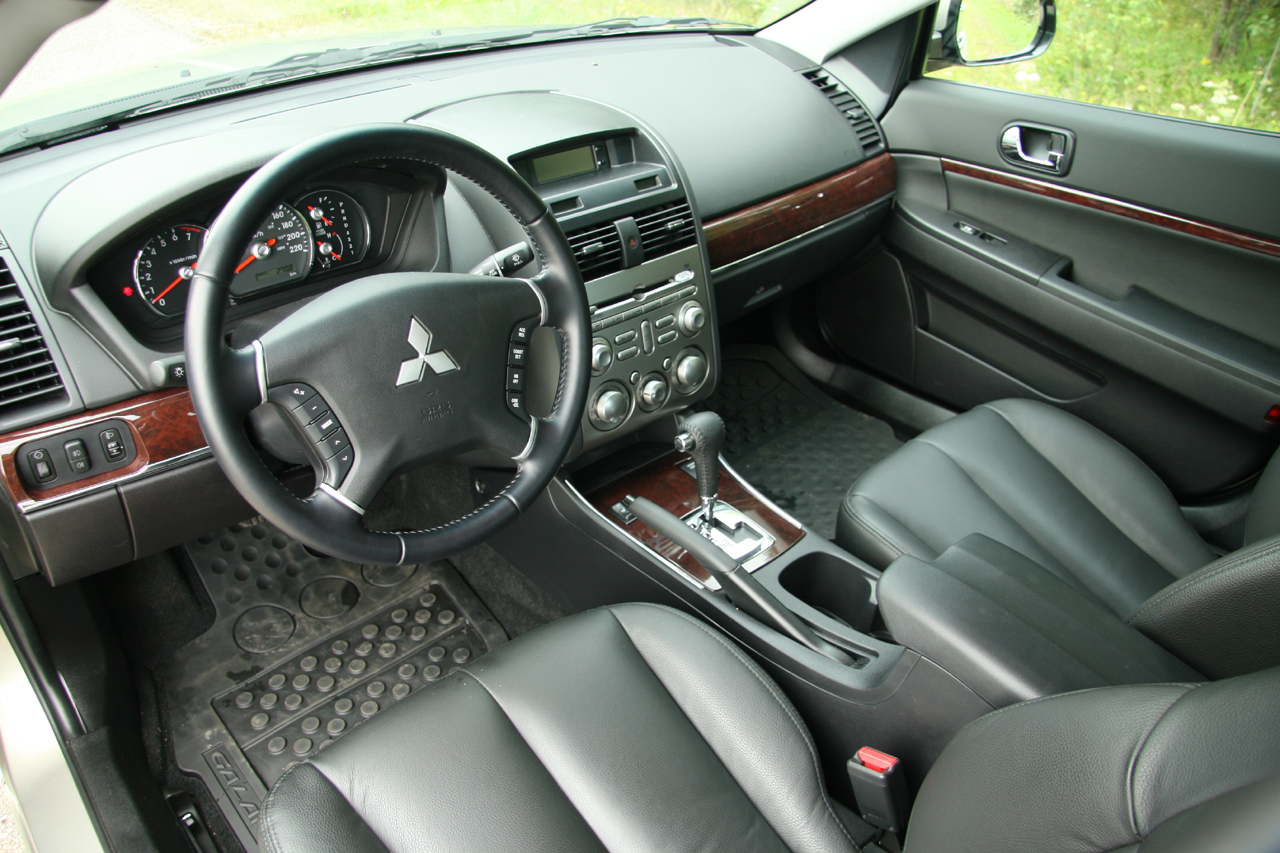
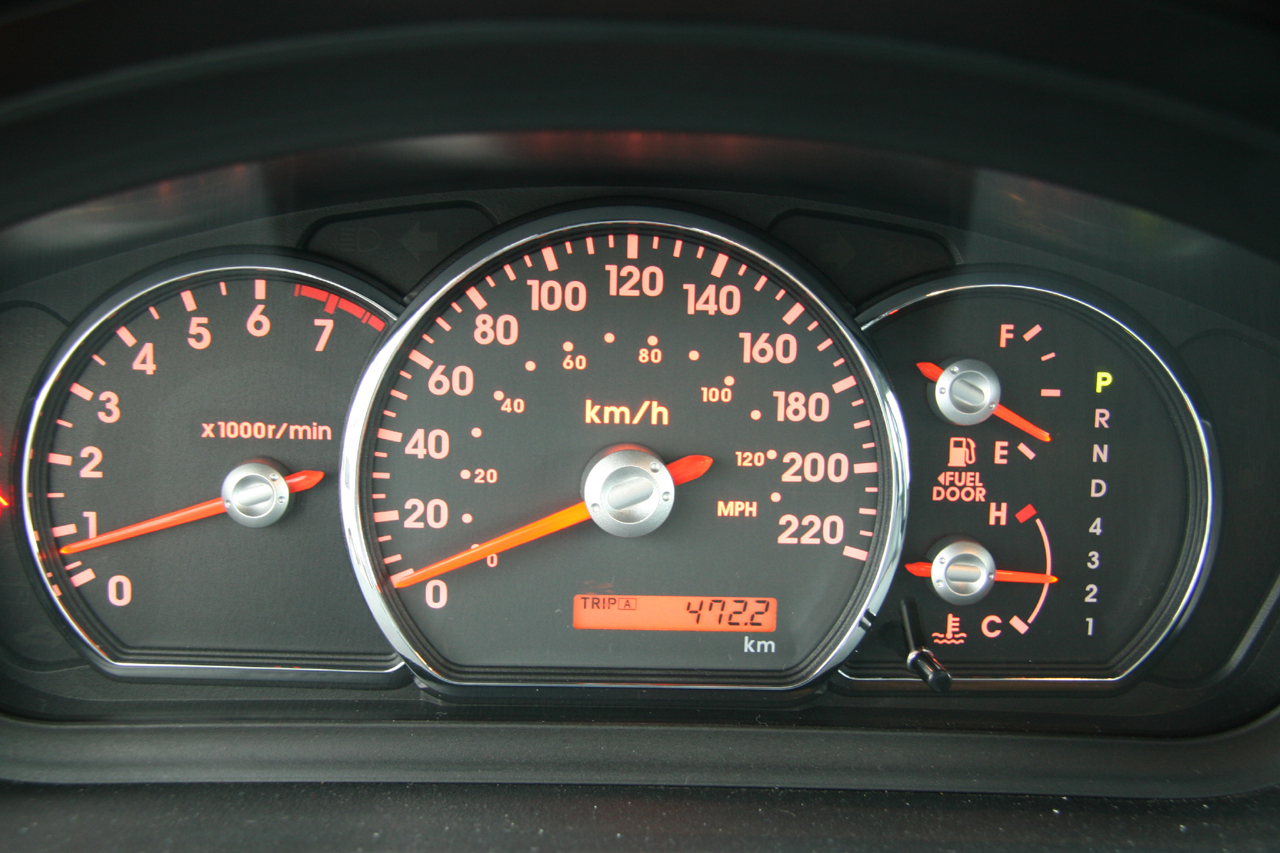
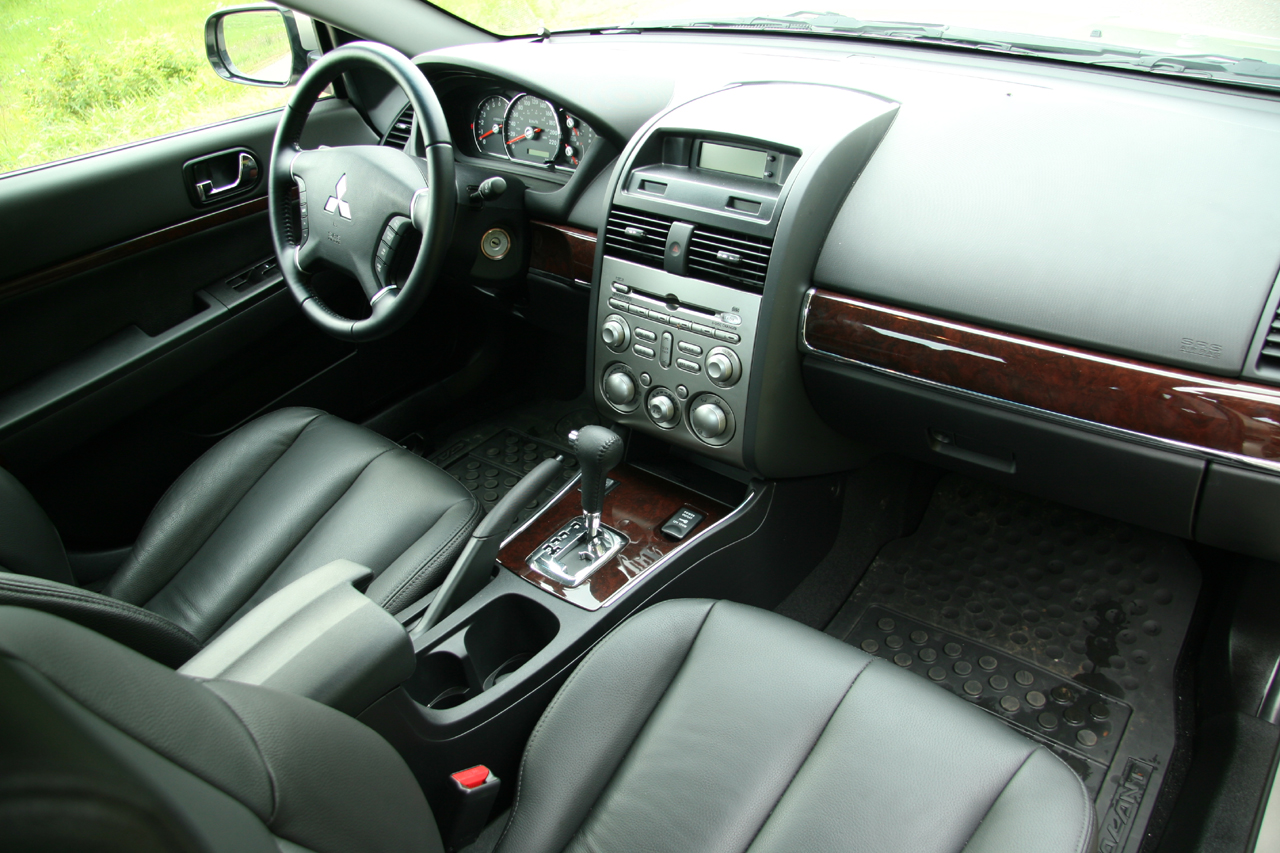
There are also changes in the interior. The audio system and cruise control buttons moved to the front of the steering wheel — previously they were hidden on the back side. The "wood" trim replaced the "aluminum", and the backlighting of the instruments and controls changed from blue to red.
Now in more detail. When the Galant entered the Russian market, it turned out that in price it falls into the same range as the top versions of "D" class cars — such as the popular Mazda6, Opel Vectra and Hyundai NF. But in terms of dimensions, the ninth generation already competed with more expensive and renowned rivals: Nissan Teana, Toyota Camry, Volvo S80 and BMW 5-Series.
So, we get into the cabin. The front seats surprise with a completely non-American profile — the lateral support of the backrest firmly holds the driver. The electric adjustments of the driver's seat make it easy to get comfortable behind the wheel. The overseas origin is reminded only by the absence of longitudinal adjustment of the steering column. The annoying blue backlighting was replaced by "European" orange. The audio system and cruise control buttons, moved to the front of the steering wheel, have become more convenient and understandable to use. The plastic of the front panel is soft to the touch, but the quality is not impressive. The instrument panel, despite the duplicate speedometer scale in miles, is well readable and causes no complaints.
 |
| |
 |
| |
 |
| |
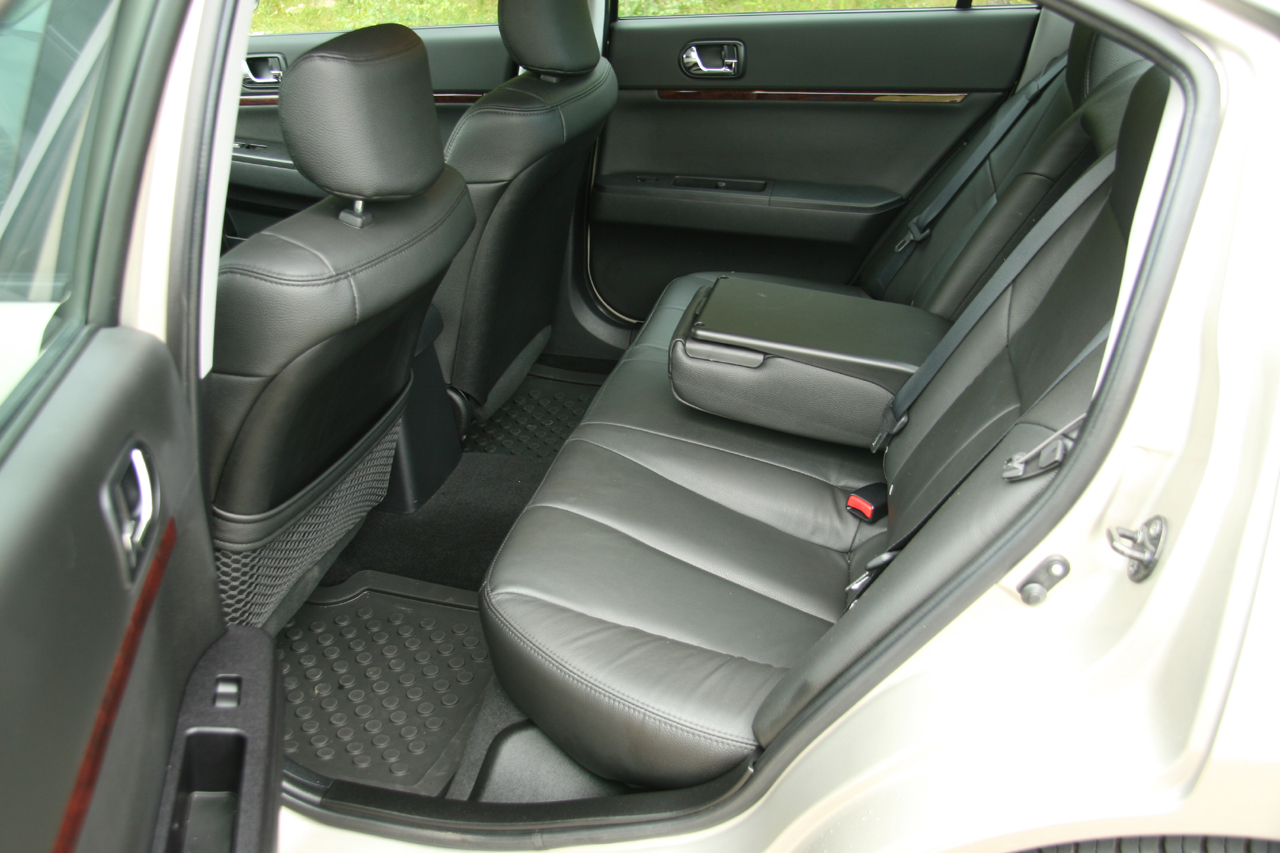
In the back — real spaciousness. If the front occupants are of average height, rear passengers can easily cross their legs and not feel discomfort. In width, there is enough space for three adults, but the one sitting in the center is not to be envied: the seat cushion is molded only for two, and on the "hump" the middle passenger risks hitting their head on the ceiling. Overall, the spacious cabin is an undoubted trump card of the Galant, which more than compensates for the plain trim.
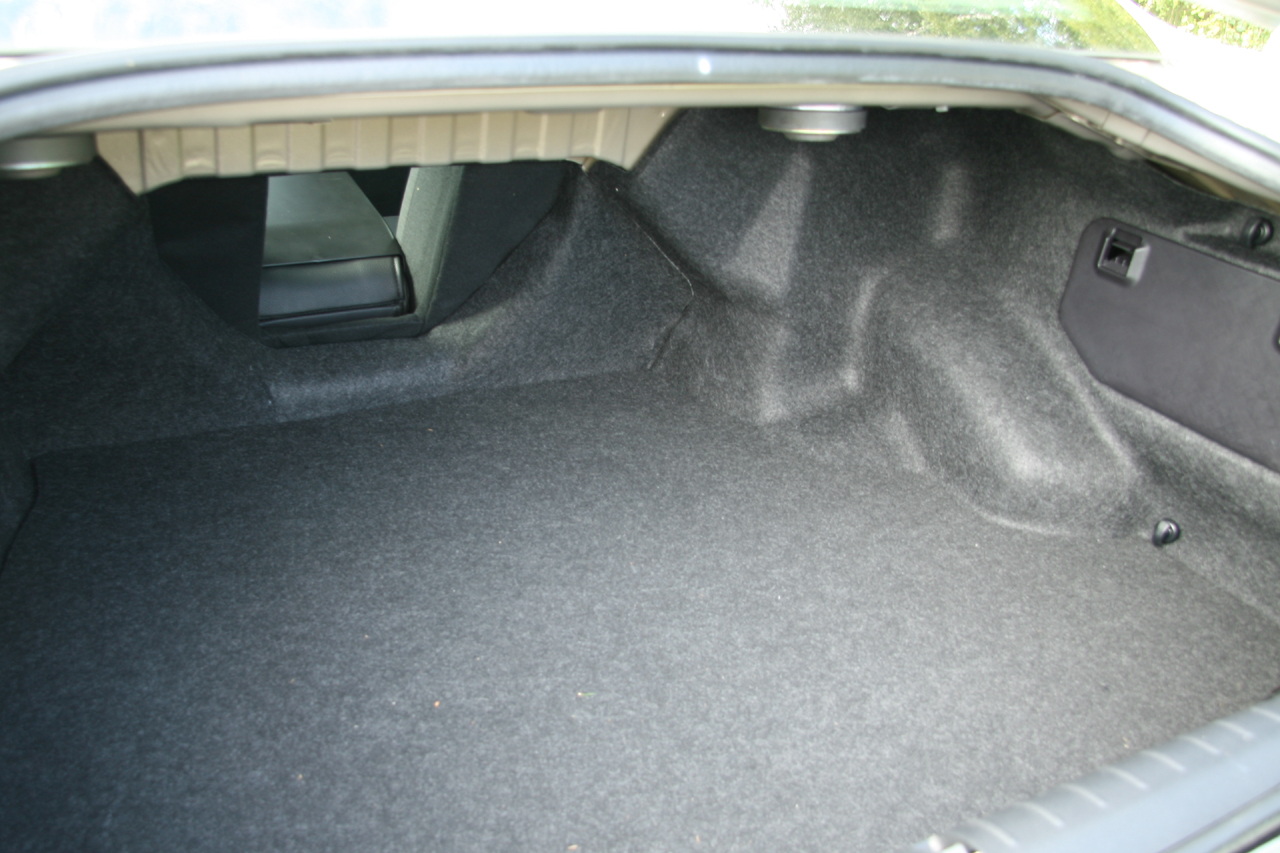
The trunk with a volume of 435 liters impresses neither with capacity nor convenience: the shape of the internal space is not the most successful, and the loading height is somewhat high. Folding the rear seat is not provided — for long items there is only a hatch in the armrest.
The trunk lid opens with a button on the ignition key or a lever in the cabin.
All Galants for the Russian market are equipped with a single engine — a 2.4-liter 4-cylinder MIVEC engine with four valves per cylinder and distributed injection ECI-MULTI. This unit has an important advantage — an automatic octane correction system that allows filling the tank with 92-octane gasoline. The engine produces 158 hp and 213 Nm of torque at 4,000 rpm. Paired with it, only an automatic transmission is available — a 4-speed INVECS-II Sports Mode automatic with manual gear selection.
Hurricane dynamics from the 158-horsepower engine should not be expected, so "traffic light" races are better postponed. It is not for nothing that the car was developed for the American market. The character of the Galant can be described in two words — soft and stately. This is felt in almost everything. But this does not mean that you cannot drive it briskly. The INVECS-II gearbox can adapt to the driving style. In dynamic mode, the gears spin up to the red zone, and when the gas is released, the transmission holds the revs, not rushing to shift up, in order to react faster to pressing the gas pedal. In calm mode, the shifts are almost imperceptible to passengers.
 |
| |
 |
| |
 |
| |
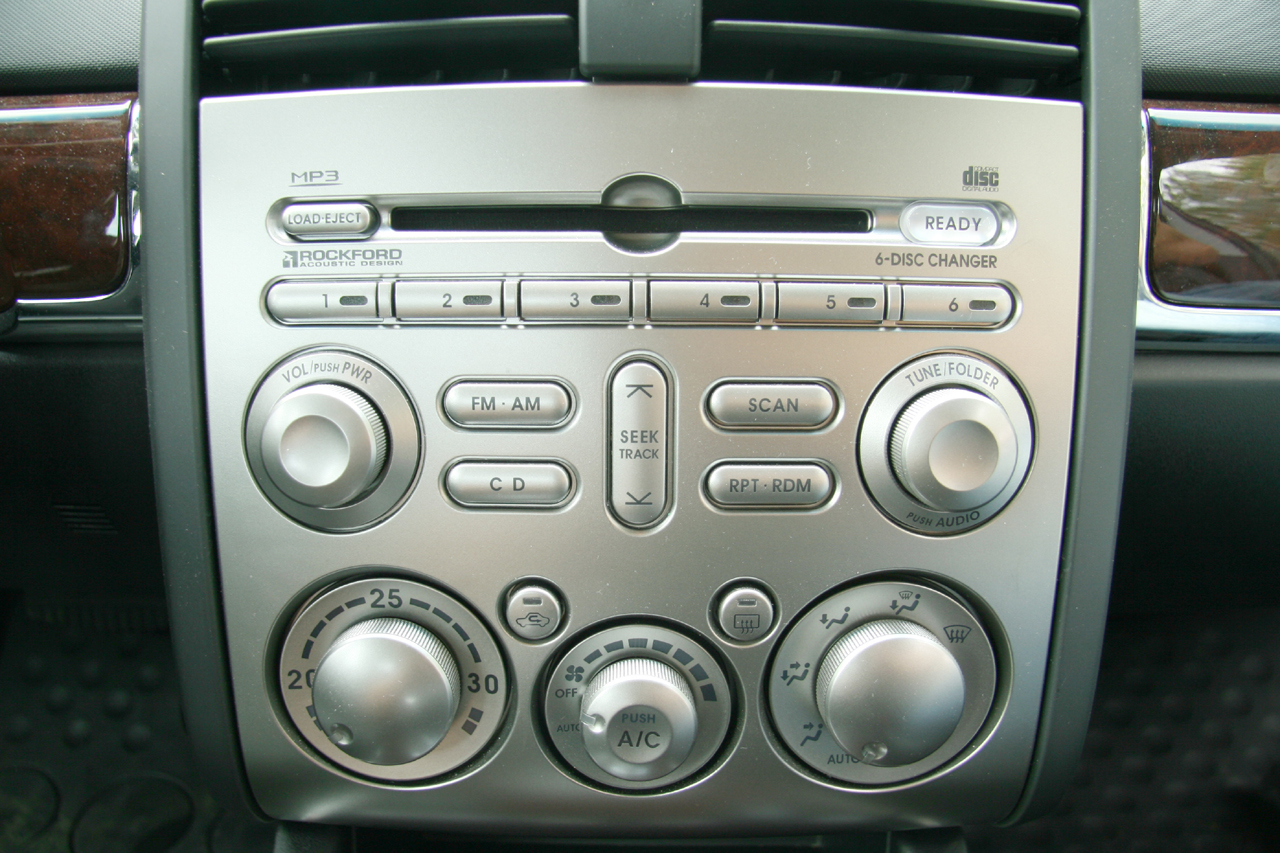
The suspension settings also reveal the "overseas" origin. On asphalt waves, the car noticeably rocks transversely. In corners, noticeable rolls appear, and with a slightly sharper entry into a turn, the tires begin to squeal plaintively. But potholes and road joints the Galant swallows like seeds, causing no inconvenience to passengers. Together with good sound insulation and an excellent Rockford Fosgate audio system, the car becomes a reliable companion even where roads leave much to be desired. The increased ground clearance allows you to confidently drive off-road without fearing for the bottom. The steering is clear and closer to Japanese than American in settings, but the turning radius surprised — where "classmates" turn around in one go, the Galant needs at least two. This creates inconvenience when maneuvering in a tight parking lot.
The Mitsubishi Galant can boast a solid list of equipment that competitors for similar money most often do not have. Even in the base, the car gets an automatic transmission, cruise control, ABS and EBD, fog lights, electric windows on all doors, climate control, six airbags, a multifunction steering wheel, an audio system with six speakers, and 16-inch alloy wheels. For this set they ask 756 $ 28 (218 UAH).
The Instyle AT version, which costs $830 27 (UAH 215), adds to this an electric sunroof, leather interior, power-adjustable driver's seat, wood trim inserts, and a 650-watt Rockford Acoustic audio system with eight speakers, subwoofer, and a six-disc MP3-compatible changer.
With such rich equipment, it is strange that there was no place for a simple onboard computer in the car.
To sum up, we have a spacious sedan with a comfortable suspension, enviable ride smoothness, decent sound insulation, and a wide range of options. The Mitsubishi Galant is available at dealerships, so you can buy it almost on the day of your visit. However, those who expect a driver-oriented character from the car will be disappointed: the car noticeably rocks on transverse waves, leans in corners, and its turning radius is somewhat large.
Ruslan Galimov

 The ninth-generation Mitsubishi Galant was one of the first cars to come to us not from Europe or Japan.Comments (8)