
Alexander DIVAKOV, Yuri VETROV | Photos by Stepan Shumakher
In the premium class, it is Mercedes that must be the trendsetter. Otherwise, it's impossible — competitors are not asleep. In Germany itself, these are BMW and the recently caught-up Audi. And the Japanese are literally breathing down their necks: they have already practically conquered America. In May, Lexus sales overseas amounted to 20,000 cars versus 21,900 for Mercedes, but the Japanese growth rate is seven times higher: 5% versus 0.7%! And in Russia, Lexus generally overtakes Mercedes in absolute terms, and this is already the second year in a row. Plus, another ambitious Japanese brand has entered our market — Infiniti...
So what can the new Mercedes C 200 Kompressor surprise its classmates with? And is it capable at all?
Entering the fray are the Audi A4 2.0 TFSI, BMW 325iA, and Lexus IS 250. Why not Infiniti? This brand will appear later, when we take more powerful modifications for a test: the Infiniti G35 sedan is available in Russia only with a V6 producing 306 hp. Otherwise, the comparison is quite fair. Even the prices of the base versions practically coincide — around $47,000. True, only Audi gives all-wheel drive for this money, the rest are rear-wheel drive. But is that a reason to exclude the Audi A4 from our test?
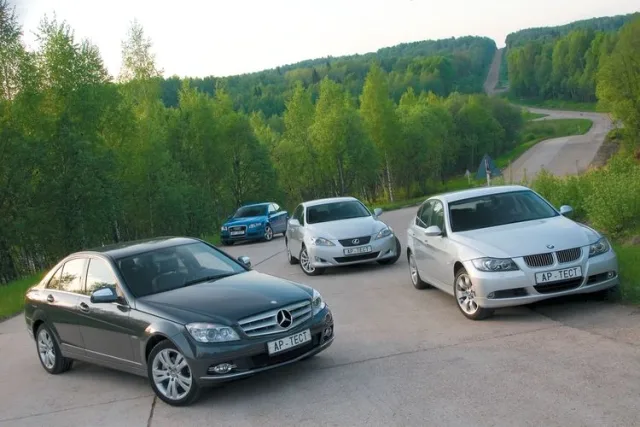
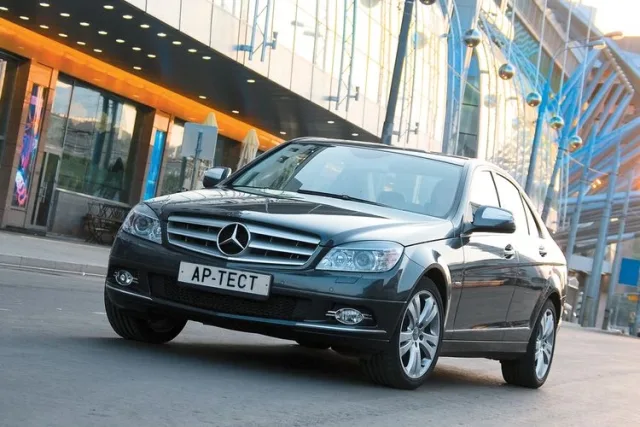
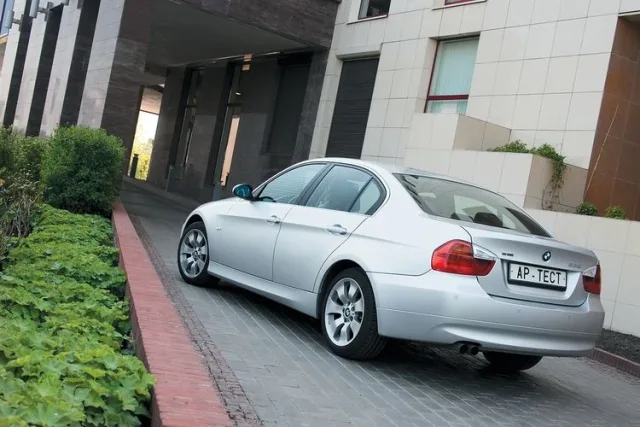
One can argue endlessly about the appearance of each of these cars, but one thing is obvious: before us are the cream of the D-class. And perhaps it is Mercedes that sets the tone here. While remaining a true Mercedes, it has acquired the dynamism inherent in the brand's large and expensive coupes. In the Avantgarde version, "our" car is especially good — the huge three-pointed star on the radiator grille looks luxurious. The only thing that slightly cheapens the appearance is the overly decorative fog lights with many small details.
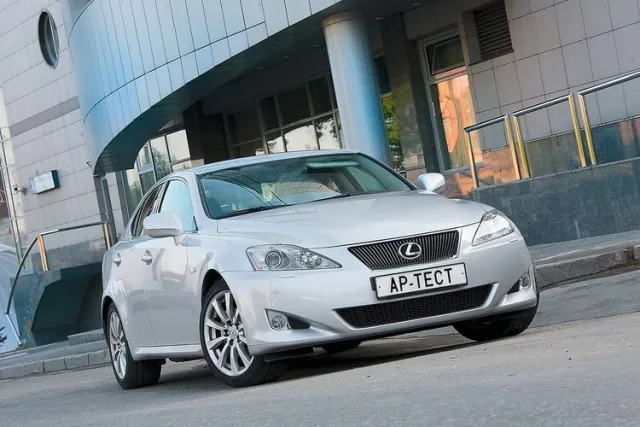
The BMW "Three" still pleases the eye: sharp lines of the frowning front end, sporty sides. The Lexus is not so distinctive externally, but its "averageness" thanks to excellent detailing looks noble. And the sulking Audi "Four", although not new, has been refreshed with the DTM line body kit (plus about $10,000): a new radiator grille, a "lip" on the bumper, a rear diffuser, and... a red tow hook.
 |
 |
 |
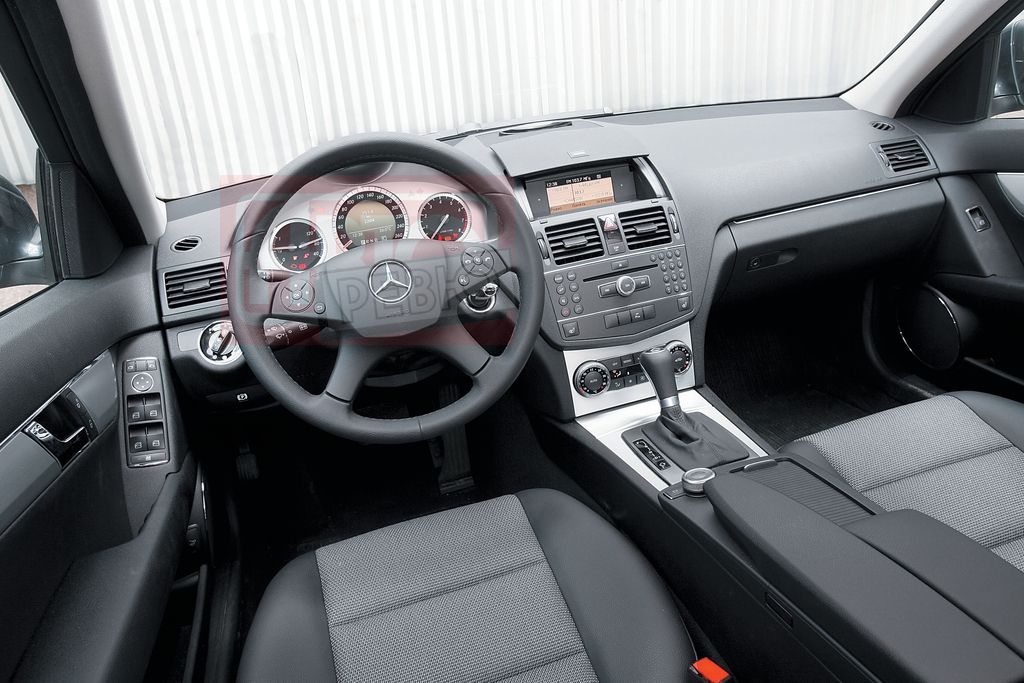
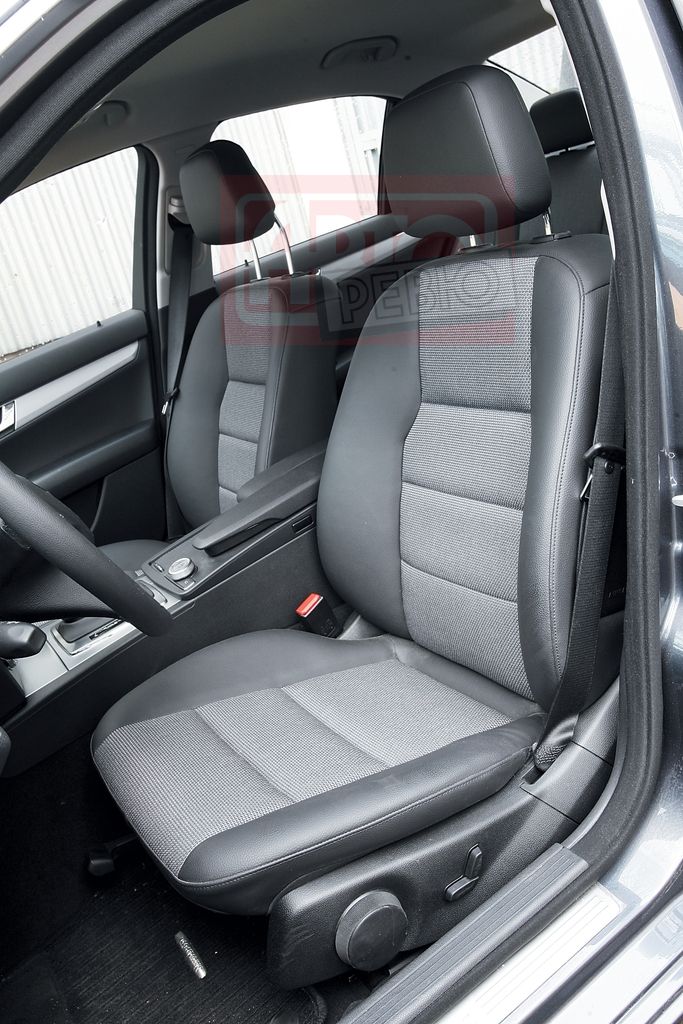
| Laconic design, simple materials, not everything is smooth with ergonomics... Is this really a Mercedes? Yes | Seats with an uncomfortable profile are adjusted intricately: length and height — mechanically, backrest and cushion tilt — with electrics |
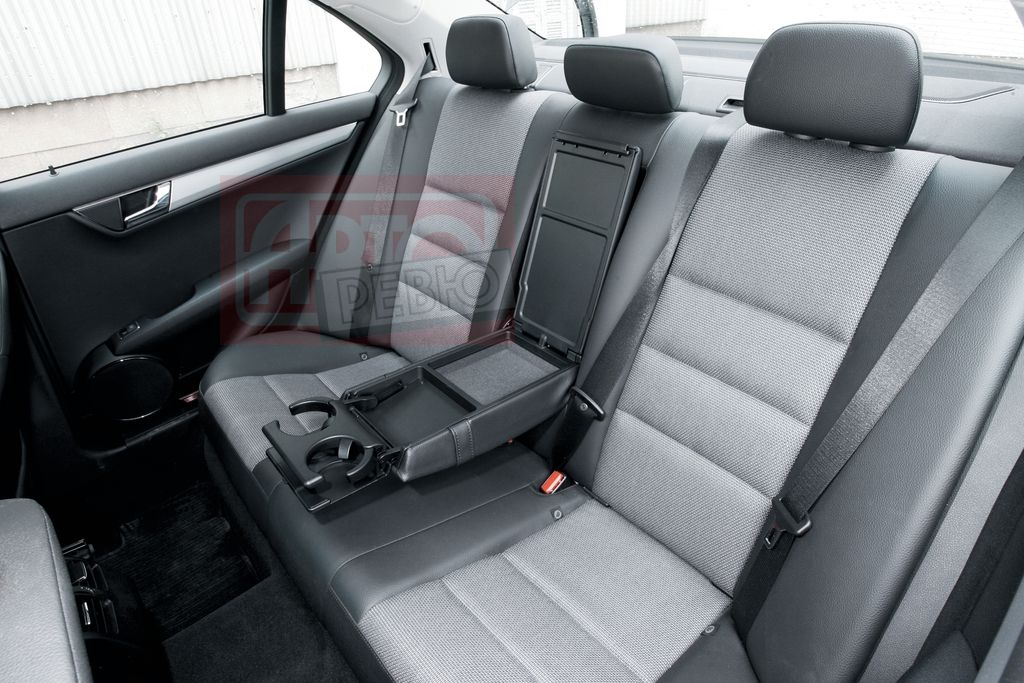
In the rear seats of the C-class, it's more cramped than in the BMW |
The Mercedes interior no longer seems as solid as before. Cold, angular architecture, inexpensive materials... If not for the "star," one might think you were, God forgive me, in an Opel. But the hyper-functional steering column stalk and the huge adjustment ranges of the front seats bring you back from Rüsselsheim to Stuttgart: after all, it is a Mercedes! The seats please with optimal firmness and the "grip" of the fabric inserts, but disappoint with the low-positioned lumbar support and an unsuccessful profile — the backrest presses on the shoulders. The steering wheel covered in rough leather is pleasant to the touch, but it is too large, shifted to the right, and blocks the upper sector of the speedometer for short drivers. And the low-positioned, and therefore not very convenient to use, climate control unit is a common drawback of the three German sedans.
 |
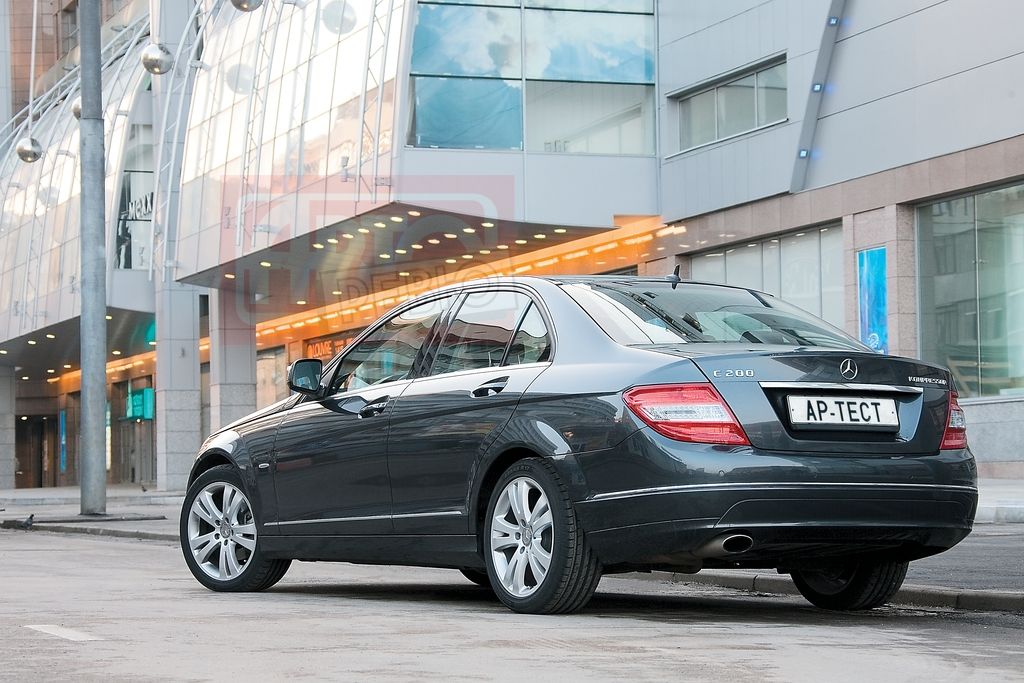 |
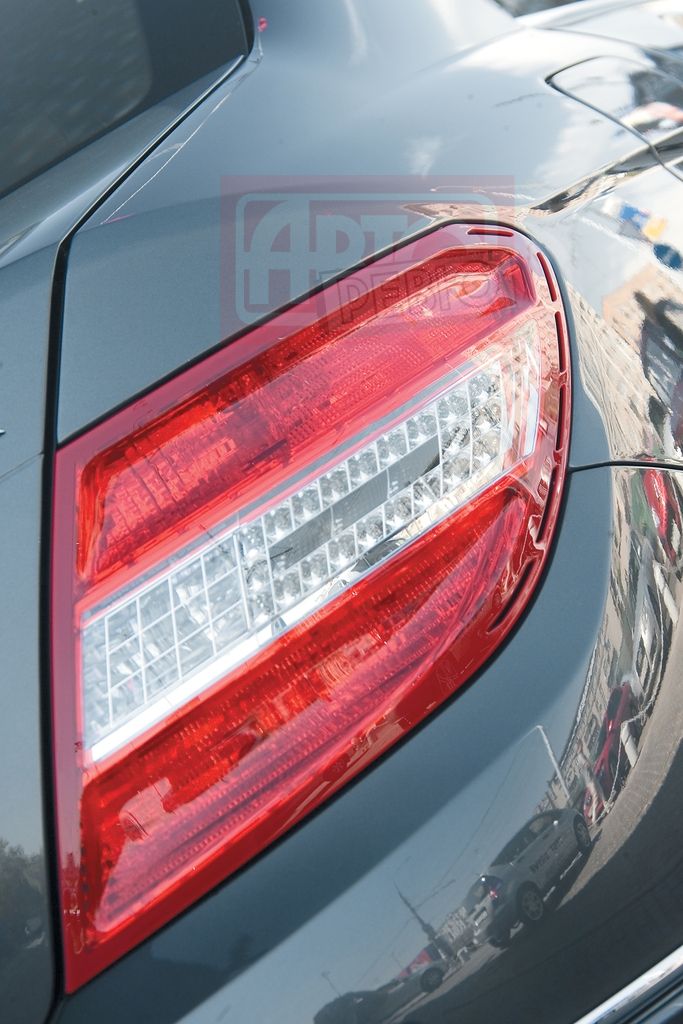
| The taillights with a "ventilation" rim please the eye |
|
In the Audi A4 DTM Edition, there are magnificent Recaro seats upholstered in leather and Alcantara: the cushion length is adjustable, the shape is impeccable. And around — high-quality materials, seasoned with DTM attributes: carbon-look inserts, a small leather-suede steering wheel. The sporty mood is also supported by the "automatic" control — the straight selector gate ends with Sport mode, and the number of the current gear is displayed on the screen even in Drive mode. But the large difference in height between the pedals, which makes it difficult to quickly move the foot from gas to brake and back, is already unsporting.
 |
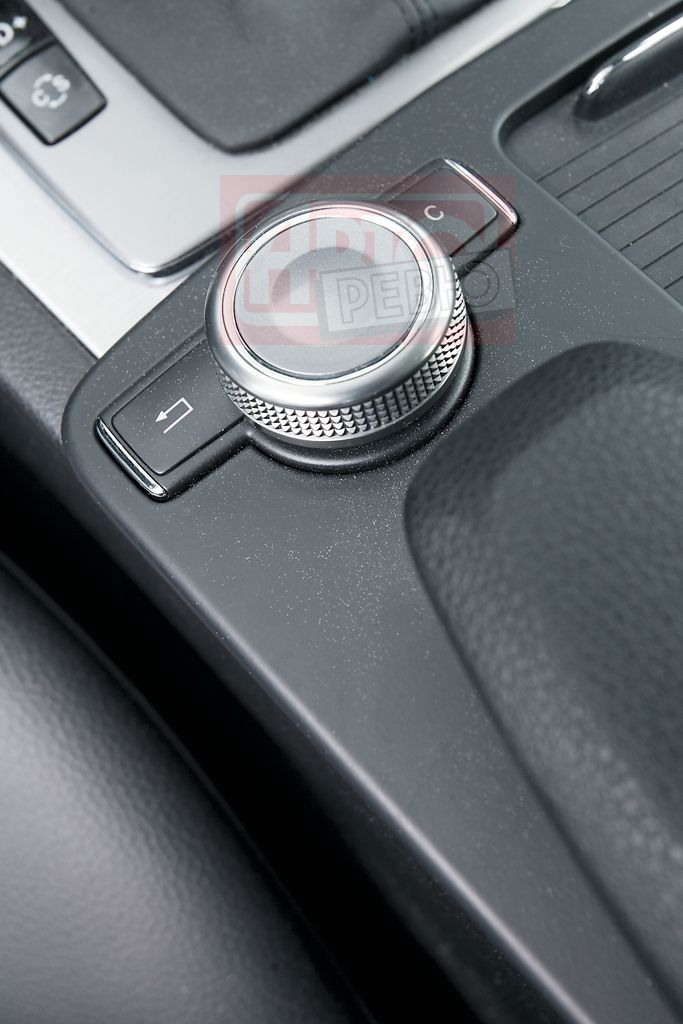 |
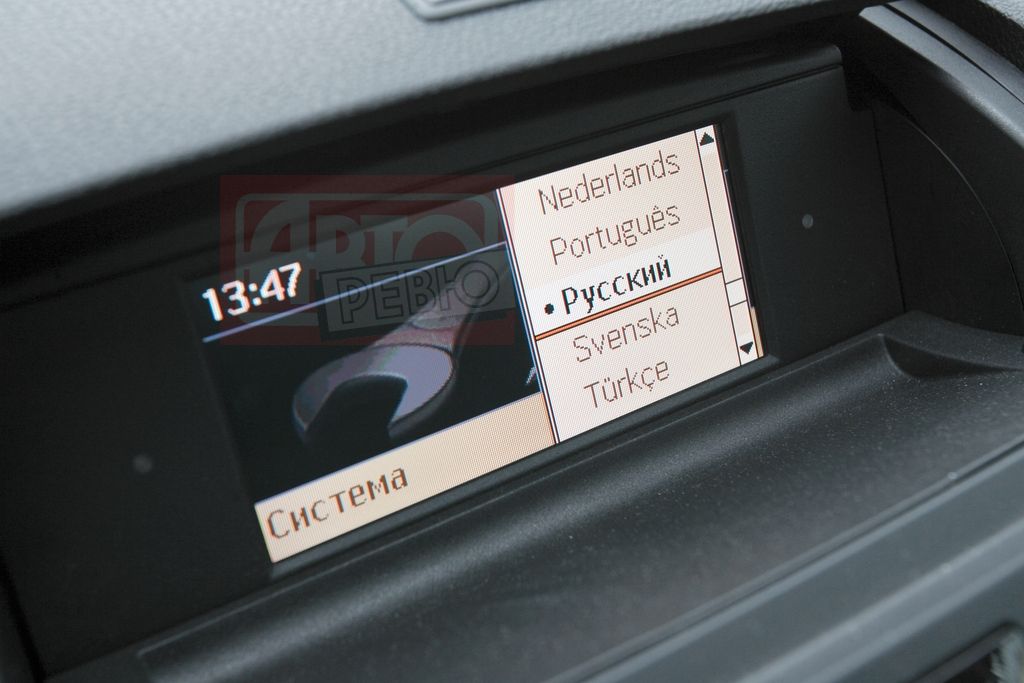
| The multimedia system is taught Russian and is controlled both from the steering wheel and via the "washer" on the center tunnel | |
 |
 |
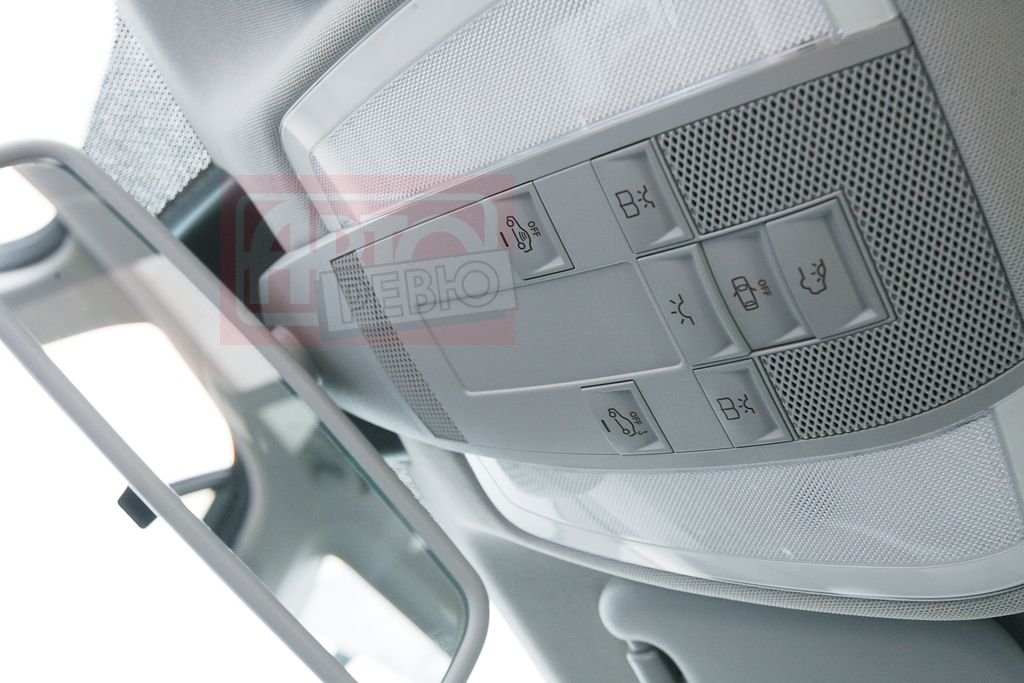
| Powerful interior lighting is Mercedes' forte |
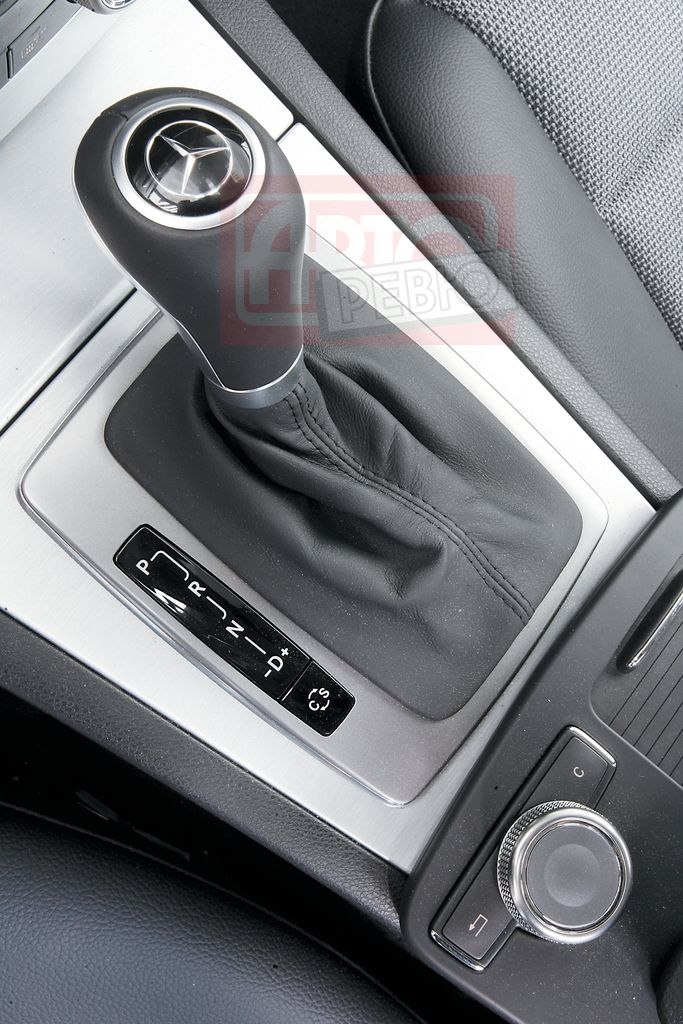
The lever is good, but the old five-speed "automatic" is not distinguished by intelligence and quick-wittedness |
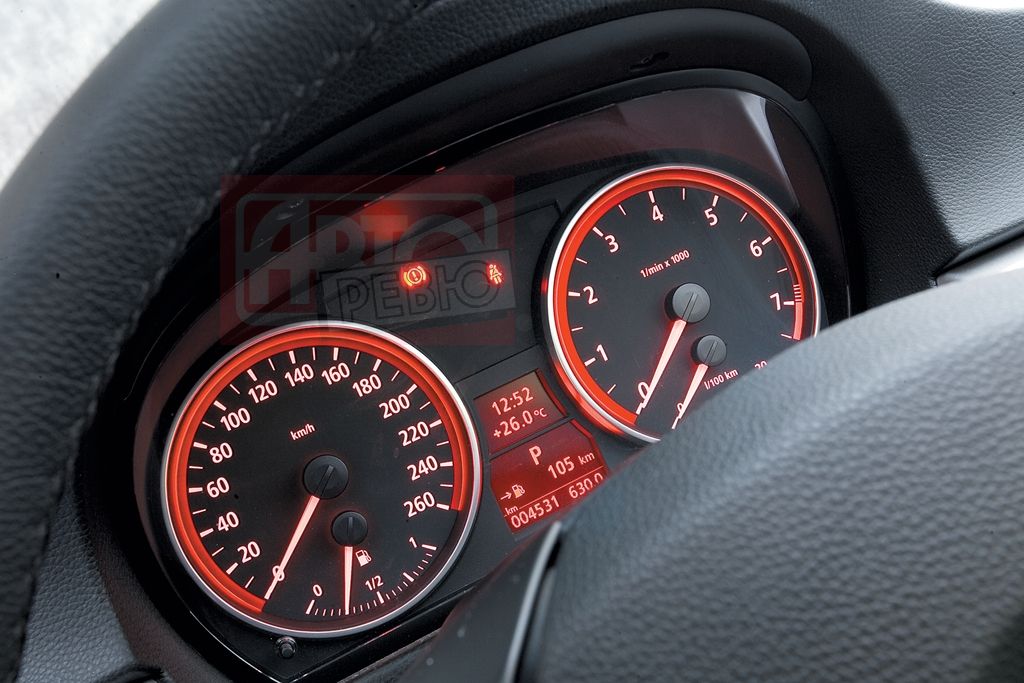
The BMW interior is the very refinement of clean lines. The instruments are simple and informative, and the plastic and leather seem more noble than in the Mercedes. And the ergonomics are perhaps better. Even without lumbar support adjustment, the seats distribute load excellently and hold well in corners. The center console is slightly turned toward the driver, the steering wheel begs to be held... A real BMW!
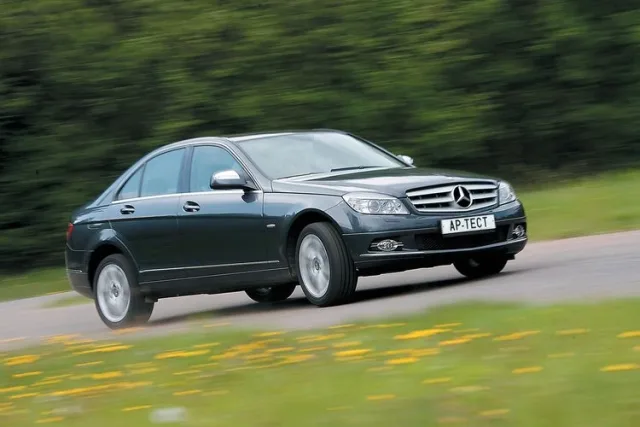
Even in extreme situations, the Mercedes does everything right. But the impression is spoiled by the uninformative steering
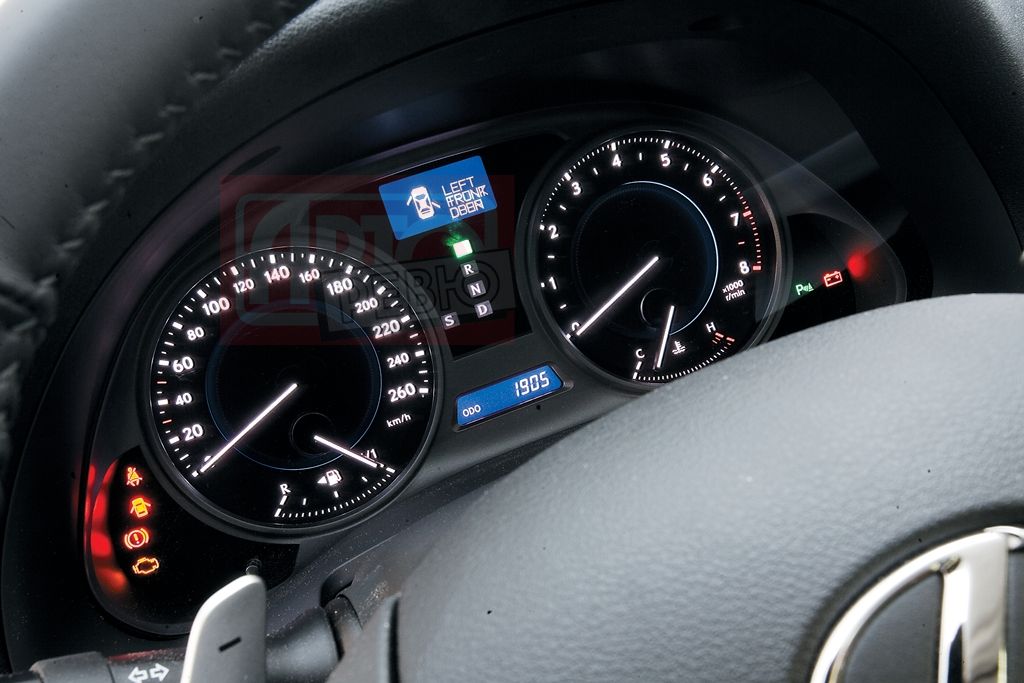
The hospitable, with forced ventilation, Lexus seat is upholstered in the finest leather, and here everything and anything is equipped with electric drives, including the rear window sunshade! And the optitron instruments — you could admire them forever! An excellent steering wheel with "formula-style" paddle shifters, impeccable pedals — everything fits. Climate control is more convenient than in the "Germans" — the unit is located higher. Of the drawbacks — the glaring display on the console and a couple of buttons "hidden" behind the steering wheel, with which ESP is turned off and the sport mode of the "automatic" is activated. Whoever needs it will find it? We found it.
| Audi A4 | BMW 325iA |
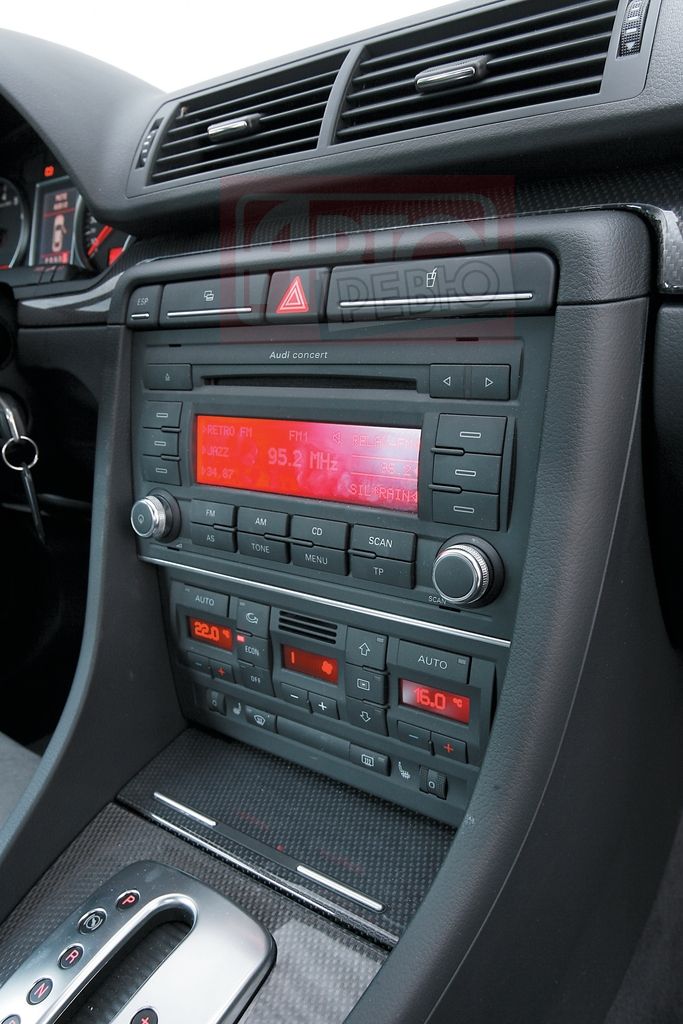 |
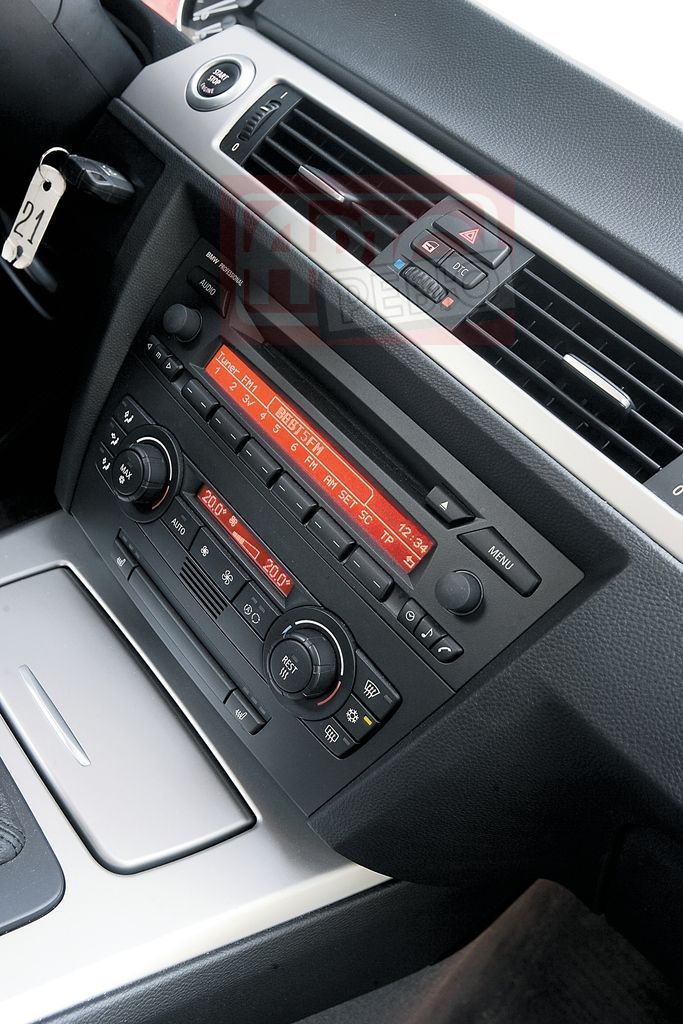 |
| Lexus IS 250 | Mercedes C 200 K |
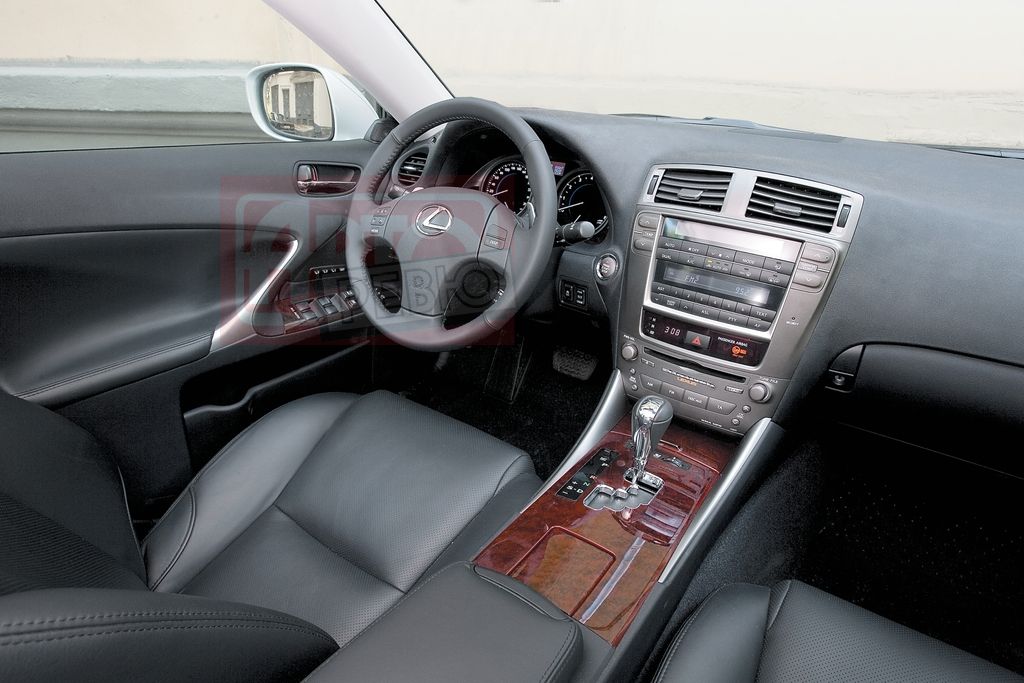 |
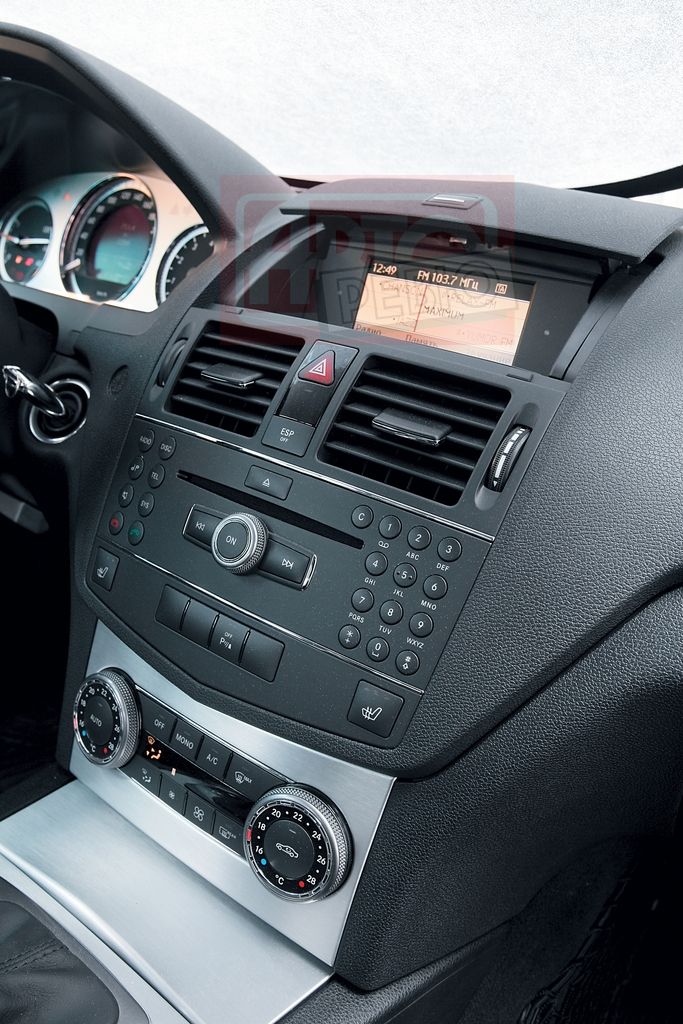 |
| Controlling the Lexus "stove" with high-positioned buttons is easier than the "underground" climate control units of German cars | |
In terms of rear seat comfort, the BMW leads. Here there is more legroom and headroom, a successful profile of the "deep" seat, and comfortable armrests. And only in the BMW do rear passengers have the right to choose the air temperature from the "tunnel" deflectors (which the Audi does not have at all).
| Audi A4 | BMW 325iA |
 |
 |
| Lexus IS 250 | Mercedes C 200 K |
 |
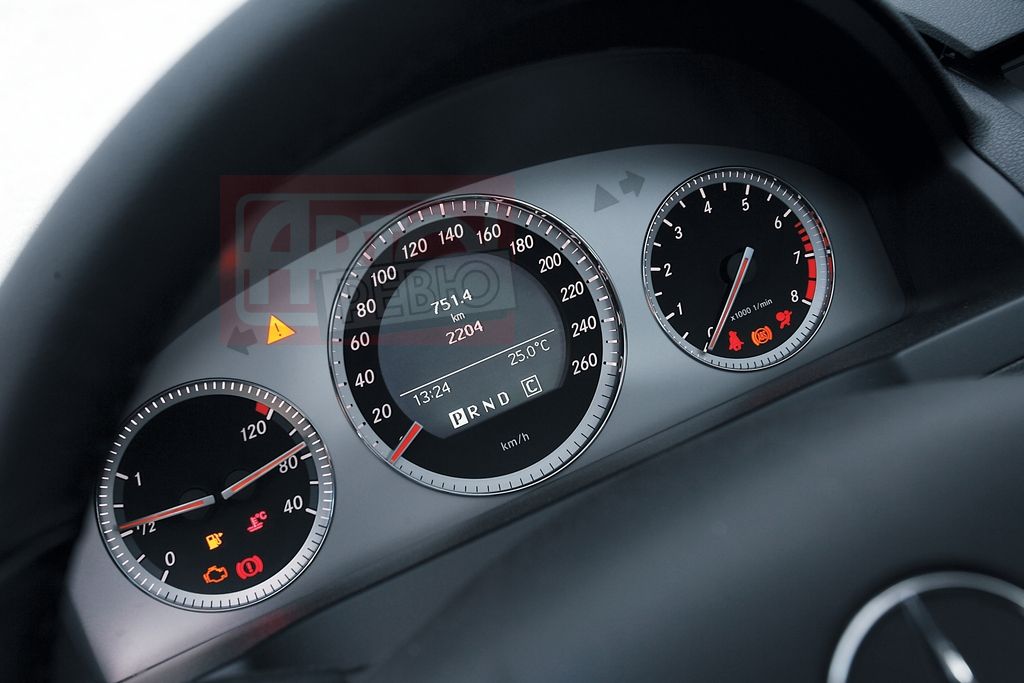 |
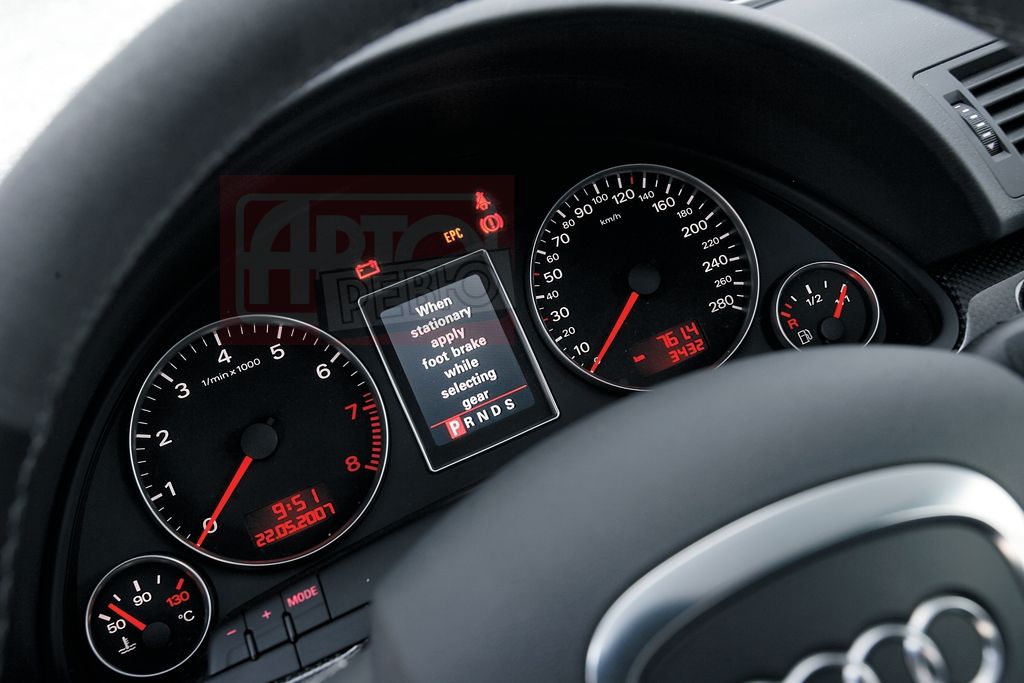
| The instruments are good in all four. Audi — beautiful and informative, BMW — laconic and clear, Lexus — understandable and elegant, Mercedes — a jewelry store window, only the needles are too thick | |
Rear passengers in the Mercedes are slightly less comfortable: compared to the BMW, there is 30 mm less distance from knees to the front seat backs, the roof "presses," and the armrests are not as convenient.
In third place is Lexus, and the tightest is in the Audi: knees press against the hard back of the front seat.
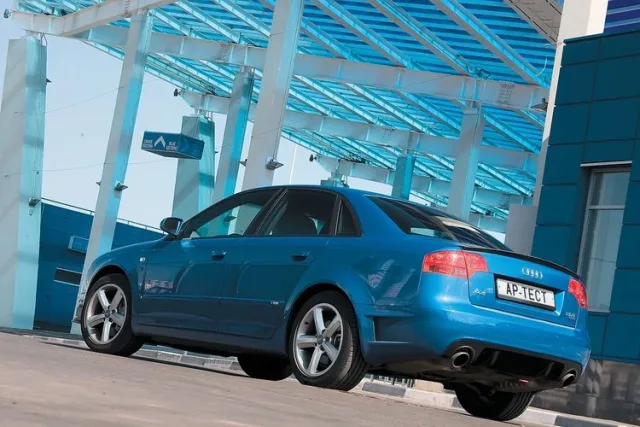
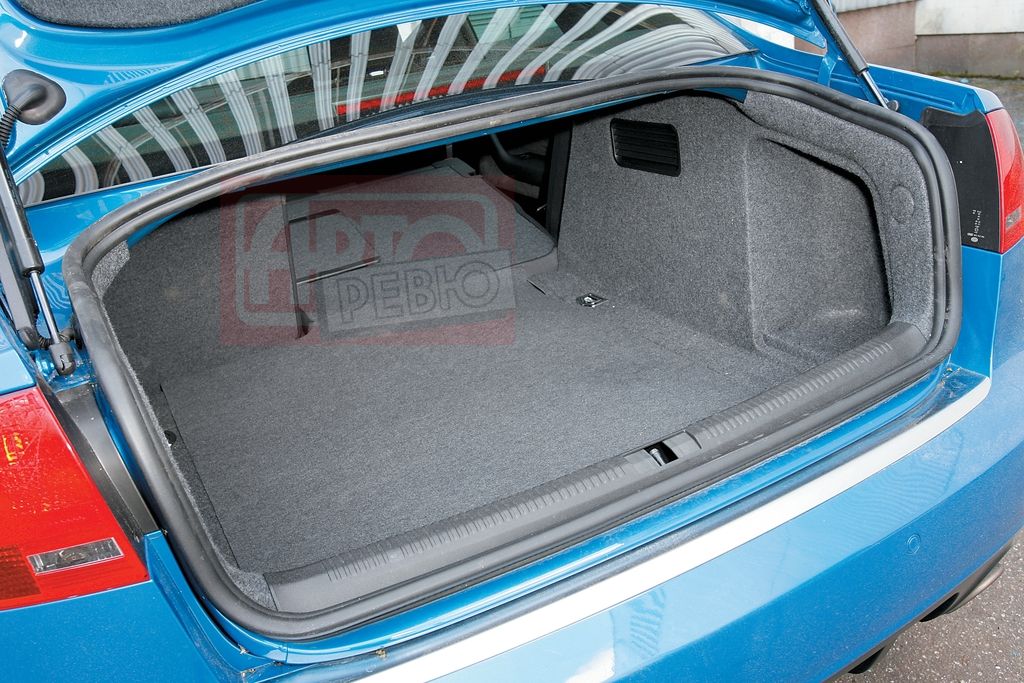
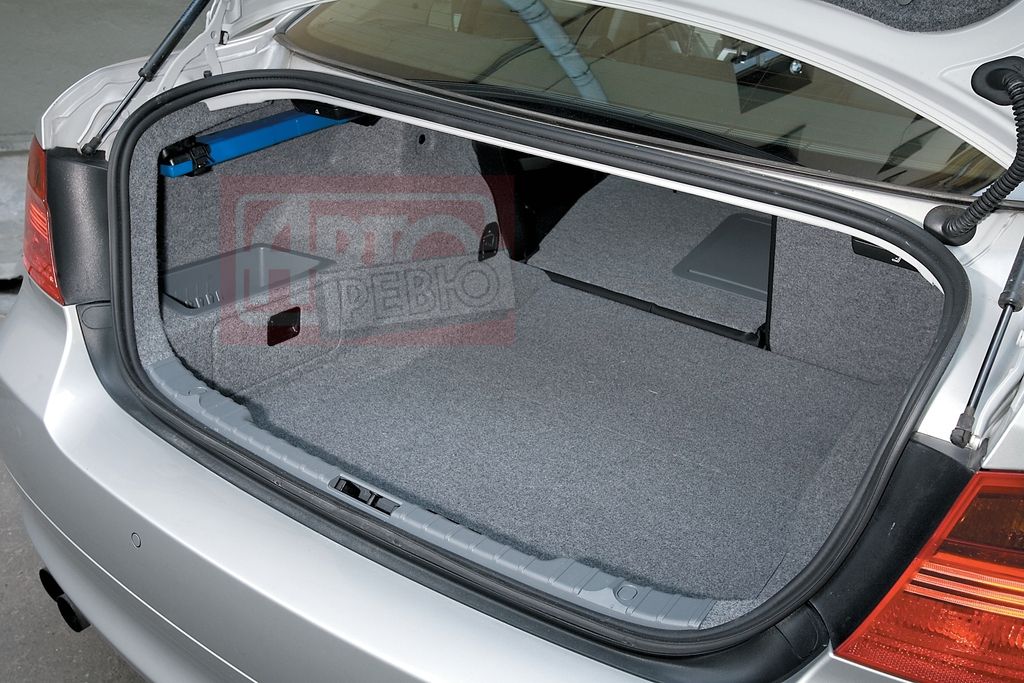
But the Audi's trunk is beyond competition: spacious, with a flat floor and walls, plus a full-size spare tire. The BMW's cargo area is similar, but there's no spare at all—only Run flat tires, which are the only hope.
Mercedes, like Audi, got a full spare, but the trunk itself is tighter, and the trim is more modest. Lexus is the worst in this regard: wheel arches protrude, the opening is narrow, and the lid hangs low.
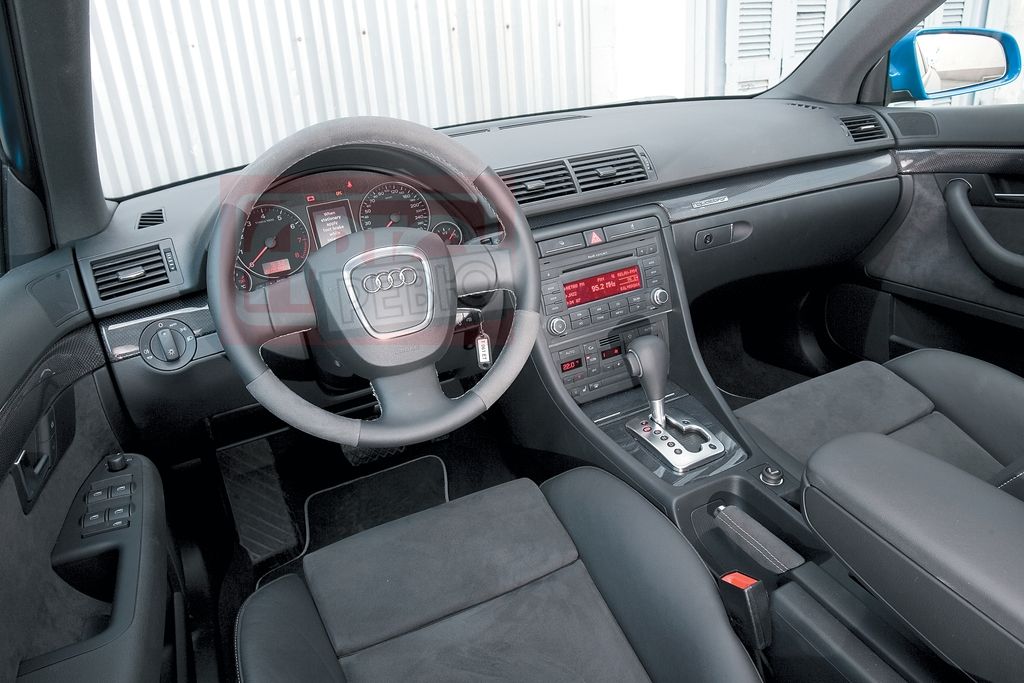 | 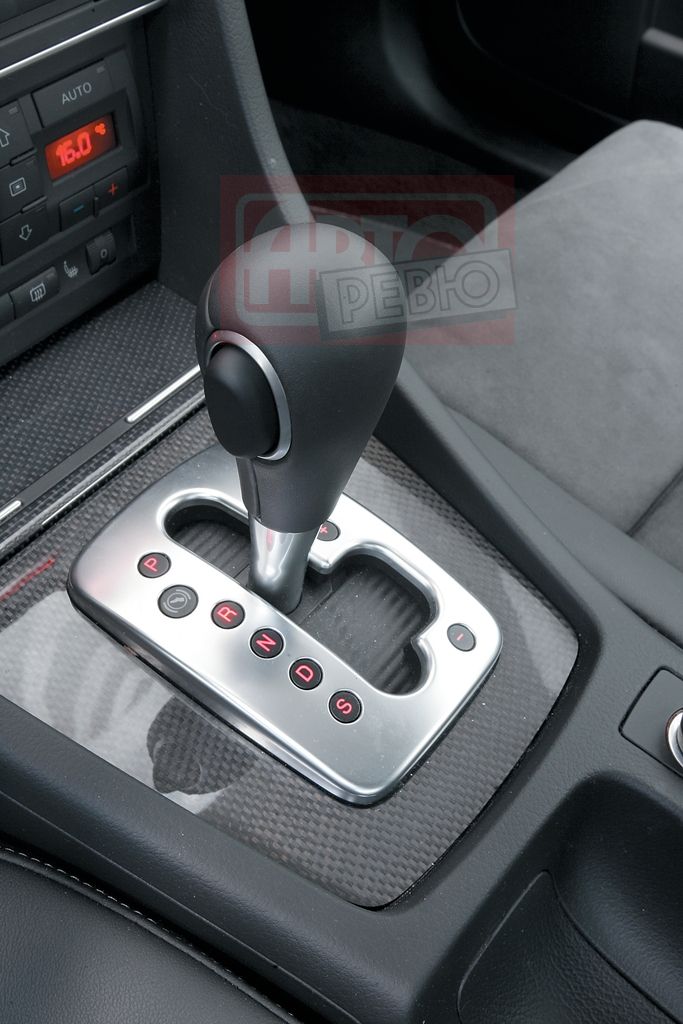 | 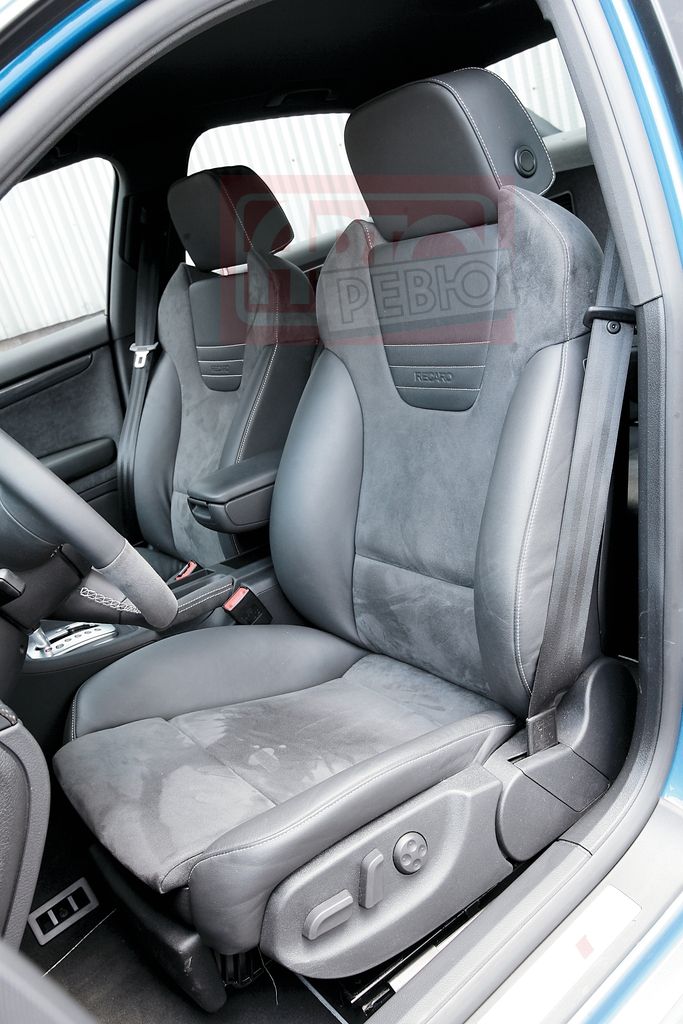 |
| Audi interiors please with solidity and style that don't age | Audi's six-speed automatic is perfectly tuned | On Recaro seats of the DTM version, even the cushion length is adjustable |
As for interior transformation, Audi and BMW lead: rear seatbacks fold in sections, and ski bags are provided. Lexus has only a small hatch, and Mercedes doesn't even have that.
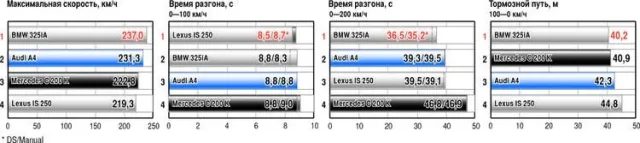
From a standstill, BMW accelerates fastest, Lexus slightly slower, while Audi and Mercedes start without much zest. But these are just subjective feelings. Measurements showed that the difference in acceleration to 100 km/h among all four cars doesn't exceed 0.7 seconds. So what matters more isn't the numbers, but how convenient it is to control speed.
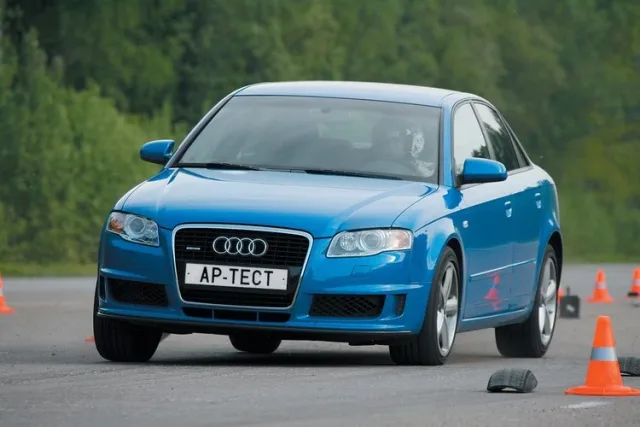
The all-wheel-drive Audi A4 is spirited and obedient. It excites!
The Audi A4 handles this best. The car responds instantly to the pedal, and the automatic shifts logically, albeit with slight jerks. True, in manual mode, the DTM's sporty character disappears: the gearbox shifts up on its own.
Lexus isn't as sharply "tied" to the accelerator, but its gearbox works so smoothly that it seems continuously variable: you guess about shifts only by the tachometer needle. If you don't want to guess, there are paddle shifters.
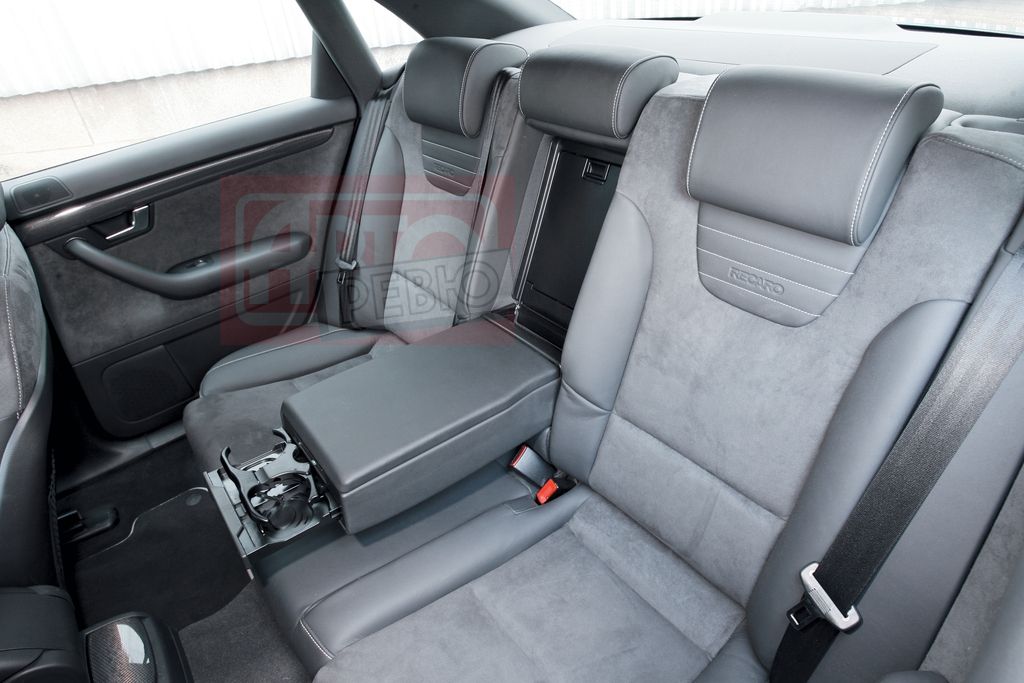 | 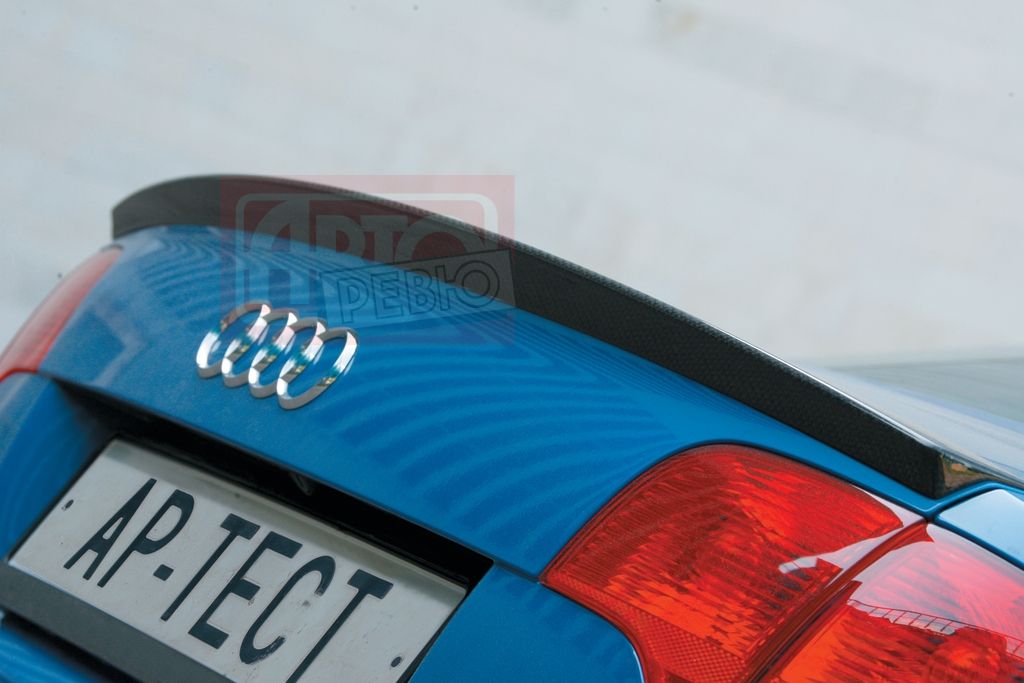 |
| Audi: comfort is there, but space is scarce | Carbon fiber spoilers—the ambiance of the DTM version |
And BMW? Acceleration is thrilling, but only when you floor the pedal. The sonorous engine voice revved to 7000 rpm is excellent accompaniment for sharp acceleration! But in city traffic, reactions to the stiff pedal lag, and there are hesitations in downshifts, so even in a calm rhythm, you want to shift manually.
| Audi A4 | BMW 325iA |
 | |
| Lexus IS 250 | Mercedes C 200 K |
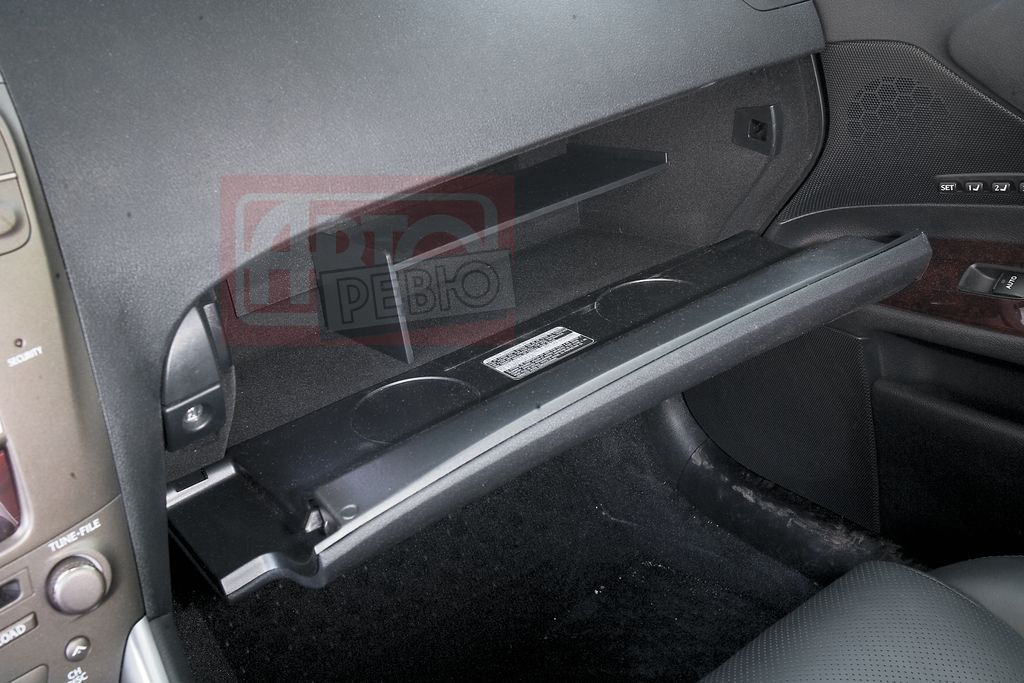 | 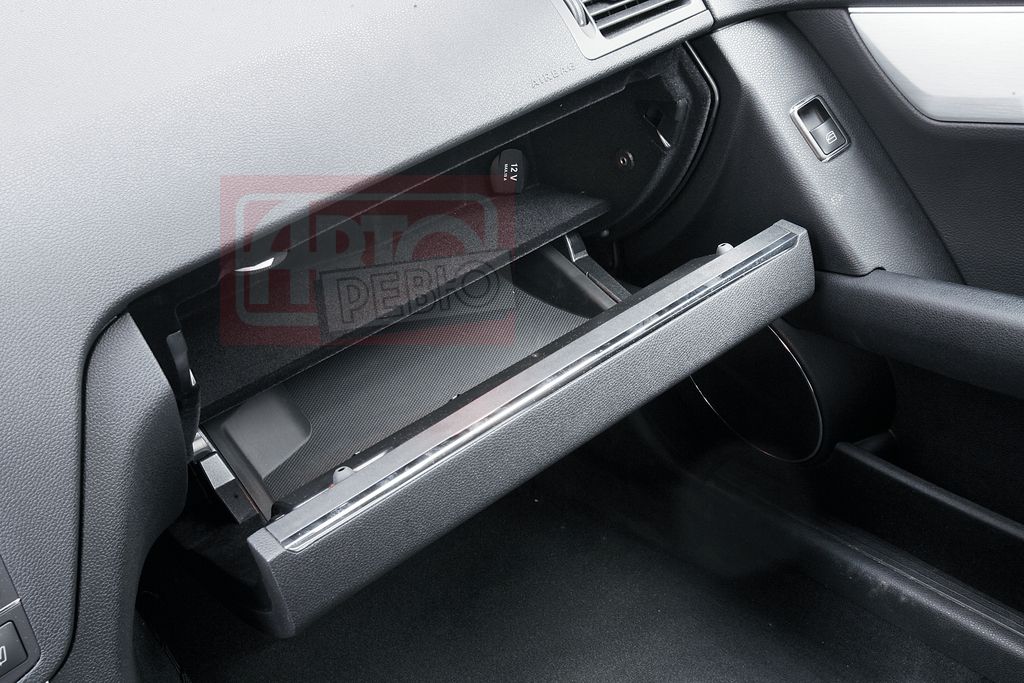 |
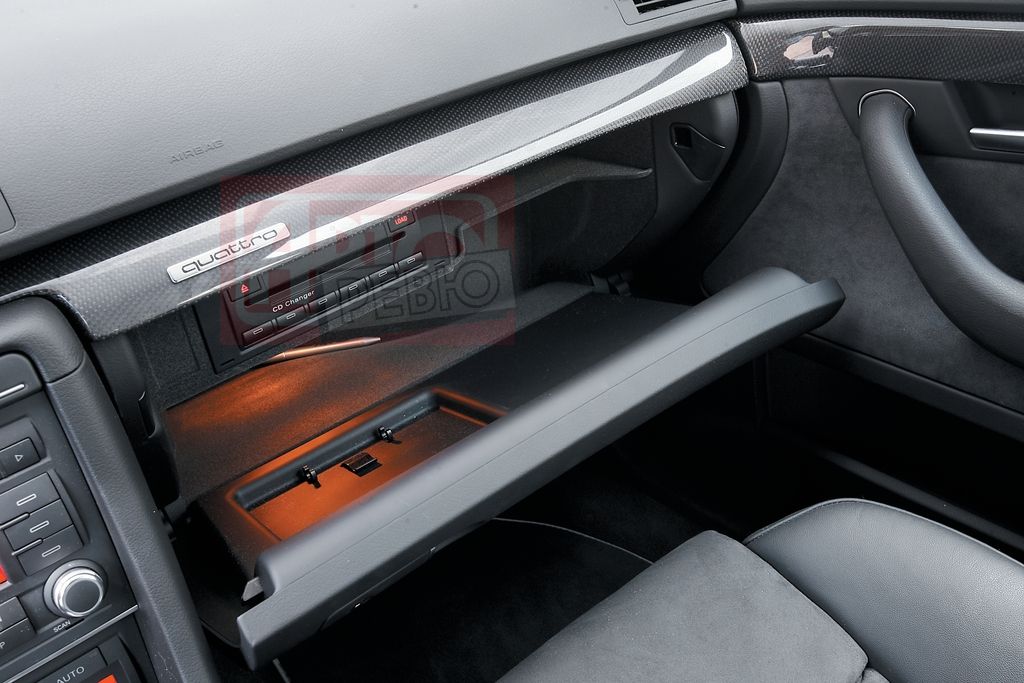
| In the large Mercedes glovebox, there are functional compartments; in Audi, the volume is eaten by the CD changer; BMW and Lexus boxes are more modest, but the Japanese one is multi-section | |
I liked Mercedes even less: gears shift illogically, on kick-down the gearbox responds with a two-second pause, the pedal is heavy and damped, plus jerks…
BMW has the best brakes. The "Three" needs 40 meters to stop from 100 km/h, ABS works flawlessly, and feedback is top-notch.
Lexus brakes slightly worse—ABS engages too early. And Audi and Mercedes disappointed even in normal modes: pedals are "spongy," and Audi even intensifies braking on its own if you hold your foot still.
In terms of handling, the quartet split into two pairs. Audi and BMW are obvious "athletes," while Lexus and Mercedes are more like "joggers."
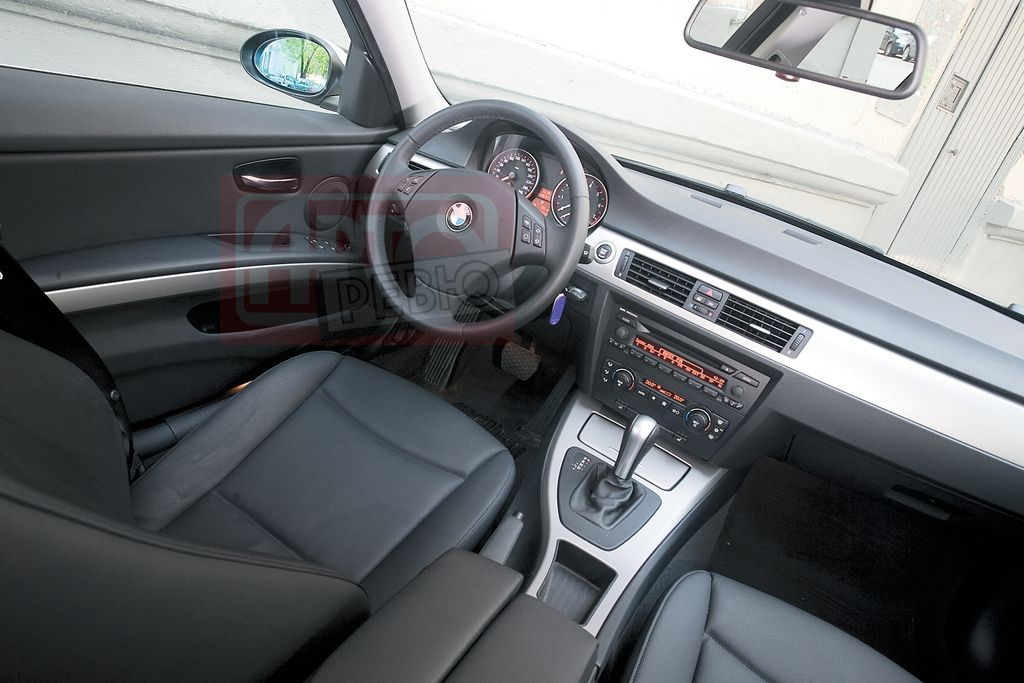 | 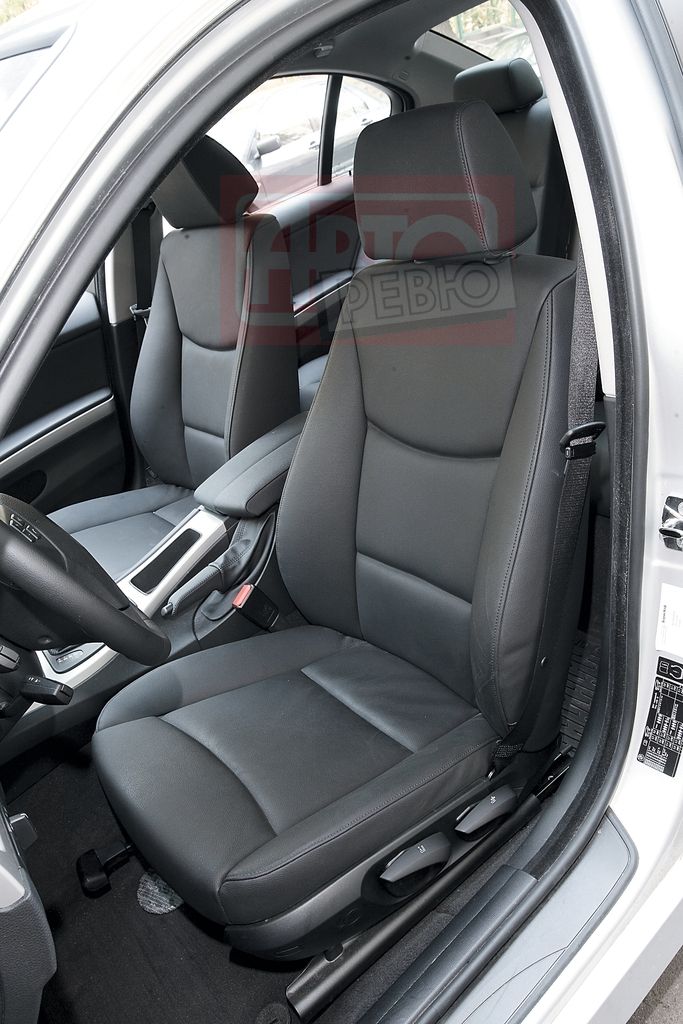 |
| BMW's interior is cold—like its exterior | BMW seats: good profile and decent lateral support |
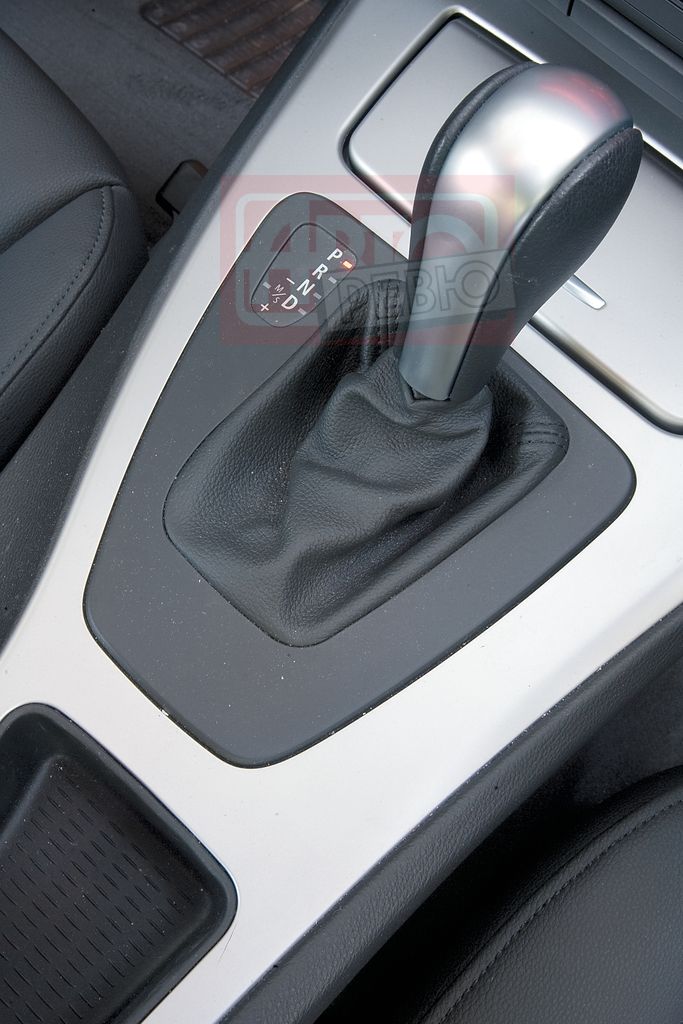 | 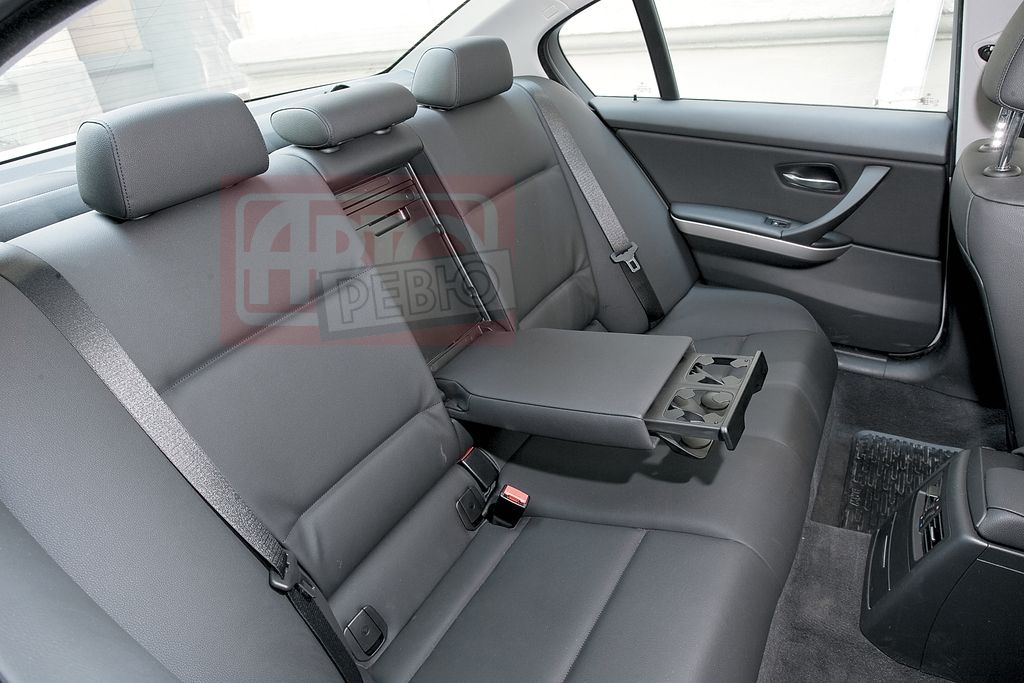 |
| The BMW also has a six-speed automatic, but in terms of "rapid-fire" shifting, it's no better than the Mercedes one | The most spacious rear seat is in the BMW, but there's no hidden compartment in the flat armrest |
Audi on a straight line stands as if nailed down—exactly along the "thrust vector." Lane changes even at maximum speed are surprisingly easy, and the increase in steering effort is predictable. But the real thrill is on winding roads. Ease off the gas a bit—and the "Four" gently glides into the corner; add gas—it straightens the arc. Stability control almost doesn't interfere, only slightly backing up. Complete mutual understanding!
| Audi A4 | BMW 325iA |
 |  |
| Lexus IS 250 | Mercedes C 200 K |
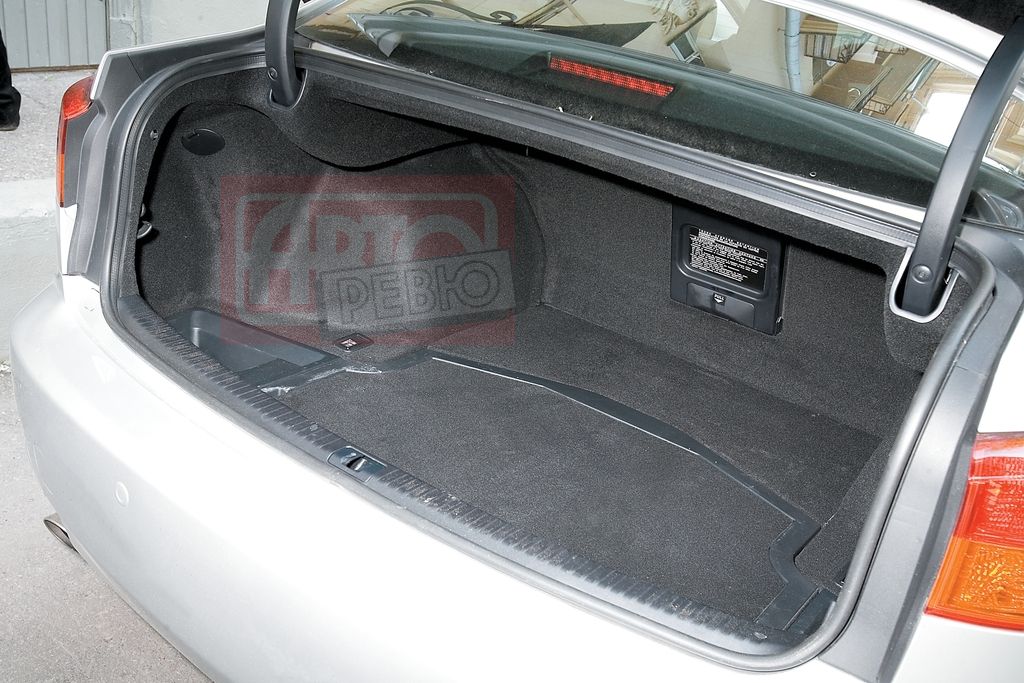 | 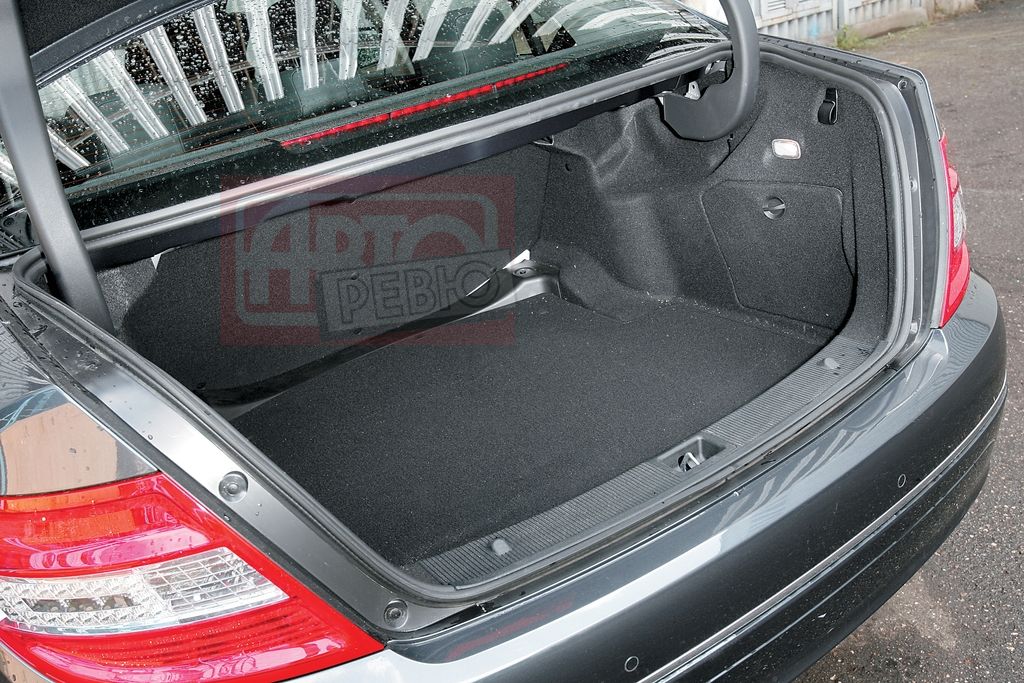 |
| The best transformers and cargo carriers are Audi and BMW. The Mercedes compartment is slightly smaller, and the rear seatback is bolted down. Lexus has the most modest trunk, but there's a ski hatch | |
The BMW "Three" is tuned for the track. And it needs suitable roads. On uneven surfaces, the stiff steering wheel pulls out of your hands; on ruts, the car is thrown from side to side. But if you find a smooth winding road, your attitude toward the car changes dramatically: the best rear-wheel-drive chassis! The car craves attacking corners, and even on dry asphalt, there's enough traction for a controlled drift (of course, with stability control off). But it's better to take a turn "on the edge," at the limit of tire grip, and when exiting the corner, smoothly open the throttle. Delight! And suddenly—a pothole, and the car shifts…
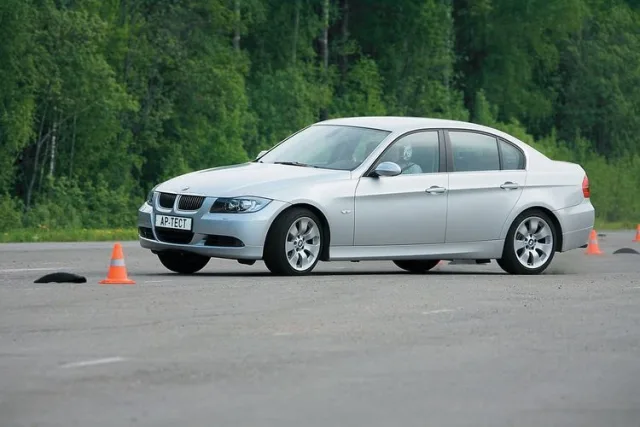
In the BMW, you can drive both "track-style" and with drifts: the best rear-wheel-drive chassis in the class! The main thing is smooth pavement
At high speed, the comfortable Lexus changes lanes no less confidently than the Audi: soft reactions, logical buildup of steering effort. But on a straight line, the car slightly "wanders," as if there's a gap between the wheels and rails. In corners, Lexus understeers less than Audi, ultimate capabilities are high, and in terms of reaction character, the IS 250 most resembles a front-wheel-drive car: when you lift off the gas, it energetically screws into the turn, and under throttle, it straightens the trajectory without letting it break into a slide. A safe setup! Even a recent driving school graduate can handle the Lexus on a mountain road—the electronics are on guard! And gourmets will enjoy the juicy steering feedback.
And what about Mercedes? Admittedly, this came as a surprise: on the broken straight, the "German" holds its course noticeably worse than the Audi and Lexus. Its behavior even showed a nervousness familiar from BMW, yet it doesn't respond to smooth steering inputs as unambiguously as one would like. What's the matter? I recall how our expert Oleg Rastegaev was simply charmed by the new Mercedes during a test drive in Spain (see AR No. 7, 2007). It seems the answer lies in different springs and damper settings. The car that captivated Oleg near Valencia was equipped with the Advanced Agility sports package, while ours is a version with a reinforced suspension adapted for Russia. The difference in ground clearance is up to 25 mm, and that's quite enough to create a slight kinematic mismatch in the suspension's operation. That very "academic" steering feedback of the "Spanish" Mercedes is entirely the merit of "smart" dampers that change resistance in real time at the command of electronics. In our case, during sharp maneuvers, the steering first becomes empty, then fills with heaviness with a delay, and on small bumps it shakes unpleasantly. And contact with the car is lost. At the same time, the car itself does everything right: on corner entry, there's a slight understeer; when lifting off the throttle, there's a smooth and easily controlled slide via steering and throttle. But the desire to hoon around no longer arises.
| 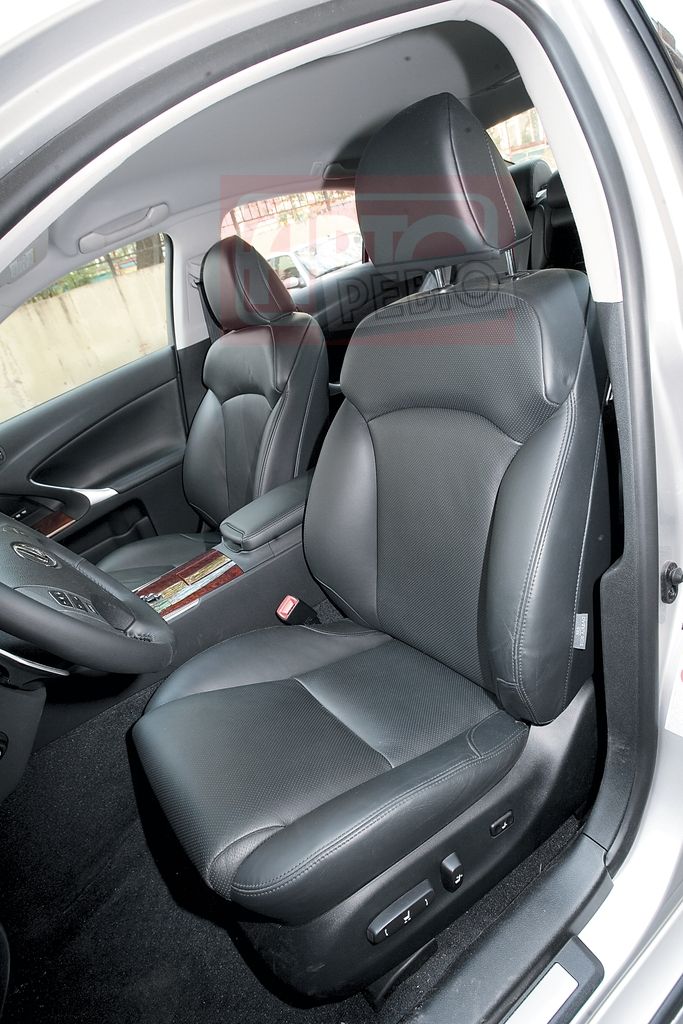 |
| Lexus: without design frills, but solid and rich | The ventilated "bucket" is the softest, but holds well in corners |
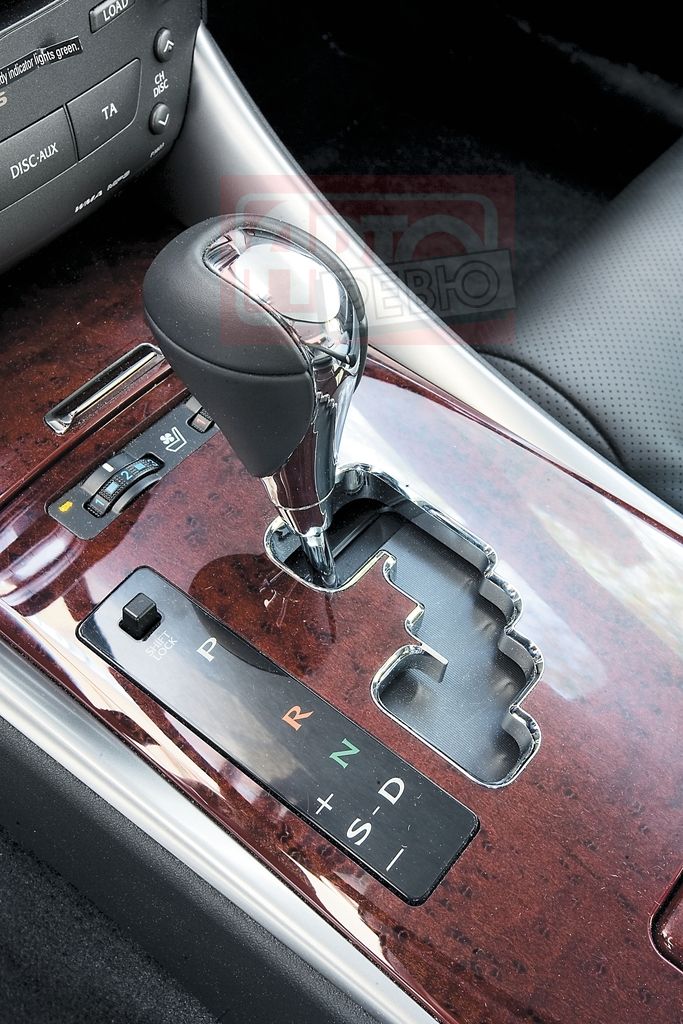 | 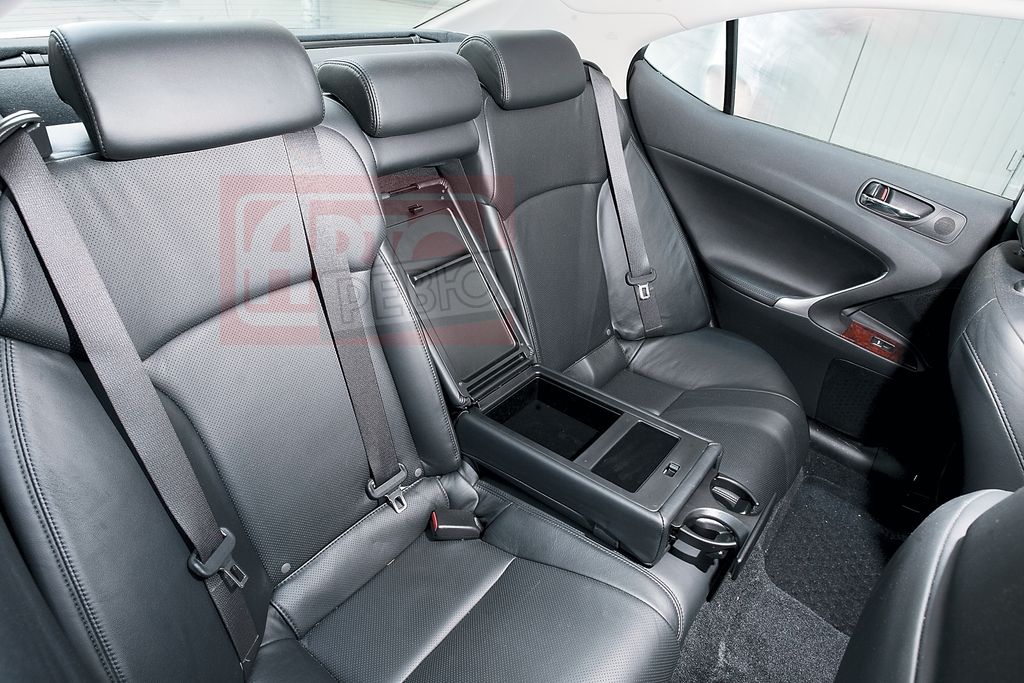 |
| The Lexus six-speed automatic works smoothly and predictably | Upright backrest, short cushion, and little legroom. In the back of the Lexus, it's uncomfortable |
The main element of the Mercedes is ride smoothness. Its suspension brilliantly smooths out waves of various sizes and happily "swallows" potholes. Energy capacity is also in perfect order. In this aspect, the Mercedes suits our roads better than all the others.
The Lexus transmits the road profile in more detail, but the Japanese suspension smooths out small "wrinkles" in the asphalt quite successfully.
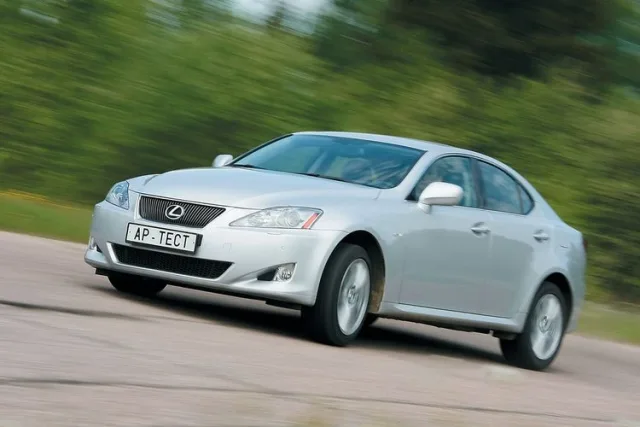
A powerful rear-wheel-drive car drives like a typical "front-wheel-drive"? The Japanese prefer deliberately safe chassis settings
But Audi and BMW drivers have to pay for sportiness: on any bumps, they get shaken noticeably more than in the Mercedes and Lexus. True, it doesn't reach the point of real discomfort.
In terms of acoustic comfort, the undisputed leader is the Lexus. Aerodynamic whistle above 130 km/h and the rare thud of large pebbles on the wheel arches are roughly at the level of the three German cars. But the engine and tires are almost inaudible. In the Audi and BMW, the engine songs (a refined baritone in the former and a ringing mezzo-soprano in the latter) sound louder, and we wouldn't lower their "acoustic" scores if it weren't for the tire noise. But the Mercedes surprised with the loudest tires and an unseemly engine whine.
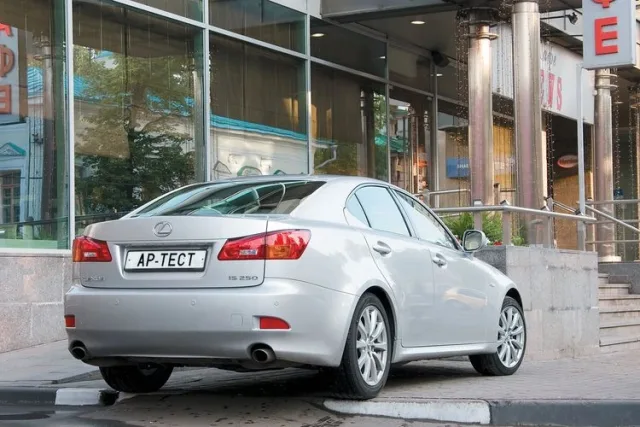
Let's move on to tallying the scores.
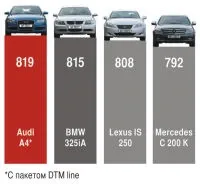
The highest number of points is earned by... the oldest participant in the test — the Audi A4 (a new model should be released at the end of this year). Key success factors: excellent ergonomics, solid finishing, and a lively chassis character. Plus, about ten expert points for the factory DTM line package. And although we are not inclined to claim that the customer is always right, but... the Audi A4 is the most sought-after car in the premium subgroup of the D segment: last year, 2,787 units were sold.
The BMW "Three" is a true quintessence of the Bavarians' "driver's" philosophy. At the same time, it has a spacious cabin and a large trunk. And the stiff suspension and sometimes overly nervous behavior on the unrefined surface of our roads, it seems, do not scare off people with gasoline in their blood at all. Just like the relatively high price: last year, 2,337 "Threes" were sold.
The "small" Lexus is not yet as popular, although last year they sold as many as the previous-generation Mercedes C-Class — 1,553. A successful compromise, a good car, surely reliable in the Japanese way...
And Mercedes... If we had taken the "top" Mercedes C 350 with a seven-speed automatic, a full set of options, and an E-Class price for the test, the balance of power would most likely have been different. But if we talk about the C 200 Kompressor version, then among the truly strong points that distinguish the car from its competitors, we would only name the appearance and ride smoothness.
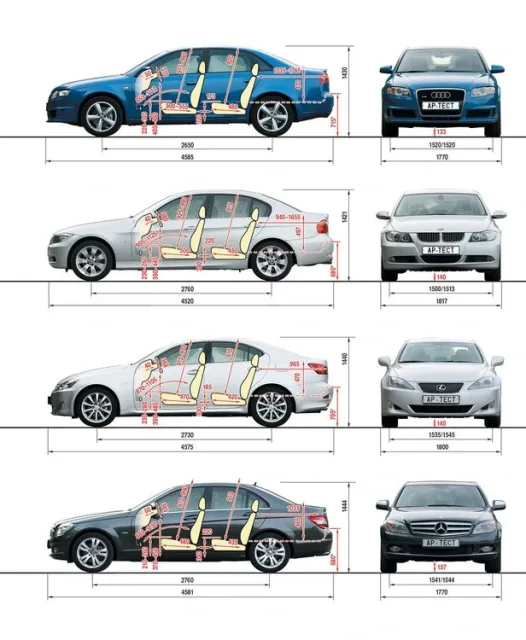
Black indicates manufacturer data, red indicates Autoreview measurement results
* Loading height
Some Autoreview measurement results

Specifications
This table collects the key technical characteristics of four business-class sedans: Audi A4 2.0 TFSI quattro, BMW 325iA, Lexus IS 250, and Mercedes-Benz C 200 Kompressor. Dimensions, engines, transmissions, dynamics, and other important parameters are compared.
| Specifications | ||||
| Parameters | Cars | |||
| Audi A4 2.0 TFSI quattro | BMW 325iA | Lexus IS 250 | Mercedes-Benz C 200 Kompressor | |
| Body type | 4-door sedan | 4-door sedan | 4-door sedan | 4-door sedan |
| Number of seats | 5 | 5 | 5 | 5 |
| Trunk volume, l | 460 | 460 | 378 | 485 |
| Curb weight, kg | 1535 | 1520 | 1560 | 1490 |
| Gross weight, kg | 2085 | 1965 | 2045 | 1975 |
| Engine | petrol, with direct injection and turbocharging | petrol, with distributed injection | petrol, with direct injection | petrol, with distributed injection and mechanical supercharger |
| Location | front, longitudinal | front, longitudinal | front, longitudinal | front, longitudinal |
| Number and arrangement of cylinders | 4, in-line | 6, in-line | 6, V-shaped | 4, in-line |
| Displacement, cm³ | 1984 | 2497 | 2500 | 1796 |
| Cylinder bore / piston stroke, mm | 82.5/92.8 | 82.0/78.8 | 83.0/77.0 | 82.0/85.0 |
| Compression ratio | 10.5:1 | 11.0:1 | 12.0:1 | 8.5:1 |
| Number of valves | 16 | 24 | 24 | 16 |
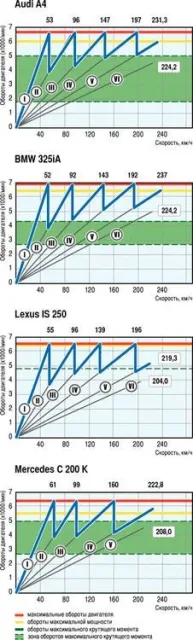
| Max power, hp/kW/rpm | 200/147/6000 | 218/160/6500 | 208/153/6400 | 184/135/5500 |
| Max torque, Nm/rpm | 280/1800—5000 | 250/2750—4250 | 252/4800 | 250/2800—5000 |
| Gearbox | automatic, 6-speed | automatic, 6-speed | automatic, 6-speed | automatic, 5-speed |
| Gear ratios | ||||
| I | 4.17 | 4.17 | 3.54 | 3.95 |
| II | 2.34 | 2.34 | 2.06 | 2.42 |
| III | 1.52 | 1.52 | 1.41 | 1.49 |
| IV | 1.14 | 1.14 | 1.00 | 1.00 |
| V | 0.87 | 0.87 | 0.71 | 0.83 |
| VI | 0.69 | 0.69 | 0.58 | — |
| reverse | 3.40 | 3.40 | 3.17 | 3.15 |
| final drive | 3.54 | 3.73 | 3.91 | 3.07 |
| Drive | permanent all-wheel | rear | rear | rear |
| Front suspension | independent, coil spring, double wishbone | independent, coil spring, McPherson | independent, coil spring, double wishbone | independent, coil spring, McPherson |
| Rear suspension | independent, coil spring, double wishbone | independent, coil spring, multi-link | independent, coil spring, multi-link | independent, coil spring, multi-link |
| Front brakes | disc, ventilated | disc, ventilated | disc, ventilated | disc, ventilated |
| Rear brakes | disc | disc, ventilated | disc | disc |
| Tires | 205/55 R16 | 205/55 R16 | 205/55 R16 | 205/55 R16 |
| Maximum speed, km/h | 235 | 242 | 225 | 235 |
| Acceleration time 0—100 km/h, s | 7.7 | 7.7 | 8.4 | 8.8 |
| Fuel consumption, l/100 km | ||||
| urban cycle | 13.1 | 12.9 | 12.7 | 11.3 |
| extra-urban cycle | 7.2 | 6.7 | 7.0 | 6.4 |
| combined cycle | 9.4 | 9.0 | 9.1 | 8.2 |
| Fuel tank capacity, l | 63 | 63 | 65 | 66 |
| Fuel | petrol AI-98 | petrol AI-91—98 | petrol AI-95 | petrol AI-95 |
Autoreview readers' forecast
Before the start of the comparative test, we asked visitors of our website www.autoreview.ru to choose a favorite among the four participants.
The votes were distributed as follows:
- Mercedes C 200 K — 31.99%
- BMW 325iA — 29.12%
- Lexus IS 250 — 25.79%
- Audi A4 — 13.10%
A total of 8249 people took part in the survey.
Autoreview expert assessments
| Autoreview expert assessments | |||||
| Assessed parameters | Max score | Cars | |||
| Audi A4 | BMW 325iA | Lexus IS 250 | Mercedes C 200 K | ||
| Design | 180 | 150/145* | 145 | 150 | 145 |
| Exterior | 90 | 70/65* | 70 | 73 | 75 |
| Interior | 90 | 80 | 75 | 77 | 70 |
| Ergonomics | 170 | 145/140* | 135 | 140 | 140 |
| Driver's workplace | 90 | 80/75* | 75 | 75 | 70 |
| Visibility | 80 | 65 | 60 | 65 | 70 |
| Dynamics | 280 | 240 | 235 | 240 | 224 |
| Acceleration dynamics | 90 | 75 | 72 | 75 | 68 |
| Braking dynamics | 100 | 85 | 93 | 90 | 88 |
| Handling | 90 | 80 | 70 | 75 | 68 |
| Ride comfort | 210 | 167 | 173 | 180 | 175 |
| Ride smoothness, vibration protection | 80 | 60 | 60 | 65 | 70 |
| Acoustic comfort | 70 | 60 | 60 | 65 | 55 |
| Microclimate | 60 | 47 | 53 | 50 | 50 |
| Interior comfort | 160 | 117 | 127 | 98 | 108 |
| Passenger seats | 80 | 48 | 64 | 56 | 60 |
| Trunk | 60 | 54 | 48 | 39 | 48 |
| Interior transformation | 20 | 15 | 15 | 3 | 0 |
| Total score | 1000 | 819/809* | 815 | 808 | 792 |
| * For Audi A4 without DTM line package | |||||
Autoreview final assessments
Are they safe?
In the premium class, safety issues, both active and passive, are solved at a high level even for "compact" D-class models. All four cars are equipped with ABS, brake force distribution and stability control systems, as well as Brake Assist emergency braking assist. In Audi, BMW and Mercedes, passive safety is provided by six airbags: two front, two side and two "curtains". The Lexus IS 250 in the base version is additionally equipped with "knee" airbags for the driver and front passenger. For installing child seats, all cars have Isofix mounts.
Audi A4 is the oldest participant in our test. Its crash test according to EuroNCAP rules was conducted back in 2000, when the car was pre-restyling. Then it earned only four stars out of five. The reason was the traumatic steering column and ignition lock, as well as too high load on the driver's chest from the seat belt. However, the sedan withstood the side impact flawlessly. Protection of child passengers left much to be desired: in a frontal collision, the neck of the one-and-a-half-year-old dummy was overloaded. Pedestrian safety was also poorly developed — only one star out of four possible.
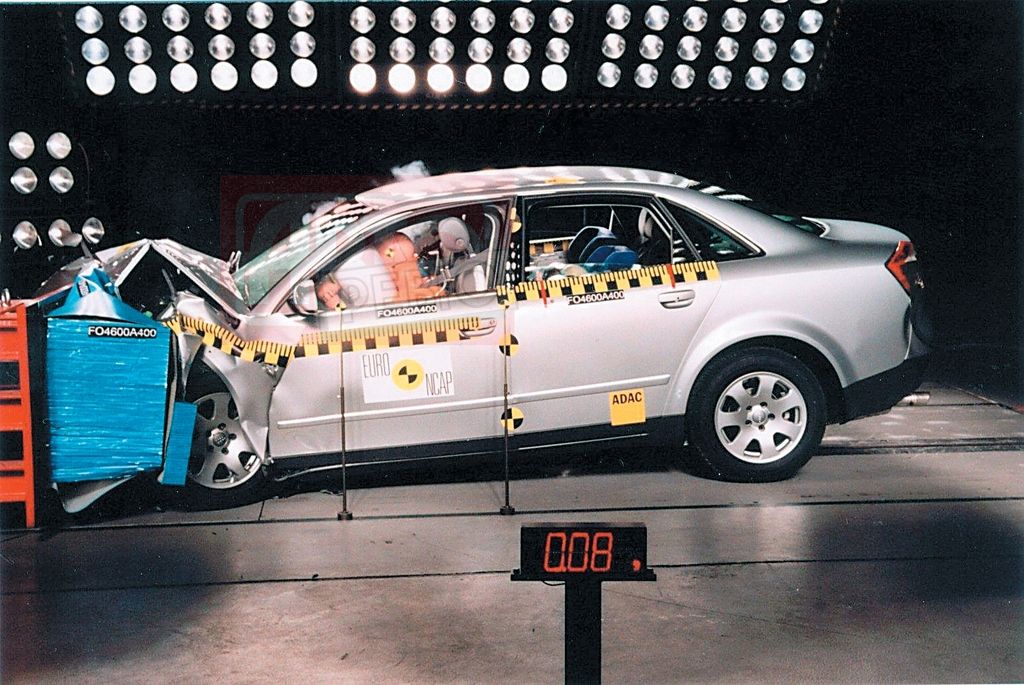 | Audi A44 | ★★★★☆ |
| Overall rating | 30 points | |
| Frontal crash test | 12 points | |
| Side crash tests | 18 points | |
| SBR* | n/a** | |
| Child passenger protection | n/a | |
| Pedestrian protection | 7 points | |
| Curb weight | 1370 kg |
The BMW "Three" earned the highest score — five stars. The frontal impact was handled flawlessly: the rigid body and well-tuned restraint systems prevented dangerous overloads for passengers. Side impacts and child passenger protection also drew no criticism. However, pedestrian safety is worse than even the Audi A4 — a weak result for a modern model.
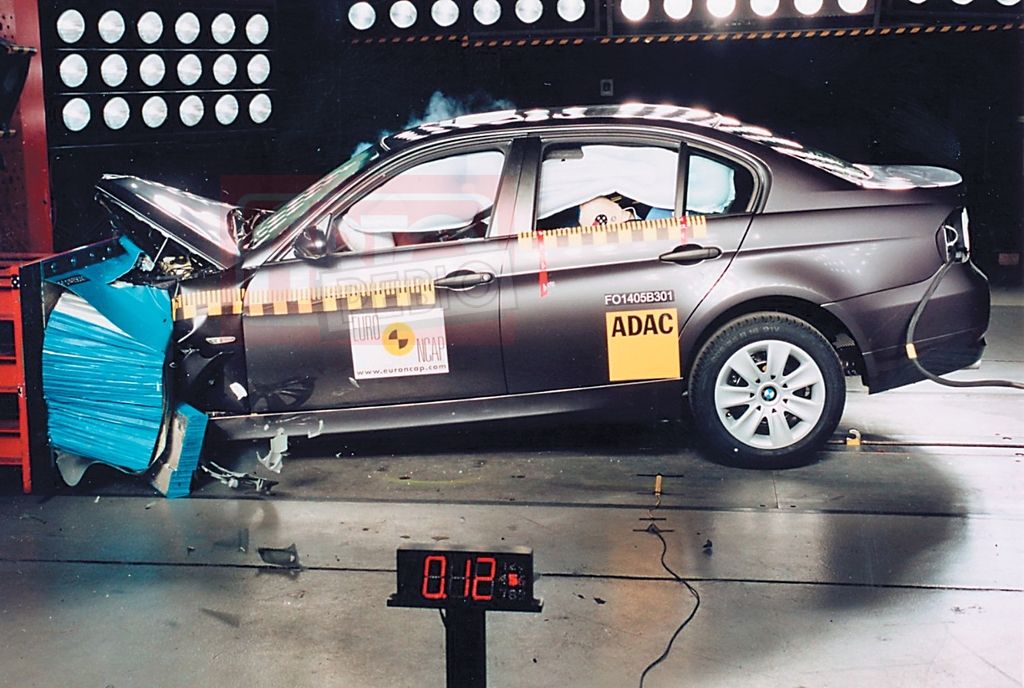 | BMW 3 Series | ★★★★★ |
| Overall rating | 35 points | |
| Frontal crash test | 16 points | |
| Side crash tests | 17 points | |
| SBR* | 2 points | |
| Child passenger protection | 39 points | |
| Pedestrian protection | 4 points | |
| Curb weight | 1490 kg |
The Lexus IS 250 performed more modestly, but the final rating was also five stars. The Japanese managed to convince EuroNCAP experts that the "knee" airbags reliably protect the driver's legs from hitting the panel, so the dummy's thigh area was marked green. However, the brake pedal moved back 101 mm — one millimeter above the allowable limit, and the shins experienced loads slightly above "green" values. Such minor details cost the Lexus a few points. Side crash tests went excellently, child safety was at a good level. Pedestrian protection significantly surpasses Audi and BMW, but is still weak — only two stars out of four.
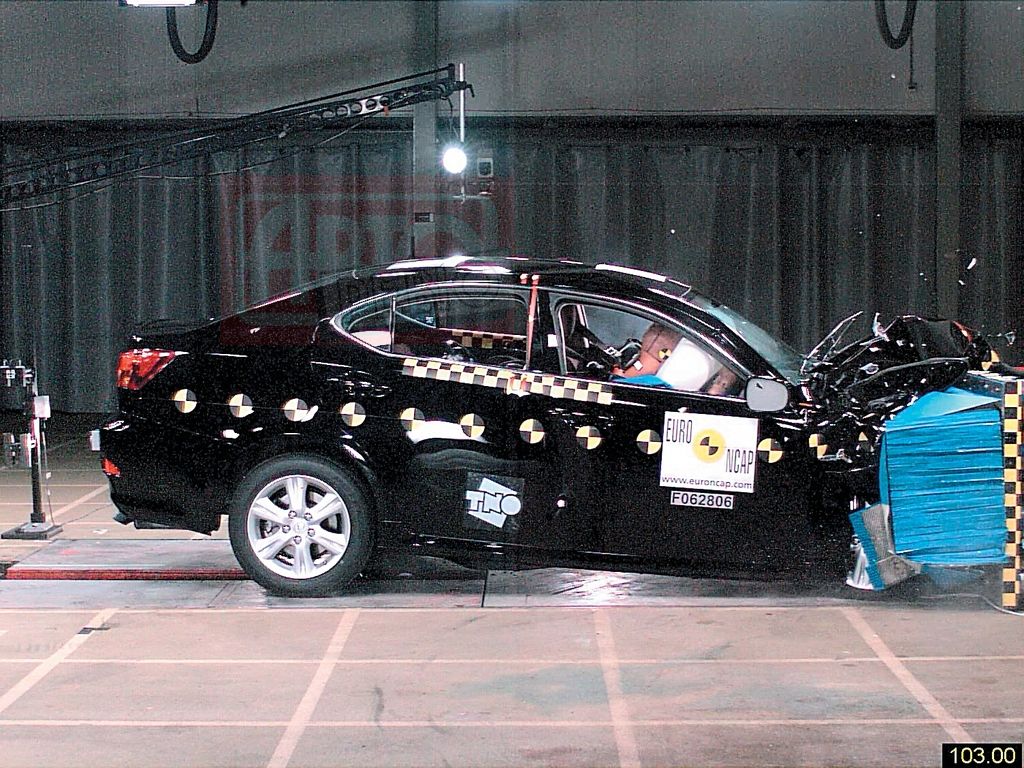 | Lexus IS 250 | ★★★★★ |
| Overall rating | 33 points | |
| Frontal crash test | 13 points | |
| Side crash tests | 18 points | |
| SBR* | 2 points | |
| Child passenger protection | 39 points | |
| Pedestrian protection | 15 points | |
| Curb weight | 1585 kg | |
| * SBR — seatbelt reminder system | ||
| ** N/a — no data | ||
The new Mercedes-Benz C-Class has not yet undergone independent safety checks.
Element of surprise

About two years ago, we began using a methodology devised by our expert Alexander Divakov (see AR No. 16, 2005). First, five drivers familiarize themselves with the cars in normal modes, then attempt to perform a classic European "moose test" on the fly at 65 km/h — swerving around a suddenly appearing obstacle and returning to their lane.

The methodology proved very interesting and useful — it clearly demonstrates how much a car can help or, conversely, hinder the driver in a critical situation. However, even a single swerve is not a surprise for the person behind the wheel: they see the maneuver corridor in advance. In real life, it's different — a child running after a ball or a moose on a night road appears unexpectedly.
How can we introduce that very element of surprise into the "moose test"?
| "Moose test" on the first attempt at 65 km/h | |
| Car | Maneuver completed |
| Audi A4 | 1 driver out of 5 |
| BMW 325iA | 4 drivers out of 5 |
| Lexus IS 250 | 2 drivers out of 5 |
| Mercedes C 200 K | 3 drivers out of 5 |
| Maximum speed of the "moose test", km/h | |
| Car | Speed |
| Audi A4 | 79.7 |
| BMW 325iA | 78.9 |
| Lexus IS 250 | 79.2 |
| Mercedes C 200 K | 81.1 |
Divakov proposed refining the test: the driver is given two corridors — left and right, with a red traffic light above each. If the right one lights up, you need to go left; if the left one, dive right. The signal is activated automatically at a precisely calculated moment, taking into account the driver's reaction time.
Additionally, we redesigned the maneuver scheme — the exit corridor became longer so the driver has time to fully stabilize the skid. Previously, they could pass through a short corridor with course oscillations and lose control beyond the cones. Results can no longer be compared with previous runs, but the test is much closer to real road situations, thus providing more objective data.
The best result in single "traffic light" attempts was achieved by the BMW "Three". The light and informative steering wheel with late and delicate interventions of the stability system allowed four out of five drivers to complete the task. The fifth was hindered by a slight rear-axle skid that DSC deliberately allows. For the same reason, the expert's maximum maneuver speed was only 78.9 km/h.
The Mercedes was slightly faster: the chassis and ESP settings are so good that the expert reached 81.1 km/h — the only limit was tire grip. However, the C-Class is harder for ordinary drivers. The sharp increase in steering effort during ESP operation confused everyone, so only three out of five avoided hitting any cones.
In the Lexus, success accompanied only two: the steering wheel resisted fast rotation even more than in the Mercedes, and steering feedback was lower. However, even with the heavy wheel and overly caring stability system, the expert managed a better result than the BMW — 79.2 km/h.
The tester also showed a decent top speed in the Audi — 79.7 km/h. But at what cost! The electronics intervened so sharply and for so long, completely suppressing the skid, that the car visibly lost controllability. It was precisely because of the rough ESP intervention that four out of five drivers failed to return to their lane in time. Meanwhile, in calm, active driving, the Audi's electronics do not interfere at all...
The new concept of the "traffic light moose test" fully satisfied us.
| Audi A6 | Mercedes C 200 K |
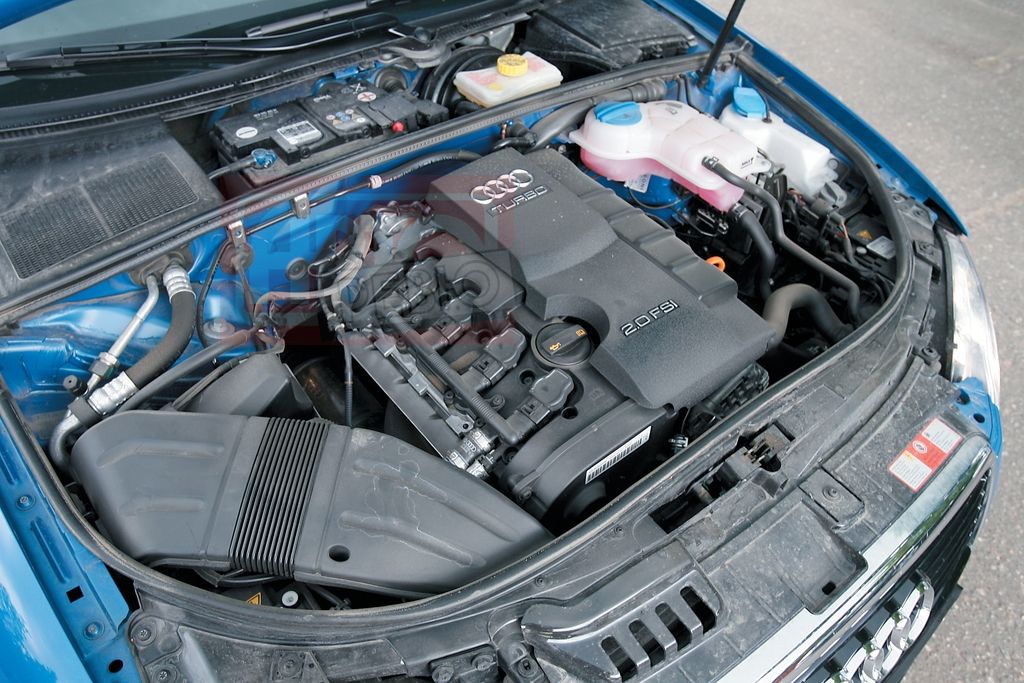 | 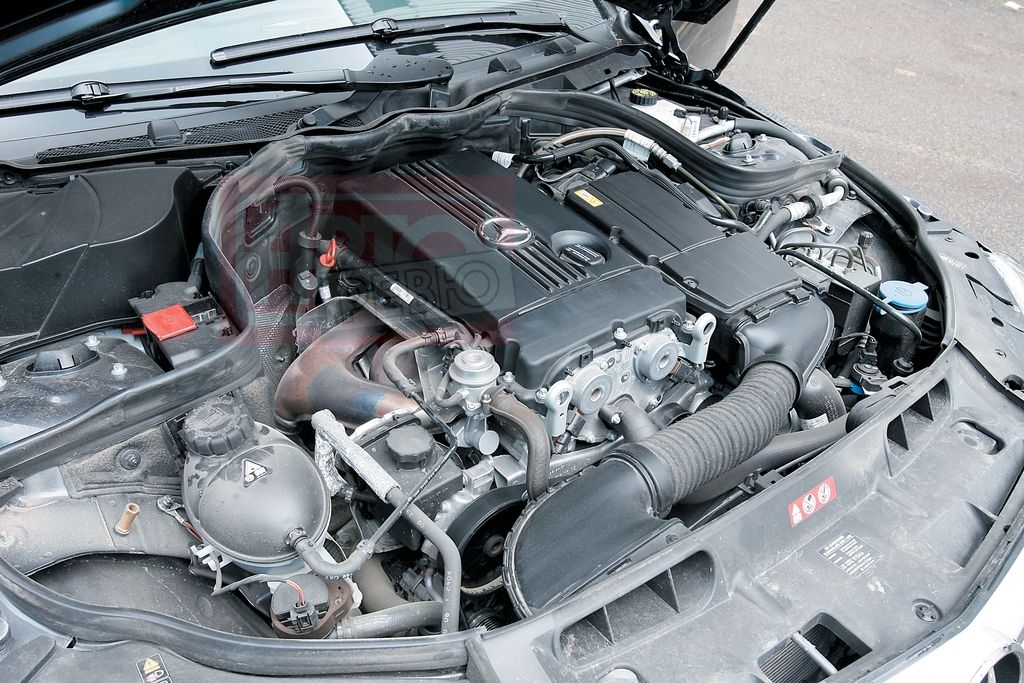 |
| The 2007 engine in the two-liter class Audi 2.0 TFSI (200 hp) — a solid baritone and equally solid torque | The "four" with a displacement of only 1.8 liters, but with a supercharger: 184 hp accelerate the C-Class briskly, but noisily |
| BMW 325iA | Lexus IS 250 |
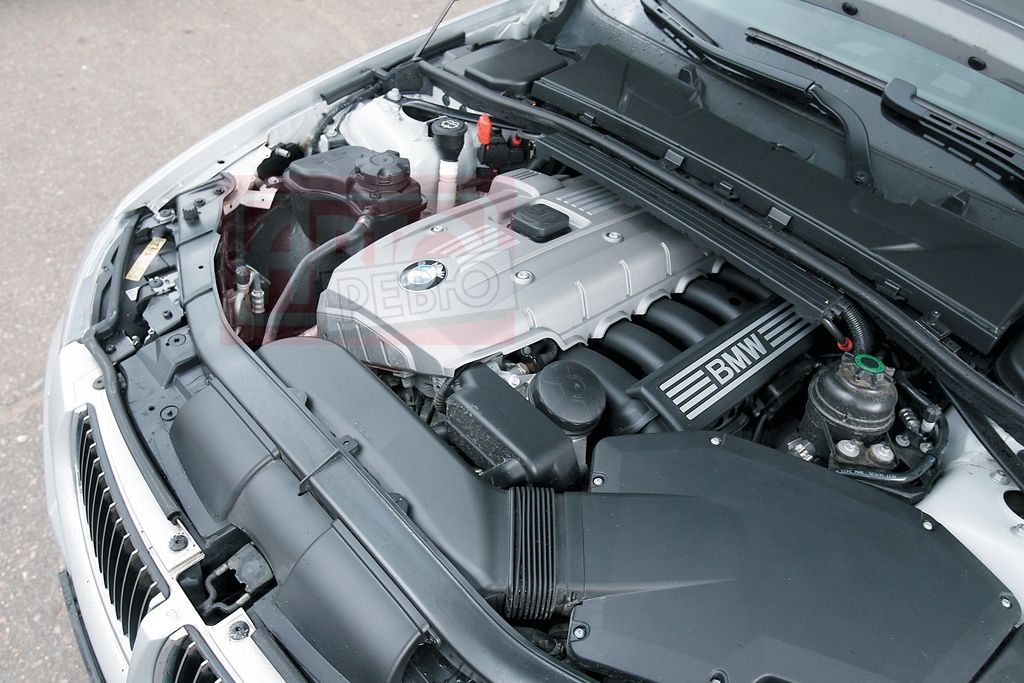 | 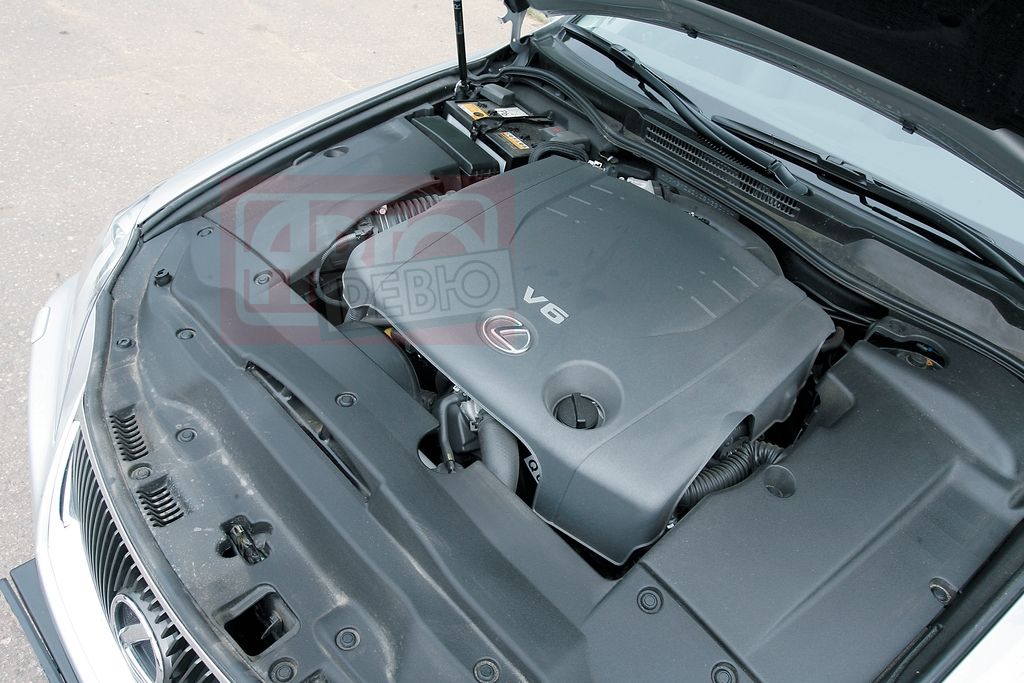 |
| BMW's inline "six". What more needs to be said? | 2.5 liters, 208 hp — still waters run deep |
Visibility
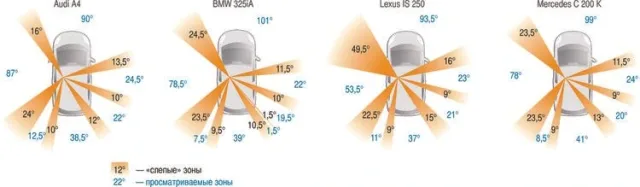
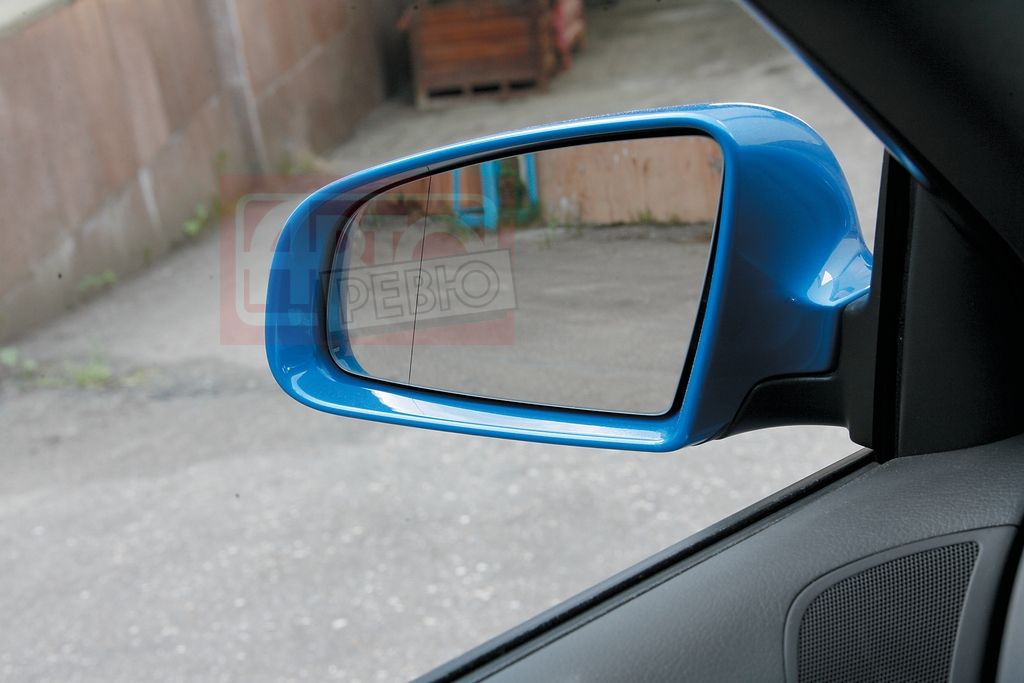
We have no complaints about visibility for all four cars. The BMW has a viewing angle of 269°, thin pillars, and a wide rear window. The impression was only spoiled by small almond-shaped mirrors with large distortion zones.
The Audi A4 has larger mirrors, but even they yield to the excellent "burdocks" of the Lexus and Mercedes. The Audi's viewing angle is even slightly larger than the BMW's — 274.5°. No problems at all.
| Audi A4 | BMW 325iA |
 | |
| Lexus IS 250 | Mercedes C 200 K |
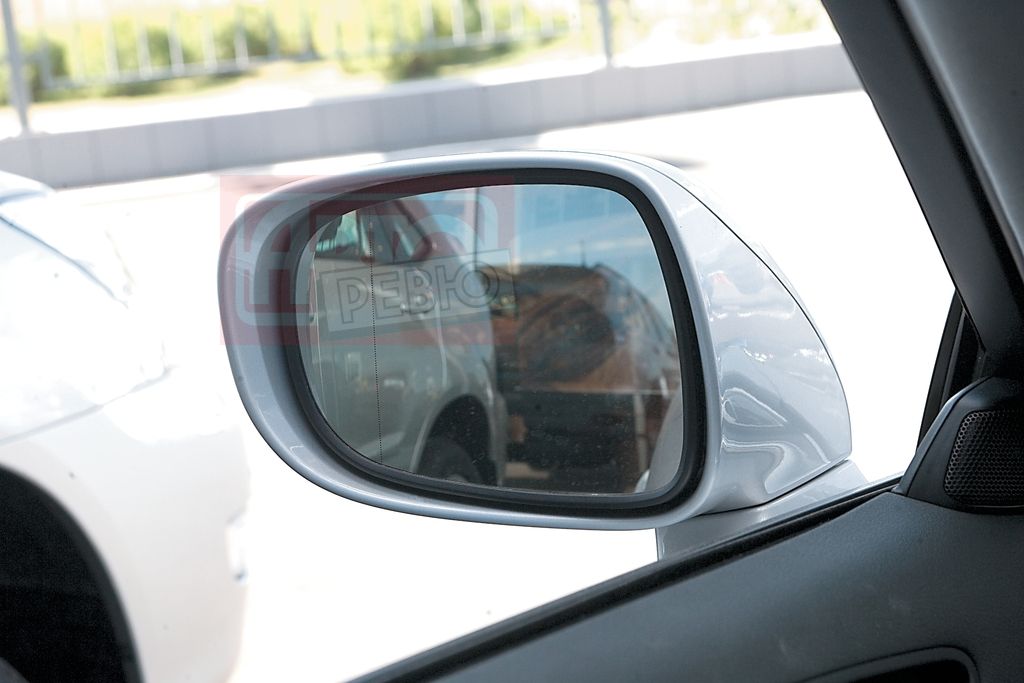 |
We also rate the Lexus's visibility highly, although the viewing angle is modest at 239°, and the rear window opening is smaller. The thing is, the left pillar transitions too early and smoothly into the roof slope, blocking a huge sector — almost 50° at the eye level of a 178 cm tall driver. But oddly enough, this hardly bothers even tall people. And the excellent mirrors fully compensate for the shortcomings.
In terms of visibility, the new Mercedes C-Class is unrivaled: it has the largest rear opening without any obstructions, huge mirrors, and a total viewing angle of 270.5°. The wiper blade on the driver's side falls just a couple of centimeters short of the pillar, whereas in other cars this gap is 5 cm.
| Car | Total viewing angle, deg. | Total blind spot angle, deg. |
| Audi A4 | 274.5 | 85.5 |
| BMW 325iA | 269 | 91 |
| Lexus IS 250 | 239 | 121 |
| Mercedes C 200 K | 270.5 | 89.5 |
What's the price?
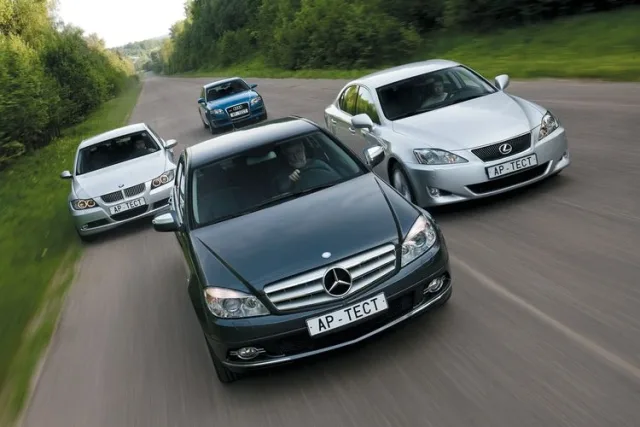
In our quartet, the Lexus IS 250 wins on the combination of price and equipment: for $45,500 you get the Comfort version, which already includes eight airbags, a stereo with a six-disc CD changer, dual-zone climate control, and heated front seats. For leather with front ventilation in the Executive trim, you'll have to pay an additional $5,000. The test car was the top Premium version ($53,900) with wood trim in the cabin, adaptive bi-xenon headlights, an electric rear window shade, and parking sensors all around. For those who want factory tuning, there's the IS 250 Sport: lowered suspension, 18-inch alloy wheels instead of the standard 16-inch ones, artificial suede seat upholstery, and metal trim on the sills and pedals. Such a car costs $52,100.
Officially, all-wheel-drive versions and the Lexus IS 350 are not sold in Russia — only the IS 250 with a V6 2.5 (208 hp), automatic transmission, and rear-wheel drive.
Most dealers settle at the Central Bank of Russia exchange rate, although some add 0.5–1% to the amount. A custom-ordered car will have to be waited for up to two months.
The warranty on the Lexus is 3 years or 100,000 km. In Russia, the brand is represented by 9 dealers in 4 cities.
The Audi A4 with similar equipment costs more, but the choice of modifications is wider. It starts from $32,360 for the 1.6 (102 hp) version with a manual transmission, six airbags, dual-zone climate control, CD stereo, and heated front seats. The two-liter naturally aspirated engine (130 hp) is priced from $35,180, and the A4 1.8T (163 hp) from $38,640. With this engine, you can order quattro all-wheel drive for an additional $3,410. Instead of the six-speed manual, front-wheel-drive versions offer a CVT, while all-wheel-drive versions offer the Tiptronic automatic, with a surcharge of $2,600 in both cases. The sedan with the 2.0 TFSI engine costs at least $44,970, and with all-wheel drive and automatic transmission — $51,764. Our test car in the DTM line trim (body kit, Recaro seats, carbon fiber in the cabin) turned out to be much more expensive — $64,463. The Audi A4 3.2 FSI (255 hp) starts at $61,570 with front-wheel drive and $64,300 with quattro. Also in Russia, there are front-wheel-drive diesel versions with 2.0 (140 hp) and 3.0 L (233 hp) engines — for $41,490 and $67,300, respectively. Payment is at the Central Bank rate, with a wait of up to three months for an order.
The warranty on the Audi is 2 years without mileage limit. Sales are handled by 34 dealers in 25 cities.
The new Mercedes-Benz C-Class is slightly more expensive than the Audi, but so far it's only available in three modifications. The C 200 Kompressor sedan (1.8 L, 184 hp) with a six-speed manual costs $46,040 (34,100 euros), with six airbags and dual-zone climate control as standard. Everything else is optional. It's more advantageous to take a car from the "special series" with fixed equipment. That's exactly the C 200 K in the Avantgarde version for $54,540 (40,400 euros) with automatic transmission, parking sensors, combined upholstery, rain sensor, bi-xenon, heated seats, and CD stereo that we had for testing. The Mercedes C 280 with a V6 3.0 (231 hp) starts at $52,250 (38,700 euros), and the top C 350 (272 hp) with a seven-speed automatic starts at $64,530 (47,800 euros). Orders are already being accepted for the C 230 (V6, 2.5 L, 204 hp), with production starting in September: from $49,410 (36,600 euros). At the same time, all-wheel-drive C 280 and C 350 4Matic will appear. The detuned C 180 Kompressor (156 hp) will only come out next year at a price from $41,180 (30,500 euros). Dealers work at the Central Bank rate, with a wait of 1–2 months for the car.
The warranty on the Mercedes is 2 years without mileage limit. The brand is represented by 30 dealers in 20 cities.
The BMW 3 Series is the most expensive in this quartet. The base 318i sedan (129 hp) costs from $37,670 (27,900 euros) and comes with six airbags, heated front seats, air conditioning, CD stereo, and Run flat tires — there's no spare wheel in the kit. The Special Edition trim for $39,830 (29,500 euros) adds climate control, bi-xenon, rear parking sensors, and alloy wheels. The BMW 320i (150 hp) starts at $43,070 (31,900 euros), and the turbodiesel 320d (163 hp) from $46,170 (34,200 euros). The 325i sedan with an inline six-cylinder 2.5 (218 hp) is available with rear-wheel drive for $48,870 (36,200 euros) or with all-wheel drive xdrive for $53,730 (39,800 euros). The three-liter 330i (258 hp) costs at least $55,080 (40,800 euros), and the range is topped by the 330Xd with a turbodiesel (231 hp) and all-wheel drive for $63,050 (46,700 euros). The six-speed Steptronic automatic for any version is $2,700 (2,000 euros). Our BMW 325iA with dual-zone climate control, xenon, rain sensor, and more — $58,860 (43,600 euros). Payment at the Central Bank rate, with a wait of up to three months.
The warranty on the BMW is 2 years without mileage limit. Sales are handled by 38 dealers in 27 cities.
| Cost of scheduled maintenance with consumables and parts* | |||||
| Scheduled service | Cars | ||||
| Audi A4 | BMW 325iA | Lexus IS 250 | Mercedes-Benz C 200 K | ||
| Cost per labor hour | 81 | 81 | 77 | 77 | |
| Mileage, km | 10,000 | — | — | 387 | — |
| 15,000 | 252 | 338 | — | 580 | |
| 20,000 | — | — | 387 | — | |
| 30,000 | 503 | 415 | 387 | 1,045 | |
| 40,000 | — | — | 697 | — | |
| 45,000 | 252 | 338 | — | 580 | |
| 50,000 | — | — | 387 | — | |
| 60,000 | 697 | 415 | 387 | 1,045 | |
| 70,000 | — | — | 387 | — | |
| 75,000 | 252 | 743 | — | 580 | |
| 80,000 | — | — | 697 | — | |
| 90,000 | 503 | 415 | 387 | 1,045 | |
| Total | 2,459 | 2,664 | 4,103 | 4,875 | |
| * Prices are in US dollars | |||||
| Approximate prices for original parts at Moscow dealers* | ||||
| Parts | Cars | |||
| Audi A4 | BMW 325iA | Lexus IS 250 | Mercedes-Benz C 200 K | |
| Oil filter | 23 | 23 | 15 | 24 |
| Fuel filter | 48 | 83 | 75 | 432 |
| Air filter | 37 | 51 | 33 | 64 |
| Cabin filter | 29 | 44 | 51 | 106 |
| Spark plug | 28 | 32 | 36 | 23 |
| Front brake pads | 229 | 301 | 154 | 139 |
| Rear brake pads | 119 | 173 | 84 | 104 |
| Front shock absorber | 217 | 260 | 283 | 415 |
| Rear shock absorber | 211 | 190 | 283 | n/a** |
| Front headlight | 1,050 | 1,096 | 1,122 | 1,321 |
| Rear taillight | 134 | 192 | 118 | 248 |
| Front fender | 358 | 339 | 292 | 478 |
| Front bumper | 697 | 445 | 399 | 732 |
| Hood | 606 | 686 | 741 | 781 |
| Windshield | 382 | 589 | 793 | 457 |
| * Prices are in US dollars | ||||
| ** N/a — no data available | ||||
Light output
Night photography is an excellent way to truly assess how effectively the headlights work. From the photos, it's clear that the Audi illuminates the road best of all in low beam: a person standing on the roadside 80 meters away is lit up almost entirely. In the Mercedes C-Class and BMW 3 Series, the low beam is noticeably more modest — the pedestrian's figure is only discernible up to the waist. Japanese models, as is often the case, disappoint with weak low beam: the Lexus only reaches 36 meters. However, the high beam of the Lexus is on par with the Mercedes and BMW. But the Audi A4, having the most powerful low beam, shines poorly into the distance — it's almost impossible to make out a person at a distance of 150 meters.
During the shoot, each car had only the driver, and the headlight levelers were set to the zero position.
| Low beam. A pedestrian stands on the roadside 80 m from the car | High beam. A pedestrian stands in the middle of the road 160 m from the car |
| Audi A4 | |
| BMW 325iA | |
| Lexus IS 250 | |
| Mercedes C 200 K | |
What else?
Among premium midsize sedans, it is worth considering the Saab 9-3 Sport Sedan with a two-liter turbo engine and a five-speed automatic transmission. The Viggen modification with 210 hp will cost at least $35,540. Despite the "sporty" prefix in the name, the car is primarily focused on comfort and safety. Details — in AR No. 9, 2004.
True, already in September the current Saab 9-3 will give way to an updated version — with a different appearance, refined engines and an all-wheel-drive version. Read about this car on page 6.
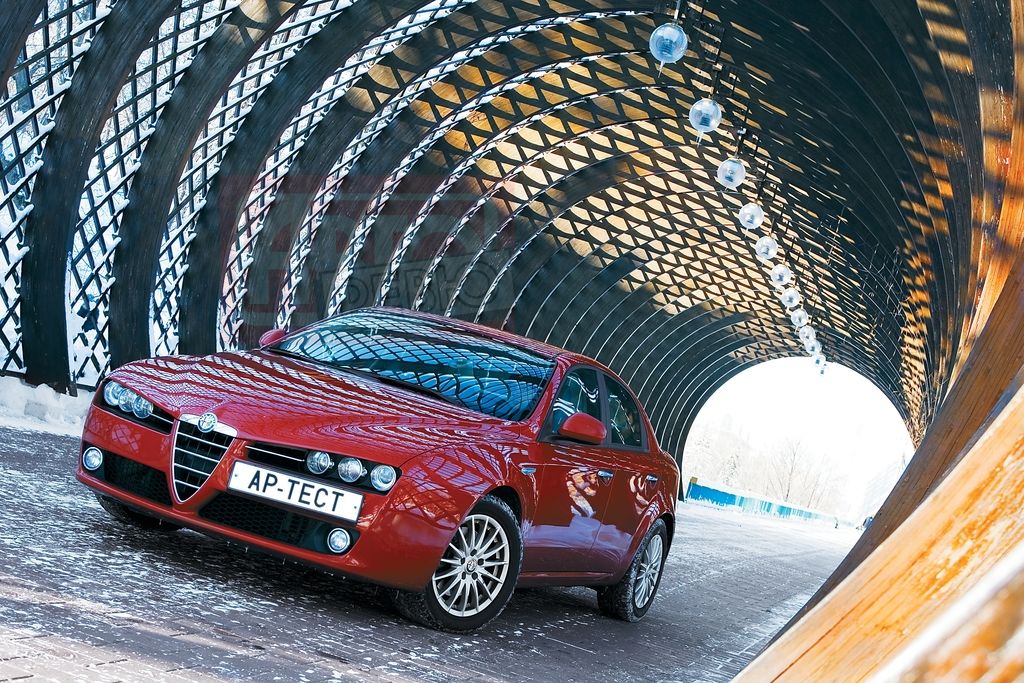 | 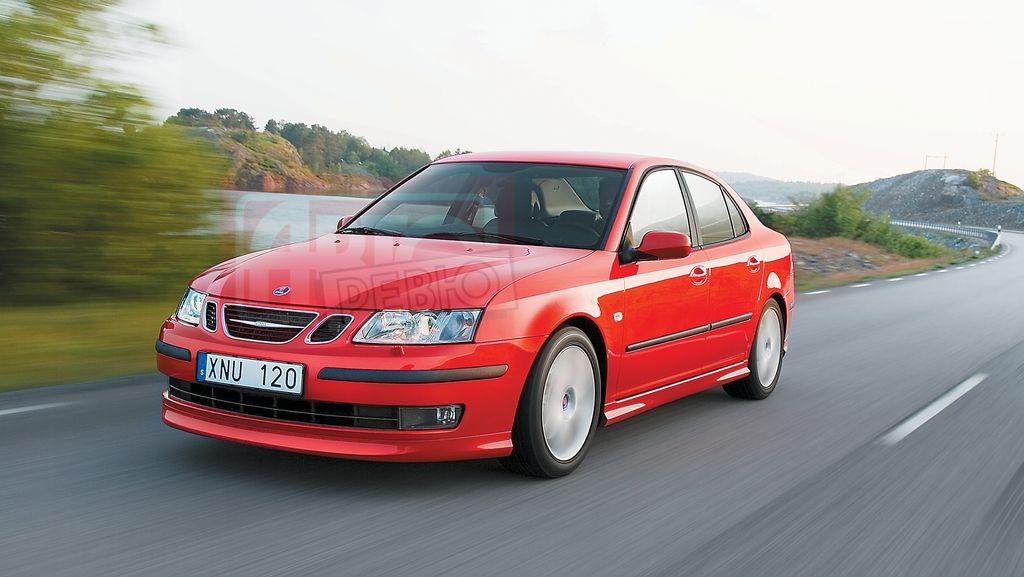 | 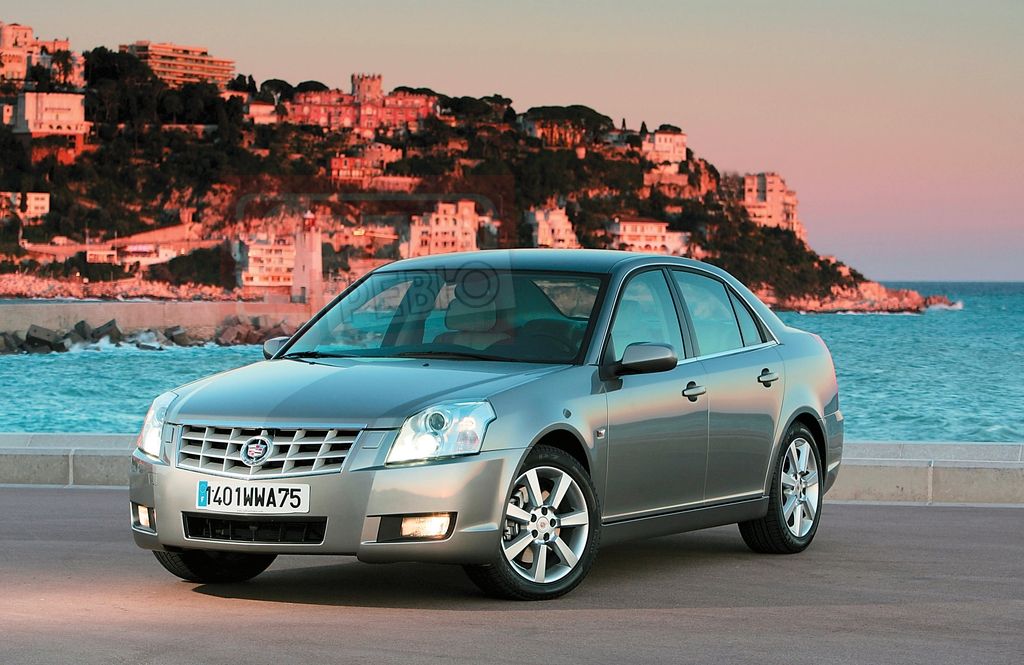 |
| Alfa Romeo 159 | Saab 9-3 Sport Sedan | Cadillac BLS |
Cadillac BLS is essentially a rebadged Saab 9-3, but with richer equipment. The 2.0 TS version (210 hp) with automatic transmission costs from $42,900.
Volvo S60 with a 2.5T engine (210 hp) and a five-speed automatic is sold from $40,500. For an additional $3,000, you can get an all-wheel-drive version. The Volvo S60 successfully combines elegance, practicality and comfort, and the chassis is a real pleasure: the car follows the steering wheel precisely, confidently holds a straight line at speed and in corners, and the suspension softly absorbs any bumps. Only the small ground clearance is disappointing. Details — in AR No. 9, 2004 and AR No. 3, 2006.
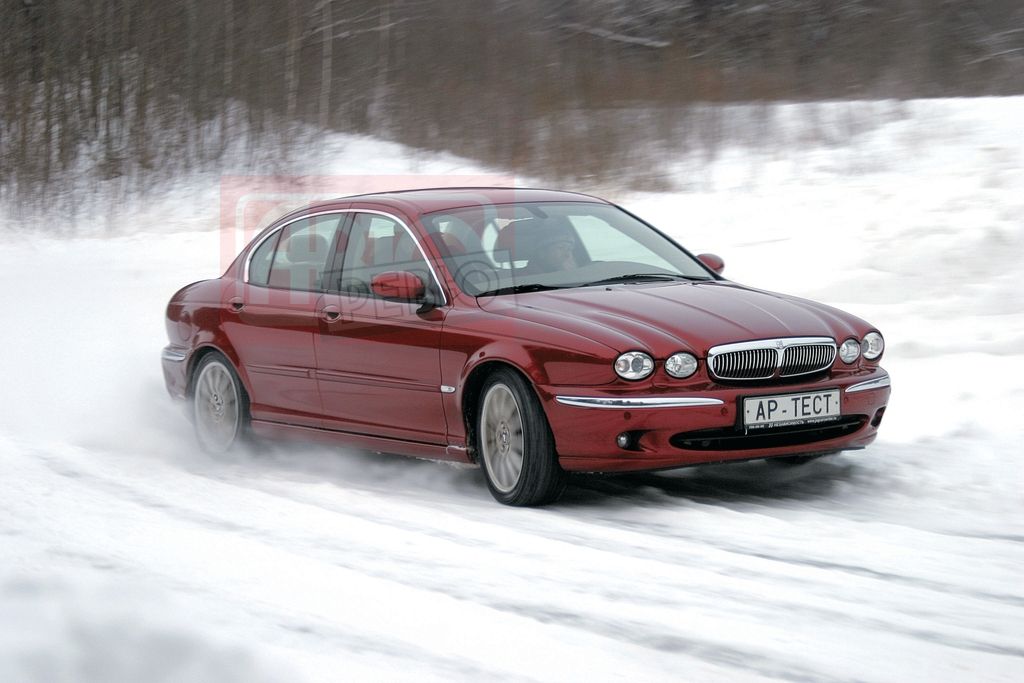 | 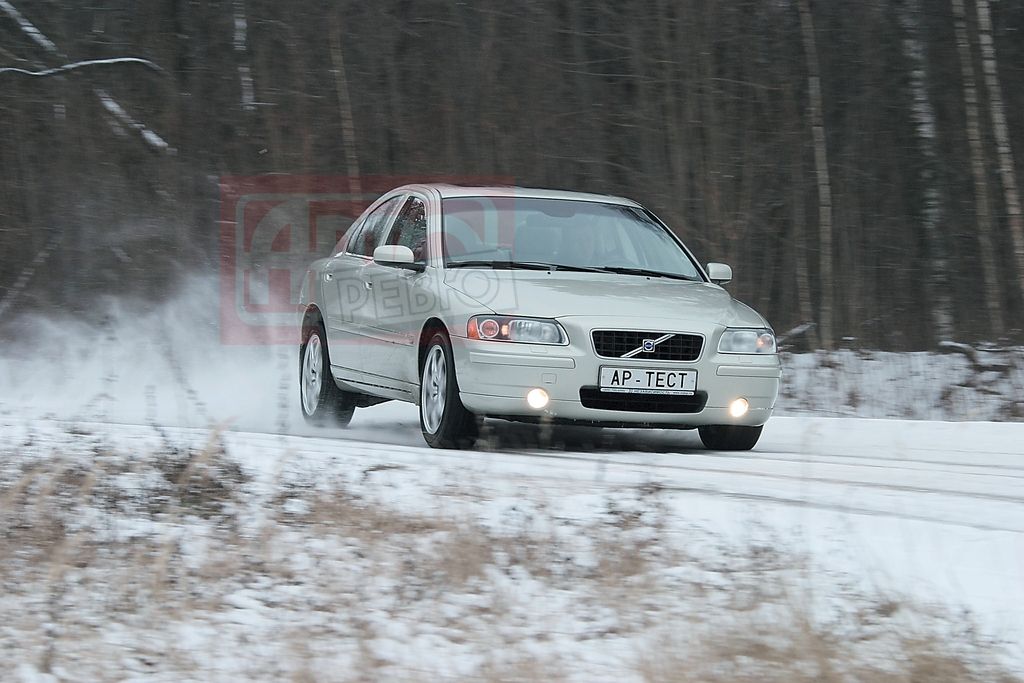 |
| Jaguar X-Type 2.5 | Volvo S60 |
Jaguar X-Type 2.5 (194 hp) already comes standard with all-wheel drive and a five-speed automatic. Prices start from $42,900. Classic appearance, ergonomics are not the most successful, the suspension is soft, causing the body to noticeably rock on asphalt waves... Details — in AR No. 4, 2006 and No. 2, 2003.
Alfa Romeo 159 with a 2.2-liter engine (185 hp) and Selespeed robot costs $45,360 (33,600 euros). This is a car that is Italian in everything: in design, and in the chassis settings with a "sharp" and responsive steering wheel... Details — in AR No. 5, 2007.