
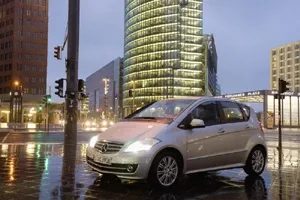
 Updated premium compact hatchbacks have acquired different headlights, other radiator grilles and front bumpers.Comments (1)
Mercedes-Benz held the presentation of the restyled A- and B-Class hatchbacks at the very end of July 2008, although the public debut of these cars took place almost two months earlier. To get acquainted with the new products, the organizers prepared a route through the Moscow region, where ideal asphalt alternates with sections broken by heavy trucks, as well as temporary detours. Journalists were given two petrol versions of each family to try – A 170, A 200, B 170 and B 200. In addition, two turbodiesels with 109 and 140 hp, as well as petrol units with 95 and 193 hp, are available for the A and B models. Plus, the A-Class range includes a turbocharged diesel engine with 80 hp, designated A 160 CDI.
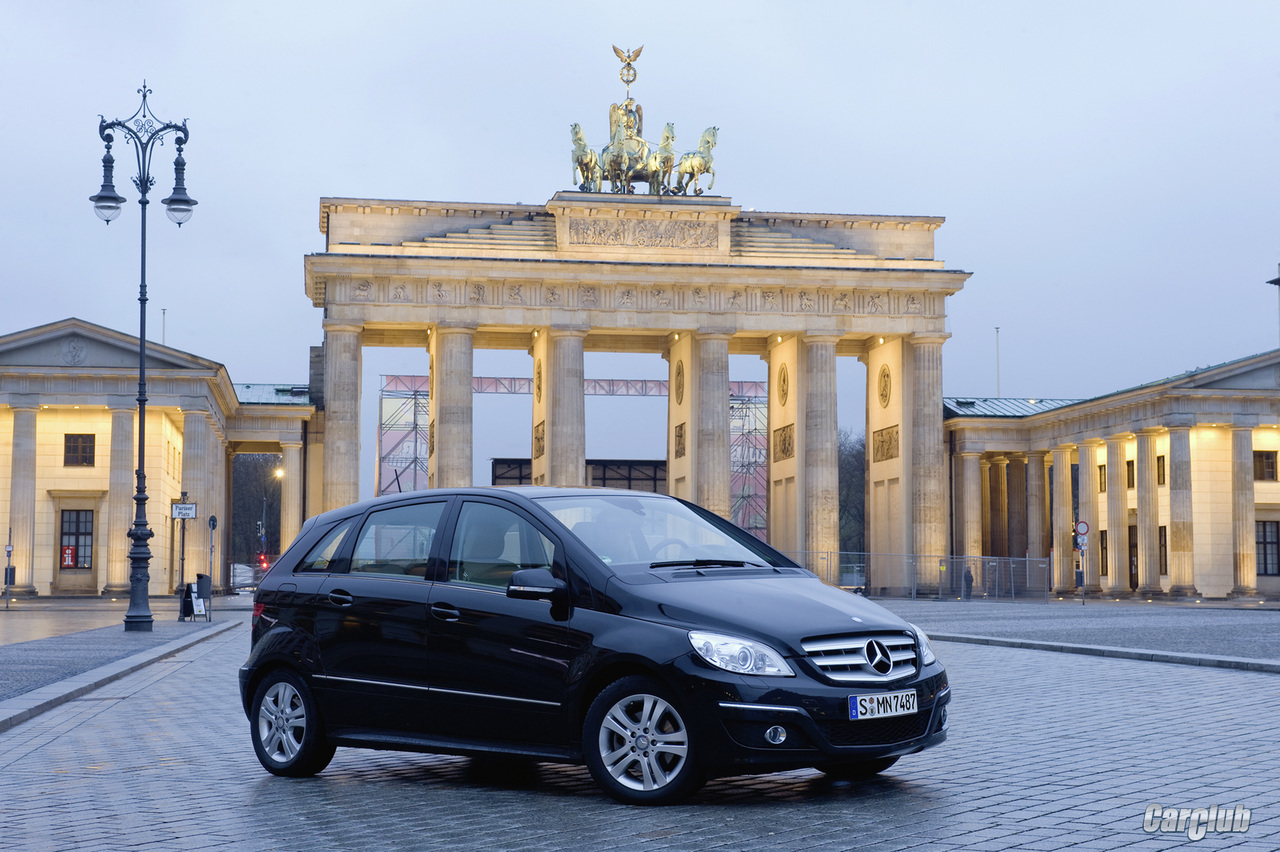 |
| Mercedes B-Class looks |
 |
| But the A-Class is 390 mm shorter, and this gives it an advantage in tight city parking lots |
In turn, for the B-Class, a B 170 NGT version is provided, which stands for “Natural Gas Technology”. This B-Class variant is based on the B 170 model, but under the hood it has a two-liter engine producing 116 hp – the same on both gas and petrol. Switching between fuel types is done with a button right on the steering wheel.
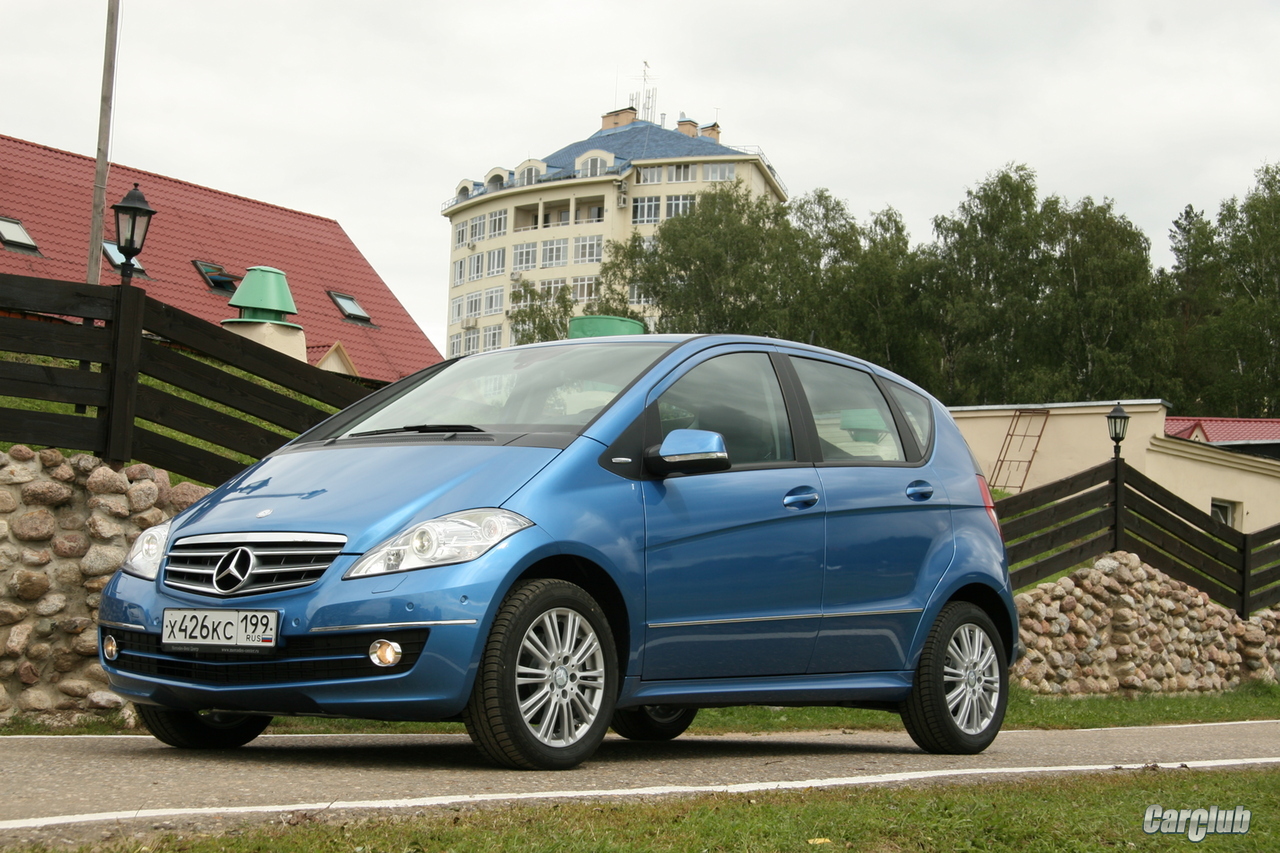
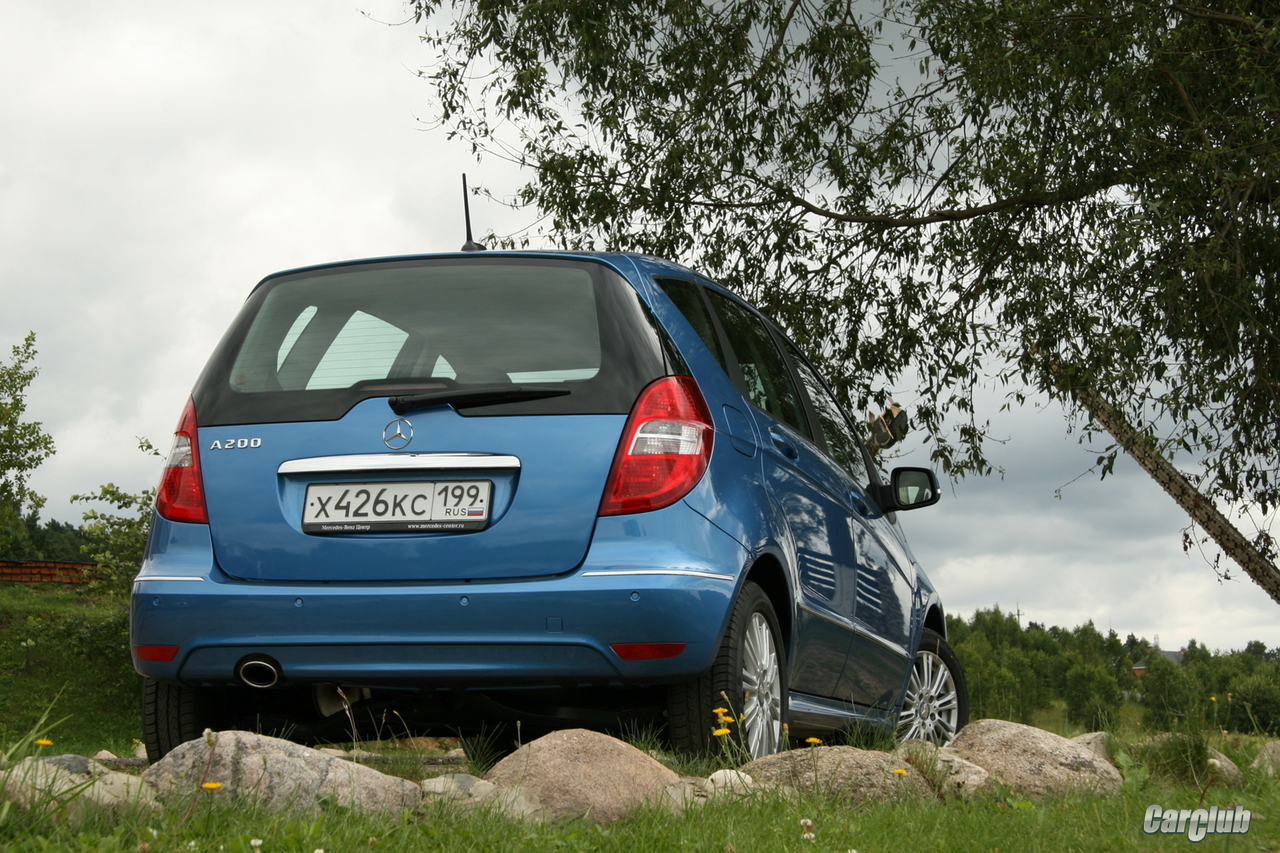
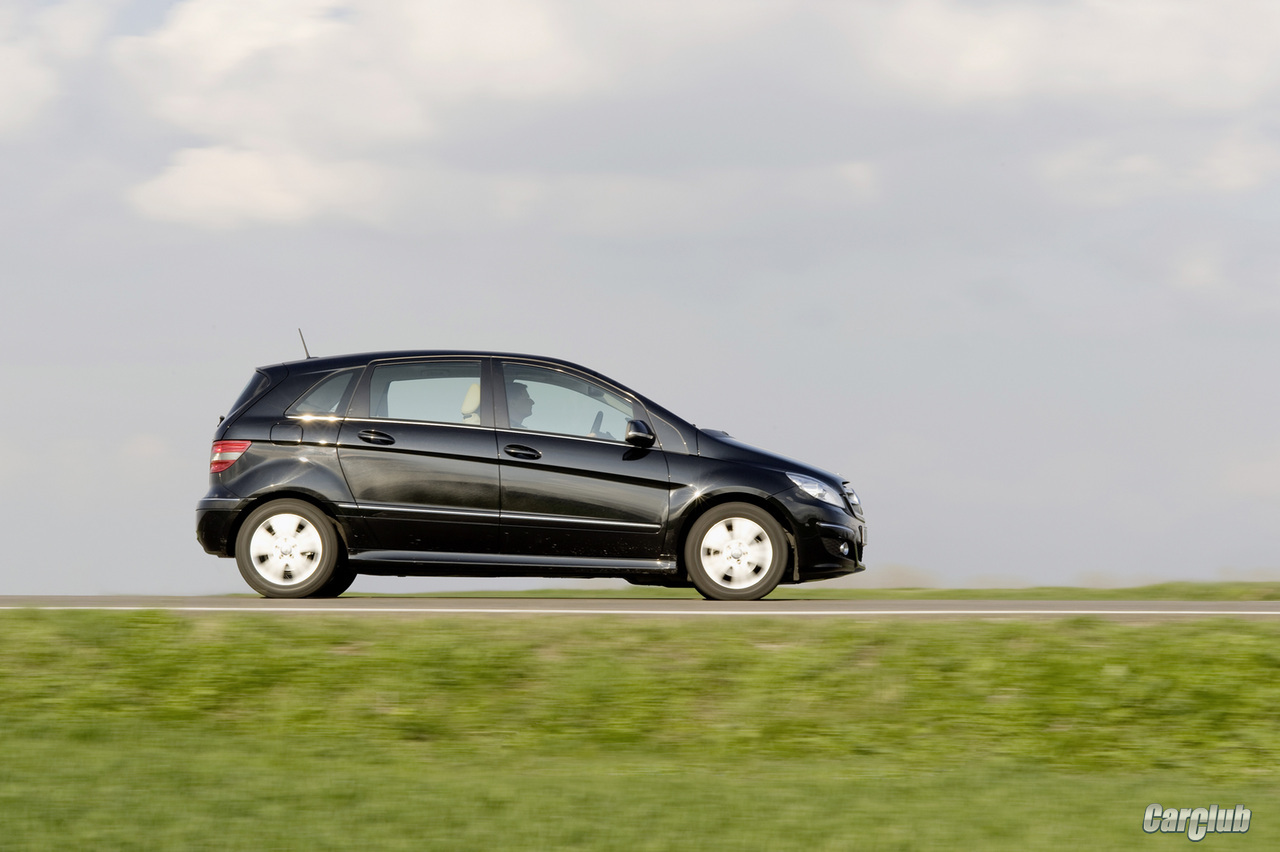
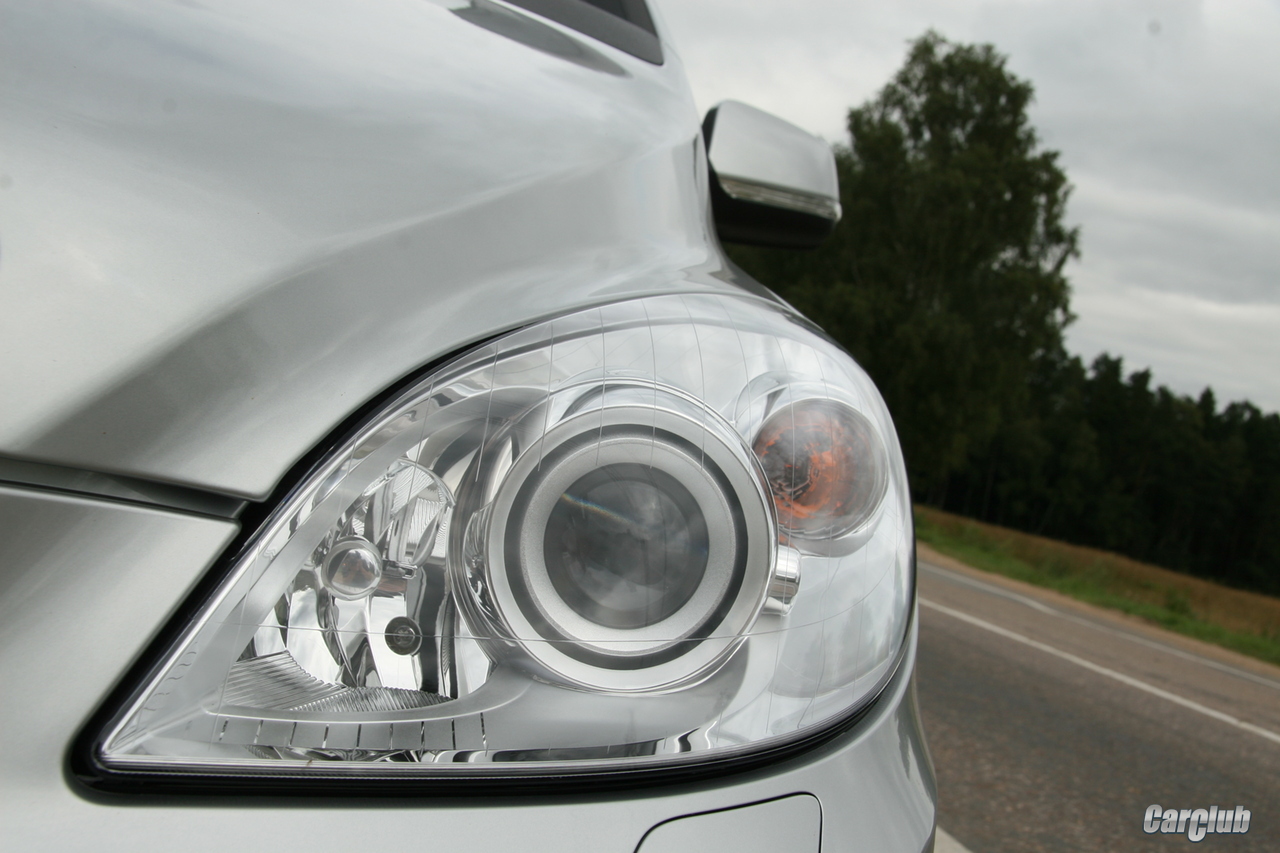
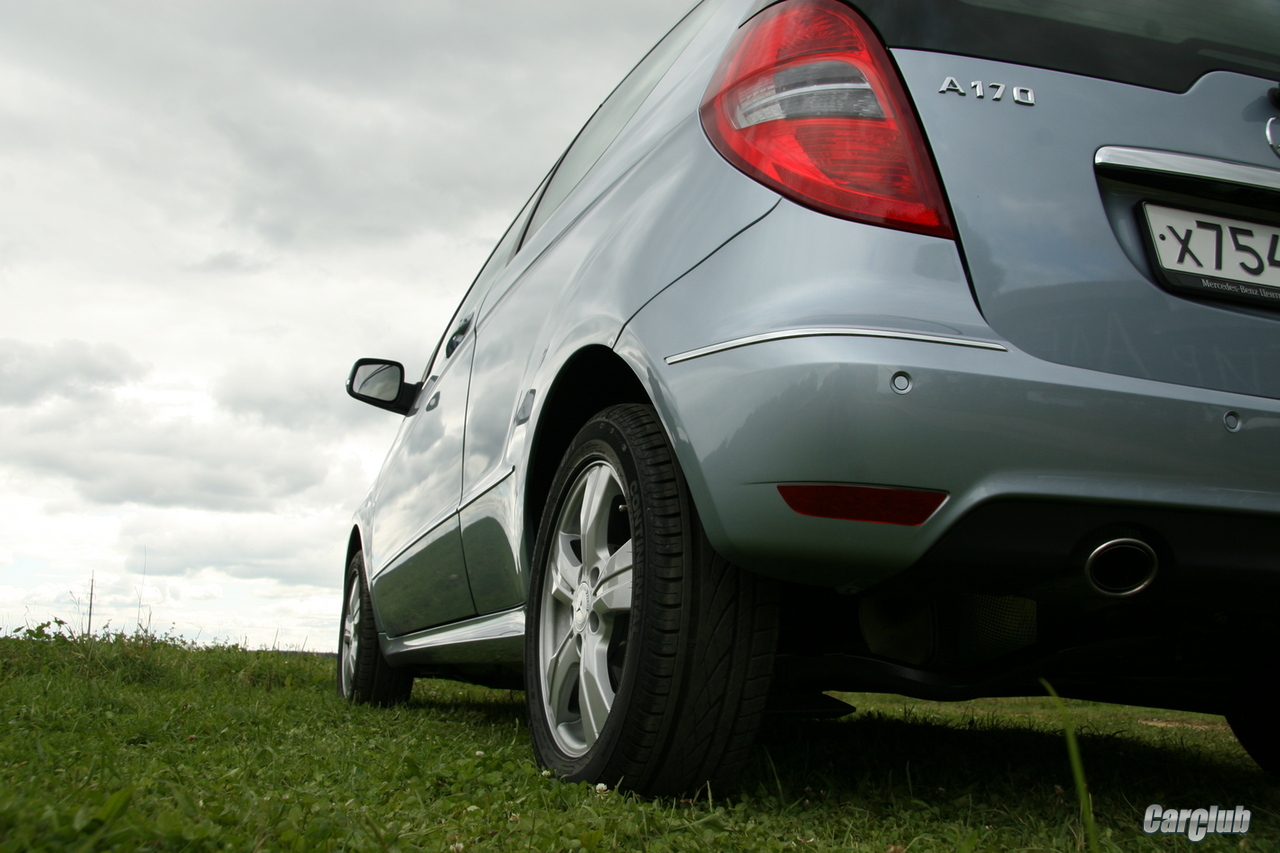
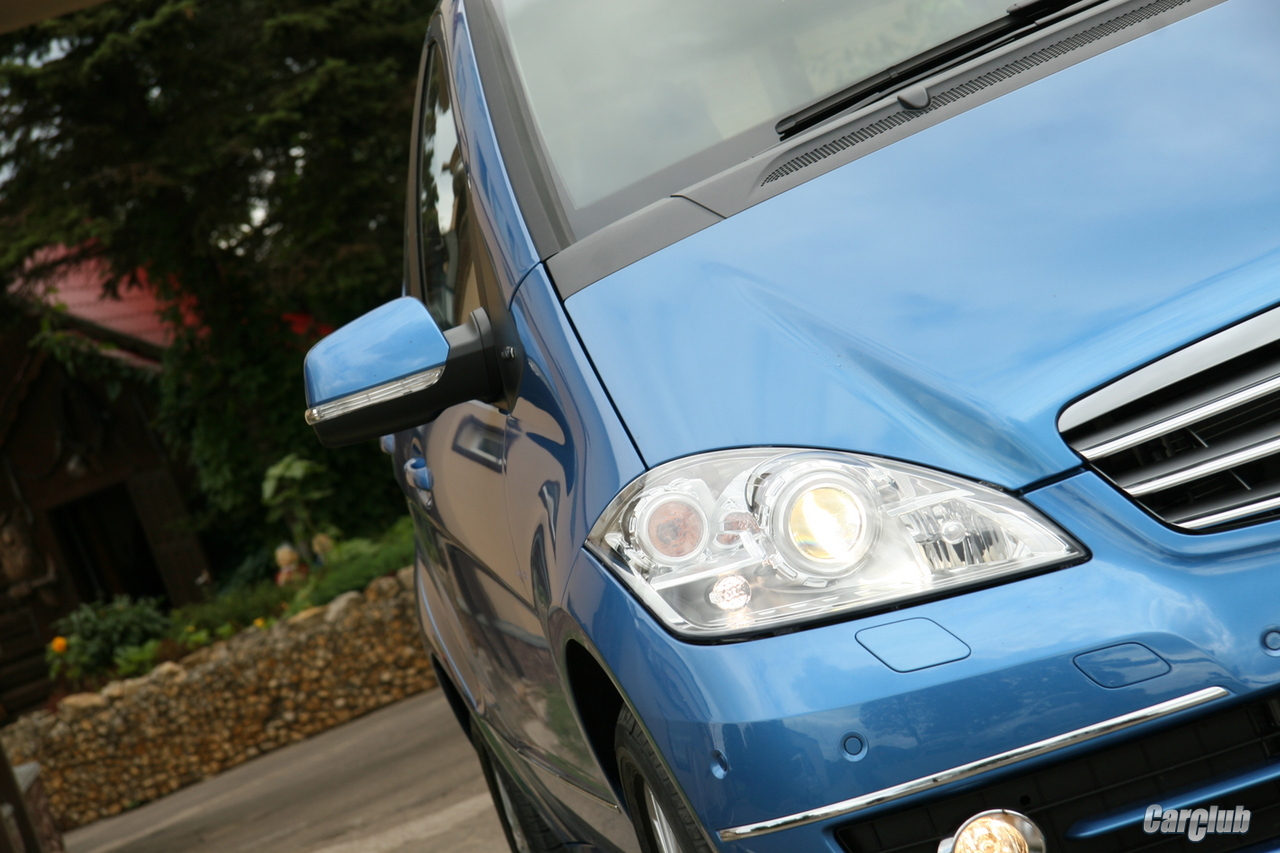
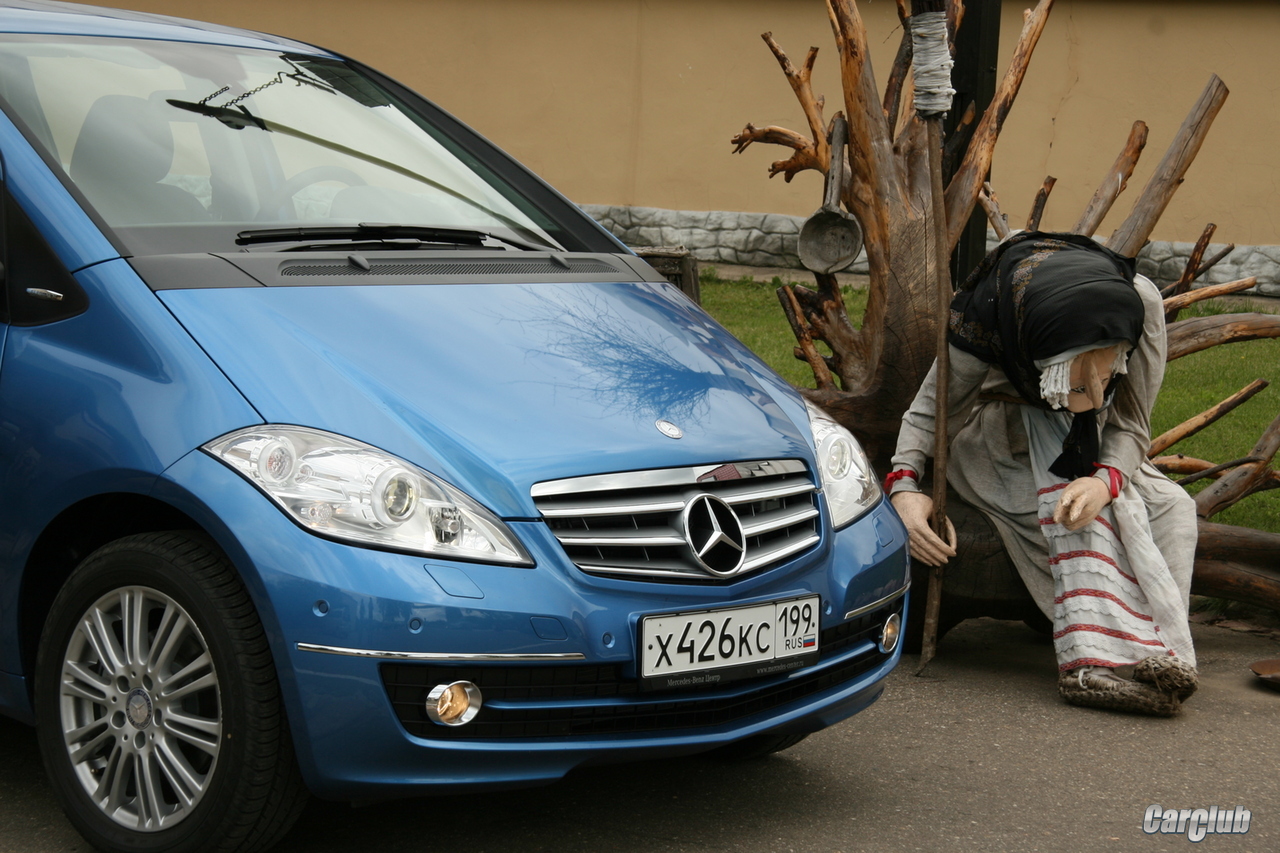
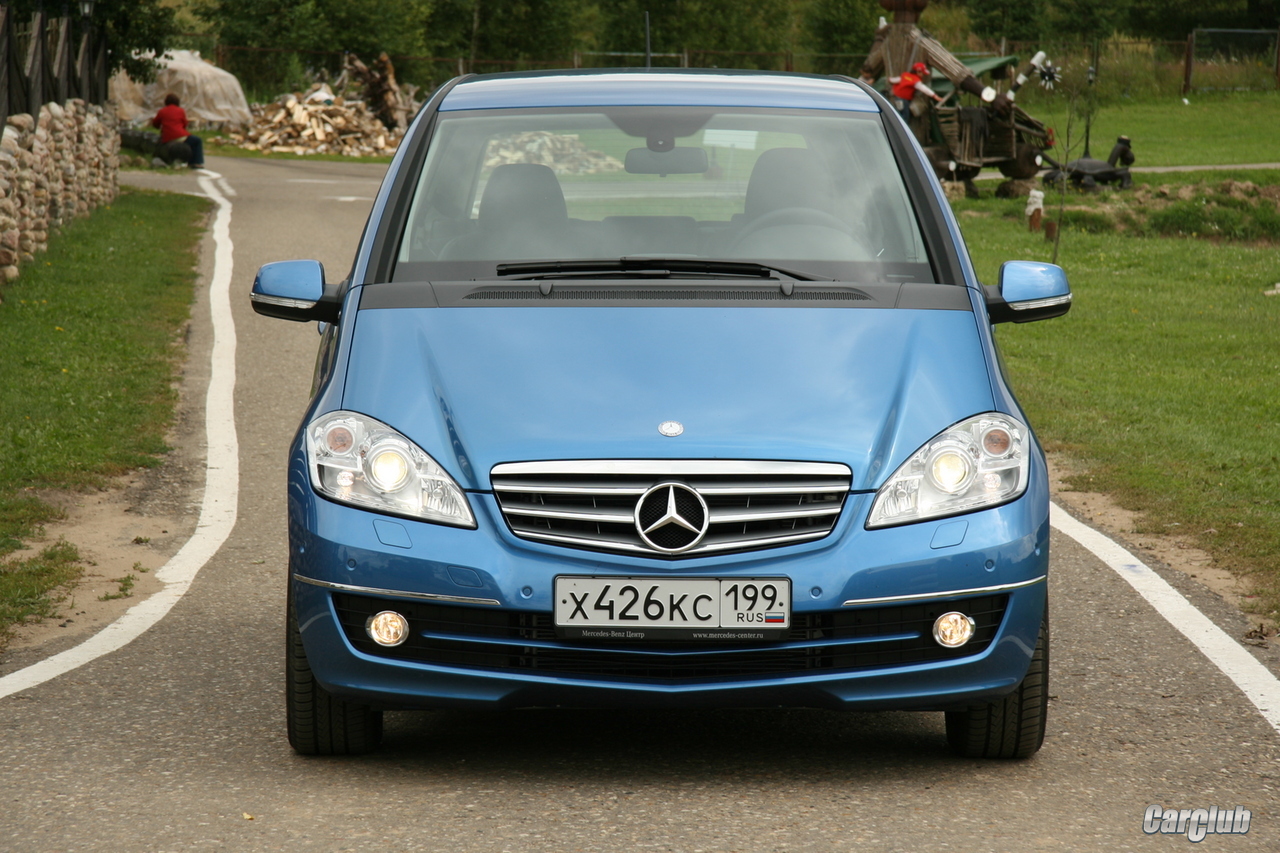
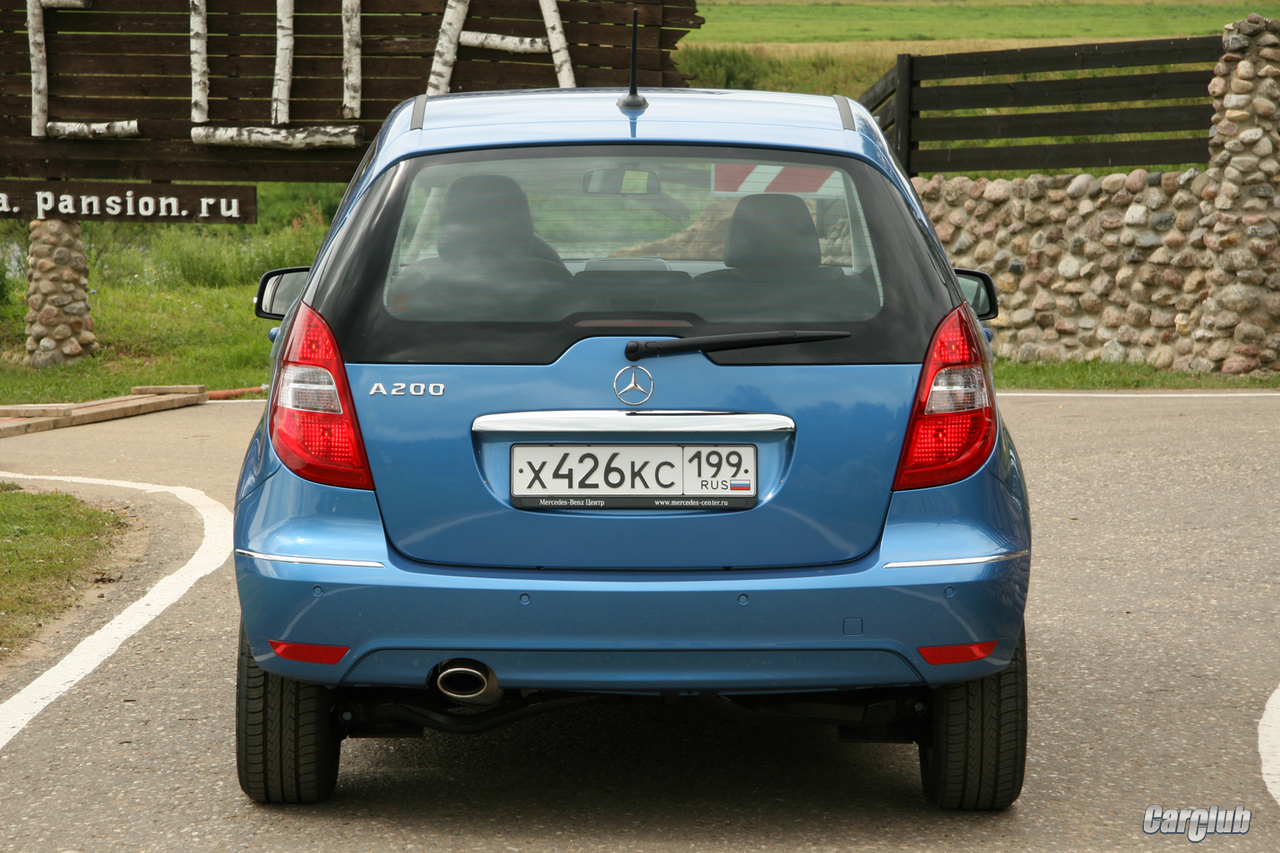
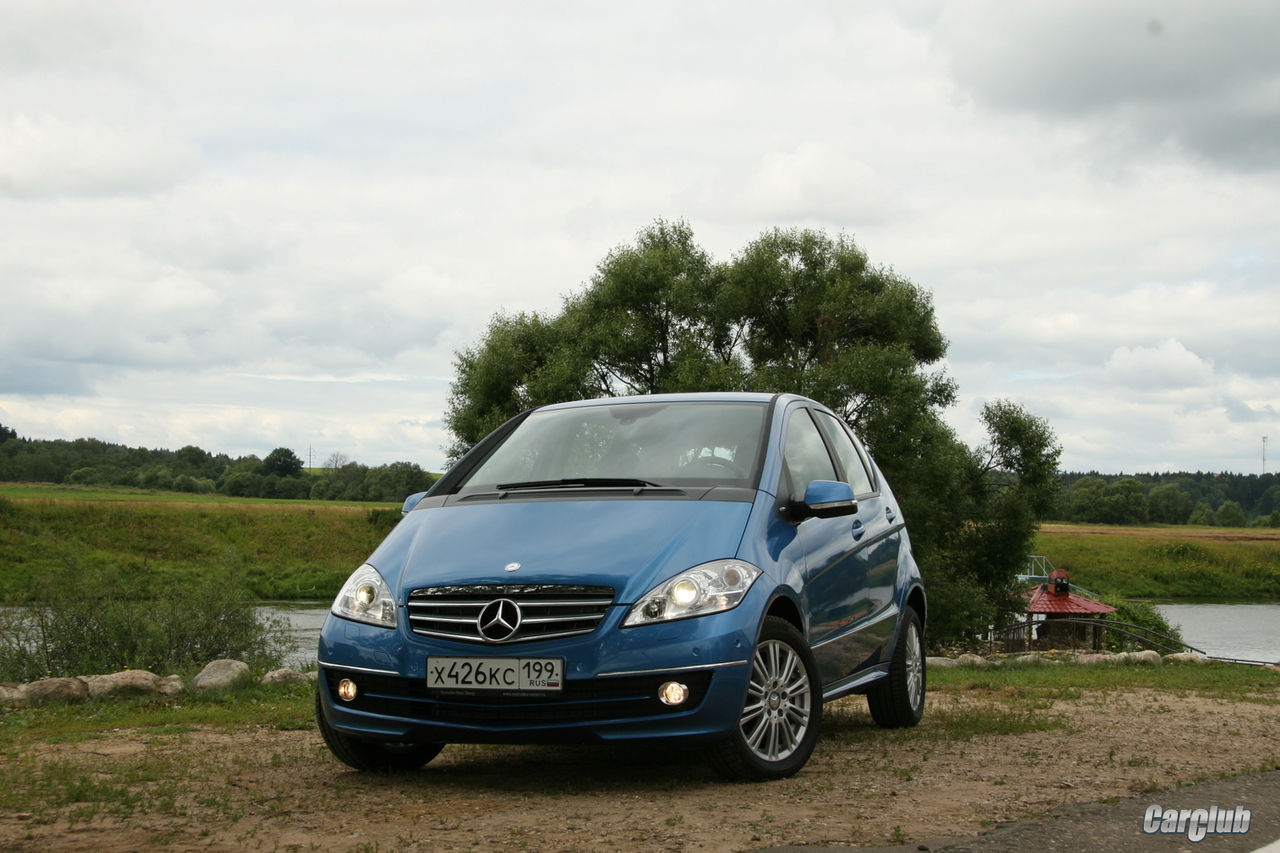
The restyling brought the premium compact hatchbacks new headlights, radiator grilles and front bumpers. The larger B-Class also received a different hood design. From the side, changes are visible in the new exterior mirrors and wheel rims. The rear has changed due to different taillights and a fresh bumper. The interior suffered even less from the update – only new seat upholstery options appeared here.
 |
 |
Among the technical updates related to safety, it is worth noting adaptive brake lights – during emergency braking they begin to flash at a high frequency. Plus an emergency interior lighting system that automatically turns on the light inside the car in the event of an accident.
Starting from 2008, the basic equipment of the Mercedes-Benz A- and B-Class includes mirror housings and door handles in body color, automatic headlight activation, the ESP electronic stability system with hill-start assist, as well as a steering column with height adjustment.
 |
 |
 |
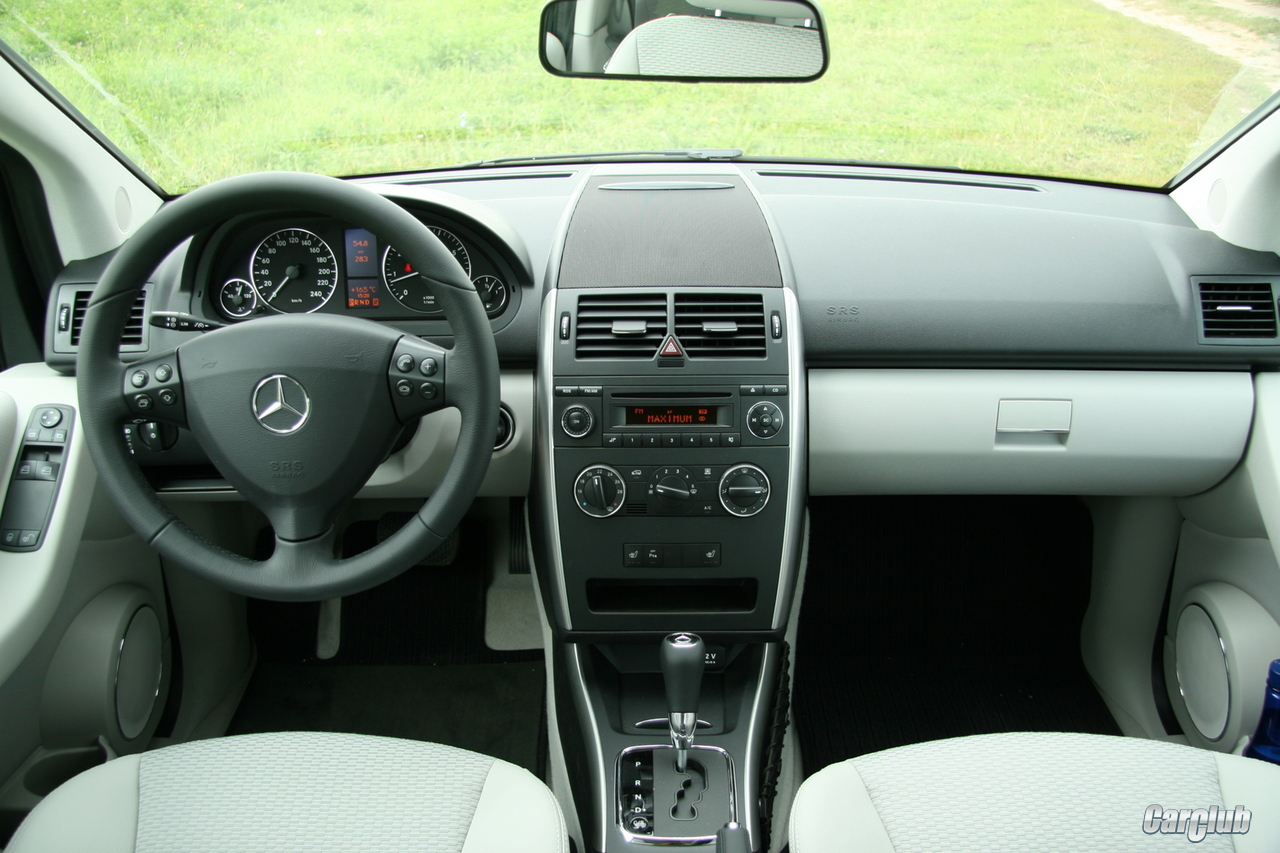
To get into the seat of one of these hatchbacks, you have to raise your leg high: the floor in the A- and B-Class is quite high – approximately at the level of the lower edge of the doors. This design is a consequence of the short engine compartment, thanks to which it was possible to make the interior spacious with modest external dimensions. The fact is that when designing the A-Class, and then the larger B-Class, Mercedes engineers used the so-called “sandwich panel”. Because of the small hood, in a frontal impact the engine could likely be pushed into the cabin and injure the front occupants. The Stuttgart developers positioned the power unit and transmission so that they are partially in front and partially under the body. In an accident, the engine and gearbox go under the feet of passengers, not threatening them. Hence the high floor, and, as a result, a seating position reminiscent of an SUV, in hatchbacks with the three-pointed star.
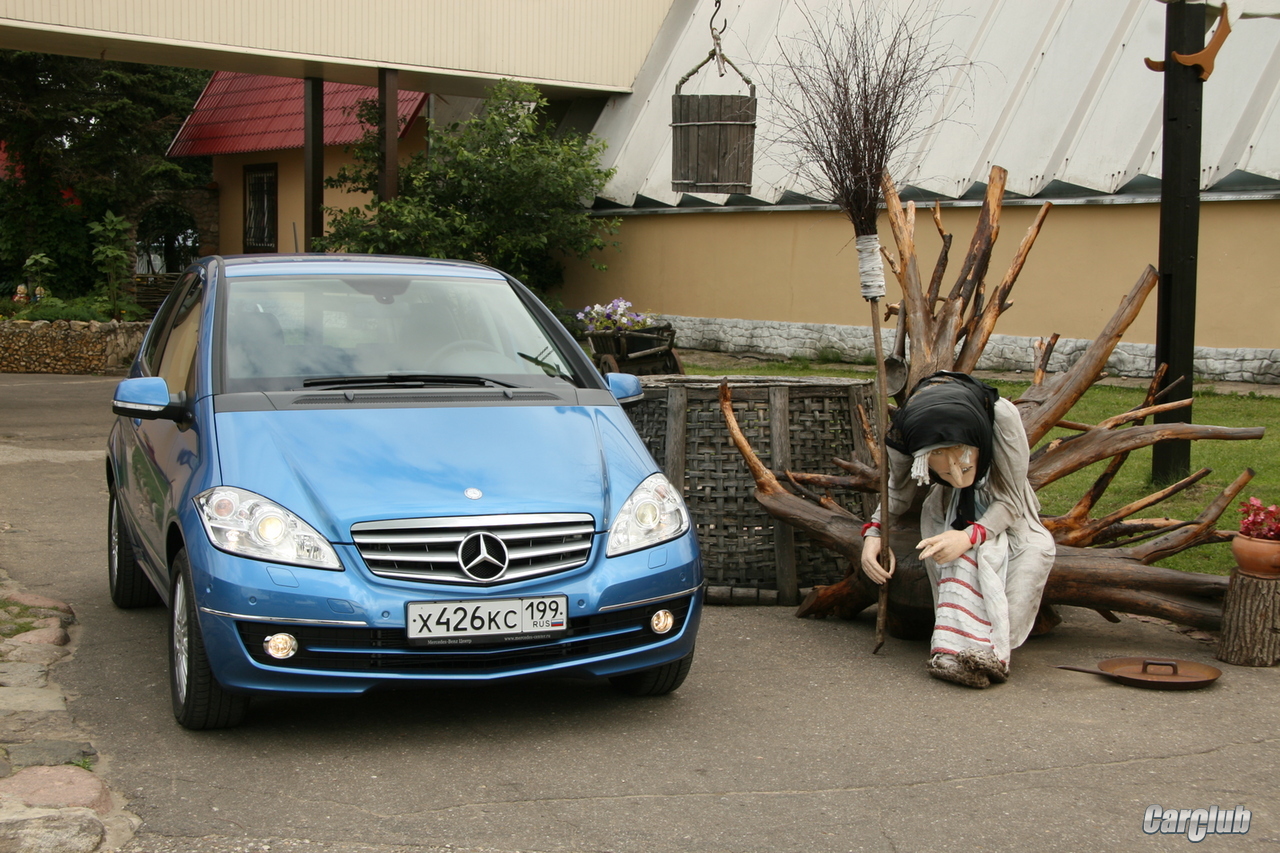 |
| After the restyling, the A- and B-Class received new optics... |
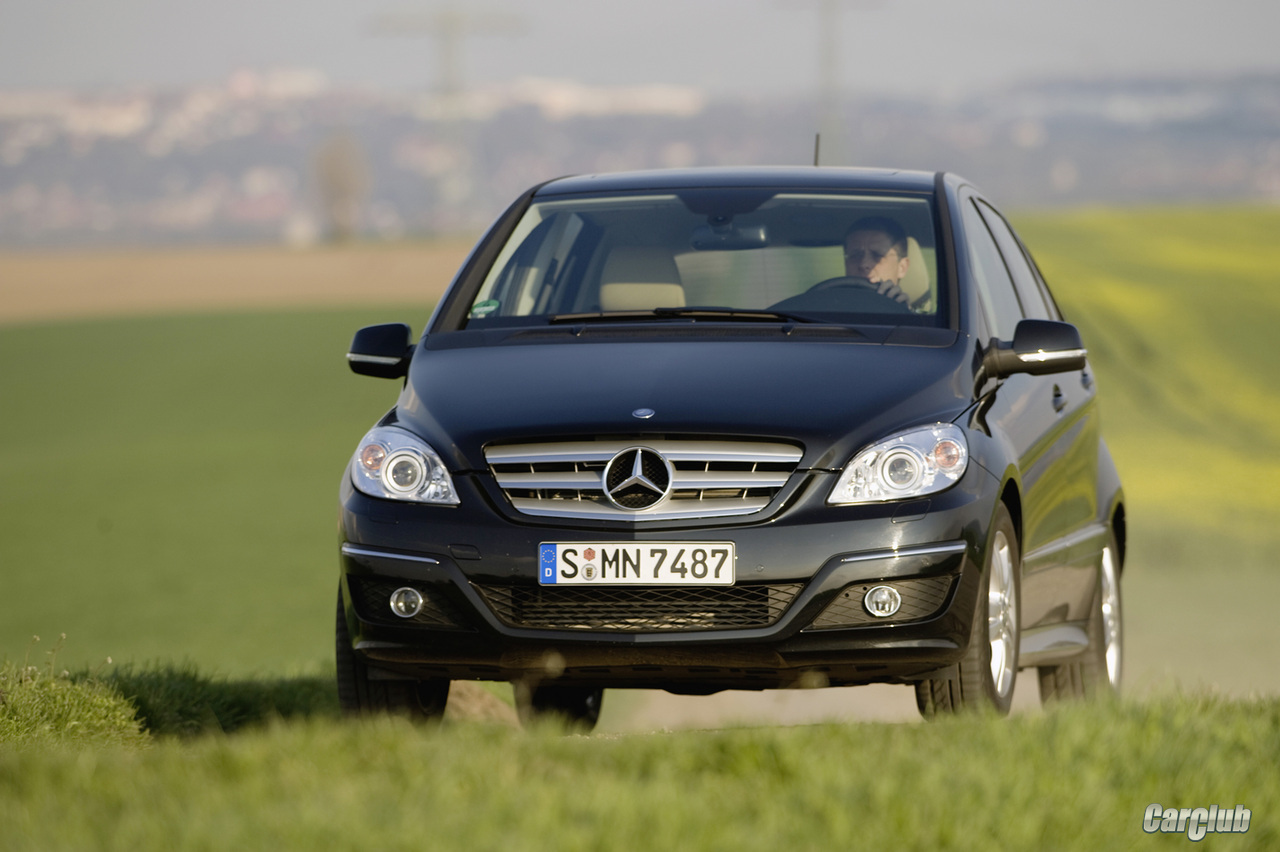 |
| ... different radiator grilles and modified bumpers |
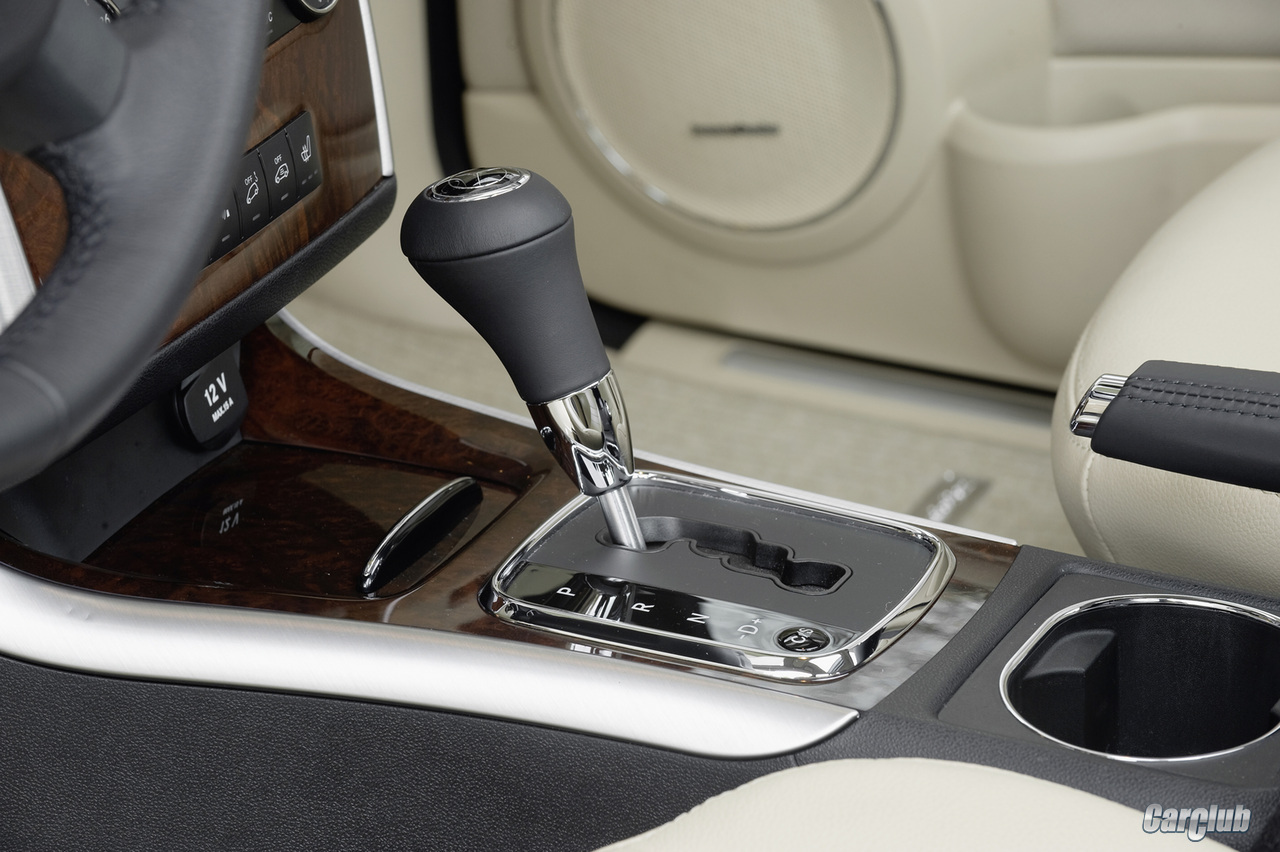
I was the first to get behind the wheel of the Mercedes-Benz B170. The petrol engine with a volume of 1.7 liters, producing 116 hp, works in tandem with a CVT, which has a manual mode with 7 “virtual” gears. You can’t expect hurricane acceleration from it, but the traction is quite smooth throughout the entire rev range. Smoothness and efficiency are the main advantages of the continuously variable transmission, although the dynamics here are inferior to a classic “automatic”. Even the younger Mercedes models do not betray the brand’s traditions – their ride is remarkably smooth.
On smooth asphalt, the car seems to float. Combined with excellent sound insulation and a large amount of legroom for rear passengers, such a car is a good choice for a long family trip that will be enjoyable for everyone. Small cracks and irregularities are swallowed by the suspension without problems. But as soon as the road gets worse, passengers begin to feel noticeably shaken. Broken pavement is clearly not the B-Class’s forte. But on a bad road, the car holds its course perfectly in corners: the trajectory is written clearly, and body roll is minimal. And this is with a body height of 1,603 mm.
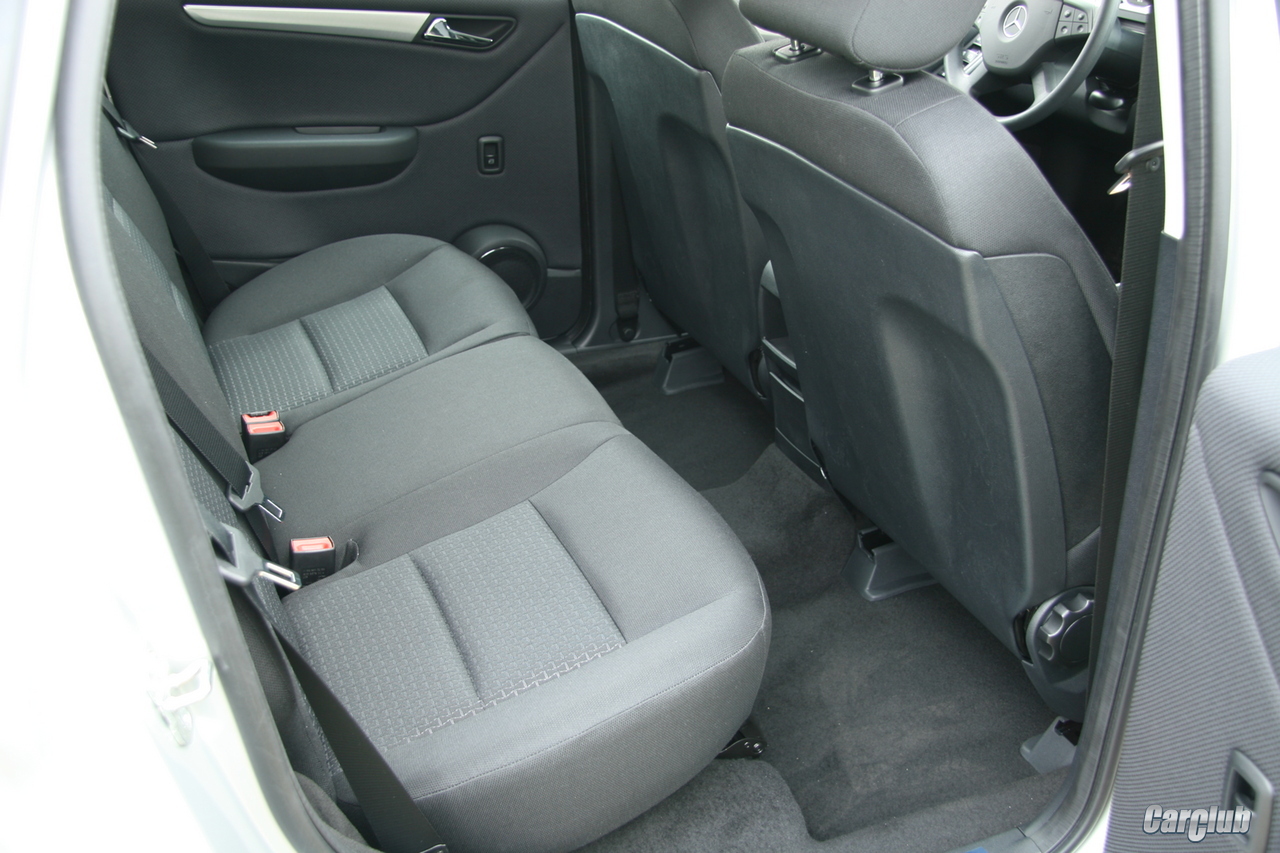 |
| The B-Class offers more space for rear passenger legs |
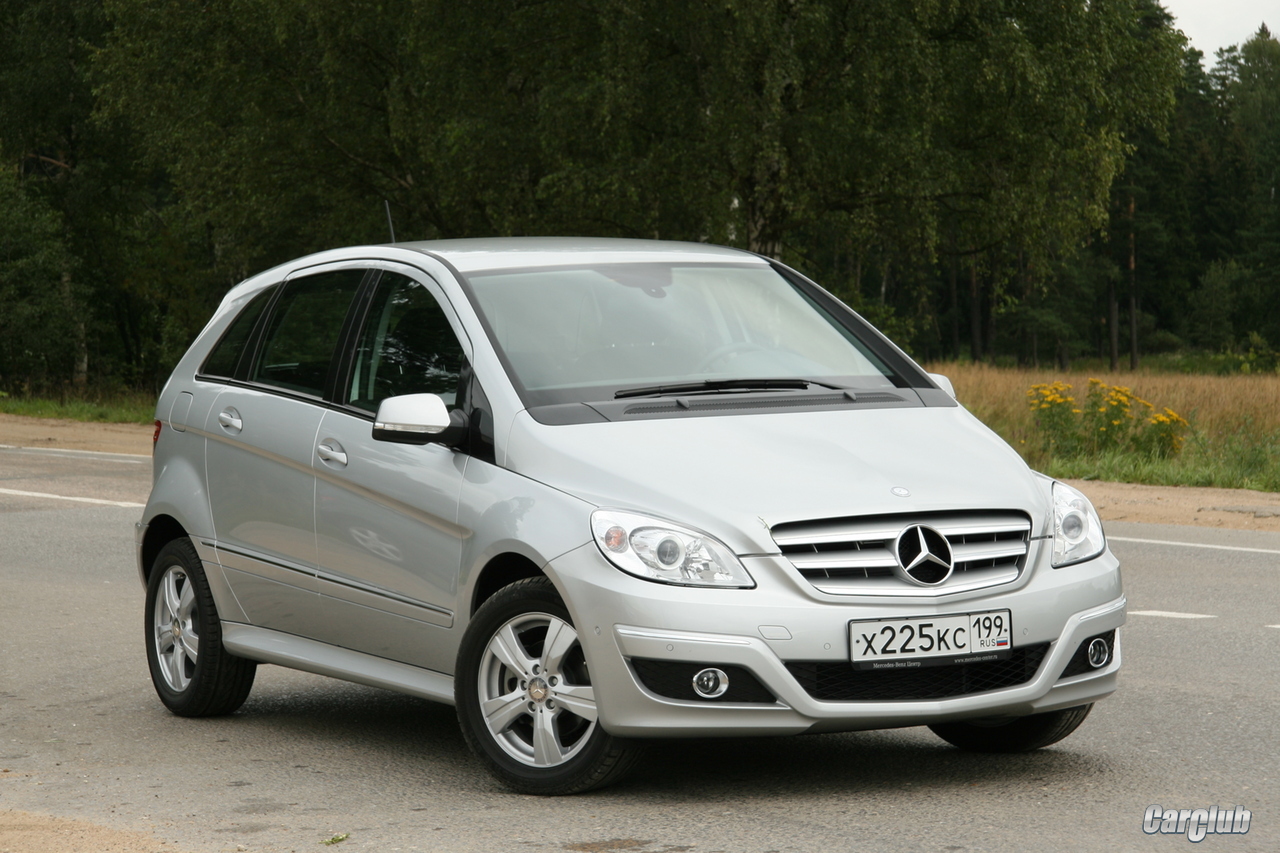 |
| After the update, the B-Class received a modified hood |
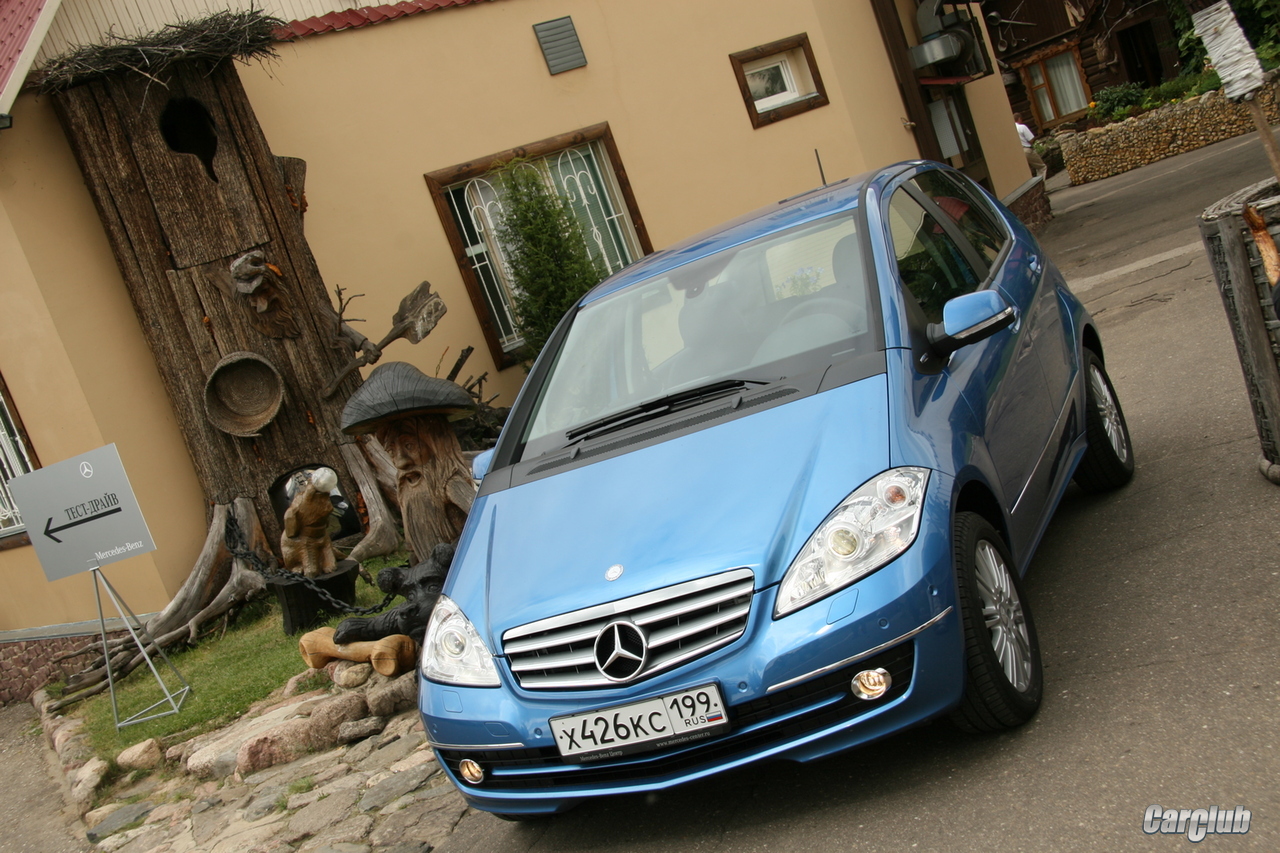 |
| The face of the “A-class” has become more expressive |
The only thing I had complaints about was the steering. At medium speeds, when you turn the steering wheel 45-90 degrees, it seems to become “empty”, the feedback seems to disappear. As speed increases, the picture changes: the effort increases, the steering wheel fills with heaviness, and this already adds positivity to the relationship between the driver and the Mercedes B-Class.
As for the comfort of the driver's seat, Mercedes traditionally did not disappoint here — everything is done properly. The trim materials, of course, do not reach the level of older models from Stuttgart, but they clearly surpass competitors in this class. The front seats are adjustable over a fairly wide range, so finding a comfortable driving position won't be a problem. True, in the base version the steering wheel is only adjustable for tilt, and you'll have to pay extra for reach adjustment.
 |
 |
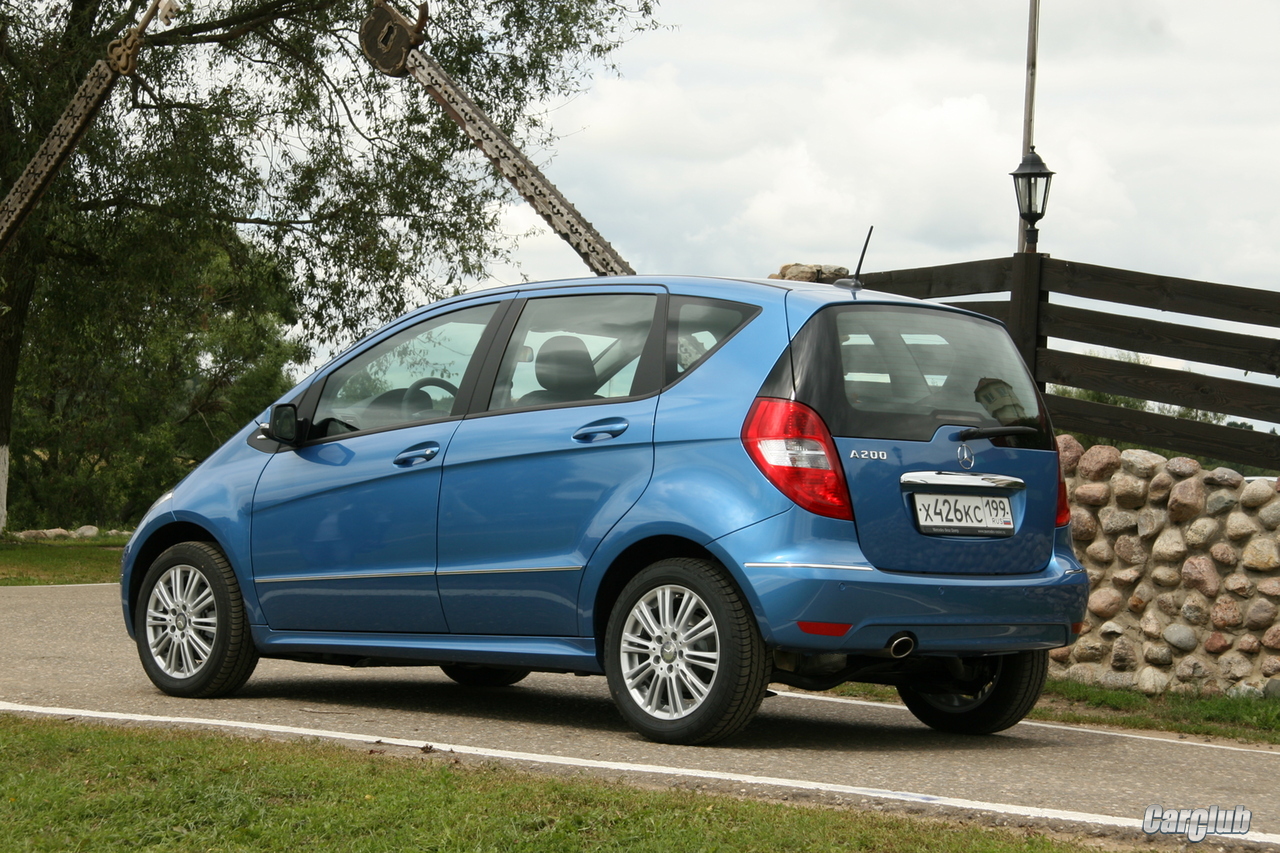
After the B-Class, I switched to the five-door A200 with a 136-horsepower engine. Subjectively, there is no less space up front here. You sit behind the wheel and know it's an A-Class only by the three-spoke steering wheel. Thanks to its lower weight and more powerful engine, the 200 is noticeably more lively on winding roads, and overtaking is effortless. If you switch the gearbox to manual mode, acceleration is controlled more precisely, and before a sharp turn you can effectively brake with the engine. Honestly, I liked the A-Class more. It's lighter, so it turns into corners more eagerly. There's more steering feedback than in the B-Class, and the emptiness in the steering is less annoying. Plus, it's more comfortable — on broken asphalt, there's no shaking at all. The only area where the A200 loses to its heavier relative is ride smoothness on a flat highway.
 |
|
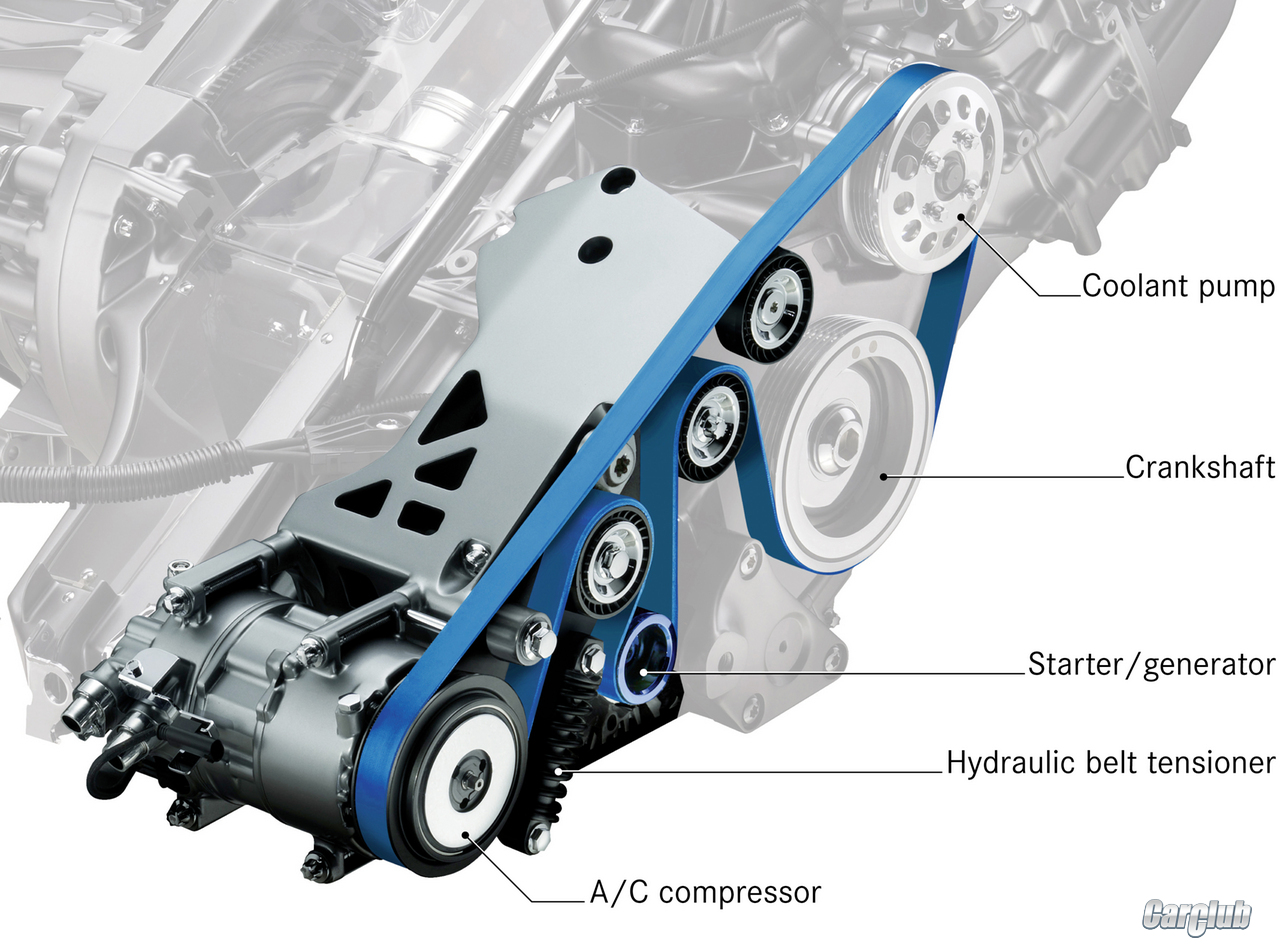
The ECO Start/Stop system can
save up to 6.5 liters of fuel in mixed driving |
 |
|
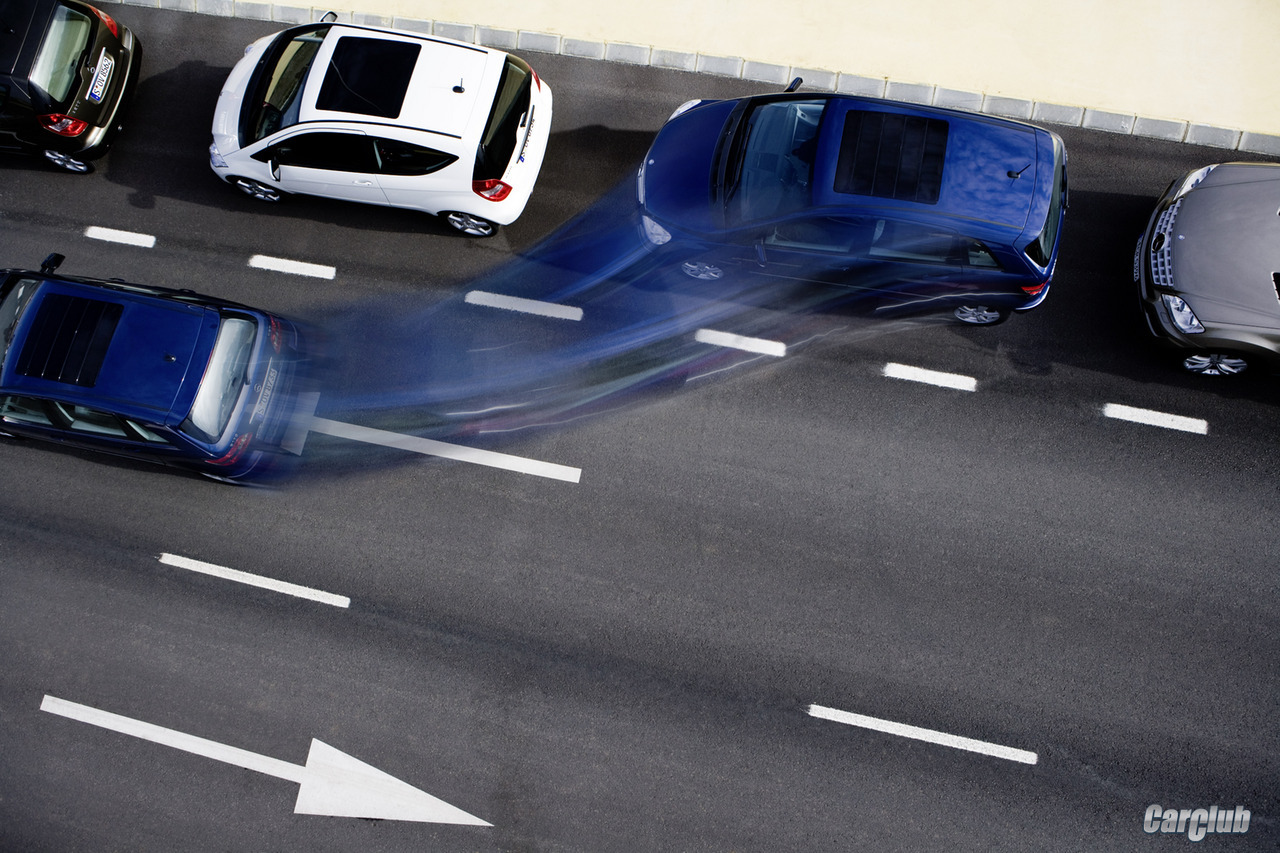
The active parking assist system
takes over the steering of the car |
 |
|
The CVT wins over the "automatic" in
ride smoothness and fuel consumption, but loses in acceleration dynamics |
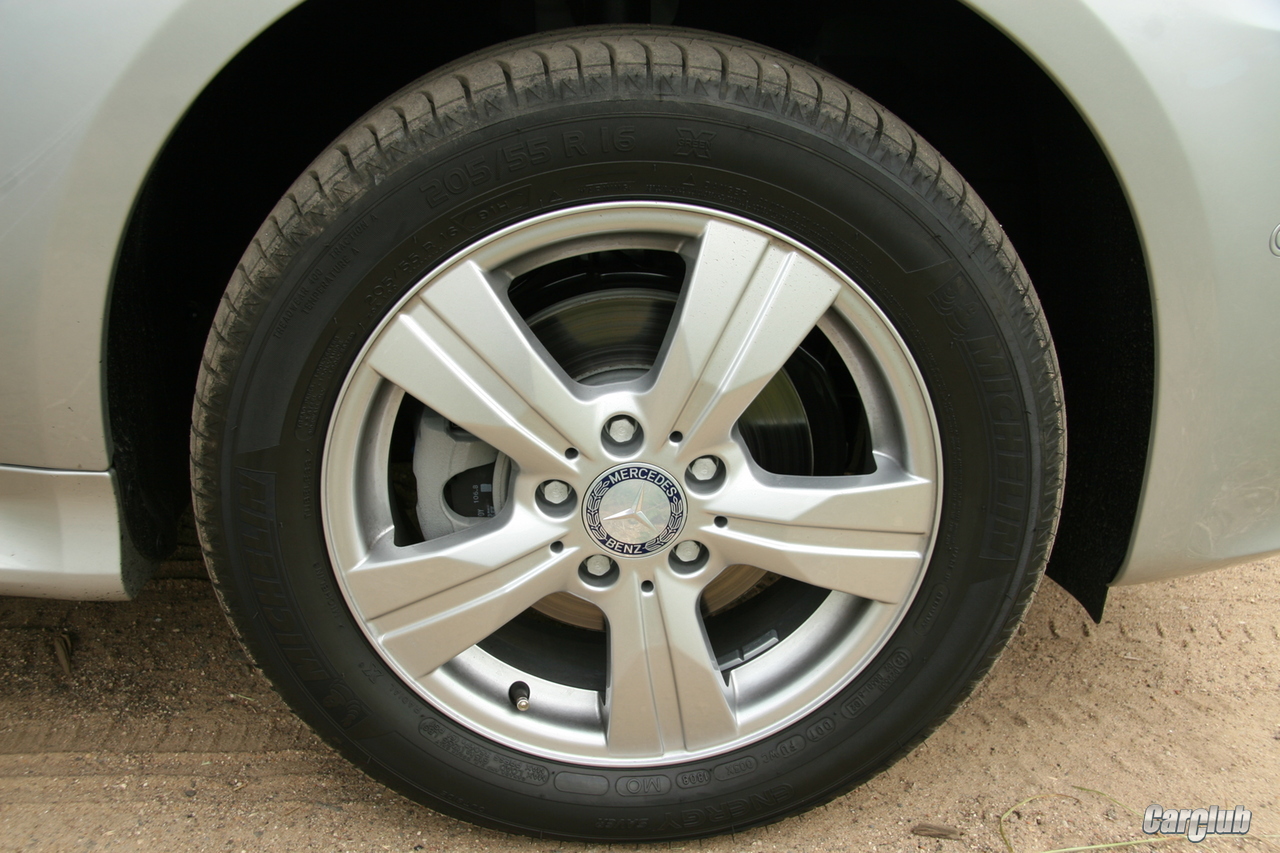
And finally, it was the turn of the three-door Mercedes A170. Of the three, in my opinion, it turned out to be both the most "honest" and the most comfortable. It swallowed potholes and bumps almost imperceptibly, and the ride smoothness seemed even better than the A200. At first, I thought it was due to different wheel diameters and, accordingly, tire profiles. But after inspecting both cars, we confirmed that their wheel sizes are the same. And the answer turned out to be simpler: for the A- and B-Class, three suspension options are available — with increased ground clearance, comfort, and sport. The A170 had the suspension with increased ground clearance (front axle by 20 mm, rear by 30 mm), as well as modified springs and shock absorbers. The A200, however, was equipped with a stiffer sport suspension.
 |
 |
 |
We cannot ignore the technical innovations that the updated Stuttgart hatchbacks have acquired.
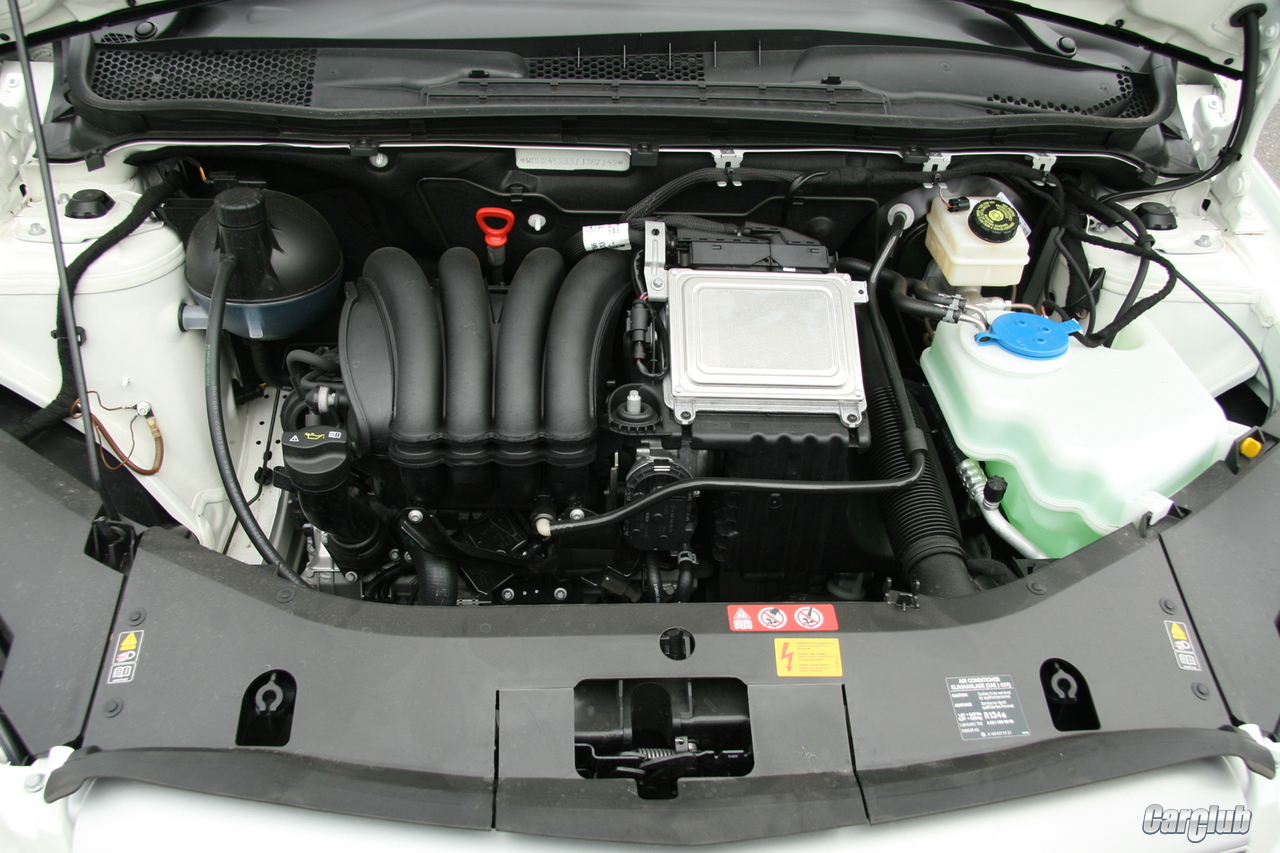
Starting this October, the ECO Start/Stop system will be optionally available for models A150, A170, B150, B170, and B170 NGT with a manual gearbox. Its main task is to save fuel at idle in the city, where you constantly have to stop at traffic lights or in traffic jams. The system itself shuts off the engine when it is idling. To do this, the driver simply needs to shift the gear lever to neutral at low speed and press the brake pedal. The engine stops, and the ECO message appears on the instrument panel. As soon as the driver presses the clutch or releases the brake, the engine starts. A quick restart is provided by a new starter-generator integrated into the belt drive, which spins the crankshaft faster and quieter than a conventional starter.
 |
|
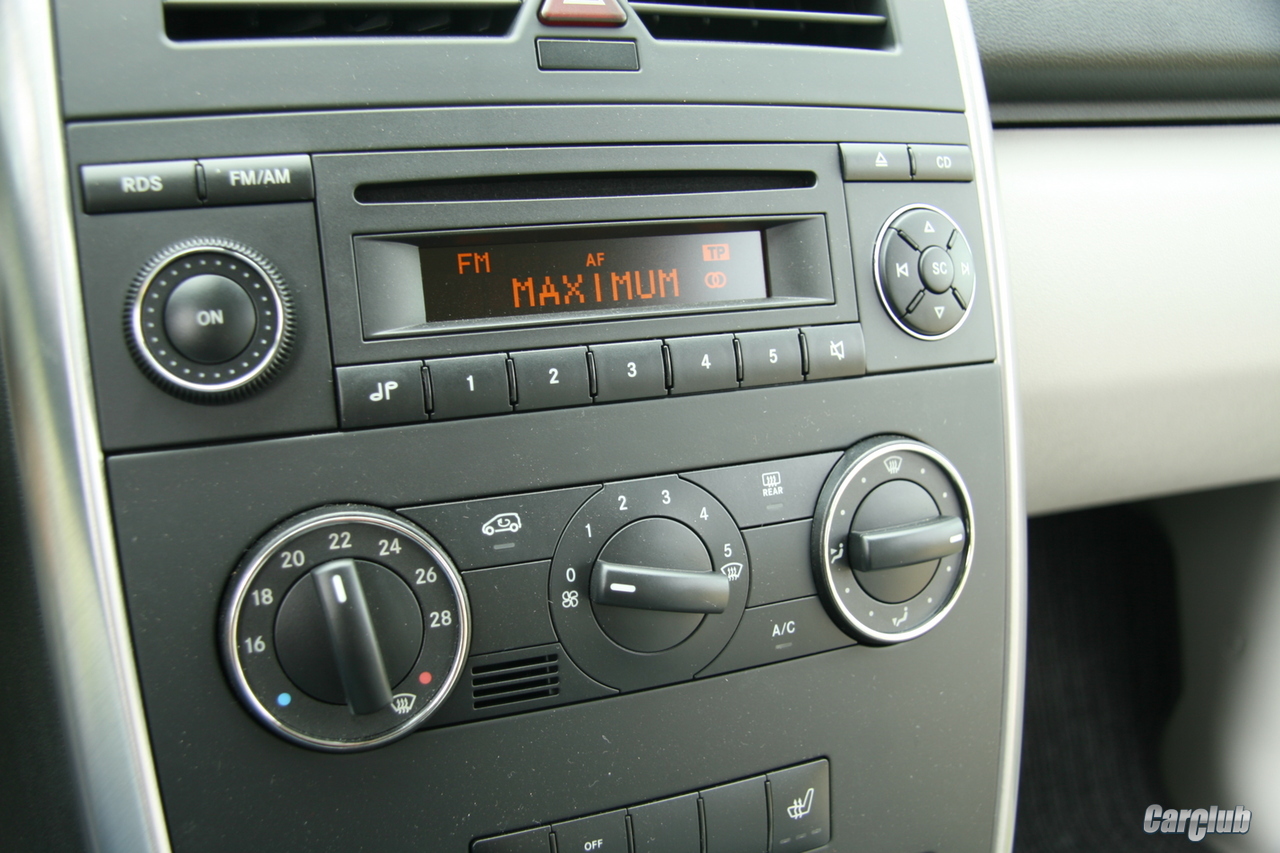
Simple and manual control
of the "climate" is the prerogative of the simple version |
 |
|
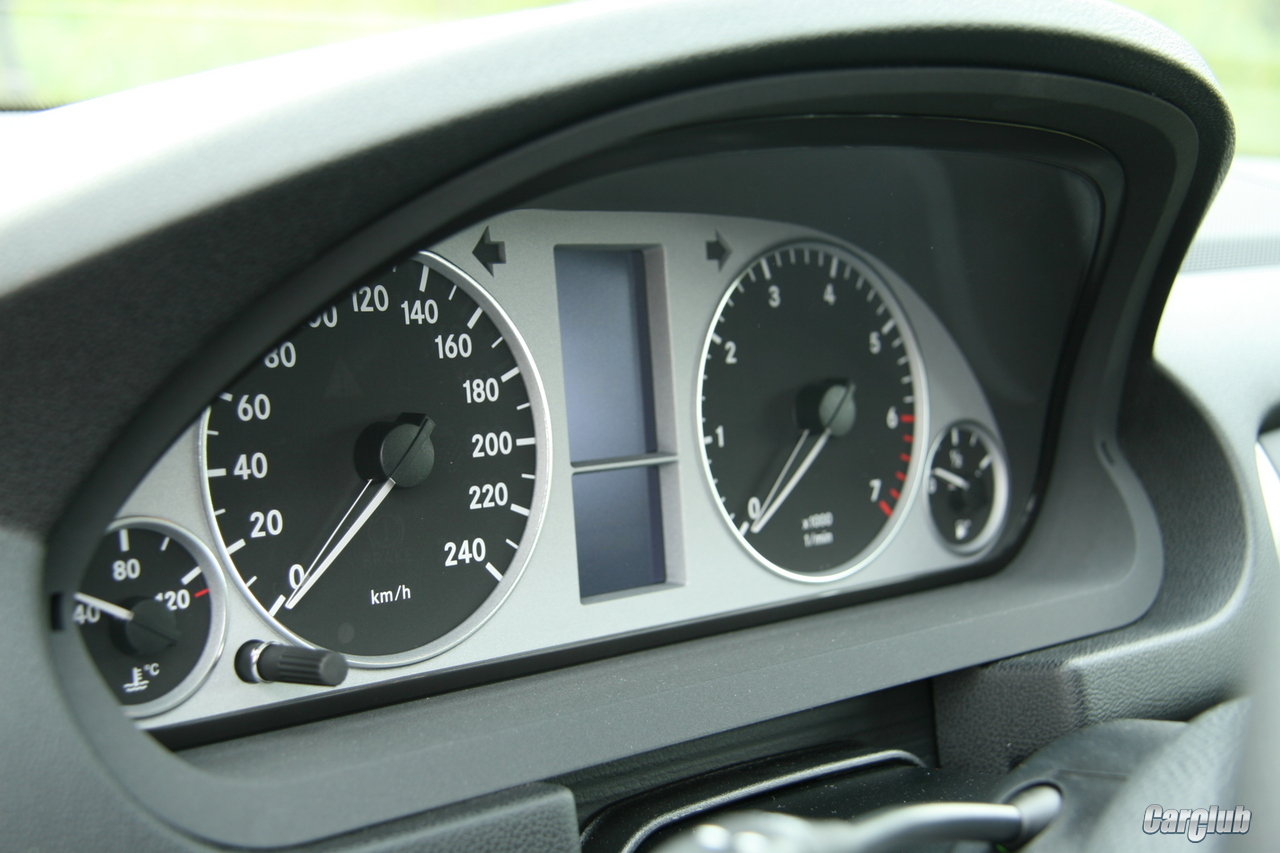
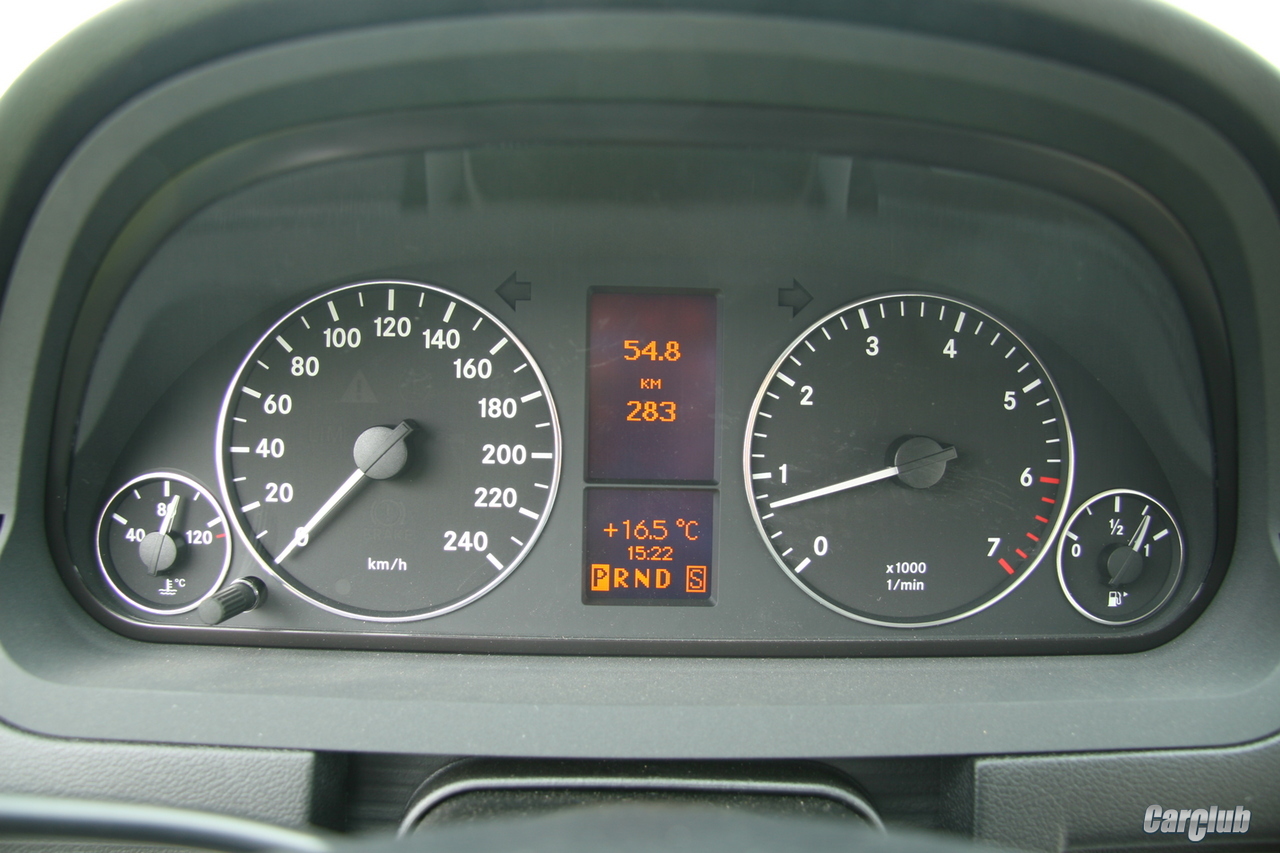
The instrument panel has excellent
readability |
 |
|
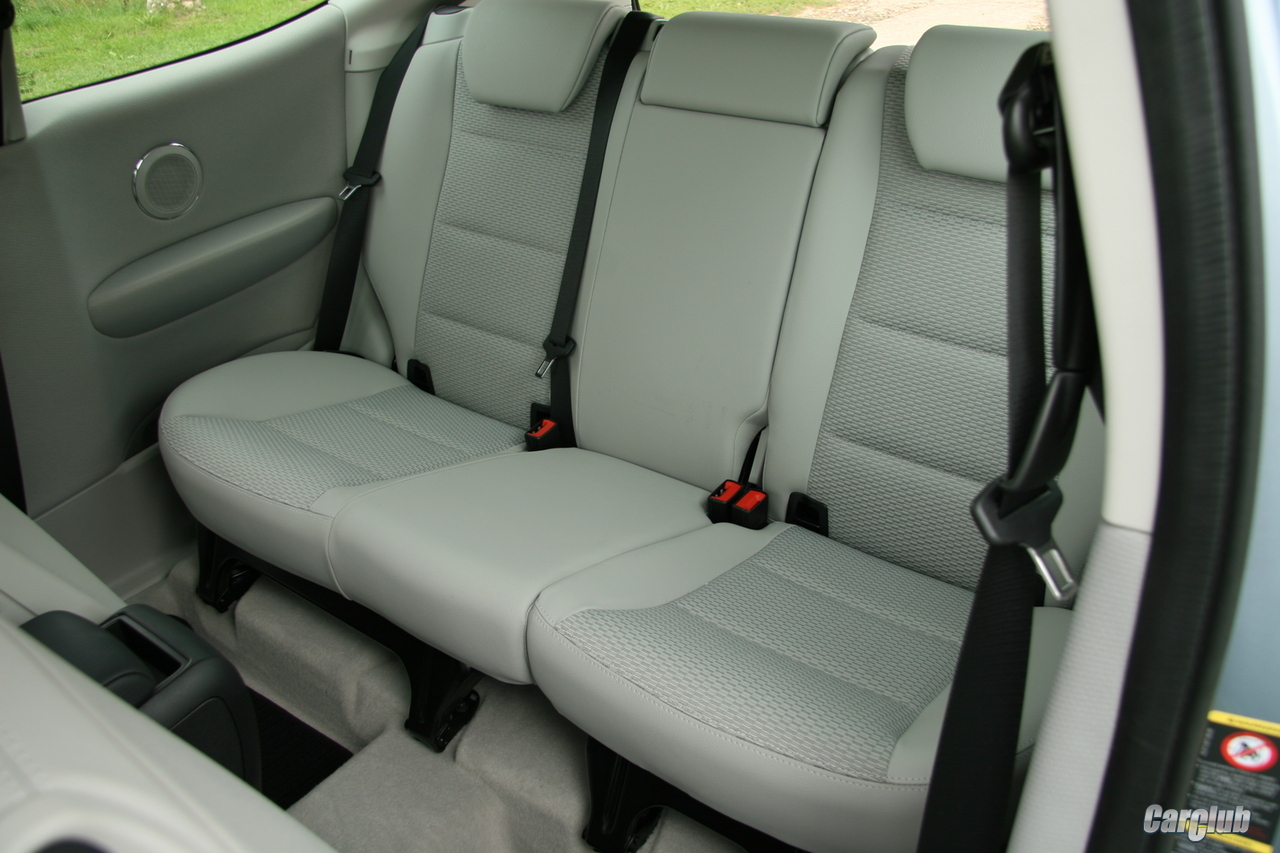
In the back of the 3-door A-Class
it's quite cramped |
Another option for 1,000 euros is the active parallel parking assist system. While the car is moving at speeds up to 35 km/h, sensors scan the space on the left and right, assessing the length and depth of suitable spots. As soon as a free space is found, the "P" symbol and an arrow indicating the direction light up on the display. Then it's simple: engage reverse gear, and the car parks itself. The driver only needs to operate the accelerator and brake pedals, while the car steers itself.
 |
 |
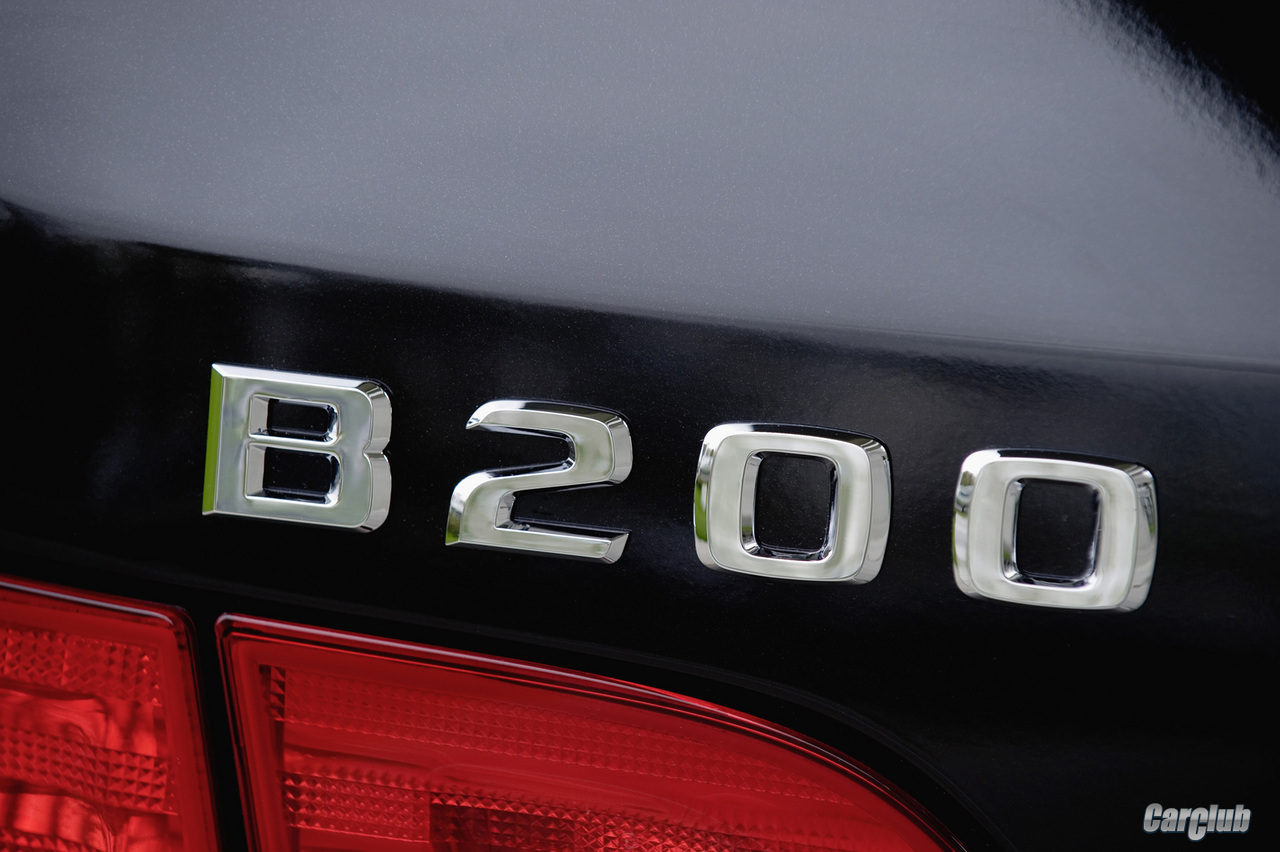
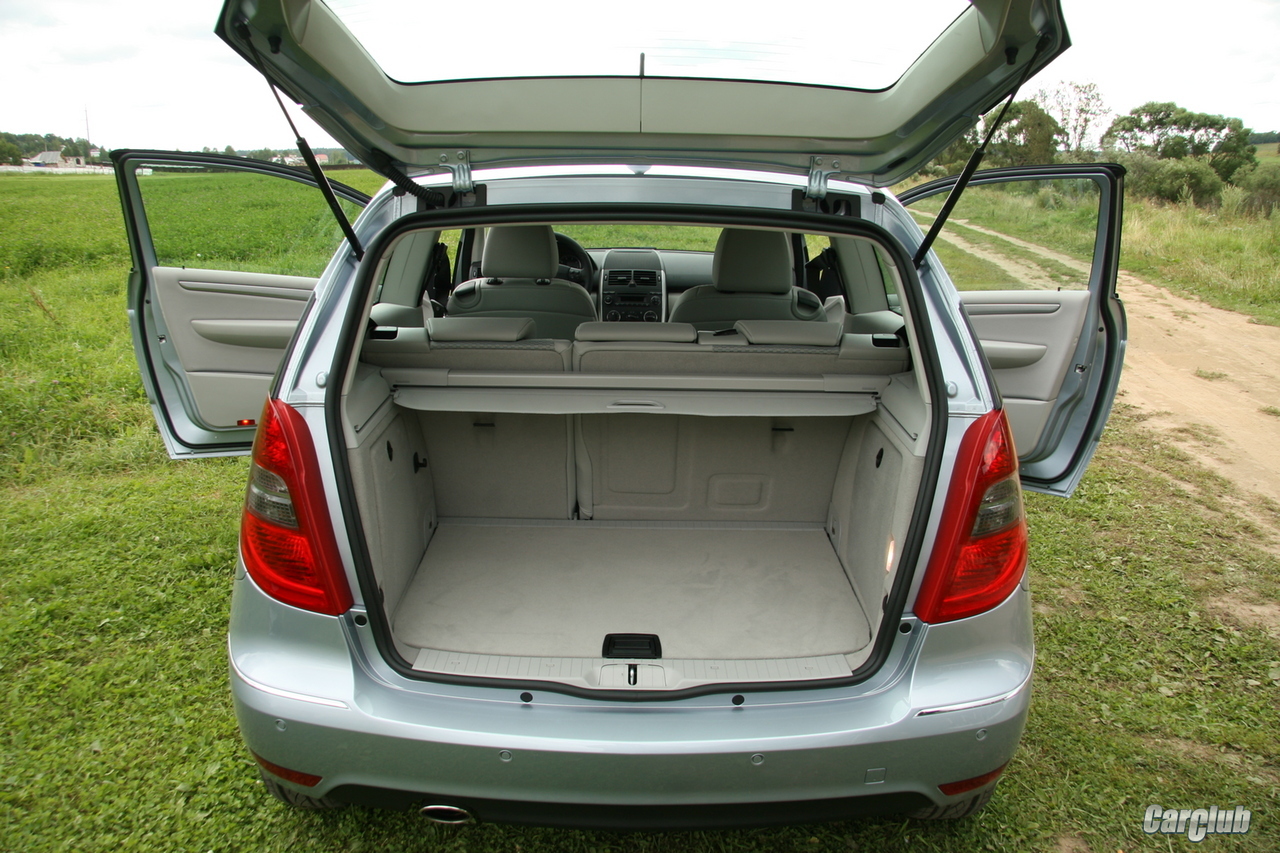
The A-Class and B-Class are the beginning of the Mercedes model range, the first letters of the alphabet of this brand. The A-Class has its own trump cards: it is more comfortable on bad roads, more maneuverable and compact — in the city this is a big plus. The B-Class, in turn, offers more legroom for rear passengers, a trunk volume of 544 liters (and with the rear seats folded — 2,245 liters), and a smoother ride on the highway.
The Mercedes brand's belonging to the premium segment is directly reflected in the price tags — you have to pay for status. The base version A150 is priced at $22,728, which is equivalent to 181,818 hryvnias. If you choose the five-door body in the same trim, the surcharge will be $875 (6,994 hryvnias). The most powerful version, the A 200 Turbo, already costs $32,468 (259,741 hryvnias). As for the B-Class, the price range starts from 899,100 hryvnias and goes up to $38,087 (304,695 hryvnias).
Ruslan Galimov
 |
 |
 |
 |
 |
 |