
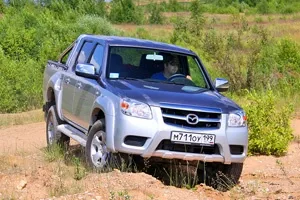
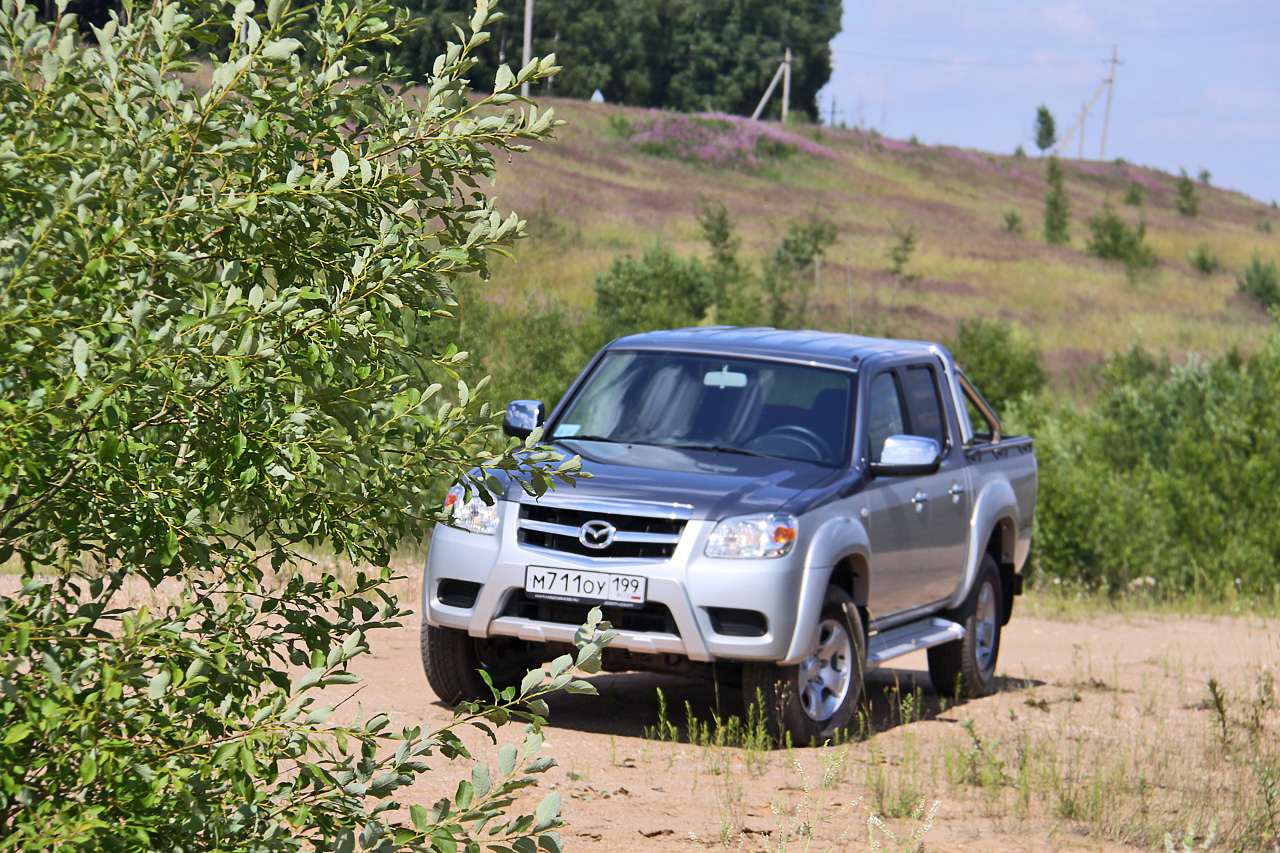
 Together with us, the Mazda BT-50 pickup truck, which was first shown in Russia in the fall of 2006, and two years later the Japanese gave it a light restyling, went on a trip to Lake Onega.Comments
 The idea to go fishing came unexpectedly, but it immediately became clear: we are going to Onega. This lake is the second largest in Europe, although in area it is almost twice inferior to Ladoga, and it contains three times less water. But in terms of purity, Onega water gives a head start not only to Lake Ladoga, but also to Baikal itself.
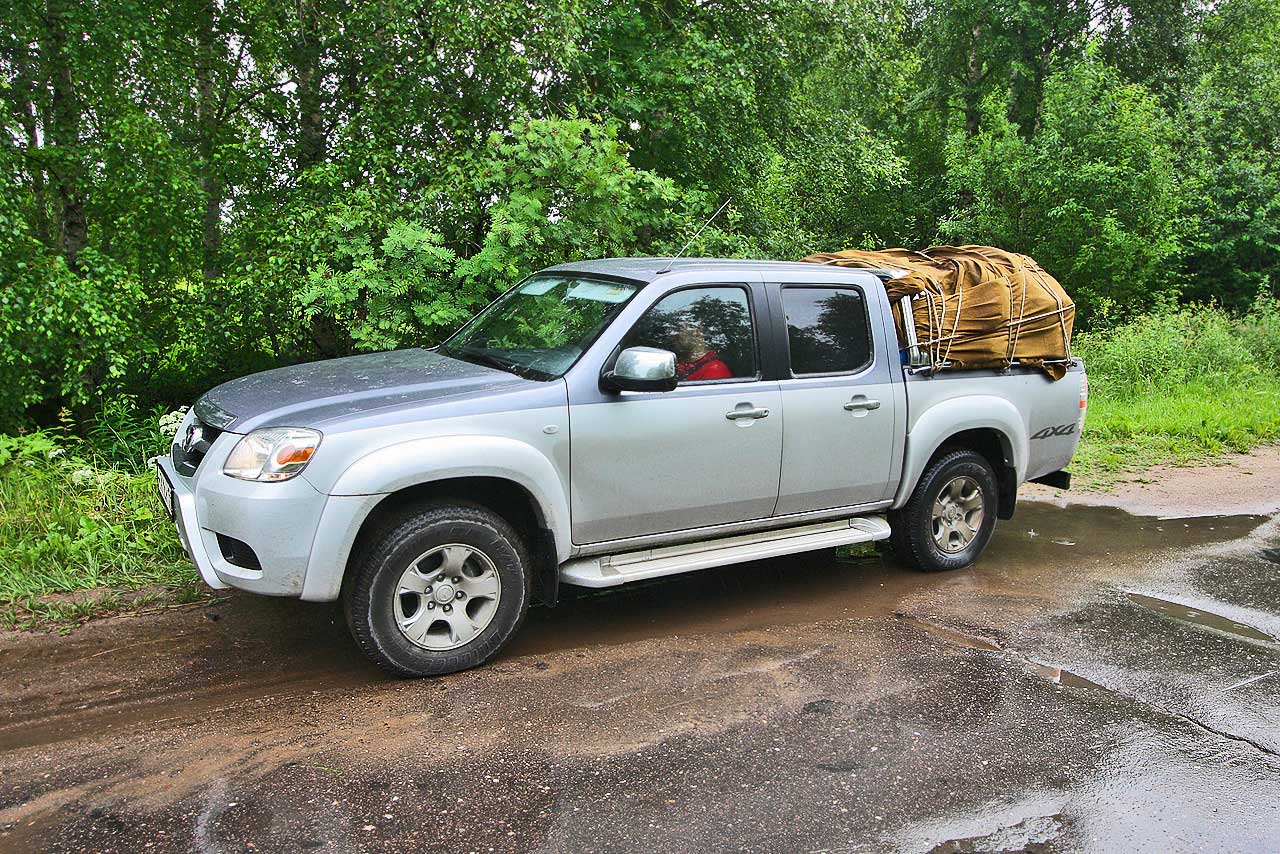 |
| When you choose a pickup truck, one of the key indicators is how much it can carry. In terms of payload capacity, the Mazda BT-50 is among the leaders in its class. We decided to check the official data in real life, and the "BT" did not disappoint. We managed to stuff two inflatable boats with motors, tents, an incredible amount of sleeping bags, and provisions enough for thirteen people into the cargo area. Plus, almost all our belongings and three more passengers fit in the cabin. |
Lake Onega stretches for 290 kilometers from northwest to southeast, and at its widest point reaches 82 kilometers. The coastline, especially in the north, is heavily indented — there are plenty of capes, bays, inlets, and islands. On the eastern shore, the main attraction is Cape Besov Nos, which gave its name to a whole group of petroglyphs. These ancient rock carvings are considered one of the most important archaeological finds, but scientists have managed to decipher less than half of them.
 |
| Since the Mazda BT-50 never got a trip computer, we had to calculate fuel consumption manually. Our measurements in "empty night highway, but full load" mode showed about 11 liters per hundred kilometers. Quite decent. |
The Onega petroglyphs are perhaps the most mysterious and unusual in all of Russia. The most attention is drawn to three figures on the very edge of Cape Besov Nos: the "demon" — a large human-like image, next to it a catfish (or burbot) and an otter, which is sometimes mistaken for a lizard.
Due to the complex bottom relief and clear water, there are excellent conditions for fish here. Lake Onega is home to almost all the fish found in Karelian waters.
 |
| Cape Besov Nos on the eastern coast of the lake is the most famous point, which gave its name to a large group of petroglyphs considered the most valuable archaeological heritage. |
Our companion was the Mazda BT-50 pickup truck, whose Russian premiere took place in the fall of 2006. Two years later, the car was slightly updated: the front optics, bumper, and radiator grille were changed. Inside, different trim materials appeared, the instrument lighting became amber instead of green, the steering wheel was wrapped in leather, and the audio system received an AUX input. That, in essence, was all the changes.
For us, as for anyone considering the Mazda BT-50, such details are not the main thing. More important is the payload capacity, and this pickup has it at 1219 kg. And here the test "BT" worked one hundred percent. We loaded two inflatable boats with motors, tents, a huge number of sleeping bags, and food for thirteen people into the bed. In addition, almost all our belongings and three more passengers fit in the cabin.
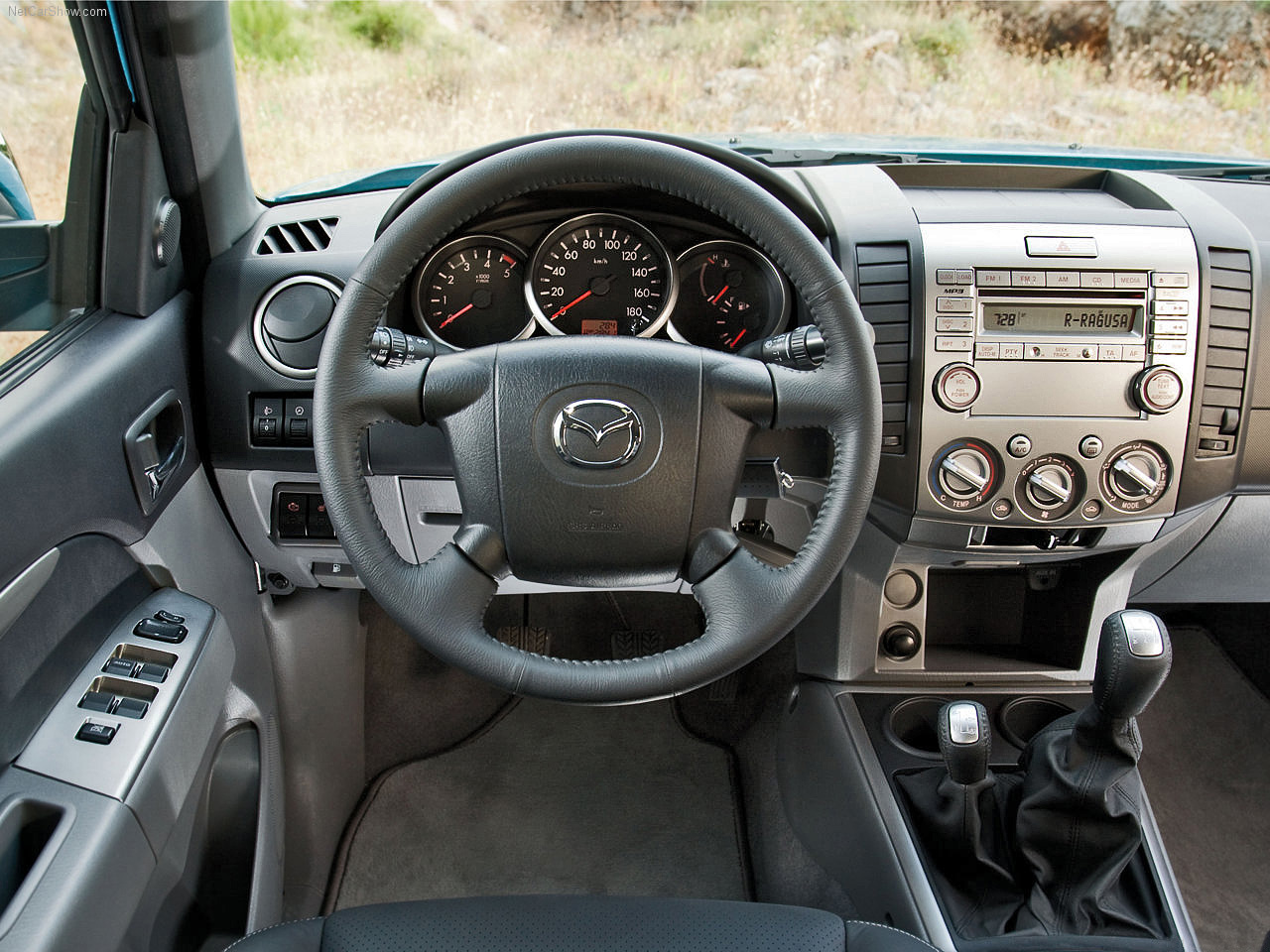 |
| The interior of the Mazda BT-50 is simple but well thought out. The front seats are comfortable, and your back doesn't get tired on a long journey. The only thing missing is seat height adjustment: the Japanese forgot about it for some reason, and it's really needed here. |
After inflating the tires according to the instructions and checking the pressure, we set off. The route looked like this: Moscow — Yaroslavl — Vologda — Vytegra — Pudozh, totaling about 1100 kilometers. The road generally pleased us: the asphalt is decent almost everywhere. Up to Vologda, you can fly without stopping, but after that begins a long forest section of about 270 kilometers, and it's all full of "waves." Before Vytegra, the asphalt suddenly ends altogether, giving way to a dirt road that you have to rattle along for a couple of kilometers. The city of Vytegra itself is perhaps the worst stretch of the entire route. The potholes there are such that it seems the road hasn't been repaired for twenty years. Even on a loaded pickup with tall tires, driving through the city faster than 20 km/h is unrealistic. But after Vytegra — another kilometer of dirt, and it's like you've entered a different country: the asphalt is perfect all the way to the destination.
 |
| The 2.5-liter diesel with 145 horsepower briskly pulls the pickup up to 140 km/h, and then the enthusiasm runs out. From a standstill, the BT-50 can wipe the nose of many cars with similar power if you engage second gear in time. First gear is too short: hesitate — and the acceleration falls flat. |
Now about how the Mazda BT-50 itself behaves. On a dirt road without a load, the pickup is ready to shake the driver's soul out — the rear leaf spring suspension bounces on any noticeable bump. But as soon as you load the car, it becomes noticeably more comfortable. And when we had no free space left even for a coin in the bed and cabin, the "Mazda" turned from an ordinary car into a huge ocean liner that gently sways on the waves. True, you need to be on guard in corners: with a full load, the soft ride is accompanied by considerable body roll, so you have to slow down in advance before sharp turns. But the energy intensity of the suspension is simply excellent — you won't see a breakdown, and the 16-inch wheels are reliably covered by wide tires with a 70-profile.
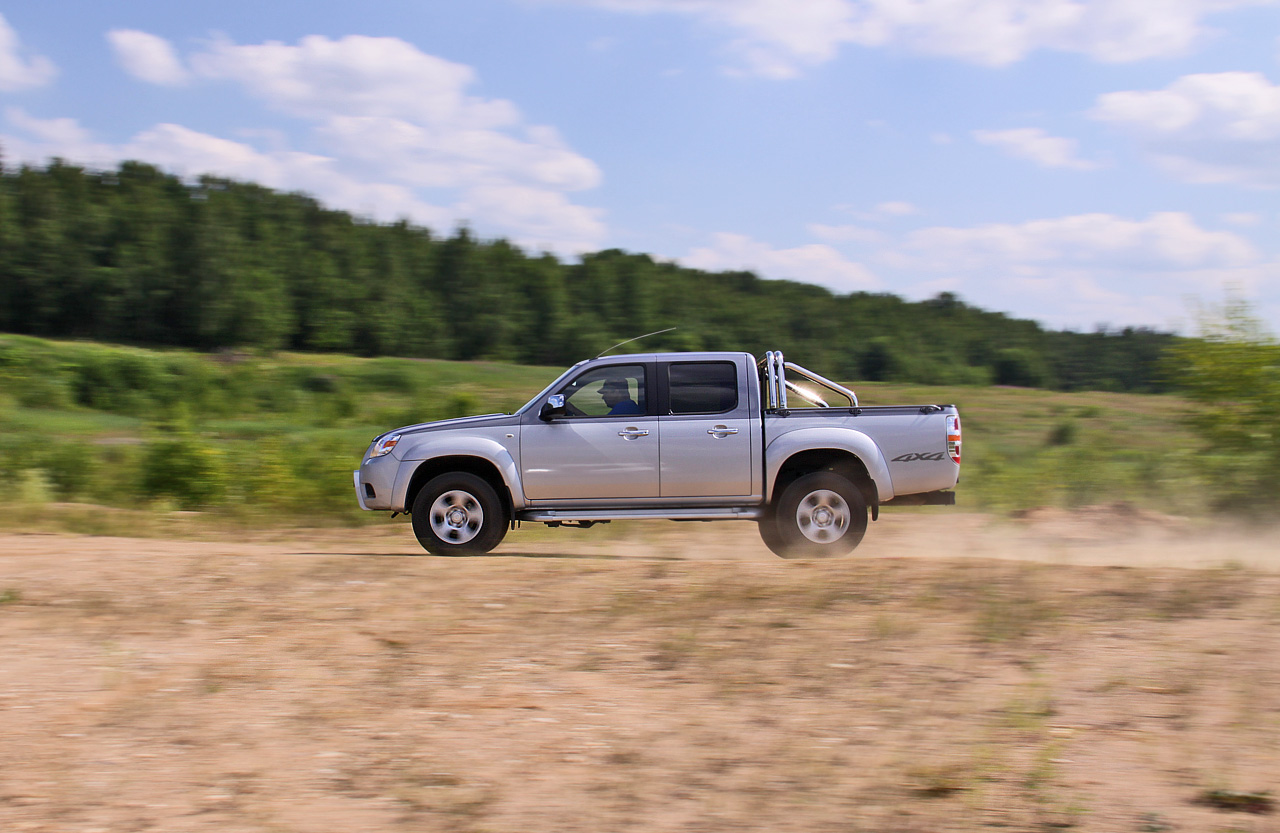 |
| An empty pickup on a dirt road is a test for the spine: the rear springs just try to toss the car on every bump. But with a load in the cabin, the "Mazda" becomes much more pleasant. And when we filled the pickup to the brim, it turned into a real cruise liner, sedately rocking on the waves. |
Inside the Mazda BT-50, everything is modest but meaningful. The front seats are comfortable, and you don't get tired on a long trip. The only drawback is the lack of seat height adjustment, and it's noticeable. However, even with such a limited set of adjustments, a person of average height can easily get comfortable behind the wheel. But rear passengers will have a hard time on a long journey: there's little legroom, the bench is low, and it all quickly tires you out. But my companions held up well — they endured all the thousand-plus kilometers and never asked to stop to stretch their legs.
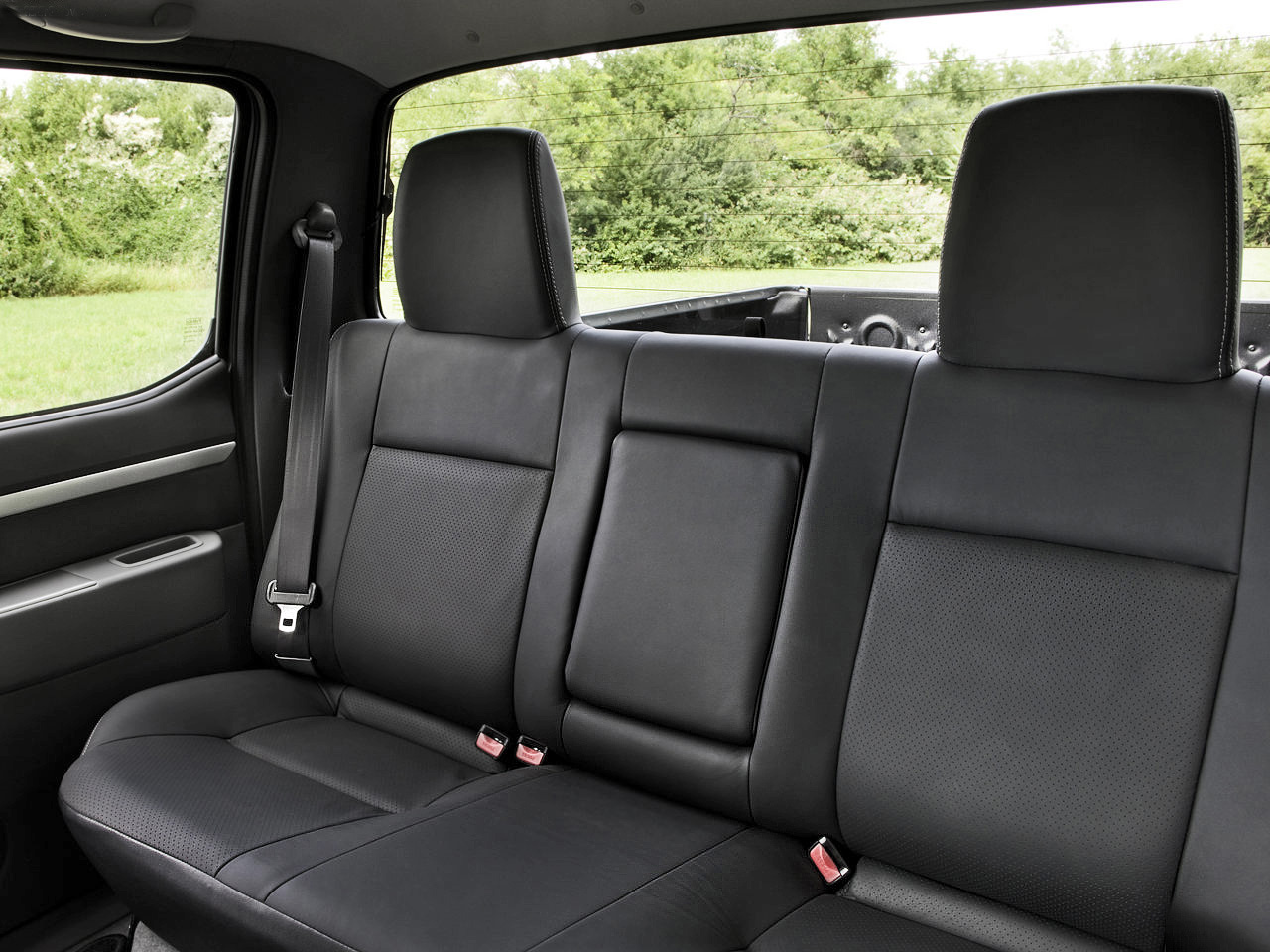 |
| In the back row on a long journey, it will be cramped: legs press against the seats, the bench is low, and fatigue builds up quickly. |
The 2.5-liter diesel, producing 145 horsepower, confidently accelerates the pickup to 140 km/h, after which the engine's enthusiasm fades. When starting from a standstill, the BT-50 can compete with many cars of similar power if you don't miss the moment to shift to second gear. First gear is too short — hesitate a bit, and the acceleration stalls. Otherwise, there are no complaints about the five-speed manual.
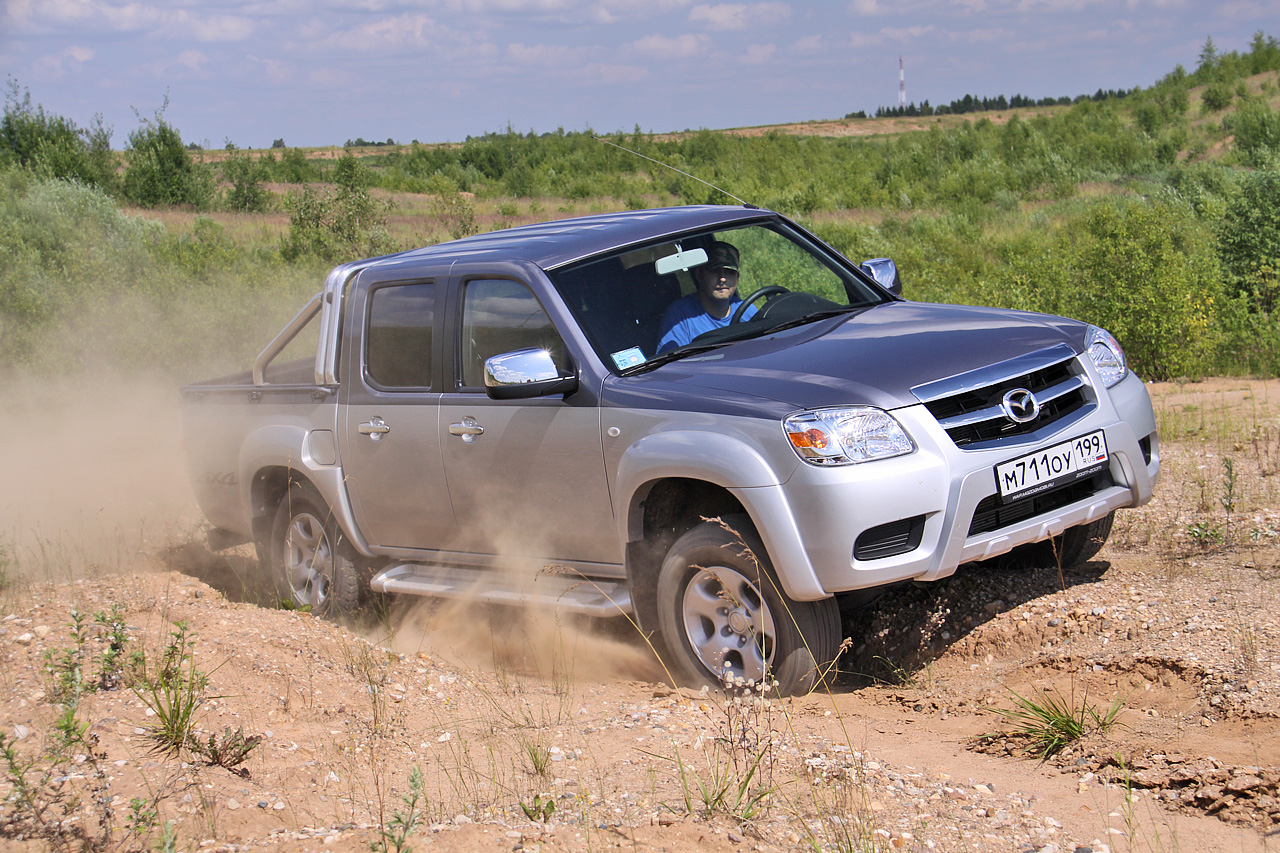 |
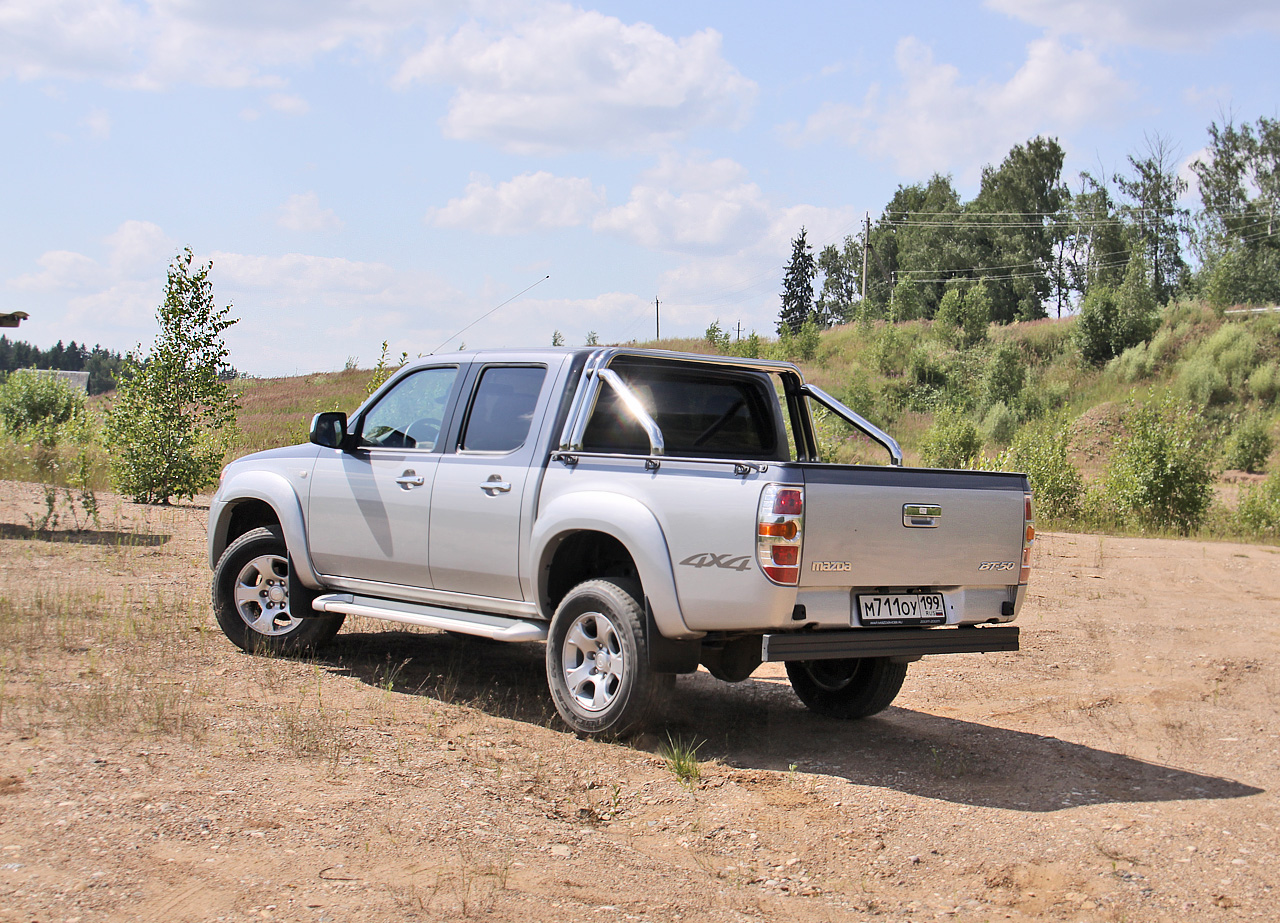
| The Mazda BT-50 has permanent rear-wheel drive, and the front axle is engaged when necessary. To engage low range, you need to stop and move the transfer case lever from 4H to 4L. On this gear, you are allowed to drive no faster than 40 km/h. A limited-slip differential is installed at the rear: if one wheel starts to slip, it transfers about 20–30% of the torque to the other. True, with diagonal wheel hanging, there is almost no benefit from it. |
On the highway, the Mazda BT-50 also didn't let us down: it confidently holds 120–140 km/h. The brakes are pleasing — the pedal is informative, and it's easy to modulate force even with a full load. Since the pickup doesn't have a trip computer, we had to measure fuel consumption manually. On an empty night highway with a full bed, it came out to about 11 liters per hundred. Quite worthy.
Although the car does not have a trip computer, our Active version turned out to be quite well equipped: air conditioning, full power accessories, heated seats, six airbags, a simple audio system, side steps, and 16-inch alloy wheels. Plus a two-tone body paint, which, however, comes at an extra cost — 19,000 rubles.
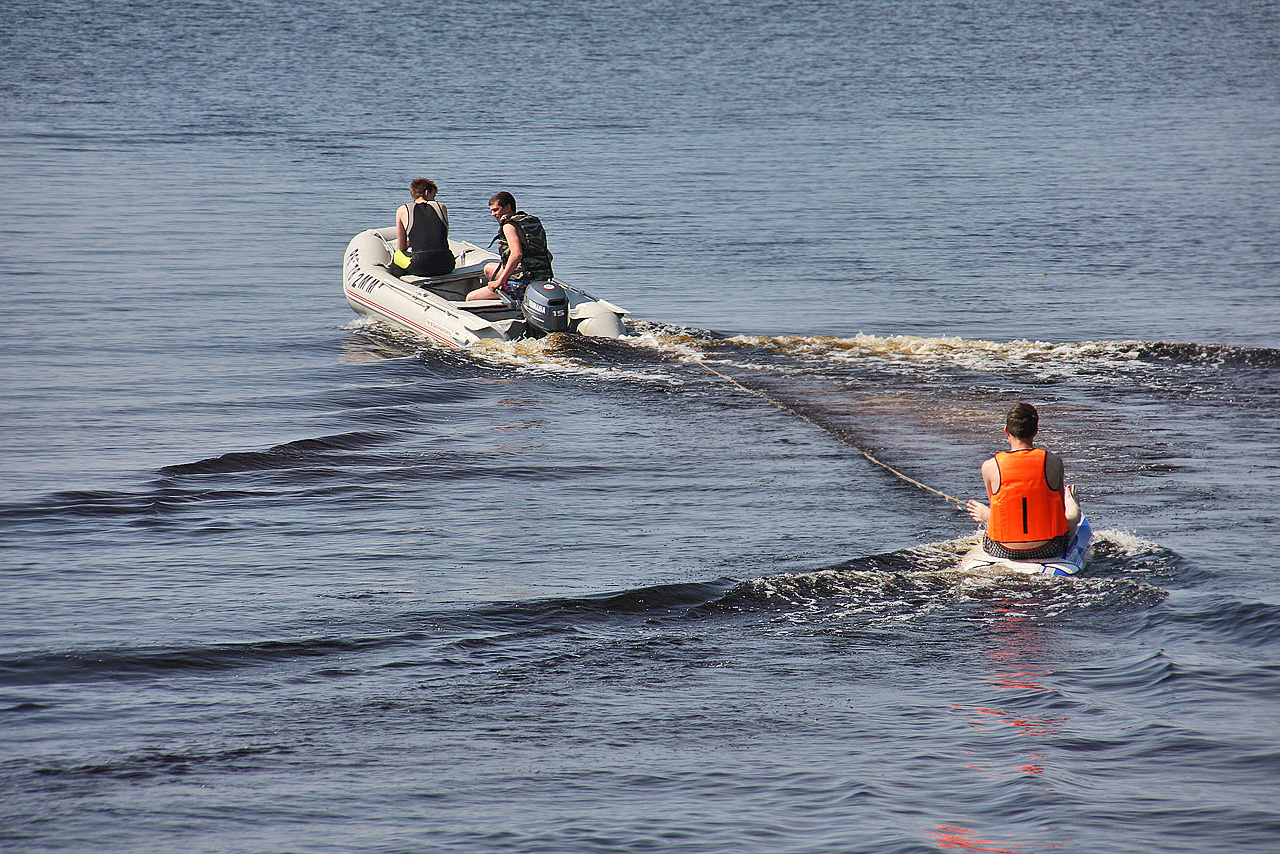 |
| Between trips to fishing, we managed to have a bit of fun. |
The drive scheme of the BT-50 is as follows: the rear wheels are always driven, and the front axle is engaged manually. There is no center differential, so on hard surfaces it is better not to use four-wheel drive — only on slippery ones. However, it can be engaged on the move up to 100 km/h. On the front panel there is a separate button that disconnects the front wheel drive without disengaging the axle from the transmission.
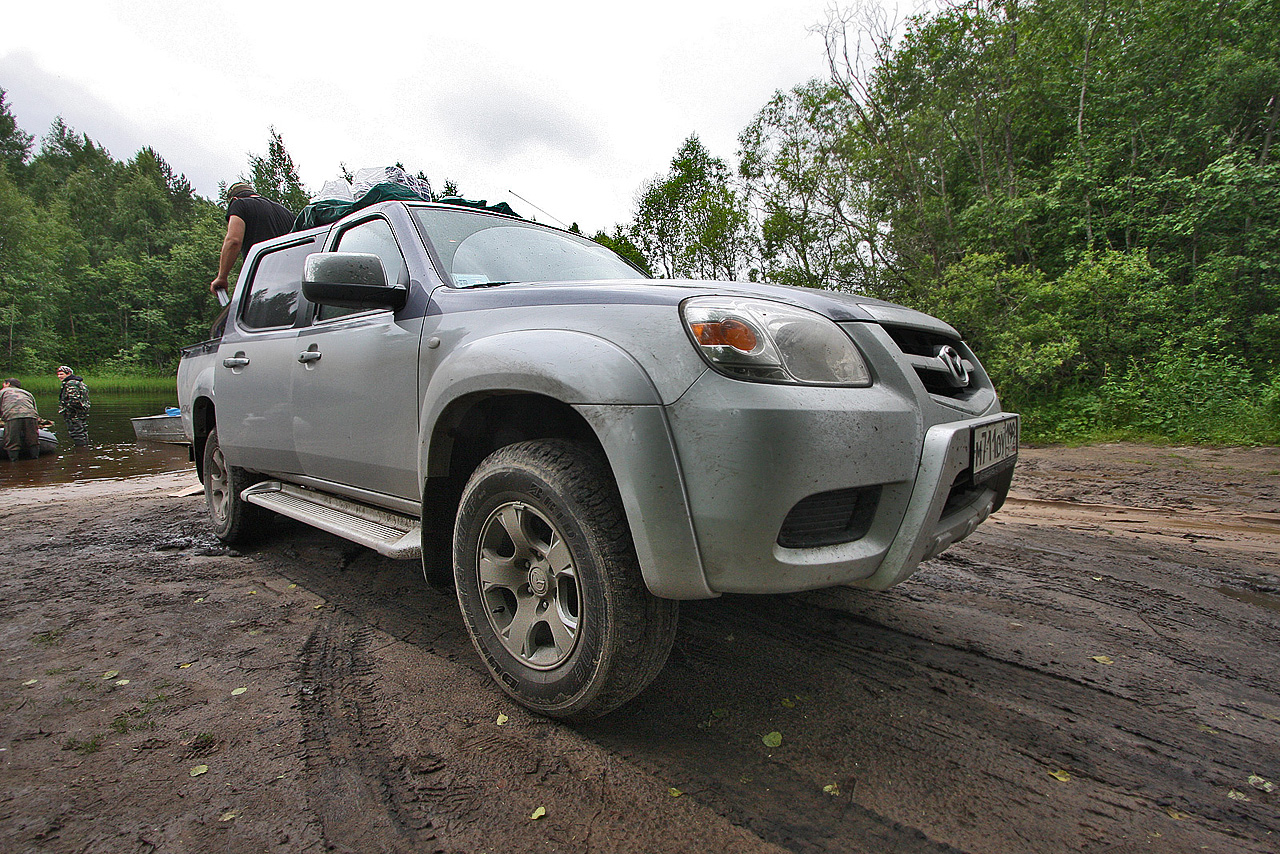 |
| Two years after its debut, the Japanese pickup underwent a slight restyling, during which the "BT" received slightly different front optics, a modified bumper, and a radiator grille |
The low range is activated only when stationary — you need to stop and move the lever from 4H to 4L. You can drive on it no faster than 40 km/h. At the rear there is a limited-slip differential: if one wheel spins, it transfers part of the torque (about 20–30%) to the second. This helps to start on ice or keep the rear in a slide during active driving. But if the car is hung diagonally, such a lock is practically useless.
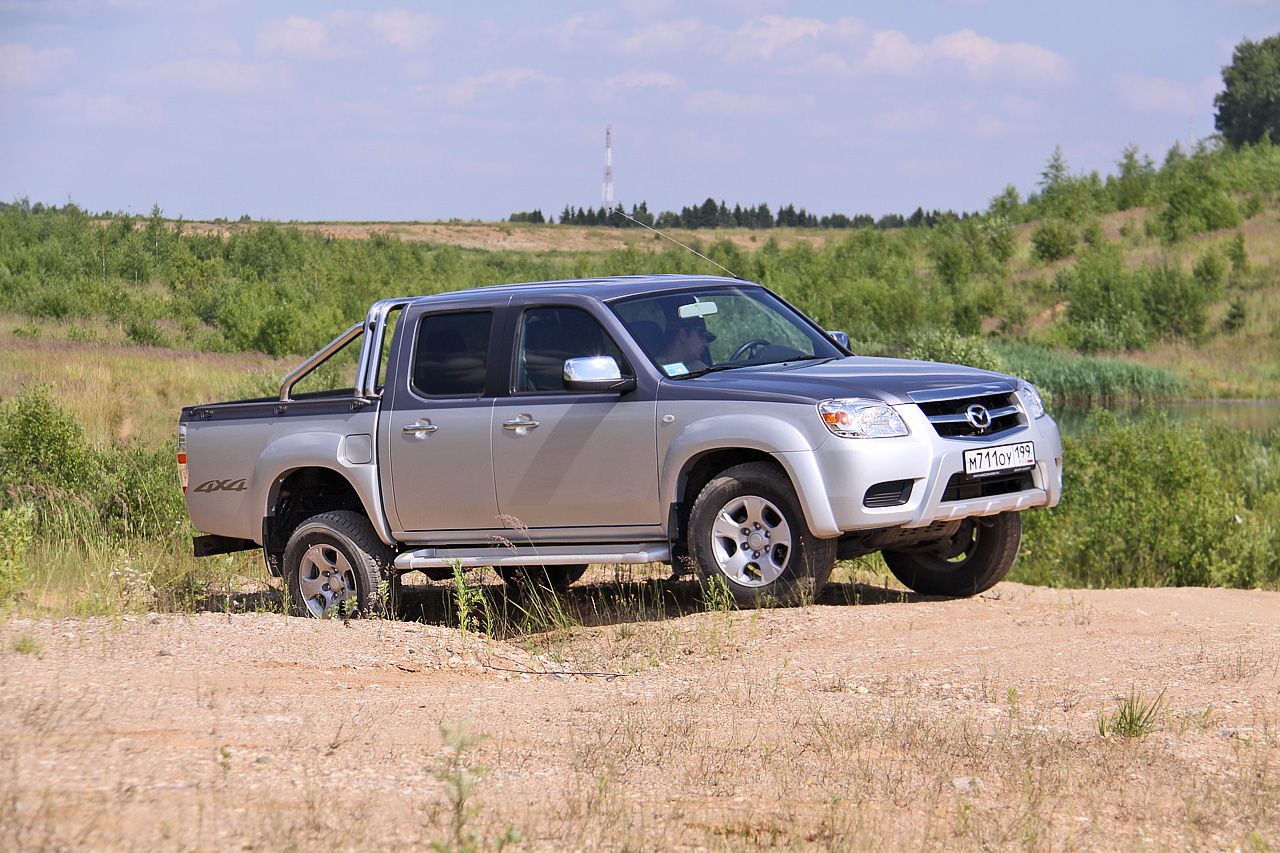 |
| The energy intensity is amazing. You won't see a suspension breakdown here, and the 16-inch wheels are well protected from damage by wide tires with a 70-profile. |
However, in this trip, the off-road potential of the BT-50 remained unclaimed — but it did an excellent job as a small truck. In Russia, the pickup is sold only with a four-door double-cab and exclusively with a manual transmission. The base version Direct with unpainted bumpers, without ABS and other amenities costs 759,000 rubles. A well-equipped Touring+ — with power accessories, air conditioning, and 16-inch alloy wheels — will cost 899,000 rubles. Our BT-50 in the top Active is even more expensive — 987,000 rubles. And if you add 45,000, for that money you can also get leather upholstery.
Ruslan Galimov