
Oleg RASTEGAEV. Photo by Stepan SHUMAKHER
The freezing point of water is zero degrees. Mercury turns solid at minus 39, real winter diesel fuel at minus 35, gasoline at minus 60, and alcohol at minus 130 degrees Celsius.
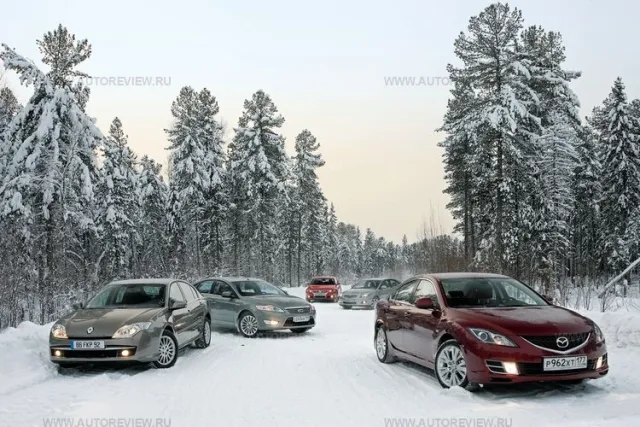
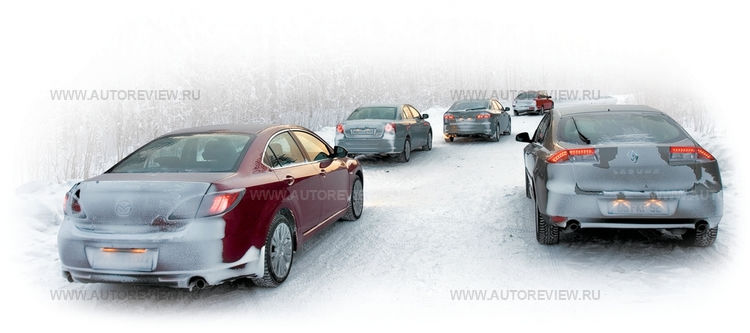
The electronic display of the Toyota Avensis sedan "froze" at minus 30: pale orange digits reluctantly responded to the turn of the key. However, the actual frost was stronger — the thermometer of the new Renault Laguna hatchback showed minus 35. Toyota, as if relying on its own sensor, came to life on the second attempt. But the Laguna, like the Ford Mondeo hatchback, did not. Meanwhile, the Volkswagen Passat and Mazda 6 sedans started immediately. So, there is a place to warm up...
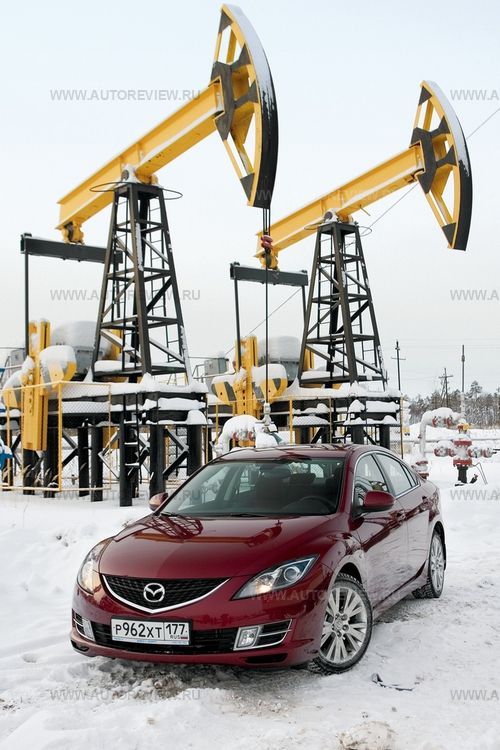
The action took place in Surgut. From there, we set course for Moscow in five cars: 3100 kilometers through Tyumen, Yekaterinburg, Perm, and Kazan, 1630 liters of 96-octane (such exists in Surgut too!) and 95-octane gasoline, one punctured wheel, and two confiscated driver's licenses…
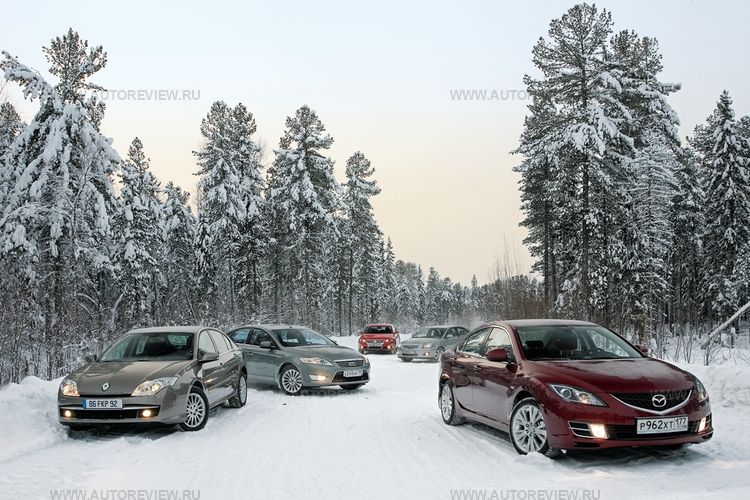
Of course, we managed to bring both the Renault and the Ford back to life. Although the Laguna initially surrendered without a fight, displaying engine and transmission error messages. We rolled the Laguna and Mondeo into a heated garage, dried the flooded spark plugs, started them — and by evening, the entire fleet was parked outside the hotel. In the morning, we decided to explore Surgut — a town that seemed charming by all signs! Just as long as there are no traffic jams. Or are traffic jams only in Moscow and St. Petersburg?
Not at all! The oil capital of Siberia has already overtaken Moscow: 120,000 cars for 290,000 residents! With an average salary of 33,800 rubles, that's not surprising.
We didn't get to admire the city to our heart's content: we spent the entire daylight hours again fussing with the Ford and the Laguna. The frost didn't let up, and they refused to start again. A trend! The worst part was that there was no heated garage nearby. We tried jump-starting them from running cars, attaching a starting device, and unscrewing the spark plugs to heat them with a gas torch bought for 380 rubles from a nearby store... All in vain. In the end, a short walk around the city turned into a search for new spark plugs. And that worked: the engines came to life! True, only by evening, when it "warmed up" to minus thirty.
| Ford Mondeo | Renault Laguna | Volkswagen Passat |
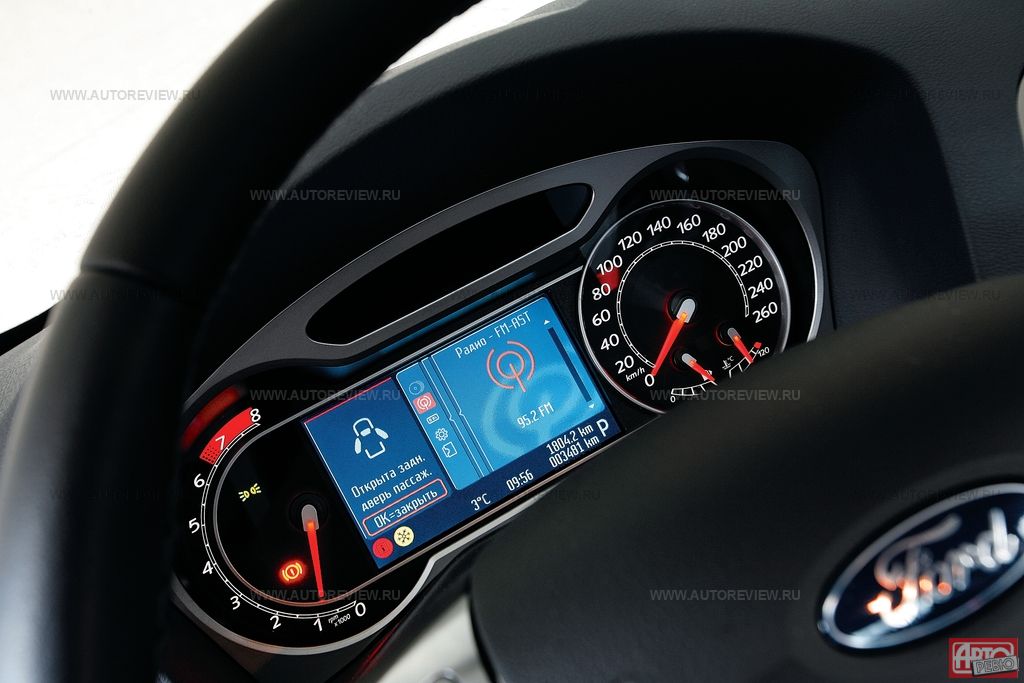 | 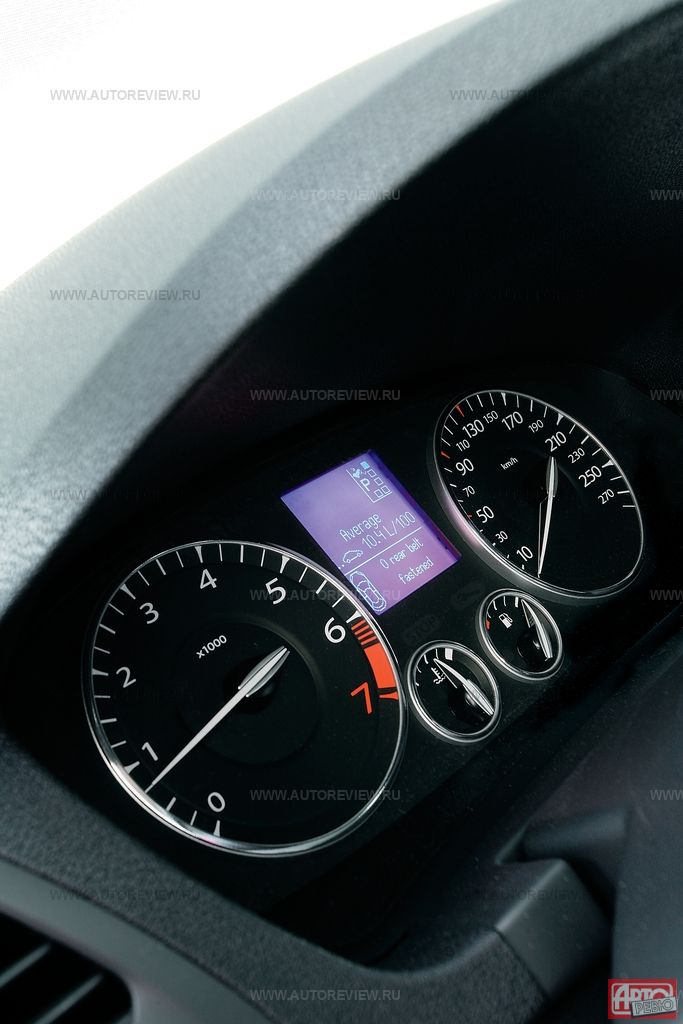 | 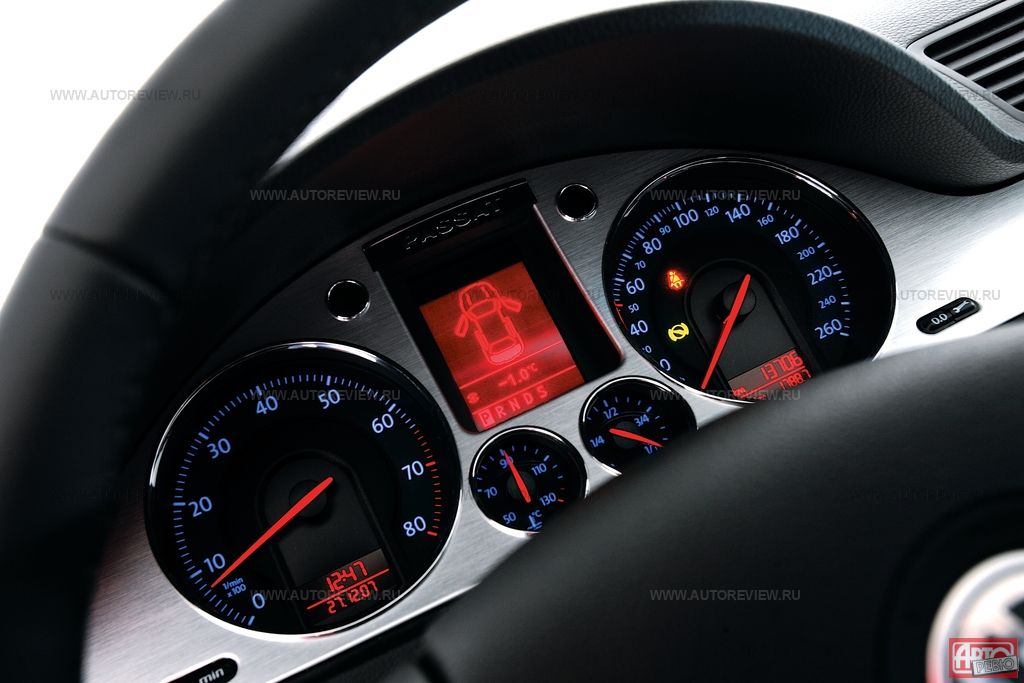 |
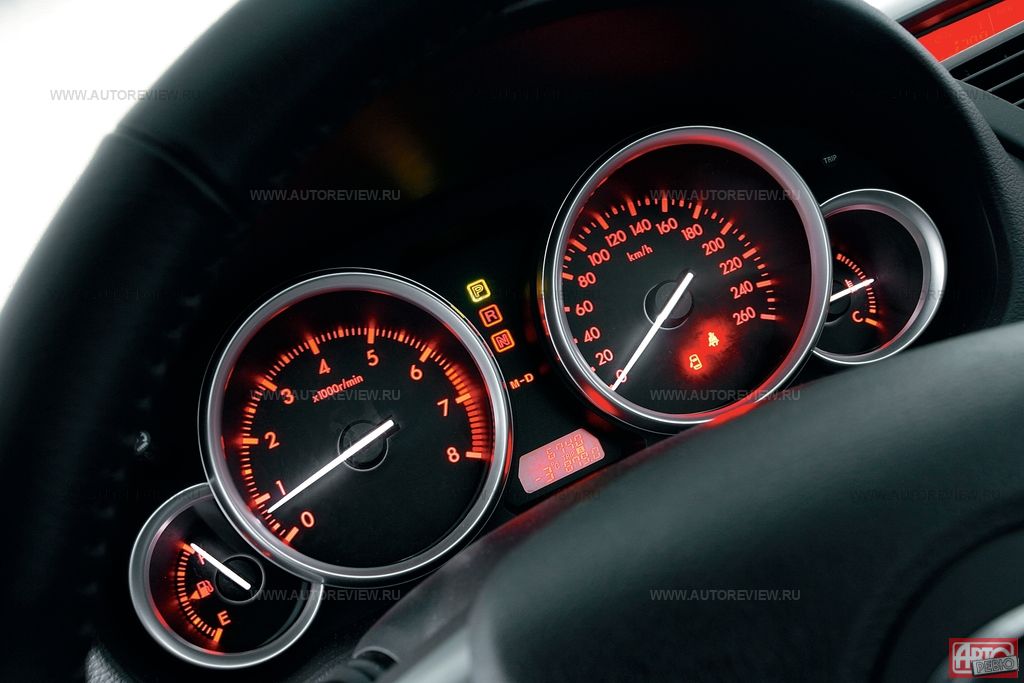
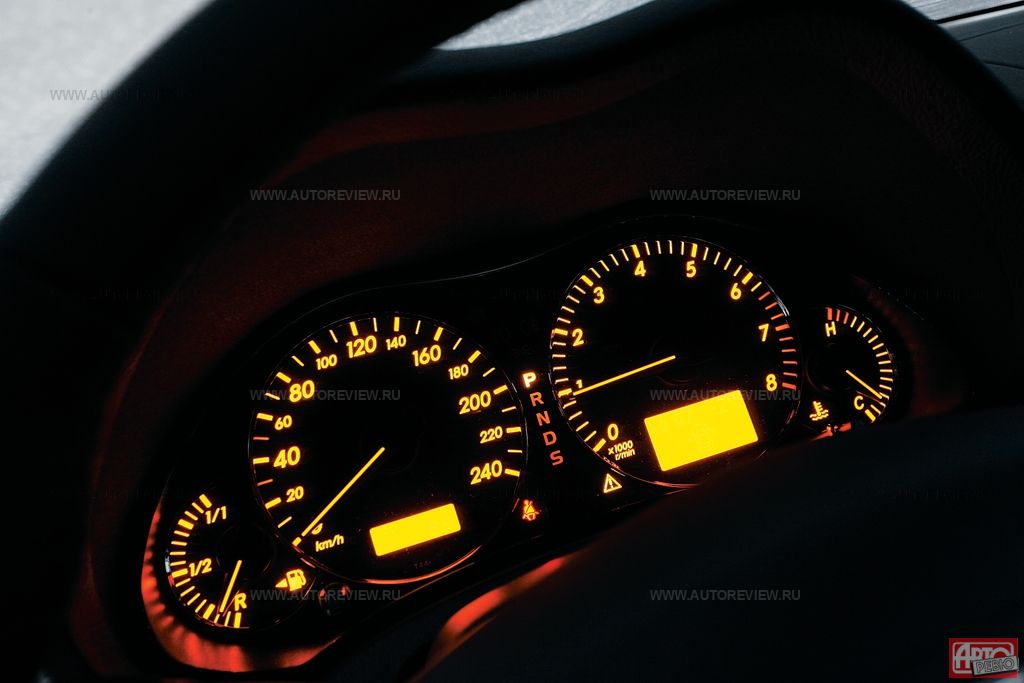
| Mazda 6 | Toyota Avensis | The most understandable instrument panel with soft "lunar" backlighting is in the Laguna, while the most feature-packed is in the Mondeo in top trim: with a large color (and Russified) screen. The Mazda and Toyota have classic instruments, while the Passat irritates in the evening with its signature toxic-blue backlighting |
 |  |
We planned the start to Moscow for six in the morning, and in the evening guests from the capital arrived in Surgut. Divakov and Podorozhansky flew in, along with Renault engineer Cyril Rouffier-Meray, who participated in the Laguna's refinement, and Ford specialist Sergey Vinogradov; Mazda expert Pavel Salomatin also joined us. Oh, how nice it would be to sit down properly with such company — alcohol doesn't freeze until minus 130… But we had to get up at 5:00, so — no, no! Just a little, for the meeting in Siberia.
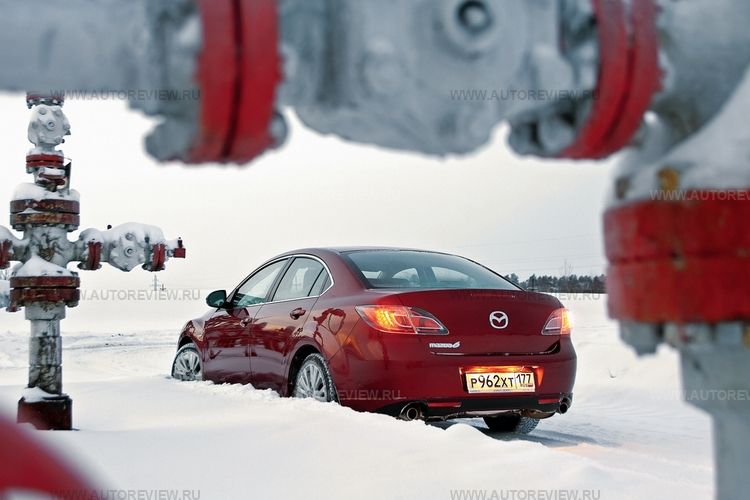
The new Mazda 6 is recognizable by the family traits of its predecessor, and the style evolution was marked by "crystallization," emphasized by the rear lights with LEDs
Our Surgut epic began with the fact that it was here that the new Mazda 6 was to be shown to the Russian press. And since Autoreview readers are already familiar with the "six" (see AR No. 20, 2007), we decided to use the chance for a comparative test: we'd gather competitor cars in Moscow, drive them to Siberia, pick up the Mazda in Surgut — and then drive home as a group of five.
Easier said than done…
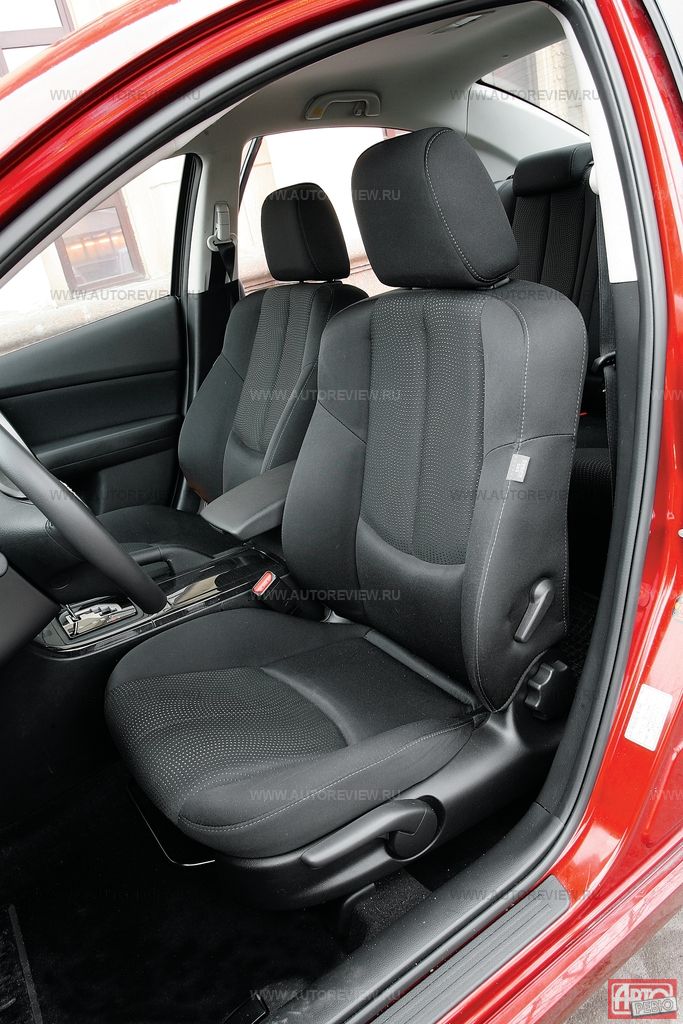 | 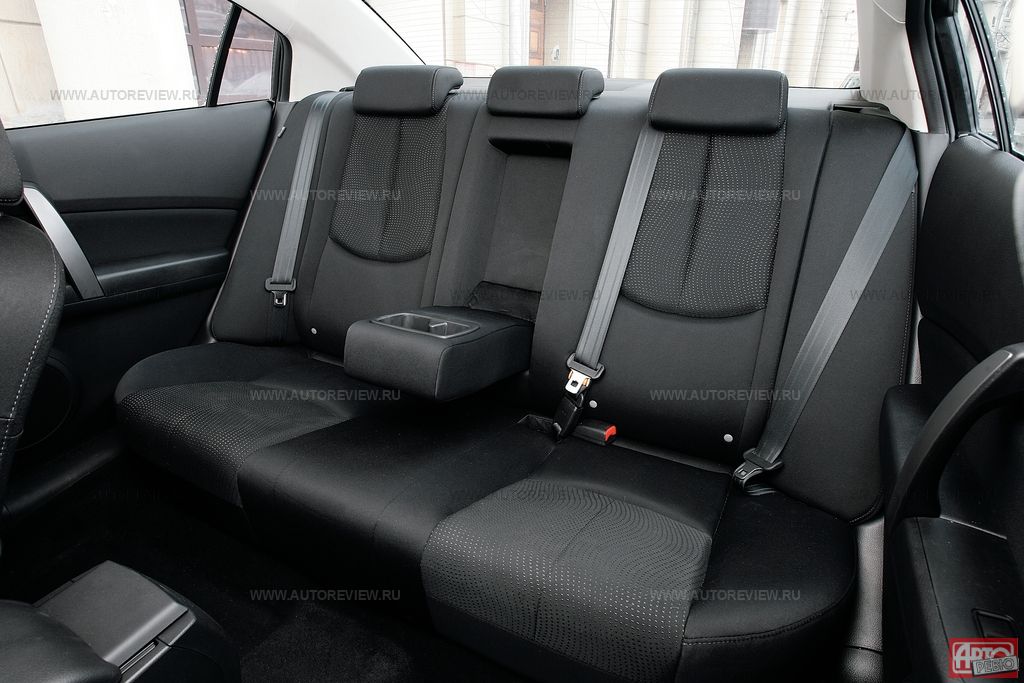 | 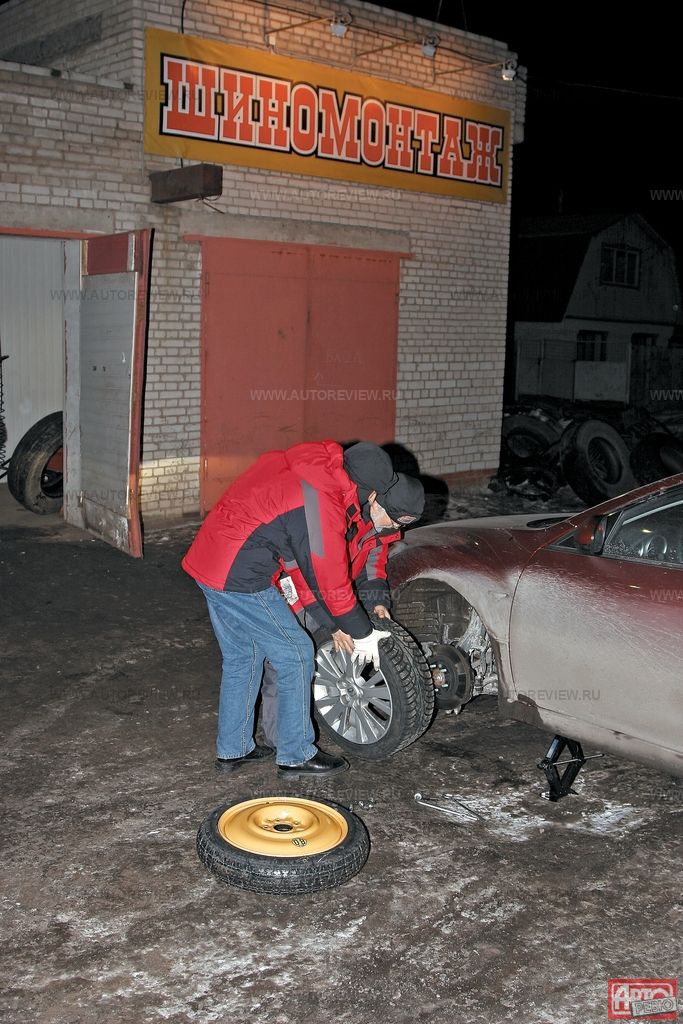 |
| In the Mazda, the seating position is the lowest and most sporty, but larger people will feel cramped here | Recessed headrests don't obstruct rear visibility, and the seats offer an average level of comfort | On the bypass near Vladimir, we encountered a treacherous asphalt ledge. Four cars passed it without consequences, but the Mazda with its stiff suspension took a hit that punctured the sidewall. Good thing we brought a spare wheel; otherwise, we'd have had to crawl to Moscow on a donut |
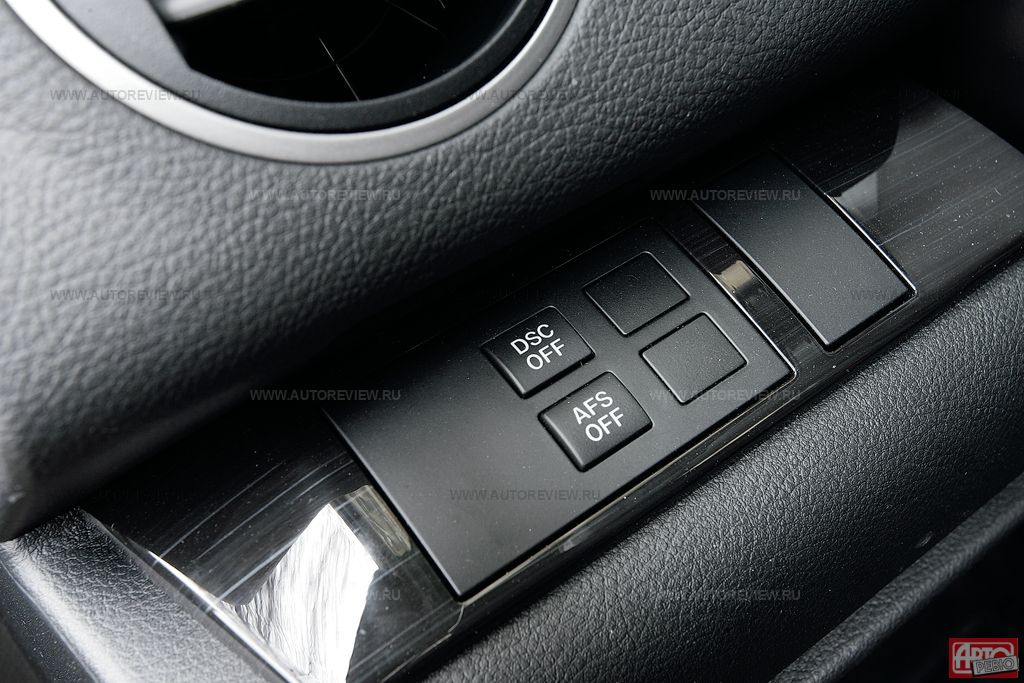 | 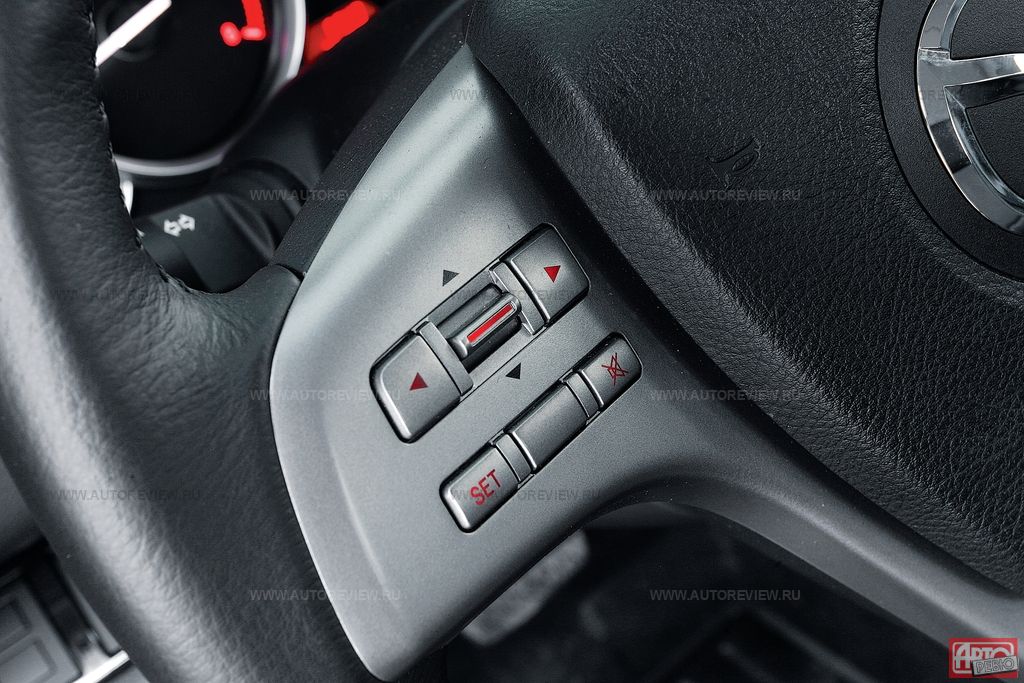 | 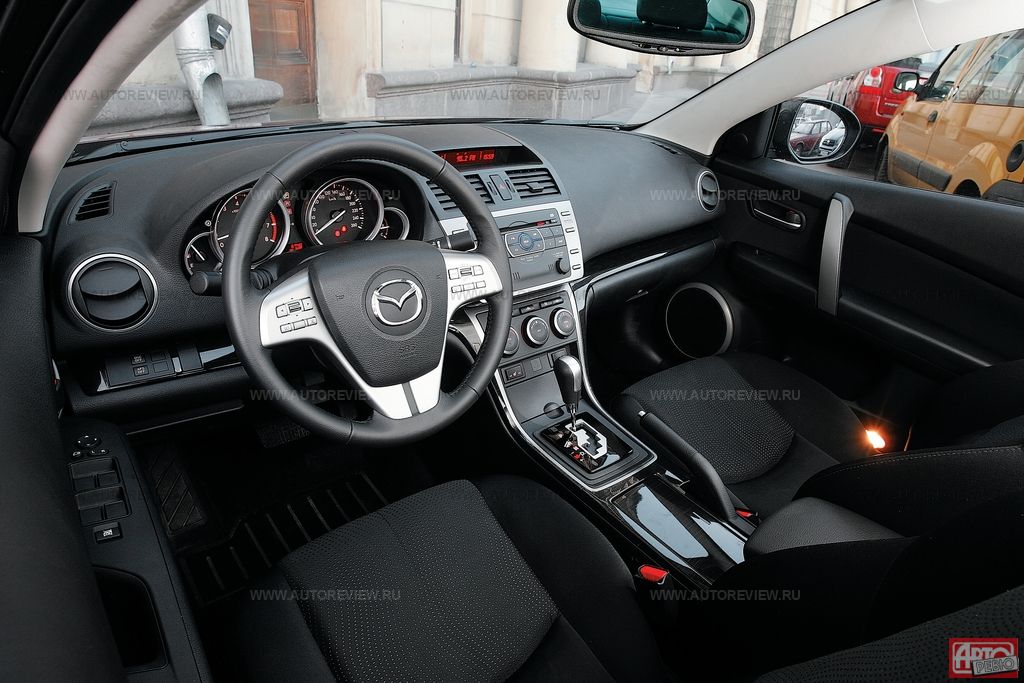 |
| To the left of the steering wheel are buttons to disable stability control (DSC off) and adaptive headlights (AFS off) | This button block on the left steering wheel spoke controls not only the audio system but also the onboard computer and climate | By day, the interior of the new "six" looks fresh and elegant, but at night — somewhat gloomy. Interestingly, the right part of the panel feels "soft" to the touch, while the left is "hard," although visually the materials are identical |
We won't list all the troubles with gathering the cars, but the test had to be postponed by a week. We decided that four cars would go to Surgut on a car carrier, and a few days later, a "capture group" would fly there. But on the morning of the car carrier's departure, we sent an SMS to the editor-in-chief: "Boss, everything is lost." We weren't joking.
A couple of days earlier, specifically for our test, a Laguna was delivered from Paris to Moscow by cargo flight. Although several Lagunas were already driving around the capital, the French, like us, wanted the car to arrive in the form it would be sold in Russia — adapted for our climate and roads. And production of such cars had just begun in France. The car arrived, but customs officials said that processing the urgent cargo would take at least three days.
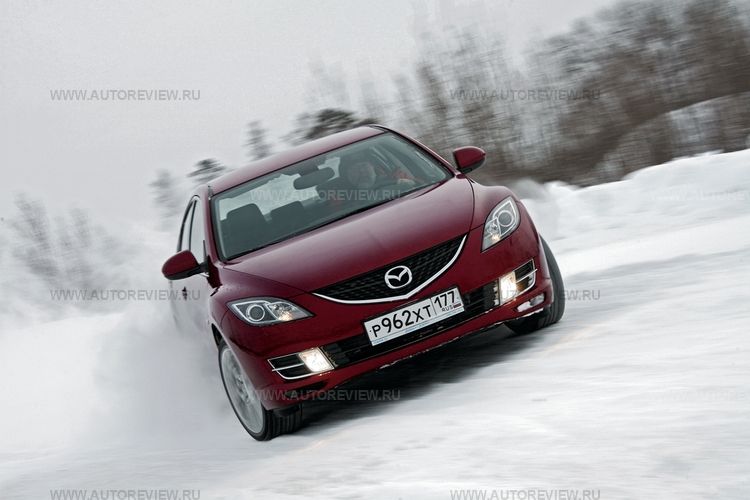
Mazda 6 is the most spirited car in the test. The flip side of such a nature is mediocre ride comfort. Sound insulation is also disappointing
Alarming news also came from the Toyota office: "The car is brand new, just arrived. We'll try, of course, but we're unlikely to manage to register it, get plates, and arrange insurance…" With the Ford, the same problem: it was the first Mondeo with an automatic transmission in the press fleet, also without plates and insurance.
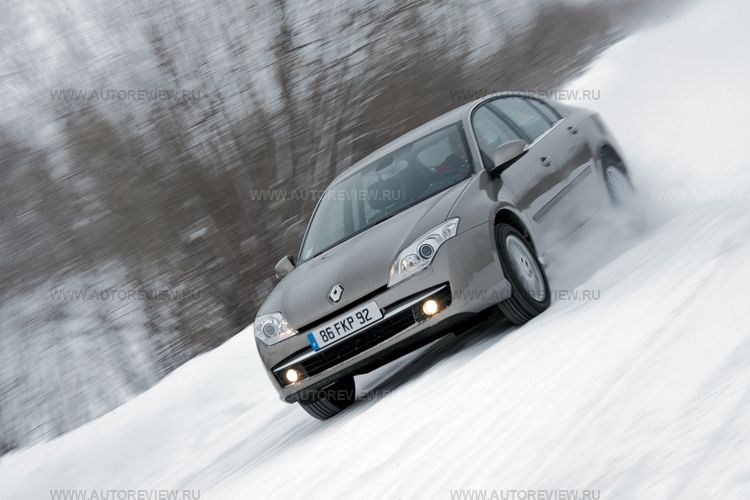
The Laguna in its adapted version confidently handles the bumps of our roads, but on relatively smooth surfaces, the suspension seems loose. The "feel of the car" is spoiled by the low-information steering
With the Passat, everything was clear from the start. The representative office warned in advance: a sedan with a two-liter naturally aspirated engine and automatic transmission wouldn't be found in their press fleet — they said deliveries of cars with the 2.0 FSI engine to Russia had been discontinued, and soon they'd be replaced by Passats with new turbocharged engines of 1.8 liters. As an alternative, they offered a Passat with a two-liter turbo engine producing 200 hp, but we decided that was excessive and rented the needed car. "No problem," the rental company replied. "We'll hold three two-liter Passats in excellent condition for you! Pay the invoice, come over — and choose!"
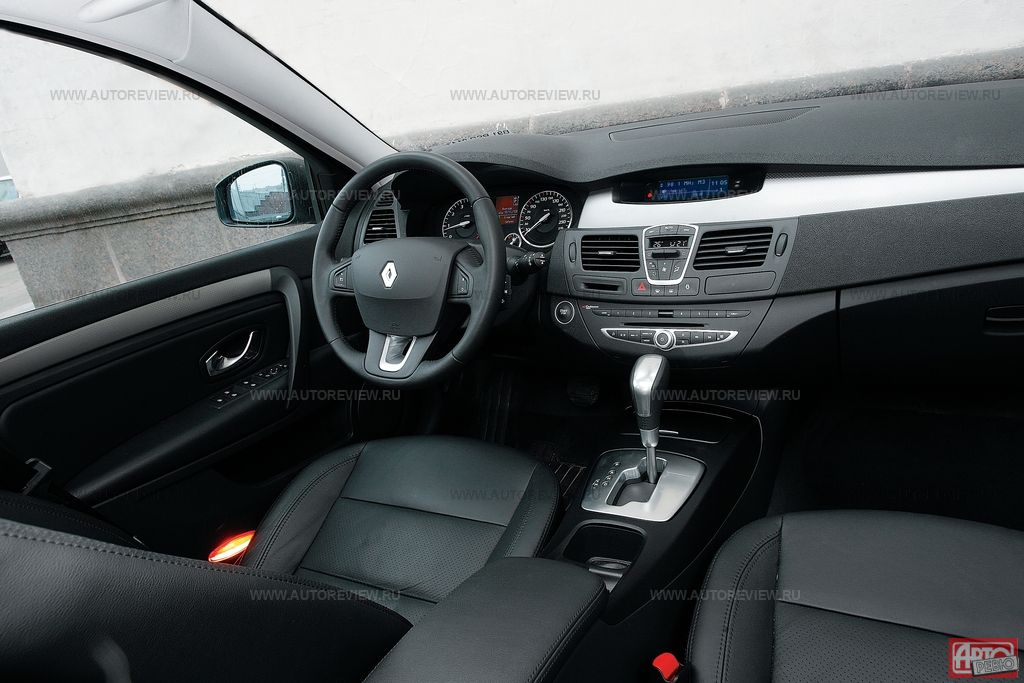 | 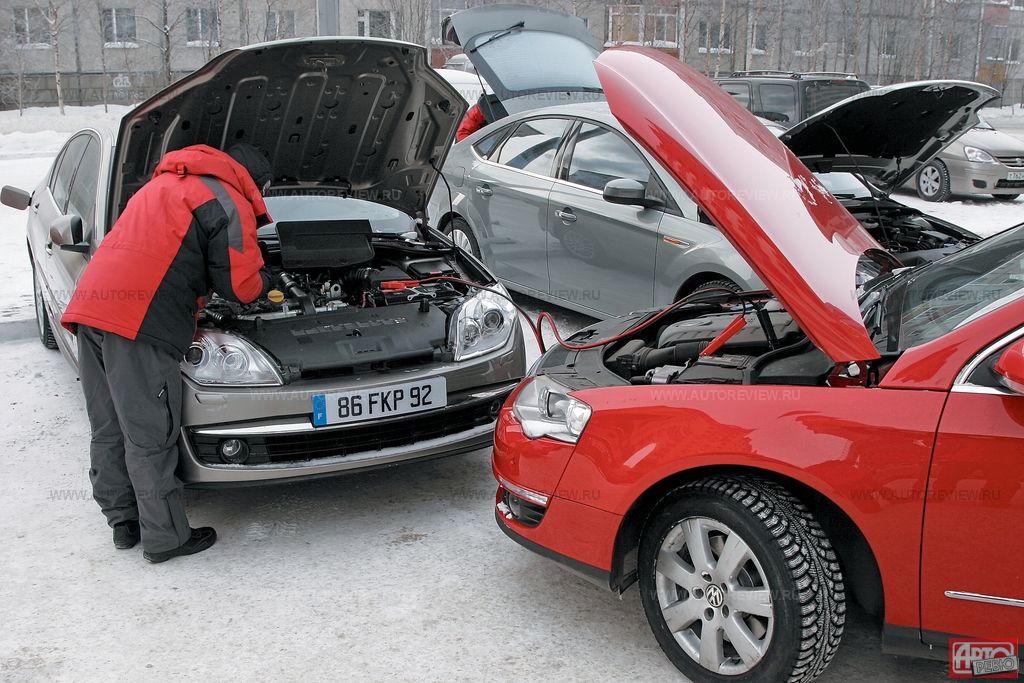 | 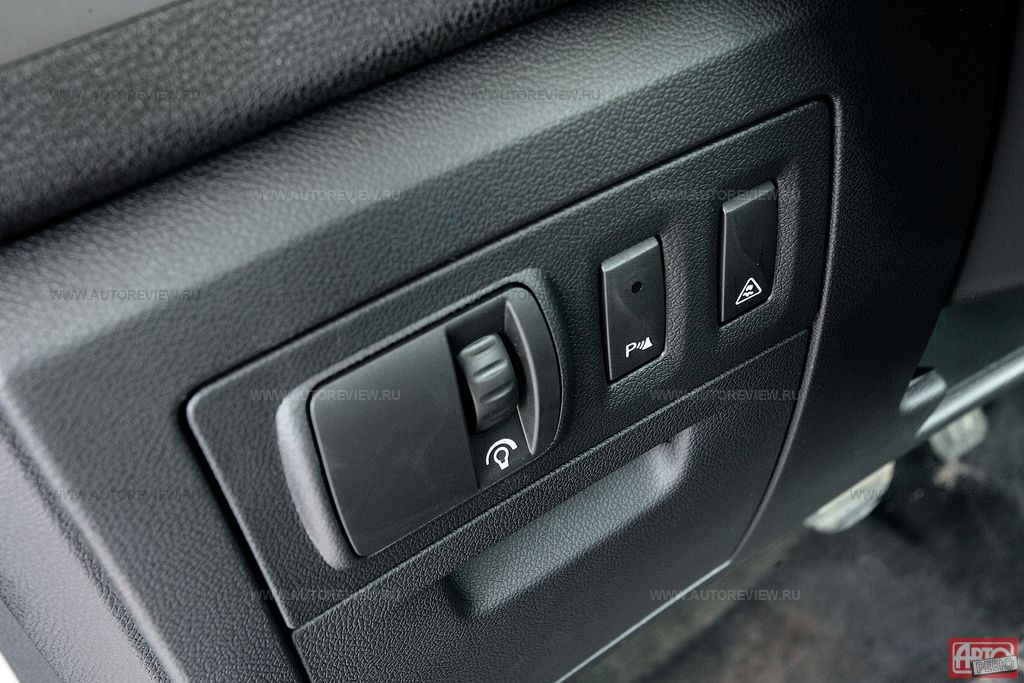 |
| In terms of interior design and material selection, the new Laguna has noticeably surpassed its predecessor, but it is still far from ideal | In 35-degree frost, the Laguna refused to start: the engine only came to life after replacing the spark plugs and "warming up" to –30°C | On the Laguna, the stability control system can only be turned off at speeds up to 50 km/h (in the photo — the right button) |
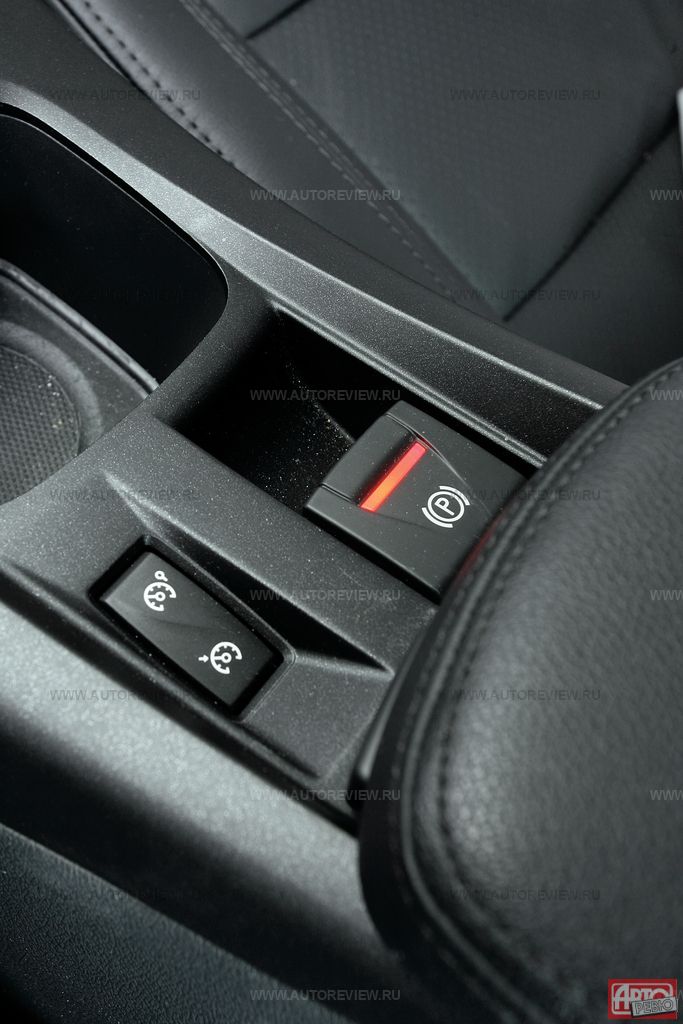 | ||
| A slippery ring on the left steering column stalk is responsible for controlling the headlights. Not very convenient | On the right under the steering wheel is the radio control panel. A typical solution for Renault | On the center tunnel are the buttons for the parking brake and cruise control |
We paid the bill, and on the day the car carrier was to depart, Uncle Vanya Shadrichev took the metro to the specified address. But he also returned by metro, telling a story in the spirit of the film "A Wedding in Malinovka," when the movie character described the available machine guns: "...And the third one, the bastard, shoots at his own." In the first two Passats, Uncle Vanya counted a total of "about five" properly working cylinders. The engine of the third car ran fine, but a quick check showed that "there was no suspension left." In addition, the airbag warning light was on, confirming suspicions of the car's rich history.
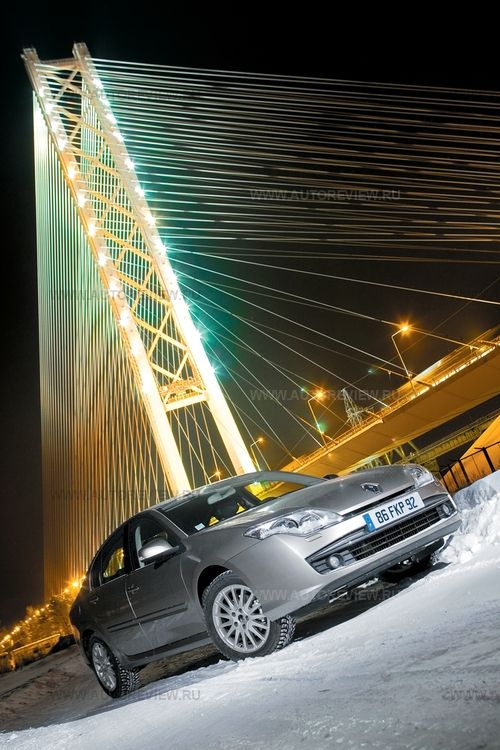
Not everyone has the patience, like our photographer Stepan Schumacher, to find an angle in which the Laguna looks interesting and attractive
Still clinging to the faint hope of getting a Passat with at least a 200-horsepower engine, we called the representative office, where they replied: "We recognize the Autoreview style! You might as well have said you needed the car the day before yesterday!"
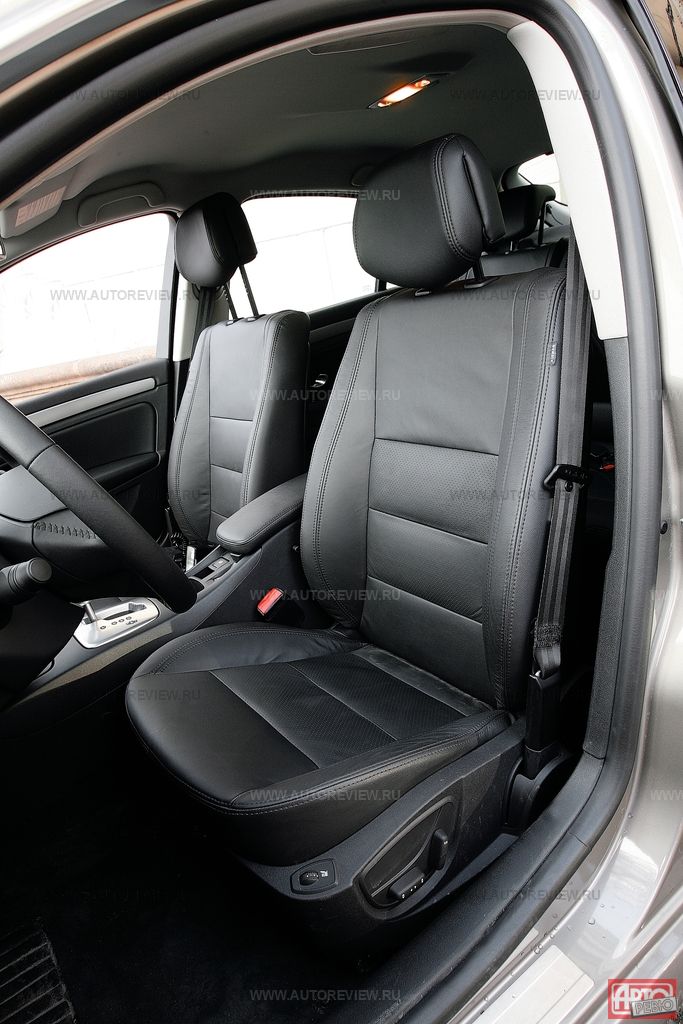 | |
| The Laguna's leather seat is high and doesn't boast a great profile — the base seat with fabric upholstery and manual adjustments sits lower and holds the body better | Beyond the "outskirts" of Surgut, the Laguna's thermometer shows minus 37, and that's the truth |
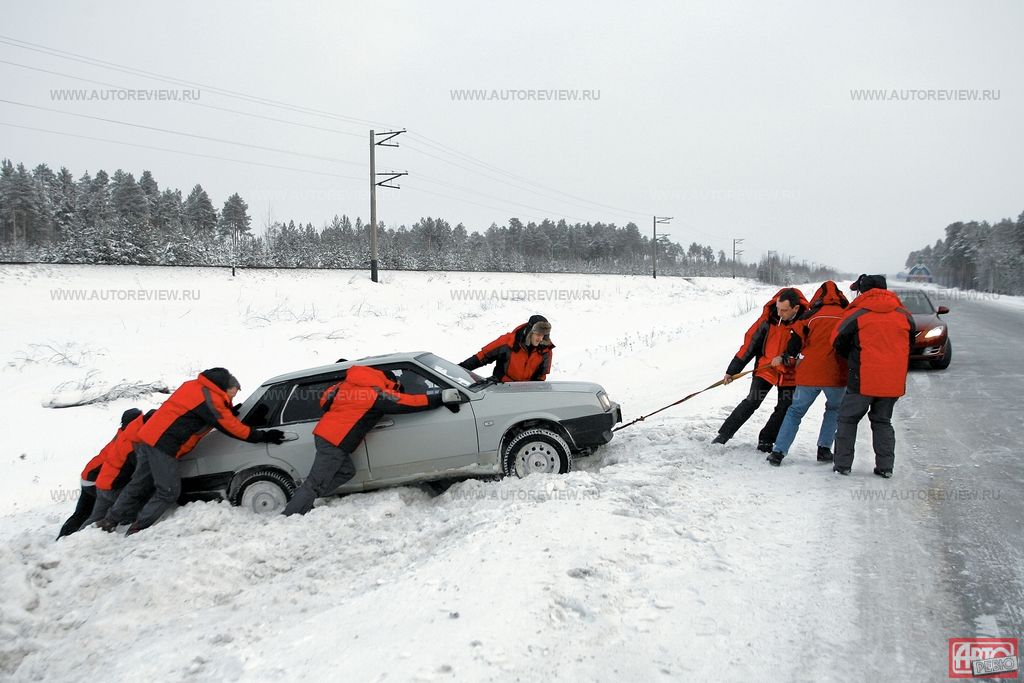 | 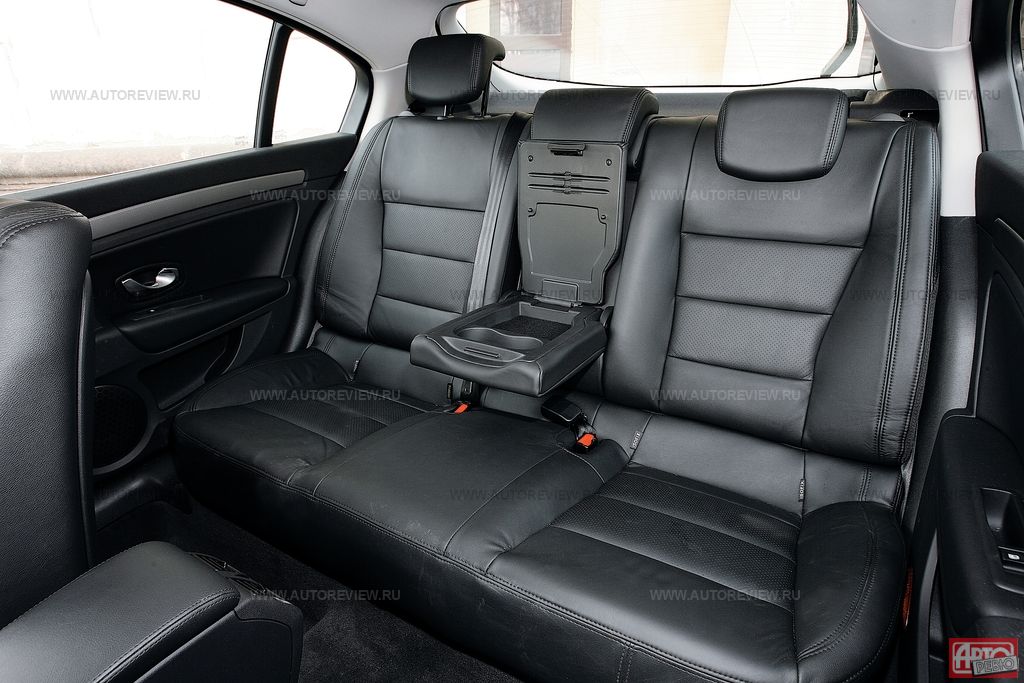 |
| The Surgut—Tyumen highway is much better suited for marathon skating races than for car traffic. Pulling out a VAZ-21099, we got a good workout | The Laguna offers rear passengers a wide organizer armrest. But there are problems with seating — the opening between the center pillars and the seat cushion is too narrow |
The fact that by midnight all the cars were "re-shod" with Nokian Hakkapeliitta 5 studded tires and loaded onto the car carrier is a miracle of miracles. Hats off to everyone who came to help! It's also a miracle that the car carrier, already on ordinary and far from new tires, made it to Surgut without incident: at least a third of the way it traveled on pure ice! But we learned about that later, when we left Surgut at the beginning of the seventh in the morning and set course for Tyumen, from where Divakov, Podorozhansky, and Monsieur Cyril were to fly to Moscow.
In the morning it was only minus 25, and all the cars started like a charm. But they drove and warmed their occupants differently.
The approach to selecting powertrains was as follows: the main priority was the "automatic" (demand is growing every year, and now about half of Russians buy new D-segment cars with automatic transmissions), and as for engines, it was desirable that they be close in displacement (two liters or slightly more) and power. The Toyota Avensis (two liters, 147 hp) and Mazda 6 (the same two liters and the same 147 hp) ideally met these conditions. But while the Avensis allows the "automatic" in combination with all engines, the Mazda only with the two-liter engine. A similar story with the Laguna: the "automatic" is available only with the two-liter engine, but turbocharged (170 hp). With the naturally aspirated two-liter engine, as well as with the base 1.6 engine, only a "manual" is offered. The Ford Mondeo is equipped with an "automatic" if under the hood is a gasoline "Mazda" engine with a displacement of 2.3 liters (161 hp) or a two-liter turbodiesel (130 hp). We've already said about the Passat, but let us remind you that "automatics" can be equipped with cars with any engines presented on our market, except for the base 1.6-liter.
The driver change schedule was rearranged so that each of those who went to Tyumen from Surgut had about two hours behind the wheel of each car. But we were worried about the Frenchman. The time difference between Surgut and Paris is four hours, he slept at most six hours, and the road conditions, to put it mildly, differ from those in the Paris area. Later, already on the plane, Cyril admitted that he had never driven on ice for so long. But on the road he behaved like a champ and never stopped smiling for a minute, even when he realized that in a number of categories the Laguna was losing badly to its competitors. Perhaps it was shock.
On the way from Surgut to Tyumen, it was about 25 degrees of frost outside. Ice, potholes, lots of cars. By the time of the first crew change, the average speed did not exceed 60 km/h. If this continues, we won't make the seven o'clock flight from Tyumen to Moscow. We cut down on smoke breaks. But little by little the road became freer, and when the sun came out, life got even better: now we could watch not only the road but also the behavior of the cars.
Each car has a radio, and the leader's task is to convey operational information about the road situation to all participants in the run. Naturally, not missing the traffic police ambushes. But once this tactic failed, which we will tell about separately.
We made it to the plane, and later, after checking into the hotel, we held the first "debriefing." And we agreed that the driver feels best in the Passat and Mondeo. Comfortable seating, good seats, hard to fault the controls. Only in the dark was the Passat driver tired by the poisonous blue backlighting of the instruments and central console displays. When shifting your gaze from the road to the speedometer, you need a couple more seconds to understand what speed you're going. A similar problem exists in the Mondeo: here attention is distracted by the large display in the center of the instrument cluster (a privilege of the top Titanium and Titanium X versions), and it distracts both day and night, and the "dimmer" that reduces the backlight brightness helps little. In addition, the Mondeo disrupts the sense of dimensions: because of the extensive front panel, it seems that the already not small car — it is, by the way, the longest and widest in the test! — is simply huge, which makes parking and "tight" lane changes require double effort. And on the hatchback (our case), the situation is aggravated by the narrowed embrasure of the rear window. So it's better not to skimp on $368 and order the optional parking sensors.
| Ford Mondeo | Renault Laguna | Volkswagen Passat |
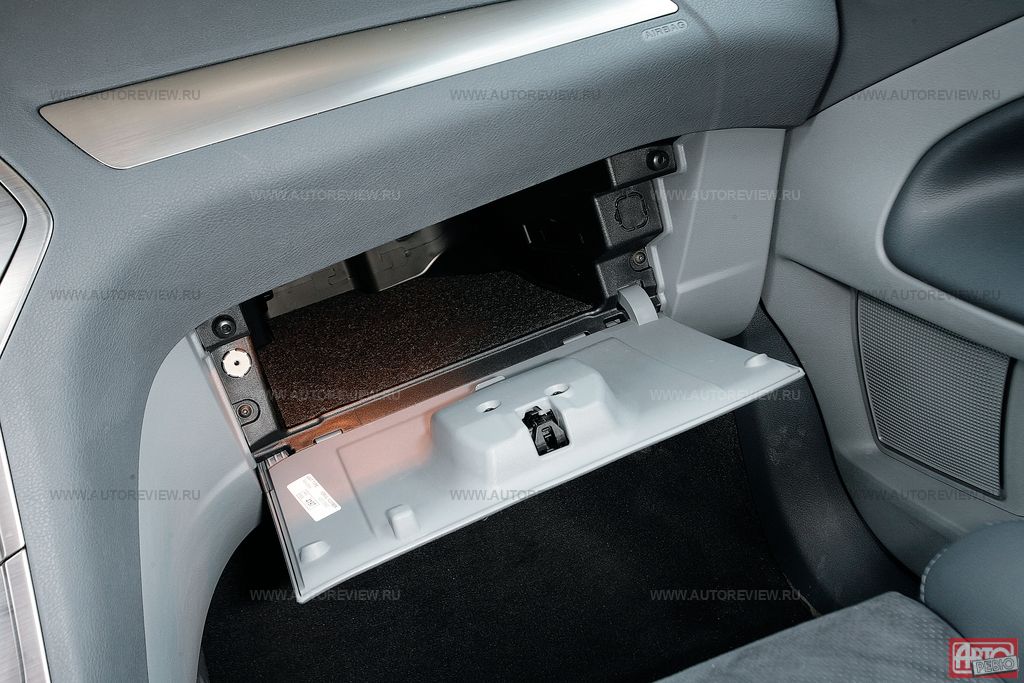 | 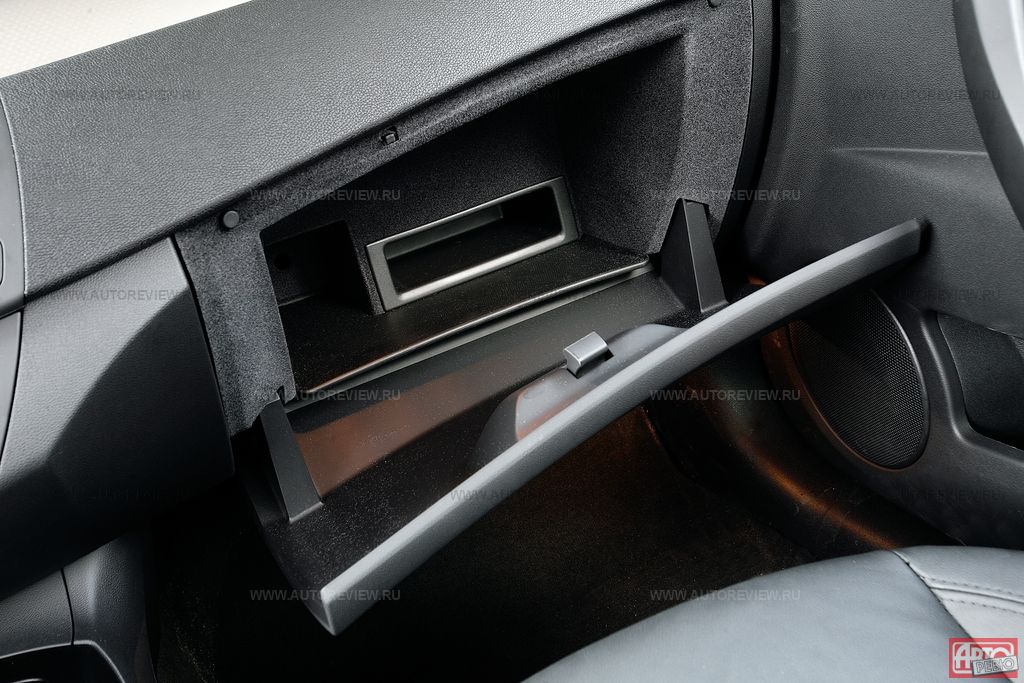 | |
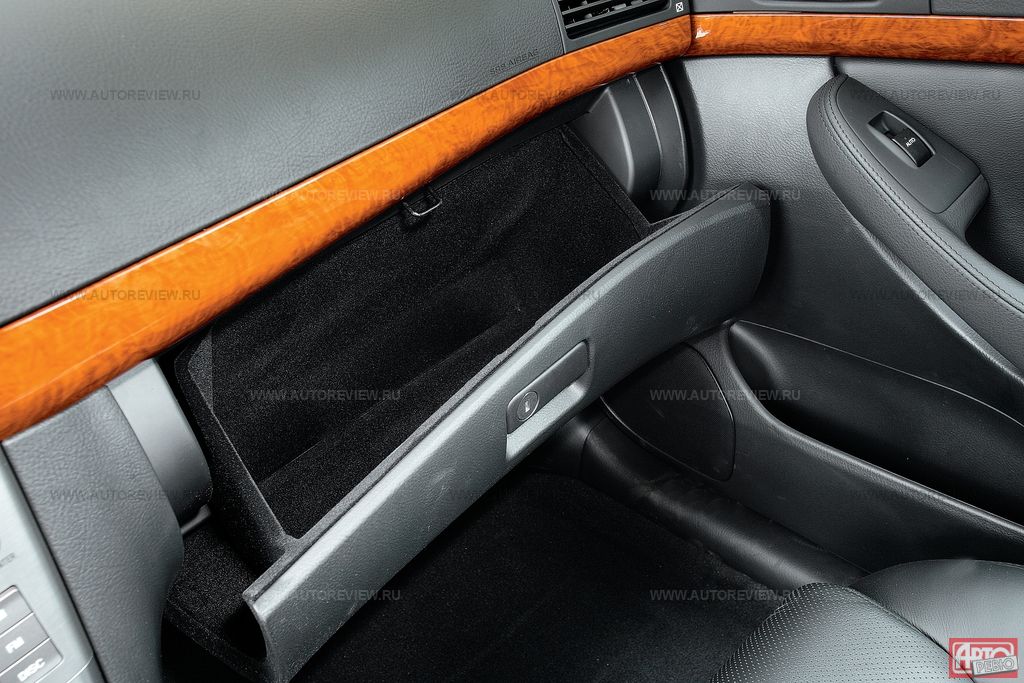
| Mazda 6 | Toyota Avensis | All cars' glove boxes can hold A4 papers, and three cars — Ford, Renault, and Volkswagen — also cool drinks placed there |
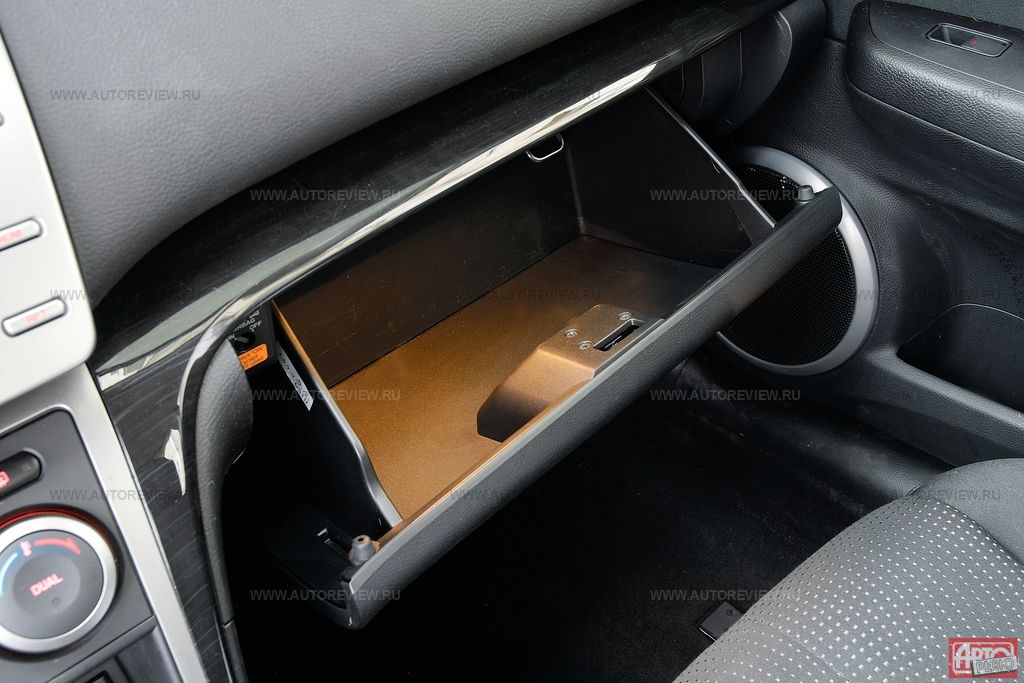 |  |
From the first minutes behind the wheel of the Mazda 6, you get the feeling that you're sitting in a real sports car — the seating position is so low that it seems you're almost on the floor. If you don't like this position, the seat can be raised with a jack-like handle. But the seat profile can't be changed: it's ideal for slim drivers, but those who wear clothes larger than size 52 will feel cramped due to the massive bolsters on the cushion. Also, the seat is somewhat hard — the thin padding compresses down to the frame. The zigzag gate of the "automatic" selector also disappointed: it seemed less convenient than the usual "straight-through" scheme.
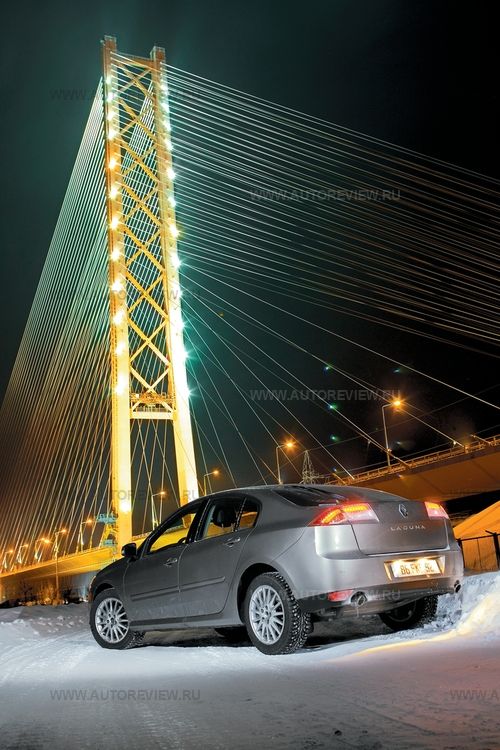
One of Surgut's adornments is the 400-meter cable-stayed bridge over the Ob River. Even the Laguna looks good against its backdrop
The multifunctional buttons on the left steering wheel spoke, responsible for the audio system, climate, and onboard computer, deserve a separate discussion — this is the CF-Net system. Pressing them moves the cursor across the narrow display, allowing you to change temperature, air flow direction, switch radio stations... The idea seems nice. But safety suffers from such a solution: distraction from the road is no less than when working with conventional knobs on the console. And if cursor movement were accompanied by voice prompts like "radio" or "temperature" instead of beeping, settings could be controlled blindly.
The ergonomics of the Laguna and Avensis received even lower ratings. In both cars, the seats do not please with their shape, with the Avensis having a somewhat short cushion and the most modest adjustment ranges. For example, the backrest cannot be set almost vertical. And it was in the Avensis that after just an hour of driving, one wanted to change position.
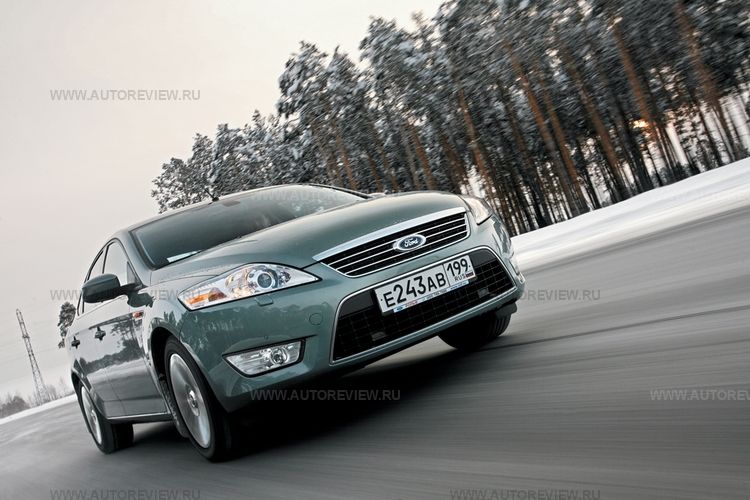
Sometimes the Mondeo seems too bulky, but more often — athletically taut. Behind the wheel, the same sensations
The Laguna, like the other four cars, has a steering wheel adjustable for both reach and height. But the ranges were not enough for everyone: tall drivers complained that due to the high seat (a feature of expensive versions with electric adjustments), the steering wheel literally rested on their knees.
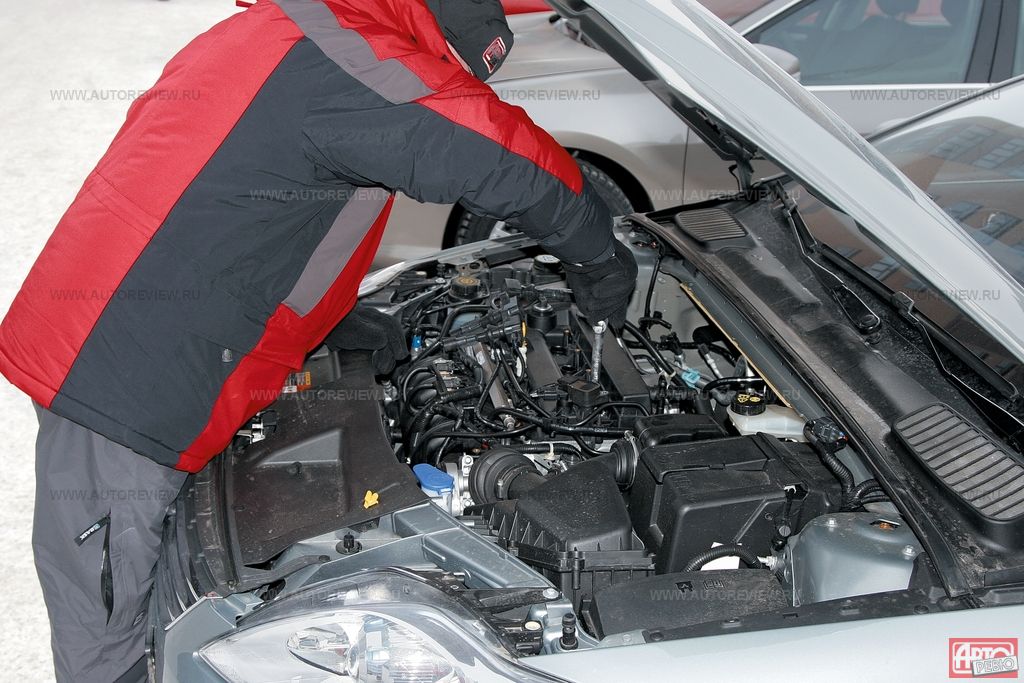 | 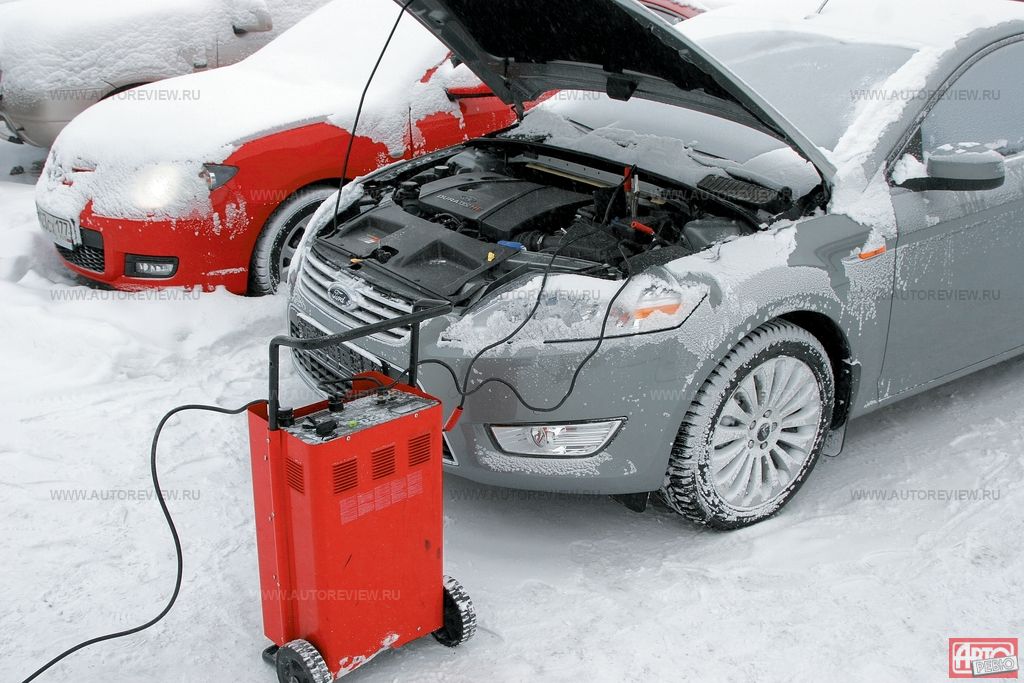 |
| Wise old Uncle Vanya admitted he had never changed spark plugs in 35-degree frost | Ford ignored even such a serious jump-start device. Stubborn character... |
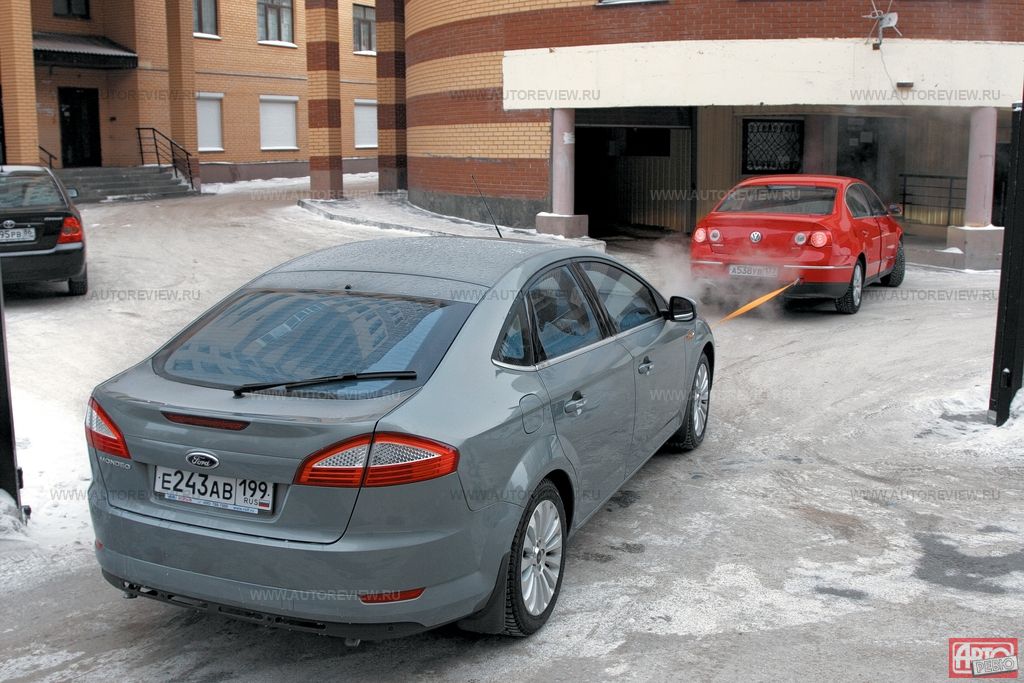 | 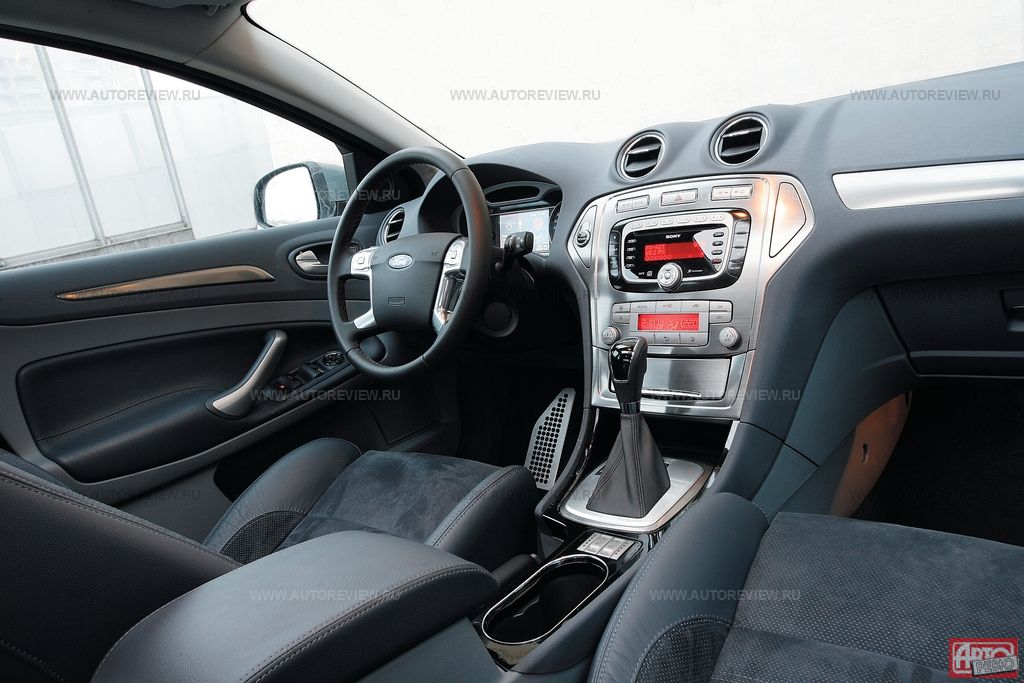 |
| Cars with automatic transmissions may be towed at no more than 50 km/h for up to 50 km. Moving the Ford to the nearest warm garage, we fulfilled this condition | In the Titanium X trim, the interior is finished "under metal," while conservatives can choose the Ghia with "wooden" trim. But Titanium is better |
The Laguna and Avensis also lose in climate control management. However, in the distribution of air flows while driving (we assessed this in automatic mode), the Avensis is the leader. The Passat is also good. In the other cars, the driver and front passenger froze in the knee area: it was coldest in the Laguna, warmest in the Ford. Overall, the Laguna's climate system left the most unpleasant impression: the whole way it seemed that a window or door was slightly open — and this feeling was reinforced by a characteristic sound. Although everything was sealed tightly, especially the glass on the driver's side: it froze after a wash in Surgut and did not thaw until the frost weakened already on the approaches to Moscow.
| Ford Mondeo | Renault Laguna | Volkswagen Passat |
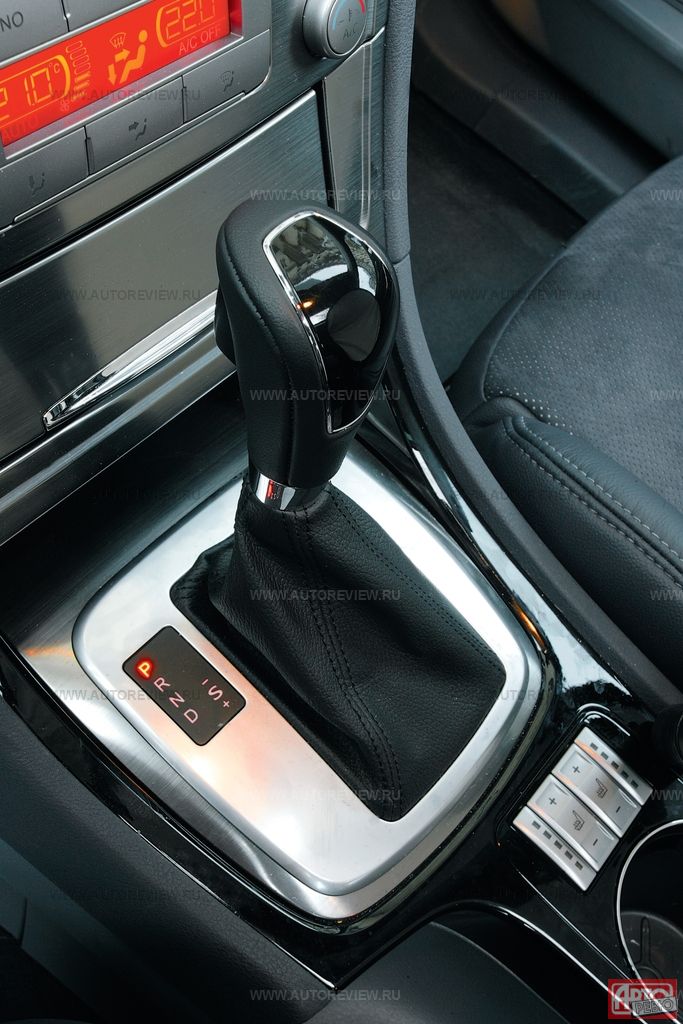 | 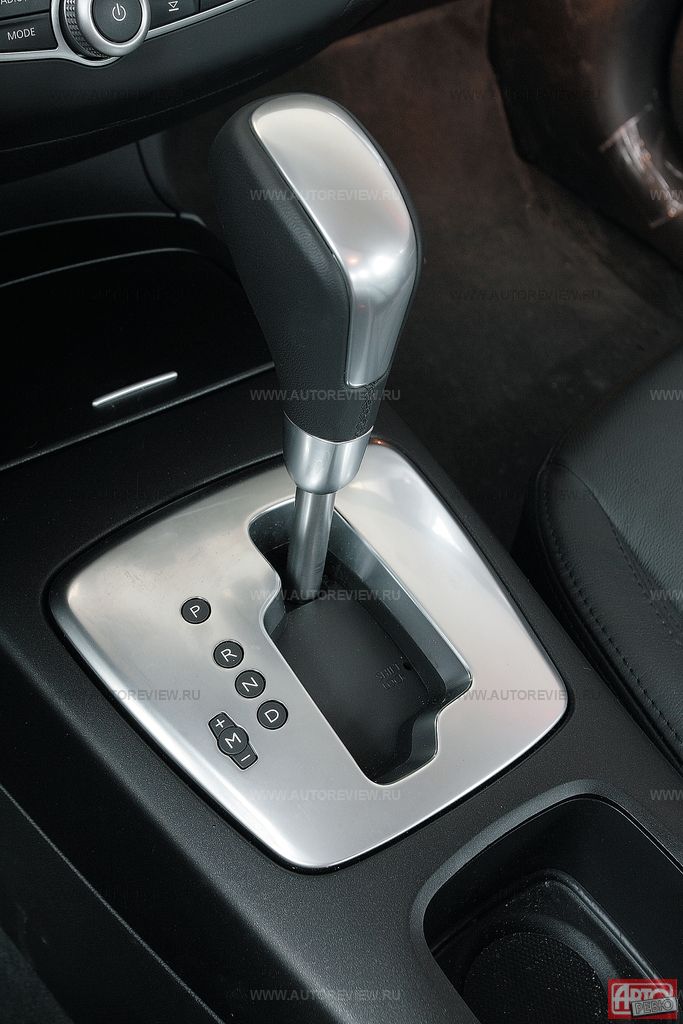 | 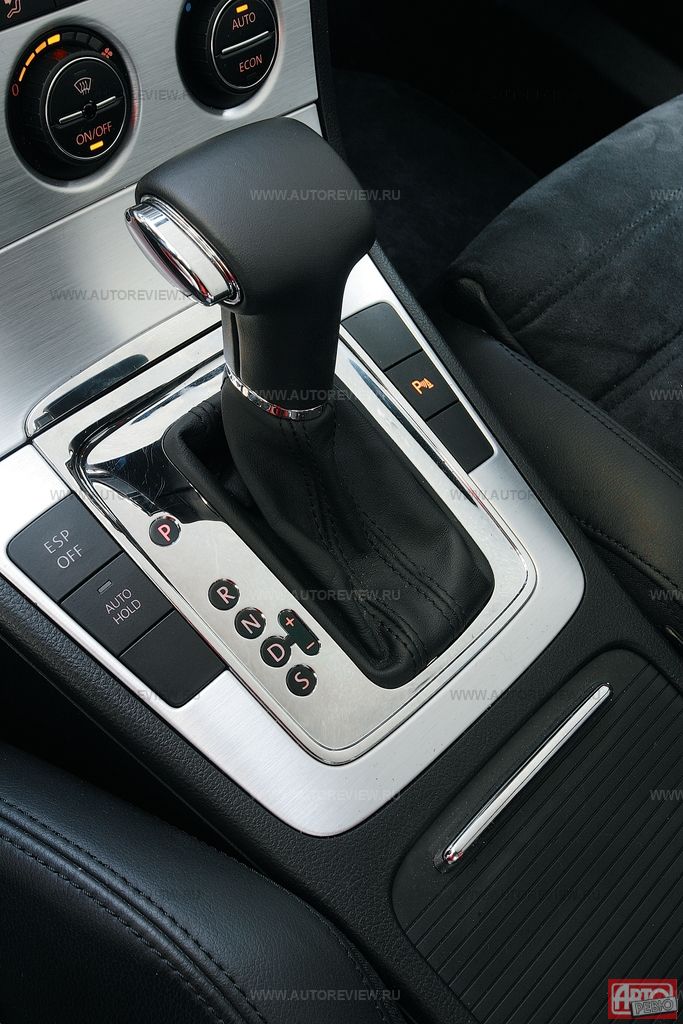 |
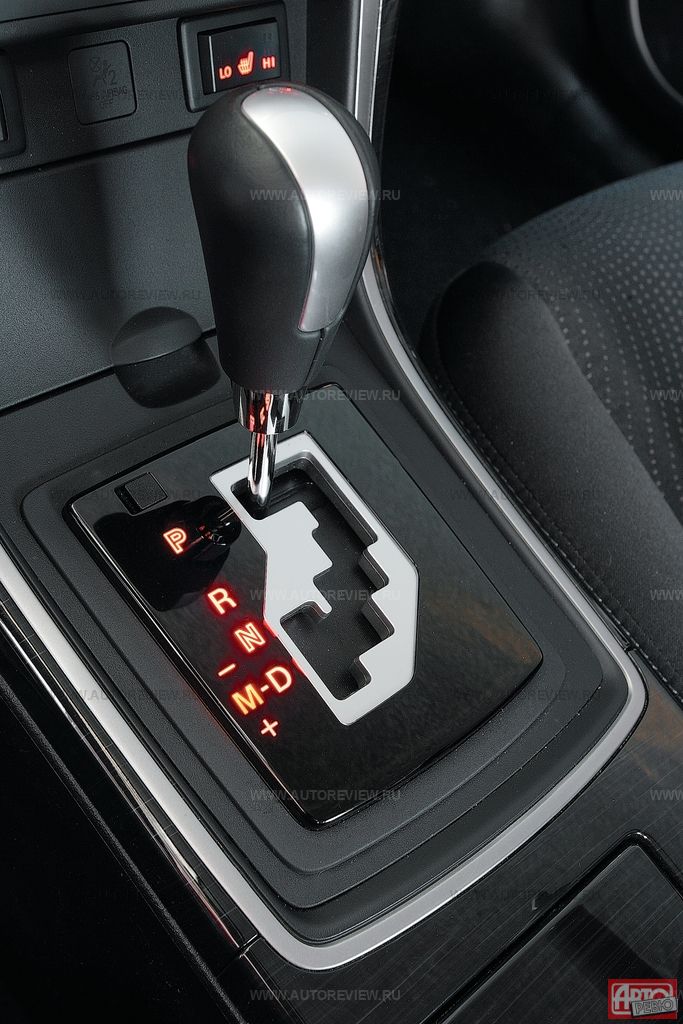
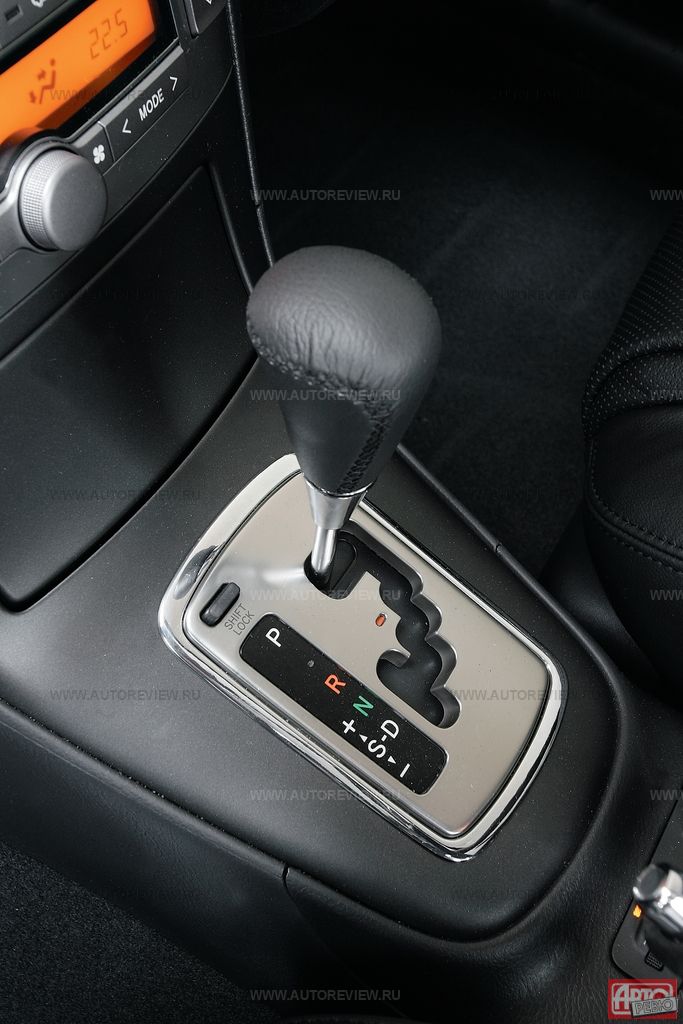
| Mazda 6 | Toyota Avensis | The most successful automatic transmissions are on the Ford and Mazda. Volkswagen is good in Sport mode. The Laguna's automatic is also decent, while the Avensis's four-speed gearbox was quite taxing, especially during intense overtaking |
 |  |
On the stretch from Surgut to Tyumen, each car traveled about 200 km with four passengers, not counting the driver. This way we assessed the comfort of the rear seats and also looked at how the cars behave under full load.
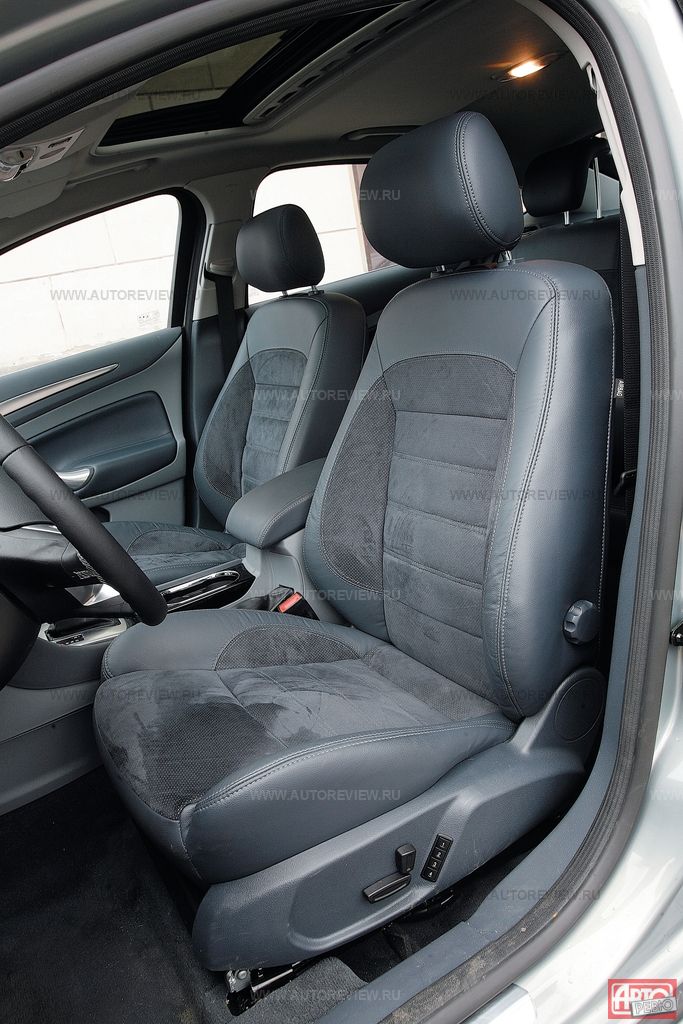 | 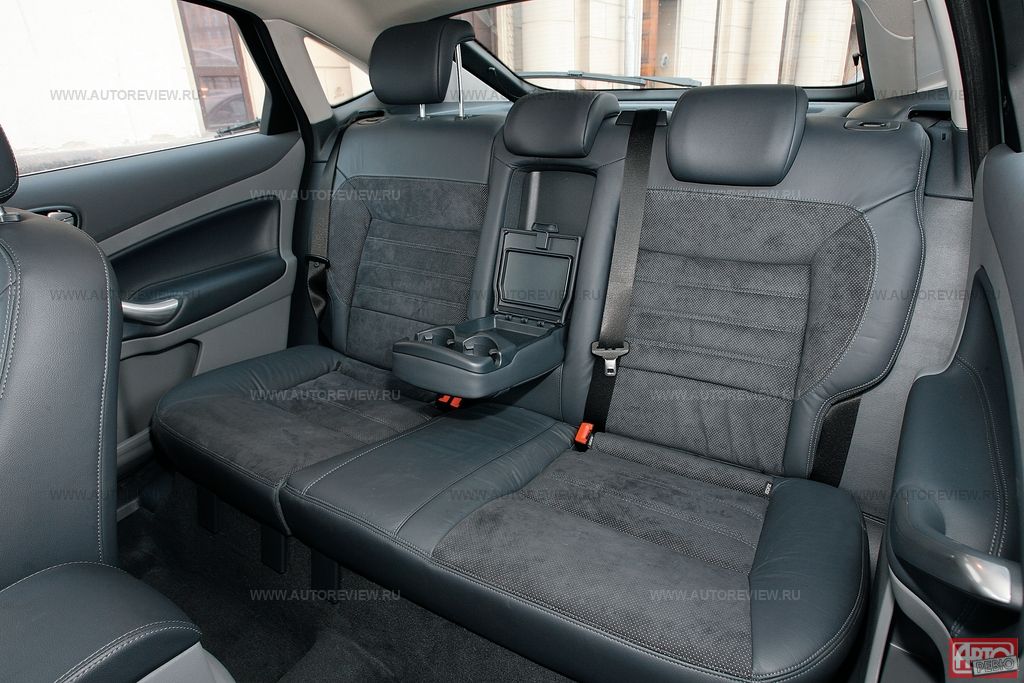 | |
| The Mondeo's seat, upholstered in leather and Alcantara, holds well in corners | The Mondeo's rear seats are the most spacious and comfortable | The large display distracts the driver while moving, although it offers a wealth of information and services, and in Russian |
In terms of rear row comfort, the Mondeo won unanimously: the most spacious seats and comfortable seating. The Volkswagen lags slightly — little room for feet and a high central tunnel gets in the way. In the Mazda, knees are tighter — third place. The outsiders are Renault and Toyota: here it is tighter, including in height, and entry-exit is difficult due to the small distance between the central pillar and the seat cushion. Interestingly, a few years ago we praised the Avensis for its rear space... But then there were no current competitors. Progress, however.
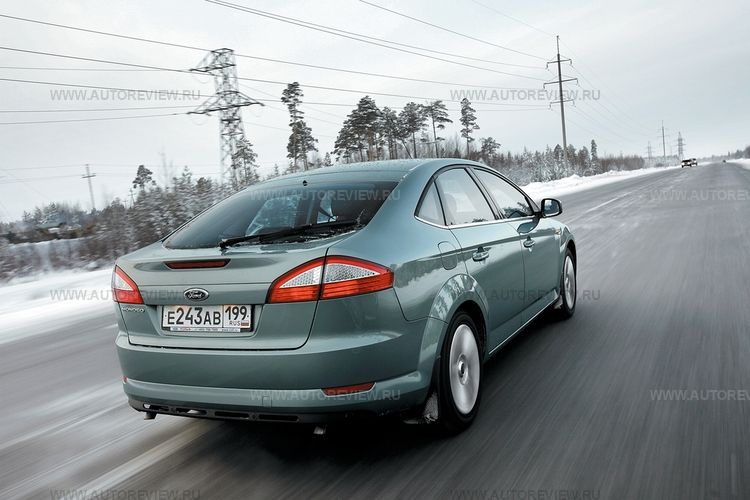
The rear wiper of the Mondeo hatchback leaves almost no "dead zones," but compared to a sedan or wagon, rear visibility leaves much to be desired
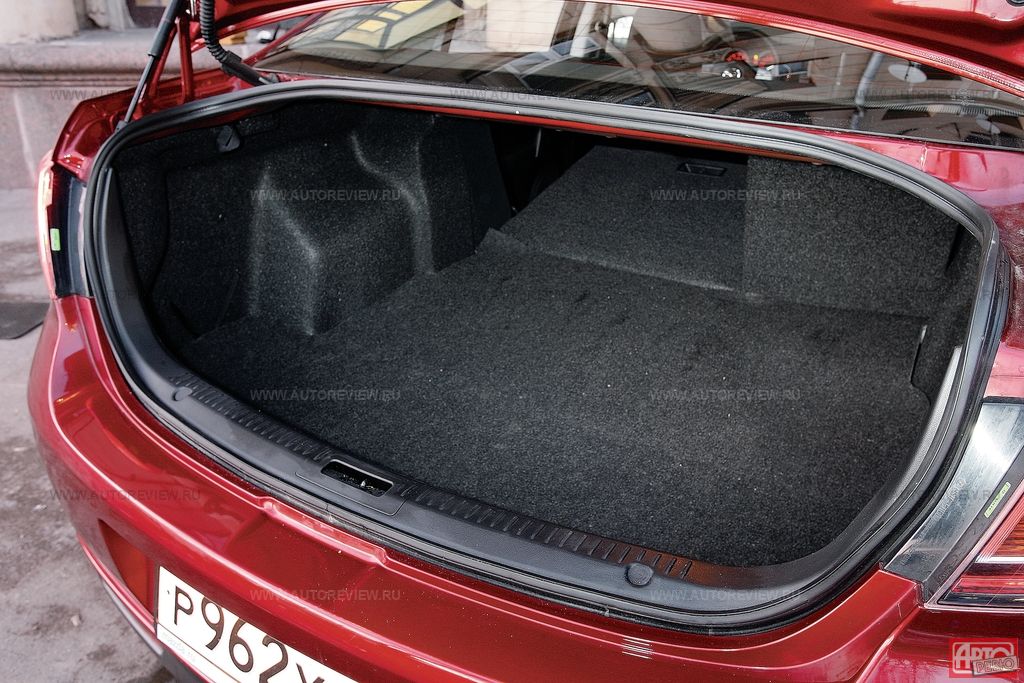
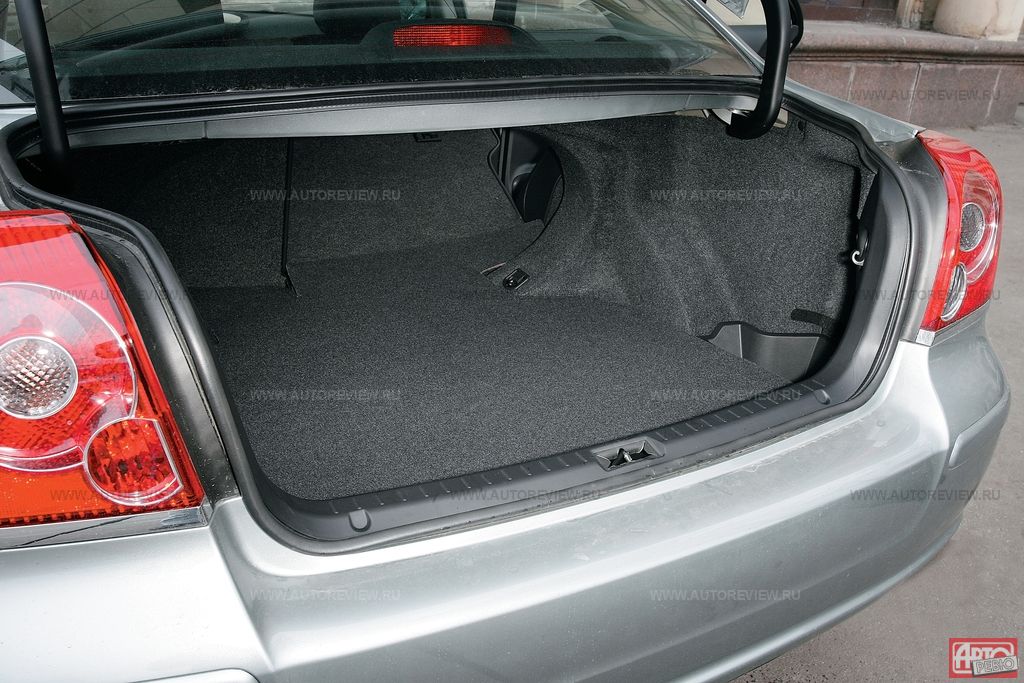
Trunks. Comparing them is not easy: the Mondeo and Laguna are hatchbacks, the other three are sedans. But in this test, the Passat's trunk pleased the most: spacious, with flat walls and a convenient rotating handle-emblem that did not let us down even after a wash and driving in 30-degree frost. Pressing the button on the key fob or driver's door, the lid smoothly rises by itself — on springs, without an electric drive. But Ford's gas struts disappointed: in the cold, the heavy fifth door had to be held up with one's head. When the temperature rose to minus twenty and the struts worked normally, we noted that the Ford's trunk is quite good. The Mazda and Renault pleased less — also because their lids have no exterior handles. And the Toyota has too narrow an opening.
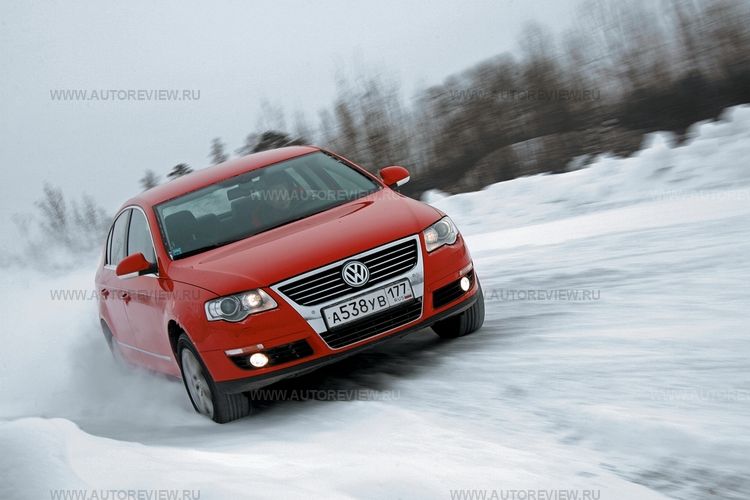
The Passat pleased with an excellent "feel of the car," which combines with outstanding comfort. Here the driver feels most confident
The power spread is certainly important, but in winter on slippery roads, what matters more than ultimate capabilities is the ease of managing dynamics. And here, the Mazda and Mondeo pleased the most.
The Mazda follows the pedal precisely, the adaptive five-speed automatic shifts smoothly and quickly both up and down. Occasionally during intense overtaking, a mismatch was felt: the engine already roared, but the gearbox was still thinking — whether to drop one or two gears? But this hardly spoiled the acceleration forecast. And interestingly, in terms of ultimate capabilities, the Mazda does not lag behind! On winter studded tires, it accelerated more cheerfully than the Ford Mondeo with a more powerful engine — the 200-kilogram weight advantage shows! The Ford was not saved even by the extra gear in the automatic. However, it would be a sin to complain about Ford's transmission.
The Passat's strict design is enlivened by aluminum trim.
But the engine-gearbox tandem in the Passat does not indulge in coherence. You pull out to overtake, add gas — and get a dip. This is the six-speed automatic dropping down a couple of gears. You nervously press the pedal, finally the desired gear engages, acceleration resumes, and then the turbo starts working at full capacity — the car literally shoots forward. It would seem, here it is, delight, but the entire charge of the turbo engine often arrives exactly at the moment when it is time to return to your lane before the next truck. Exciting, but jerky. However, as in the Mondeo, there is a sport mode here — the gearbox holds lower gears and does not engage sixth at all. Fuel consumption, of course, increases, but during overtaking you feel more confident.
The new Laguna also has a six-speed gearbox. But even with a more powerful engine, the feeling that the Laguna is quicker than the Mazda did not arise. To be sure, we even had a paired start — and it turned out that the Mazda still pulls away faster, and only after about two hundred meters does the Laguna begin to catch up. However, the Laguna's acceleration dynamics do not create any noticeable problems either in the city or on the highway.
Overtaking was hardest for the Toyota. You press the pedal to the floor — instead of fourth gear, third engages, the engine roars, the tachometer needle climbs into the red zone. The gearbox should shift up a couple of gears, but there's nowhere to go — only four gears! Finally, fourth engages, the roar subsides, and you want to wipe the sweat from your forehead. Victory…
It's clear that such an archaic automatic also increases fuel consumption — the onboard computer showed an average of more than 12 liters per 100 km. Besides the outdated four-speed, we attributed this to the fresh, not yet broken-in engine, although this applied equally to the Ford and Renault engines. But when we divided the fuel poured into each car by the kilometers traveled in Moscow, the figures turned out to be almost identical: from 10.4 l/100 km for the Volkswagen Passat to 10.8 l/100 km for the Ford Mondeo. So, the most powerful car turned out to be the most economical? Glory to direct fuel injection! Let it live, but let's not forget: before leaving Surgut, it was the Passat that had the most break-in mileage.
Handling. If we consider it as a key component of active safety, then all cars are very close. And all are very good. If only because each has a stability control system, and ESP is standard on all except the Mondeo — there it's only available from the second Trend trim. The differences are as follows: Ford, Mazda, and Volkswagen allow full ESP deactivation; Laguna only up to 50 km/h; and Toyota doesn't allow it at all — ESP cannot be turned off there. Moreover, the systems of the Laguna and Avensis are also the strictest — they suppress skids in their infancy while simultaneously cutting fuel supply. The others allow cornering at higher speeds, and no less safely.
But when it comes to enjoyment and the feel of the car, there's no equality. The Passat was very impressive. Even on winter tires (which always blur reactions), even on ice, the driver doesn't lose the "power" connection with the car and the road: the steering angle is chosen flawlessly, the line between confident movement and the onset of a skid is felt excellently. And with all this informativeness, the steering wheel doesn't irritate with vibrations and jolts on uneven surfaces. No other car offered such confidence. Interestingly, the Volkswagen, like the Mazda, has an electric power steering, while the others have hydraulic. Moreover, Ford engineers, explaining their choice of hydraulic power steering for the Mondeo, complained precisely about the weak informativeness of "electric"…
The Mazda also pleased: the liveliest car of the test! Reactions are sharp but not yet nervous, excellent "steering feel," understandable behavior in corners… And this liveliness perfectly combines with the mood of the design. But it also creates the impression that the Mazda is "half a class" below the Passat. Or half a class younger. On long stretches, the Mazda requires more concentration. However, from a "psychological" safety point of view, this is rather a plus: you're in good shape, and in a positive tone — there's no talk of irritation. Except that on worn ruts, the Mazda darts from side to side too eagerly. And the fact that it's the "bumpiest" is noticeable even at city speeds: it managed to find "washboard" surfaces where others passed without flinching. And the Mazda is also the noisiest, with rear passengers suffering the most: sound insulation of the wheel arches, as usual, was saved on.
The closest to the Passat is the Mondeo. Reactions are slightly less precise, delays slightly more noticeable, the steering wheel slightly "dirtier," on uneven surfaces it yaws a bit more… But you can't fault the suspension's energy intensity: the Mondeo handles large bumps excellently, although it noticeably shudders on small ones. But driving the Mondeo is pleasant, including over long distances.
In calm modes, both the Laguna and Avensis behave impeccably. But as soon as you fall behind the column and then set off in pursuit on a slippery road, the lack of "car feel" turns driving from pleasure into tense work. The main reason is a deficit of reactive force on the steering wheel. Moreover, you get more tired in the Laguna: even gentle corners have to be taken by trial and error, feeling for the right steering angle.
The adaptation of the Laguna for Russian conditions, during which engineers increased the suspension compression travel, clearly benefited the car: on the broken road between Surgut and Tyumen, it felt more confident than all other participants. However, on smooth asphalt, the car began to vibrate unpleasantly, which completely blurred the already unclear impression of its character.
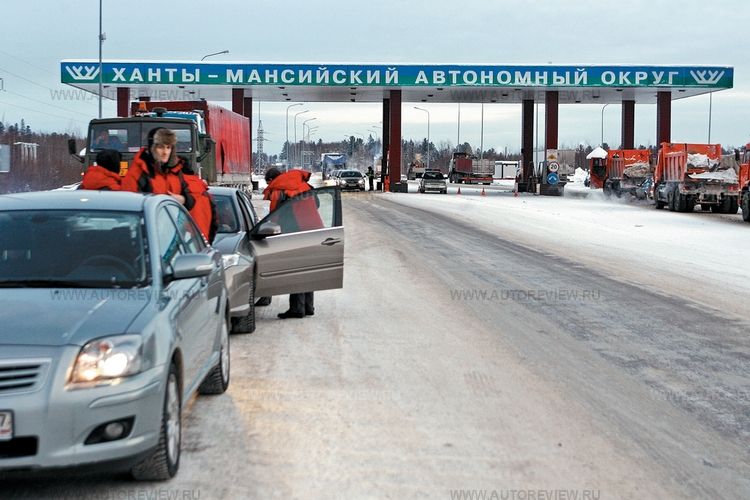
Right at the exit from the Khanty-Mansiysk Autonomous Okrug — a real checkpoint: absolutely everyone is stopped and documents are checked, without explaining the reasons
An amusing story happened with the Toyota. When there's only the driver and one passenger in the cabin, the car is almost ideal: on small bumps — complete comfort, and it also handles large road defects excellently. In ride smoothness, the Avensis even surpasses the Passat! But as soon as the cabin is filled with five people… On the same "small stuff," everything remains fine, but on long waves and serious potholes, the suspension starts to hit the bump stops, giving occupants hard jolts. Those who often travel long distances with a full family should look at another car.
The brakes of all participants, if we don't go into details, pleased us: they work reliably, predictably, and logically. The only thing we deducted points from the Toyota for is the too-long pedal travel: while you press it to the floor, you lose both time and precious meters of braking distance.
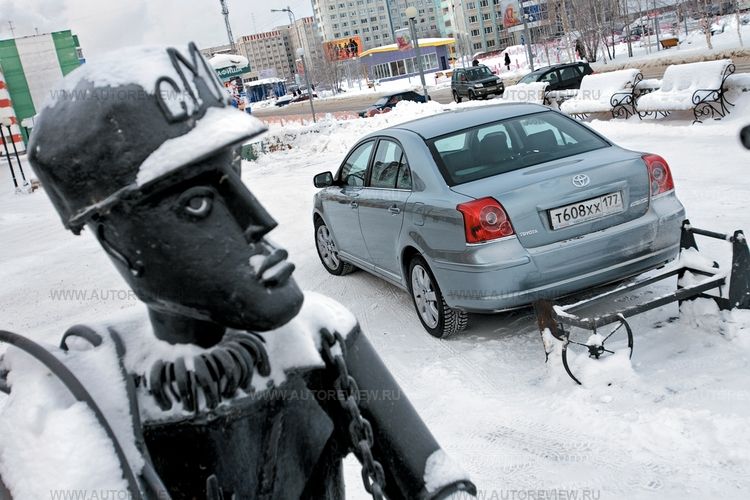
Avensis in Surgut is a familiar sight. Locals value reliability, including the engine's ability to start in severe frost
By the time we arrived in Kazan, we already had a complete picture, and the scoring didn't change anything. The winner is the Volkswagen Passat. Honestly, this became clear back in Tyumen, at the finish of the first leg. It truly is the best. But, as usual, also the most expensive. Of course, the powerful engine played a huge role in the overall impression. However, even if we strip the Passat of five points for acceleration dynamics, equating it to the Ford and Mazda, the victory would still be its. The Passat was and remains the class leader. And the balance of power among the rest is in the final table.
But if we set aside dry numbers and trust emotions… The Passat B6 was a bit boring from the very beginning, and now it even looks like an old man. Therefore, our personal sympathies are on the side of the Mazda. Or the Ford: a big but nice guy. Provided it deigns to start in severe frost. The Toyota, as it was, remains a dull but practical car and, judging by our editorial experience with the Avensis, very reliable. It's just a pity that with a full load it doesn't behave in the best way. But Toyota has an excuse: the Avensis is a veteran, and this year we'll see its successor. But the Laguna has no alibi: along with the Mazda and Ford, it's a completely fresh model. Maybe it was worth conducting more thorough adaptation before bringing it to our market?
| Ford Mondeo | Renault Laguna | Volkswagen Passat |
| 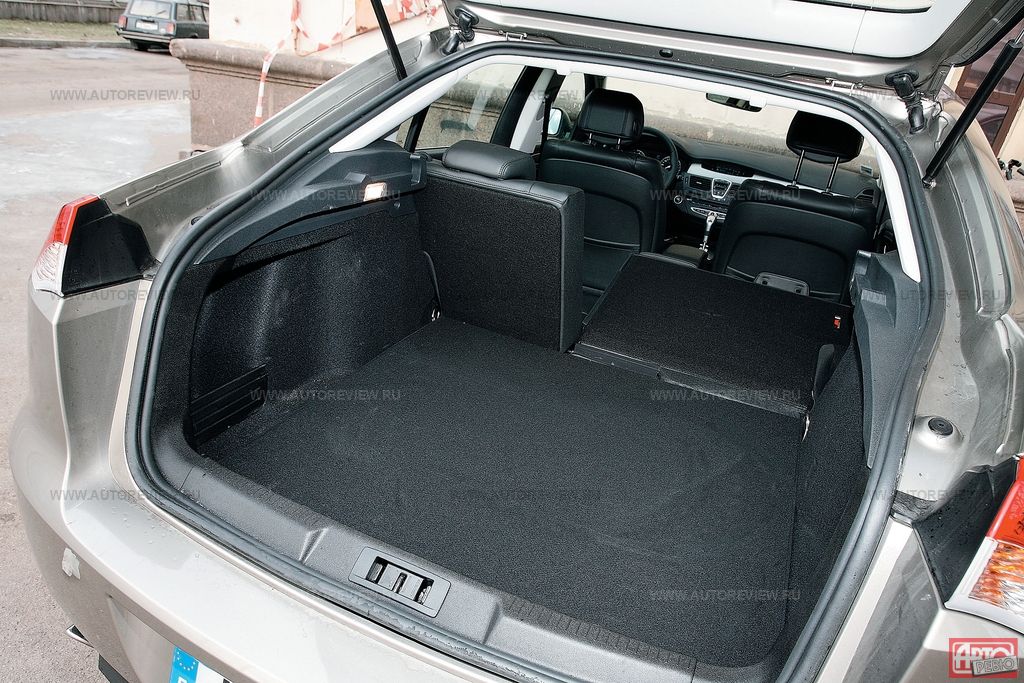 | 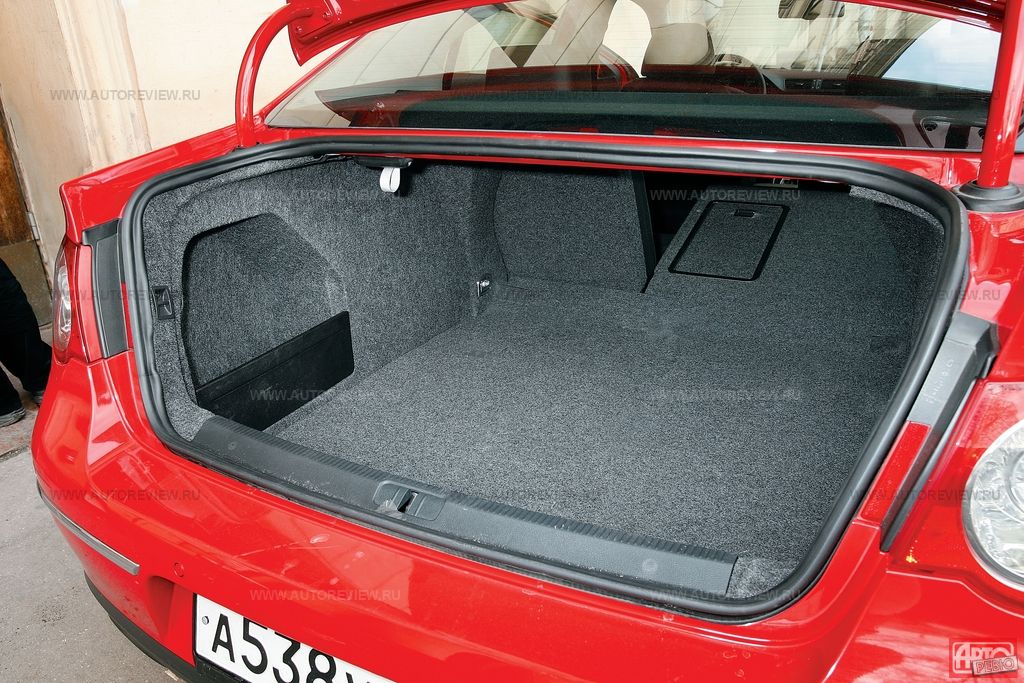 |
| Mazda 6 | Toyota Avensis | The Passat has the best trunk — both in volume and convenience. The trunk lids of the Renault and Mazda were somehow deprived of exterior handles, and the Avensis's practicality is reduced by the narrowed opening and the hatch into the cabin, which opens after folding the rear seat back (in parts, like all the others) |
 |  |
On the plane from Tyumen to Moscow, Cyril Rufier-Meray said that during fine-tuning, Renault engineers drove on winter roads near St. Petersburg — and everything was fine. He assured that the fuel system is calibrated so that the engine reliably starts at minus 24 degrees, and that special attention was paid to the climate control system… And he repeated again: he couldn't imagine that such harsh conditions exist in Russia. They do, Cyril, they certainly do. And we didn't drag you into the taiga! You saw Surgut and Tyumen — living, developing cities. You saw how many new cars there are. It's another matter that at the parking lot of the best hotel, you didn't find a single outlet for electric engine preheating, as is customary in Scandinavia. And which car, all else being equal, will Siberians choose? Surely the one that starts in severe frost. Ford developers should also think about this. Russia is not just Moscow and St. Petersburg. By the way, while we were preparing this material for publication, in some areas of Siberia the thermometer dropped below forty degrees. And life went on.
Autoreview readers' forecast
Before this test, we asked visitors of www.autoreview.ru to answer the question: "Which of the cars participating in the next Autoreview test would you choose?"
The votes were distributed as follows:
Mazda 6 38.54%
Ford Mondeo 25.77%
Volkswagen Passat 20.80%
Renault Laguna 8.22%
Toyota Avensis 6.67%
Total votes: 26650 people
Autoreview Final Scores
| Autoreview Expert Scores | ||||||
| Parameters Evaluated | Max Score | Cars | ||||
| Ford Mondeo | Mazda 6 | Renault Laguna | Toyota Avensis | Volkswagen Passat | ||
| Design | 180 | 160 | 155 | 140 | 140 | 155 |
| Exterior | 90 | 80 | 80 | 65 | 70 | 75 |
| Interior | 90 | 80 | 75 | 75 | 70 | 80 |
| Ergonomics | 170 | 145 | 145 | 130 | 135 | 150 |
| Driver's Seat | 90 | 80 | 75 | 70 | 70 | 80 |
| Visibility | 80 | 65 | 70 | 60 | 65 | 70 |
| Dynamics | 280 | 240 | 240 | 230 | 220 | 250 |
| Acceleration | 90 | 75 | 75 | 70 | 65 | 80 |
| Braking | 100 | 90 | 90 | 90 | 85 | 90 |
| Handling | 90 | 75 | 75 | 70 | 70 | 80 |
| Ride Comfort | 210 | 170 | 155 | 160 | 175 | 170 |
| Smoothness, Vibration Protection | 80 | 60 | 50 | 55 | 65 | 60 |
| Acoustic Comfort | 70 | 55 | 50 | 55 | 60 | 60 |
| Climate Control | 60 | 55 | 55 | 50 | 50 | 50 |
| Cabin Comfort | 160 | 135 | 120 | 115 | 105 | 135 |
| Rear Seats | 80 | 70 | 60 | 55 | 55 | 65 |
| Trunk | 60 | 50 | 45 | 45 | 40 | 55 |
| Cabin Transformation | 20 | 15 | 15 | 15 | 10 | 15 |
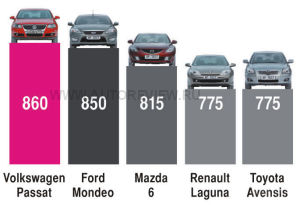
| Total Score | 1000 | 850 | 815 | 775 | 775 | 860 |
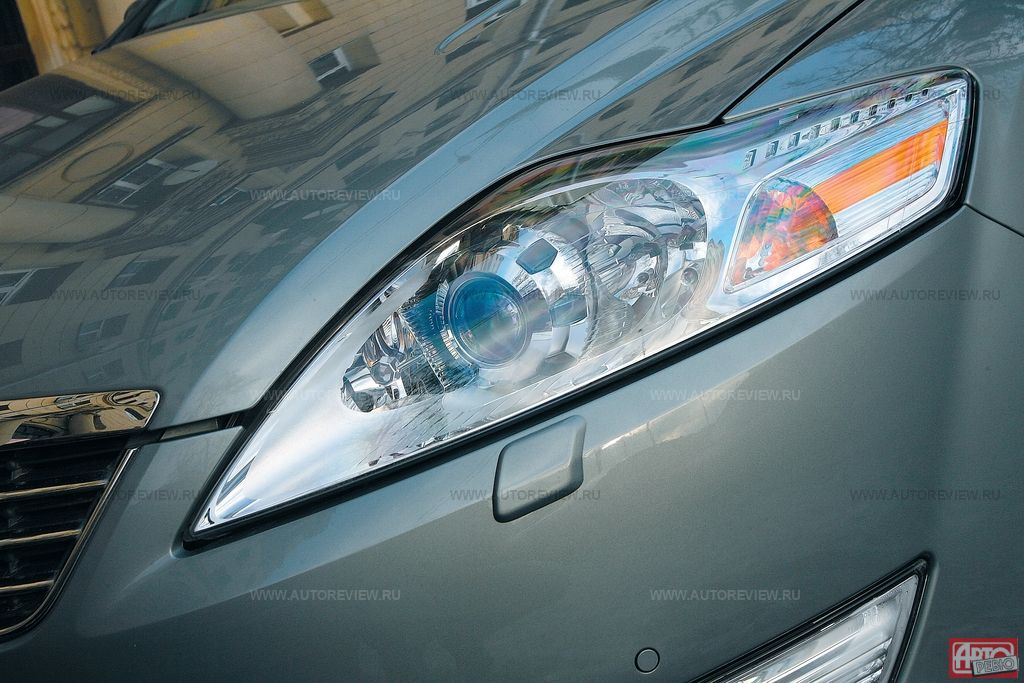
The most impressive headlights are on the Mondeo. Xenon headlights illuminate the widest strip of road in the dark and perfectly light up the shoulder. High beam is also pleasing, and when maneuvering at low speed, additional cornering lights turn on. The Mazda 6 and Volkswagen Passat also have cornering lights — this noticeably helps in courtyards and parking lots. But their main xenon light is not as bright as the Mondeo's. Half a step lower is the Laguna: cornering lights with halogen bulbs, which are inferior in brightness to xenon. However, xenon varies — in the Toyota it is so weak that our experts, switching from other cars in the dark, literally lost the edges of the road. Until you adapt, you either catch the shoulder or drift into the oncoming lane...
| Ford Mondeo | Renault Laguna | Volkswagen Passat |
 | 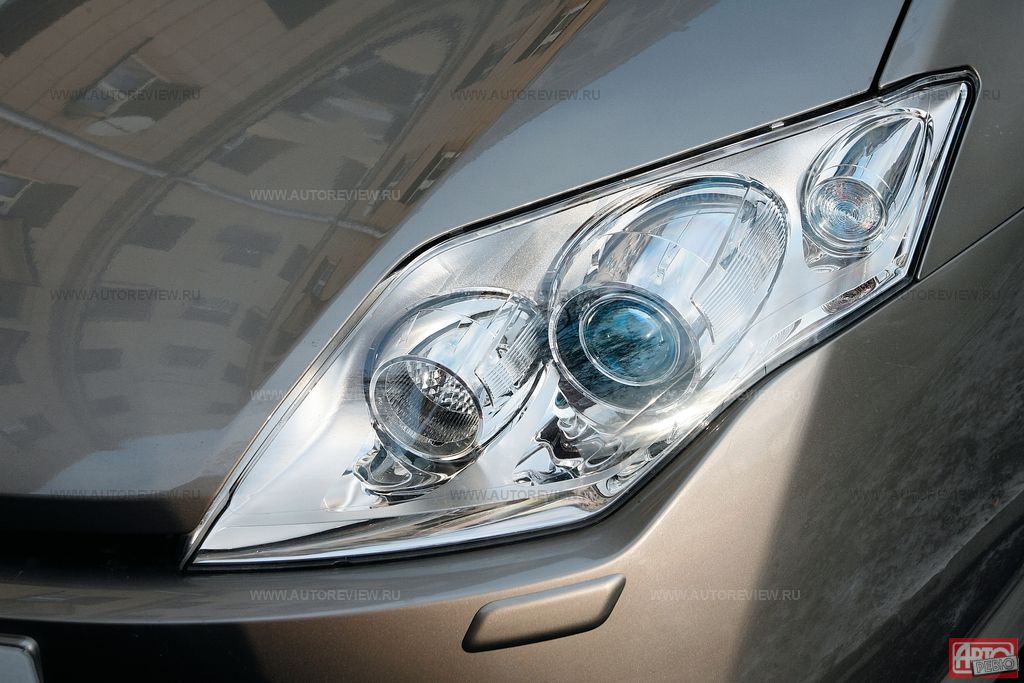 | 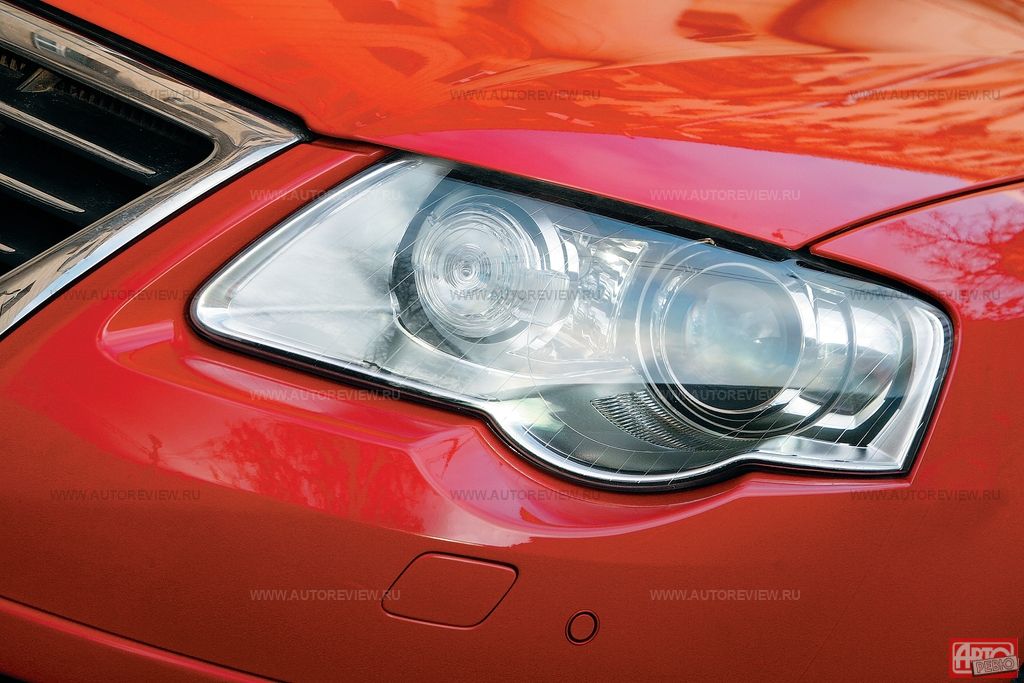 |
| Mazda 6 | Toyota Avensis | |
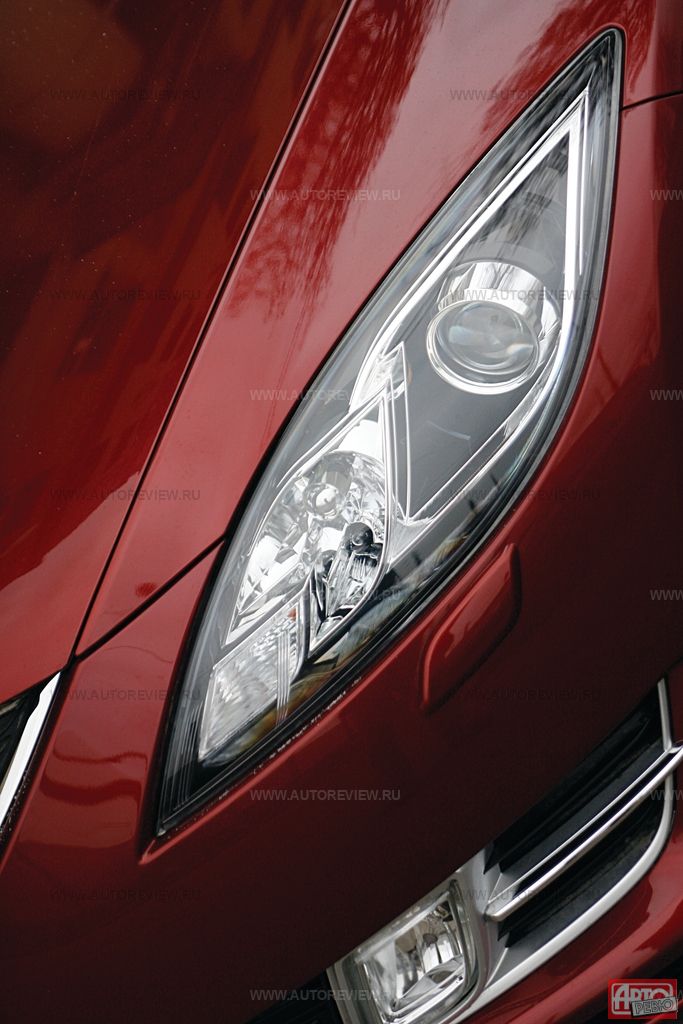 | 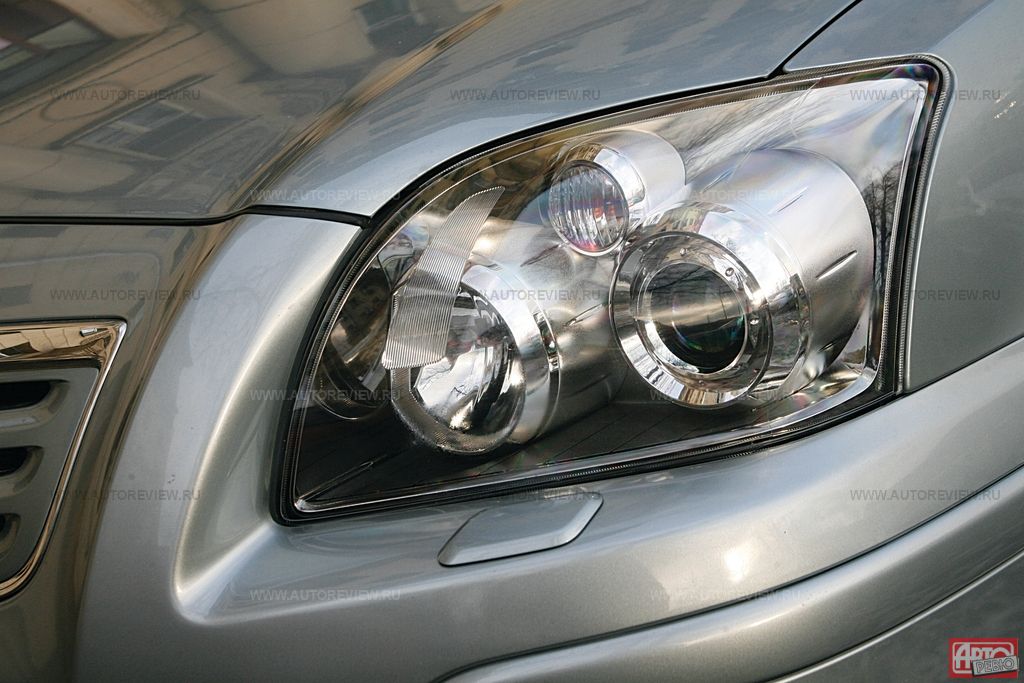 |
Setup
Having driven over 3000 km from Surgut to Moscow, we fully felt the consequences of stricter penalties for traffic violations.
Think we were stopped for speeding? Not once! It seems inspectors on the highway have abandoned radar guns and switched to a more profitable type of violation. Most ambushes are in the zone of "No Overtaking" signs. And it's clear why: for crossing into the oncoming lane under a sign, you now lose your license for four to six months (Part 4 of Article 12.15 of the Russian Administrative Code). And no official alternative in the form of a fine! And if drivers don't want to break the rules? Then they need to be provoked, set up.
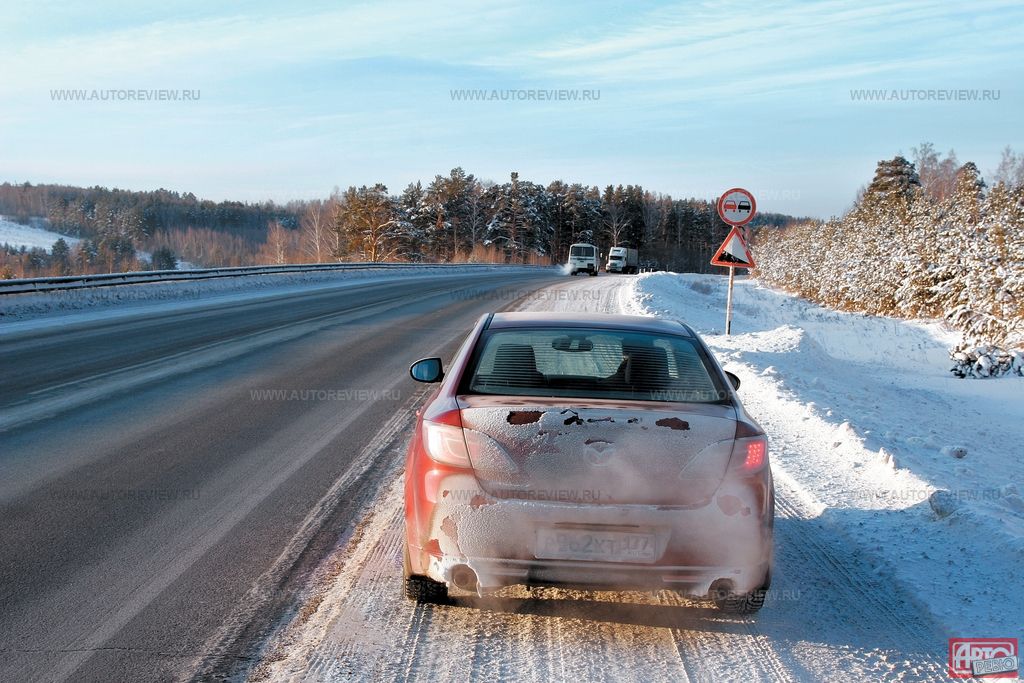 | 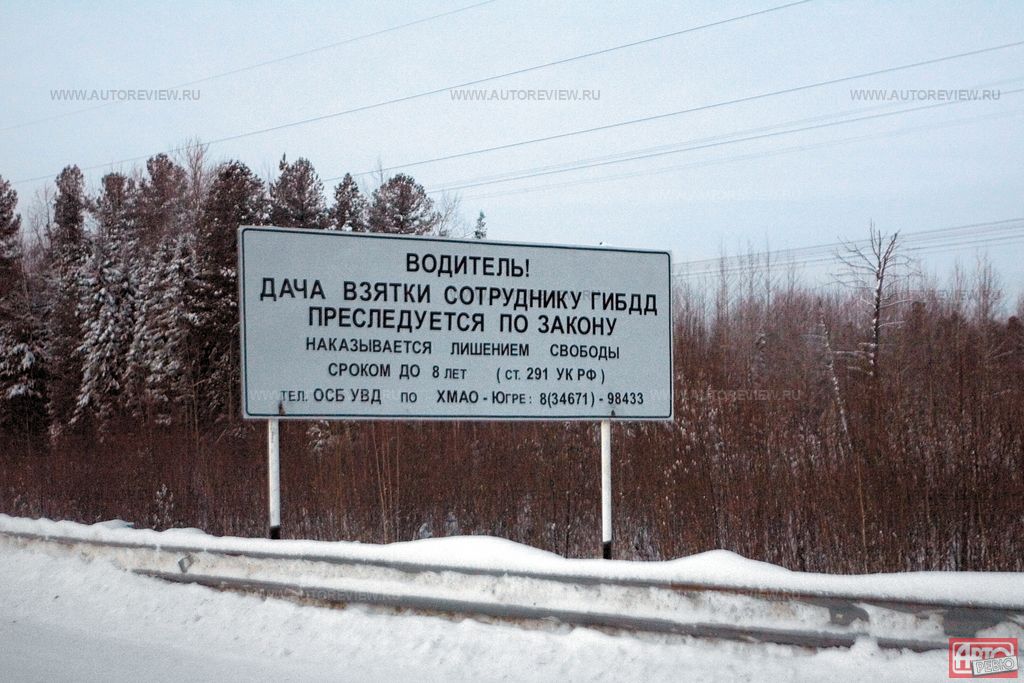 | 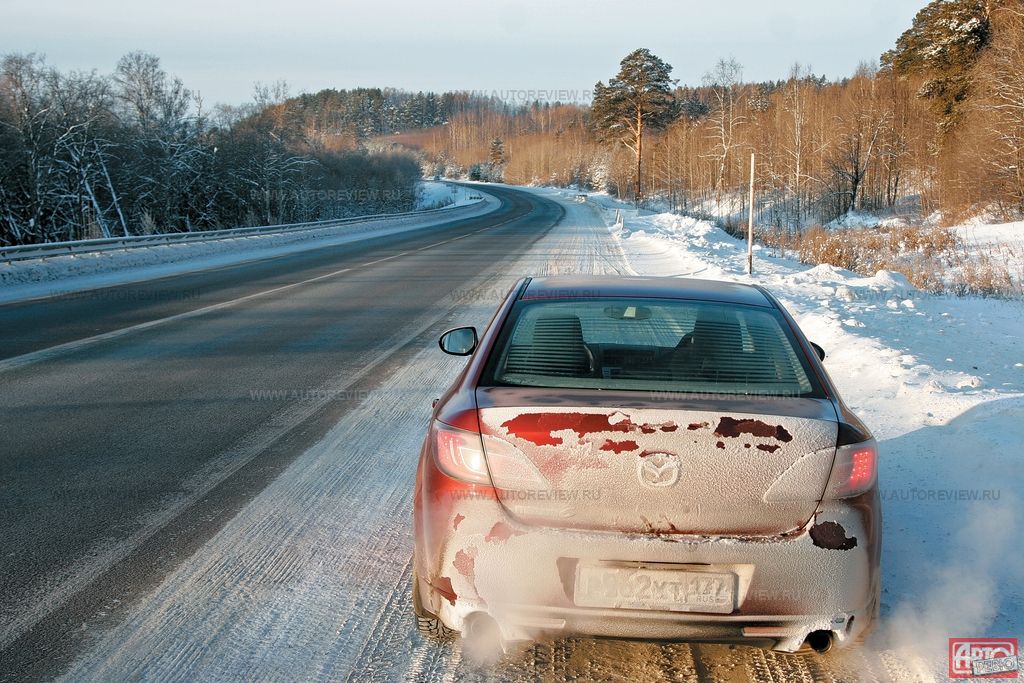 |
| Descent, turn. Here the "No Overtaking" sign is quite justified | Reading between the lines, this warning poster means that from now on traffic police officers take not a lot, but a very lot | And here good visibility opens up, the solid line changes to a broken one, and previously on the post (in the photo slightly ahead of the car) hung a sign "End of No Overtaking Zone". But now the sign has been removed, and a couple of hundred meters later a patrol car is lying in wait. A lucrative spot. |
Two of our experts fell for one of these "setups" at the 247th kilometer of the Perm—Yekaterinburg highway. Finding themselves in the zone of the "No Overtaking" sign, they obediently crawled behind a line of smoking trucks. And they only overtook after the solid line logically changed to a "dashed line" — ahead was a perfectly visible stretch of highway. Especially since the "dashed line" usually begins after the overtaking ban ends. That was the case here too! But a few days earlier, the sign canceling the ban had been removed! And half a kilometer later, again in the "dashed line" zone, a traffic police car was parked. The further scenario is clear: "The sign is more important than the road markings!" And appeals to logic and common sense are empty words: these guys are not so naive as not to understand that themselves!
Money would probably have helped (based on the experience of our acquaintances who got caught in these parts, you need to pay 4000 rubles). But we didn't pay, although the head of the local traffic police department later advised resolving such issues "on the spot."
As a result, the cases were sent to court at the place of residence (it took half a day to submit a petition to the local court to transfer the case for consideration to Moscow), and our experts, by no means malicious violators, faced the threat of losing their driver's licenses. And that means not only losing the ability to drive, but also to work.
| Fuel Consumption (Surgut—Moscow, 3100 km) | ||
| Car | Fuel Amount, L | Average Consumption, L/100 km |
| Ford Mondeo | 333.3 | 10.76 |
| Mazda 6 | 323.8 | 10.45 |
| Renault Laguna | 325.1 | 10.49 |
| Volkswagen Passat | 323.3 | 10.43 |
| Toyota Avensis | 324.5 | 10.47 |
Judging by letters from our readers, this practice is becoming an epidemic. Be vigilant!
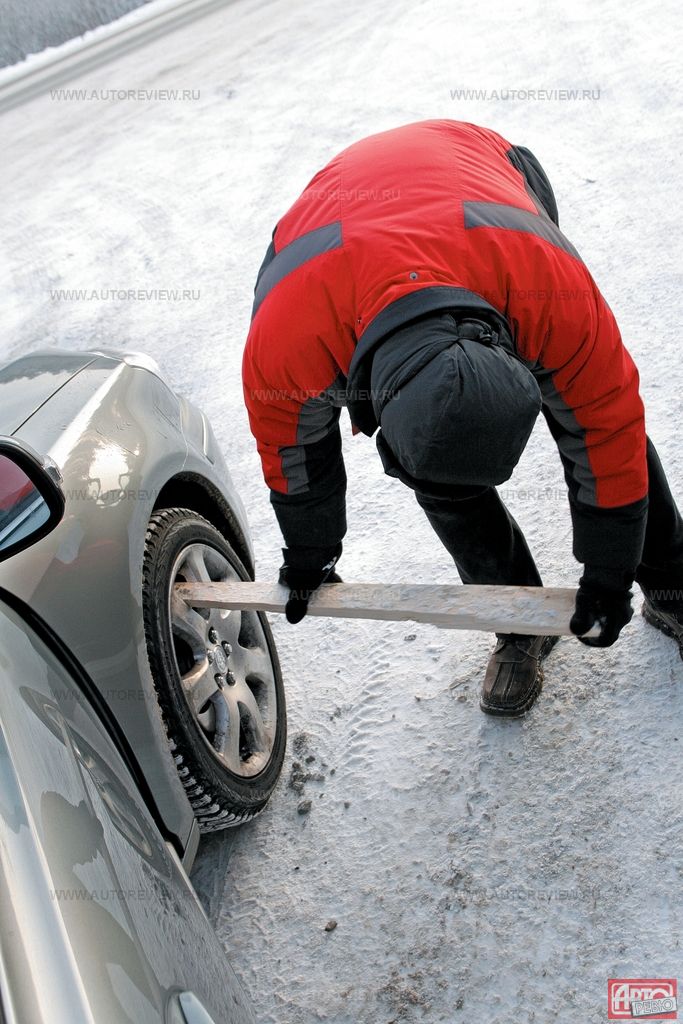 | 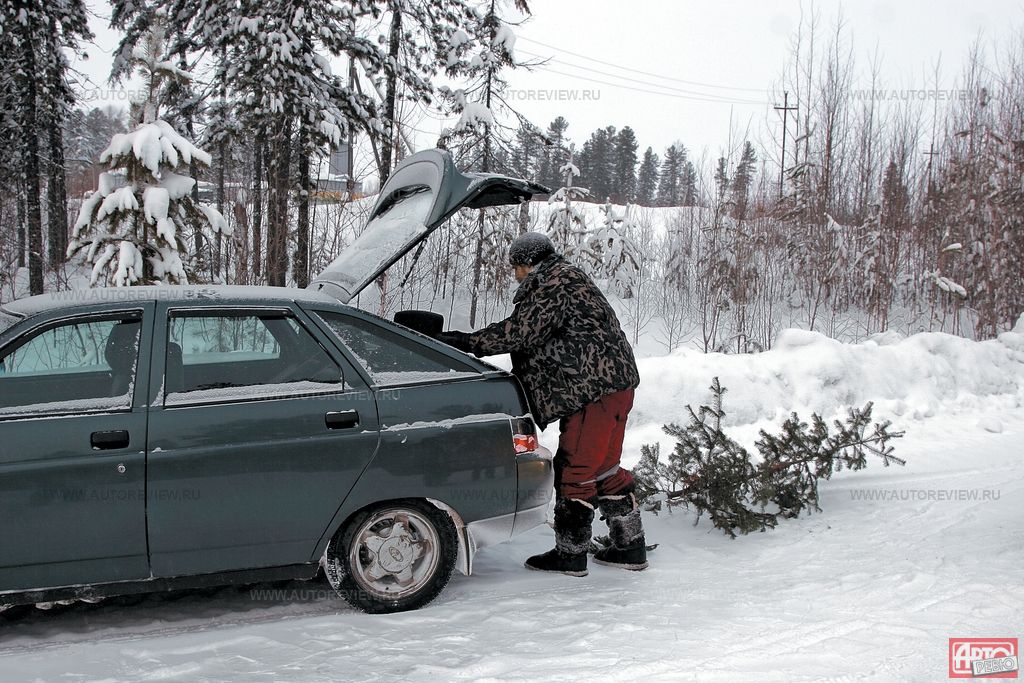 | 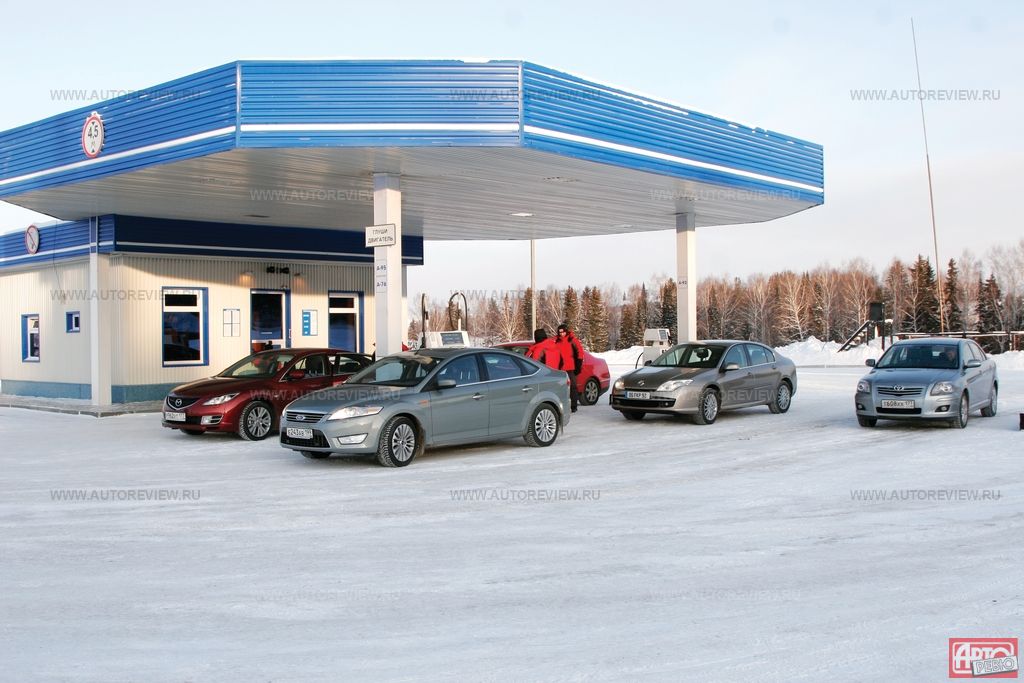 |
| After driving on snow, the wheels of the Toyota and Volkswagen had to be cleaned in this simple way — due to unevenly stuck snow, an imbalance appeared | Turning into the forest for a photo shoot, we met a man with a freshly cut Christmas tree. The permit for cutting costs 100 rubles, and if you don't have one, the fine is 2000 rubles | According to the trip computer data, the most fuel-hungry car in the test was the Avensis, but calculating the actual fuel consumption showed roughly the same efficiency |
Sound in the cold
Honestly, for most of the journey we had no time for music, so we decided to evaluate the audio systems already in Moscow. Moreover, we didn't do it ourselves (we'd rather collapse into bed and sleep, sleep, sleep!), but called in an expert, the editor-in-chief of InCars magazine, Aram Baghdasaryan. Here is his verdict.
All five cars in the versions tested "sound" average — not for audiophiles.
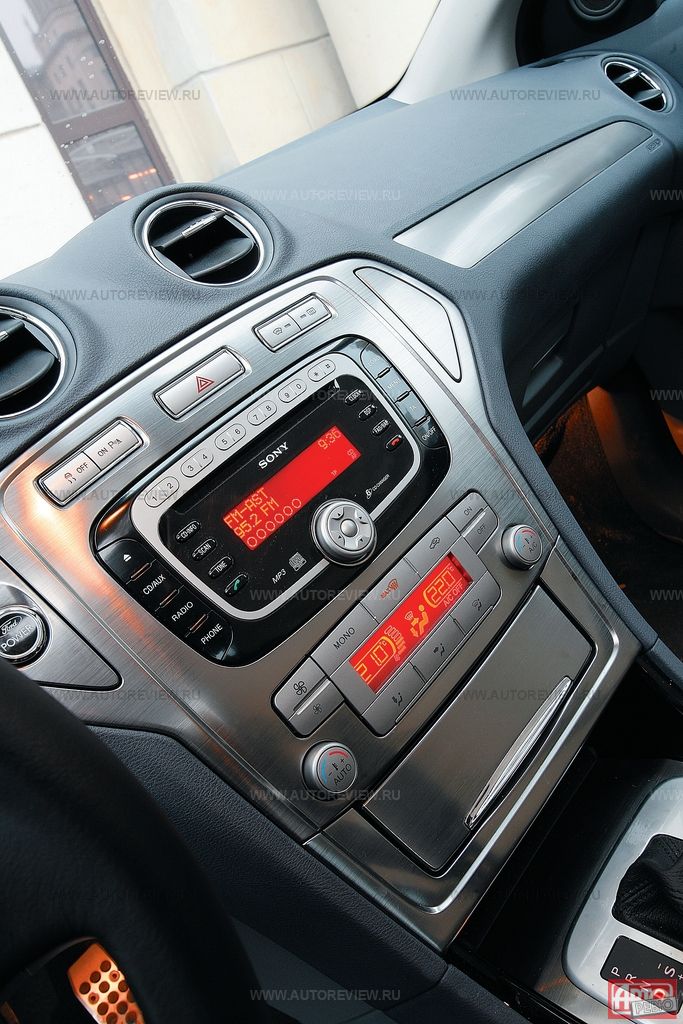
The Ford Mondeo with the Sony audio system was the most impressive. In the previous Mondeo, the head unit of the same brand evoked no emotions. But in the new one, it does, and mostly positive. Clear, balanced, full-bodied sound with good detail, across all registers, without tiresome "synthetic" timbres.
The Passat was equipped with the RCD 300 audio system — like the more expensive RCD 500 (which differs by having a CD changer), it was developed by Blaupunkt. The signature Blaupunkt control (the algorithm is based on changing the contextual functions of the main buttons), mediocre sound, resembling a cheap "all-in-one" music center in character... The protruding "bass" is especially annoying: it's as if a powerful bass boost circuit or loudness compensation is turned on. By the way, the RCD 500 system sounds no better. Audiophiles can order a Danish company Dynaudio audio system for the Passat for a considerable sum (about 4.6 thousand dollars): how it sounds, I don't know yet — I haven't listened.
| Ford Mondeo | Renault Laguna | Volkswagen Passat |
 |  | 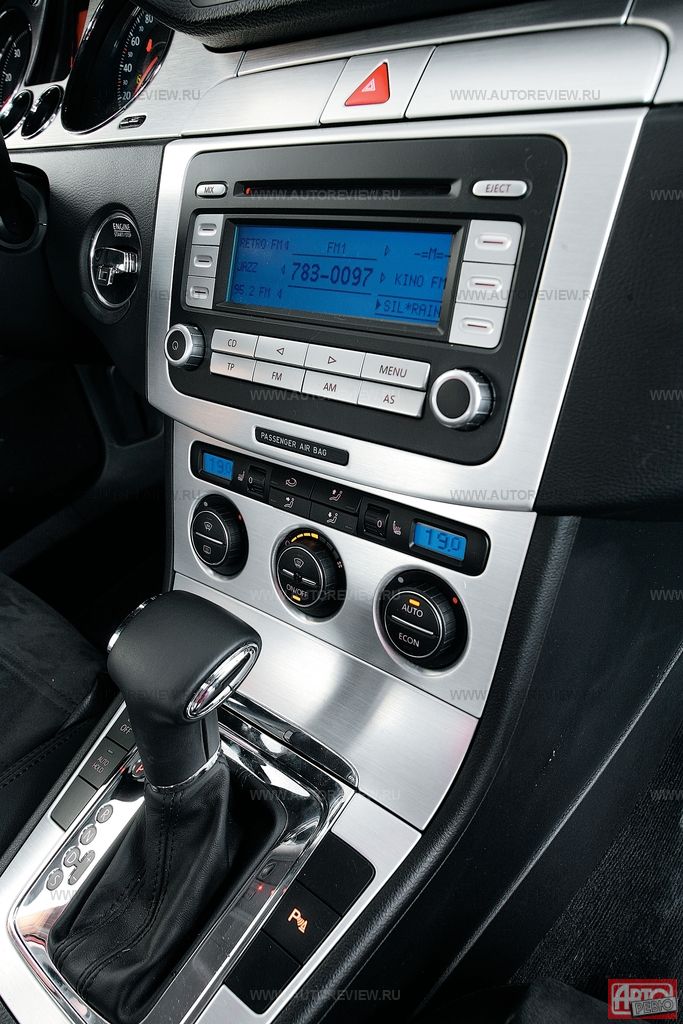 |
| Mazda 6 | Toyota Avensis | |
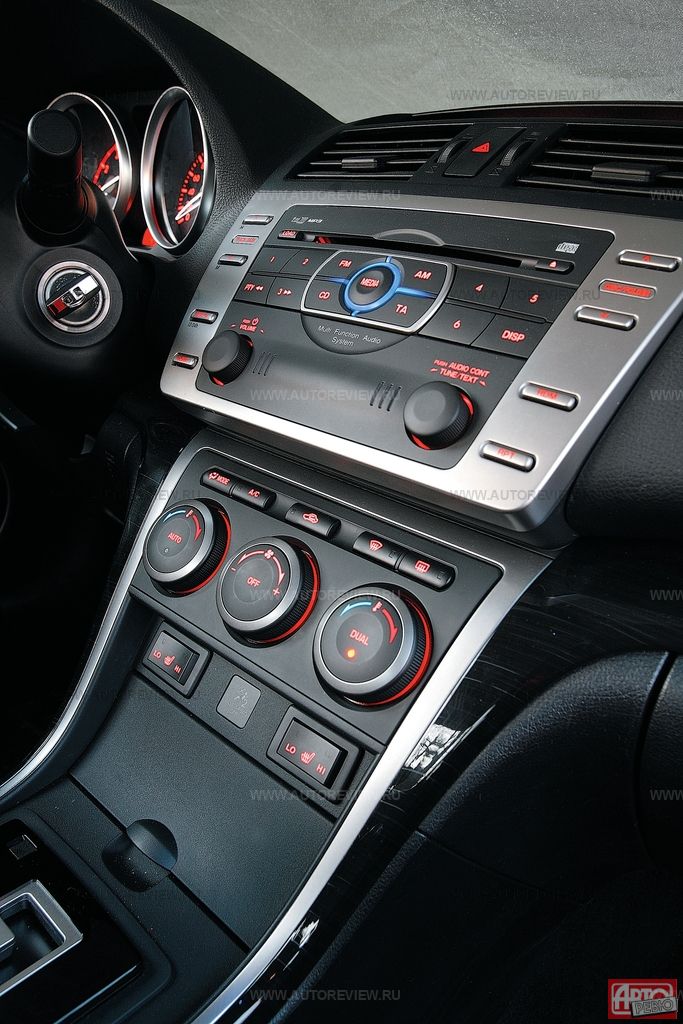 | 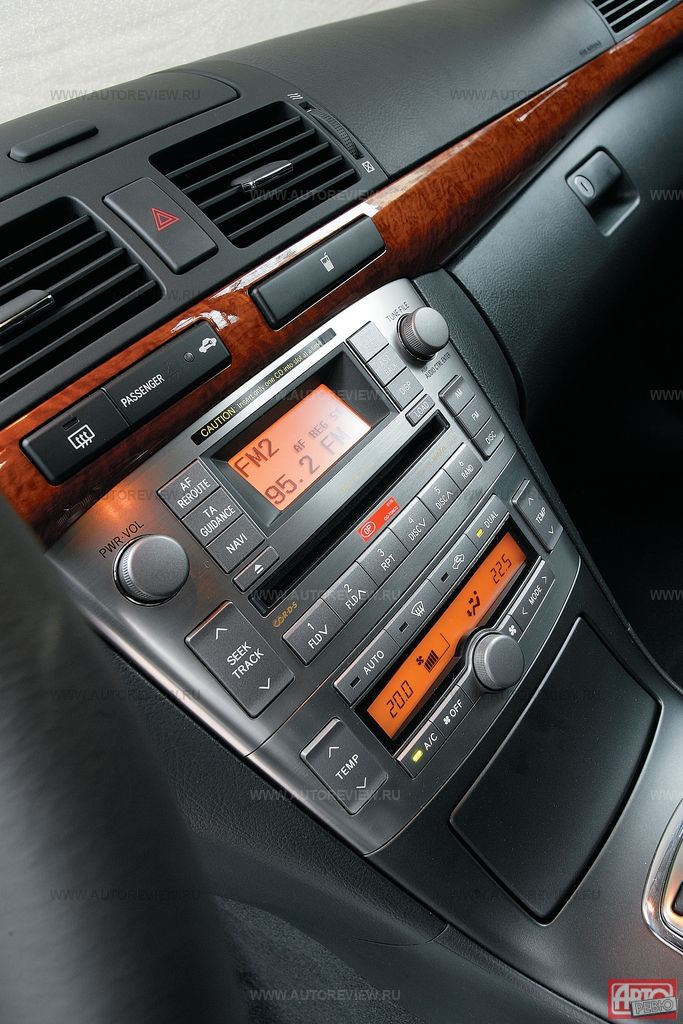 |
The Avensis offers no choice — only one audio system, which can be supplemented with a six-disc CD changer. Music flows evenly and balanced, with solid bass, a comfortable presentation, and unexpectedly high detail in the "highs".
The standard audio system in the Mazda 6 is equipped with a six-disc changer. Its quality is comparable to what's in the Passat, though it doesn't press on the ears with overly powerful bass. If you pay extra, you can get a Bose audio system. It's noticeably more powerful, and importantly, the bass becomes clear and dense, instrument parts don't blend together, and detail is better across all ranges. But there's a nuance here too: Bose is clearly tuned for rock and dynamic modern genres, while calm music with vocals sounds worse — lacking warmth, and the tonal balance is off.
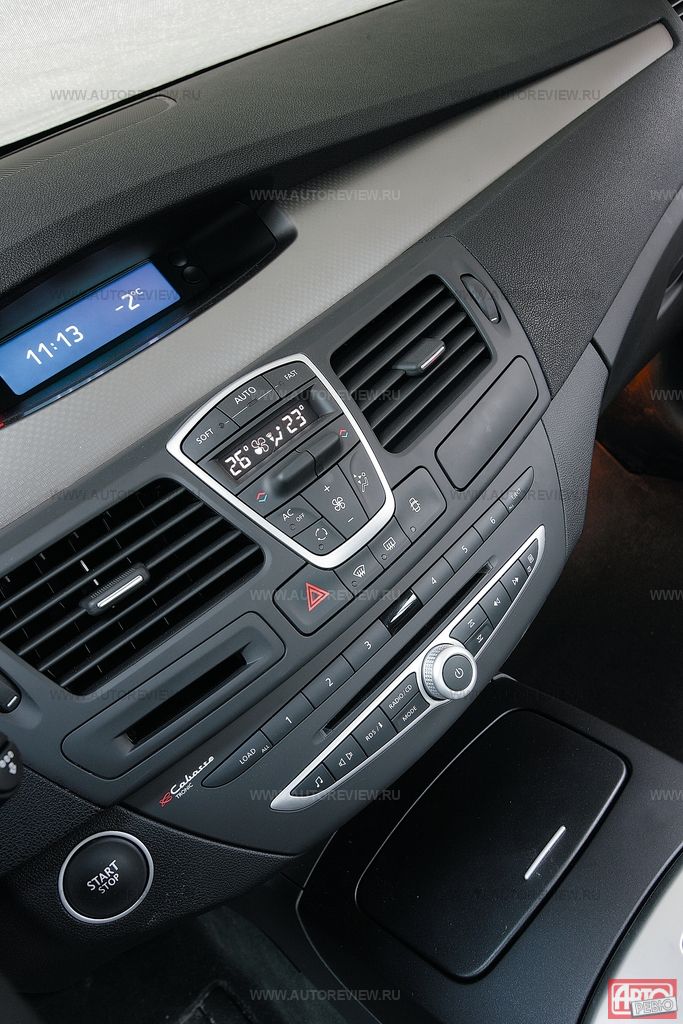
The Laguna had a top-end audio system from the French company Cabasse, which is well-known among audiophiles. But honestly, the sound greatly disappointed me. The entire audible range seems torn into pieces, and each piece sounds different: some open and detailed, some muffled and strained, and some missing altogether. For example, the lower midrange is lacking, causing vocals to lose fullness. Moreover, the system behaves differently depending on volume: at low levels, the sound is tight and constrained; at higher levels, aggressive. And when I tried to turn it up louder, I turned it off after a second — the distortion was simply terrible. Unfortunately, Renault's standard audio systems, whether entry-level or "advanced," have never shone in sound quality.
For those who truly value good sound, there's always the upgrade path. And the Ford Mondeo is best suited for this. You can install better tweeters, experiment with their direction, add extra sound and vibration insulation to the doors (at high volume, the trim starts to "move")... And for all five cars, either now or in the near future, there will be adapter frames and interfaces for installing an aftermarket head unit, which will allow retaining steering wheel button controls and displaying information on the factory screen.
Safety
All five cars already have ABS, EBD, six airbags (front, side, and curtain), pretensioners, and Isofix mounts in their base configurations. The Ford Mondeo in the base Ambiente version lacks stability control — you have to pay extra for it. However, the Mondeo and Avensis come standard with a driver's "knee" airbag.
The new Mazda 6 hasn't undergone independent crash tests yet, while the other four cars have already been tested under the EuroNCAP program and received the maximum five stars. There are remarks, but minor ones. The Renault Laguna hatchback performed best: it was just one point short of the maximum score, which was deducted because the rear door opened during a side impact. The Passat's frontal impact score was reduced due to the threat of the driver's legs contacting the steering column shroud, and the Avensis due to slightly elevated loads on the front passengers' chests.
For child passenger protection, the Mondeo, Laguna, and Passat each received four out of five stars, but here too, the French hatchback was slightly ahead. The Toyota Avensis was tested back in 2003, when "point" and "star" ratings for child safety weren't given, but experts noted elevated loads on the chests of both "children" in a frontal impact and weak head protection for the "three-year-old" dummy in a side impact.
Pedestrian safety for the European cars is rated at two out of four stars, while the Toyota Avensis earned only one star — the overly rigid bumper and hood edge prevented a higher score.
| Ford Mondeo* | ★★★★★ | 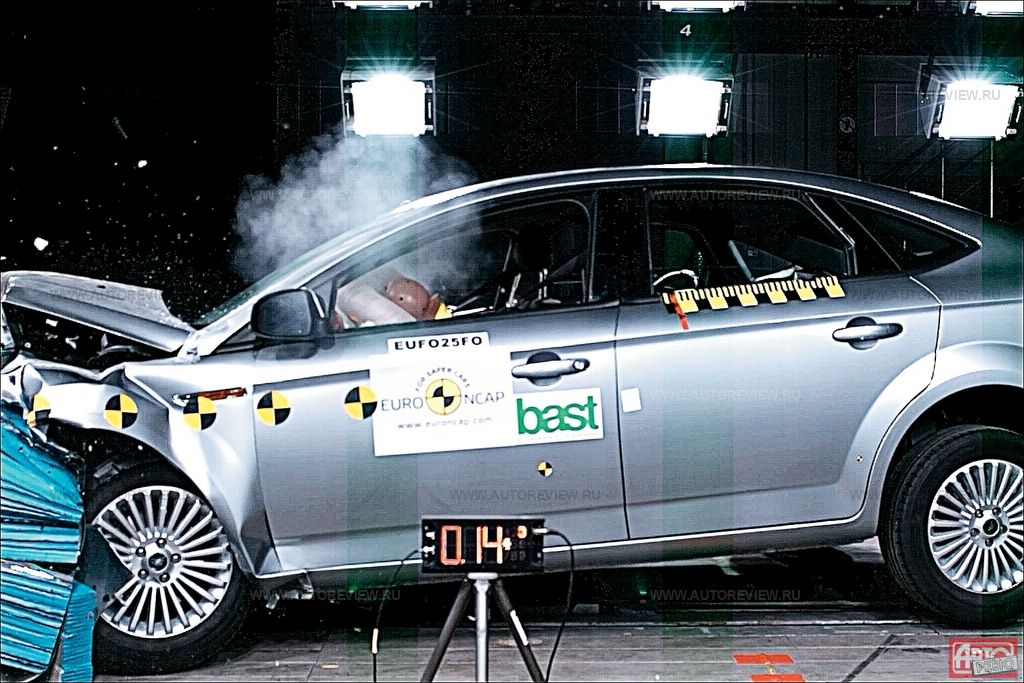 |
| Overall rating | 35 points | |
| Frontal crash test | 15 (94%) | |
| Side crash tests | 18 (100%) | |
| SBR** | 2 | |
| Child passenger protection | 39 (80%) | |
| Pedestrian protection | 18 (50%) | |
| Curb weight | 1559 kg | |
| * Tests conducted according to EuroNCAP methodology | ||
| ** Presence of seatbelt reminder | ||
| Renault Laguna* | ★★★★★ | 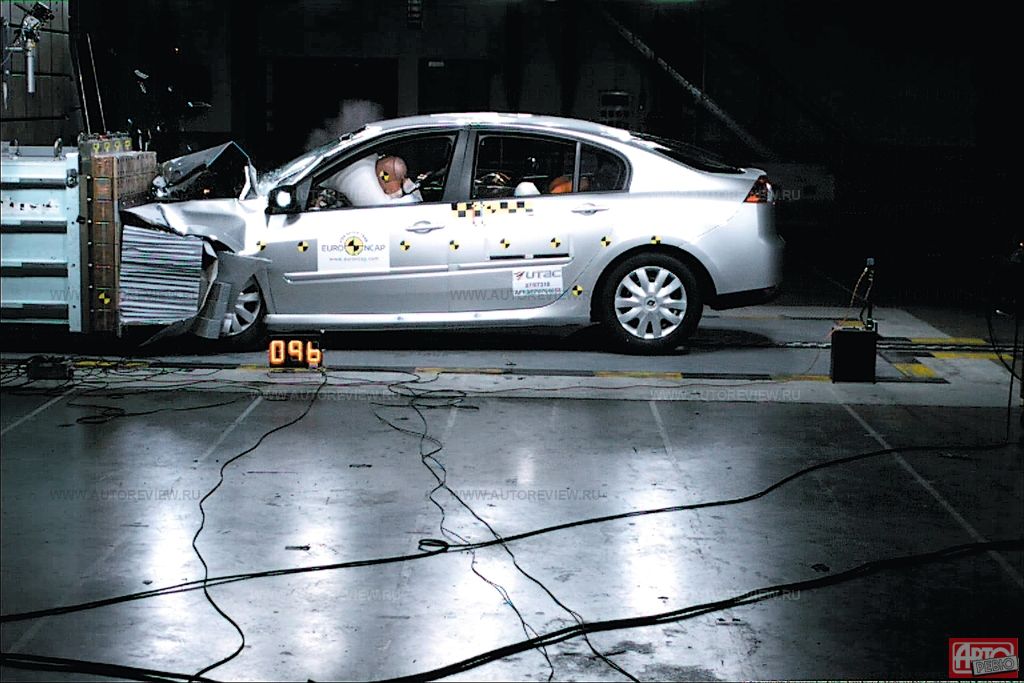 |
| Overall rating | 36 points | |
| Frontal crash test | 16 (100%) | |
| Side crash tests | 17 (94%) | |
| SBR** | 3 | |
| Child passenger protection | 41 (84%) | |
| Pedestrian protection | 10 (28%) | |
| Curb weight | 1470 kg | |
| * Tests conducted according to EuroNCAP methodology | ||
| ** Presence of seatbelt reminder | ||
| Toyota Avensis* | ★★★★★ | 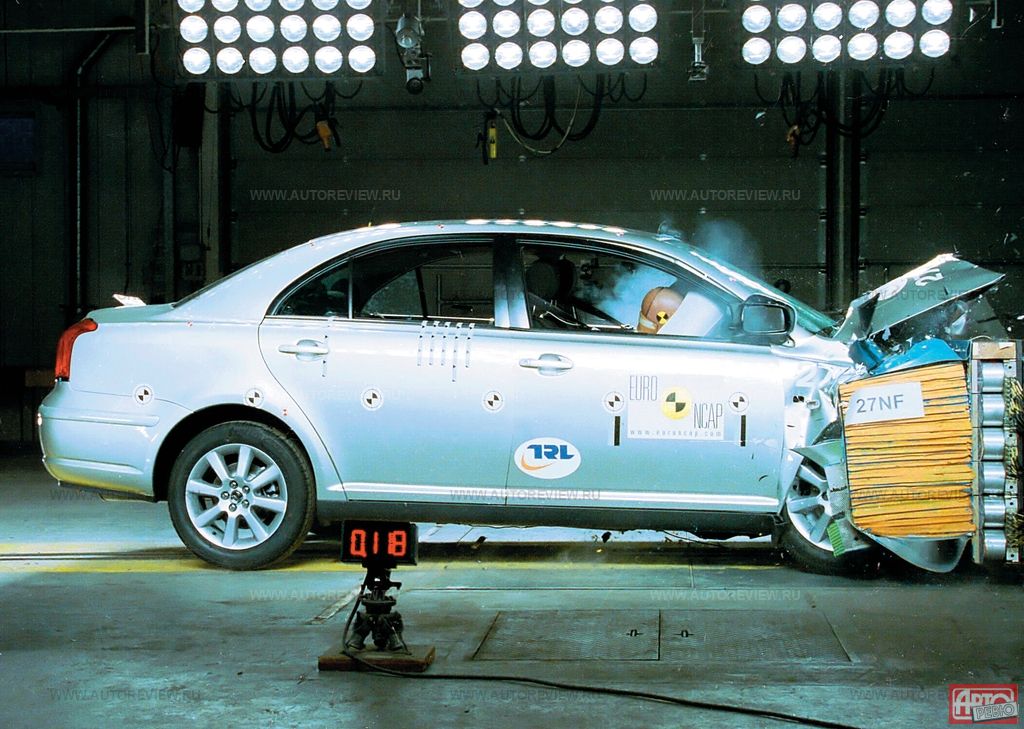 |
| Overall rating | 34 points | |
| Frontal crash test | 14 (88%) | |
| Side crash tests | 18 (100%) | |
| SBR** | 2 | |
| Child passenger protection | — | |
| Pedestrian protection | 8 (22%) | |
| Curb weight | 1245 kg | |
| * Tests conducted according to EuroNCAP methodology | ||
| ** Presence of seatbelt reminder | ||
| Volkswagen Passat* | ★★★★★ | 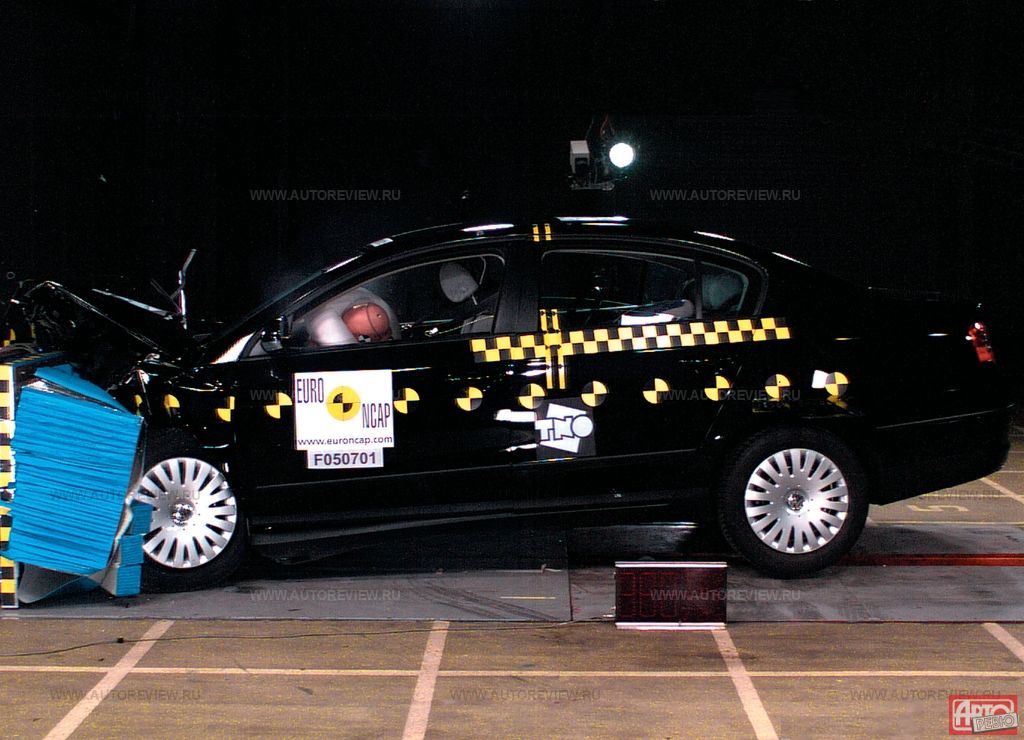 |
| Overall rating | 34 points | |
| Frontal crash test | 14 (88%) | |
| Side crash tests | 18 (100%) | |
| SBR** | 2 | |
| Child occupant protection | 38 (78%) | |
| Pedestrian protection | 17 (47%) | |
| Curb weight | 1447 kg | |
| * Tests were conducted according to EuroNCAP methodology | ||
| ** Seatbelt reminder availability | ||
Warming up everything
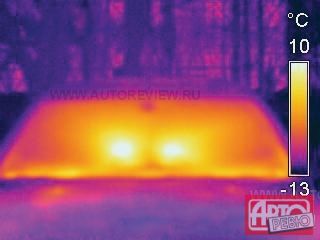
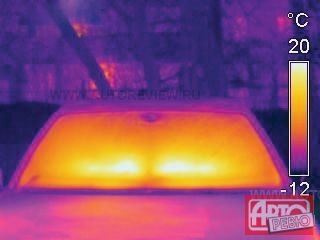
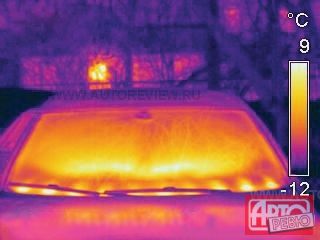
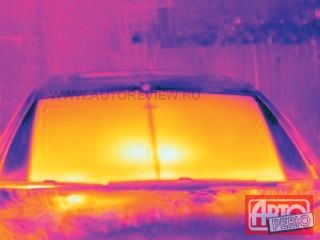
To understand how quickly cars cope with frozen windows after an overnight stay in the cold and how well the seats heat, we used a Swedish FLIR thermal imager. Images taken at equal intervals show both the heating power and how evenly the heat is distributed (in the right corner of the frame — the maximum and minimum temperature of the object).
Windshields. Operation of the standard heater| Ford Mondeo | Renault Laguna | Volkswagen Passat |
 |  |  |
| Mazda 6 | Toyota Avensis | |
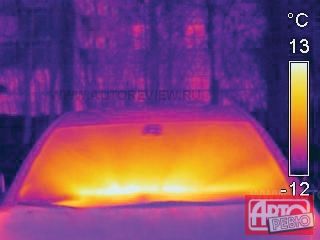 | 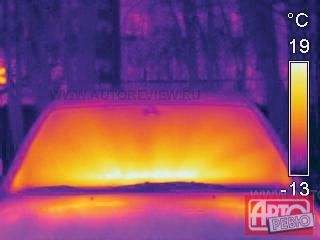 |
When we started the engines in twelve-degree frost, the heaters immediately gave maximum output, and the airflow was directed exclusively at the glass. To check how the windows defrost in base versions, on the Ford Mondeo and Volkswagen Passat we deliberately disabled the optional electric heating, which usually activates automatically in this mode. Unexpectedly for us, Renault and Toyota became the leaders: within ten minutes, the temperature in the warmest spots reached about twenty degrees. Moreover, the Laguna's heating is more even — two spaced nozzles warm the corners of the glass better than the single central one in the Avensis. The Mazda managed only 13°C during this time, and the heat is distributed unevenly: the lower right corner warms noticeably worse than the left.
The worst off were Ford and Volkswagen: their windows did not even warm up to 10°C. The Passat's many small nozzles at least distribute the heat more or less evenly, while the Mondeo, with two small hot spots, shows that its airflow system is far from ideal.
Electric windshield heating| Ford Mondeo | Toyota Avensis | Volkswagen Passat |
 | 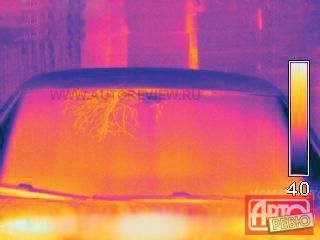 | |
| Thin heating filaments on Ford and Volkswagen warm the glass faster and more evenly than the heater. Toyota, however, with its powerful heating, only clears the area under the wipers | ||
Fortunately, all this suffering in the Ford and Volkswagen is solved by the electric heating button. This is an incredibly useful option in our region! Look at the images: the Mondeo and Passat windows defrost quickly and evenly. We fully appreciated the value of this function near Izhevsk, when wet snow instantly covered the windows with an ice crust. Ford and Volkswagen drivers felt comfortable, while the rest had to crank the heater to full and sit in the stuffiness just to get the window defrosted.
All five test participants had heated front seats. After five minutes of operation, it turned out that the Passat became the leader in this parameter: its seat warmed up by 35°C, and the heating zone is the most extensive. Heat is distributed over the entire surface: both the cushion and the backrest, and even the side bolsters do not remain cold.
| Ford Mondeo | Renault Laguna | Volkswagen Passat |
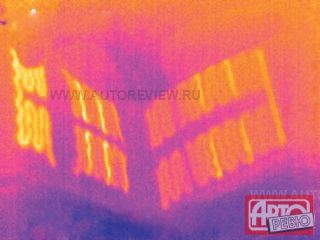 | 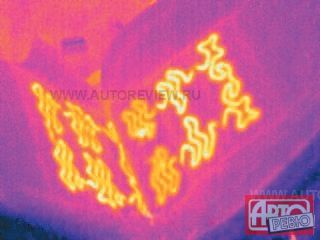 | 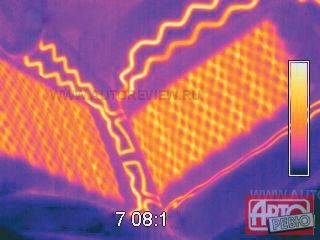 |
| Thermal elements are only in the middle, and weak ones. Inappropriate economy | The edges of the Laguna's seats are cold, and it's not hot in the center either | The best seat for northern latitudes: powerful heating with a wide coverage area |
| Mazda 6 | Toyota Avensis | |
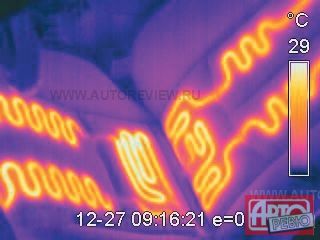 | 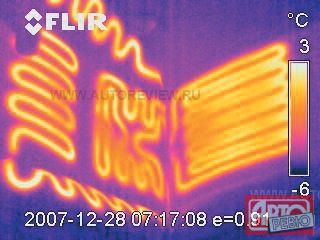 | |
| Heating filaments are powerful, but the side bolsters are cold | The Avensis warms most of the driver's support surface. Though weakly |
The Mazda's seat also heats generously — in the same five minutes the temperature rose by 32°C, but the side bolsters remain icy here. The Renault has both a smaller heating area and more modest efficiency: only plus 19°C.
The Toyota managed to warm the seat by only 11°C in the allotted time, but it does not have an unpleasant contrast between the warm middle and cold edges of the cushion. The Ford disappointed: the Alcantara insert heats weakly (the same 11°C), and the leather side bolsters remain cold. In severe frost, you can't do without warm pants with such heating.
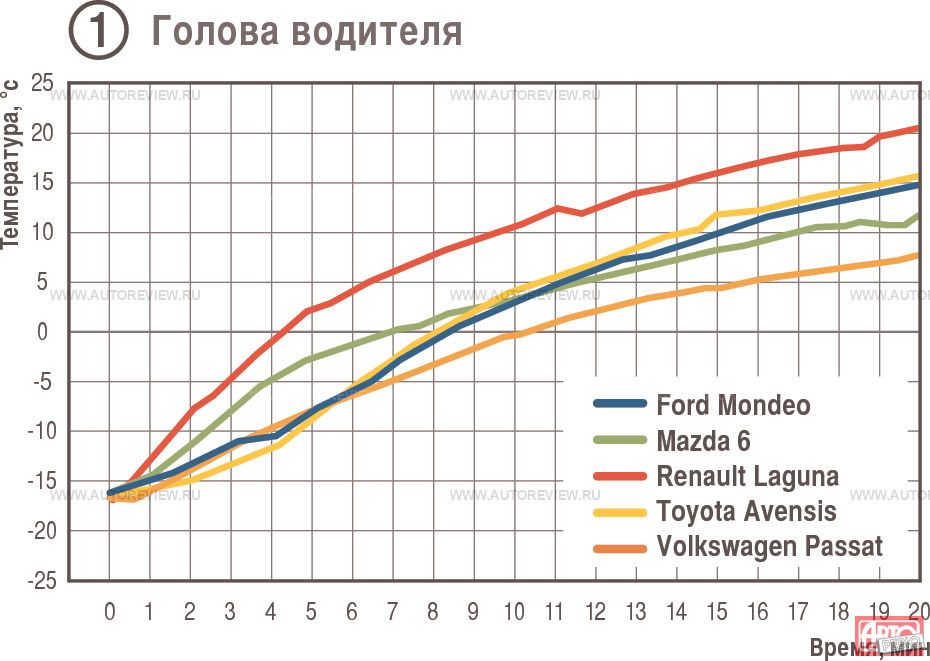
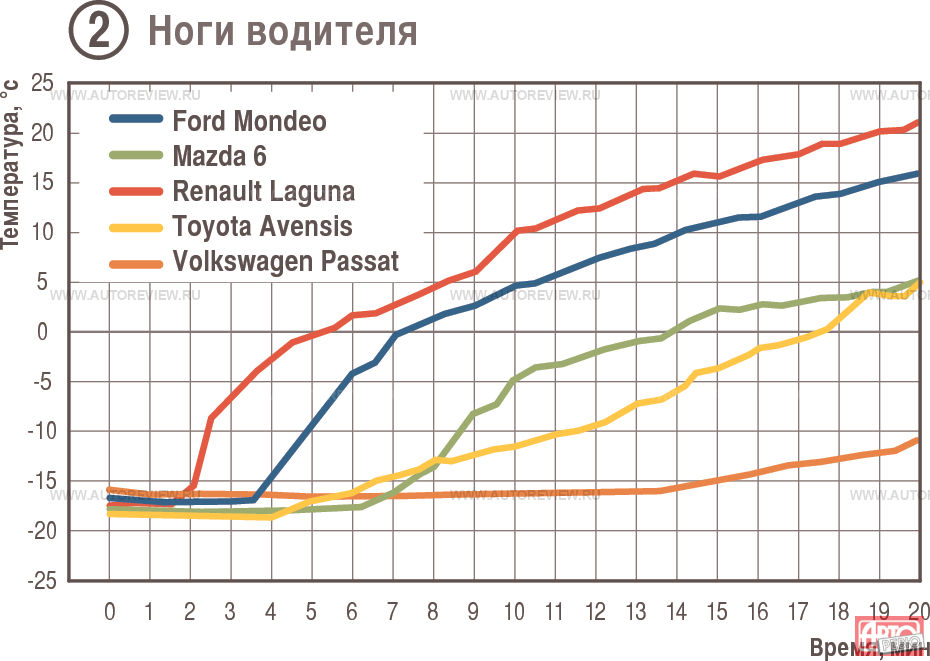
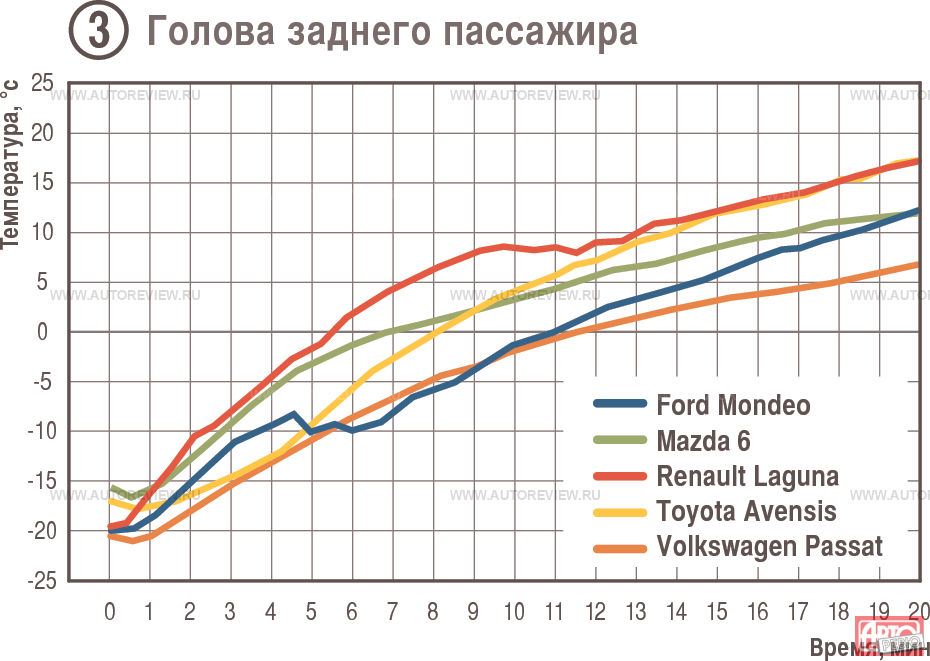
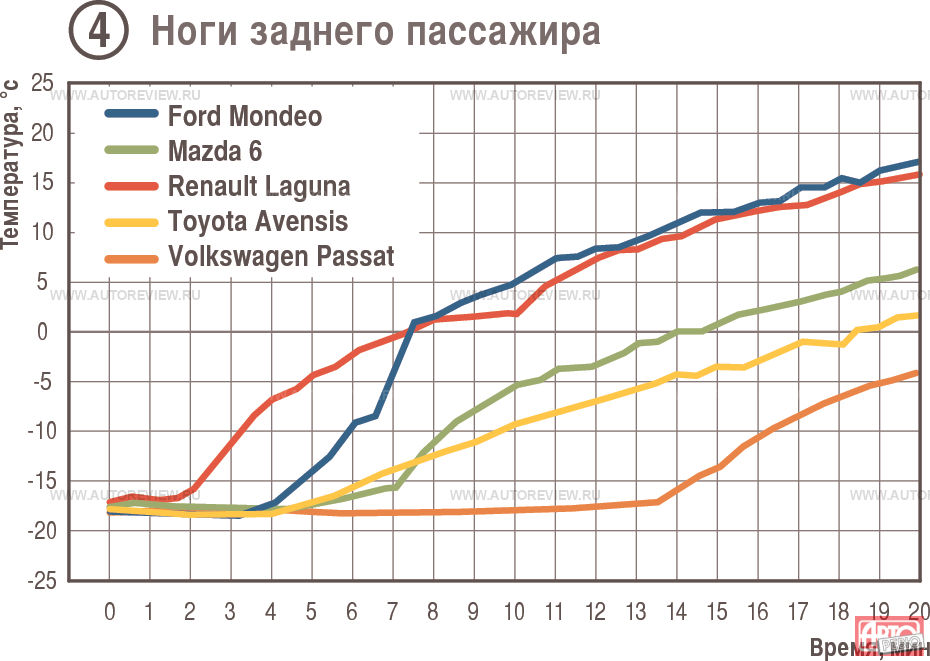
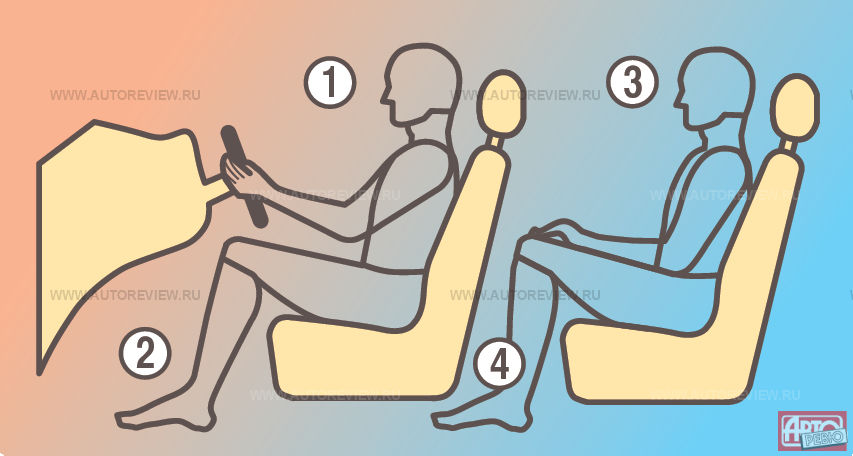 To understand how effectively the heaters work, we placed four thermocouples in the cabins and took measurements. The cars spent the night outside at minus 24 degrees; in the morning we started them, turned on the climate control in Auto mode, opened all vents, set the maximum temperature, and monitored the changes. The warm air reached the Laguna's cabin fastest — both in the head area and at the feet. The Mondeo also did not disappoint, especially pleasing with heat delivery to the feet. The Avensis, on the contrary, prefers to warm the upper part of the cabin, while heat reaches the feet reluctantly. The outsider was the Passat: it becomes comfortable at the feet only by the 13th minute. These figures were confirmed while driving —
rear passengers in the Passat complained about frozen feet, while in other cars there was no such problem. However, the Laguna, which warmed up so well in the parking lot, turned out to be drafty on the road: with the windows closed, there was a noticeable draft from under the seals!
 |  |
 |  |
Visibility
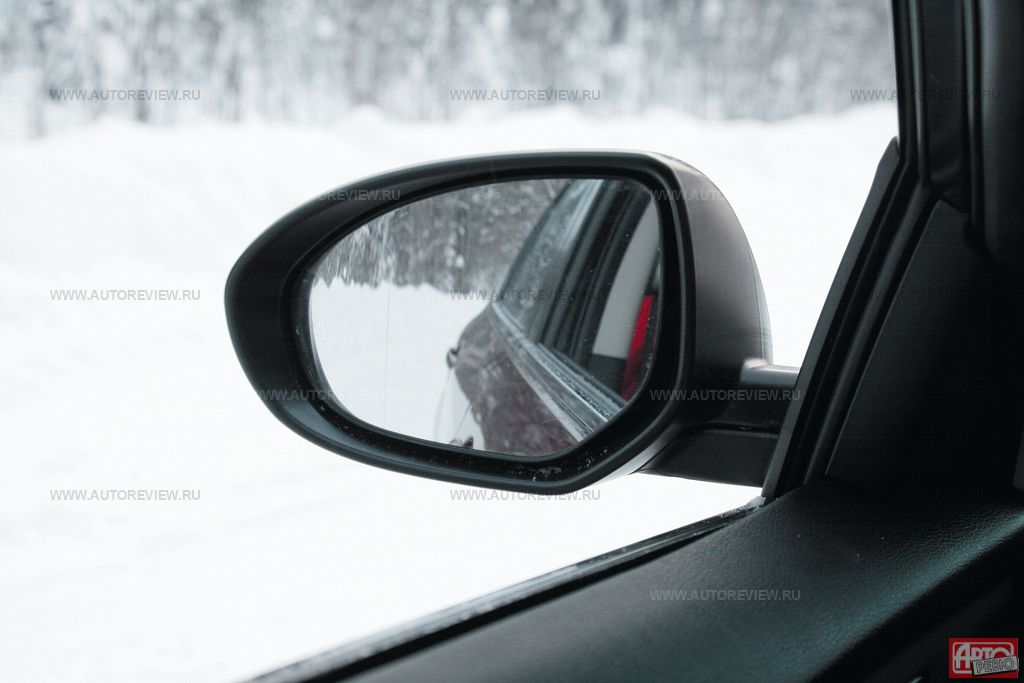
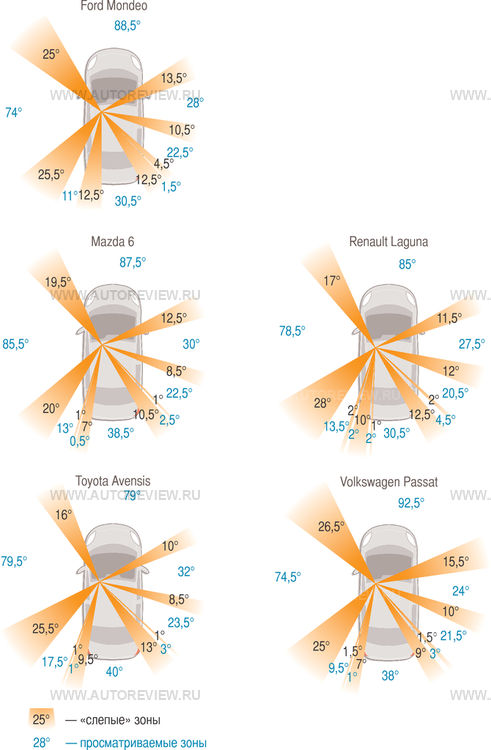
In terms of size, the mirrors on all five cars are approximately the same, and each has distortion zones. But in the Laguna and Mondeo, these zones are excessively large, which reduces the useful mirror area — this is rather a minus. As for the front view, under equal conditions, Volkswagen and Ford win thanks to the electric windshield heating. But through the rear window, the worst view is from the hatchbacks — their opening is noticeably lower. It is especially inconvenient in the Laguna, where the wiper also leaves an uncovered zone.
| Ford Mondeo | Renault Laguna | Volkswagen Passat |
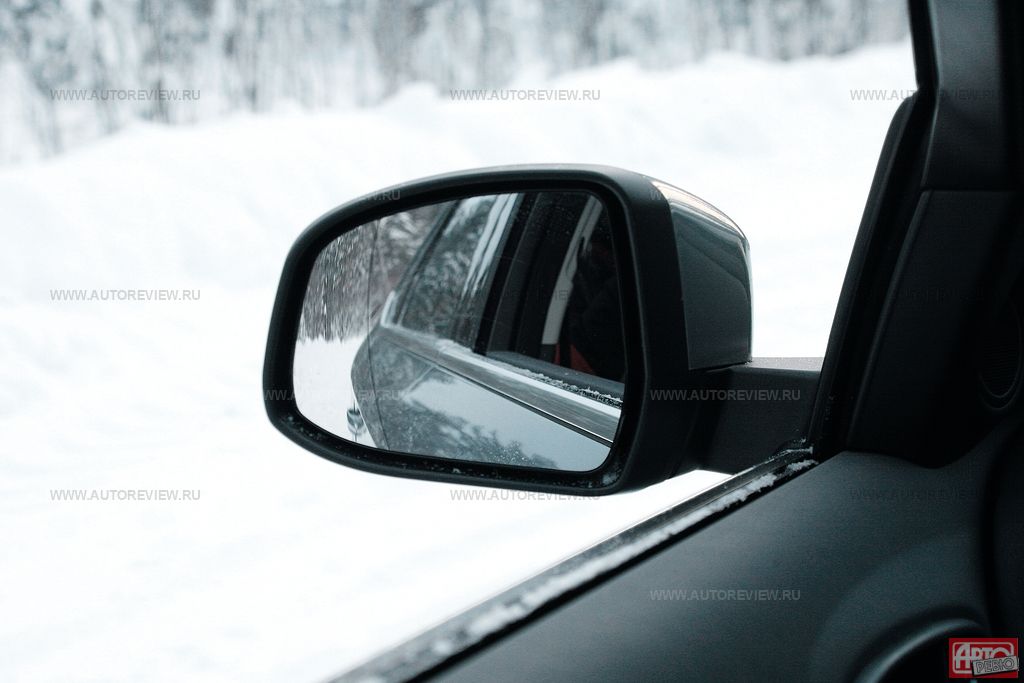 | 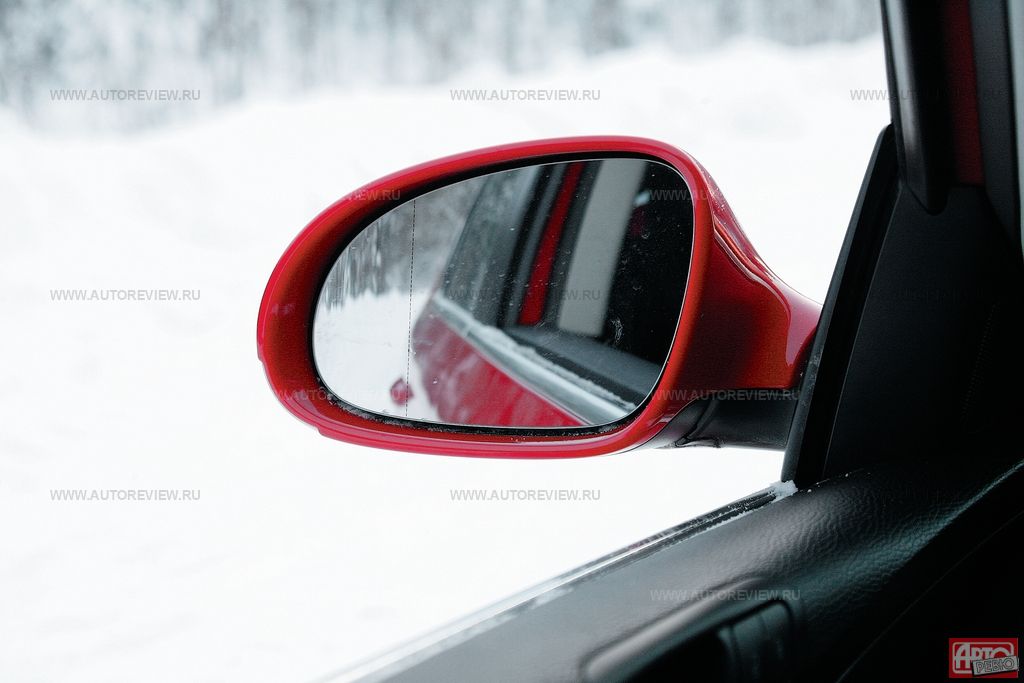 | |
| Mazda 6 | Toyota Avensis | The mirrors of all five cars are similar in area, and all have distortion zones, but on the Laguna and Mondeo they are too large, which is rather a drawback — since these zones reduce the useful area of the "direct" mirror. As for forward visibility, all other things being equal, Volkswagen and Ford cars have an advantage, as they are equipped with electrically heated windshields. However, in terms of rear visibility through the rear windows, the hatchbacks are at a disadvantage — their viewing area is noticeably smaller in height. Especially on the Laguna, where the situation is aggravated by the deficient working area of the rear wiper. |
 |
| Car | Total viewing angle, deg. | Total "blind" zone angle, deg. |
| Ford Mondeo | 256.0 | 104.0 |
| Mazda 6 | 280.0 | 80.0 |
| Renault Laguna | 264.0 | 96.0 |
| Toyota Avensis | 275.5 | 84.5 |
| Volkswagen Passat | 264.0 | 96.0 |
| Equipment of cars participating in the comparative test | |||||
| Options and equipment | Models | ||||
| Ford Mondeo | Mazda 6 | Renault Laguna | Toyota Avensis | Volkswagen Passat | |
| Price of the base version with the test engine, rub./ $* | 785000/32300 | 759000/31235 | 841700/34640 | 790500/32530 | 1098960/45225 |
| Front airbags | + | + | + | + | + |
| Side airbags | + | + | + | + | + |
| Driver's knee airbag | + | – | – | + | – |
| Curtain airbags | + | + | + | + | + |
| ABS | + | + | + | + | + |
| Traction control system | + | + | + | + | + |
| Electronic stability control (ESP) | + | + | + | + | + |
| Power steering | + | + | + | + | + |
| Automatic transmission | + | O | + | + | + |
| Multifunction steering wheel | + | + | + | + | + |
| Adjustable steering column (tilt/reach) | + | + | + | + | + |
| Leather-wrapped steering wheel | + | + | + | + | + |
| Heated windshield | + | – | – | +** | + |
| Power driver's seat | + | – | O | + | +*** |
| Power passenger seat | – | – | O | O | – |
| Driver's seat memory | O | – | – | – | – |
| Heated front seats | + | + | + | + | + |
| Auto-dimming interior mirror | + | + | O | + | + |
| Central locking | + | + | + | + | + |
| Keyless entry | O | – | O | – | – |
| Alarm | O | – | – | – | – |
| Dual-zone climate control | + | + | + | + | + |
| Power and heated mirrors | + | + | + | + | + |
| Power-folding mirrors | O | + | O | + | + |
| Power windows (all doors) | + | + | + | + | + |
| Folding rear seats | + | + | + | + | + |
| Ski hatch | – | – | – | – | + |
| Rear armrest | + | + | + | + | + |
| CD player | + | + | + | + | + |
| CD changer | O | + | O | O | + |
| Push-button start | + | – | + | – | – |
| Light sensor | O | + | + | + | + |
| Rain sensor | O | + | + | + | + |
| Tire pressure monitoring | O | – | – | – | – |
| On-board computer | + | + | + | + | + |
| Cruise control | – | + | O | + | + |
| Power sunroof | O | – | – | O | – |
| Front parking sensors | O | – | – | – | + |
| Rear parking sensors | O | – | O | – | + |
| Leather interior | +**** | – | O | O | +**** |
| Wood trim | – | – | – | + | – |
| Remote trunk release | – | – | +***** | – | + |
| Remote fuel filler flap release | – | + | – | + | + |
| Xenon (low beam) | O | O | + | O | + |
| Bi-xenon | – | O | O | – | + |
| Adaptive headlights | + | O | O | – | + |
| Fog lights | + | + | + | + | + |
| Headlight washers | O | + | + | + | + |
| Rear window shade | – | – | – | O | – |
| Alloy wheels | + | + | + | + | + |
| Full-size spare tire | – | – | – | – | + |
| Metal engine protection | – | – | + | – | + |
| Metallic paint | O | O | O | O | – |
| Tires | Nokian Hakkapeliitta 5 225/50 R 17 | Nokian Hakkapeliitta 5 205/50 R 17 | Nokian Hakkapeliitta 5 215/55 R 17 | Nokian Hakkapeliitta 5 205/50 R 17 | Nokian Hakkapeliitta 5 205/55 R 16 |
| Price of the tested car, rub./$ | 1077700/44350 | 836000/34403 | 968900/39872 | 887000/36502 | 1098959/45225 |
| * Exchange rate $1=24.3 rub. | |||||
| ** Wiper rest zone | |||||
| *** Backrest tilt and lumbar support | |||||
| **** Leather and Alcantara | |||||
| ***** Lock drive from key fob | |||||
| (+) Included in base version | |||||
| (–) Not available in base version | |||||
| (O) Options installed on the cars participating in the test | |||||
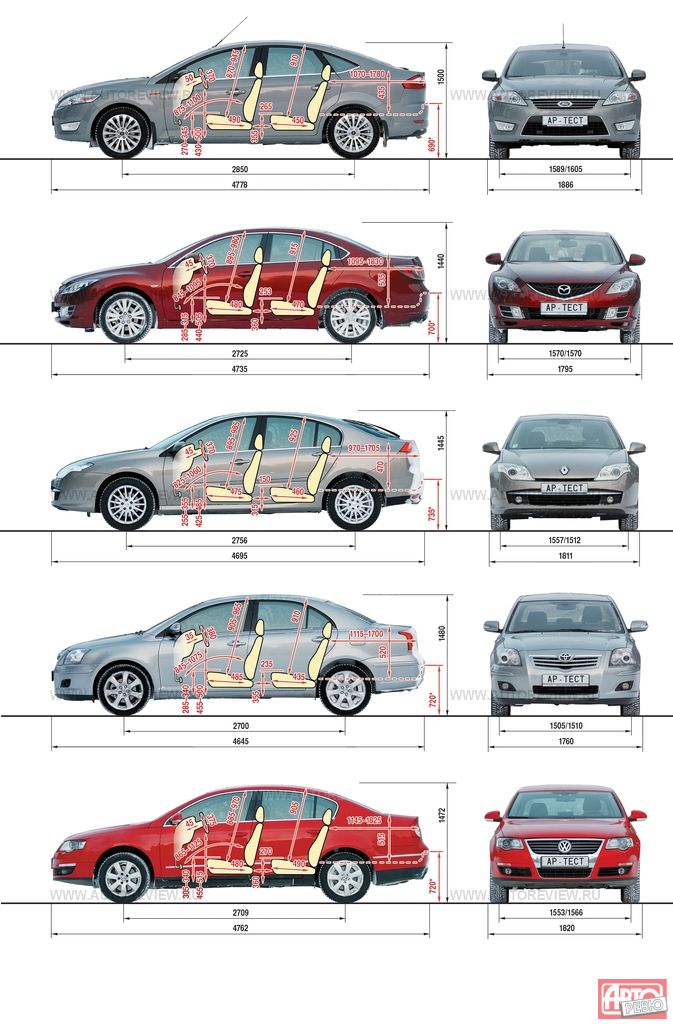
Black indicates manufacturer data, red indicates Autoreview measurement results
* Loading height
Curb weight and axle load distribution (Autoreview measurement results)

What's the price?
Ford Mondeo is the cheapest participant in this comparison, although it is hard to call it truly budget-friendly: the low price is achieved only through the modest equipment of base trims. For example, a sedan with a 1.6-liter engine producing 125 hp and a five-speed manual in the initial Ambiente version costs from 615,000 rubles ($25,310*) — and this amount includes seven airbags, ABS, air conditioning, a CD stereo, front electric windows, as well as heated and power-adjustable mirrors. If you take the same car with a two-liter engine producing 145 hp, the price rises to 694,000 rubles ($28,560). The Mondeo 2.3 modification (161 hp) comes only with a six-speed automatic — it costs from 785,000 rubles ($32,300). The 2.0-liter turbodiesel variant is available with both a six-speed manual gearbox (741,000 rubles, or $30,490) and an automatic (798,000 rubles, or $32,840). In the first case, the output is 140 hp, in the second — 130 hp. The Trend version, which additionally gets a stability control system, dual-zone climate control, fog lights, rear electric windows, and driver's seat height adjustment, costs 22,000 rubles ($905) more. The Mondeo can also be ordered with the most powerful five-cylinder 2.5T engine producing 220 hp — such a car is priced at 879,000 rubles ($36,170). For the Ghia and Titanium trims, you will have to pay another 62,000 rubles ($2,550): for this money, you get 16-inch alloy wheels and heated front seats. The difference between them is in details: Ghia features wood trim, cruise control, and light and rain sensors, while Titanium features a seven-inch display in the instrument panel and aluminum inserts in the cabin. The top versions Ghia X and Titanium X add leather or leather-suede upholstery, keyless engine start, and 17-inch wheels; their difference is the power-adjustable driver's seat in Ghia X and adaptive headlights in Titanium X. The surcharge over the base Ambiente in the first case will be 118,000 rubles ($4,860), in the second — 123,000 rubles ($5,060). Currently, dealer showrooms only have cars with a manual gearbox, and for a version with an automatic, you will have to queue for four to six months — the same time will be needed for a car ordered with individual options.
The warranty on the Ford Mondeo is two years or 100,000 km. In Russia, the model is sold by 141 dealers in 88 cities.
The new Mazda 6 is the leader of our five in terms of the balance of price and equipment. The sedan in the base Direct trim with a 1.8 engine (120 hp) costs 653,000 rubles ($26,870), and already in the base it has six airbags, ABS, stability control, air conditioning, power accessories, heated seats and mirrors, a CD/MP3 stereo, and 16-inch alloy wheels. If you equip the Ford Mondeo 1.6 Ambiente to the same level, it will be slightly more expensive — 657,000 rubles ($27,040). The Mazda 6 2.0 (147 hp) in the Touring version, which includes dual-zone climate control, a CD changer, light and rain sensors, cruise control, fog lights, and 17-inch wheels, is sold for 759,000 rubles ($31,235). With a five-speed automatic, it costs 798,000 rubles ($32,840) — this is 77,400 rubles ($3,190) cheaper than a comparably equipped but more powerful Ford Mondeo 2.3 Trend. The Sport trim differs from Touring with a combined leather and fabric interior, bi-xenon headlights, 18-inch wheels, a Bose audio system, and a spoiler on the trunk lid — the surcharge for all this is 67,000 rubles ($2,760). A sedan with a 2.5-liter engine (170 hp) in the same trim costs 852,000 rubles ($35,060), and the top Luxury trim, which includes leather, parking sensors, and an alarm, is priced at 883,000 rubles ($36,340). There are almost no additional options — except perhaps a sunroof for 26,000 rubles ($1,070). Waiting for a new "six" from pre-ordered batches will take from several weeks to two months depending on the version, and an individual order will have to wait six months.
The warranty is three years or 100,000 km. Mazda is sold by 32 dealers in 20 Russian cities.
Toyota Avensis, like the Mazda 6, is sold in Russia with a fixed set of trims. The starting price is 647,500 rubles ($26,650) for a car with a 1.8-liter engine producing 129 hp in the Terra version, which already has seven airbags, ABS, stability control, air conditioning, power accessories, a CD/MP3 stereo, and heated front seats. Interestingly, by paying just 5,500 rubles ($230) more than this amount, you can get a base Mazda 6 1.8 — but already on alloy wheels and with heated mirrors. The Sol trim adds climate control, cruise control, a rain sensor, heated mirrors, and fog lights. Such an Avensis with a 1.8 engine costs 718,000 rubles ($29,550), and with a two-liter engine producing 147 hp — 790,500 rubles ($32,530). For a four-speed automatic, you need to pay an additional 39,000 rubles ($1,600). As a result, the Avensis 2.0 with an automatic will cost 829,500 rubles ($34,140) — 31,500 rubles ($1,300) more than a similar Mazda 6, which also has a CD changer, a light sensor, and 17-inch alloy wheels. However, Toyota allows the automatic gearbox to be combined with the smaller 1.8 engine — such a car costs only 757,000 rubles ($31,150). The two-liter Avensis with an automatic in the top Luxury trim is priced at 876,500 rubles ($36,070) and includes leather, power-adjustable driver's seat, xenon, a CD changer, and 17-inch wheels. The most expensive option is with a 2.4 engine (163 hp) and a five-speed automatic, for which they ask as much as 959,500 rubles ($39,490). For comparison, the Mazda 6 2.5 Luxury with similar equipment is more than $3,000 cheaper. Dealers have cars in stock, and an ordered Avensis will be delivered within three months.
The warranty is three years or 100,000 km. Toyota is sold by 56 dealers in 40 Russian cities.
Volkswagen Passat is the most expensive in our company, although the starting Trendline trim is not much richer in equipment than the base Mondeo: here only a stability control system, heated front seats and windshield are added (among competitors, such an option is only available on the Ford), but there is no stereo. The Passat with a 1.6 engine producing only 102 hp is sold for 675,060 rubles ($27,780). The version with a twin-charged 1.4 TSI (122 hp) costs 720,170 rubles ($29,640), and with a 1.9 TDI turbodiesel (105 hp) — 787,060 rubles ($32,390). The two-liter Passat FSI (150 hp) has already been removed from sale — since January it has been replaced by the 1.8 TSI modification (160 hp), which in the Comfortline trim (plus rear electric windows, cruise control, and power-adjustable driver's seat) starts at 814,400 rubles ($33,510). It is noteworthy that the same car with the previous 2.0 FSI in the last months of deliveries to Russia was $2,400 cheaper. For a six-speed automatic, you will have to pay almost 72,200 rubles ($2,970). Moving to the Highline trim will cost another 72,490 rubles ($2,980) — for this you get dual-zone climate control, leather, 16-inch alloy wheels, and light and rain sensors. Thus, the Passat 1.8 TSI Highline with a manual costs the same as the Mazda 6 2.5 with an automatic in the top trim, which has bi-xenon, parking sensors, an alarm, and other benefits. But the Passat has an advantage — an all-wheel-drive version with the previous two-liter engine and a manual for 897,750 rubles ($36,940). The 2.0 TFSI modification (200 hp) with an automatic costs 1,098,960 rubles ($45,225), and the Passat V6 (3.2 L, 250 hp) with all-wheel drive and a DSG robot — from 1,300,430 rubles ($53,520). There is also an option with a two-liter turbodiesel producing 140 hp: for 918,020 rubles ($37,780) with a manual gearbox and for 990,190 rubles ($40,750) with the same DSG. A suitable example can be found at dealers, and an ordered car will have to wait four months.
The warranty on the Passat is two years without mileage limit. In Russia, the brand is represented by 59 dealers in 38 cities.
The new Renault Laguna will reach dealerships only in spring, but prices have already been announced. The hatchback in the base Expression trim with a 1.6 engine (115 hp) will be sold for 694,630 rubles ($28,590). The equipment list includes six airbags, ABS, air conditioning, power accessories, a CD stereo, keyless engine start with a chip card instead of a key, and heated front seats and mirrors. The version with a two-liter engine (140 hp) and a stability control system is priced at 758,230 rubles ($31,200), but the gearbox is only a six-speed manual. An automatic is only available on the Laguna with a 2.0T turbo engine (170 hp) for 841,700 rubles ($34,640). Here, dual-zone climate control and light and rain sensors are already added. The intermediate Dynamique trim costs 47,700 rubles ($1,960) more and includes a combined leather and fabric interior, cruise control, and 16-inch alloy wheels. For the top Privilege version (leather, power-adjustable front seats, a CD changer, rear parking sensors, swiveling halogen headlights, 17-inch wheels), you need to pay an additional 127,200 rubles ($5,230). In total, the Renault Laguna 2.0T Privilege comes out to 968,900 rubles ($39,870) — $4,200 more expensive than the Mazda 6 2.5 Sport hatchback (170 hp), which does not have electric front seats but has 18-inch wheels. Additional equipment for the Laguna includes a multimedia DVD system with two screens for rear passengers for 59,000 rubles ($2,430) and a panoramic sunroof with electric drive for 35,000 rubles ($1,440).
The warranty is two years without mileage limit. Renault is sold by 98 dealers in 64 Russian cities.
* At the exchange rate of $1 = 24.3 rubles.
| Cost of scheduled maintenance with consumables and parts, RUB | |||||
| Scheduled maintenance | Cars | ||||
| Ford Mondeo | Mazda 6 | Toyota Avensis | Volkswagen Passat | ||
| Labor hour | 1400 | 1500 | 1600 | 1500 | |
| Mileage, km | 5000 | — | 3820 | — | — |
| 10000 | — | — | 5000 | — | |
| 15000 | — | — | — | 7000 | |
| 20000 | 2930* | 6720 | 8600 | — | |
| 30000 | — | — | 5000 | 11000 | |
| 40000 | 2930* | 8760 | 14400 | — | |
| 45000 | — | — | — | 7000 | |
| 50000 | — | — | 5000 | — | |
| 60000 | 2930* | 7760 | 8600 | 11000 | |
| 70000 | — | — | 5000 | — | |
| 75000 | — | — | — | 7000 | |
| 80000 | 2930* | 9060 | 20400 | — | |
| 90000 | — | — | 5000 | 11000 | |
| Total | 11720* | 36120 | 77000 | 54000 | |
| * Base cost | |||||
| Approximate prices for original parts at dealers in Moscow, RUB | ||||
| Parts | Cars | |||
| Ford Mondeo | Mazda 6 | Toyota Avensis | Volkswagen Passat | |
| Oil filter | 340 | 270 | 350 | 683 |
| Fuel filter | — | 1770 | 1271 | 4570 |
| Air filter | 540 | 637 | 668 | 1434 |
| Cabin filter | 710 | 1327 | 849 | 701 |
| Spark plug | 330 | 700 | 716 | 727 |
| Front brake pads | 3400 | 6545 | 3743 | 3999 |
| Rear brake pads | 2730 | 1822 | 2145 | 2957 |
| Front shock absorber | 5438 | 4080 | 4162 | 5642 |
| Rear shock absorber | 4647 | 3570 | 3385 | 5310 |
| Front headlight | 14875 | 14630 | 11711 | 8200 |
| Rear taillight | 4500 | 7290 | 4314 | 4057 |
| Front fender | 6153 | 7639 | 5840 | 6200 |
| Front bumper | 18610 | 13657 | 9881 | 13200 |
| Hood | 13052 | 13245 | 11436 | 13000 |
| Windshield | 16521 | 16230 | 13848 | 15400 |
What else?
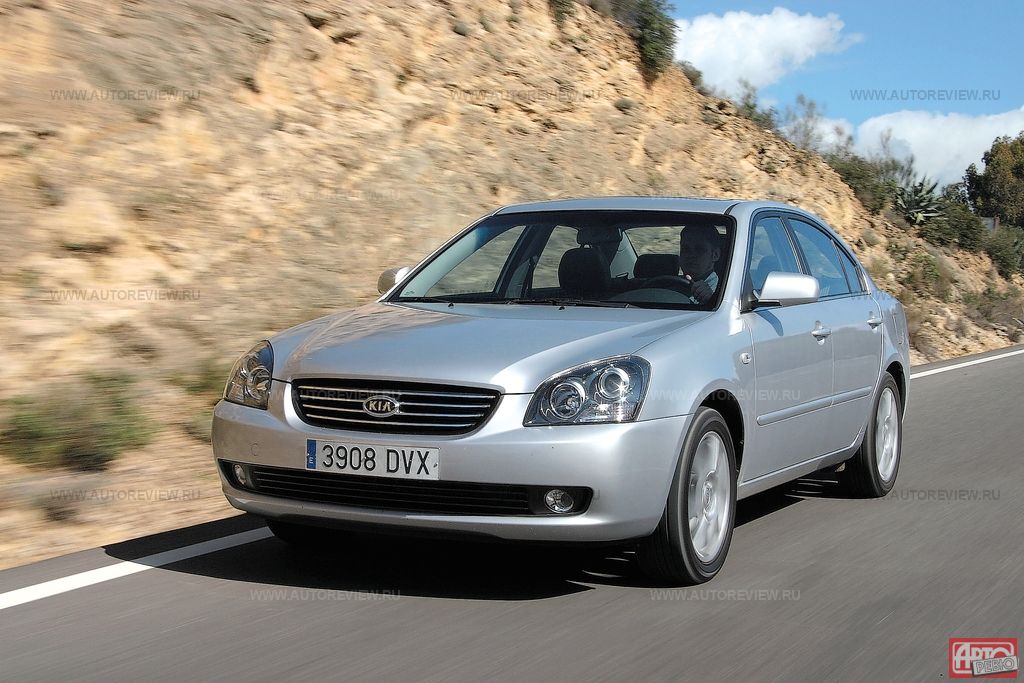
If we talk about the cheapest D-class sedans, the leaders will be the Koreans. Take, for example, the Kia Magentis, which, by the way, is assembled in Kaliningrad. The version with a two-liter engine (145 hp) paired with an automatic transmission is priced at 634,540 rubles ($26,110*). The base trim already includes a couple of airbags, climate control, electric windows, and a radio with CD player. More expensive versions add six airbags, stability control, and leather interior. Find more details in AR No. 5, 2006.
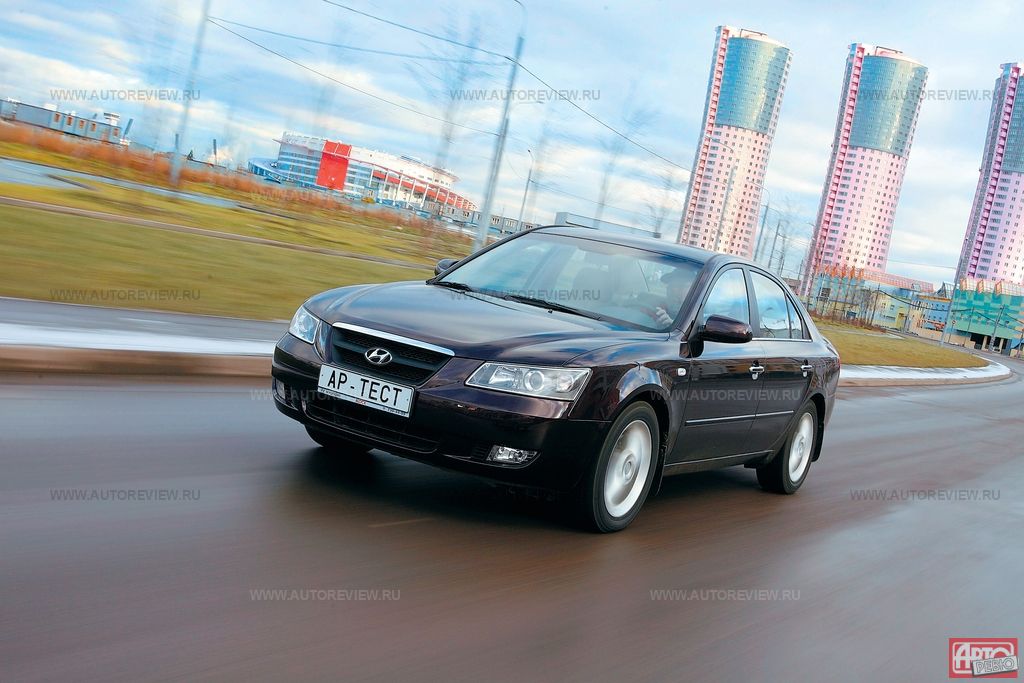
The Hyundai NF sedan uses the same platform as the Magentis but costs a bit more — from 687,900 rubles ($28,310). For this money, you get a two-liter four-cylinder (145 hp) and a four-speed automatic. However, the base version's equipment is quite Spartan: air conditioning and steel wheels. But the modification with a 2.4 engine (161 hp) is noticeably richer, though the price jumps to 811,900 rubles ($33,410). Previously, the NF participated in a comparison with the Honda Accord and Volkswagen Passat (AR No. 15, 2006), but then lost to its rivals in almost all parameters.
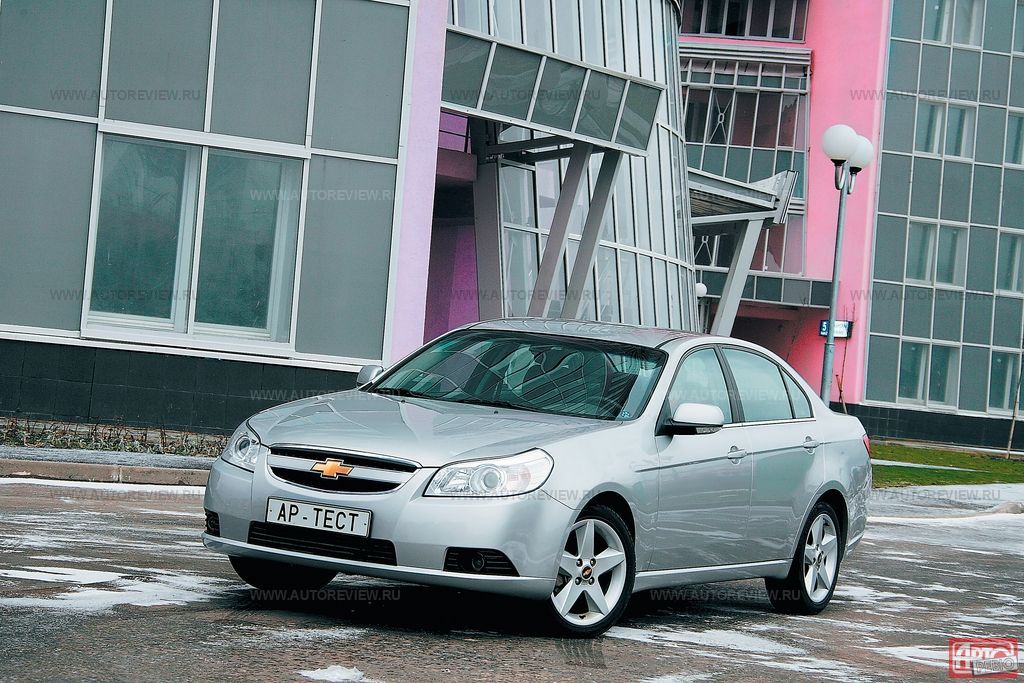
Another representative from Korea is the Chevrolet Epica, equipped with an inline two-liter six-cylinder (143 hp) and a five-speed automatic transmission. The price is 787 thousand rubles ($32,390). The equipment is generous: six airbags, leather interior, climate control, and CD changer. The top version with a 2.5 engine (156 hp) will cost 827,300 rubles ($34,050). More about it in AR No. 5, 2007.
Among European alternatives, the Peugeot 407 sedan will be the cheapest. The Dynamic version with a two-liter engine (143 hp) and automatic transmission costs 720,800 rubles ($29,660). The equipment list includes climate control, stability control, and light sensor. The modification with a 2.2 engine (163 hp) is available only in the rich Premium Pack trim, which includes dual-zone climate, xenon, and electric front seats, but the price is corresponding — from 944,800 rubles ($38,880). The Peugeot has striking looks, but the rear row is quite cramped. Moreover, the four-speed gearbox is not particularly responsive. Details in AR No. 16, 2005.
| Kia Magentis | Opel Vectra |
 |  |
| Hyundai NF | Citroen C5 |
 |  |
| Chevrolet Epica | Honda Accord |
 |  |
From across the ocean came the Dodge Avenger 2.4 (170 hp) with an automatic transmission — its price starts at 781,550 rubles ($32,160). The base version is equipped with air conditioning, power accessories, and steel wheels, but leather interior is not available even for an extra charge. Read about this car in AR No. 9, 2007.
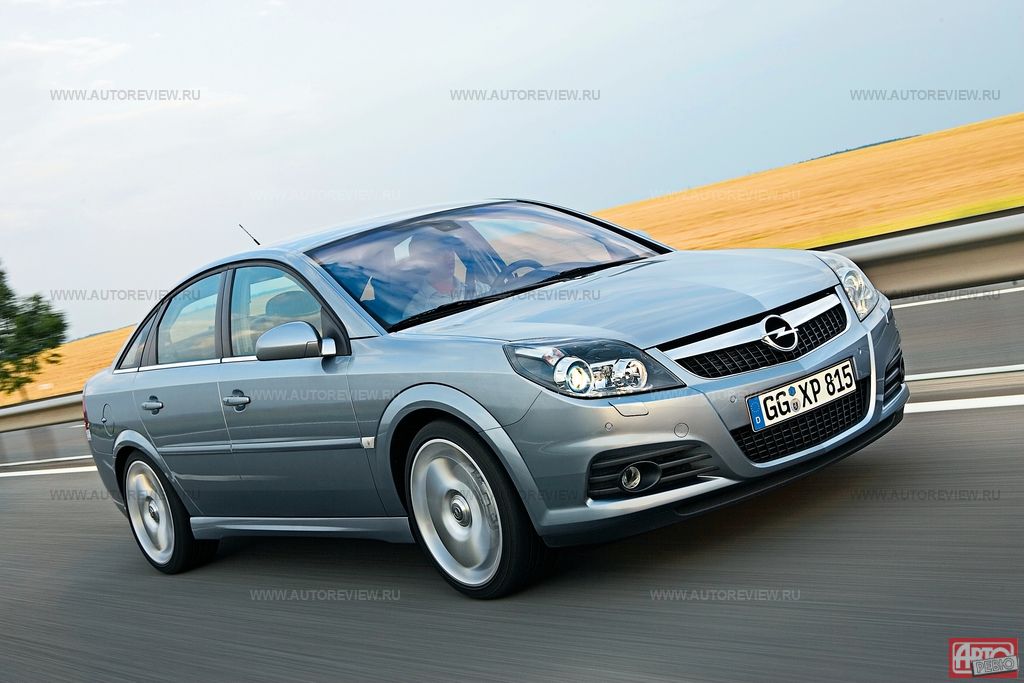
The Opel Vectra 2.2 (155 hp) with an automatic is priced at 786 thousand rubles ($32,350). The base Elegance trim will please with climate control, stability control, rain sensor, CD radio, and steel wheels. After the 2005 facelift, the model began to look noticeably fresher and more dynamic. True, our experts only got to drive pre-facelift cars — they were covered in AR No. 17, 2002 and AR No. 13-14, 2004.
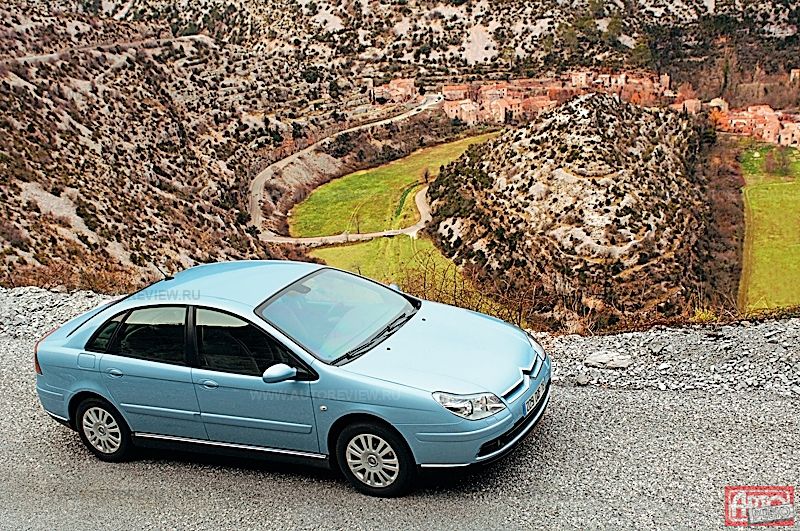
The large hatchback Citroen C5 is already at the end of its career — the second generation in sedan form is about to appear. For now, the version with a 2.0 engine (143 hp) and four-speed automatic is sold for 808,200 rubles ($32,260).
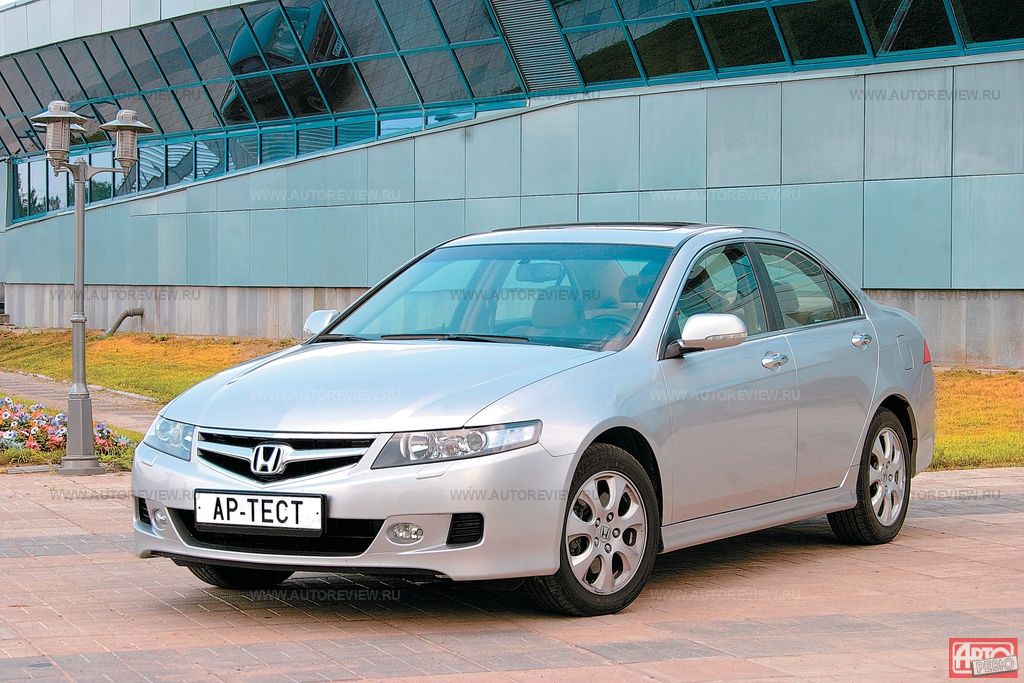
For the Honda Accord sedan with a two-liter engine (155 hp) and five-speed automatic transmission, you will have to pay 811 thousand rubles ($33,370). The equipment includes dual-zone climate control, light and rain sensors, CD changer, and alloy wheels. The version with a 2.4 engine (190 hp) in Type S trim costs at least 864 thousand rubles ($35,560). The Accord is not alien to a sporty character — even the rear bench reminds of this, where a third passenger will be quite uncomfortable. Details in AR No. 15, 2006.
| Peugeot 407 | Saab 9-3 |
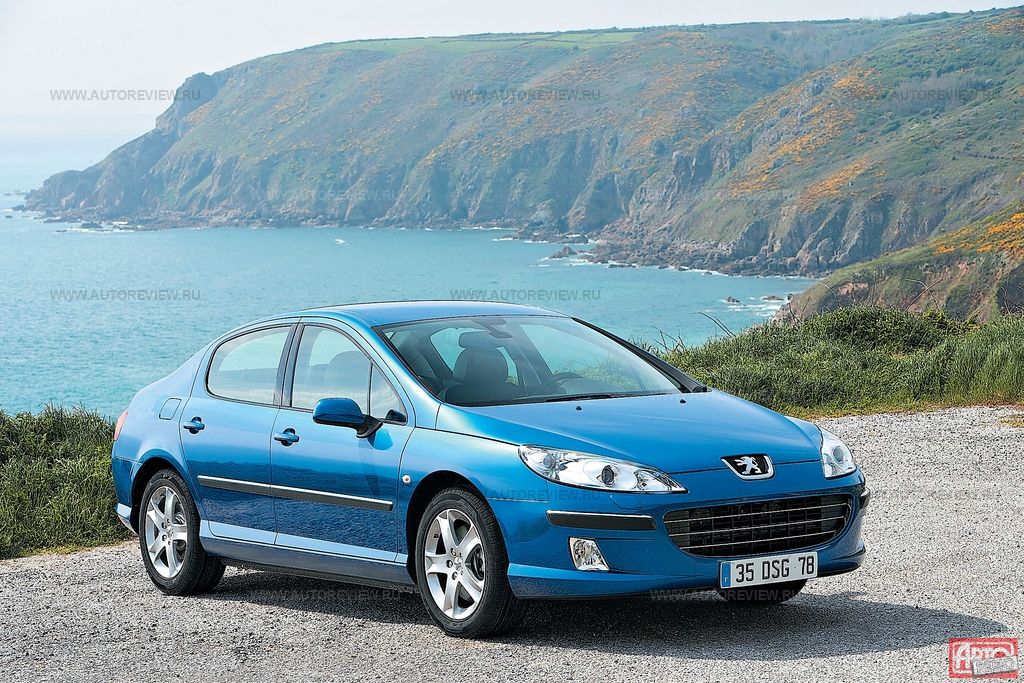 | 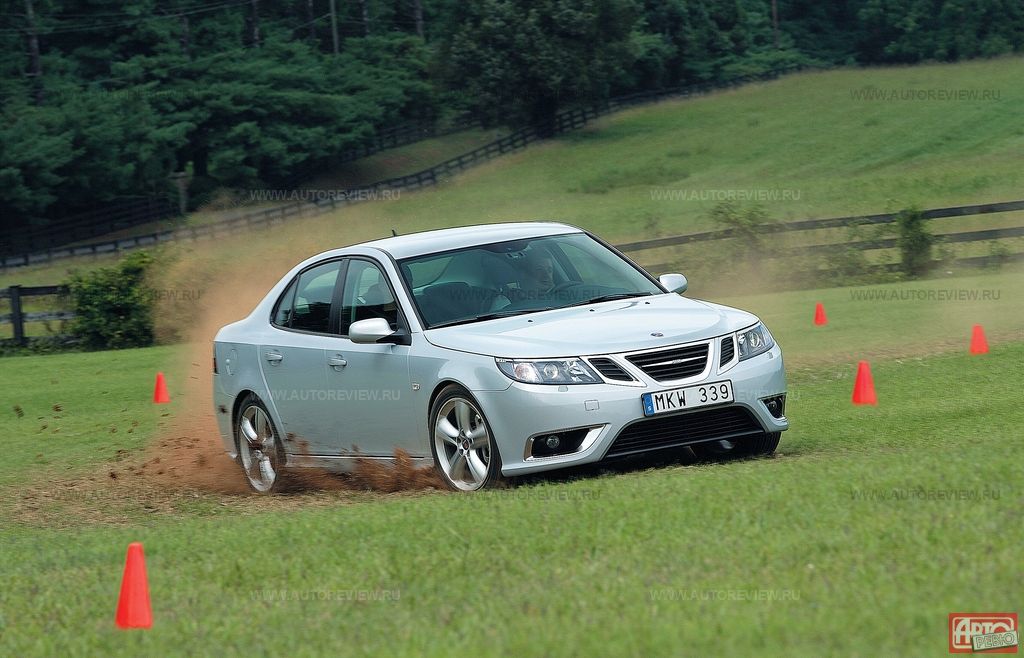 |
| Dodge Avenger | Chrysler Sebring |
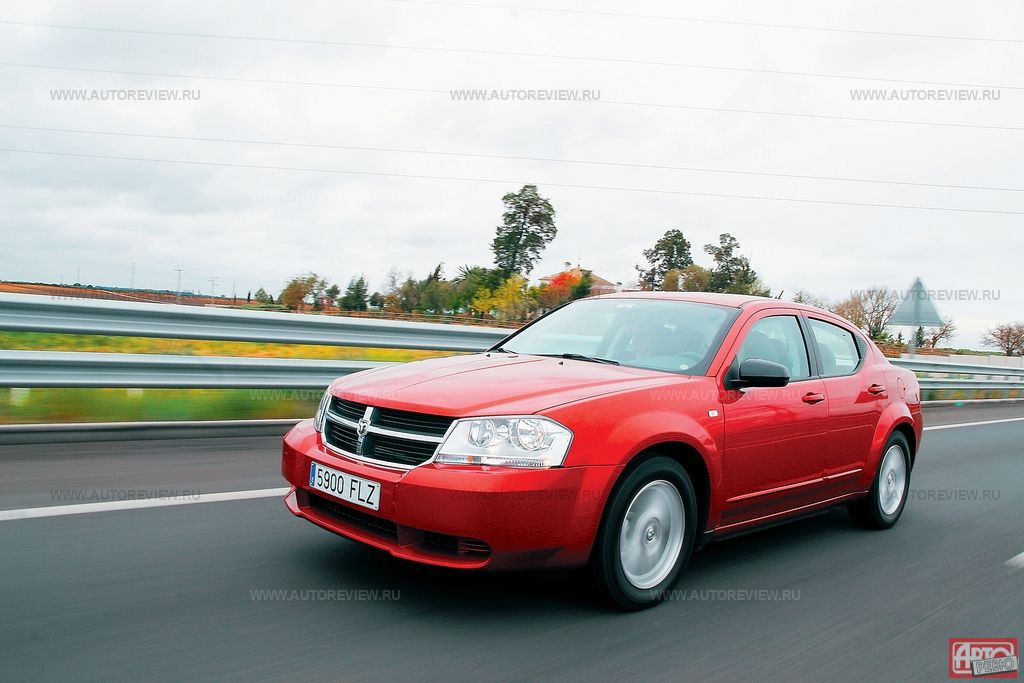 |
The restyled Saab 9-3 with a two-liter turbo engine (150 hp) and a five-speed automatic transmission costs 864,000 rubles ($35,560). The base Linear trim includes dual-zone climate control, ESP, and a CD player, while the wheels are steel. A more powerful version (175 hp) in Vector trim is offered for at least 934,000 rubles ($38,440).
Chrysler Sebring in the version with a 2.4-liter engine producing 170 horsepower and an automatic transmission is priced at 869,750 rubles, equivalent to 35,790 dollars. Unlike the related Dodge Avenger, the Sebring already offers leather upholstery, climate control, power-adjustable driver's seat, DVD player, and alloy wheels in the base trim. For more details, see the article in AR No. 6 for 2007.
The all-wheel-drive sedan Subaru Legacy with a two-liter boxer engine producing 150 horsepower and a four-speed automatic transmission costs 892,300 rubles (36,720 dollars). The base version includes only four airbags, climate control, CD player, and alloy wheels. The Japanese model pleases with driving dynamics, but the rear row of seats is not particularly spacious. Details are in issues AR No. 24, 2003 and AR No. 3, 2006.
* At an exchange rate of 1 dollar = 24.3 rubles.