
 Comments (2)
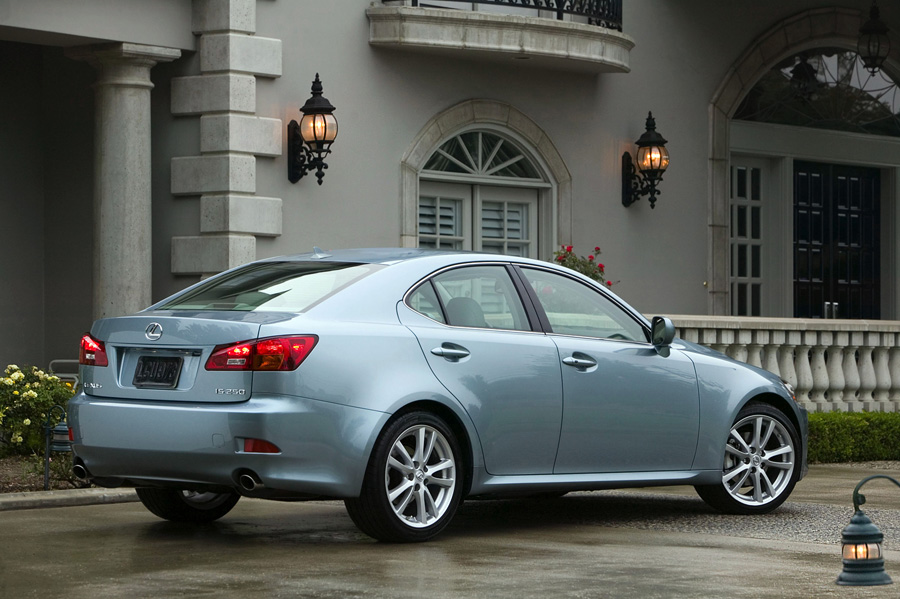 Lexus IS in the new generation is in many ways a turning point for the brand. It was this car that became the first that the Japanese brand began selling in its homeland, in the Land of the Rising Sun, where the parent Toyota is based. At the same time, Europe was chosen as the main market for the younger Lexus model — an atypical case for the company, because previously all its cars were created with an eye on Americans. The European orientation also led to the fact that the IS became the first Lexus with a turbodiesel under the hood.
In Russia, unfortunately, diesel versions are not sold, so for the test we took the familiar petrol IS250 with an automatic gearbox (a manual is not provided for this model) in the Sport trim.
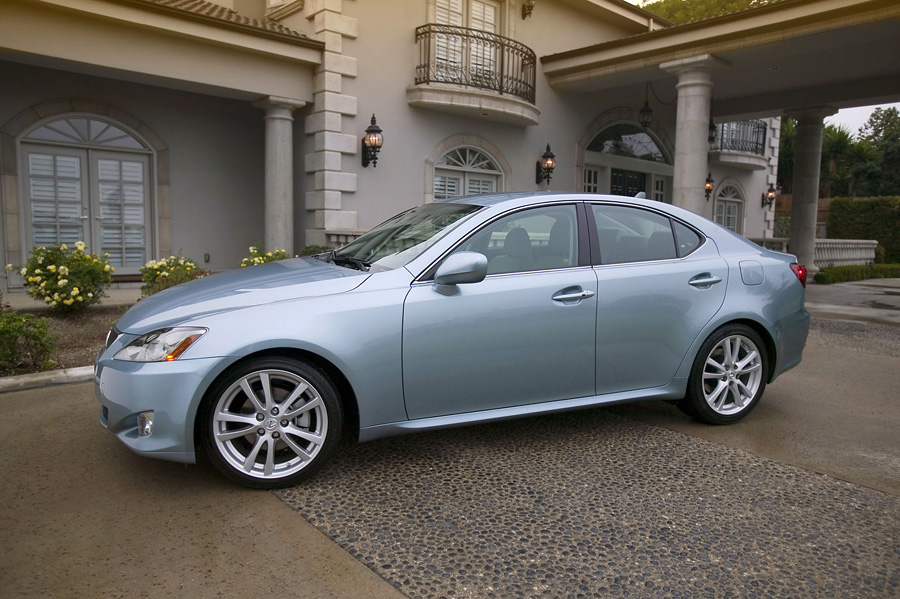
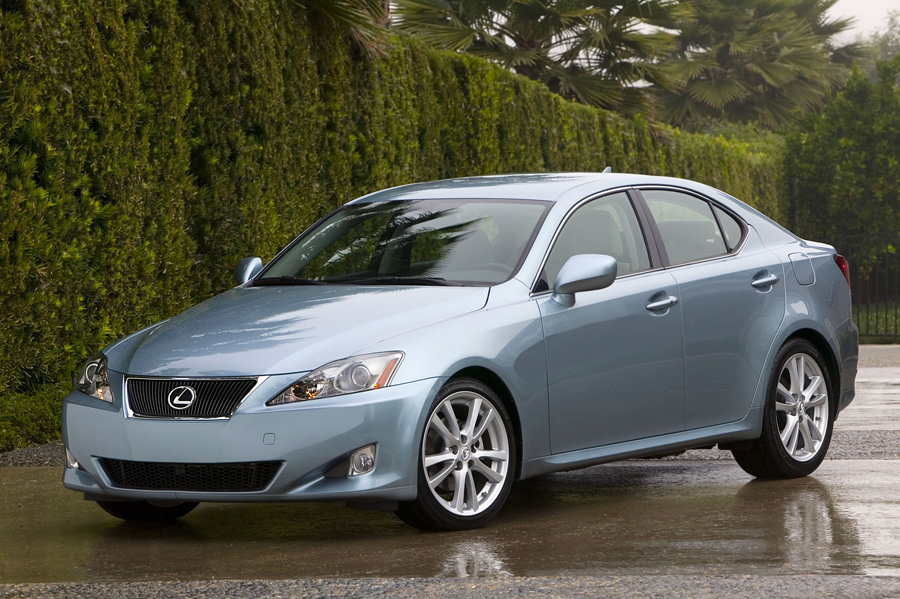
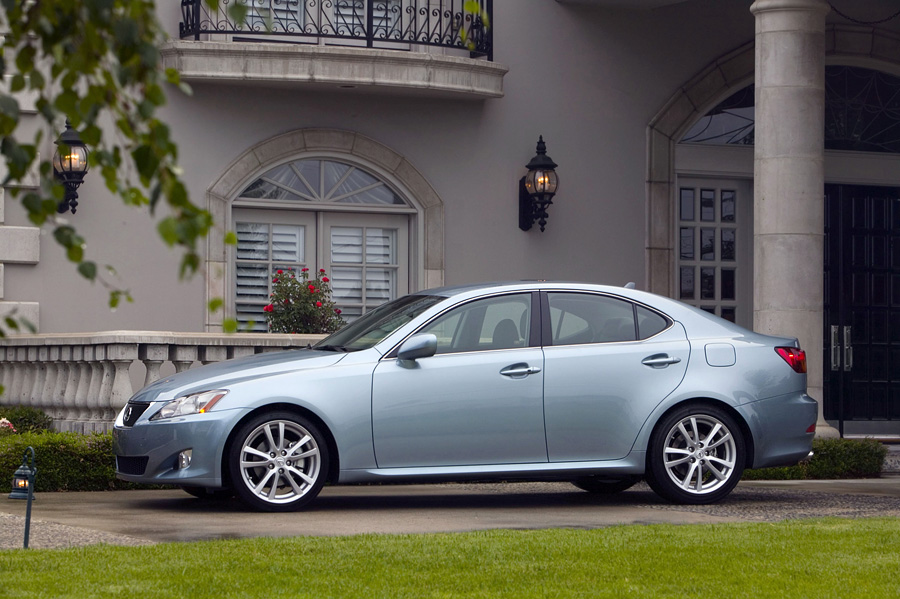
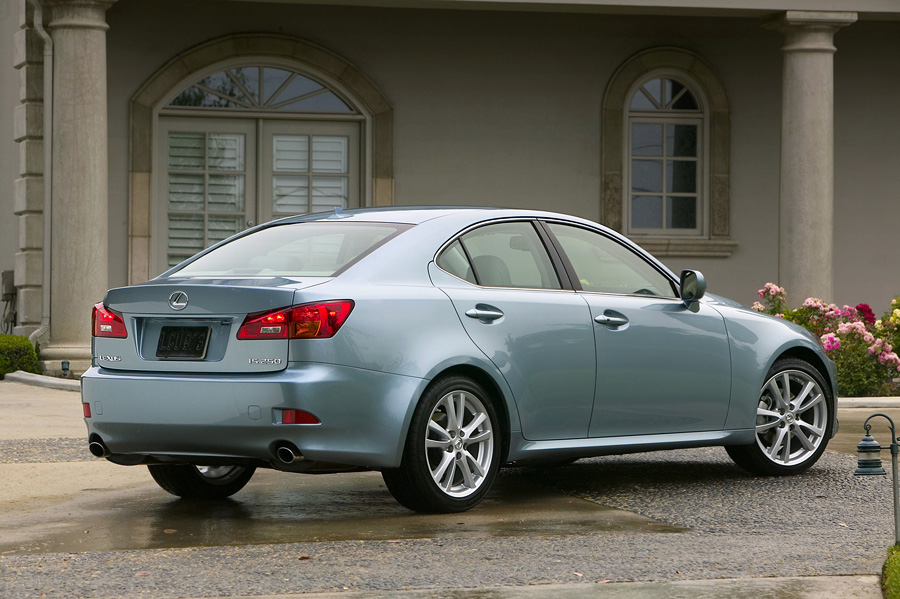
When the brand first appeared, its designers tried with all their might to disguise the Japanese origin, copying European examples, most often the style of Mercedes. Now everything has changed, and, pleasantly, for the better. Having abandoned other people's ideas, the stylists created a beautiful, truly original car. In the appearance of the IS250, Japanese roots are unmistakably read, and the sedan seems not at all ashamed of this. Swift lines visually lighten the body, making the car faster and more compact than it actually is. Slanted headlights smoothly flow into the embossed edges on the hood, which pass through the entire body and end with strict rear lights.
The interior continues the theme set by the exterior. Stylistic unity creates a feeling of integrity — as if one person or a team of like-minded people worked on the car from the first sketch to the assembly line.
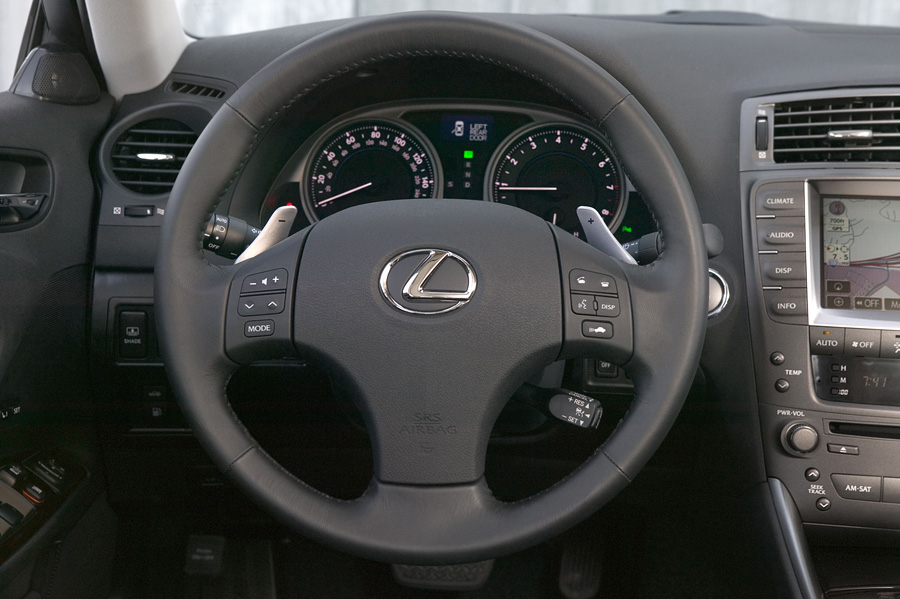
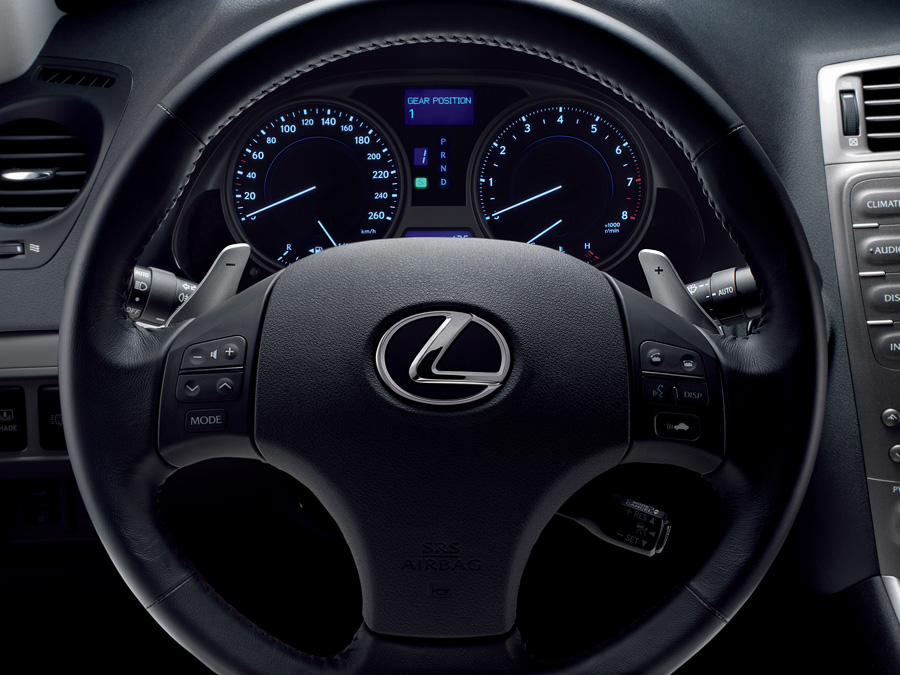
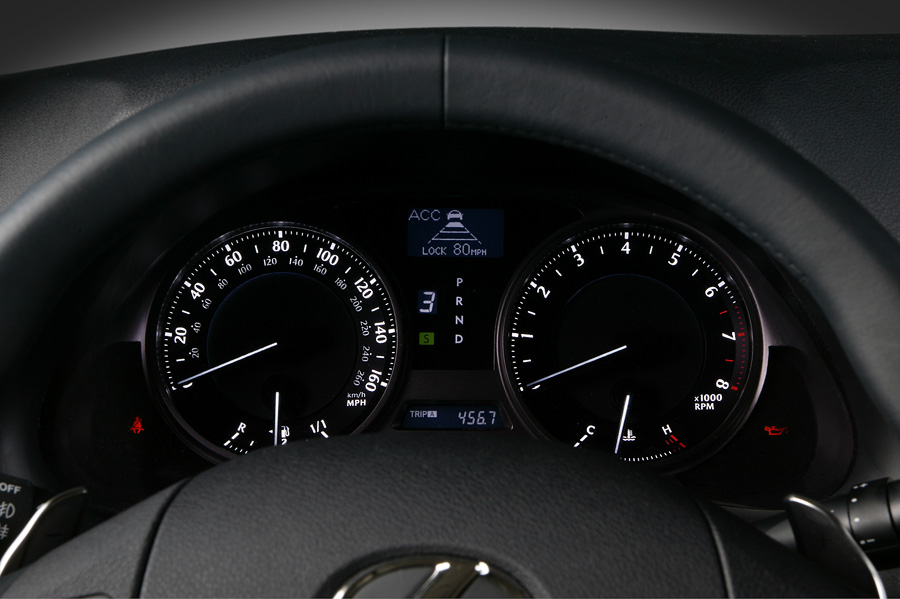
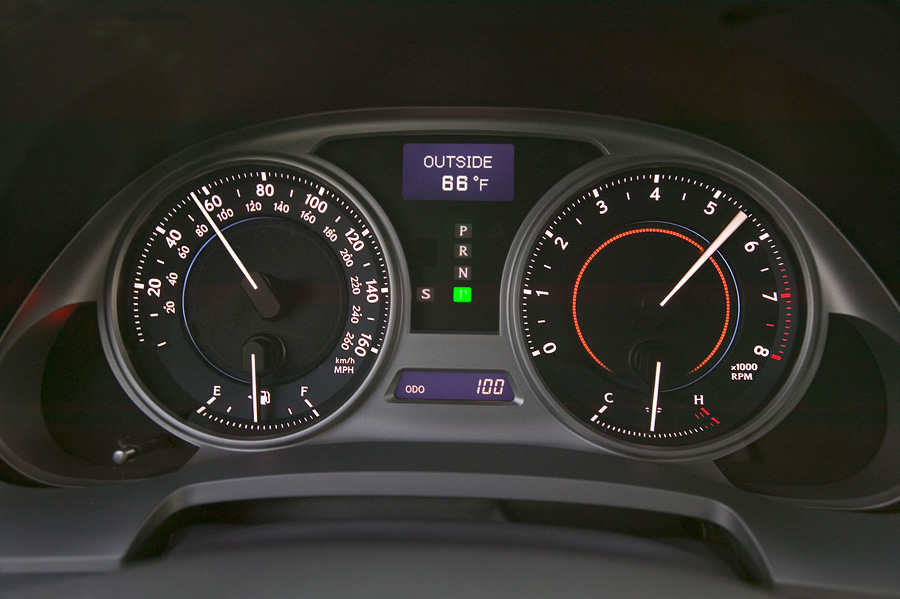
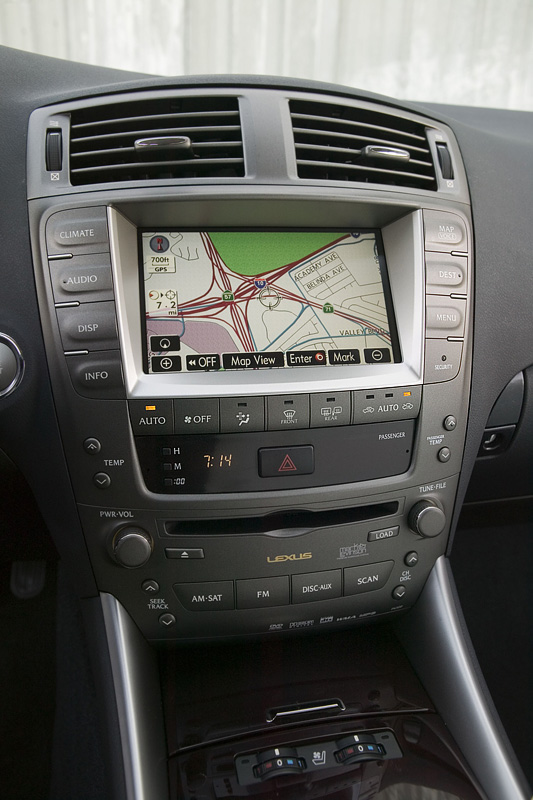
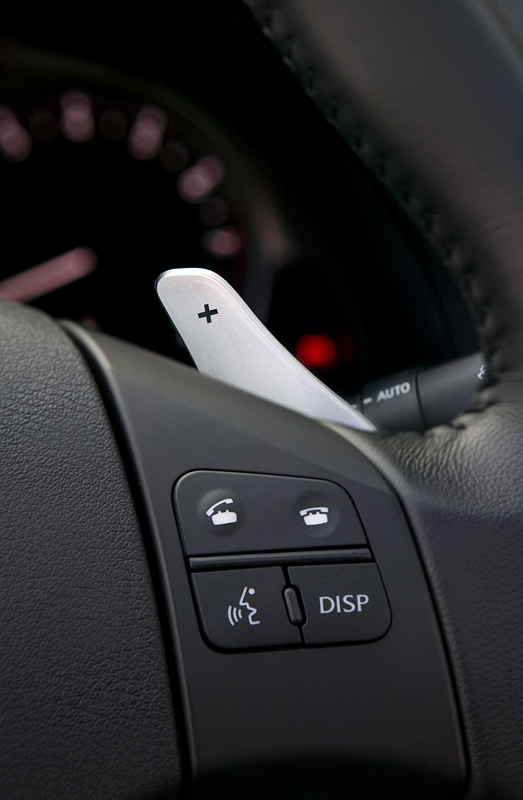
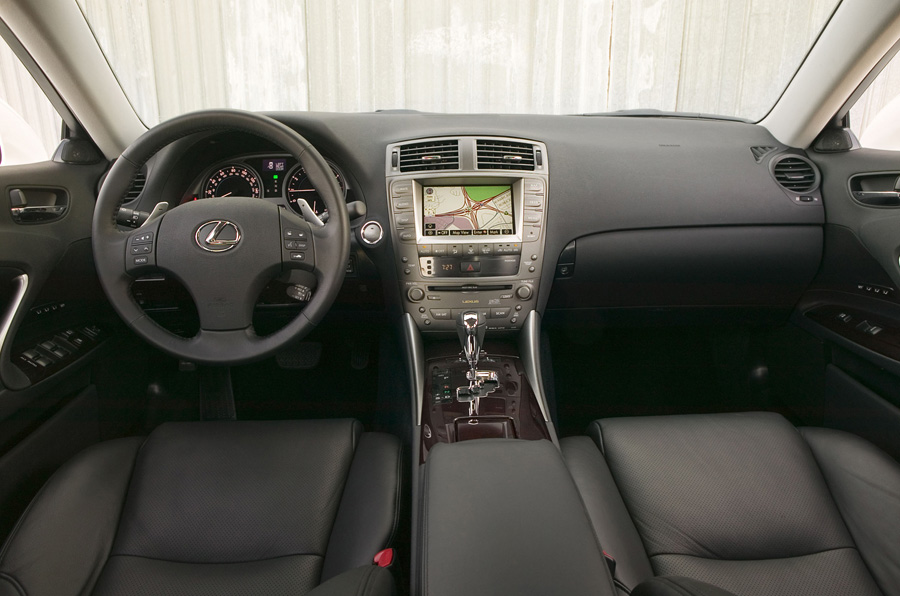 The traditional Japanese meticulousness is immediately noticeable: every detail is thought out. The optitronic instrument panel is perfectly readable in any light, the manual gearshift paddles lie exactly under your fingers. There is one complaint about them — they are plastic, and in a car for $50,000 you would like to see aluminum. In our car, the center console housed a separate CD/MP3 six-disc stereo and dual-zone climate control; in more expensive versions, navigation with a Touch Screen is installed. Outside, the front seats in synthetic upholstery look simple, but their profile perfectly holds the body in corners and does not let you get tired on a long journey.
If earlier Lexus was always catching up with competitors, imitating their design, now it is at least on par with the German BMW and Mercedes, and in some ways even ahead of them. But appearance is only half the battle, and the longer you study the Lexus outside and inside, the more you want to know: how will the IS250 behave in motion? Will it disgrace the honor of the Japanese samurai?
In the premium class, the classic layout is again in fashion, and the rear-wheel drive of the small Lexus is very appropriate here. The IS turned out to be both comfortable and sporty. True, the balance is clearly in favor of sport, although perhaps this is the merit of the Sport version. It sports 18-inch wheels of different widths — the rear tires are wider than the front, which adds charm to the car.
The true character of the IS was revealed to us immediately. When leaving the parking lot at the dealer center, we caught a low curb with the front wheel, and the Lexus got stuck: the suspension had exhausted all its travel, and the rear wheel hung in the air. The traction control system fought with all its might, but moving forward was impossible — we had to reverse. For an SUV, this would be a failure, but for a sports sedan, a stiff short-travel suspension promises exciting handling.
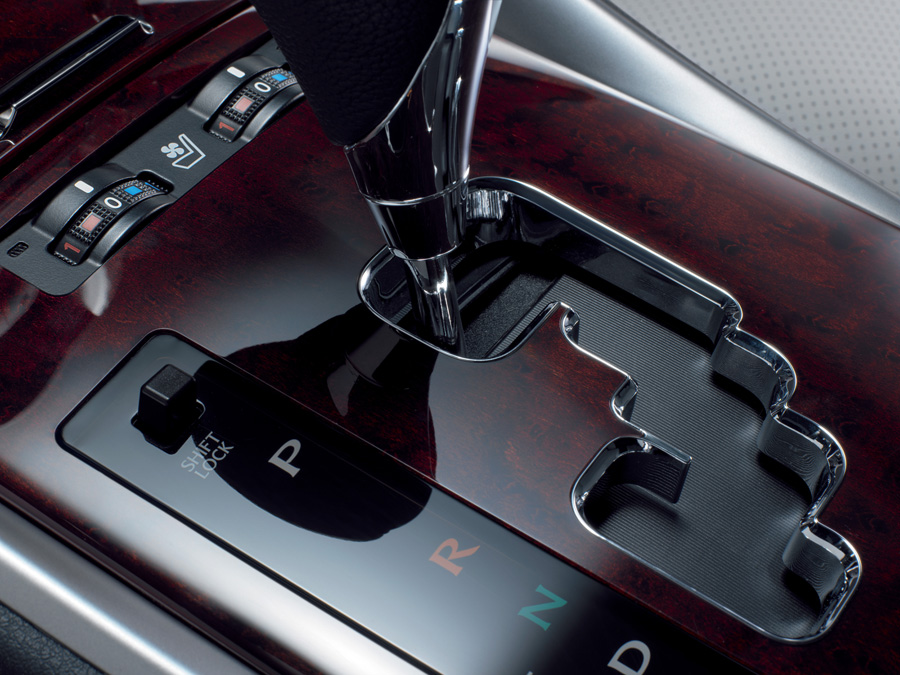
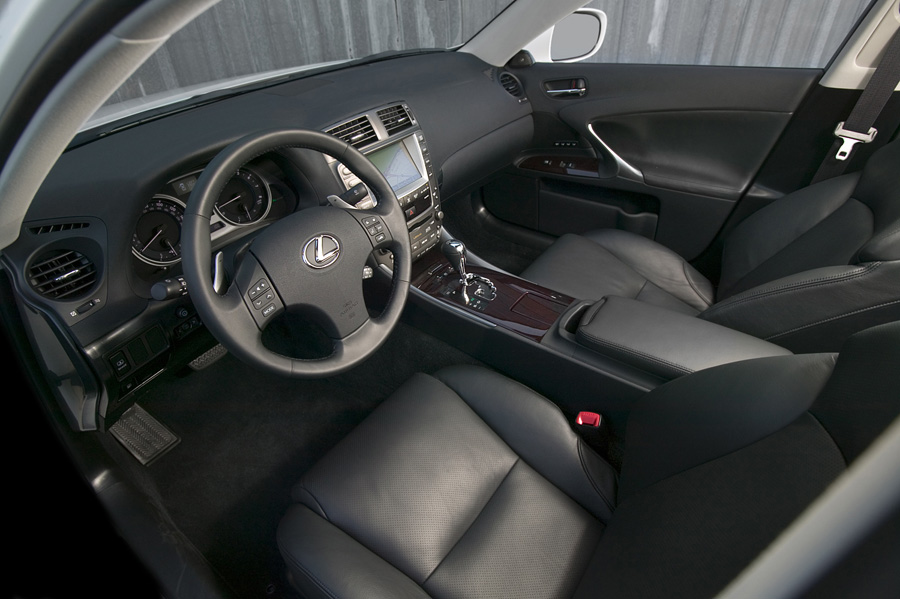 In corners, the Lexus almost does not roll, obediently follows the steering wheel, and riders seem not to notice small irregularities. In the city, the steering wheel is light enough, but the driver is not left without feedback — the car is felt perfectly. It seems that the IS literally floats above the asphalt, and this is not a comparison with a heavy airplane, but rather with a light glider that glides in updrafts. The effort on the pedals is also minimal, which ladies will surely appreciate. The IS is a typical unisex: a middle-aged man and a young girl look equally organic behind the wheel. With a light press on the gas, the sedan moves off as if caught by a gust of wind: city speeds of 60-80 km/h are gained in complete silence, and the six-speed automatic shifts gears imperceptibly. The engine begins to make its voice heard only after 3000 rpm. But even at the red zone, it does not press on the ears, but, on the contrary, caresses the hearing. Engine braking does not cause trouble, fortunately the gears can be changed with the paddles on the steering wheel even in Drive mode: when fully stopped, the gearbox itself returns to automatic.
When the speed exceeds 80 km/h, the steering wheel fills with dense effort, eliminating accidental deviations. On perfectly smooth asphalt, the IS flies like an arrow from a bow. The car tolerates large potholes and pits worst of all. Most often, the Lexus gives a chance to go around them — the sedan instantly reacts to commands. But if you did not have time to react, get ready for a hard blow: the short-travel sports suspension is not always able to digest Russian roads; European autobahns would suit it better.
On the highway, the 2.5-liter engine with 206 hp easily holds 200 km/h. This is due to both the excellent elasticity of the engine and the excellent aerodynamics of the body — even at high speed there is no whistling in the cabin, only the hum of tires is heard, which is rare for Japanese cars.
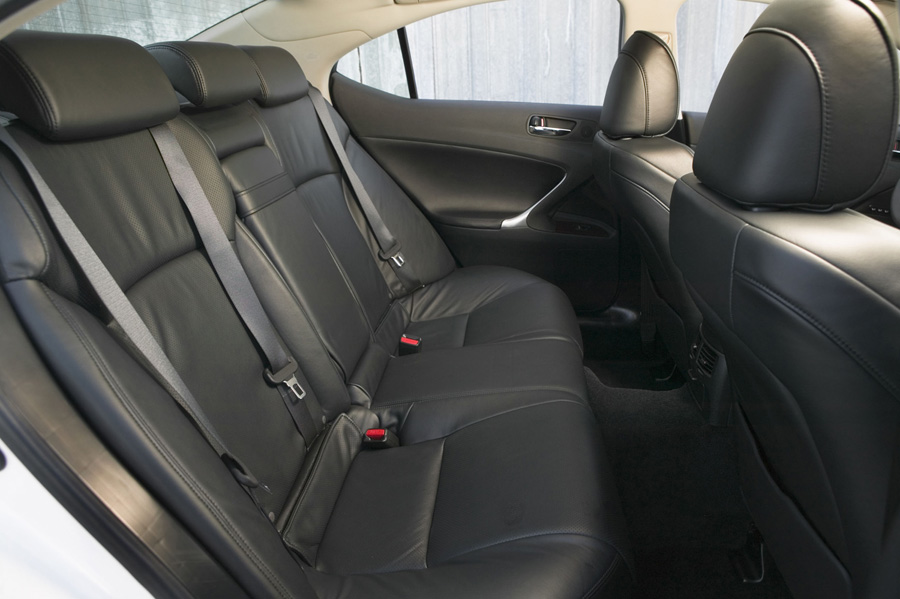 As for the practicality of the Lexus IS250, everything is not so rosy here: despite the long wheelbase, the interior is a bit cramped, and also somewhat gloomy due to the high window line. From the driver's seat, such architecture is perceived as sporty and resembles compact coupes, but rear passengers have a hard time: tall people will rest their heads on the ceiling and their knees on the backs of the front seats. It is better to forget about sitting three at once: the high central tunnel and heavily inclined roof pillars can cause dislocations and claustrophobia. The trunk also does not please with volume: a significant part of it is eaten up by wide wheel arches and the multi-link rear suspension.
So if you need a prestigious family car, it is wiser to take a closer look at Mercedes or Audi. Lexus, on the other hand, is a choice for active drivers, to whom I count myself. For the exciting behavior and spectacular appearance, I am ready to forgive the "samurai" for the cramped interior, and the small trunk, and even other shortcomings, which the IS, fortunately, does not have. The price is also pleasing: the base version costs $41,600, and our test car — $47,700. For comparison: BMW 325iA with similar power starts from $49,000.
Leonid Pavlov