
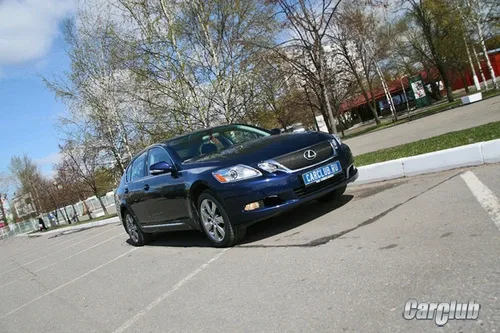
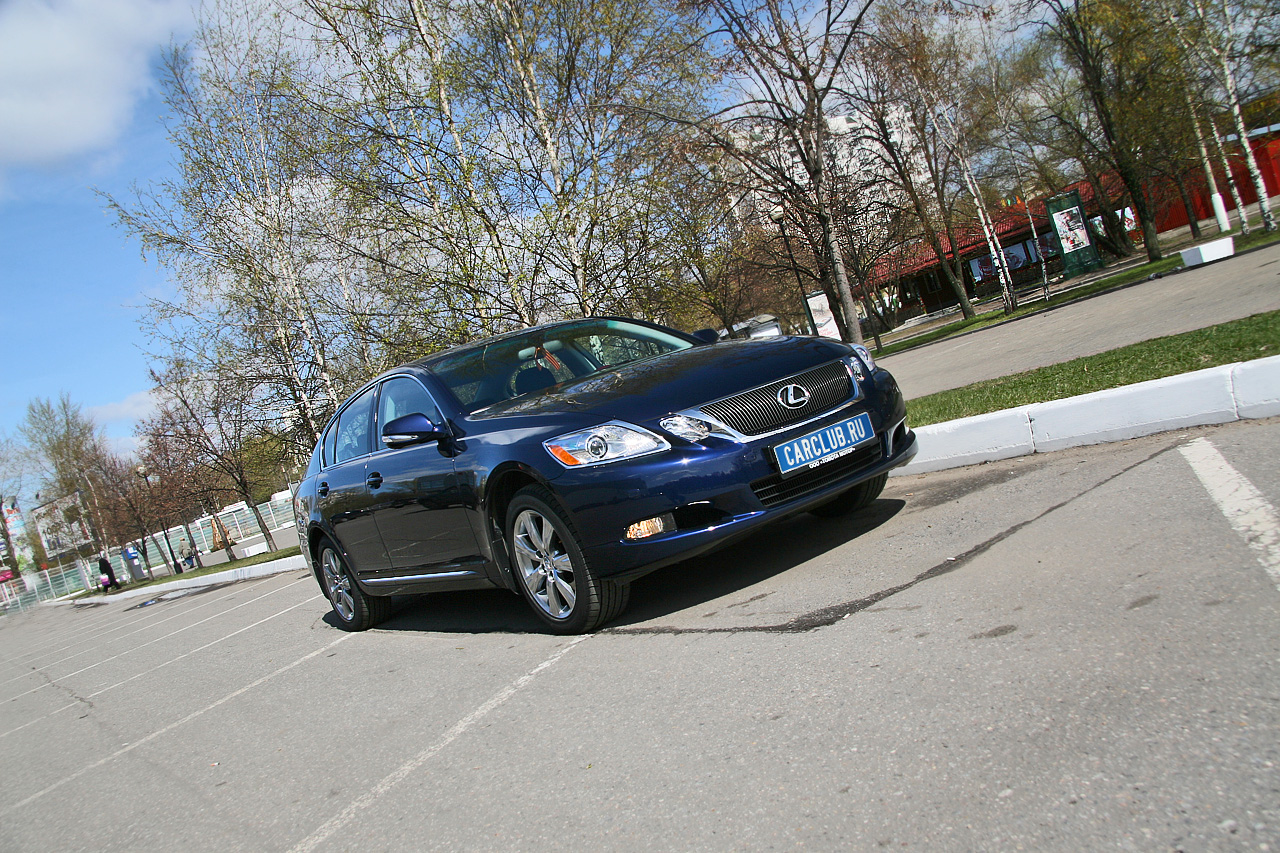
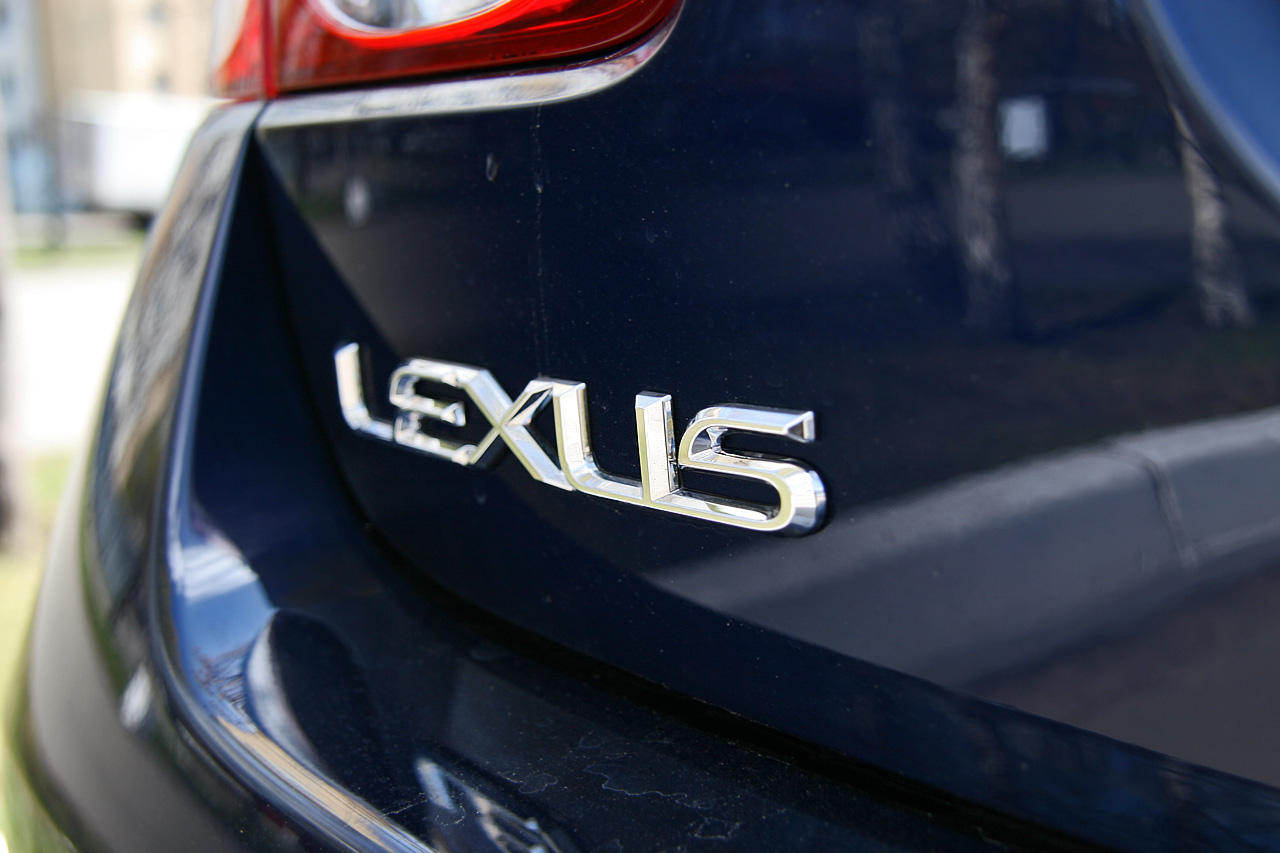
 American buyers could get the all-wheel-drive Lexus GS almost from the very start of sales — back in 2005. So why should we settle for less? Our roads and climate are clearly not better than those overseas, but rather the opposite — here, all-wheel drive is as necessary as air.
 "Author, what's wrong with you? Woke up from a long hibernation?" — you'll probably ask. — "In 2010, the Lexus GS has been on sale for five years already. Aren't you late with your test drive?"
 |
Just in time! Less than a year ago, the all-wheel-drive version with a 3.5-liter engine went on sale in Russia. A great reason, but from Toyota's management — clearly a belated decision. In the States, all-wheel drive on the "GS" was offered back in 2005, when the model just appeared at dealers. Why are we worse? Or rather, how are our weather conditions better? In fact, they are worse, so all-wheel drive is simply prescribed for us. Russians finally waited, but Europeans can only envy and save up for a trip to Russia to buy this Japanese masterpiece and bring it back to their homeland.
 |
 |
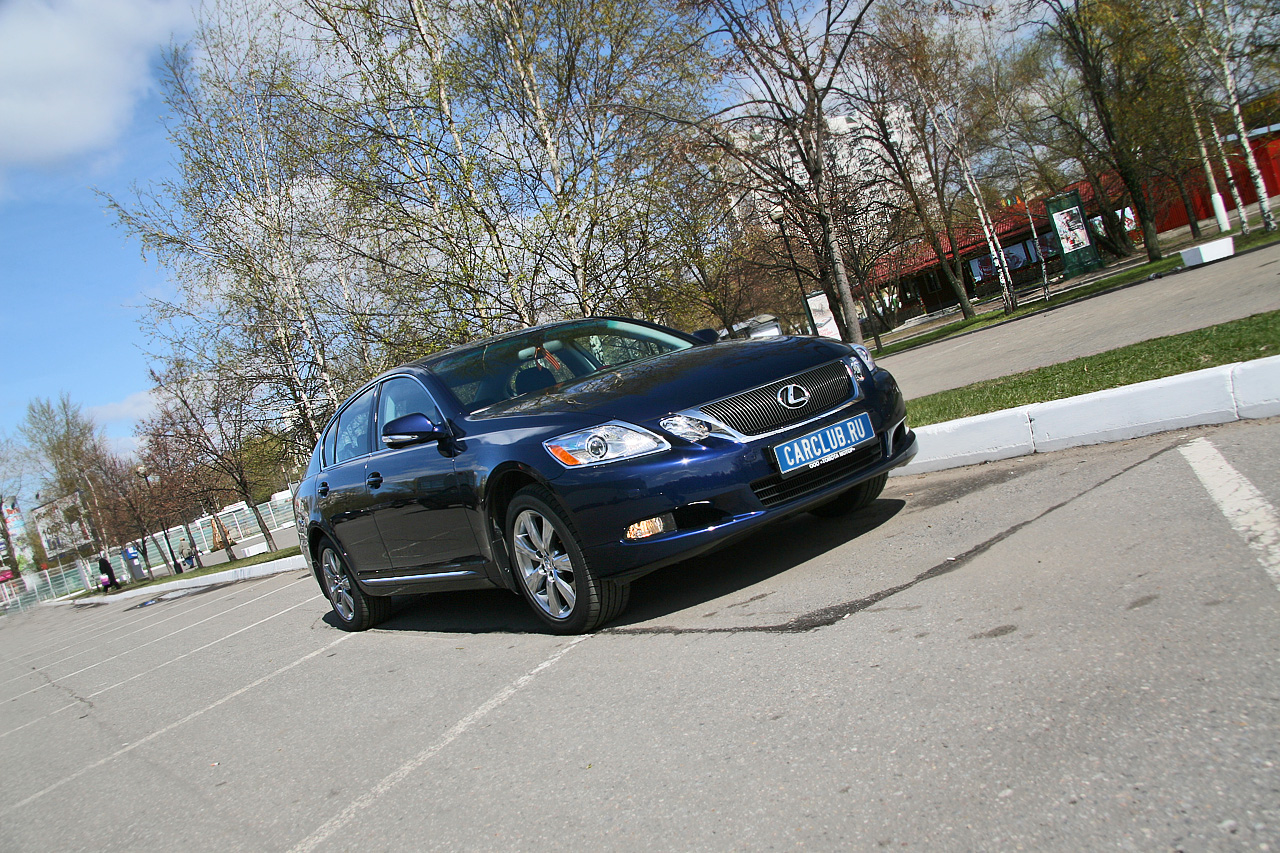
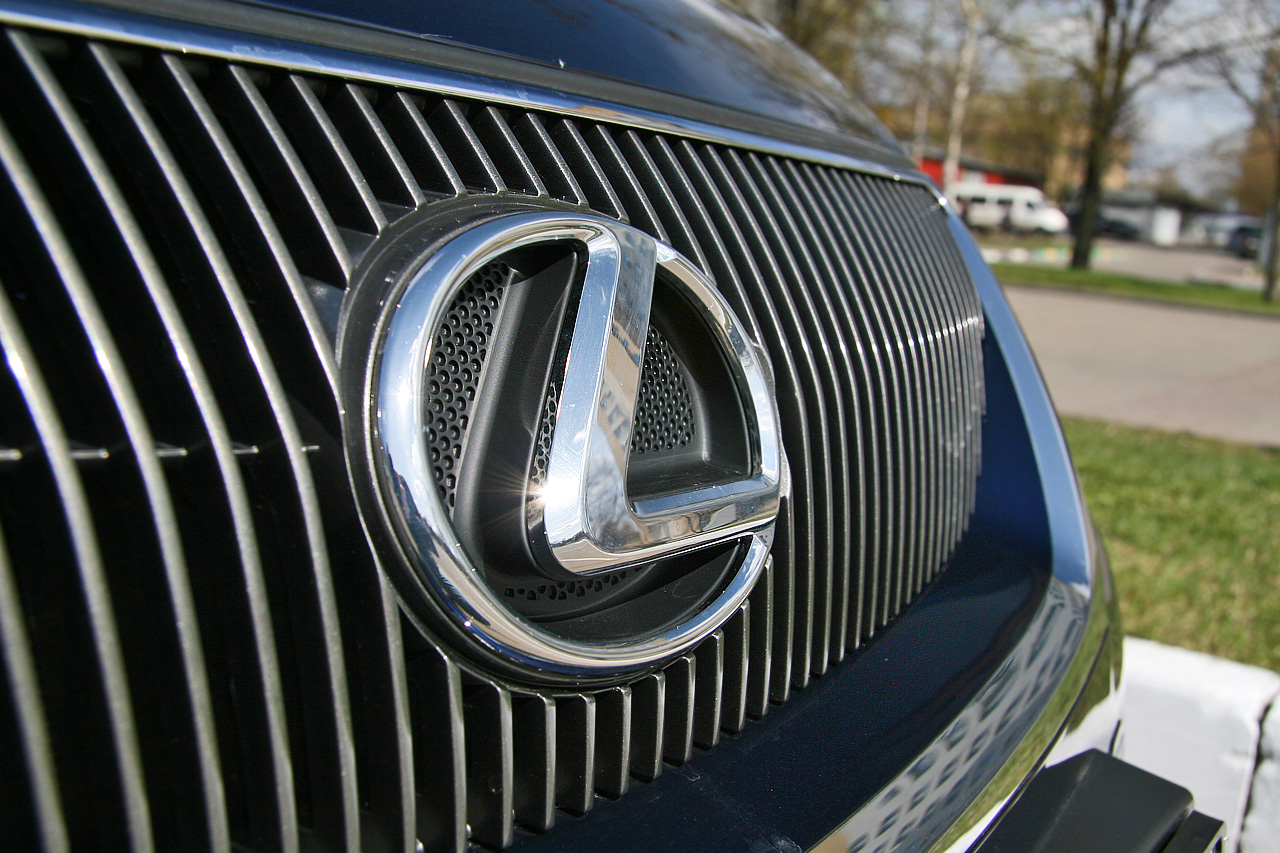
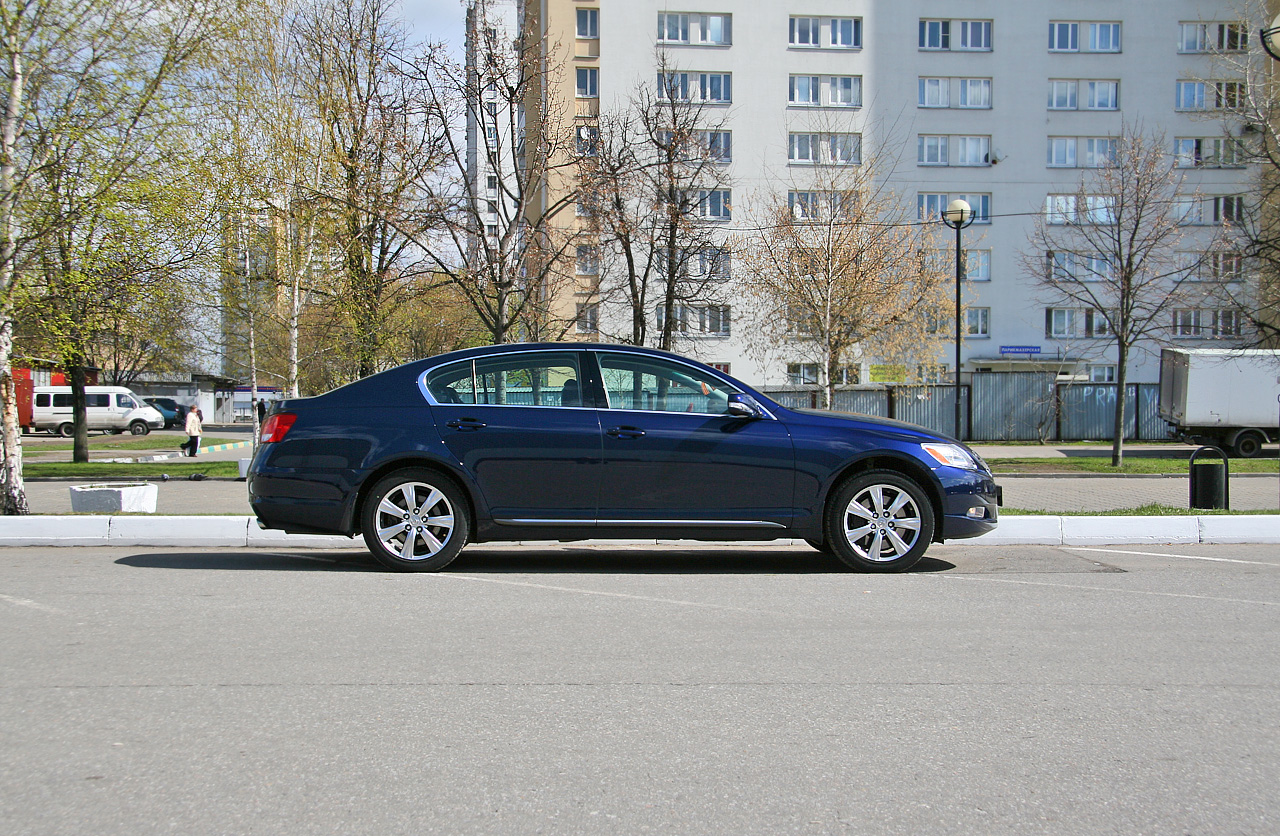
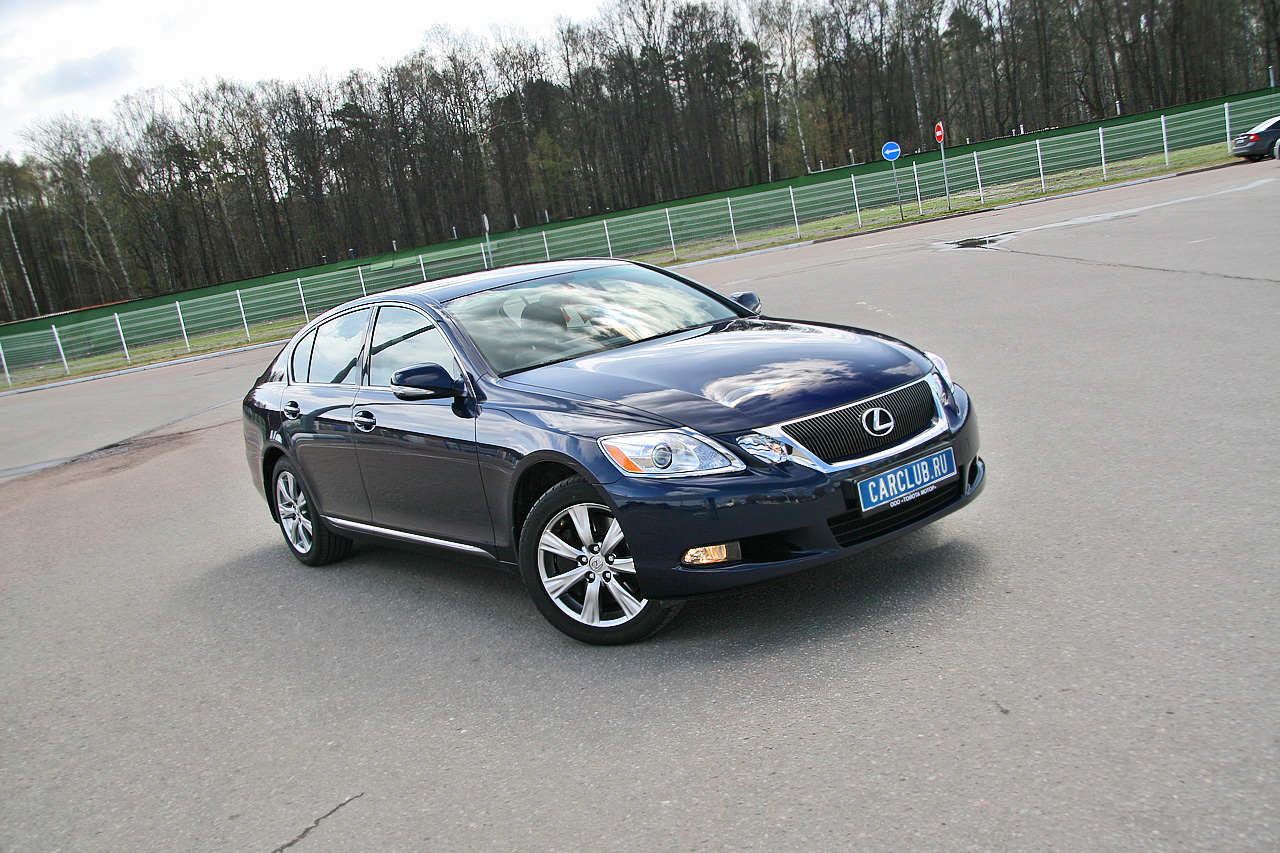
On the outside, the car hasn't changed one bit. The refined design in the L-finesse style — the new Lexus design philosophy that was first embodied in the GS.
Still a solid and respectable exterior without any kitsch. A true monolith on wheels.
 |
Since the appearance remains the same, let's move on to what's hidden — the driving qualities.
 |
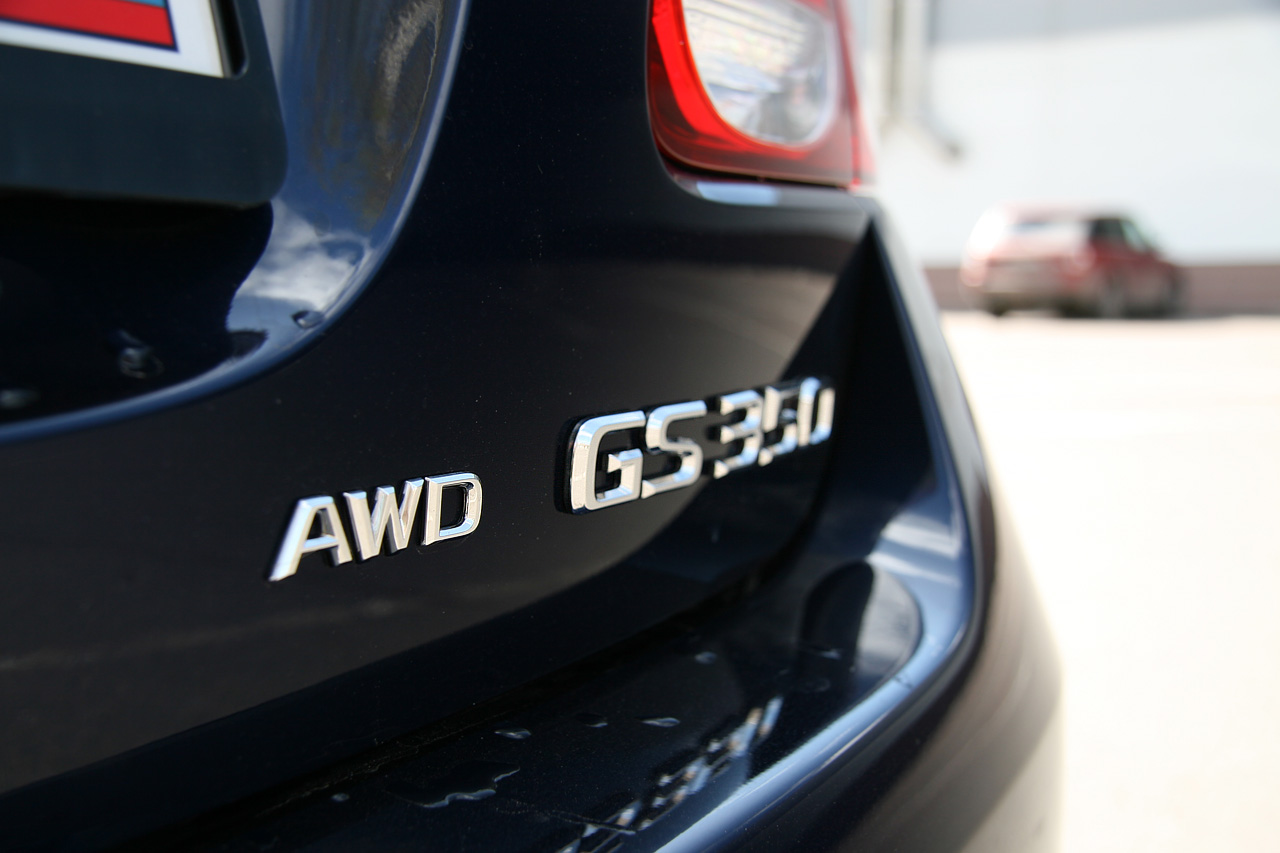
Under the hood of the all-wheel-drive version is a V-shaped "six" with a volume of 3.5 liters, producing 307 hp.
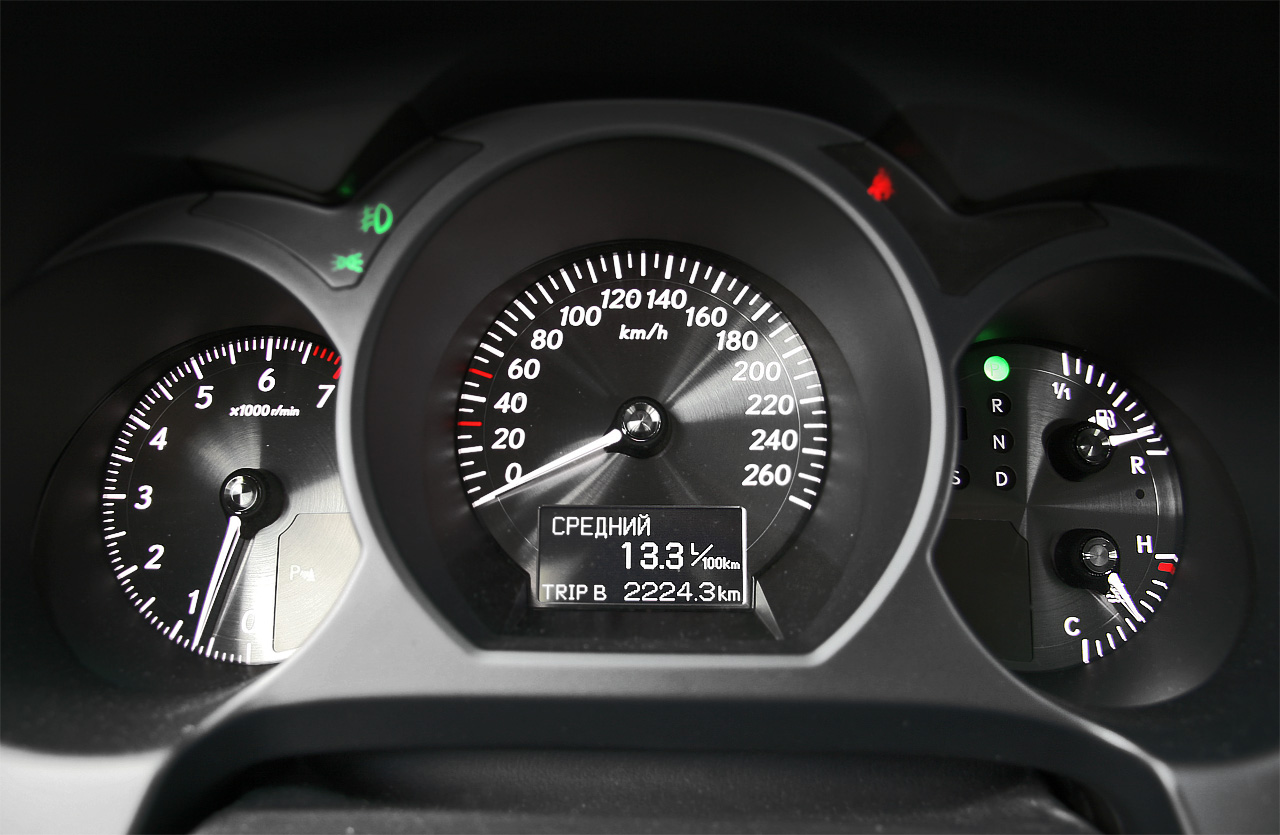
The main technical highlight of this engine is the so-called "dual" injection. Each cylinder has two injectors: one supplies fuel to the intake manifold, and the second — directly into the combustion chamber. This should result in two advantages: firstly, lower fuel consumption, and secondly, reduced harmful emissions that spoil the ozone layer. I won't talk about holes in the ozone and trees withering from Moscow smog, but I will say something about consumption. According to the passport, the Lexus GS350 AWD in the combined cycle spends 10.1 liters per hundred. That's only half a liter more than the single-drive GS300, which doesn't have the extra 57 horses, a hundredweight of weight, and load on the front axle.
 |
An excellent indicator! But the passport is the passport, and in our combined cycle, the consumption never dropped below 13 liters. However, on the highway, at cruising speeds of 130-140 km/h, the car was content with half of a 20-liter canister per hundred.
But the dynamics of the version with the new engine and transmission, as expected, became noticeably more interesting. The all-wheel-drive car accelerates to a hundred in 6.1 seconds, which is 1.1 seconds faster than the 3.0-liter "classic". Also an excellent result.
 |
We've dealt with the power unit, now let's look into the transmission.
The heart of the Lexus all-wheel-drive system is a center differential with a clutch pack that locks it. The degree of locking and intensity of operation is controlled by a computer that collects data from a bunch of sensors — up to the speed of rotation of the car around the vertical axis.
 |
 |
To avoid overloading the transmission, the electronics limit the maximum speed to 190 km/h. By the way, the American version has a higher threshold — 209 km/h. The conclusion suggests itself: Russian "Lexus owners" are the toughest!
 |
 |
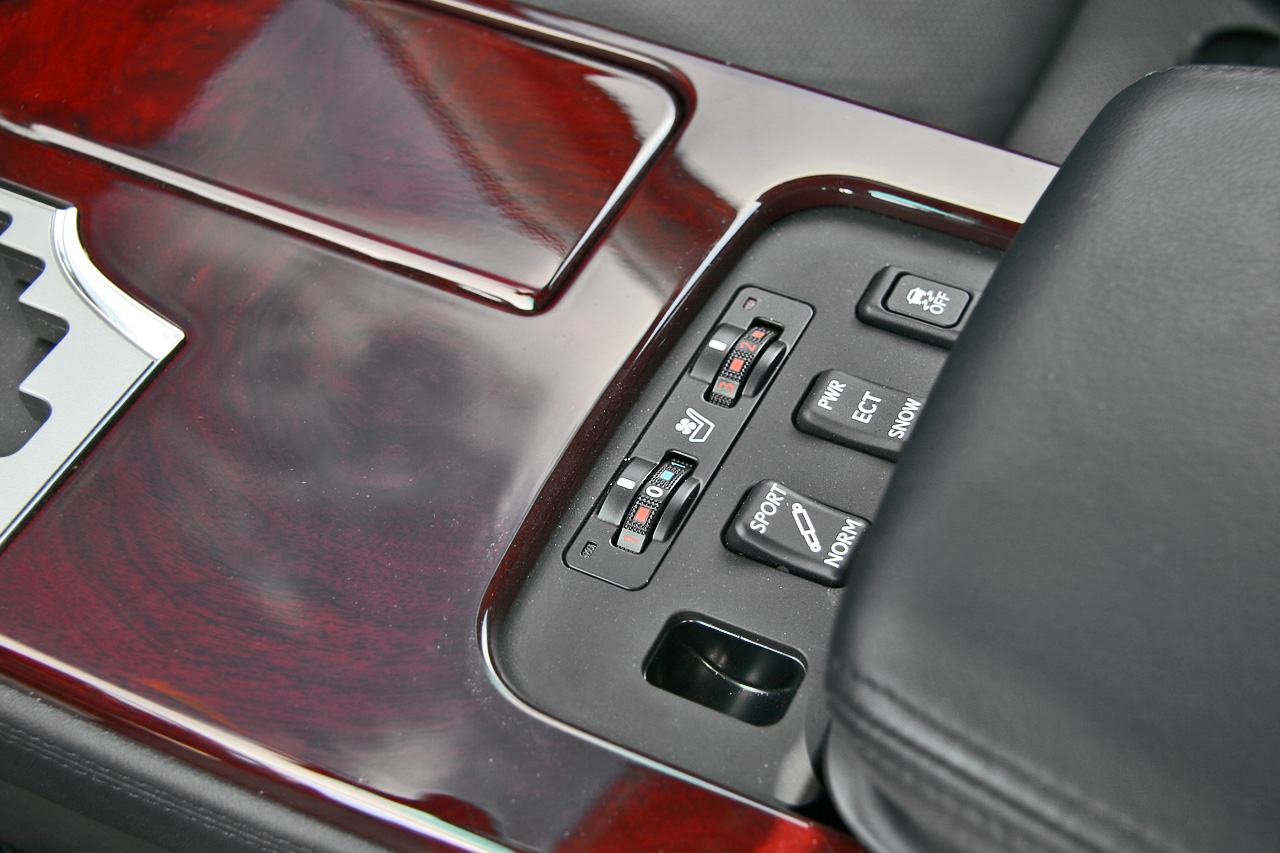
AWD enthusiasts often say that all-wheel drive adds confidence in corners. In the case of the Lexus GS 350 AWD, that's where it all ends. The VSC stability control system is always on guard and cannot be turned off, so owners won't even get innocent pranks like power slides. And that's a pity...
But sportiness is added by electronically controlled shock absorbers and new springs. True, the ride smoothness has suffered a bit from this — the driver and passengers now feel road irregularities more often.
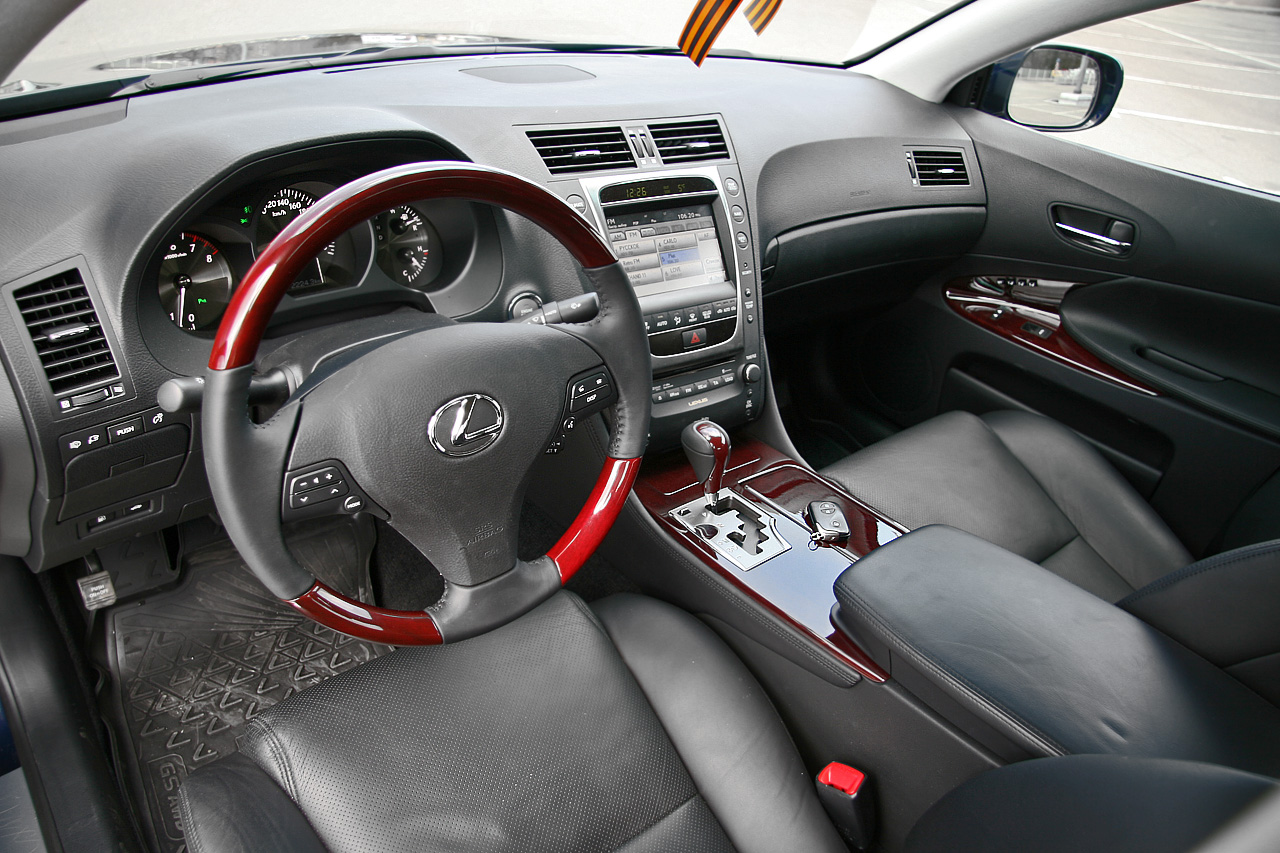 |
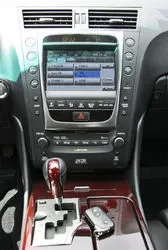
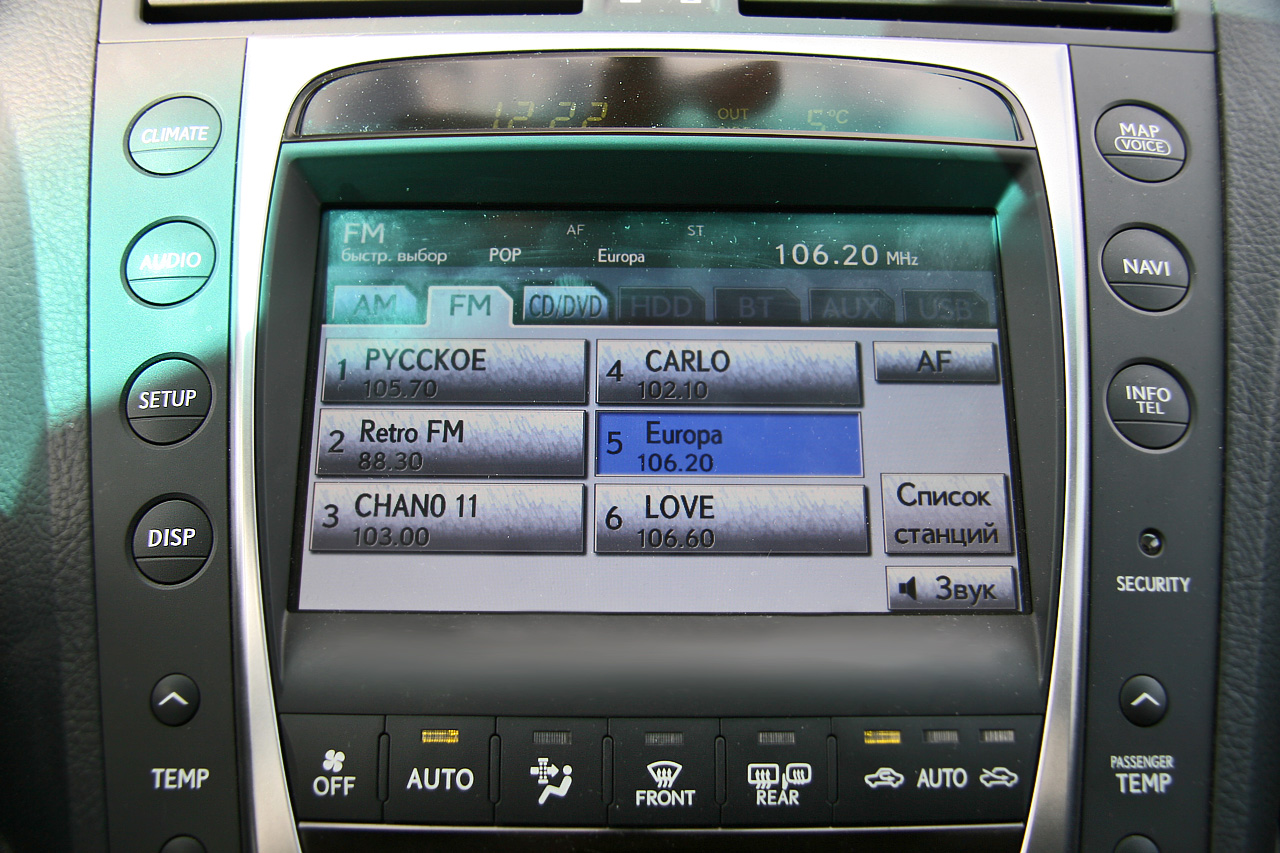
The interior of the "Lexus" remains the same: impeccable ergonomics, futuristic metallic instruments in wells, excellent acoustics, comfortable seats in which you literally sink. In the back, it's still a bit cramped. The only thing that gives away the all-wheel-drive version in the interior is a small hump on the center tunnel on the driver's side, which is very convenient for warming your foot in winter.
 |
 |
In the end, having tired you with stories about the technical filling, I'll share a life story. I have a close friend — also an auto journalist, from a respected publication. Kind, responsive, in general, a great guy. But in his free time, he knows how to let loose like no one else: he can start dancing wildly in the back seat of a car, and his eyes burn with that very "devilishness". So, the Lexus GS350 AWD is my buddy, only without that "devilishness". Just a good, responsive, and very practical car. And that's its PLUS! :)
Dmitry Malygin