
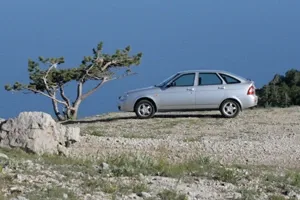
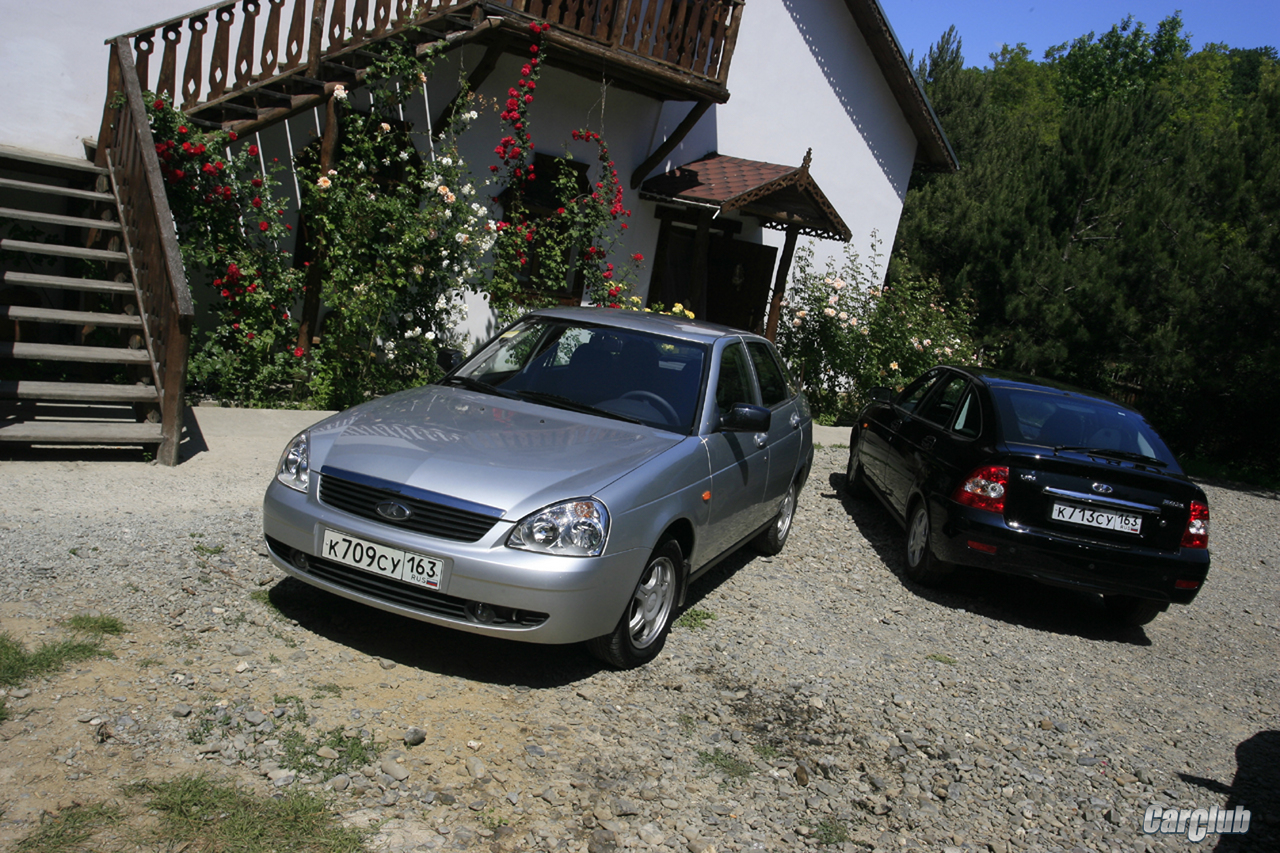
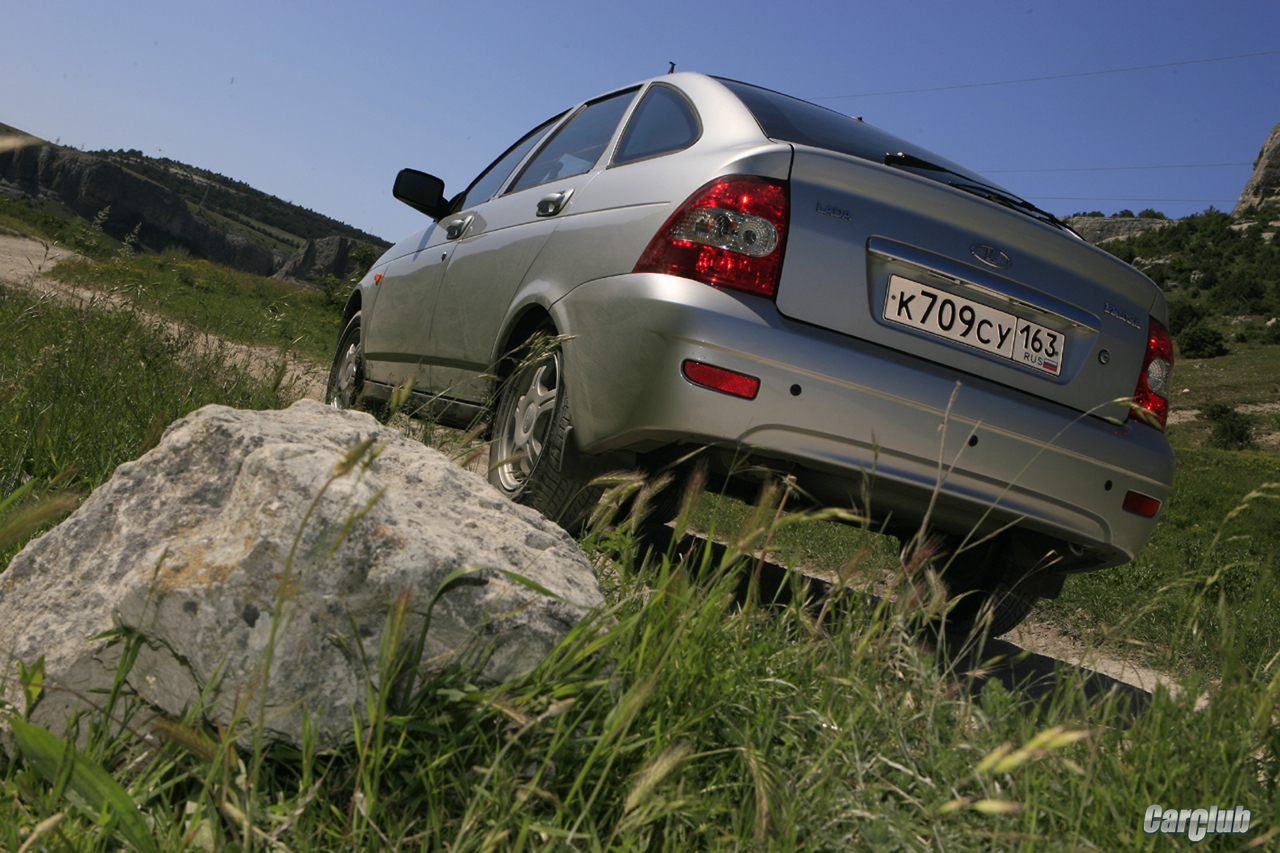
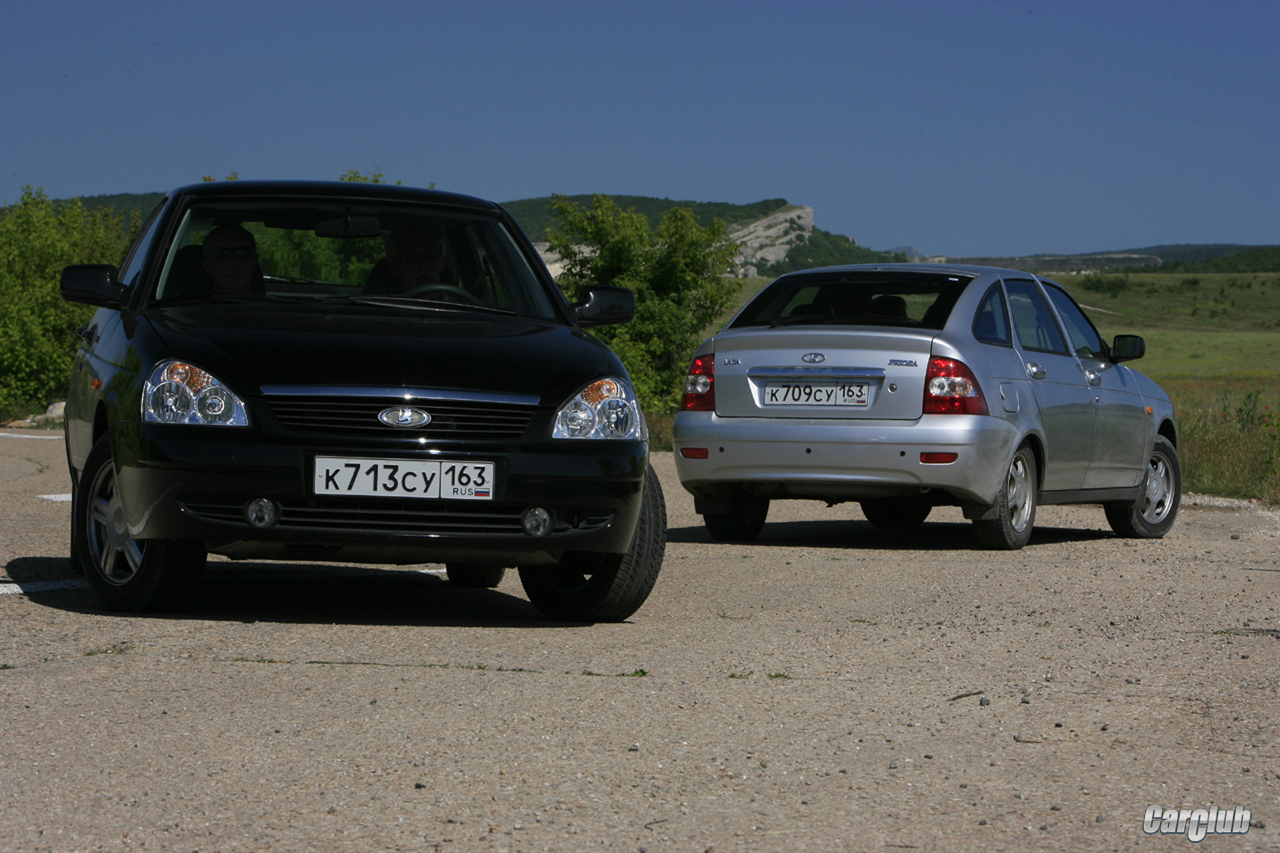
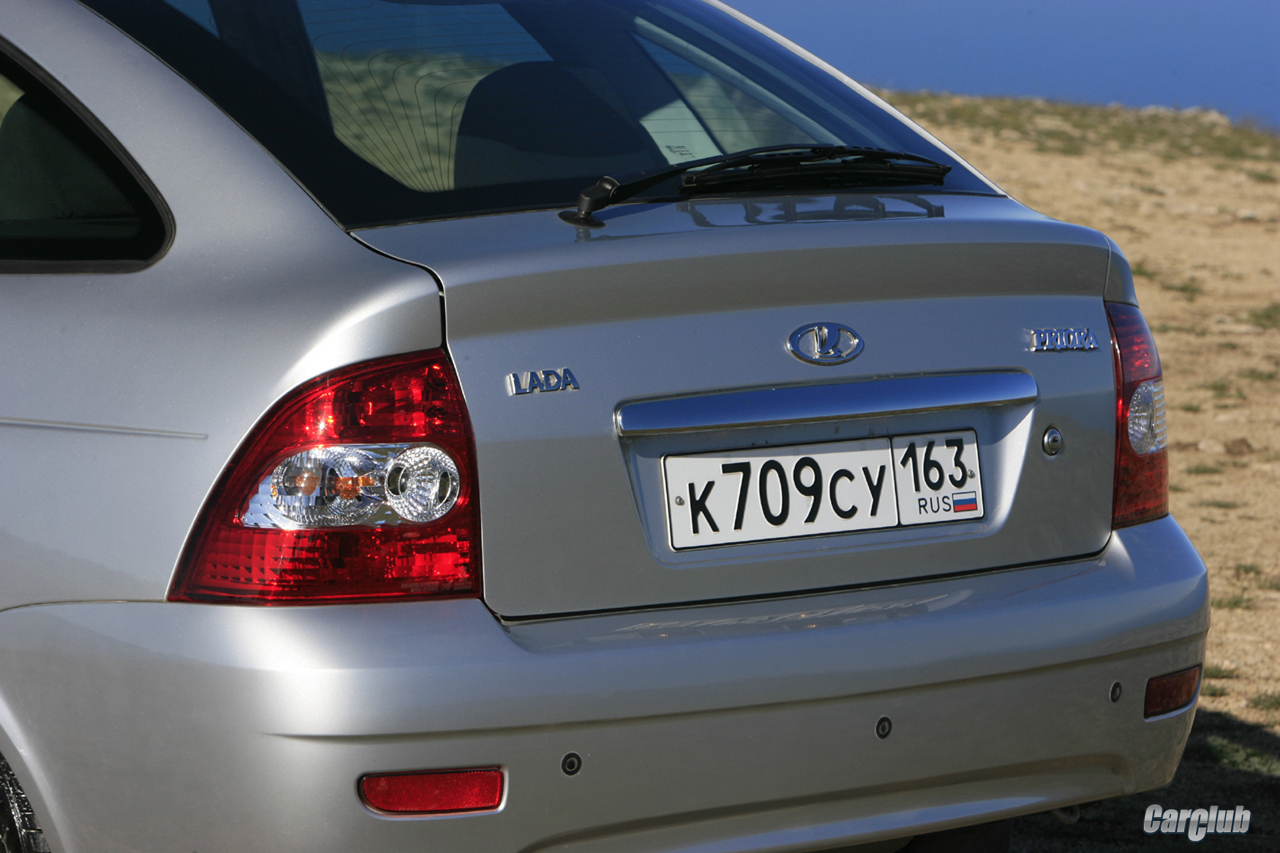
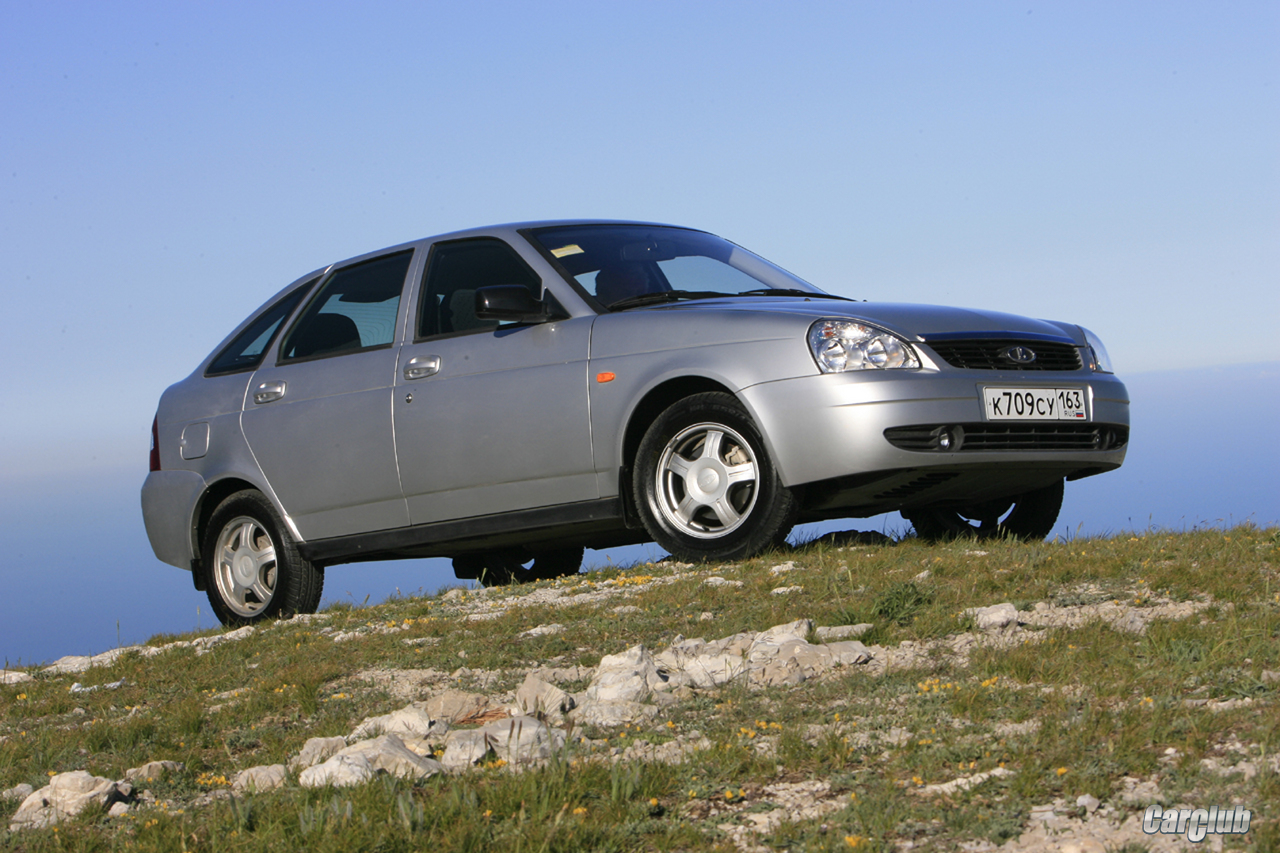
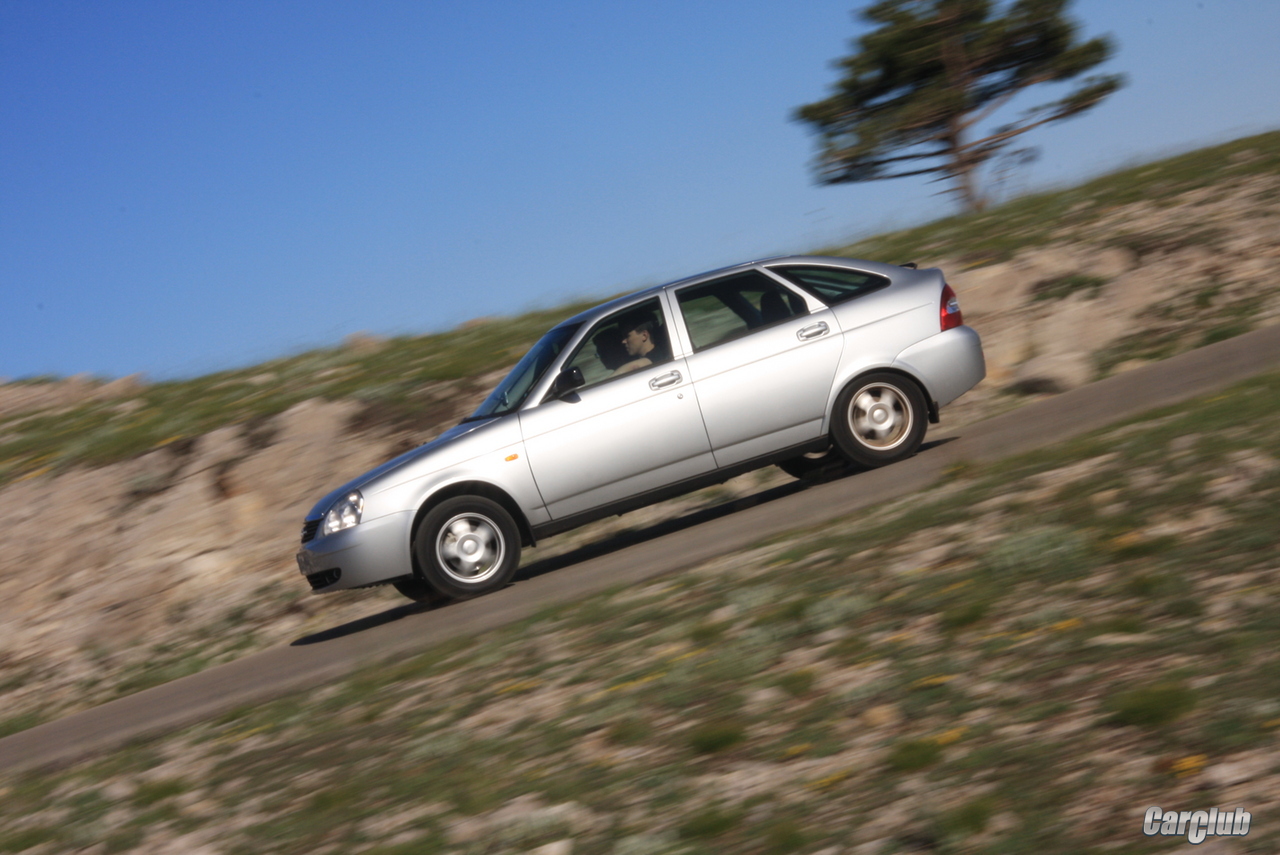
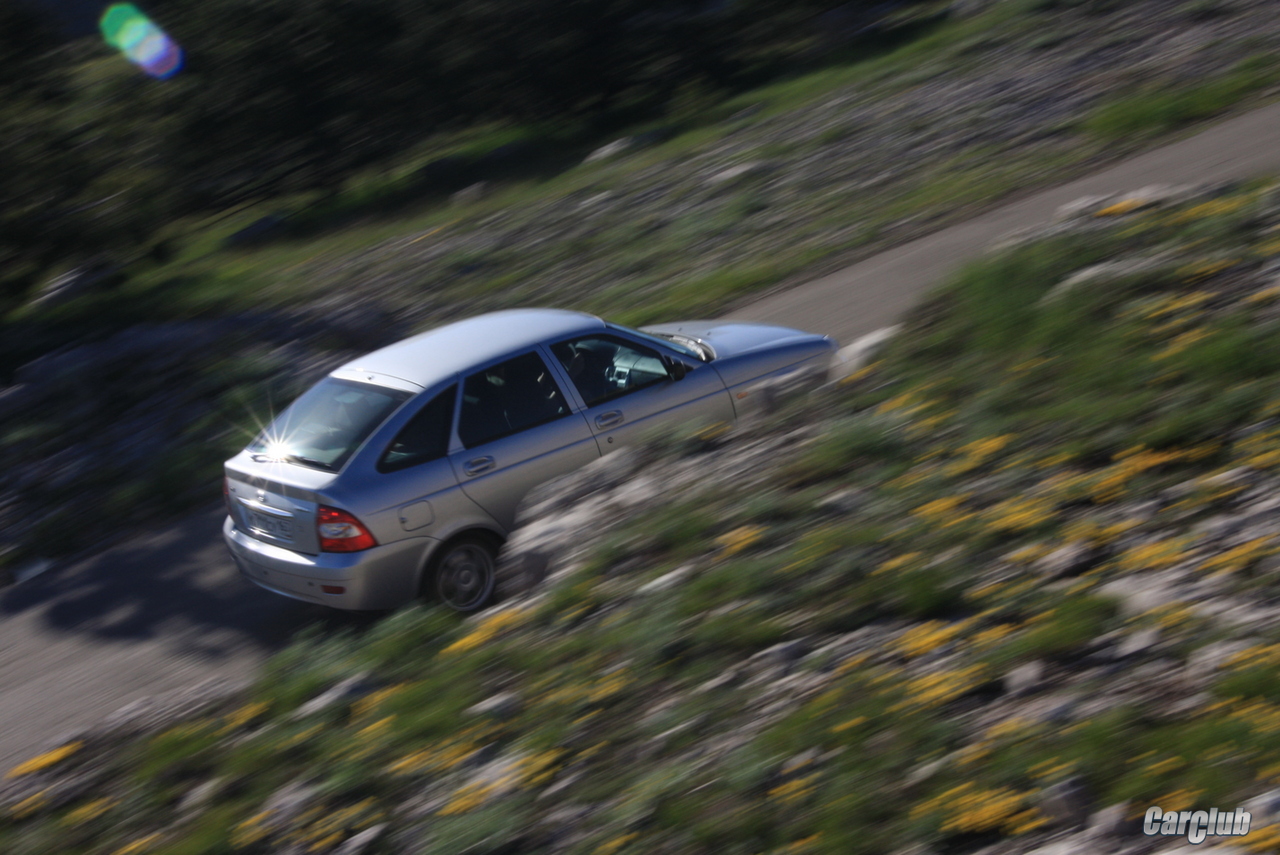
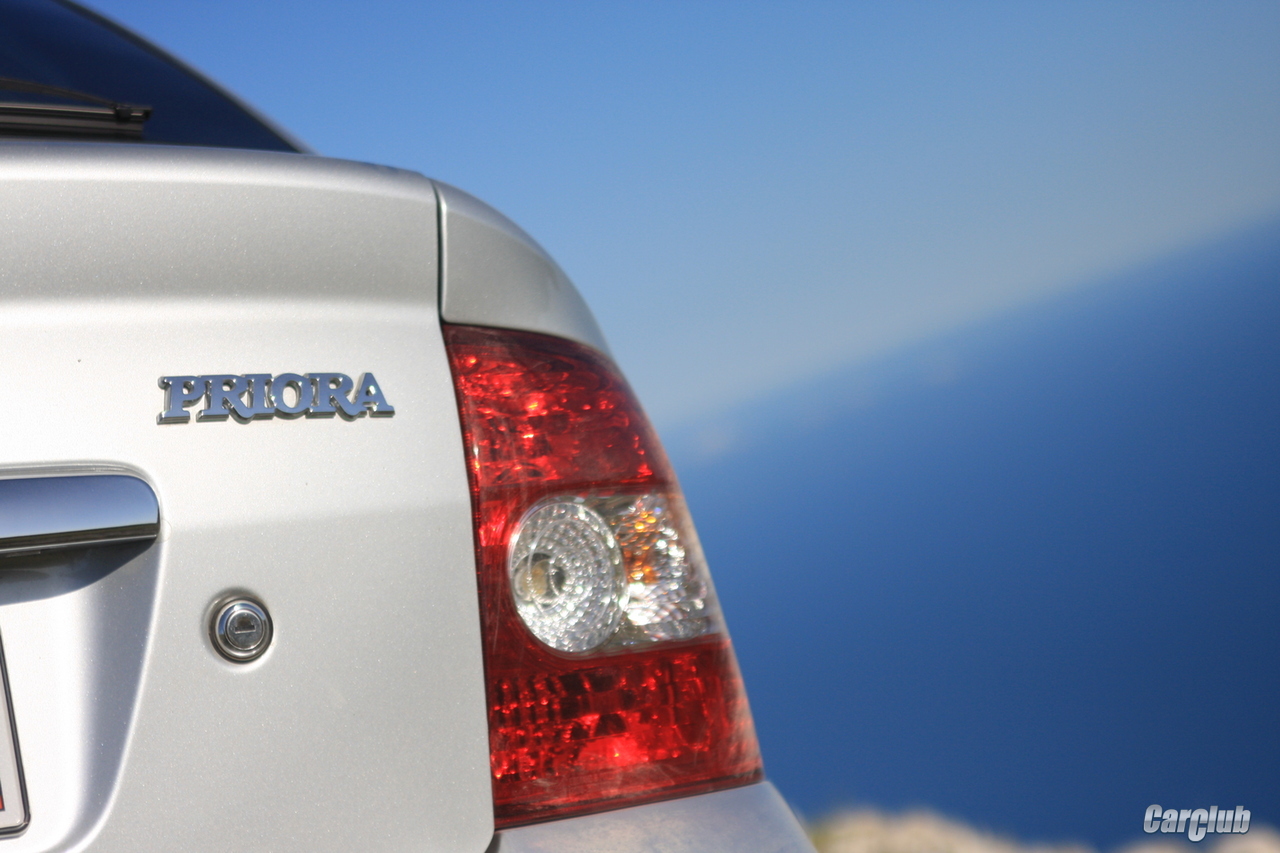
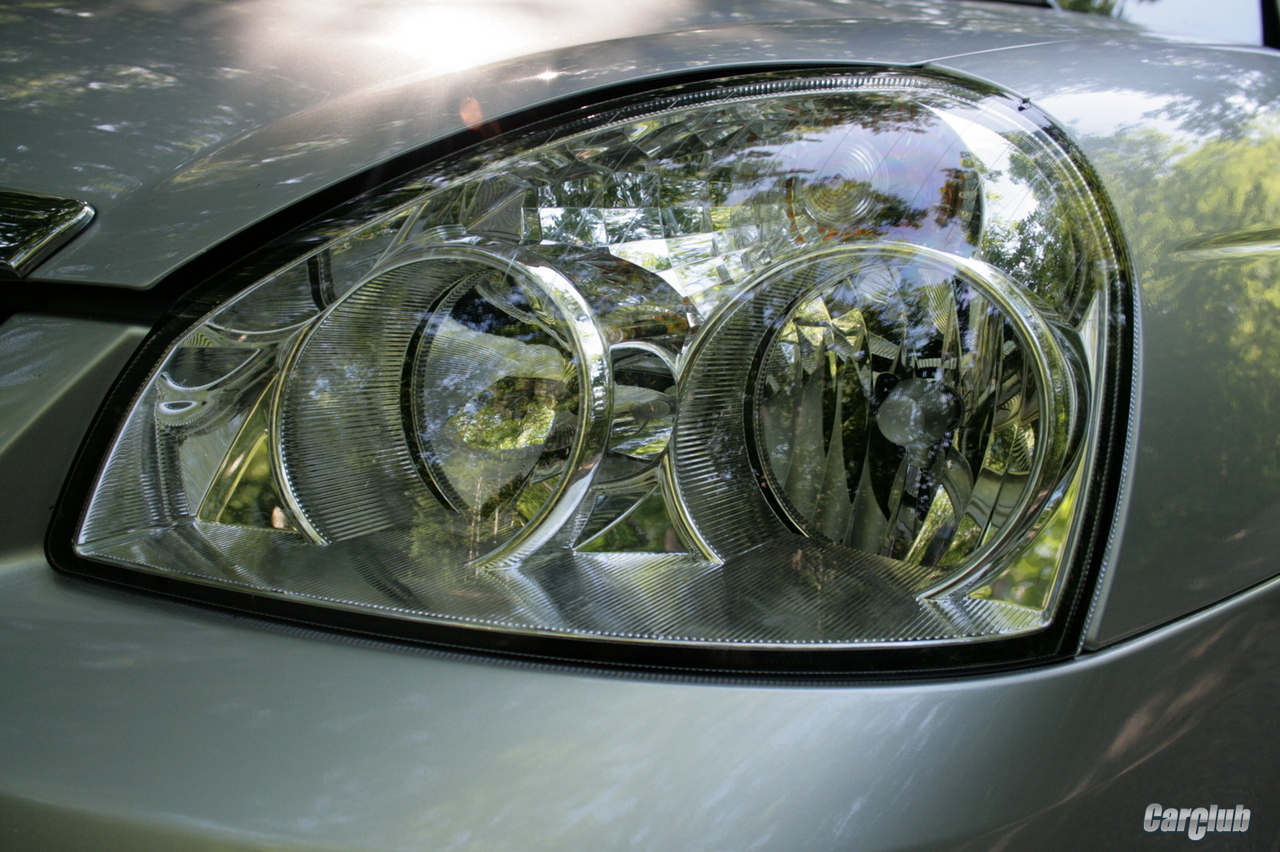
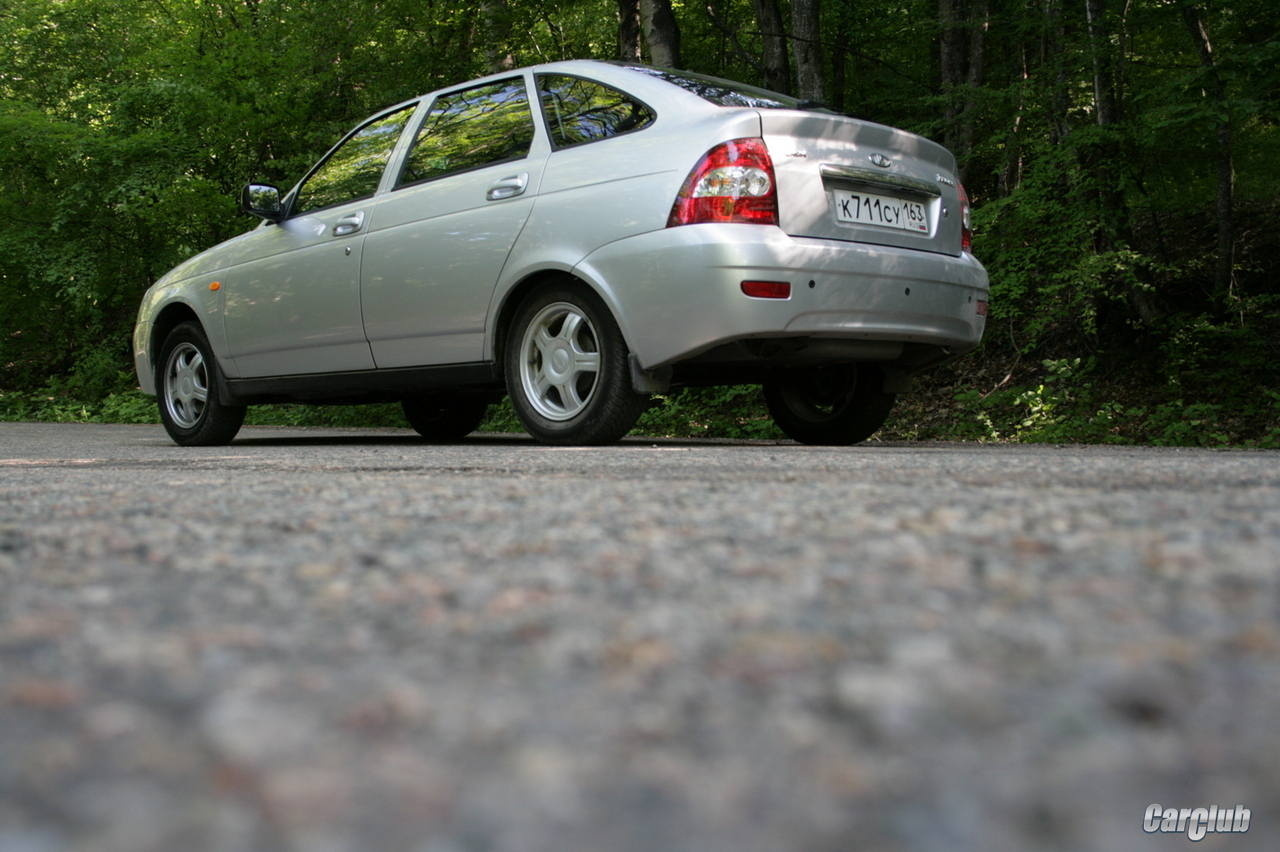
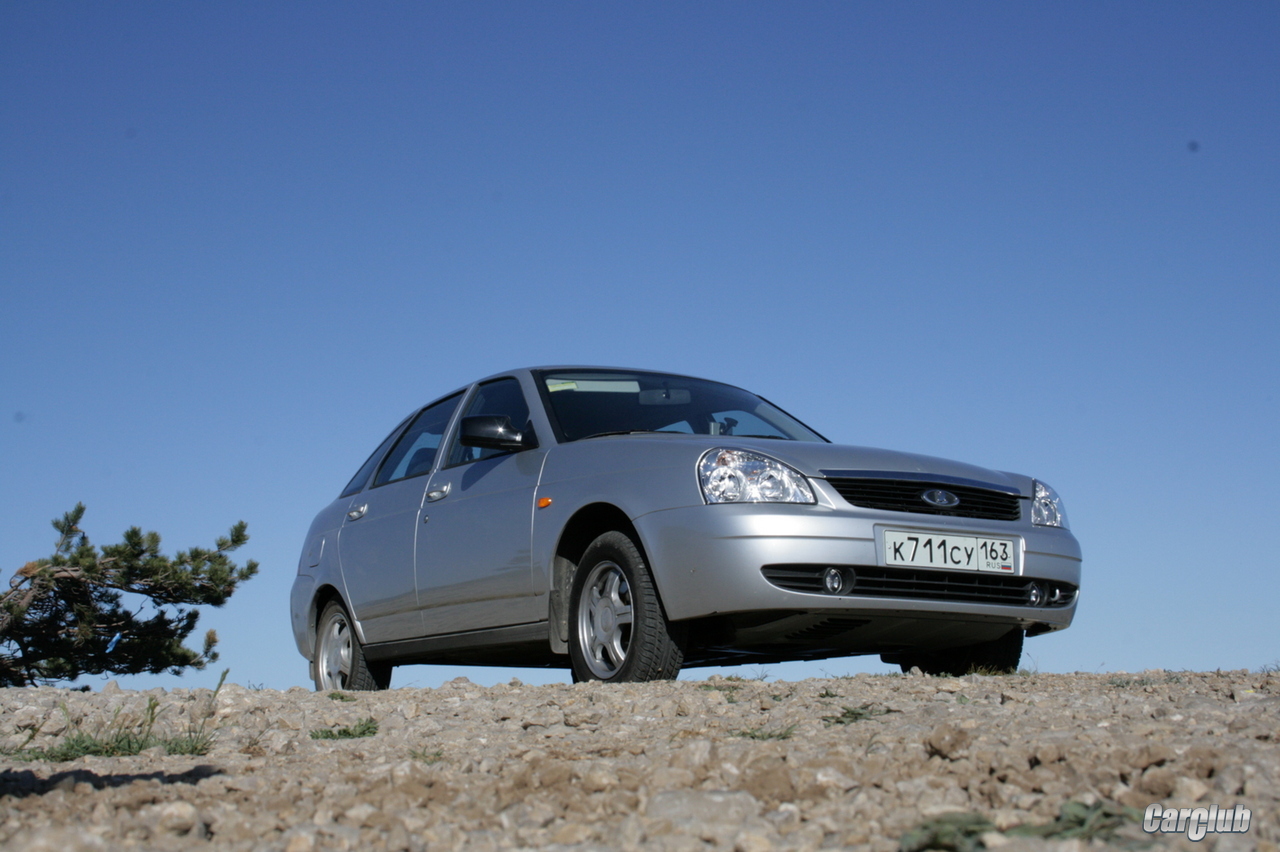
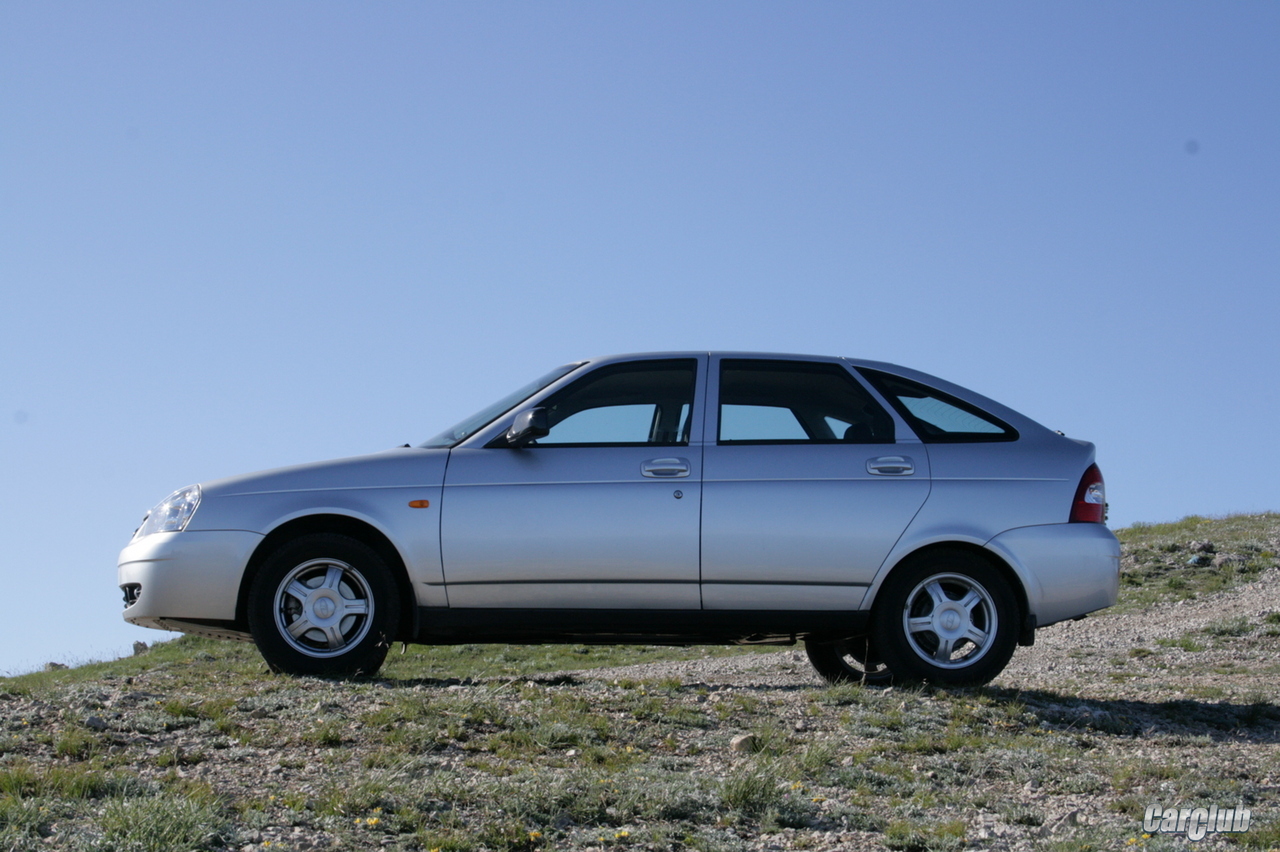
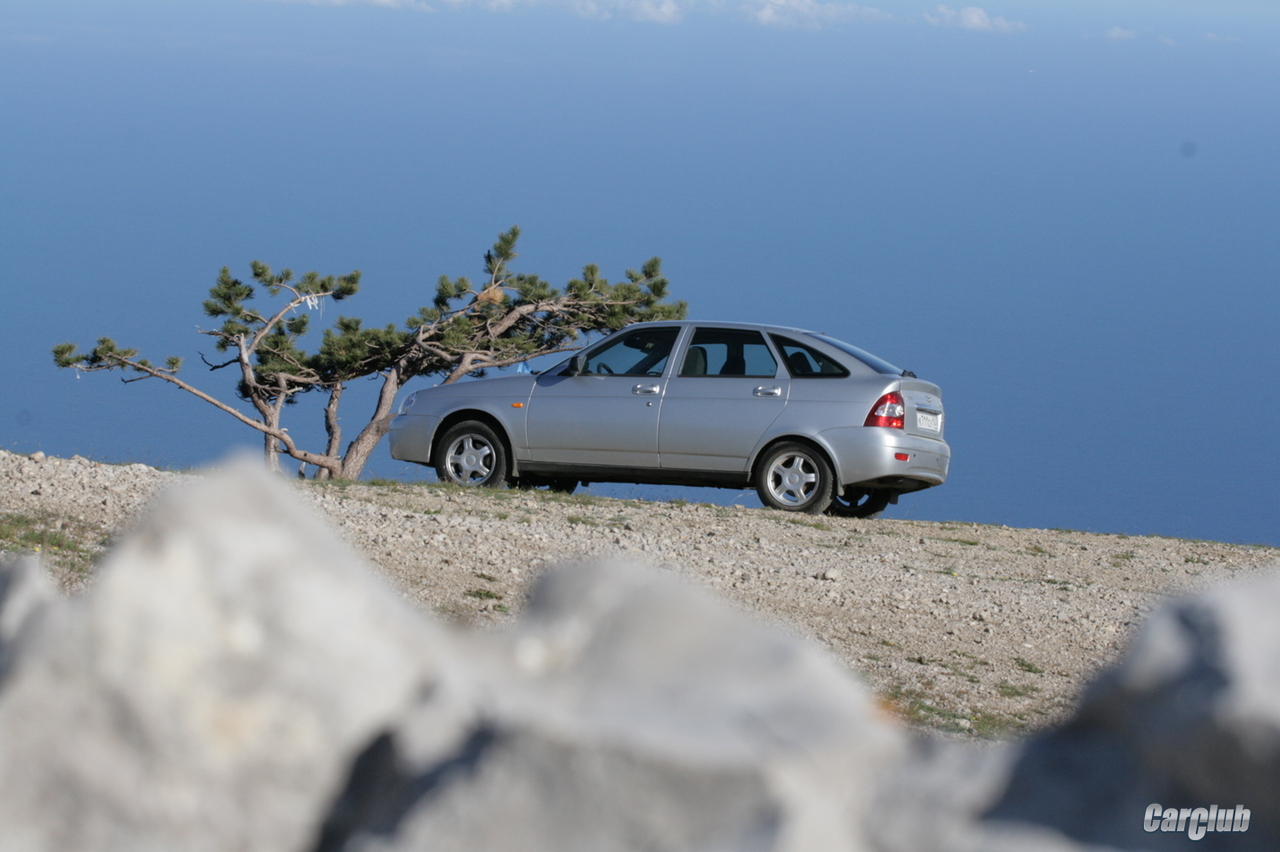
In early summer 2008, the Togliatti automobile plant presented the Lada Priora hatchback to the public. This new model is set to gradually replace the Lada 112 on the assembly line. Thus, the Priora family takes another step towards full-scale presence on the Russian market. The new body type is primarily aimed at young drivers—those who previously chose the "dvenashka" (Lada 112). It is believed that hatchbacks are more suitable for dynamic driving: the short rear overhang reduces the moment of inertia when cornering, and the rear behaves more obediently.
In parallel, since May 2008, the Priora has acquired a new top trim level "Lux". In addition to standard equipment, it includes climate control, front fog lights, ABS, a front passenger airbag, pretensioner seat belts, heated front seats, full power accessories, and rear parking sensors. But that's not all: the plant's plans include several more options. Already this year, the Priora will receive light and rain sensors. And in 2009, the lineup will be equipped with a standard audio system. The name of the "music" supplier is still kept secret—project manager Valery Kozenkov only said that the tender is still ongoing and the choice will likely be between two companies. Notably, the Priora will become the first Russian car for which the audio system will be developed individually.
 |  |  |
 |  | 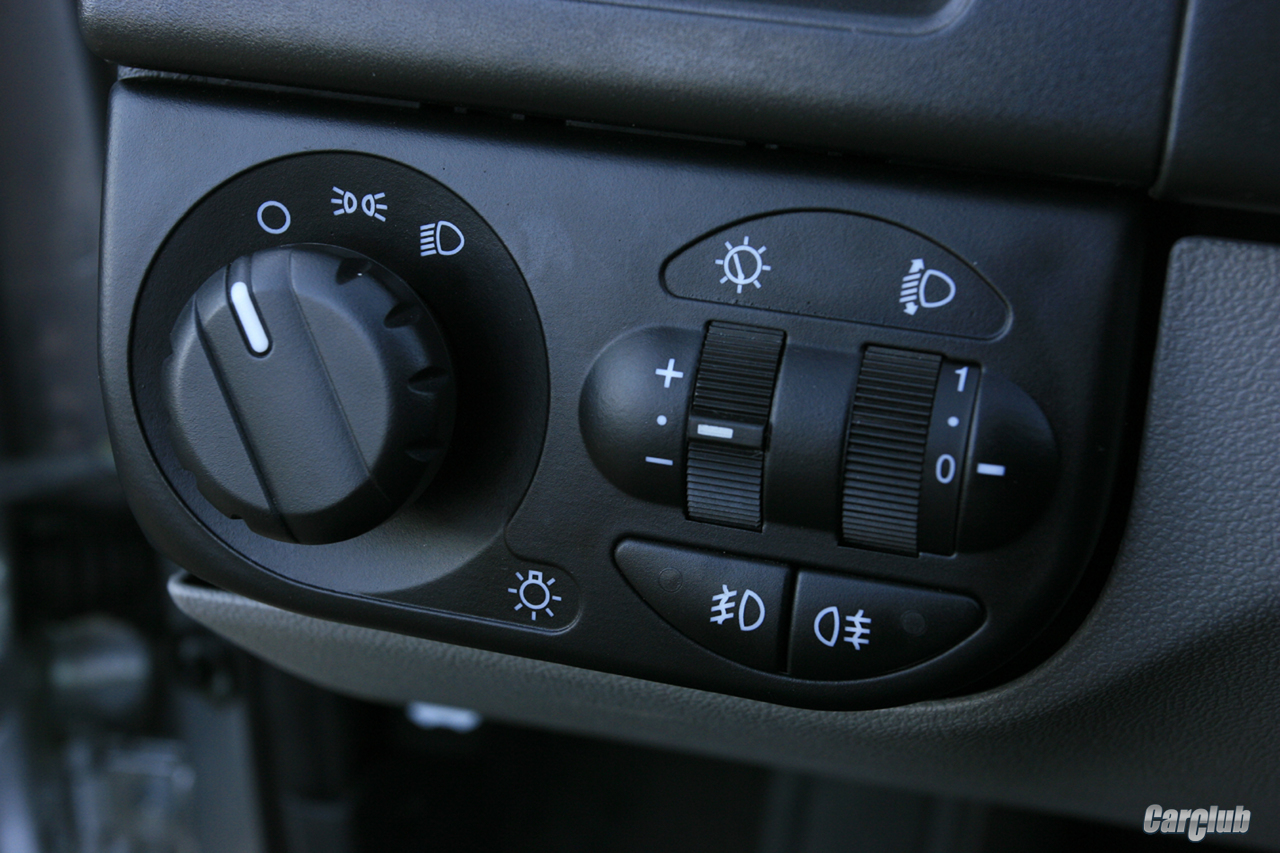 |
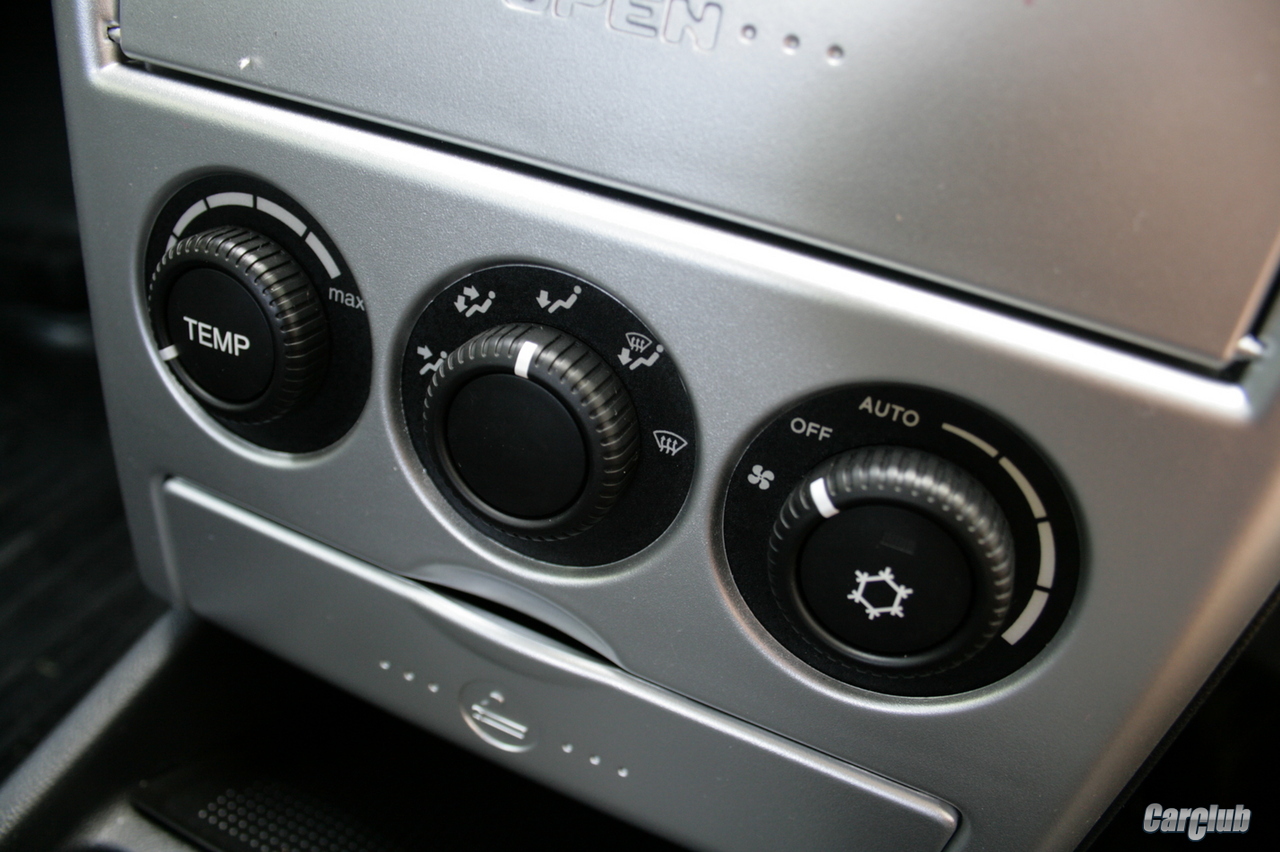
Climate systems for the Priora will be supplied by two manufacturers. The first is a development by Panasonic with the participation of Matsushita Electric Industrial, the second is a product of the South Korean Halla Climate Control Corp. The systems are largely similar: both use a compressor refrigeration machine and can automatically maintain the set temperature. The compressor is driven by a belt from the crankshaft. The difference lies in the compressor design: for Panasonic it is a rotary-vane type with a displacement of 120 cc, for Halla—a piston type with 160 cc. The control units also differ. An interesting detail: export cars and "Lux" versions are equipped with the Halla air conditioner, while Panasonic is offered as an option for more modest trim levels.
During the test on the Crimean coast, we managed to try the climate control in action. There are no complaints about the air conditioner itself: the temperature in the cabin is set quickly, and the electronic air flow distribution works clearly. But here's the problem—when the air conditioner was turned on, the idle speed began to fluctuate noticeably, and a couple of times the engine almost stalled. Since VAZ representatives claimed that the engine control units were specially recalibrated so that the air conditioner would not affect engine operation, we addressed this remark to them. After discussion, they gave us another car for comparison.
 |  |  |
 |  |  |
In the replacement car, the problem of "floating" idle speeds disappeared. It was also pleasing that the usual loss of power when turning on the air conditioner was also absent. This means that adjustments to the engine control program have indeed been made. True, plant representatives admit: with the climate control running, fuel consumption increases by an average of 1.1–1.3 liters. And since on the highway without air conditioning we couldn't get below 10 liters per 100 km, the final appetite for a 1.6-liter engine seems frankly large.
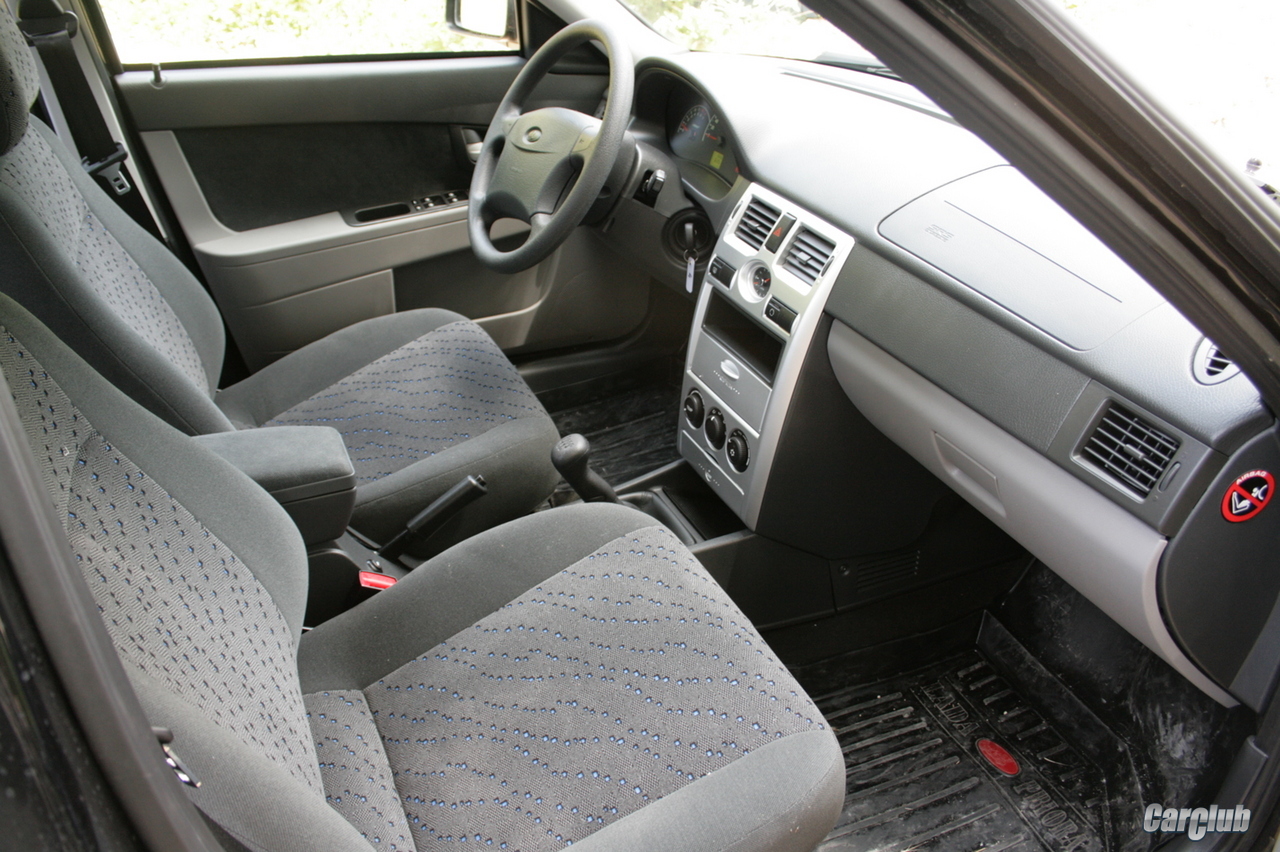
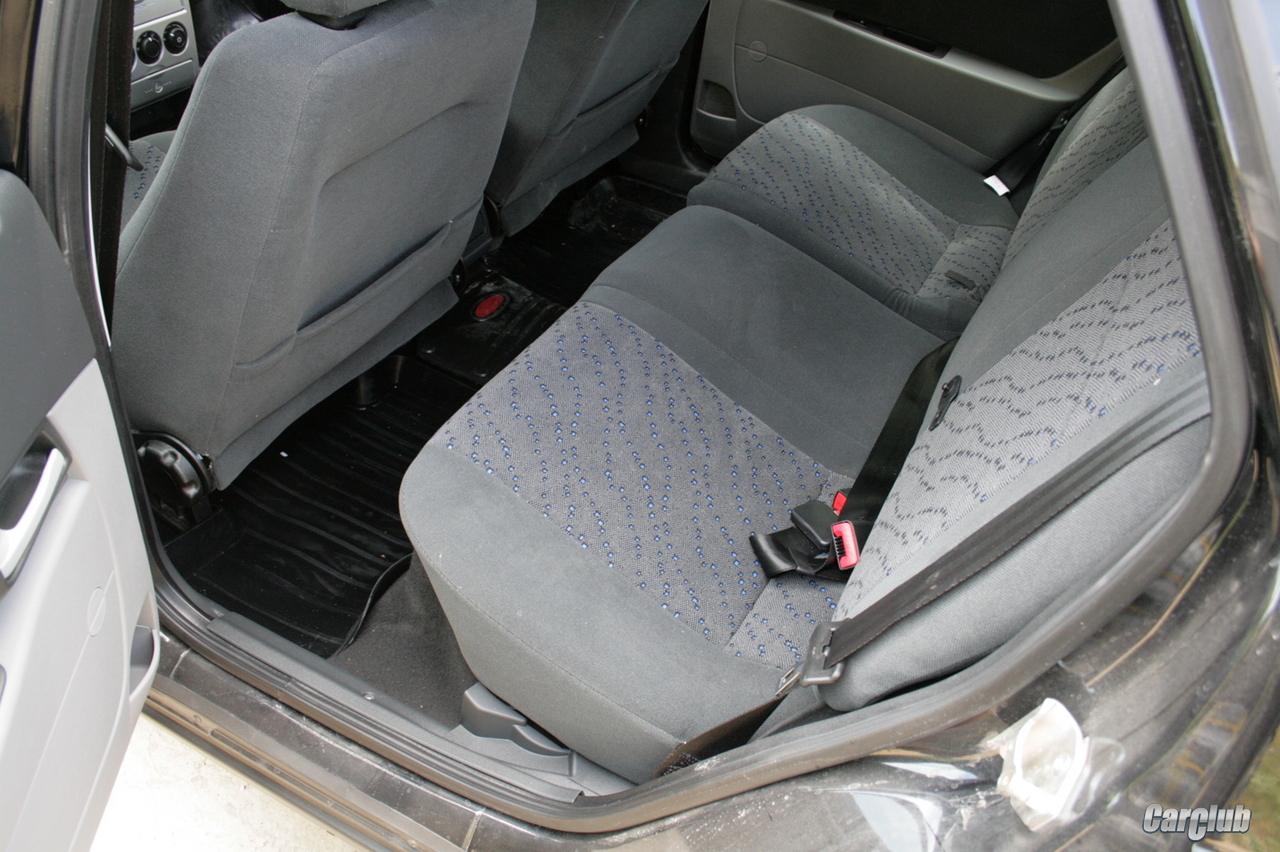
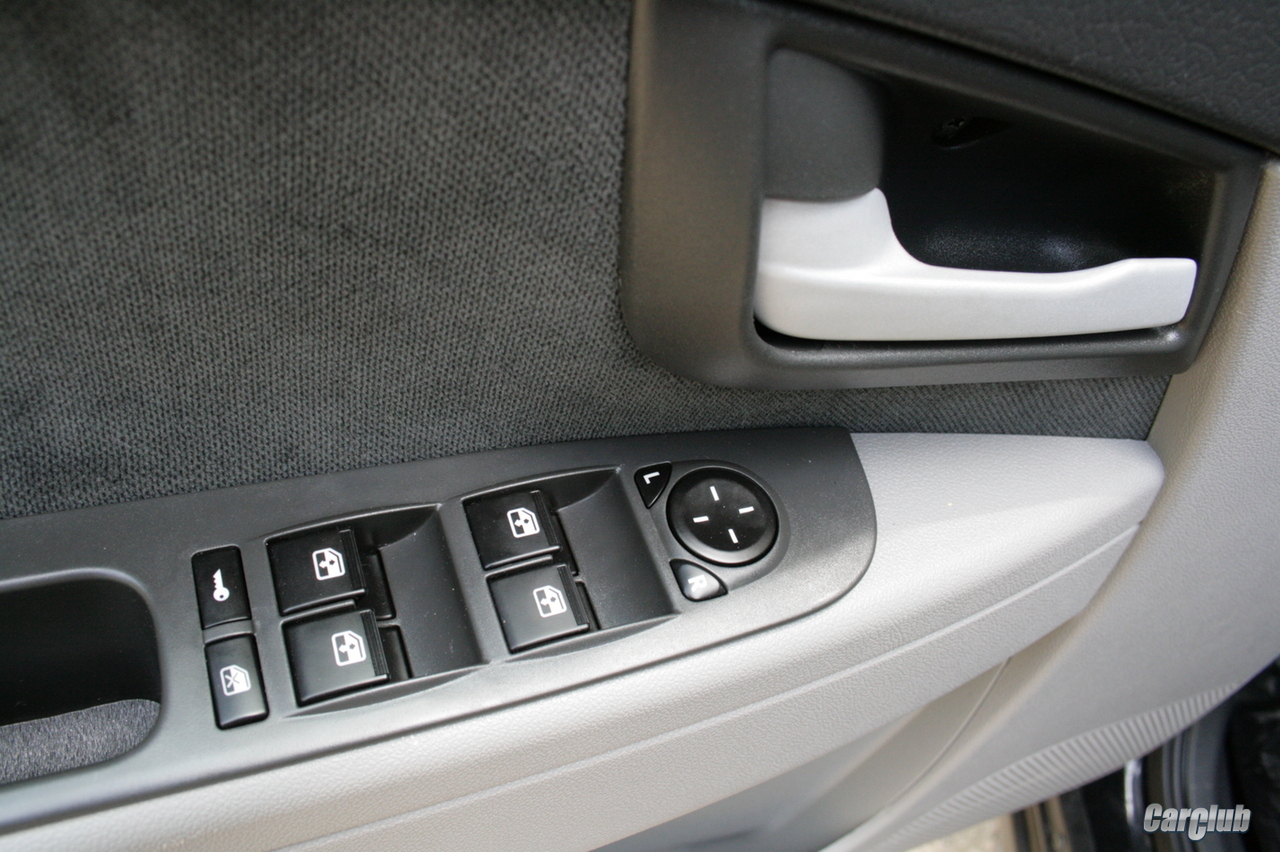
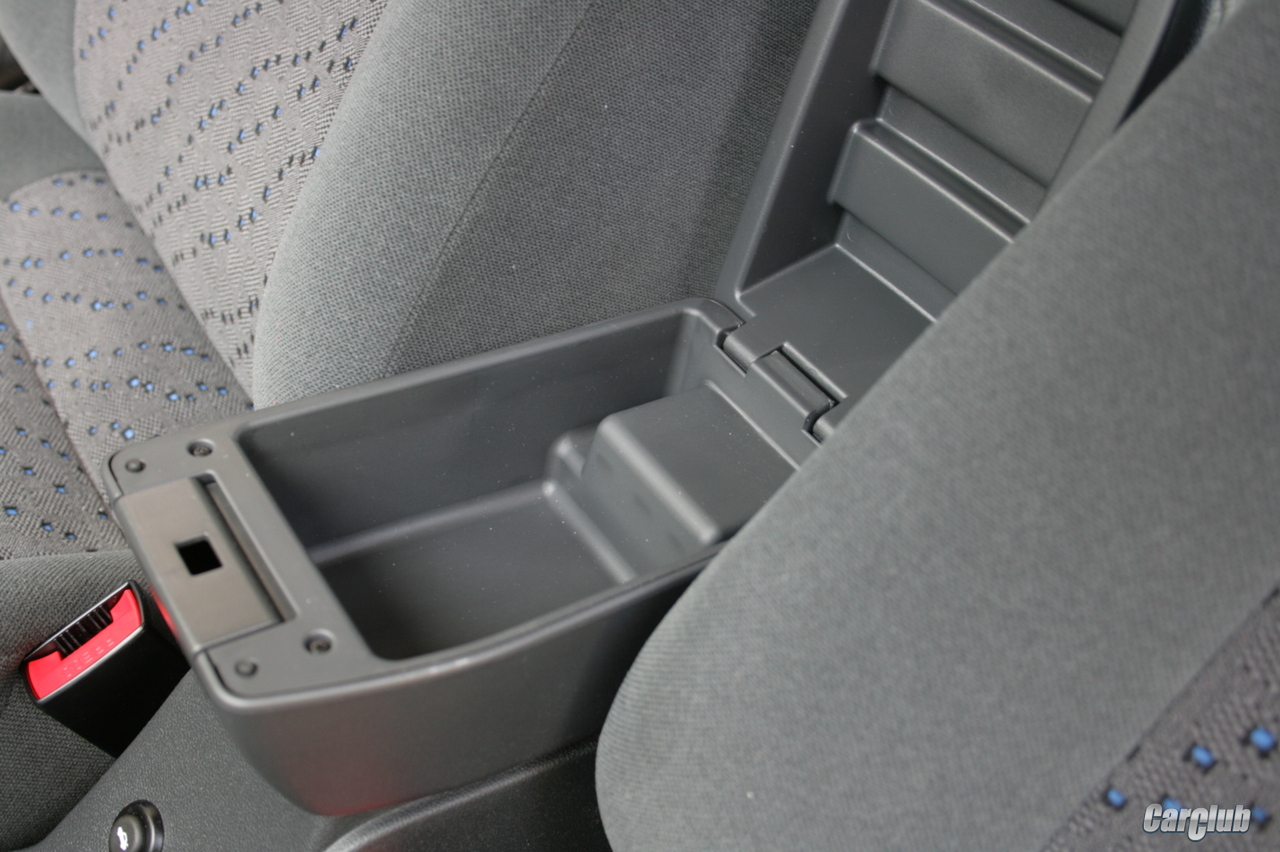
In terms of ergonomics and interior trim quality, the Priora is one of the best among Russian models. The front seats please with a good profile and decent lateral support. There are enough adjustments to comfortably accommodate a person up to 185 cm tall. Those taller will have a harder time—largely because the steering column adjusts only by tilt angle. The plastic of the front panel is soft, but the quality is not impressive. The steering wheel was frankly disappointing—cheap plastic, unpleasant to the touch. The steering column switches are located too far from the wheel; you have to reach for them. Another ergonomic mistake is the too-high front armrest: because of it, it's inconvenient to work with the gear lever, which, on the contrary, is recessed into the central tunnel. Rear passengers will be comfortable if a driver of average height sits in front—then there is enough legroom. Three people can fit on the rear sofa if you don't mind the tightness in the shoulders. But the window regulators are a real relic of the past. Even with electric drive, the rear windows only lower halfway. But that's not all: the front ones also don't go down all the way! Meanwhile, the doors remained from the "desyatka" (Lada 110), where everything worked normally. Valery Kozenkov explained this by passive safety requirements: the central pillar had to be widened, which entailed a change in the design of the front doors.
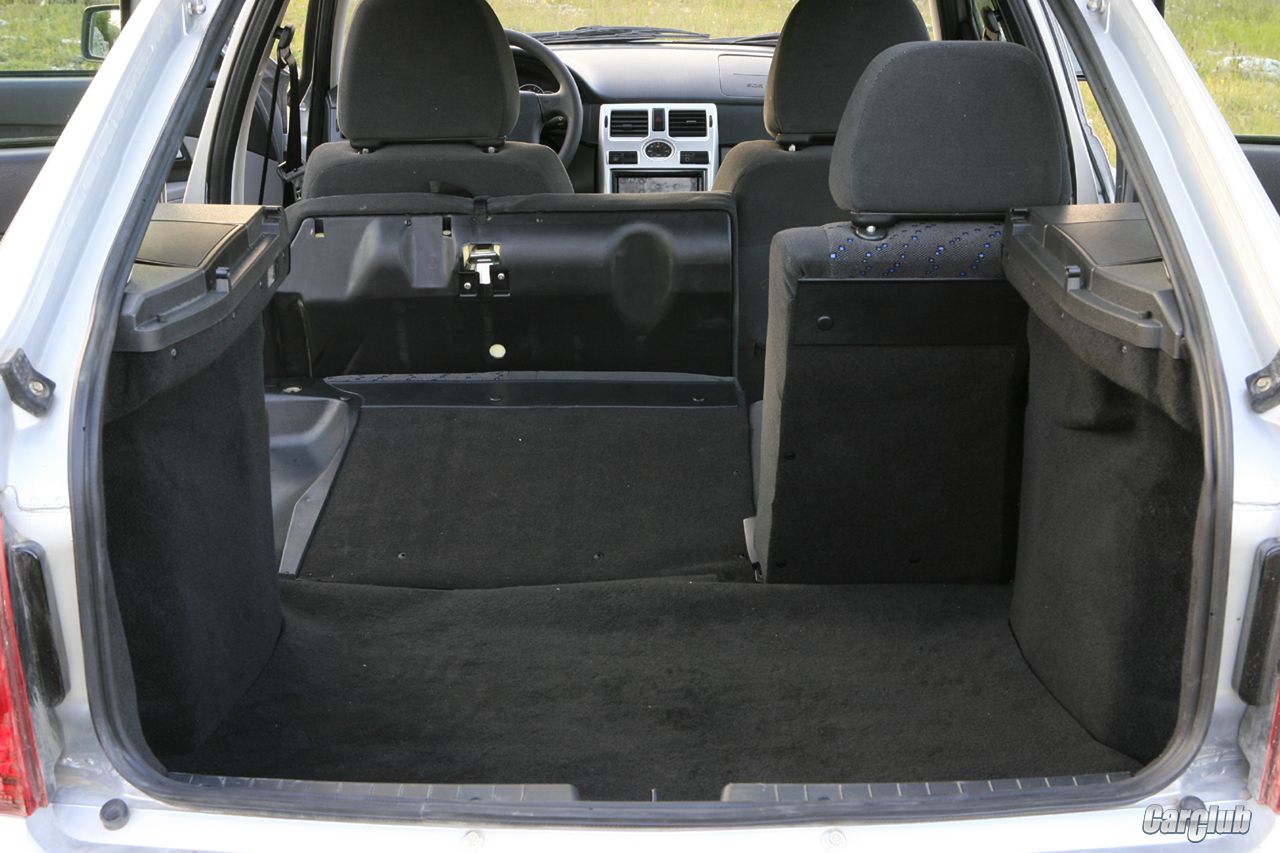
The trunk of the Lada Priora hatchback holds 400 liters. By folding the rear row of seats, you can almost triple this space, but the folding process itself requires considerable effort—the mechanism here migrated from the "desyatka" unchanged. We also didn't find a handle in the cabin for closing the fifth door from the inside. True, upon closer inspection, we noticed a stamping on the trim for such a handle, which gives hope for its appearance in the future. The trunk lid itself lacks a separate opening button: you can do it either from the cabin or from the alarm key fob.
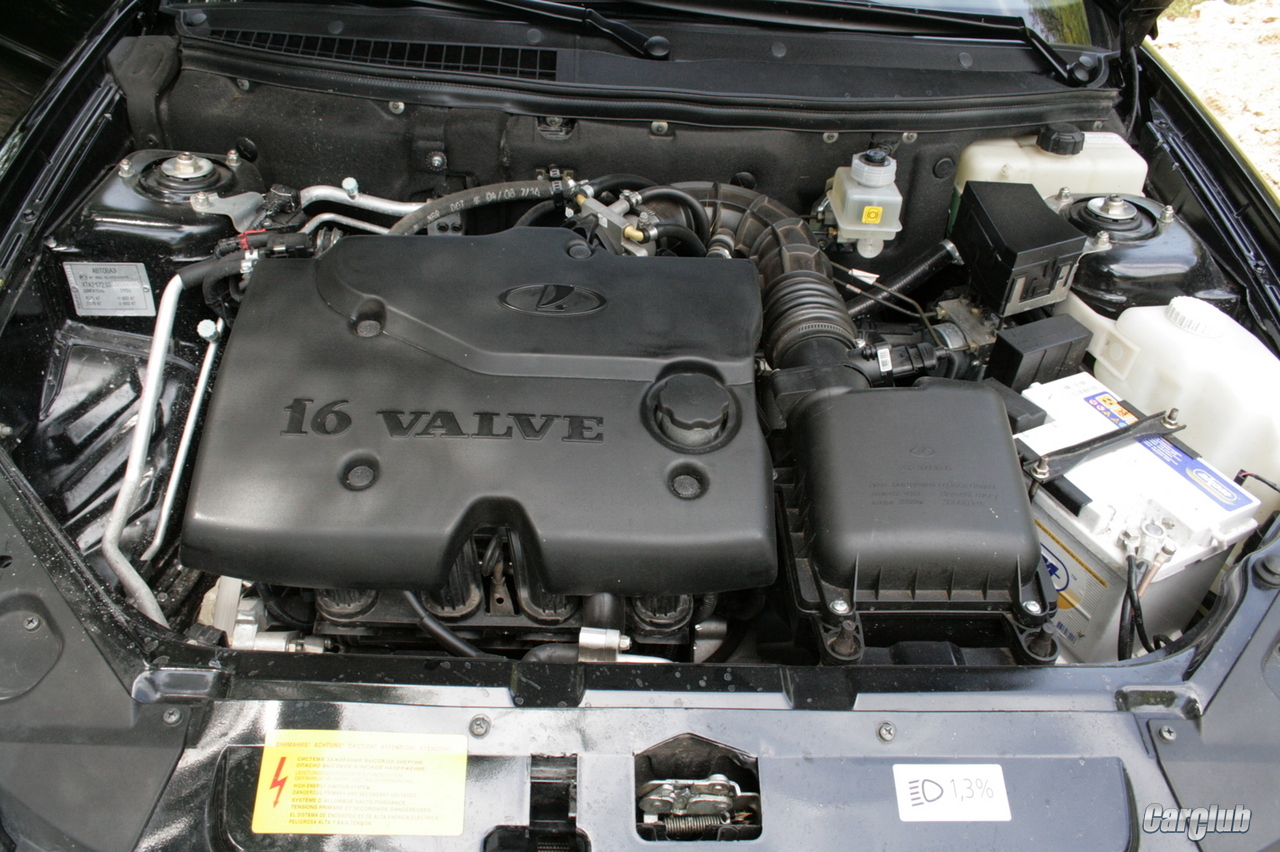
Under the hood of the Priora is a 1.6-liter 16-valve engine with 98 hp, paired with a five-speed manual. At low revs, the engine noticeably "sleeps," and the car accelerates rather sluggishly, but as soon as the tachometer needle crosses the 3000 rpm mark, the car's character changes. This unit clearly prefers high revs and accelerates well if you keep them above those same 3000 rpm. The situation with the gearbox turned out to be ambiguous: on the first example, engaging second and third gears was difficult, but on the second car, there were no such complaints about the transmission. This once again reminds us how uneven the quality of Russian assembly can be. As they say at AvtoVAZ, they are currently developing a new gearshift drive that should make shifts more precise, as well as reduce effort on the lever and vibration levels.
 |  |  |
 |  |  |
The sound insulation was pleasantly surprising: extraneous sounds from the street barely reach the cabin. The same cannot be said about the engine's operation — it is clearly audible, and the engine compartment insulation clearly needs refinement. We again recall the build quality. If in the first car the panels creaked on every bump, the second example turned out to be much more solid — we did not hear any irritating plastic sounds even on a broken road.
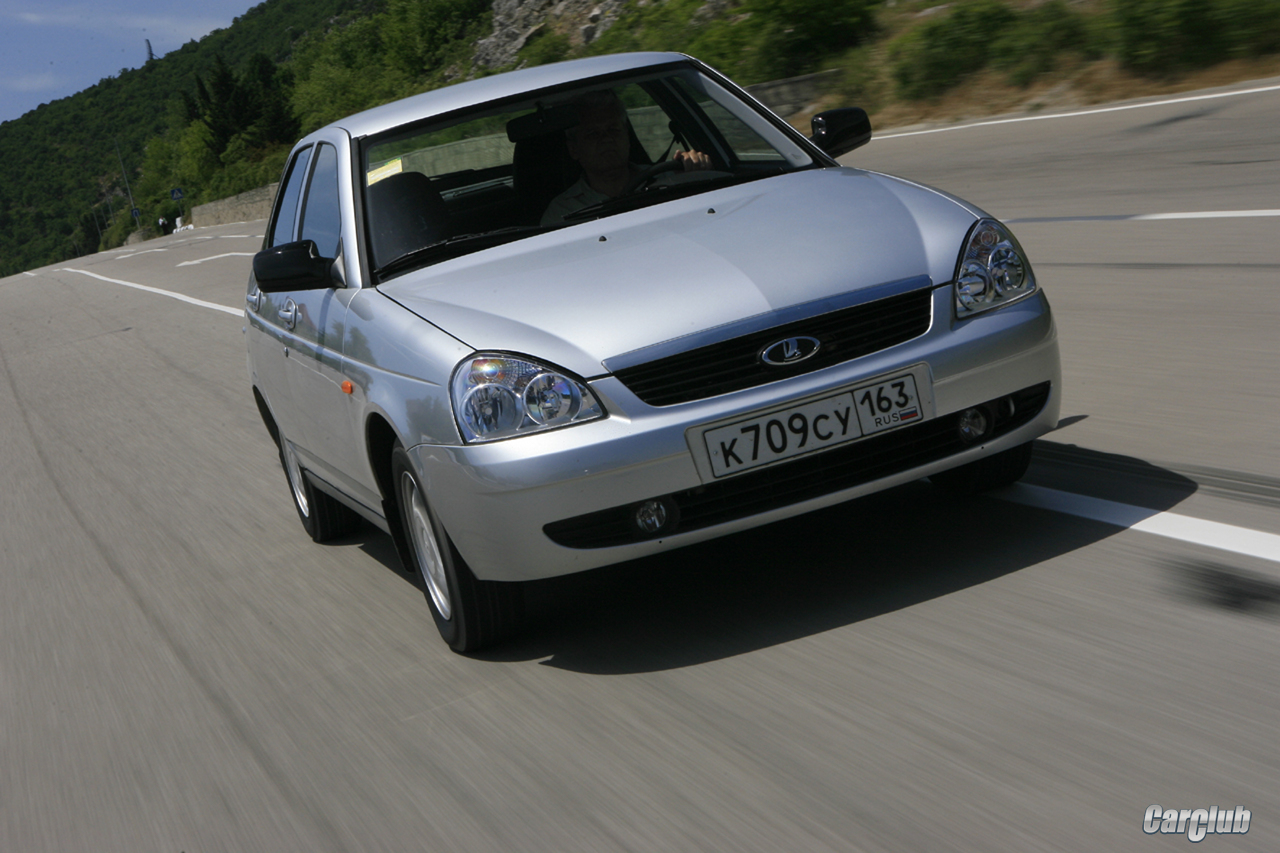
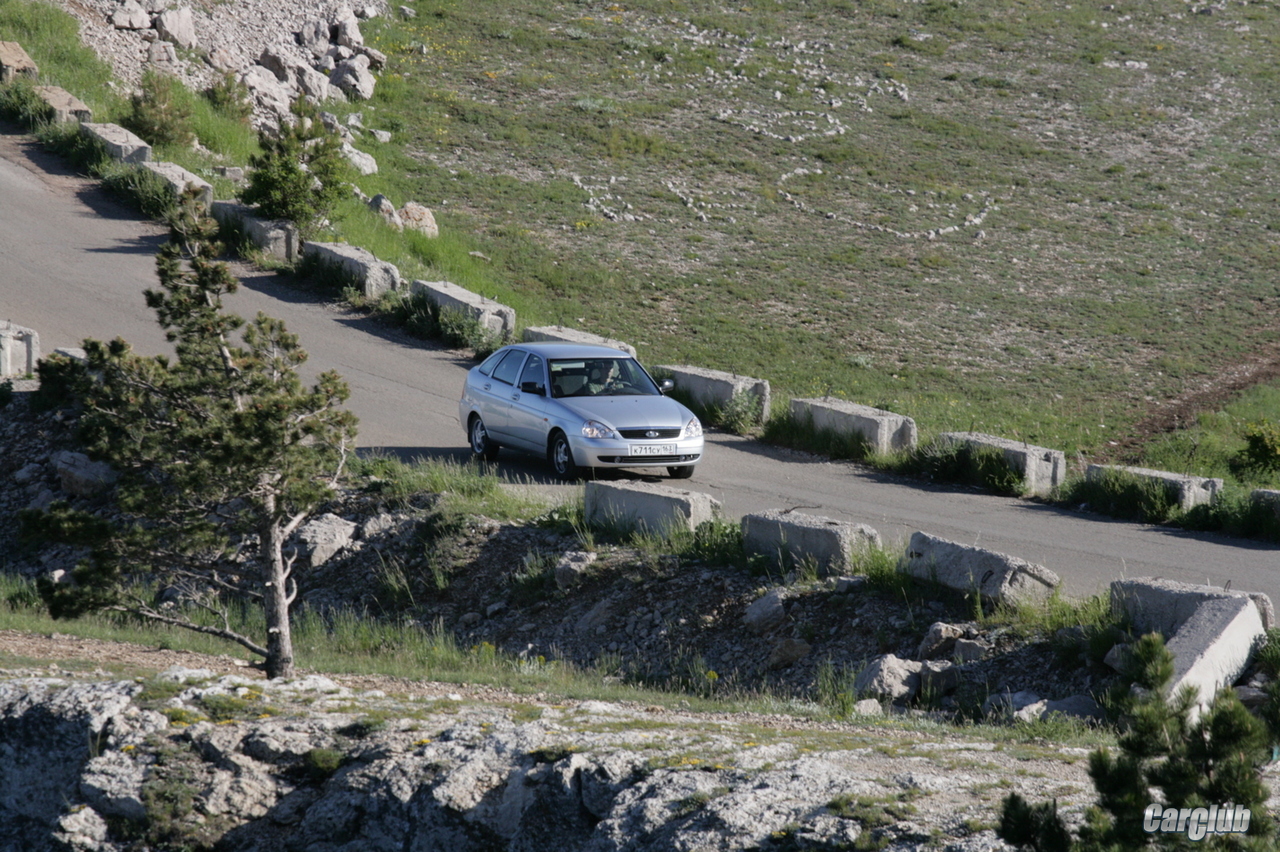
Compared to the "ten", the Priora's suspension received different shock absorbers and shorter front springs. However, despite these changes, the front and rear suspension parts remained fully interchangeable with the "ten", and the rear semi-independent beam generally transferred to the Priora without any modifications. In terms of comfort and handling, there were no surprises: the energy intensity of the suspension is still good, and body roll in corners remained at the same level. But the power steering was an unpleasant surprise. The steering wheel remains light and completely empty at any speed, without informativeness. In a parking lot, such lightness is a plus, but on the highway it becomes a minus. On mountain serpentines, which are abundant in Crimea, we had to constantly turn the wheel. If the steering wheel were a bit shorter, even with such "emptiness" the sensations would be completely different.
As for the price: the manufacturer's recommended base price is $9,679 (77,426 UAH). However, dealers usually add another 20–30 thousand rubles to this amount for installing unnecessary options. As a result, the Lada Priora hatchback in the "Norma" trim at Moscow dealers costs on average about $10,294 (82,350 UAH). As for the luxury versions we drove, they have not yet appeared at dealers, so there is no information about their price yet.
 |  |  |
 |  |  |
Based on the test results, the Priora showed itself noticeably better than at our first meeting in Sochi, which took place a little over a year ago. Since then, some of the shortcomings have been fixed, and new options have appeared. But there is still a lot of work ahead. If the mistakes are worked on just as carefully in the future, the Lada Priora family is quite capable of bringing the domestic auto industry to a new level and changing the attitude towards the Lada brand.
Text: Ruslan Galimov