
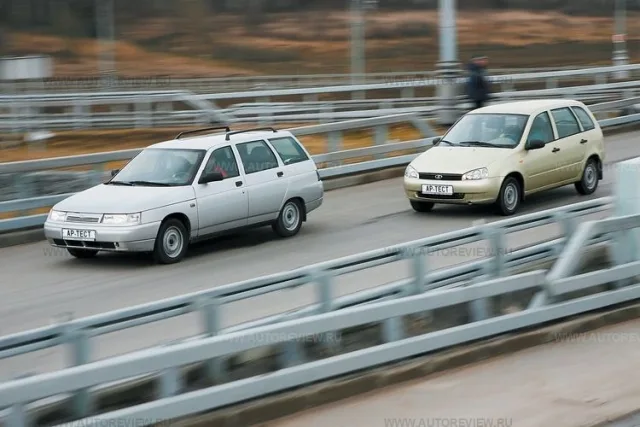
We first got acquainted with the station wagon based on the Kalina back in 2004 (AR No. 17), but the new model only reached the assembly line now. And immediately there was a rush — just like with the first 'tens' in their time. We hunted for the test car for over a month, but eventually got a nice specimen in 'melon' color. We also grabbed a Lada 111 — the well-known VAZ-2111, a station wagon from the outgoing 'tenth' family.
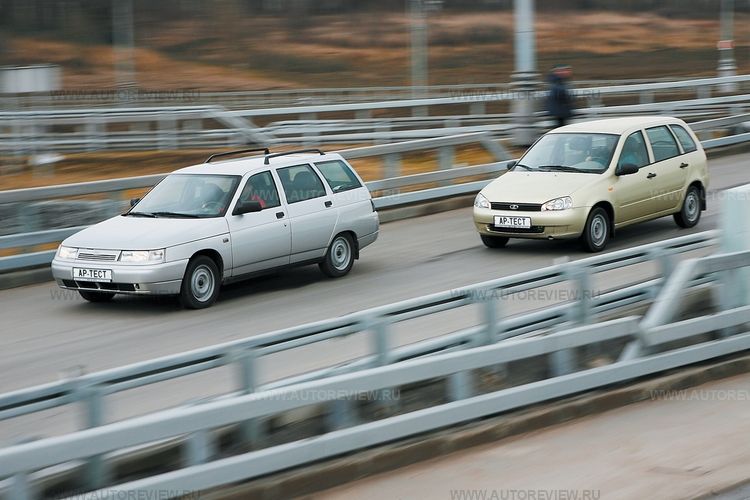
The cargo-passenger Kalina looks much more interesting than the sedan: proportions are slimmer, rear optics are integrated into the body more neatly. But the 'eleventh' against its background is a typical 'barn'. On the Kalina, gaps between panels are even and small, while on the VAZ-2111 the tailgate door touches the fender, and the fuel filler flap sticks out.
And the smell! Fresh Ladas outside reek of 'anticor' applied by dealers before sale. You open the door — and you want to put on a gas mask. Moreover, both in the Kalina and in the 'eleventh' it's equally hard to breathe.
But the Kalina's interior is clear progress. Even the climate control knobs rotate easily and smoothly — not like in early sedans. Maybe we just got lucky with the specimen, but the only thing to nitpick is the rough plastic of the door cards, which doesn't match the more 'polished' front panel.
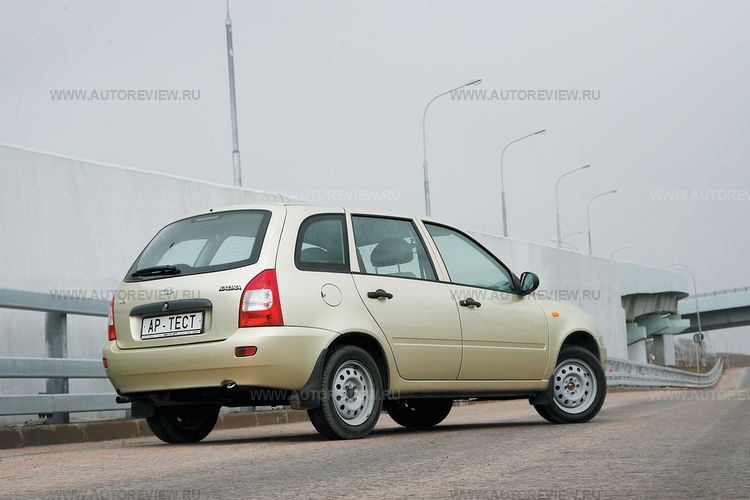
Kalina station wagons are assembled in a separate workshop where they try to implement a modern quality control system. The result is noticeable: gaps between body panels are small and even
But the 'eleventh's' cabin brings melancholy. Even the new, pleasant-to-touch front panel doesn't save it. It starts with an uncomfortable seating position (the shapeless seat threatens spinal curvature) — and doesn't end there! When trying to open the glovebox, its lid falls to the floor along with the contents. To adjust the mirrors, you have to lower the windows — the interior levers don't respond to pressing. And the raised windows are generously smeared with that same pre-sale 'anticor'…
The Kalina station wagon is 24.5 cm shorter than the 'eleventh', and its trunk is 76 liters smaller. To assess capacity, we took standard cardboard boxes for Russian Post parcels. So, even 'under the shelf' in the VAZ-2111's trunk fits two more boxes than in the Kalina. And with the rear seats folded — at least six more!
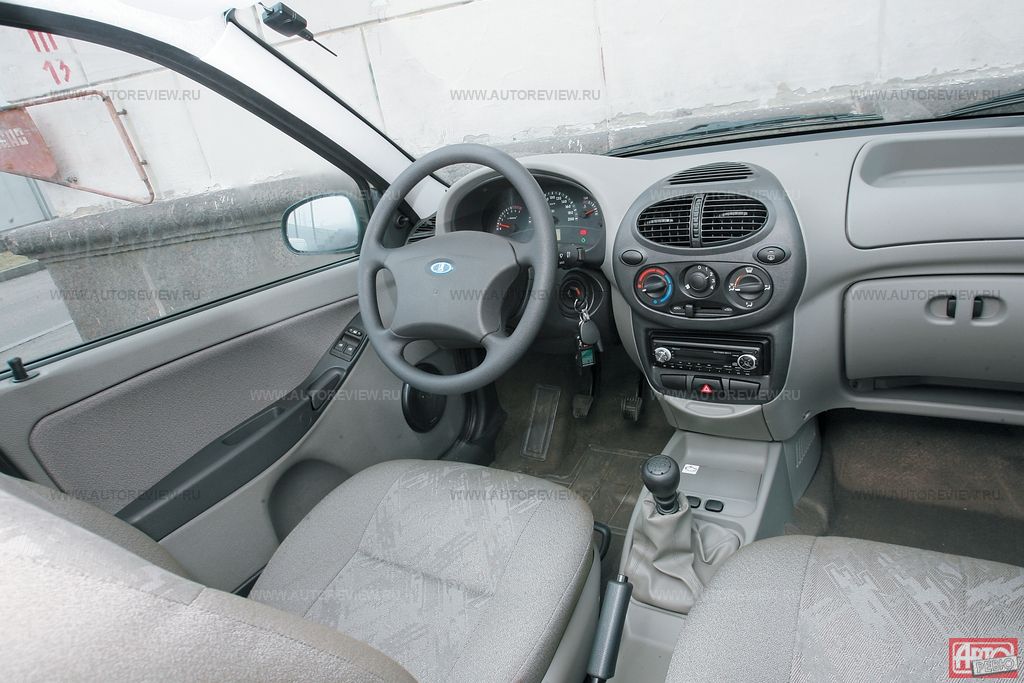 | 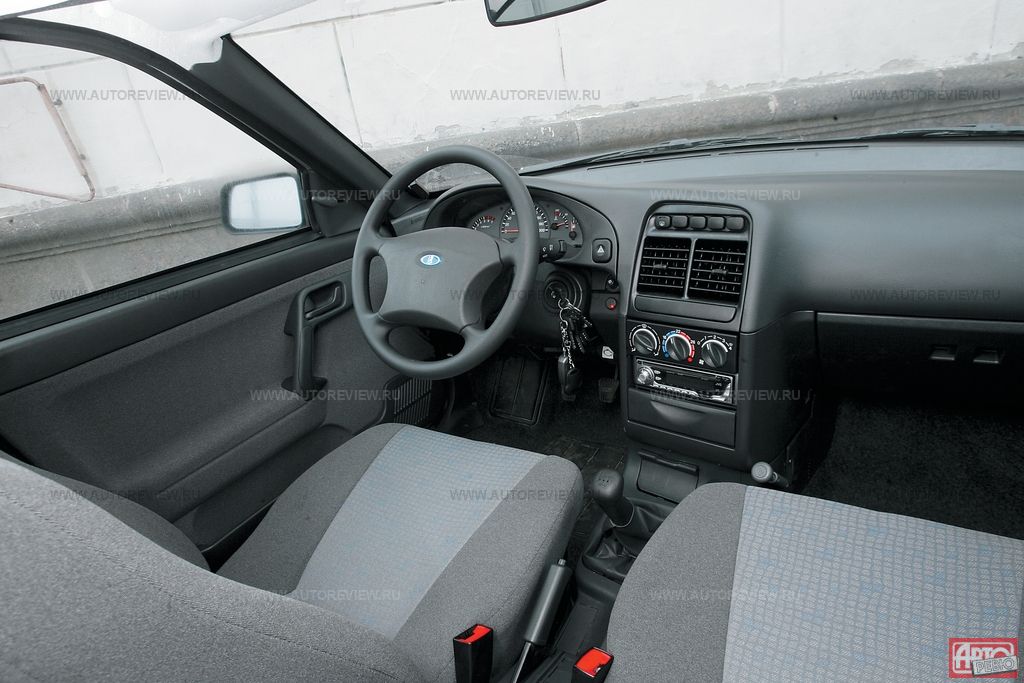 |
| The Kalina's interior (left) is a step forward compared to the 'eleventh' (right): better ergonomics, better build quality, and nicer materials. But the smell in both cars is equally unpleasant. Will it dissipate? | |
And loading the 'eleventh' is more convenient: loading height is 80 mm lower, the sill is lower, and the shelf supports don't protrude into the opening. But the Kalina's tailgate opens easier, rises higher, and has an interior handle for closing, and the rear seats fold without effort. For domestic technology, that's already an achievement. On the 'eleventh', the backrest latches are hard to pull, and the headrests that stick in the locks are better removed by two people.
| Lada Kalina | Lada 111 |
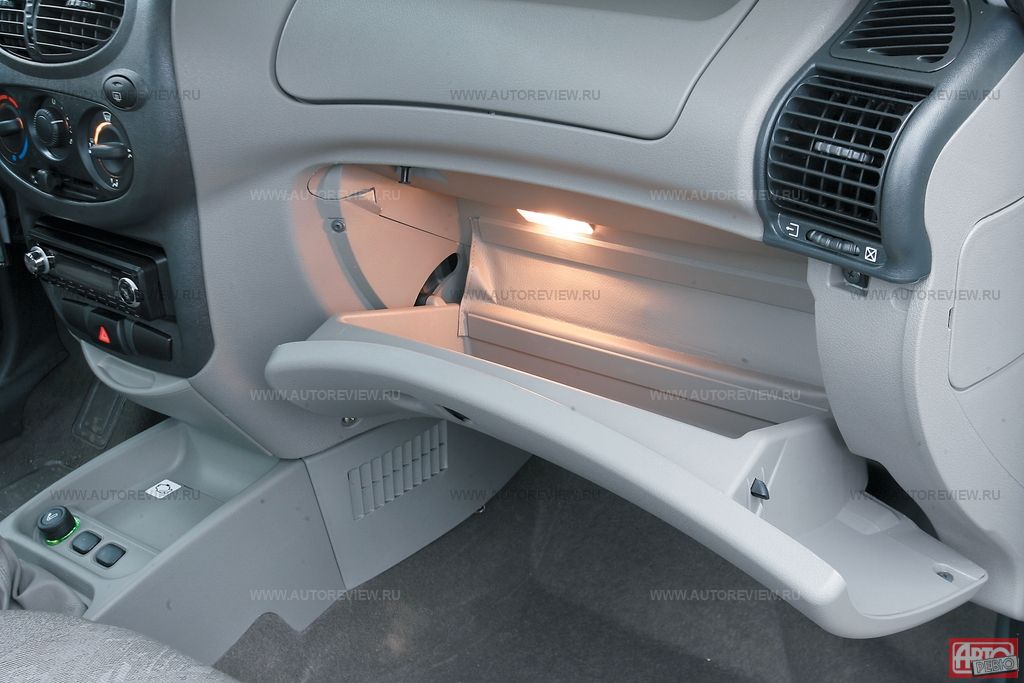 | 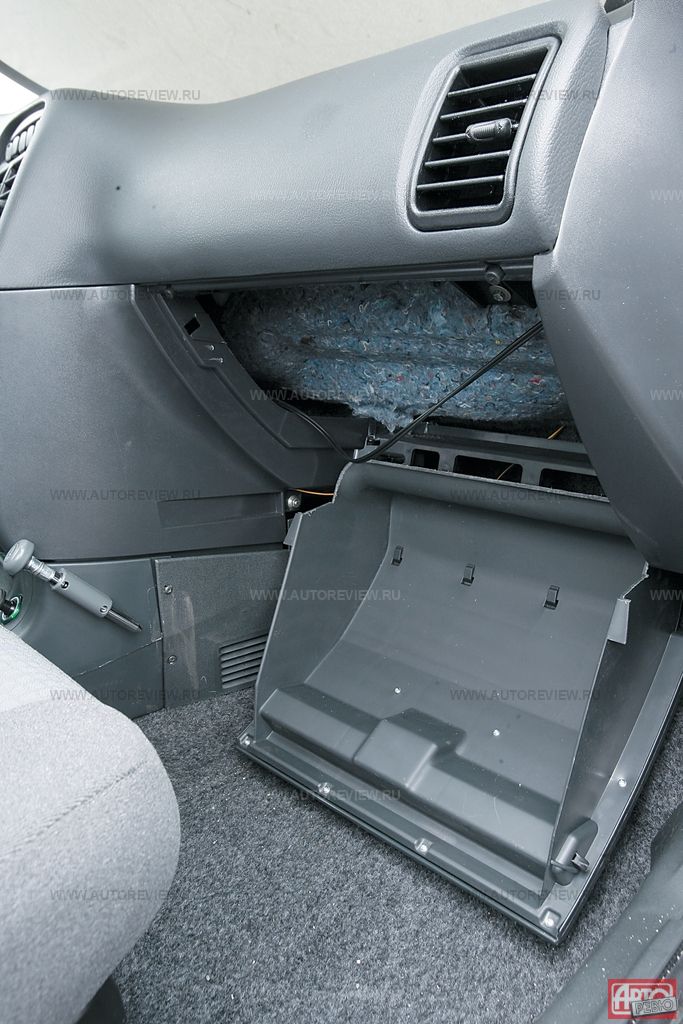 |
| In the Kalina, the glovebox is small but neat — the interior of the front panel is hidden by a curtain. In the 'eleventh', the box is bigger, but its felt lining is visible, and the lid… on the floor! | |
We got a Kalina with a 1600-cc eight-valve engine (81 hp), and the VAZ-2111 with a sixteen-valve engine producing 89 hp. We didn't do measurements (not the season), but the cars accelerate about the same. However, the eight-valve engine suits the Kalina better — it pulls evenly from the very bottom, while the sixteen-valve engine of the 'eleventh' needs to be revved above 3500 rpm for active acceleration. And if you load both cars to the brim, the difference in favor of the Kalina becomes even more noticeable. Moreover, the loaded 'eleventh' starts to be capricious when pulling away: the clutch 'grabs' at the very top — you might stall.
Handling… Hmm. On a straight line, the 'eleventh' constantly wanders from side to side, and normal steering effort appears only at large steering angles — you have to continuously correct. The car enters right and left turns differently: apparently, the factory messed up the wheel alignment angles. The Kalina's angles are fine, and it holds the straight more confidently. But the steering wheel is tight around 'zero', and the effort increases in unpredictable jumps. The Kalina doesn't react to steering wheel wobbles and feels calm only when entering an arc.
| Lada Kalina | Lada 111 |
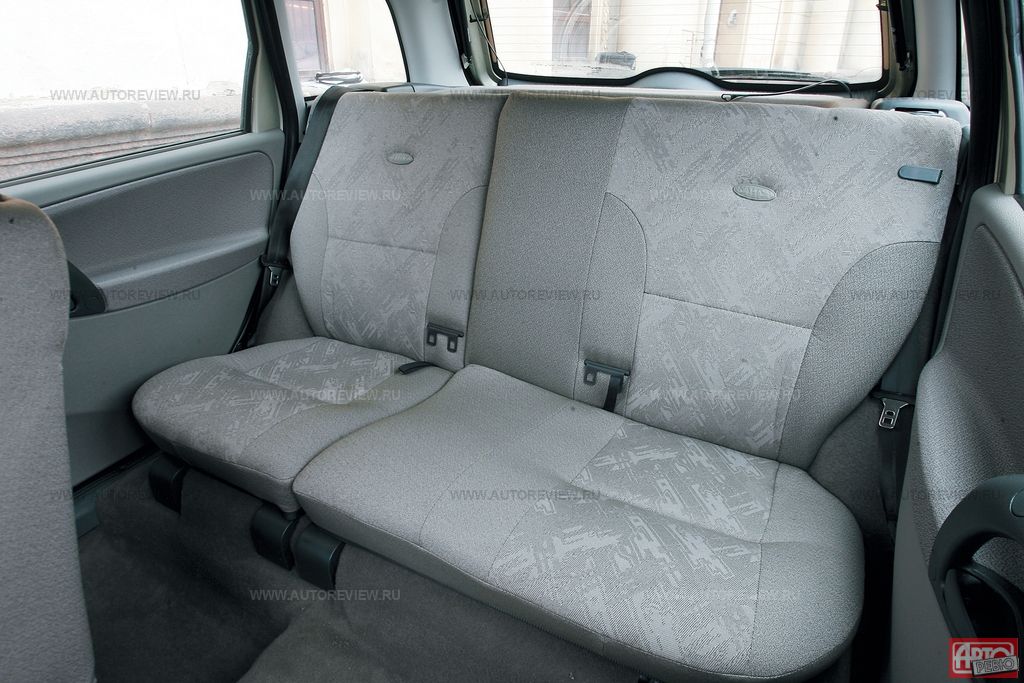 | 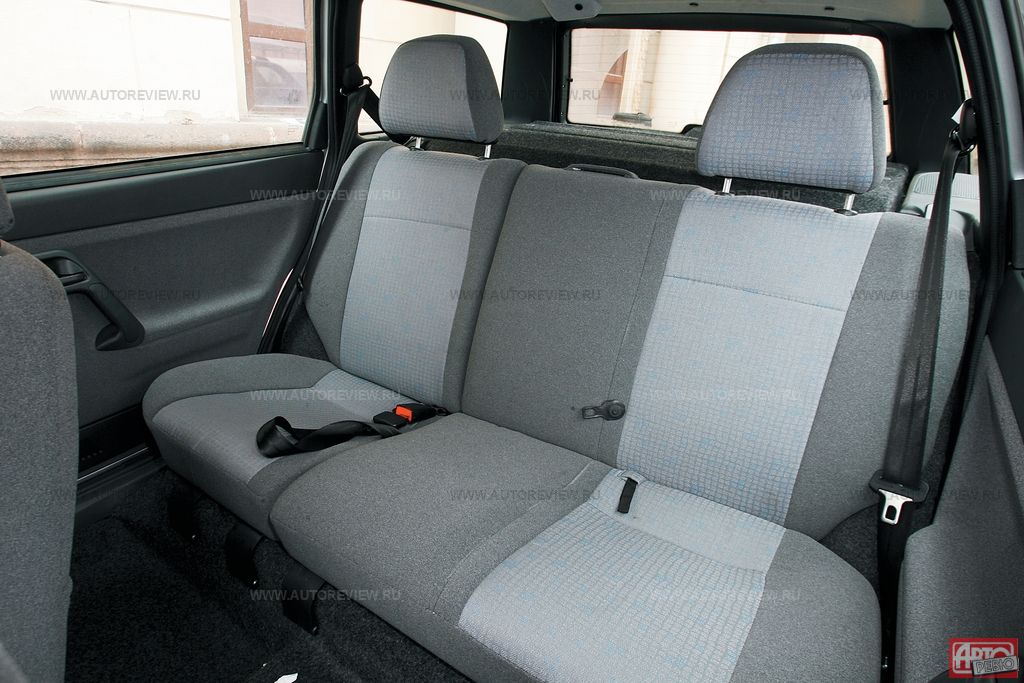 |
| In the back, the 'eleventh' is more spacious than the Kalina | |
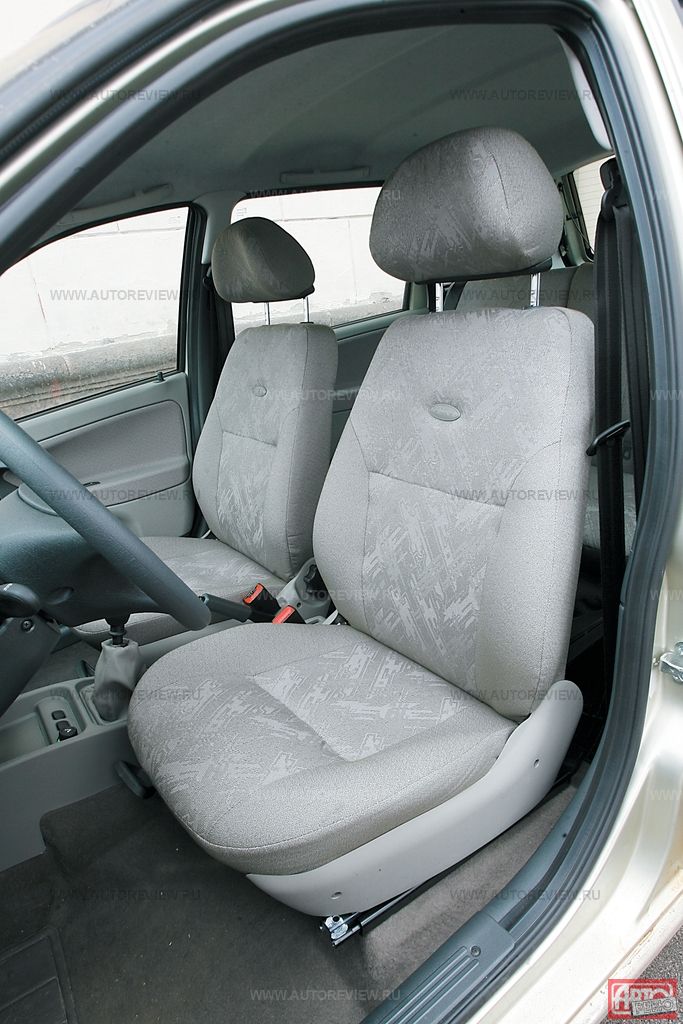 | 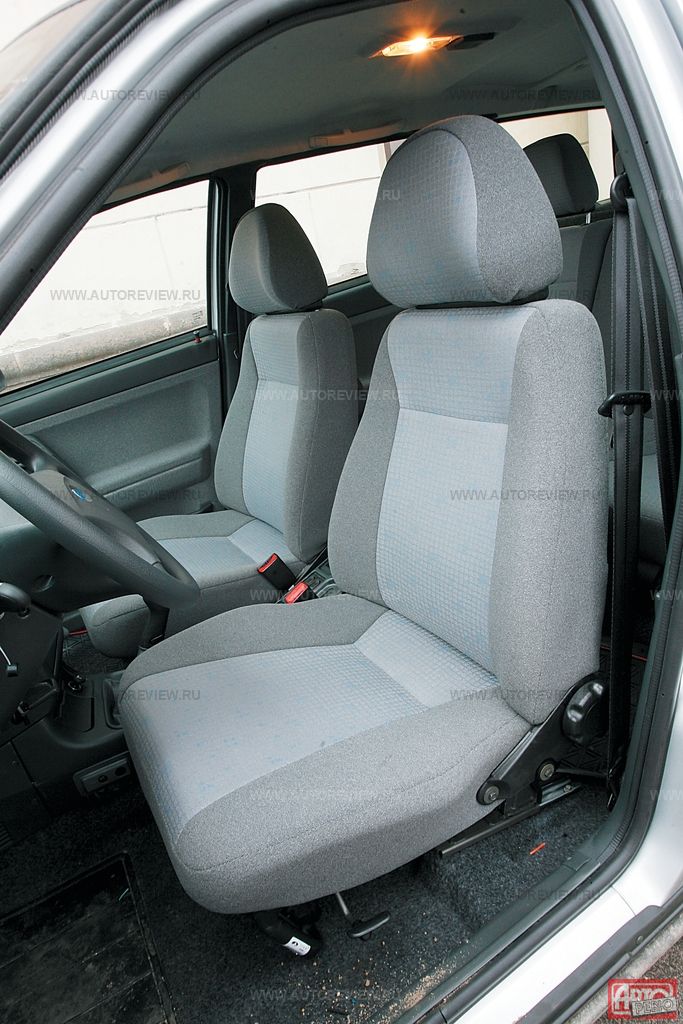 |
| The Kalina's seats are noticeably more comfortable than the amorphous poufs of the 'eleventh' | |
But the Kalina brakes well — the pedal effort can't be called low, but the wheel lock moment is easy to feel. The 'eleventh' scared us: at first it seemed there were no brakes at all! All because of the overly long free travel of the pedal — you don't understand when braking will start, and you press it with all your might.
But the VAZ-2111… that is, Lada 111 — is more comfortable! Slightly rocking on road waves, it almost doesn't notice the road 'small stuff' and smooths out even large potholes. The Kalina, on the other hand, counts all the seams and cracks, tosses occupants over speed bumps, and rolls more from side to side. Moreover, if the 'eleventh' is noisy (the transmission hums, the exhaust 'hisses'), the Kalina is even noisier: the gearshift lever rattles, a 'cricket' sings somewhere in the front panel, and vibrations reaching the seats massage passengers' backs. Too bad it's against their will.
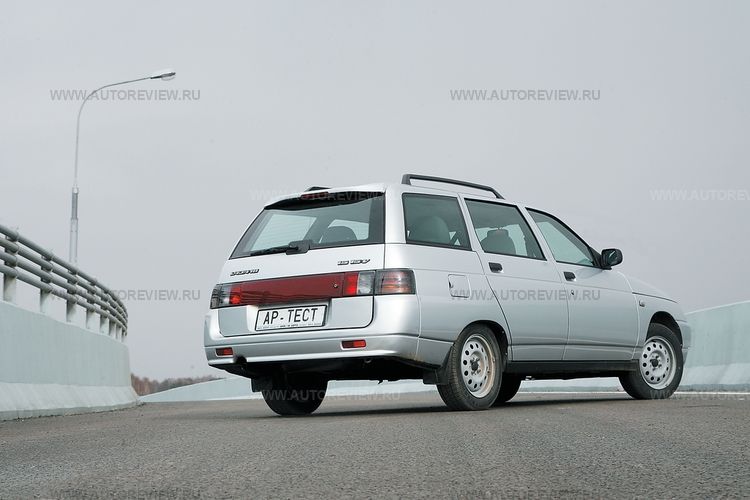
Lada 111? Rather, the familiar VAZ-2111: uneven gaps, fuel filler flap sticking out, tailgate door touching the fender at an angle…
| On the back of the Kalina's tailgate — a convenient handle for closing |
Undoubtedly, compared to the 'eleventh', the Kalina station wagon is an achievement of the domestic auto industry. In Soviet times, such cars were proudly displayed at VDNKh — the Exhibition of Achievements of the National Economy. Moreover, the Kalina would surely have been awarded the Quality Mark. It's more modern than the Lada 111, better assembled, and its 'versatility' is more convenient to use. But if you remember that the 'eleventh' has a more spacious trunk and a smoother ride, and the price difference between cars with the same eight-valve engines is only about 6,500 rubles, then of these two cars we would choose… Perhaps the Lada 111!
If only it were assembled as well as the Kalina…
But, alas, we can only hope for improved build quality of the 'eleventh' next year, when the venerable car of the 'tenth' family will be replaced by the modernized Lada Priora station wagon. Around the same time, VAZ should start assembling Renault Logan MCV station wagons — even higher quality and much more spacious: what is an achievement for our cars is the most ordinary thing for Renault vehicles…
| Lada Kalina | Lada 111 |
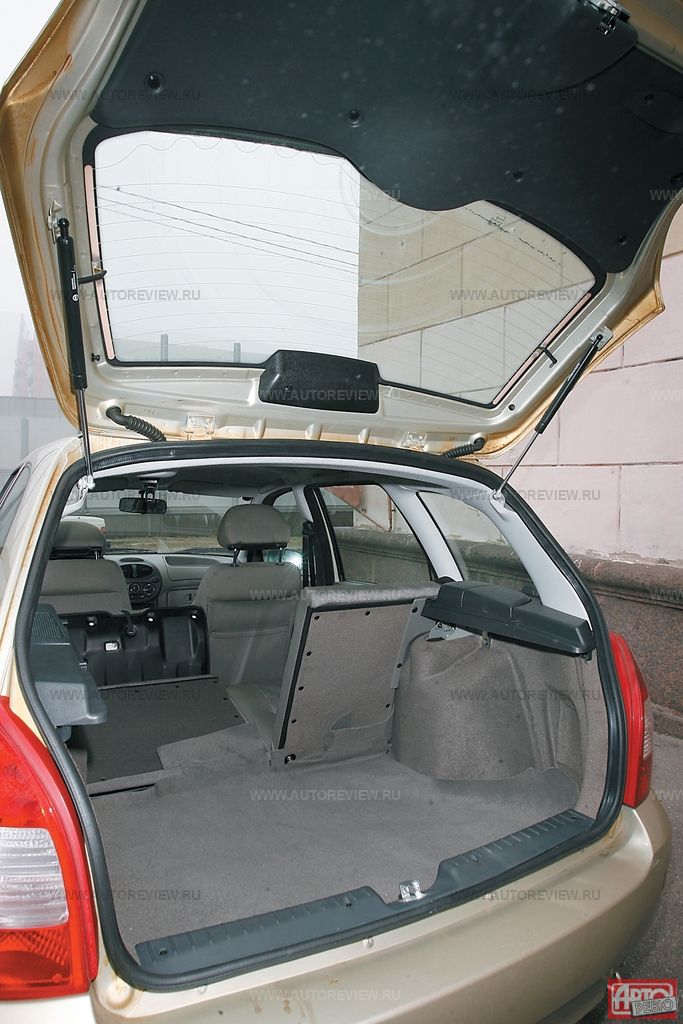 | 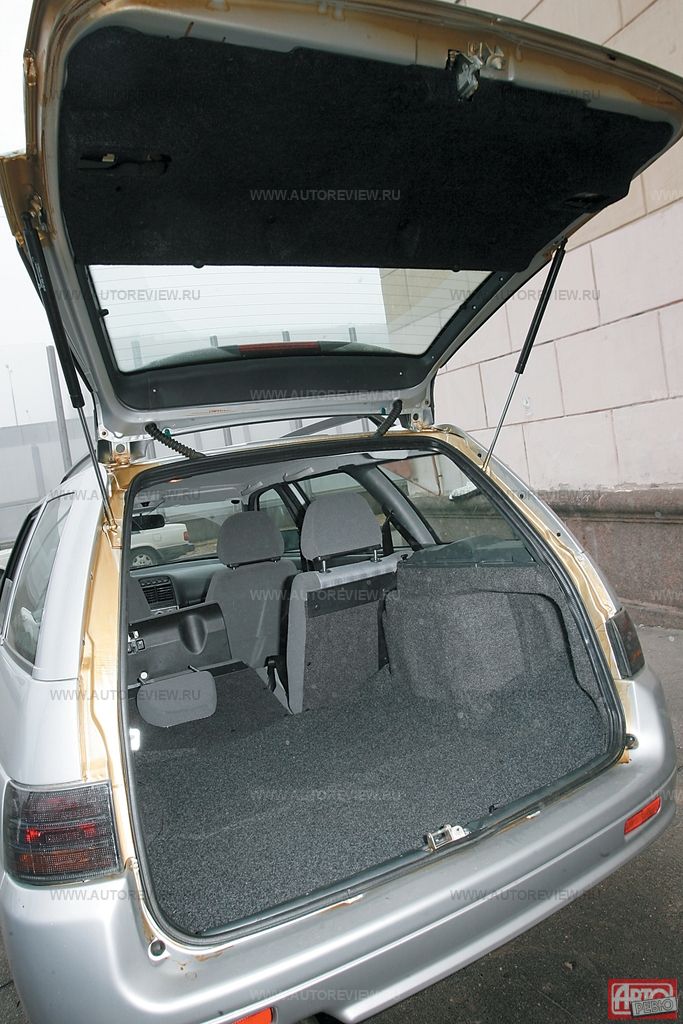 |
| The 'eleventh' has a more spacious cargo area: larger volume, lower loading height, and a wider opening — not narrowed by shelf supports. But the Kalina's tailgate opens easier and rises 10 cm higher | |
But owners of the Kalina station wagon can consider themselves owners of the last truly domestic car. It seems that we will not see new models with "our" badge anymore. At all.
Expert assessments of Autoreview
| Expert assessments of Autoreview | ||||
| Assessed parameters | Max. score | Cars | Why? | |
| Lada Kalina | Lada 111 | |||
| Ergonomics | 180 | 145 | 125 | In the Kalina, both the seat and the driving position are more comfortable. And the visibility of the "eleventh" is worse due to the massive rear head restraints, which the Kalina does not have |
| Driver's workplace | 90 | 65 | 55 | |
| Visibility | 90 | 80 | 70 | |
| Dynamics | 300 | 210 | 195 | The eight-valve Kalina engine is more tractable and better hauls a loaded car, and the brakes are also tuned more precisely. But the "eleventh" handles more understandably |
| Acceleration dynamics | 100 | 75 | 70 | |
| Braking dynamics | 110 | 80 | 65 | |
| Handling | 90 | 55 | 60 | |
| Ride comfort | 240 | 160 | 170 | It is noisy in both station wagons, but the Kalina is noisier, and its suspension is noticeably stiffer |
| Ride smoothness, vibration protection | 100 | 75 | 80 | |
| Acoustic comfort | 70 | 40 | 45 | |
| Microclimate | 70 | 45 | 45 | |
| Interior comfort | 280 | 195 | 210 | In the rear of the "eleventh" there is slightly more space, and the trunk is significantly more capacious. The interiors transform the same way, but in the Kalina folding the seats is much easier |
| Passenger seats | 80 | 50 | 55 | |
| Trunk | 100 | 70 | 85 | |
| Interior transformation | 100 | 75 | 70 | |
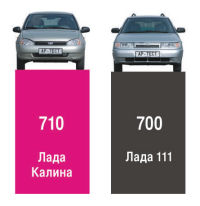
| Total score | 1000 | 710 | 700 | |
| Specifications | ||
| Parameters | Cars | |
| Lada Kalina | Lada 111 | |
| Body type | 5-door station wagon | 5-door station wagon |
| Number of seats | 5 | 5 |
| Trunk volume, l | 350—650* | 426—1420** |
| Curb weight, kg | 1080 | 1055 |
| Gross weight, kg | 1555 | 1550 |
| Engine | petrol, with distributed injection | petrol, with distributed injection |
| Location | front, transverse | front, transverse |
| Number and arrangement of cylinders | 4, in-line | 4, in-line |
| Displacement, cm³ | 1596 | 1596 |
| Cylinder bore/piston stroke, mm | 82.0/75.6 | 82.0/75.6 |
| Compression ratio | 10.0:1 | 10.3:1 |
| Number of valves | 8 | 16 |
| Max. power, hp/kW/rpm | 81/59.5/5200 | 89/65.5/5000 |
| Max. torque, Nm/rpm | 120/2700 | 131/3700 |
| Gearbox | manual, 5-speed | manual, 5-speed |
| Gear ratios | ||
| I | 3.63 | 3.63 |
| II | 1.95 | 1.95 |
| III | 1.36 | 1.36 |
| IV | 0.94 | 0.94 |
| V | 0.78 | 0.78 |
| reverse | 3.50 | 3.50 |
| final drive | 3.70 | 3.70 |
| Drive | front | front |
| Front suspension | independent, coil spring, McPherson | independent, coil spring, McPherson |
| Rear suspension | semi-independent, coil spring | semi-independent, coil spring |
| Front brakes | disc, ventilated | disc, ventilated |
| Rear brakes | drum | drum |
| Tires | 175/70 R13, 175/65 R14, 185/60 R14 | 175/65 R14, 185/60 R14 |
| Maximum speed, km/h | 160 | 175 |
| Acceleration time 0—100 km/h, s | 13.3 | 12.0 |
| Fuel consumption, l/100 km, combined cycle | 7.8 | 7.5 |
| Fuel tank capacity, l | 50 | 43 |
| Fuel | petrol AI-95 | petrol AI-95 |
| * With rear seats folded — up to window level | ||
| ** With rear seats folded — up to the ceiling | ||
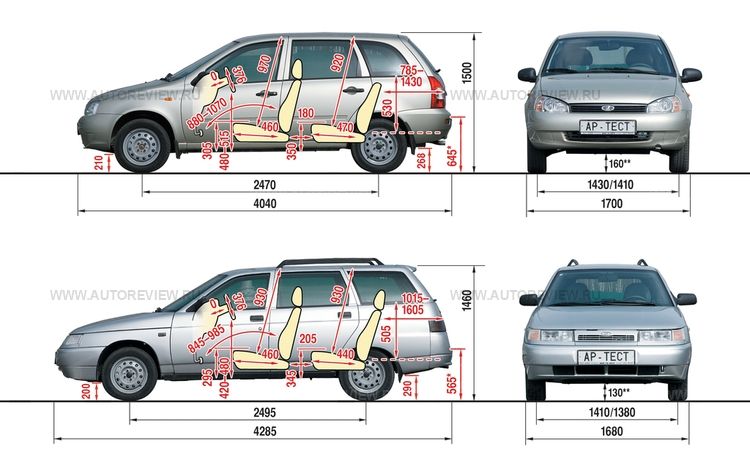
Black indicates manufacturer data, red — Autoreview measurement results
* Loading height
** Minimum value at full load
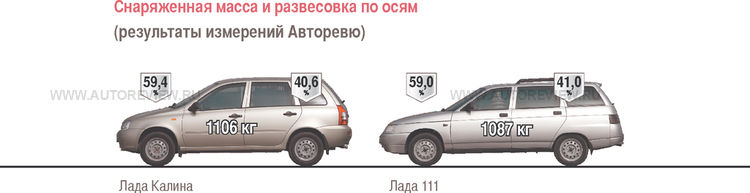
| Lada Kalina | Lada 111 |
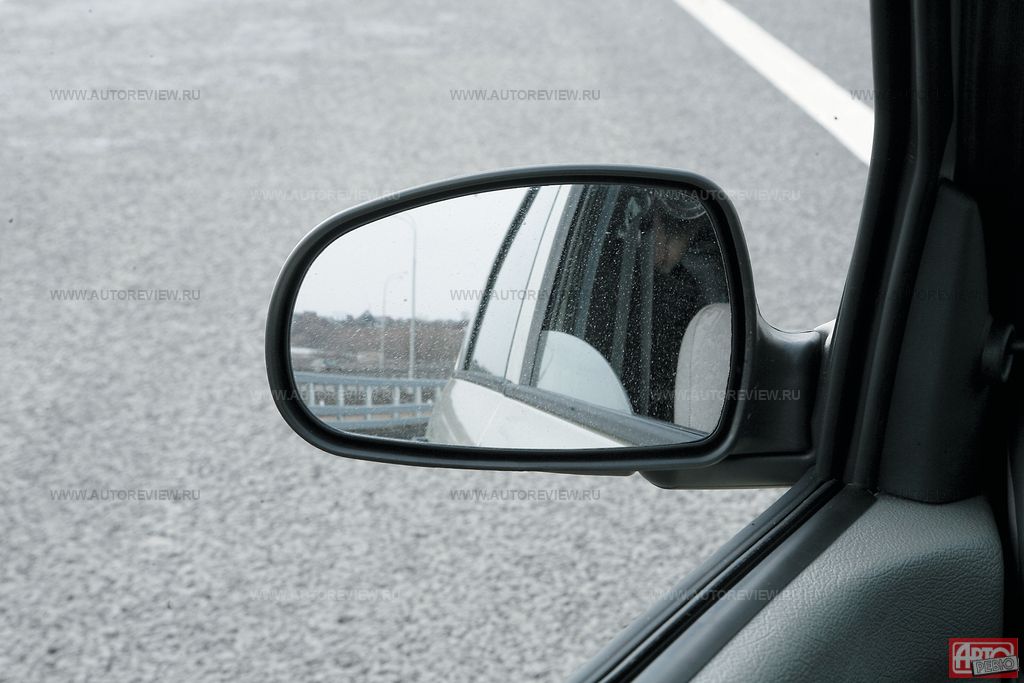 | 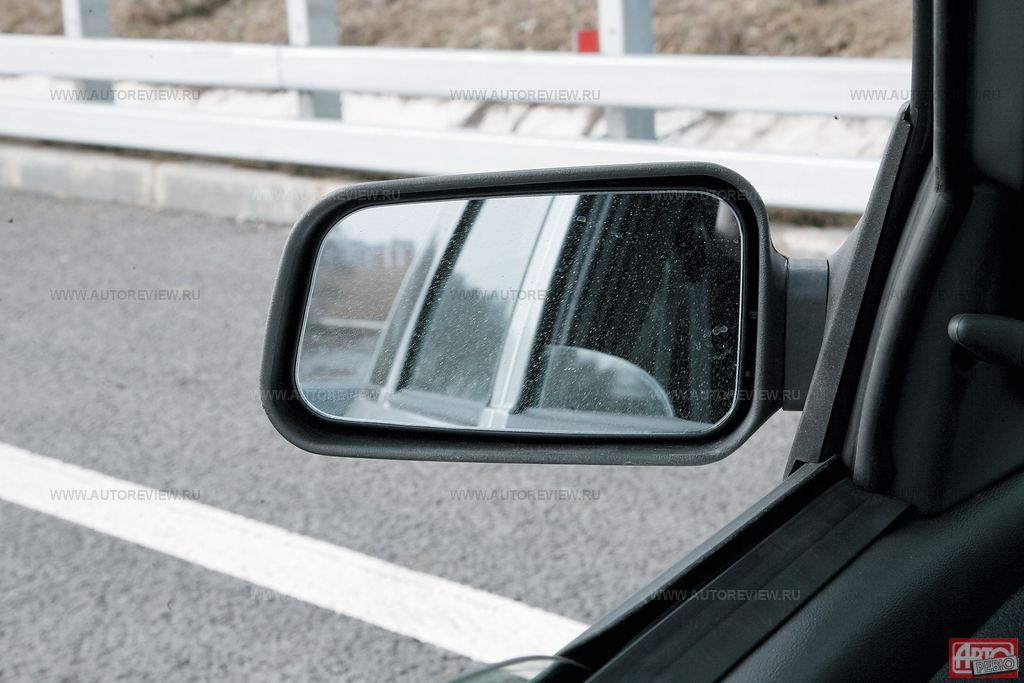 |
In terms of viewing angles, the station wagons are roughly equal, but the "eleventh" score was reduced by the large rear head restraints. The Kalina does not have them in any trim — and this is a risk of serious injuries in a rear-end collision
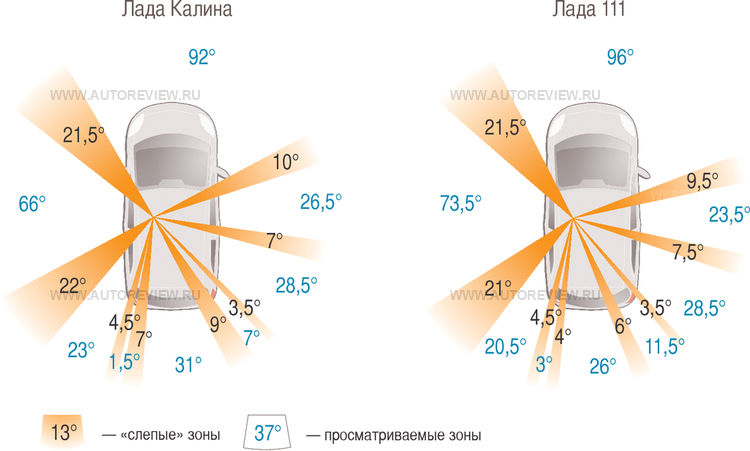
| Car | Total viewing angle, deg. | Total "blind" zone angle, deg. |
| Lada Kalina | 275.5 | 84.5 |
| Lada 111 | 282.5 | 77.5 |
What costs how much?
Lada Kalina in the station wagon body is currently available only in the Norma version with a 1.6-liter eight-valve engine (81 hp), electric power steering, central locking and front electric windows. Price — 257,500 rubles. The Standard version (without electric power steering) for 246,809 rubles and the Lux (with two front airbags and ABS) from 285,085 rubles, as well as station wagons with 89-hp 1.4 engines (from 276,020 rubles for Norma) should appear before the end of the year. But even now, finding a 1600-cc Norma is not easy — cars arrive in small batches and are instantly sold out.
Finding a Lada 111 station wagon now is also not easy: at the beginning of the year, the plant significantly cut production of this model, so dealers' stocks are melting before our eyes. Official recommended prices start at 268,300 rubles for the version with the same eight-valve 1.6 engine (81 hp) in the "Norma" trim (which includes central locking and front electric windows), but there are almost no such examples left in showrooms. The "eleventh" in the "Lux" version with fog lights, velvet interior and heated front seats has also become a rarity — they ask 276,920 rubles for it. But there are station wagons with sixteen-valve engines (89 hp) in stock, which are more expensive by 8,860 and 12,260 rubles respectively, but due to the shortage, sellers without hesitation add about ten thousand more to these prices.
Front-wheel drive "Ladas" come with a 3-year or 50,000 km warranty, but almost all dealers offer to extend it to 5 years or 75,000 km — however, only if the car is serviced exclusively at their own stations.
What else?
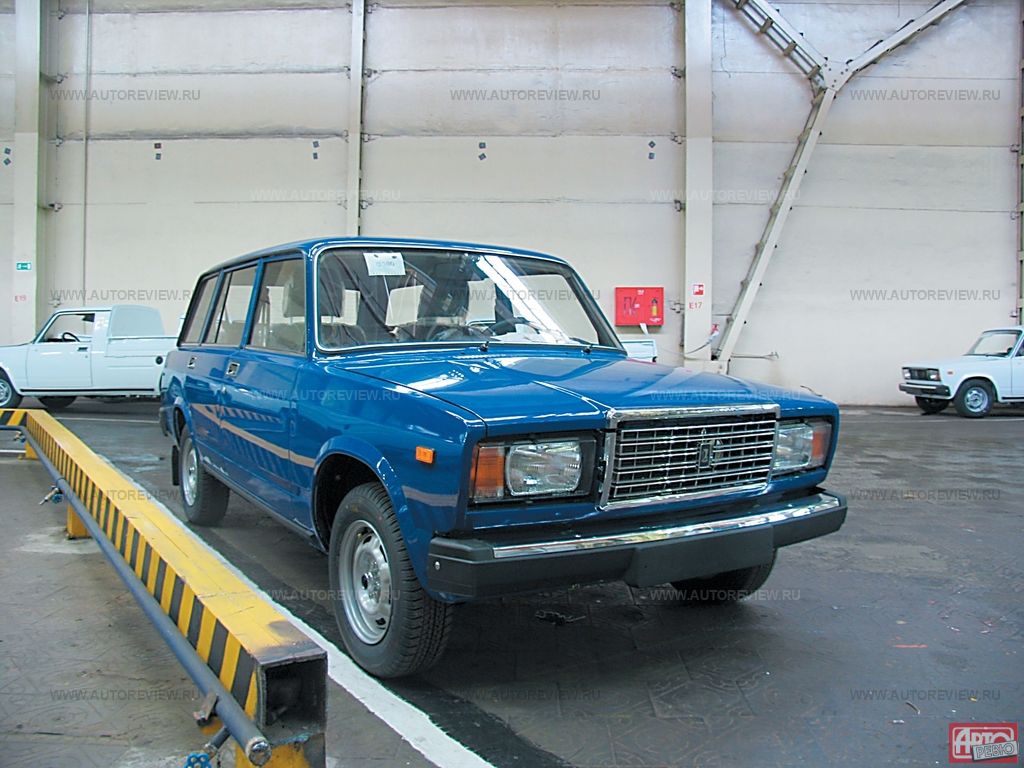
For those who need a station wagon and have a limited budget, Russia offers a unique option — VAZ-2104, a rear-wheel-drive "four" from Izhevsk, priced at just 173 thousand rubles (about 4660 euros!). Currently, these cars are equipped with a 1.6 engine (75 hp) and feature the front panel, seats, radiator grille, and bumpers from the VAZ-2107 sedan. This "classic" series wagon boasts a fairly spacious cargo area ranging from 375 to 1340 liters, which is also easy to clean — in short, a true workhorse. More details in AR No.17, 2001.
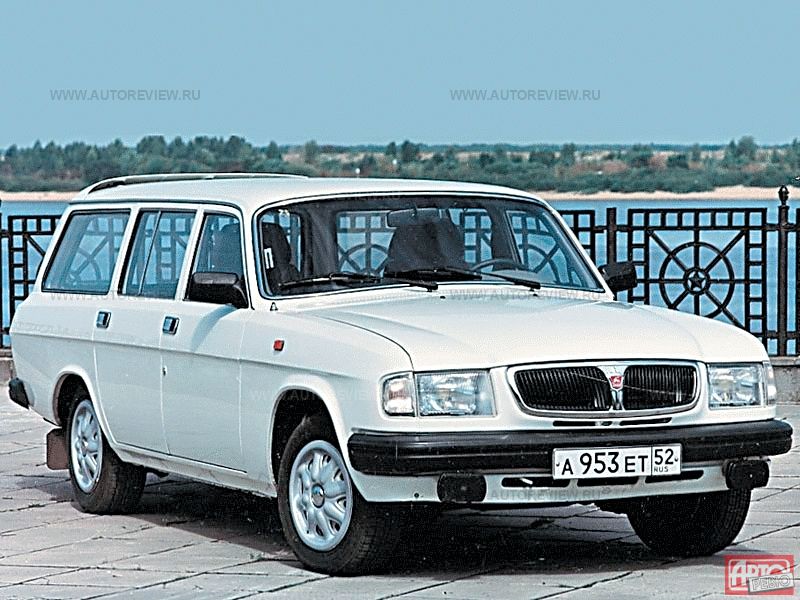
If cargo capacity is a priority, it's worth considering the seven-seat station wagon GAZ-310221 Volga, whose small-scale production has been resumed after a brief pause. You can order such a car with a Chrysler engine (2.4 L, 137 hp), power steering, front power windows, and fog lights starting from late April for 296,200 rubles. The trunk here ranges from 465 to 1510 liters.
| VAZ-2104 | GAZ-310221 Volga | Skoda Fabia Combi |
 |  | 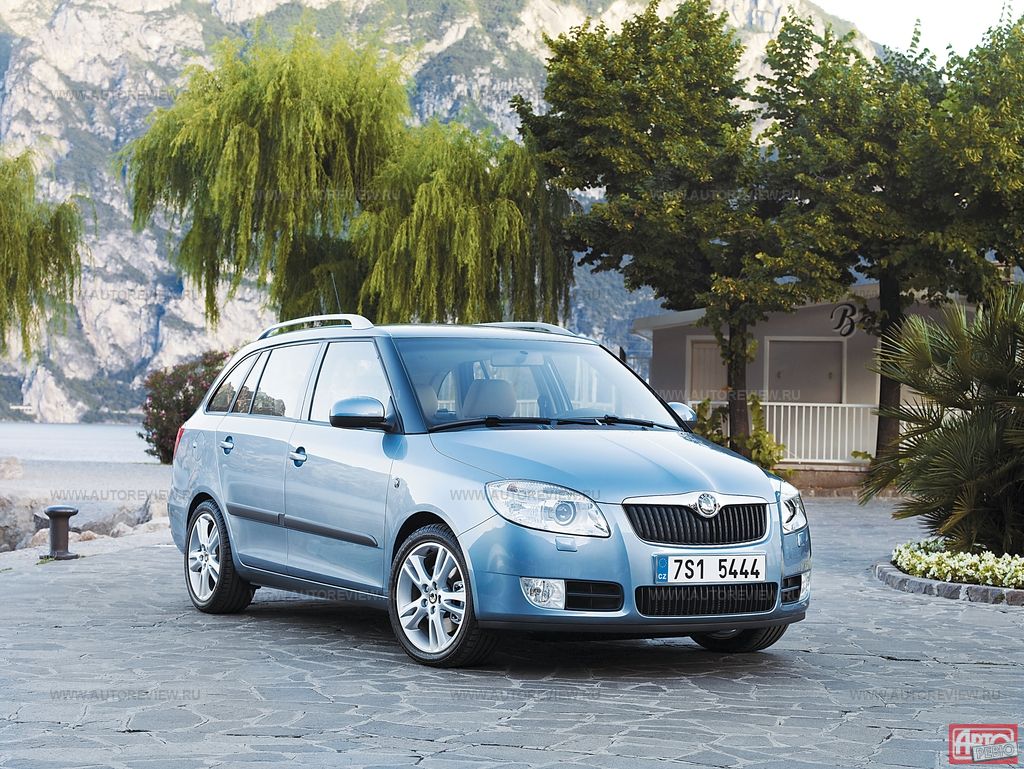 |
And the cheapest station wagon among foreign cars is the compact Skoda Fabia Combi, which in terms of capacity is almost as good as the Volga: its trunk holds from 480 to 1460 liters. But for such a car with a modest 1.2 engine (69 hp), one airbag, and power steering, you'll have to pay 369 thousand rubles. More details in AR No.24, 2007.