
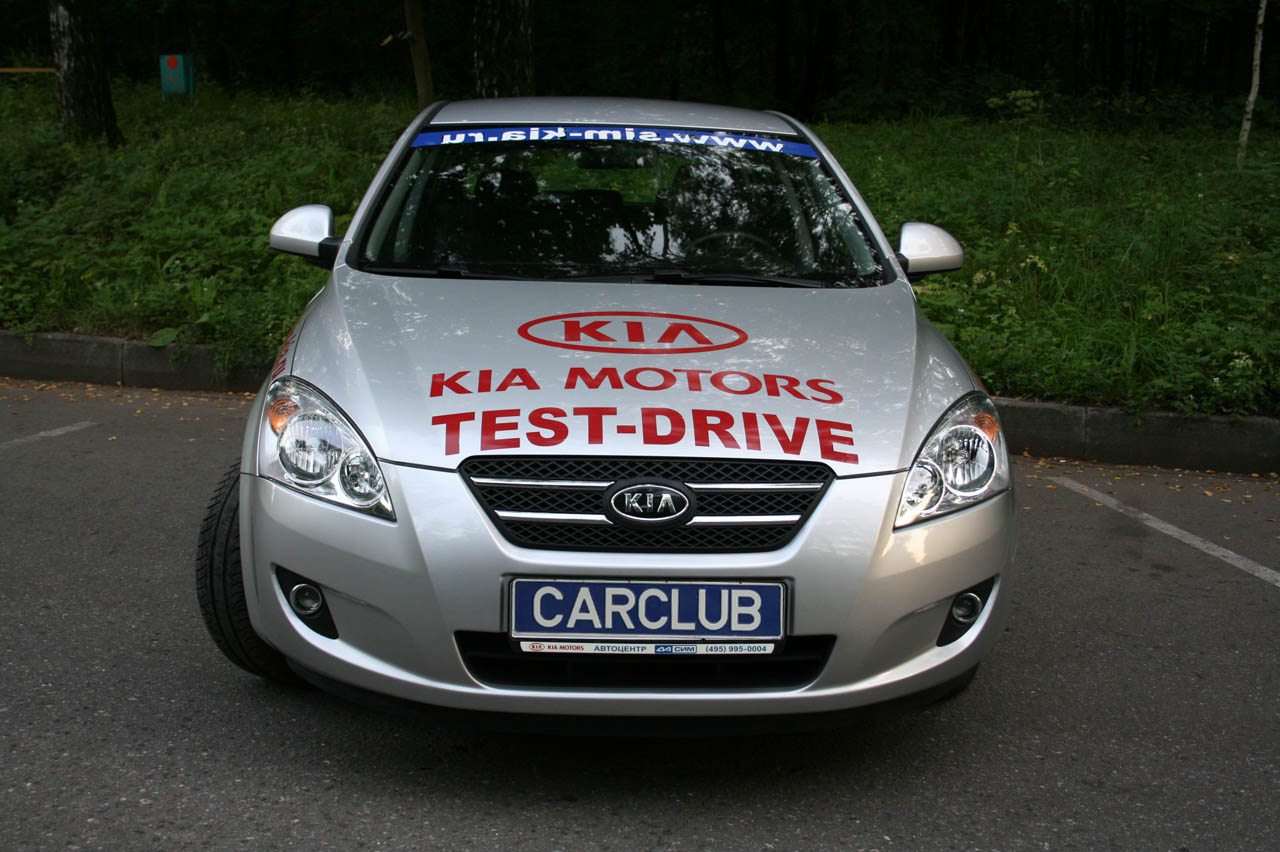
 To take the cee'd or not? Here, as usual, everyone will decide for themselves — after visits to showrooms, test fits, and test drives... But here's what matters: you need to measure this car with the same yardstick as its Japanese or European rivals. The cee'd definitely deserves that.Comments (16)
The Korean auto industry has long managed to establish itself in the market and carve out its own place in the sun. The era when Asian cars evoked skepticism is behind us. However, until recently, "Koreans" were perceived by both owners and the market as a more affordable and simpler alternative to popular European models. And the manufacturers themselves were not eager to compete on equal terms — they quietly sat in the shadows, consoling themselves with the thought "But I'm cheaper." This continued until Kia cee'd took the stage.
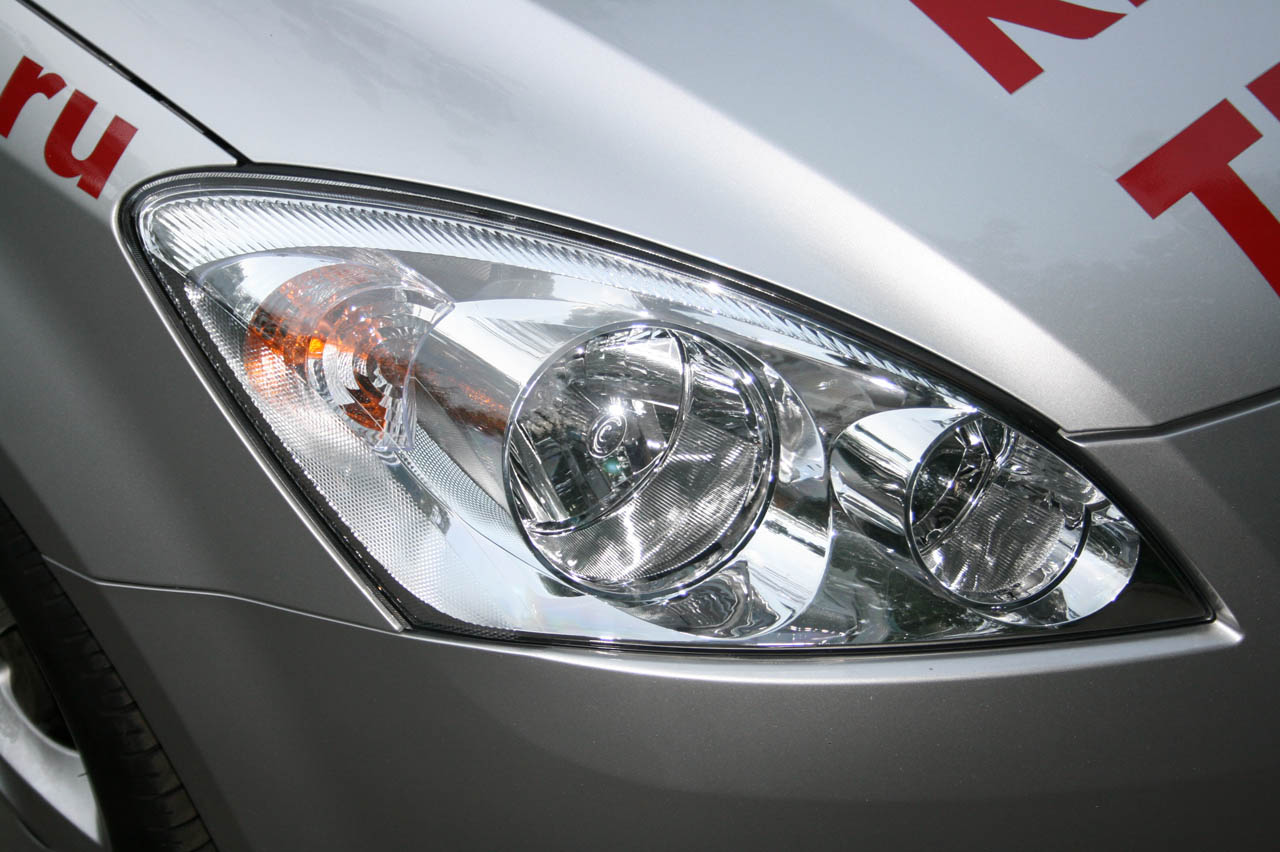
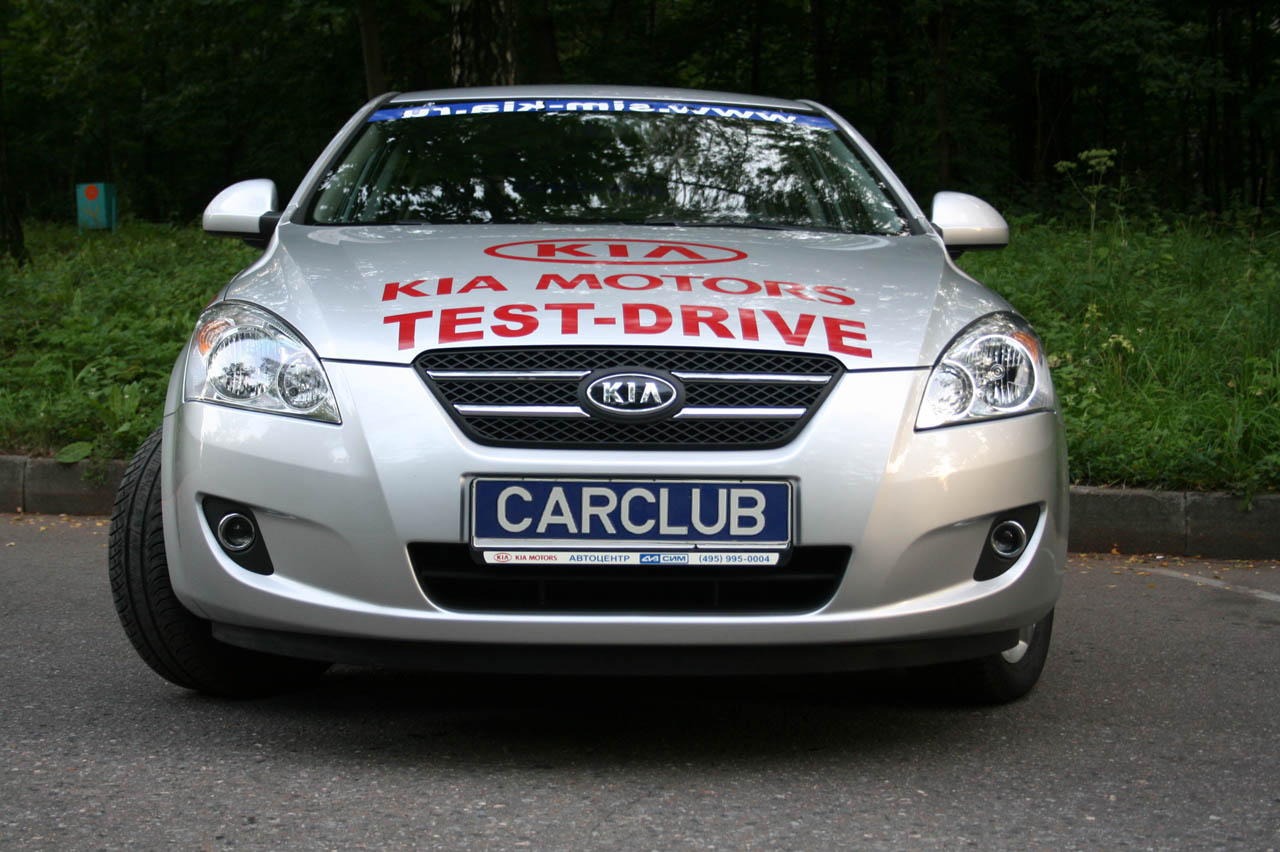
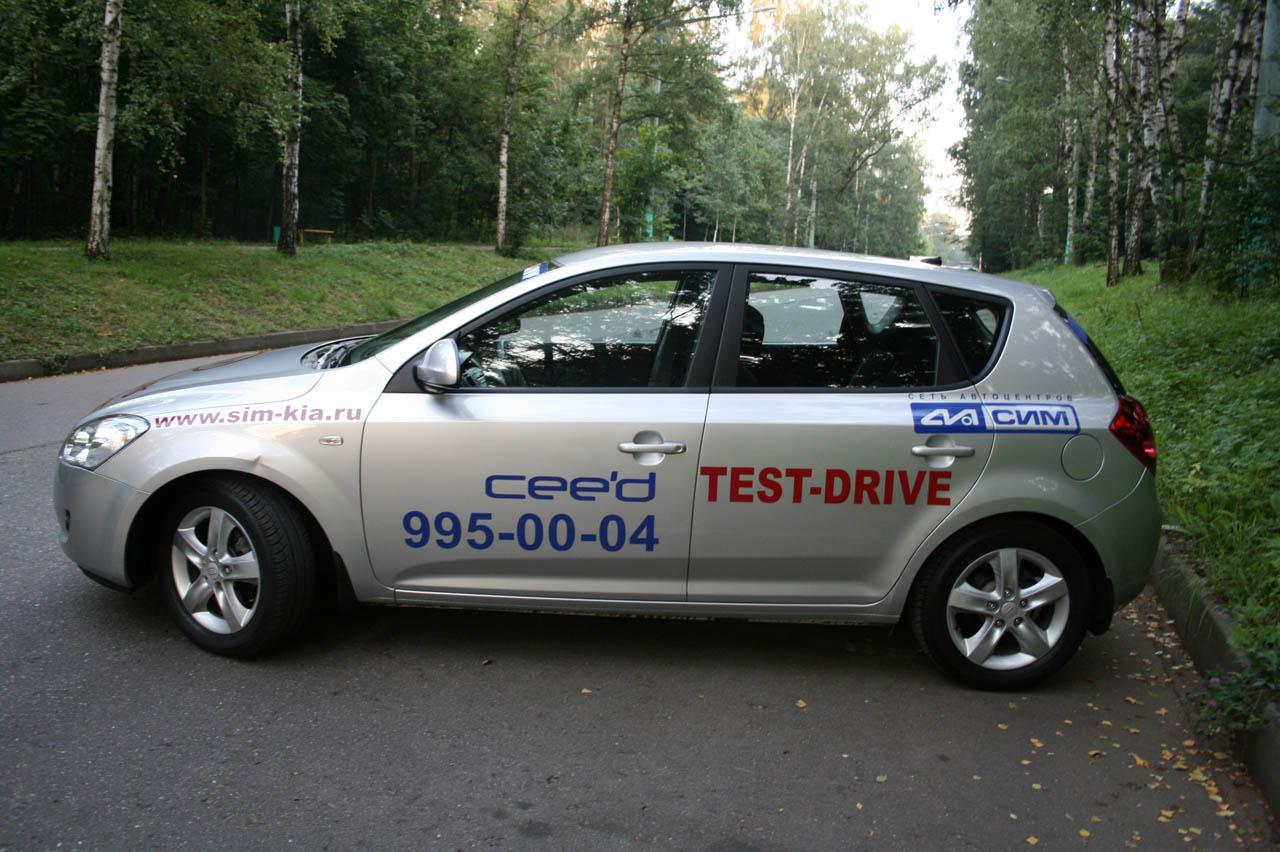 The cee'd looks nice and
even stylish...
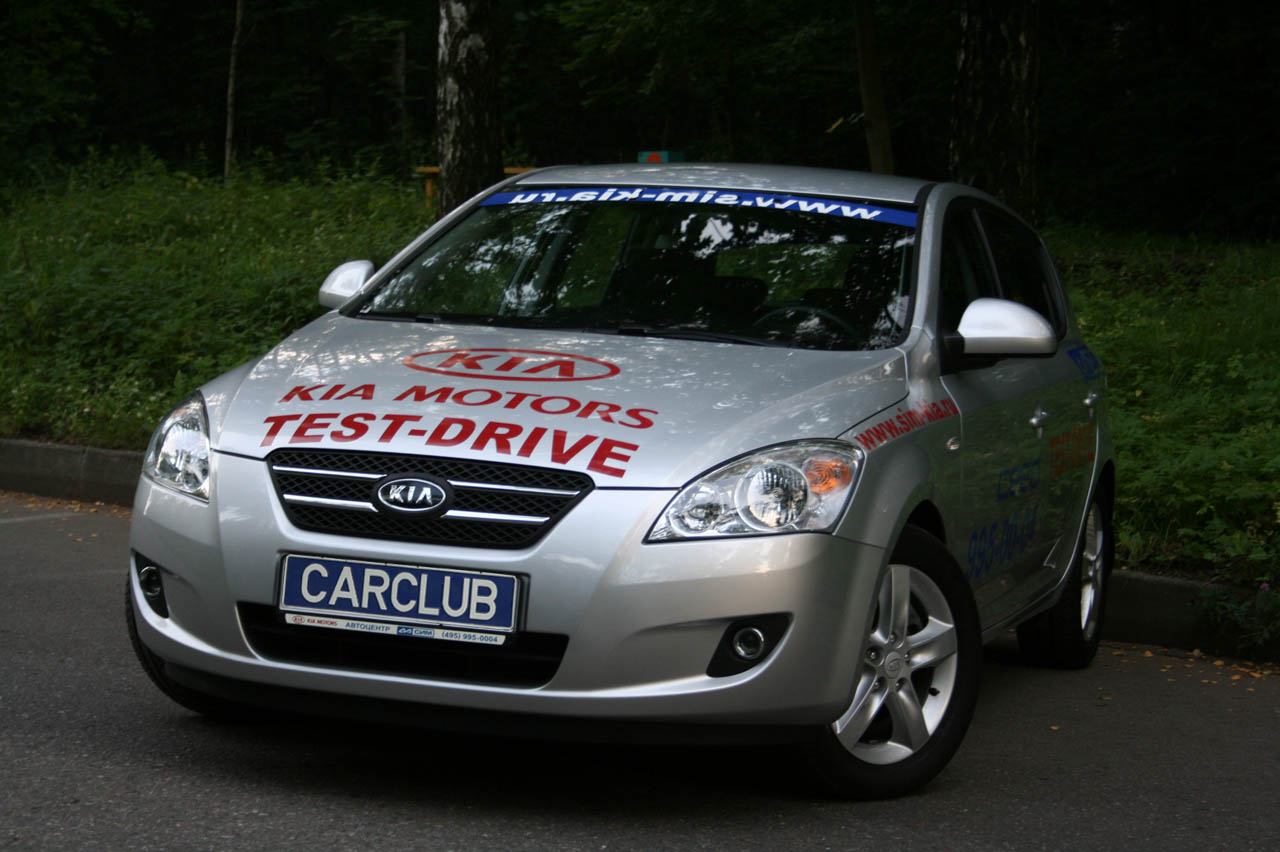 ...but there's no
zest in its appearance
For the first time, the Korean manufacturer decided to seriously storm the European market — it had simply become too cramped for it in the Russian, Asian, and American ones. The conceptual pre-production version was shown in Geneva in spring 2006, and the production version was presented in Paris in autumn of the same year. It's already time to take stock. Are buyers choosing the cee'd over the Volkswagen Golf? After all, price is no longer the main trump card, and the Korean "Focus" has to lure customers with something else. What exactly?
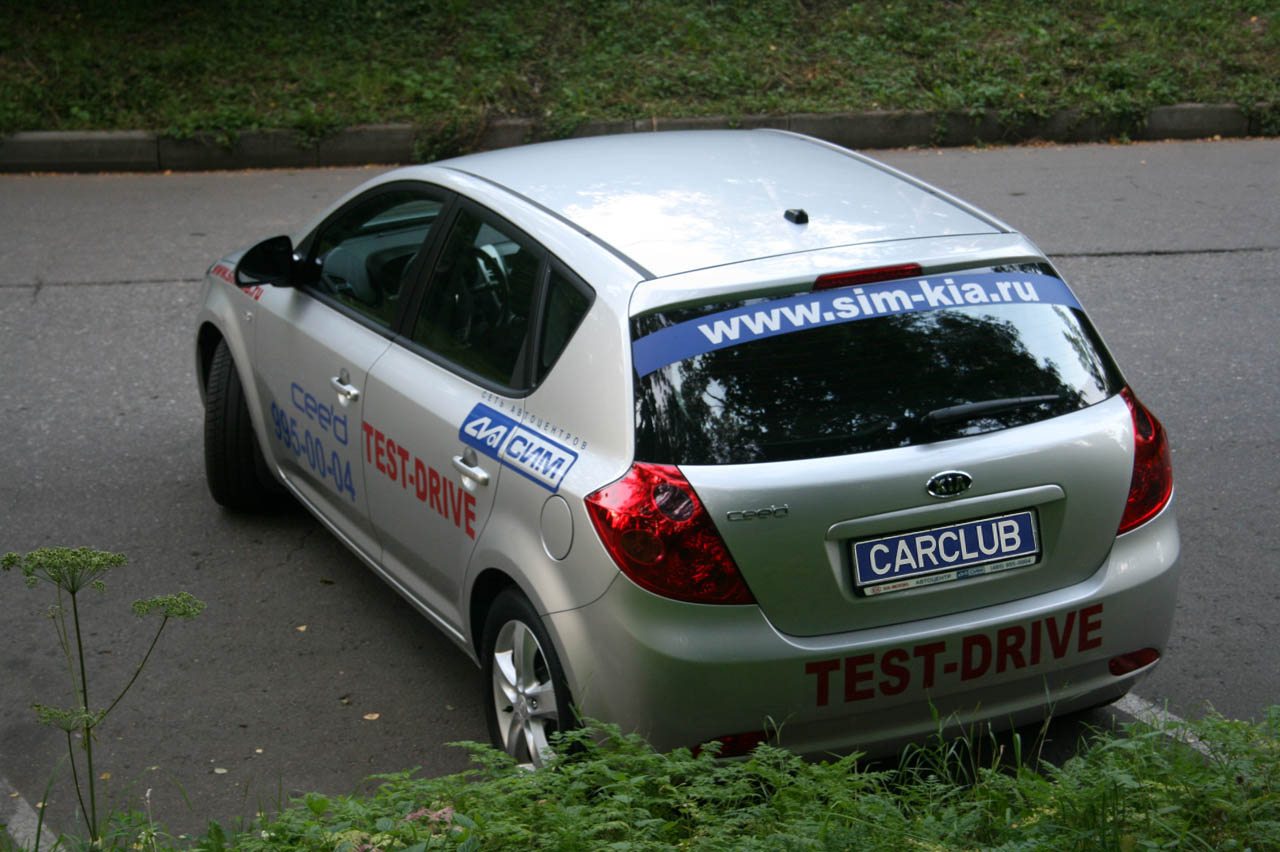
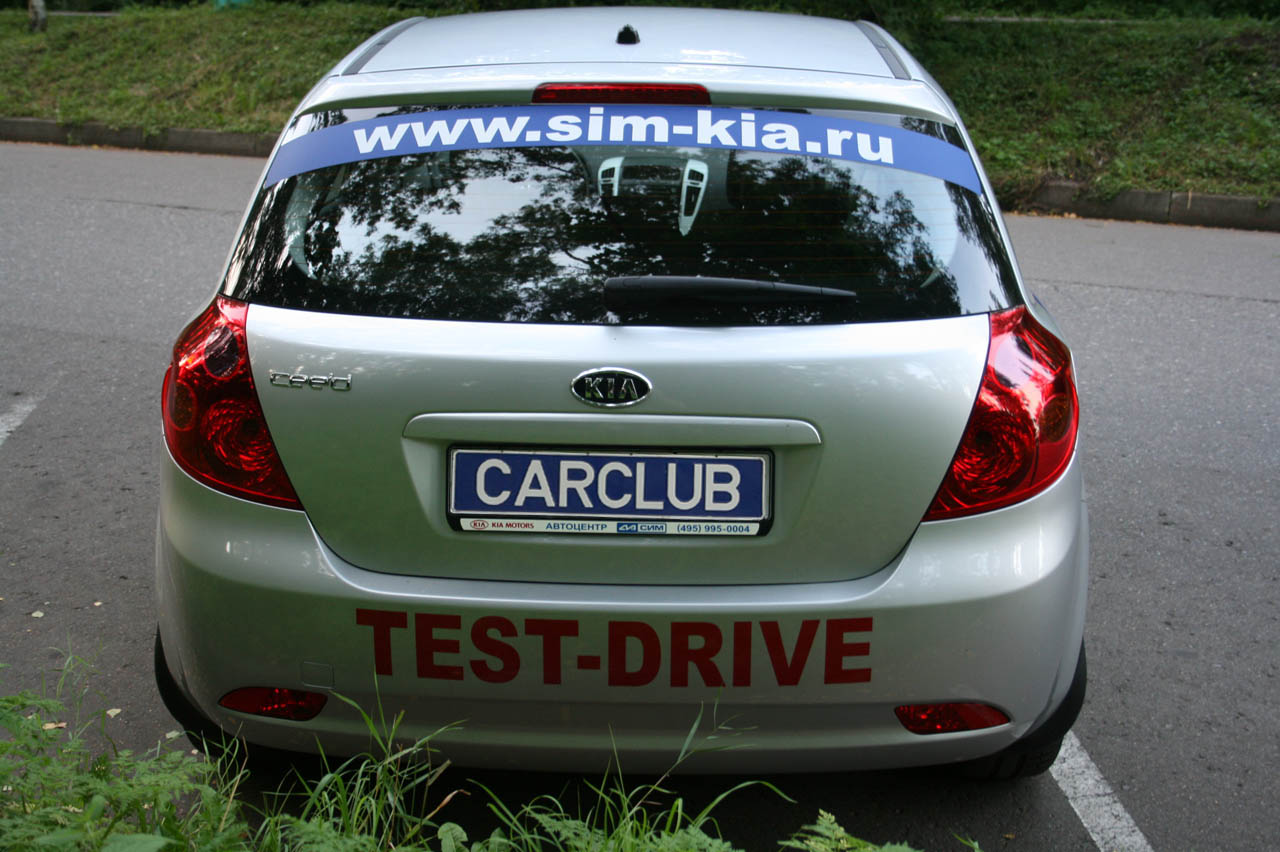
Europeans worked on the exterior of the "Cee'd" for Europeans — the project was developed at the German design center. The name itself hints at this: the letter c indicates the class, and e and d stand for "European design." However, Asian roots are still easily recognizable. Slanted headlights, a trapezoidal radiator grille with a couple of crossbars, neatly styled fog lights, a spoiler — the car looks confident and composed, but... for all that, it's not so easy to instantly recognize it in traffic. The car simultaneously resembles a good half of the popular models in the class it's aiming for. But there's no zest in its appearance. It's nice, even stylish, but — ordinary. What sticks in memory are only the nameplate with the model name and the rear lights, in which bright swirls of stop signals spin when braking.
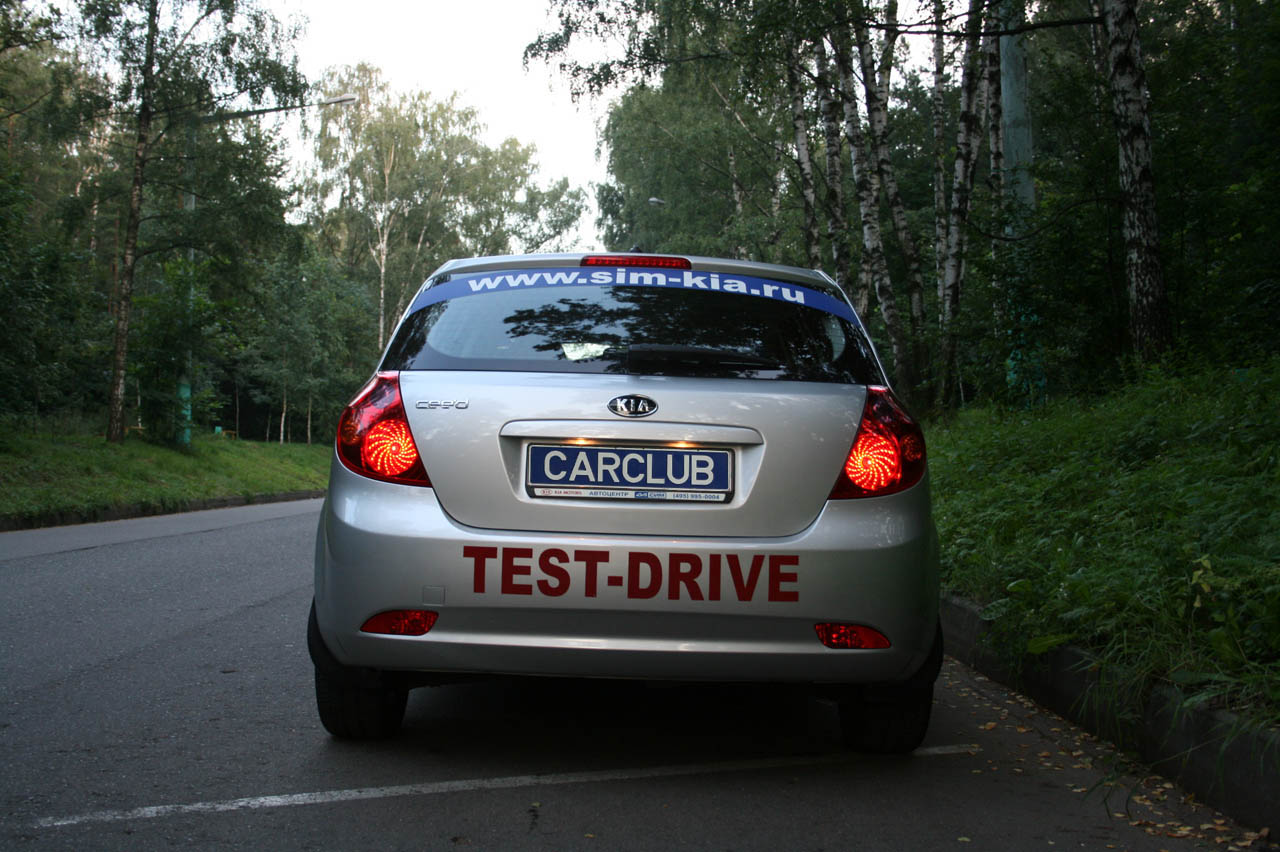 |
| When braking, bright swirls of stop signals spin in the rear lights |
 |
 |
There's also a three-door version, the pro_cee'd — it looks younger and sportier, as well as a practical wagon.
The spacious interior makes a pleasant impression at first acquaintance. There's no ostentatious pretentiousness, the upper part of the dashboard is finished with decent plastic, the panels are fitted neatly, and the convex center console immediately draws the eye to the onboard computer, climate control, and stereo, illuminated with "European" orange light. The steering wheel is stylish, elegant, with neat control buttons. Two cupholders are complemented by a niche under the center console, where it's convenient to put a phone, and for other small items, there are substantial pockets in the doors — though you can't stuff a small bottle of mineral water in there. The glove box also isn't designed for large items — at most a couple of discs and napkins.
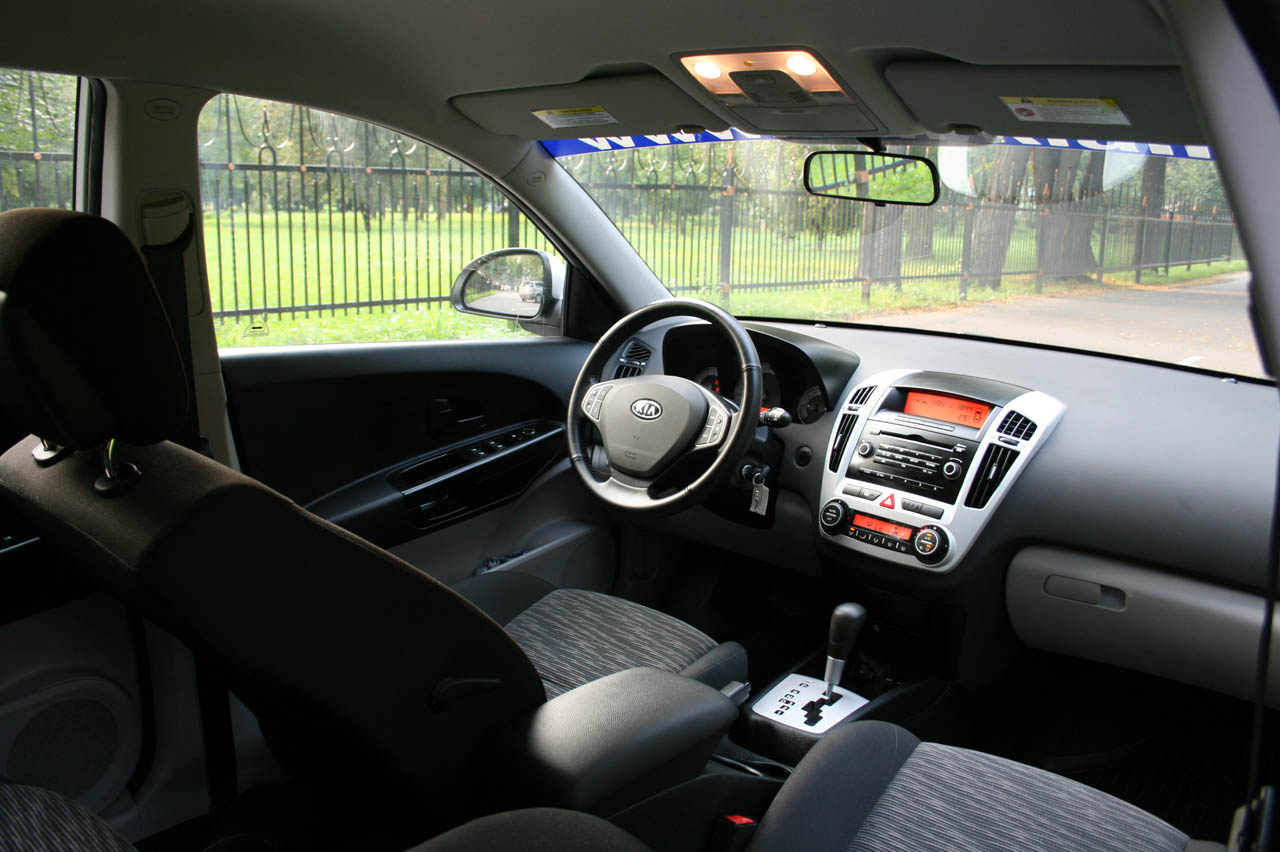 |
| The spacious interior makes a pleasant impression |
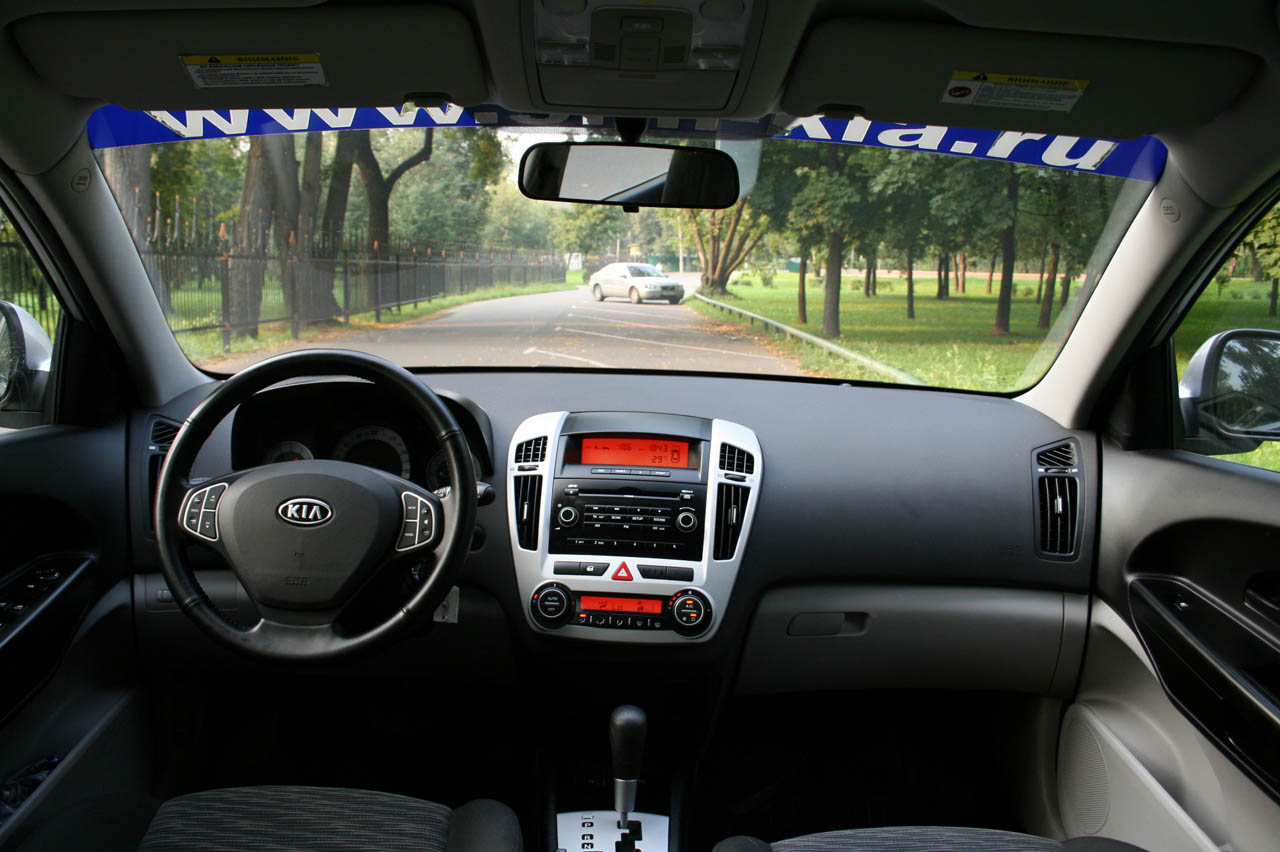 |
But within a minute, the awful plastic of the center tunnel catches your eye — just like in a VAZ "nine" — and the downright nightmarish, frankly cheap plastic of the door handles. These details will significantly spoil the impression of an overall quality interior. And what surprised me even more was this: in the niche under the armrest (which will surely please those who like to carry a bunch of stuff — Kia's designers showed foresight here), there's no proper bottom — just cardboard! Saving money?
| The plastic in places resembles the "VAZ" nine |
 |
| Logical and convenient climate control operation |
The driver's seat adjusts in three directions, and the steering wheel adjusts for height and reach. That's enough to get comfortable in the firm but comfortable seat with developed lateral support.
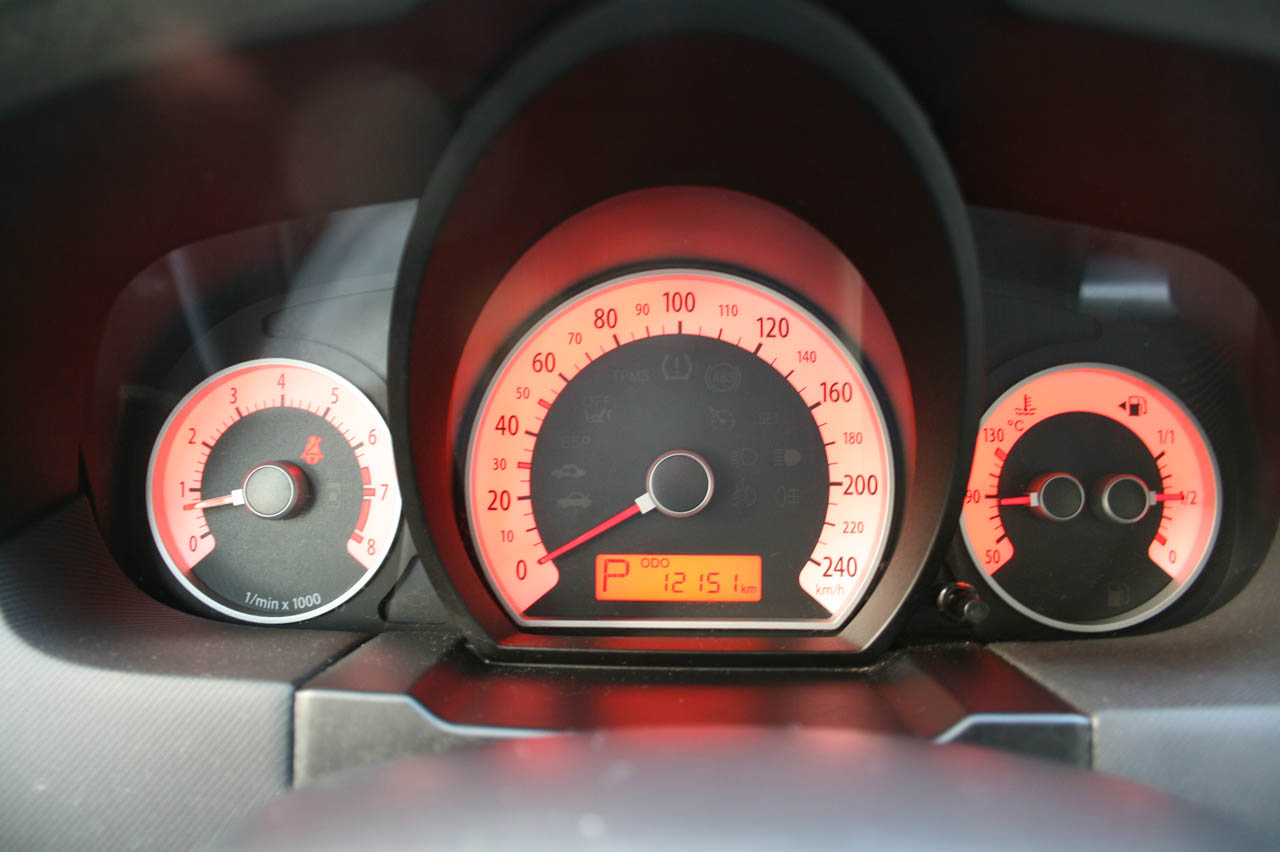
The seatbelt sensors display a whole "family" of belts on the panel, accompanied by an unpleasant buzzer. The numbers on the instruments are readable enough, though the design of the scales is a bit boring. The visor hanging over the speedometer, located in the center, resembles a touching kerchief. It's unclear why the onboard computer shows fuel consumption in... miles per gallon. But the climate control operation pleased me.
| The glove box isn't designed for large items |
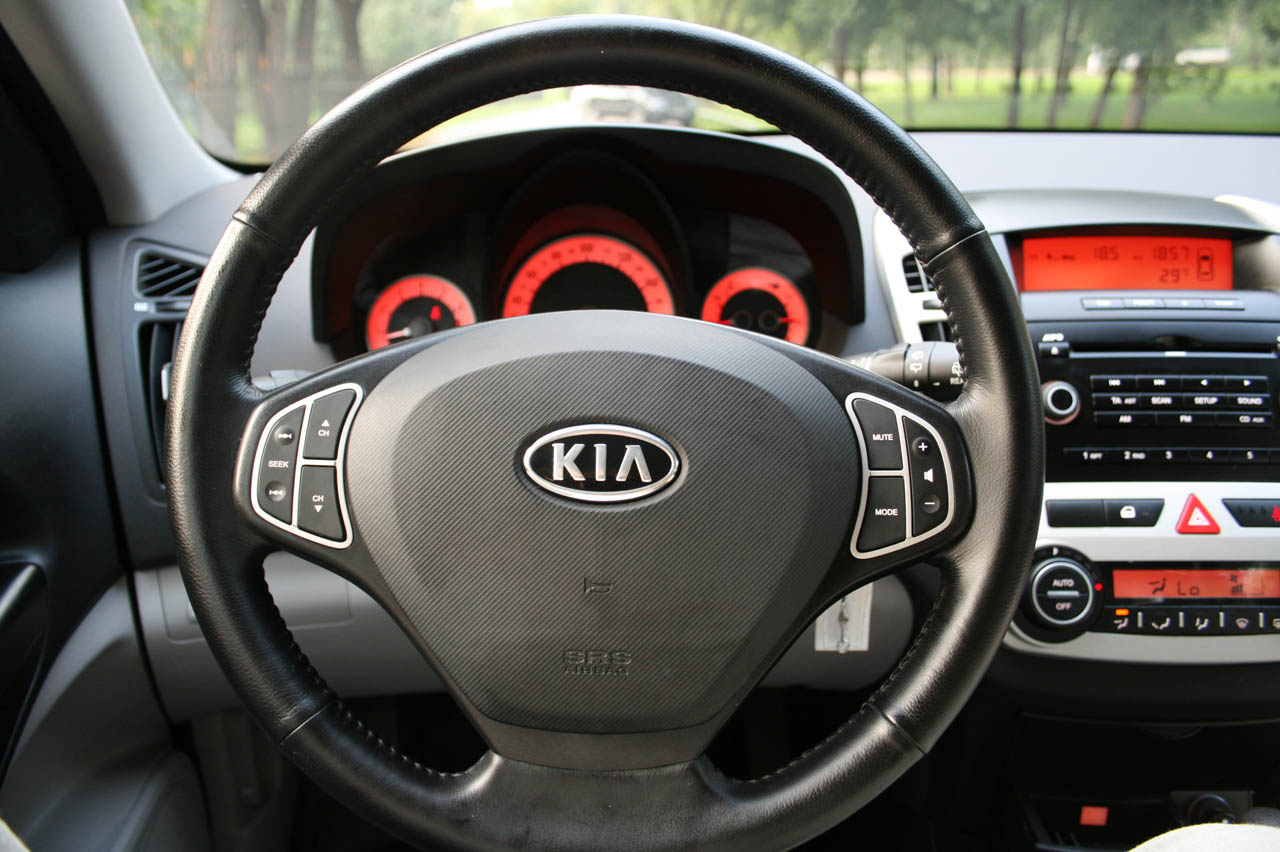 |
| The steering wheel pleases when parking, but feels empty at speed |
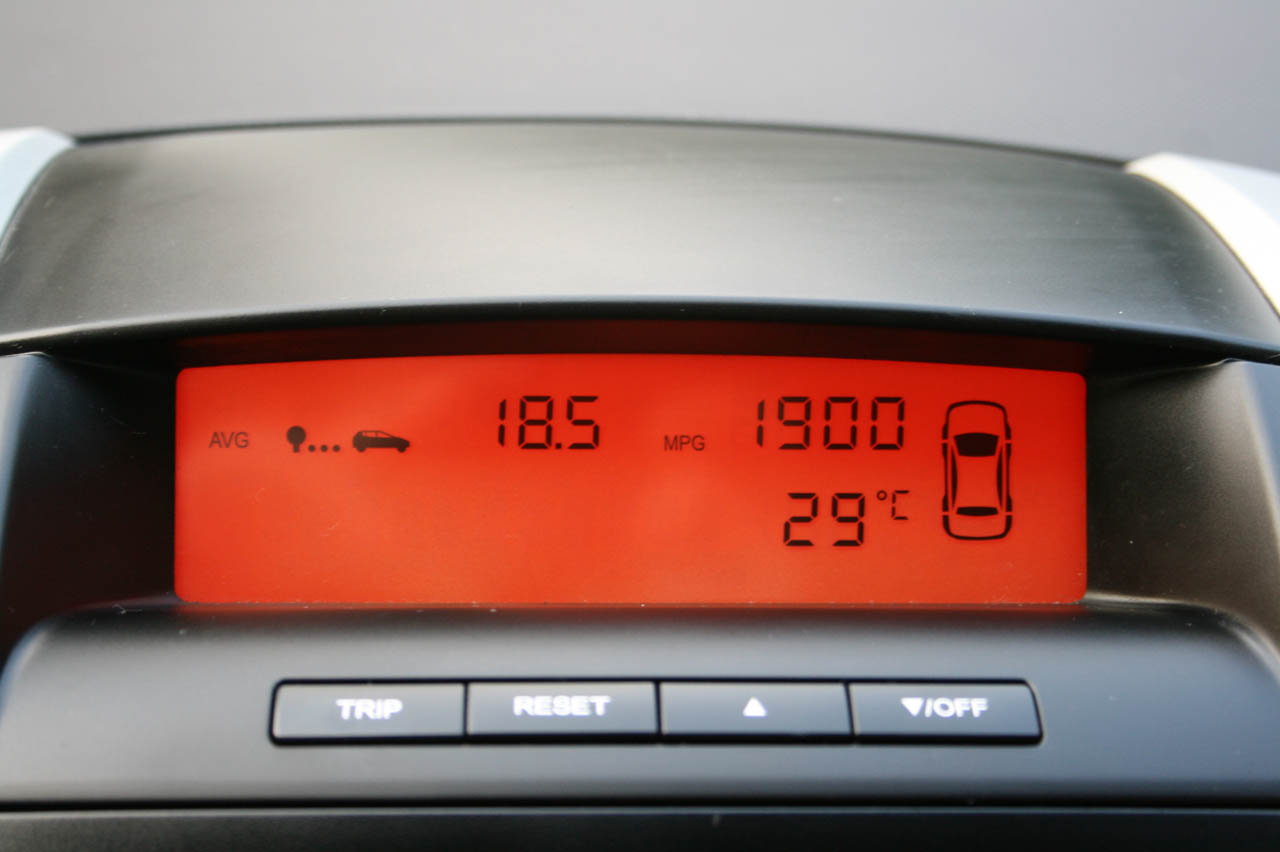 |
| The onboard computer reports fuel consumption in miles per gallon |
 |
The steering wheel turned out to be exactly as I expected — very comfortable. It's incredibly light and sensitive, allowing you to turn the "electric wheel" literally with one finger when parking and maneuver quickly in traffic. But as speed increases, you get the feeling that the steering wheel starts living some kind of its own frivolous and empty life — there's clearly not enough reactive effort.
The suspension — McPherson struts in front, multi-link in the rear — together with the rigid body (high-strength steels account for 67%) allows the cee'd to behave quite decently in corners, that is, no — on the contrary, not just "decently," the rolls don't annoy. At the same time, you can't say the cee'd swallows bumps poorly: they, of course, slightly echo in the spine, but don't cause any discomfort at all. Good handling without compromising comfort is a significant plus for the Korean "Focus."
In our test, we had a car with a 1.6-liter engine. The nice herd of 122 "horses" is still held back by the four-speed "automatic." During calm driving, it shifts leisurely and almost imperceptibly, but during sharp acceleration, it immediately shows reluctance to hurry. Of course, if you prepare the car for a surge in advance and floor the accelerator pedal, you can risk overtaking a couple of trucks on the Moscow ring road. Maneuverable — yes, comfortable — quite, quick — that's not about the cee'd. However, with a manual gearbox, nothing will distract the 1.6-liter engine from its work, and the "Cee'd's" dynamics will clearly benefit.
The brake system caused not the slightest complaint — the effort is easy to dose, and disc brakes on all wheels allow for effective deceleration.
The side mirrors turned out to be very successful — their size would be enough to assess the situation around a minivan, let alone a hatchback.
The feeling of coziness in the "Cee'd" is largely created by proper sound insulation under the hood. The only thing that bothers a bit is the hum from the wheels, but for this price range such behavior is common.
You can escape from excess noise with the standard stereo. The sound power is not exactly with a reserve, but the head unit with six speakers can read MP3, and through the connectors you can easily connect a player or a flash drive. So there is no need to stuff the glove box with stacks of discs.
Those sitting in the back won't get bored on the way either. Three will be cramped there, but two will be quite comfortable — you can even cross your legs and gently sway them to the music. The wheelbase of the "Cee'd" is record-breaking in its class. For rear passengers, there are also personal cup holders.
The trunk, frankly, does not impress — only 340 liters. Moreover, its lighting is quite dim. But under the false floor there is a "spare tire" and several useful niches where you can put, say, a flashlight — it won't be superfluous. If you fold the rear seat back, the volume grows to 1,300 liters, and this creates an almost flat area.
For safety, Kia can confidently be given a "five": even in the basic trim there are six airbags, height-adjustable seat belts, ABS with brake force distribution system, and disc brakes all around.
By the way, according to the results of the first half of 2008, the cee'd took third place in sales among the Korean brand's models — 91,857 units were sold. And on the roads, "Cee'ds" with "Pro_cee'ds" are increasingly common. As our test showed, the car is in no way inferior to competitors. Especially if you don't fixate on the plastic that reminds of the "nine" and forget old stereotypes about the Korean auto industry. Among the undoubted advantages, we include a rich selection of powertrains: three gasoline engines with a volume of 1.4, 1.6, and 2.0 liters with a power of 109, 122, and 140 hp, plus two turbodiesels of 1.6 and 2.0 liters (115 and 140 hp). There are also plenty of gearboxes: five- and six-speed manual, as well as a four-speed automatic — depending on the engine. There is no sedan in the cee'd lineup, but there is a station wagon. Also a plus is the generous basic equipment: for 457,550 rubles with a 1.4-liter engine, you get an onboard computer, a stereo with MP3, front power windows, music control buttons on the steering wheel, electric power steering, steering column adjustment in two directions, and all the above-mentioned safety systems. True, there is no air conditioning in the base, and the buyer might gladly exchange a couple of airbags or EBD for a discount — but such an option is not provided. As we see, there is no price advantage: the basic Focus in similar equipment starts even cheaper — from 420,000 rubles, albeit with more modest trim. But let the client decide for themselves what to spend the saved money on, right? Mazda3 will be more expensive than the cee'd, although for 491,000 rubles there is already a 1.6-liter engine. But the Opel Astra looks tempting: the base price is 457,000 rubles, under the hood is a 1.4-liter engine, four airbags, no stereo, but there is air conditioning and the ability to purchase options in packages. The Kia cee'd with a two-liter engine and automatic transmission can exceed 630,000 rubles. Our test car with a 1.6 engine, automatic transmission, climate control, full power package, fog lights, and other options was priced at 560,000 rubles.
Kia believes so much in its cee'd that it gives a 6-year (5-year) warranty in Russia or 120,000 km (150,000 km) mileage, and some dealers even without mileage limits.
To take or not to take the cee'd? Here everyone, as usual, decides for themselves — after visits to showrooms, comparisons, and test drives... But the fact that this car should be evaluated by the same criteria as Japanese or European rivals is indisputable. It fully deserves it.
Svetlana Aleeva