
Mikhail PETROVSKY | Photos by the author and Jaguar
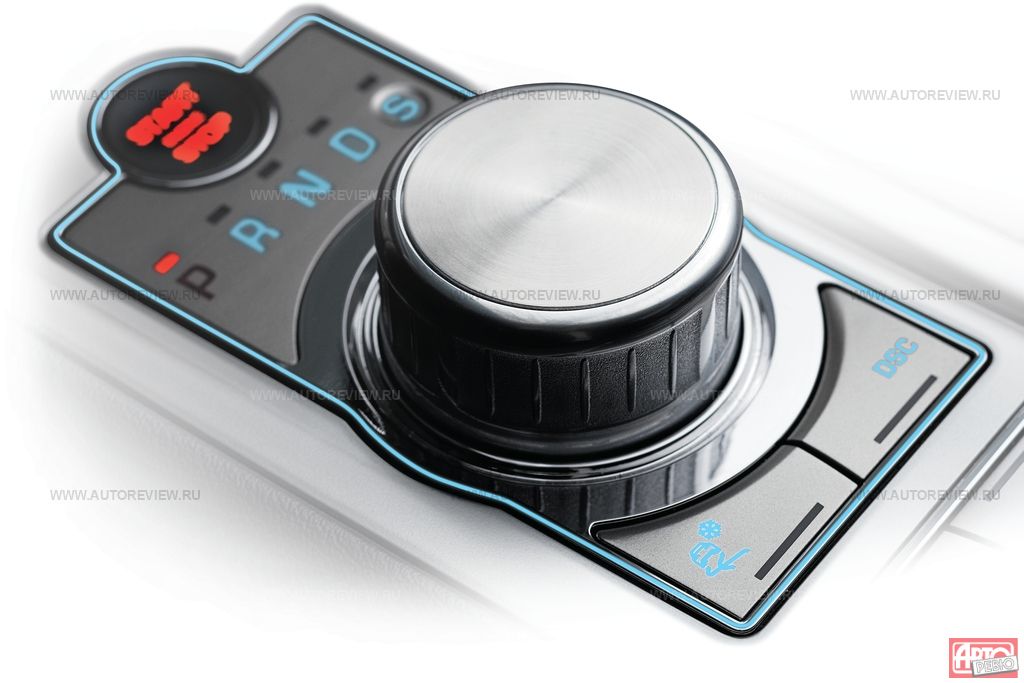
The cover of Autoreview clearly doesn't have the right photo! It should feature the JaguarDrive Selector controller bathed in blue glow! The whole essence of the new Jaguar XF is in that glow, which dazzles the mind! A bold move.
 "We aim to maintain the connection between generations," says chief designer Ian Callum. — Jaguar is not as powerful a brand as, say, BMW, and it wouldn't survive the kind of upheaval Chris Bangle caused. But it can no longer remain classic either."
However, this boldness, in my view, is of a different kind than BMW's — it's dictated by necessity. The British didn't have the financial means or the time to create a fundamentally new car instead of the Jaguar S-type. The XF sedan is based on an optimized platform of its predecessor using digital technologies, and even the body's structural framework is partially retained. The aluminum suspensions are the same as on the XK coupe, and the engine lineup hasn't changed. The body is made of steel — an aluminum one would have required more money and time. But Callum got the chance to do what he does best — turn it into an Aston Martin. And the bulk of the budget went to the interior designers led by Alister Whelan: they had to offer customers something no one else has.
The interior isn't just new — it's radically different from everything we're used to seeing in a Jaguar. Before, there was a lot of wood and a bit of metal — now it's the opposite. The front panel is covered in aluminum and topped with leather. It's like in Dubai: everything that looks gold probably is gold. Wood is definitely wood, leather is leather, metal is metal, and plastic is... hmm... Plastic, alas, remains plastic: the tactile feel of the plastic buttons and knobs on the center console doesn't reach the level set by the natural materials. But at least there's no more shared Ford hardware: the only part from the corporate "supermarket" of parts is hidden from prying eyes — it's the "joystick" of the steering column servo drive.
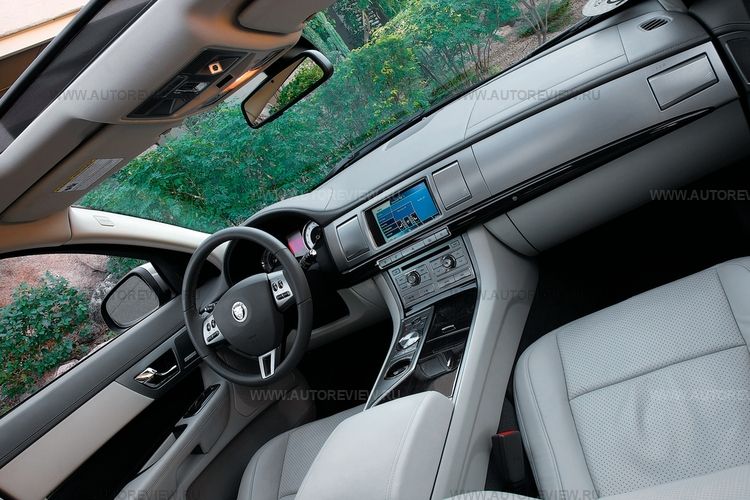
In contrast to classic Jaguars, the main trim element is perforated aluminum. The upper part of the front panel is upholstered in natural leather, below is pliable plastic. The plastic steering wheel hub looks rough against this backdrop. To give front passengers a sense of "air" above their heads, designers lowered the edge of the front panel nearest them by almost 12 cm, and for sportiness raised the center tunnel — almost like in an Audi A8
But the main thing is the details. The car seems straight out of a toy store! You close the driver's door — and the large Start button on the center tunnel begins to pulse brightly in red. Two flashes, pause, two flashes, pause — like a heartbeat! After touching the button with noticeable vibration, the engine wakes up, the car seems to come to life, blinking open the rotary air vents, and from the tunnel rises the rotating gear selector. How well it's made, what precise effort! Once you get used to it, you can easily select modes by the resistance on the controller, although its schematic representation is still duplicated on the display in the instrument cluster.
The electromechanical parking brake buttons, paddle shifters for the automatic, and multifunction steering wheel are now available in almost all competitors. The touchscreen in the center of the front panel is also a familiar thing. But here, all service electronics are controlled through it, and there are only a few "direct" buttons. It's both economical and flashy. But not always effective. The graphics, sizes, and placement of virtual buttons are suboptimal. There's also a lack of clear indication for some functions: for example, I only realized I'd accidentally turned on the seat heating when it started to get hot. English automotive publications have already written that Apple was involved in developing the interface. Steve Jobs would go crazy wandering through the nooks and crannies of the menus! His people, unfortunately, only helped make Jaguar and iPod friends.
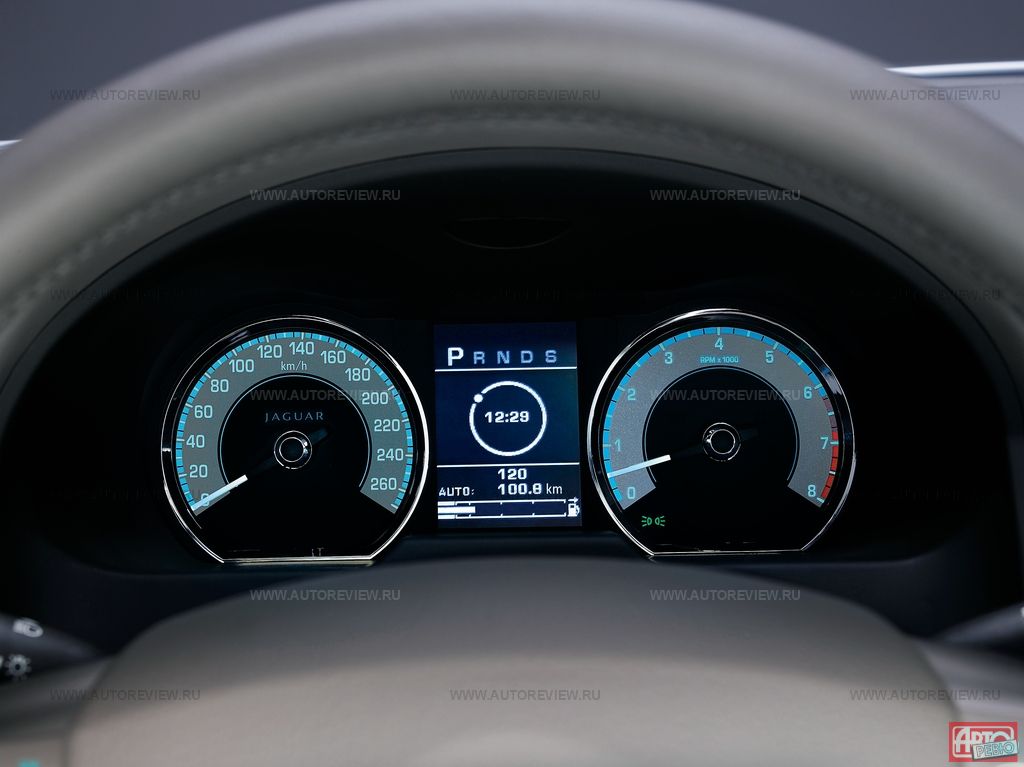 | 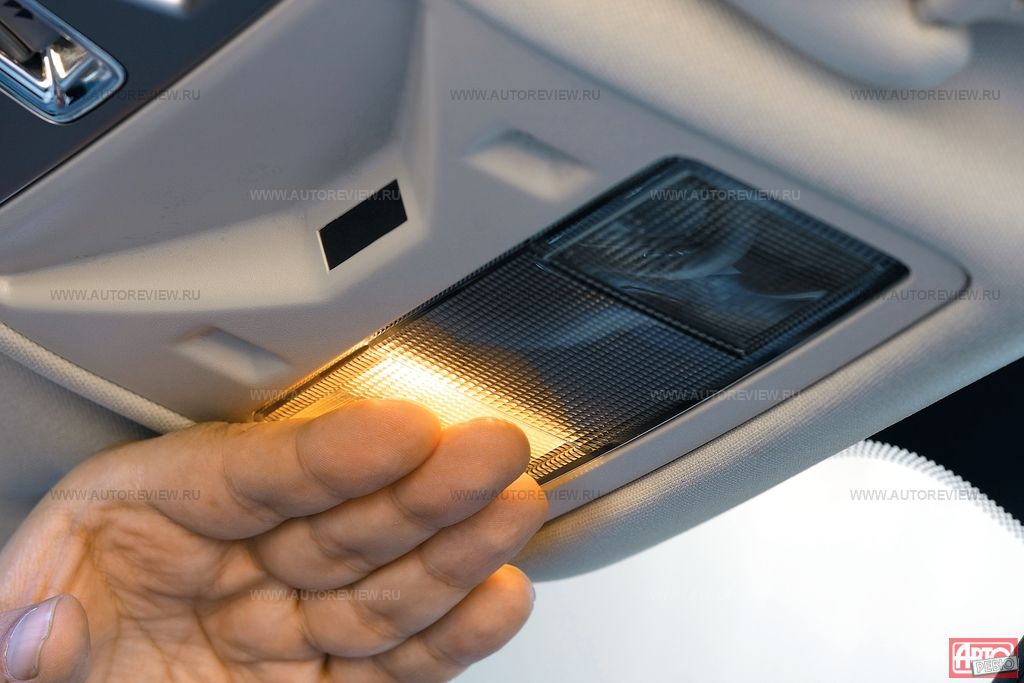 | |
| The flashy instrument lighting is only good in the dark, and during the day it needs to be turned off — the turquoise numbers get lost on the white dials. The satellite orbit on the display indicates the position of the automatic selector | The interior light fixtures are equipped with contactless sensors: to turn on the light, you don't even need to touch the "chandelier" | The touch sensor for the glovebox lock, on the other hand, only responds to precise touch. The "glovebox" won't open if you just run your hand over the wood |
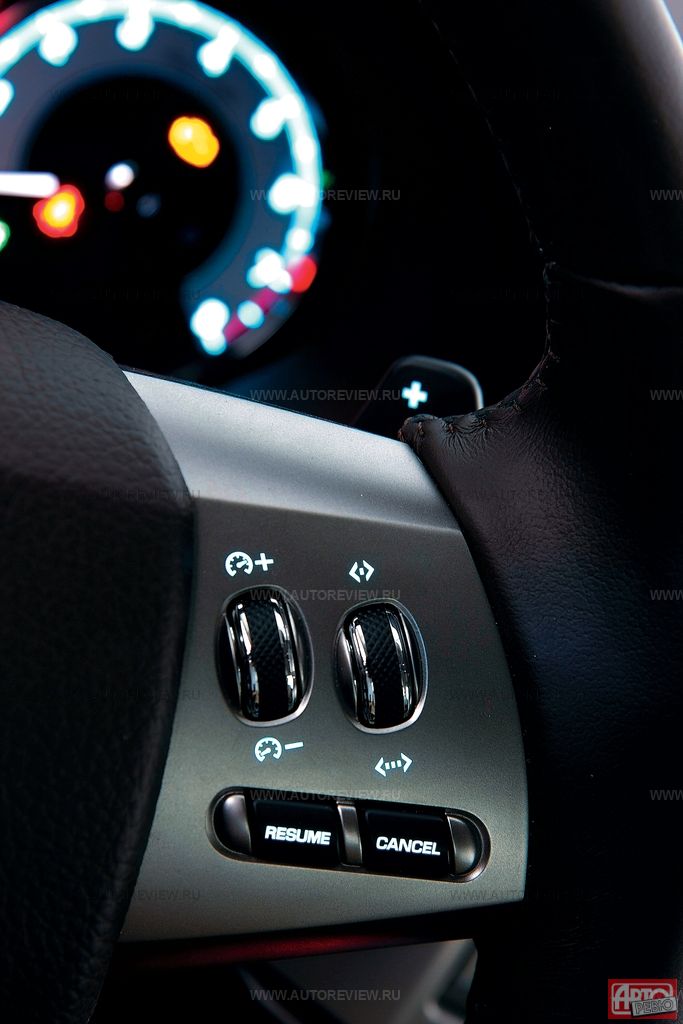 | ||
| With the engine off, the air vents hide into the front panel, forming a clean, minimalist surface. However, via the climate control menu, they can be kept always open | All XF sedans come with paddle shifters for the automatic. Adaptive cruise control is available for an extra cost: using the wheels on the steering wheel, you set the speed and distance to the car ahead |
The touchscreen isn't the only "sensitive spot" in the cabin. As on the XK coupe, the "navigator's" light turns on — not even from a touch — from the approach of a hand to the ceiling light! And in the wooden trim of the front panel, there's another sensor embedded that, on the contrary, responds only to a precise touch — it opens the "glovebox."
And, of course, the turquoise backlighting — it's delightful! This gentle light flowing along the aluminum grooves gives the tech interior a refined romantic mood. True, it's incompatible with daylight: in sunlight, the already not-so-informative instruments turn into two "blind" saucers, and on the center console, you can't make out a single icon. So it's better to sell the new Jaguar in semi-dark showrooms. And where you're supposed to drive with lights on during the day, the owner will have to constantly fiddle with the brightness wheel hidden on the left under the front panel. You turn it — and it's like scratching a cat under the chin...
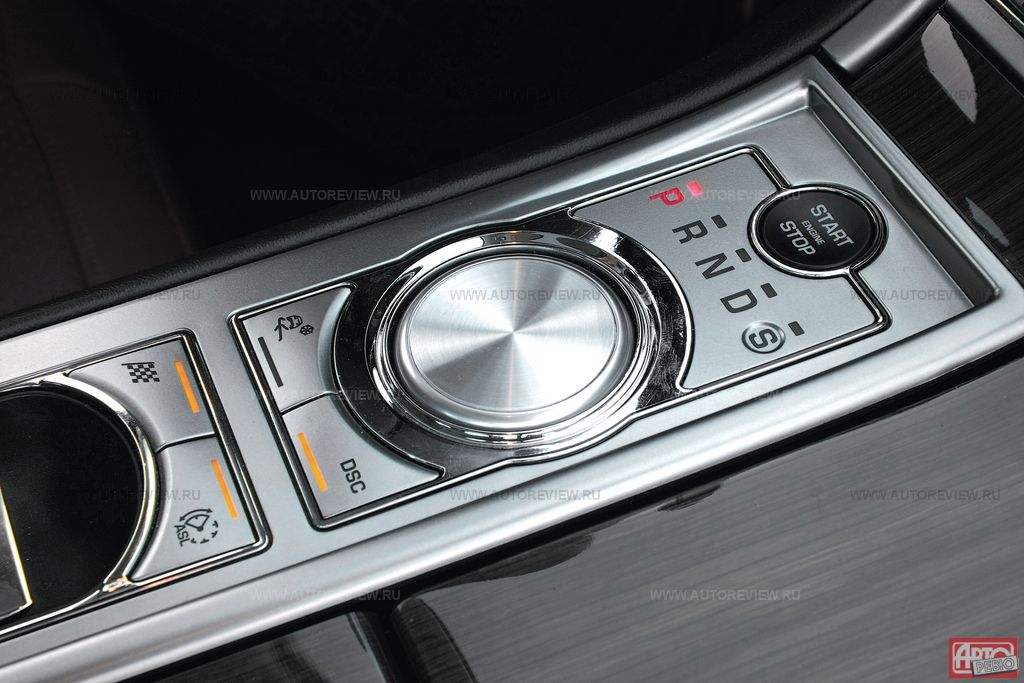 | 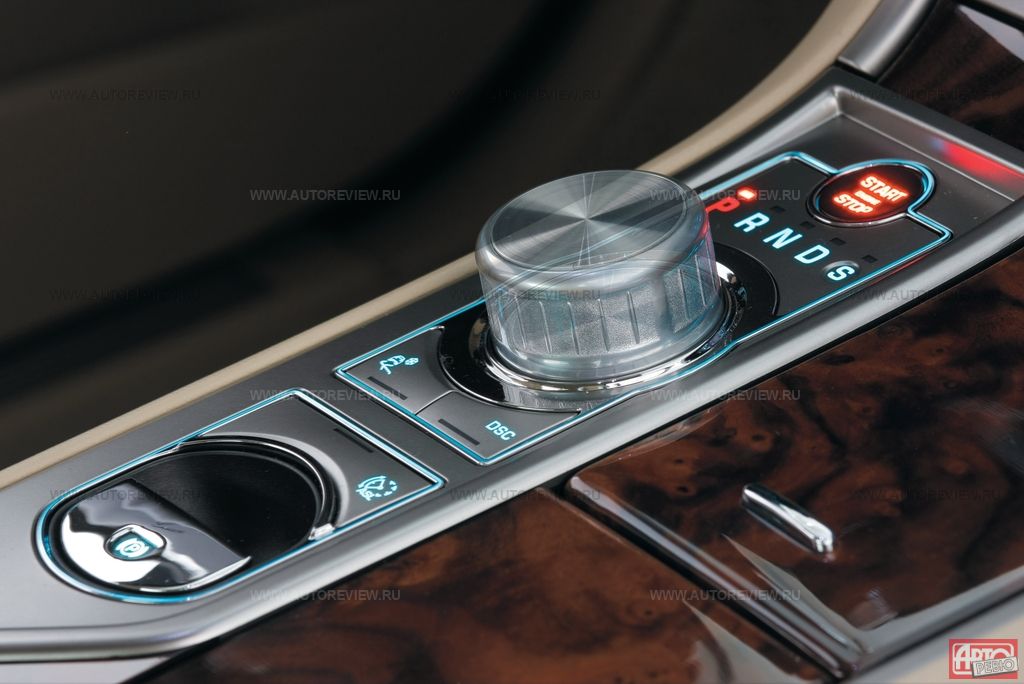 |
| Holding the DSC button for ten seconds completely disables the dynamic stability system, while a single press activates the intermediate Trac mode, which allows slides and wheelspin. The top SV8 model also has a Dynamic mode button (with a checkered flag) that "sharpens" the accelerator pedal and switches the suspension to a more sporty algorithm | The rotating automatic selector extends when the engine starts: engaging different modes differs in effort — the controller is easy to use blind. The British claim it's up to eight times more efficient than conventional lever selectors. The "knob" is cast from zinc. The system is patented and even tested for compatibility with the cup holders located right there: the controller will work even if two liters of cola are spilled on it. The only thing it lacks is a catchy name. Why not shorten the old-fashioned JaguarDrive Selector to J-drive — everyone will call it the Jaguar's "i-drive" anyway? |
Just as Callum dismissed the usual Jaguar exterior proportions, Whelan changed the very feel of space in the cabin. He lowered the edge of the front panel nearest the passengers by almost 12 cm and raised the center tunnel. It's cozier to sit, freer to "breathe." But still, as with the outside, something elusively Jaguar-like remains inside: despite all the tech flourishes, the feeling of an English car returns very quickly.
It's a purely Jaguar-like five and a half seconds to 100 km/h: smooth and assertive, without drama or bravado. You fully appreciate the power of the 416-horsepower supercharged engine when you're left without the "compressor" — the 298 horsepower of the naturally aspirated 4.2 V8 no longer impresses.
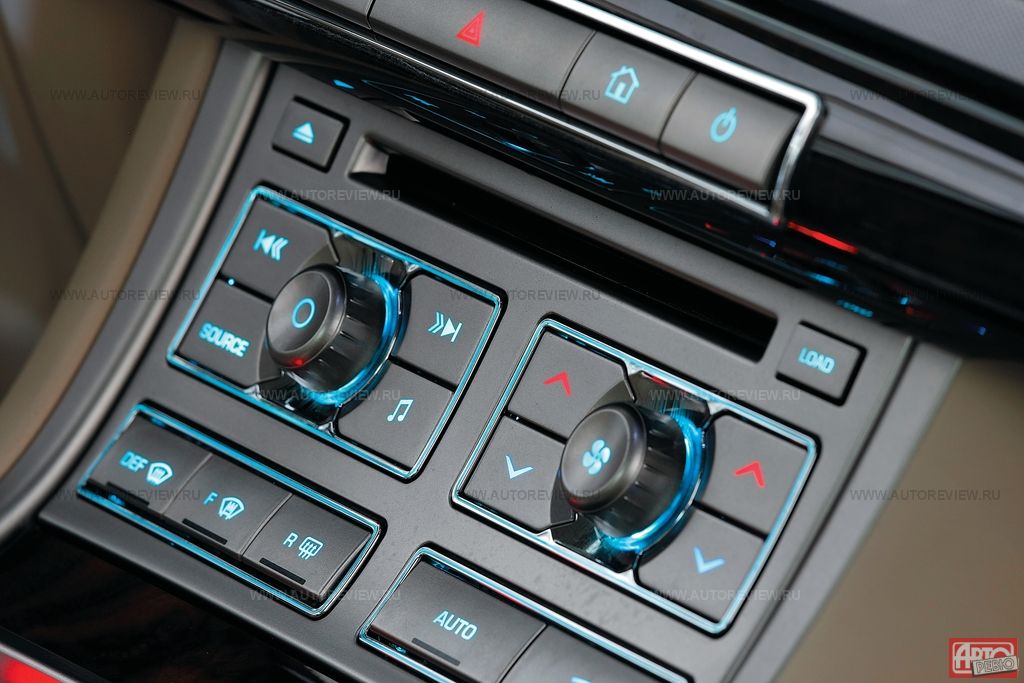 | 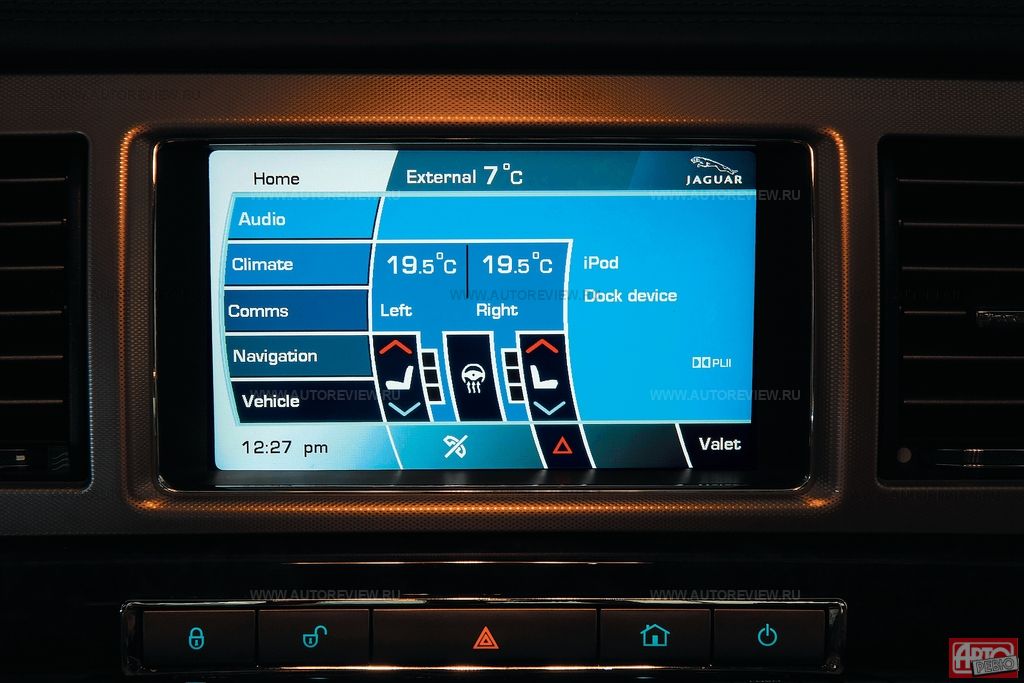 |  |
| To the touch, the climate control and audio system unit is not as pleasant as it looks. The ergonomics are also debatable: you want to adjust the temperature, but you grab the airflow intensity knob. Airflow distribution control, as well as steering wheel and seat heating, is only via virtual on-screen buttons | ||
In Coventry, there seems to be a signature approach: the steering wheel is deliberately lightened in the small-angle zone, so the car's initial reactions seem overly sharp and not always proportional to steering wheel movements. But, as Andrew Whyman, one of the key project engineers, said, compared to the previous S-type model, the new XF has noticeably toned down its fervor. Whyman even sketched on paper how the body's yaw angle grows relative to the steering wheel angle. It turns out the XF responds to the steering wheel more calmly than the S-type, yet it still feels noticeably sharper than the BMW 5 Series. True, after the Bavarian with its heavy steering wheel, it seems difficult to keep the Jaguar on a straight line, and in a fast, sweeping curve it's hard to accurately select the needed steering angle. The impression is that you can truly feel the car and load the steering wheel with stabilizing force only by driving the XF into a corner more aggressively and sharply. In reality, it all comes down to a low overall effort level: the British believe that for an experienced driver, a heavy steering wheel is just a hindrance. Although, in my opinion, the top XF SV8 version with electronically controlled dampers and the CATS system does suffer from nonlinear response at small angles. But the naturally aspirated version with a regular "passive" suspension raised no such complaints.
The ability to tune the ZF gearbox is also a signature trait of Jaguar's people, and many who use these units would envy them here. Even BMW, ZF's largest customer, which has access to more advanced 6HP28 automatics, doesn't achieve such a result. The British manage to squeeze the maximum even from the 6HP26 model. The secret largely lies in abandoning a selector with mechanical links: this freed up space for refining the hydraulic system, which now operates under higher pressure. Hence, instant responses and almost imperceptible shifts. According to Jaguar's own measurements, their automatic is not inferior in speed to Volkswagen's DSG, and when shifting down several gears, it even surpasses it. I readily believe it: on kick-down, the gearbox jumps from sixth to third almost faster than the instrument panel indicator updates. In normal modes, the smoothness is as if Jaguar and ZF engineers spent more than one evening together in pubs. But the automatic behaves perfectly only in tandem with the supercharged V8: when torque drops from the supercharged 560 Nm to the naturally aspirated 411 Nm, slight jerks and pauses appear. However, at any moment you can play with the paddle shifters, and after ten seconds the gearbox returns to Drive mode on its own.
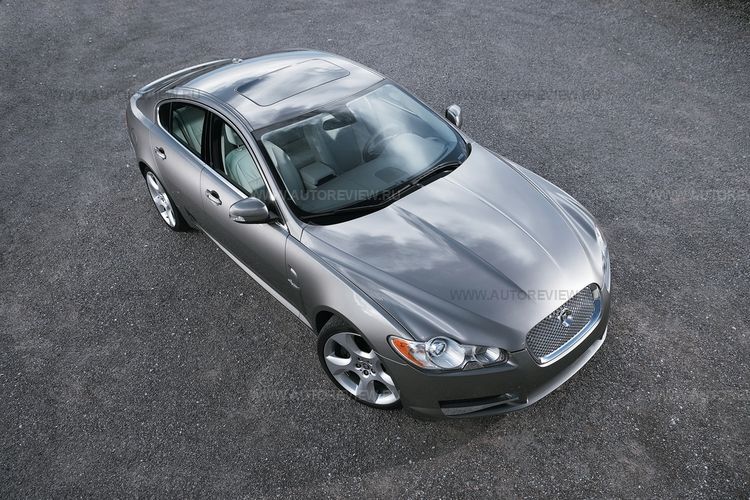
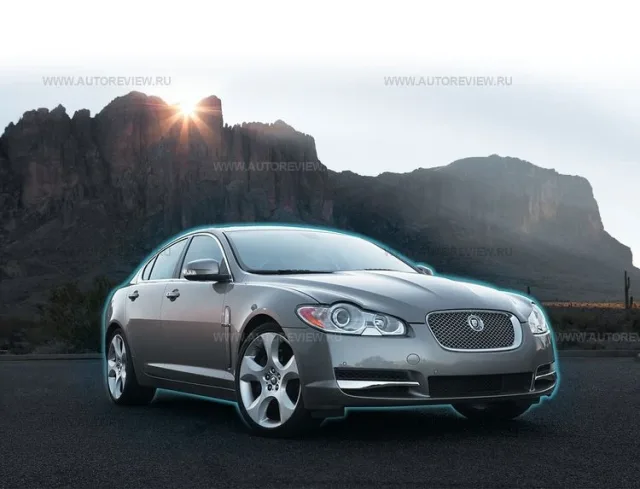
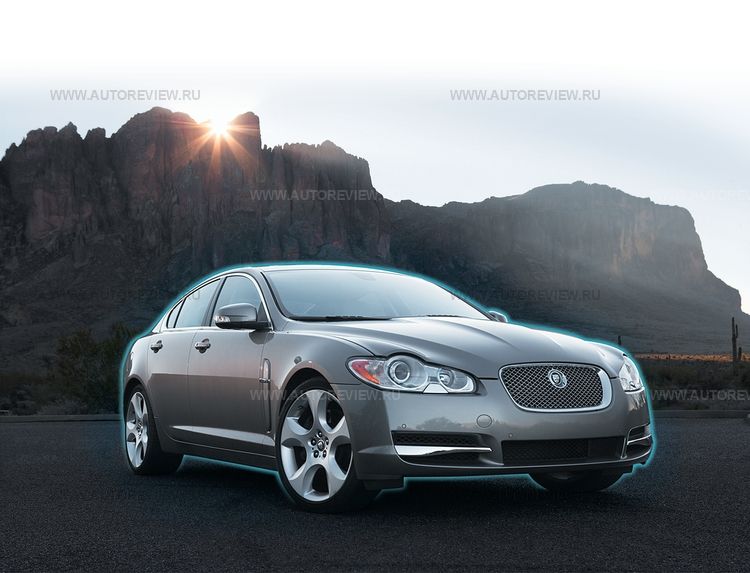
This is how I first saw the XF — and I had no more questions for Ian Callum. The new Jaguar is beautiful! Although the V-shaped hood and pronounced hip line we've already seen on Volvo, and variations on the "Hofmeister kink" on the rear door are countless
In sport mode, the hydraulics work more briskly, and shift times are reduced. You can engine-brake and, using the paddle shifters, put the gearbox into fully manual mode: without kick-down, but with foolproofing — when maximum revs are reached, the gear shifts itself. On the "supercharged" version, there's also a Dynamic mode, activated by a button next to the J-"dial". In "dynamic", the gearbox operates at the same "rapid-fire" pace, the accelerator pedal becomes more sensitive, and CATS more often uses firm damper settings. Plus, the stability system loosens its grip — this is called Trac mode. If you now press a paddle, the display shows the current gear in large characters instead of small numbers and letters. The car's character may not change radically, but the mood is completely different!
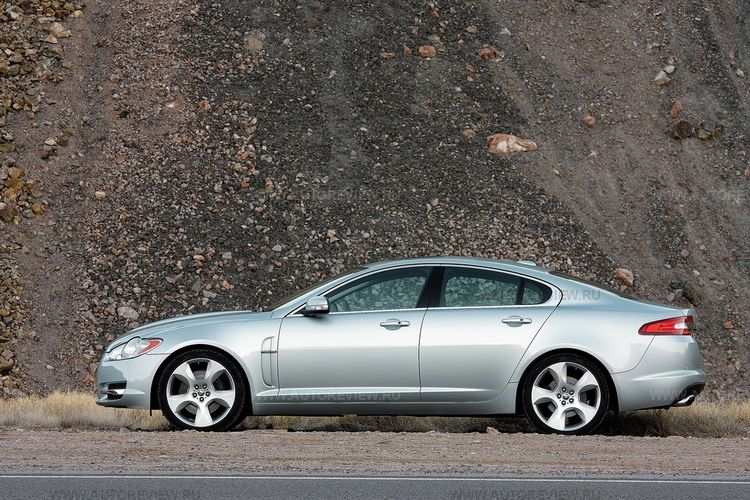
The XF sedan is the most aerodynamically efficient Jaguar: the drag coefficient Cx is 0.29. When the car's exterior was approved, it turned out that the angles of the windshield and rear window are exactly like those of the XK coupe — the British took this as an indirect sign of pedigree. By the way, pedestrian safety requirements would have forced the hood to be raised by 150 mm, but the pyrotechnic system that lifts the rear edge of the hood upon impact allowed the silhouette's harmony to be preserved
Mood — that's the key to understanding the Jaguar. It lives and evolves. Just as the look at Ian Callum's work warms depending on lighting and angle, as the interior comes alive with the pulsing backlight of the start button, as the engine sound changes your state with rising revs. A couple of gears down — and the exhaust system transitions from a whisper to a roar. If before you heard only the rustle of tires and the strained puffing of the climate control fighting the Arizona sun, then by four thousand revs the cabin is flooded with boiling tar. All that remains is to find a brave soul willing to drive ahead and take on all the wrath of American highway patrol.
Andrew Whyman nobly throws himself into the breach in an XKR coupe, and I have to talk the patrolman out of it when Whyman is finally "caught". Fortunately, Officer Johnson (or just T.J.) turns out to be an avid motorist who has never seen Russians. He shows me his patrol car, asks about the new Jaguar — and instead of a huge fine, gives Whyman a warning on a green form. And me too, for company. And on the back — his e-mail. And invites me to a barbecue...
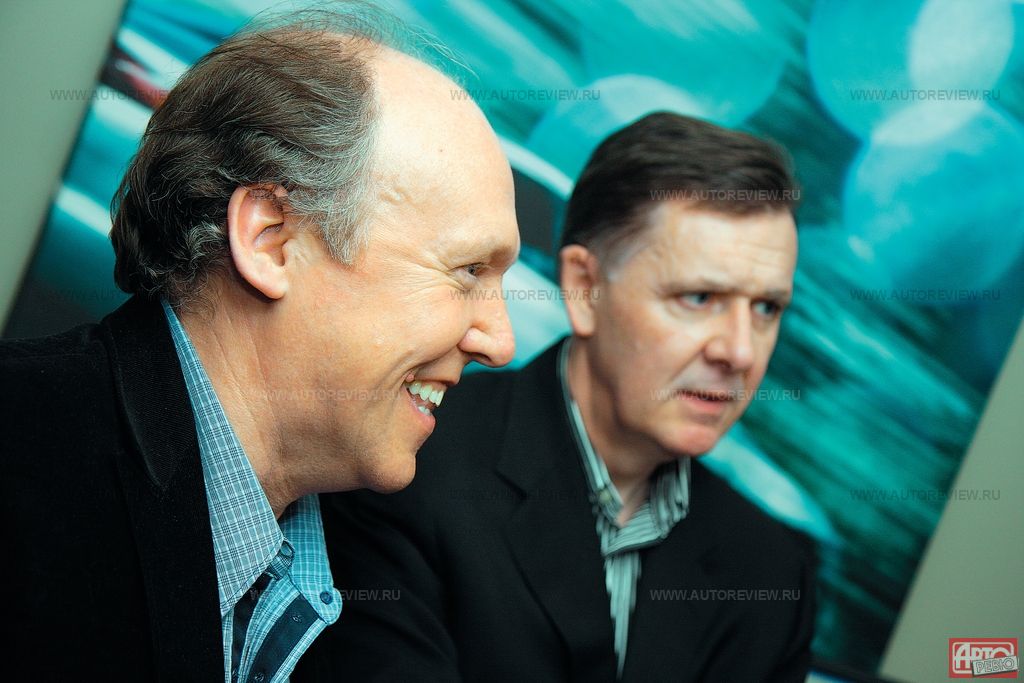 | 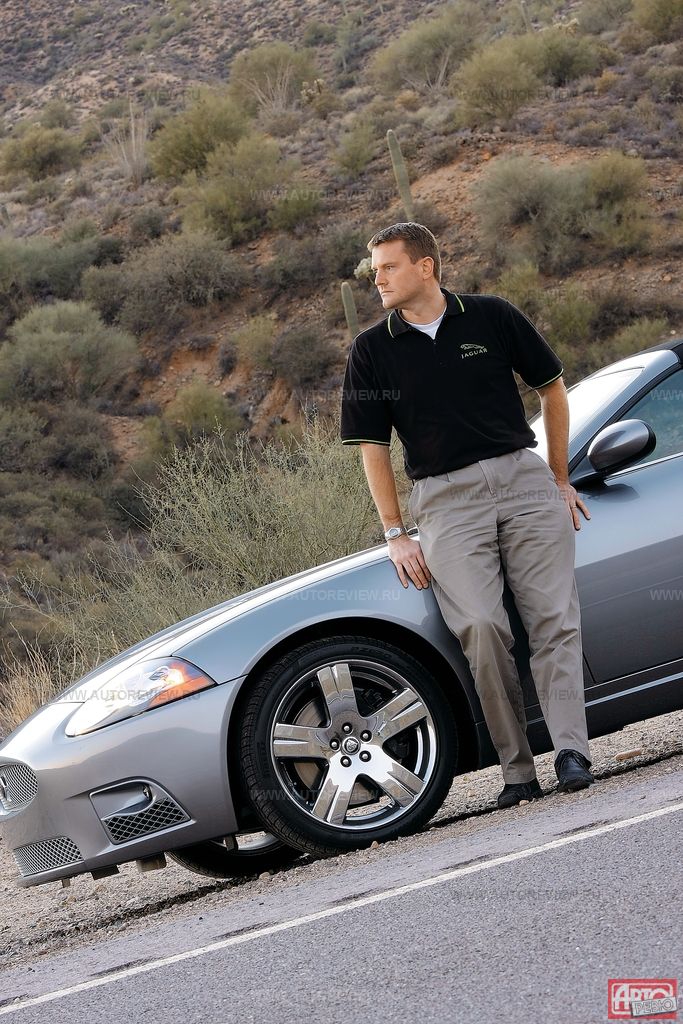 |
| Jaguar's chief designer Ian Callum (left) made the British Aston Martin what we know it as today, and now he's breaking down Jaguar's traditions. Callum is as lucky as, say, Paul Bracq or Martin Smith: both breathed new life into several different brands. Bracq created the classic style of Mercedes and BMW, while Smith revived Opel and accelerated Ford's kinetic design. But, unlike them, Callum's works resemble each other. Callum, who worked at Jaguar in his youth, Managing Director Mike O'Driscoll (right), and current Jaguar chief engineer Mick Mohan, who have each given decades to the company, form Jaguar's ideological core. They dream of turning Ford's stepchild into a "small but great company" | Andrew Whyman, lead engineer of the XF project: "Our experts are confident that thanks to the light steering wheel, the XF perceives control inputs more accurately and quickly, and the suspension fully reveals itself on roads with complex profiles, such as British B-roads." Behind Whyman is the Jaguar XKR, the donor of aluminum suspensions for the new sedan |
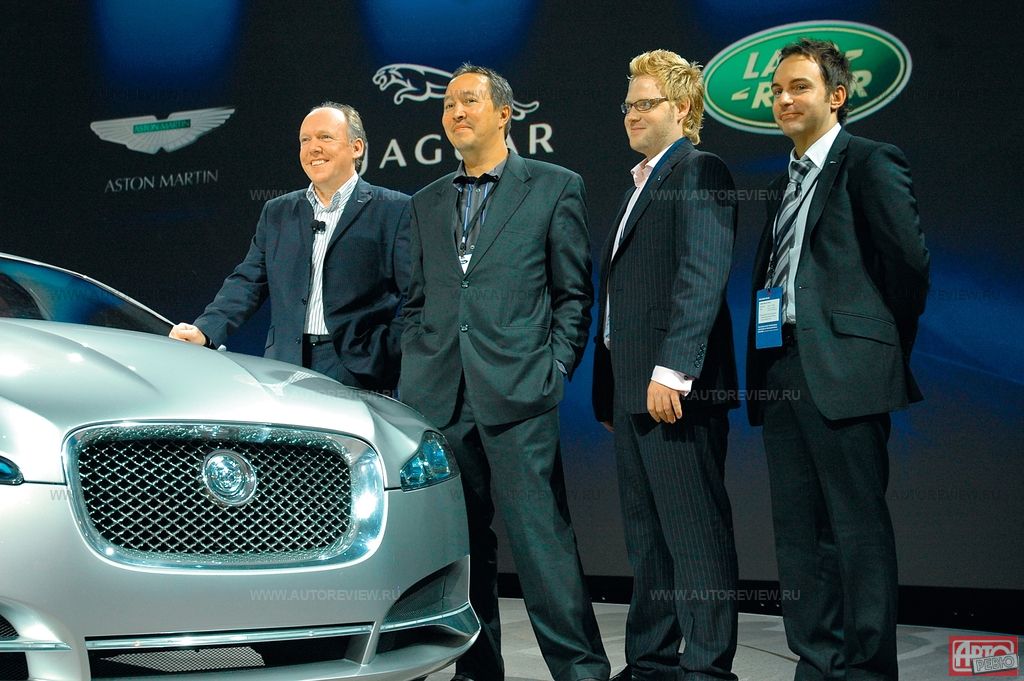 | |
| Wayne Burgess brought Callum's concept to production: Wayne's initials are on all final sketches of the XF sedan | Alister Whelan (far right) created the unique atmosphere of the XF interior |
In pursuit of Whyman's coupe, the nearly two-ton XF surprises with near-neutral handling and a monstrous reserve of grip from the 20-inch tires. But with such tires "as standard", the British managed to provide the car with acceptable ride comfort! Of course, there's a constant vibration background in the cabin, and joints and road irregularities come as dry jolts. But the sight of the huge rollers promised far more serious consequences.
But with rear passengers — it's the opposite. The S-type and XF seem to have the longest wheelbase among European business sedans. But, apparently, the interior layout remained almost the same as in the mid-90s, when the S-type was just starting to be designed. Even despite the rear door opening almost ninety degrees, I sit "behind myself" only because I'm used to sitting close to the steering wheel. And if there were a driver in front who likes to recline the seat back, no recesses in the backrest would save my knees from impact. In the modern business class, the requirements for rear passenger space are completely different than fifteen years ago, and the XF clearly lacks space. The British, of course, understood this: it's no coincidence that on the C-XF concept, the rear row had "anatomical" seats deeply recessed in the middle, and the backrests smoothly flowed into the door panels — creating an illusion of spaciousness. But the production furniture turned out differently: legs are cramped, and I also touch the sloping roof that Ian Callum designed!
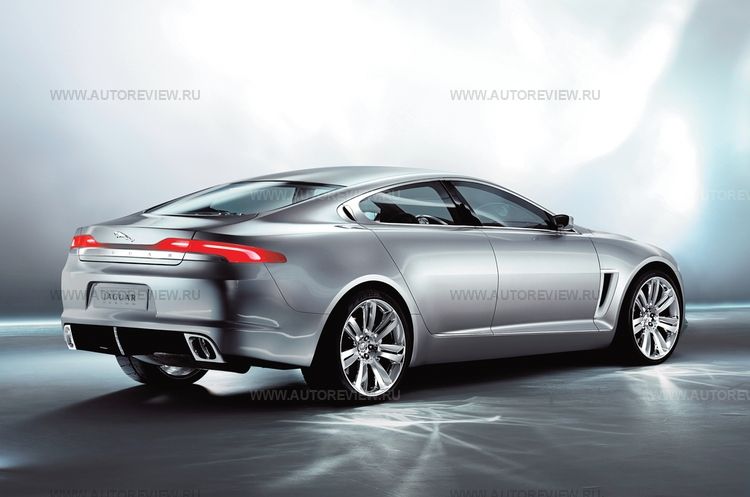
The conceptual Jaguar C-XF by Adam Hatton was shown at the Detroit Motor Show in January 2007
Honestly, in the back seat of a Jaguar, I don't need anything but a couple of shots. And the British themselves call the XF a "driver's car." But at the same time, they boldly offer the XF to corporate buyers, betting on high residual value and the efficiency of the diesel version with a V6 2.7 (207 hp, 435 Nm). This interesting turbodiesel, which Western journalists have been praising for years, won't reach us: in Russia, the base will be a gasoline three-liter "six" with 240 hp. However, it's clear even without that — the XF is a bad companion for business. There's too much emotion in it, it brings a smile too often, it's too selfish. The turquoise glow around this car is only seen by the one behind the wheel...
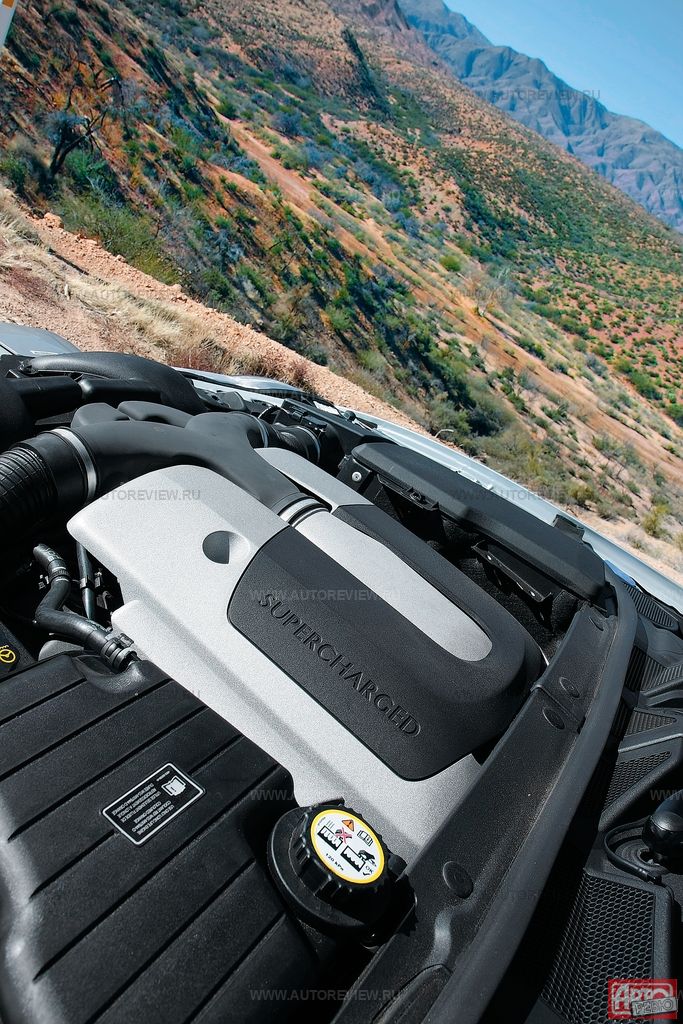 | ||
| The XF sedan is based on a modernized Jaguar S-type platform, with some elements of the body's load-bearing structure retained. But the share of high-strength and ultra-high-strength steels was increased to 25%. Despite removing the transverse reinforcement behind the rear seats, the new Jaguar's body rigidity is about 18% higher than the BMW "five" and 10% higher than the Mercedes E-class. Unification with the S-type and the XK coupe allowed the car to be developed in just three years. The British didn't even hand-assemble a single prototype: about a hundred test cars (60% of them for crash tests) were built right on the assembly line in Castle Bromwich! | When choosing one of the two modes of electronically controlled shock absorbers, the CATS (Computer Active Technology Suspension) system now also evaluates the steering wheel angle | The reworking of the intake manifold and the associated optimization of the "supercharged" V8 engine components gave an increase of 16 hp — this consumed about a tenth of the budget for modernizing the old platform |
We could end here — even the prices look reasonable given the rich standard equipment: from $75,500 for the three-liter sedan in the Premium version — slightly cheaper than the BMW "five." But there's one "but" — the timing of the XF's market debut. In 2000, Jaguar planned to produce 200,000 cars a year by 2004. In 2005, only 84,000 Jaguars were sold, and in 2006 — just under 70,000. Today, the Jaguar-Land Rover tandem is put up for sale by Ford. It's possible that an Indian automaker will buy them... What will the "colonization of the colonizers" turn into? Jaguar's management looks to the future with optimism: they say the company has great potential that was never unlocked under Ford. In Coventry, they want to build bright and fast cars. It's no coincidence that the 420-horsepower XF didn't get the traditional R index. There's talk that the letter R will go to a car with a new five-liter V8 — spies have already seen pre-production prototypes.
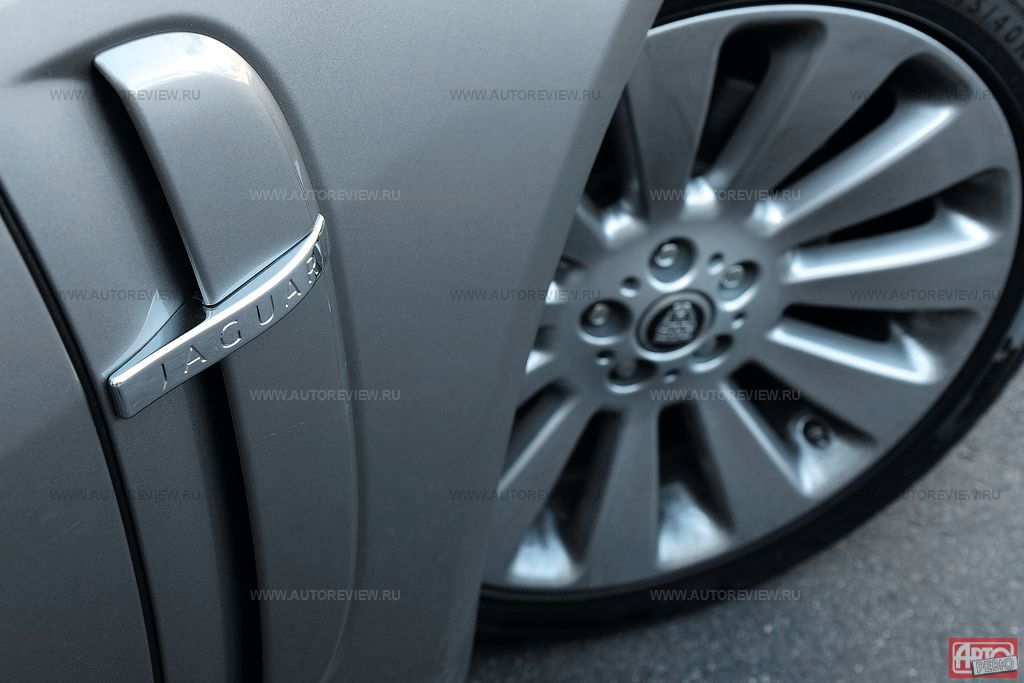 | 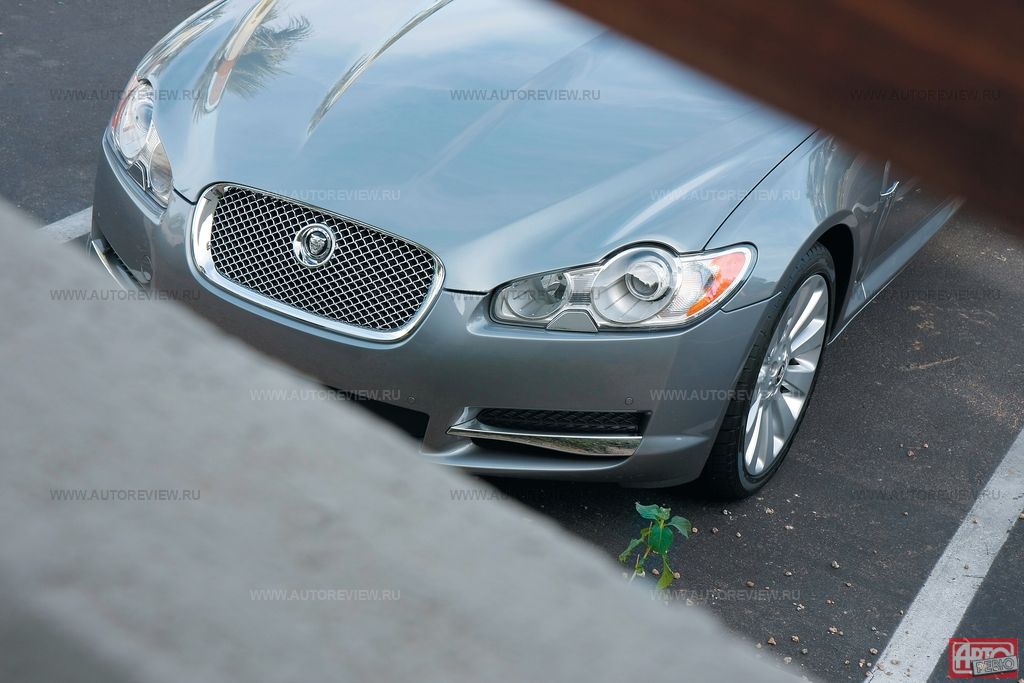 |
| In Russia, 19-inch wheels are only available for an extra charge. For naturally aspirated versions, the "base" wheels are 18-inch. And the supercharged SV8 version is fitted at the factory with 20-inch tires | The front headlights were initially designed as two traditional separate round units, but it looked boring, so the British combined them into one block while preserving the stampings on the hood. The Jaguar's headlights are not swiveling, and "bi-xenon" is only standard on the top XF SV8 version |
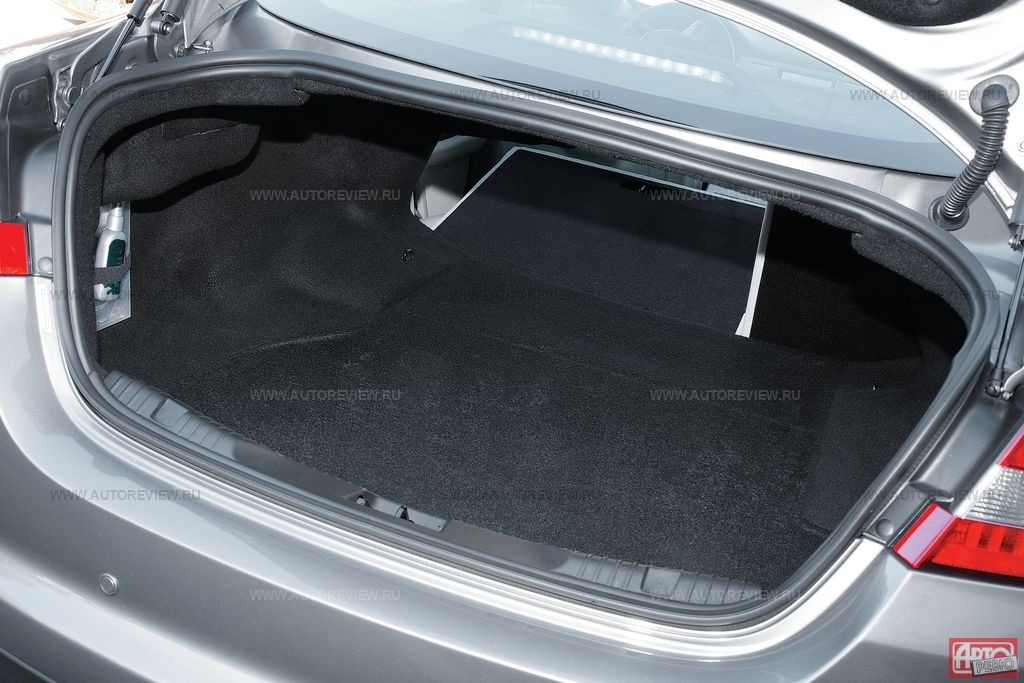 | 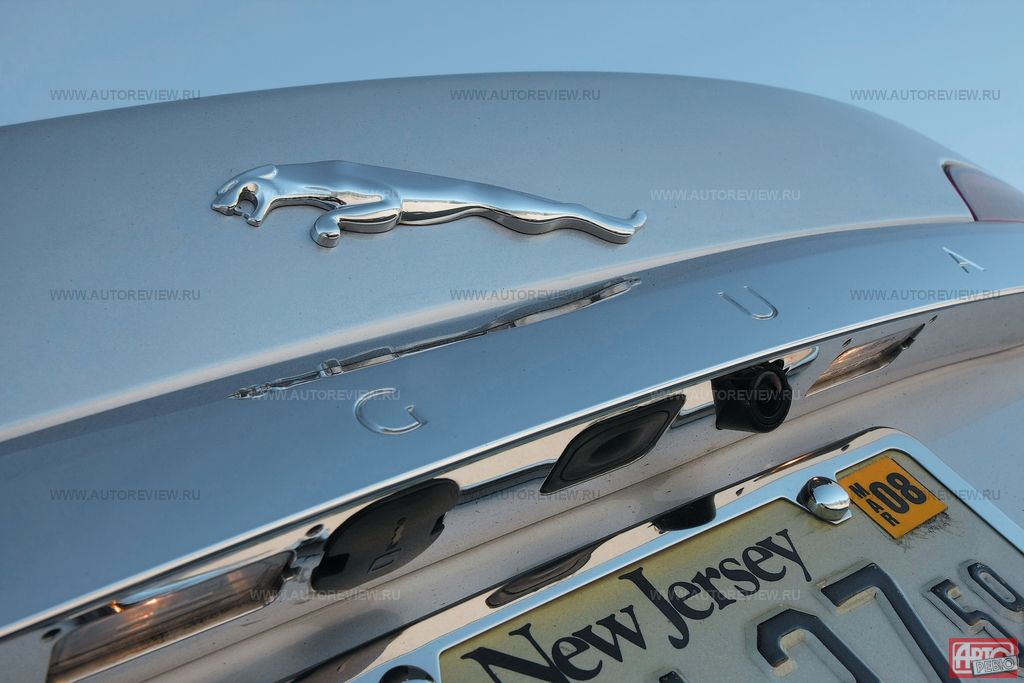 |
| Unlike its predecessor, the XF sedan has folding rear seat backs — in a 40:60 ratio. When using the repair kit instead of a spare wheel, the trunk volume increases from 500 to 540 liters | In addition to the "base" parking sensors, the XF can be equipped with a rear-view camera: it doesn't provide trajectory hints, and the image quality leaves much to be desired |
Jaguar's Managing Director Michael O'Driscoll admitted to me that the current team clearly understands what the company's future will be — it will be a small, exclusive company. "We don't want to sell just any cars — only the best. I hope that whoever buys our company will have the financial resources and share our enthusiasm and passion for the brand. Don't compare us to Chrysler: we've put in tremendous effort over the last ten years — and now we're on the rise. Our affairs will only improve from now on. The main thing is the buyer's desire to believe in our success. Who knows, after driving the new XF, you might believe in it too."
I'd say that the sunset of Jaguar simply cannot be as cheerful a shade as the soul of the new XF.
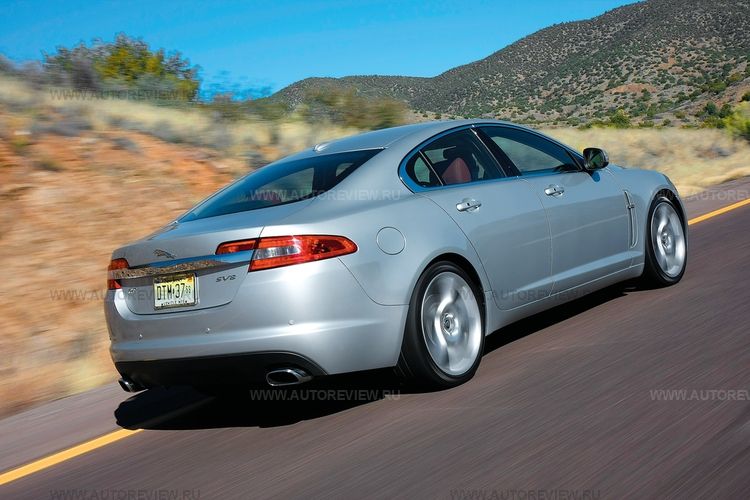
The Jaguar XF strikes a balance between engaging handling and acceptable ride comfort, between convincing dynamics and excellent sound insulation. And if you don't recognize it as a Jaguar — well, the brand name is written all over it. By the way, Ian Callum considers this angle the most flattering for the new car
| Specifications | ||||
| Parameters | Vehicle | |||
| Jaguar XF | ||||
| Trim | 3.0 V6 | 4.2 V8 | 4.2 V8 S/C | 2.7 D |
| Body | sedan, 4 doors | sedan, 4 doors | sedan, 4 doors | sedan, 4 doors |
| Passenger seats | 5 | 5 | 5 | 5 |
| Dimensions (L/W/H), mm | 4961/1877/1460 | 4961/1877/1460 | 4961/1877/1460 | 4961/1877/1460 |
| Wheelbase, mm | 2909 | 2909 | 2909 | 2909 |
| Track front/rear, mm | 1559/1605 | 1559/1605 | 1559/1571 | 1559/1605 |
| Trunk, L | 500/540* | 500/540* | 500/540* | 500/540* |
| Curb weight, kg | 1679 | 1749 | 1842 | 1771 |
| Gross weight, kg | 2215 | 2270 | 2330 | 2310 |
| Engine | gasoline, distributed injection | gasoline, distributed injection | gasoline, supercharger | diesel, twin turbo |
| Location | longitudinal, front | longitudinal, front | longitudinal, front | longitudinal, front |
| Cylinders | 6, V-shaped | 8, V-shaped | 8, V-shaped | 6, V-shaped |
| Displacement, cm³ | 2967 | 4196 | 4196 | 2720 |
| Bore/stroke, mm | 89.0/79.5 | 86.0/90.3 | 86.0/90.3 | 81.0/88.0 |
| Compression ratio | 10.5:1 | 11.0:1 | 9.1:1 | 17.3:1 |
| Valves | 24 | 32 | 32 | 24 |
| Power, hp at rpm | 238/6800 | 298/6000 | 416/6250 | 207/4000 |
| Torque, Nm at rpm | 293/4100 | 411/4100 | 560/3500 | 435/1900 |
| Transmission | automatic, 6 speeds | automatic, 6 speeds | automatic, 6 speeds | automatic, 6 speeds |
| Drive | rear | rear | rear | rear |
| Front suspension | independent, springs, double wishbones | independent, springs, double wishbones | independent, springs, double wishbones | independent, springs, double wishbones |
| Rear suspension | independent, springs, multi-link | independent, springs, multi-link | independent, springs, multi-link | independent, springs, multi-link |
| Front brakes | discs, ventilated | discs, ventilated | discs, ventilated | discs, ventilated |
| Rear brakes | discs | discs | discs | discs |
| Max speed, km/h | 237 | 250 | 250 | 229 |
| Acceleration 0-100 km/h, s | 8.3 | 6.5 | 5.4 | 8.2 |
| Fuel consumption, L/100 km | ||||
| city | 15.8 | 17.3 | 18.7 | 10.4 |
| highway | 7.5 | 7.6 | 9.1 | 5.8 |
| combined | 10.5 | 11.1 | 12.6 | 7.5 |
| Tank, L | 69.5 | 69.5 | 69.5 | 69.5 |
| * With space-saver spare/repair kit | ||||