
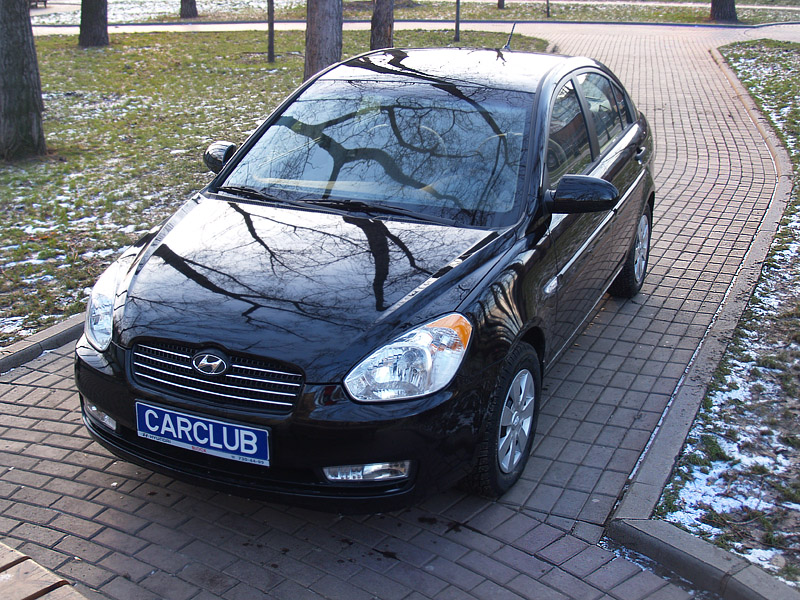
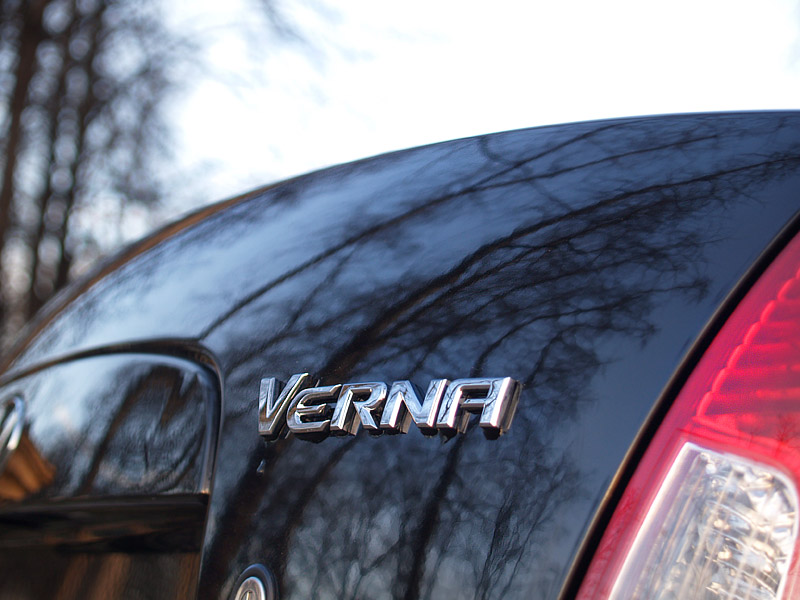
 As you name a ship, so it will sail. This proverb now fully applies to cars as well. Korean engineers, naming their new model Verna, which translates from Latin as “the spring that comes,” clearly wanted to hint at something new, fresh, and pleasing to the eye. True, more cunning Latin scholars find another interpretation: Verna — a slave born of slaves. But this applies to Hyundai only at the time of the company's founding, when it truly depended on foreign technologies and the American market. Today Hyundai is the sixth-largest automaker in the world by sales and has long since conquered the US on its own. And about the fact that “Koreans” are of poor quality, it's better to remain silent — they'll laugh at you. Last year, Americans awarded Hyundai the title of “ideal car brand” — inexpensive, reliable, and not at all evil.
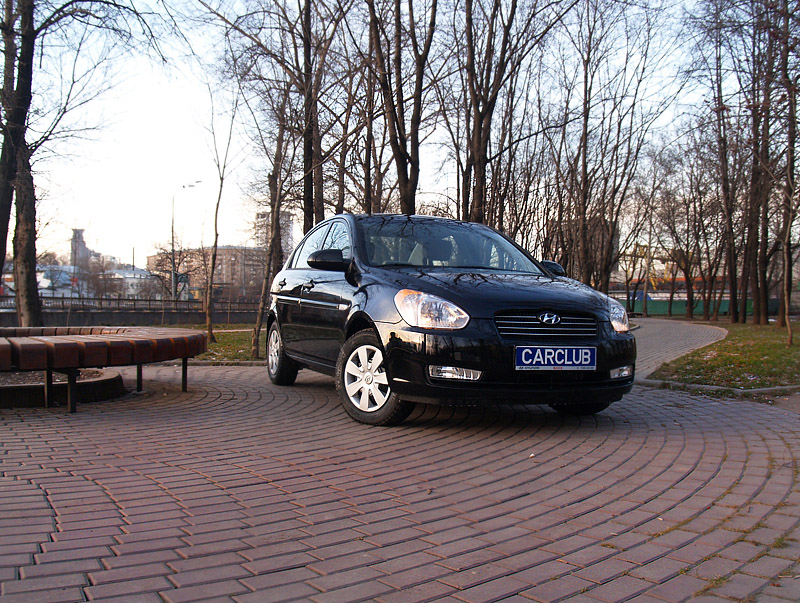
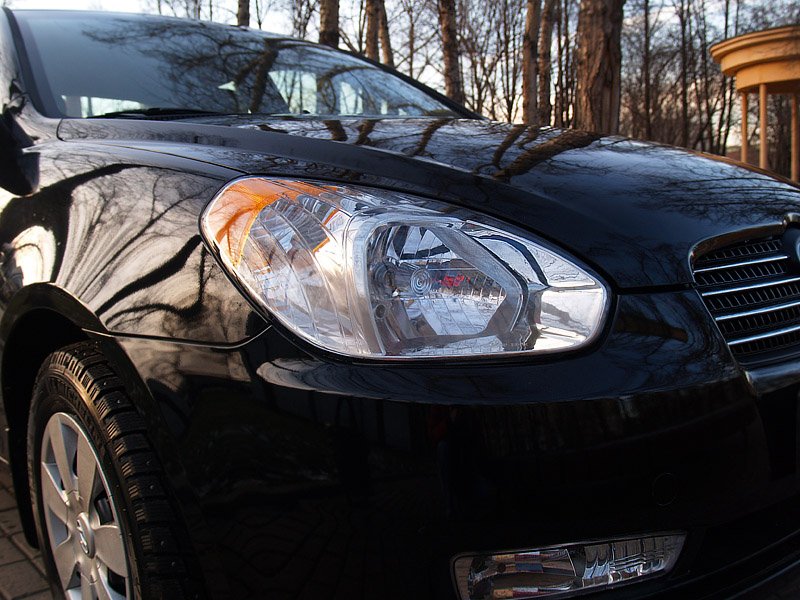
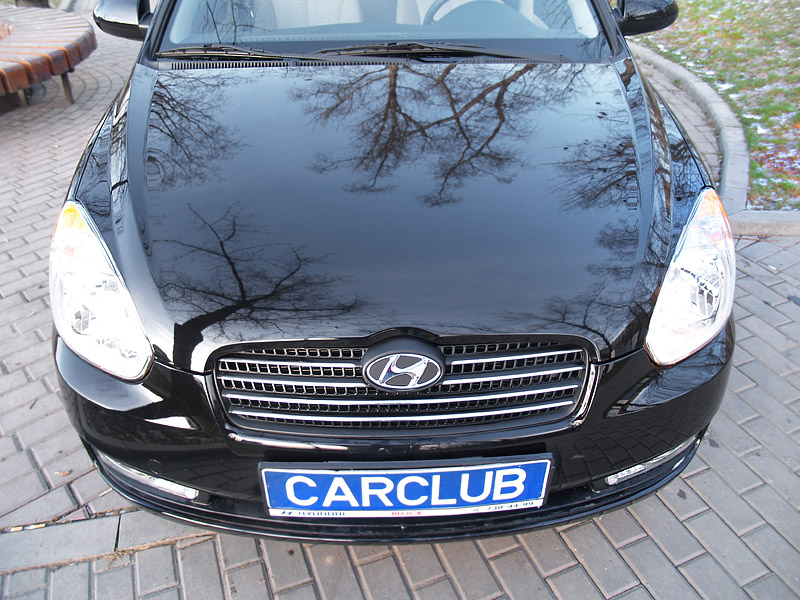
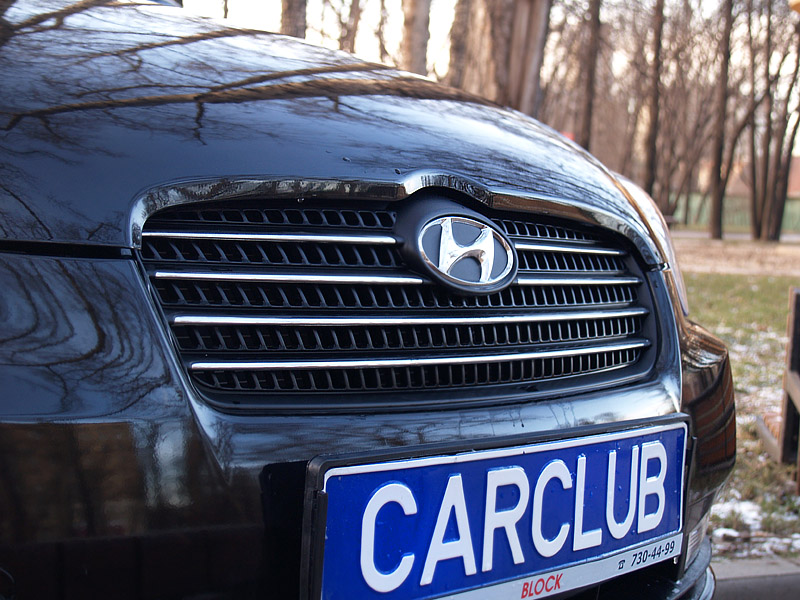
Verna is no exception. The build quality of this Korean sedan with a 16-valve 1.4-liter engine producing 97 hp is such that there's simply nothing to fault. The exterior is a successful combination of different styles. At the front, thanks to the original radiator grille, Verna somewhat resembles a Subaru, at the rear it looks like a bar of soap, and overall — a modern car as American students see it. Can you imagine, in the US there are now over a hundred clubs of fans of various Hyundai models? That means this brand has a certain appeal, not just cheapness and practicality.
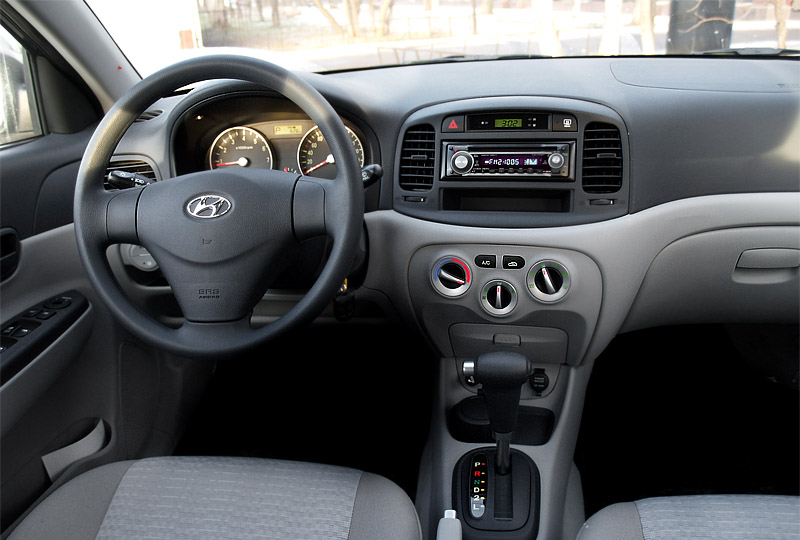
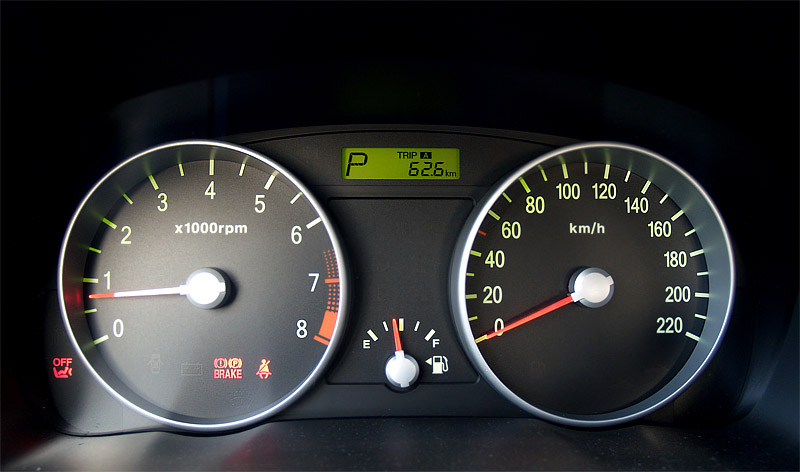
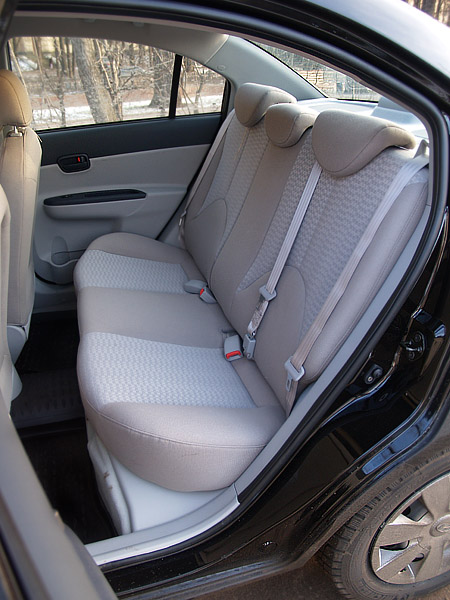
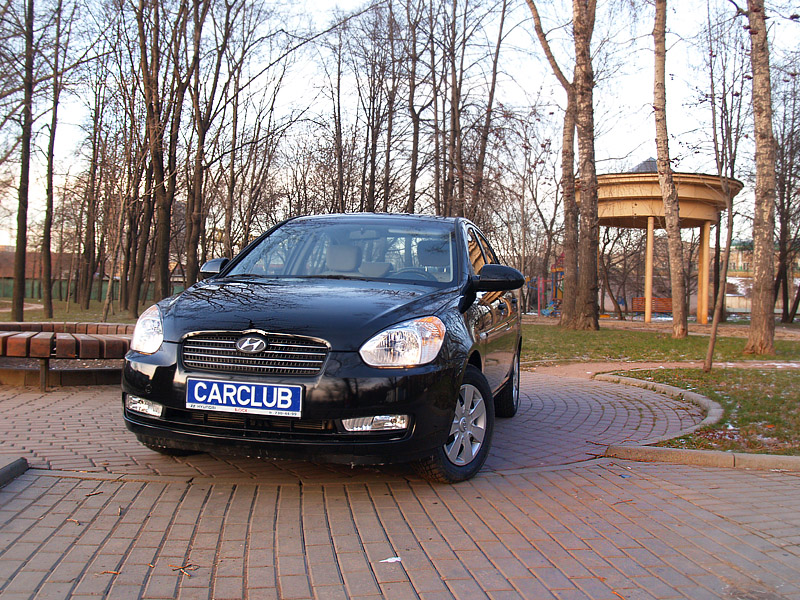 The Verna's interior is no longer as budget as the previous Accent, with which the new model is separated by price categories. The plastic has become a bit better, and in style it echoes the NF model. The strict instrument panel without a temperature gauge and the power window block on the driver's door are taken from the Hyundai Getz, which should please buyers. The three-spoke steering wheel sits comfortably in the palms. The seats are comfortable, but in some ways you still feel a look back to the past rather than the future. From yesterday — a single light dome in the center of the ceiling, which is often not enough, a removable radio for an extra charge, as well as an “automatic” selector with a longitudinal slot, which is easy to miss into first gear, and the 4-speed hydromechanics itself. There is a second gear lock for descents, an L mode for sand, ice, and snow, and an “overdrive” off button — fourth gear. All like on the old 1998 Mazda 323. But the shape of the front panel looks modern.
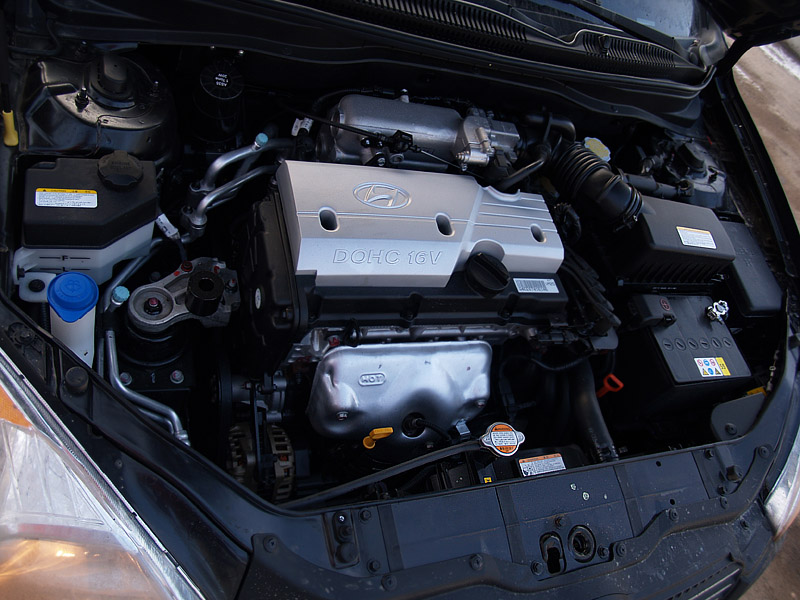
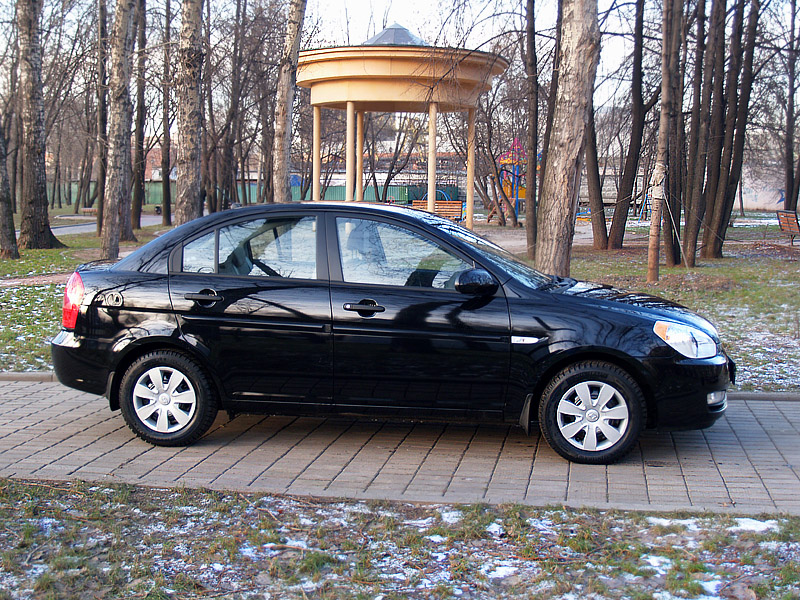 The engine looks even more modern. The gasoline unit with variable valve timing produces 97 hp and, without exaggeration, is good. At the bottom it lacks torque, but from 3000 rpm it pulls richly, densely, and pleasantly. It briskly accelerates the compact sedan to 120–130 km/h, a bit less willingly to 150, and at the extreme 180 km/h it already chokes with a scream. And this is despite the engine meeting Euro-4 standards. For such a “green” engine, the dynamics are decent.
The gearbox shifts smoothly enough and even allows engine braking! The suspension is also a match for the engine. Despite Hyundai's focus on Americans, it confidently swallows bumps and allows you to take corners with enthusiasm, delighting with energy intensity on speed bumps. One cannot fail to note the excellent sound insulation of the Hyundai Verna. The engine is audible only at high revs, aerodynamic noises appear only around 150 km/h. Tires hum monotonously, but from winter driving on studs over bare asphalt, anyone would howl. Fuel consumption was a bit disappointing: with active driving, it exceeds 12 liters per 100 km. A 2.3-liter Saab “eats” that much, but it behaves more dynamically anyway.
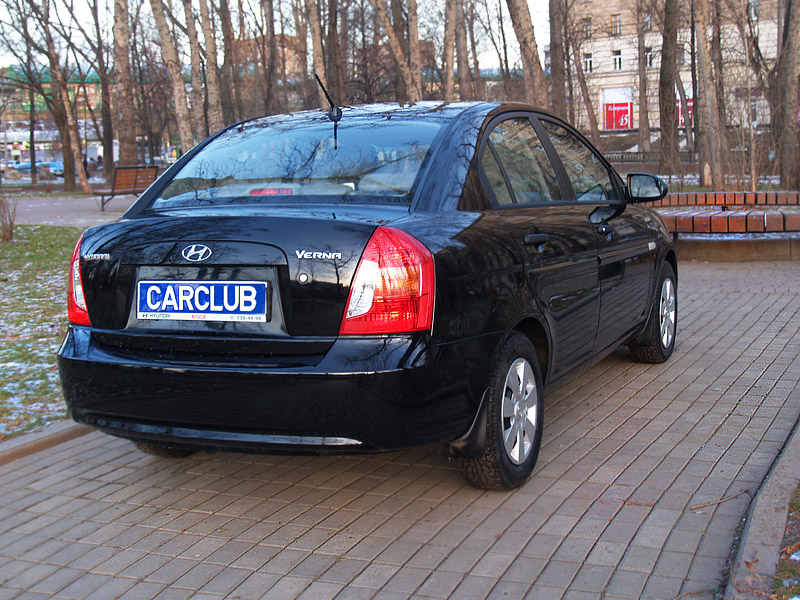 Overall, the Hyundai Verna gives a rare feeling of a whole and balanced car and is not without reason positioned a class above the Taganrog Accent. A modern rigid body, a comfortable interior, a full power package, a normal set of passive safety — two airbags, belt pretensioners, ABS and EBD, electric power steering with excellent feedback near zero, predictable handling, and a dense suspension — what more could you want?
Yes, the Verna has no zest, no soul, but only a set of average consumer qualities. But Hyundai is guaranteed not to break down. That is, it practically causes no trouble during the warranty period — 5 years or 100 thousand km. The Verna does not evoke vivid emotions, but it will not bring trouble either — it will be Verna. In general, this “yacht” sails exactly as it is named.
As for the price of the top version at 17,790 USD, it does not seem inflated. And even if you are not as faithful to your “Verna” as it is to you — practice shows that in a year or two on the secondary market it can be sold without a big loss in price. For those to whom fidelity is more important than zest.
 The base price of the Hyundai Verna starts at 14,290 USD for an almost empty car with the same engine and manual gearbox, driver's airbag, audio preparation, and power steering. For comparison, the related Kia Rio with similar equipment will be about 300 dollars more expensive, but it can be bought as a sedan or hatchback. By the way, better-equipped versions of the Kia Rio are still cheaper than Hyundai, but they are assembled at the SOK group plant in Izhevsk. Verna with air conditioning and power windows is 1,200 USD more expensive. Adding another 700 USD, you get ABS, rear disc brakes, and heated mirrors with electric drive. Another 1,000 — and the Verna will have an “automatic.” However, no matter how you look at it, the radio and remote central locking will have to be installed for an extra charge. These options are not even in the top trim, although competitors from the Korean camp with the American name Chevrolet offer them as factory options and under the manufacturer's warranty.
Leonid Pavlov