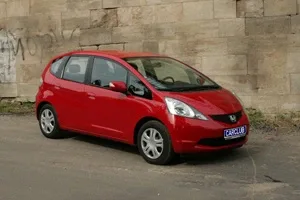
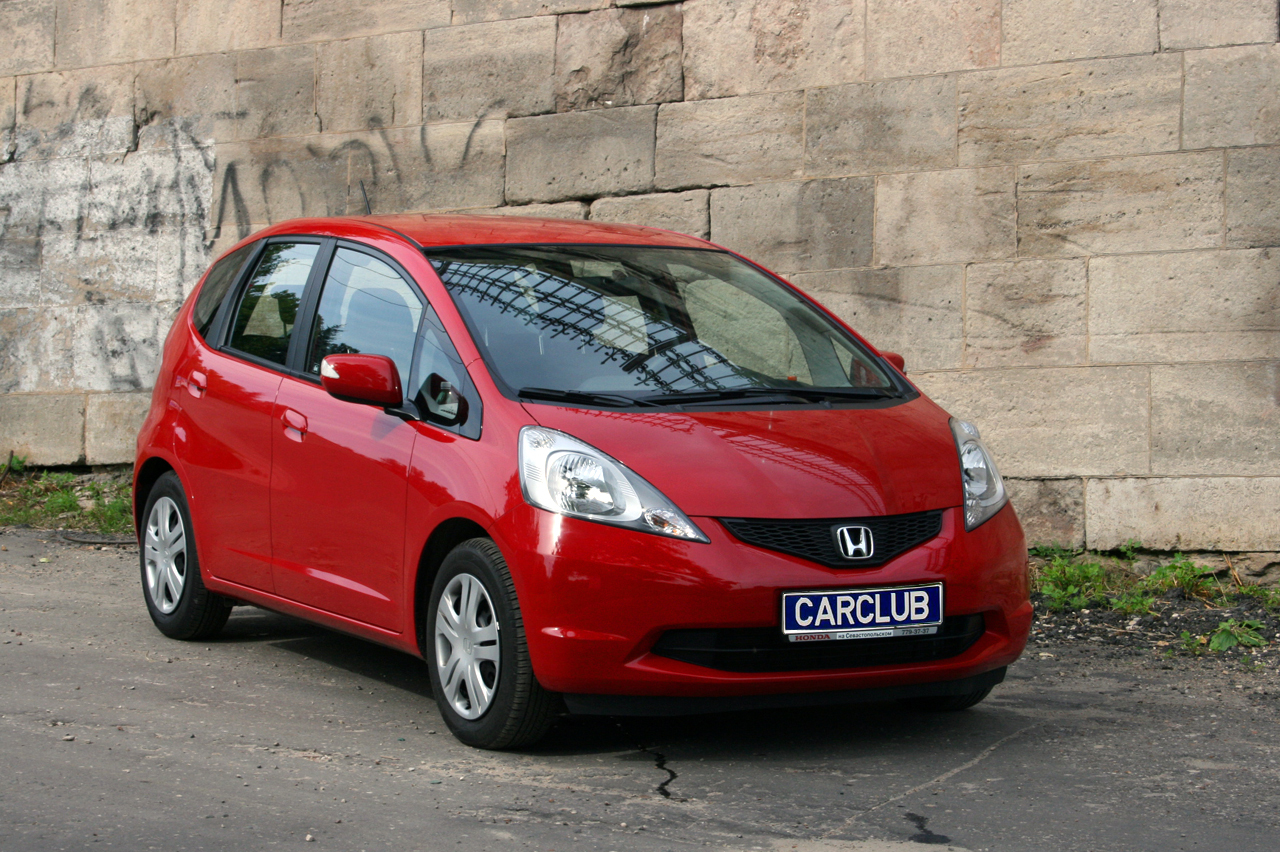
Has the Honda Jazz changed? At first glance, it's the same familiar compact MPV with its recognizable "feminine" front-end design and elongated, practical silhouette. But upon closer inspection, you realize: the car has become noticeably more futuristic and austere.
 |
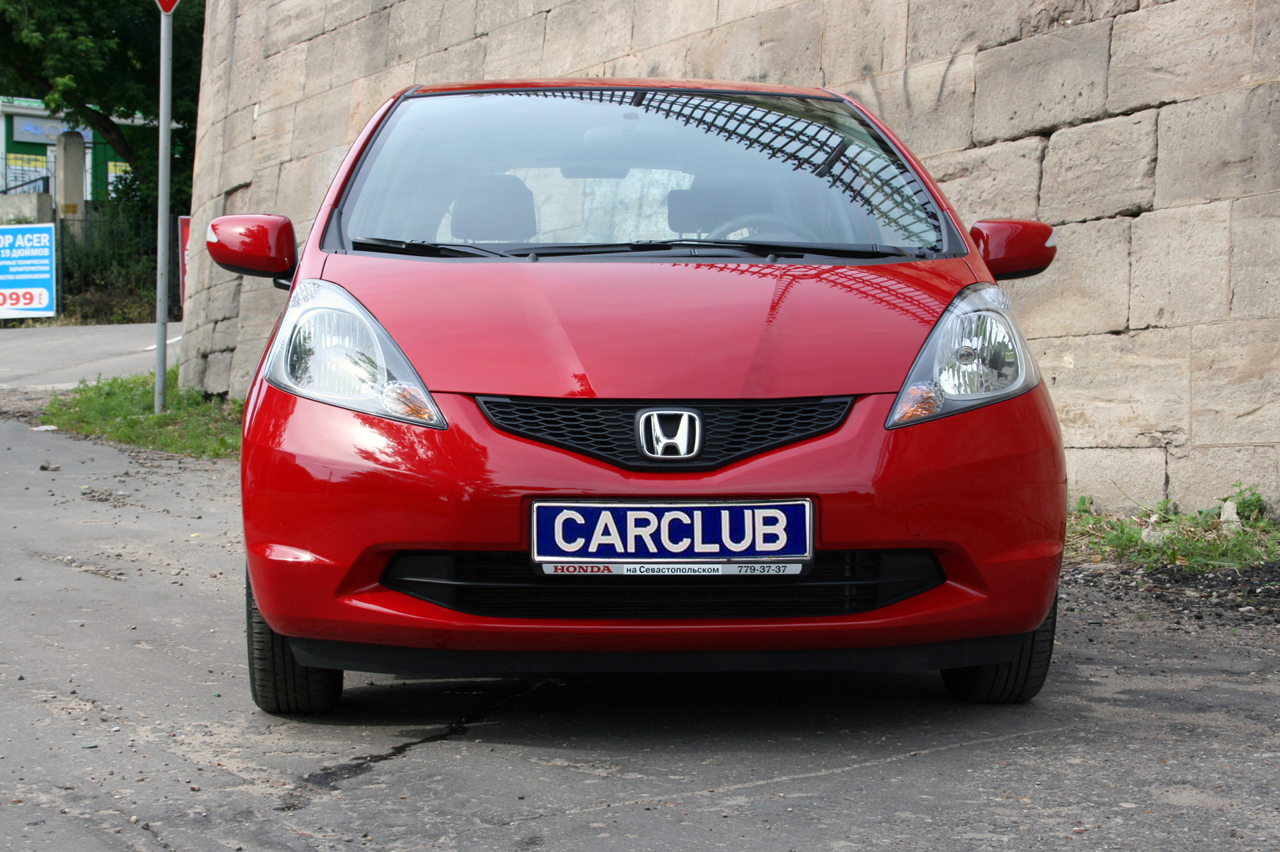
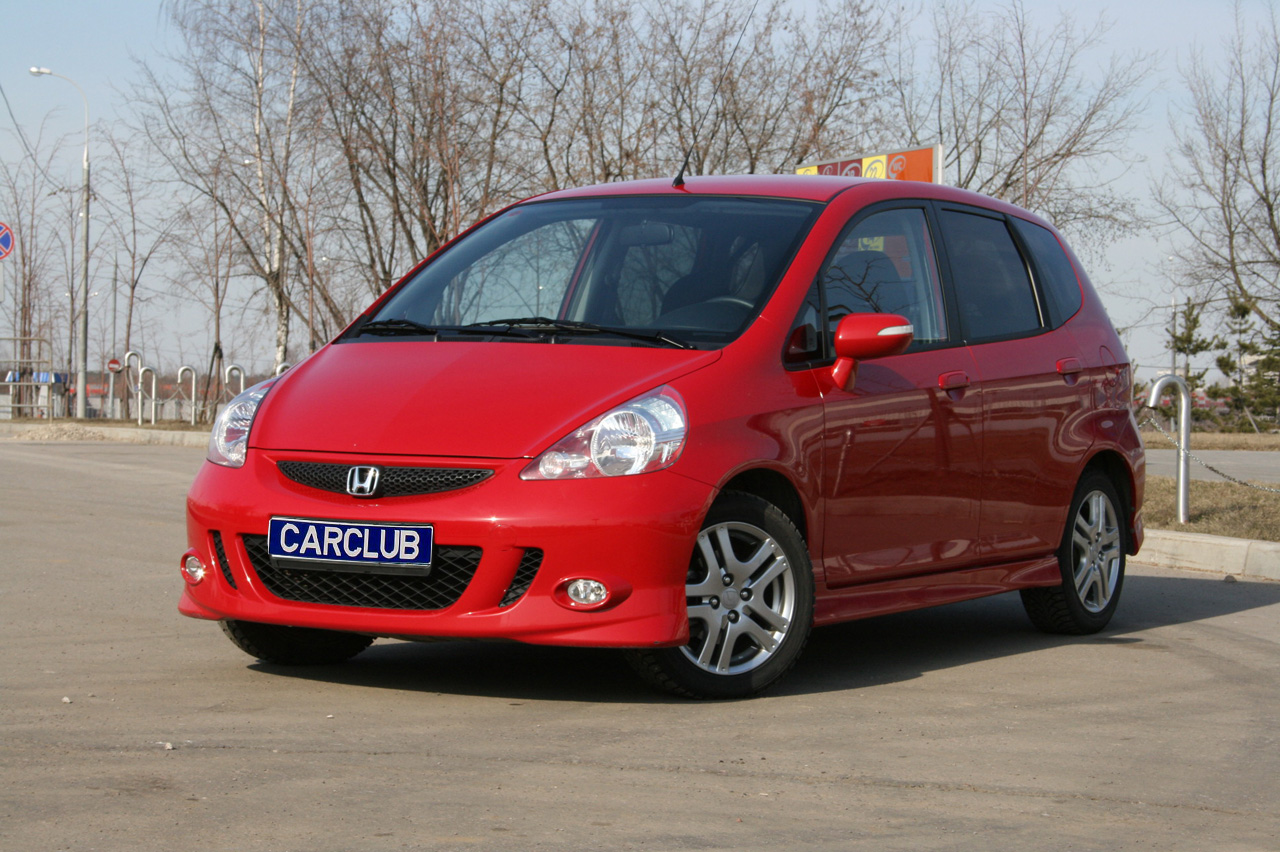
| Jazz 2009 model year |
 |
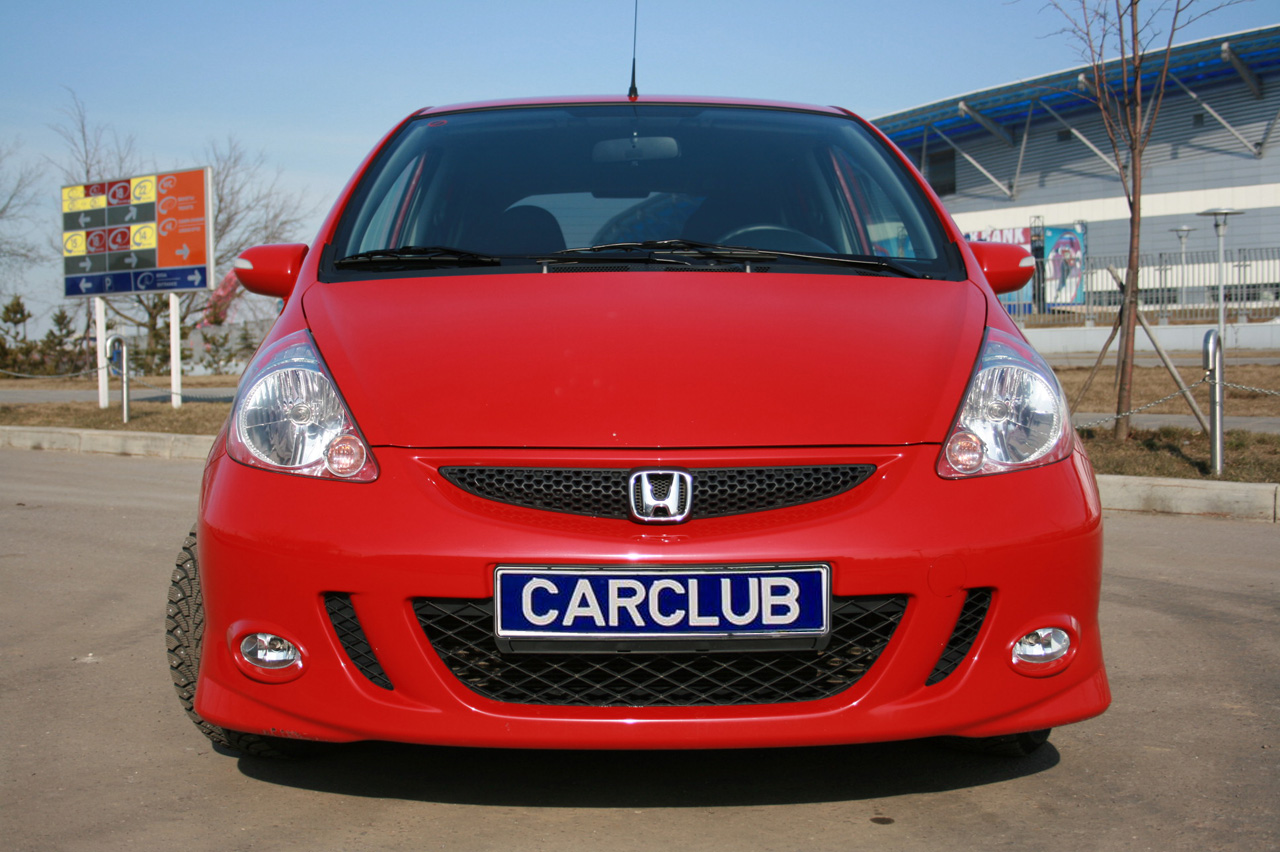
| Jazz 2008 model year (Sport version) |
The headlights have gained sharper lines, the front bumper has been redesigned, the grille has become more angular, the roofline is smoother, and the pillars are thinner, increasing the glass area. Now the Jazz is perceived not as a stretched hatchback, but rather like a miniature spaceship.
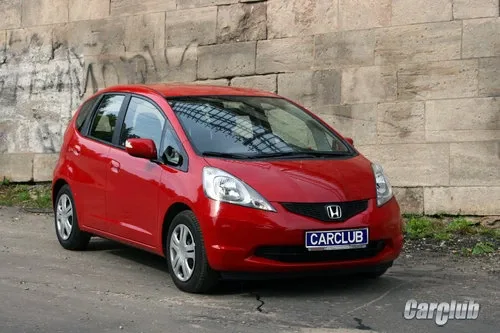 |
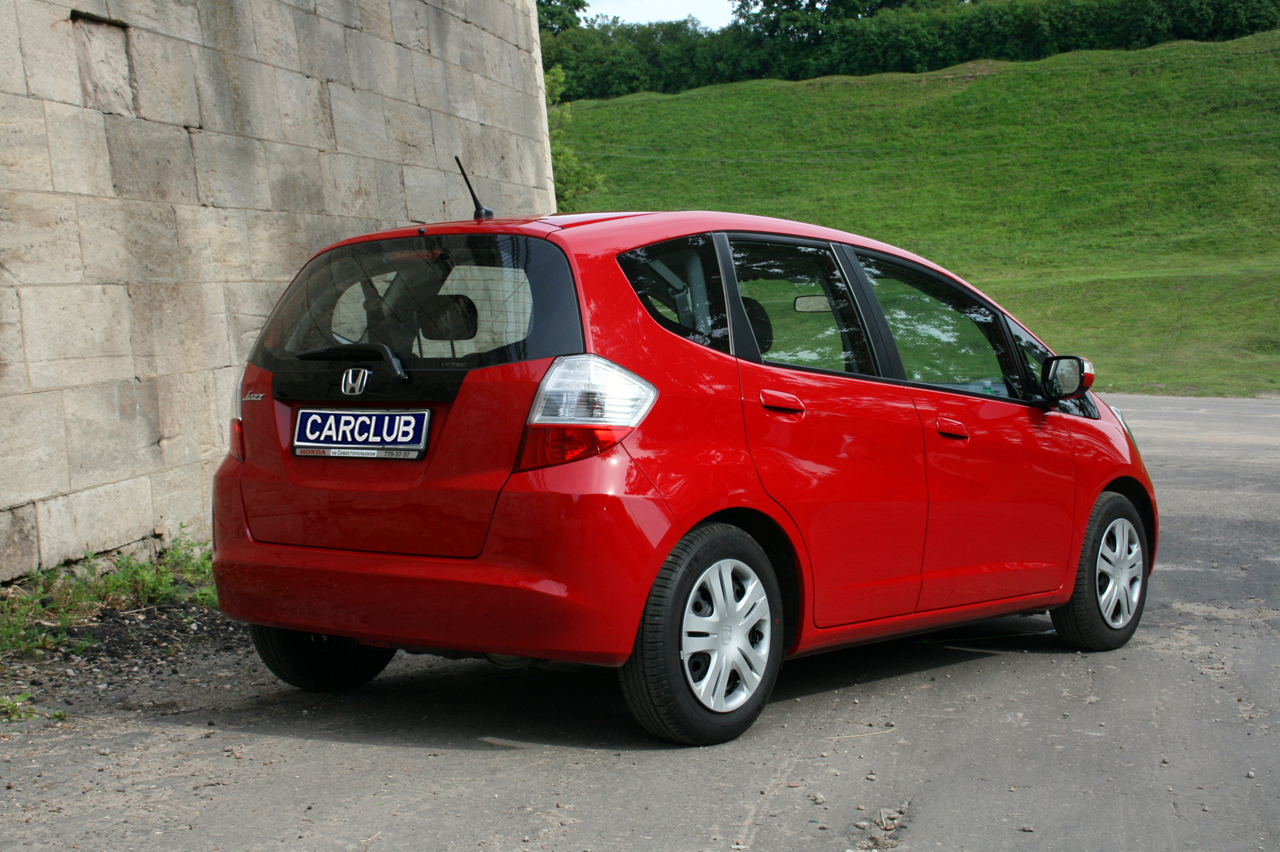
| Jazz 2009 model year |
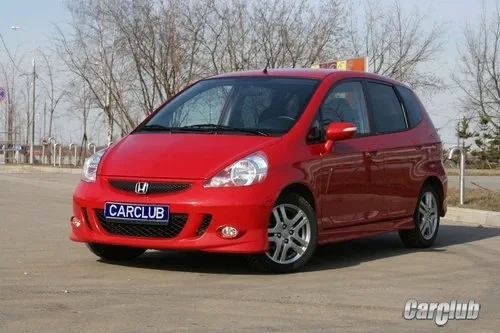 |
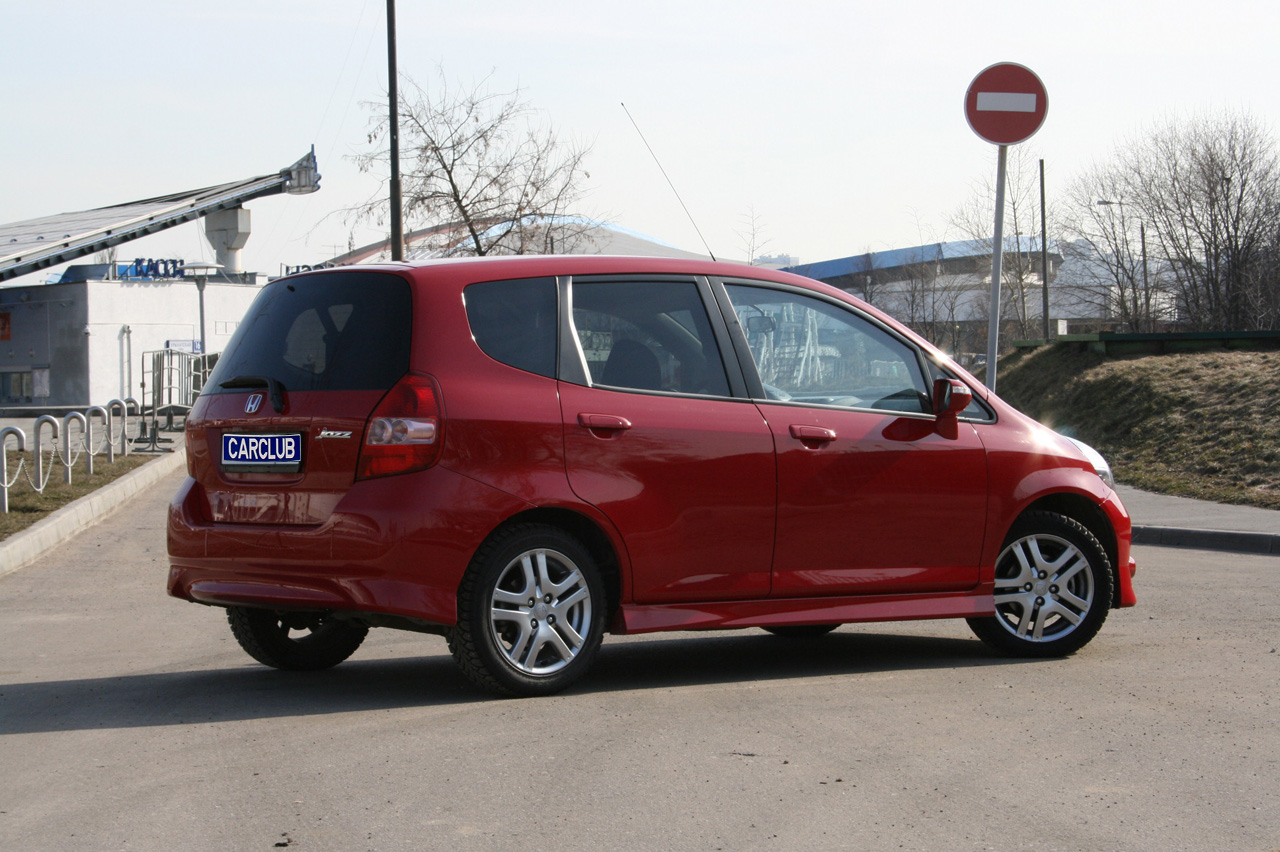
| Jazz 2008 model year |
The rear of the new model somewhat echoes the new Ford Fiesta — and given how good the design of this "Ford" hatchback is, such a comparison clearly favors the practical microvan. True, the red dot above the letter J has disappeared from the badge, and with it some of the playfulness of the rear view.
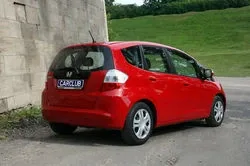 |
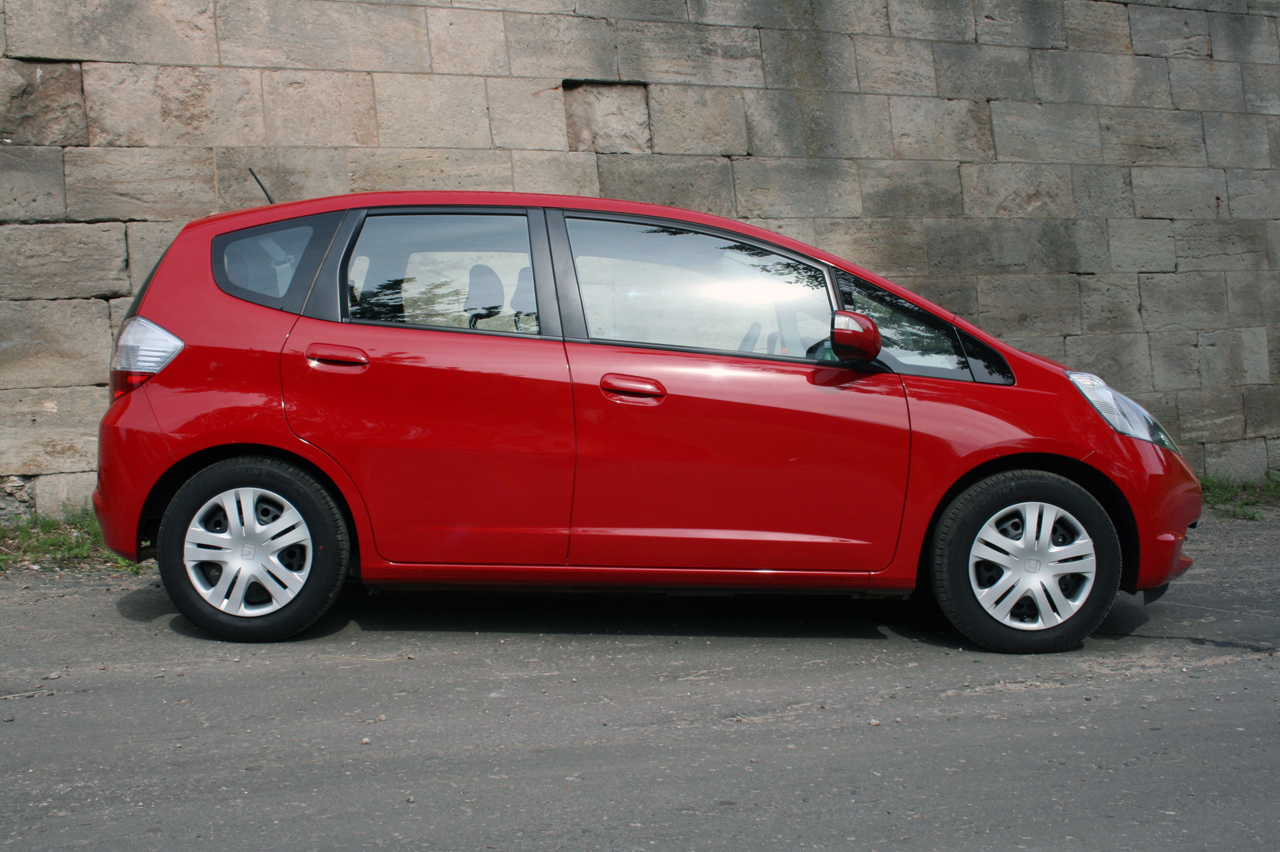
| Jazz 2009 model year |
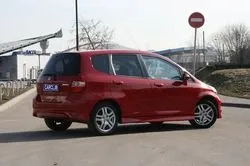 |
| Jazz 2008 model year |
The visual impression of increased dimensions is not deceiving: the body has become 55 mm longer, 20 mm wider, and the wheelbase has grown by 50 mm.
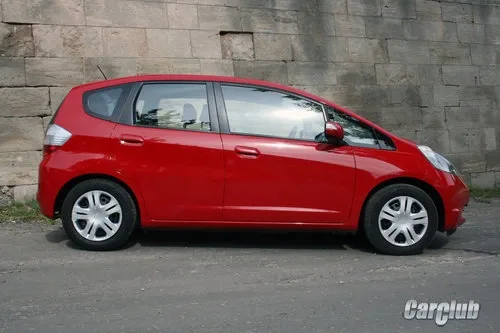 |
| The new Honda Jazz now resembles not a stretched hatchback, but a small spaceship |
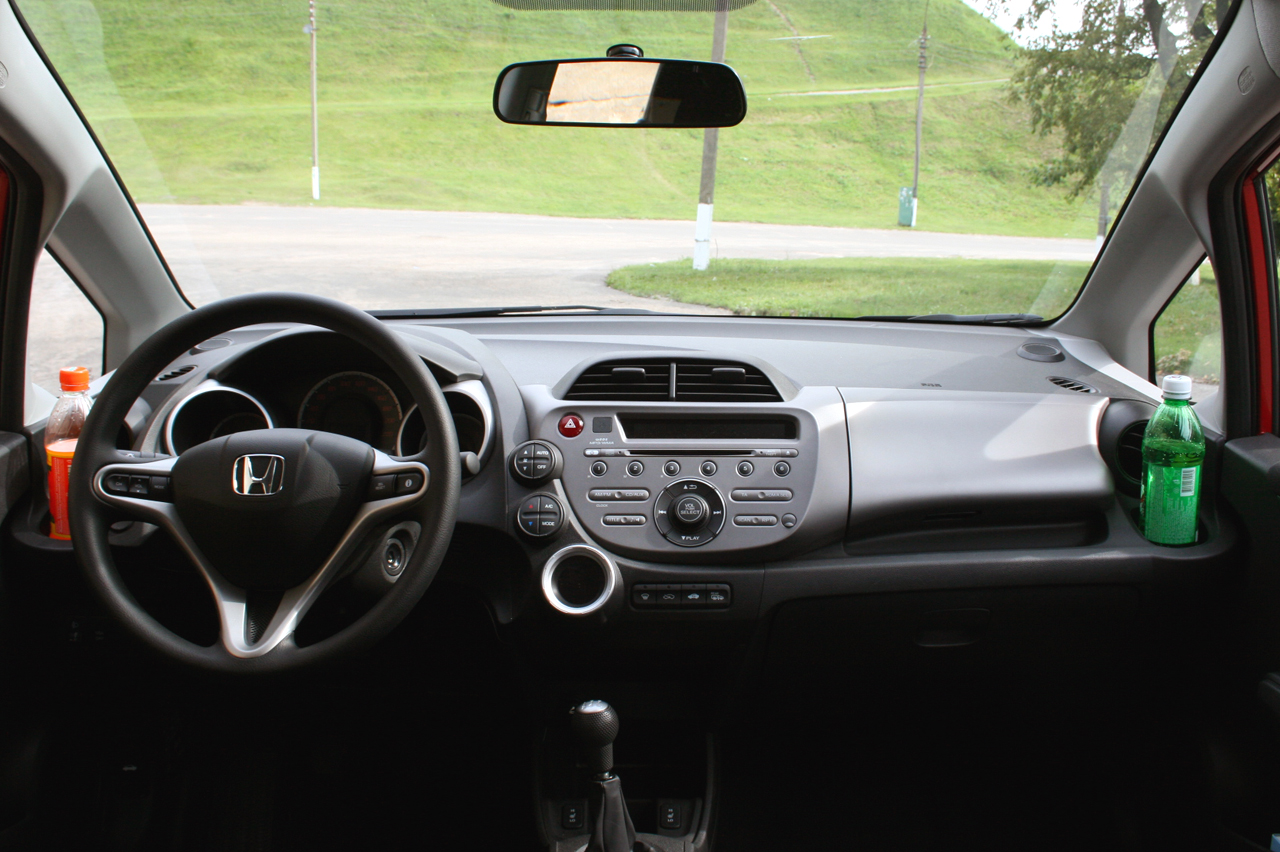
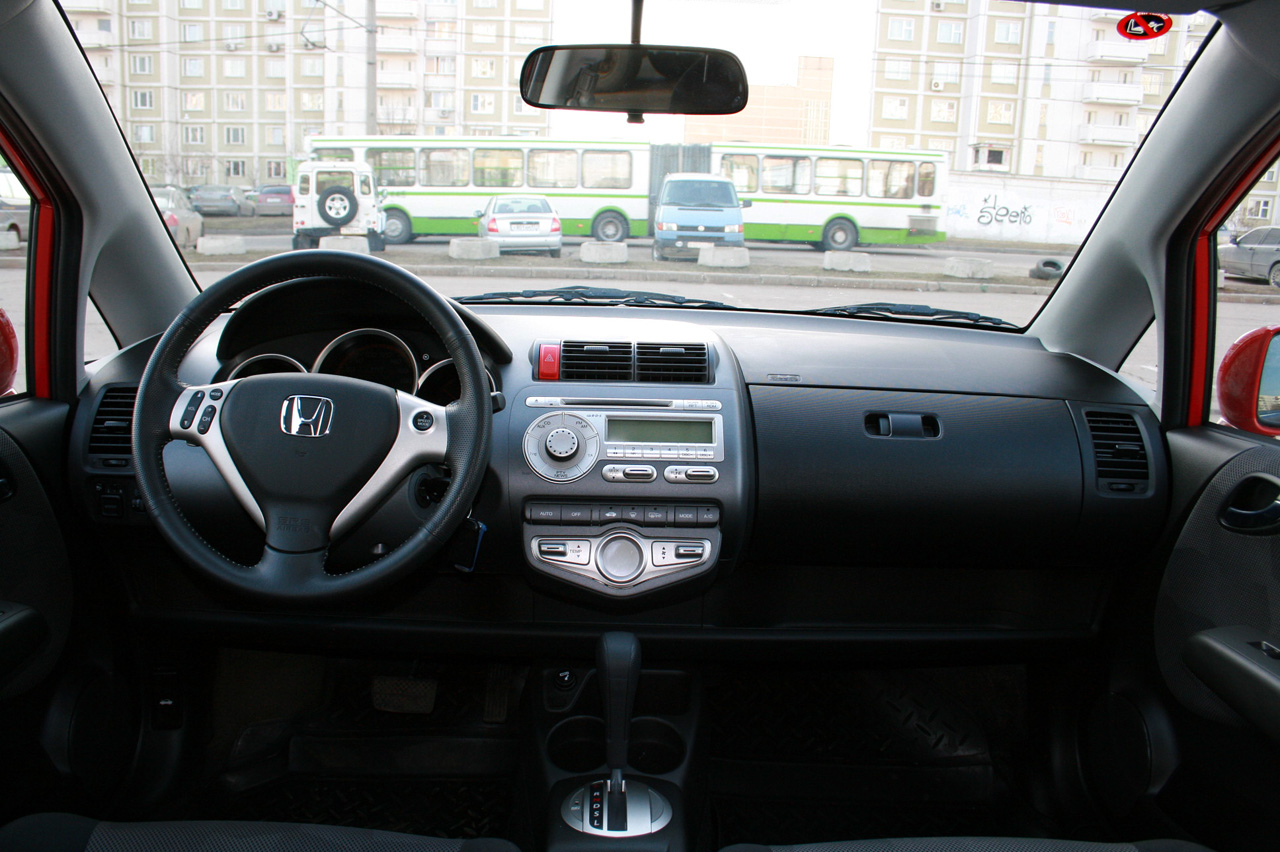
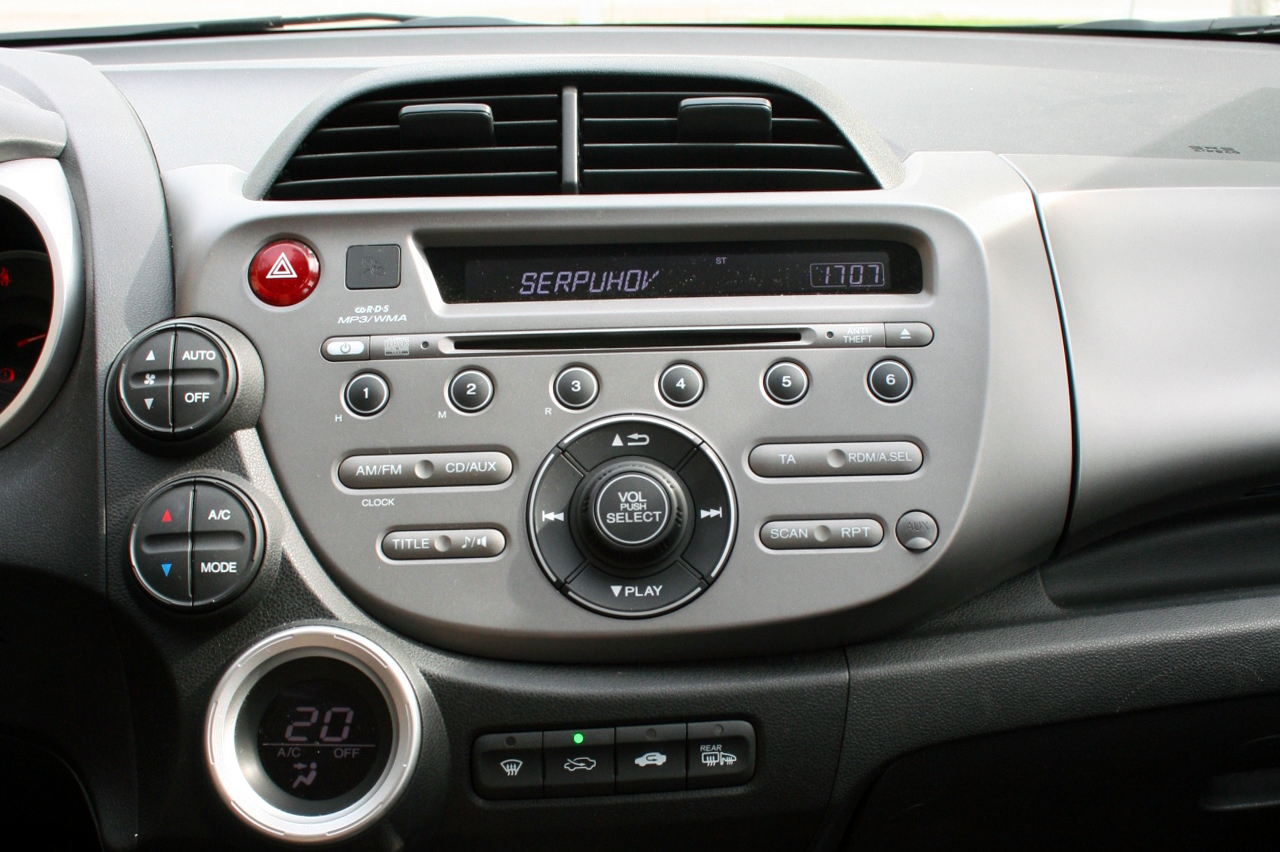
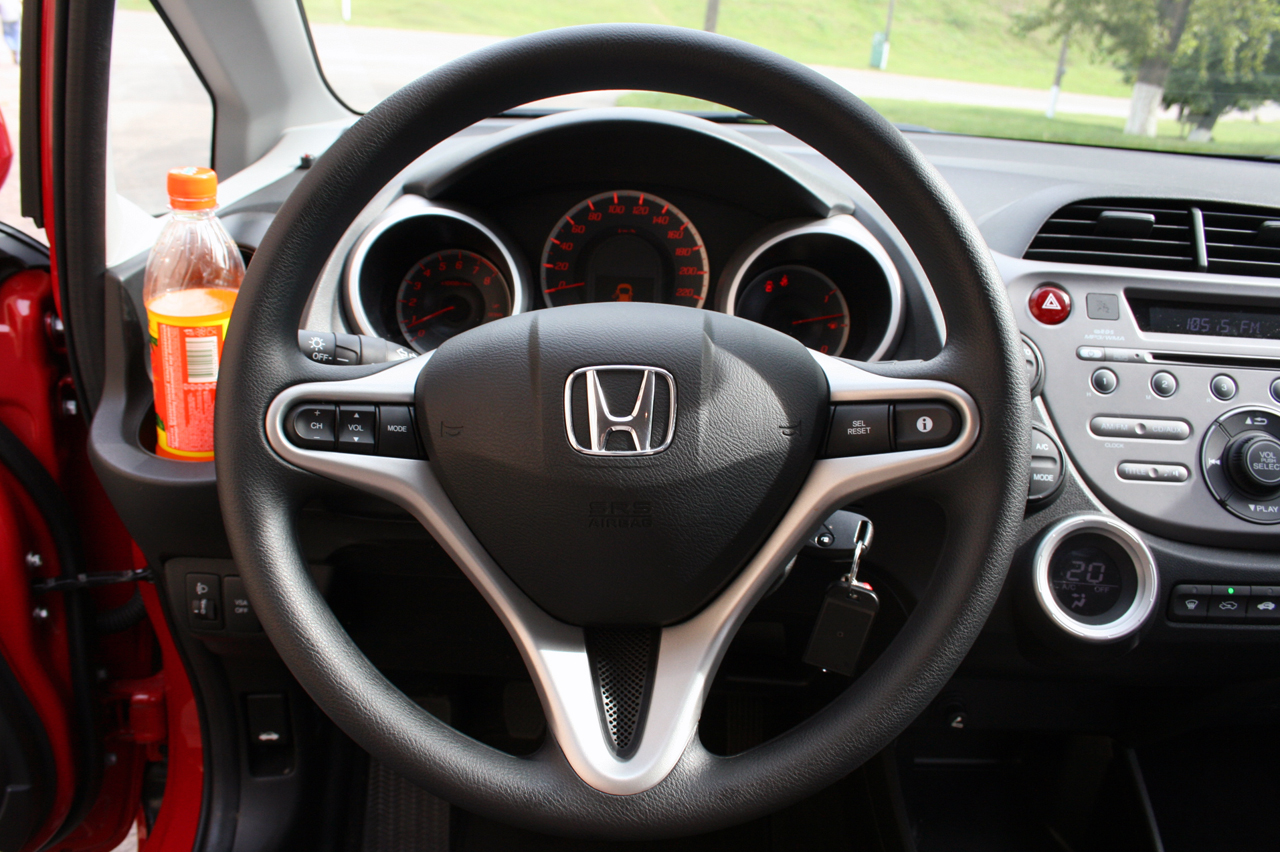
In the cabin, the first thing you notice is the new steering wheel — a compact three-spoke design, a true work of art. As for the center console, it's a matter of taste. Honestly, subjectively, I found the old one more interesting, including from an ergonomic standpoint.
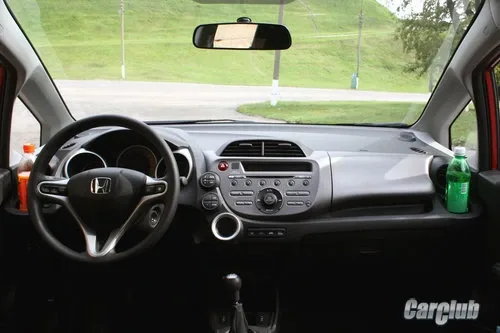 |
| Jazz 2009 model year |
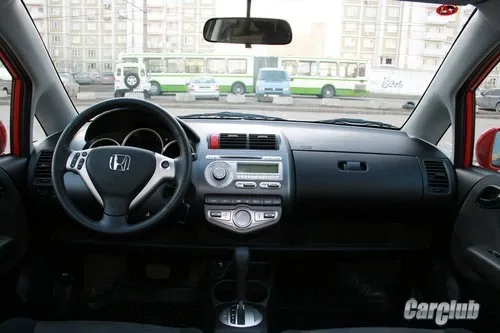 |
| Jazz 2008 model year |
The central instrument binnacle with the speedometer is now recessed deeper than the side ones — the tachometer and fuel gauge are placed at the edges. The backlighting has become red, and the trip computer screen has moved to the center. Reading the information has become easier and faster. The tachometer now houses a gear shift indicator that suggests the optimal moment to change gears for fuel economy. However, during the test, it turned out that its advice is not always to be trusted.
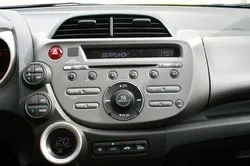 |
| The old console was more interesting |
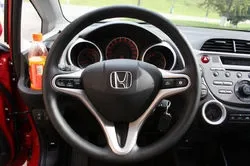 |
| The steering wheel is a masterpiece of design art |
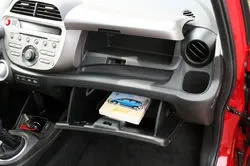 |
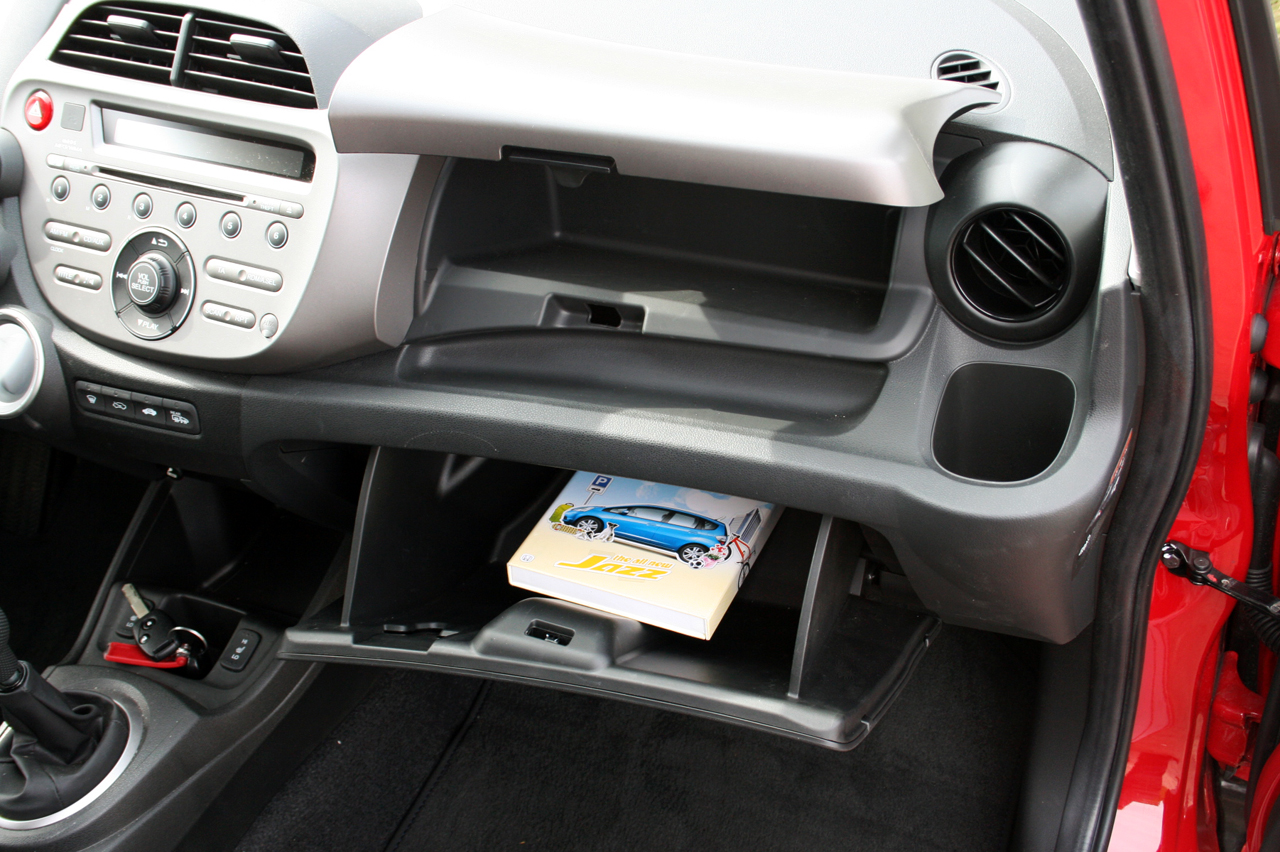
| The glove box remains two-level |
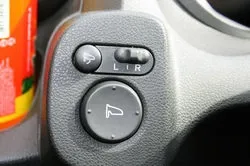 |
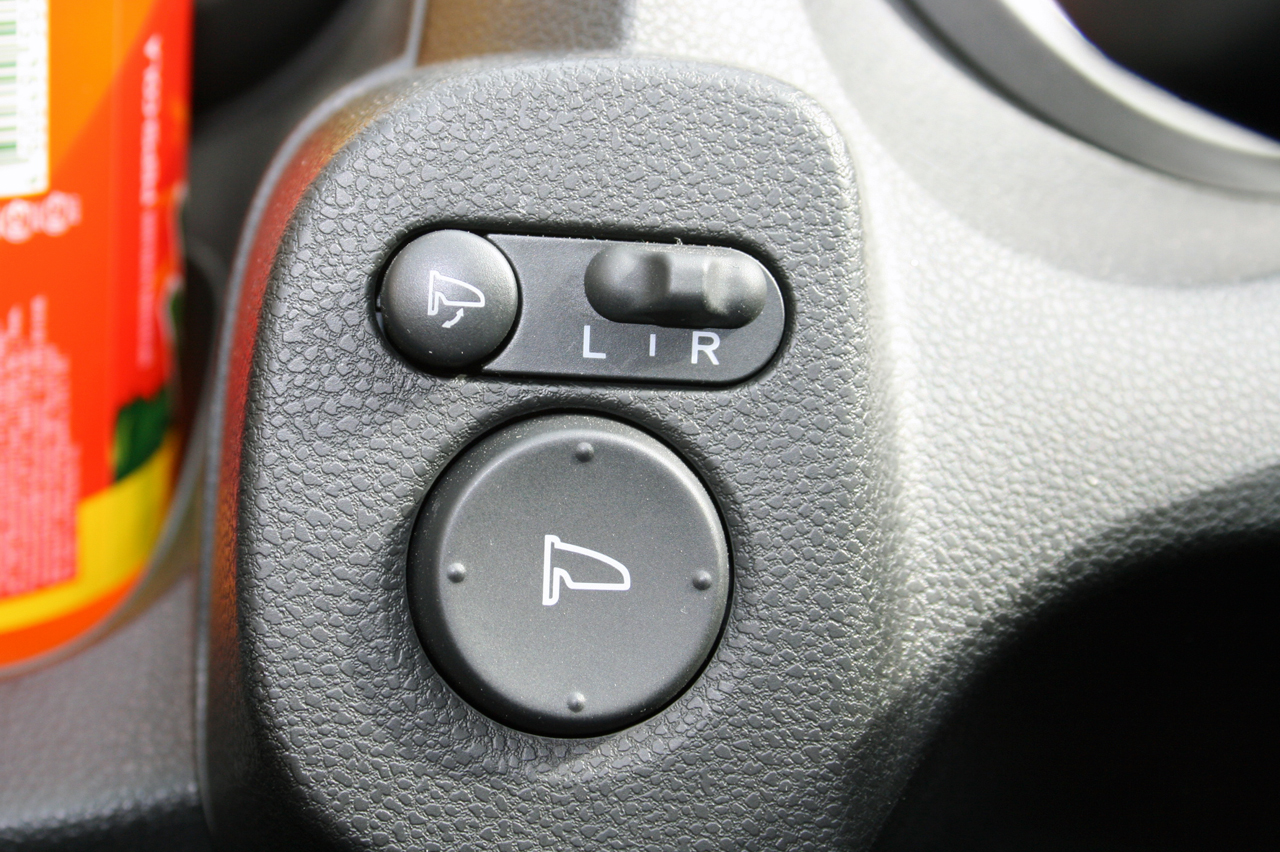
| Even the base version has power mirrors |
An excellent solution — pockets for water bottles hidden under the climate control vents! In total, there are 10 cup holders placed around the cabin. Overall, the small-item storage compartments in the new Jazz are so well thought out that you quickly get used to them and then look for the same convenience in other cars. The glove box remains two-level. And, of course, there's the now-fashionable iPod input.
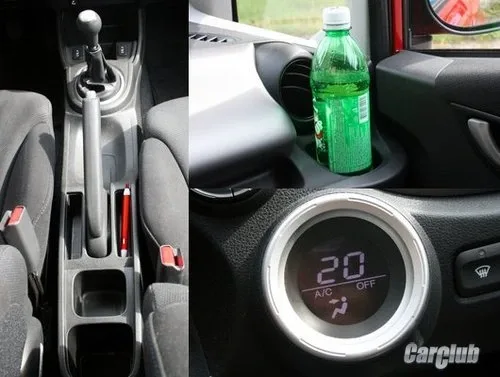 |
| A wonderful solution - bottle pockets located under the vents |
The feeling of airiness in the cabin is enhanced by the aforementioned increased glass area — it also provides excellent visibility. In higher trims, a panoramic roof is available, which is currently in vogue. Rear passengers also have more space: legroom has increased by 18 mm, and the distance between the front and rear rows has grown by 30 mm.
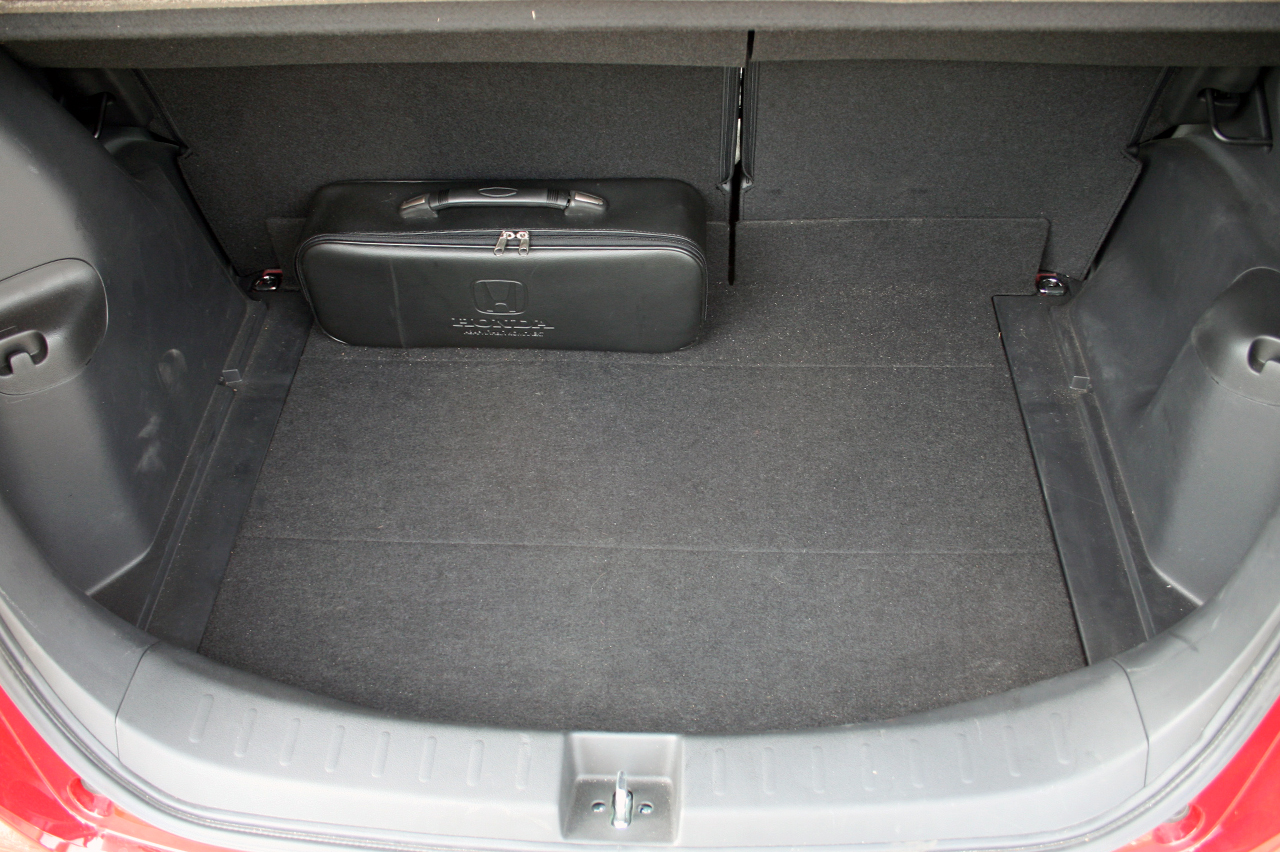
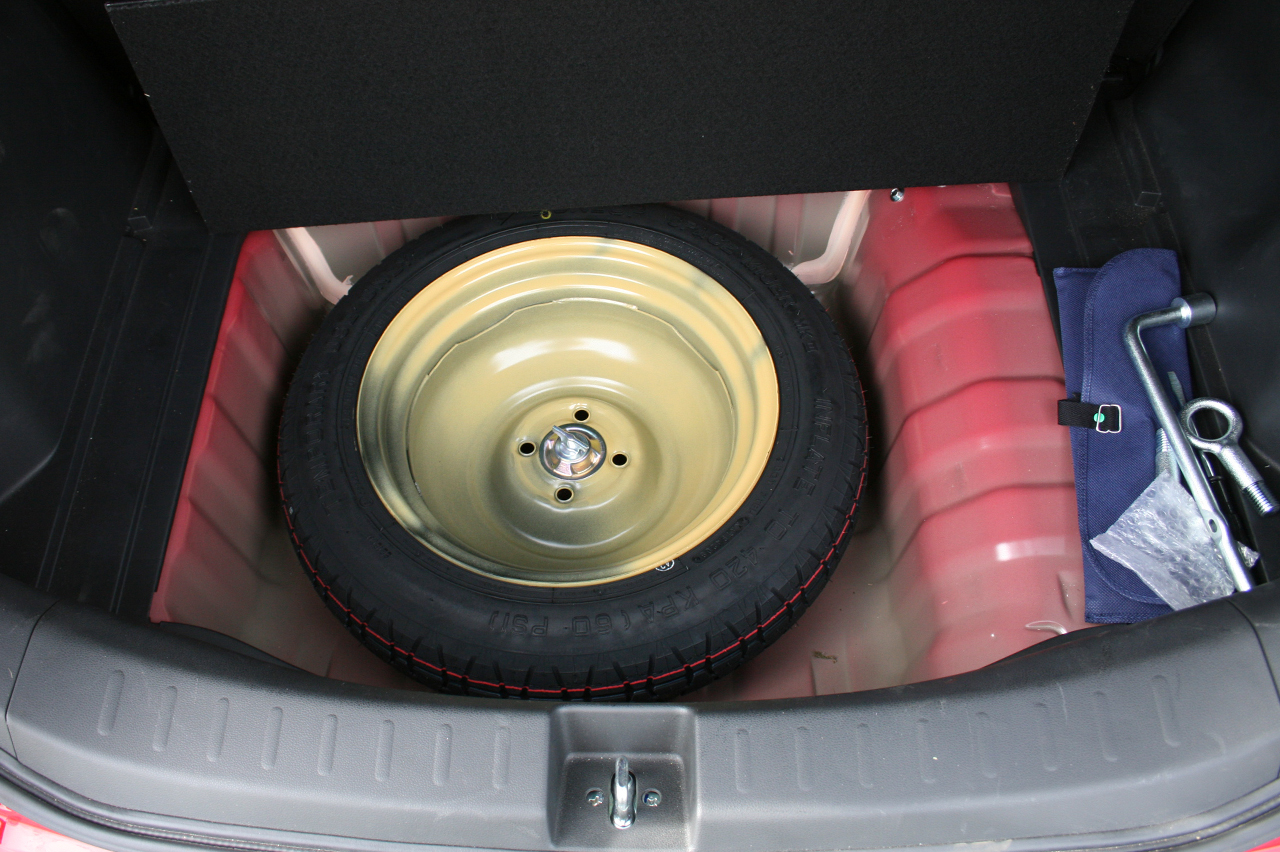
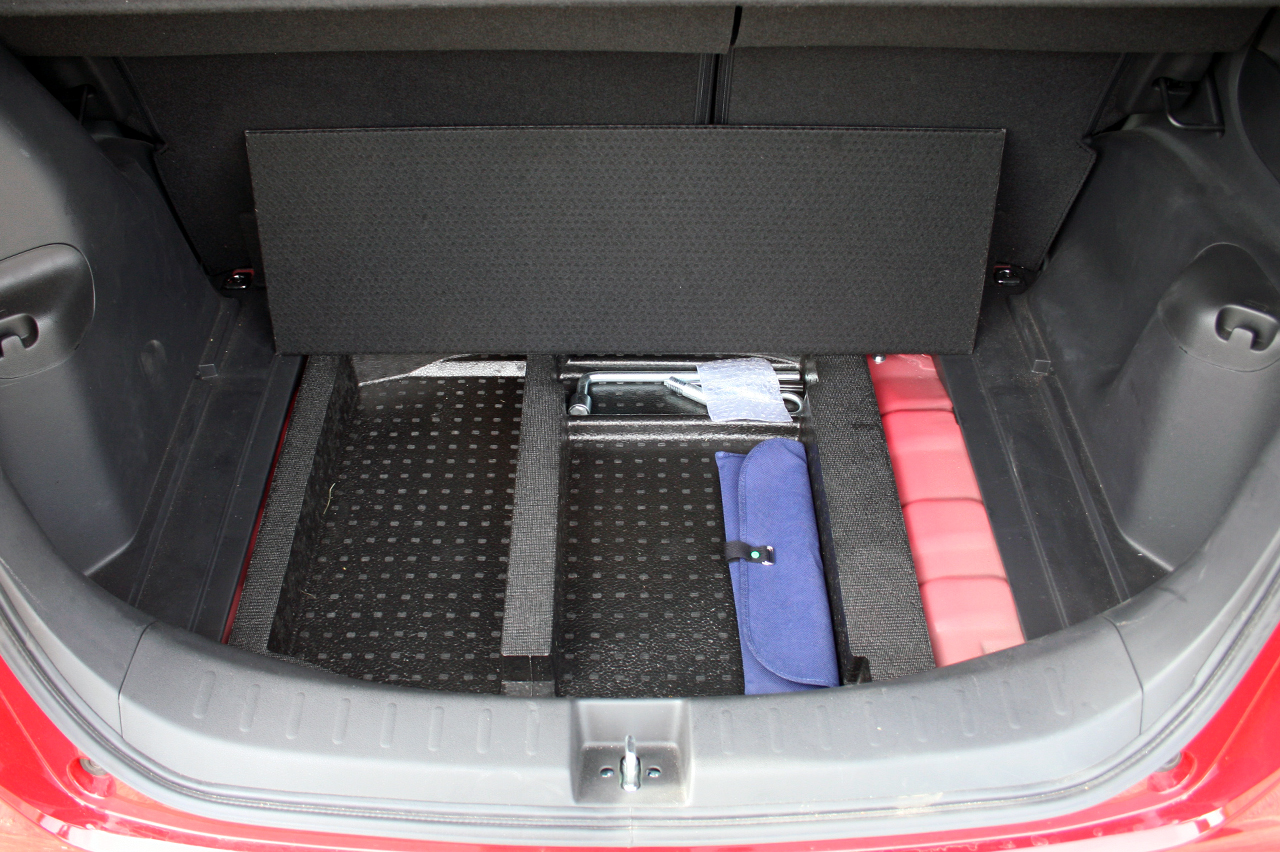
Finally, the trunk! Once you play with the seat configurations in the Jazz, you'll never forget how much cargo this outwardly compact body can hold. In the new Jazz, the minimum trunk volume has grown from 380 to 399 liters!
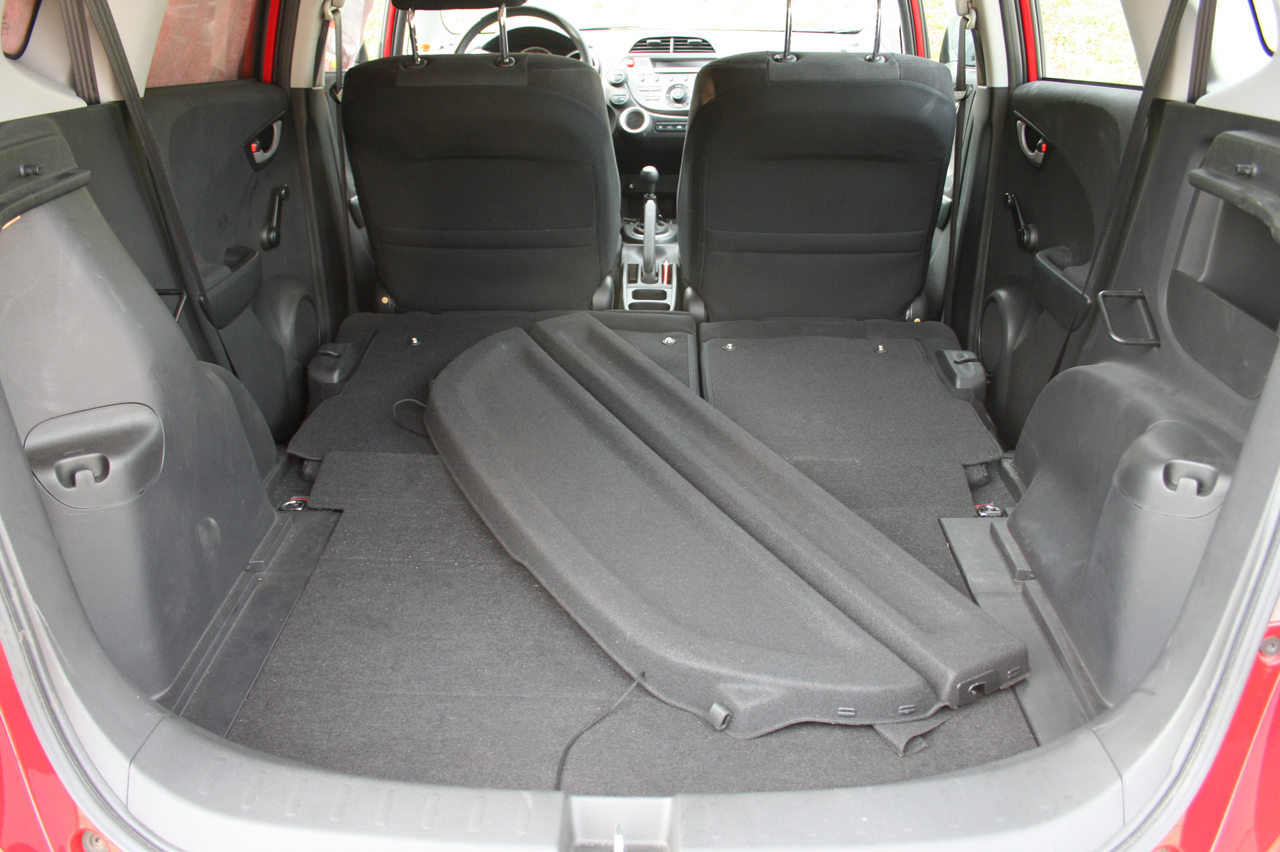
But the main feature of the previous Jazz — not the trunk volume, even though it's one of the best in its class — is the Magic seats system, as Honda calls it. Now, to fold the rear row into a flat floor, you simply pull the seatbacks down, without even moving the front seats. One, two — and it's done, you could transport wardrobes every day. The length of the flat floor in Utility mode reaches 1720 mm! And if you slide the front passenger seat all the way forward and fold its backrest, you get a full 2.4 meters for long items.
And that's not all. If you return the rear row to its normal position, the seat cushions will lock in a raised state — this is the Tall mode. Then, items (a palm tree?) up to 1,280 mm high can fit between the front and rear seats. Moreover, the rear doors open wider than the trunk door.
The driver's seat in the Jazz raises no complaints: there are enough adjustments for both the seat and the wonderful steering wheel. The gear lever is beyond praise: it fits the hand perfectly, with precise, soft, and obedient throws.
The powertrain did not impress. It would seem that a 1.4-liter engine producing 100 horsepower is a decent figure, but in practice, things are not so rosy. Subjectively, it feels like this car takes almost an eternity to reach the desired speed, and drivers behind you start getting nervous waiting for the next green light. Not to mention the gear shift suggestions — the arrow on the tachometer advises shifting up already at 2000-2500 rpm. Perhaps this mode helps save fuel, but you can forget about dynamic driving in this case. The engine truly comes alive only after the tachometer needle passes 4000 rpm.
The instruments turned red, a window for the onboard computer appeared on the speedometer, and on the tachometer — an indicator of the optimal gear shift point for fuel efficiency<\/td><\/tr><\/tbody><\/table>But the chassis, on the contrary, pleased! If the previous Jazz allowed you to enter corners briskly, but at the same time made passengers suffer from "waves" and road surface irregularities, then the new generation, without losing either stability or handling, has become noticeably softer and more comfortable. Of course, serious bumps on the "Jazz" are better overcome with caution, if only because of the small ground clearance, but now the country road no longer resembles a washboard.<\/p>
The updated Honda Jazz has become more interesting and elegant, acquired a futuristic charm and has become even more practical in terms of space organization — both in the cabin and in the trunk. Modern "gadgets" have also appeared. The new model clearly wins over its predecessor in ride smoothness, without losing stability and excellent handling. The only thing that upset was the engine: you expect more lively dynamics from "Honda" engines.<\/p>
The price of the Honda Jazz starts from 615,000 rubles — that's how much they ask for the version with a 1.4-liter engine and a manual gearbox. Already in the initial configuration there is climate control, electric drive and heated mirrors, electric folding mirrors, front power windows, ABS, EBD, stability control system, 8 airbags (including curtains), CD radio with steering wheel controls. Versions with an "automatic" will cost from 645,750 rubles. The top version 1.4 Executive AT will cost at least 742,613 rubles — it includes a rain sensor, panoramic roof, cruise control, leather trim on the steering wheel and gear lever, light sensor, iPod and USB connectors.<\/p>
Svetlana Aleeva<\/strong><\/p>

 <\/a><\/td><\/tr>