
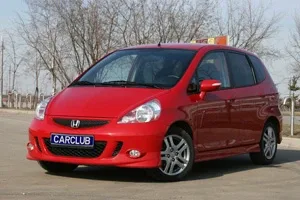
 A practical car with a melodic name will suit those who need a spacious interior with modest exterior dimensions and a roomy trunk.Comments
 Honda Jazz reached the Russian market with a delay: the model appeared worldwide back in 2002, but arrived here only in 2005. Despite its considerable age, the car consistently finds buyers among our compatriots.
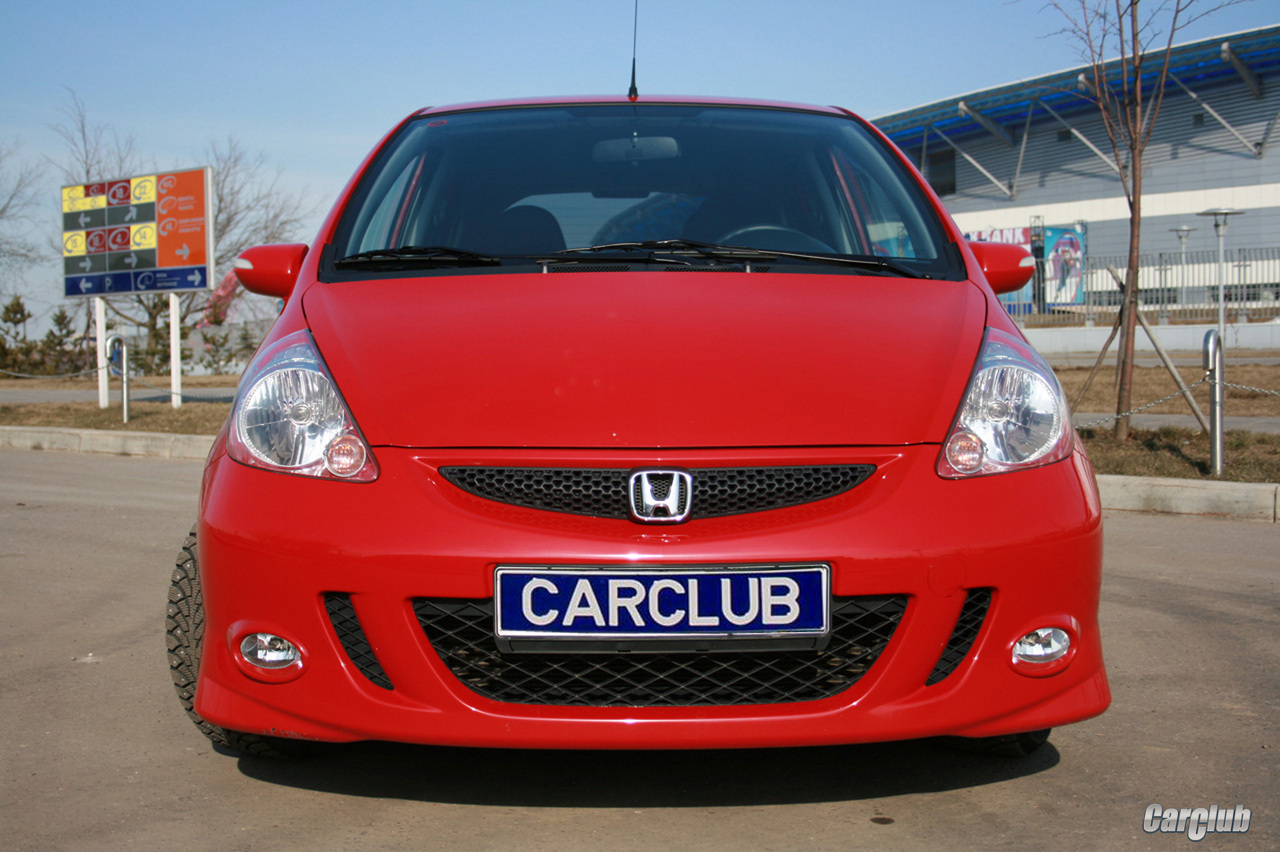
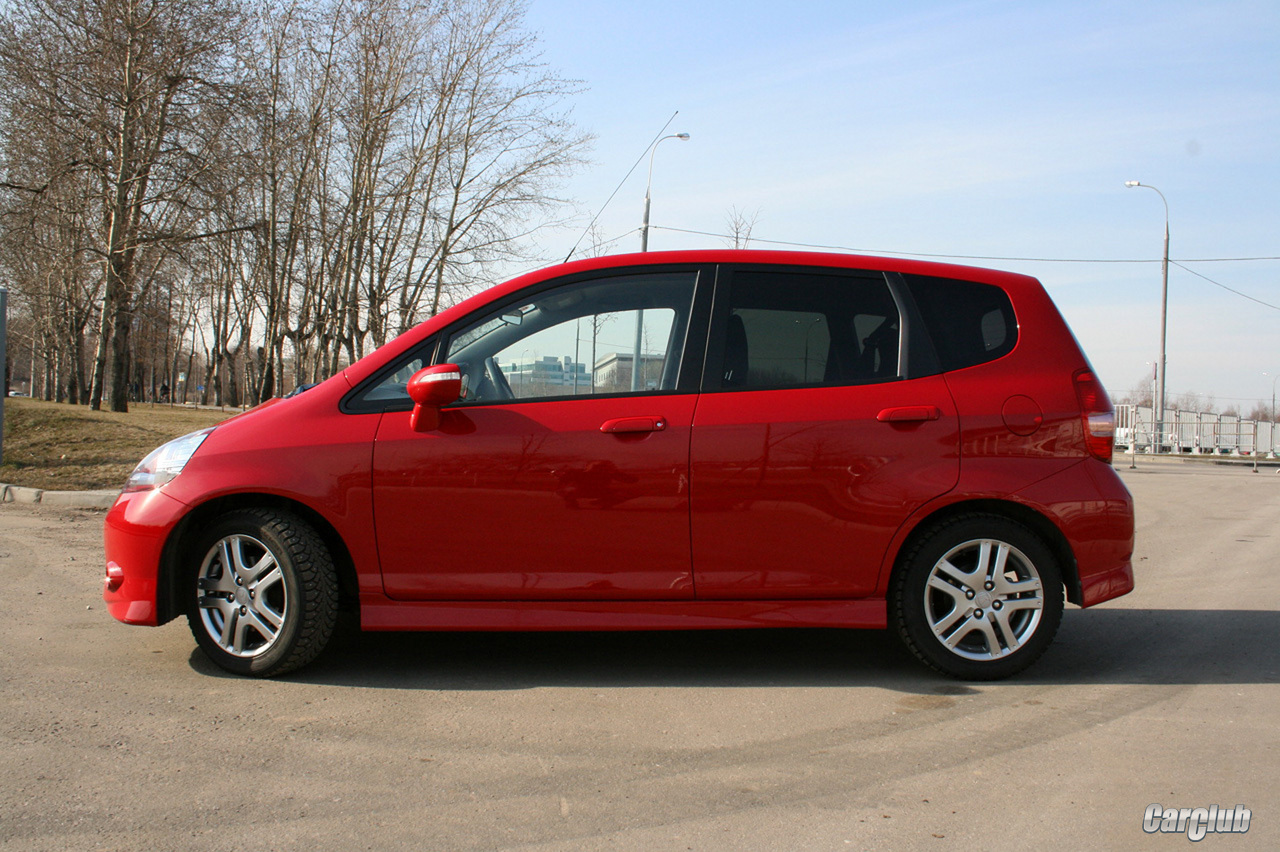
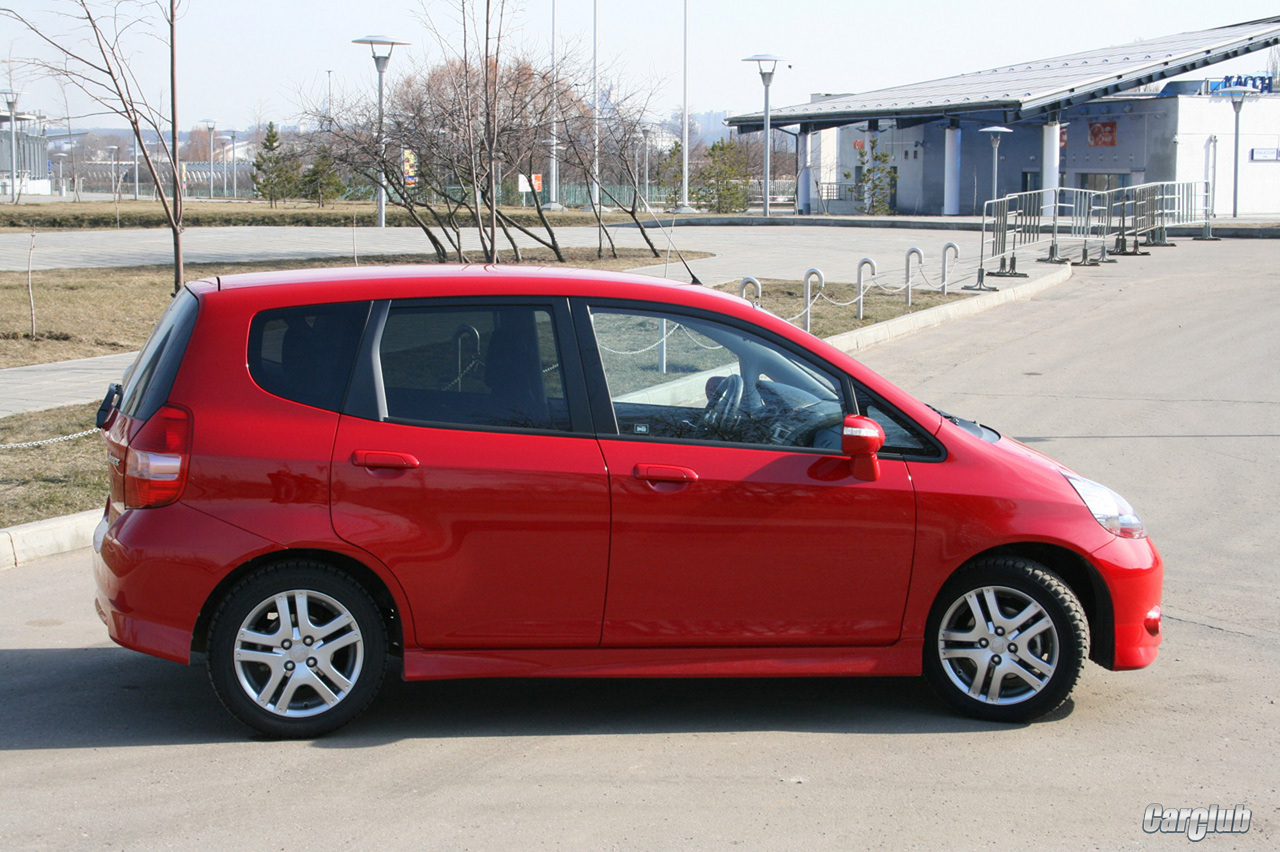
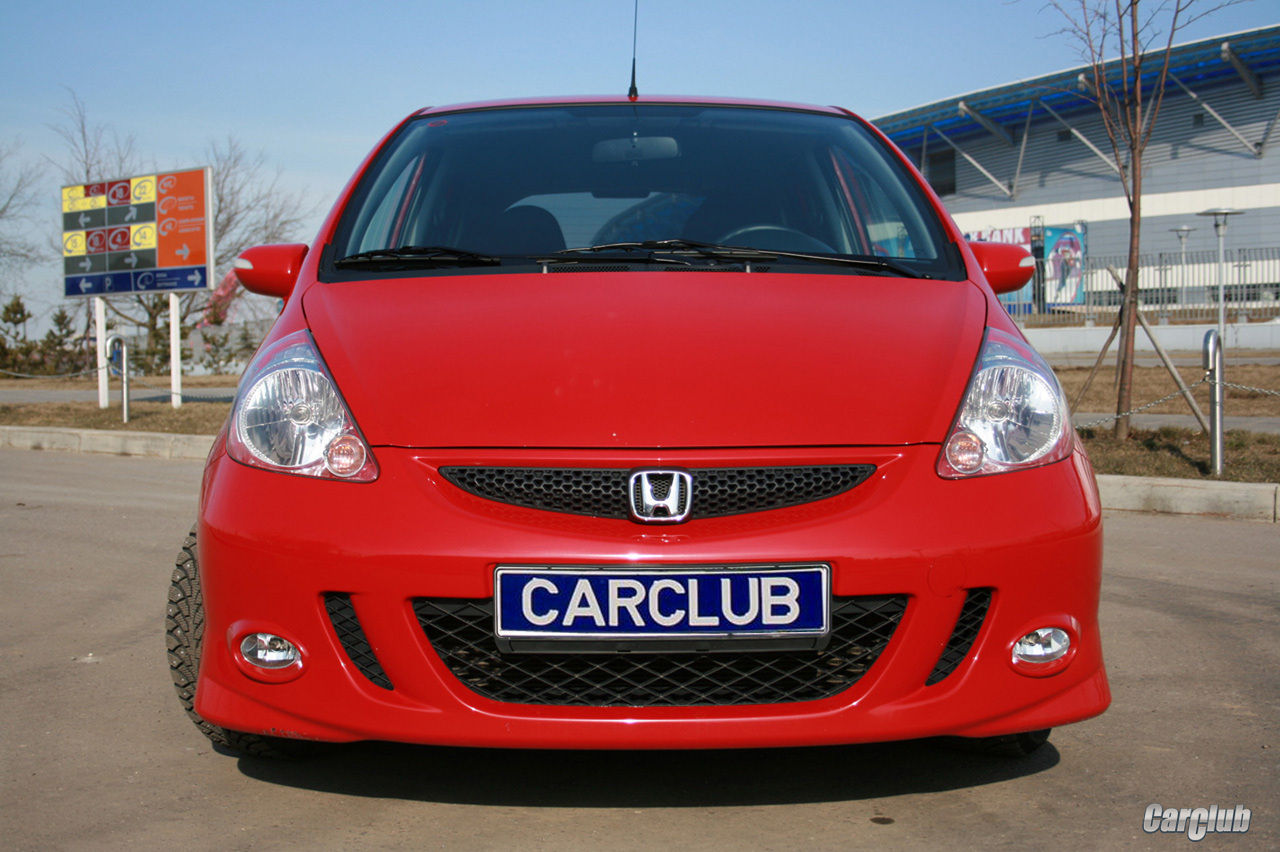
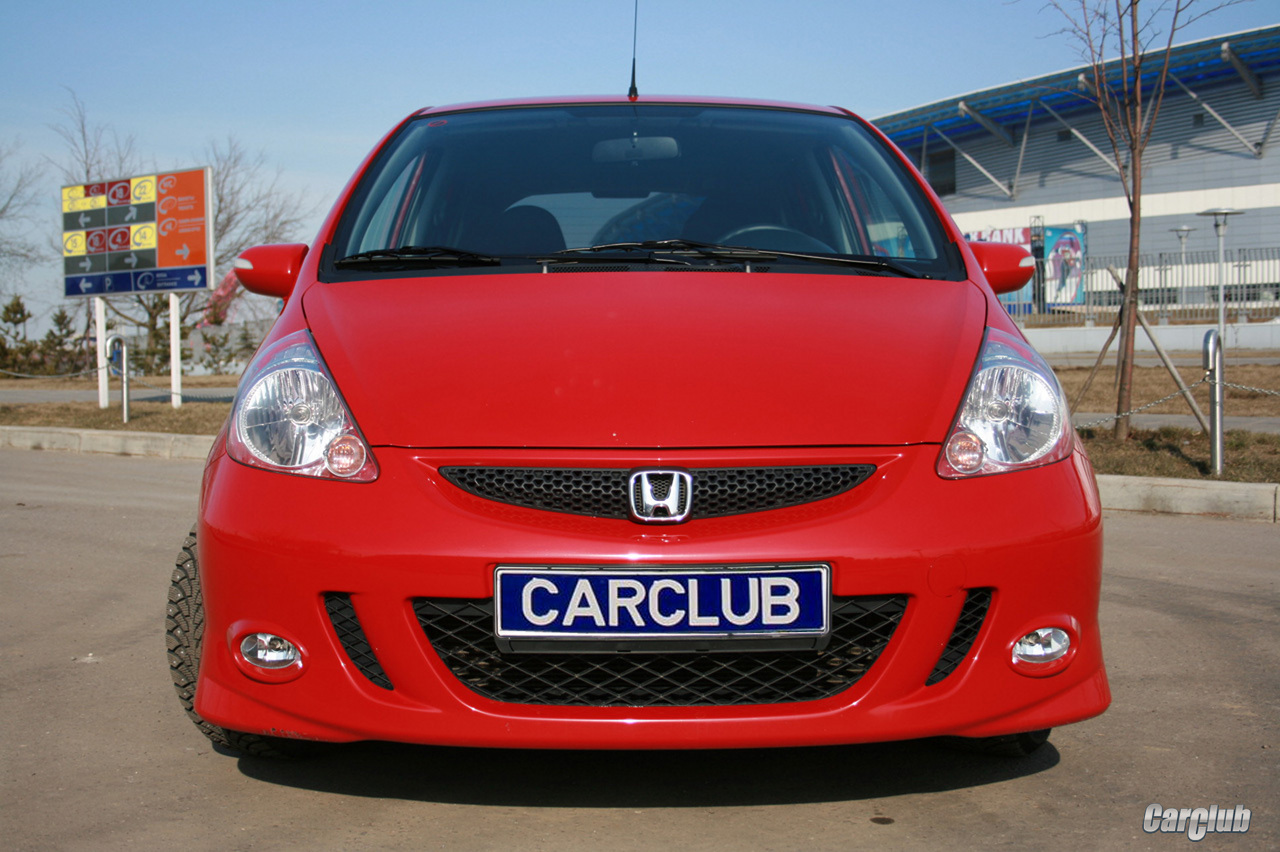
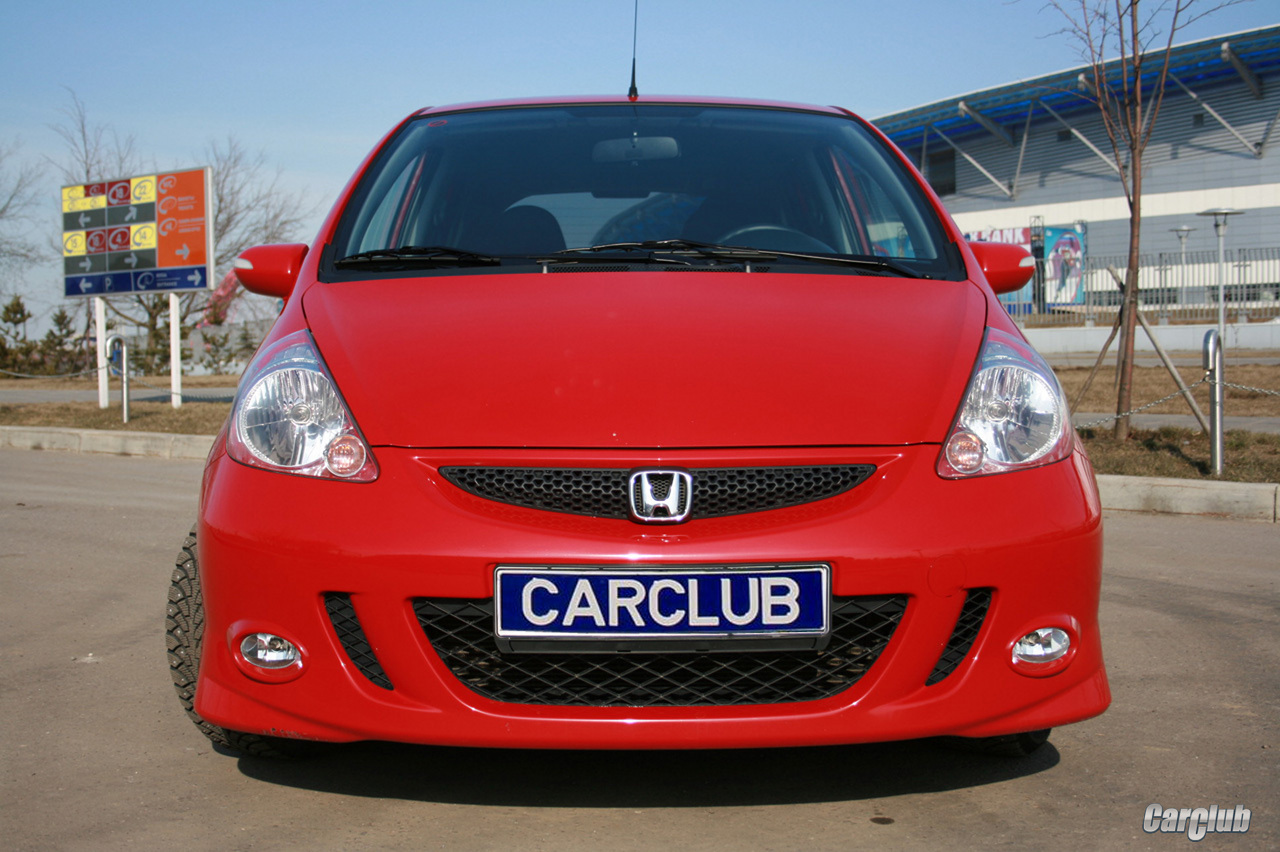
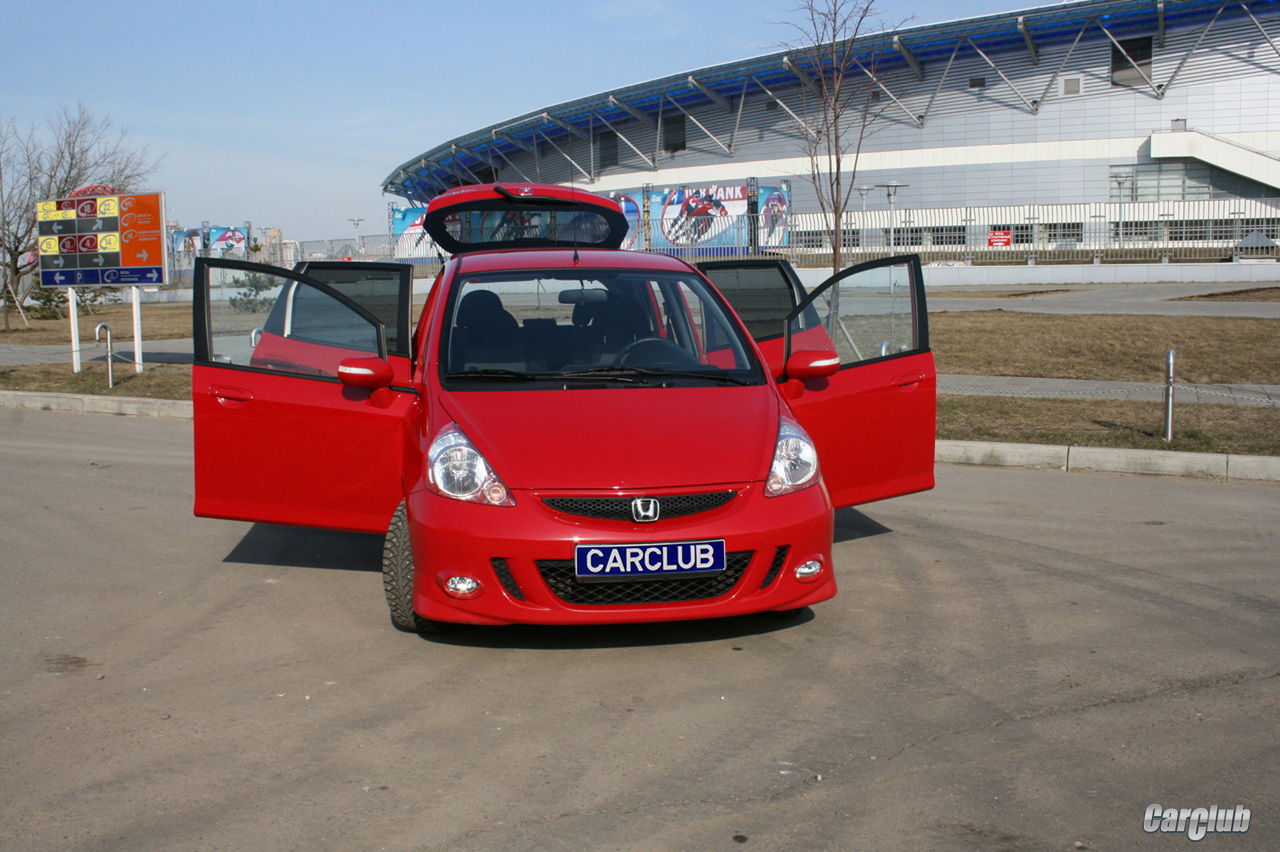
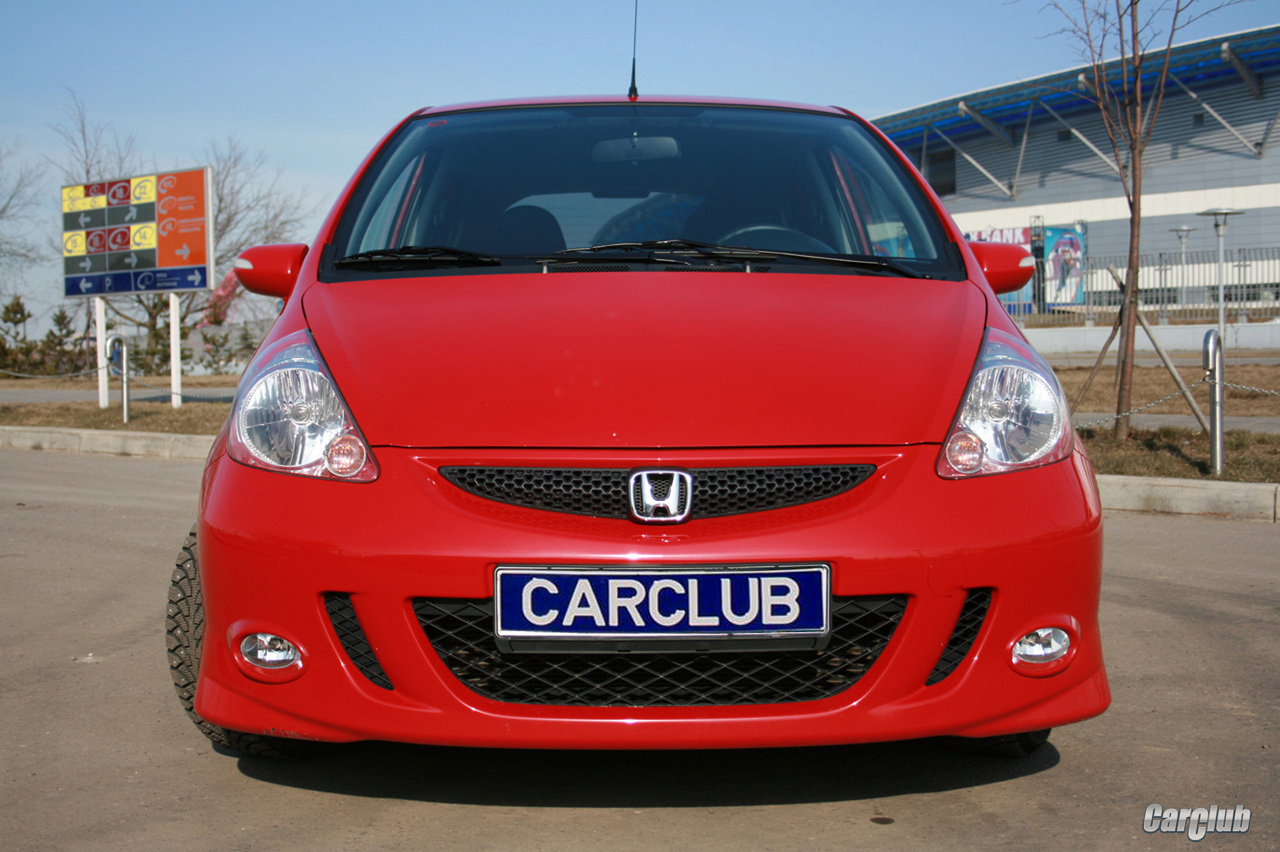
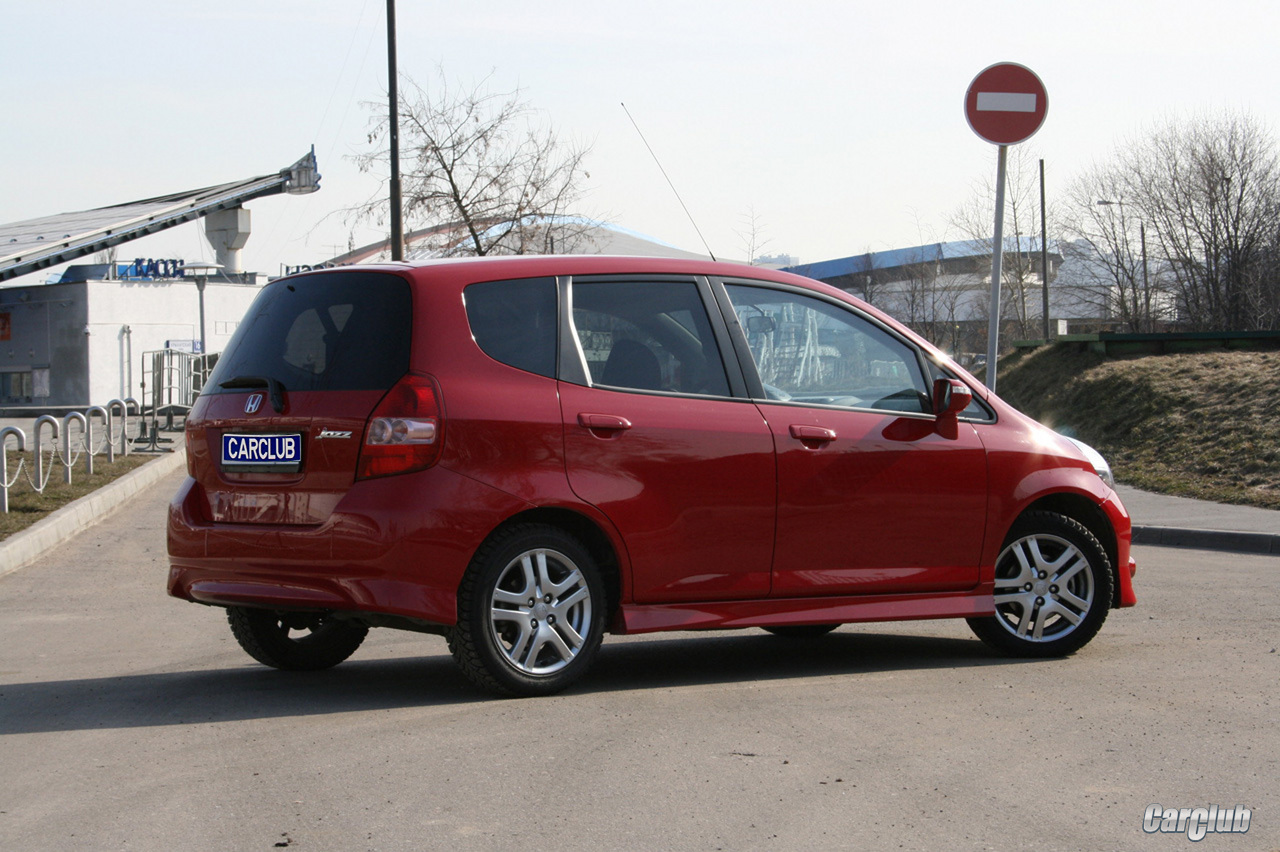
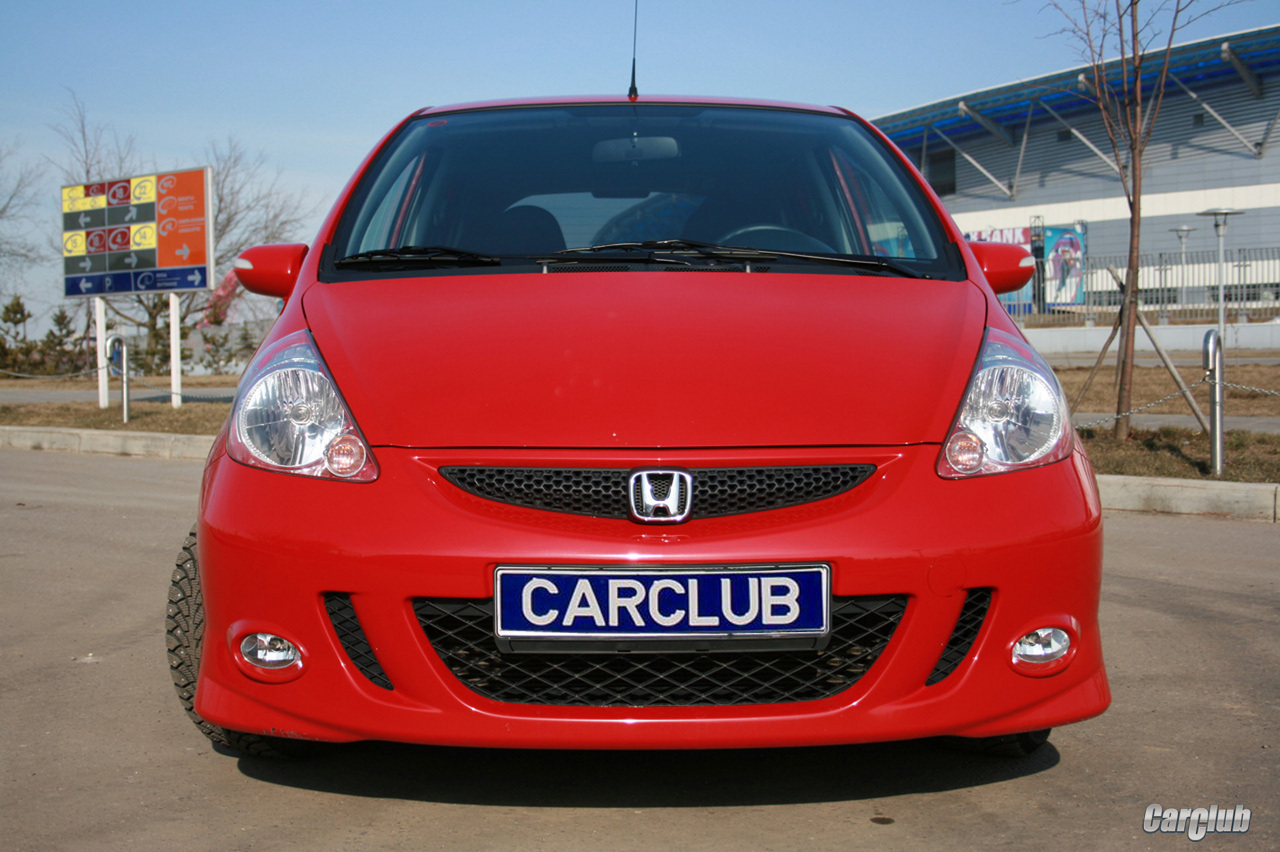
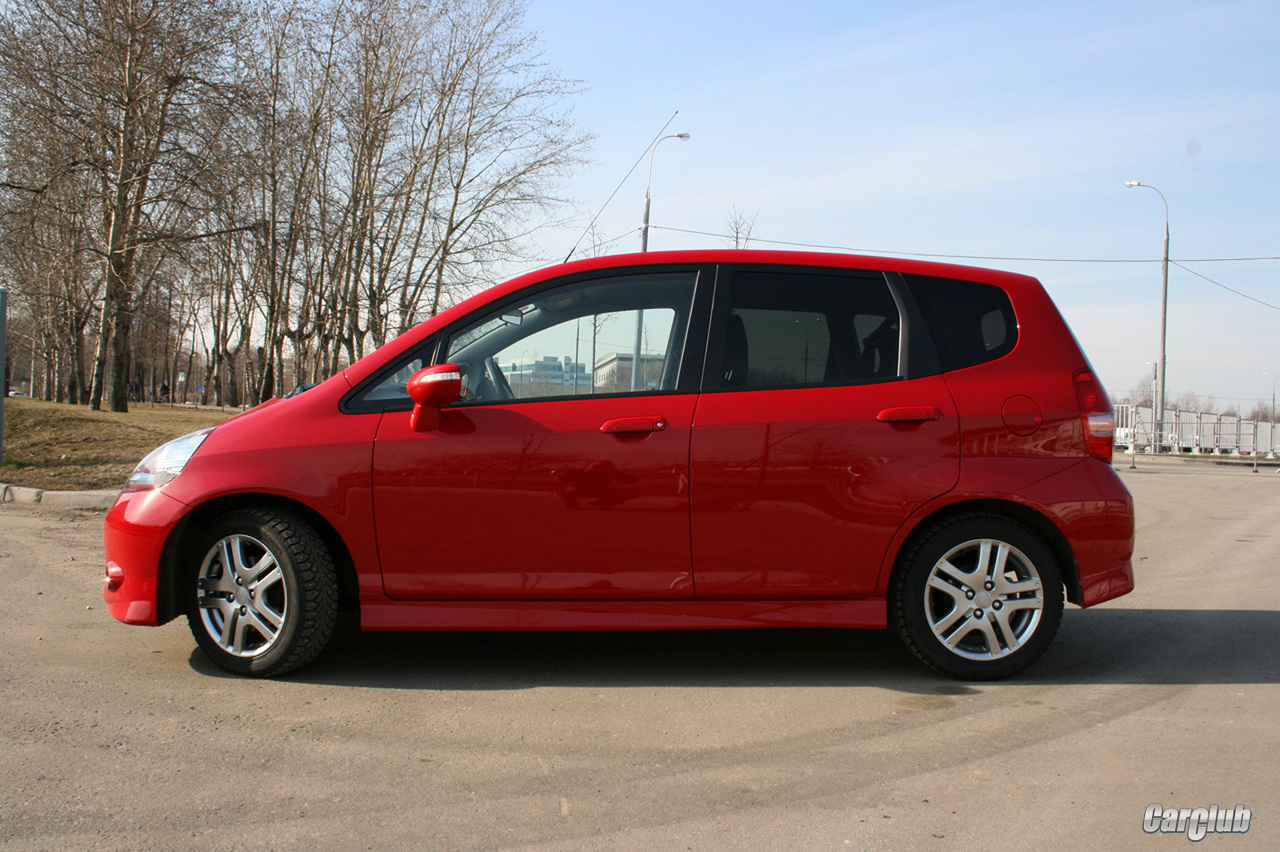
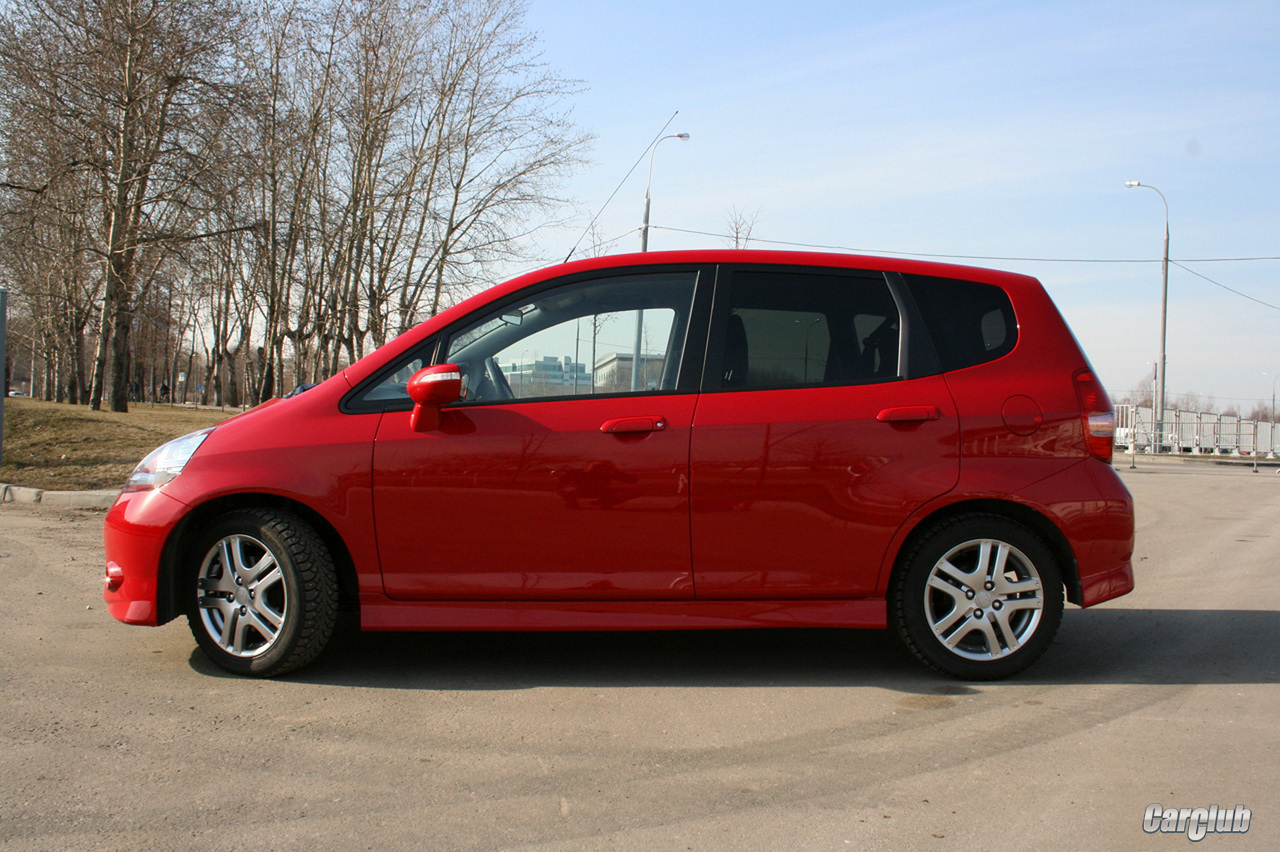
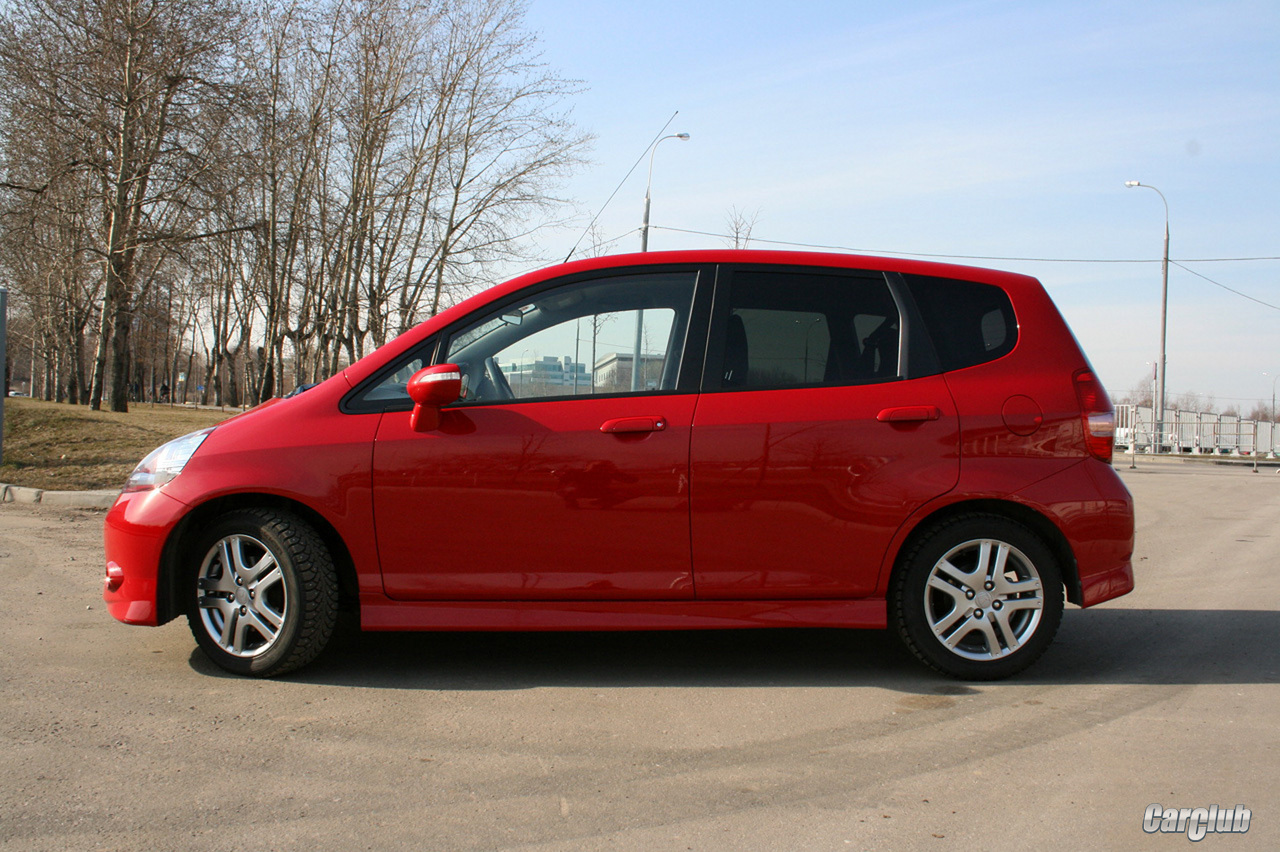
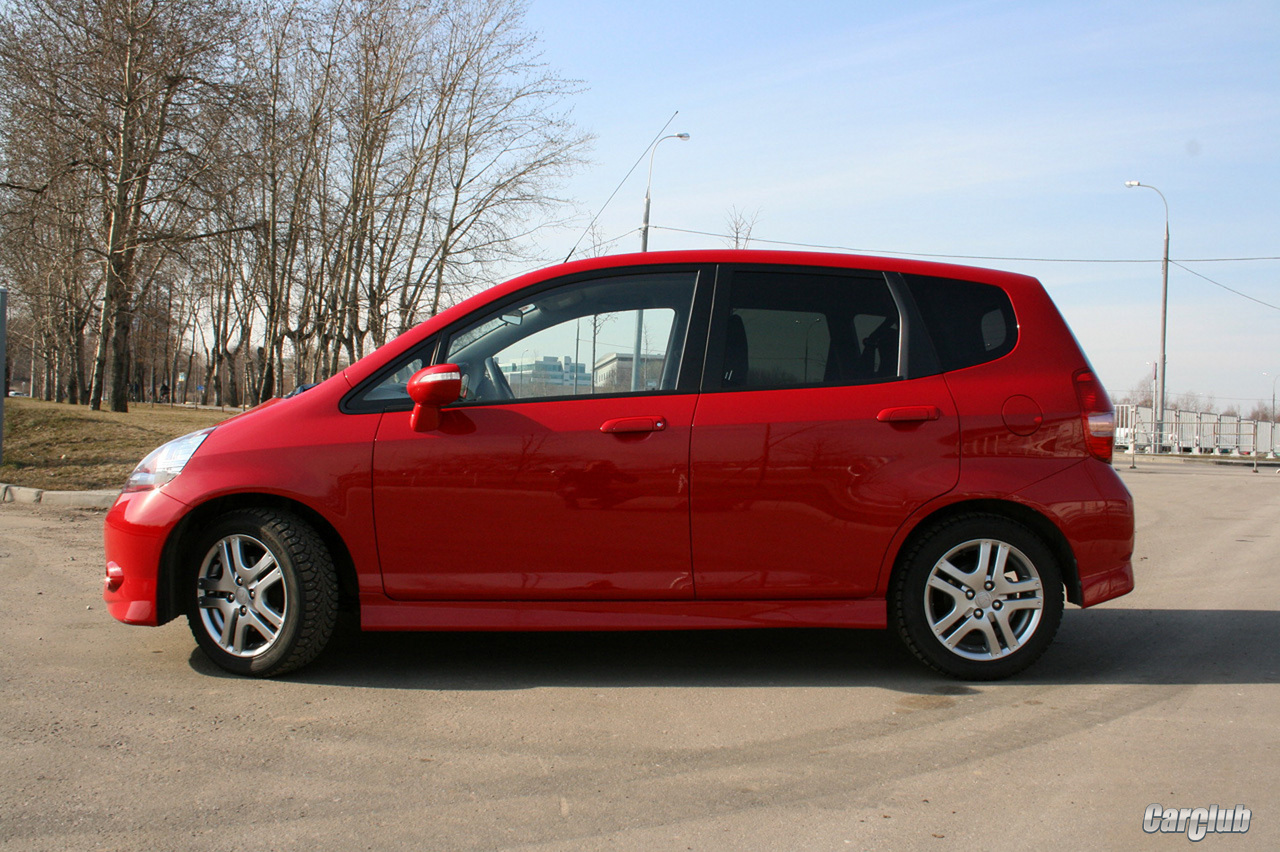
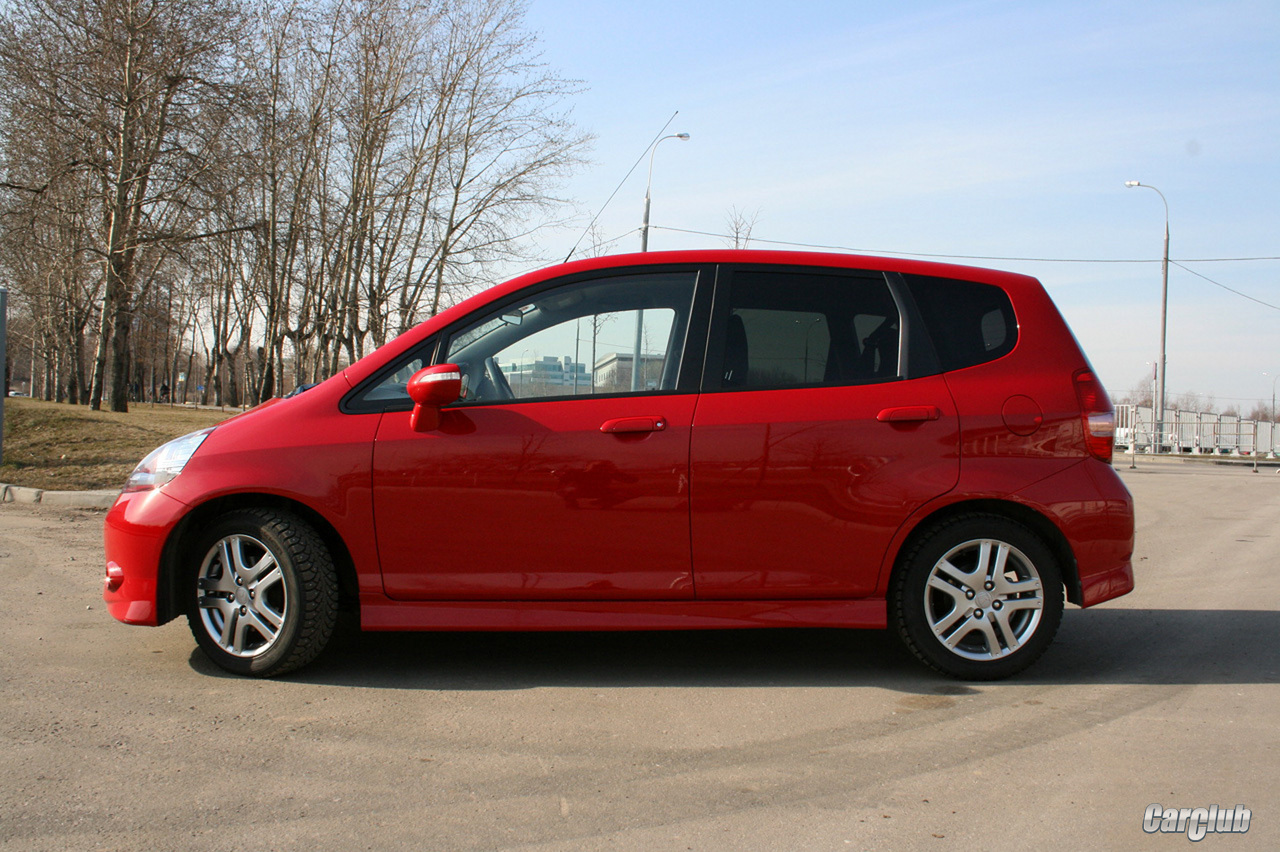
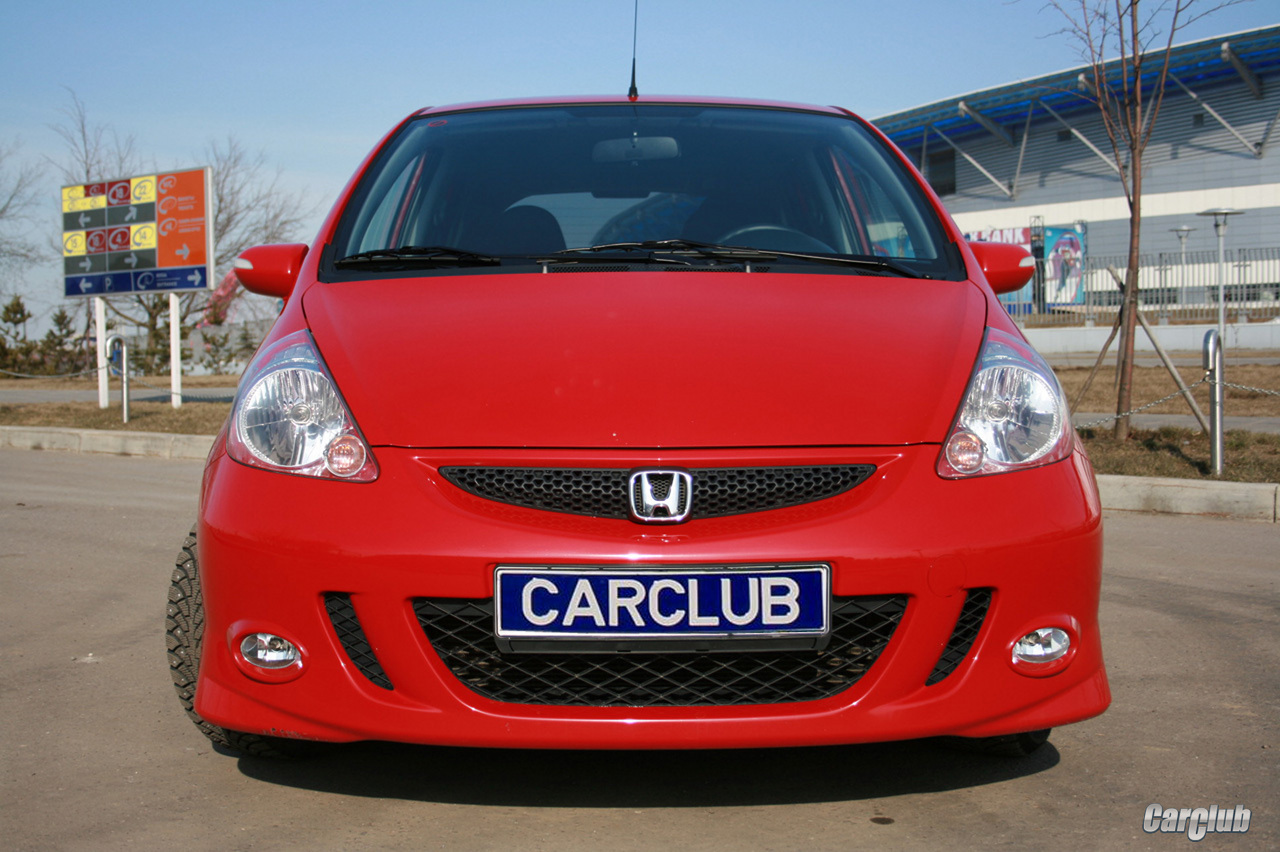 At first glance, it is difficult to determine which segment Jazz belongs to. And this is no accident: the Japanese themselves call it a mini-bus or microvan. From the front, it is a typical rounded "chubby" with touching headlights, which is usually considered a women's car. But if you look at the car in profile or from the rear, the tall body resembles a scaled-down minivan. In some ways, it is similar to the Mitsubishi Colt, although it looks stricter. This solidity at the rear scares off frivolous young ladies, but it is precisely this that attracts practical women and men who have children or a need to regularly use the interior and trunk. And Honda's reputation as a brand with a sporty character gives men a convenient excuse for such a purchase.
 |  |
This little one, which only at first glance seems tiny, has plenty of capabilities. Squeezing through the not-too-wide door opening, you are immediately surprised: the windshield is pushed far forward, and inside you really feel like you are on a bus – so spacious is the cabin! Rear passengers are also lucky: there is no central tunnel here. There is plenty of headroom, and elbows do not press against the door panels. The second-row seat is made in the form of a "bench," reminiscent of theater seats. Why was this done? With this question – to the trunk…
 |  |
The trunk of this microvan is a true champion of transformations and the main trump card of Jazz.  Even without touching the rear bench, a lot of stuff will fit here – the volume is 380 liters.
  But if you need to transport something more serious than a couple of violins, you can play a game with the rear seat – there are as many as three folding options available. For example, the seat cushion can be flipped up, creating a second trunk where a couple of guitars will easily fit. And if you fold the backrest completely, forming a flat floor up to the front seats, a double bass will also fit – you will have 1325 liters of space at the rear. If you want even more space (though unlikely to be needed): the front seat slides forward all the way – there is a convenient handle on the backrest – and you have 2.4 meters for transporting long items. And in the passenger version, under the rear bench, like on an airplane, there is room for a bag with sheet music.
 |  |  |
 |  |  |
But even this is not the end of all the delights – there are niches literally in every corner of the car: cup holders, pockets, even a shelf under the entire dashboard! The only thing that disappointed was the glove box: although it is two-tiered, it is a bit cramped and, as is customary for the Japanese, lacks illumination.
Another signature Japanese feature is that the steering column does not adjust for reach. You have to choose: either your legs are cramped, or your arms barely reach the steering wheel and quickly tire. They try to smooth over the impression with quality trim with "aluminum" inserts, stylish instrument wells with large numbers and thoughtful lighting, an impressive dashboard with a "joystick" for the stereo and a round "window" for the climate control display, and cute triangular "vent windows" in the front pillars.
 | 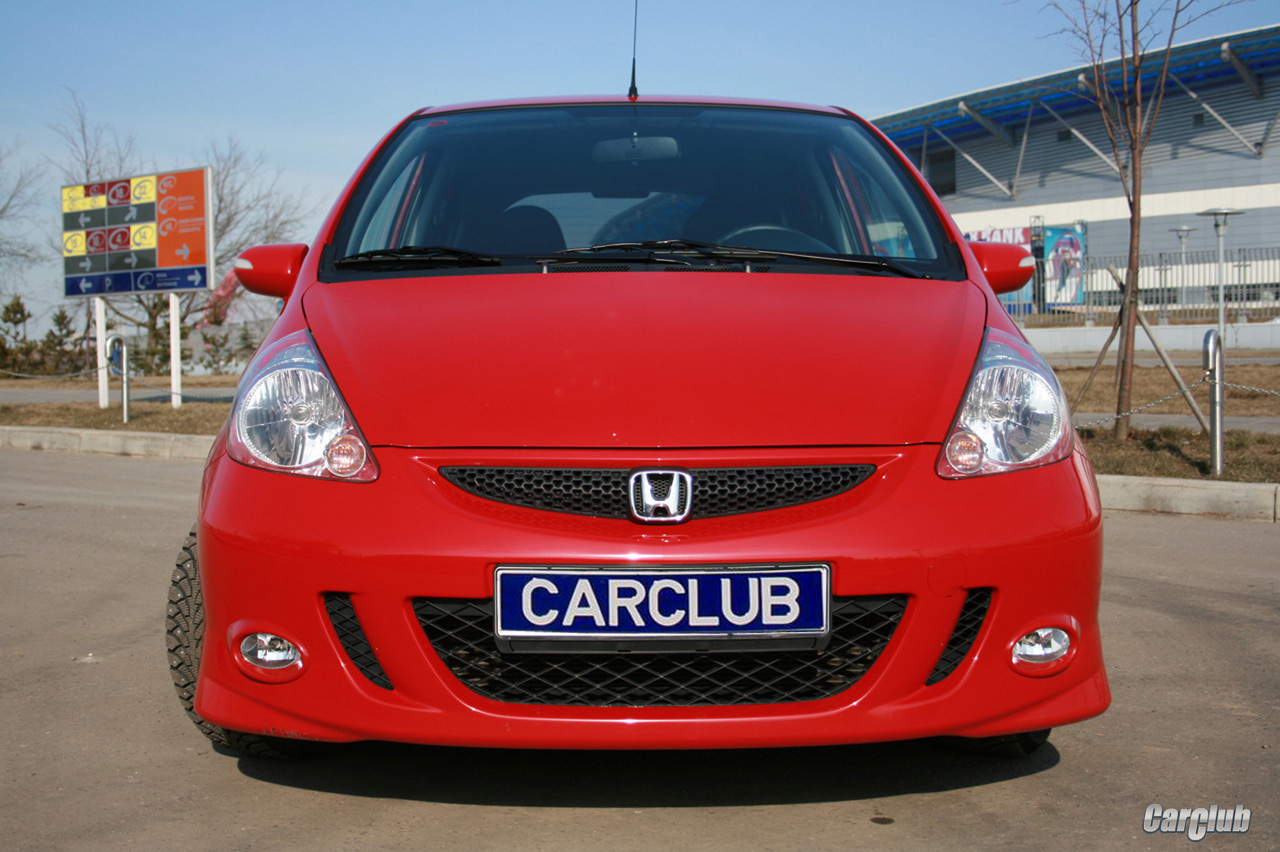 |  |
We got a car in the so-called sport trim. True, for Jazz only one modest 1.4-liter engine with 83 hp is provided, working in conjunction with a continuously variable transmission. However, besides the usual D position, there are also S and L, and on the steering wheel there is a 7 Speed Mode button. Seven electronically fixed gears are shifted using paddle shifters on the steering wheel – almost like on real sports cars! Honda clearly wants to please supporters of all types of transmissions. Well, let's check how many birds can be killed with one "Jazz"?
 As expected, in Drive mode Honda does not shine with
  dynamics. Jazz noticeably lags behind at starts from traffic lights and is slow when changing lanes. The theoretical plus of the CVT is the absence of shifts, which is reminded only by the monotonous hum of the engine, which is clearly audible in the cabin. During full acceleration, the engine revs to the limiter and does not even change tone – alas, it does not sound like jazz at all. If this monotony gets boring, you can turn on 7 Speed Mode, and the transmission will start working like a seven-speed automatic with manual control, but even shifting at Schumacher speed, a miracle will not happen – the little engine is clearly not ready for feats, even if there is only a driver in the cabin. And what if you load the trunk? Honda warns in advance: the load capacity is no more than 400 kg! In Sport mode, the CVT reacts a bit more briskly, but the dynamics are still expressed only in the howl of the engine.
If you are considering the "Jazz" but are not ready to be forever late, you will have to put up with the stiff suspension. In corners, it allows you to drive at full throttle without reducing the speed that is so hard to gain: the "Jazz" confidently holds the arc and barely rolls. But passengers will not appreciate this – despite all the legroom, they will whine before every "speed bump," because the short-travel suspension, tuned for circuit racing, is not adapted for attacking large bumps at speed. The higher the speed, the worse: the car starts to sway on the "waves" of asphalt, as if you are sailing on a boat. Jazz is not suitable for long trips at all.
 |
 |
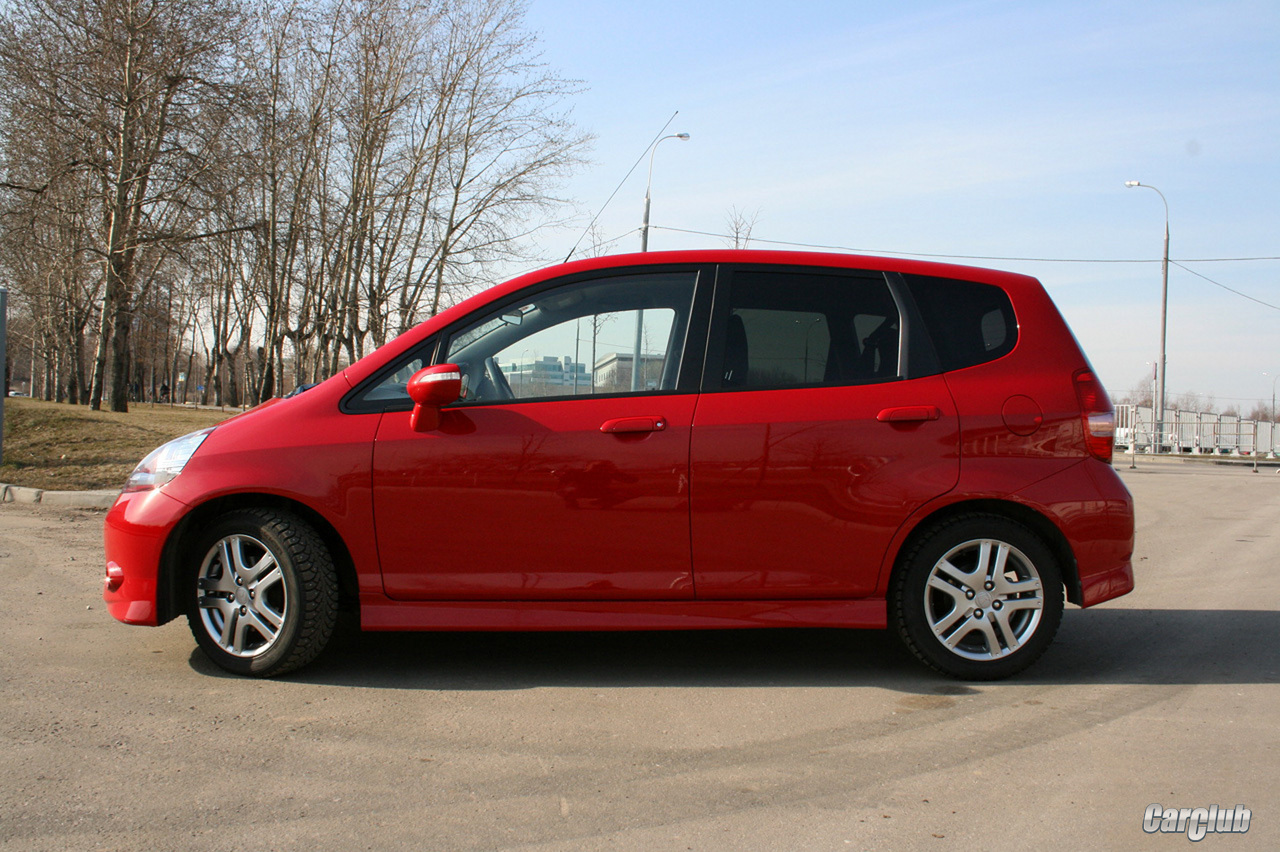 |
But in terms of maneuverability, the nimble Jazz is simply magnificent — the turning radius is only 5 meters, and this more than once helps out in tight parking lots. True, the lowered bumpers of the “Sport” version do not allow the “Jazz” to drive onto curbs.
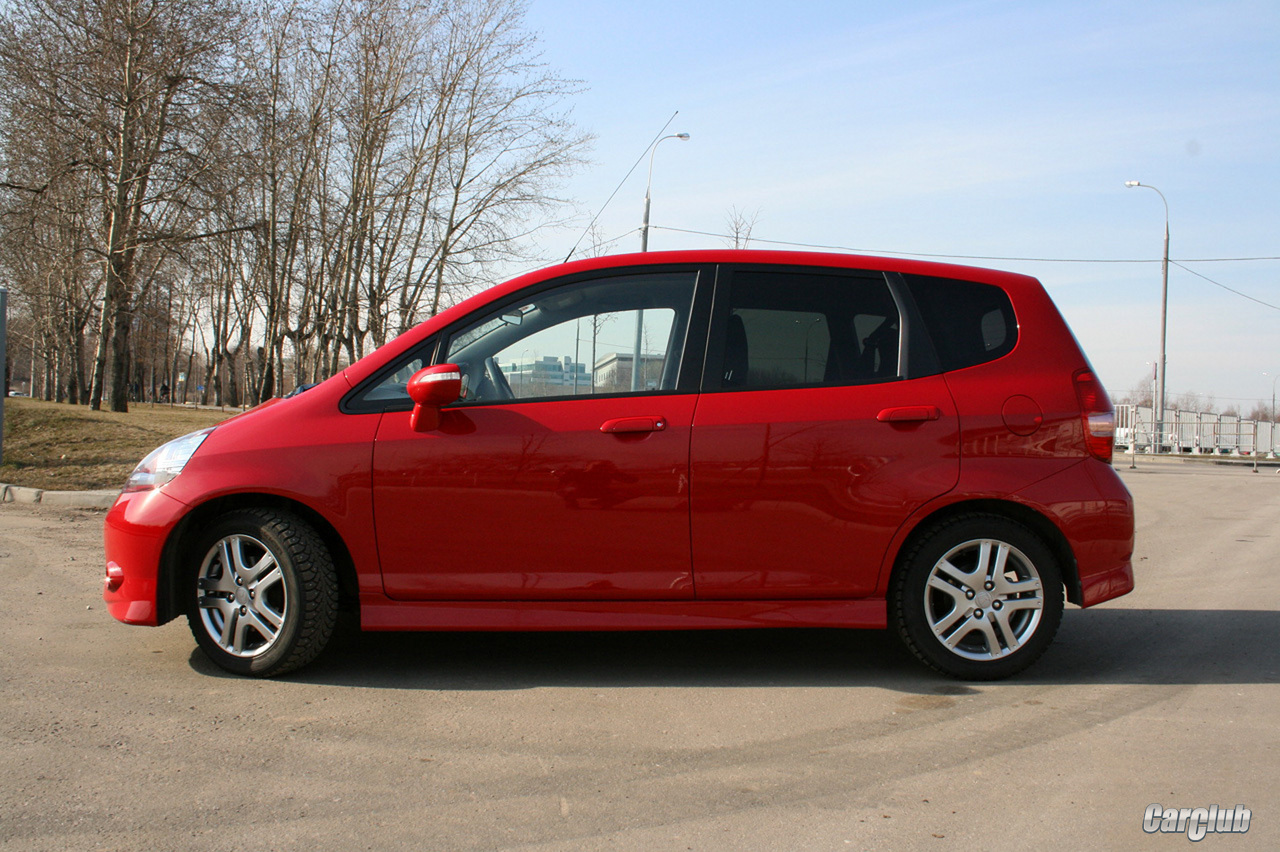 As a result, this practical car with a musical name will appeal to those who value a spacious interior in compact dimensions and a roomy trunk. Prices for the Jazz can no longer be called as practical, although for the Honda family they are quite reasonable: the base version with a 1.4-liter engine and manual transmission already includes climate control, 4 airbags, audio, heated and power mirrors — all this for 454,000 rubles. The top Sport trim with a CVT will cost 497,000 rubles. And if compared with the golf class? The Jazz's competitors in terms of trunk volume and space — the same Mitsubishi Colt or Nissan Note — will cost only slightly less: from 423,172 rubles for the Colt and 429,200 rubles for the Note. But rivals have a richer choice of engines: Mitsubishi offers a 1.3-liter engine with 95 hp or a 1.5-liter, the Note — 1.4 and 1.6 liters, plus they have more trim options.
It's a pity that the “Honda-style sportiness” here comes down mainly to the design of the instrument panel. And the suspension could use some softness — the weak little engine doesn't live up to the Sport name, so why sacrifice passenger comfort for it? Unless it's for the satisfaction of the driver's ambitions — after all, it is a Honda — which are combined with a spacious trunk.
Svetlana Aleeva