
 ...fans of right-hand-drive Japanese cars asked about all-wheel drive, but upon hearing a negative answer, advised waiting in the mountains until tomorrow, when it would melt or snowplows would arrive. However, spending the night in the mountains was not part of our plans, and we moved upward...Comments (2)
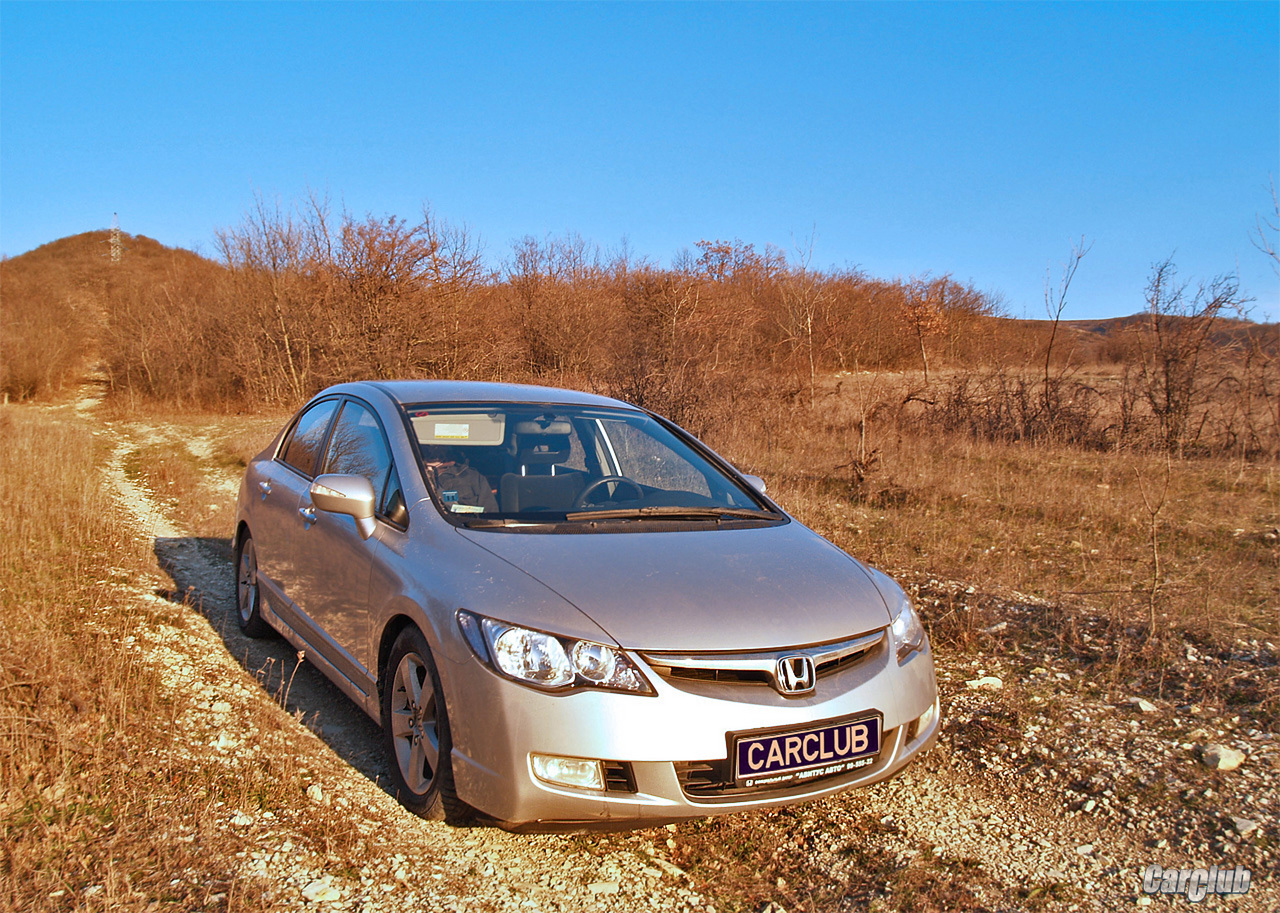
We celebrated the New Year the way people of our profession should – not at a festive table, but in car seats. Our vehicle was a Honda Civic sedan, and we had to cover the fifteen hundred kilometers separating Moscow and Sochi.
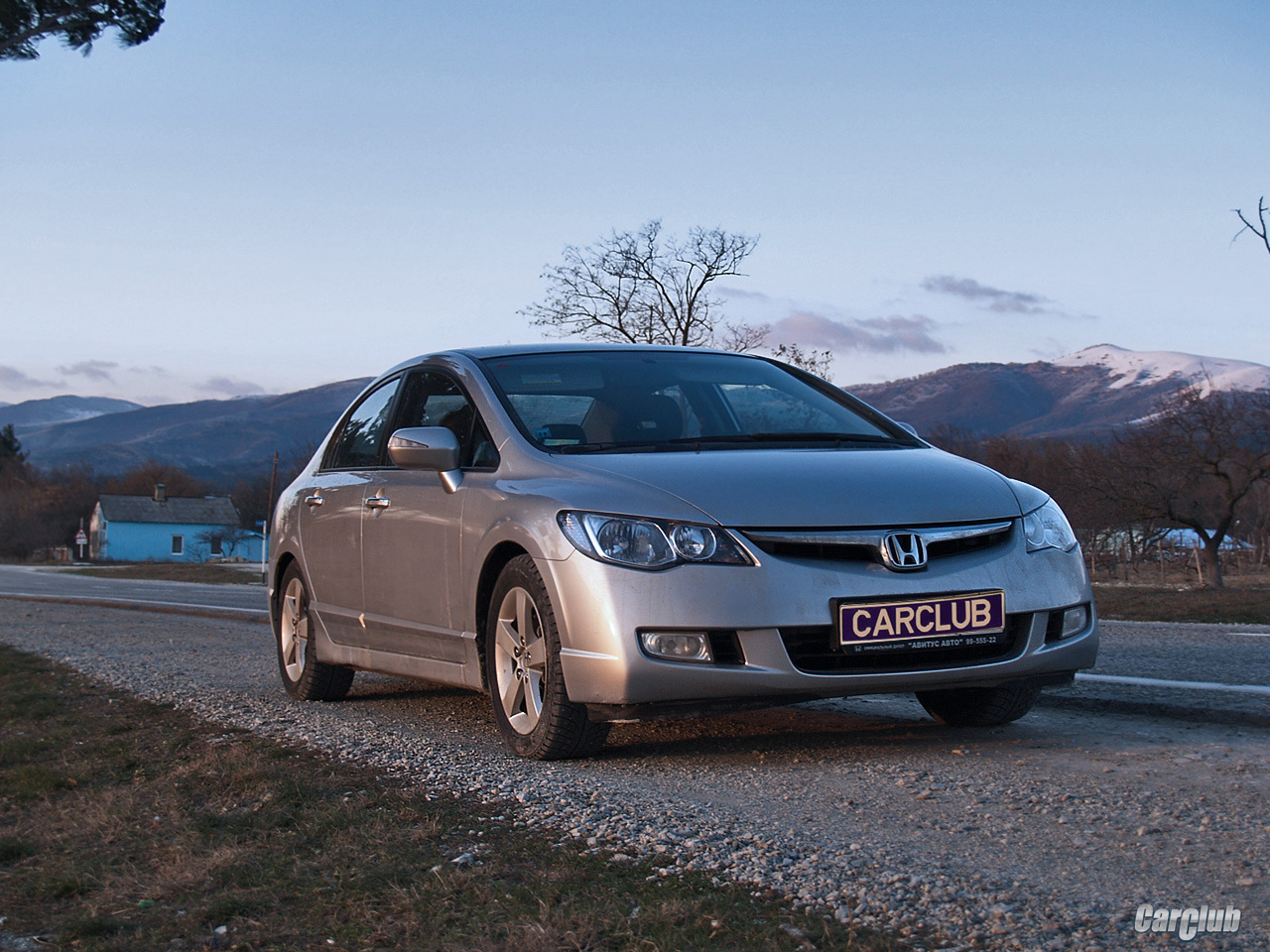
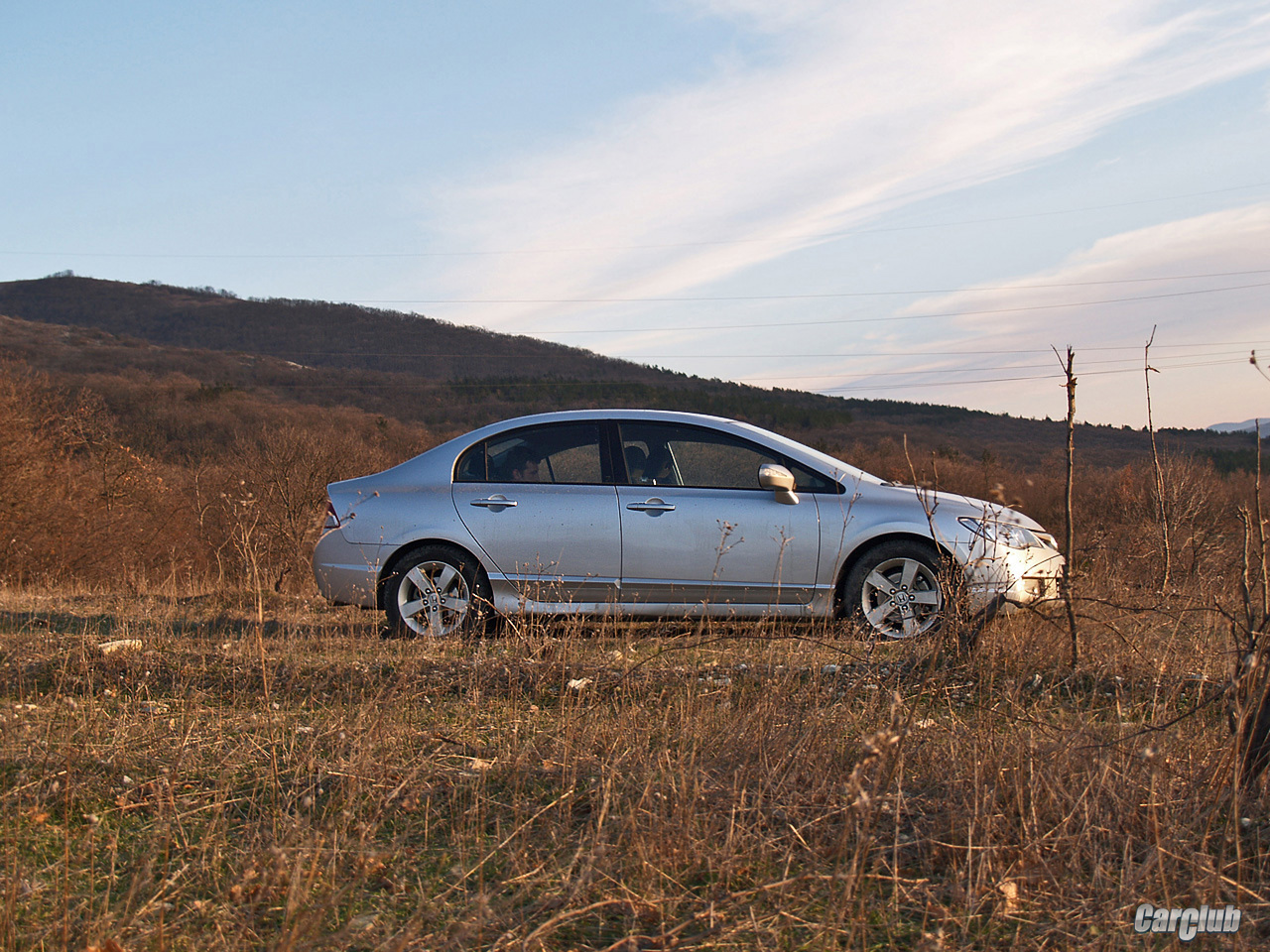
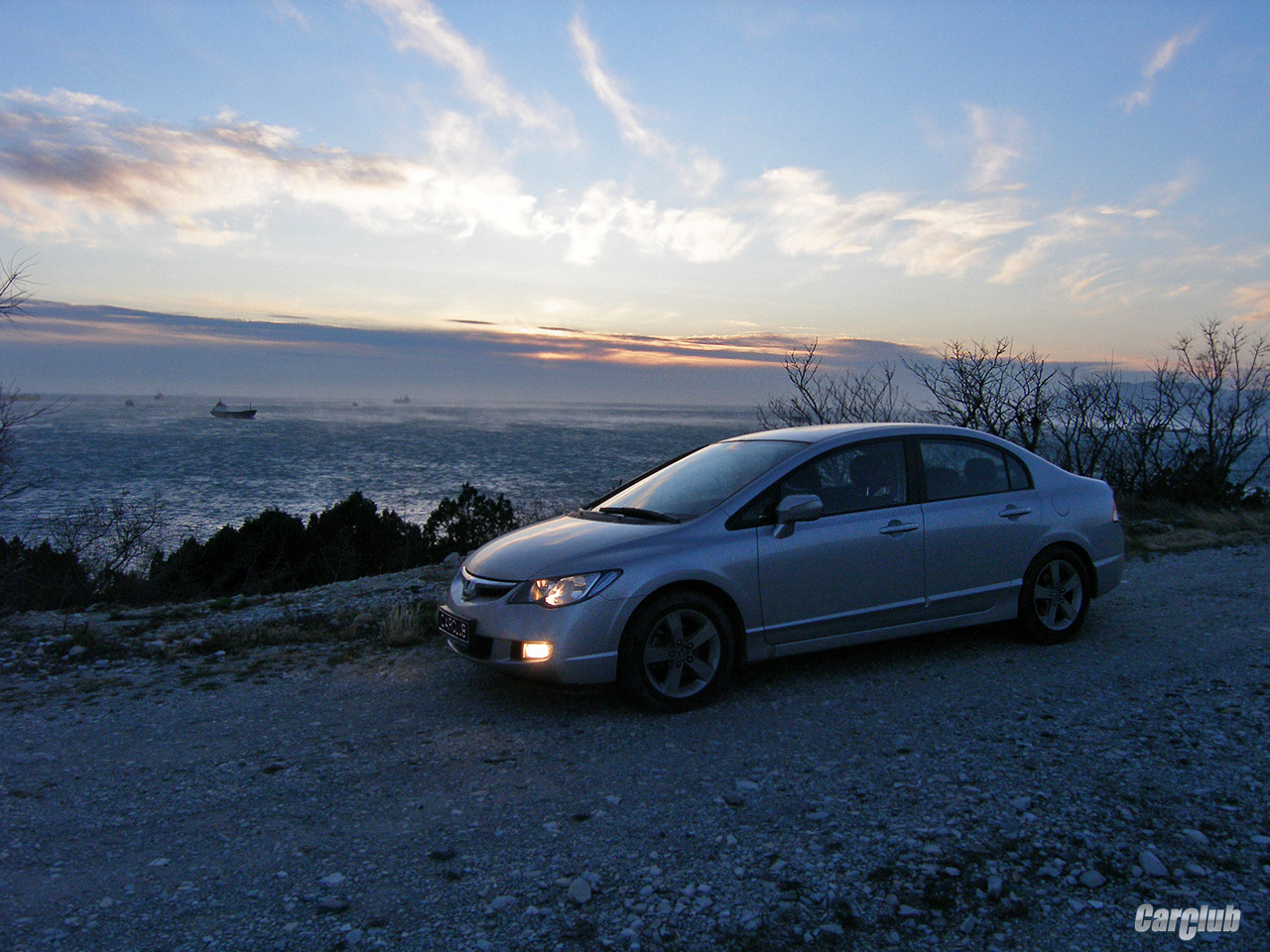
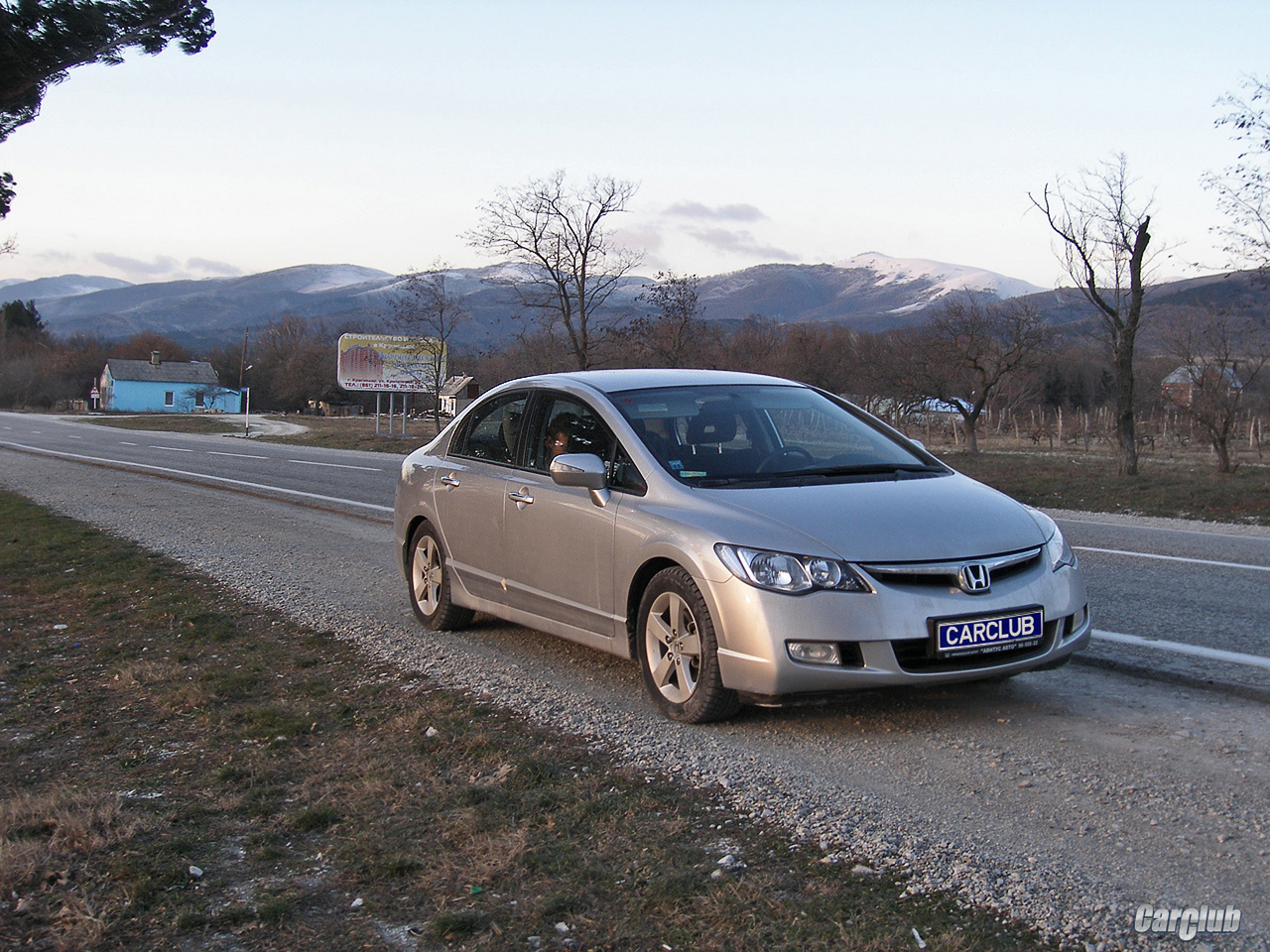 I'll say right away: I'm one of those people who look at appearance first. Technical characteristics, handling, seating comfort – all of that is certainly important, but getting acquainted with a car begins with a visual assessment. Does it catch the eye, do you want to touch the door handle? That's what's critical for me. I'll admit honestly: when I was handed the keys to the Civic, I didn't feel much enthusiasm. The hatchback with its futuristic looks might still intrigue – at least there it's unclear where the nose is and where the rear is. But the sedan looks too simple: elongated, flat, without a zest. If it were painted green, it would perfectly suit the role of service transport for Gena the Crocodile.
 But the journey ahead was not short, so I still opened the door and found myself inside – and here the cosmos begins. The Civic's interior turned out to be much more interesting than the exterior. The bright neon backlighting rhymes perfectly with the futuristic front panel. The instruments here are spread in different directions: the tachometer with warning lights remains in the traditional place, but the speedometer and other indicators have moved closer to the windshield, hovering over the steering wheel. Thanks to this solution, the wheel can be turned any way and moved in any direction – the small tachometer will still remain in view. At first, your eyes dart around from the scattered instruments, but you get used to it quickly.
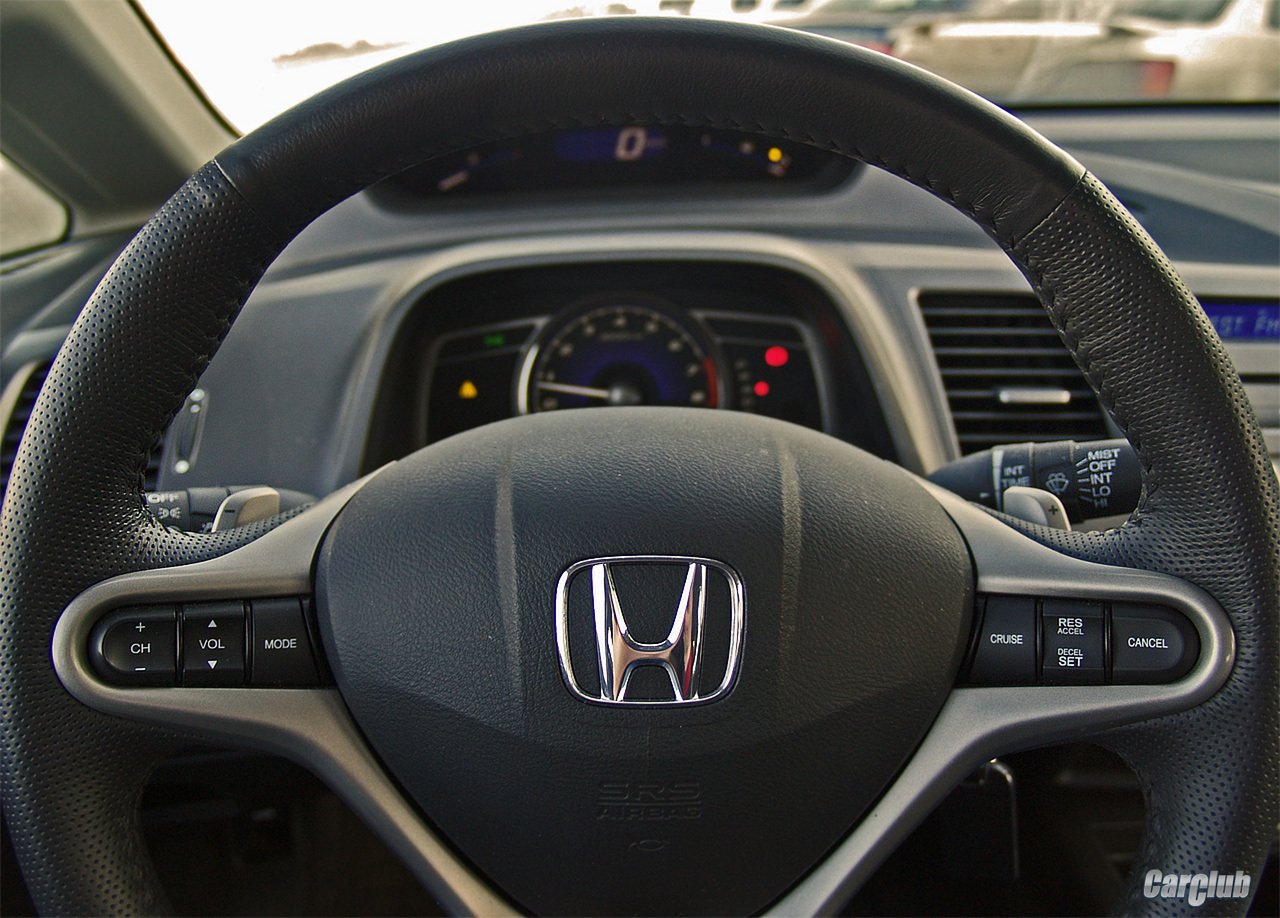 |  |  |
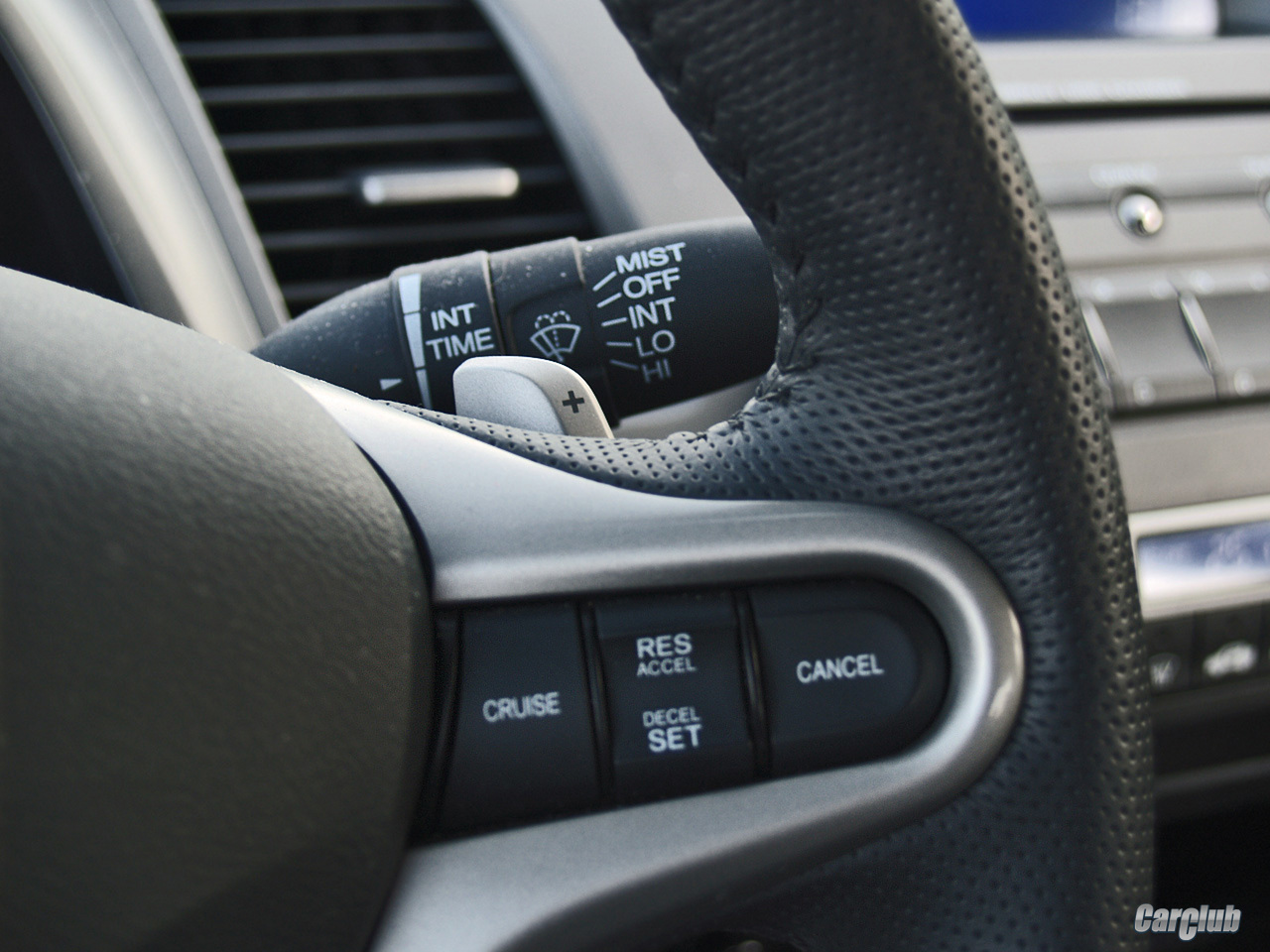
On a long trip, constantly seeing the speed and fuel level is a huge plus. And the tachometer doesn't play a special role when driving an automatic. The steering wheel deserves a special mention. It's not just about the stylish inserts and unusual buttons – its very shape is non-standard: it's slightly flattened on top, which you feel when you quickly turn the wheel.
 For a long road, I'd like a more powerful engine, but the Civic has only one choice – a 1.8-liter engine with 140 hp. The Japanese, however, assure that in terms of torque it won't yield to two-liter units, and it consumes like a 1.5-liter. Our route will give us the opportunity to check both claims.
In the meantime, we load the luggage. And here a surprise awaited us: the trunk turned out to be unexpectedly small. The culprit is a full-size spare tire, because of which the floor is raised too high – it's inconvenient to stuff large bags. But in the back, passengers have plenty of room: the wheelbase of 2700 mm (one of the best in its class) and an almost flat floor work wonders. There were three of us, so everyone took turns appreciating the spaciousness of the rear row. And up front there's plenty of space too – the windshield is pushed far forward, like in a minivan, which even created triangular windows. And on the huge shelf of the front panel, there's room for a map, two cameras, a video camera, and phones with glasses. The only problem is the climate: front passengers were hot, and they were afraid to turn up the heating so as not to fall asleep, while the rear passenger was constantly cold and ended up riding in a jacket while the driver and navigator sat in shirts.
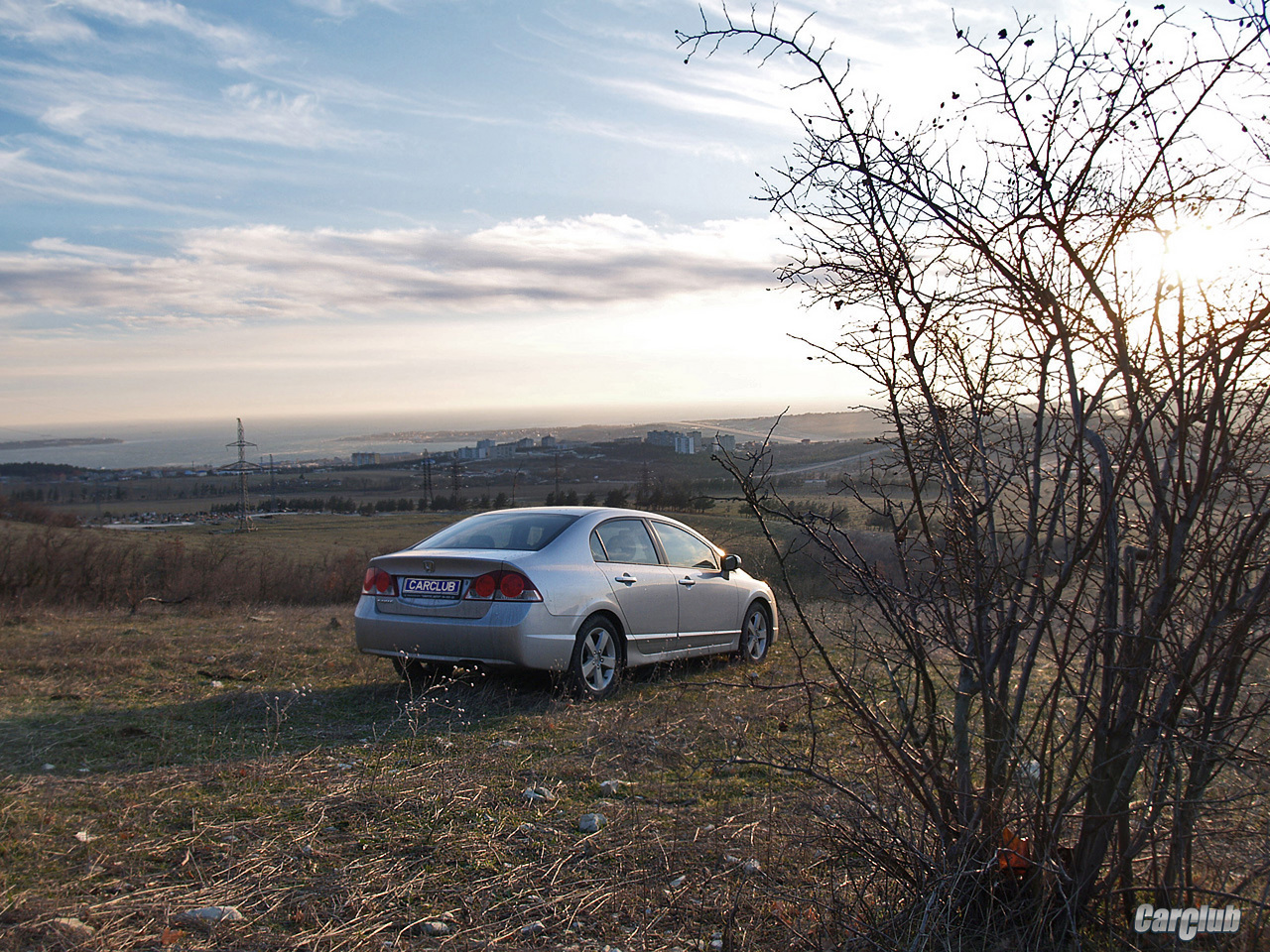
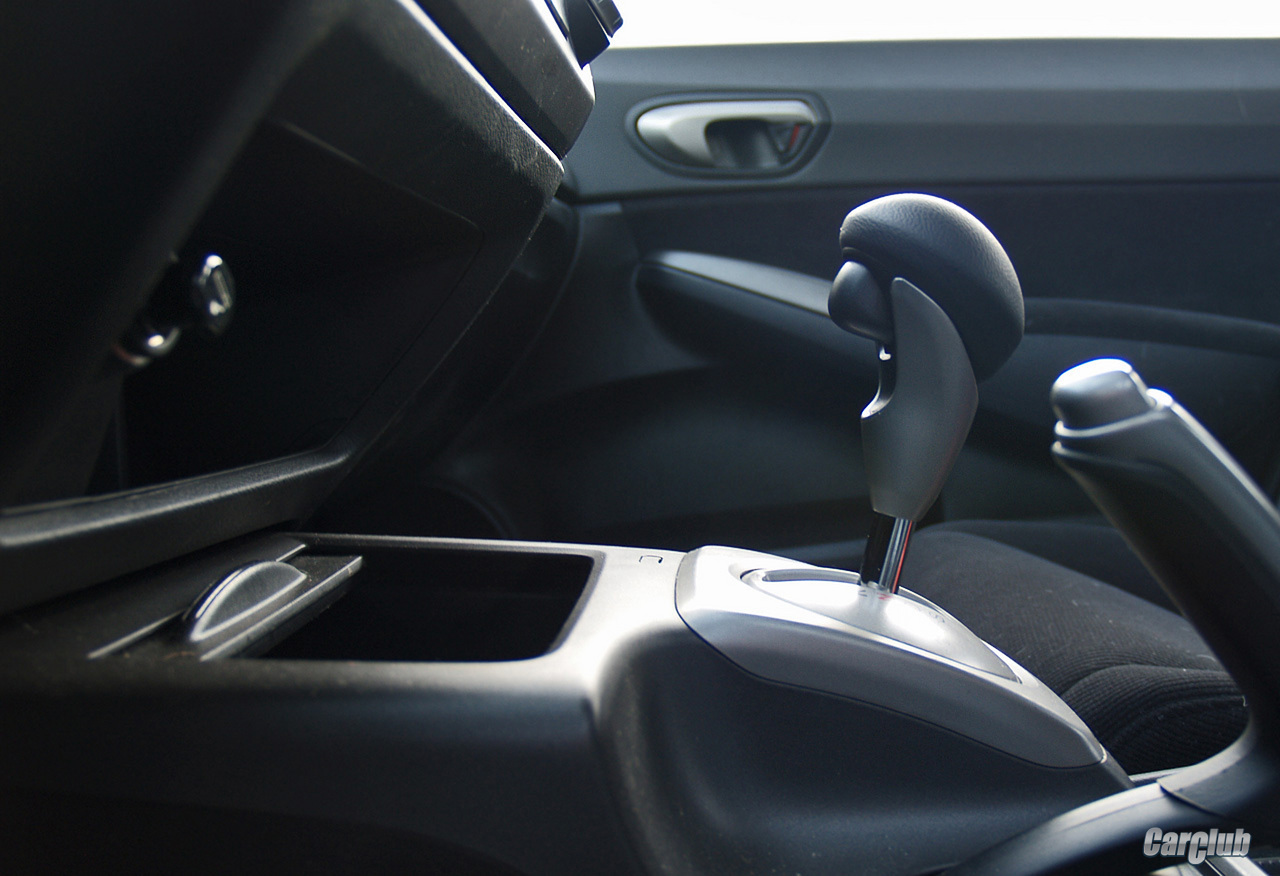
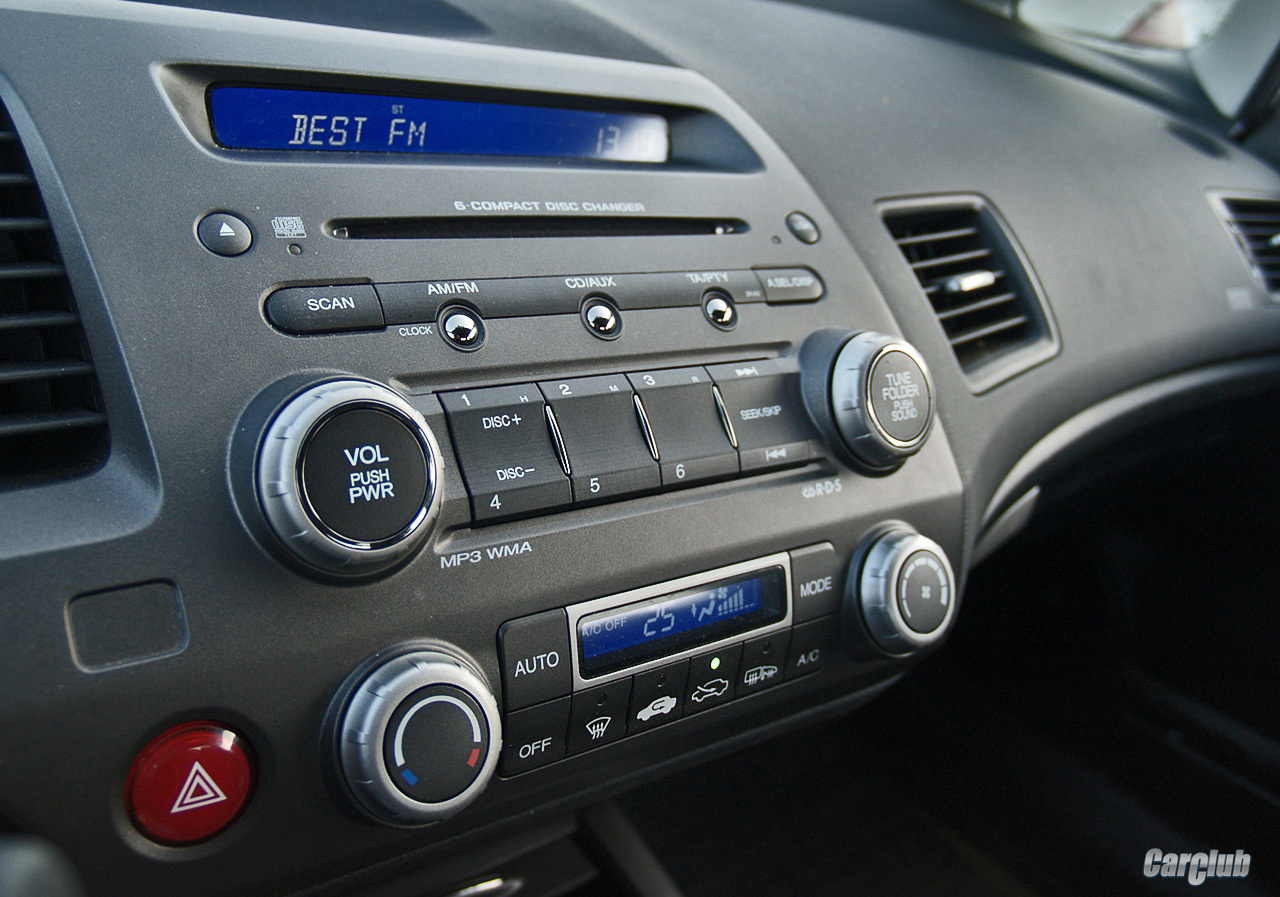 But on the long road, the expensive audio system came in very handy. It sounds, frankly, average, but the changer can read MP3 discs, which means 48 hours of music without a break. The Civic has no central console at all – instead, there's a whole scattering of closing pockets of different sizes, convenient for stashing all sorts of small items. Okay, enough packing. With a farewell blink of red taillights in Ferrari style, we leave nighttime Moscow and head south, toward the sun, to Sochi.
The first two hundred kilometers fly by unnoticed – we hold 150-170 km/h, and the car gives no trouble. But beyond the Moscow region, everything changes. Populated areas begin, the road narrows, and there's no lighting at all. And at the checkpoints, traffic cops hungry for New Year gifts are on duty, so we have to strictly observe the limits. Outside the city, we drive up to 130 km/h – exceeding by up to 40 km/h doesn't interest them; they hunt for big game...
And only after two in the morning, when the checkpoints fall asleep, can we step on the gas again – and we accelerate to 150 km/h. The Civic gains speed easily, the tachometer shows only 3000 rpm, and in the cabin you only hear the rustle of tires. The engine's voice breaks through only during sharp acceleration, when the needle goes past four thousand. The tires create a steady hum that appears at start and grows up to 80 km/h, and then its level remains unchanged.
 |  |  |
On the toll section near Voronezh, where there are no traffic cops, we decided to test at night what the car can do at maximum. The road, which seemed perfectly smooth at 130 km/h, began to noticeably toss the light Civic on every bump during acceleration, and I had to grip the wheel tighter. But, albeit with tension, the electronics showed the coveted 200 km/h. Interestingly, the top speed for both manual and automatic versions is stated the same – exactly 200 km/h. For a car costing over 25 thousand dollars, and with an automatic transmission, this is a very respectable figure that many competitors cannot achieve.
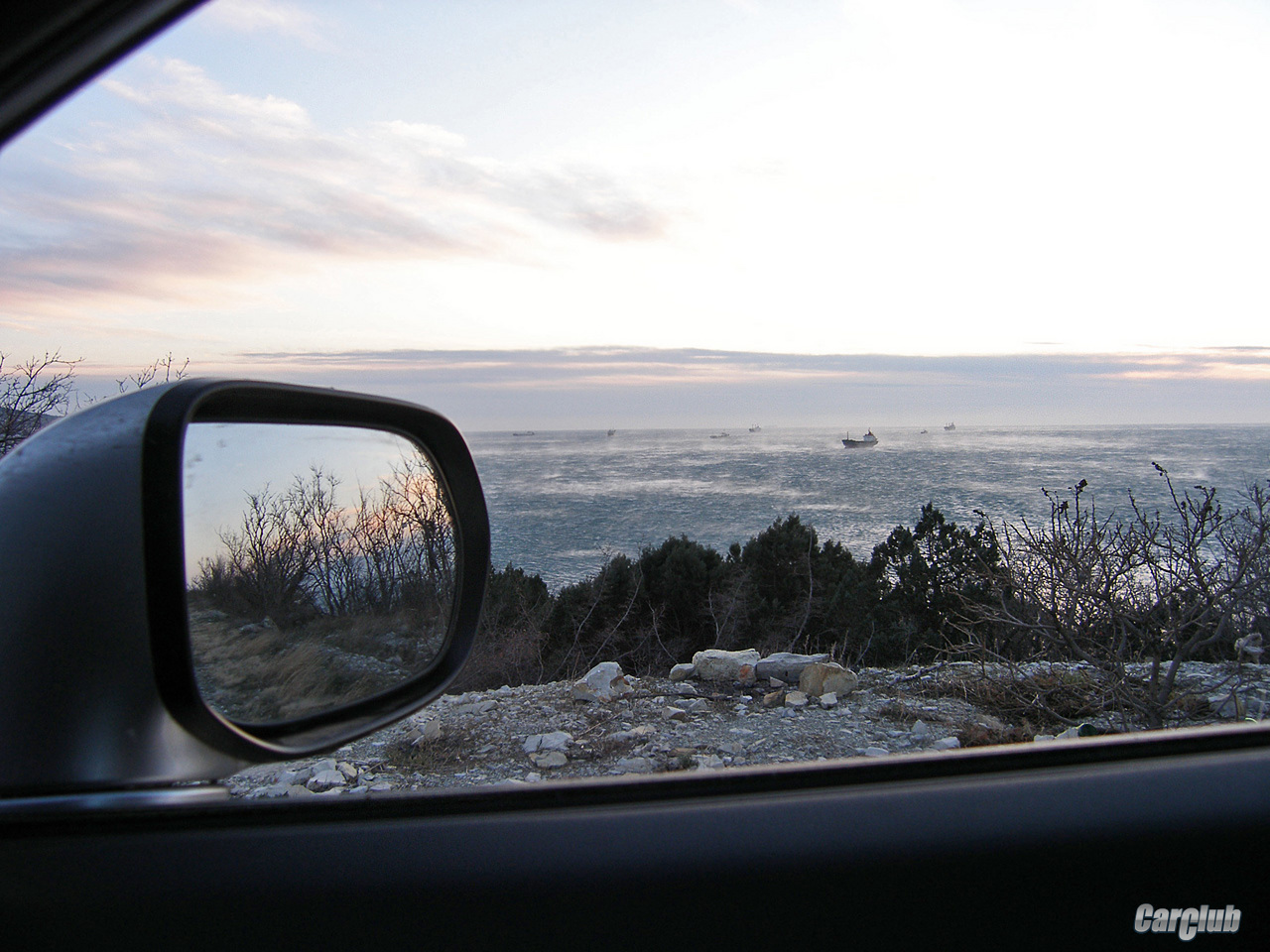
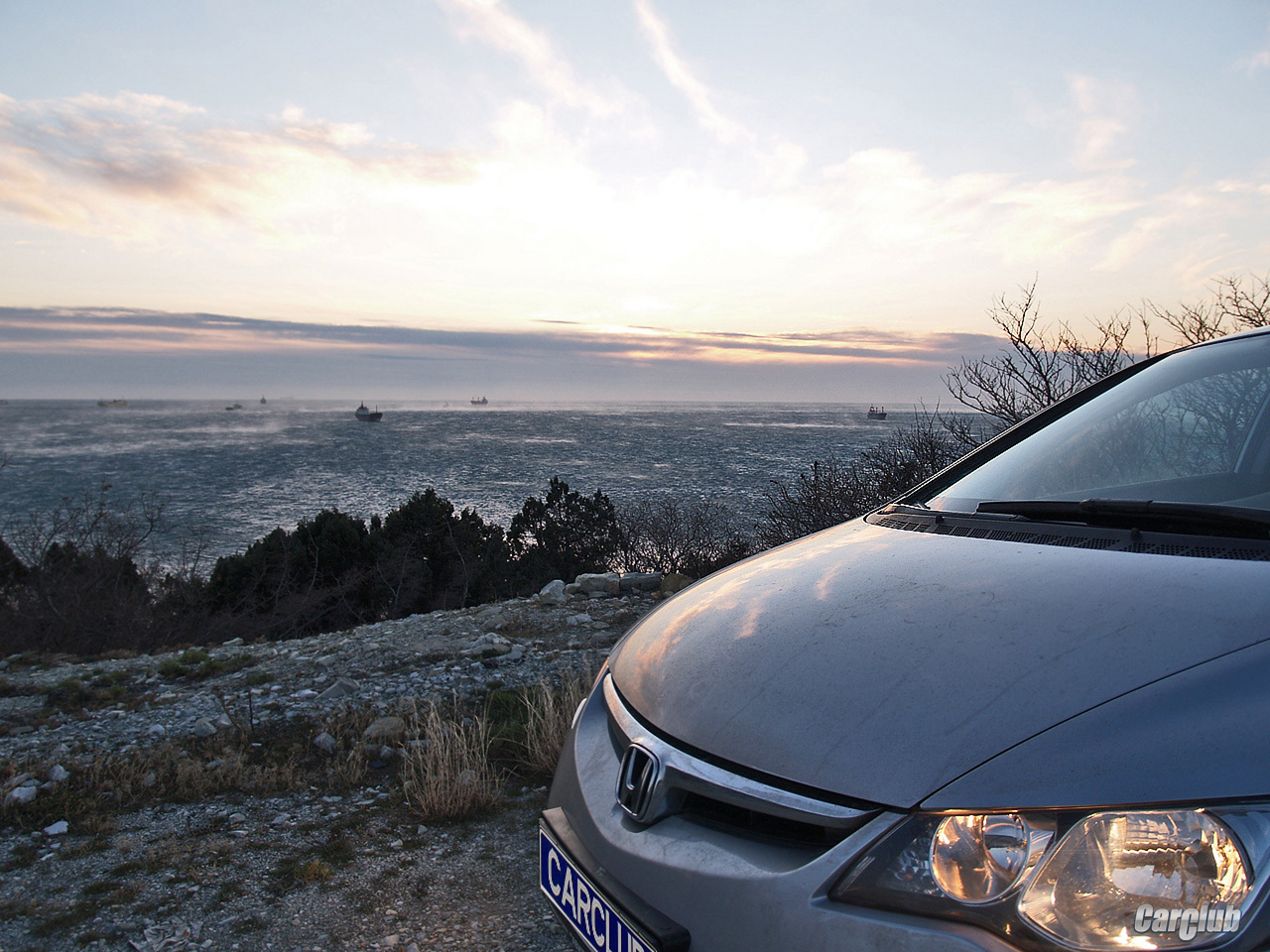
The most thrilling part, however, was still ahead. We covered 1500 kilometers in 14 hours almost without stops – only swapping drivers and diving into gas stations. Looking ahead: the passport 50 liters in the tank is more of a theory here; even at a zero sensor reading, we couldn't fill more than 43 liters, which is a bit little for long trips. And so, on the morning of January 2, we hit the mountain serpentine. Mountains are always great, but here it started raining, although on the plain the onboard electronics showed -1°C. In addition, most local cars were on summer, often already bald, tires. Right before our eyes, a driver of a fresh Volkswagen Passat at a speed of 10 km/h drove into a crash barrier: even a minimal slope was enough for all modern active safety systems to prove powerless. Our Civic was lucky – it was shod with winter studded tires. So, without thinking long, we dashed around the long traffic jam along the oncoming shoulder. Car drivers watched us with astonished looks: before us, only a Touareg and a Land Cruiser had managed such a maneuver. Fans of right-hand-drive Japanese cars asked in bewilderment about all-wheel drive and, upon hearing it wasn't there, advised waiting in the mountains until morning – saying, either it would melt or snowplows would come. But we really didn't want to spend the night in the mountains, so we drove upward. On straight sections, we managed to accelerate to 60 km/h, and in corners the speed dropped to 25–30 km/h. Neither the stability control system nor elementary self-preservation allowed us to go faster.
And yet even that pace turned out to be a good result: we caught up with and overtook an all-wheel-drive Toyota Land Cruiser. The whole secret is in the studded tires and truly excellent steering. It's so precise and informative that driving the car on the edge of sliding is a pleasure. You catch the front axle pushing wide – you ease off the gas, and the Civic neatly goes into a slide. Moreover, you don't even need to correct the trajectory: the electronics will adjust it for you. As a result, it's both fast and safe.
 |  |  |
The fuel consumption on the highway also pleased us. After 1700 kilometers, the onboard computer showed 8.2 liters per hundred. Yes, this is noticeably higher than the official figures, but we were driving briskly, there were three of us, and the frost outside reached -18°C — all of this certainly does not contribute to economy.
All efforts paid off: at the sea, the onboard computer happily reported +6°C. We could finally relax, celebrate the arrival and New Year with a glass of dry red wine, and go to sleep.
Leonid Pavlov