
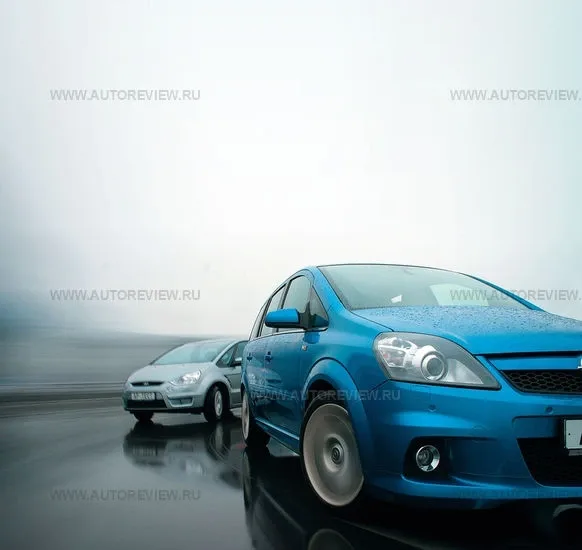
In the arsenal of modern postmodernist creators, there is a technique such as performance. This is an act, often devoid of common sense. Say, running around a vernissage without clothes, only with a collar on your neck, pretending to be a dog — here's your performance: they say, we are all animals by nature. Or, for example, hanging in a hammock wearing skis. The main thing here is to shock the audience, to make them pay attention to you!
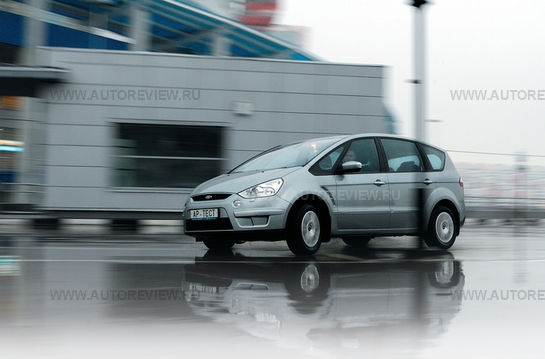
The one-box Opel Zafira OPC, which received a "charge" at the Opel Performance Center studio, is also a kind of performance. Absurd in its essence: what sense does a family compact van have in a turbo engine producing 240 horsepower? However, Ford has a similar specimen — the S-MAX 2.5 Turbo with an inline five-cylinder producing 220 hp. That's what we'll pit against the enraged Zafira.
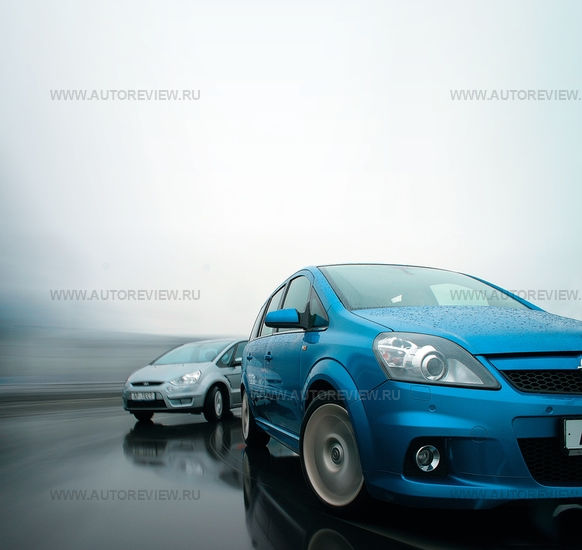
Although, if you think about it, why not? Since there are "hot" hatchbacks like the Opel Astra OPC or Ford Focus ST, what prevents transplanting their fervent turbo engines into compact vans? After all, one-box vehicles face the same tasks as "charged" hatches: on weekdays, carry the owner to work and back, on weekends — for family outings, and in free moments — deliver thrilling driving sensations. It's just that the owner of such a car may have a larger family and older children. But the car's temperament is no less!
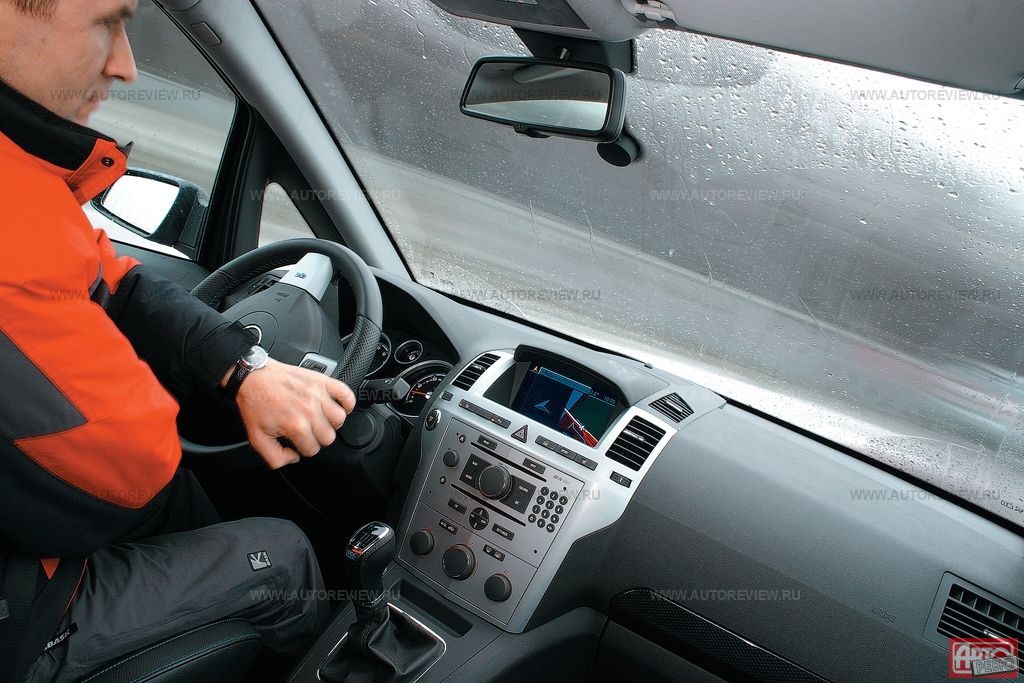 | 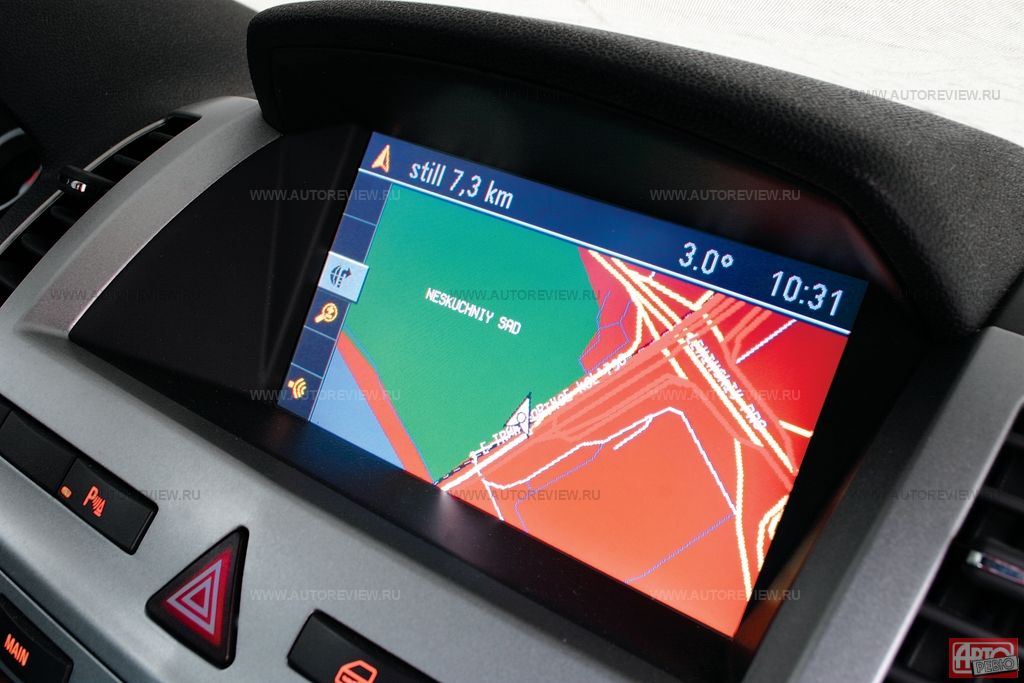 | 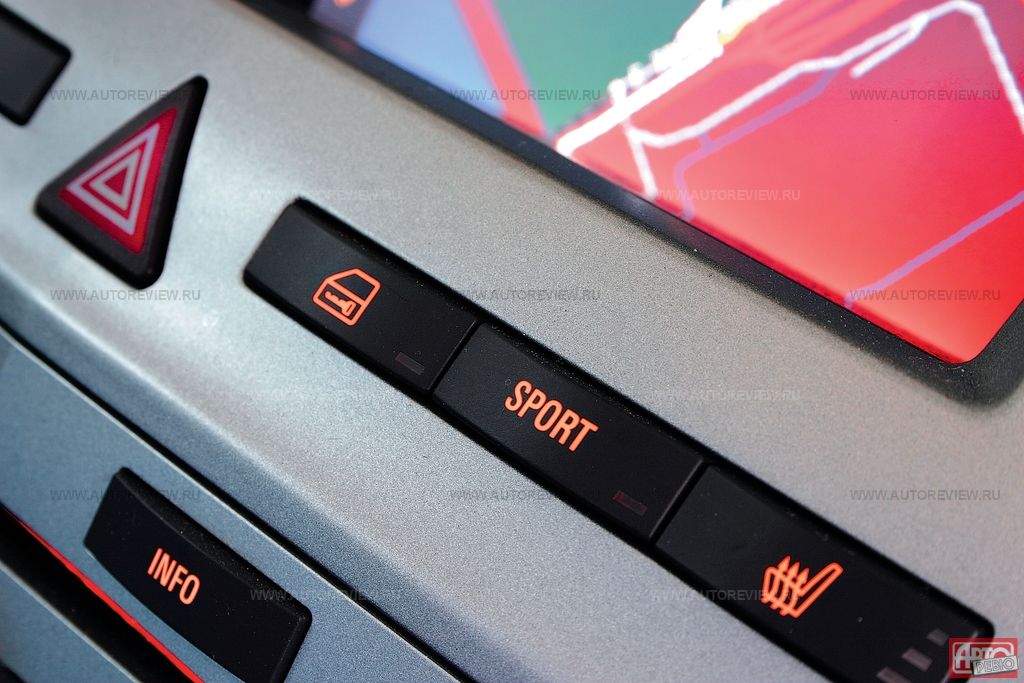 |
| A small plump steering wheel, a somewhat narrow seat — you feel like you're in a sports car, not a family car! | Opel's standard navigation will cost 14,700 rubles, but it doesn't support Russian and struggles to find its way even within Moscow | If you press the Sport button, the operation algorithm of the adaptive chassis IDS Plus changes, the electric power steering motor weakens, and a more "aggressive" ESP mode is activated |
Moreover, the Ford S-MAX is initially tuned for aggressive driving — it bares its teeth with air intakes, squints its headlights angrily, and arches its back like a cat before a leap. And the fact that the 2.5 Turbo version looks almost no different from other modifications is not such a big deal.
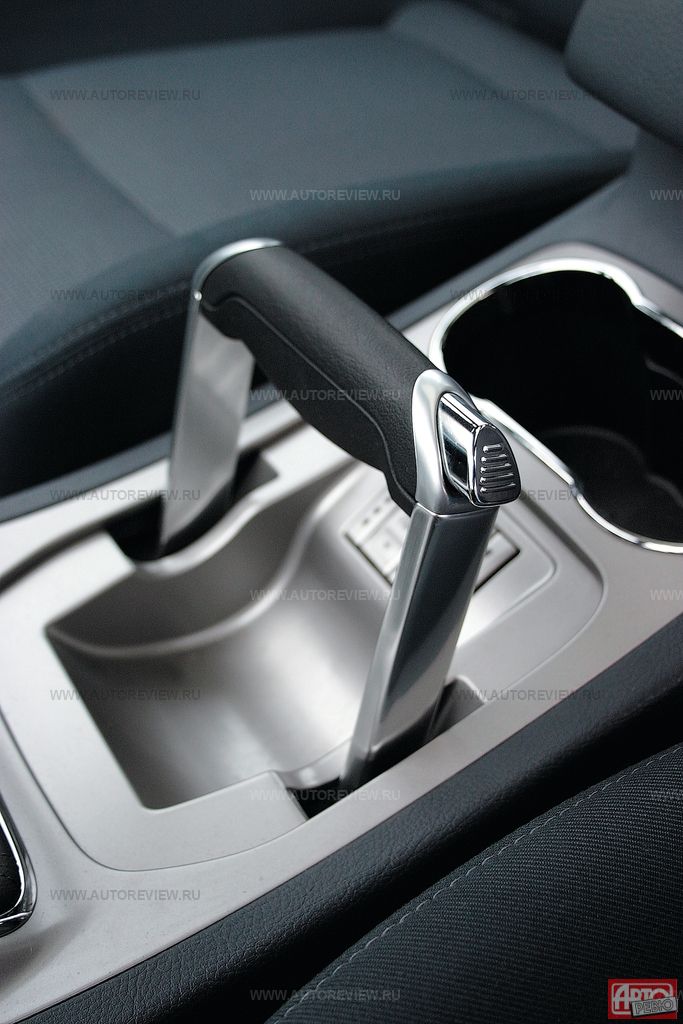
The regular Zafira, on the other hand, is modesty itself. Therefore, Opel engineers desperately needed to get rid of the boring image of a housewife's car. And so the Zafira OPC acquired exhaust tips, overlays, spoilers... A real tuning kit! Inside — massive Recaro "buckets" with blue inserts, "carbon-look" panels, a small plump "donut" steering wheel. Excited by the button press, the turbo engine rumbles dully at idle. Your hands just itch to release the "handbrake," styled like an airplane control lever, press the clutch, engage first gear — and...
Wow! Under a dry and furious roar reminiscent of a Lamborghini's voice, 240 "turbo horses" take off. First gear — like a punch. Second — acceleration of a spaceship. Third again presses you into the seat back. And the speedometer needle is already... Oh, my goodness!
| Ford S-MAX | Opel Zafira |
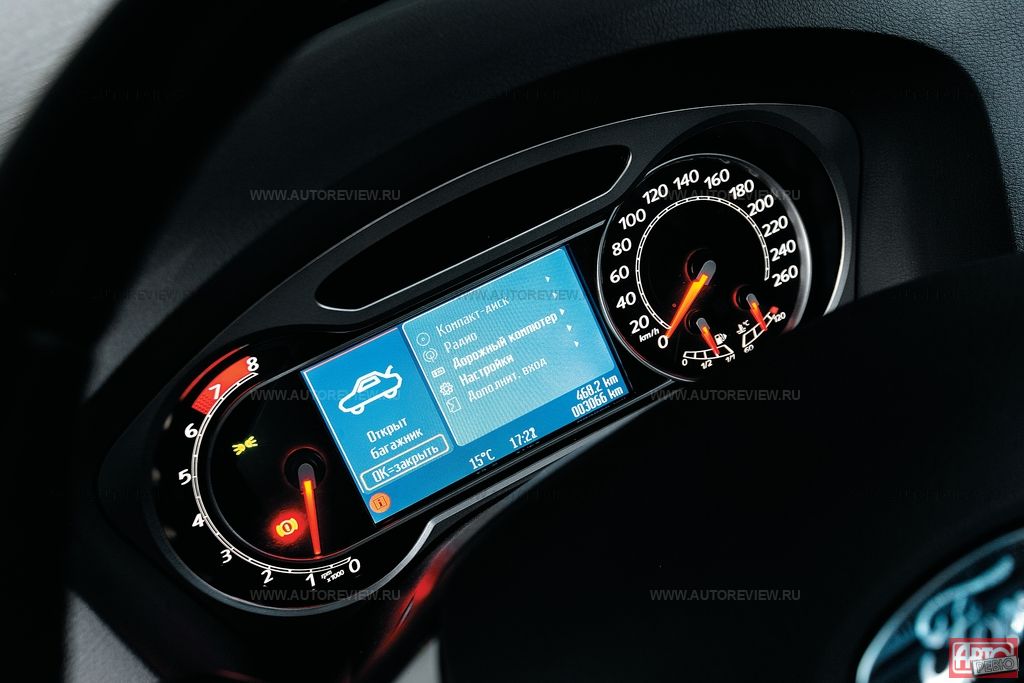 | 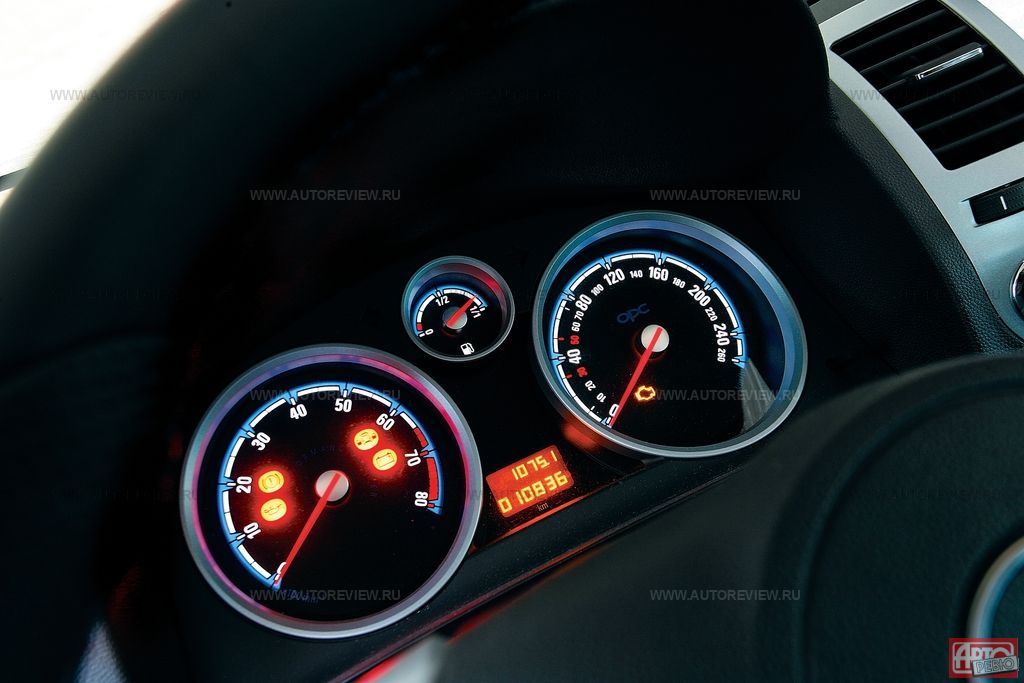 |
| In "sport" mode, the driver's attention in the S-MAX is distracted by the large HMI display in the center of the instrument panel, while in the Zafira OPC — by the "cartoonish" graphics of the dials | |
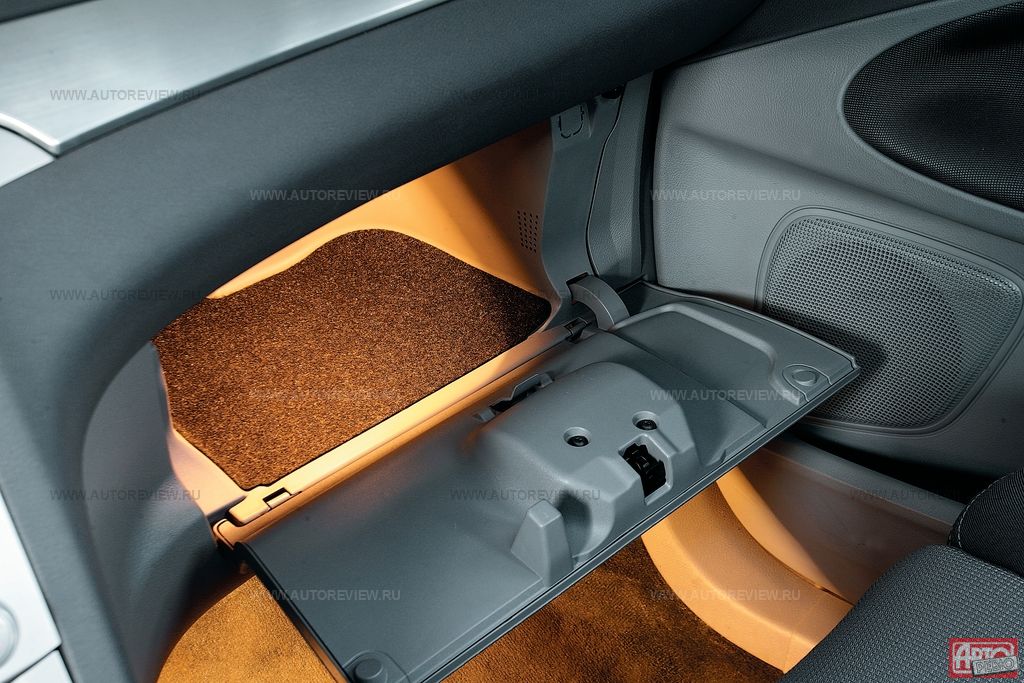 | 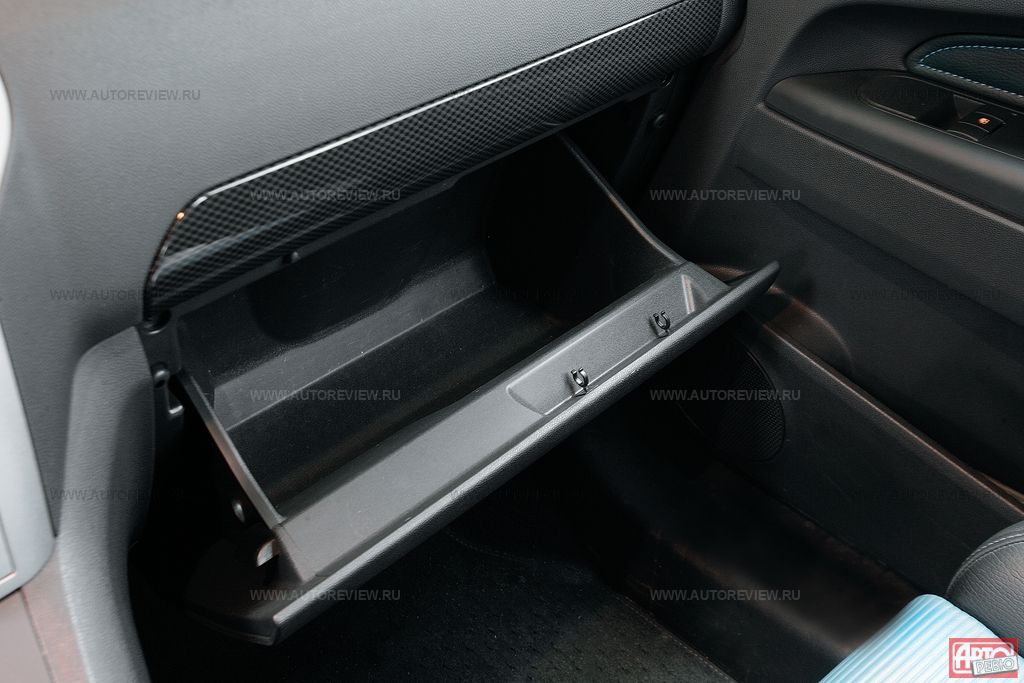 |
| The spacious glove boxes of both cars can hold more than a dozen pairs of racing gloves | |
However, the attempt to calm down and drive steadily fails miserably: the turbo lag of this highly boosted "four" is deeper than the Mariana Trench. Up to 2500 rpm, the engine doesn't pull at all — neither in fourth nor even in second gear. You press the gas, trying not to fall behind the general flow, the tachometer needle slowly climbs... And suddenly, at the most unexpected moment, the Zafira OPC lurches forward — and flies off with a whistle of the turbo.
In motion, the Zafira OPC is akin to an unbroken mustang — and it's not just about the explosive, nervous turbo engine. On a straight road, the Opel darts from side to side in ruts, jerks during hard accelerations and even when releasing the gas pedal, all accompanied by tugs on the steering wheel. The extra-wide wheels with different offset have clearly changed the scrub radius — and it's far from ideal. Due to the strong background force on the steering wheel, it's impossible to precisely counter the Zafira's yaw, and an ordinary trip turns into an exhausting rodeo. On a winding road, there's also little pleasure. When entering a corner, the steering wheel suddenly becomes empty — it feels like the car has hit ice. And if you lift off the gas in a turn, the Zafira OPC diligently oversteers — it might spin you around! And pressing the Sport button, which changes the ESP and electric power steering settings and also stiffens the IDS Plus dampers, doesn't improve the understanding with the car at all.
| Ford S-MAX | Opel Zafira |
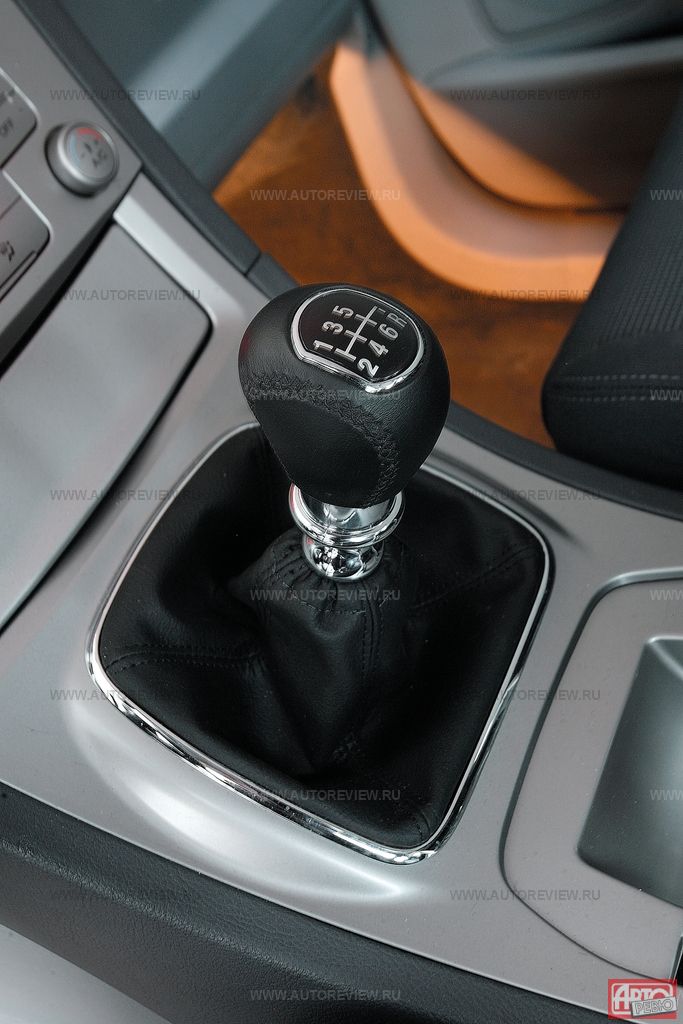 | |
| The S-MAX delights with exemplary precise and light shifts — the Zafira's gearshift drive works noticeably worse | |
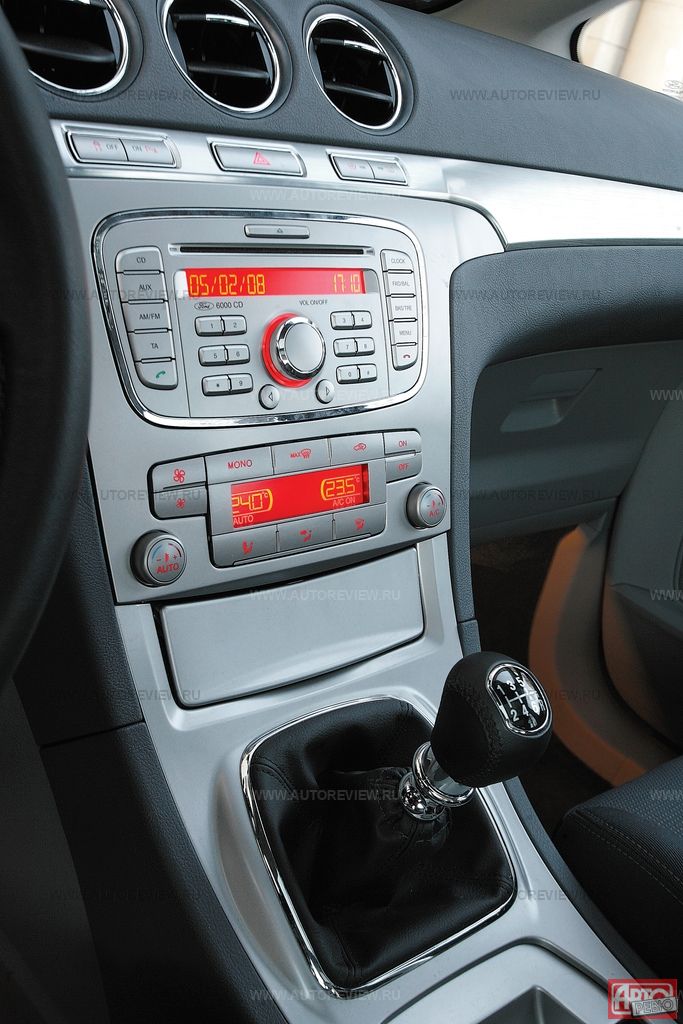 | 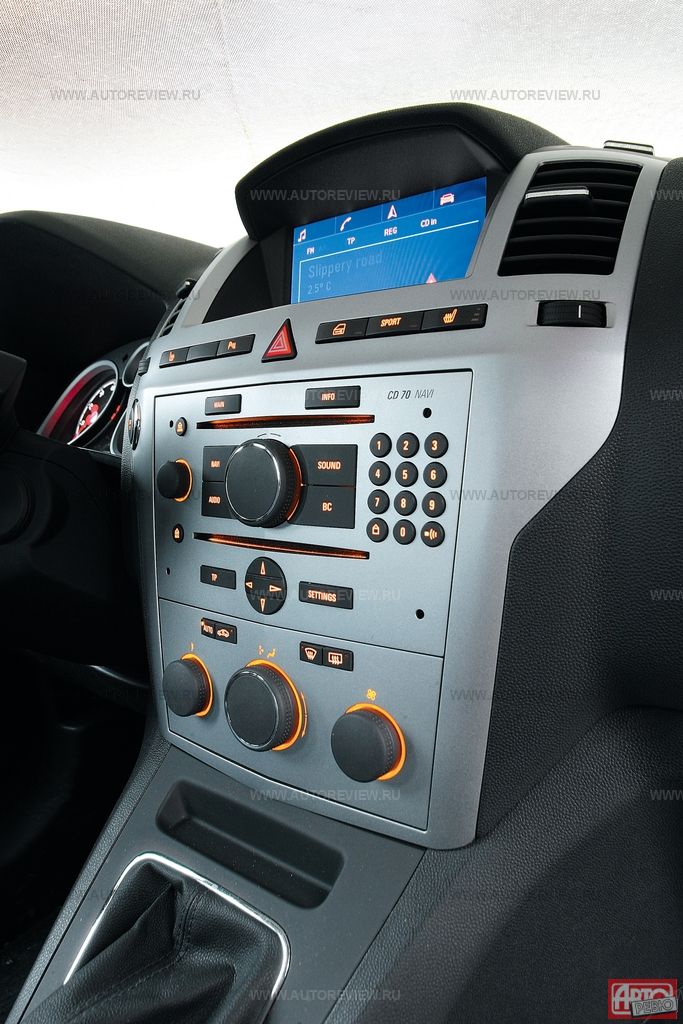 |
| Climate control is more convenient to manage in the Opel: the knobs are rubberized, and data is displayed on the color navigation screen. In the Ford, however, the climate control with small "twisters" is dual-zone | |
Only after getting used to the dips of the "jet" character and relying on the smart stability system can you drive fast. But there's no talk of comfort! The sport suspension is incredibly stiff, and the wide 18-inch wheels with low-profile tires hardly smooth out bumps. And activating Sport mode, of course, makes the suspension even stiffer.
You asked for sport — you got it! The vibrations of the engine, devoid of balance shafts for easier revving, transmit tremors even to the third-row seats. The low-frequency hum of the turbo engine makes your ears ring after just fifteen minutes...
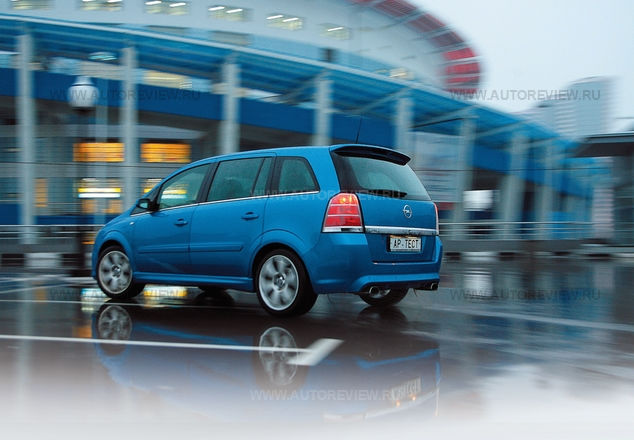
Do you like this prospect of a family trip? With nervous, punchy accelerations, constant shaking, and yawing?
True, if you load the Zafira OPC to the brim, it becomes less wayward — it holds the straight better, reacts more calmly to steering inputs and gas pedal presses, and behaves more understandably and agreeably in corners. And the excessive steering tension near the center weakens because the load on the front wheels decreases.
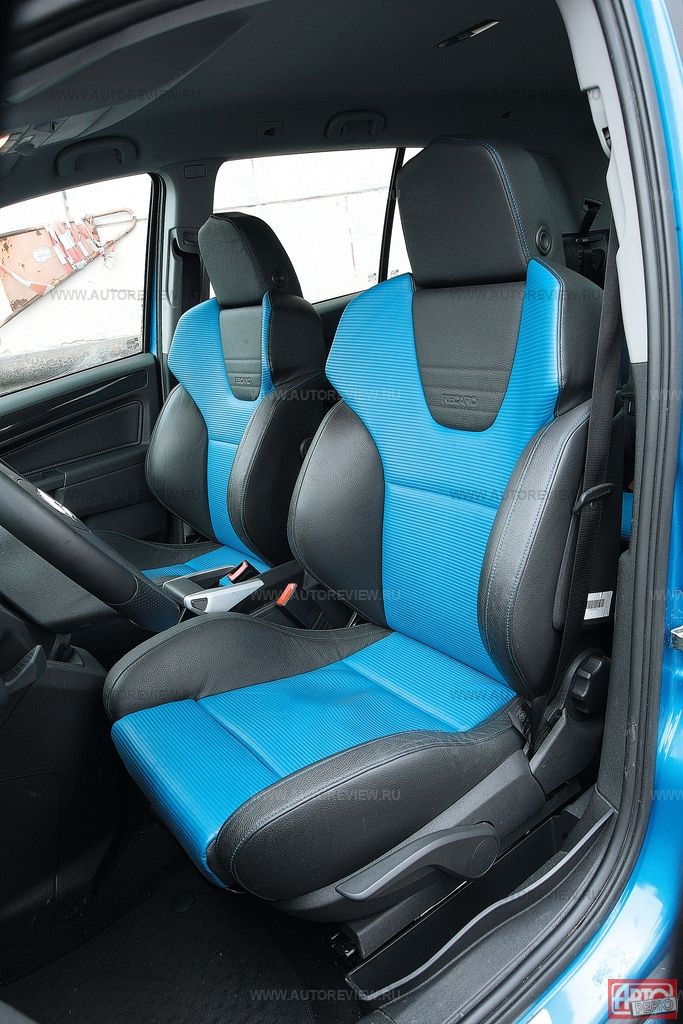 | 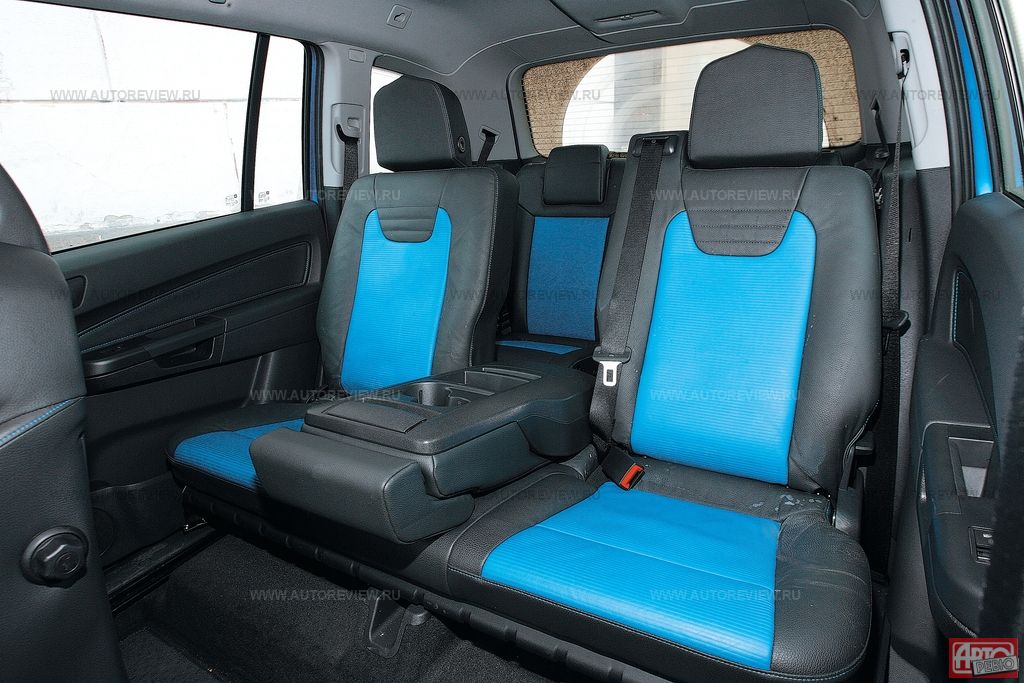 | 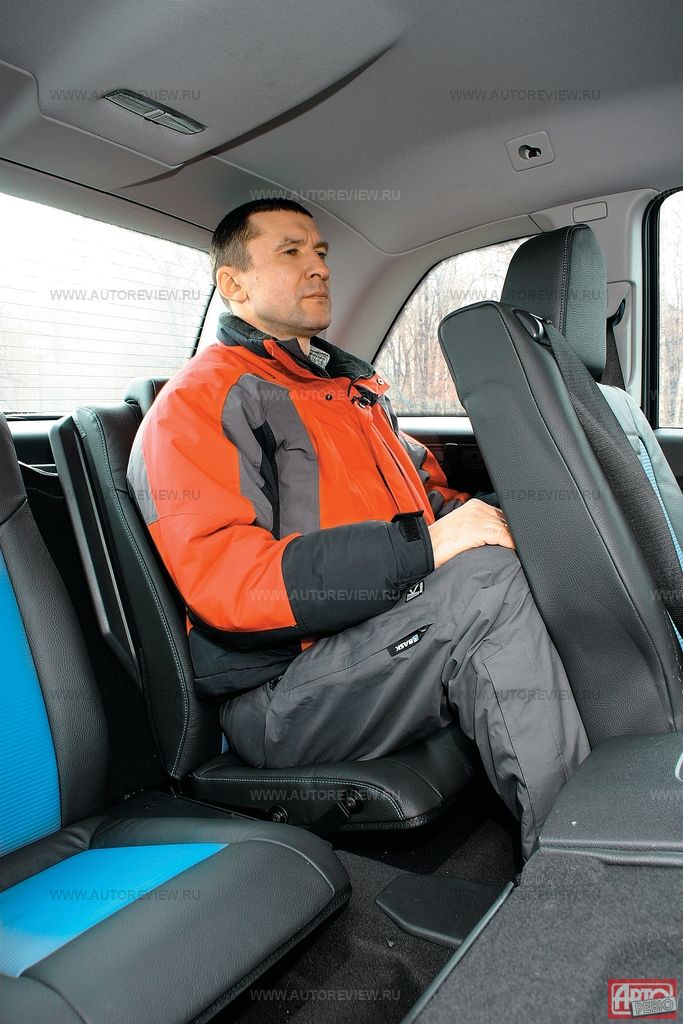 |
| Because of the massive bolster on the cushion of the Opel's Recaro "buckets," you literally have to climb over it | The Zafira's rear bench with a one-piece cushion is comfortable for at most two | Sitting cramped in the third-row seats of the Zafira OPC — that's truly a performance |
But the catch is that the Ford S-MAX 2.5 Turbo handles much more pleasantly! Both fully loaded and light.
This car has no hint of tuning — it's a serious and harmonious machine. The seat with fabric upholstery is more modest here, and the steering wheel has a thinner rim. But what an engine! No "explosions" or "dips" — the engine pulls from the very bottom and instantly responds to the accelerator pedal. Gear changes are easier and more precise. Yes, the S-MAX loses to the Zafira OPC in acceleration due to a 20 hp difference and longer gears, but managing its "turbo horses" is much simpler.
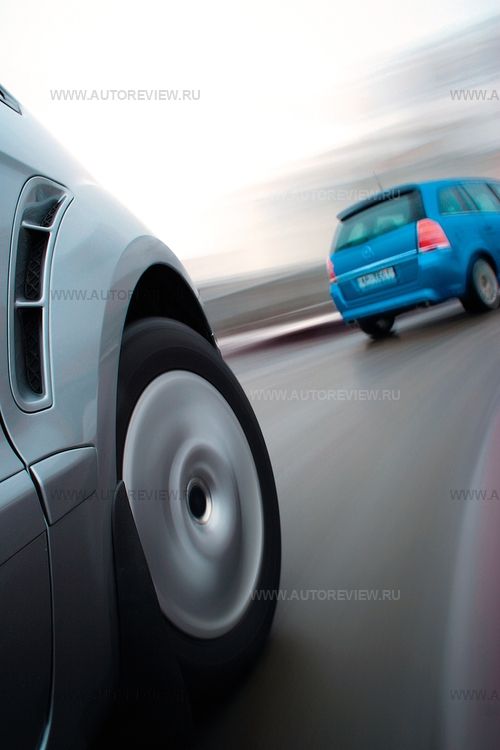
And how logically the S-MAX obeys the steering wheel! On a straight road, it holds its course impeccably, and every turn of the wheel is accompanied by a clear, increasing effort. On bumps and ruts, the car behaves calmly. It enters corners obediently, and the light steering wheel is very informative. When you release the throttle, the car smoothly and precisely turns in.
 |
 |
 |
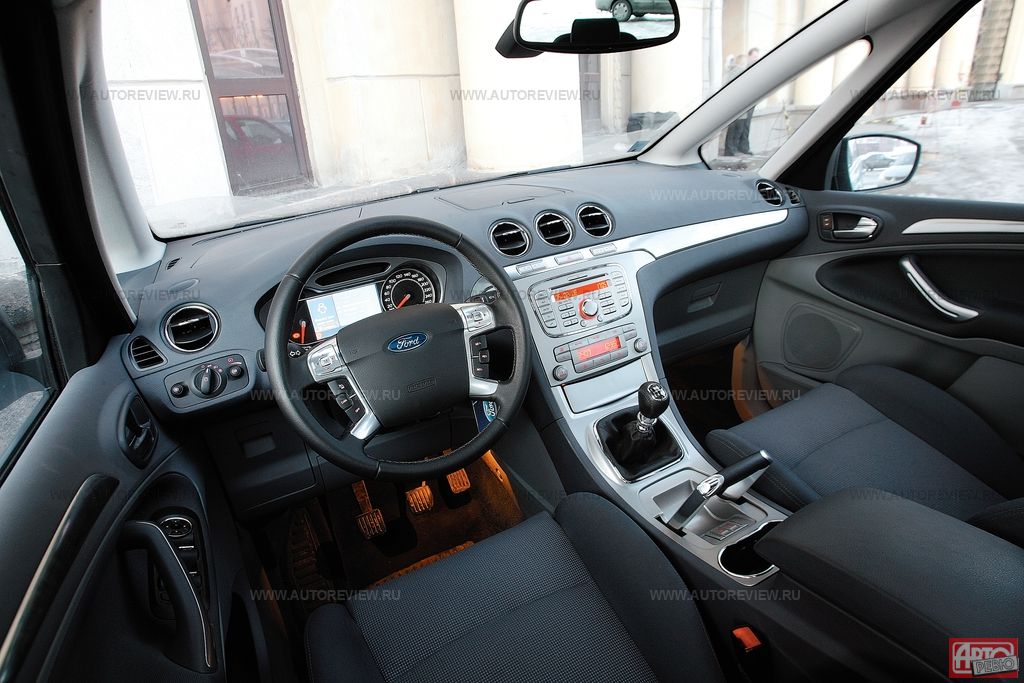
| The Ford's interior is good, except for the abundance of chrome details and sloppy panel joints |
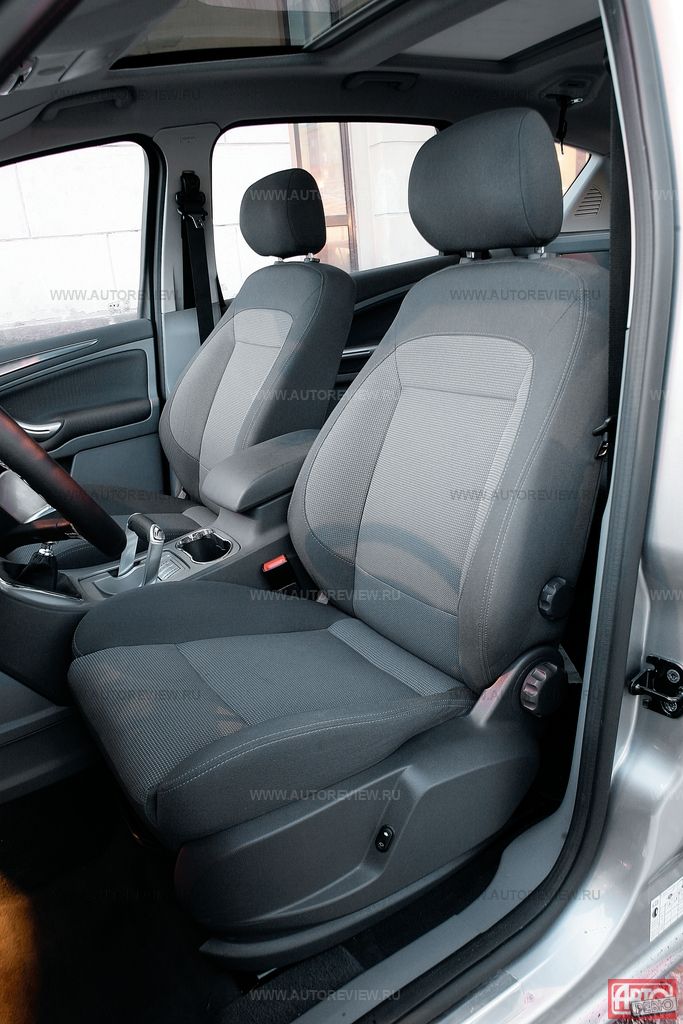
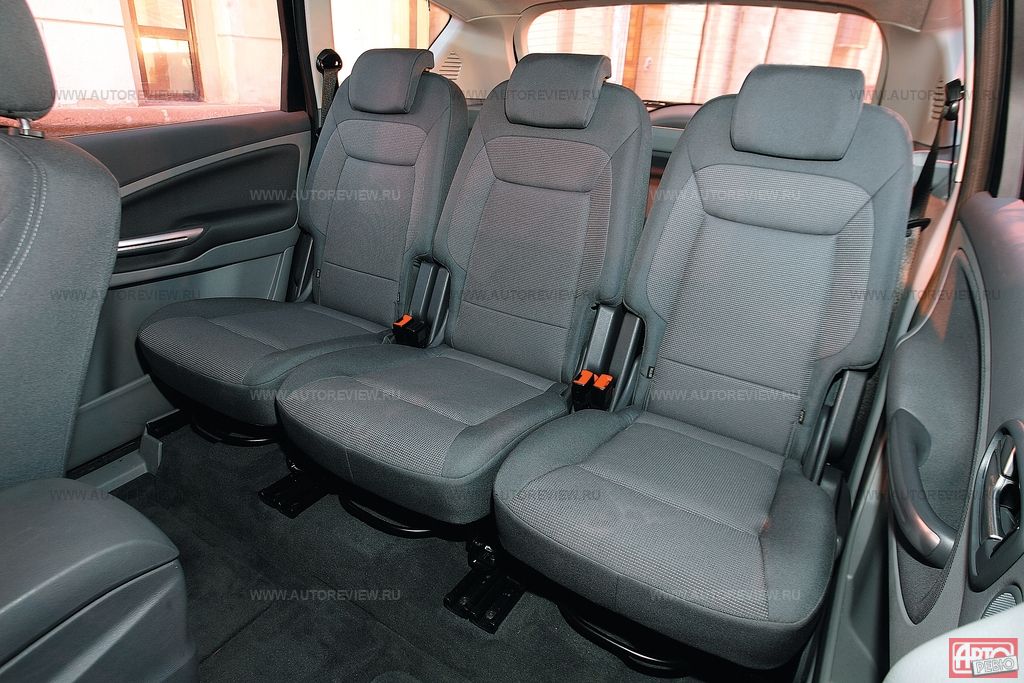
The bolsters on the backrest of the Ford's "semi-sport" seat could be more pronounced | Each passenger has a separate seat, and there's noticeably more space — the S-MAX is 265 mm longer than the Zafira |
And you don't have to pay for this handling — the ride comfort is excellent. Yes, in the previous test, the S-MAX on 18-inch low-profile summer tires seemed a bit stiff compared to such "velvet" cars as the Mitsubishi Grandis and Renault Scenic (see AR No. 18, 2006). But now the Ford is shod with 16-inch winter non-studded Dunlop SP Winter Sport 400. By the way, the Zafira OPC also had non-studded Dunlops — the SP Winter Sport M 3 model.
The Ford S-MAX is the undisputed winner of this duel. It's spacious and comfortable — even in the five-seat version, the S-MAX scored higher than the seven-seat Zafira. It's very fast, yet comfortable. Rare harmony in everything, even in design. It's no surprise that last year 417 "hot" S-Max models with turbo engines were sold. And that's despite prices starting from 932 thousand rubles ($38,500).
| Ford S-MAX | Opel Zafira |
 |
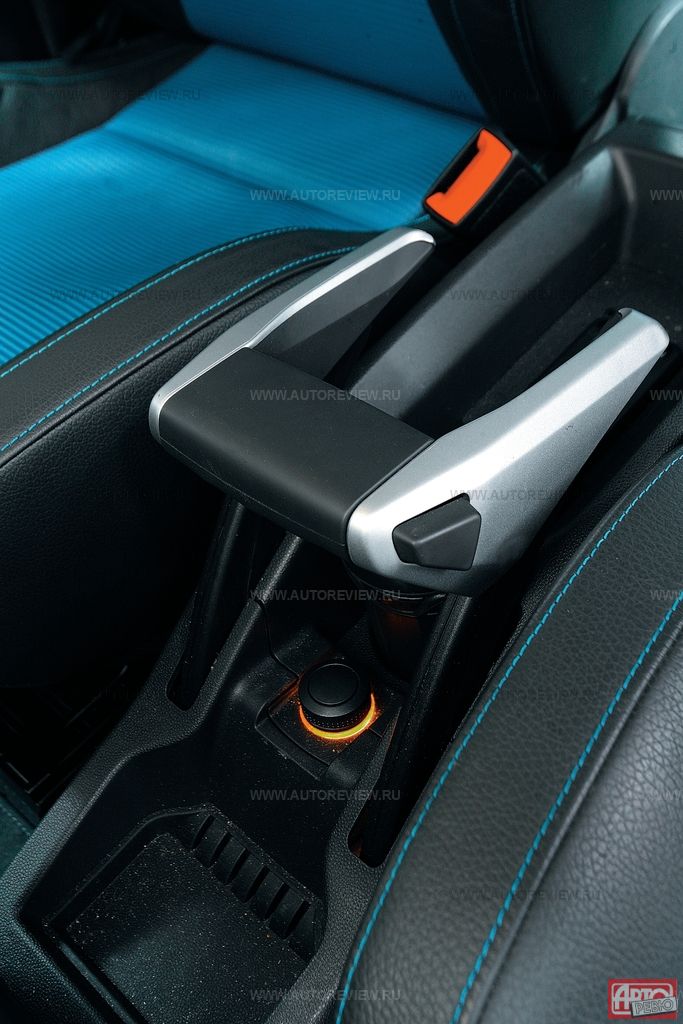 |
| "Floor it, and we'll see!" But these aren't accelerator pedals, but parking brake handles | |
And the 240-horsepower Zafira is performance from the Opel Performance Center. A car created not so much for a specific group of buyers, but for themselves. It's an attempt to shout to the whole world: "Look, Opel can make the fastest and hottest compact MPV! We built a family one-box that lapped the Nürburgring Nordschleife faster than nine minutes!"
And how to carry your wife and kids in this crazy bench, what to hear from them after half an hour of constant jerks and shaking — that's a secondary matter...
The funniest thing is that the "spiritual father" of the 240-horsepower Zafira can be considered... Anatoly Fedorovich Lapin. It was he, a native of pre-war Riga and a self-taught designer who started his career at General Motors, who was sent in the mid-60s to Rüsselsheim to "boost" the Opel spirit. And it was Lapin who then proposed to engage in "factory tuning" — to boost the engines of Kadetts, Records, and Diplomats...
| Ford S-MAX | Opel Zafira |
 |
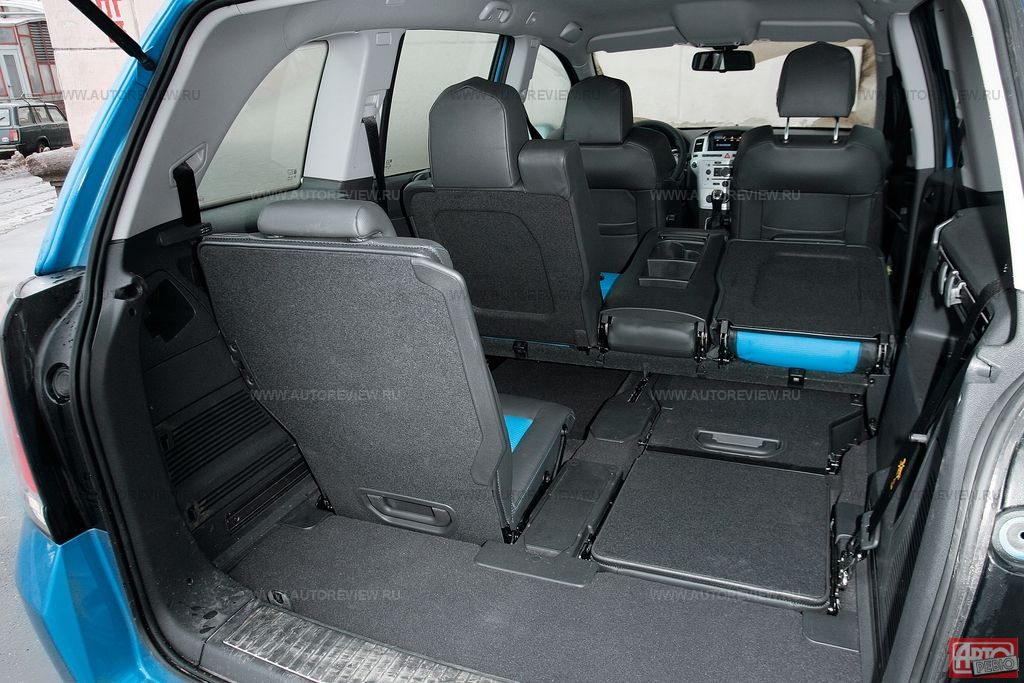 |
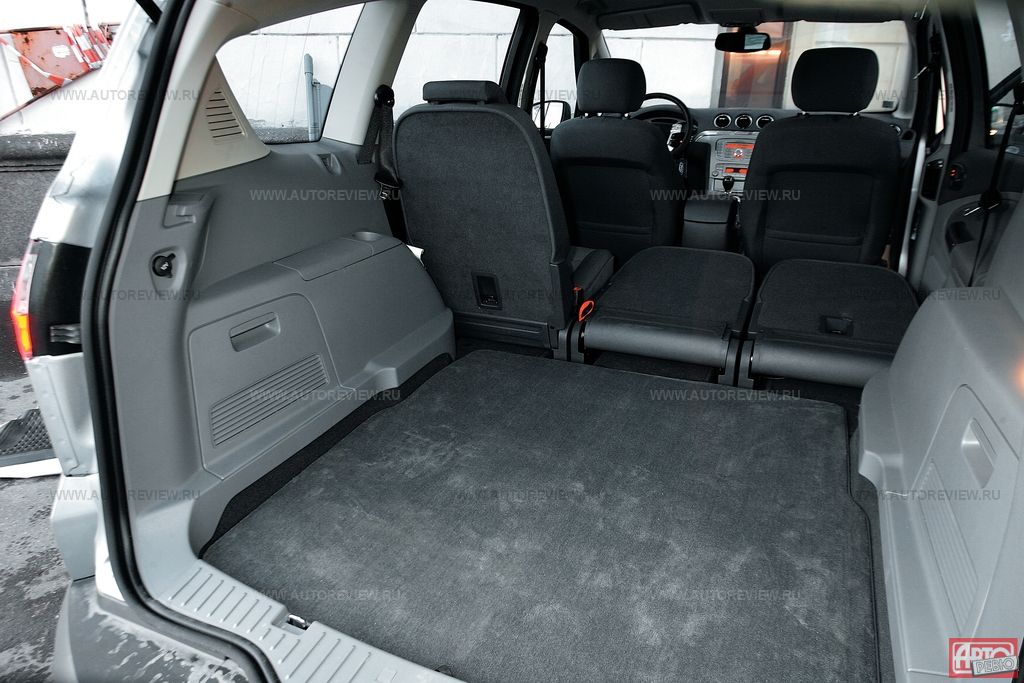
| For transporting nightstands and refrigerators, folding the Zafira's solid rear bench with a split backrest is much harder than the Ford's individual seats, which transform with one motion in literally a second. The S-MAX is also better suited for carrying less bulky cargo: the trunk is larger, and the loading height is lower | |
Want to join the Opel performance? Then the Zafira OPC can be yours — it's only 30 thousand rubles ($1,240) more expensive than the less equipped S-MAX 2.5 Turbo. But when you get divorced, don't say we didn't warn you: the Zafira OPC is not a family car, but an anti-family car! True, Opel also has a less extreme 200-horsepower Zafira, and we really wanted to test that one too, but couldn't find it. After all, only eight such cars were sold last year.
It seems to us that the sales figures for the 240-horsepower Zafiras will be about the same...
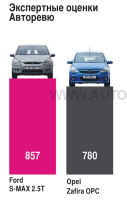
| Expert ratings from Autoreview | ||||
| Parameters evaluated | Max score | Cars | Comments | |
| Ford S-MAX 2.5T | Opel Zafira OPC | |||
| Ergonomics | 200 | 158 | 150 | The only drawback of both cars is the instruments. Ford wins in visibility thanks to larger mirrors and clean side windows in slush. |
| Driver's workplace | 100 | 78 | 80 | |
| Visibility | 100 | 80 | 70 | |
| Dynamics | 320 | 300 | 280 | The Ford is spirited and docile, while the Opel is faster but resembles an unbroken stallion. The joy is only in launches from traffic lights, but the Zafira's sharp turbo surges hinder in traffic jams. |
| Acceleration dynamics | 100 | 100 | 95 | |
| Braking dynamics | 120 | 110 | 110 | |
| Handling | 100 | 90 | 75 | |
| Ride comfort | 240 | 195 | 160 | Against the teeth-rattling Zafira, the S-MAX is soft and smooth, and the Opel's growling engine will drown out a dozen Fords. The S-MAX also boasts separate climate control. |
| Ride smoothness, vibration protection | 90 | 70 | 55 | |
| Acoustic comfort | 80 | 65 | 50 | |
| Microclimate | 70 | 60 | 55 | |
| Interior comfort | 240 | 204 | 190 | The "child" seats in the Opel's trunk don't compensate for the difference with the Ford in space on the middle row. The Ford's individual seats fold easily, while the Opel's solid bench requires effort. |
| Passenger seats | 80 | 73 | 71 | |
| Trunk | 80 | 66 | 64 | |
| Interior transformation | 80 | 65 | 55 | |
| Total score | 1000 | 857 | 780 | |
| Specifications | |||
| Parameters | Models | ||
| Ford S-MAX 2.5T | Opel Zafira OPC | ||
| Body | wagon, 5 doors | wagon, 5 doors | |
| Number of seats | 5 (7) | 7 | |
| Trunk, l | 285—2000* | 140—1820* | |
| Curb weight, kg | 1681 | 1665 | |
| Permissible gross weight, kg | 2420 | 2200 | |
| Powertrain | petrol, turbocharged, multipoint injection | ||
| Installation | front, transverse | front, transverse | |
| Cylinders | 5, inline | 4, inline | |
| Displacement, cc | 2522 | 1998 | |
| Cylinder bore and stroke, mm | 83.0/93.2 | 86.0/86.0 | |
| Compression ratio | 9.0:1 | 8.8:1 | |
| Valves per cylinder | 4 | 4 | |
| Power, hp/kW at rpm | 220/162/5000 | 240/177/5600 | |
| Torque, Nm at rpm | 320/1500—4800 | 320/2400 | |
| Transmission | manual, 6-speed | manual, 6-speed | |
| Gear ratios | |||
| I | 3.39 | 3.82 | |
| II | 2.05 | 2.16 | |
| III | 1.43 | 1.48 | |
| IV | 1.09 | 1.07 | |
| V | 0.87 | 0.88 | |
| VI | 0.70 | 0.74 | |
| Reverse | 3.23 | 3.55 | |
| Final drive | 4.00 | 3.94 | |
| Drive | front | front | |
| Front suspension | independent, coil spring, McPherson | independent, coil spring, McPherson | |
| Rear suspension | independent, coil spring, multi-link | semi-independent, coil spring | |
| Front brakes | disc, ventilated | disc, ventilated | |
| Rear brakes | disc | disc | |
| Tires | 215/60 R16 | 225/40 R18 | |
| Top speed, km/h | 230 | 231 | |
| Acceleration 0—100 km/h, s | 7.9 | 7.8 | |
| Fuel consumption, l/100 km | |||
| city | 13.3 | 13.4 | |
| highway | 7.1 | 7.4 | |
| combined | 9.4 | 9.6 | |
| Fuel tank, l | 70 | 58 | |
| Fuel | petrol AI-95—98 | petrol AI-95—98 | |
| * With second and third row seats folded | |||
| Autoreview measurement results | |||
| Parameters | Models | ||
| Ford S-MAX 2.5T | Opel Zafira OPC | ||
| Acceleration, s | 30—80 km/h (II) | 4.38 | 4.02 |
| 30—100 km/h (III) | 9.06 | 8.08 | |
| 80—120 km/h (VI) | 12.89 | 11.01 | |
Declared safety is one thing, but how cars behave in real accidents is quite another. Let's start with the fact that the base version of the Opel Zafira OPC offers only four airbags (front and side), an anti-lock braking system, and a stability control system. Curtain airbags for this car are an option. The Ford S-MAX 2.5 Turbo, on the other hand, already boasts seven airbags in standard trim, including even a "knee" airbag for the driver. Both cars with regular engines underwent EuroNCAP crash tests, and both received the highest rating — five stars. However, the S-MAX demonstrated a more impressive result, scoring maximum points in all three tests. Ford's success was ensured not only by the "knee" airbag but also by the original design of the steering column, which pulls the steering wheel toward the dashboard upon impact, reducing the risk of injury. In contrast, the Zafira's steering column turned out to be potentially dangerous, causing it to lose two points. As for child protection, the rivals are almost equal here: both cars received four stars out of five. Pedestrian safety for both is average, only two stars out of four possible.
Visibility
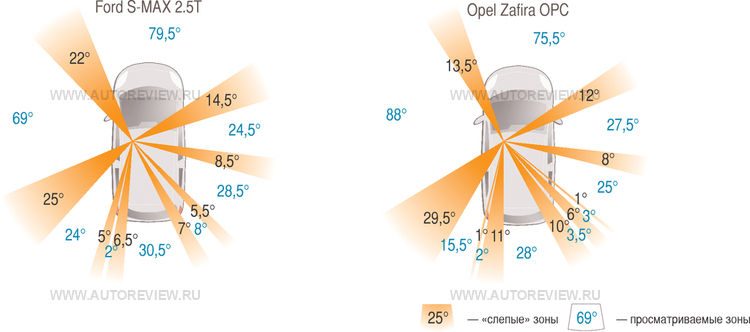
Looking ahead, I'll say: the measurements of "blind" zones, which I conducted from the driver's seat of a 178 cm tall person with the seat in the middle position, do not give the full picture. The Ford has huge triangular windows in the pillars — they are much larger than those of the Opel and provide a real advantage in side visibility, although the instrument "does not see" them. The mirrors on the S-MAX are both larger and better shaped. Another nuance: in wet weather, the Ford's side windows get splashed with dirt noticeably less than the Zafira's.
However, through the interior rearview mirror, the view in both cars is not impressive: in the Opel, the view is blocked by massive headrests, in the Ford — by a small rear window.
| Car | Total viewing angle, deg. | Total angle of "blind" zones, deg. |
| Ford S-MAX 2.5T | 266.0 | 94.0 |
| Opel Zafira OPC | 268.0 | 92.0 |
What's the price?
For the Opel Zafira OPC you'll have to pay 962 thousand rubles ($39,750), and the trim here, let's say, has its quirks: luxurious Recaro leather seats and stylish 18-inch wheels coexist with a simple air conditioner, while electric drives and heated mirrors, light and rain sensors are absent. If you add these options, the price jumps to 985 thousand rubles ($40,700), but the seven-seat S-MAX 2.5 Turbo with similar equipment will still be 120 thousand rubles more expensive!
However, the list of additional equipment for the Zafira OPC can inflate the price to the skies: our test car was equipped with navigation (14,700 rubles), swiveling bi-xenon headlights (34,500 rubles), and other pleasant little things, which ultimately amounted to 1 million 215 thousand rubles ($50,200).
For those who find 240 hp excessive, you might consider the 200-horsepower version of the Zafira — it starts from 839 thousand rubles ($34,670). The gearbox, like the OPC, is only a six-speed manual.
The warranty on Opel is two years without mileage limit. The dealer network has 86 points in 52 Russian cities.
Ford S-MAX 2.5 Turbo in the base Trend trim for 932 thousand rubles ($38,500) already pleases with dual-zone climate control and seven airbags. But the interior is plain, and the wheels are steel. For a three-row cabin with leather upholstery, you need to pay an extra 94,400 rubles, for 17-inch alloy wheels — 28,500 rubles, for the stability control system — 39 thousand rubles. Our S-MAX had only ESP, a glass roof, and xenon, but its price was 1 million 83 thousand rubles ($44,760).
Ford's warranty is two years or 100,000 km. The dealer network has 141 centers in 88 Russian cities.
What else?
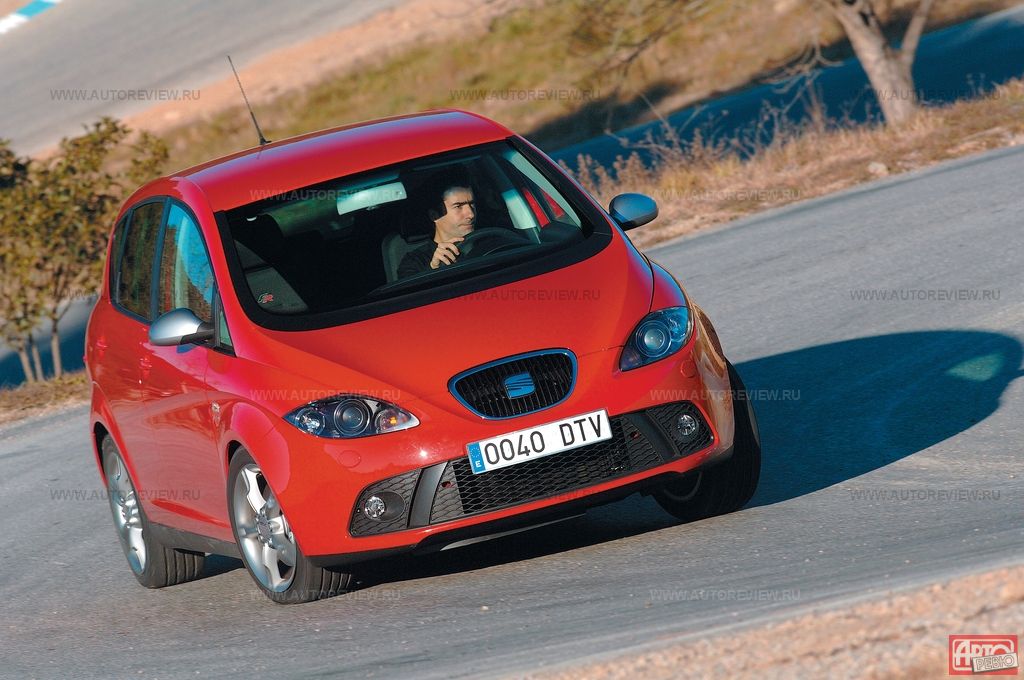
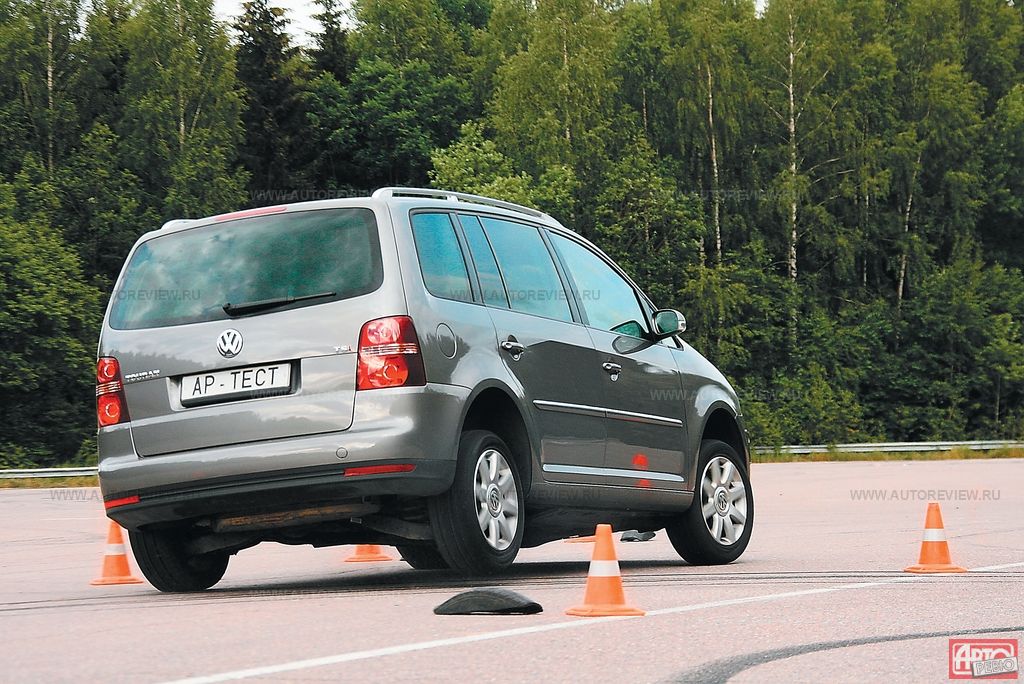
For fans of powerful compact vans in Russia, the choice is rather limited. One might recall the Volkswagen Touran with its twin-charged 1.4 TSI engine (170 hp) and the Seat Altea FR with a 2.0 TFSI turbo engine (200 hp). The peppy Touran is equipped with a DSG robotic gearbox with dual clutches and costs from 960,370 rubles ($39,680*), while the Seat Altea for 975,500 rubles ($40,310) is content with a six-speed manual. The Autoreview editors have had the chance to drive the Touran with the 140-hp engine (AR No. 18, 2007) — the car was memorable for its driver-oriented chassis and stiff suspension, which doesn't soften even when fully loaded.
There's also the all-wheel-drive Seat Altea Freetrack for 1,040,000 rubles ($42,980). Under its hood is the same 2.0-liter 200-hp turbo engine paired with a six-speed manual.
| Ford Mondeo | Seat Altea FR | Opel Vectra OPC |
 |
 |
 |
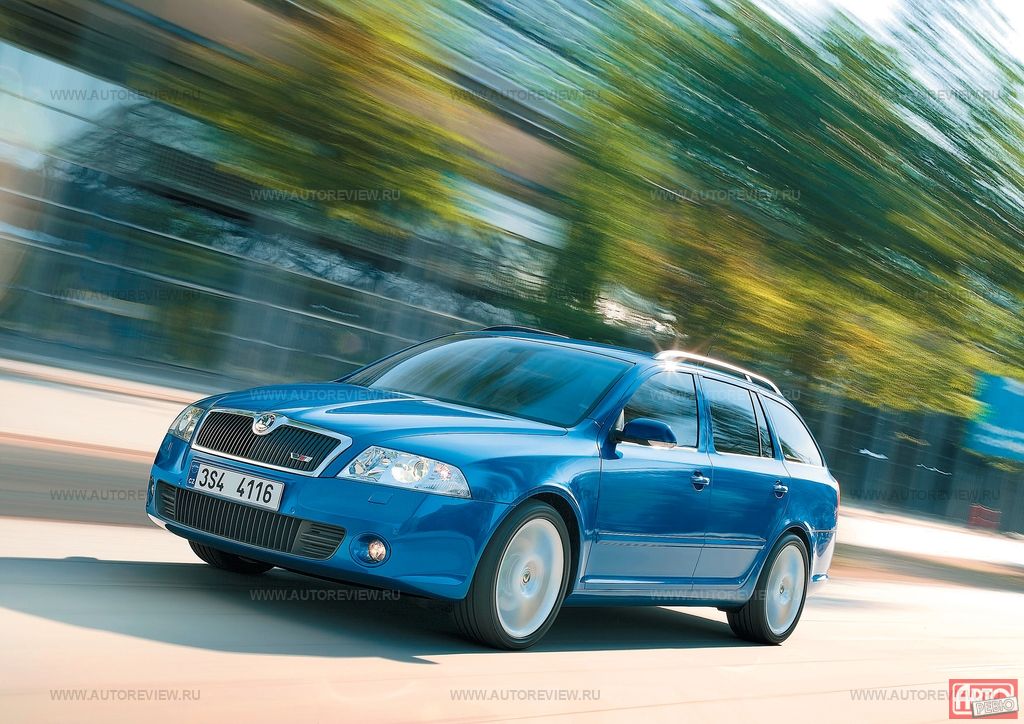
Among "hot" one-box models, the only alternatives might be fast station wagons. For example, the Skoda Octavia RS (2.0 L, 200 hp) with a six-speed manual for 945,000 rubles ($39,050): driver-oriented chassis, excellent dynamics, and still quite family-friendly comfort. Or the more spacious Volkswagen Passat Variant with the same 2.0 TFSI engine — for 1,080,800 rubles ($44,660) you get a roomy car with a six-speed automatic. Unlike the Octavia, it doesn't claim to be "hot," but it moves very briskly.
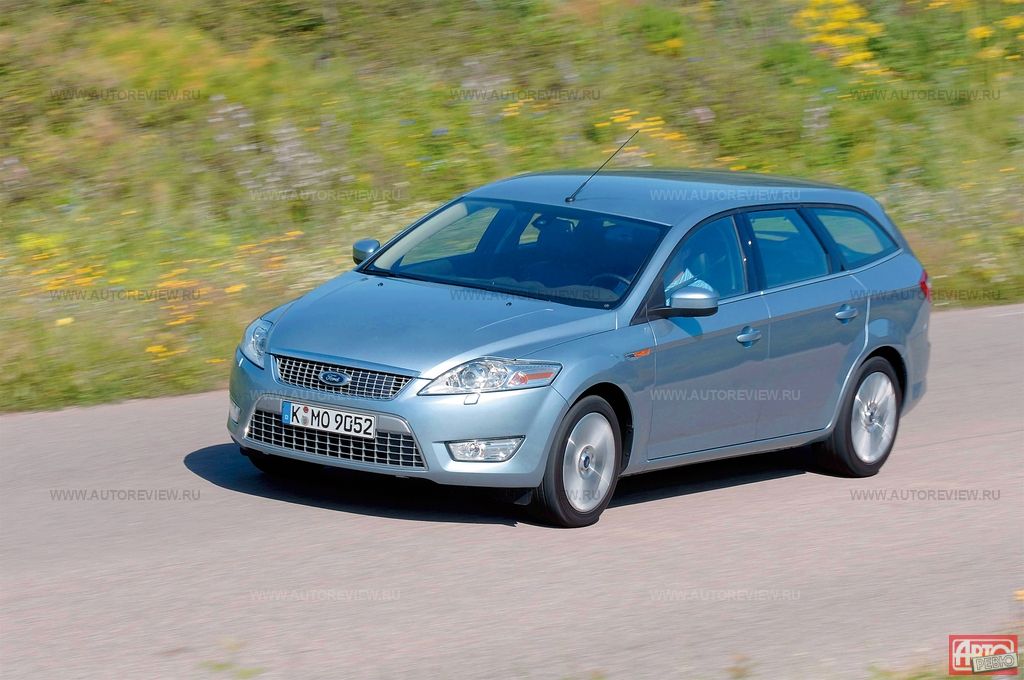
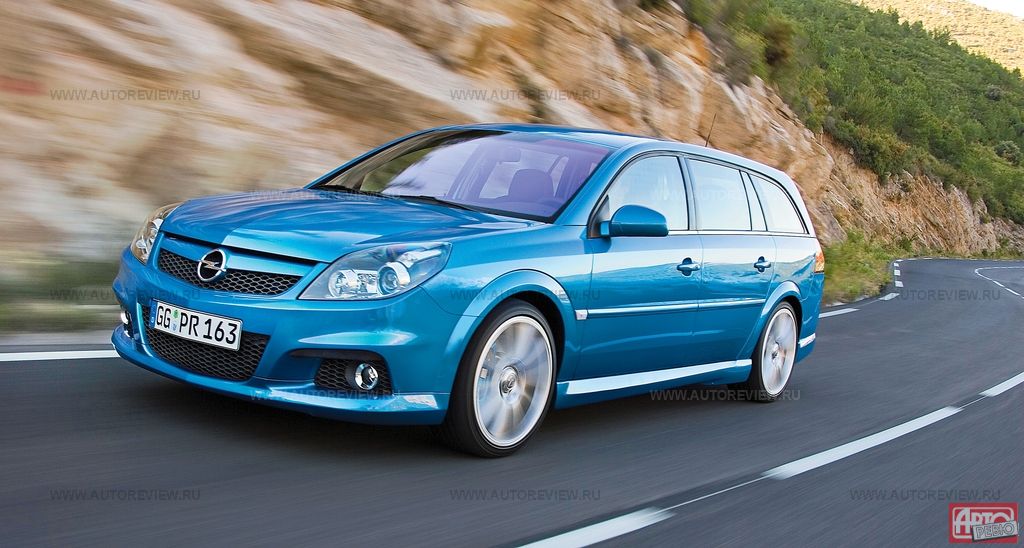
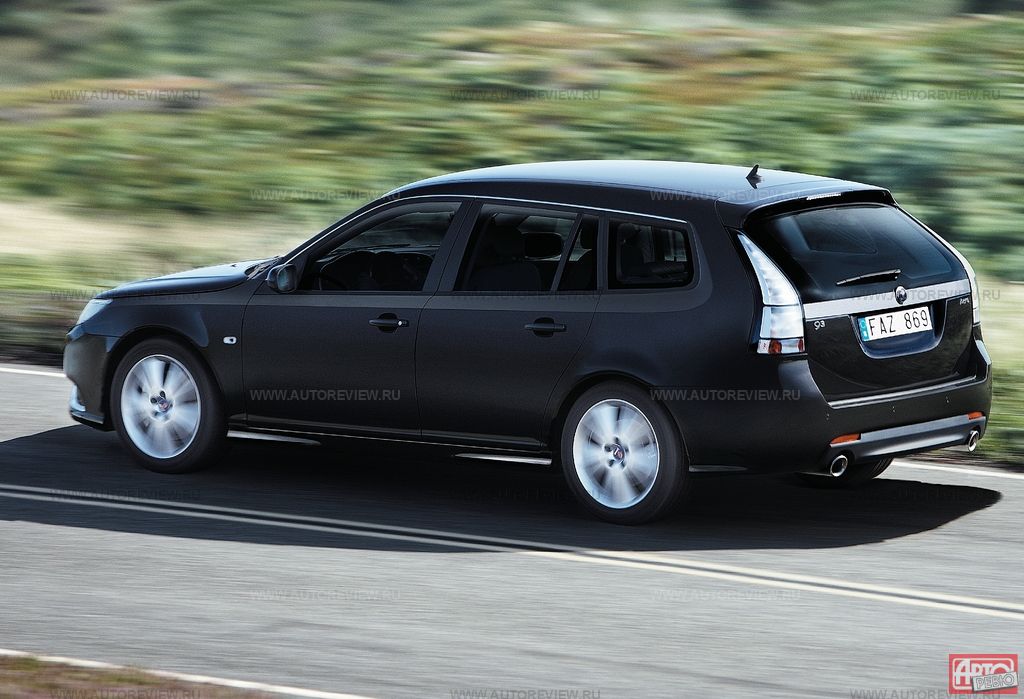
You could consider the Saab 9-3 SportCombi 2.0TS (210 hp) for 969,000 rubles ($40,040). Or take the Ford Mondeo wagon with the same 220-hp turbo engine as the S-MAX — it starts at 1,001,000 rubles ($41,360). Opel is not far behind: the Vectra Caravan wagon with a 2.8-liter turbocharged engine (250 hp) and a six-speed automatic is priced at 1,060,000 rubles ($43,800), while the Vectra OPC with the engine boosted to 280 hp and a manual is 1,180,000 rubles ($48,760). True, the Vectra is at the end of its career — its successor Insignia is on the way, including an all-wheel-drive "hot" version, like the Saab 9-3 Turbo X.
| Skoda Octavia RS | Peugeot 407 SW | Subaru Forester |
 |
 |
 |
| Volkswagen Passat Variant | Saab 9-3 SportCombi | Volkswagen Touran |
 |
 |
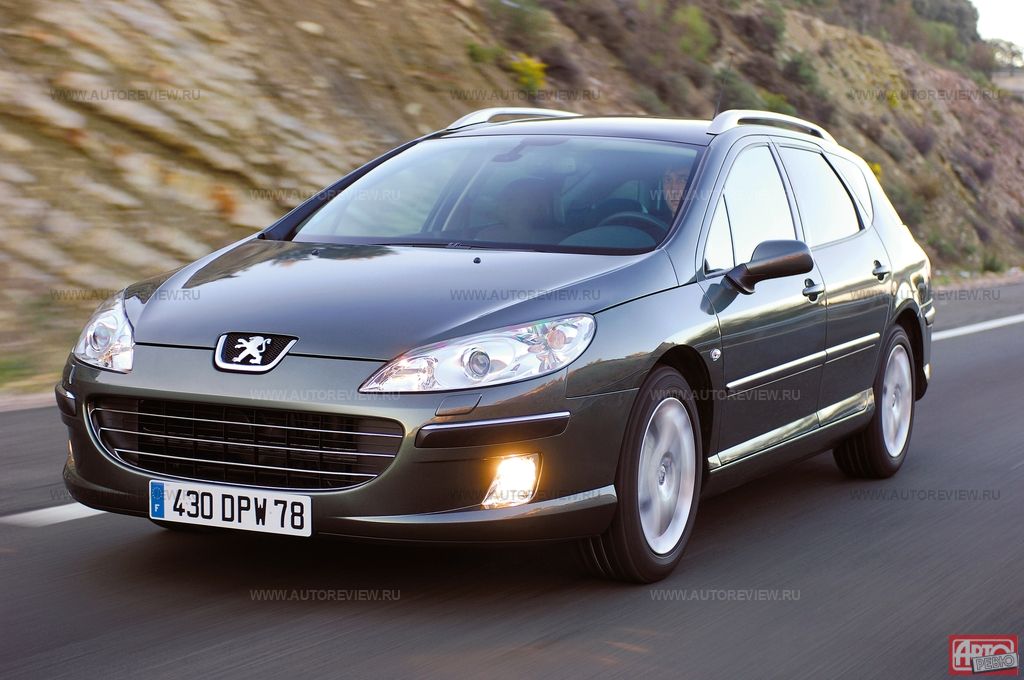
Peugeot also has its option: the 407 SW wagon with a V6 2.9 (211 hp) and a six-speed automatic costs 1,163,000 rubles ($48,060).
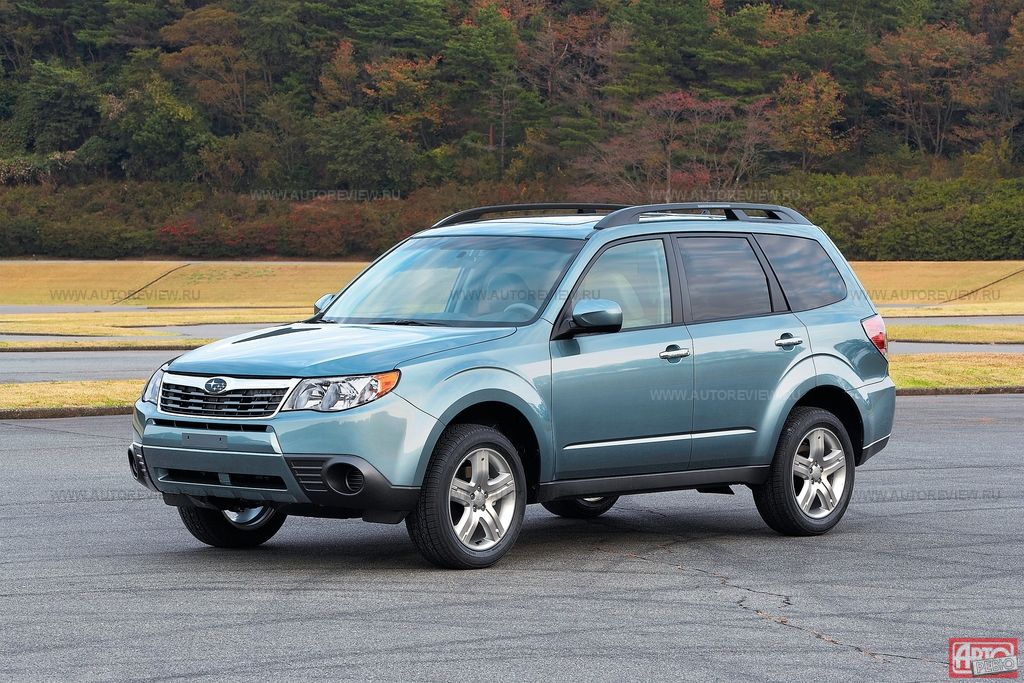
And finally: in April, a new generation of the all-wheel-drive Subaru Forester wagon hits the Russian market, which has grown noticeably in size and become more spacious. Prices are still under wraps, but it's clear the new model will be more expensive than the current Subaru Forester with the 2.5 turbo engine (230 hp), which is priced at 1,007,900 rubles ($41,650).
* At an exchange rate of $1 = 24.2 rubles.