


We tested the top-of-the-line Ford Puma ST-Line X with a 1.0-litre EcoBoost, a 48-volt hybrid system and a 7-speed 'robot'. The three-cylinder engine produces 155 hp, and our measurement showed better dynamics than the manufacturer promises.
What has changed in the Ford Puma
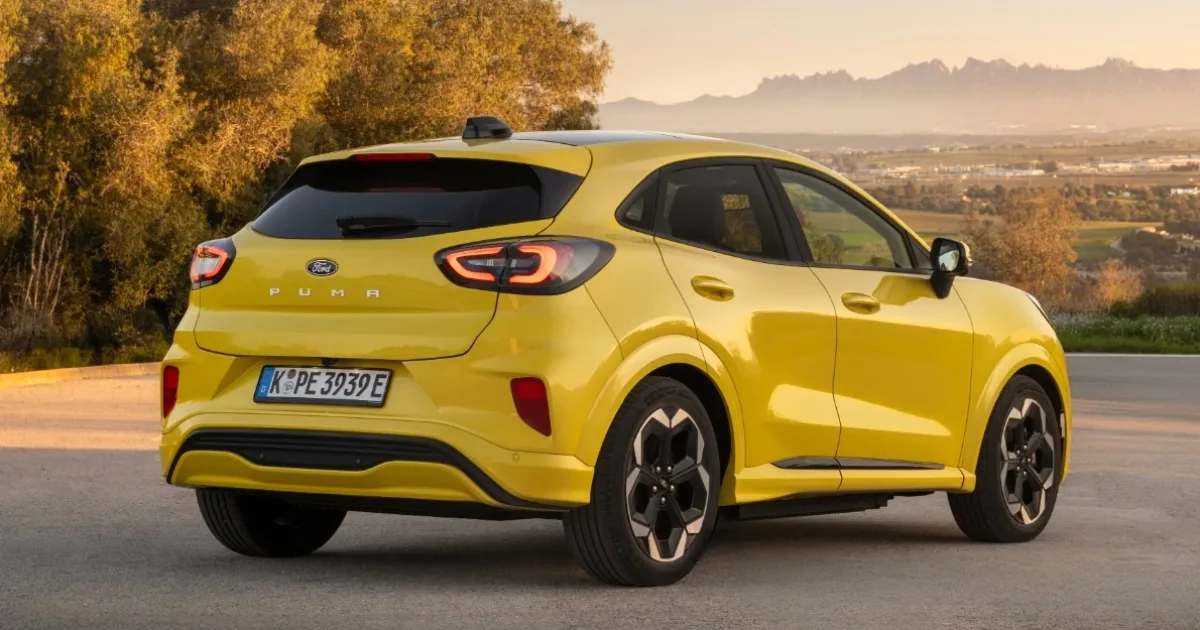
The exterior of the Ford Puma has not changed radically. The crossover has retained its characteristic silhouette, but has received new design details and the Electric Yellow colour.
In more expensive trim levels, a pattern in the shape of the letter G appears in the lighting, and the ST-Line X is equipped with matrix headlights.
Main features of the expensive versions:
18-inch alloy wheels;
projection of the puma silhouette from the mirror housings;
black roof and panoramic roof depending on the trim level.
For the black roof with mirror housings for the ST-Line X, you need to pay about 22 thousand UAH extra, for the panoramic roof with a sunroof - 47.5 thousand UAH.
The Ford Puma interior has become more modern
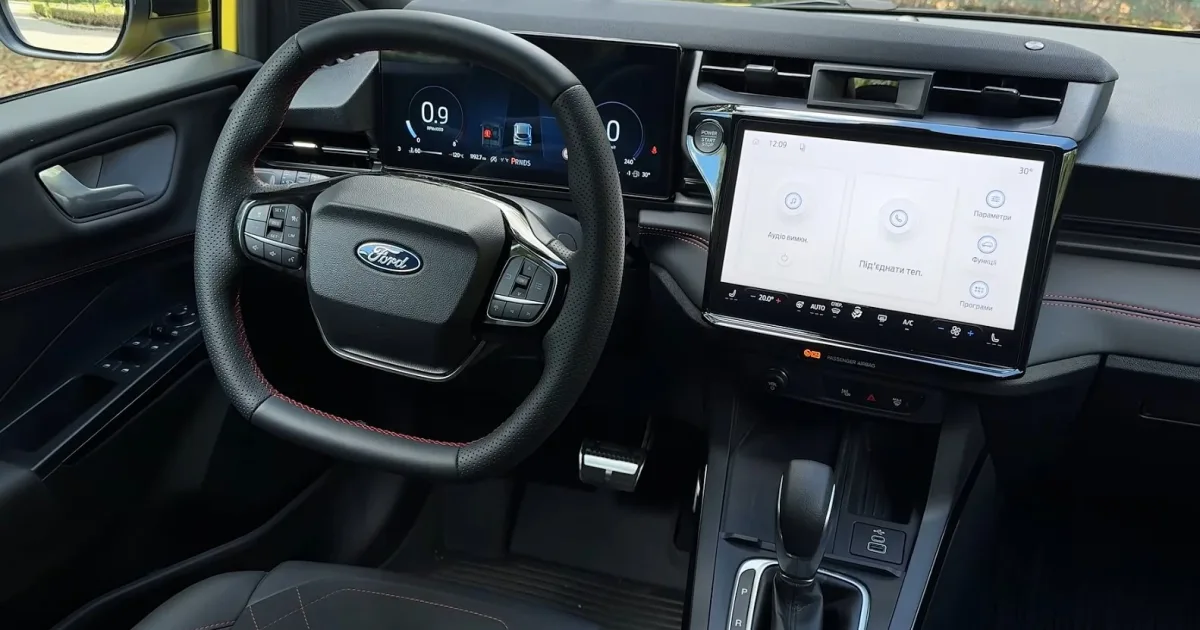
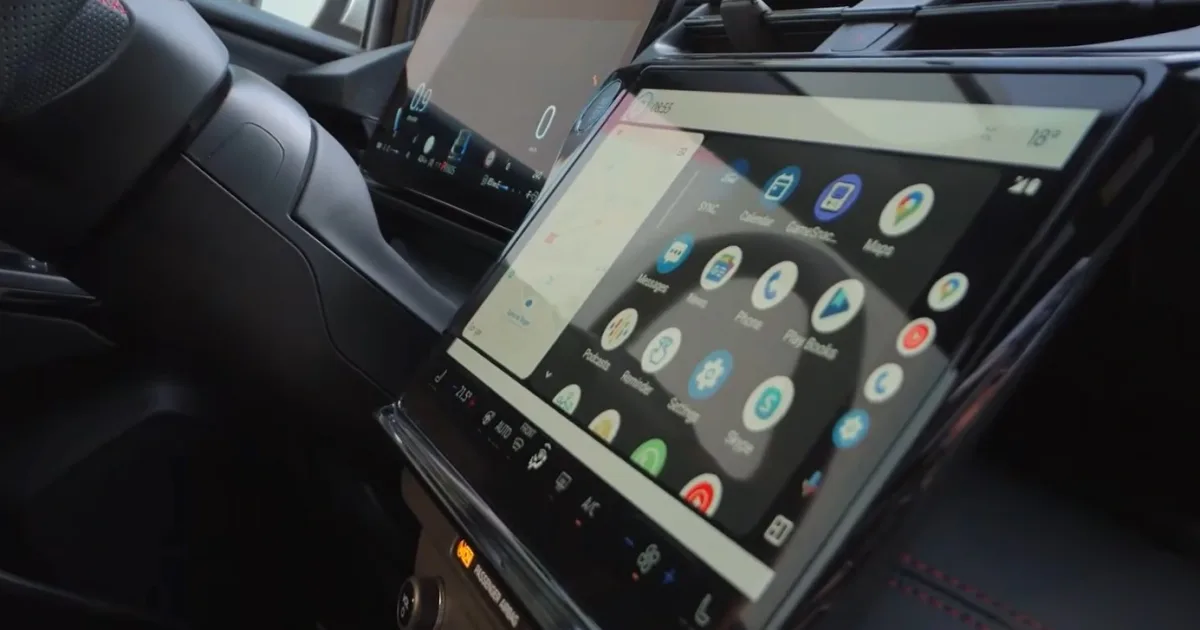
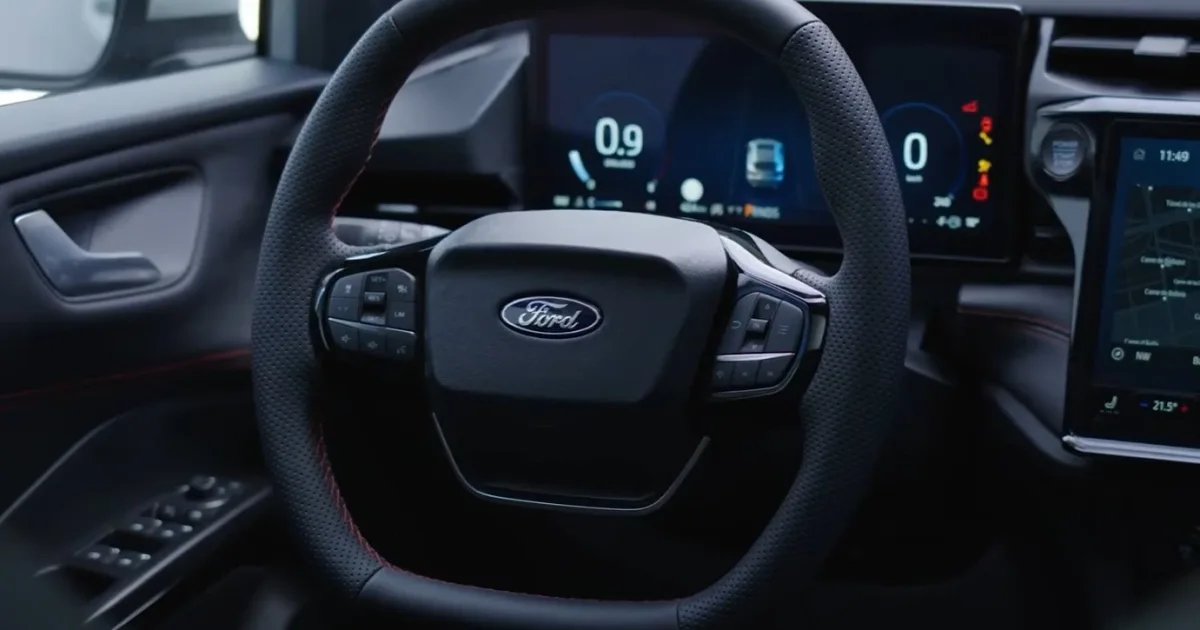
In front of the driver is a 12.8-inch digital instrument panel, in the centre - a 12-inch SYNC 4 multimedia system with voice control.
The top trim level has surround-view cameras and rear cross-traffic alert. The system sees traffic approaching from the side and, if necessary, brakes automatically.
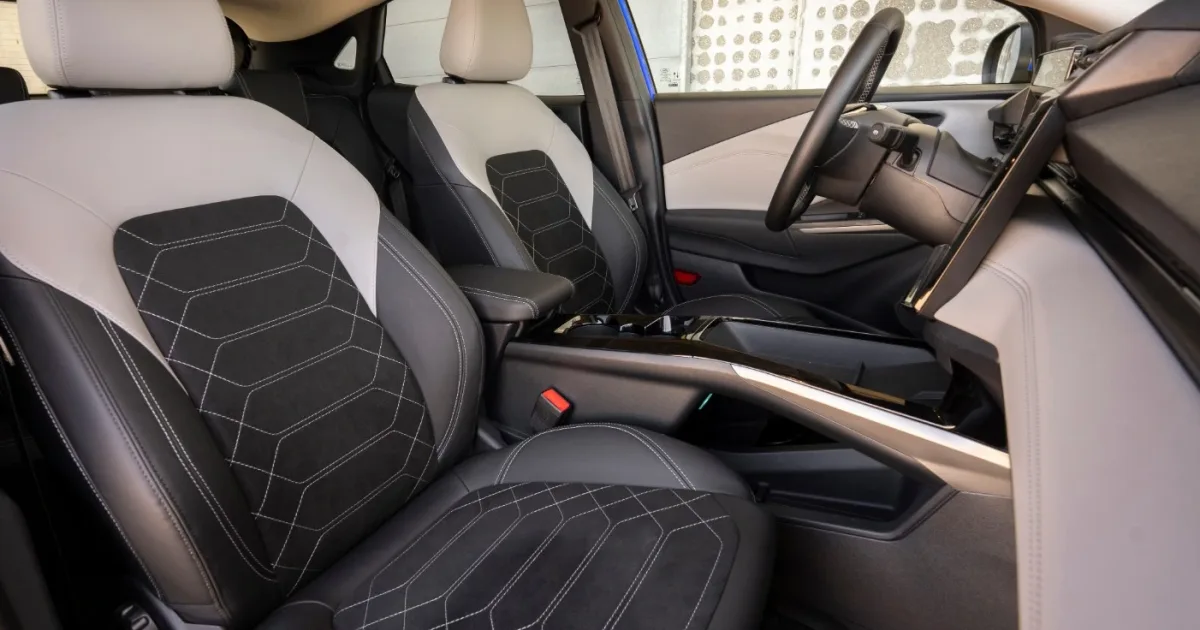
The ST-Line X seats have good lateral support and are upholstered in leatherette and suede with red accents. Similar decor is on the steering wheel, doors and front panel.
The plastic is quite simple in places, but the central insert is soft. A separate plus is the Bang & Olufsen audio system, which sounds noticeably more expensive than you expect from a crossover of this class.
The steering wheel itself could be a little smaller. At first it seems too large, although you quickly get used to it.
Cramped in the back, but the boot is large
The sloping roof limits space in the rear. A tall passenger has to duck when getting in, and there is less room in the second row than in the Seat Arona.
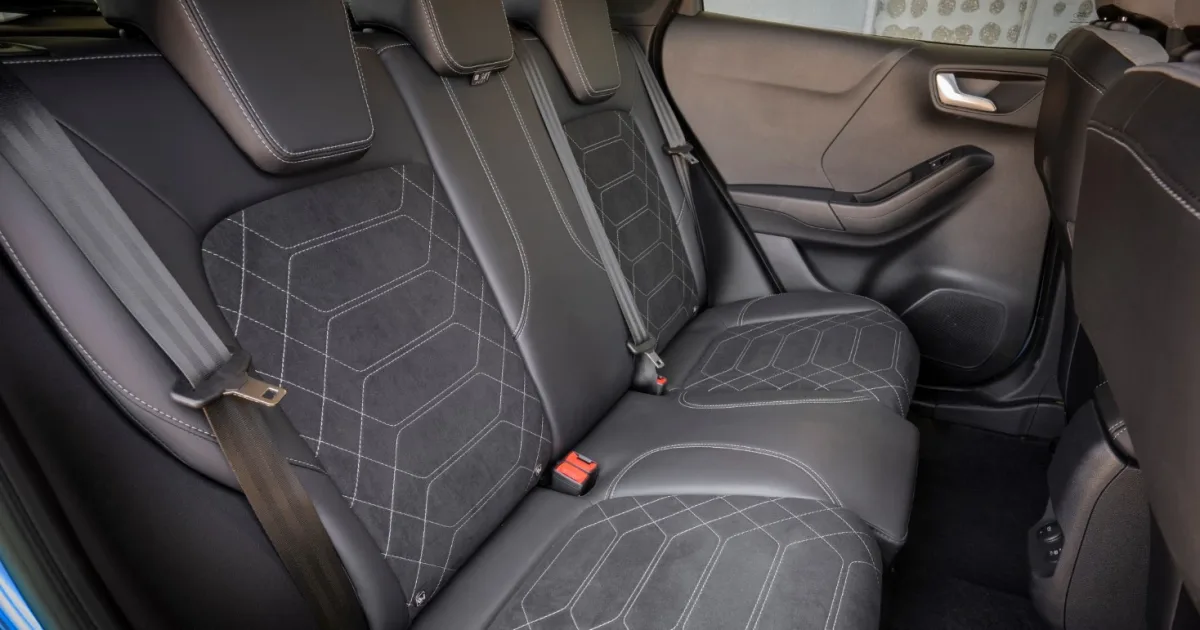
There are no rear cup holders, but two USB Type-C and a 12-volt socket are provided.
The boot is one of the main advantages of the Ford Puma. Its volume is 456 litres versus 422 litres in the Nissan Juke.
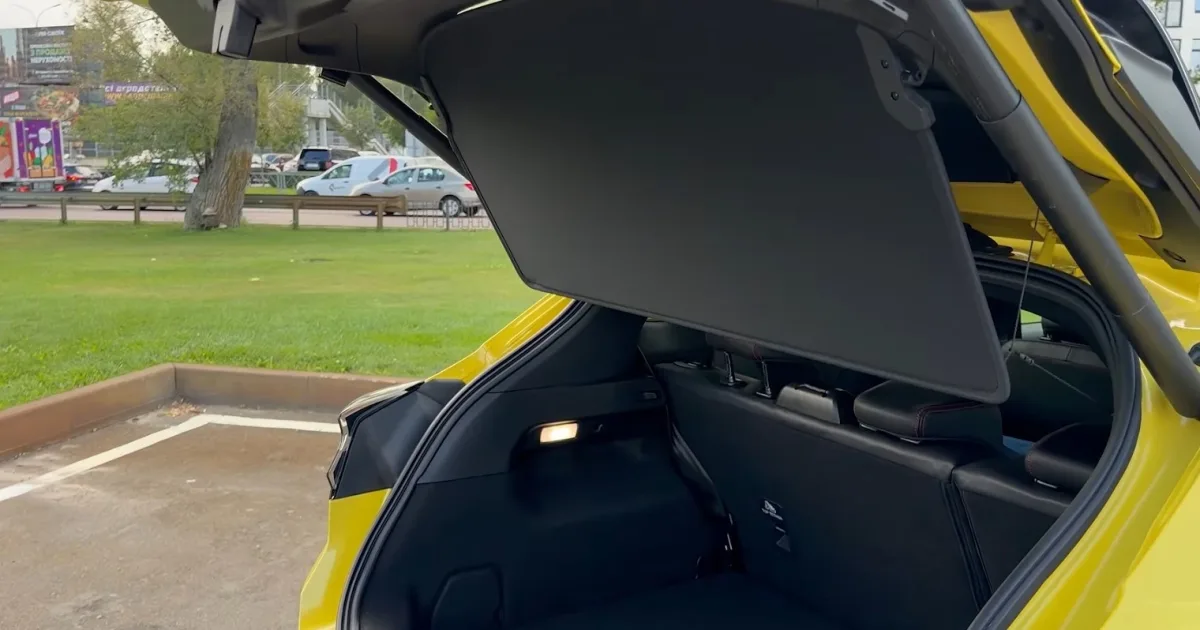
Another approximately 80 litres is offered by the branded Megabox under the floor. This is a deep plastic tub with drainage, in which you can transport dirty items and then wash it with water. In Ukrainian cars, part of the space is taken up by a space-saver spare wheel.
One litre, 155 hp and a mild hybrid
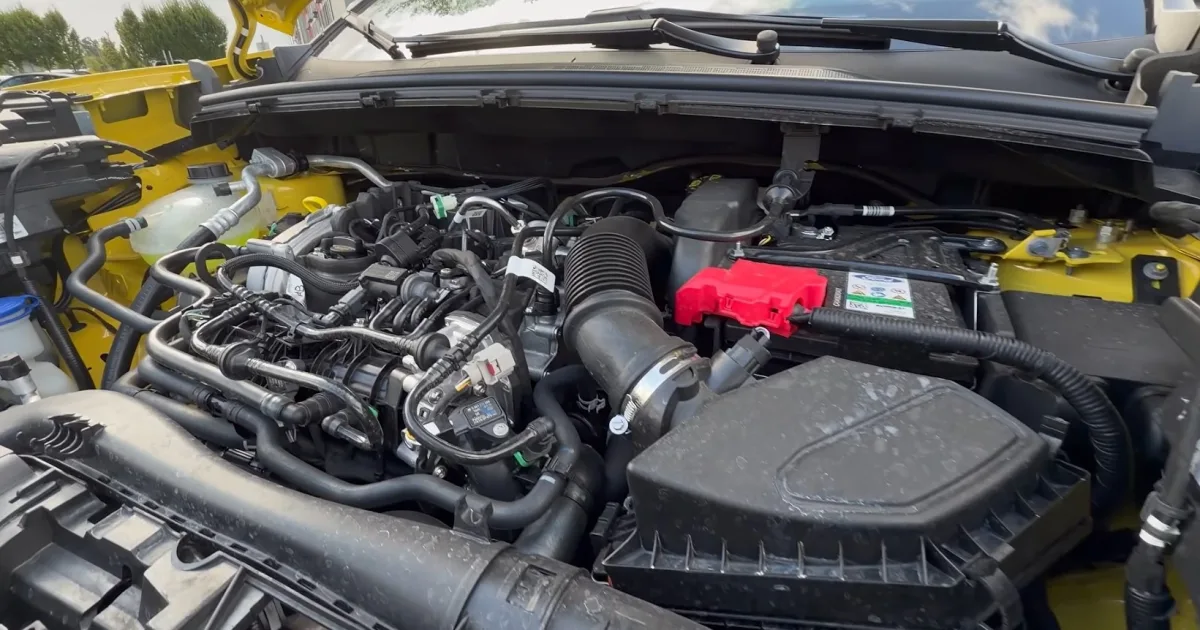
The Ford Puma is equipped with a three-cylinder 1.0-litre EcoBoost. The standard version develops 125 hp, the mild hybrid - 155 hp.
The 48-volt system uses a belt-driven starter-generator. According to the manufacturer, at the start of acceleration it can add up to 15 hp and 50 Nm. The petrol engine develops 190 Nm.
The turbo creates pressure of up to 1.6 bar, so 155 hp from one litre is a serious level of boost.
The base Ford Puma Titanium Limited with a 125-hp engine is offered with a manual. Other versions get a 7-speed 'robot' with two wet clutches.
How the Ford Puma drives
On the road it becomes clear why the Ford Puma is valued. The crossover responds sharply to the accelerator, willingly revs up, and the three-cylinder engine has a characteristic fighting sound.
The manufacturer claims acceleration of the 155-hp version to 100 km/h in 8.7 seconds. Our measurement showed 8.5 seconds.
The Ford Puma turned out to be faster not only than the 115-hp Seat Arona and Nissan Juke, but also than the more powerful Suzuki Vitara, with which it was compared during the test.
At low revs, the starter-generator helps, so there is practically no pronounced turbo lag.
The 7-speed 'robot' is tuned for comfort and economy and shifts to higher gears early. There are no paddle shifters, but there is a sport mode for the gearbox.
Handling is the main argument of the Ford Puma
The Ford Puma has Normal, Eco, Sport and Slippery modes. In Normal the steering is a little light, but Sport noticeably changes the car.
The steering fills with resistance, the accelerator becomes sharper, and the gearbox holds gears longer. It is in this mode that the 155-hp EcoBoost best combines with the chassis settings.
MacPherson is installed at the front, and a torsion beam at the rear. Despite the simple design, the Ford Puma willingly enters corners, and the driver feels the front wheels well.
At the same time, the ST-Line X is not too stiff. On uneven Ukrainian asphalt, the Ford Puma turned out to be more comfortable than the Seat Arona.
Ground clearance is 163 mm. There is no all-wheel drive.
Real fuel consumption of the Ford Puma
The manufacturer claims 5.5-6.3 l/100 km. During active testing, it was not possible to get close to such figures, but with calm driving you can stay at around 7 l/100 km.
The main figures of the test version:
1.0 EcoBoost mild hybrid - 155 hp and 190 Nm;
0-100 km/h - 8.5 s according to our measurement;
real consumption with calm driving - about 7 l/100 km.
The fuel tank holds 42 litres. This allows you to count on approximately 600-650 km between refuelling.
Electronic assistants of the Ford Puma
The lane-keeping system corrects the trajectory, there is traffic sign recognition and a speeding warning.
Cross-traffic alert helps when reversing out and is able to brake on its own. The Ford Puma ST-Line X also has adaptive cruise control.
Trim levels and prices of the Ford Puma
Prices for the Ford Puma start at approximately 975 thousand UAH. The test Ford Puma ST-Line X costs 1.292 million UAH.
The line-up includes Titanium Limited, Titanium, ST-Line, ST-Line Black Edition and ST-Line X. The more expensive versions offer 18-inch wheels, matrix optics, a power tailgate, 360° cameras, Bang & Olufsen and adaptive cruise control.
An electric Ford Puma with a 47 kWh battery and a claimed range of 404 km is also available separately in Ukraine, but it is noticeably more expensive than the petrol versions.
Autoportal conclusion
The Ford Puma is not the most spacious compact crossover. The rear row is cramped for tall passengers, there are no rear cup holders, and even the top seats lack electric adjustment.
Instead, the 155-hp Ford Puma accelerates to 100 km/h in a measured 8.5 seconds, responds sharply to the accelerator and has one of the most interesting chassis in its class. At the same time, the suspension remains comfortable for daily trips.
The advantages also include a 456-litre boot with Megabox, modern multimedia, a good audio system and rich ST-Line X equipment.
The Ford Puma will suit those who need a practical city crossover, but do not want to give up driving pleasure.