
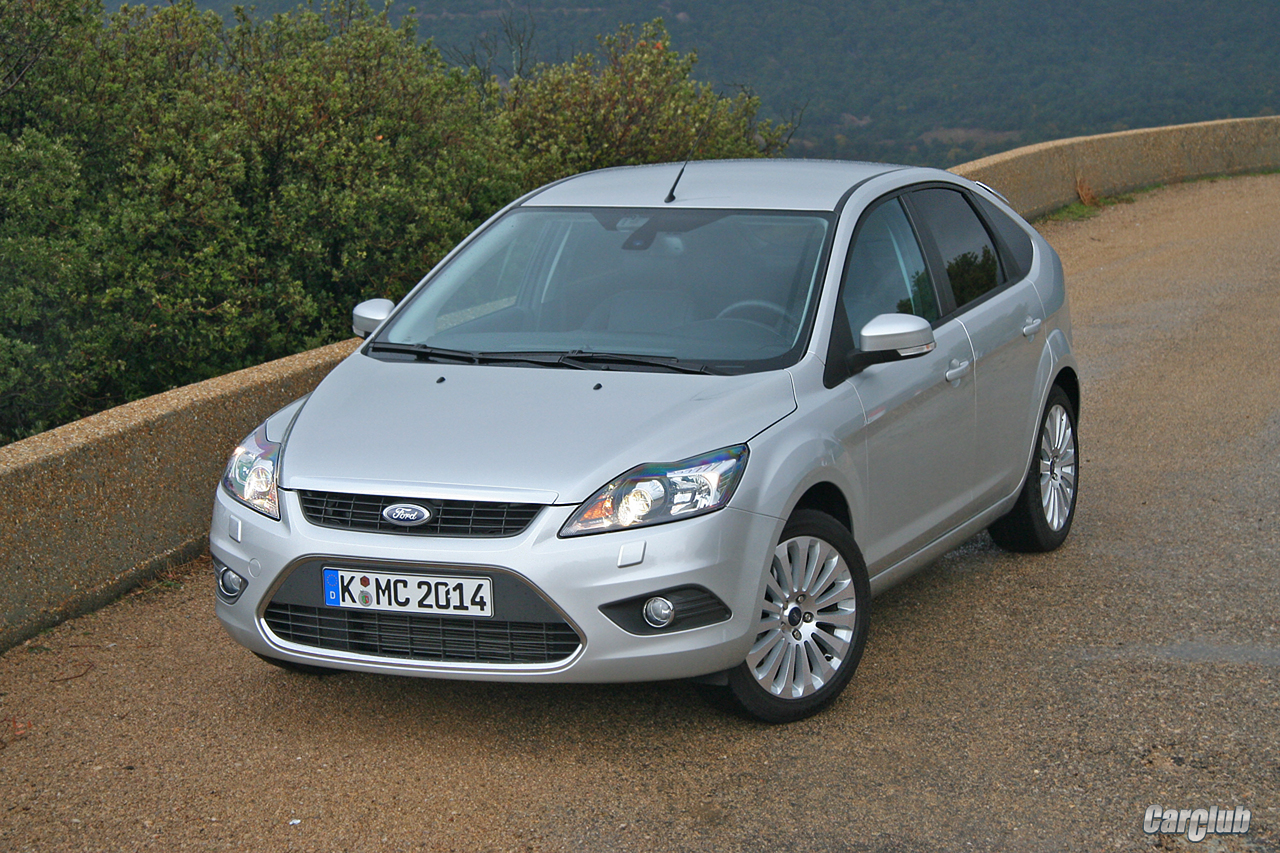
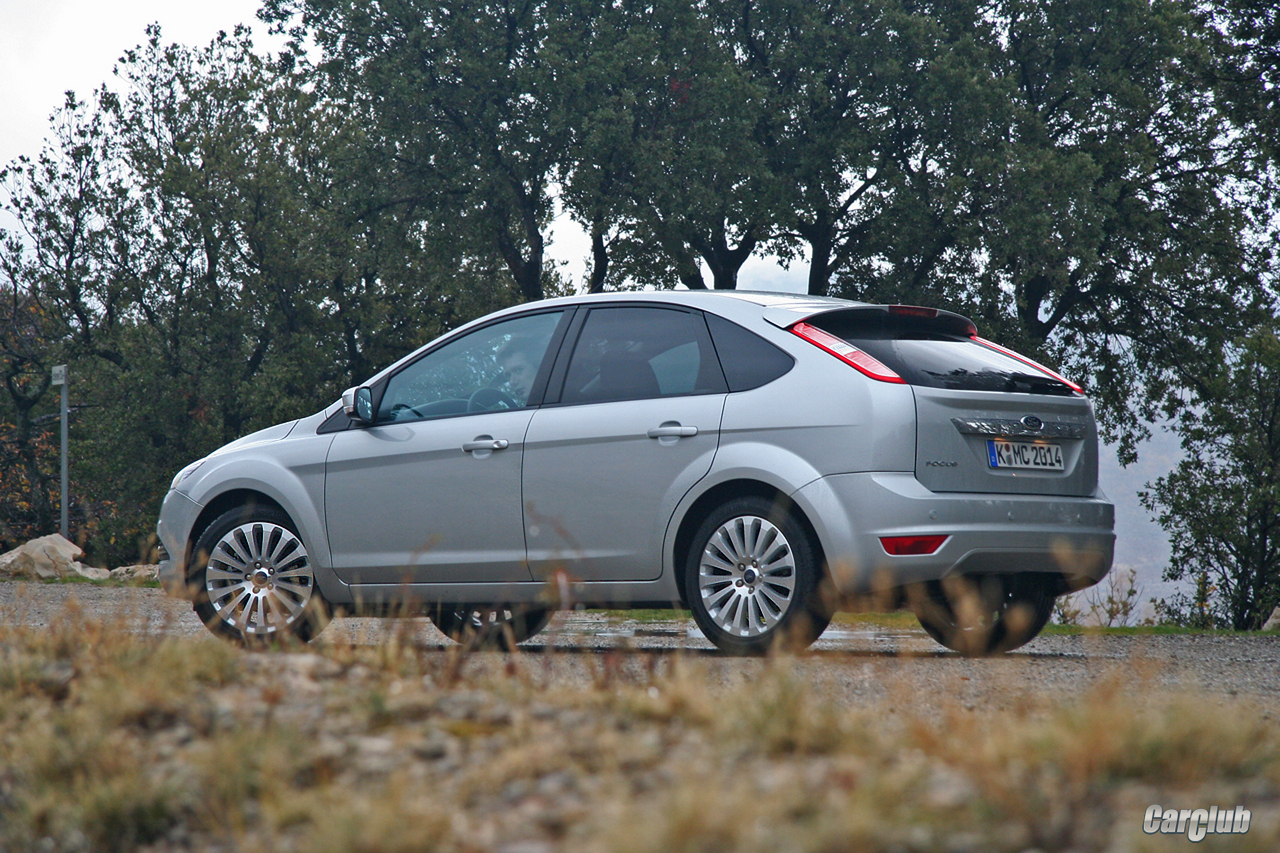
 The new Focus won't surprise anyone with its exterior anymore. From the rear and side, the car has hardly changed... But the nose has become completely different...Comments (4)
The Russian car market today works like a furnace: whatever you throw into it, everything burns. Many cars cheaper than 450,000 rubles are simply impossible to find in stock — you have to queue up. This is largely why both the "Chinese" cars, the Taganrog Hyundai Accent, and the Uzbek-Korean pair Daewoo Nexia with Matiz sell so well. And if Ford had not updated the Focus, this sales hit would have remained in short supply for another two years. But the Americans think not only about our market, but also about Europe, where stale goods are not taken so readily. It seems this is what prompted the restyling.
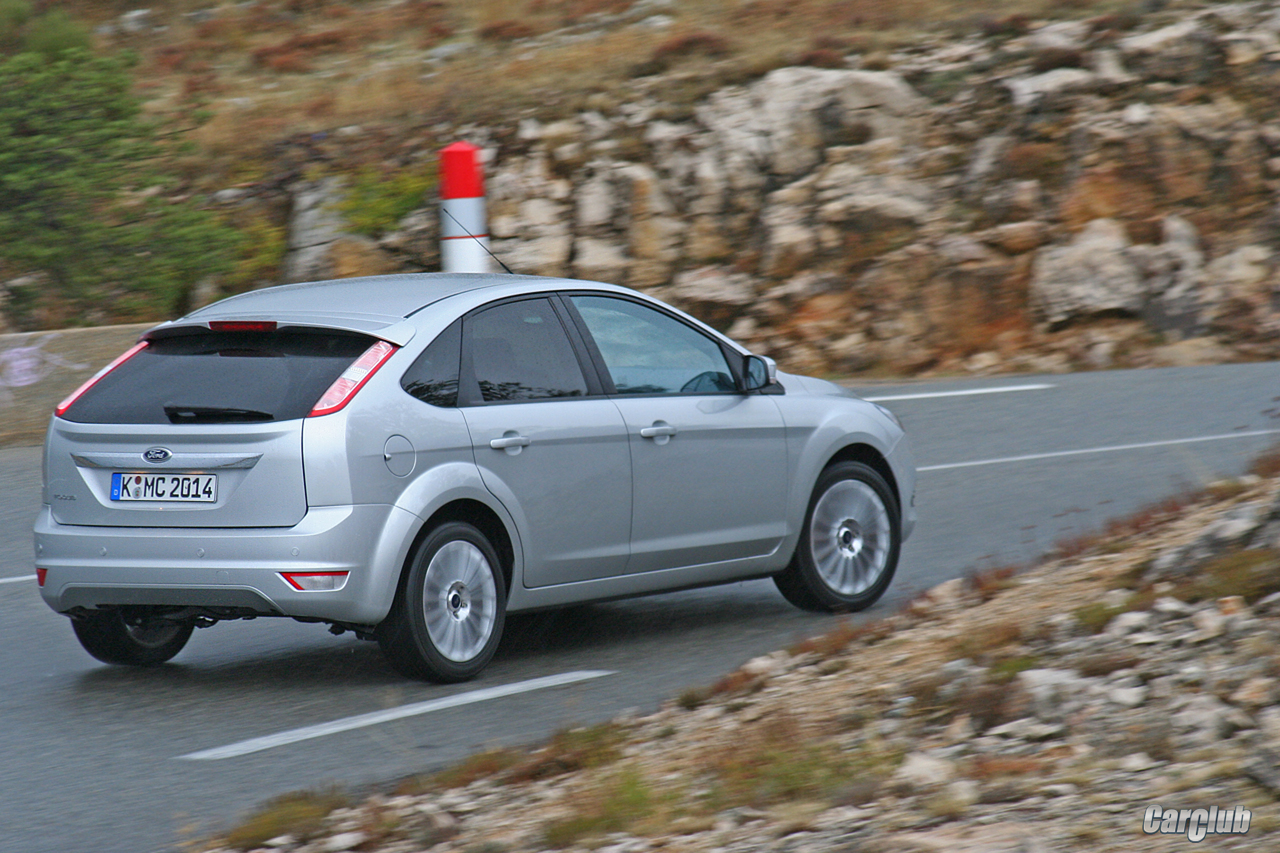
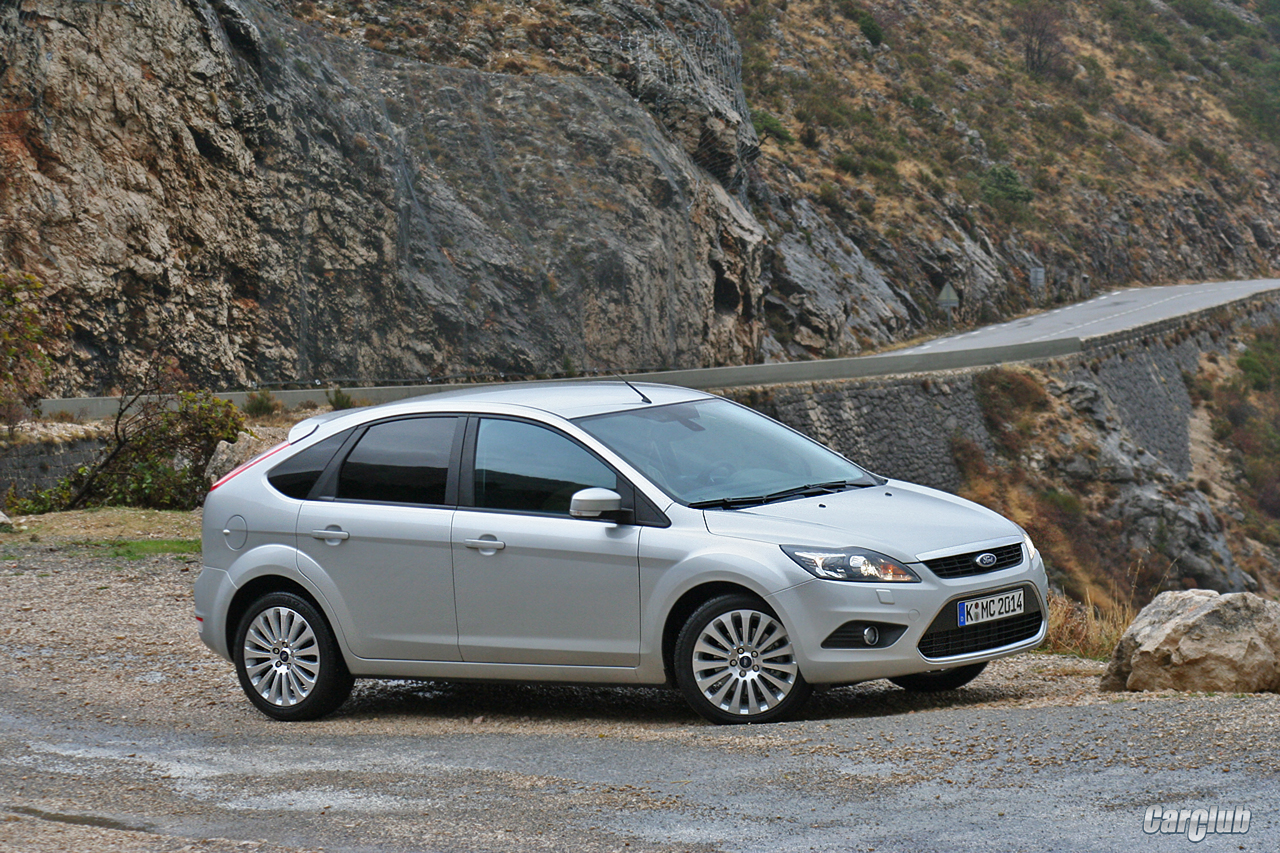
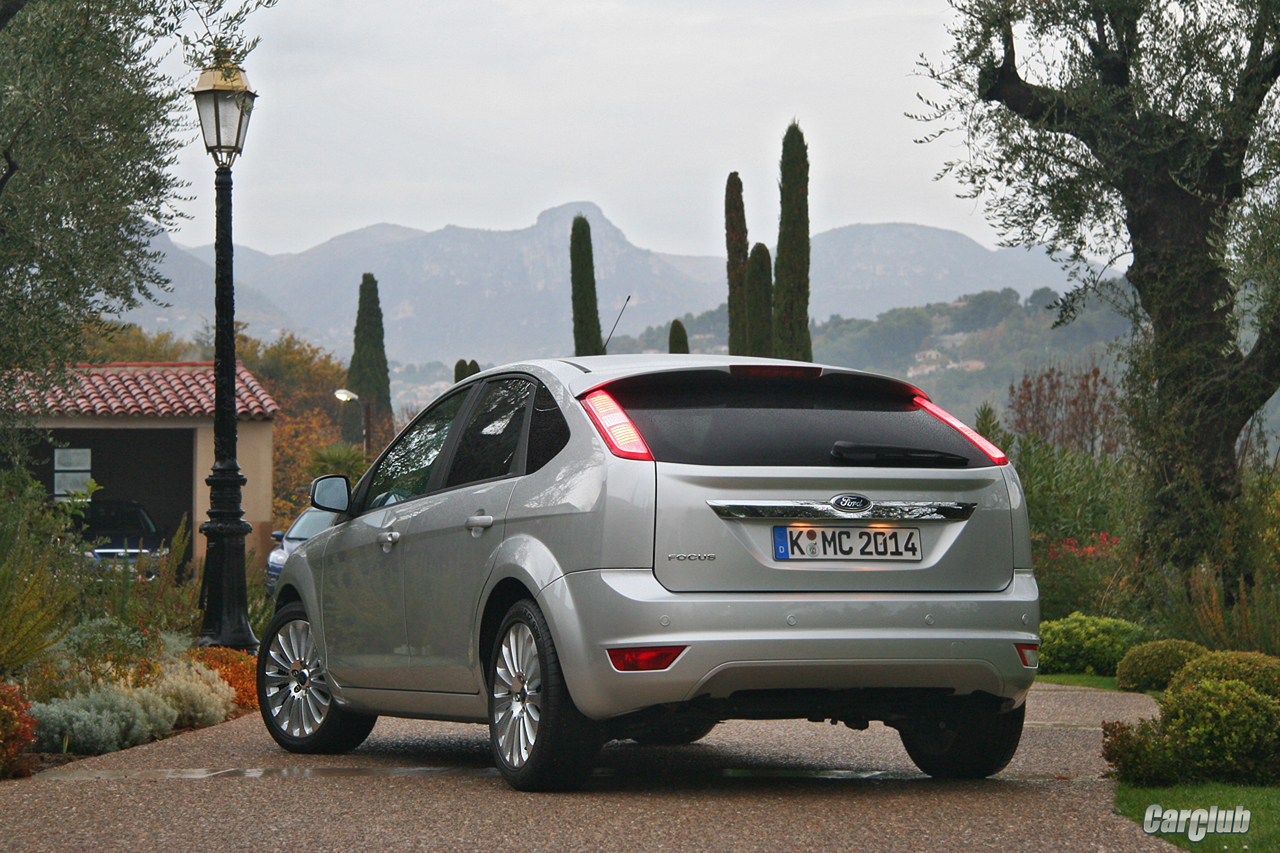 The exterior of the updated Focus is already known to everyone. The rear and side have changed slightly: stampings appeared on the doors, the rear bumper became different, a spoiler was added... But the front end was thoroughly redone. True, it can't be called original: both the optics and body parts are largely borrowed from the recently released Mondeo. Ford people don't hide this, calling the common style "kinetic design." Be that as it may, the Focus now looks fresher and more solid. Expressive headlights, a sculpted hood, emphasized wheel arches...
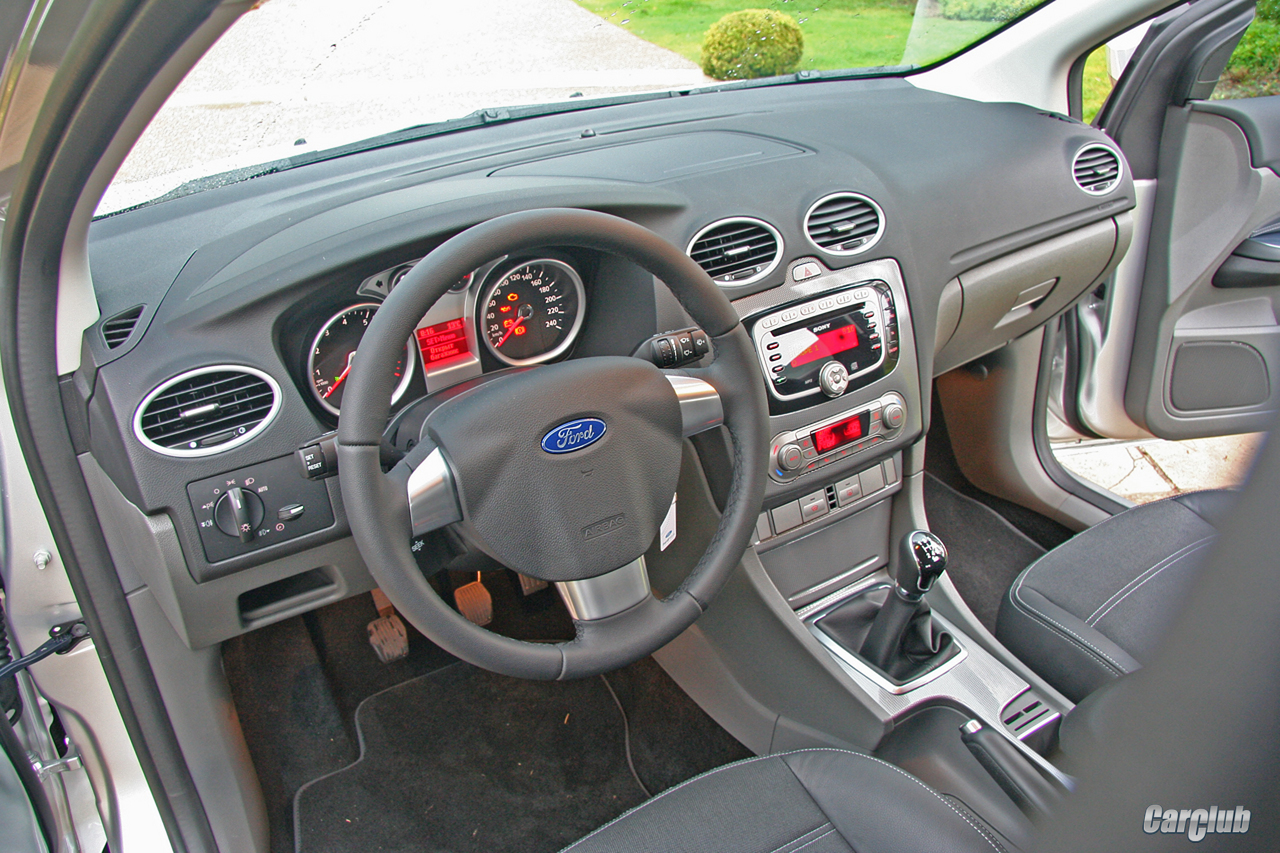
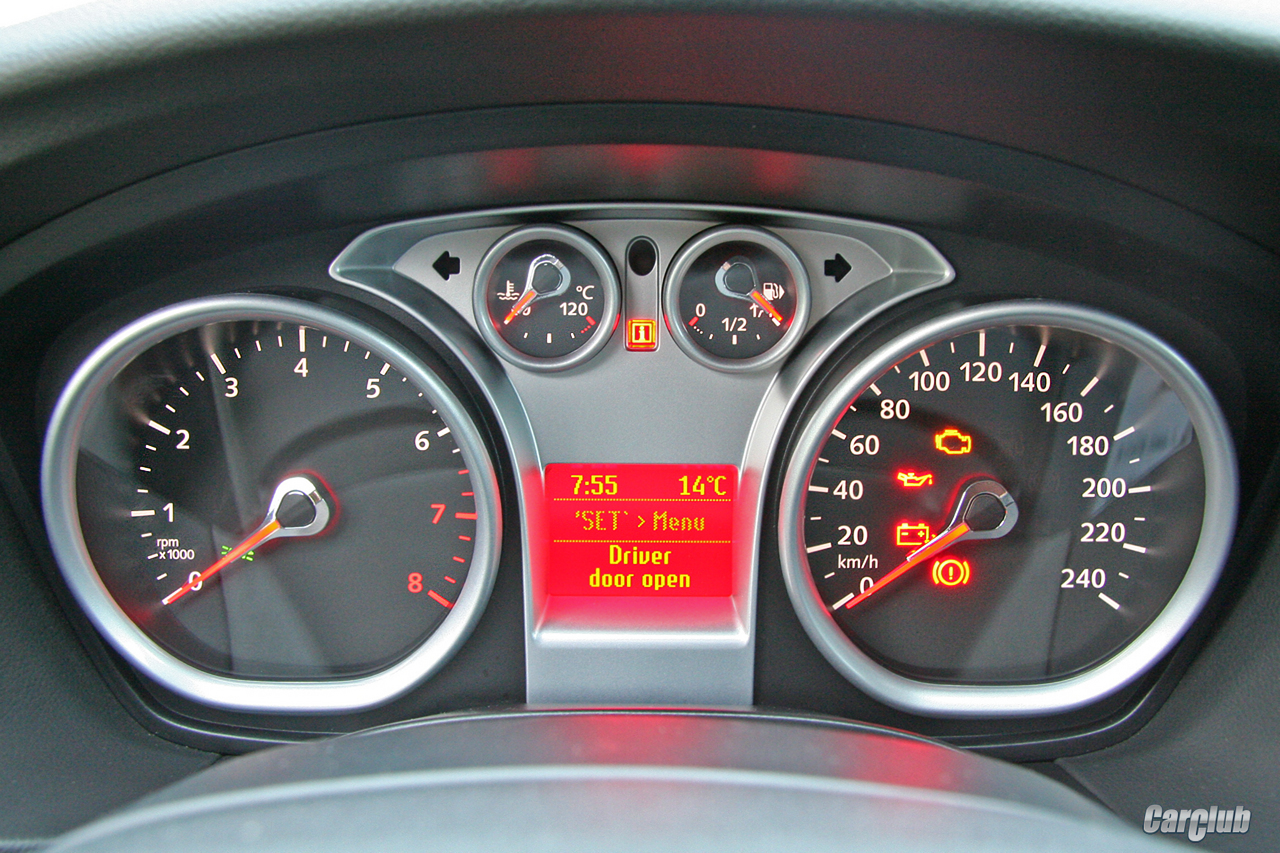
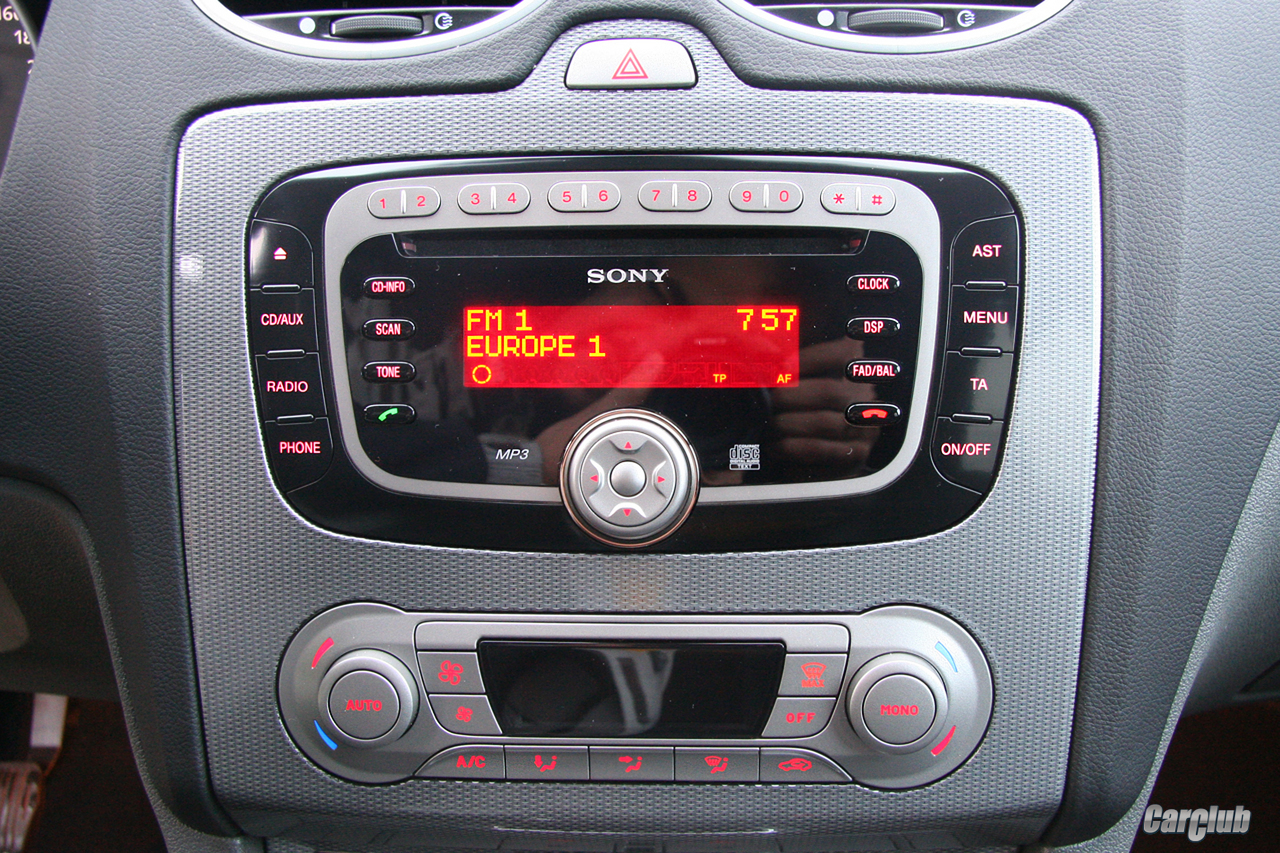
The interior has also been refined. There was no complete overhaul — rather, it was tidied up and modernized. The instrument panel will seem familiar to owners of the second-generation Focus: the sizes and arrangement of the scales are the same. Between the "wells" of the tachometer and speedometer, a voluminous silver insert appeared, which added depth to the cluster. The buttons on the center console remain in their previous places, although there are still changes. Climate control has become easier to manage: the system display is now in the center, with rotary knobs on either side of it. On the right is a convenient sliding armrest.
The list of options for the additional equipment of the Focus is quite extensive. There is also the so-called "connection module" with USB ports and the ability to connect an iPod. On request, a 230-volt outlet can even be built into the front panel. Then no adapters or chargers for phones and other gadgets are needed. The outlet can handle any household appliance up to 150 W.
The set of engines for the third Focus has not changed. The new two-liter diesel that Europeans will get, alas, we don't get. And it's a pity — the engine deserves a solid five. You switch from the diesel to a gasoline unit of the same volume and feel its weakness. Up to 3000 rpm it doesn't go at all, so for active driving you have to keep the needle above that mark. The five-speed manual on the gasoline version also didn't impress. Gear selection is vague, and third can be confused with first if you're not used to it. It's a shame that the test didn't include the newest robotic gearbox with two clutches, PowerShift (similar to Volkswagen's DSG). The sedan wasn't shown either — it should be expected only at the beginning of next year.
The steering, suspension, and brakes remain the same — at least in terms of feel. The car still holds its course perfectly and doesn't require steering corrections on a straight line. The steering wheel, although it has an electric component in the power steering, remains quite informative, so you get real pleasure in corners.
The most powerful in the lineup remains the "hot" ST. For the third generation, they wanted to come up with both a new signature color and fresh engines, but in the end they left everything as it was. The five-cylinder 2.5-liter Duratec with 225 hp has already proven itself, and the color "Electric Orange" has long been associated with the "ST." The version differs from regular Focuses with a new front bumper with an enlarged grille in the shape of an inverted trapezoid and a trim on the front edge of the hood.
In Russia, assembly of the new third-generation Focus will begin only next year. According to preliminary data, prices for the updated model will, of course, rise, but there won't be a serious jump. So, the most affordable option (a three-door hatchback with a 1.4-liter engine and manual) will cost about 345,000 rubles. A five-door with a two-liter engine and automatic transmission — 555,000 rubles. If nothing out of the ordinary happens, the queues for the Focus will not dissipate for a long time — because it was and remains one of the most attractive offers in its class.
Text: Alexey Tikhonov. Photo by the author.