
 Comments
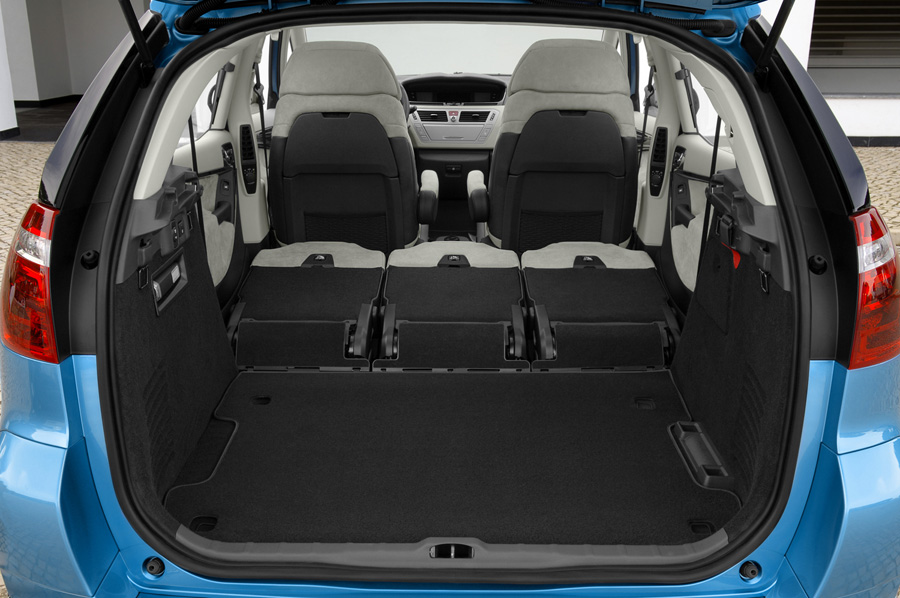
 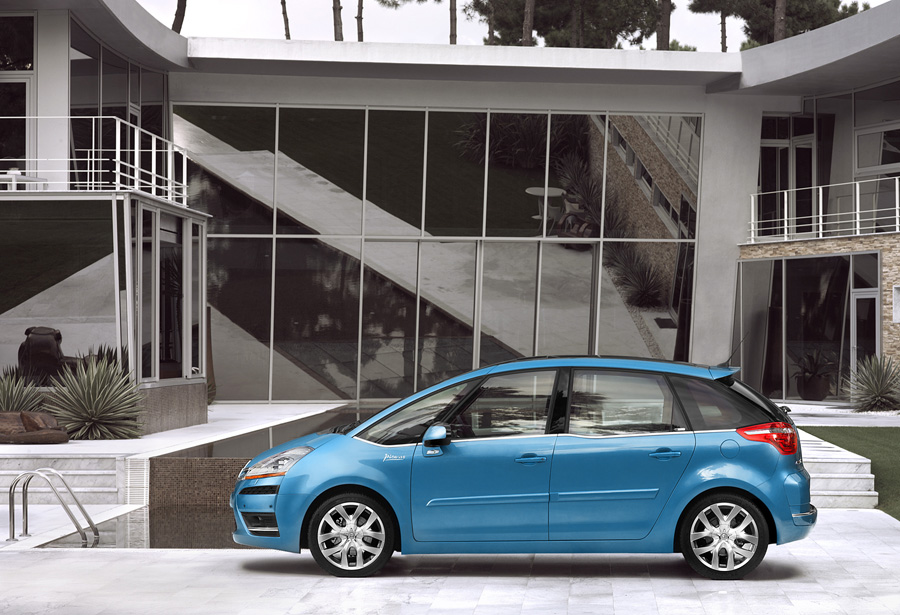 When Citroen announced the presentation of a five-seat minivan on the C4 platform, I already mentally said goodbye to the good old Xsara Picasso. Of course, it's a pity, but what can you do — against the background of the updated Renault Scenic and the fashionable Ford Focus C-MAX, this little one from the Picasso family looked like a clear outsider. And imagine my surprise when the French announced that the Xsara Picasso would continue to be produced until 2010. The new model is destined for a different, higher niche. It has a nice appearance, rich equipment, and an interior with excellent ergonomics and transformation — in short, everything to sell at a higher price. And the Xsara will remain an affordable option for the mass buyer. A sensible decision, especially if you remember how much Europeans loved the Xsara.
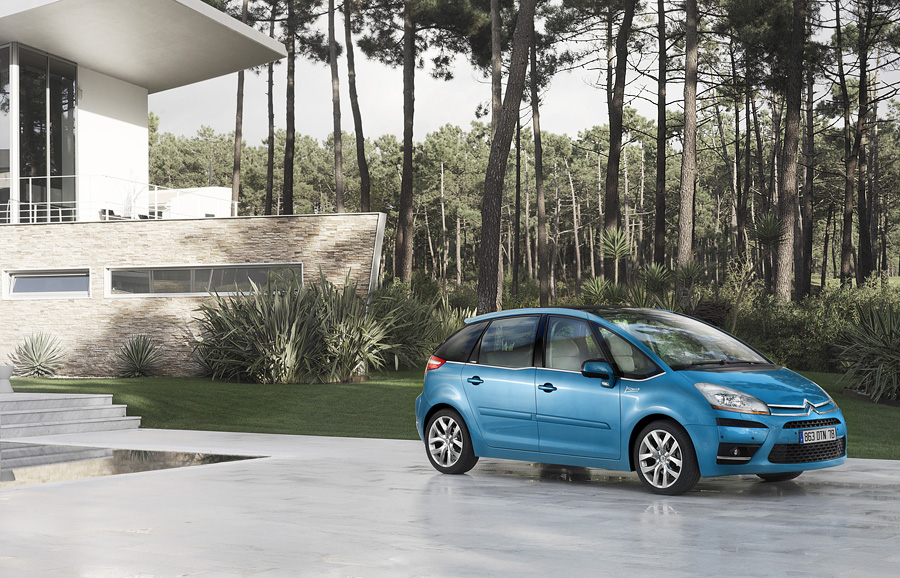
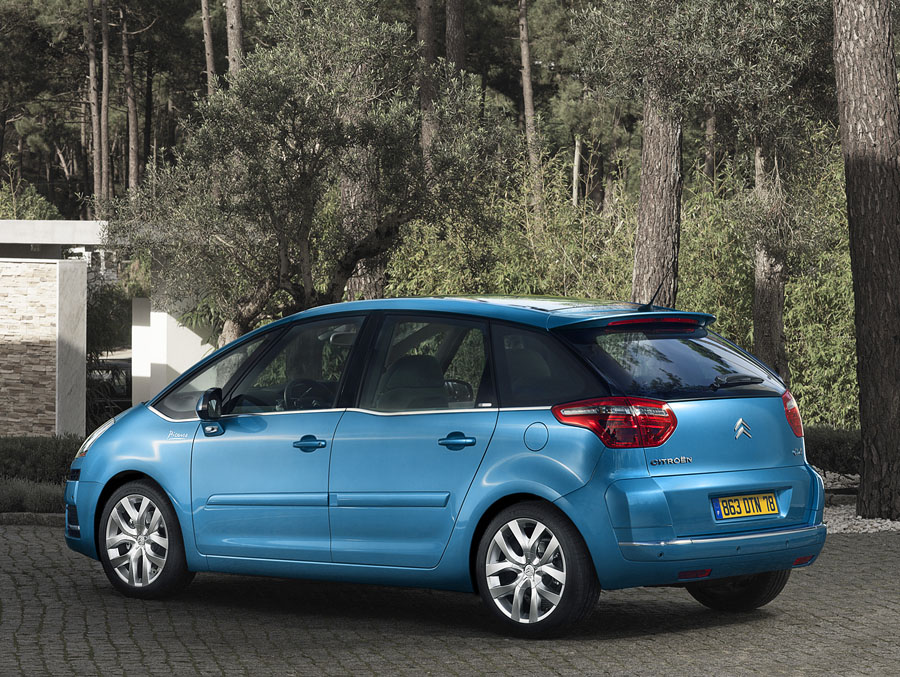
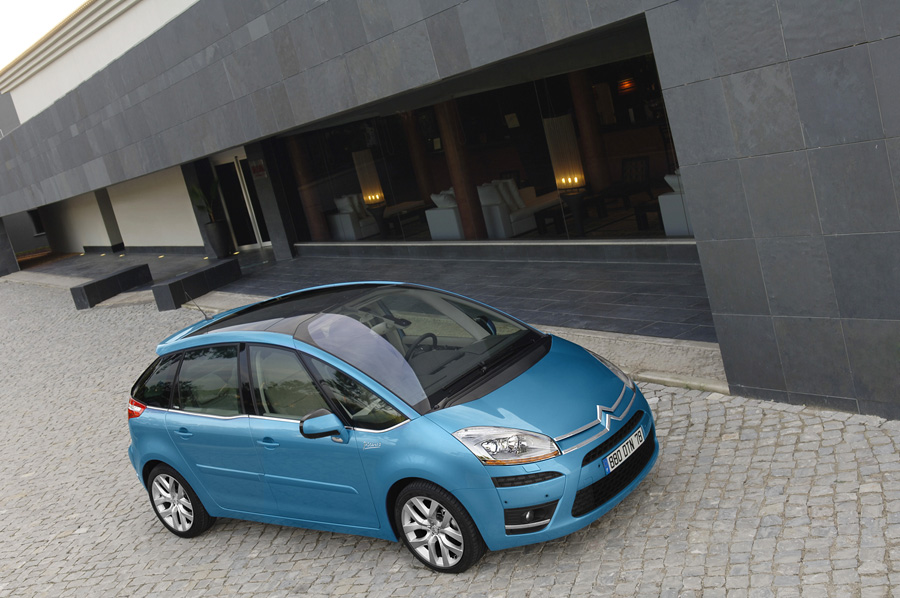
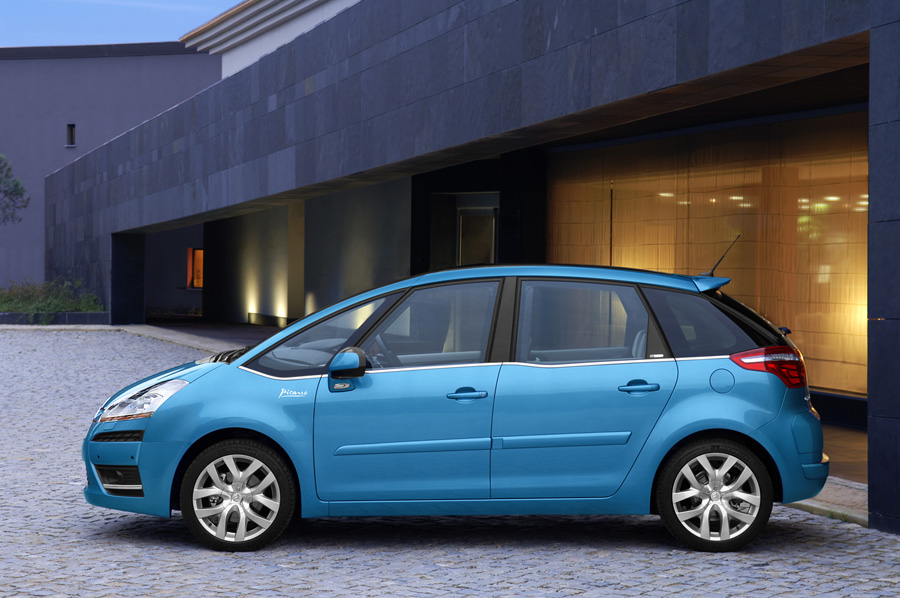
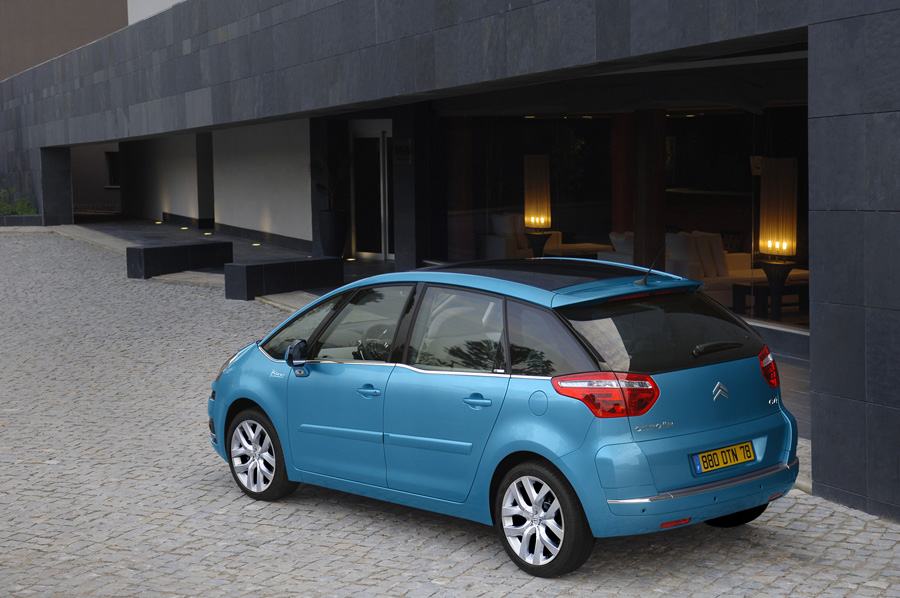
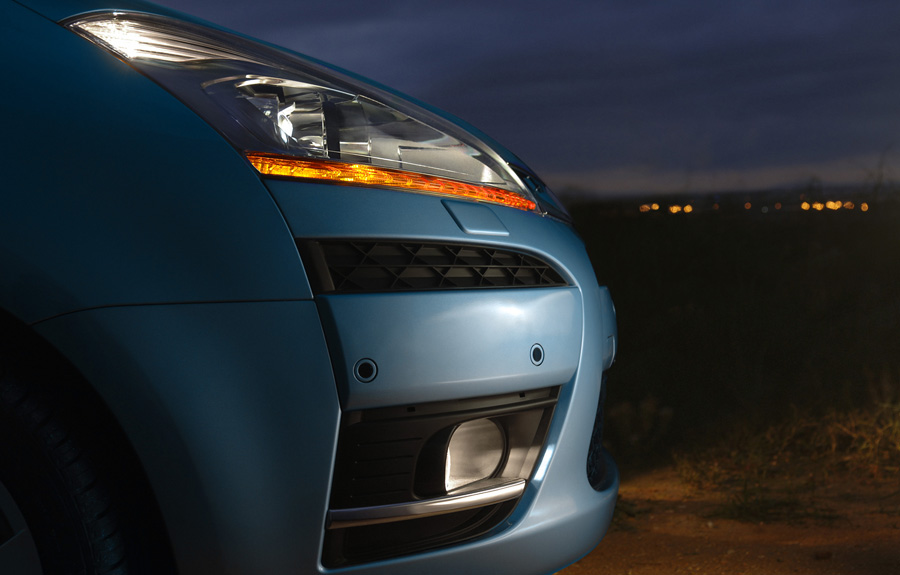
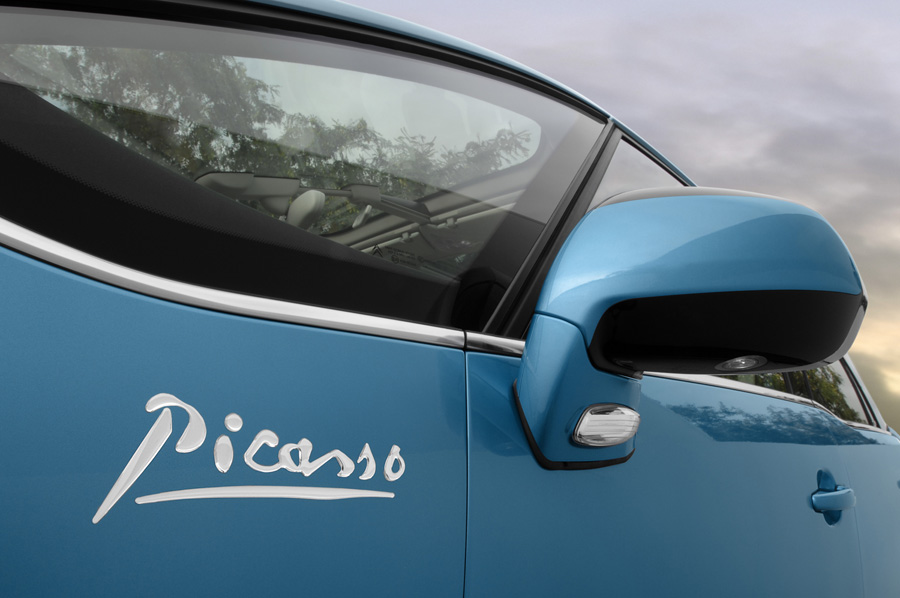
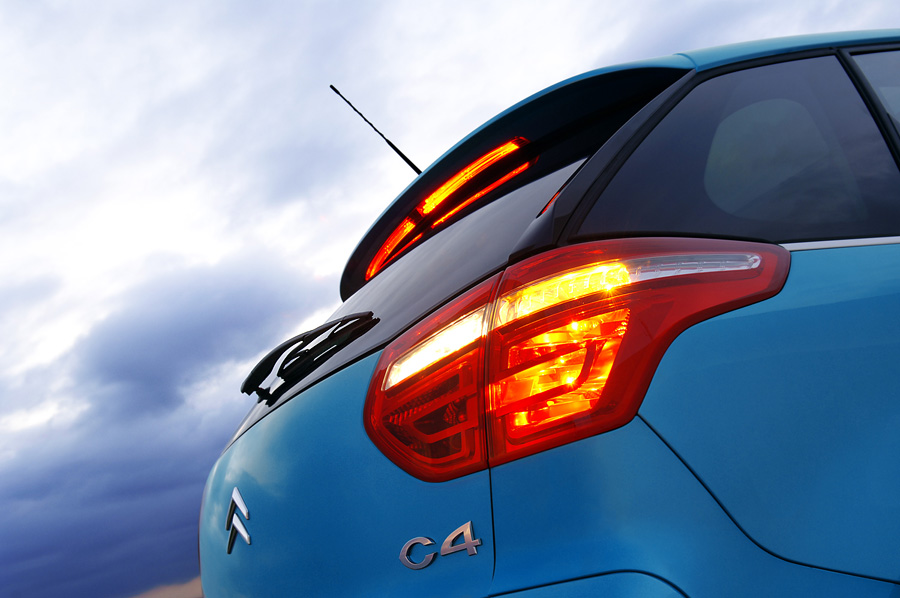
Already from the first photos that appeared on the internet and in the press, it was clear that the C4 Picasso differs significantly from the seven-seat version, which is now called Grand. But in person, the car turned out to be even more interesting than in the pictures. Smooth lines, huge glazing, visually lighter bumper, playful curve of the window line on the side... The French have always known how to beautifully package their product.
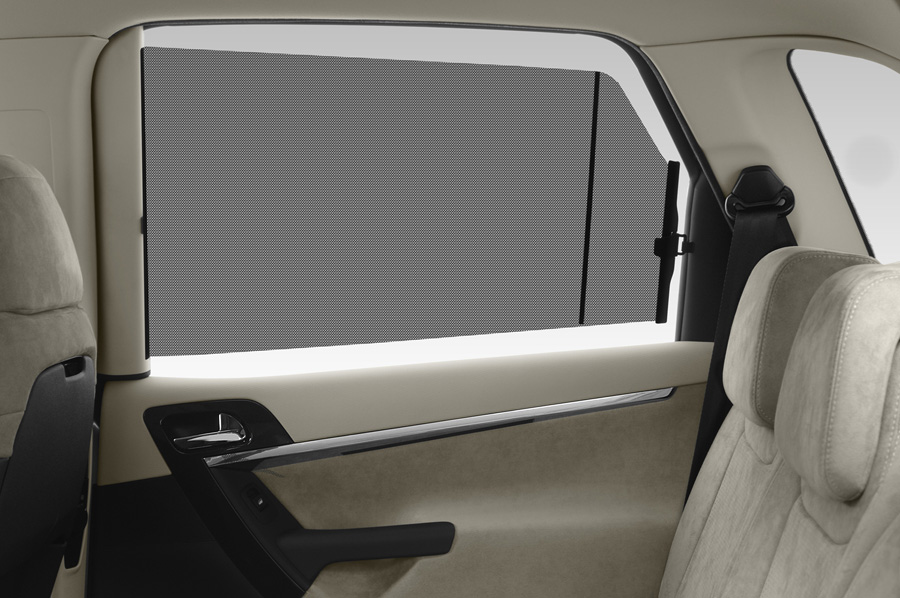
 Inside, the C4 Picasso greets you with a picture already familiar from the Grand version. The huge windshield, which seems to extend onto the roof, immediately catches your eye — you can see not only the road and cars ahead, but also the sky and tree crowns. Together with thin front pillars and successful side mirrors, this provides excellent visibility. And if the sun blinds? Regular sun visors save the day, which here can not only fold down but also slide back and forth along guides.
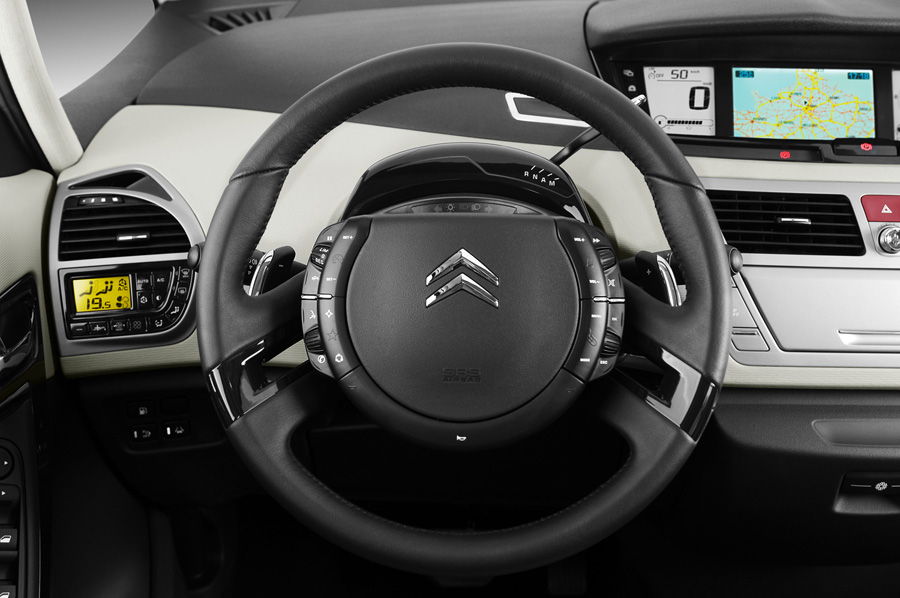
The placement of buttons and levers here is unusual. There is no familiar "rich" central console with a bunch of keys. Instead, the fixed steering wheel hub (like on the regular C4) is packed with controls to the brim. At first, this is confusing, but after a couple of hours you get used to it and catch yourself thinking: why do other automakers make you reach for a button all the way to the center of the panel when you can place it right in front of your eyes? It will take time to master the climate control unit, which is located to the left of the steering column. It's difficult to use by touch — all keys are the same size and recessed flush with the panel. You have to memorize their location, otherwise, instead of reducing the airflow, you might accidentally increase the temperature.
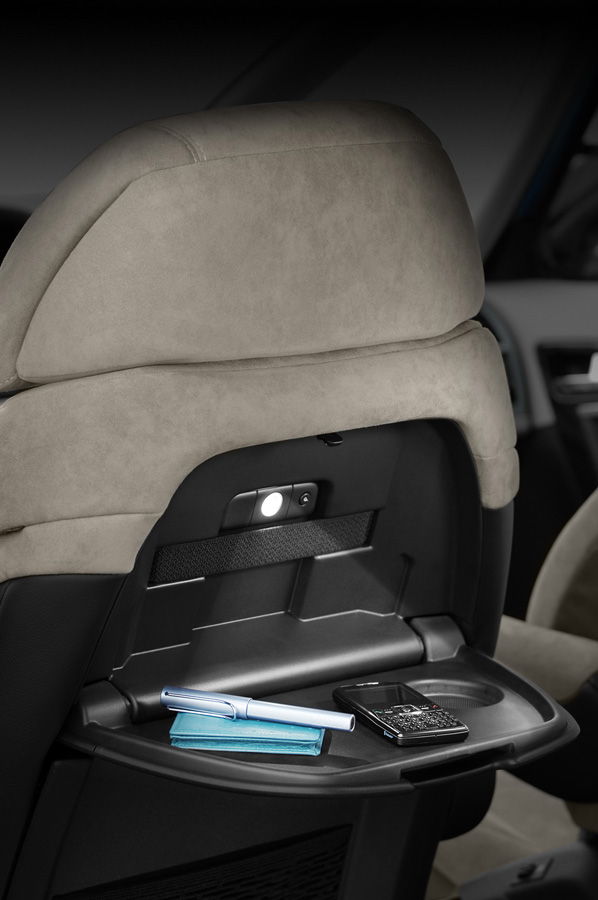
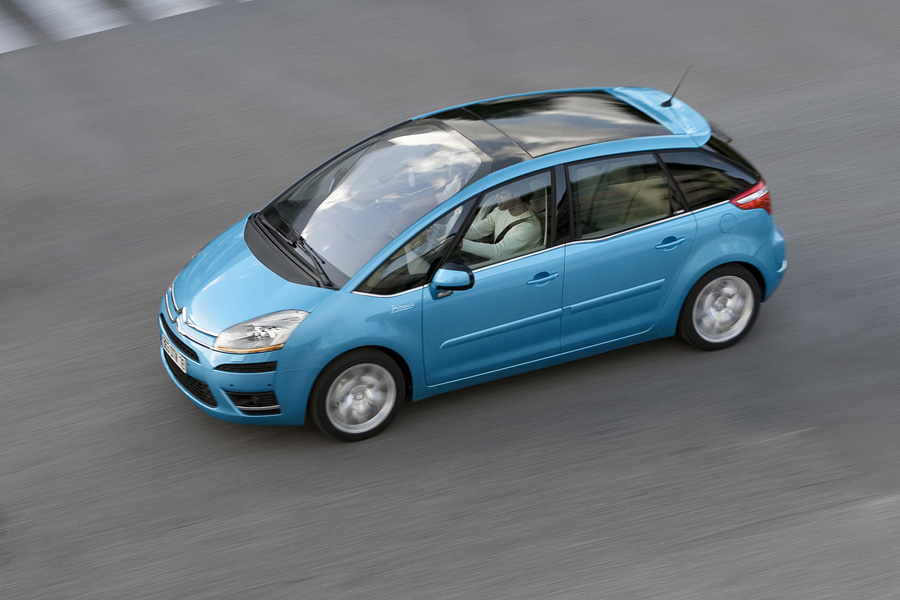 However, these are all trifles — the C4 Picasso gives the driver so many pleasant bonuses that you simply forget about minor inconveniences. Just look at the set of drawers and boxes for small items — there's even a compartment cooled by the air conditioner at the bottom of the central console. You can change the colors of the electronic instrument panel and customize the information display. The rear sofa is clearly visible in the small panoramic mirror mounted under the regular cabin mirror. And there's no need to mention the signature built-in air freshener — France is simply unthinkable without subtle scents. On a long trip or just outside the city, the advantages of the C4 Picasso are fully revealed. Rear passengers are also not deprived: folding tables are built into the backs of the front seats, like on an airplane. In top versions, instead of them, there are monitors with headphones. On the middle pillars, there are their own climate control units, though not full-fledged: only the airflow intensity is adjusted.
The two excellent diesels that will be installed on the C4 Picasso in Europe will never reach Russia — Citroen is not yet ready to supply such engines to our market. So you'll have to choose from two petrol units: 1.8 liters (127 hp) and 2.0 liters (143 hp). Which one will become more popular will be decided by the price difference. Naturally, the best emotions remained from the two-liter. It pulls well at low revs and is responsive — what else does a minivan need? But there's no obvious power reserve when driving with this engine either, so the question of how the 1.8 engine will behave with a full load remains open. Although, people do drive cars of classes B and C with 1.2 engines — they tolerate it, so they'll manage here too.
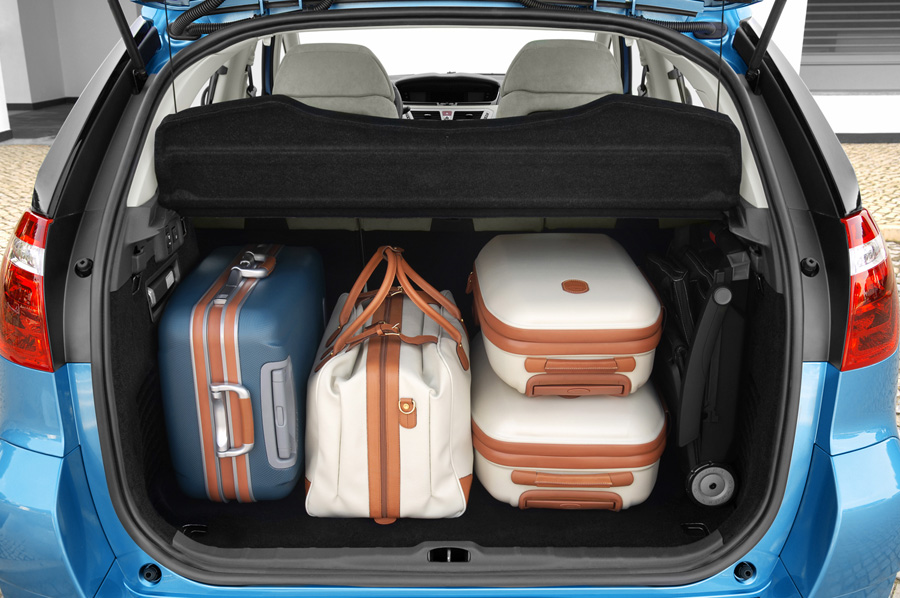
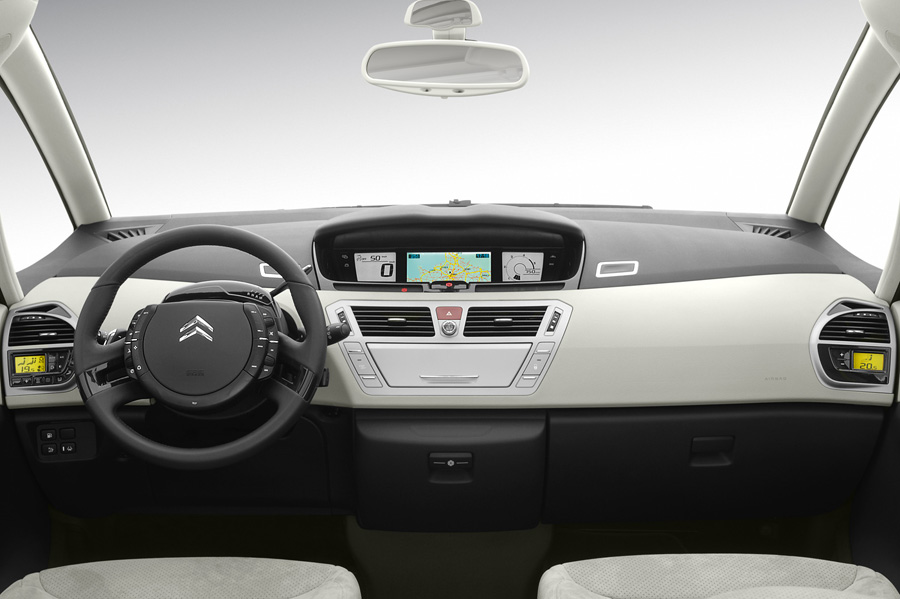 Contrary to my expectations, on the highway the minivan behaves almost like a passenger car. It's clear that the high center of gravity and soft suspension make themselves felt, but a family car shouldn't be low-slung and stiff. Moreover, this car is not for active driving — it's more suited to measured movement with a trunk loaded to the brim. Country highways in the C4 Picasso are a pleasure. It confidently holds the straight line, doesn't require constant steering corrections in corners, unlike some rivals. What's missing is only the steering feel: with an increase in the steering angle, the force returning the wheel to zero does not increase.
Of course, the driver is helped by a lot of electronics. I would even say — sometimes too intrusively. There's a lane departure warning system (the driver is alerted by a vibration motor in the seat) and a parking assistant. The latter not only beeps when approaching an obstacle, like a regular parking sensor, but also measures the free space at the curb and gives a verdict: whether the car will fit or not.
Sales of the new model will start at the end of spring. Prices are still kept secret — there is no official data. One thing is clear: the simplest version of the C4 Picasso is unlikely to drop below $27,000. A bit pricey, but the French clearly expect that discerning buyers will see all those "features" that competitors don't have and will pay. Well, we'll live and see.
Alexey Tikhonov