Citroen C-Crosser is based on the Mitsubishi Outlander platform. There is also a third participant in this trio — the Peugeot 4007, which we have already covered. In fact, these are identical cars, differing only in body cosmetics. But that Peugeot 4007 came with a 2.4-liter petrol engine and a CVT automatic transmission — both units are from Mitsubishi.
However, the Citroen C-Crosser we got turned out to be with a diesel and a 6-speed manual. This is what we will focus on, since the interior, equipment, chassis settings, and everything else are identical to the Mitsubishi Outlander XL and Peugeot 4007 — there is no point in describing them again.
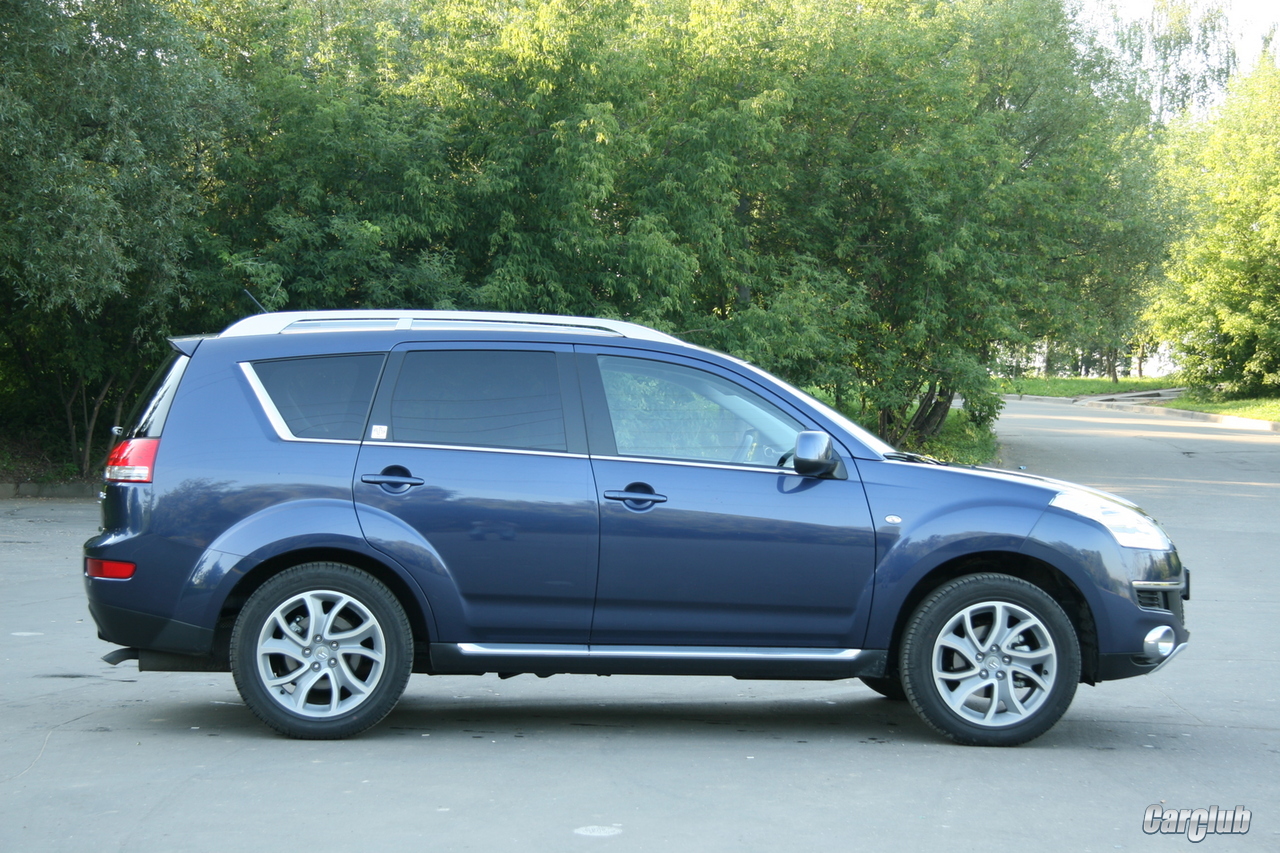
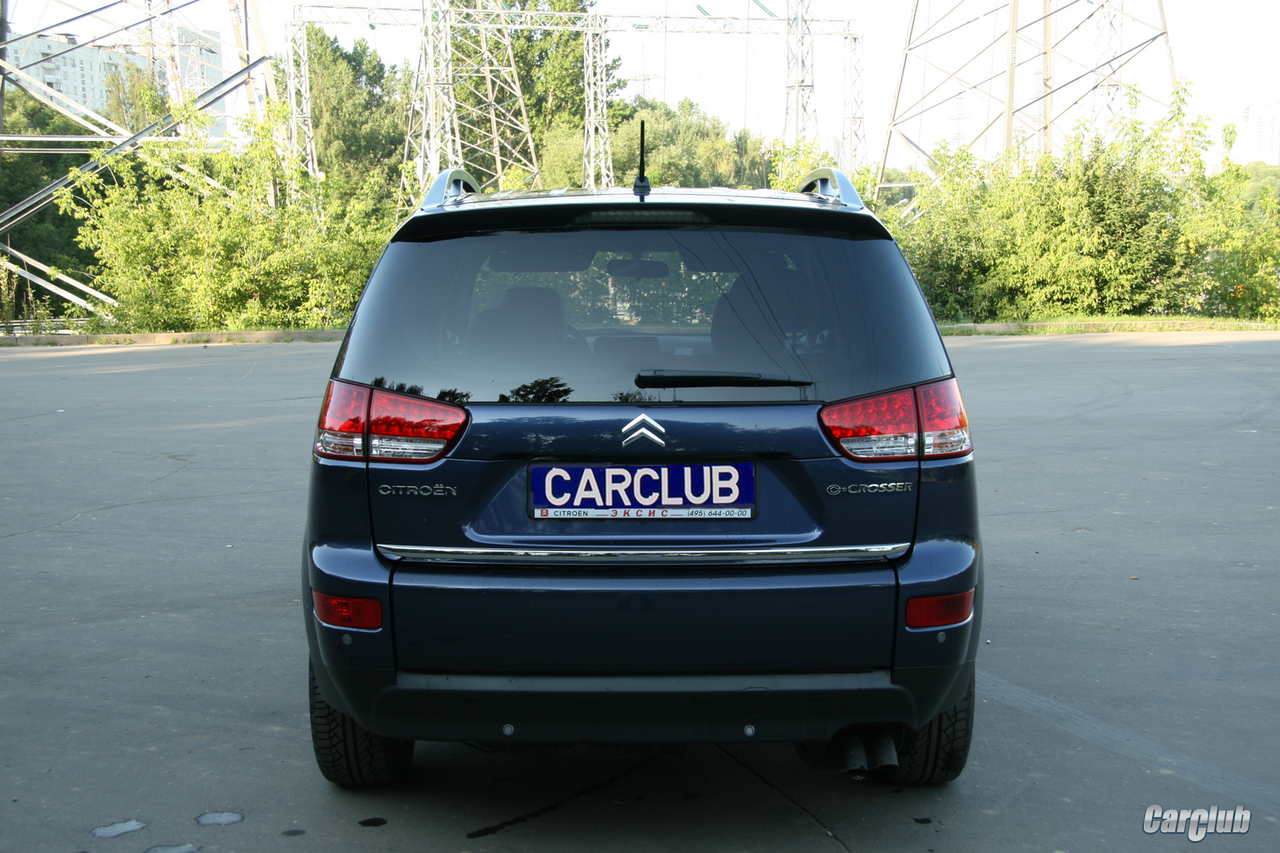
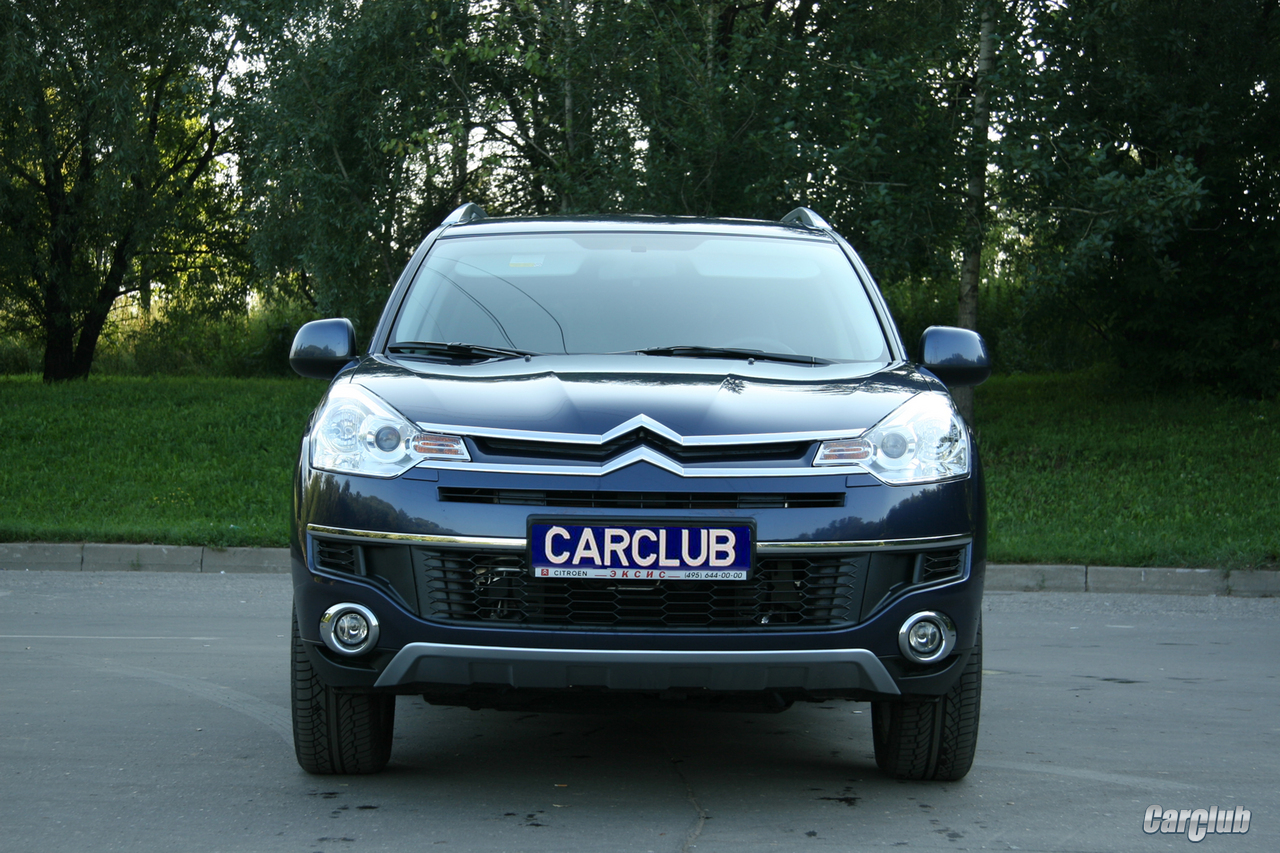
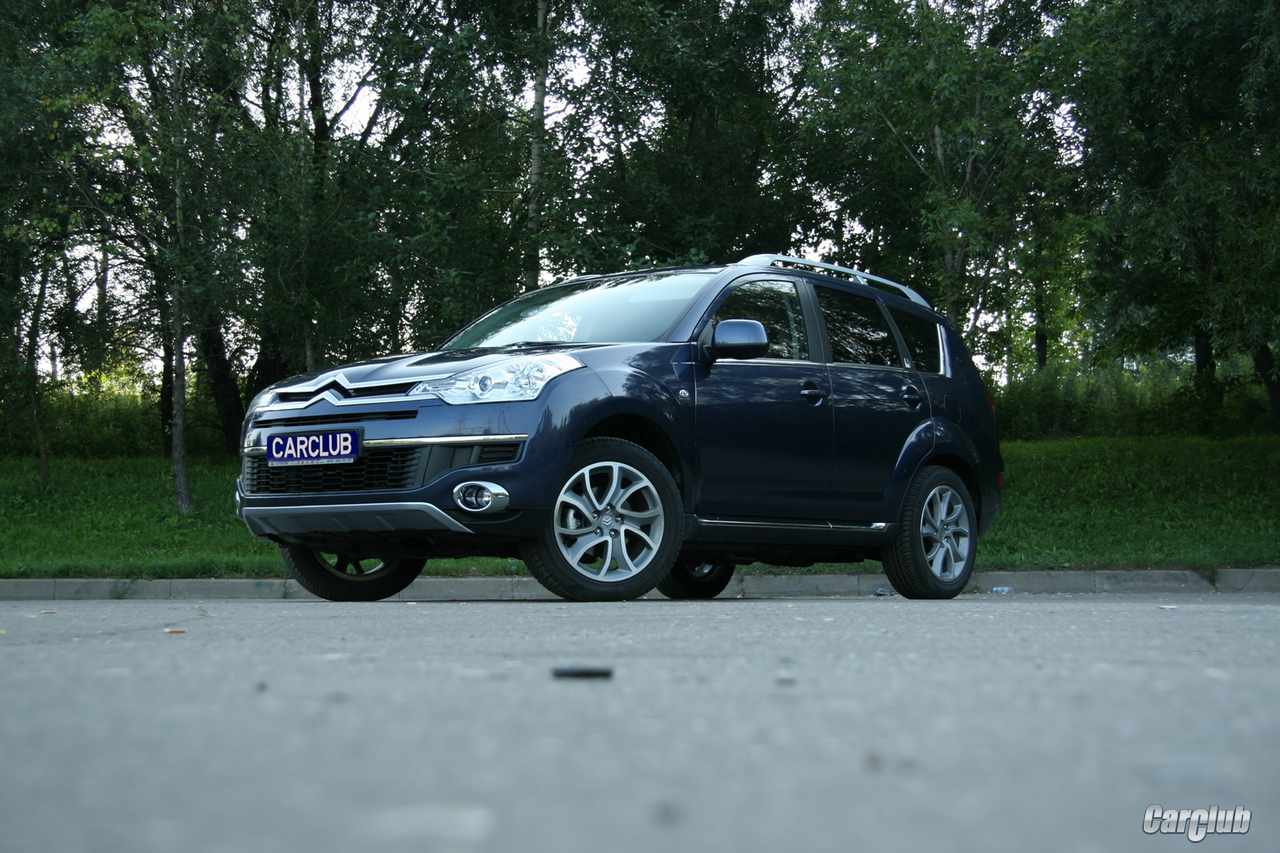
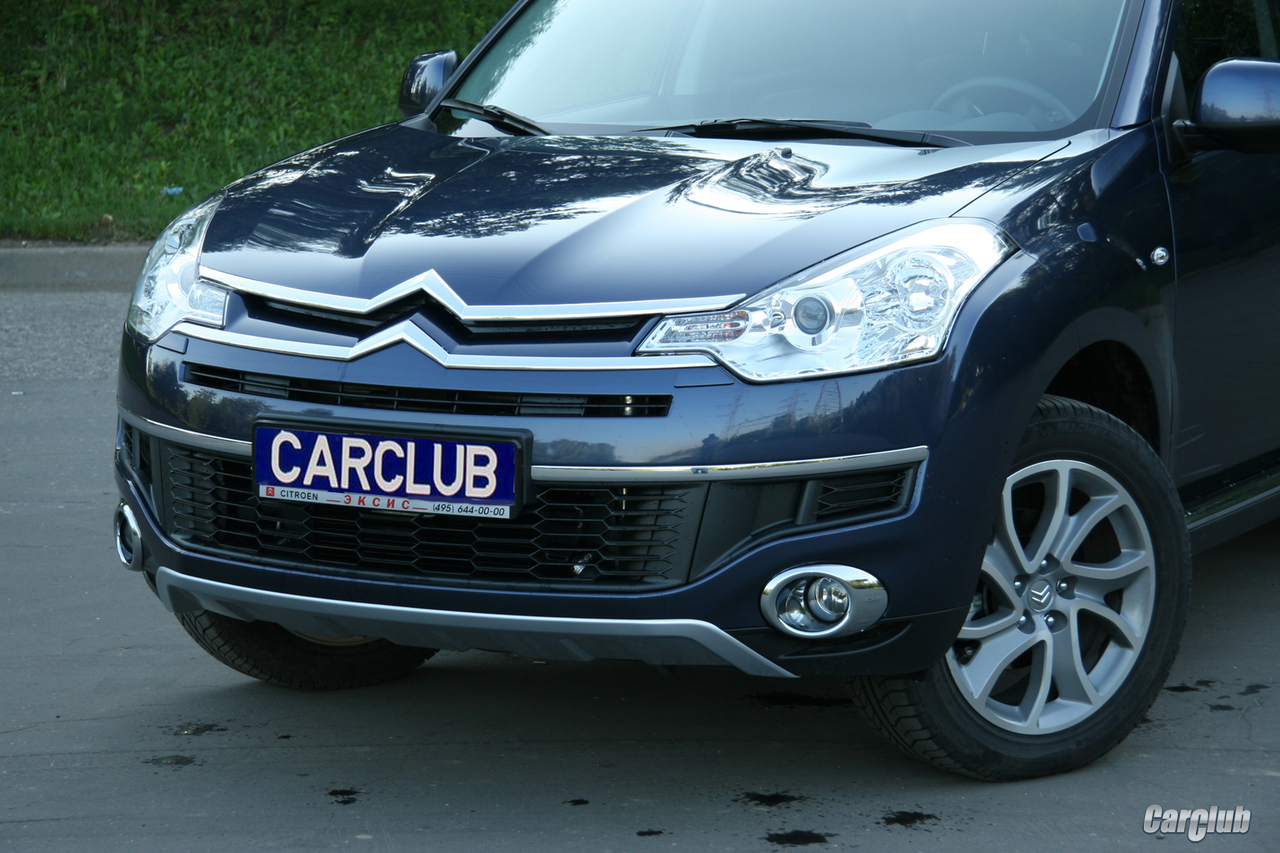
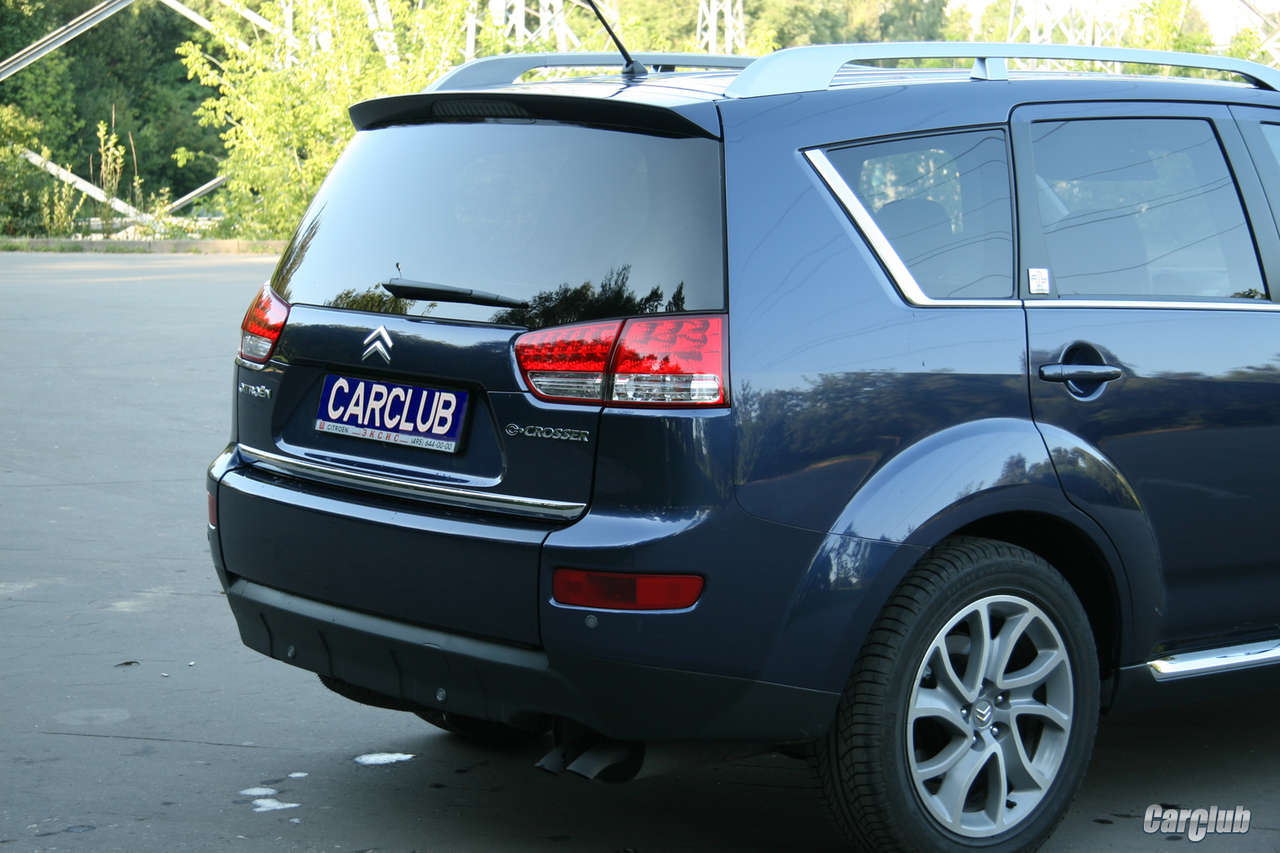
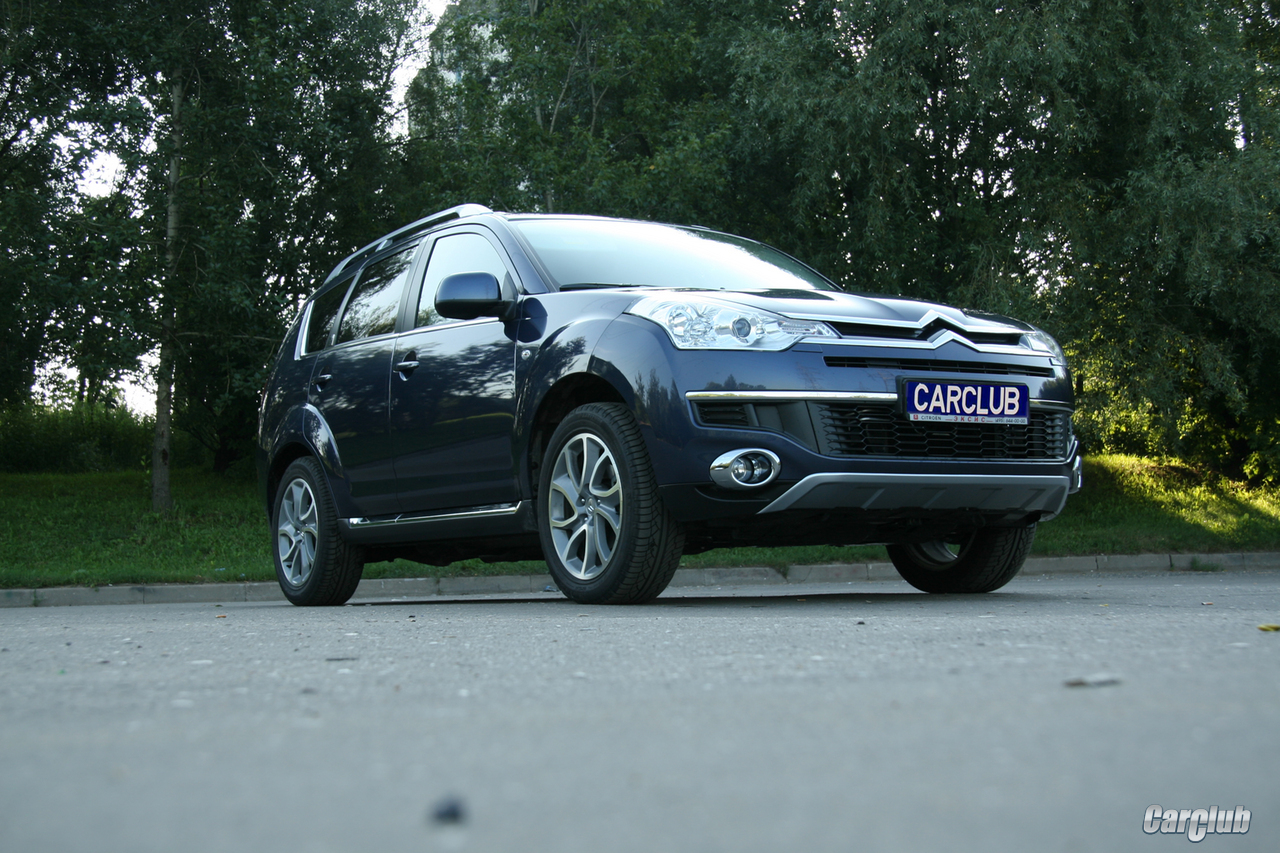
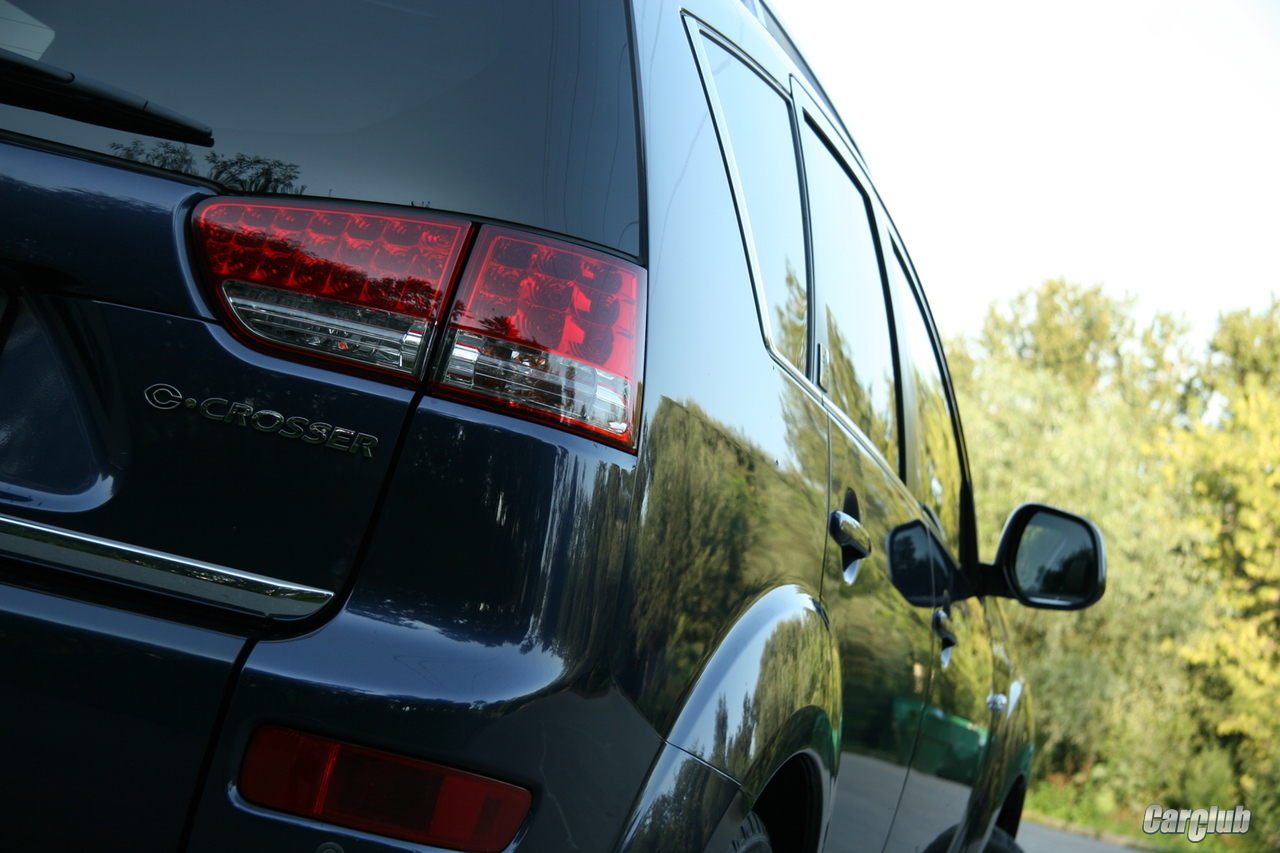
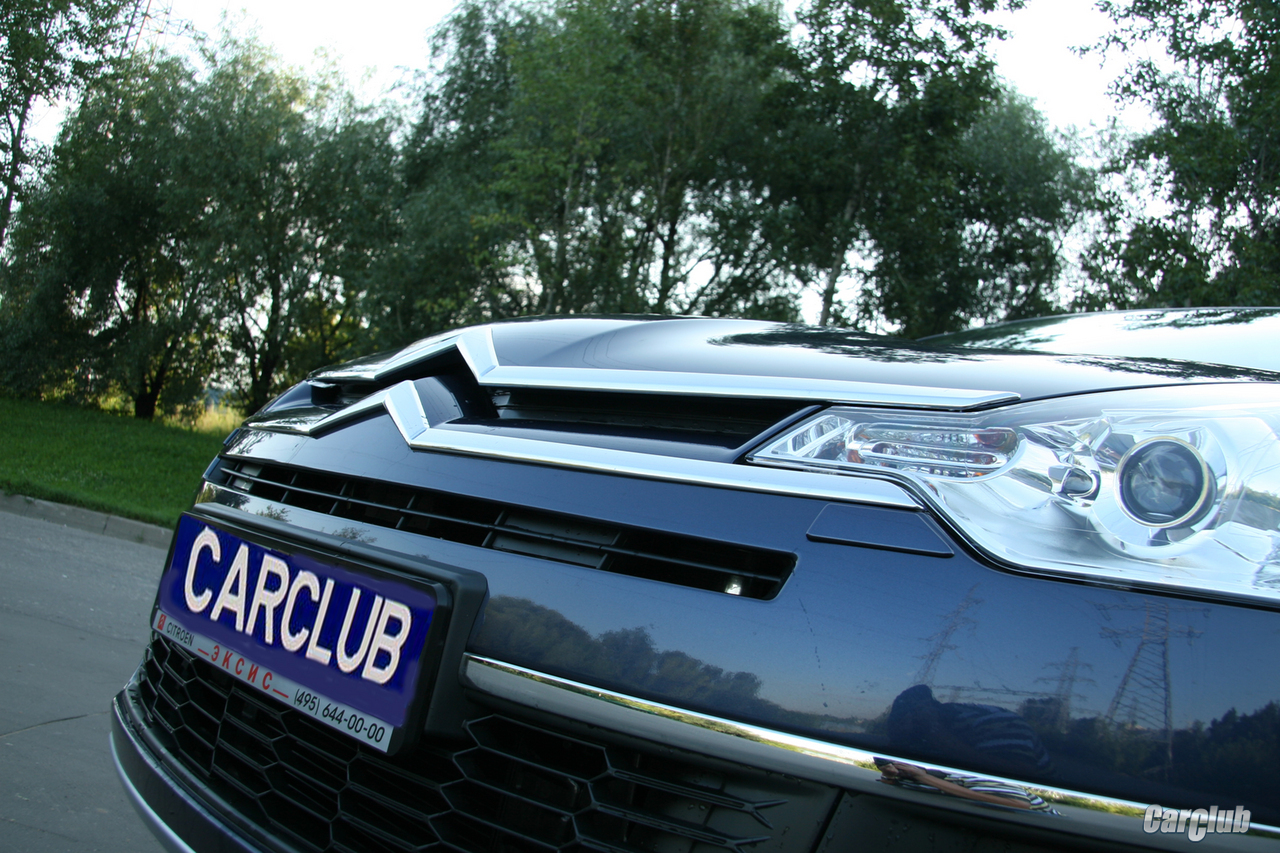
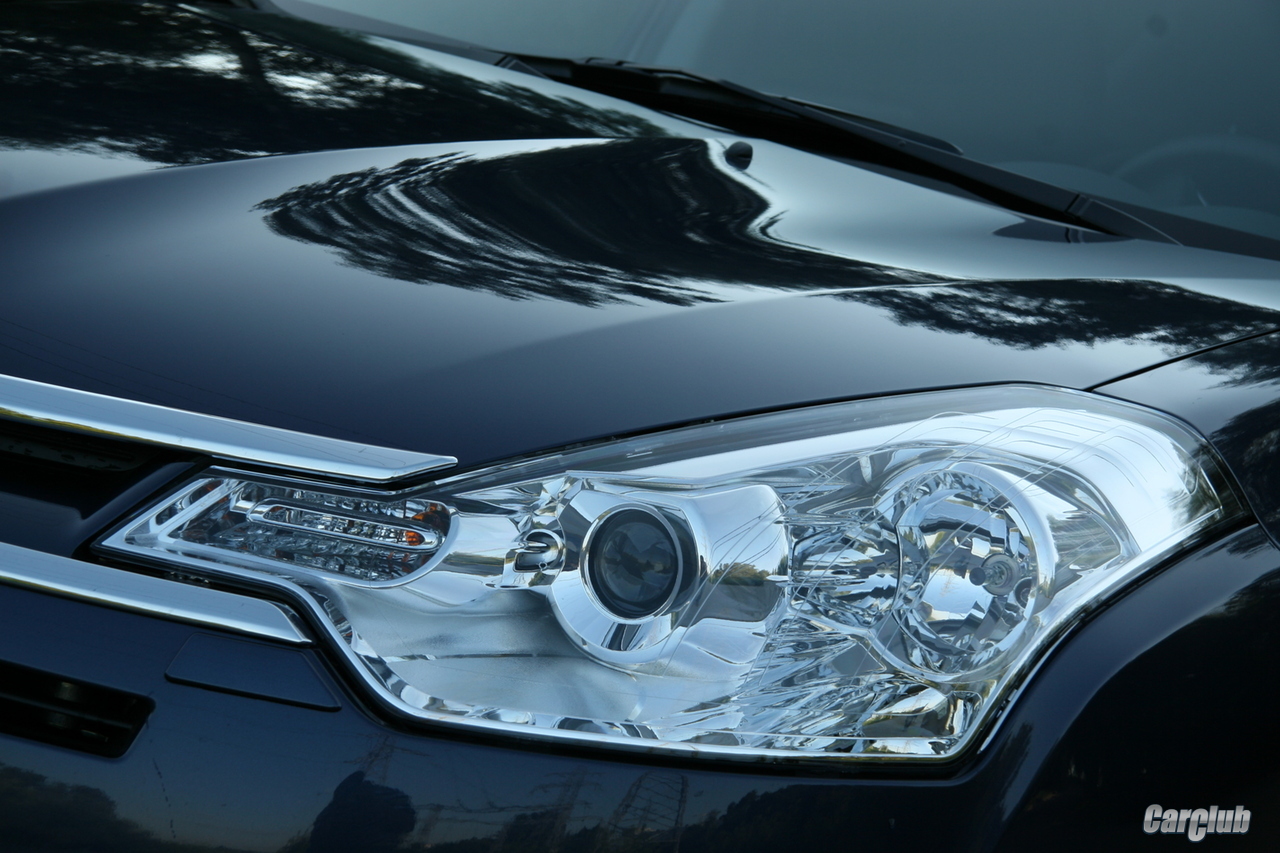
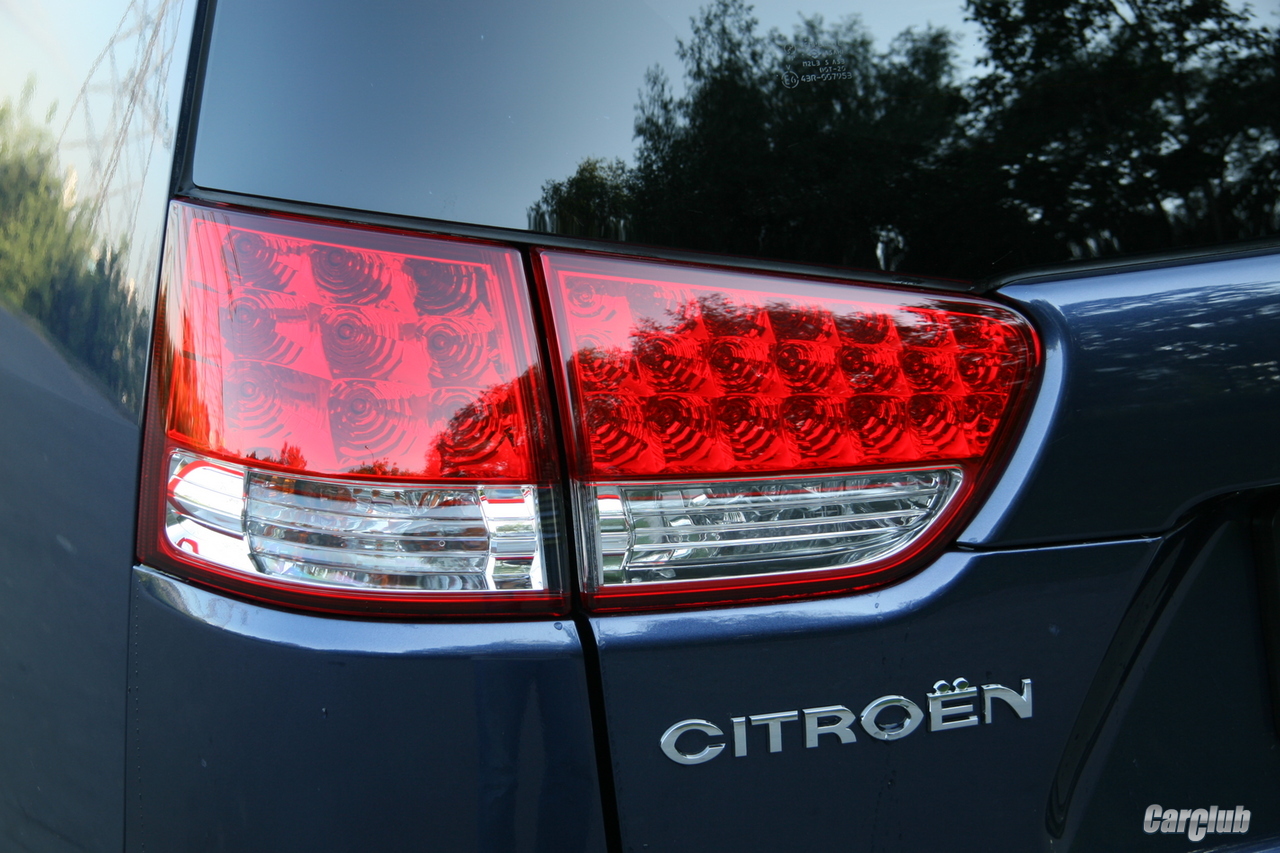
In the exterior of the Citroen C-Crosser, the French touch is clearly felt. The front end is assembled from large shapes that try to mask the Japanese essence with elegance. And, credit where due, the Citroen designers succeeded convincingly. The original headlights of intricate shape, extending onto the fenders, a pair of large signature chevrons in the form of solid lines, and a wide air intake grille in the bumper immediately reveal the brand. Its own front bumper, chrome trims on the fog lights, unique alloy wheels, and a slightly different rear end — that is what distinguishes the French SUV from its "relatives." Of course, design is a matter of taste, but personally I prefer the C-Crosser.
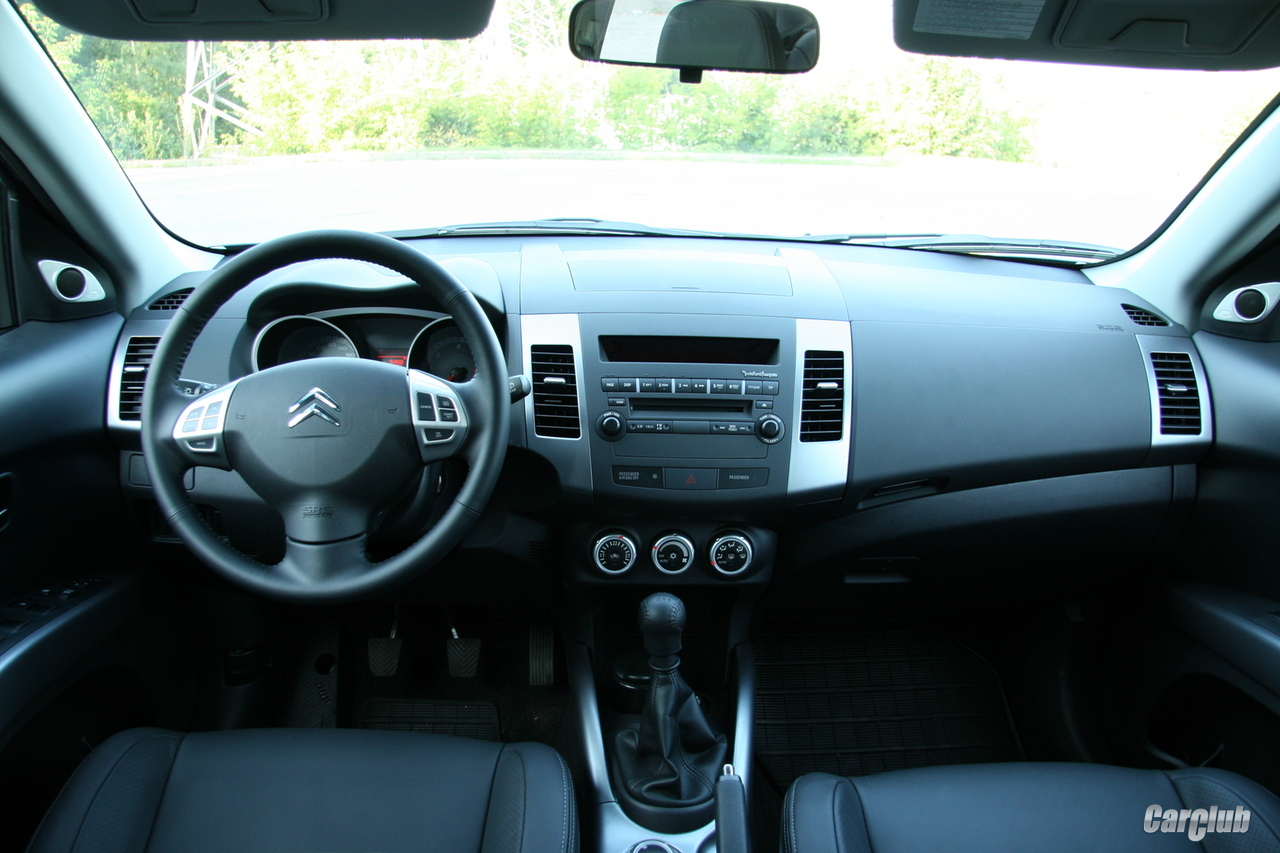
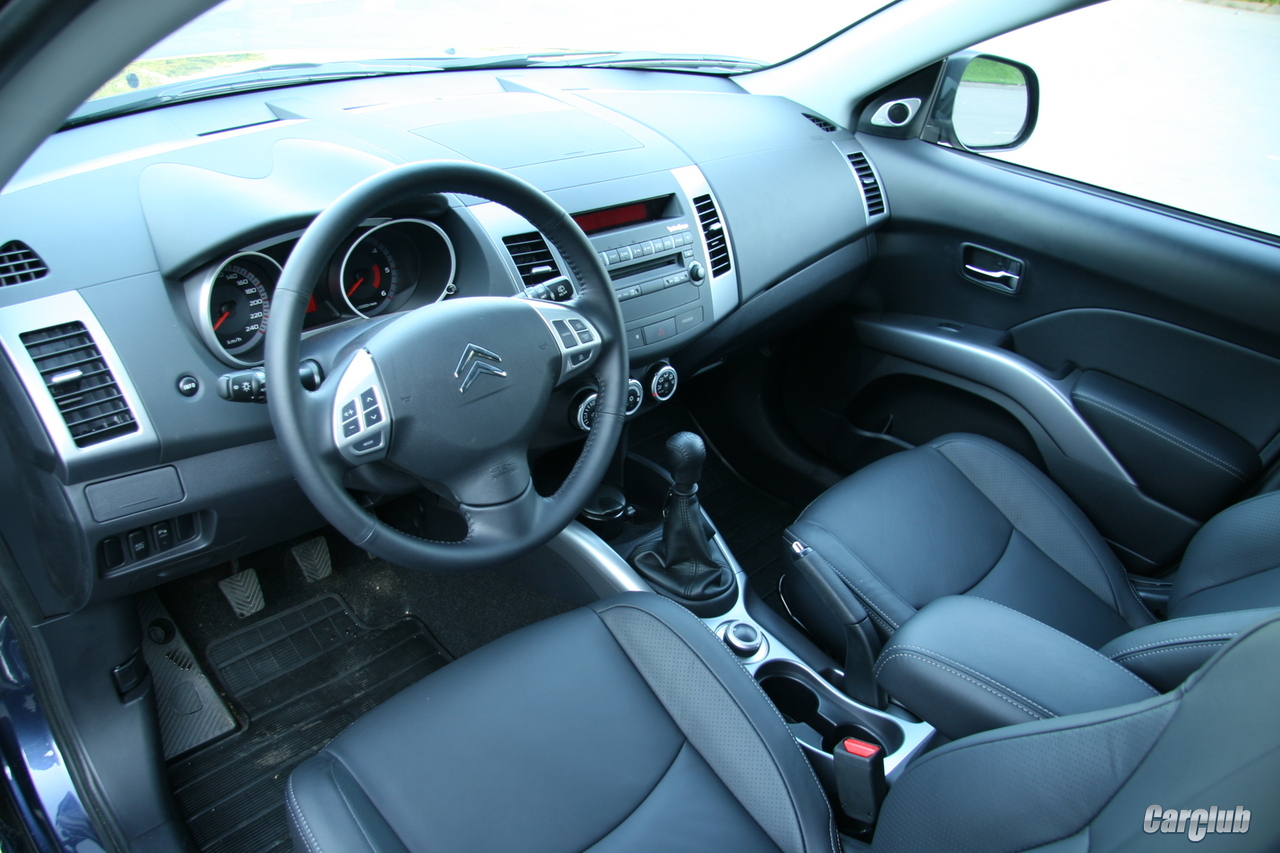
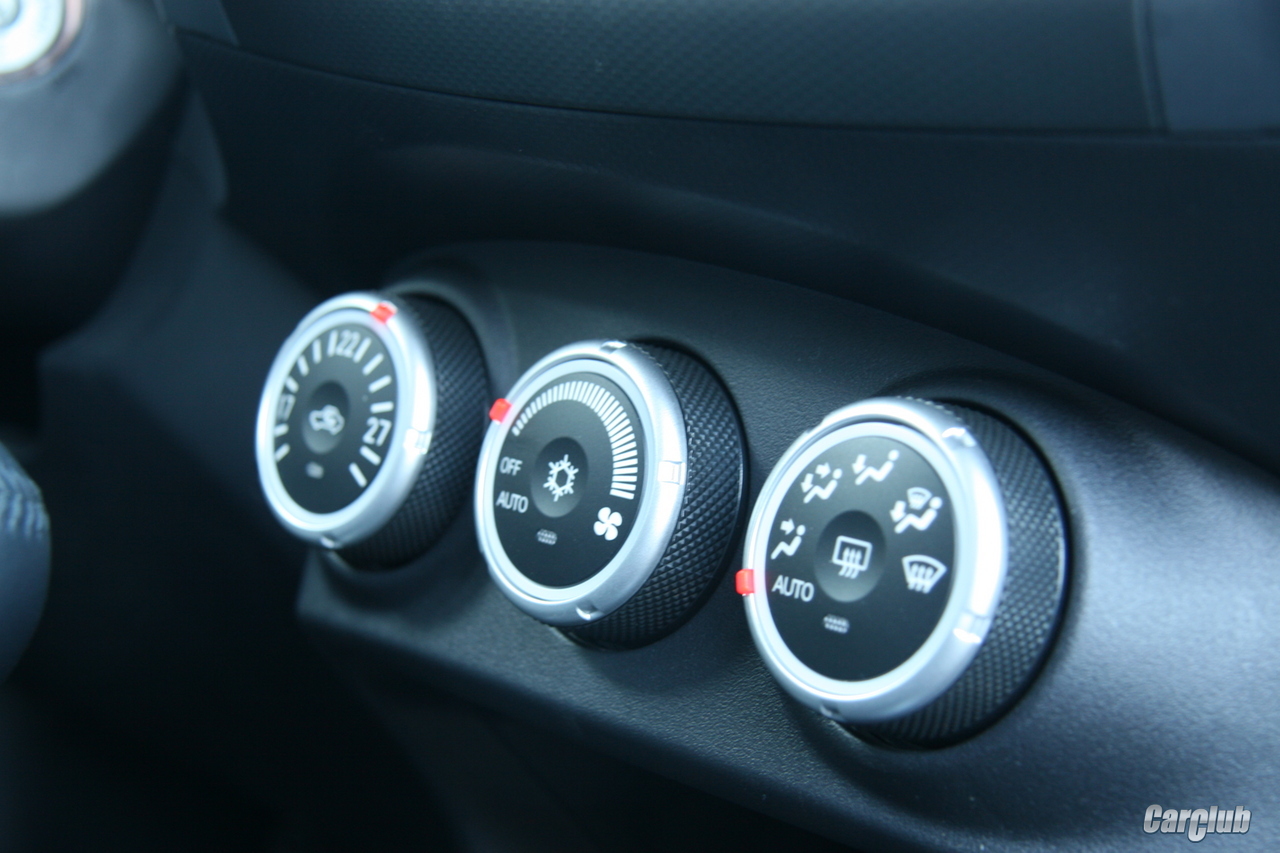
There is an opinion that the "French" got different interior trim materials and a retuned suspension, but I personally did not feel any difference.
 |
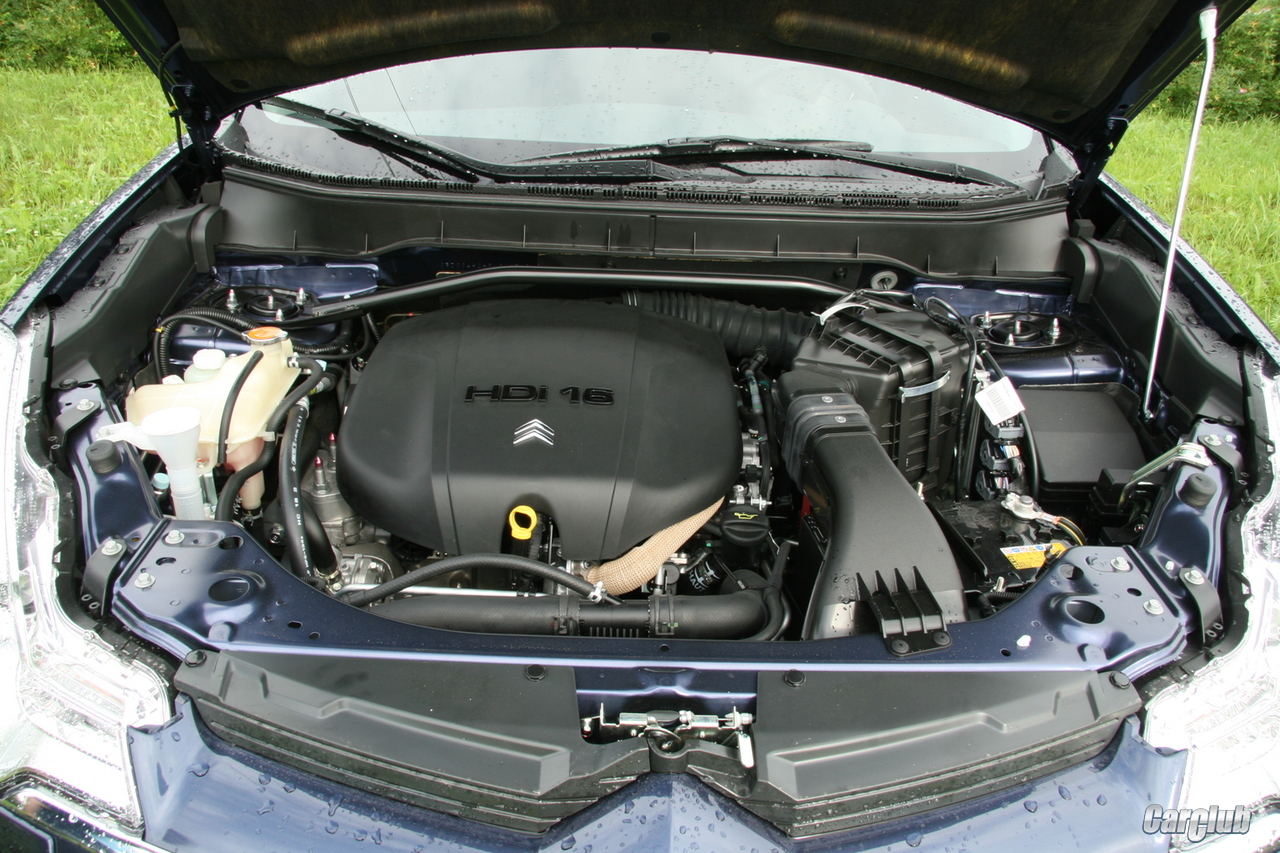
Diesel 2.2 Hdi — the result
of joint work of the alliance
PSA Peugeot Citroen and Ford |
 |
Outside, the C-Crosser has been brought
in line with the brand's style |
 |
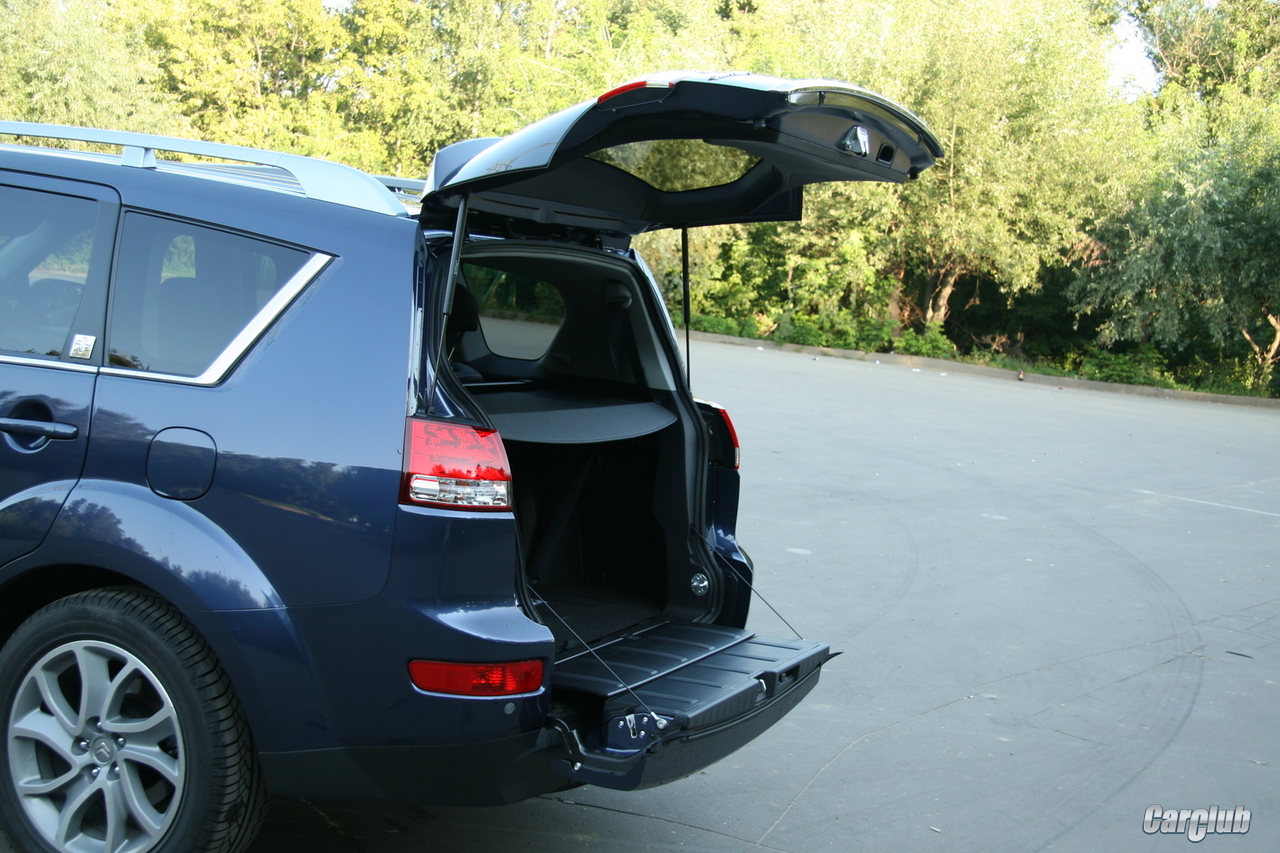
The folding tailgate sill
can withstand up to 200 kg |
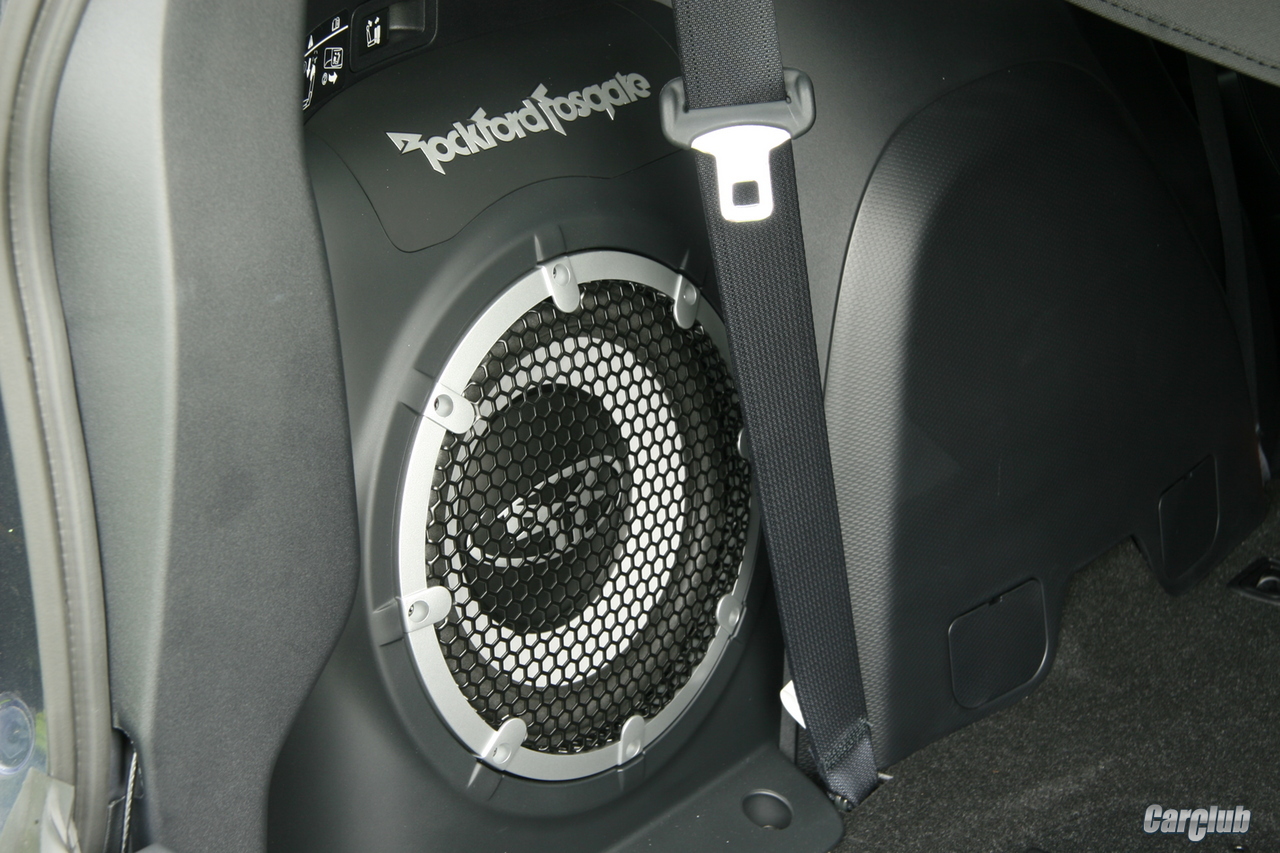
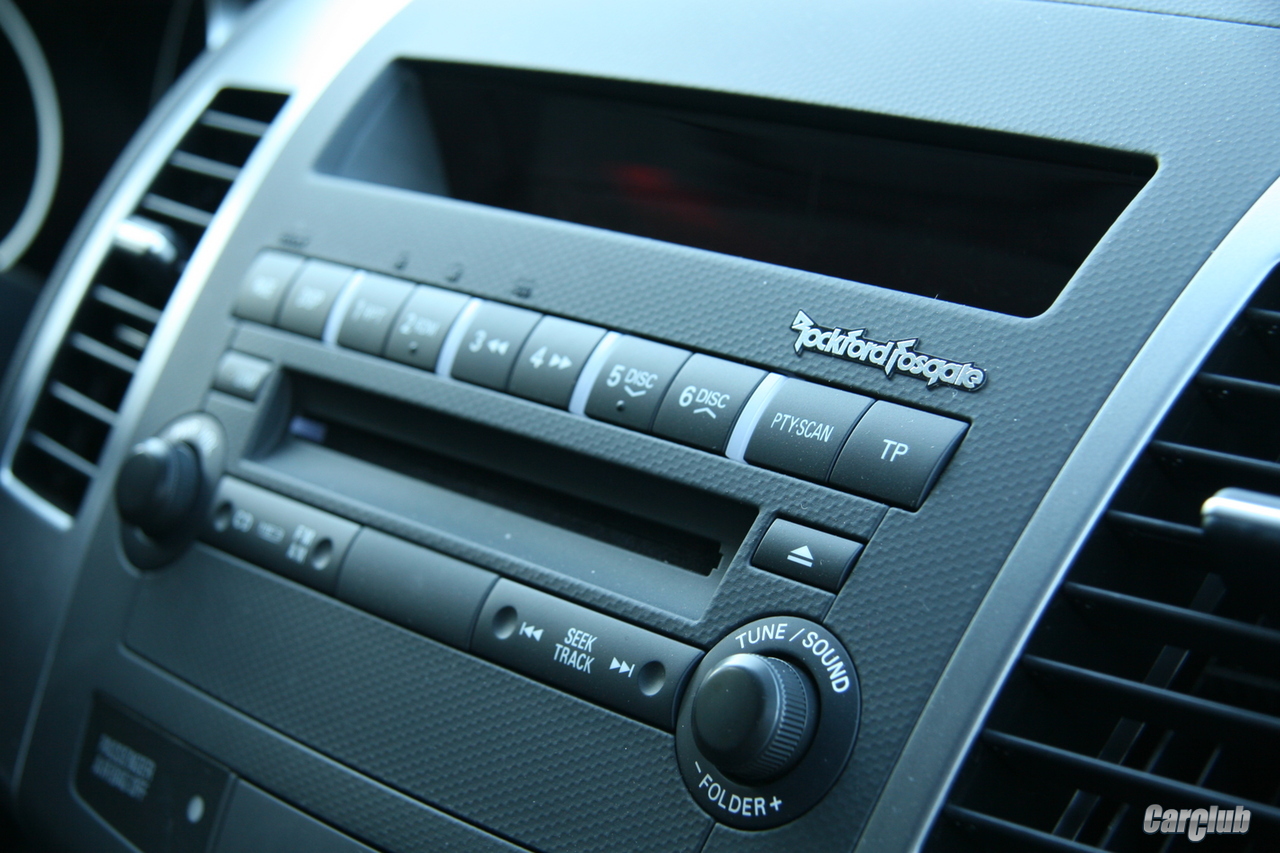
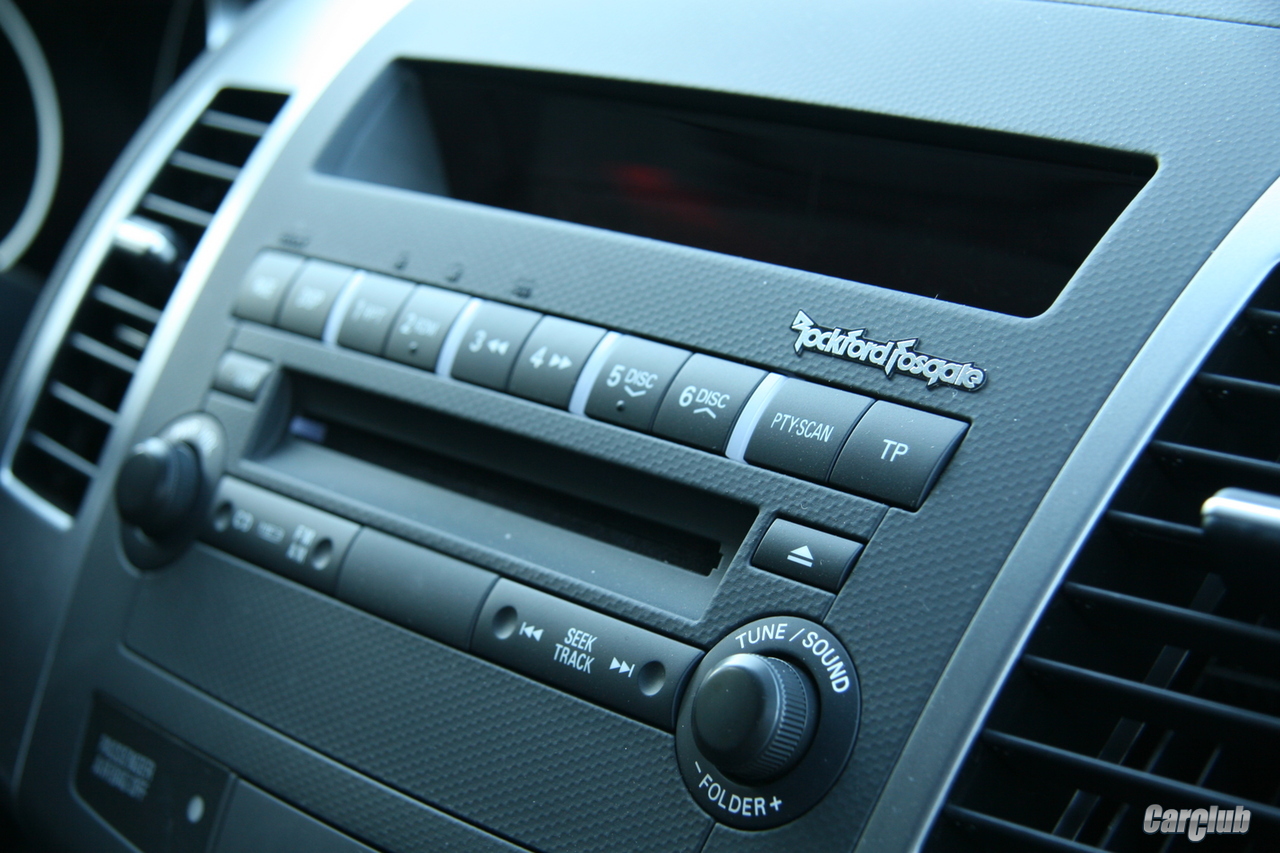
On the Russian market, the Citroen C-Crosser is sold with the same 2.4-liter petrol engine, which is paired either with a 5-speed manual gearbox or a CVT with a manual mode of 6 virtual gears. The car with a manual is available only in the Confort trim. The CVT version is offered in two variants: Confort and the richer Exclusive, which includes xenon headlights, power-adjustable driver's seat, tinted rear windows, leather interior, 18-inch alloy wheels, CD-changer, and a Rockford Fosgate audio system with 9 speakers and a subwoofer. The base version with a manual costs 963,000 rubles. For the CVT, you need to pay 14,000 rubles more. The top version with the listed options is priced at 1,126,500 rubles.
For the test, we got the top modification with a diesel, which is sold only in the Exclusive trim for $38,543 (308,340 UAH). The diesel engine is combined exclusively with a 6-speed manual. The 2.2 Hdi turbodiesel was created by the joint efforts of PSA Peugeot Citroen and Ford Motor Company and was developed specifically for all-wheel drive. In addition to French crossovers, this unit is installed on the Land Rover Freelander 2. The power unit is a version of the same 173-horsepower engine known from the Citroen C5 and C6. True, for the C-Crosser it was stripped of one turbo, which reduced power to 156 hp. But the torque, available already at 2,000 rpm, increased to 380 Nm — a very respectable result.
The diesel C-Crosser pleasantly surprised with its dynamics. Honestly, I did not expect such agility from an 1800-kilogram SUV. Brisk acceleration and confident pickup from 2,000 rpm give a sense of calm both in the city and on the highway. At low revs there is a characteristic "dip," but as soon as the tachometer needle passes the 2,500 rpm mark, powerful acceleration begins all the way to the redline — such pressure would be envied by the 2.4-liter version with the CVT.
The six-speed manual is produced by the Japanese company Aisin Seiki Co. — one of the leaders in supplying components for many Japanese brands, including Mitsubishi. The gearbox pleases with precise gear selection and clear lever movements. The only thing to find fault with is the clutch pedal — it is not very communicative, and you need to get used to it. At first, passengers constantly nodded their heads due to the abruptly engaging clutch. Overall, the engine and 6-speed gearbox form a well-coordinated duo with excellent connection. The appetite also pleased. In traffic jams, consumption did not rise above 10 liters per hundred, and on average it stays around 8.5 liters — and it does not matter whether you rev the engine or drive calmly. With such an appetite, a full 60-liter tank is enough for about 650 km. Not bad, considering that gasoline is getting more expensive at such a pace that 40 rubles per liter is not far off.
 |
The three twin brothers
are revealed only by their front parts... |
 |
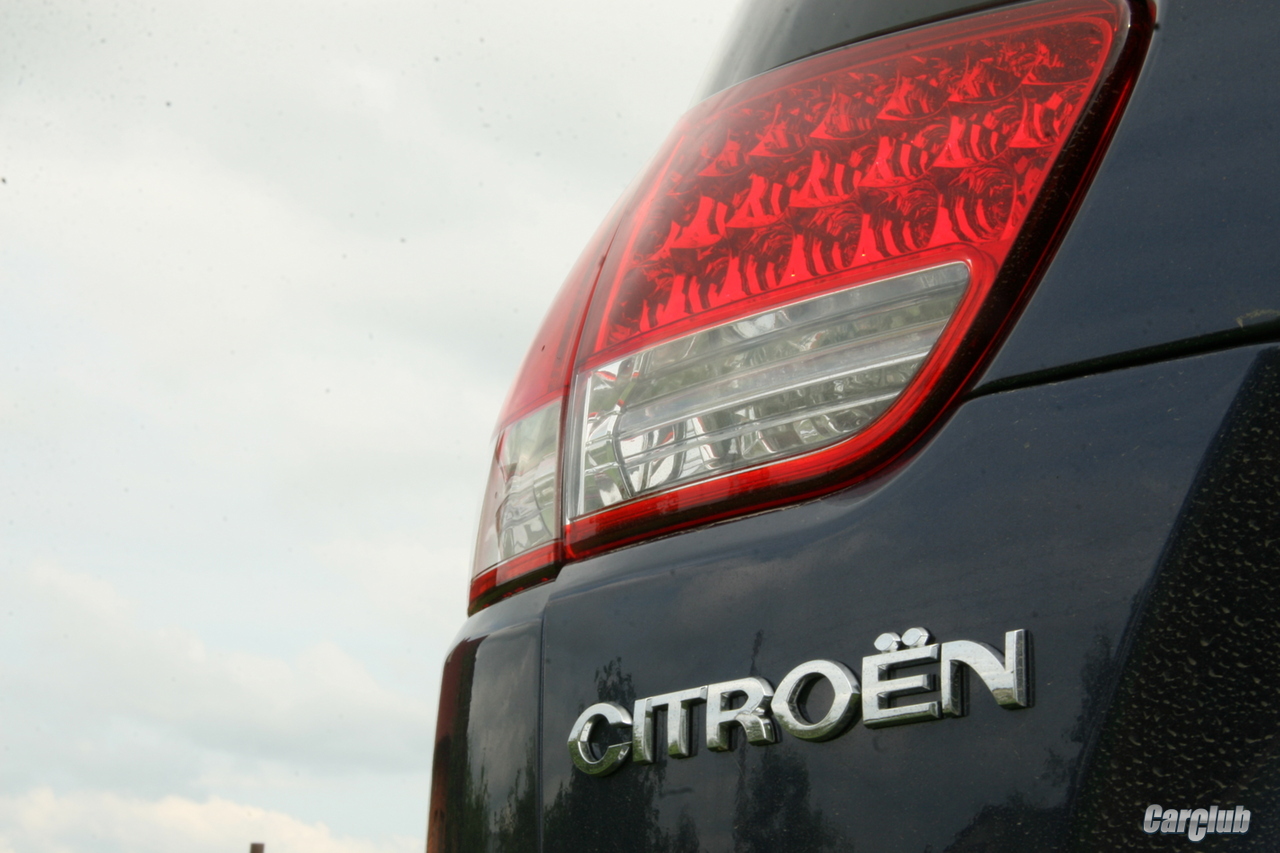
| ... and rear lights. |
 |
Rockford Fosgate acoustics
plays very high quality |
Perhaps the only thing to find fault with in the diesel C-Crosser is the lack of an "automatic" version. Obviously, when creating a car with a heavy-fuel engine, the engineers were targeting the European buyer, for whom economy is important, and a manual gearbox, as is known, consumes less fuel than an automatic. However, in our realities, given the eternal traffic jams in megacities, the demand for automatic transmissions is steadily growing, while interest in diesels is also gradually increasing.
In character and behavior, the C-Crosser is an exact copy of the Mitsubishi Outlander and Peugeot 4007. The higher trim on 18-inch alloy wheels confidently holds the straight line on asphalt, but on a dirt road it gets unsettled. The stiff suspension mercilessly transmits all the shaking into the cabin, so passengers will have a rough time. You could try to fix the situation by installing 16-inch wheels, but that is not a solution either. However, the steering pleases with clarity and feedback, while the underbody sound insulation leaves much to be desired — all three cars suffer from this.
 |
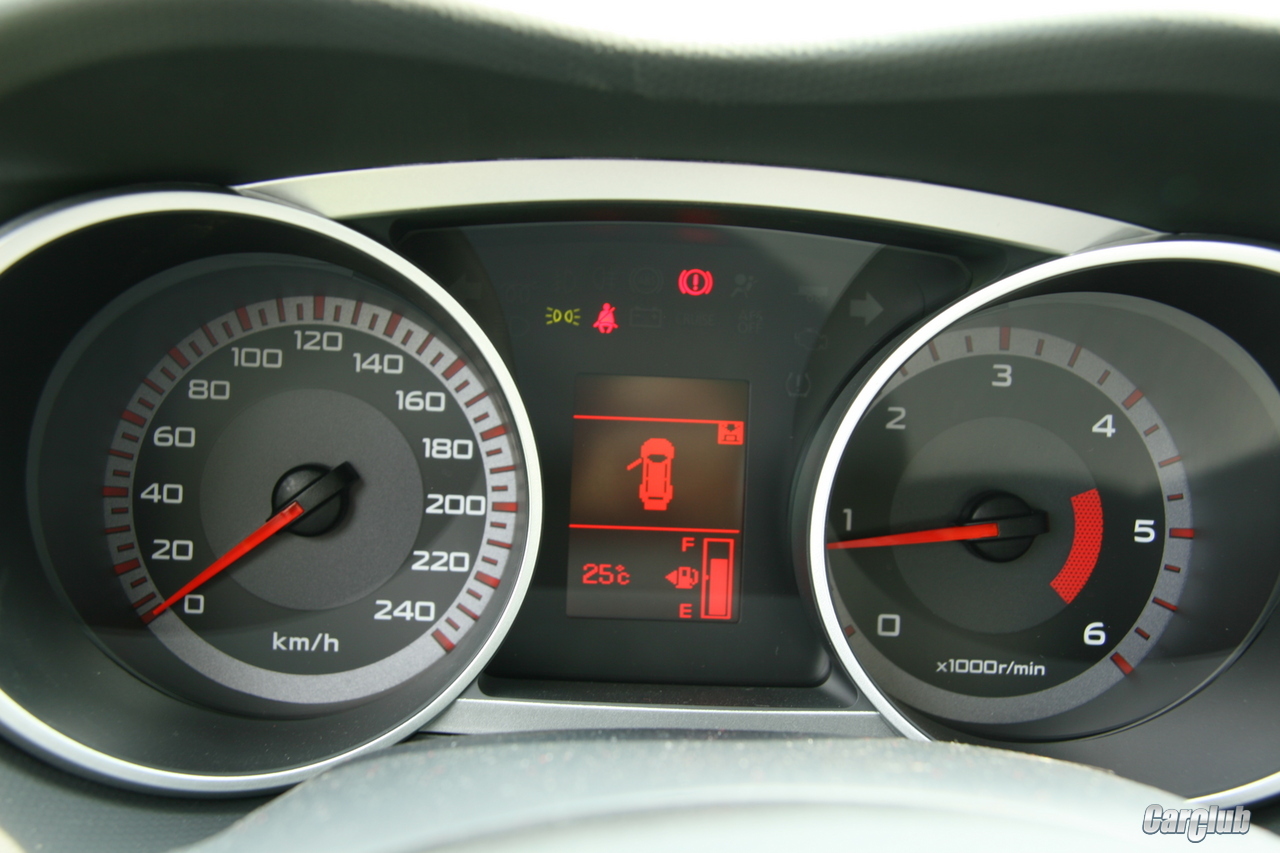
The instrument panel is distinguished
by good readability |
 |
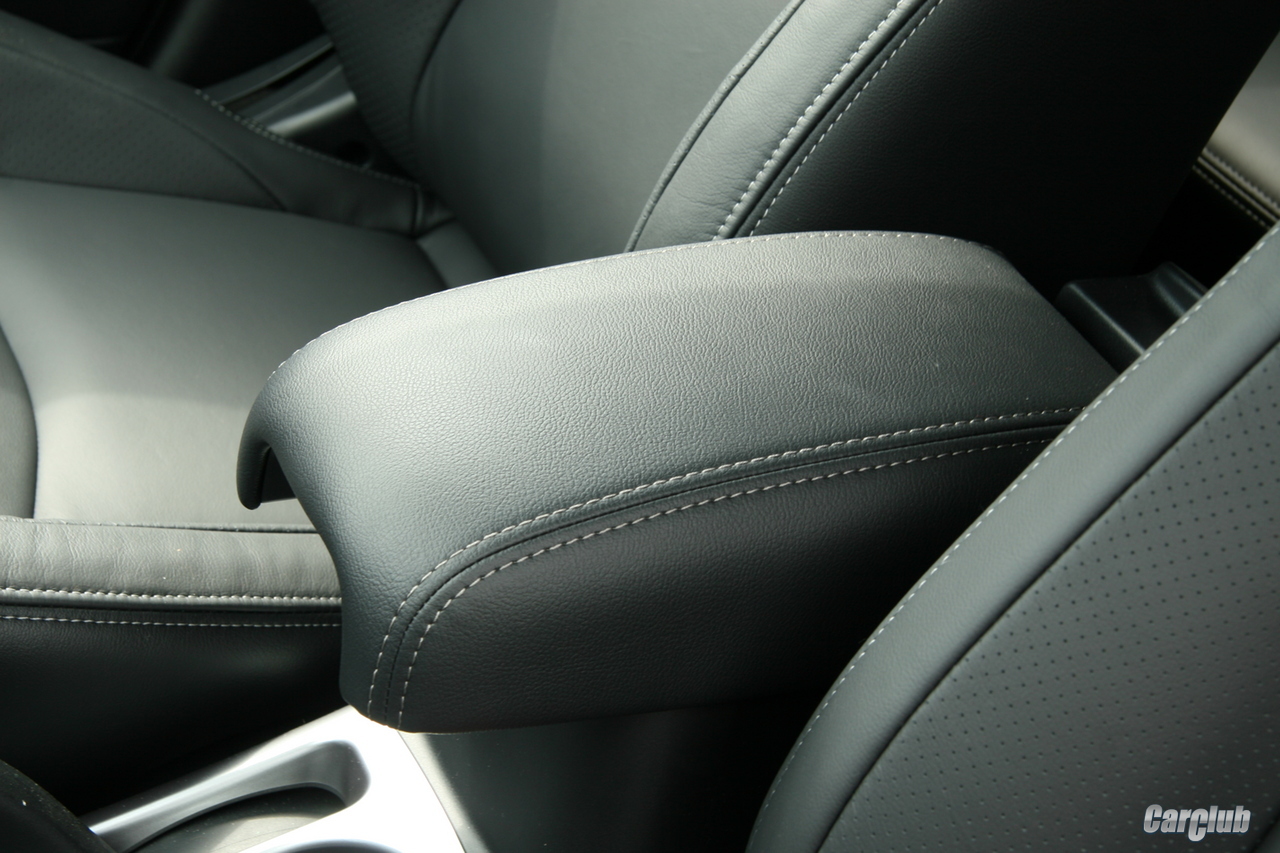
The central armrest
has longitudinal adjustment |
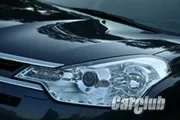 |
The front of the C-Crosser is crowned
by original headlights |
Now about the differences. How to choose one of this trio? If we set aside the design, which everyone evaluates in their own way, and take into account that the interior is identical in all, then there are few decisive factors left. The Mitsubishi Outlander XL wins due to the most affordable starting price and the presence in the lineup of a 3.0-liter gasoline engine with 220 hp. But the Citroen C-Crosser and Peugeot 4007 can boast an excellent diesel. In addition, for the Peugeot 4007 there is an optional navigation with a touchscreen, but it does not work in Russia yet, so we will not take this point into account. As for service maintenance, the "French" will have to visit the dealer every 10 thousand kilometers, while Mitsubishi requires visits only once every 15 thousand, although scheduled maintenance for the latter is more expensive. So the choice is yours.
Ruslan Galimov

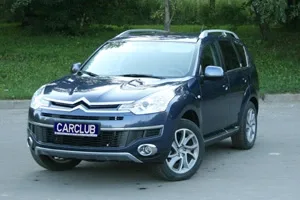
 On the outside, the Citroen C-Crosser has been "groomed" to match the brand's styling. The front end is assembled from large elements designed to hide the Japanese origins behind French charm.Comments