
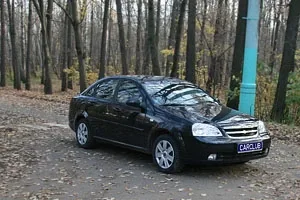
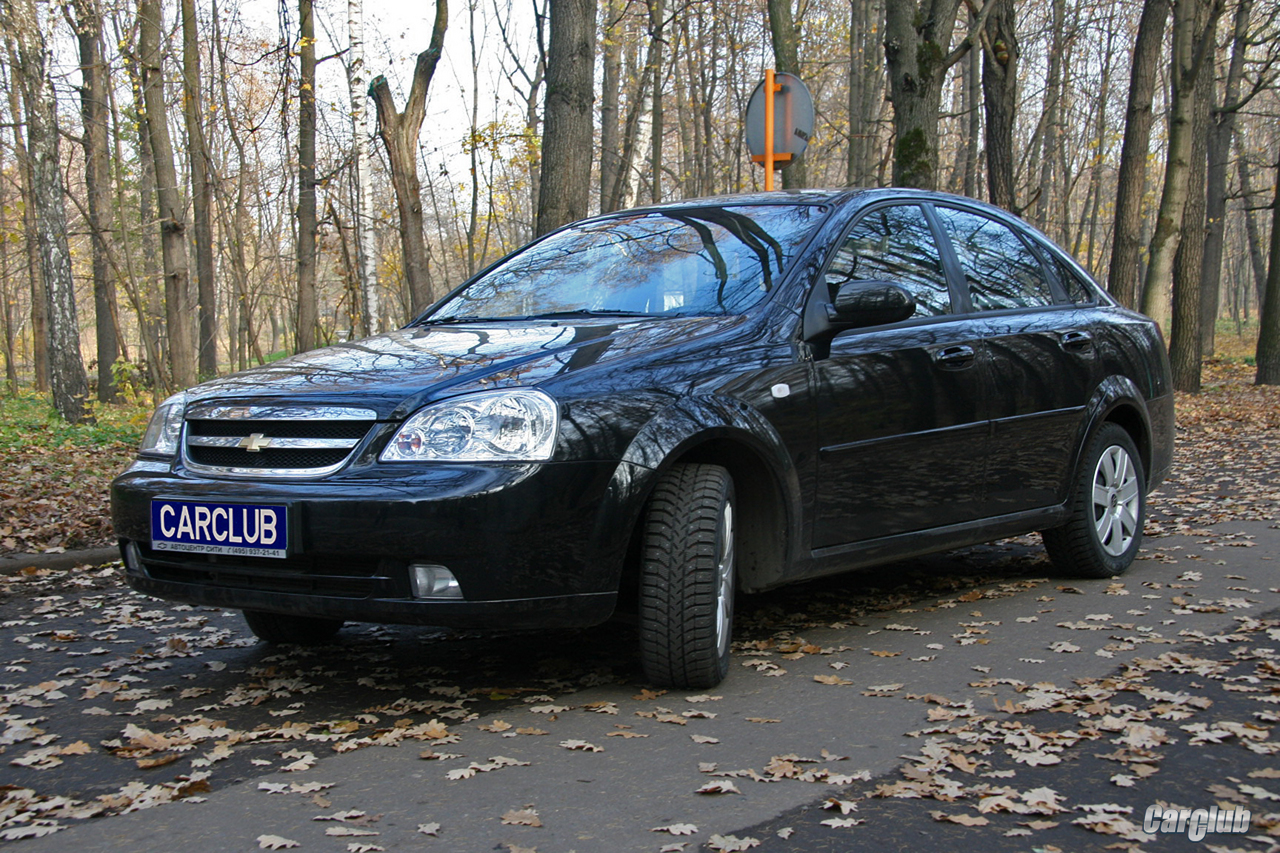
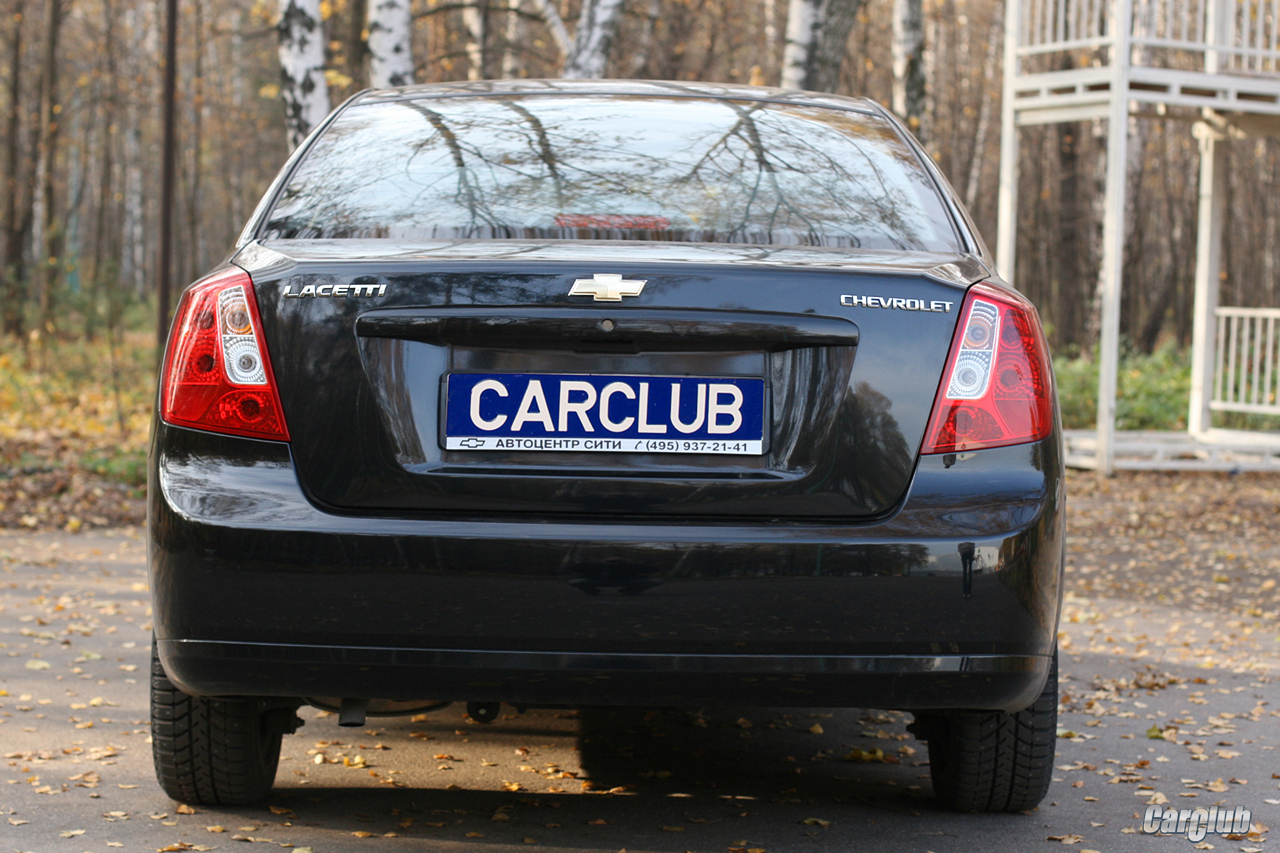
Life for press cars is a real adventure: there's always someone new behind the wheel, which means a different driving style, different routes, and fresh impressions every time. In a couple of days, they're off to find new acquaintances. But we buy a car not for a week, but for a couple of years, so a superficial acquaintance is clearly not enough here. To test what it's capable of in a long-term relationship, we decided to take a closer look at a typical representative of the most popular C-class in Russia — no, not the Ford Focus, but its competitor — Chevrolet Lacetti.
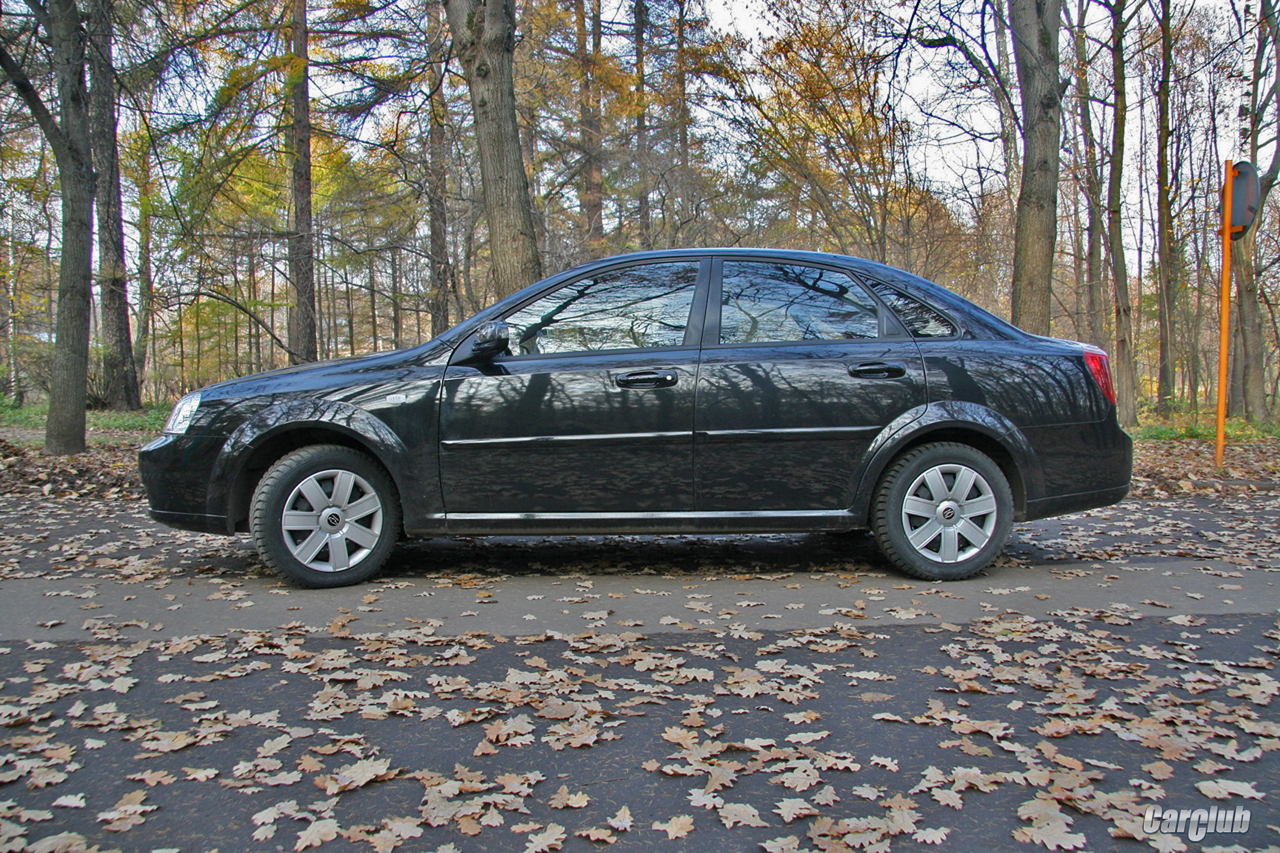
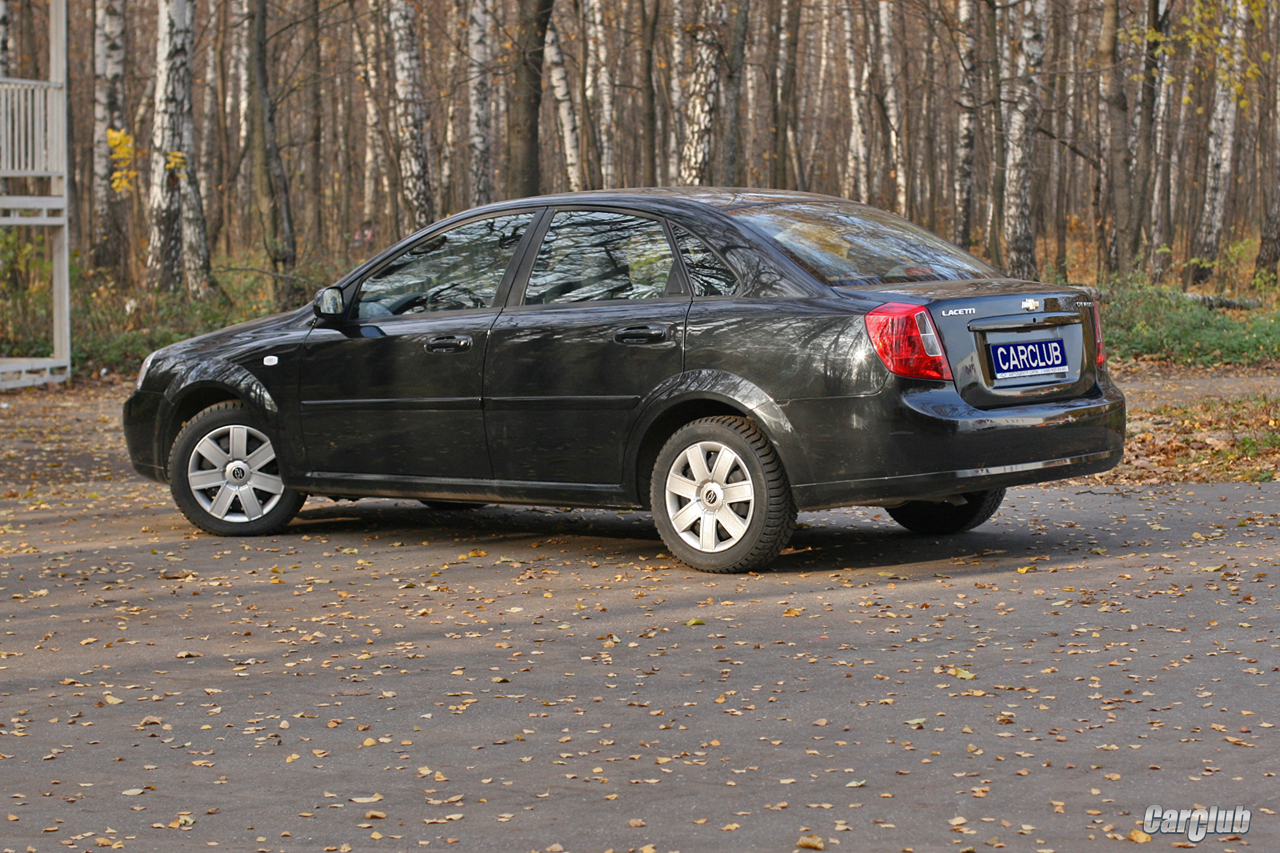
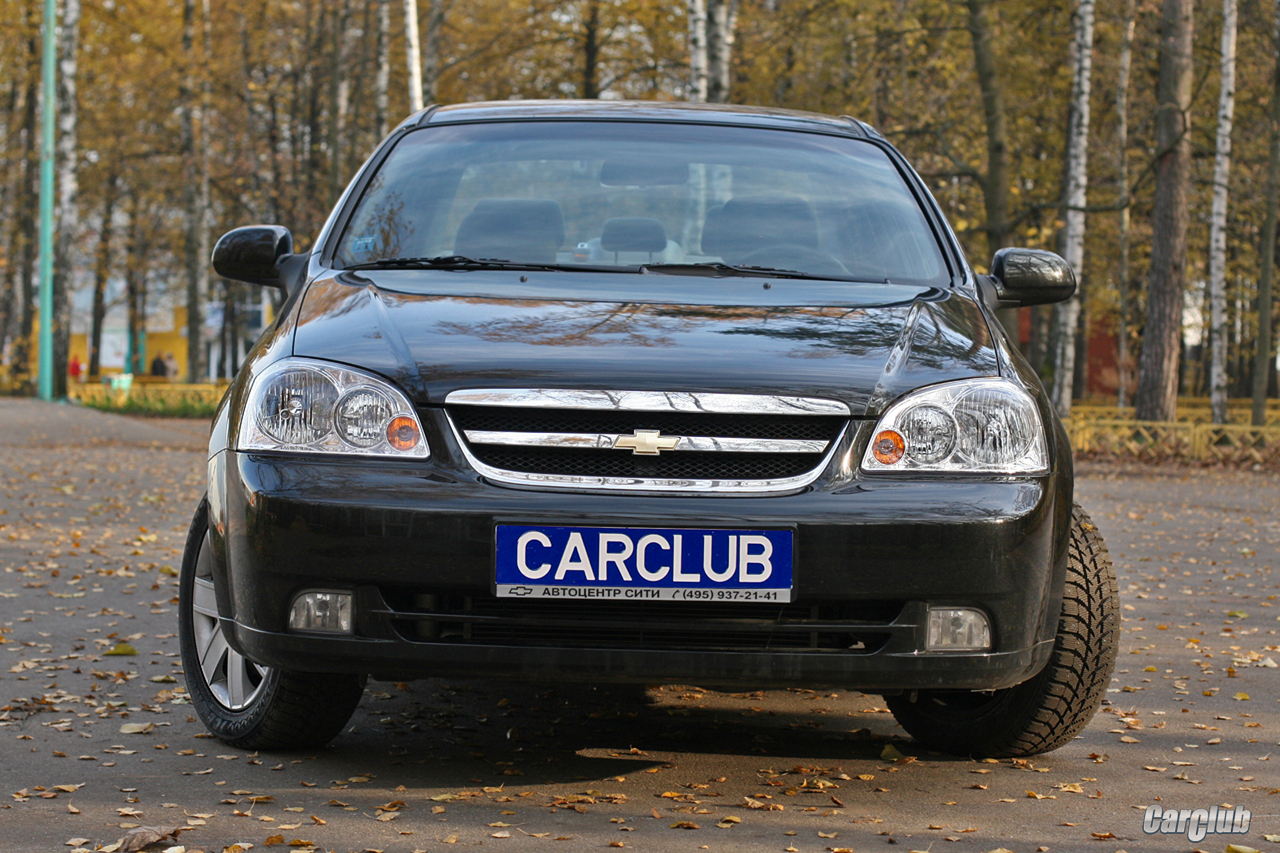
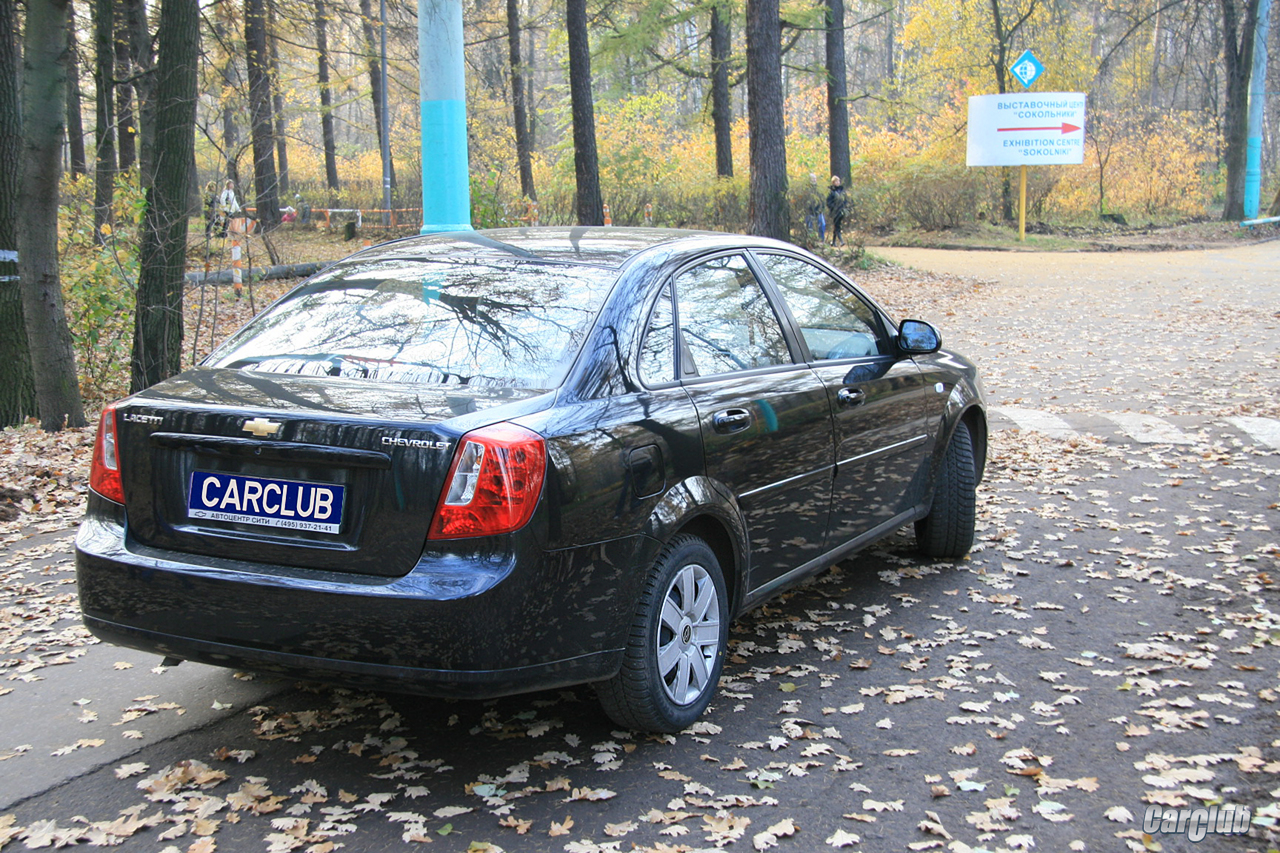 And let the color be the most ordinary, the body the most popular, and the options average: a black Lacetti sedan with a 1.6-liter engine and manual transmission agreed to live with us for about three months — that's just enough time to form an opinion.
How do people even choose such cars when there are so many stylish coupes and confident SUVs around? Probably, first of all, they look at the price tag — "what can you get for this money." The Lacetti's top price reaches 542,400 rubles, and the starting price is 370,100 rubles. For this money, they offer a quite decent car: the sedan was designed by the famous Pininfarina studio, the hatchback by Italdesign, and the wagon was made by Korean engineers based on the sedan. The hatchback even hints at Alfa Romeo, while the massive rear pillars of the more restrained sedan reference the strict German school. If only it had livelier headlights... The cosmopolitan image is complemented by the large Chevrolet cross on the grille — though, apart from the brand name, there's nothing American about the car. Although it must be admitted: renaming from Daewoo to Chevrolet turned out to be a very successful move — for buyers, the overseas badge clearly boosts the car's status. But the Korean roots — the car was once called Nubira and is still known by that name in several European countries — are easily discernible in the Lacetti's appearance.
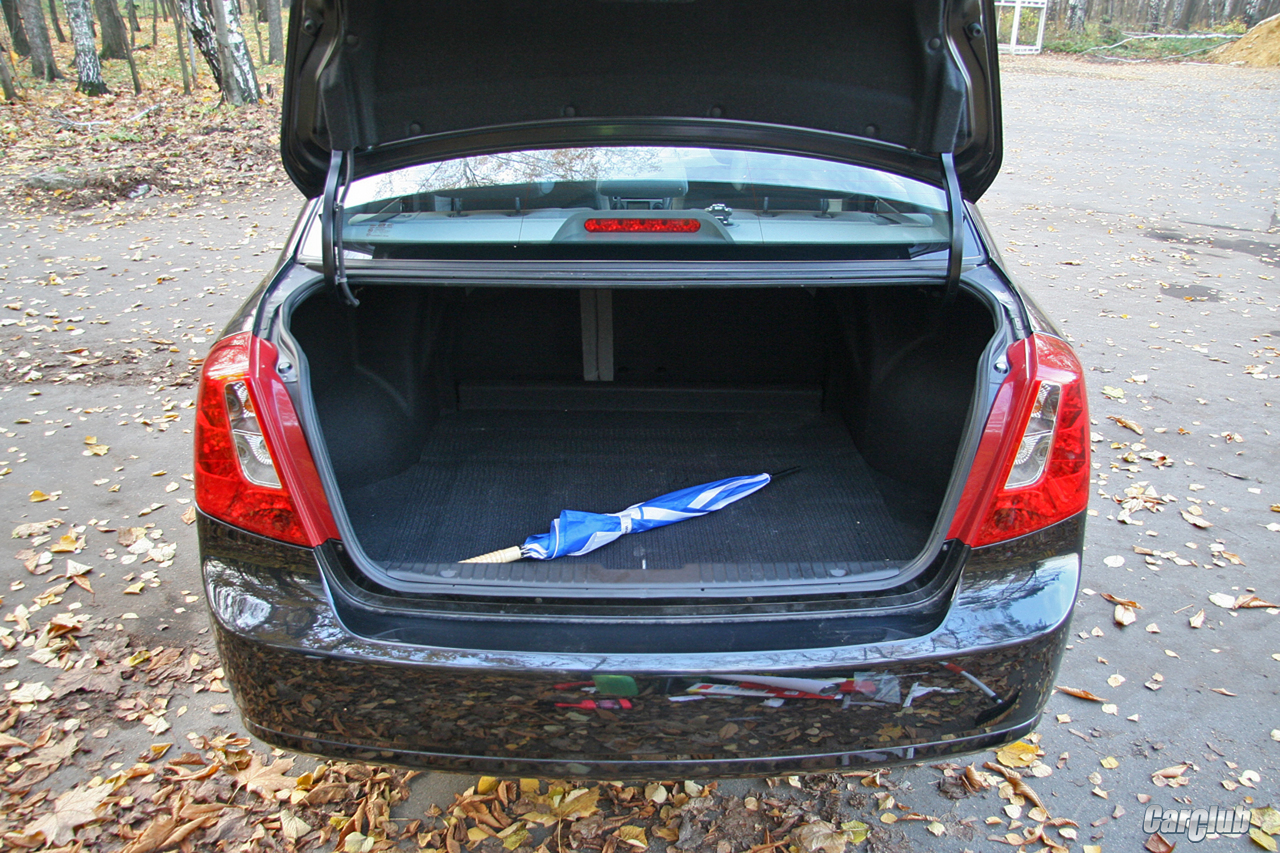
Okay, it's clear what the neighbors in traffic will see. Let's look inside. It immediately strikes you that the cabin is very spacious! Inside, the car seems bigger than it is outside. Rear passengers won't be bored on a long journey. The sofa is designed for two, but a third will fit without much discomfort. The 405-liter trunk isn't the most capacious, but its shape is convenient for loading, and it opens with a button from the driver's seat or from the key fob.
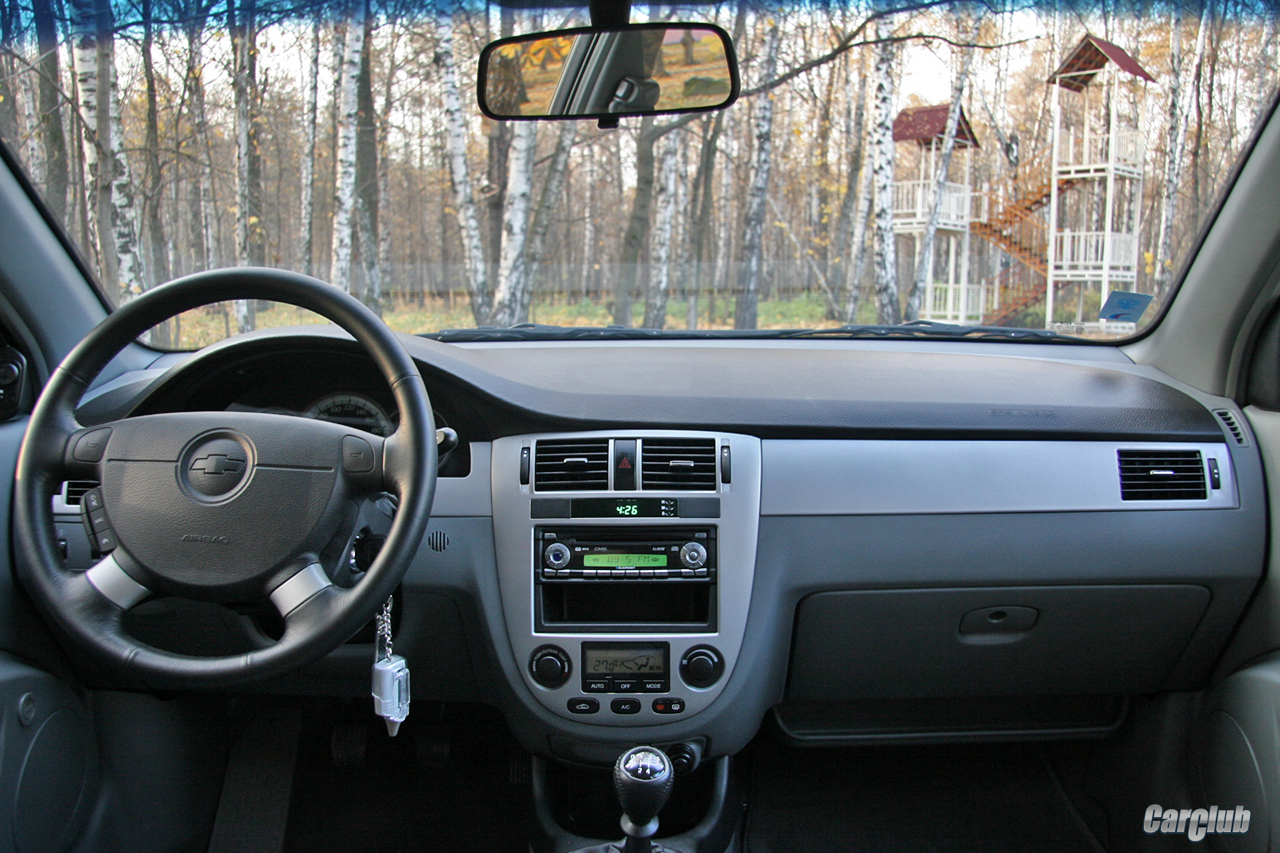
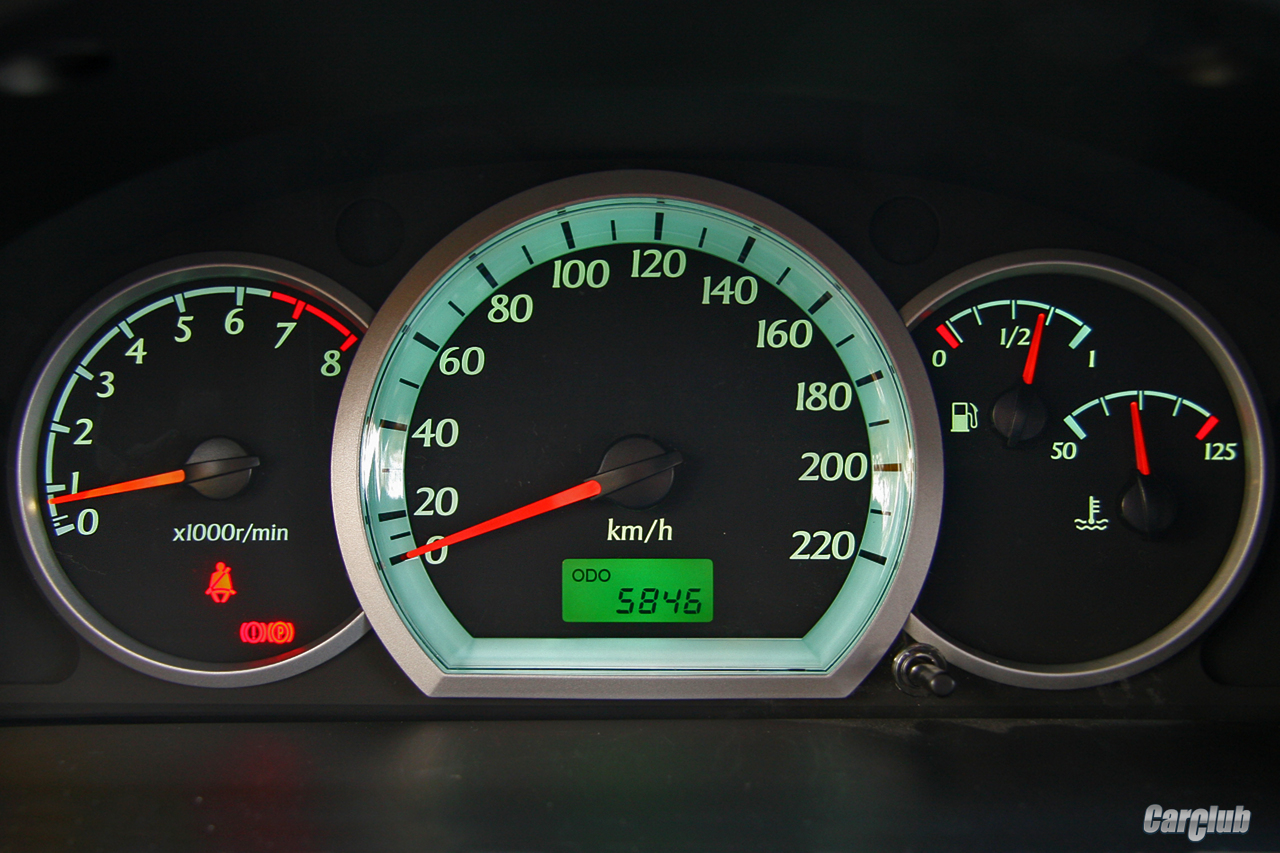
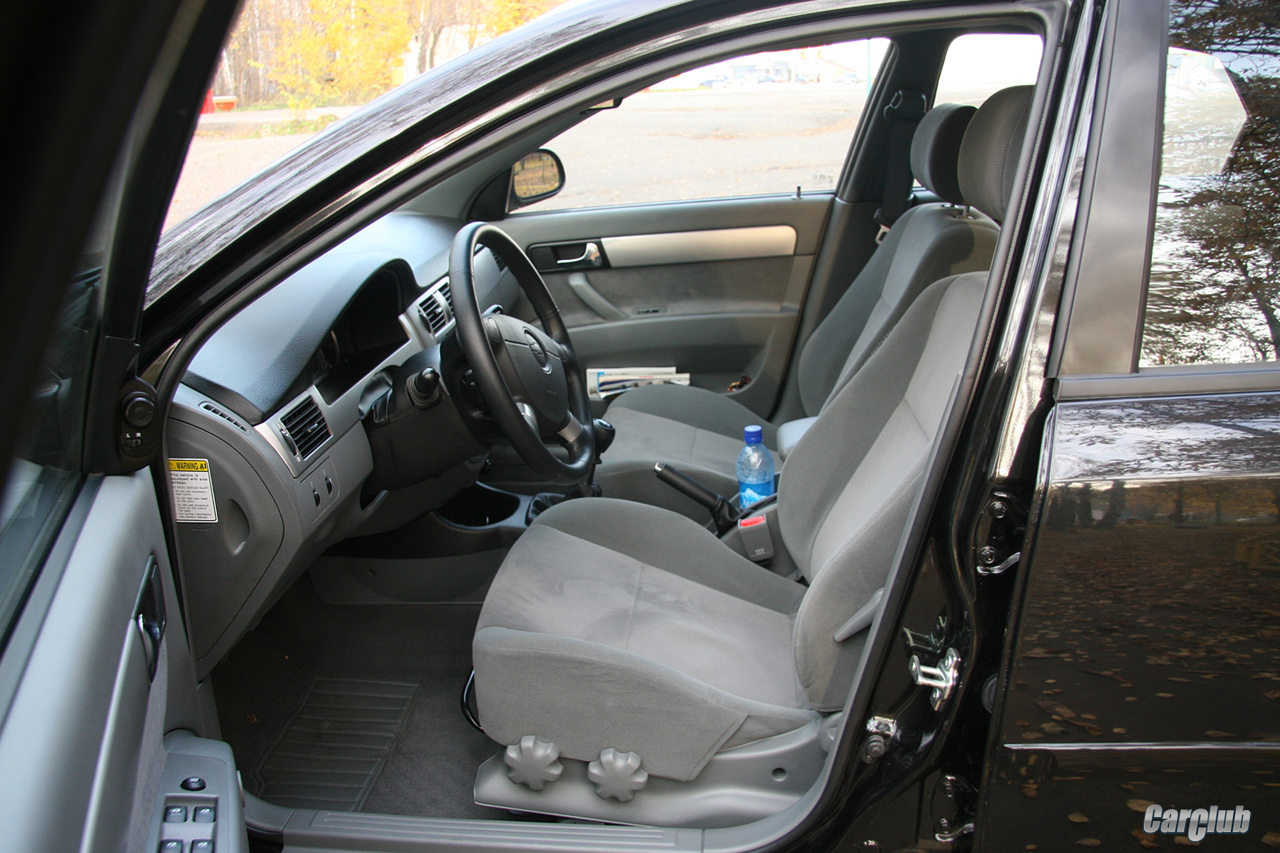
The light velour interior isn't the most practical option for our winters, but it's precisely in slushy weather that it gives a feeling of coziness and protects against gray everyday life. The dark plastic of the dashboard with "aluminum-look" inserts also turned out to be soft. There are pockets and compartments in the cabin for every taste: to the left of the steering wheel, in the armrest, in the doors (even in the rear ones with a cupholder), and on the side of the front seat back there's a mesh pocket — for maps. Under the passenger seat hides a pull-out box where things merrily slide around on turns. The glove box isn't impressive in size, but inside there's a cooled compartment. There's also a glasses case, but regular glasses don't fit in it — only pince-nez.
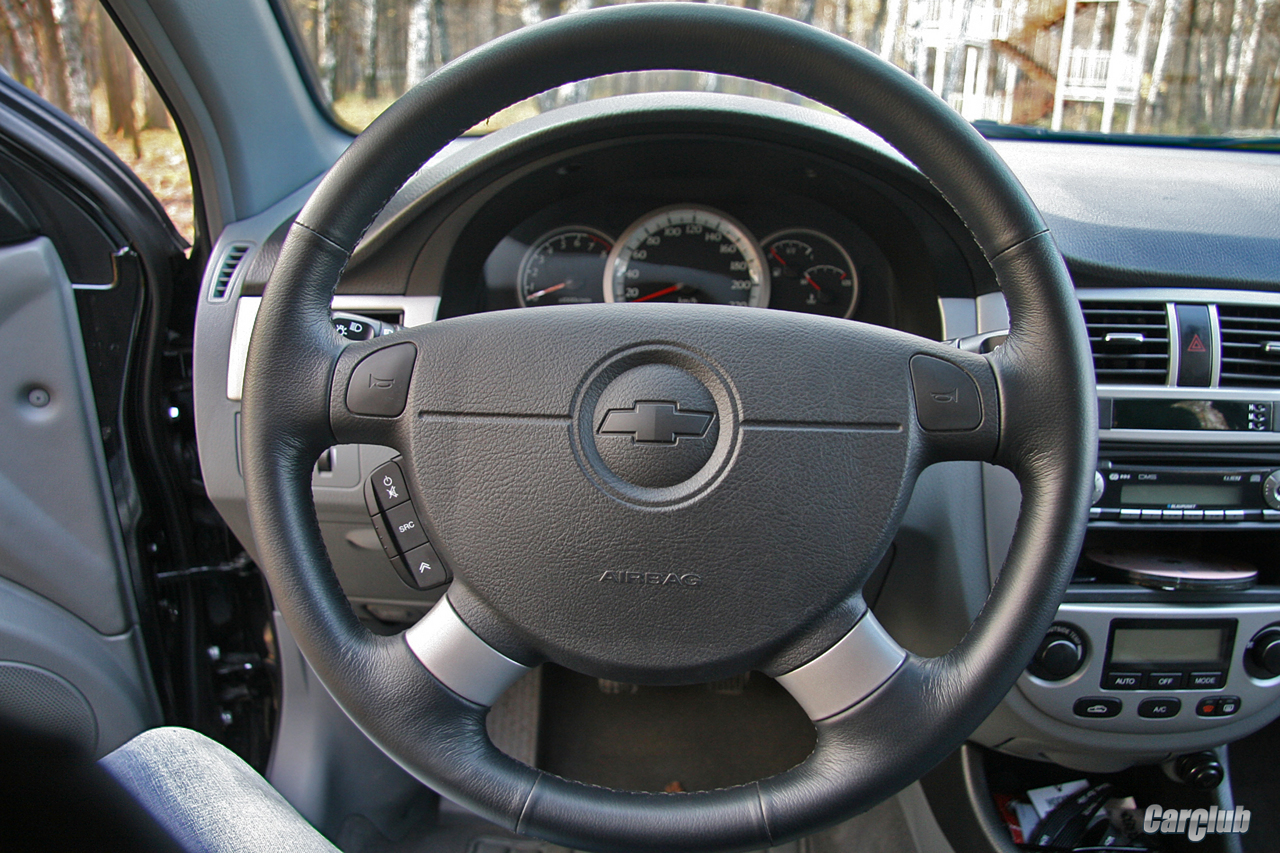
Having stowed things away in the pockets, it's time to get behind the wheel. Wide seats with decent lateral support. The driver's seat has adjustable cushion tilt and lumbar support, but short drivers might find the lack of height adjustment insufficient. If you move the steering wheel too close (it adjusts both for height and reach over a wide range), it digs into your knees. But these are more nitpicks — the ergonomics of the driver's workplace are top-notch. But who, tell me, came up with placing the horn buttons on the steering wheel spokes? I never managed to get used to this solution: in a dangerous situation, my hands frantically searched the wheel for the tricky keys to warn a distracted driver in time. However, the leather trim on the steering wheel and gear lever in our trim is very pleasant to the touch.
In the center of the instrument panel with stylish metal trim is the speedometer, around which are modest tachometer and temperature and fuel level gauges. The radio control buttons on the steering wheel are convenient, but in the evening you have to find them by touch: there's no backlight. By the way, the Blaupunkt radio itself looks like it was bought cheap at a radio market in such a cozy cabin. The bright blue backlight of the volume knob stands out from the overall green background, and it sounds mediocre.

Pulling the ring on the gear lever up (hello, Opel!), we engage reverse and pull out of the parking lot. Only General Motors' press release, perhaps, hasn't written badly about the shift precision of the Lacetti. They say you can't engage third gear on the first try, and the lever travel is as long as on an old truck. That's true: the manual transmission spoiled the overall pleasant impression of the car. True, after a couple of hours you get used to the quirks and no longer confuse first with third. But still, the endlessly long lever travel is tiring and sometimes steals fractions of a second during acceleration. Another downside surfaced on the first snowy day when the capital's roads were doused with the "Luzhkov cocktail": the front windows and mirrors get splashed instantly.
Otherwise, trips in the Lacetti are only a pleasure. The 1.6-liter engine justifies its 109 horsepower, but it only wakes up after 3,000 rpm — you shouldn't expect any sprightliness from the motor, strangled by Euro-4 norms, earlier. But the car calmly pulls away in second gear and doesn't lose revs uphill. You'd have to try hard to stall the engine. And the brakes are good: disc brakes on all wheels, and ABS is already included in the base configuration — for the same Ford Focus, you'd have to pay extra for it.
The Lacetti doesn't provoke aggressive driving: its element is measured, calm, and comfortable movement. The suspension supports this leisurely character: the car smoothly rolls over speed bumps and other irregularities. But even in corners, body roll is minimal: the car obeys the steering wheel perfectly, and you can even give your passengers a bit of adrenaline. And at speeds around 150 km/h, handling the Lacetti doesn't cause discomfort.
The Korean sedan, of course, doesn't claim Mercedes-level cabin silence. As speed builds, you can clearly hear both the engine working and, especially, the hum of the tires. Moreover, the car turned out to be not too ready for frost: even in the most expensive version, there's no seat heating. But the air conditioner works flawlessly.
Visibility is a mixed bag. While moving, the mirrors give a decent picture of what's happening around, but when parking, they noticeably distort reality. So future owners should immediately think about installing parking sensors.
By the way, the Lacetti easily digests AI-92. Given current fuel prices, that's a plus, as is the car's quite moderate appetite.
If you don't dwell on the unsuccessful transmission and the ridiculous horn, the Chevrolet Lacetti looks very attractive against its classmates. In essence, it's a great everyday car. The base Plus version with a 94-horsepower 1.4-liter engine is priced at 370,100 rubles. This equipment includes front electric windows, power mirrors, an MP3 radio, ABS, a pair of airbags, and central locking with remote control. However, taking a car without air conditioning is pointless, so the minimum entry threshold is actually 391,500 rubles — that's the price of the Star trim. For the top Platinum version with a 1.8-liter engine, automatic transmission, full electric package, rain sensor, climate control, a five-disc changer, four airbags, and alloy wheels, you'll have to pay 542,400 rubles.
The optimal compromise seems to be the Elite version with a 1.6-liter engine. The price with a manual transmission is $14,537, and for the "automatic" you'll need to pay an additional 36,500 rubles.
As for other body styles, the hatchback with a 1.4-liter engine starts at 358,900 rubles in the base, and the version with a 1.8-liter engine and automatic transmission goes up to 530,700 rubles. The wagon is available exclusively with a manual transmission and a choice of engines: 1.6 or 1.8 liters. The minimum price for such a car is 410,900 rubles, and for the top trim they'll ask 530,100 rubles.
Text: Svetlana Aleeva