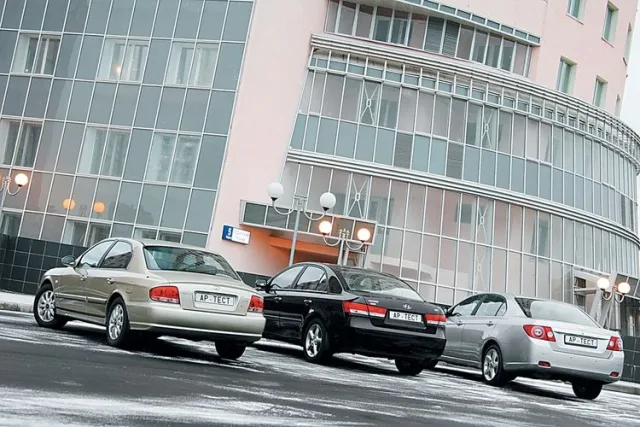
It is commonly believed that all cars from Korea look alike. But one glance at the latest models from this country shatters stereotypes. Both the new Hyundai NF (also known as the next-generation Sonata) and the Chevrolet Epica (also known as the Daewoo Tosca) look quite attractive. True, in last year's test (AR No. 15, 2006) we found that the NF is not yet ready to compete with such "aristocrats" as the Volkswagen Passat or Honda Accord. But comparing it with the newest Epica and the previous Sonata, which is still sold in Russia, is just the thing!
For the test, we took an almost top-end version of the Chevrolet Epica — with an inline six-cylinder engine displacing 2.5 liters. The price of such a car is about thirty thousand dollars. For the same money, you can actually find a Hyundai NF in a rich trim with a four-cylinder 2.4-liter engine.
And the previous Sonata with a V6 2.7 will cost even less!
Which one should you prefer?
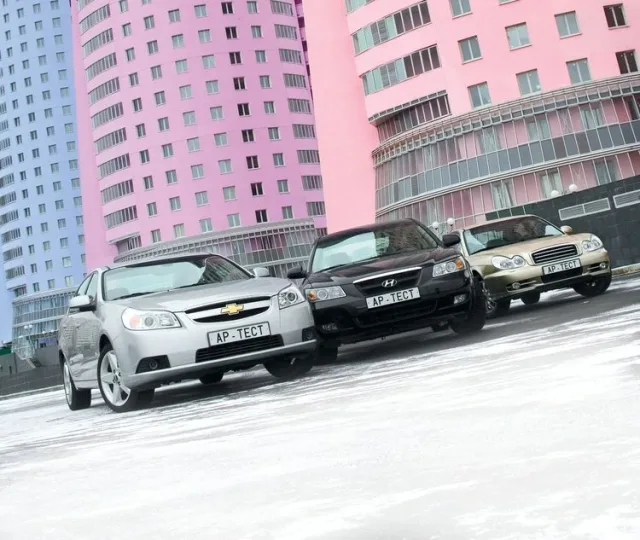
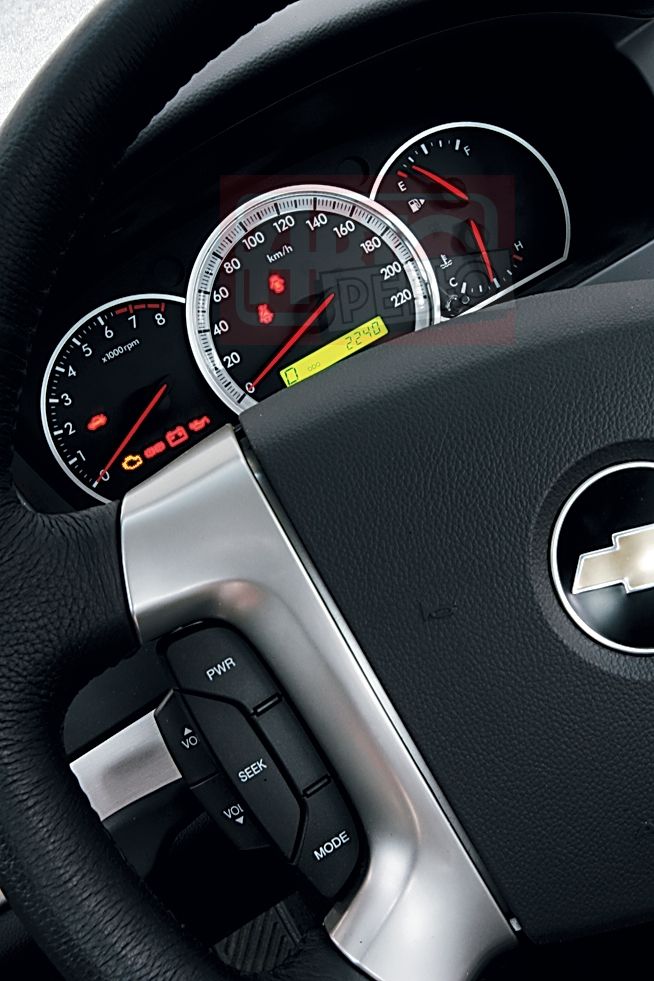
Let's be direct: the Chevrolet Epica is not yet the pinnacle of automotive design. But note the front optics, which were clearly created with an eye on the Citroen C5, and the solid, imposing silhouette. And what about inside? The front panel is modern, made of soft dark plastic, adorned with neat "metal-look" inserts. On the center console are two large screens — for climate control and the audio system. The instrument scales and the smallest buttons are illuminated in green: at night, the Epica's cabin looks even nicer than during the day.
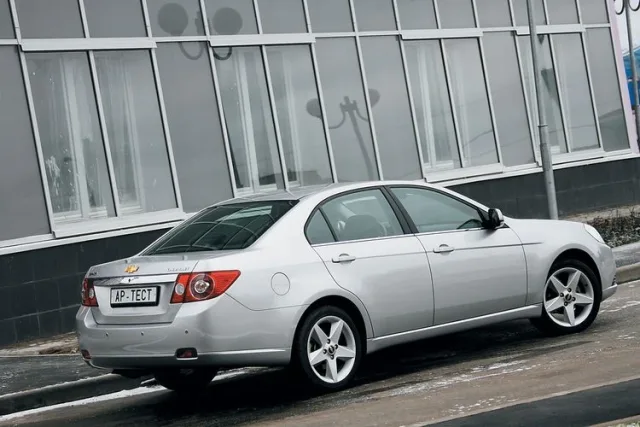
Beautiful. But how convenient is it? Quite! The seat is well chosen — it is both soft and resilient, holding well. The steering wheel could be a bit smaller, but it adjusts in two planes and delights with excellent, grippy leather trim. And the straight, zigzag-free travel of the automatic gearbox selector is a real pleasure.
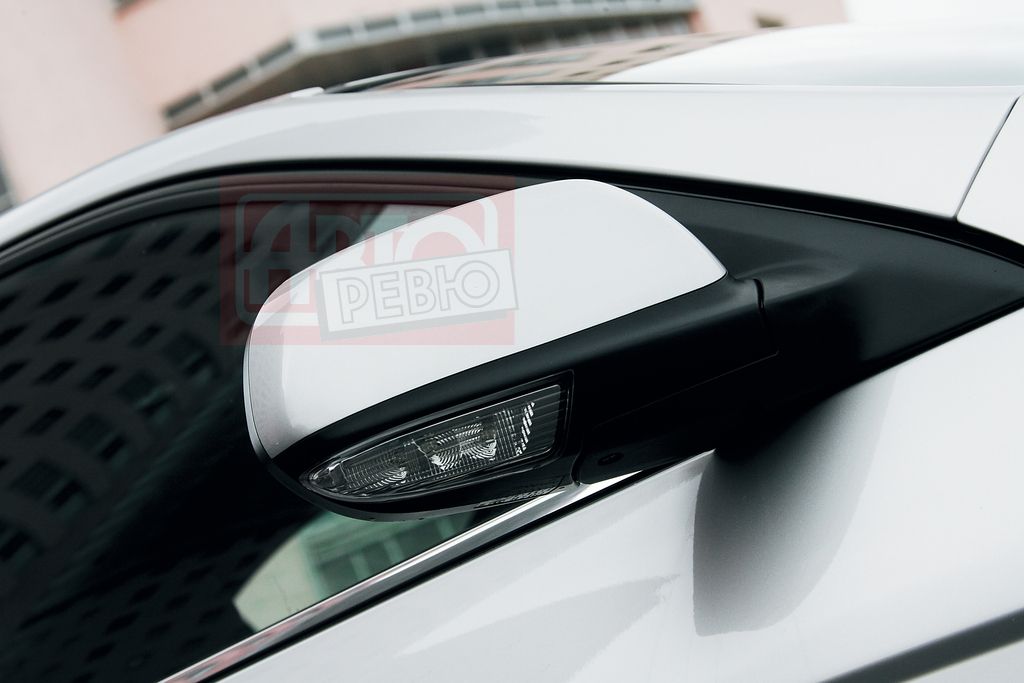 | 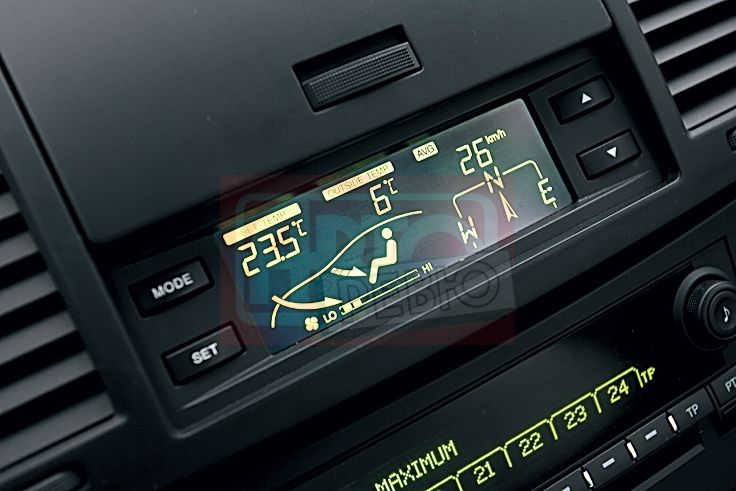 | 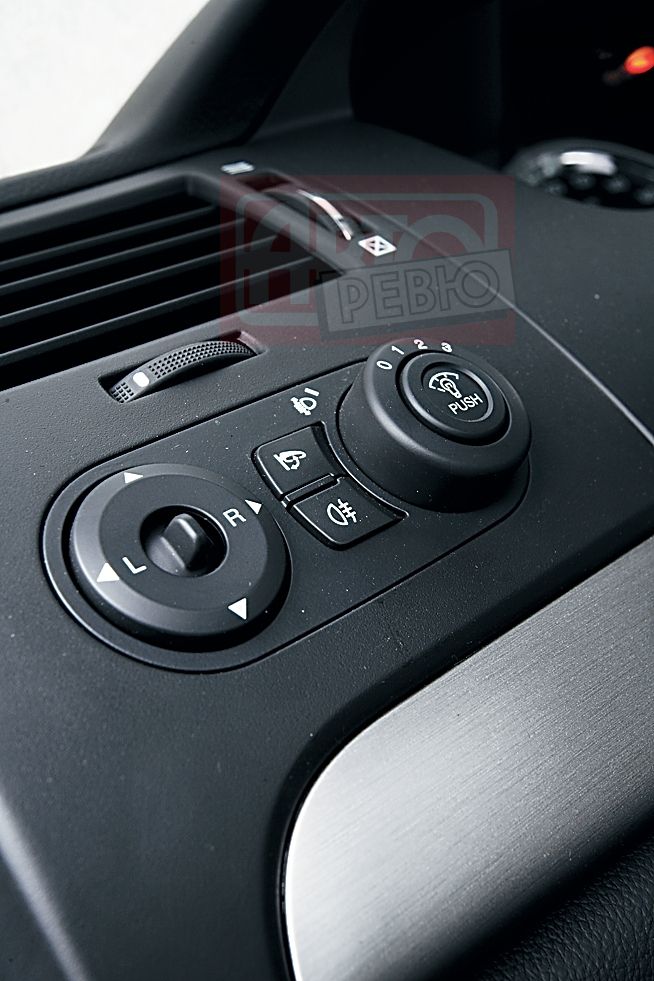 |
| Turn signal repeaters in the mirrors — stylish and practical | The screen is good. But why a compass here? | The mirrors fold electrically |
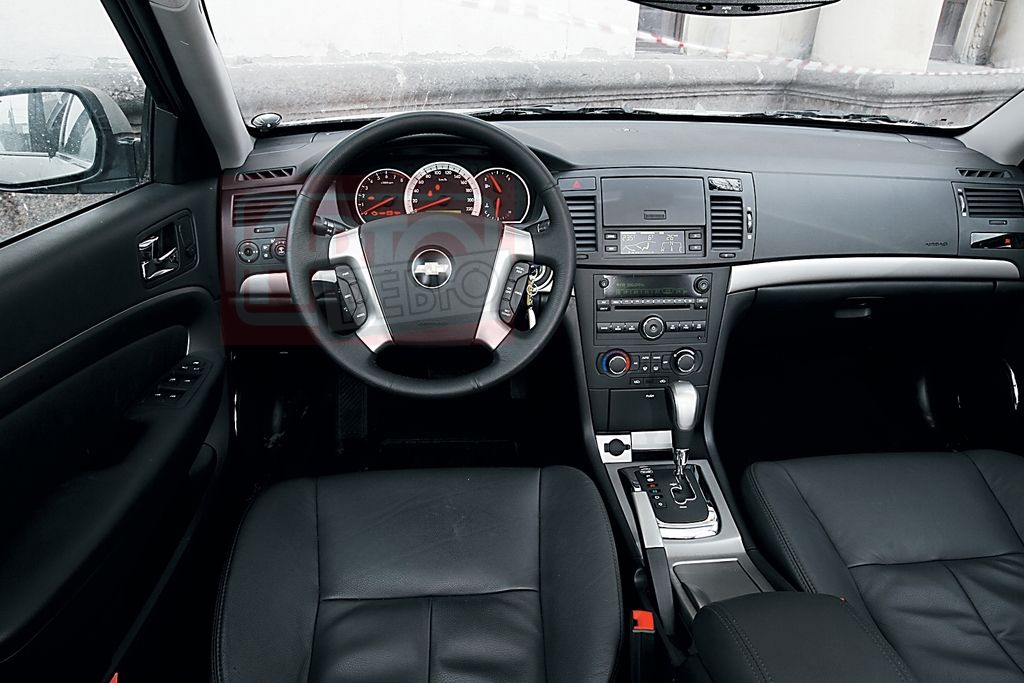 | 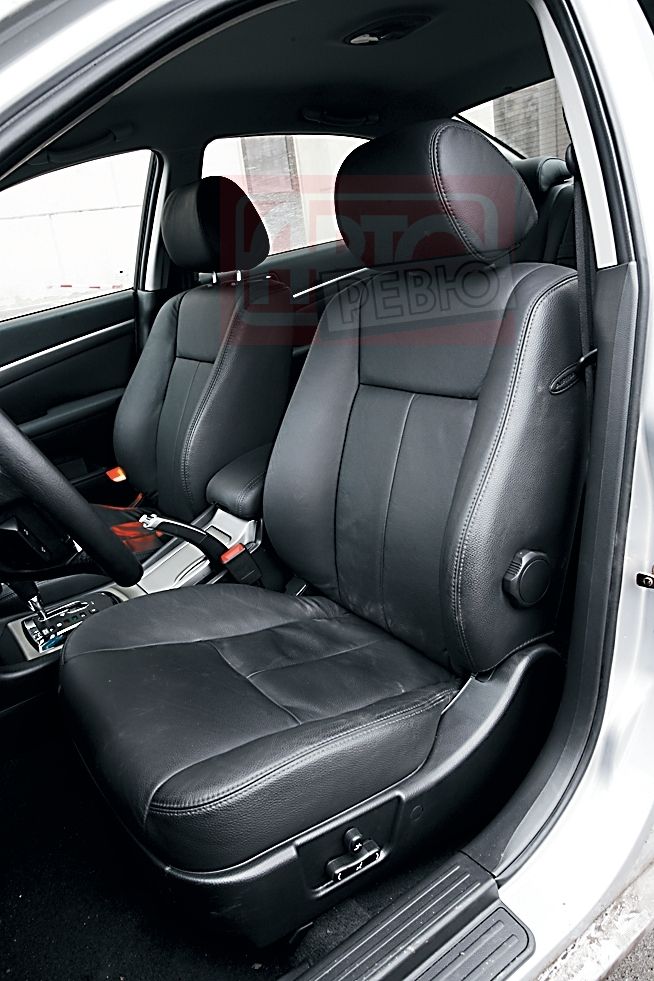 | 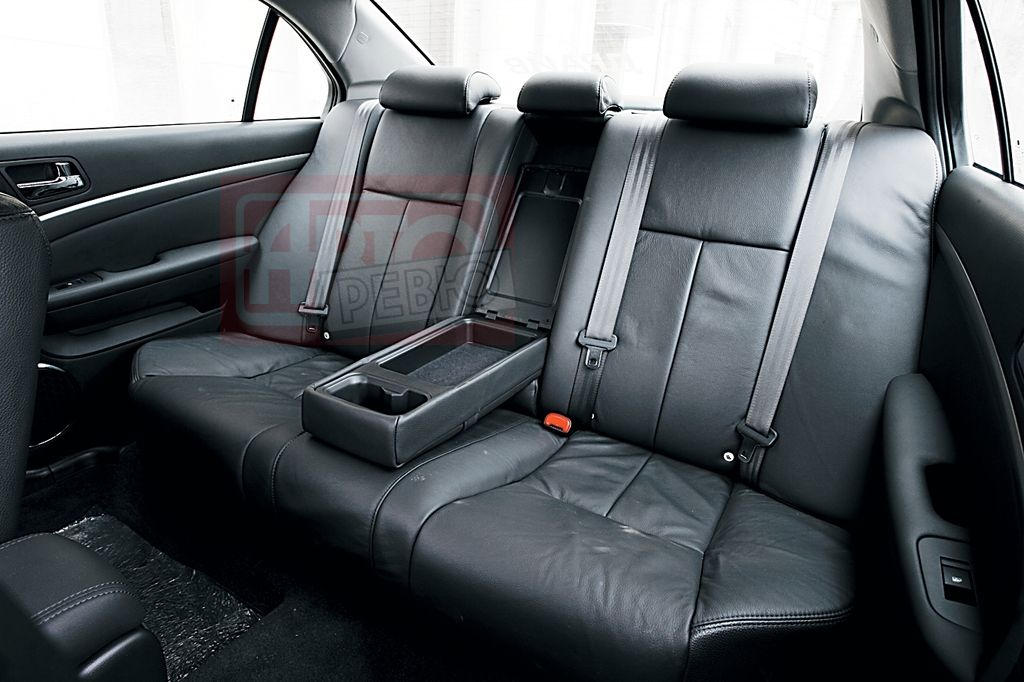 |
| The Epica's interior is not bad, and the quality of finish is top-notch — especially the "grippy" leather of the steering wheel | The seats are soft yet dense: an optimal combination! | The Epica's leather sofa creates a "study" atmosphere |
Chevrolet pleasantly surprised! With such ergonomics, it can easily compete with both Japanese and European cars, not to mention its "brothers" from Korea — the same Hyundai NF. That one is also done in a new design style. Sharp edges, chiseled lines of the front and rear optics. And its interior is nice too: light bottom, dark top, elegant "wood" trim, with the audio system and climate control integrated into the panel, featuring a clear display and two rotary knobs. But in terms of control convenience, the Chevrolet is still better. The seat of the "new Sonata" is not as well-shaped: the backrest poorly holds the driver in corners, the steering wheel is slippery, and the "automatic" selector with a zigzag pattern is less convenient to use.
| Chevrolet Epica | |
 |  |
| Hyundai NF | |
 |  |
| Hyundai Sonata | |
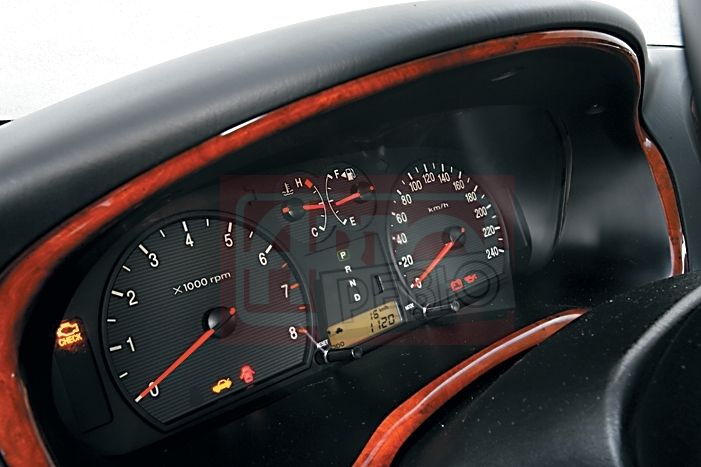 | 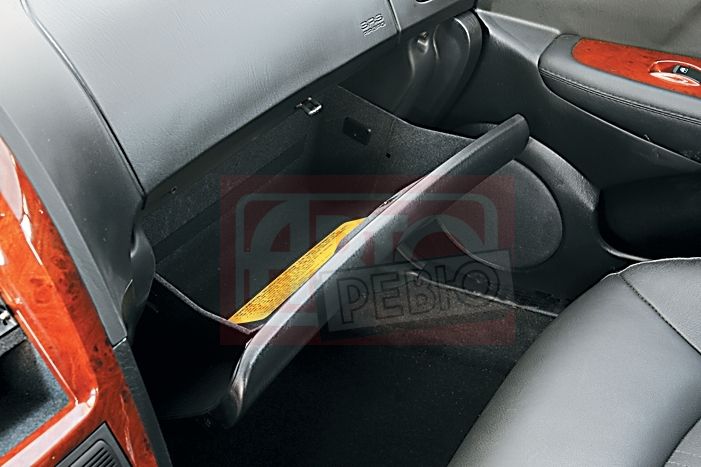 |
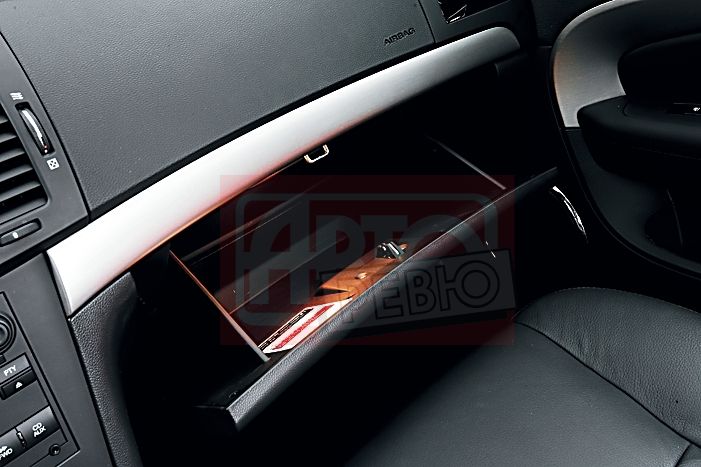
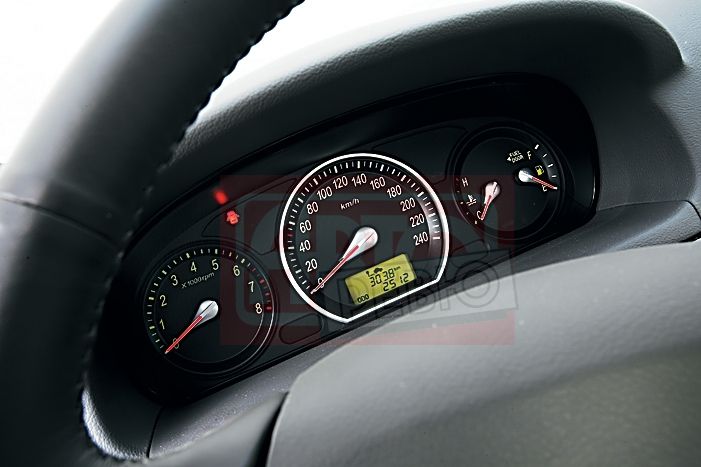
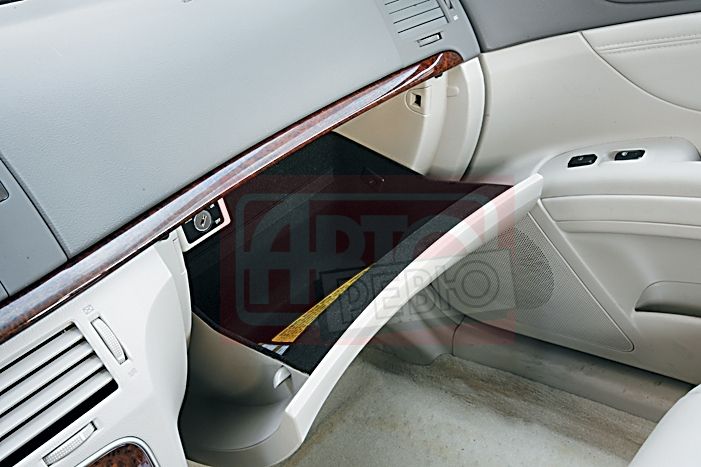
| Metallic trim enlivens the instruments in the Hyundai NF and Chevrolet Epica | Small "glove boxes" — a common feature of all Korean cars |
The previous Sonata looks frankly outdated against the backdrop of the two new "Koreans." Headlights "à la Mercedes," taillights "à la Jaguar," a plain cabin with tasteless brown plastic inserts. It's uncomfortable behind the wheel — not only for tall drivers who lack seat and steering wheel adjustments, but also for people of average height. And there's no rain sensor, no light sensor, the radio is not factory-installed, there are no steering wheel audio controls, and in case of an accident there won't be curtain airbags either (in the Epica and NF they are already standard)...
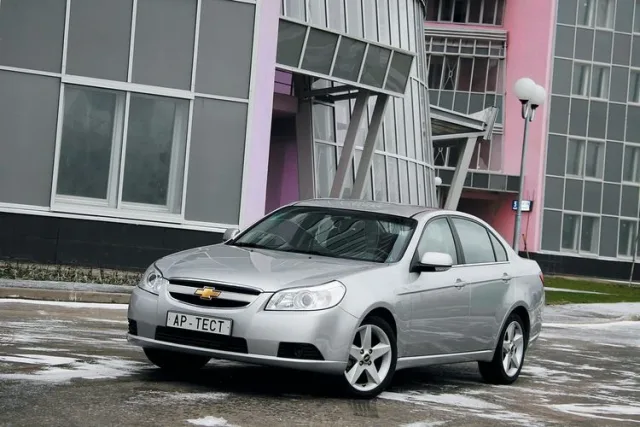
The design is not bad, but the headlights in the style of the Citroen C5 are a clear borrowing
However, Korean business-class sedans are often bought for official trips. Then the main question is how comfortable it is in the back.
In this trio, the best is the Hyundai NF. Here there is the most legroom, a comfortable seating position, folding handles with dampers, and the rear windows lower all the way. But even the NF doesn't reach a full business class: there are no individual reading lights or air vents for rear passengers.
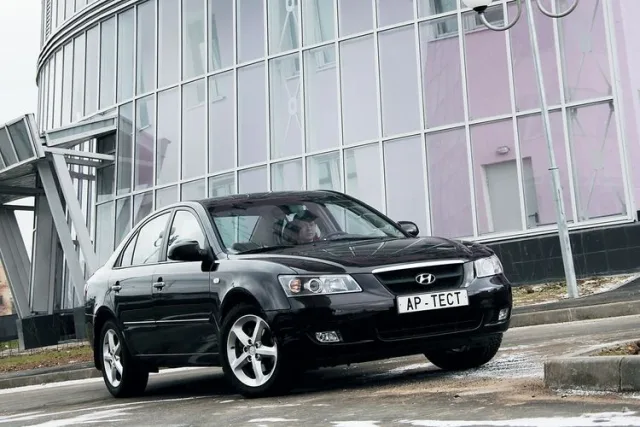
Hyundai NF: strict and almost German. But only almost...
The Chevrolet Epica is even more modest — there is less legroom here. And the most Spartan conditions for rear passengers are in the old Sonata. Yes, there is a folding armrest and small door pockets. But there is even less legroom, and getting into the Sonata is harder — the opening is the lowest and narrowest. If you've already developed a belly in government service, squeezing into the Sonata's rear row, especially with a briefcase of documents, will be no easy task.
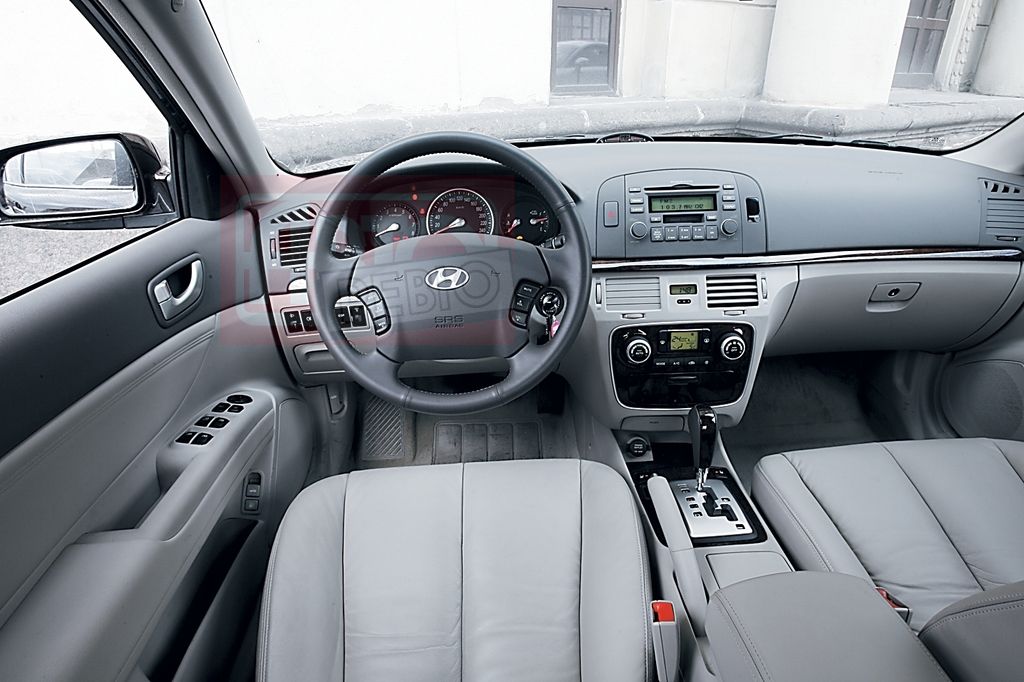 | 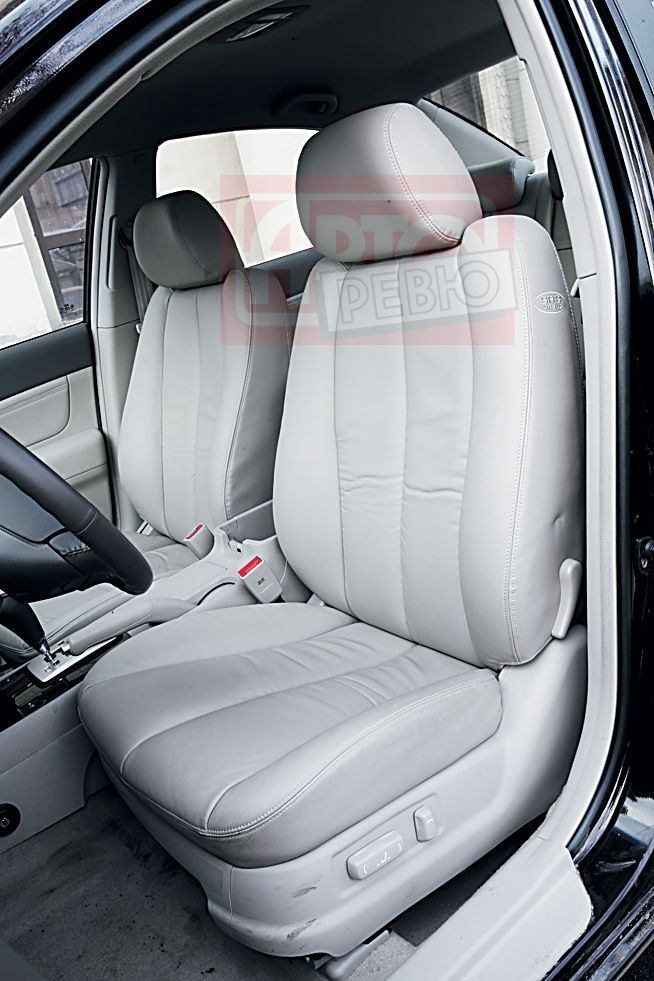 |
| Hyundai NF: two-tone and quite modern interior | The seats poorly hold the body |
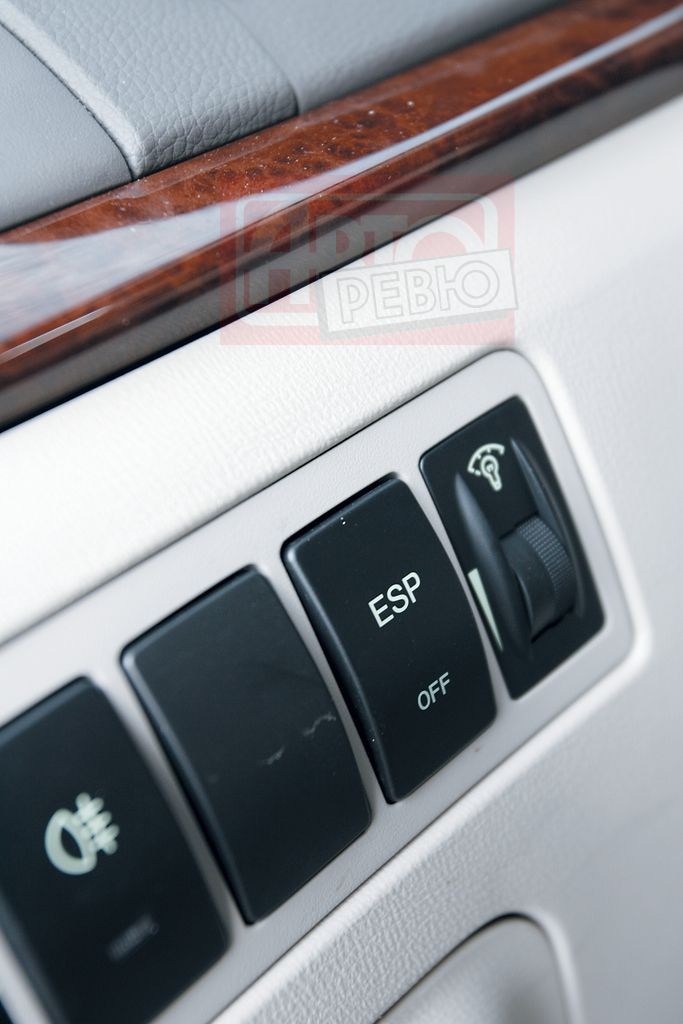 | 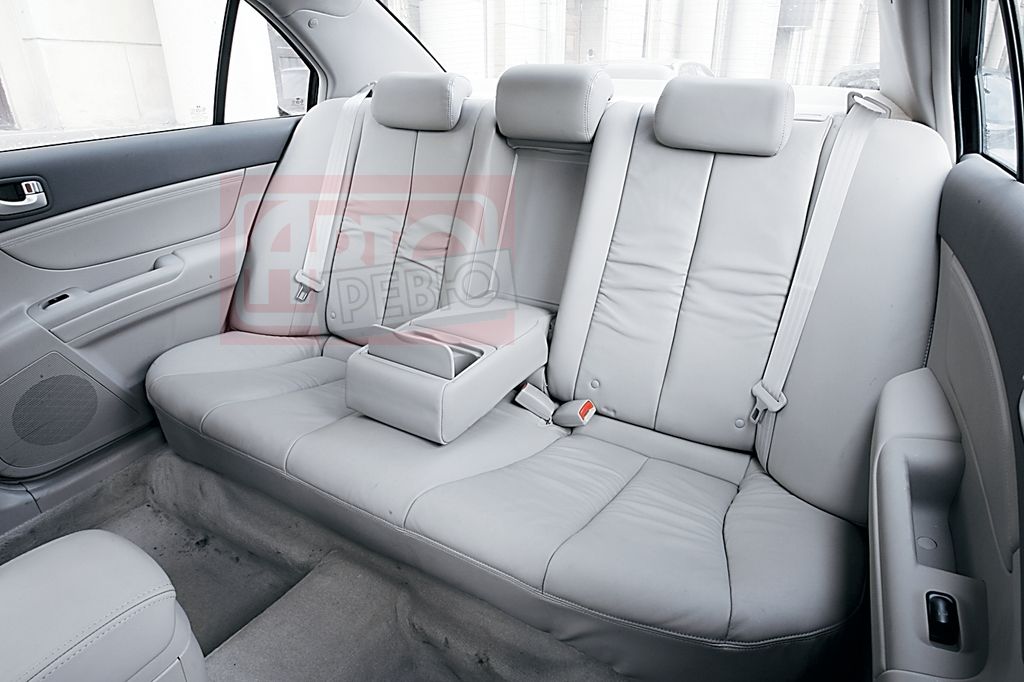 |
| In our test, only the Hyundai NF is equipped with the ESP stability system | In the back, the NF is more spacious than in the other two cars |
If state affairs call for a long business trip — which car is more comfortable to drive to the airport? The most "correct" in shape and quite capacious trunk is in the Hyundai NF. The Epica's compartment is no smaller, but protruding wheel arches will hinder placing large suitcases. And what if you get a puncture on the way? In the Epica, you'll surely miss your flight. Because after the driver puts on the "spare," you'll have to drive at no more than 80 km/h — the Epica comes with a "donut." But the two Hyundai sedans have full-size wheels in their trunks, and on alloy rims at that.
| Chevrolet Epica | Hyundai NF | Hyundai Sonata |
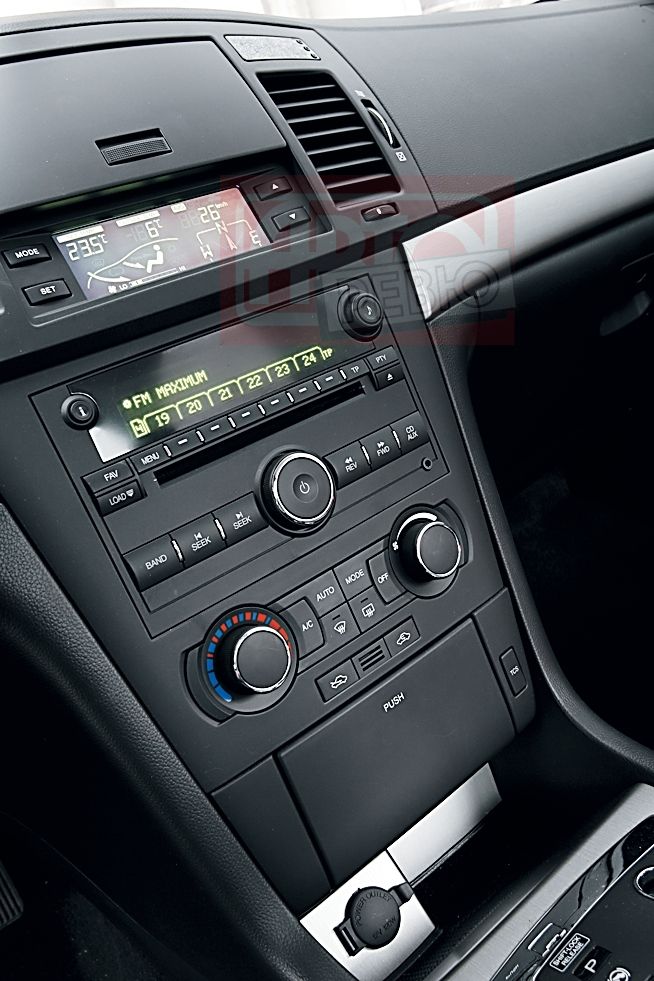 | 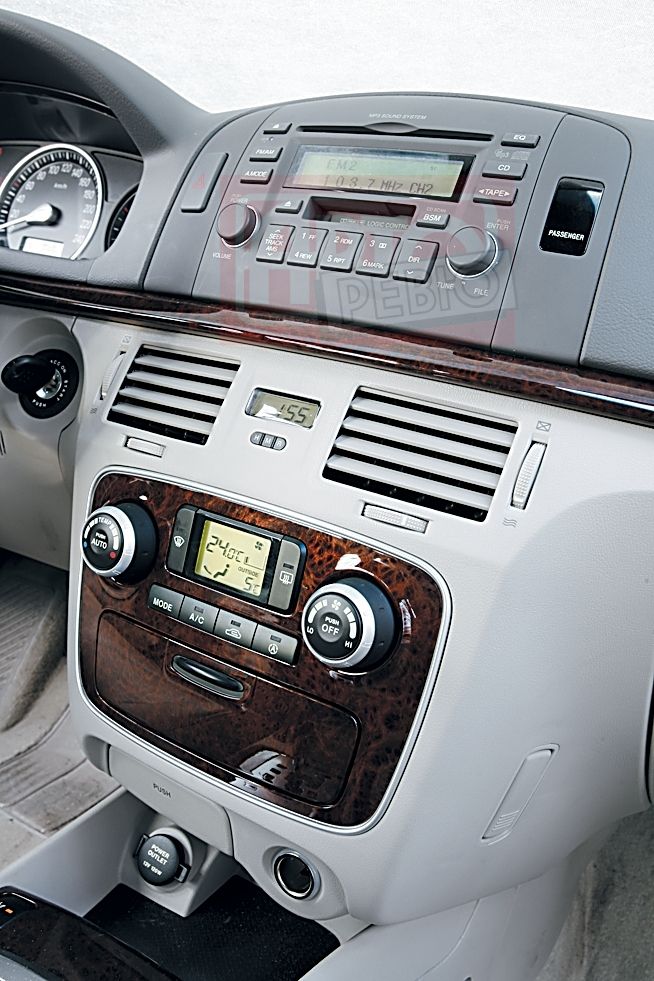 | 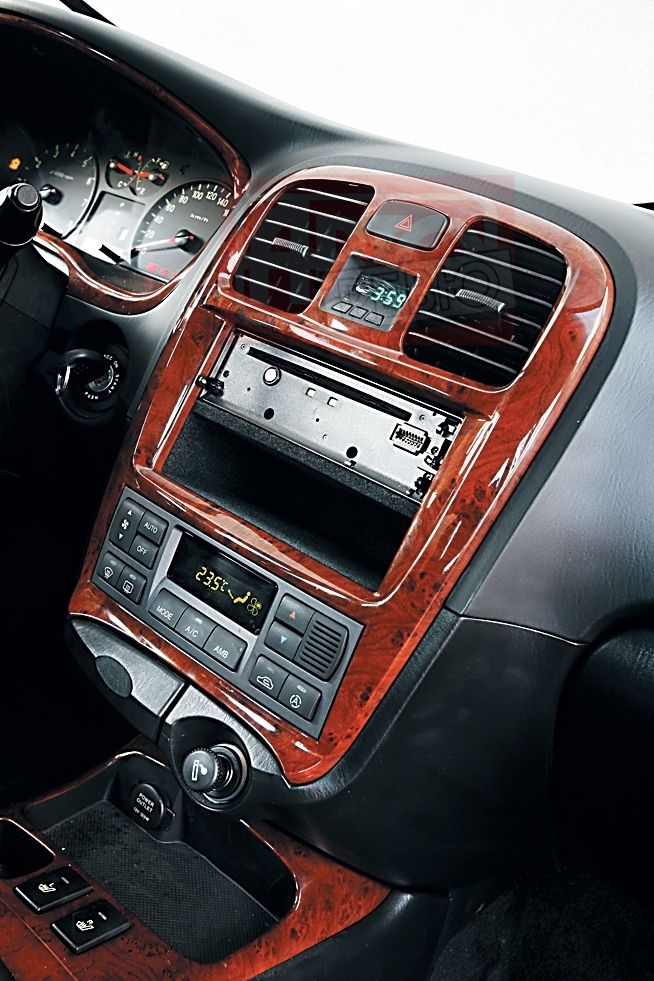 |
| The center console has everything, including a CD changer | Adjusting the climate with large rotary buttons is a pleasure | A "purchased" radio with a detachable panel is an anachronism |
By the way, the old Sonata has a smaller trunk, and it also has a body reinforcement protruding inward. But here the loading height is the lowest and the opening is the largest.
Will we be able to race to the airport with the wind at our backs?
| Chevrolet Epica | Hyundai NF | Hyundai Sonata |
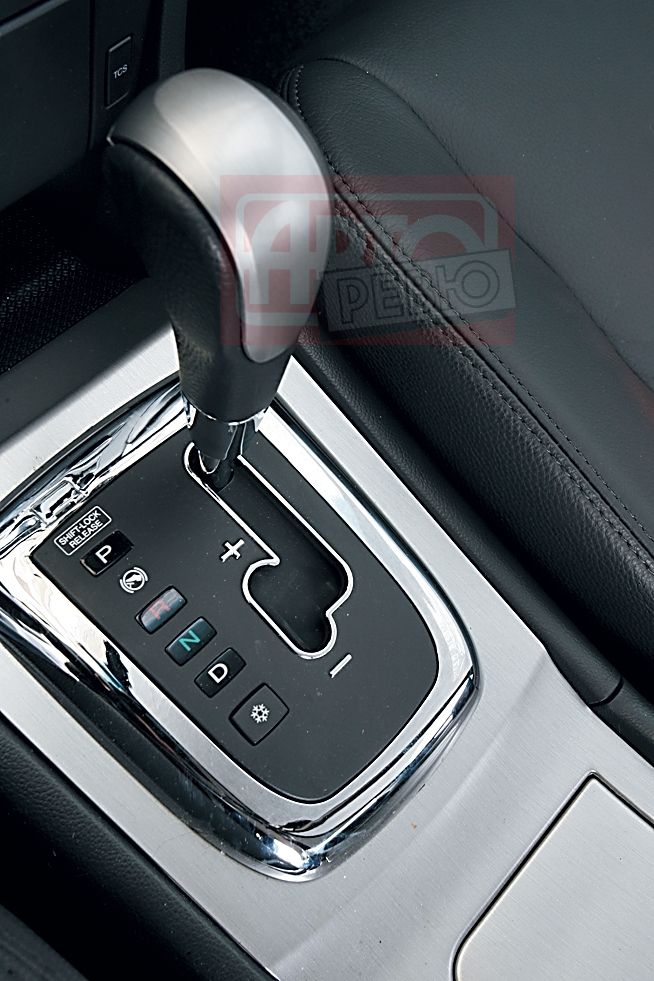 | 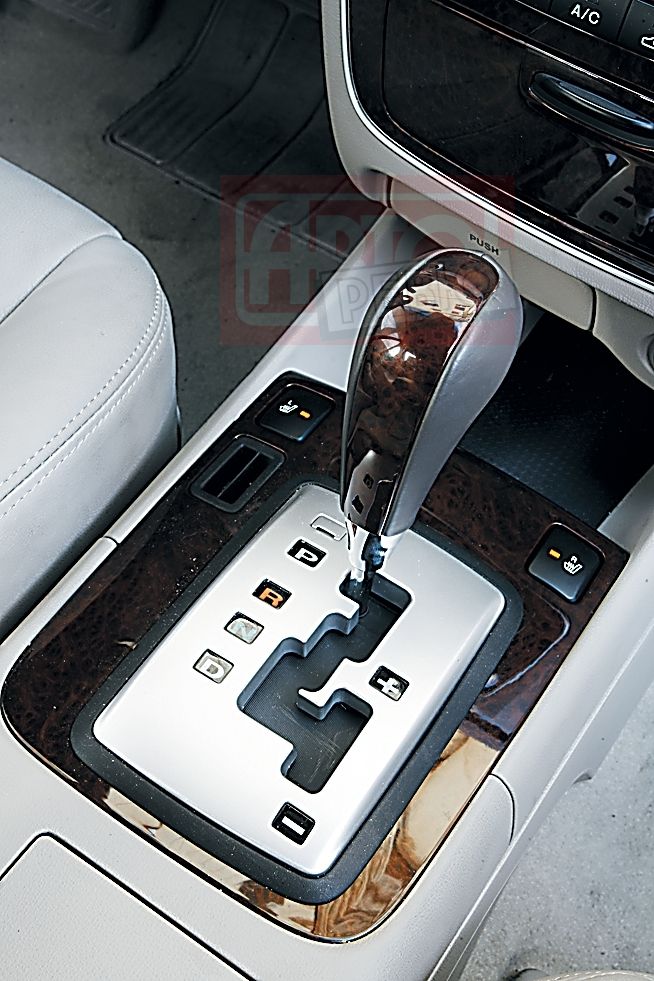 | 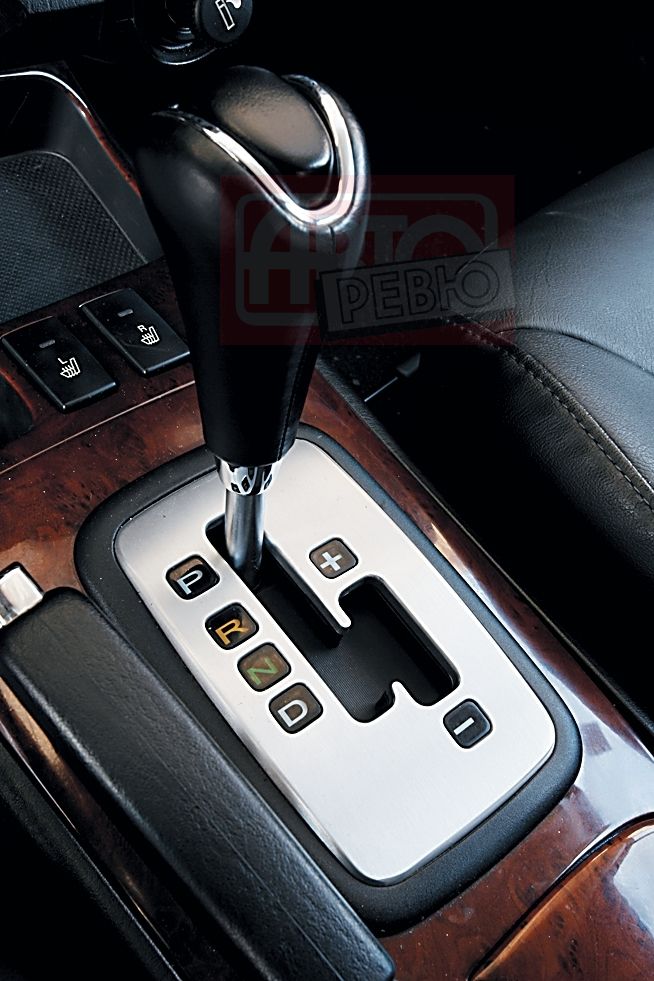 |
| The Epica's five-speed gearbox works smoothly, but often makes "idle" shifts | Both the NF and the Sonata use the same four-speed automatic — quite a successful one | |
The powertrains of all three "Koreans" are quite torquey, especially the old Sonata with its V-shaped "six." But no less important is how the Sonata 2.7 responds to pressing the gas pedal. The response to the accelerator is instantaneous, without any "environmental" pauses, and the four-speed automatic behaves decently — it doesn't kick and doesn't try to shift down unnecessarily. Speed builds quickly and smoothly. The only drawback is a slight hesitation of the gearbox during kick-down when you floor the gas.
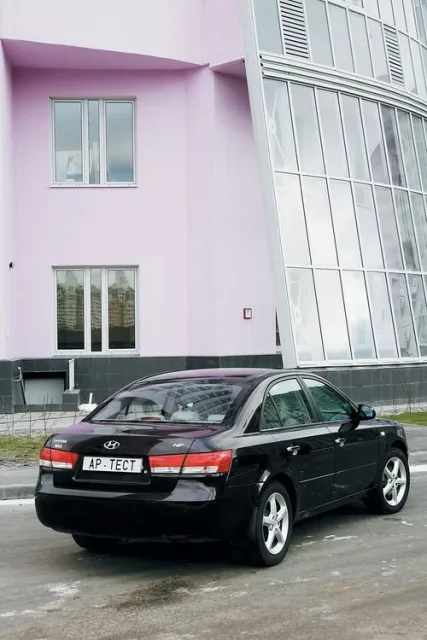
The Hyundai NF is equipped with the same four-speed automatic as the Sonata, but its software is different. Shifts here are softer, so acceleration is smooth and comfortable. If you floor the gas, the NF with its four-cylinder engine lags slightly behind the V6 in the Sonata, but in everyday driving you hardly notice the difference in dynamics. After all, the new "four" of the Theta series with variable valve timing loses to the old V6 by only 11 hp, but wins in fuel efficiency and environmental friendliness: the new engine meets Euro 4 standards, while the old one only meets Euro 3.
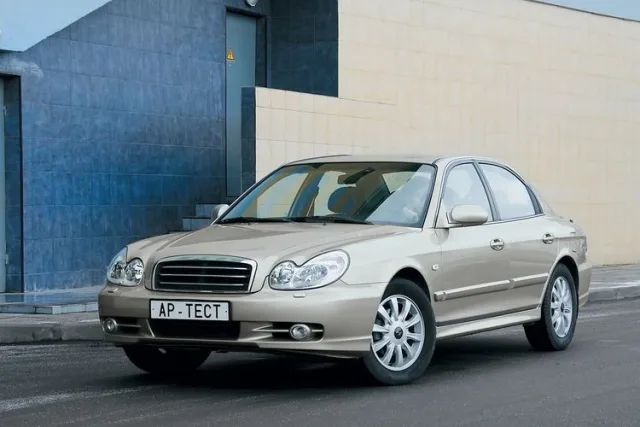
Hyundai Sonata: a parody of a Mercedes?
The Chevrolet Epica is a unique car in its own way. The fact is that a transversely mounted inline "six" can now only be found in Volvo and Epica! True, the 2.5-liter engine is less powerful than Hyundai's four-cylinder, so the Chevrolet is not faster in acceleration than the NF. And managing acceleration here is less convenient: the five-speed automatic makes extra shifts that waste precious time. If the Hyundai gearbox drops just one gear down, the Chevrolet has to jump two gears at once. Shifts are smooth and even, but we'd like them to be faster too.
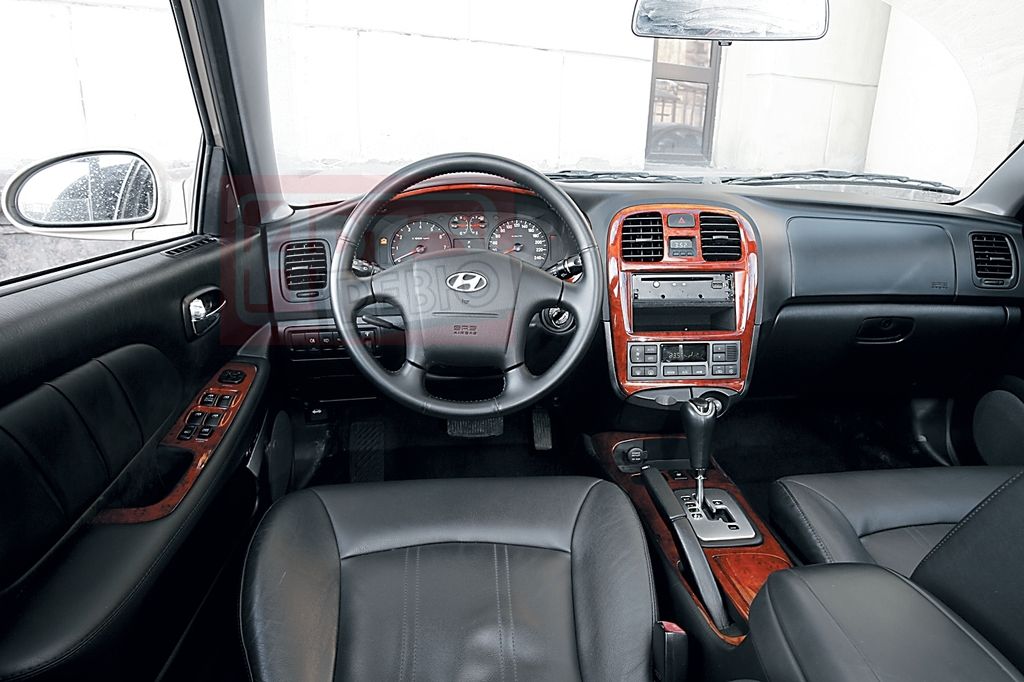 | 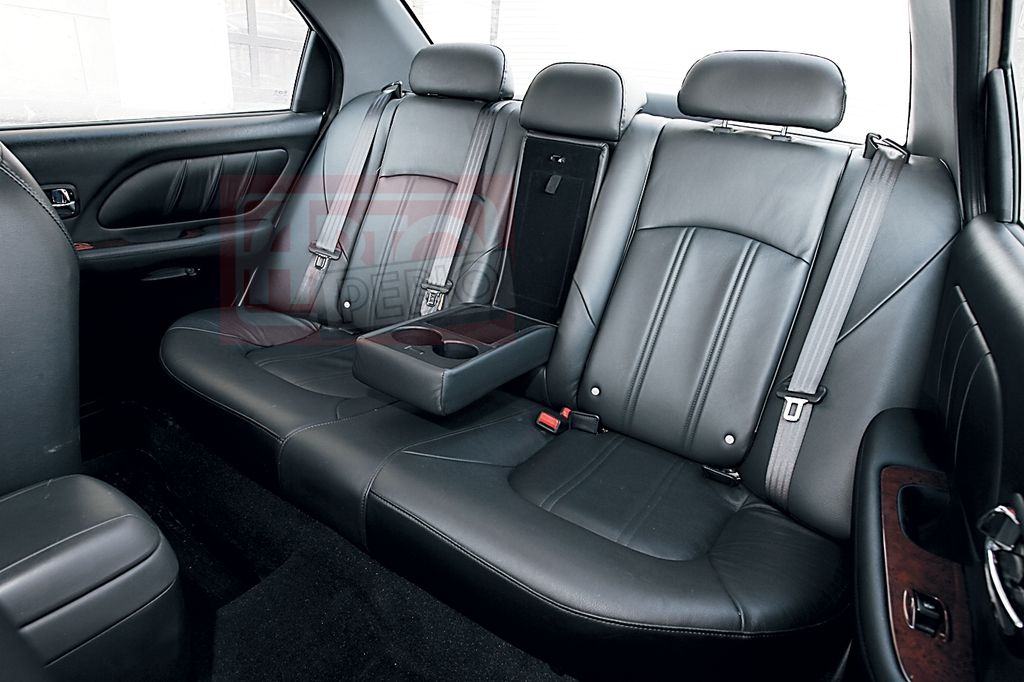 | 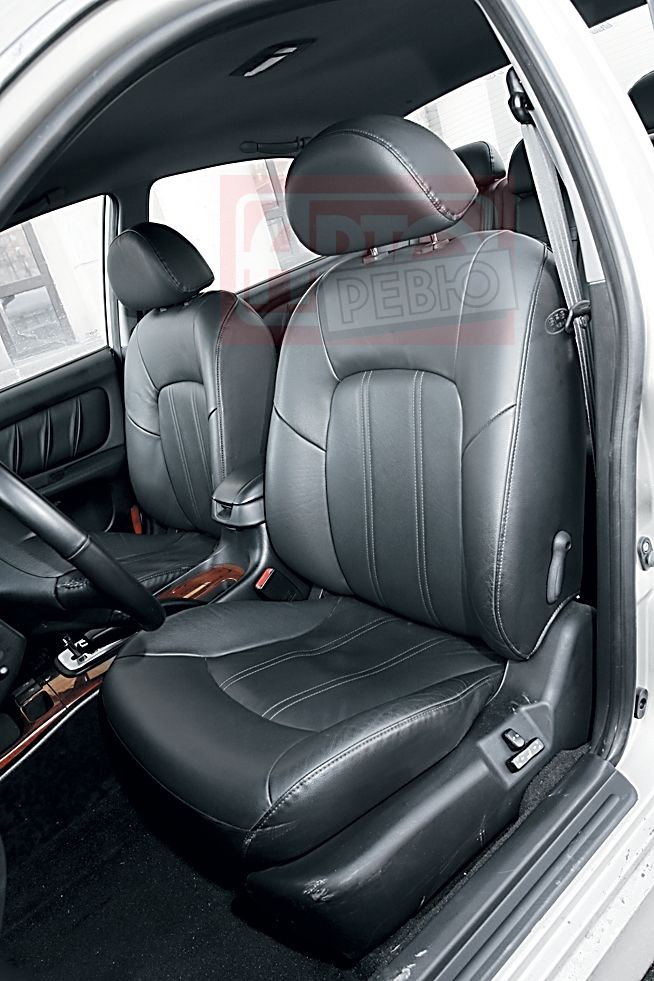 |
| The interior of the old Sonata looks archaic | Narrow door openings make it hard to get comfortable on the rear sofa of the Sonata. But sitting three abreast here is quite spacious | There aren't enough adjustments — a tall driver will feel cramped in the Sonata |
There are no problems with brakes in any of the cars. But handling is a much more complex topic.
The Sonata had summer Pirelli P6 tires, the Epica was shod with winter non-studded Pirelli SnowSport, and the Hyundai NF even rode on studded Goodyear Ultra Grip 500. But this wasn't the deciding factor!
The Epica left a very pleasant impression. The steering provides excellent feedback in any conditions, and the driver constantly feels the car. In the city, some sluggishness at small angles is a bit of a hindrance, but on the highway it allows you to confidently maintain high speed. Missed a turn, entered it at excessive speed — no big deal: the Epica first pushes its nose outward slightly, then transitions into an easily controlled four-wheel drift.
| Chevrolet Epica | Hyundai NF | Hyundai Sonata |
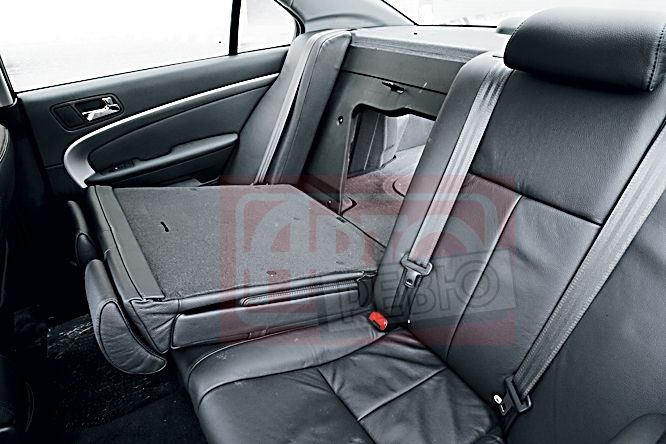 | 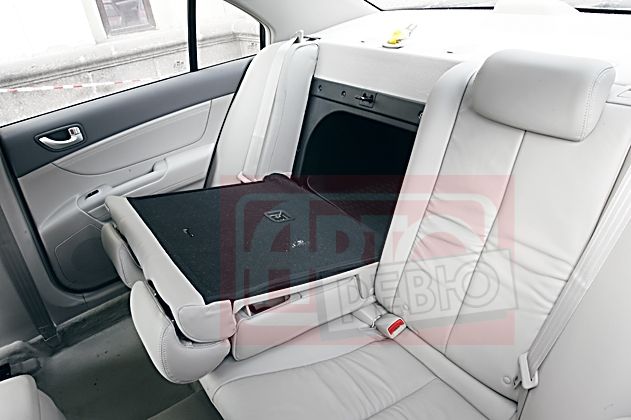 | 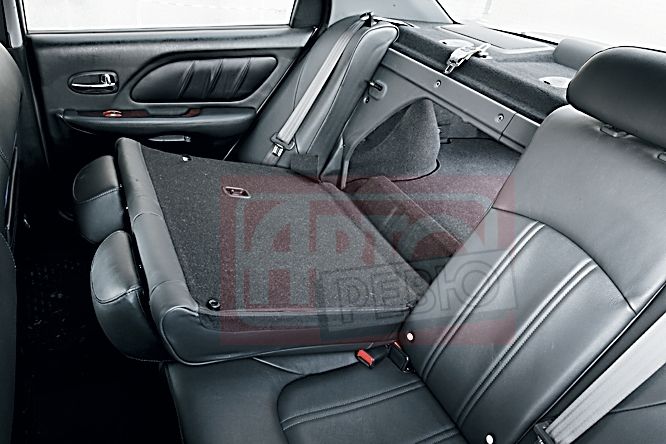 |
| In all three sedans, the rear seatbacks fold down in sections, but the Epica's cargo capabilities are limited by the narrow opening | ||
The Hyundai NF didn't perform as well. Even during calm driving, it noticeably wanders on bumps and in ruts, and at speed these deviations force you to grip the wheel with both hands. Is the studded Goodyear rubber to blame? Only partly. After all, even on summer tires (see AR No. 15, 2006), this car demonstrated weak directional stability. And the connection to the car isn't as "transparent" — the steering effort feels unnatural. Still, we put the Hyundai NF on the same level as the Epica — and the reason is simple: the NF has an ESP stability control system. But neither the Epica nor the old Sonata can have ESP installed even for an extra charge — they only have traction control systems.
| Chevrolet Epica | Hyundai NF | Hyundai Sonata |
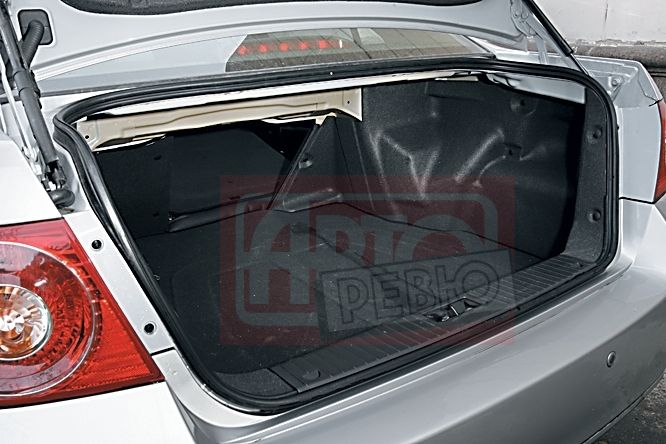 | 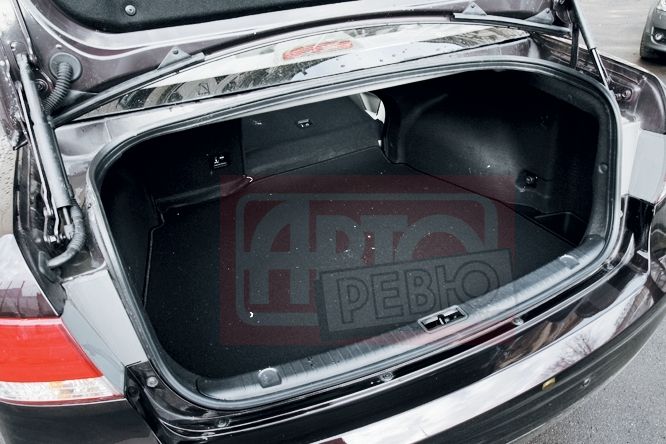 | 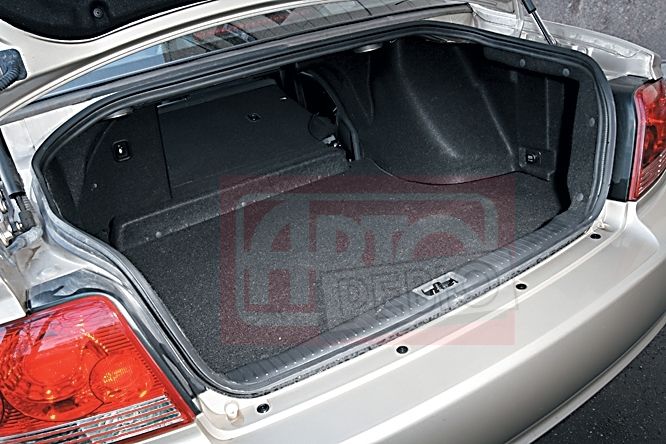 |
| The most "correct" trunk is in the Hyundai NF | ||
The Sonata pleased us the least. Like the Hyundai NF, it wanders on uneven roads. Moreover, even on summer "thoroughbred" Pirellis, the Sonata lacks precision in reactions, the steering doesn't provide clear reactive effort, and during sharp lane changes the body noticeably rolls and makes one extra oscillation. The suspension clearly lacks lateral rigidity!
And in terms of comfort, the Sonata yields to its younger competitors. On smooth asphalt, the ride is still acceptable, but on broken surfaces the suspension lacks both travel and energy capacity. It feels like a wheel that hits a pothole drags the whole body along with it. You drive and feel: now the left front wheel pulls the Sonata down, then the right rear one.
| Chevrolet Epica | Hyundai NF | Hyundai Sonata |
 |  | |
| The most "correct" trunk is in the Hyundai NF | ||
And when we loaded the cars to the brim, another unpleasant "suspension" surprise emerged: on asphalt waves, the Sonata sways not only vertically but also horizontally. As if it had a solid rear axle on a Panhard rod, like on a "Zhiguli." We looked underneath — an independent multi-link suspension. Strange...
The other two cars handle our roads much better. The Chevrolet is especially good — its suspension softly swallows small bumps and almost doesn't allow vertical rocking on waves. The Hyundai NF handles the same bumps a bit stiffer and conveys the road profile in more detail. Interestingly, with a full load, the difference between them disappears — both the Hyundai NF and the Chevrolet Epica fight bumps equally effectively.
But with noise, it's the opposite: the Chevrolet is a bit louder due to tire hum and noticeable suspension work, while the Hyundai is a bit quieter, even despite the studs. But the Sonata loses to both — the engine runs a bit loudly, and the cabin sound insulation is generally worse.
So, what would we choose ourselves?
The old Sonata yields to newer models, but there's still demand for it due to low prices. The new Hyundai NF is better in everything — and if it lost in a test against the Passat and Accord, among Korean classmates it turned out to be slightly ahead. Although the Epica, perhaps, impressed us more — due to better ergonomics and handling.
And overall... A line from a song fits all these cars perfectly: "We're so close that words aren't needed." Yes, Korean cars have become more modern. But they still have a long way to go to true individuality.
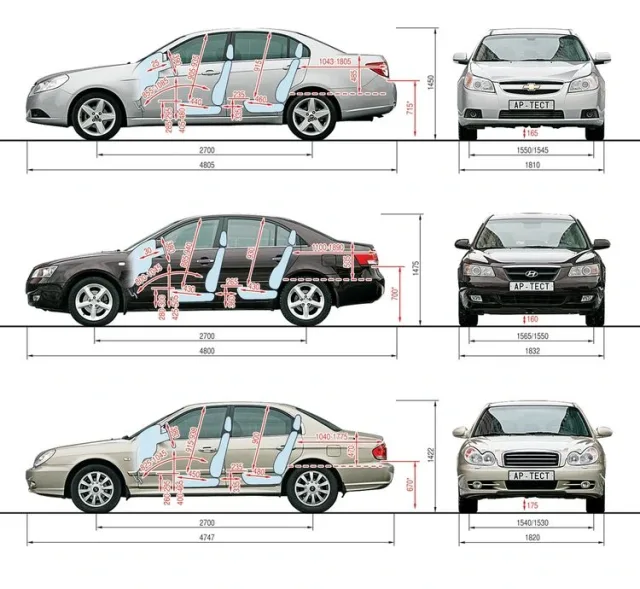
Black indicates manufacturer data, red indicates Autoreview measurement results
* Loading height
Autoreview readers' forecast
Before starting this comparative test, we asked visitors of our website www.autoreview.ru to vote for the most attractive car among the three participants.
The votes were distributed as follows:
Hyundai NF 52.20%
Chevrolet Epica 32.71%
Hyundai Sonata 15.09%
4115 people took part in the survey.
We combined the results of independent crash tests, as well as our own impressions of seating and visibility, to understand which of the three sedans will be the safest and most convenient in everyday life. The numbers in the evaluation table speak for themselves, but behind them are nuances that you only feel behind the wheel.
Safety: dry numbers and real risks
Of the three, only the Hyundai NF passed the strict EuroNCAP tests. The results, frankly, did not impress. In a frontal impact, the driver dummy hit its left knee hard against the steering column, all three pedals moved into the cabin by more than ten centimeters, and the seat belts exerted excessive pressure on the dummies' chests. The result is 9 points out of 16 possible for the frontal impact. The side test went noticeably better (the NF already has side airbags and curtains in the base), although the load on the chest is still somewhat high. However, the protection of child passengers earned a solid four stars out of five. But such a car is not too friendly to pedestrians - only two stars out of four.
The NF showed itself quite differently in tests according to the American NHTSA methodology. There it is a real hero: the maximum five stars in absolutely all categories. It is important to remember that the American protocol differs significantly from the European one: the frontal impact against a concrete wall occurs at a speed of 56 km/h without overlap (in Europe - 64 km/h with 40% overlap), and the side test is carried out at a speed of 62 km/h at an oblique angle, whereas in Europe it is a direct impact at 52 km/h.
The Americans also tested the strength of the "fifth" Sonata, but its results were more modest - only "fours" for frontal and side impacts.
As for the Chevrolet Epica, it remains a mystery: no independent crash tests of this model have been conducted yet, so its passive safety can only be judged speculatively.
Visibility: who sees more
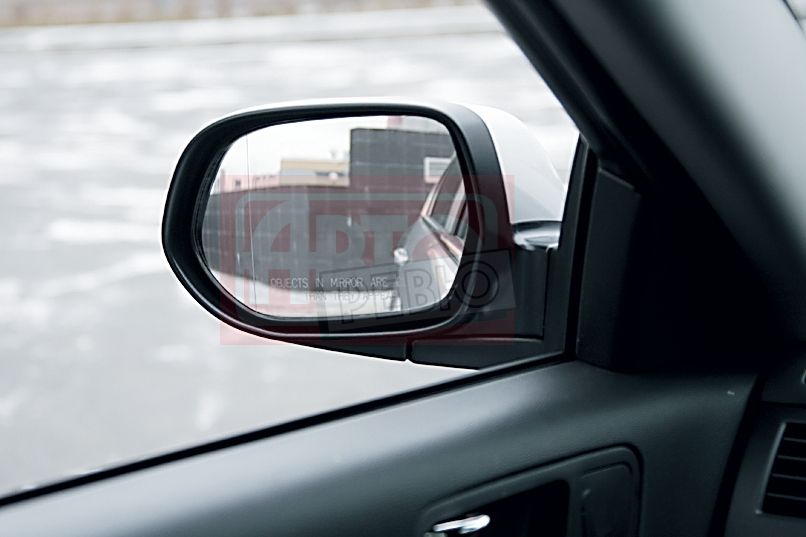
The old Sonata has thin roof pillars and a low beltline, which gives the driver excellent all-round visibility. However, the lack of parking sensors, massive rear headrests and modest exterior mirrors negate this advantage. As a result, we put it on the same level as the Epica, which, due to its high rear end, has a rear window that provides almost no visibility. The undisputed leader here was the Hyundai NF: it has both the most successful mirrors and the rear headrests do not interfere with looking back at all.
Prices and trim levels
Hyundai Sonata of the fifth generation, Russian assembly (TagAZ), starts at $19640* for the version with a 2.0-liter engine (133 hp) and manual transmission. The base includes two airbags, Isofix mounts, full power accessories, air conditioning and a CD player. For leather, climate control, alloy wheels and heated front seats, you will have to pay an additional $2260. The version with a four-speed automatic will cost at least $22470. If you want a V6 with a volume of 2.7 liters and 172 hp, get ready to pay $23710 for a car with a manual transmission. The top version - with automatic transmission, four airbags, electric driver's seat and xenon - costs $27100. Such cars are available at dealers, but if ordered, you will have to wait about two months.
Warranty - 3 years or 100,000 km. Sales of Taganrog-assembled Hyundais are handled by 153 dealers in 63 Russian cities.
Chevrolet Epica is more expensive: the base LS with an inline "six" 2.0 l (143 hp) and five-speed manual - $22990. The equipment includes six airbags, Isofix mounts, alloy wheels, power windows, CD player and air conditioning. The LT trim ($26990) adds leather with wood inserts, power accessories, climate control, heated seats and a CD changer. Automatic - an additional $1550, and the version with a 2.5 engine (156 hp) is estimated at $30430. However, the showrooms currently have mostly expensive modifications, and for the base Epica you will have to stand in line - three months of waiting.
Warranty - 2 years without mileage limit. Network - 79 dealers in 49 cities.
Hyundai NF is the most expensive of the trio: the base GLS with a 2.4-liter "four" (161 hp) and manual transmission - $28990. For this money you get six airbags, Isofix mounts, power accessories, heated seats, CD player, climate control and alloy wheels. Automatic - an additional $1050, leather interior - $1260. The flagship version with a 3.3 V6 engine (235 hp) costs $41480. Cars are available at dealer warehouses, and if ordered - waiting up to two months.
Warranty - 3 years or 100,000 km. Sales are handled by 78 dealers in 47 Russian cities.
* Dollar exchange rate - 26.56 rubles.
Here is the revised text of the test drive:What else?
Is it worth considering richly equipped versions of Korean sedans at all, if for the same money you can take a car with a more prestigious emblem, which has all this "luxury" already included in standard equipment?
Take, for example, the ninth-generation Mitsubishi Galant. The version with a 2.4 engine producing 158 hp and a classic four-speed automatic costs $31410, and with a promotion - even $29830. But for this money you will not get an ESP system, which cannot be installed even for an additional fee (see AR No. 2, 2007).
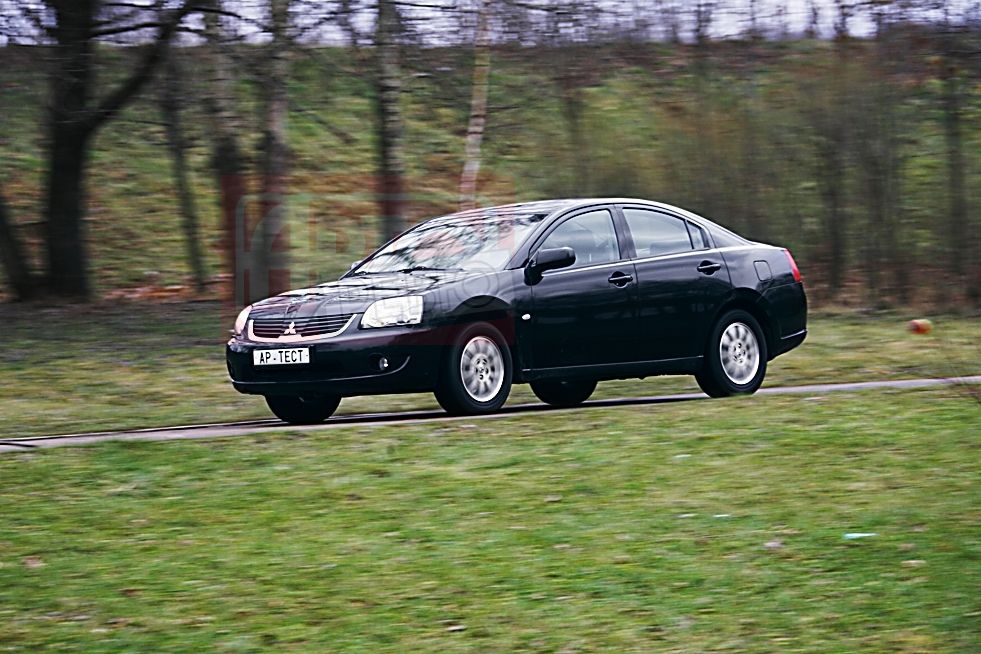 | 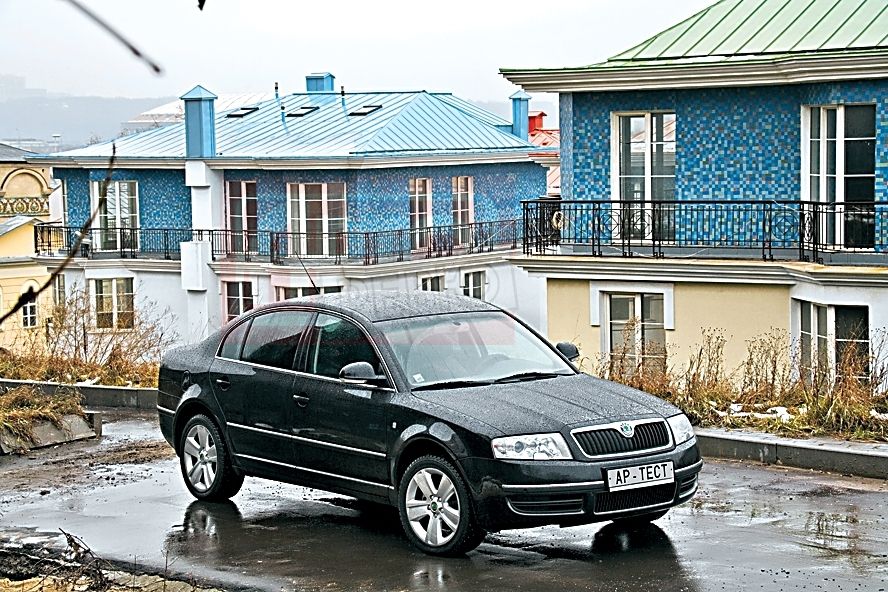 | 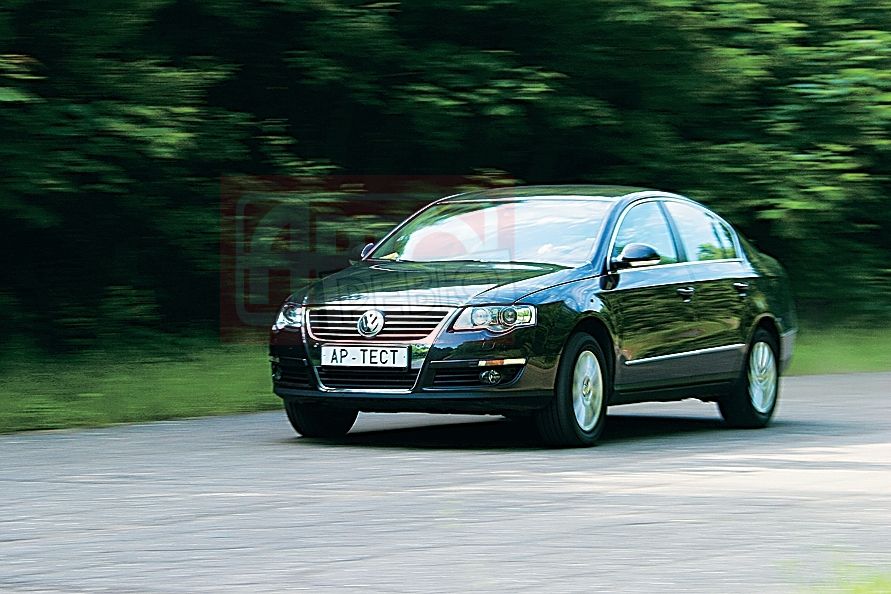 |
| Mitsubishi Galant | Skoda Superb | Volkswagen Passat |
The Skoda Superb with a 1.8T turbo engine (150 hp) and five-speed automatic starts at $29190. In terms of rear seat space, this is a real limousine. However, the suspension could be softer (see AR No. 2, 2007).
The sixth-generation Volkswagen Passat with a two-liter engine (150 hp) and six-speed automatic can be purchased from $31160. True, for the Highline version, which has dual-zone climate control and alloy wheels, you will have to pay from $34370. But it handles excellently and does not offend with ride smoothness (see AR No. 15, 2006).
For a Honda Accord in a similar configuration with a 2.0 engine (155 hp) and five-speed automatic, they ask only $30900. Sharp steering and stiff suspension - this is a car with character (see AR No. 15, 2006)!
Toyota Avensis with a 2.0 engine (147 hp) and four-speed automatic costs $30500. If you pay an additional $2500, you can get a leather interior, electric front seats and xenon headlights.
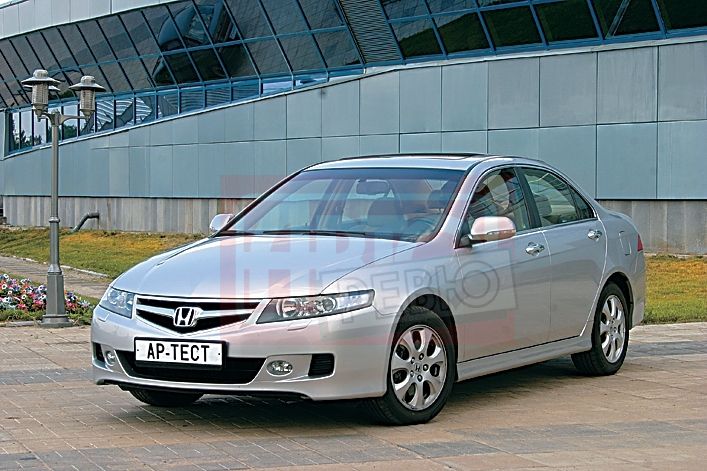 | 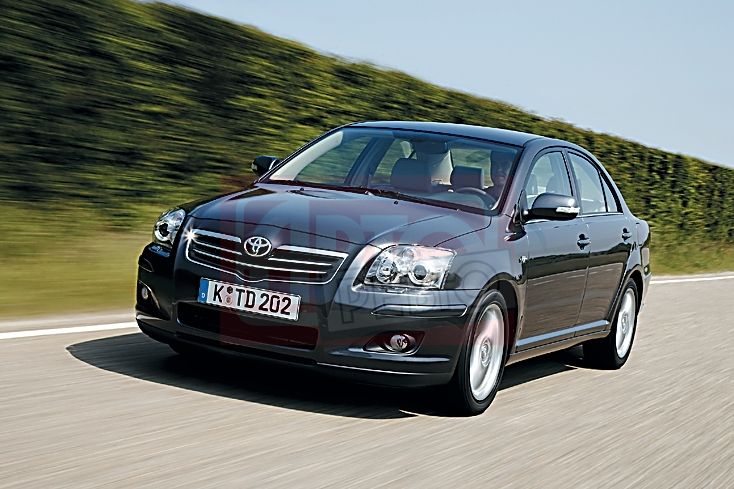 |
| Honda Accord | Toyota Avensis |
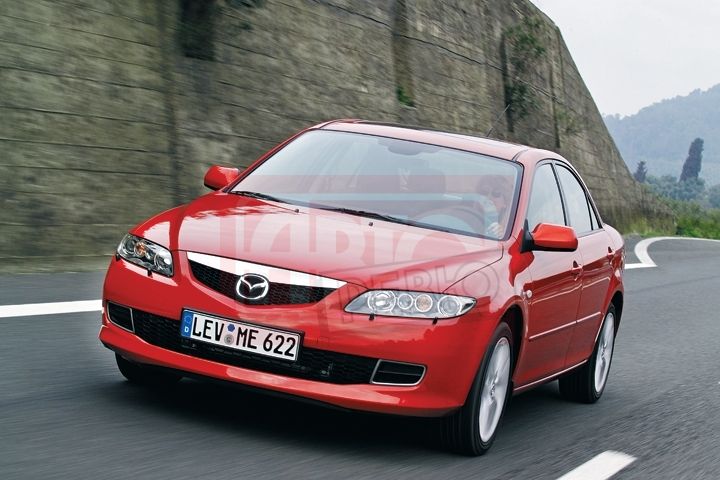 | 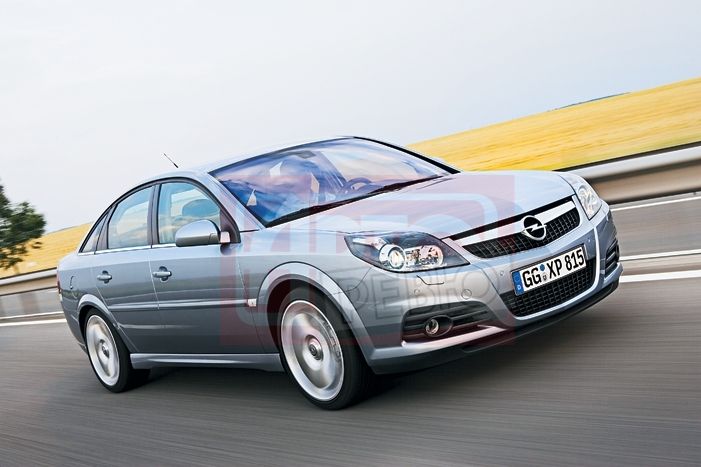 |
| Mazda 6 | Opel Vectra |
The Mazda 6 with a two-liter engine producing 147 hp and automatic transmission is estimated at $27900, and a leather interior and alloy wheels will add another $2500 to the amount, bringing it to $30400. The Opel Vectra with a 2.2 engine (155 hp) and automatic transmission will cost approximately the same price.
So what can make a buyer choose among this variety the no less expensive and no worse equipped Hyundai and Chevrolet?