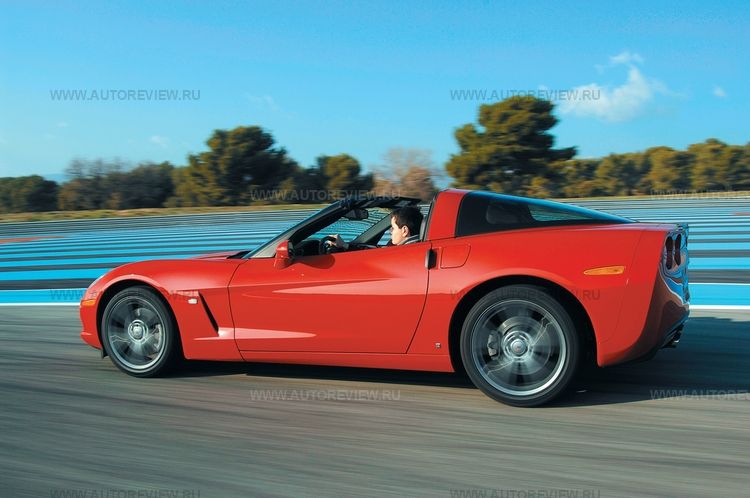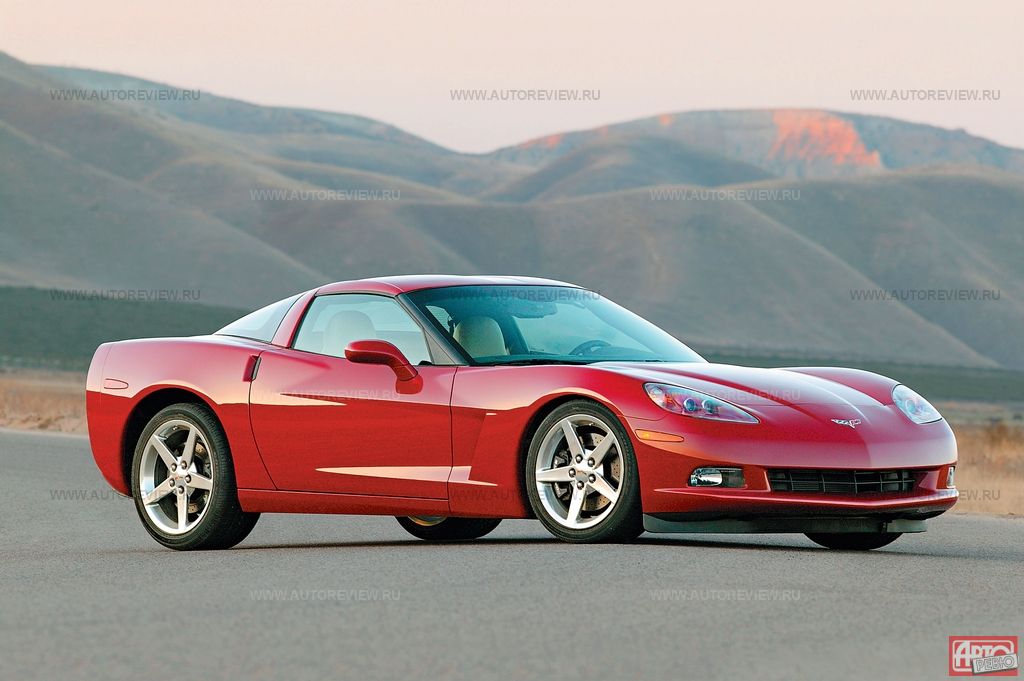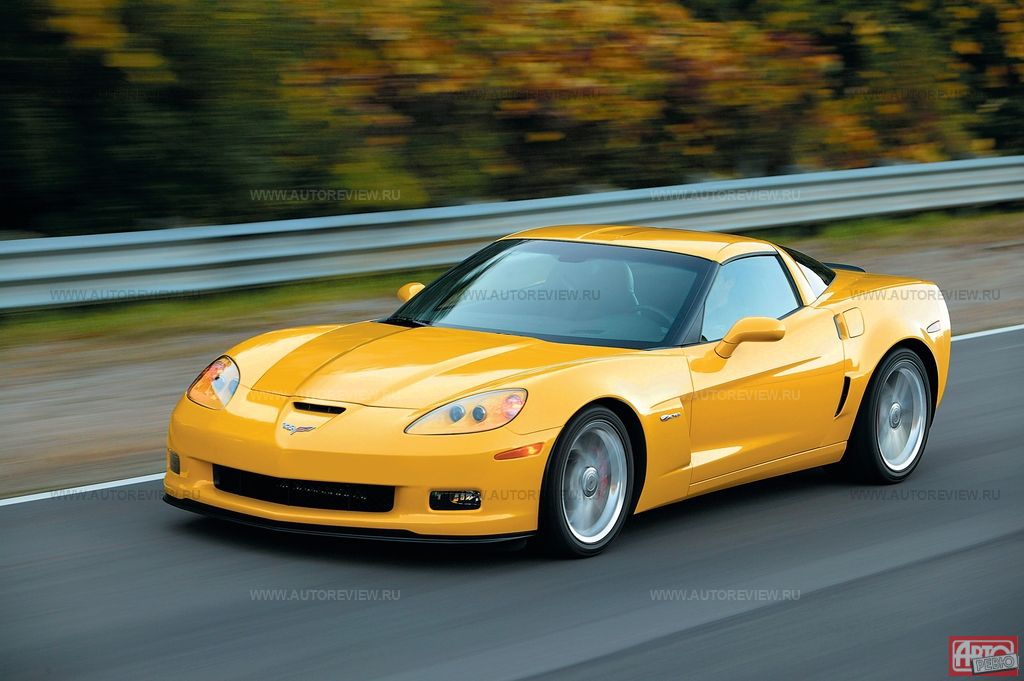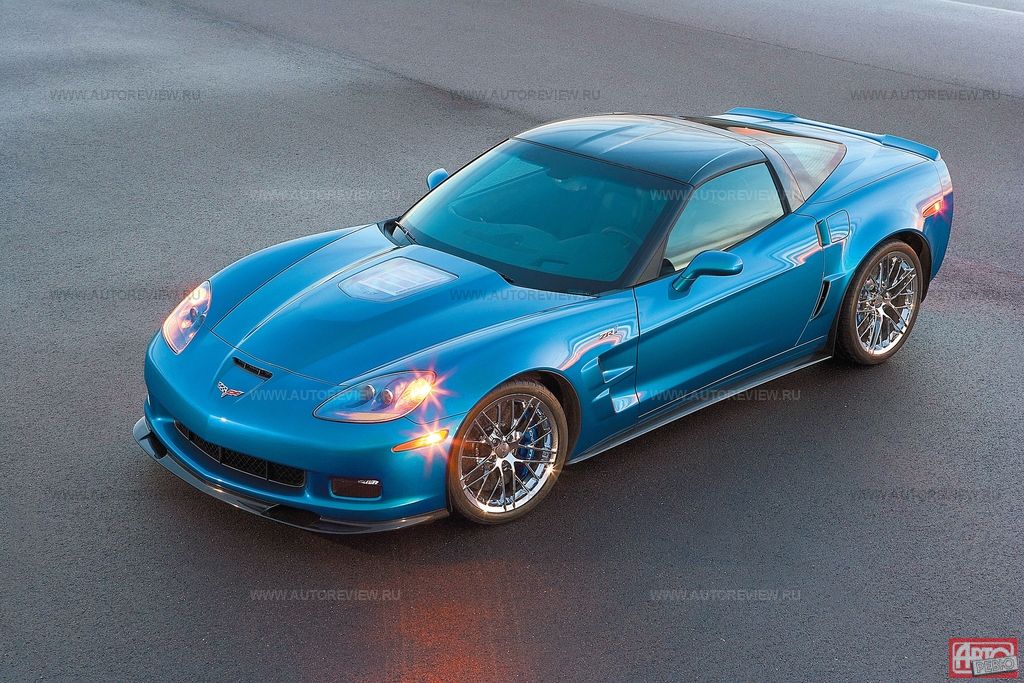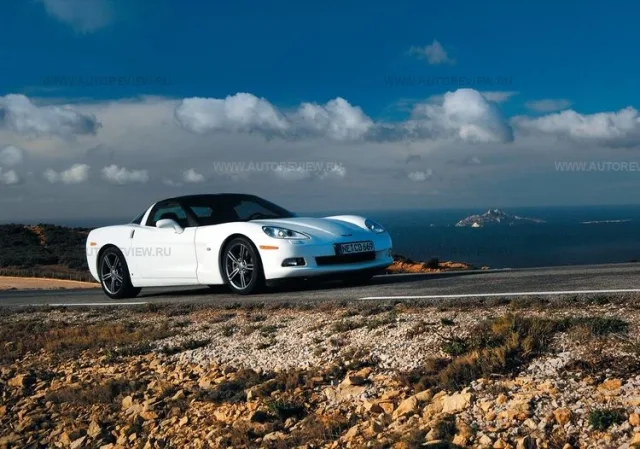
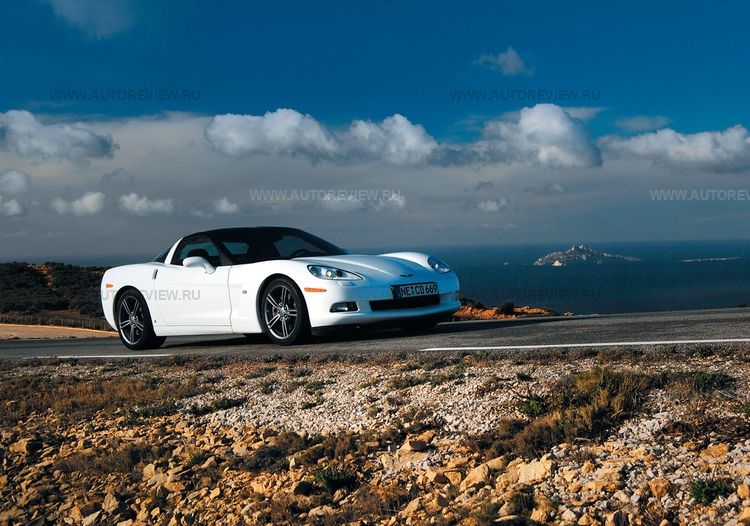
Corvette celebrates its 55th anniversary, and over these years it has sold over a million cars worldwide. True, almost all of them stayed in the USA — outside its homeland, the coupe was not particularly favored, considered not high-quality enough and too flashy. But looking at the sixth-generation Corvette, I catch myself thinking that times are changing.
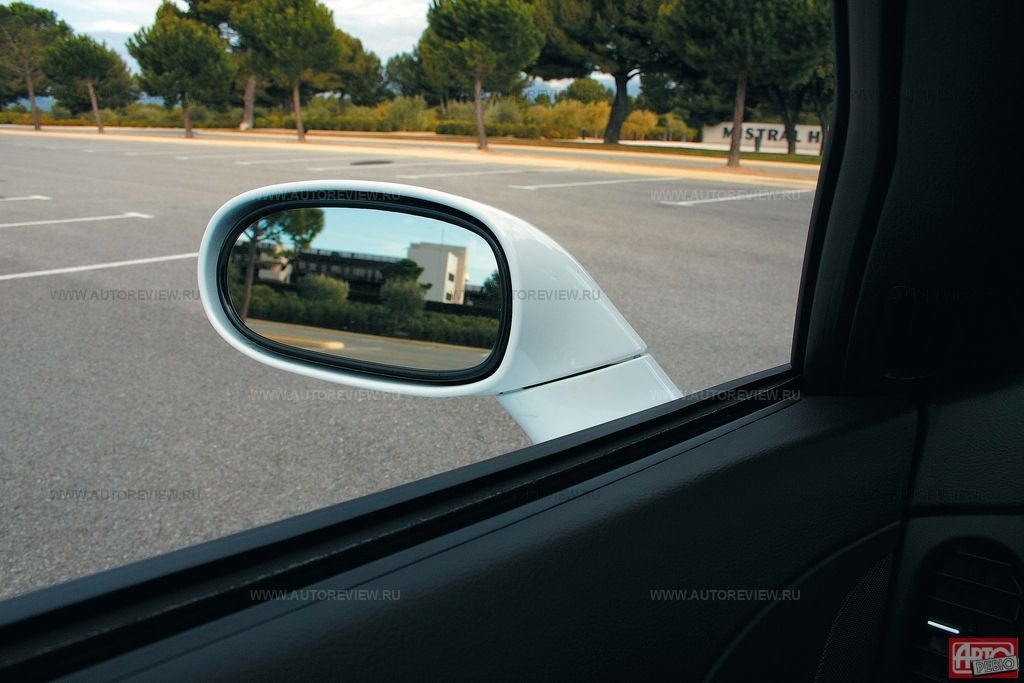
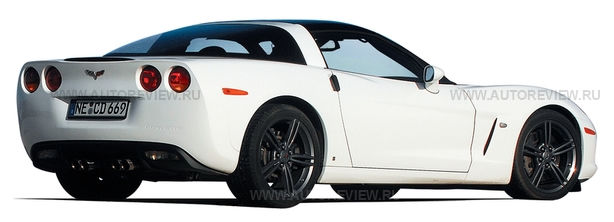
The first thing that surprises is the door handle. You put your fingers into the recess on the rear fender and... No, the Corvette doesn't require biometrics like at the US embassy, and we are not in the States but in the very heart of the Old World — in France. However, there is no familiar handle here either: instead, there is a rubberized button. The lock works via electromechanics, and to leave the cabin, you also have to open the door with a button.
Behind the light plastic door hides a fairly simple interior. From the former Corvette spirit, when the driver and passenger sat in separate cockpits, only faint memories remain. The cabin is saved from complete ordinariness only by the optional two-tone trim of the panel and doors. But the leather on the panel is from the Munich company Draexlmaier, which supplies materials to Maybach itself. This is the best material in the car: the plastic would be appropriate in a regular Chevrolet, but not in a sports car.
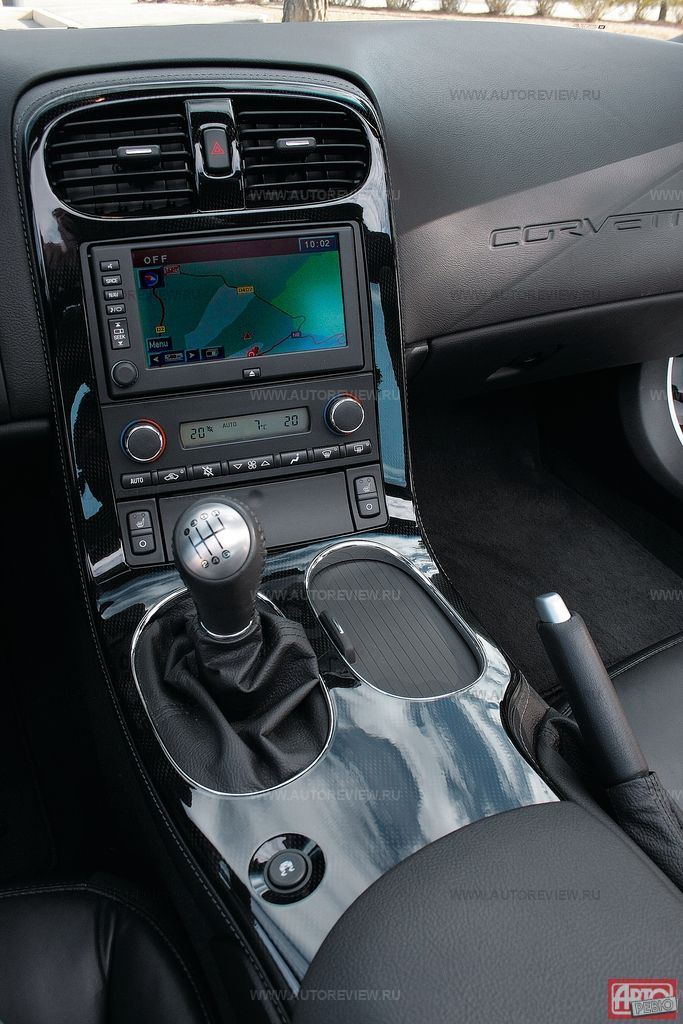 | 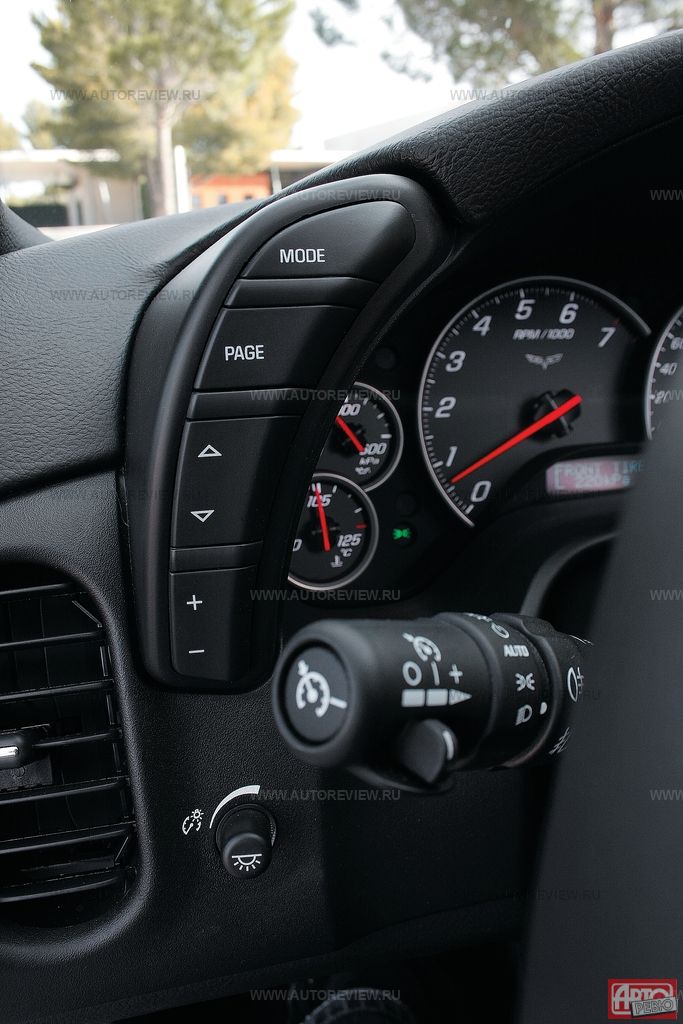 |
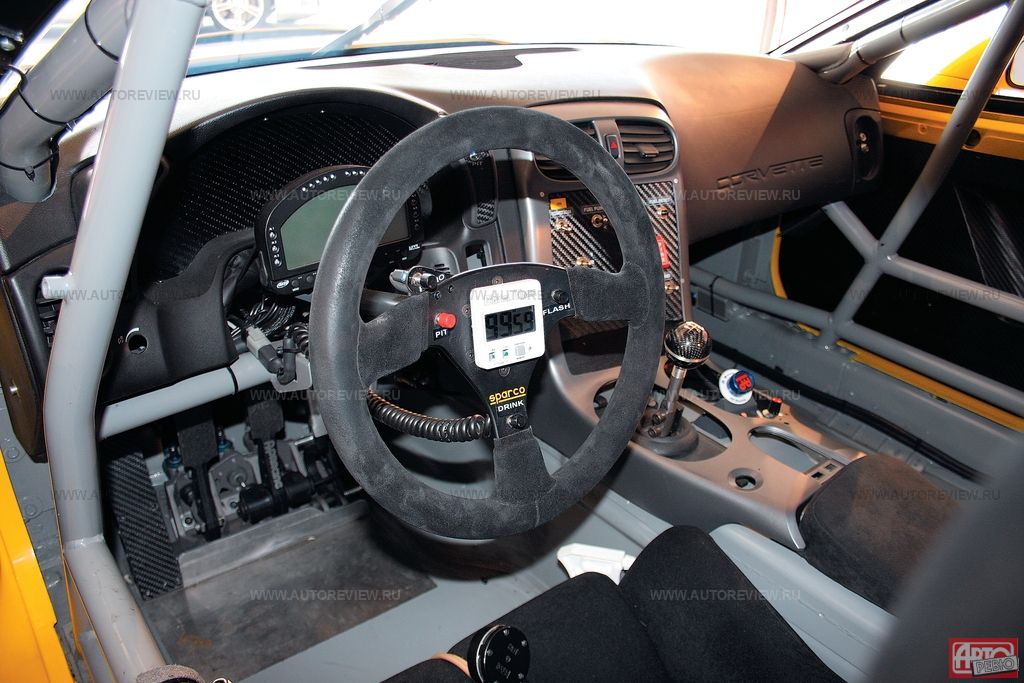
| The gear lever is short-throw, but in terms of precision and effort, it resembles more a light truck. Even the shift mechanism refined by 2008 does not save it | The projector control keys are located to the left of the instrument cluster. A rocking button with arrows moves the picture on the windshield up and down. Just below is the instrument backlight brightness adjuster, which, following American tradition, is combined with the interior light switch |
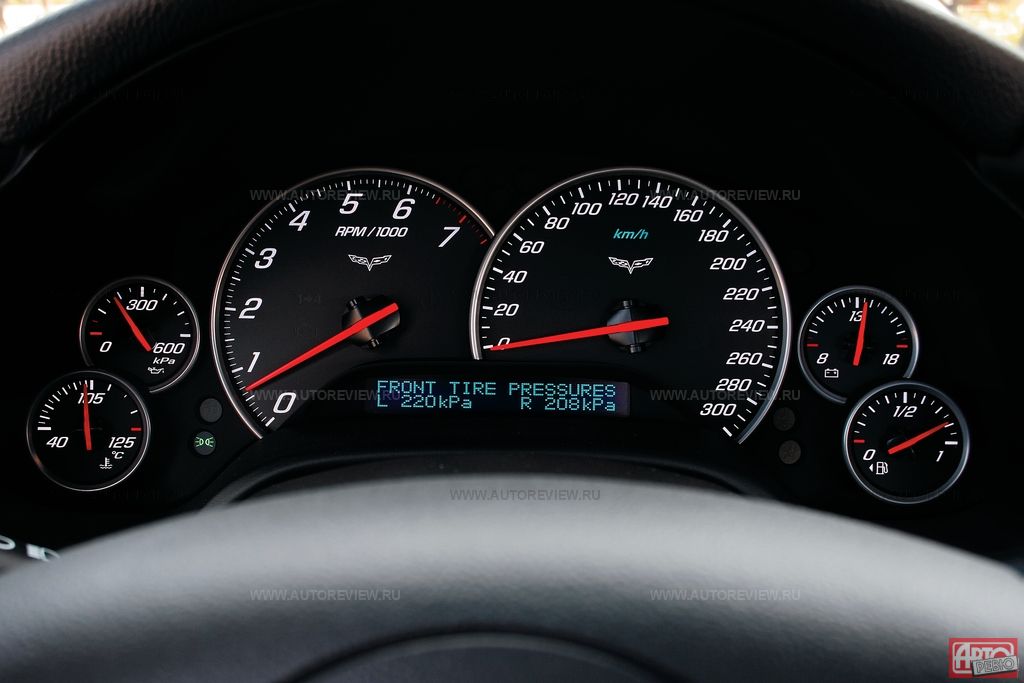 | 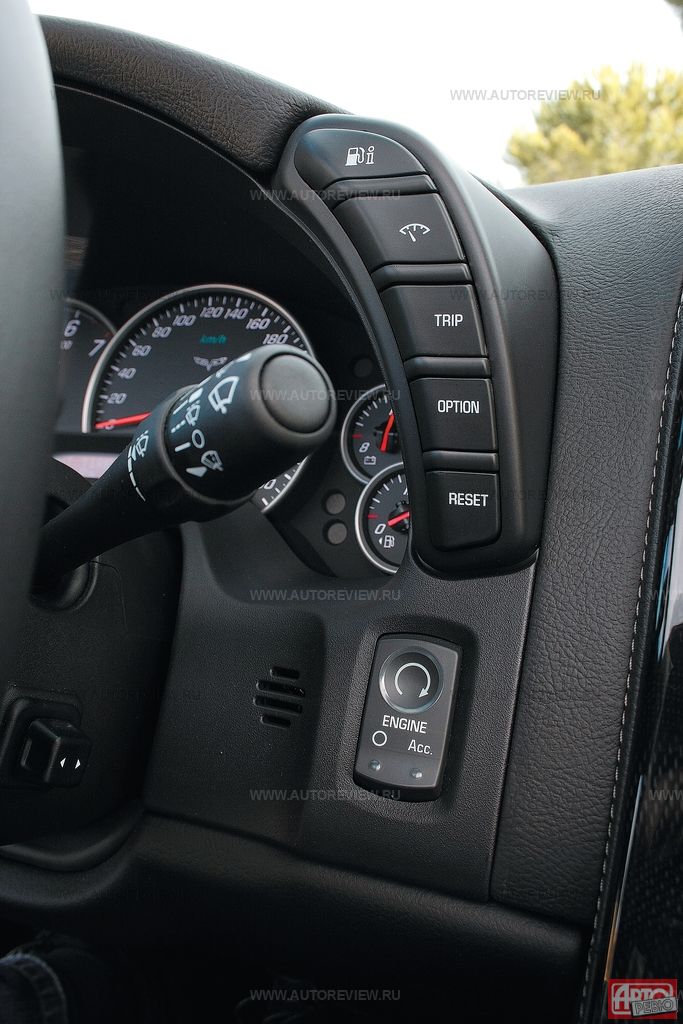 |
| The instruments look simple, but the only thing to complain about is the speedometer scale overloaded with numbers. The onboard computer screen can show tire pressure, oil temperature and pressure, and if there is an automatic, also the transmission oil temperature with the engaged gear number | The engine start button is illuminated by the ignition indicator. You can only turn off the engine in reverse gear |
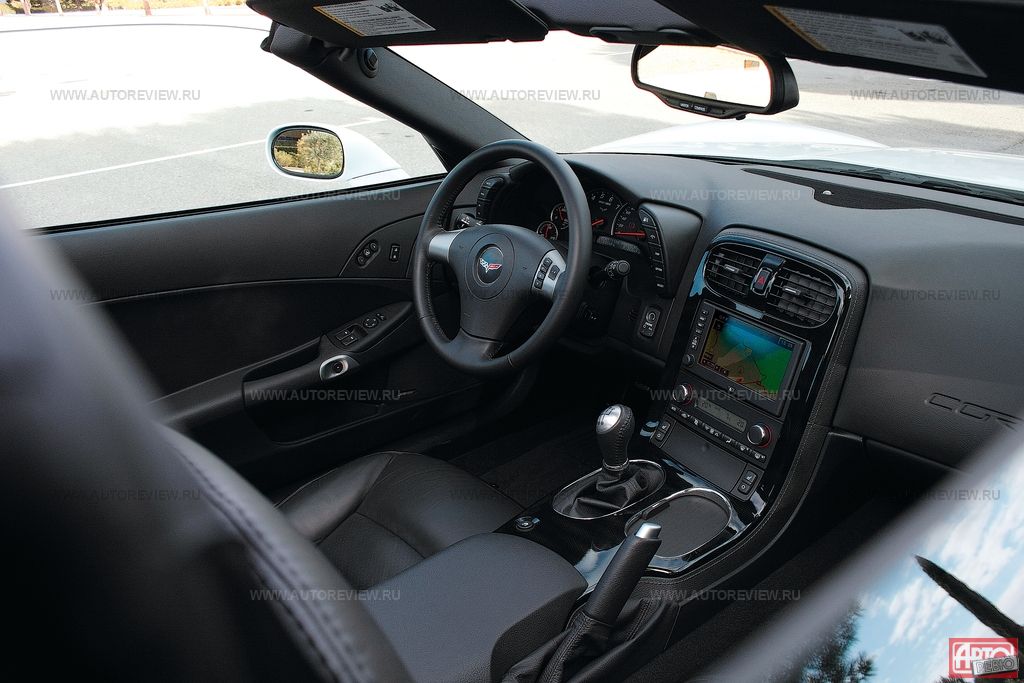 | 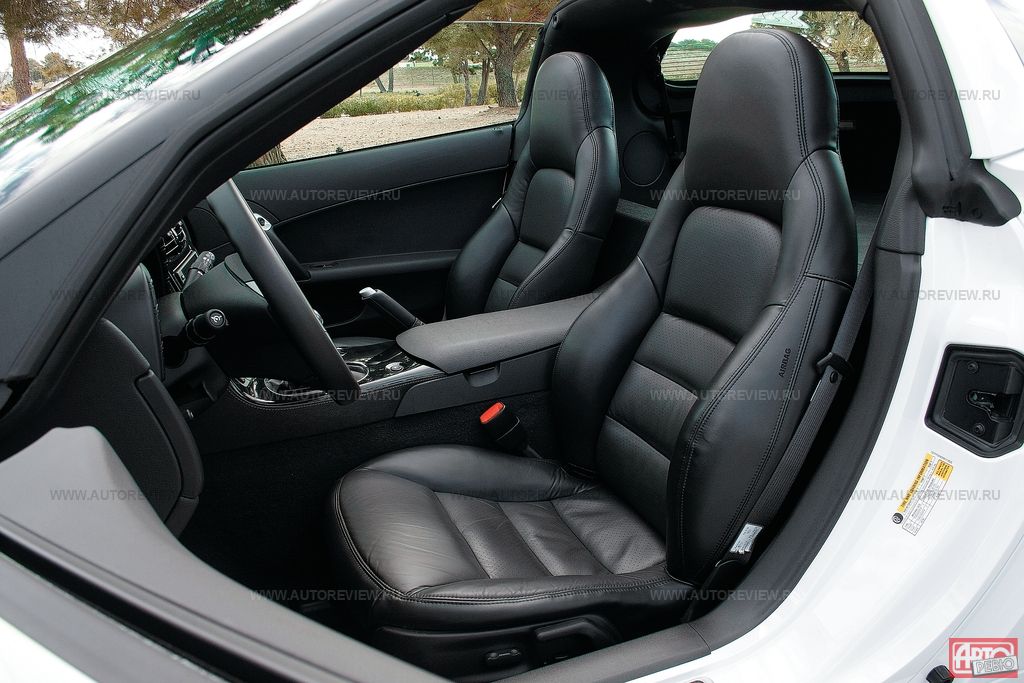 |
| Is this a sports car or a budget roadster for cruising? Simple lines, ordinary deflectors on the center console. At least all the levers and keys are original, not taken from mass models | The seats with adjustable side bolsters hold the body well. But the backrest adjusts in steps, and the lumbar support, like on a Porsche, cannot be adjusted |
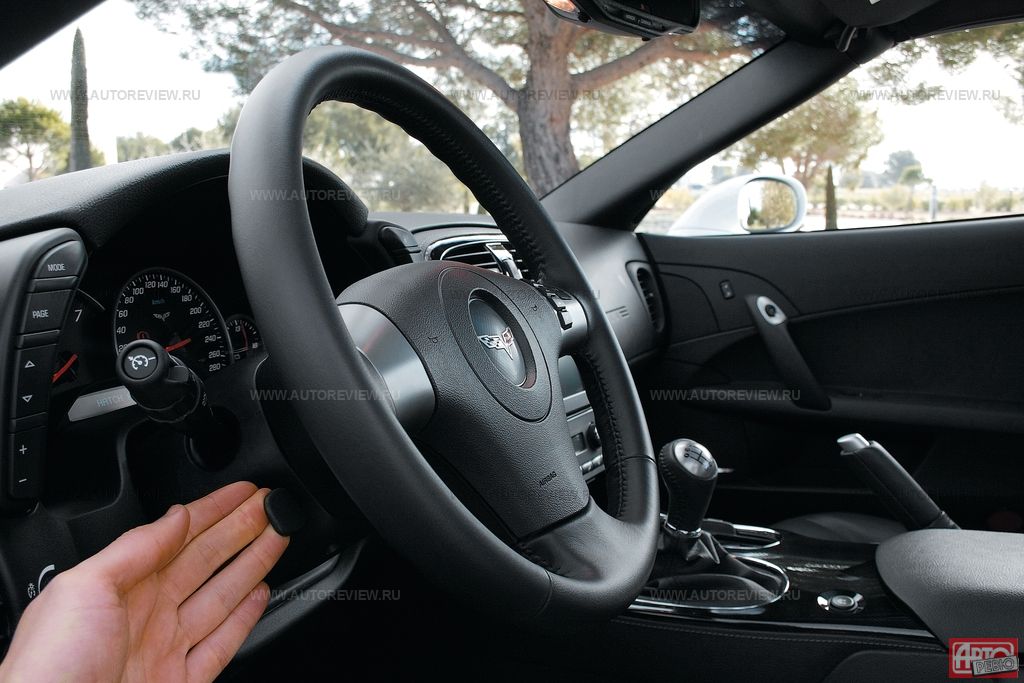 | |
| The steering column is electrically adjustable for reach, and manually for tilt. As on most American cars, when you pull the lever toward you, a spring raises the wheel up — to make it easier to get in | |
But does a "honest" brutal Corvette really need rich trim? Probably yes. After all, now it calls its main rival none other than the Porsche 911. And a weighty argument in favor of such positioning is that the sixth-generation Corvette was for the first time developed on European tracks, including the legendary Nürburgring Nordschleife. They say the lap was completed faster than eight minutes, and that is already supercar territory, not just sports cars!
The seats, by the way, look similar to Porsche ones. True, there are only two of them. The seating position is very low: when the electric drive lowers the seat to the limit, you feel with your fifth point that the cushion literally lies on the floor. But the backrest tilt is adjusted manually and in steps. However, everything else, including bringing the side bolsters together, is electric. The seat hugs tightly, but all the fixation is on the backrest. In corners, your knees help: the right one conveniently rests against the console, the left one against the door.
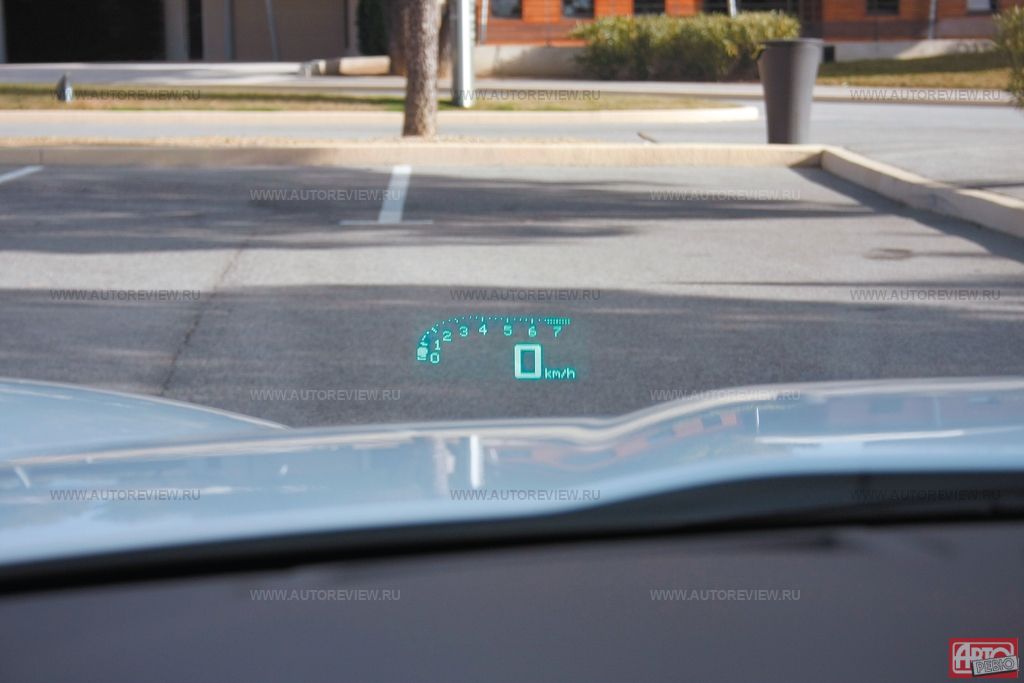 | 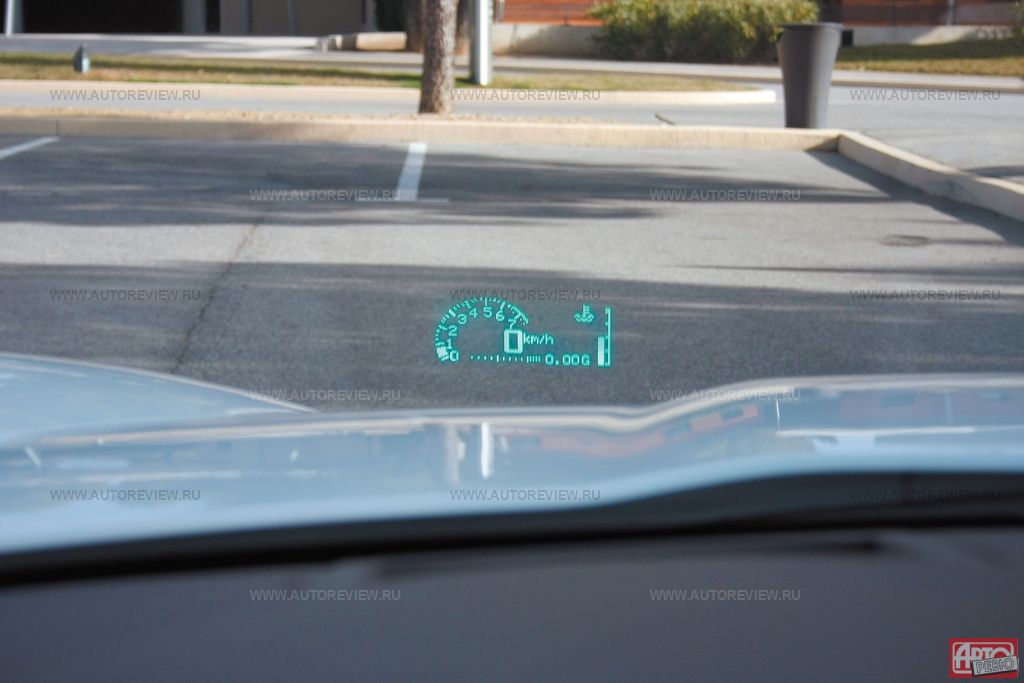 | 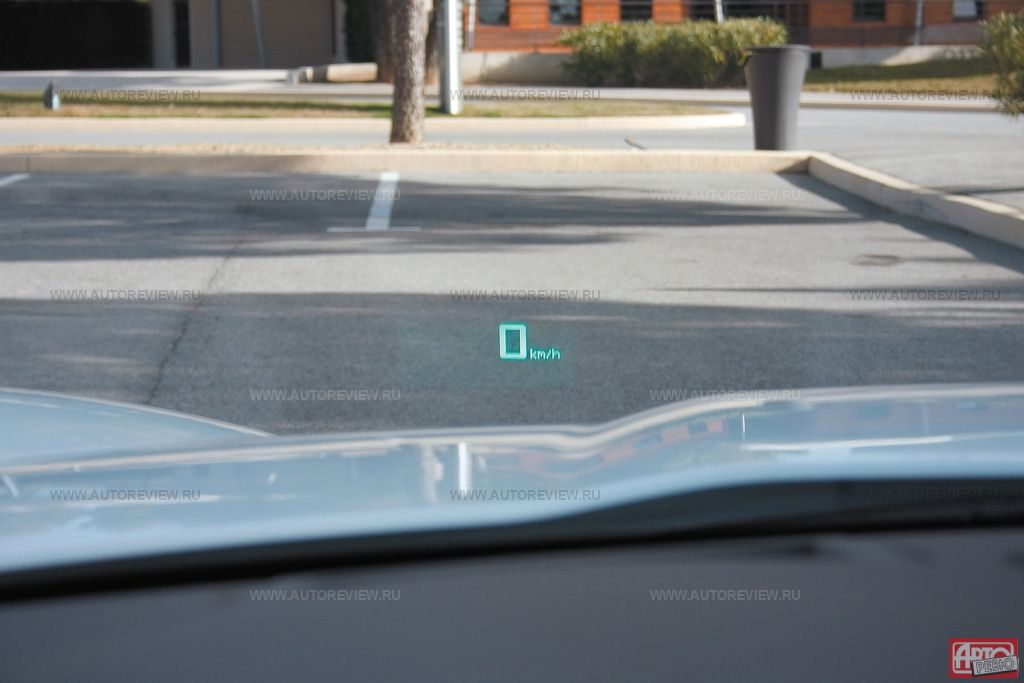 |
| The head-up display has been installed on Corvettes since 2001. The top photo shows the basic "city" mode, the middle one shows one of the "racing" modes, where a lateral acceleration indicator and an additional scale (one of the instruments of your choice) appear. On cars with an automatic in manual mode, the engaged gear number is also shown there. If desired, the display can be reduced to just a speedometer | ||
The engine starts with a button, not a simple one, but with built-in LEDs: the first press turns on the ignition and lights up a yellow indicator, the second brings the engine to life. And immediately you feel like a pilot. Then more: the projector displays speed and RPM on the windshield, the instrument cluster has six dials, and the onboard computer provides a bunch of parameters — from tire pressure to oil temperature. But the small green symbols on the glass next to BMW's color projector look like the "Iskra" computer against an IBM 80386. However, the American has two "racing" modes, where even lateral G-forces appear before your eyes!
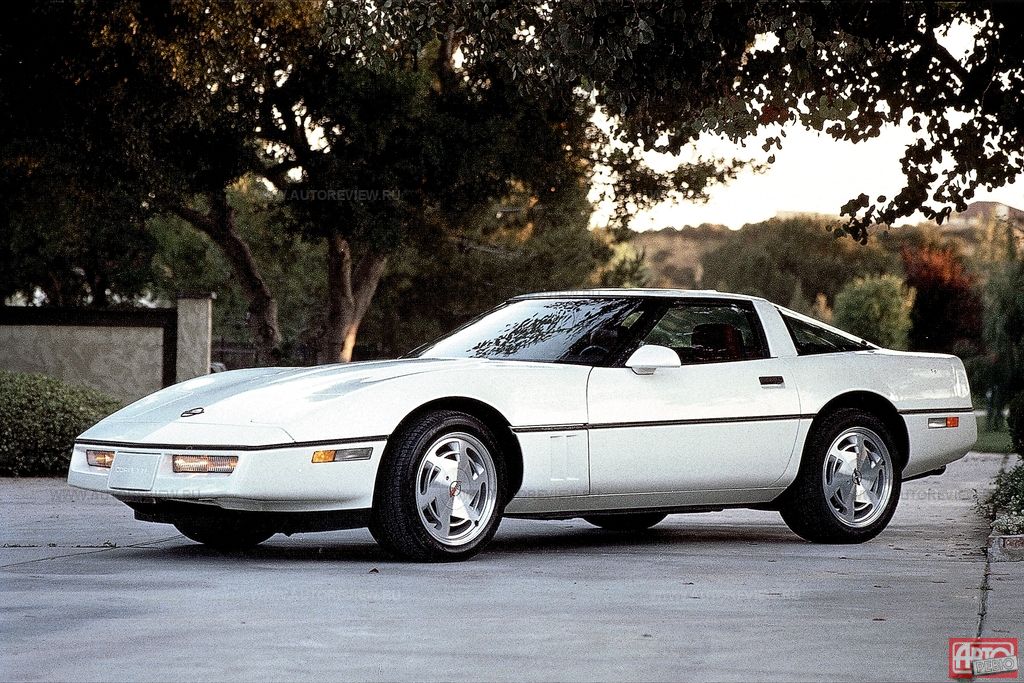
So everything depends on the point of reference. To understand how far the Corvette has come in the last ten years, it's worth looking into the fourth-generation coupe. Heaven and earth! More precisely, earth and heaven. In the interior of an 80s car, it seems there won't be two parts made of the same plastic, and ergonomics... Just consider the wipers, which are turned on with a slider on the driver's door armrest!
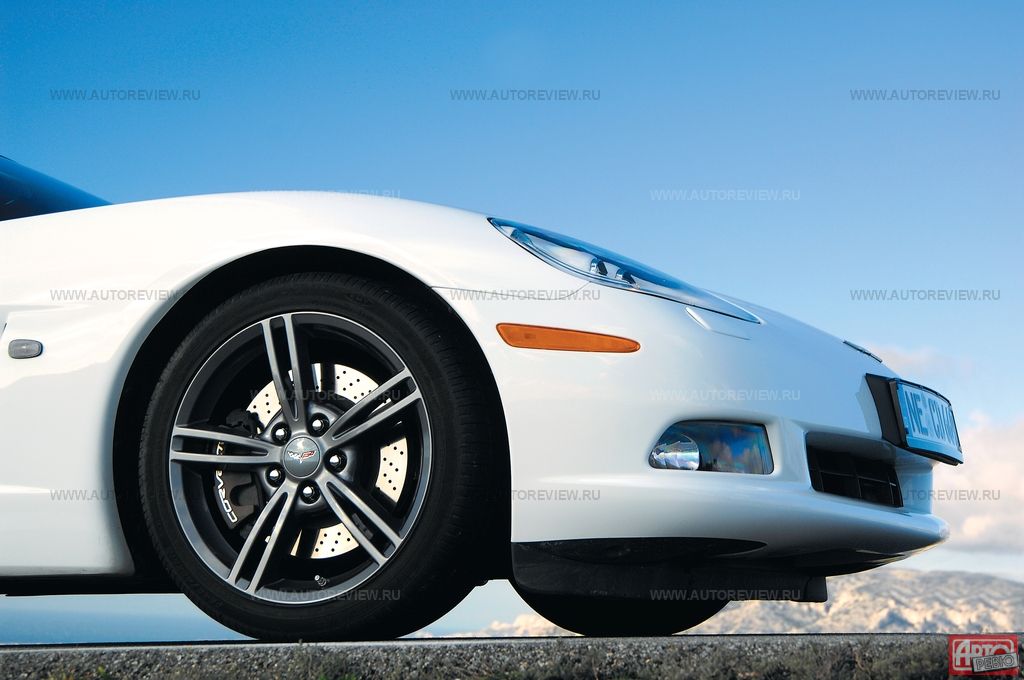 | 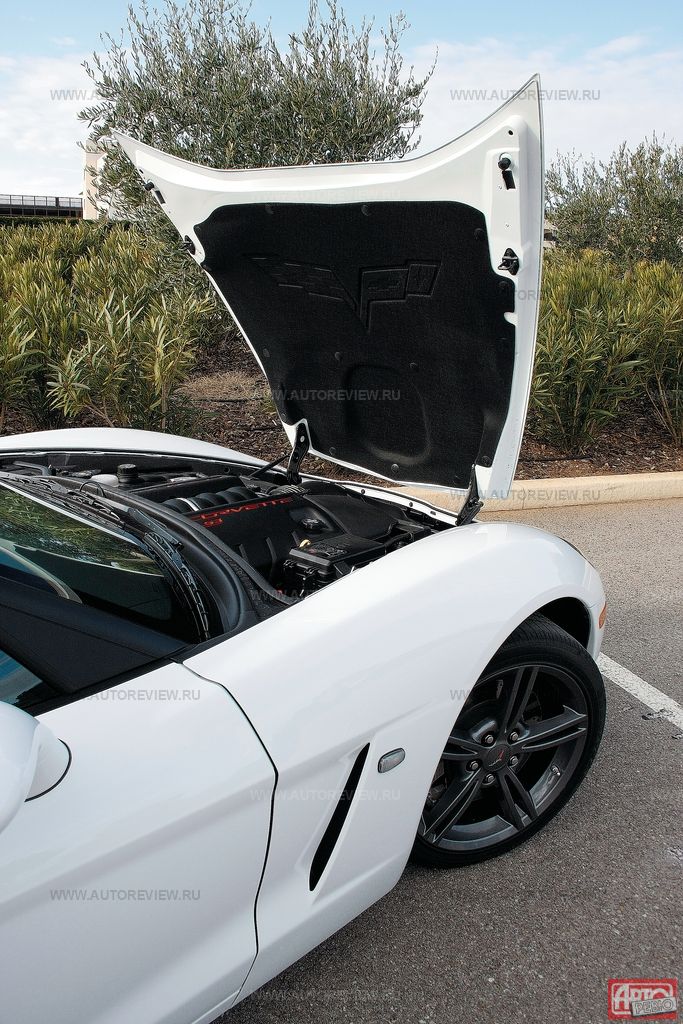 | |||||||||||||||||||||||||||||||||||||||||||||||||||||||||||||||||||||||||||||||||||||||||||||||||||||||||||||||||||||||
| The aerodynamic apron under the front bumper scrapes even on low French speed bumps | The light plastic hood opens forward | |||||||||||||||||||||||||||||||||||||||||||||||||||||||||||||||||||||||||||||||||||||||||||||||||||||||||||||||||||||||
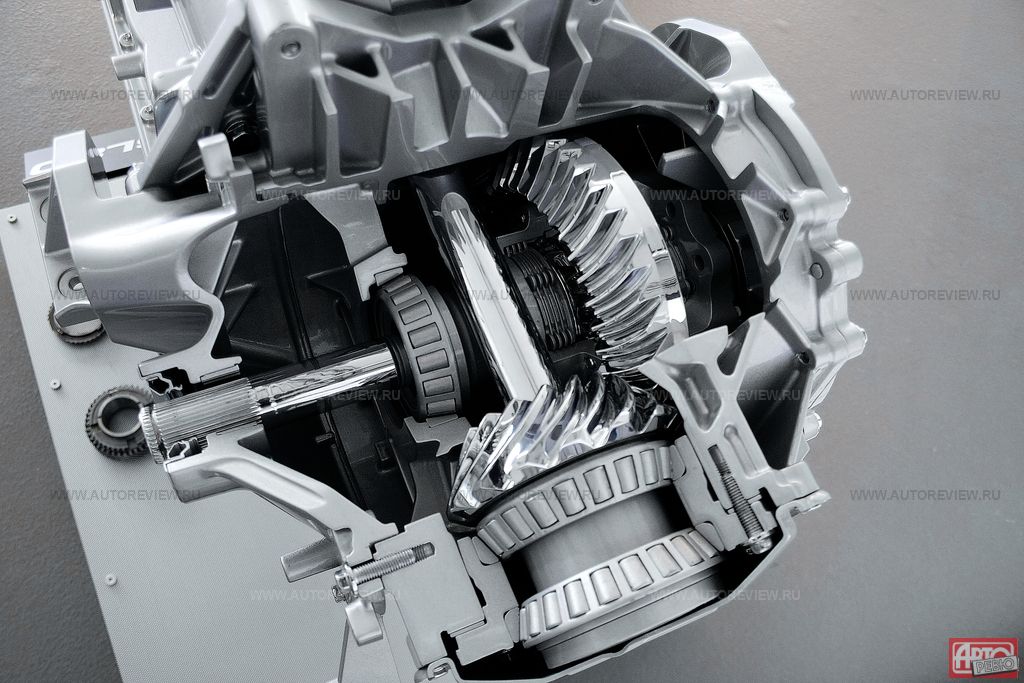 | ||||||||||||||||||||||||||||||||||||||||||||||||||||||||||||||||||||||||||||||||||||||||||||||||||||||||||||||||||||||||
| The Tremec T56 gearbox has a common housing with the clutch and final drive with a limited-slip differential. The dimensions of the parts are impressive... | ||||||||||||||||||||||||||||||||||||||||||||||||||||||||||||||||||||||||||||||||||||||||||||||||||||||||||||||||||||||||
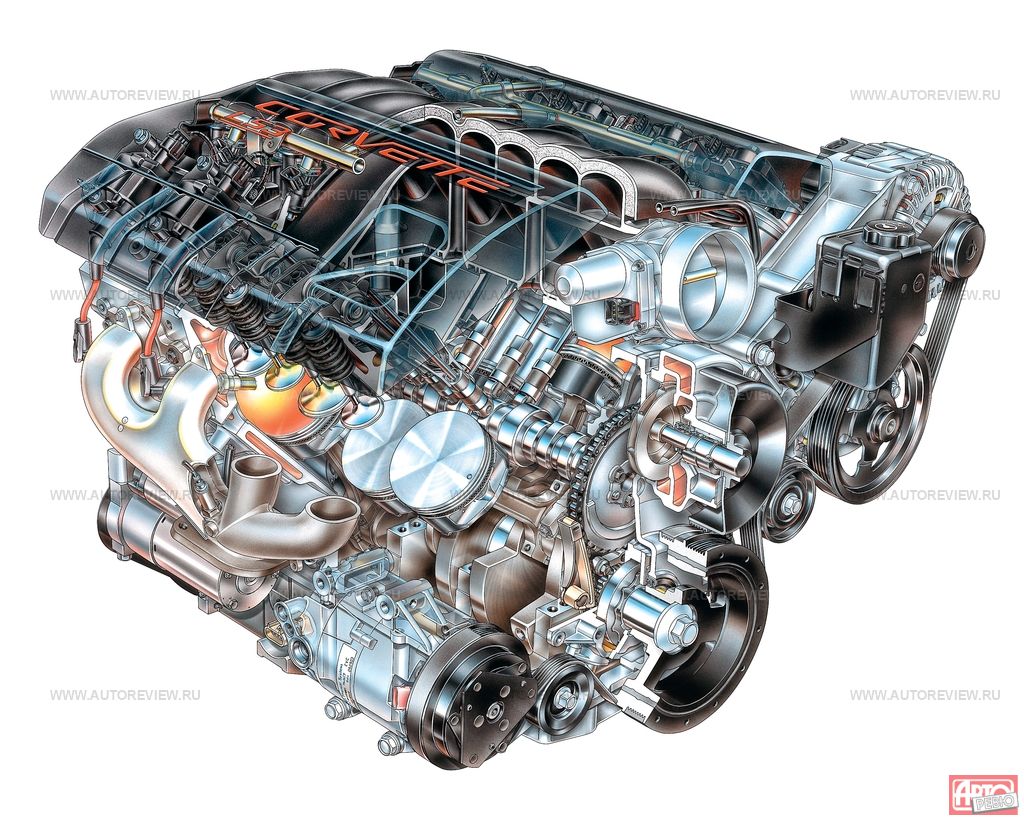 | 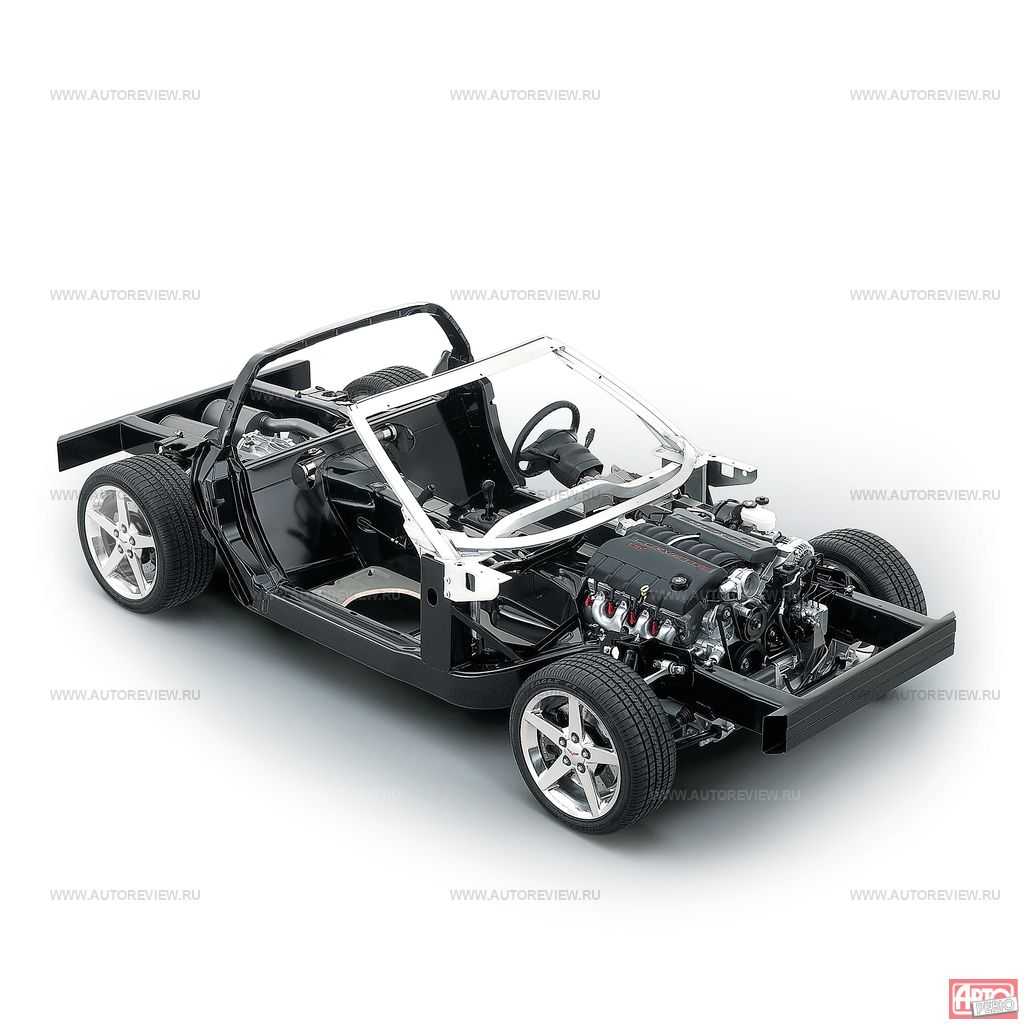 | |||||||||||||||||||||||||||||||||||||||||||||||||||||||||||||||||||||||||||||||||||||||||||||||||||||||||||||||||||||||
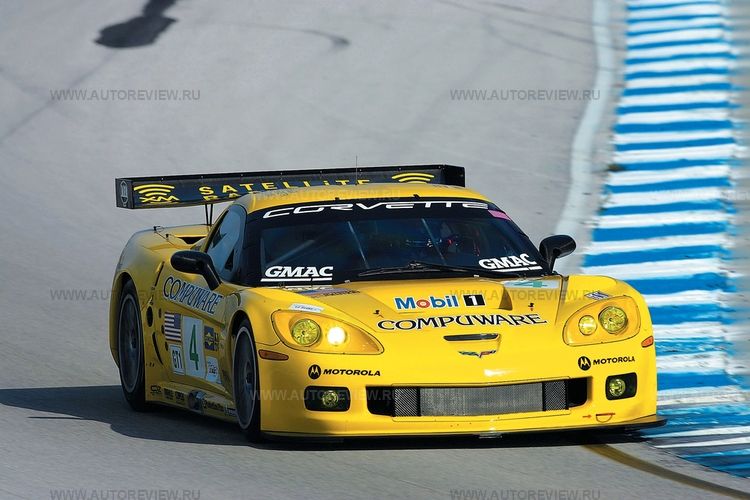
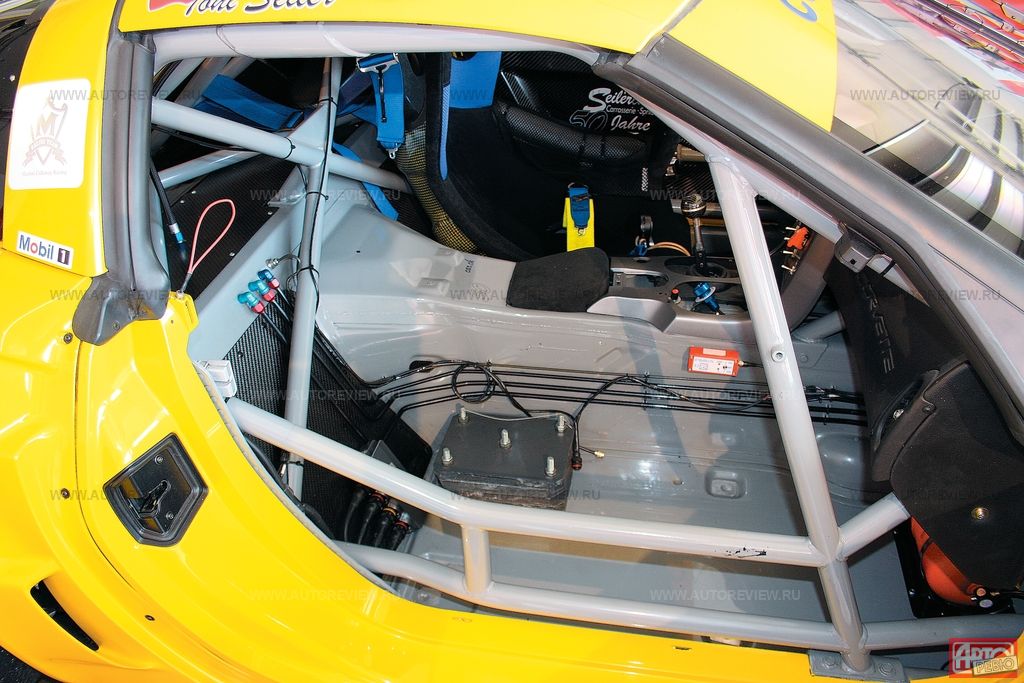
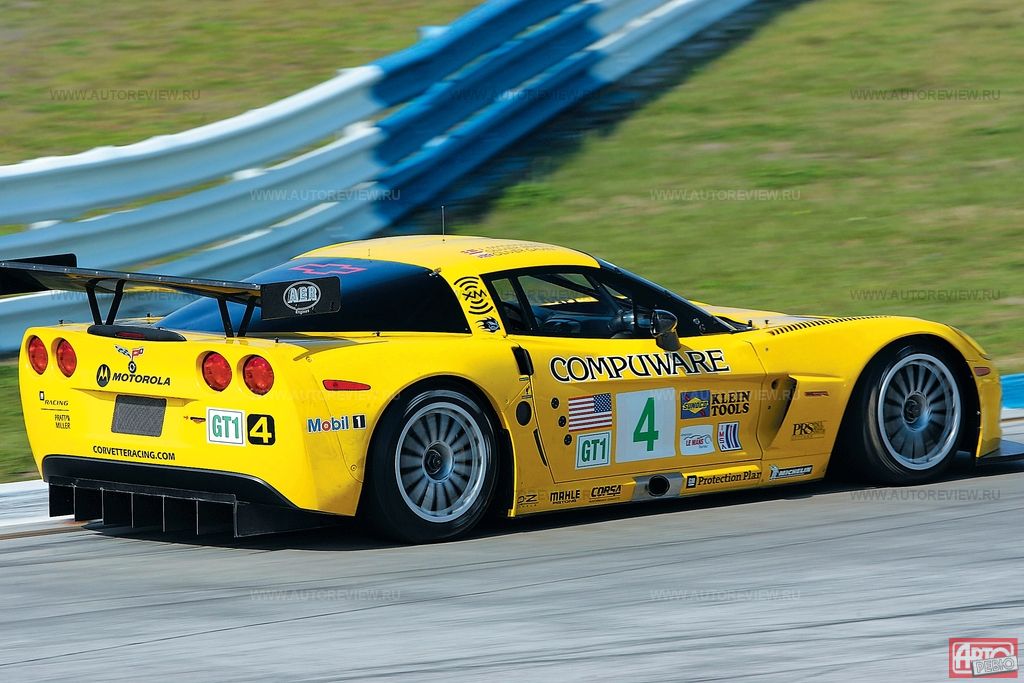
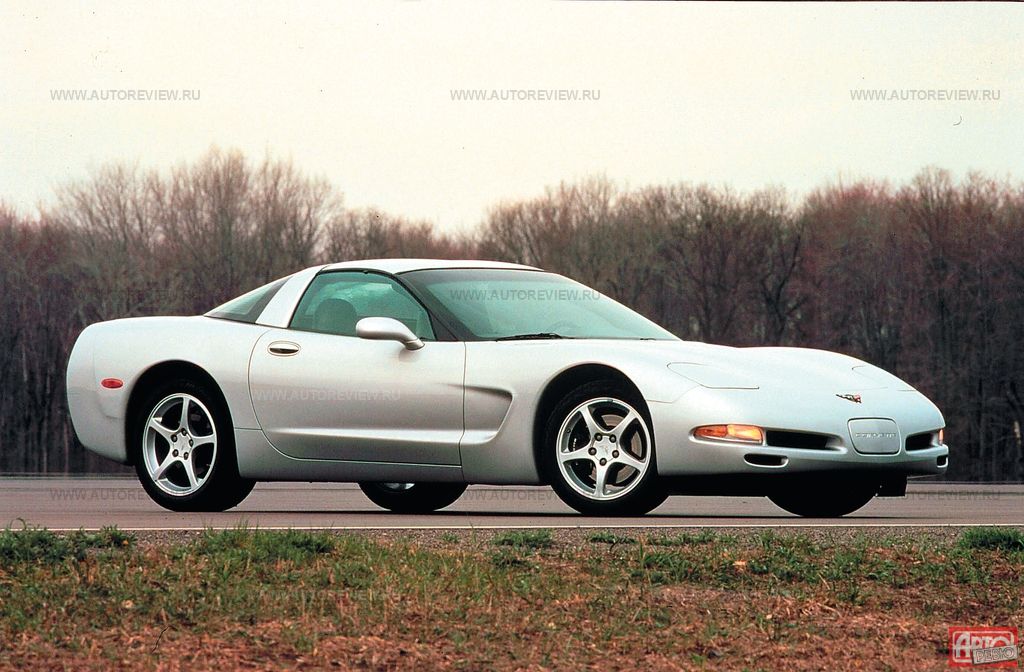
| The new LS3 engine added two hundred "cubes" compared to the previous LS2. Now, from 6.2 liters of displacement in European specification, 437 hp is produced, and torque reaches 585 Nm. For comparison, the Porsche 911 Turbo is only 5 percent more powerful, and in torque it wins by less than 100 Nm. The Corvette small block with a lower camshaft and two valves per cylinder revs only up to 5900 rpm. Among the updates to the V-8 are larger intake valves and ports, a camshaft with higher intake lobes, and a tuned intake manifold with additional sound insulation | The body frame is mostly steel, made of hydroformed elements. The main structural unit is the central tunnel, inside which the transmission tube runs. The windshield frame and the crossmember under it are aluminum, and the floor is a sandwich of steel and balsa. But the clever design with plastic panels did not make the Corvette lighter than the rear-engined Porsche 911 Carrera S — the "American" is 40 kilograms heavier. The "winged" metal is also used in the double-wishbone suspension, where, as befits a Corvette, the upper arms are short, and transverse composite leaf springs rest on the lower ones. For an extra charge, adaptive magnetorheological dampers are offered — this is the Magnetic Selective Ride Control system. The six-speed automatic transmission, even with its updated program, doesn't measure up to the best European counterparts: it lacks adaptive logic, and even in "Sport" mode it sometimes hesitates. Manual shifting via paddle shifters is convenient: push away — upshift, pull toward you — downshift. The turning point came in 1997 with the fifth-generation Corvette. The layout became transaxle: the Tremec gearbox moved to the rear and connects to the engine via a sturdy torque tube housing the driveshaft. Only the body panels remained plastic, while the core of the structure became a steel "trough" made of hydroformed parts. The sixth, more compact Corvette is essentially an evolution of the fifth. And the chassis seems so successful that in a couple of years it will underpin the seventh generation. The European Corvette differs from the American one only in that it's sold under its own brand, not as a Chevrolet. Brakes, suspension, and gear ratios match the Z51 Performance and Handling package. So the new car inherited the high central tunnel that keeps nudging my right elbow. Beneath it hides a huge six-speed gearbox the size of an engine from a Zhiguli. Not every gear can handle 585 Nm, so they're about 120 millimeters in diameter. The synchronizers match, and the clutch has a heavy pedal. But the feedback is top-notch. It's immediately clear: relaxing behind the wheel won't be possible, especially on the Paul Ricard circuit. I pull away from idle and quickly realize: the Corvette can't drive slowly. The clutch feels like it has no damper — no matter how smoothly you try to shift, the car still jerks. You need to be rougher with it: dump the clutch, slam the gears, and stomp the gas. Then the exhaust comes alive at the rear, and its source at the front. The nostalgic blend of eight-cylinder burble with valve clatter, like a Moskvich, comes from an ancient engine with a pushrod valvetrain. Naturally, two valves per cylinder, and the intake ones are 55 millimeters in diameter! America… Still, I hardly doubt the Corvette accelerates to 100 km/h in 4.4 seconds, or reaches a top speed of 306 km/h. What a beast! Even on tall gears, the engine pulls willingly from a thousand rpm, and after two thousand it fully wakes up. Accelerating on sixth from 80 km/h at 1200 rpm? Easy. But the closer the needle gets to the 6600 rpm limit, the more unruly the 437 "horses" become. The brakes, which initially felt stiff, turned out to be perfectly clear and stable on the track. I don't need stickier tires — the Goodyear Eagle F1 GS grips so well that in a fast corner at 180 km/h the lateral G-meter reads 1.2 g. And no other suspension is needed — let skeptics say GM clings to transverse plastic leaf springs only to save money (the racing C6.R runs on conventional springs). No body roll, no unexpected steering corrections. Touch the wheel — and you turn exactly where you intended. It's no wonder the Americans recalibrated the steering this year and strengthened its shaft. The wheel, like other controls, is heavy, but clearer than ever. Only on the fastest arc does understeer have to be caught by tire squeal and deviation from the line — the reactive force near zero is a bit lacking. But still great. Only one thing really bothered me — the ballast on the right in the form of an instructor: he never let me disable the stability control or at least switch it to "race" mode. He said yesterday your colleagues already wrecked two cars. And he said I can only press the gas if the wheel is straight… Or maybe the Corvette "in its pure form" behaves terribly? Why does the stability system (here it's called Active Handling, by the way) "strangle" the engine during a sharp shift, say, into fourth? In sharp corners, no matter how much you floor it — you won't even get a hint of oversteer… Oh, I should have experimented with stability off on the mountain roads on the way to the track! But my grudge against the instructor subsided, and I stuck to my opinion: even the hobbled Corvette was fast. A strong and cohesive character. Then there was the open Corvette, with an automatic. The chassis "breathed," the steering column shook, the mirrors on the doors vibrated — and even the pyramids of plastic fenders rising above the hood played behind the windshield. The ride comfort of the closed version is already poor, but the convertible is not only stiff but also loose. And it steers less precisely. The uninsulated fabric top of the convertible folds away in 18 seconds. After that, you're left alone with the elements — there's no wind deflector, and even with windows up, vortices start swirling in the cabin at 60 km/h. Good thing they don't become too hostile up to 150 km/h. The electric roof drive works only when the car is stationary. Before stowing the top, you must manually unclip it from the windshield frame. Behind the seats of the convertible are compartments for small items. The drag coefficient Cx of the Corvette is 0.28 — no worse than the Porsche 911. But in terms of trunk volume, the two-seat Corvette easily beats the Porsche with its 2+2 seating: 634 liters versus 105 liters. Additionally, the American coupe has two spacious "underfloor" bins. Door locks are electromechanical: there are no conventional handles. To exit, you press a round button on the armrest. Doors can also be opened via a cable from the trunk or a backup handle on the floor near the seat. The Corvette coupe is essentially a targa with a removable roof, optionally with a transparent plastic panel. After unclipping three latches, you can remove it and carry it to the trunk — the roof is so light that one person can handle removal and installation.
The updated six-speed automatic GM Hydra-Matic also didn't impress. Except that the symmetrical paddle shifters behind the wheel, seemingly copied from BMW, are pleasing to the eye, though they work on reverse logic — downshifting occurs when you pull toward you. But in Drive mode, they're inactive. And the sport mode disappoints: the transmission doesn't use engine braking. At least shifts are smooth and prompt. According to engineers, the current Corvette with automatic is the fastest in the model's history. Perhaps that's why half of buyers prefer the automatic.
Now, if we talk about comparison with Porsche… In its homeland, the Corvette C6 costs only $45,000 — one and a half times cheaper than the Porsche 911 Carrera with a 315-hp engine. The flagship naturally aspirated rear-wheel-drive Porsche 911 GT3, producing 415 hp, is priced at $106,000! Now it's clear why Americans buy about 35,000 Corvettes annually? In Europe, dealers dream of at least 1,500 coupes a year. And the Porsche 911 on its home turf is only 20,000 euros more expensive: in Germany, it costs 81,000 euros versus 59,900 euros for the Corvette — and that's only due to the record-weak dollar.
The situation is unlikely to change even if the Corvette finally officially appears in Russia, although no decision has been made yet. After all, for the sake of a hundred cars sold a year, you'd have to build a separate dealer and service infrastructure, separating the sports legend from the Chevrolet brand, which has completely become mass-market. Who now remembers that Louis Chevrolet was a racer… In Europe and Japan, they took exactly that path: the American coupe is sold under the independent Corvette brand, usually in showrooms alongside Cadillac.
But I really want the Corvette to reach Russia. Then we'll definitely get out to a proving ground, and nothing will stop us from switching the stability control to "Competitive Mode." And then it will become clear whether there's any point in overpaying for the refined Porsche 911 when there's the Corvette — a healthy alternative of coarse grind.
Legendary carIgor VLADIMIRSKY
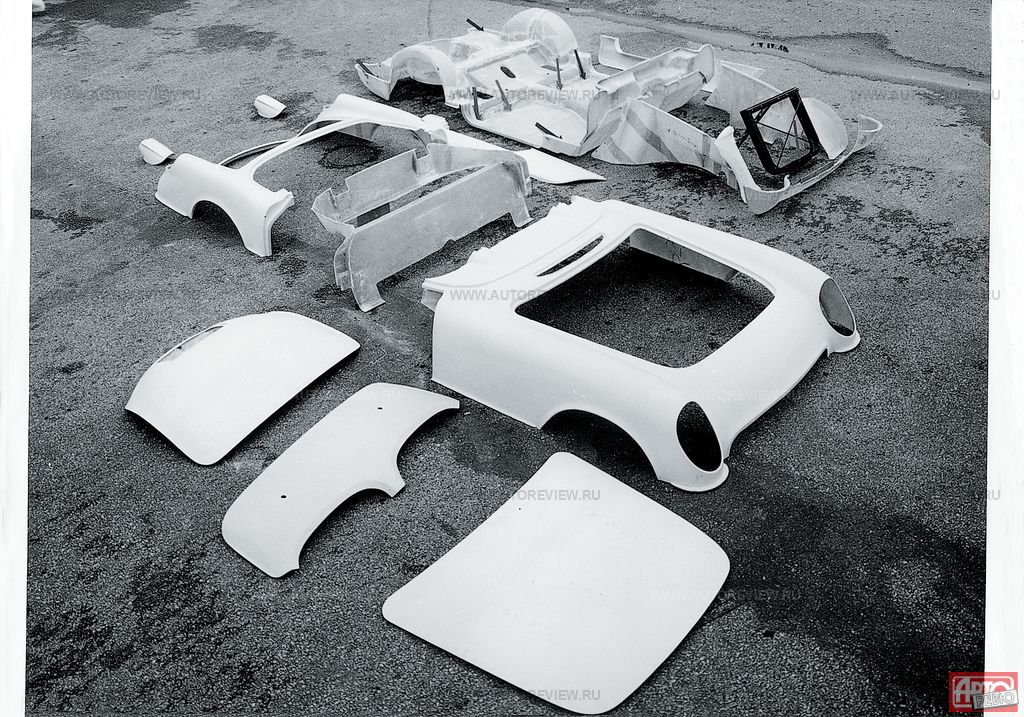
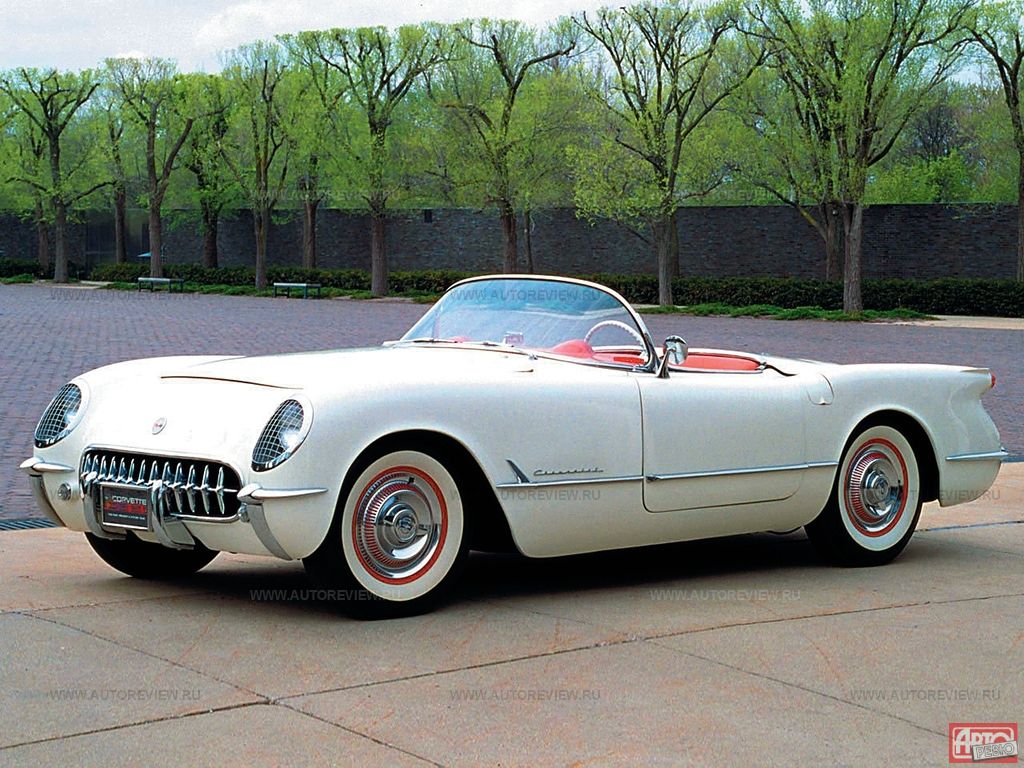
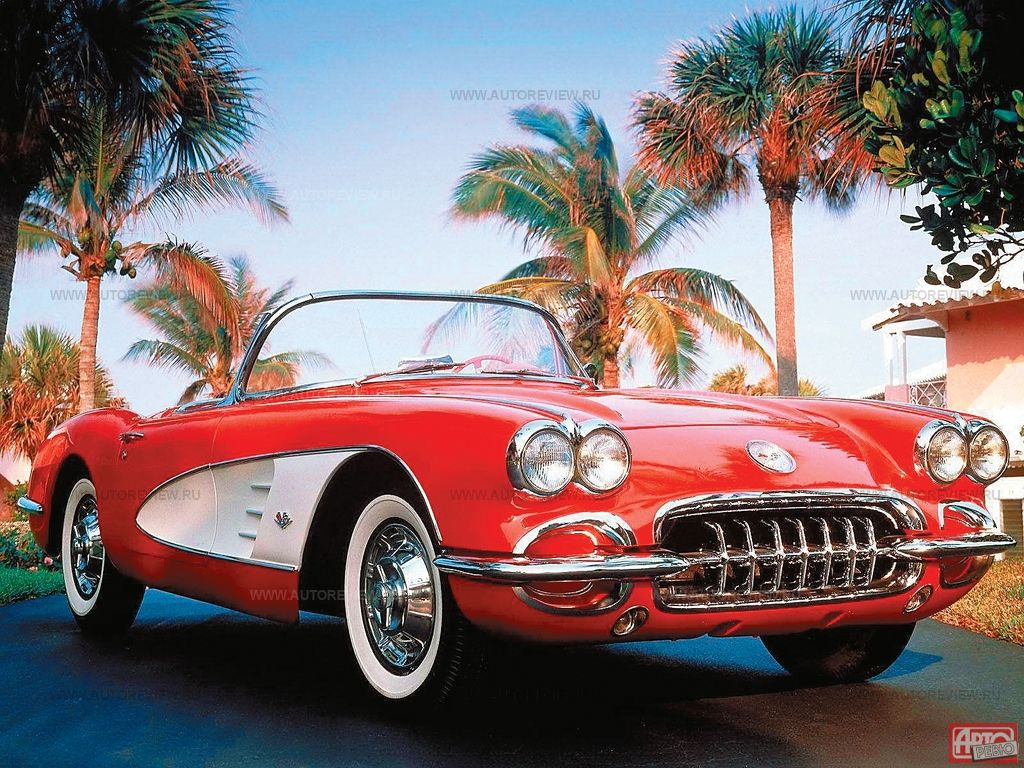
The Chevrolet Corvette debuted in 1953 at the Motorama traveling exhibition. This was General Motors' response to European manufacturers of light sports cars that had reached the American market by the late 1940s. The open two-seater featured a fiberglass body and was initially painted exclusively in white. Under the hood was an inline six-cylinder Blue Flame engine (3.9 L, 150 hp), whose lineage dates back to 1929. It was paired with a two-speed Powerglide automatic transmission. The American public received the Corvette rather coolly. However, the Ford Thunderbird, which appeared two years later, was embraced with enthusiasm: Ford was more powerful, even though it had a manual (in those years, such gearboxes were not yet considered an anachronism in the US). The Corvette was nearly scrapped, but it was saved by Zora Arkus-Duntov, a Russian-born engineer and racing driver. In 1955, he installed the latest V8 Small Block with a displacement of 4.3 L (195 hp) in the Corvette, and later a three-speed manual. Soon the car was updated, and the signature indentations on the body sides appeared. Sales began to rise.
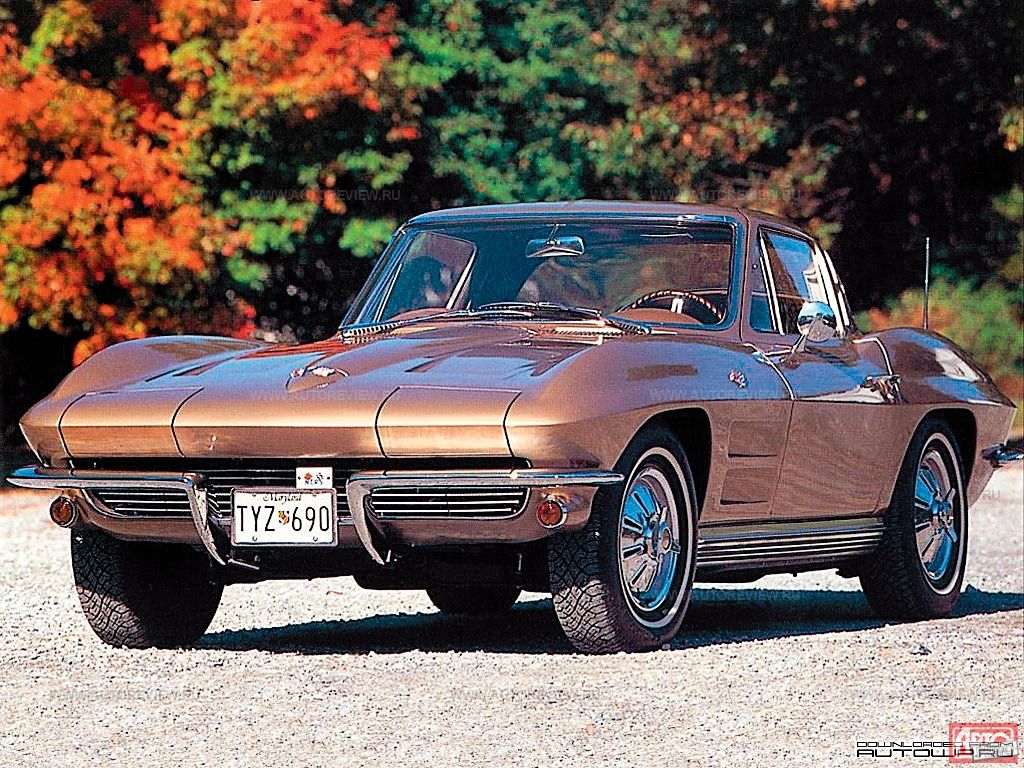
In 1957, the Corvette stopped relying solely on carburetors — a 4.6-liter engine producing 250 horsepower appeared under the hood, paired with a mechanical fuel injection system from GM-Rochester. At the same time, a four-speed manual transmission was added to the lineup. Five years later, in 1962, a 5.4-liter unit was installed: in carbureted form it developed the same 250 hp, but with injection it already produced 360. In the same 1962, the first attempt was made to turn the Corvette into a factory-supported racing car. Under the leadership of Zora Arkus-Duntov, five lightweight Corvette Grand Sport cars were built, but GM management did not give the go-ahead to this initiative, so Corvettes still had to take to the tracks only under the flags of private teams. The second generation of the Corvette appeared in 1963 and received its own name Sting Ray. Larry Shinoda worked on the design, proposing to split the rear window in half, but a year later this idea was abandoned — they returned to a single panel for better rear visibility. For the first time, the coupe body became standard, and the rear dependent spring suspension gave way to an independent one with a transverse leaf spring — a scheme that has survived to this day. The 5.4-liter engine was inherited from its predecessor, and in 1965 the famous Big Block appeared — a V8 with a displacement of 6.5 liters (425 hp), replacing the “small block” with its finicky mechanical injection. A year later, the displacement grew to seven liters, and in 1967 three two-barrel carburetors were installed on the engine, raising output to 435 hp. However, very few such cars were produced.
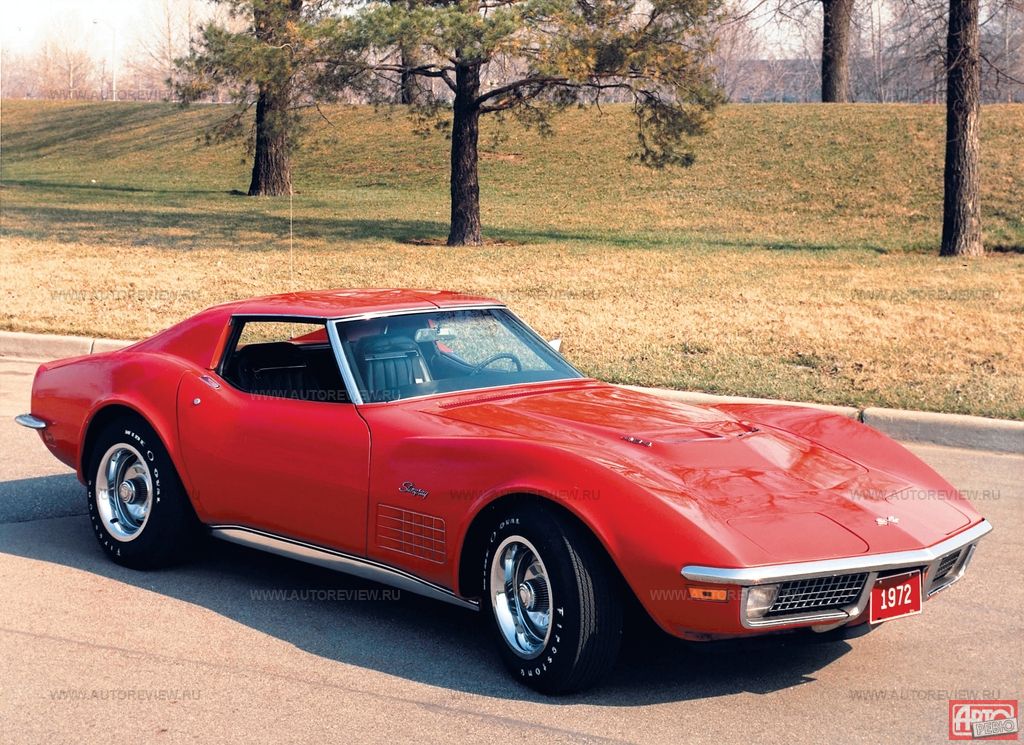
In 1968, the world saw the third-generation Corvette — again Stingray, but now written as one word. The design was conceived by Dave Holls, although the basis was the Mako Shark II concept of 1965, created by the same Larry Shinoda. The plastic body began to resemble a Coca-Cola bottle, and the coupe received removable roof panels. The engines initially remained the same, but they did not have long to live: in 1969, a new Small Block of 5.7 liters (300 hp) debuted, and a year later — a “big block” with a displacement of 7.4 liters, developing 390 hp. Special mention deserves the famous Corvette with the ZL1 engine, which was intended for racing. In 1969, only two such cars were sold, and they cost more than $10,000, while a regular Corvette could be had for less than $4,800. The aluminum cylinder block officially gave 430 hp, but racing versions easily revved up to 600 hp. Until recently, this modification remained the most powerful in Corvette history. In 1972, American manufacturers were required to indicate power with attached accessories, and the Corvette on paper sharply lost in numbers — the most powerful version with a 7.4-liter engine produced only 270 hp. And then the energy crisis struck, putting an end to the 'big blocks': from 1975, the Corvette was offered exclusively with 5.7-liter engines that developed a modest 165–205 hp. At the same time, for safety reasons, open versions disappeared from the assembly line. In the second half of the seventies, engine output began to rise again. In 1978, the Corvette was first chosen as the pace car for the Indianapolis 500 race, and in honor of this, a limited series Indy 500 Pace Car was released. And in 1982, fuel injection returned under the hood. The third generation turned out to be the most mass-produced — more than half a million cars were built. In 1983, Americans got acquainted with the next Corvette. Among the innovations — a rising rear window and a digital instrument panel. Under the hood, initially remained a pushrod V8 5.7 with 205 hp, but a year later it was replaced by a 230-horsepower unit of the same displacement. In 1986, production of roadsters resumed, and three years later, the Corvette acquired a six-speed manual transmission. The novelty of 1990 was the ZR1 modification with an aluminum overhead cam engine and four valves per cylinder — it was developed jointly with Lotus and produced at Mercury Marine. With a displacement of 5.7 liters, it produced 375 hp, and later — 405 hp. In the early nineties, General Motors was going through hard times, and part of the management was not enthusiastic about the prospect of spending on developing a fifth-generation sports car. Clouds gathered over the Corvette again, but in 1994, the project got the green light. The development was undertaken by engineer Dave Hill and designer John Cafaro. The fifth generation appeared in 1997, and its main feature was the transaxle layout with the gearbox shifted to the rear axle. First came the version with a liftgate rear window, then a roadster, and in 1999, the lineup was supplemented by a closed two-door. The 5.7-liter engine developed 345 hp, and in 2001, the Z06 version with a 385-horsepower engine appeared. Finally, in 2005, the sixth generation debuted, which is still produced today, and the C6.R version continues to defend the brand's honor in circuit racing. | |||||||||||||||||||||||||||||||||||||||||||||||||||||||||||||||||||||||||||||||||||||||||||||||||||||||||||||||||||||||