
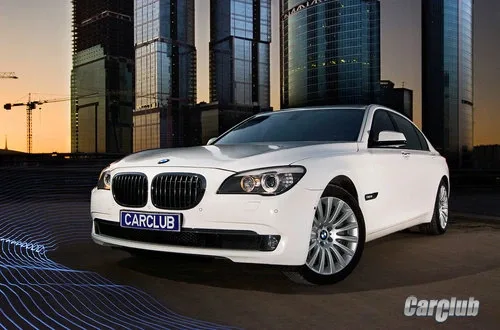
 Almost three decades ago, the BMW 7-Series debuted, quickly becoming the benchmark for premium sedans — with impeccable aesthetics, respectability, and advanced engineering solutions. That very first "seven," known by the nickname "shark," was built on the platform of the magnificent 6-Series coupe, introduced in 1976.Comments (37)
The appearance of the first "seven" was crafted by BMW's chief designer Paul Bracq. Even the base version 728 could boast speed-sensitive power steering, dual-circuit brakes with diagonal split, ventilated front discs, a fresh brake booster, and a whole range of other solutions. The spacious cabin, imposing looks, powerful engines, and precise handling quickly made the "seven" a market hit. Then came the E32 generation and the magnificent E38, which stayed on the assembly line until 2001. Over its long history, the model gained its own character and a devoted fan base. And in 2001, the "revolutionary" Chris Bangle gave the world the BMW 7-Series with the index E65. For almost eight years, this car sparked debate: it split the automotive community into those who embraced the brand's new style and those who couldn't stomach it. The 2005 facelift came in handy — the ranks of skeptics noticeably thinned.
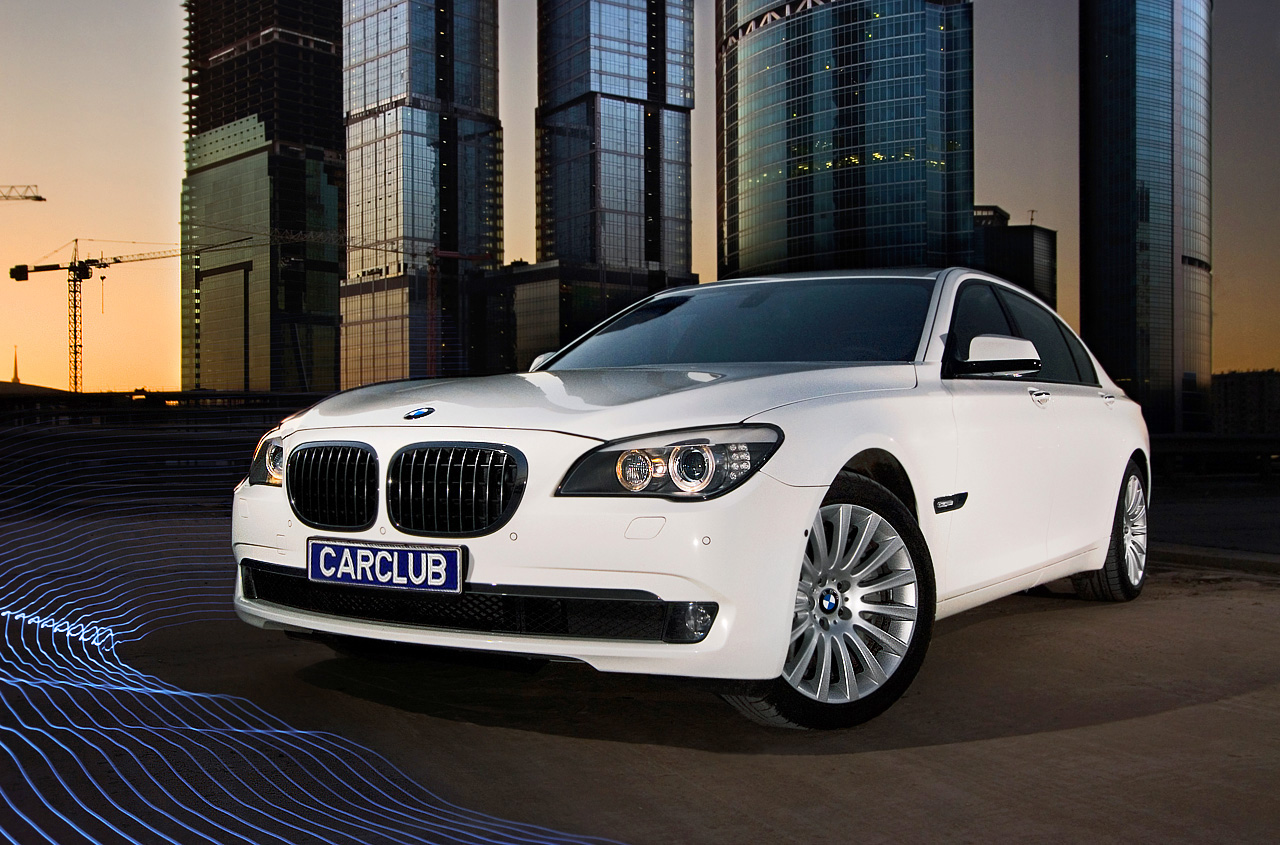 |
| The new BMW 7-Series of 2008 received the index F01 (long-wheelbase version — F02). The design is not "from scratch," but rather a work on mistakes — and what a successful one! |
The new "seven" released in 2008 got a fresh index F01 (long-wheelbase version — F02). Moreover, the car's appearance is not a revolution but meticulous work on mistakes, and the result is impressive. The huge signature "kidneys" of the radiator grille, squinted headlights, sculpted silhouette, and a clear beltline — the car gained a new character. Yes, it's no longer the restrained look of "pre-Bangle" times, but how much more expressive the new "seven" is compared to its predecessor! That's for sure.
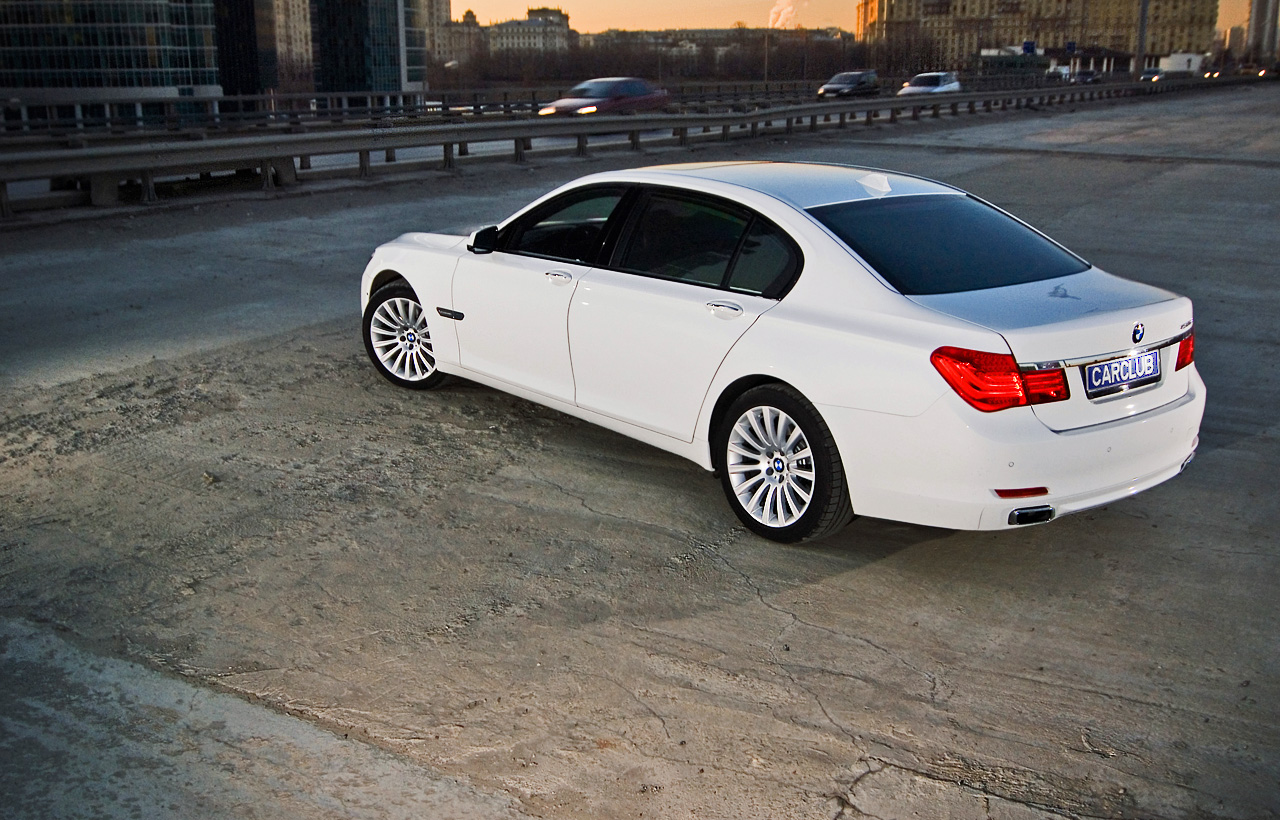 |
| The most affordable option — BMW 730d with a 245-horsepower 3.0-liter diesel V6 — costs 4,180,400 rubles. The BMW 750Li starts at 5,476,800 rubles. |
Inside, the changes are even more radical. The center console is finally turned toward the driver. The automatic gear selector has returned to its rightful place — between the front seats. Because of this, the iDrive dial moved closer to the passenger, but it didn't affect convenience. Around the controller are quick-access buttons for audio, navigation, and other systems. The iDrive itself has become noticeably simpler and more logical: you now control the climate with regular buttons on the console, not by wandering through menus in search of the desired option. The controller just needs to be rotated and pressed, and it tilts in only four directions instead of the previous eight. A "back" button also appeared — like in Audi's MMI system.
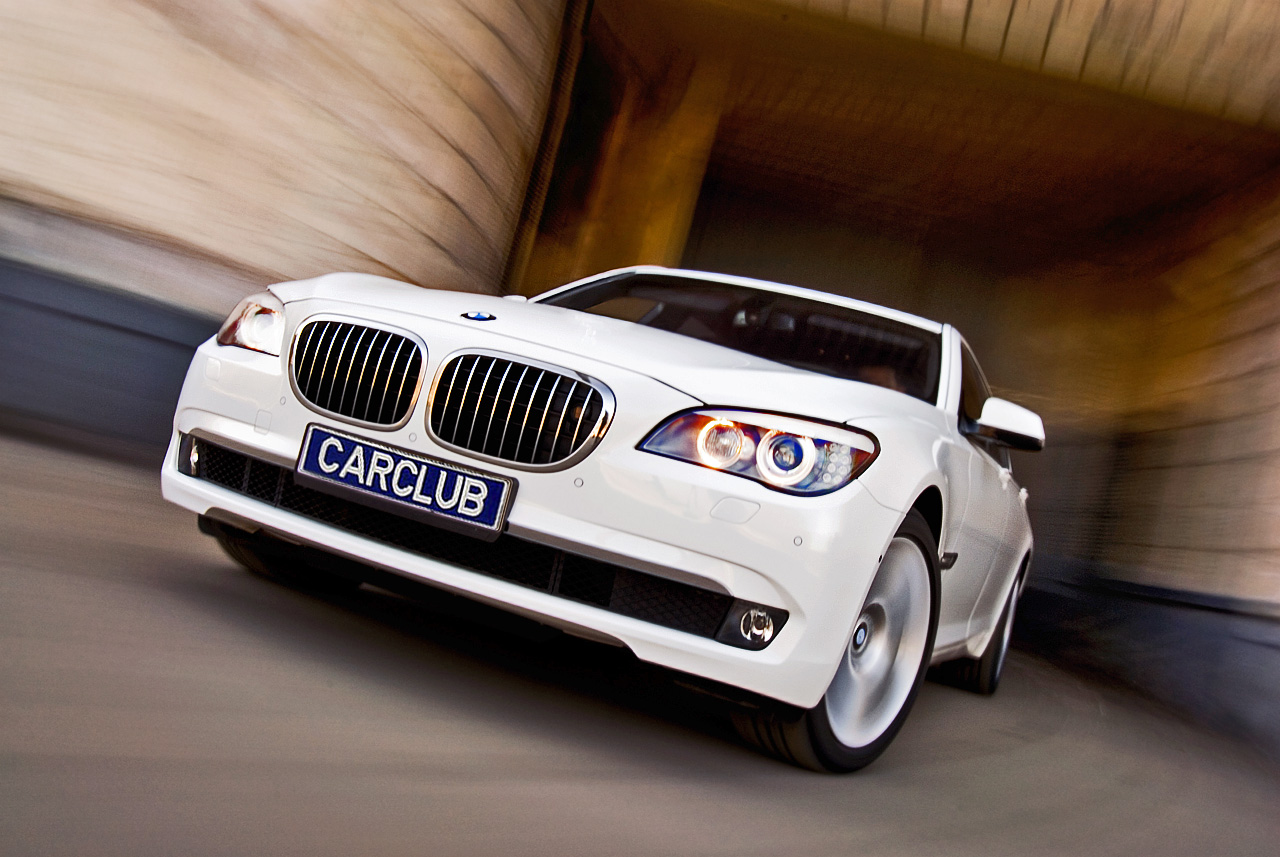 |
| The test BMW 750Li was equipped with optional Integral Active Steering: it changes the steering ratio depending on speed, turns the front wheels, and deflects the rear wheels by up to 3 degrees. |
The "seven's" interior is at the level of luxury class: expensive materials, first-class leather, soft plastic. Although the interior of the Mercedes S-Class, where there is hardly more wood than everything else, looks more luxurious. But BMW has impeccable ergonomics and a wealth of front seat adjustments — up to separate adjustment of the upper backrest and side support.
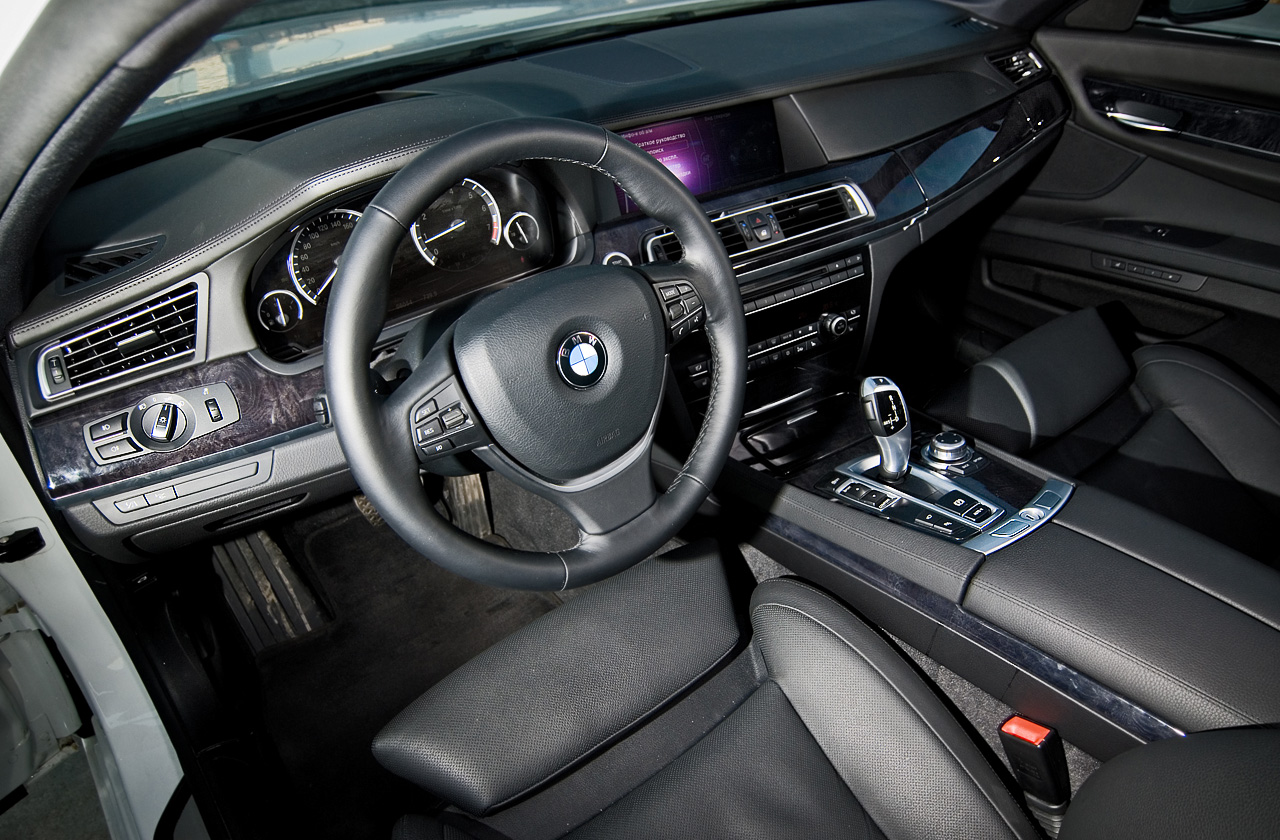 |
| The interior has been radically updated. The center console is again turned toward the driver. The automatic gear selector has returned between the front seats, and the iDrive dial has moved closer to the passenger without losing convenience. |
The long-wheelbase version has a wheelbase of 3210 mm (the extended Mercedes S-Class has 3165 mm). So the "boss" in the back has plenty of room. The door locks in any position. The rear seats are perhaps the best in class: they can be moved longitudinally, the upper backrest angle can be changed, and lumbar support can be adjusted. For 133 thousand rubles, an entertainment complex with two monitors in the front seats and a separate DVD player is offered. The massage function in the backrests of the rear seats costs 38 thousand. Another 97 thousand — and additional climate control with two air ducts in the ceiling appears in the back, but you'll have to sacrifice part of the trunk volume. About 100 thousand costs heating and ventilation for all seats. And instead of a thick paper manual, BMW "sewed" an interactive guide right into iDrive.
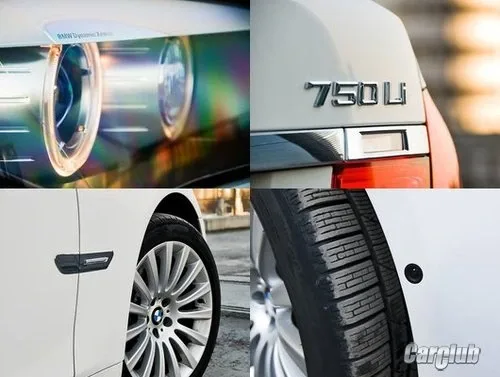 |
| For 9 thousand rubles, you can order a high-beam control system: it automatically switches the headlights to low beam when an oncoming car approaches or a vehicle ahead is detected. Another nice detail — video cameras on the sides of the front bumper: with them, it's easy to pull out of a "blind" courtyard by sticking your nose around the corner. |
Now to the main thing. The test BMW 750Li had a 4.4-liter "eight" with twin turbocharging, producing 407 hp, paired with a six-speed automatic. The peak torque of 600 Nm is available in a wide range from 1750 to 4500 rpm, so acceleration is smooth from the very bottom. You press the gas to the floor — and even on dry asphalt, the stability control indicator doesn't stop blinking, preventing the rear wheels from spinning. The gearbox shifts its six gears smoothly and timely. If the driver prefers to control everything himself, you can switch to manual mode and click through gears by rocking the selector left and right.
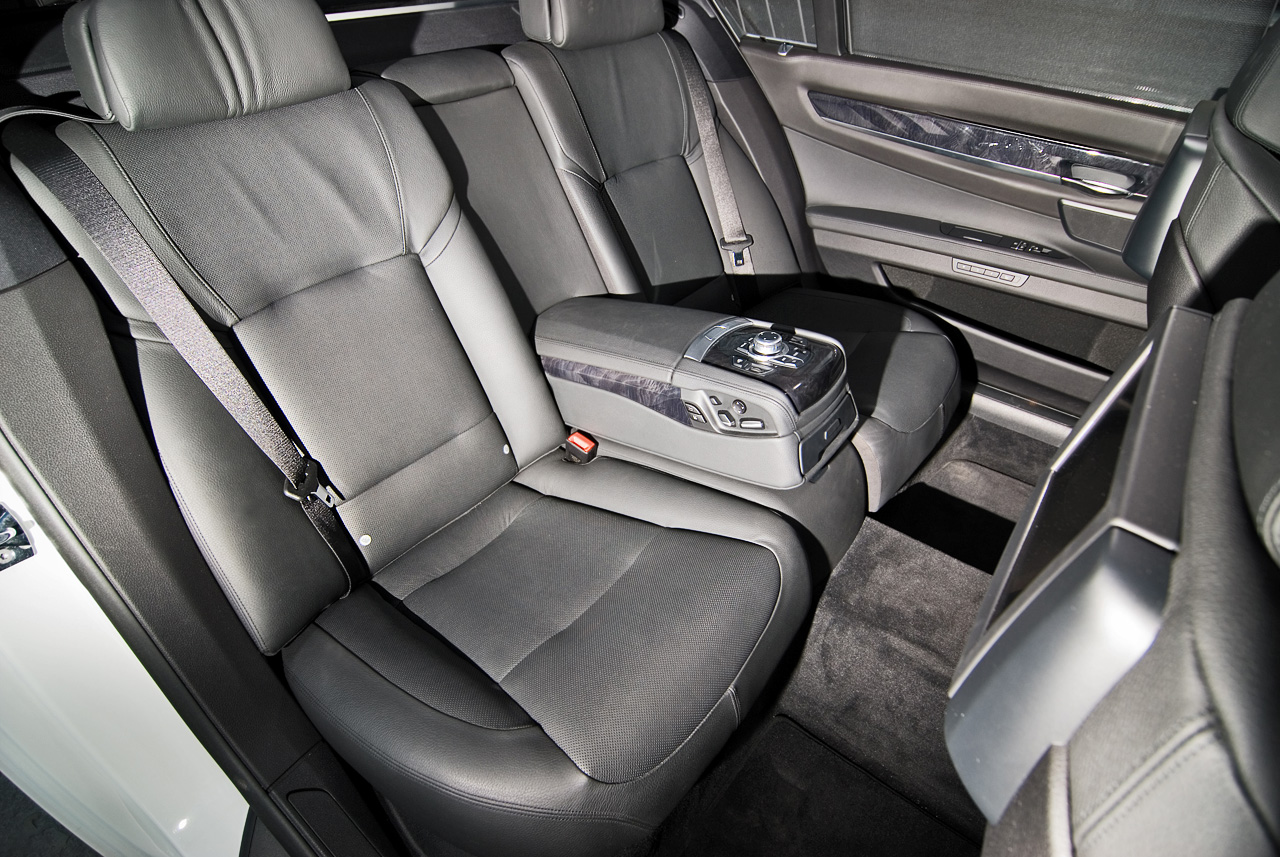 |
| The wheelbase of the extended version is 3210 mm, so rear passengers have plenty of space. The door locks in any position. The rear seats are perhaps the best in class: longitudinal adjustment, backrest tilt, lumbar support. Optionally — an entertainment system with two monitors and a DVD player, as well as massage. |
The reserve of thrust of the 407-horsepower engine is more than enough. Such dynamics are sufficient for confident overtaking at any speed. On the highway, the almost two-ton sedan stands as if glued, and the steering wheel requires no correction at all.
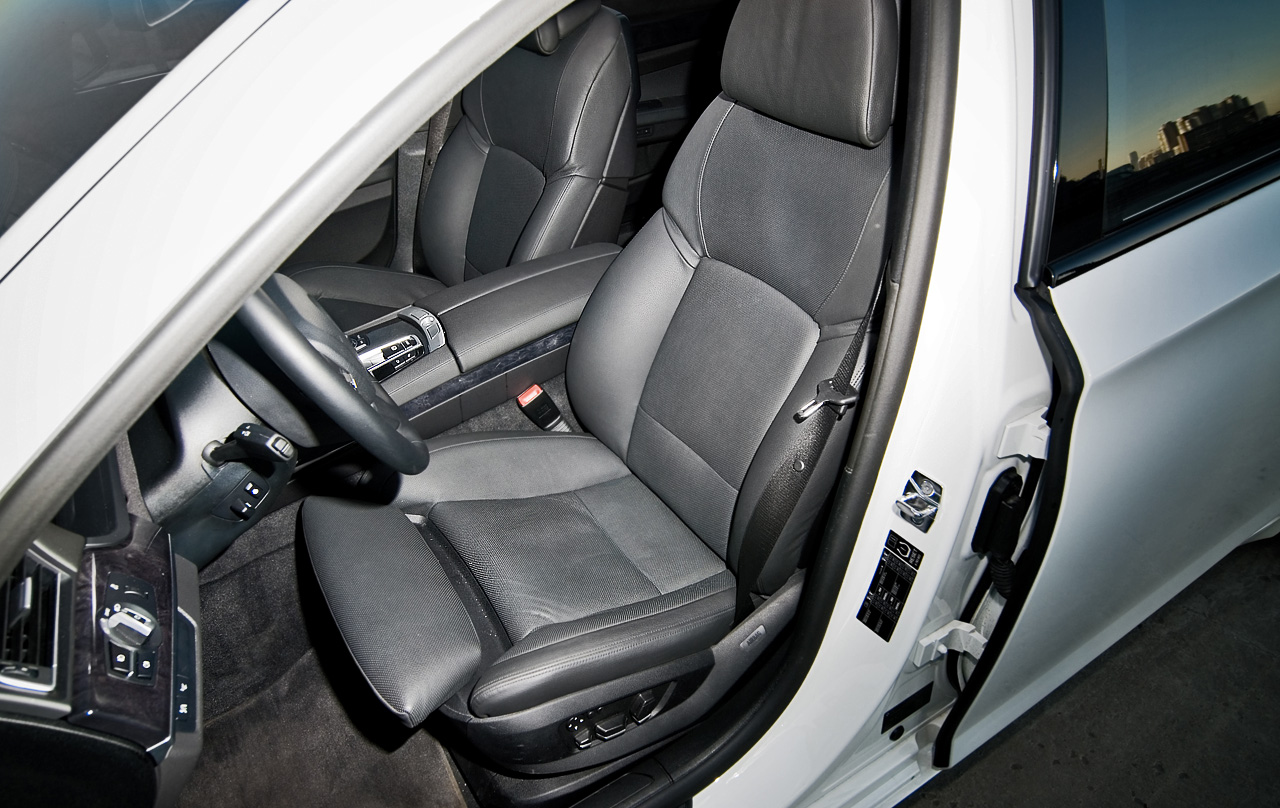 |
| The interior of the "seven" fully corresponds to luxury status: expensive materials, first-class leather, pliable plastic, thoughtful ergonomics, and many adjustments for the front seats, up to separate adjustment of the upper backrest and side support. |
To increase the wheelbase without sacrificing maneuverability, engineers abandoned McPherson struts in favor of a classic double-wishbone suspension — the same as the Mercedes S-Class and Audi A8. The test BMW 750Li had the optional Integral Active Steering system (119 thousand rubles). It not only adjusts the steering ratio depending on speed and steers the front wheels, but also can deflect the rear wheels by up to 3 degrees. At first, you don't get used to this system right away: you expect a sluggish reaction from a heavy sedan when entering a corner, but as soon as you touch the steering wheel, the rear axle so deftly guides the car into the arc, as if you're behind the wheel of a sports coupe. When you get used to this logic, driving the BMW 7-Series becomes a real pleasure.
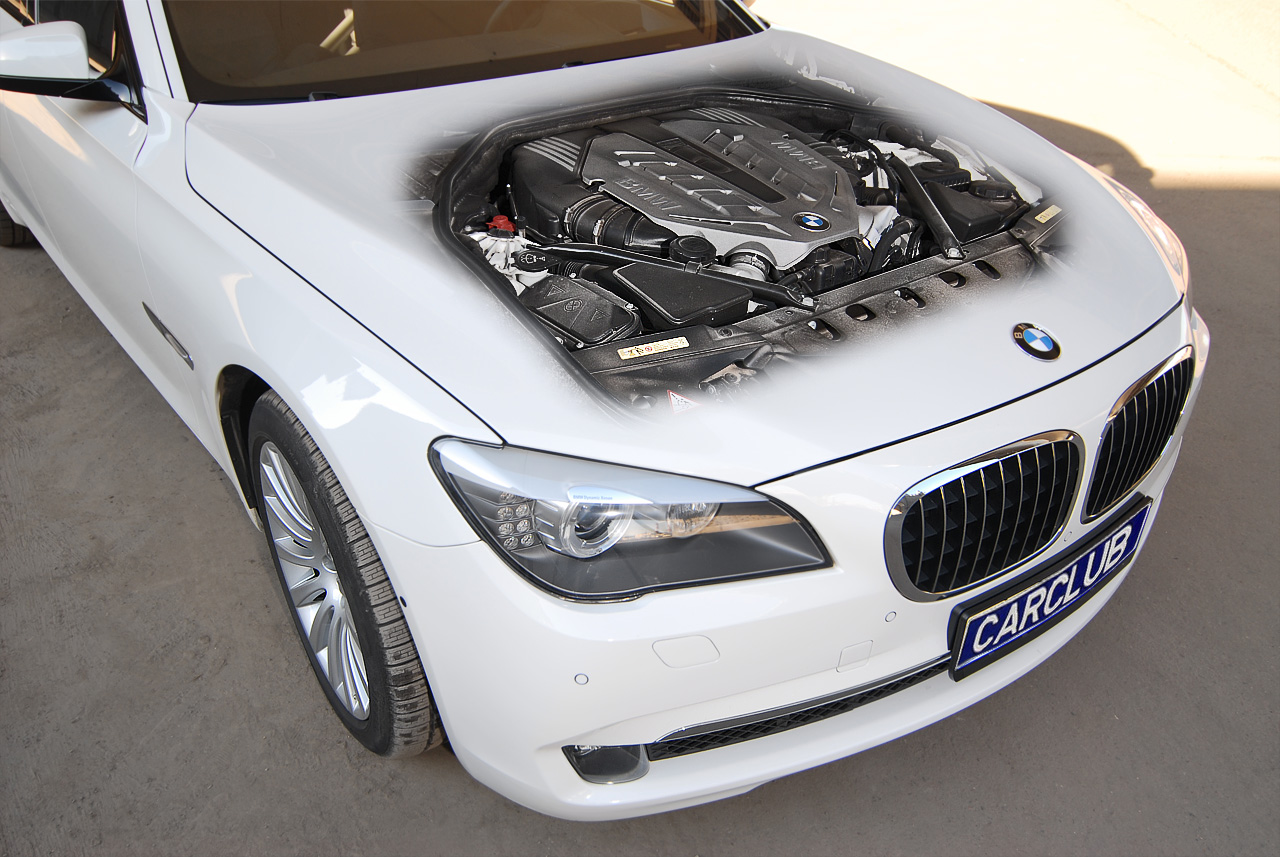 |
| Under the hood of the test BMW 750Li is a 4.4-liter gasoline "eight" with two turbochargers, producing 407 hp, paired with a six-speed automatic. The peak torque of 600 Nm is available in a wide range from 1750 to 4500 rpm, so acceleration is smooth and confident from the very bottom. |
Another option is the Dynamic Drive system (162 thousand rubles), which reduces body roll using electronically controlled stabilizers. Together with shock absorbers, where compression and rebound forces are adjusted separately, the "Seven" turns into almost a racing machine. We switch the suspension to "Comfort" mode: the button next to the automatic transmission selector sends commands via the new FlexRay bus to all BMW 7-Series systems, and the electronics loosen their grip. The five-meter sedan "softens," carries passengers smoothly and with dignity, gently rocking over speed bumps and uneven asphalt.
 |
| Rear passengers get their own iDrive and a separate climate control unit. For an extra charge, you can add another climate zone with two additional roof vents, but then the trunk volume will noticeably suffer. |
We skip Normal mode and choose Sport: the gearbox shifts down, responses sharpen, body roll disappears, but bumps from road imperfections start to transmit to the steering wheel. Inside the BMW, it's no longer about relaxation—the thrill of driving grows in inverse proportion to the comfort of rear passengers. You have to get used to the brakes: during hard deceleration, barely noticeable nose dives are felt—this is the transmission downshifting in sync with the brakes. Among the pleasant options, the head-up display with speed and navigation instructions stood out. Also available for an extra charge is a night vision system that recognizes a pedestrian in pitch darkness at a considerable distance. Another convenient little thing is video cameras on the sides of the front bumper. With their help, it's easy to exit an arch or a yard with poor visibility: just stick the car's nose out around the corner. For 9 thousand rubles, you can order an automatic high beam control system that switches the headlights to low beam when an oncoming or passing car is detected.
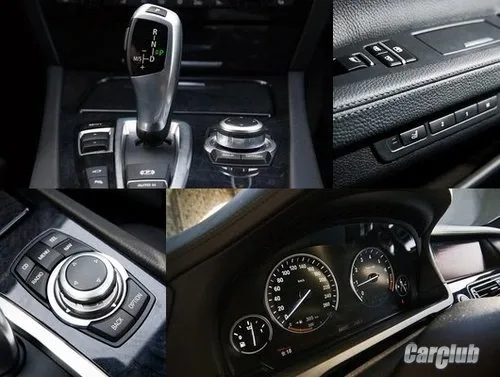 |
| In the new "Seven," the transmission selector has moved from the steering column to its usual place. Around the iDrive controller, convenient quick-access buttons for the audio system, navigation, and vehicle settings are placed. The iDrive itself has become noticeably simpler and clearer. In the dark, the instrument panel changes its white backlight to orange—a BMW classic. |
The new BMW 7-Series has definitely taken a step forward, and a serious one at that. The improvement is felt in everything—from the exterior to the road behavior. The base version BMW 730d with a 245-horsepower six-cylinder diesel engine of 3.0 liters costs from 4,180,400 rubles. The BMW 750Li starts at 5,476,800 rubles. The test car, packed with almost all available options, is priced at 7,790,846 rubles.
Ruslan Galimov